After a long day, comfortably resting in your bedroom is like retreating to the perfect oasis. It’s where you recharge and find peace. But if your bedroom doesn’t feel cozy, settling in might not come as easily. There’s a fix for that! With a few tweaks, you can turn your bedroom from simply a place to sleep into a place to relax and rejuvenate.
Start from scratch or opt for a complete refresh. These practical tips will help you create a bedroom that feels like the perfect place to say “ahh” after a long day.
.tasty-pins-banner-container{display:block;margin-bottom:20px;position:relative;width:-moz-fit-content;width:fit-content}.tasty-pins-banner-container a{cursor:pointer;display:flex;font-size:14px;font-weight:700;letter-spacing:1px;line-height:1.8em;text-transform:uppercase}.tasty-pins-banner-container a:hover{opacity:1}.tasty-pins-banner-container .tasty-pins-banner{align-items:center;bottom:0;cursor:pointer;display:flex;justify-content:center;left:0;padding-bottom:1em;padding-top:1em;position:absolute;right:0}.tasty-pins-banner-container .tasty-pins-banner svg{margin-right:4px;width:32px}.tasty-pins-banner-container .tasty-pins-banner span{margin-top:4px}.tasty-pins-banner-container a.tasty-pins-banner{text-decoration:none}.tasty-pins-banner-container a.tasty-pins-banner:hover{opacity:.8}.tasty-pins-banner-container a.tasty-pins-banner-image-link{flex-direction:column}.tasty-pins-banner-container a img{margin-bottom:0}.entry-content .wp-block-image .tasty-pins-banner-container img{margin-bottom:0;padding-bottom:0}#et-boc .et-l div .et_pb_image_wrap .tasty-pins-banner-container .tasty-pins-banner{padding-bottom:1em!important;padding-top:1em;text-decoration:none}#et-boc .et-l div .et_pb_image_wrap .tasty-pins-banner-container a.tasty-pins-banner{cursor:pointer;display:flex;font-size:14px;font-weight:700;line-height:1.8em;text-transform:uppercase}#et-boc .et-l div .et_pb_image_wrap .tasty-pins-banner-container a.tasty-pins-banner span{letter-spacing:2px;margin-top:4px}.et-db #et-boc .et-l .et_pb_module .tasty-pins-banner-container a:not(.wc-forward){padding-bottom:0}Photo by M&W Studios
Frame Your Space with Window Treatments
Windows can set the mood, and the right treatments can completely transform a basic, boring bedroom.
Curtains and Drapes: Heavy drapes in textures like velvet or linen add warmth and luxury. Sheer curtains make the space feel airy and romantic. If you’re looking for the best of both worlds, layer sheer panels under blackout curtains to adjust brightness levels throughout the day.
Shades or Roller Blinds: Floor-length curtains can feel overwhelming in smaller bedrooms. Shades or roller blinds offer a streamlined look, creating a clean, functional aesthetic.
Color Choices: Dark hues like charcoal or navy create intimacy, while lighter shades like cream or blush brighten the space.
Create Comfort with Pillows and Blankets
Imagine walking into your bedroom and seeing layers of plush pillows, soft blankets, and bedding that make you want to curl up and sleep. This isn’t some Pinterest fantasy. You can create this in your bedroom with a few additions.
Decorative Pillows: Go big! Mix sizes and textures (like faux fur and chunky knits). Arrange them in a cascading pattern: two large euro shams at the back, followed by standard pillows, then smaller accent cushions in front.
Blankets and Throws: A little goes a long way. Just draping a chunky knit throw casually over the foot of the bed instantly adds warmth. If you’re looking for more luxury, try a faux fur blanket or a quilt in rich, earthy tones.
Quality Bedding: Investing in good quality bedding can enhance the look of your bed while also improving how you feel when you sleep. Consider buying breathable linen or cotton sheets for comfort and durability. Pair them with a supportive mattress and a plush topper for that cloud-like feel.
Feel Cozy with Every Step
A rug is the unsung hero of a cozy bedroom. It doesn’t just soften hard flooring – it warms up the space and makes it feel like somewhere you want to get comfortable and chill.
Plush Rugs: A thick shag rug under your bed feels luxurious underfoot and muffles sound (win-win!).
Layering Rugs: Combine a large jute rug with a smaller patterned rug for depth and personality.
Color and Pattern: Use rug colors like deep green or burgundy for a moody feel, or ivory or beige for a light, boho-chic oasis. Soft geometric or floral patterns can also add character without overwhelming the space.
Create a Corner of Calm
Reading is a great way to relax your mind before heading to bed. Instead of reading in bed, create a reading nook for a dedicated spot to enjoy a warm cup of tea and your favorite new novel.
Seating Options: A simple cushioned bench under a window, paired with pillows, or a plush armchair in a corner, with a fluffy blanket, is all you need.
Storage Solutions: Floating shelves are a simple way to create a small bookshelf without taking up too much space – plus, they keep your favorite reads within reach. Add a basket for blankets and a side table for your mug.
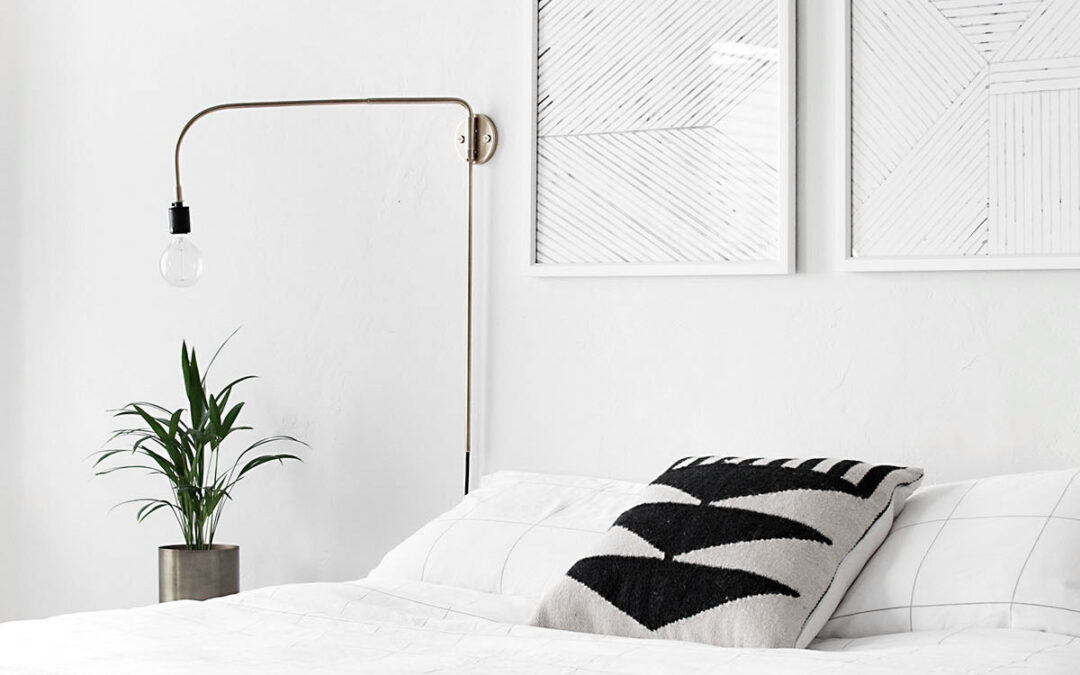
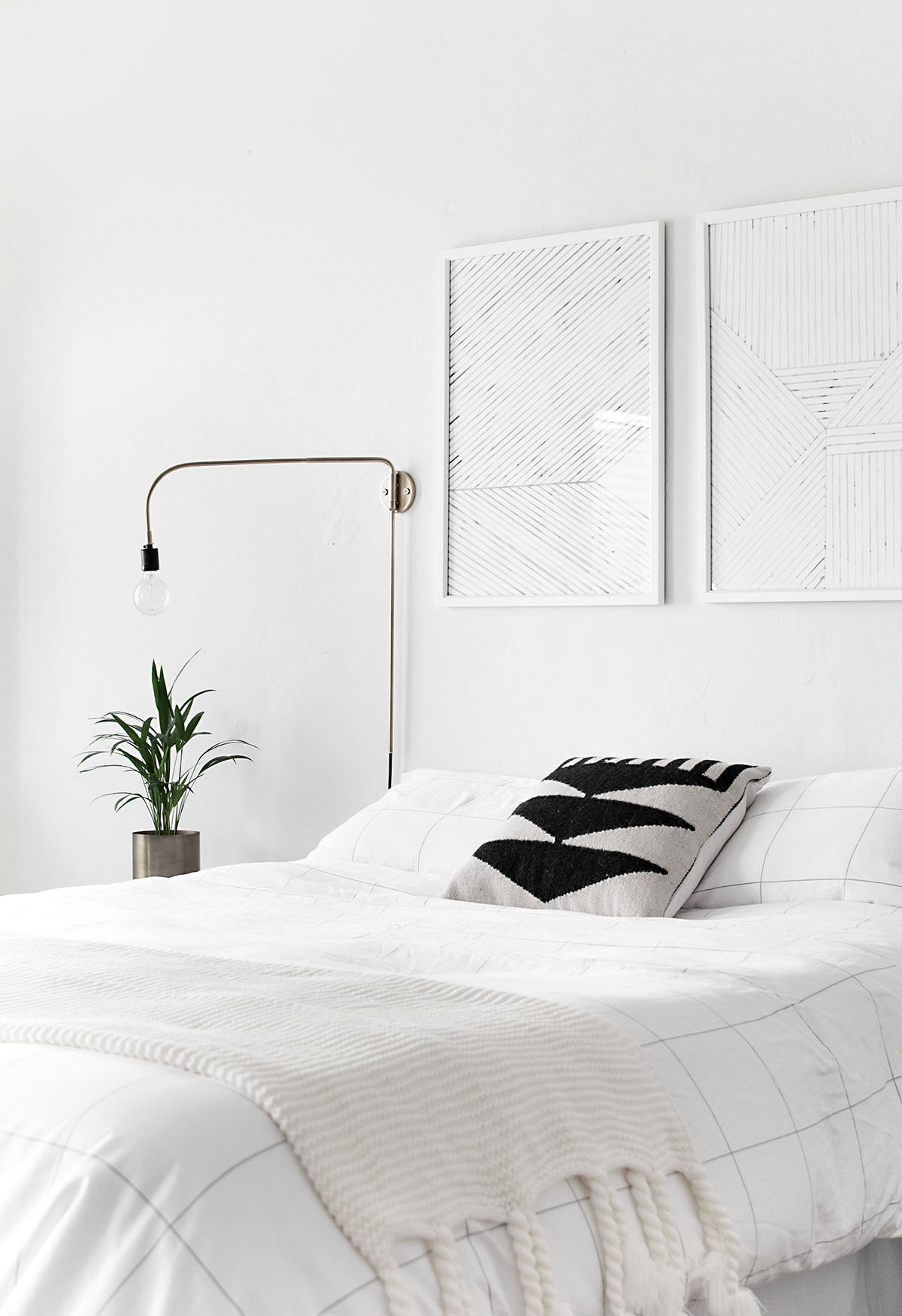
Lighting: A floor lamp or wall-mounted sconce provides soft lighting (no big light needed).
Use Lighting as Your Secret Sauce
Speaking of lighting, how you choose to illuminate your bedroom can make or break the cozy factor. Harsh overhead lights feel sterile, while layered, soft lighting calms the mind.
Table Lamps: Choose lamps with fabric shades for a soft glow. Place them on nightstands for easy access.
Candles: Nothing beats the warmth of candles. Add scents like vanilla, sandalwood, or lavender for even more relaxation.
Bulbs and Color Temperature: Use warm bulbs (around 2700K) to mimic the golden glow of sunset.
Natural Light: Maximize daylight and use mirrors to your advantage! They help bounce light around the room.
Personalize Your Walls
Use your walls to your advantage. Often neglected, they are actually prime real estate for creating a cozy vibe.
Feature Wall: An accent wall can add character and evoke a sense of calm. Choose patterns with soft florals, muted geometrics, or textured neutrals.
Artwork: Use oversized art placed above your bed with imagery like coastal landscapes or waterfalls for an instant feeling of serenity.
Color Strategy: Use harmonious colors that enhance and complement your bedding and furniture for a harmonious look.
Organize for a Clear Mind
Imagine trying to chill in a room full of chaos – yeah, it doesn’t feel too relaxing. A tidy bedroom instantly offers peace of mind, so even if you have just 5 minutes before bed, try to tidy things up to ease into your night.
Nightstand Smart: Keep essentials out and put everything else away. Use your nightstand drawer to your advantage, or place a wicker basket nearby to toss extra items.
Smart Storage: Use under-bed drawers and floating shelves to keep clutter out of sight.
Dresser Organization: Divide drawers with organizers to easily store linens and clothing.
Breathe Life with Greenery
Plants can add a touch of softness to your bedroom. Placing indoor plants throughout invites peace and, as an added bonus, keeps the air clean.
Low-Maintenance Plants: Snake plants, pothos, and ZZ plants love being left alone for the most part and adapt well to low-light settings.
Placement Matters: Add a small plant to your nightstand, a trailing plant on a shelf, or a taller floor plant in an empty corner.
Try Alternatives: If live plants aren’t your thing, faux plants or even dried plants (like lavender) can still add a natural vibe.
Use Scents to Your Advantage
Your bedroom shouldn’t just feel relaxing, it should also smell relaxing. Scent is a powerful part of creating a cozy space, and the right scents can help you achieve.
Relaxing Fragrances: Lavender, chamomile, sandalwood, vanilla, and cedarwood are perfect for promoting relaxation.
Candles and Oils: Use scented candles or essential oil diffusers to set the tone for the evening.
Fresh Bedding Boost: Lightly mist pillows and sheets with a calming linen spray before bed to signal your brain that it’s time to unwind.
Create Comfort Through Sound
Sound is also just as important as what you see in your bedroom. Calming music or sounds can settle your energy for rest.
Soft Background Noise: If you struggle with insomnia, gentle rainfall sounds, or calming instrumental music can quiet your mind and promote better sleep.
Sound Control: Thick curtains, upholstered headboards, and rugs help absorb sound, making the room feel quieter.
Evening Rituals: Wind down with a consistent bedtime sound (chimes or soundbowl music) to reinforce your relaxation routine.
Colors for Cozy Vibes
As a final bonus tip, we encourage you the think about the color of your walls. Are they currently stark white? That’s great for waking up energy, but if you want to feel ease, consider colors that promote warmth.
Earth Tones: Shades like terracotta, clay, mustard, rust, and taupe naturally evoke comfort and make rooms feel more intimate.
Soft Neutrals: If color isn’t your style, choose warm neutrals like cream, greige, beige, or mushroom that gently reflect light.
Your Retreat Awaits
You deserve a cozy bedroom, and all it requires is a few small additions. A plush rug, velvety curtains, and fluffy pillows, combined with soft lighting, calming artwork, and decor, offer simple touches for relaxation. With these ideas, your bedroom can become the warm, inviting retreat you’ve always dreamed of — sweet dreams!
Our big renovation project isn’t anywhere close to done (it just started this week, and Sherry’s sharing peeks over on Instagram in stories) but I’ve already embarked on another project that I’ve wanted to tackle for years: digitizing all of our old photos!
It’s arguably less exciting than our renovation, but I’m genuinely eager to tackle this long-overdue project. And since we’re not the only ones who suffer from photo clutter, I plan to document my process for anyone else who is also interested in digitizing their photos. So I’ll be testing out a few digitization methods, and sharing tips along the way.
Why Digitize Our Old Photos?
We have three main goals for this digitization project:
1. Safeguard memories
We plan to back up our old, physical photos using a cloud photo service (like Google Photos) so they won’t be lost in the event of a house fire, natural disaster, or simply getting lost or damaged over the years.
2. Free up some storage space
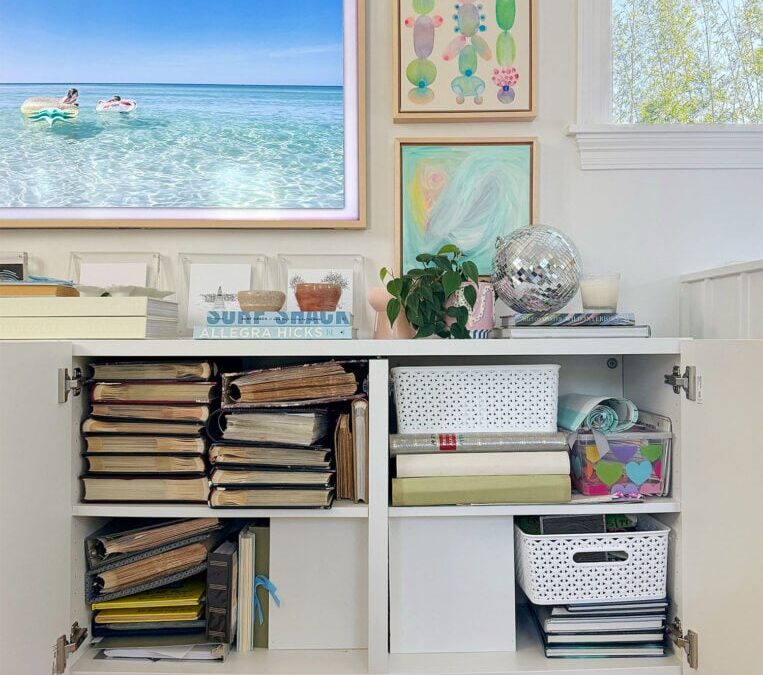
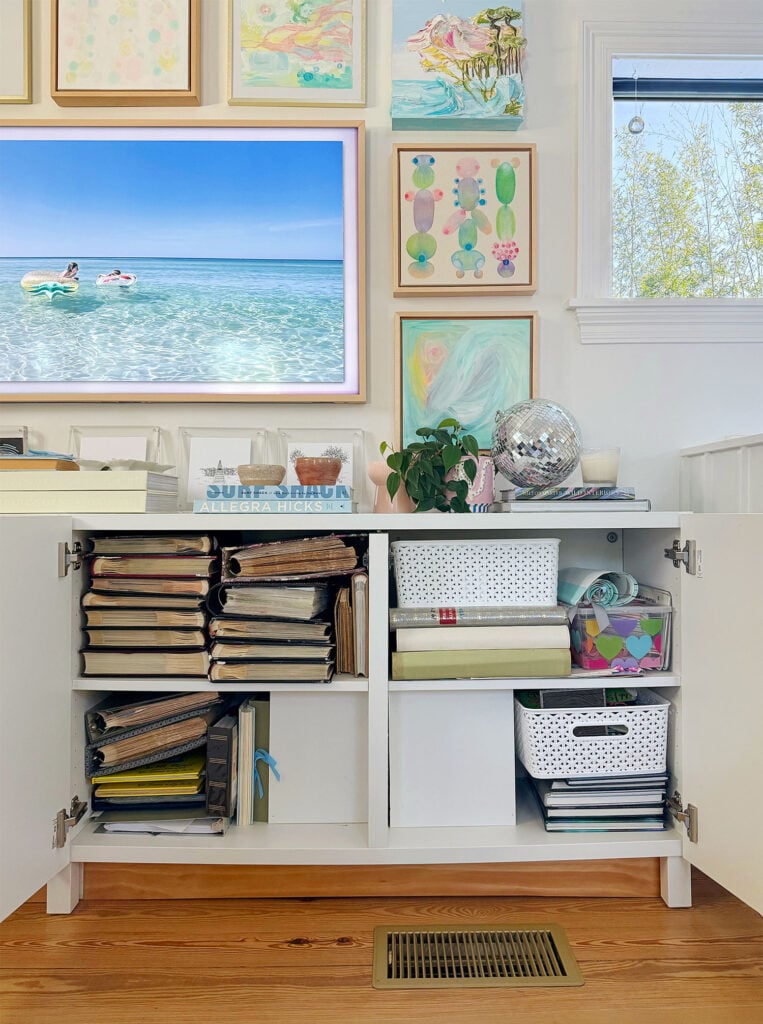
Our puffy old albums take up a ton of space. They’re literally more than four times thicker than photobooks we’ve made from sites like Blurb. Converting our older pictures into slimmer photobooks (like our annual yearbooks) will make room for storing a lot more games, other keepsakes, and many more future photobooks!
3. Pare down photos
At the risk of sounding unsentimental, not every old photo is worth keeping. For example, these pages below are dedicated to pictures of MY HIGH SCHOOL LAVA LAMP and some random neighborhood fireworks. We had a good laugh and all of them went right into the shredder.
We’ve also come across plenty of blurry, dark, duplicate, or just plain unimportant pictures that should’ve been tossed long ago. So we’re going through these albums the same way we might delete unwanted pictures from our phone’s camera roll.
How We Are Digitizing Our Photos
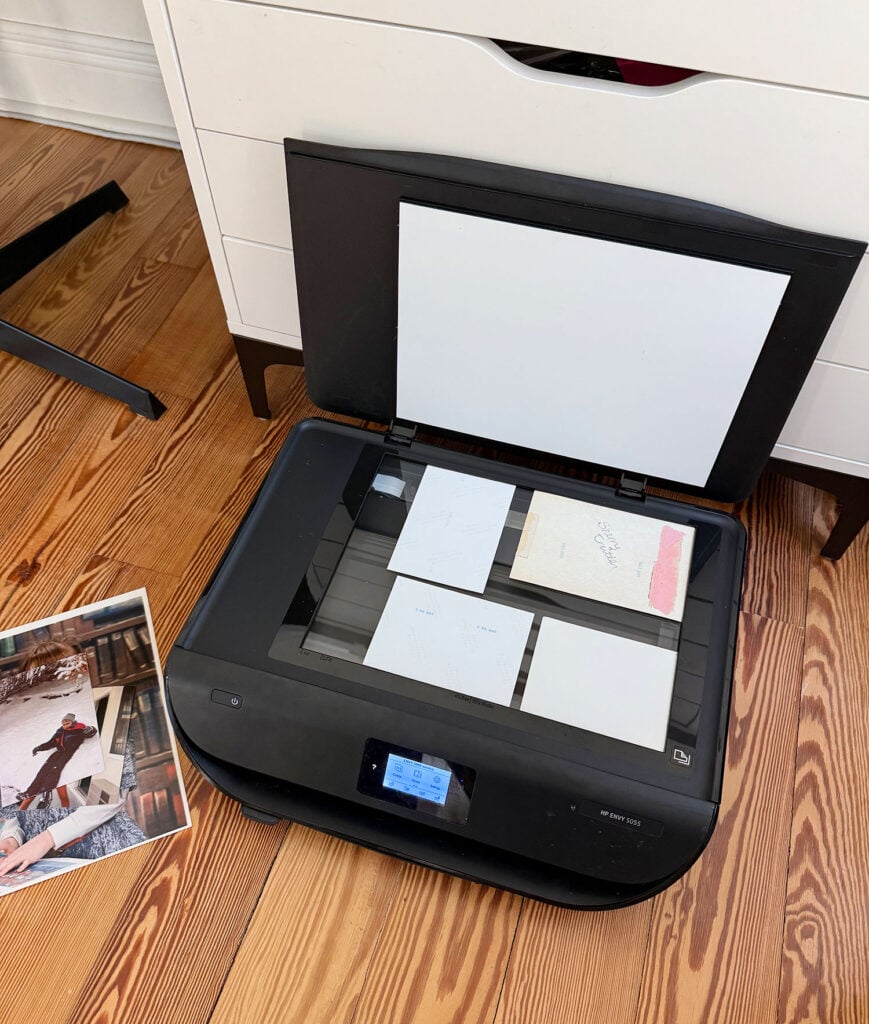
Here’s where I’m doing a little bit of experimenting! Sherry asked everyone on Instagram stories for tips for doing this, and lots of good suggestions came back. Mainly a ton of tips for the exact same photo scanner, and a few methods that people mentioned over and over. So I’m putting some of the most often recommended items and methods to the test, and I’ll share the pros and cons of each one.
They are:
*Our printer is still going strong after 7 years, but I linked the current model soldsince our exact model is no longer for sale
Sherry was inundated with requests for more info about our photo digitization project, hence this post about my process and what I’m trying so far. I’ll also do a follow-up post once I’m completely done, which will include my recommendations for the fastest, cheapest, easiest, and best quality options. I can already tell there won’t be a clear winner. Although that’s good – lots of options!
What We’re Doing With Our Digitized Photos
Once we’ve gotten everything digitized, we plan to do 3 things:
Back them up on an external hard drive (this is also where we keep more recent family photos)
Store copies on the cloud (probably in Google Photos, where I can edit the date on my uploads (either individually or in batches) so they automatically get sorted chronologically).
Print photobooks to replace SOME of the albums that feel worthwhile (some photos will only exist digitally)
This part of the project is still a bit TBD because I’m mostly focused on digitizing things first. I’ve already started recreating a couple of albums as Blurb photobooks and it’s time-consuming, so we’ll see how many of them seem worthwhile to make.
One Last Tip
I know this post is a bit of a “tease” because I’m just laying out our plan for everyone who was asking for more details. But stay tuned because I’m humming along on this project and taking notes to compile into a huge post full of details as well as pros & cons and price differences for you. And if you’re chomping at the bit to get started on your photos, Miss Freddy came highly recommended to us by hundreds of you (that’s not an affiliated link). She’s a professional photo organizer who has tons of free tips on her Instagram, as well as e-courses all about scanning, organizing, and backing up your photos.
*This post contains affiliate links, so we may earn a small commission when you make a purchase through links on our site at no additional cost to you.
We independently select these products—if you buy from one of our links, we may earn a commission. All prices were accurate at the time of publishing.
It’s only early January, so I’m still hearing a lot of people talk about their fresh starts and resolutions. Even if you’re not one for those kinds of traditions, January tends to be a relatively sleepy month without many large obligations (plus, it’s cold out!). One way to put that downtime to good use is by getting a bit more organized. What better place to start than your desk?
Personally I’ve tried many types of calendars and planners, and I’ve learned that switching up my tactics every so often helps me be more consistent about planning. Having a mix of paper and digital methods also helps. So even though I love my Google Calendar and to-do list app, I’m still on the lookout for analog methods — and these new weekly planner notepads from Dollar Tree look like a great little option.
What Is the Jot Weekly Planner Desk Notepad?
Available at Dollar Tree for just $1.25 apiece, the Jot weekly planner desk notepad is a 7-inch-by-7-inch notepad-style planner. It comes in multiple colorful designs, but no matter which one you choose, each notepad page has little sections for each day of the week plus some additional areas for organizing your thoughts and tasks. One sports a floral design and the phrase “Let’s do this” at the top, and includes sections for the week’s top three priorities and other “goals.” Another more neutral design proclaims “Tomorrow is a new day,” and includes simpler categories: “Notes” and “To Do.”
Even if you’re not usually one for notebooks or planners, this one has such a low price that you might as well give it a shot. Even if you abandon ship in March, at least you can say that you tried something new!
Another Cute Planner to Consider
If you don’t happen to live near a Dollar Tree to secure a notepad, here’s another cute planner you can shop for online right now. U.K.-based brand Good Tuesday sells a range of playfully designed planners on Etsy, including a weekly planner much like the one found at Dollar Tree.
You aren’t going to pay Dollar Tree prices (this particular weekly planner is $4.67), but the design is cute without being distracting or too busy, and the flexible format means each page can be for any week of the year, regardless of what month or day you start. It’s 8.5 inches by 11 inches, so it’s also larger than Dollar Tree’s.
Wellness isn’t just something you chase at the gym or track on an app , it’s shaped quietly, daily, by the spaces you live in. The way light enters your rooms, how easily you move through your home, where you rest, work, eat, and unplug , all of these design decisions influence your physical and mental health more than we often realize.
A wellness home reset isn’t about perfection or expensive upgrades. It’s about intentional design changes that support better habits, deeper rest, clearer focus, and lower stress. These are practical, achievable shifts that align your home with the version of yourself you’re working toward , not an idealized lifestyle, but a realistic, sustainable one. Here are 15 design changes that genuinely support health goals, creating a home that works with your body and mind, not against them.
Natural light plays a crucial role in regulating circadian rhythms, mood, and energy levels. Start your wellness reset by maximizing daylight wherever possible. Open heavy curtains, replace them with sheer panels, clean windows regularly, and rearrange furniture so seating and work areas are closer to windows. Even small changes , like removing visual obstructions or using reflective surfaces , can brighten a space. Better daylight exposure supports healthier sleep cycles, improved focus, and a more balanced emotional state throughout the day.
A wellness-focused home starts with better sleep. Design your bedroom as a sleep-first environment rather than a multipurpose space. Remove unnecessary clutter, reduce visible technology, and keep the color palette calm and neutral. Invest in comfortable bedding, supportive pillows, and blackout window treatments if needed. Lighting should be soft and layered, not harsh or overhead. When the bedroom is clearly defined as a space for rest, your body begins to associate it with relaxation, making it easier to unwind and sleep deeply.
Visual clutter quietly increases stress and mental fatigue. A wellness reset means editing what you see every day. Clear surfaces, simplify open shelving, and store items out of sight where possible. This doesn’t mean creating a sterile home , it means letting meaningful objects stand out instead of competing with excess. Fewer visual distractions help the nervous system relax, improve focus, and make spaces feel calmer and more breathable.
The way we dine influences how we eat, digest, and connect. A wellness-focused dining area encourages mindful meals rather than rushed consumption. This can be achieved by prioritizing natural materials, comfortable seating, and a calm visual environment free from distractions. Replacing harsh lighting with warm ambient light, choosing solid wood or stone tables, and minimizing screens nearby all support healthier eating habits. When dining spaces feel grounded and intentional, meals become moments of nourishment rather than just routine fuel , supporting both physical and emotional health.
Maintaining a balanced temperature is essential for comfort, sleep quality, and overall well-being. A wellness reset includes addressing drafts, overheating, or uneven temperatures between rooms. Layered textiles, proper insulation, breathable fabrics, ceiling fans, and adjustable window coverings all help regulate thermal comfort naturally. When your body isn’t constantly adjusting to discomfort, stress levels drop and focus improves. Designing for thermal balance ensures your home supports rest in winter and ease in warmer months without relying solely on mechanical systems.
Wellness-focused interiors prioritize materials that support both human health and environmental responsibility. Low-VOC paints, natural finishes, solid wood, organic textiles, and non-toxic furnishings reduce indoor air pollutants and chemical exposure. These choices may feel subtle, but over time they significantly impact respiratory health and overall comfort. A wellness home isn’t just about how it looks , it’s about what it’s made of. Thoughtful material selection creates a cleaner, safer indoor environment that supports long-term health goals.
Biophilic design reconnects interiors with nature, supporting reduced stress, better focus, and improved mood. This approach goes beyond adding plants , it includes natural textures, organic forms, daylight access, and materials that echo the outdoors. Wood grains, stone surfaces, water-inspired elements, and soft natural light all contribute to a more restorative environment. When nature is intentionally integrated into design, the home becomes a calming refuge that supports mental clarity and emotional balance.
Color directly influences emotional well-being, and nature-based palettes are especially effective in wellness interiors. Soft greens, clay tones, sand, sky blues, and warm earth shades help regulate mood and reduce overstimulation. These colors mirror the outdoors, creating a sense of familiarity and calm within the home. Whether applied through wall color, textiles, or accent pieces, nature-inspired palettes help spaces feel grounded and emotionally supportive , ideal for rest, focus, and recovery.
Mini green walls offer a compact yet impactful way to bring living elements indoors. Whether installed vertically or arranged modularly, they maximize greenery without taking up valuable floor space. These installations improve air quality, soften visual boundaries, and introduce a sense of vitality. Mini green walls work especially well in kitchens, bathrooms, or living areas where plants might otherwise be limited. Beyond aesthetics, they create a visual connection to nature that supports calmness and emotional well-being throughout the day.
Designing around natural views can significantly enhance mental wellness. Positioning seating, desks, or beds to face windows allows occupants to benefit from daylight and outdoor scenery. Even views of trees, sky, or distant greenery help reduce stress and improve focus. Avoid blocking windows with heavy furnishings or unnecessary decor. When interiors are oriented toward nature, everyday moments become more restorative. Emphasizing these views reinforces a daily connection to the outside world, supporting emotional balance and clarity.
A wellness home needs at least one space dedicated solely to rest and recovery. This could be a reading nook, meditation corner, or quiet seating area free from screens and work-related items. Soft lighting, comfortable seating, and minimal visual noise help define the space. The purpose is simple: to pause, breathe, and reset. When restoration is supported by design, rest becomes intentional rather than accidental, an essential foundation for long-term physical and mental health.
Excess noise and echo increase stress and mental fatigue, especially in open or minimally furnished homes. A wellness-focused reset should include sound-softening elements such as area rugs, upholstered furniture, curtains, wall hangings, and acoustic panels. These materials absorb sound rather than letting it bounce through the space. Even small additions can dramatically improve comfort and focus. Reducing noise creates calmer environments that support concentration, relaxation, and better sleep, making acoustic comfort a meaningful part of a healthy home.
Good ventilation is essential for a healthy home, yet it’s often overlooked in everyday design. Improving ventilation helps remove stale air, excess moisture, and indoor pollutants while bringing in fresh air that supports better breathing and overall comfort. Simple changes like opening windows regularly, using exhaust fans in kitchens and bathrooms, and allowing cross-ventilation through open doors can make a noticeable difference. Choosing breathable window treatments and keeping air pathways clear also improves airflow. When ventilation is thoughtfully supported through design, the home feels fresher, lighter, and more energizing—creating an environment that naturally promotes physical well-being and mental clarity.
Harsh lighting strains the eyes and disrupts natural rhythms. A wellness reset involves replacing overly bright bulbs with warm-toned light and layering illumination throughout each room. Table lamps, floor lamps, and wall lights create a more relaxed atmosphere than a single overhead fixture. Dimmer switches allow lighting to adapt to different times of day. Soft lighting supports relaxation, improves mood, and makes interiors feel nurturing rather than clinical, especially in the evenings.
Bathrooms play a vital role in daily wellness routines, from morning preparation to evening wind-down rituals. Improving function and comfort starts with organization—clearing clutter, adding accessible storage, and ensuring essentials are easy to reach. Upgrading lighting to soft, even illumination reduces eye strain and creates a calmer atmosphere. Simple additions like plush towels, non-slip mats, and a well-placed mirror enhance comfort and safety. When a bathroom is thoughtfully designed to support ease and relaxation, it encourages consistent self-care habits and transforms everyday routines into moments of calm and restoration.
Wrap Up
A wellness home reset isn’t about trends , it’s about alignment. When your space supports rest, movement, clarity, and comfort, your health goals feel less like effort and more like a natural extension of daily life. Thoughtful design has the power to reduce stress, improve sleep, and create emotional balance. At Home Designing, we believe wellness begins at home , through intentional interiors that quietly support how you want to live, feel, and grow every day.