We independently select these products—if you buy from one of our links, we may earn a commission. All prices were accurate at the time of publishing.
We’ve all had that one piece of furniture or decorative accent that got away — and designers are no exception. But what about the items we know to be worth hanging on to for the long haul? Think staples that can stand the test of time, sentimental treasures, or even flea market finds you can’t bear to part with.
We got the lowdown on the decor pieces worth sticking with regardless of a remodel, cross-country move, or spring cleaning purge from our network of trusty decor experts. Here’s what you shouldn’t be parting with anytime soon.
Anything That Truly Speaks to You
There’s no need to discard an item you love just because you don’t feel like it matches your room’s aesthetic. “Any item can work given the right selections, colors, and textures surrounding it,” says designer Angela Todd. Sentimentality beats aesthetics any day of the week, and if you love something, it’s worth having in your life. “Forget about the trends or what everyone else has in their home and design around what makes your heart sing,” she adds.
This philosophy rings especially true for designer Tiffany Hanken, who believes the items you surround yourself with are there to tell your life story. She seamlessly integrated a vintage china set that she inherited from her great-grandmother into her space, using it daily and mixing and matching the pieces with new tableware for dinner parties. “It brings me so much happiness to think my great-grandmother used them during her life and that now I am as well,” she says.
And on that note, don’t toss aside hard copies of photographs, advises Ian Stallings. “Everything may be digital these days, but actual photos are worth keeping.” With tons of inspiring creative display solutions here on Apartment Therapy, on Pinterest, and Instagram, there’s really no excuse for getting rid of them or keeping photos hidden in an album or box.
Furniture with Classic Silhouettes
According to designer Elizabeth Stamos, certain pieces of furniture will never go out of style. Think wingback chairs, Chesterfield sofas, and tufted headboards, for starters.”If you buy something with good bones, you will never regret it,” she notes. “The key is to reupholster it in a fabric you love.”
The reupholstery process itself can be an investment, but you can save money on refurbishing things by scouring used furniture sites for pieces in need of a little love. Stamos recommends Craigslist and eBay for finding chairs, noting that when looking beyond the fabric, the shape of the item is what makes it a life-long keeper.
Whether they’re wooden, metal, or upholstered, benches are so versatile that they’re never worth parting with, says designer Lauren Clement. “A bench can reinvent itself in so many different formats with paint or new fabric,” she says. You can pretty much use them everywhere, too—seating at a kitchen or dining room table, in a hall or entryway, at the foot of a bed, or in your kid’s play space. Benches truly are one of the few long-lasting players in a design book that you can continually breathe new life into.
“Never ever, ever get rid of a vintage rug,” says Hailey Weidenbaum, owner of custom window treatment company, Everhem. Not only are vintage carpets expensive and difficult to source, but they’re perennially in style and always in demand, meaning you can always resell them should it come to that. If you have one that doesn’t quite fit in with your current space, roll it up and stash it away. You’ll never know when or where you’ll have the opportunity to use it. And with the popularity of layering rugs, don’t worry if you happen to have something with weird dimensions in your possession. You can always find a way to style it out with another floor covering, vintage or not. And if you’re looking for a place to score vintage rugs, check out Apartment Therapy’s Bazaar.
That collector’s item you snagged for a steal? Don’t toss it. “Sometimes artists will create limited edition works—such as when Piet Mondrian did paper plates for the MoMA, and Jonas Wood crafted limited edition posters and scarves,” explains designer Sara Story. These are the items that could eventually increase in value, so don’t toss them out just yet, even if you’re a little tired of them.
Handmade items are extra special and worth holding onto over the years, says Brad Ford, organizer of Field + Supply, a bi-annual modern-maker craft fair. Whether it’s hand-sculpted pottery, jewelry, or a large piece of handcrafted furniture, these items are one-of-a-kind relics of a time and place and are best when treated as such.
“Handcrafted items bring a level of soul to a room as well as an interesting narrative,” adds Ford. Plus, handmade things always make for a great conversation starter. When you take into account the time, patience, and skill it warrants to make something by hand, throwing it out would simply be a shame.
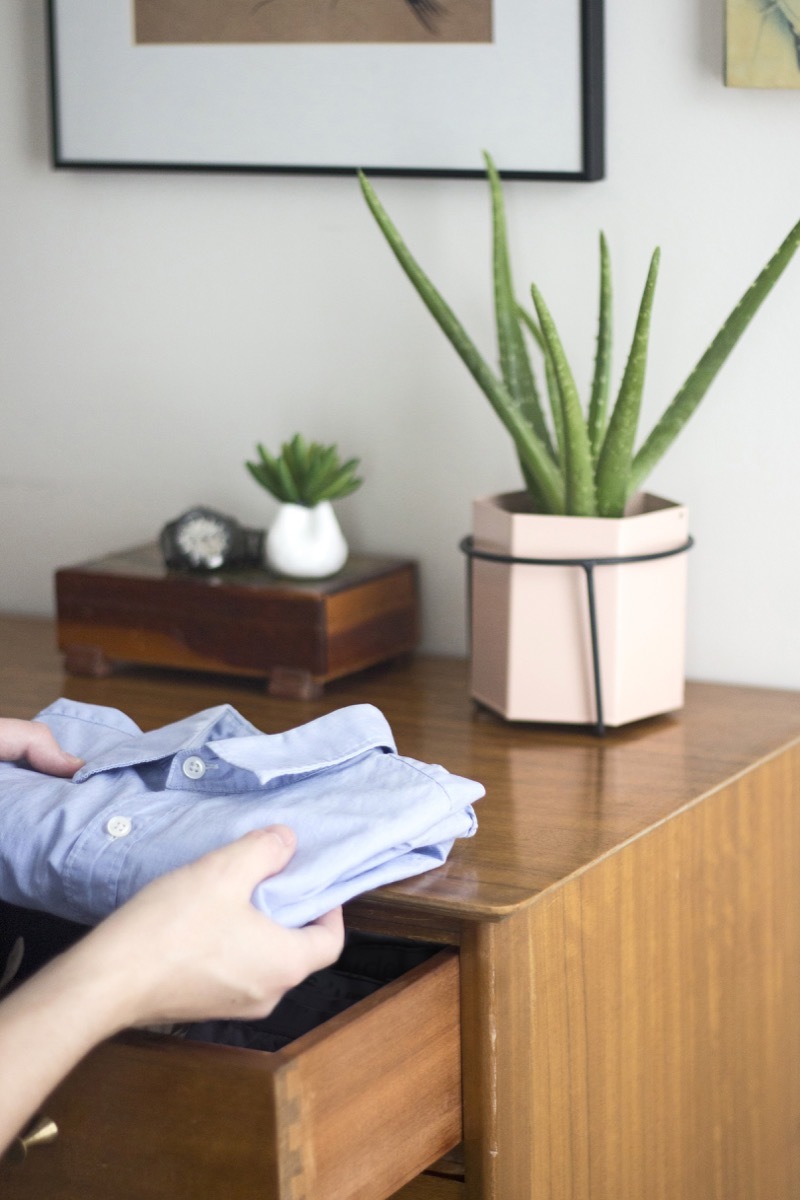
.tasty-pins-banner-container{display:block;margin-bottom:20px;position:relative;width:-moz-fit-content;width:fit-content}.tasty-pins-banner-container a{cursor:pointer;display:flex;font-size:14px;font-weight:700;letter-spacing:1px;line-height:1.8em;text-transform:uppercase}.tasty-pins-banner-container a:hover{opacity:1}.tasty-pins-banner-container .tasty-pins-banner{align-items:center;bottom:0;cursor:pointer;display:flex;justify-content:center;left:0;padding-bottom:1em;padding-top:1em;position:absolute;right:0}.tasty-pins-banner-container .tasty-pins-banner svg{margin-right:4px;width:32px}.tasty-pins-banner-container .tasty-pins-banner span{margin-top:4px}.tasty-pins-banner-container a.tasty-pins-banner{text-decoration:none}.tasty-pins-banner-container a.tasty-pins-banner:hover{opacity:.8}.tasty-pins-banner-container a.tasty-pins-banner-image-link{flex-direction:column}.tasty-pins-banner-container a img{margin-bottom:0}.entry-content .wp-block-image .tasty-pins-banner-container img{margin-bottom:0;padding-bottom:0}#et-boc .et-l div .et_pb_image_wrap .tasty-pins-banner-container .tasty-pins-banner{padding-bottom:1em!important;padding-top:1em;text-decoration:none}#et-boc .et-l div .et_pb_image_wrap .tasty-pins-banner-container a.tasty-pins-banner{cursor:pointer;display:flex;font-size:14px;font-weight:700;line-height:1.8em;text-transform:uppercase}#et-boc .et-l div .et_pb_image_wrap .tasty-pins-banner-container a.tasty-pins-banner span{letter-spacing:2px;margin-top:4px}.et-db #et-boc .et-l .et_pb_module .tasty-pins-banner-container a:not(.wc-forward){padding-bottom:0}Photo by Maude Frédérique Lavoie on Unsplash
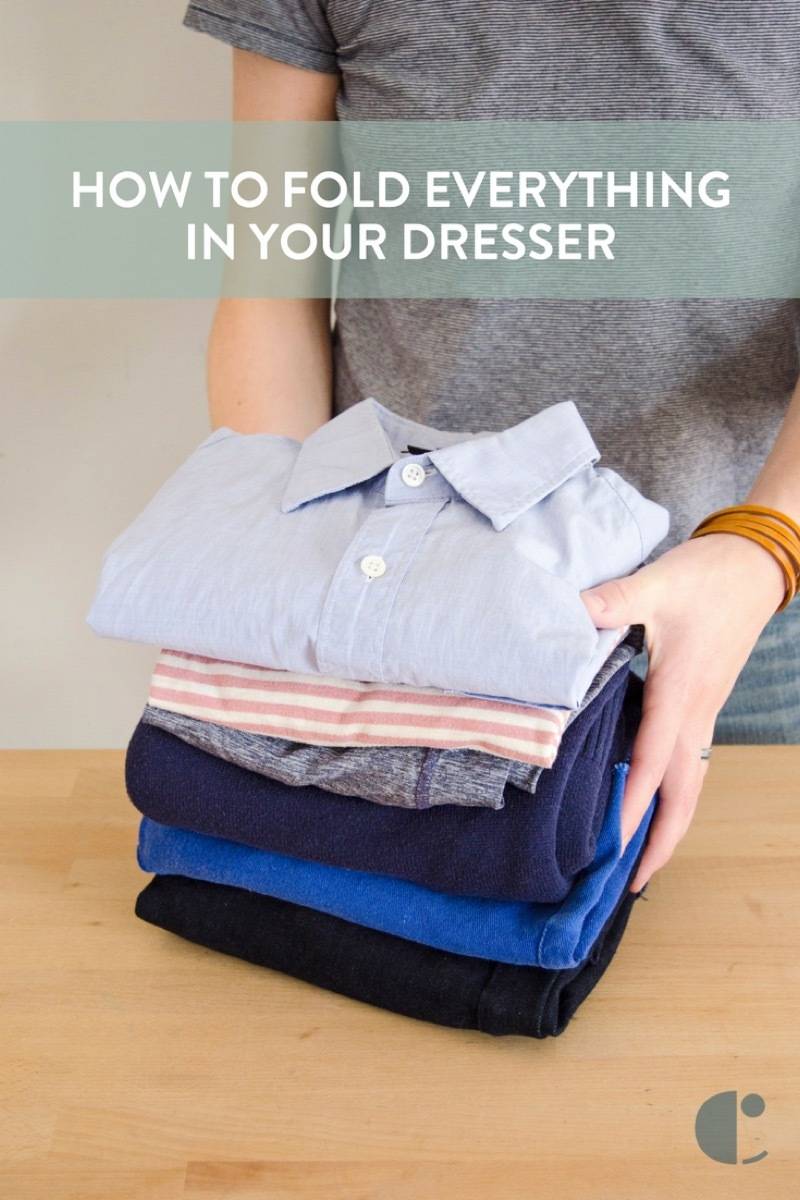
There’s nothing quite like the frustration of trying to find a shirt in a dresser drawer packed full of balled up clothes. There’s no order, and everything is kind of just shoved in there. While it may be tempting to just close up your dresser drawers when they start to get chaotic, being able to have everything nicely folded and visible will make getting ready in the morning a million times easier and maximize your storage space. So, rather than just tossing that tee in the back of the drawer, fold it properly the first time so you can find it when you need it. Keep reading for the best way to fold shirts, pants, socks, even underwear!
Watch this video on how to fold everything in your closet, and keep reading for the full details.
The easiest way to fold laundry is on a clean, flat surface. So clear off your coffee table or dining buffet, and let’s get to folding.
Table of contents
Before we get into how to fold t-shirts, I wanted to mention which kinds of shirts you should be storing in your dresser, versus hanging in the closet. Generally speaking, you want to fold t-shirts, tanks, undershirts, or anything that isn’t heavily affected by wrinkles. We’ll cover how to fold a dress shirt, but personally I prefer to hang dress shirts to prevent creases. You always want to fold a sweater, never hang. Using a hanger will pull on the weave of a sweater, leaving stretch marks at the neck and shoulders.
How to fold a t-shirt
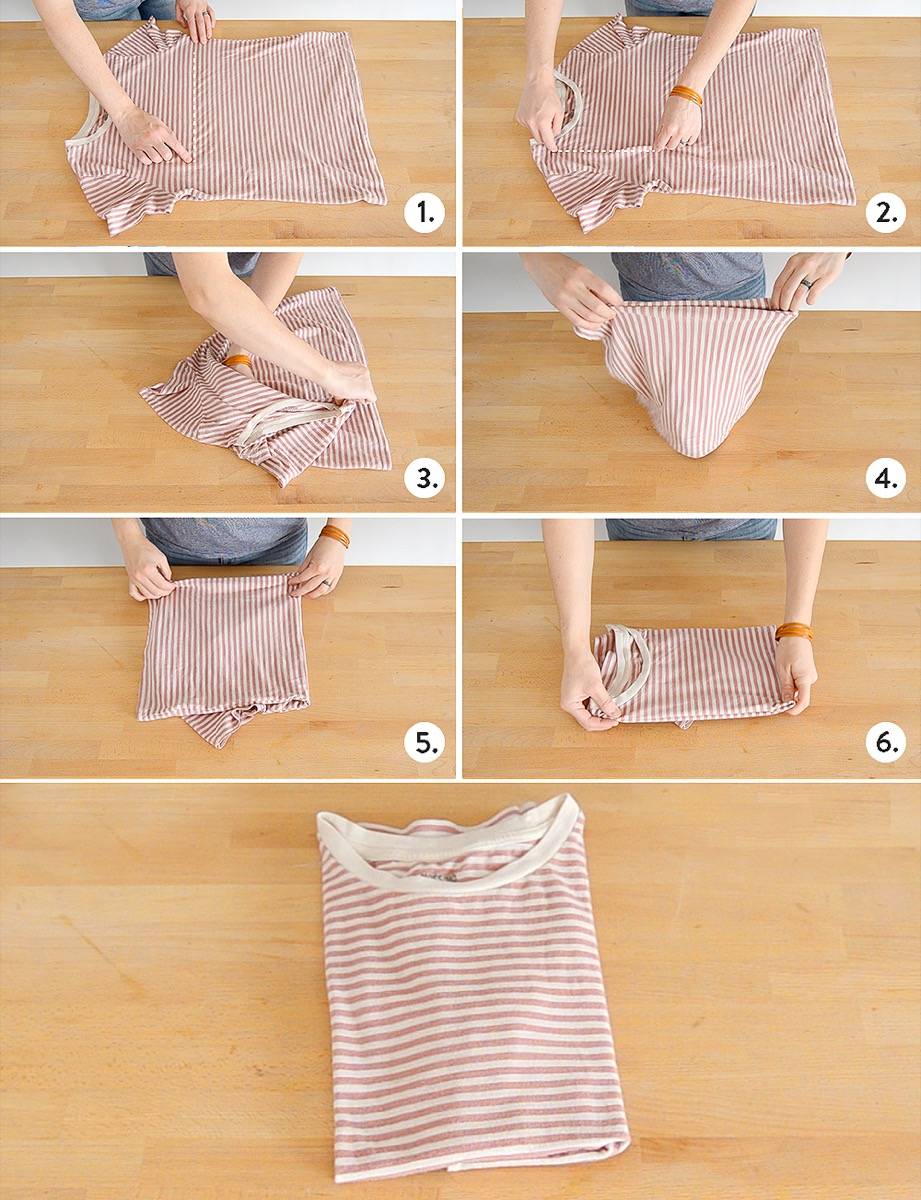
This is the famous “two second” folding trick—however, on the first few tries it’ll take you just a little longer. It might seem like magic, but after a bit of practice, you’ll be folding your shirts in a jiffy!
Make an invisible line across the chest of the shirt, stopping just past where the collar ends. Pinch here, making sure to grab both the front and back fabric of the shirt.
Make an invisible line up to the top of the shirt, and pinch here with your second hand.
Still pinching the fabric, move your second hand down to the bottom of the shirt. Pinch the fabric here too, still holding onto the top of the shirt.
Uncross your arms.
Lay the shirt down.
Fold in half.
Fold in half again if you want to save even more space in your dresser.
How to fold a dress shirt
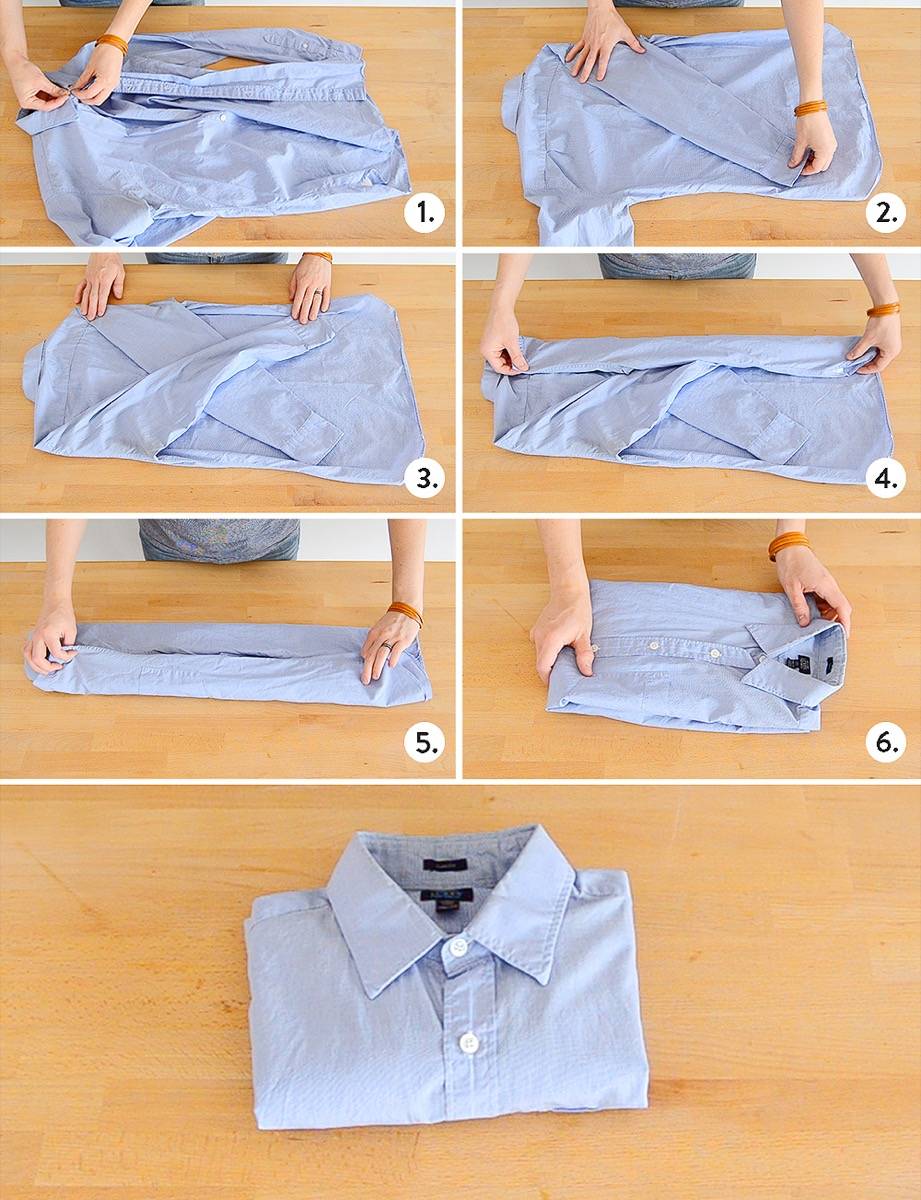
Whether you’re packing for a trip or packing your dresser, you want to learn how to fold a dress shirt in a way that minimizes wrinkles, and protects the collar. Here’s how:
Button up the shirt.
Flip the shirt over, and fold the sleeve over so it crosses the back of the shirt.
Fold the second sleeve over the same way.
Fold in the shoulder, so it meets the middle of the shirt.
Fold in the second shoulder in the same way.
Fold the shirt in half.
If you need to save more space, fold in half again.
How to fold a sweater
Hey, guess what? Now that you’ve learned how to fold a dress shirt, you can fold any long-sleeved shirt! Simply fold the same way.
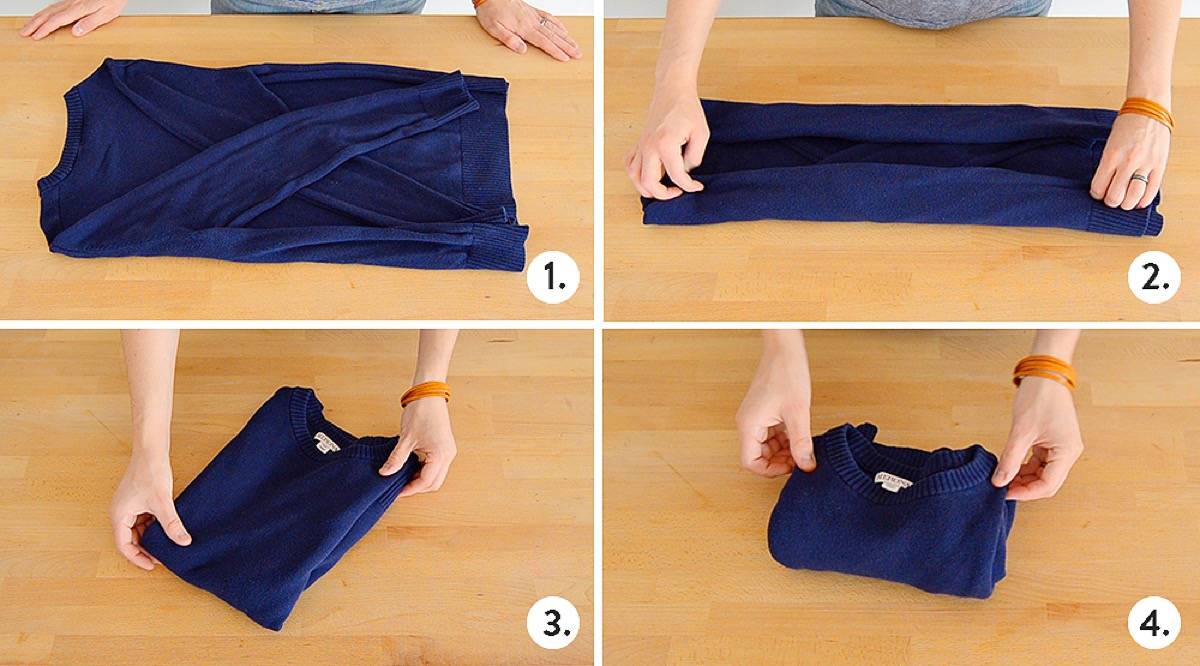
Flip the shirt over, and fold in the sleeves.
Fold in the shoulders to the middle of the back of the shirt.
Fold the shirt in half.
Fold in half again if you need to save more room.
How to fold a shirt with straps
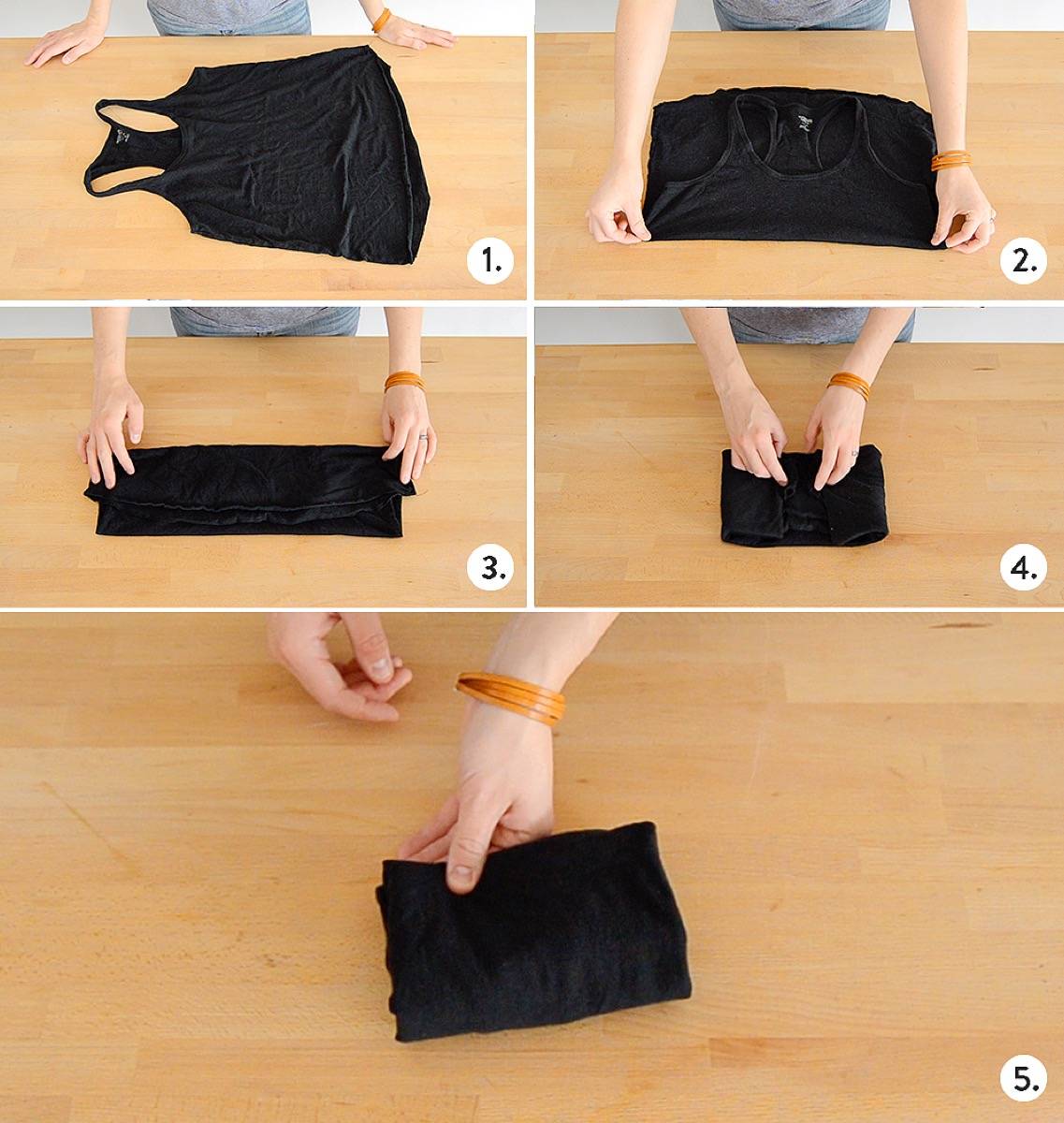
Tank tops and spaghetti strap shirts are a little awkward looking when folded, unless you know the secret (psst – the secret is to hide the straps!).
Lay the shirt face up.
Fold the shirt in half, with the top of the straps meeting the bottom of the shirt.
Fold in half again.
Fold the sides in, meeting in the middle.
Fold in half again.
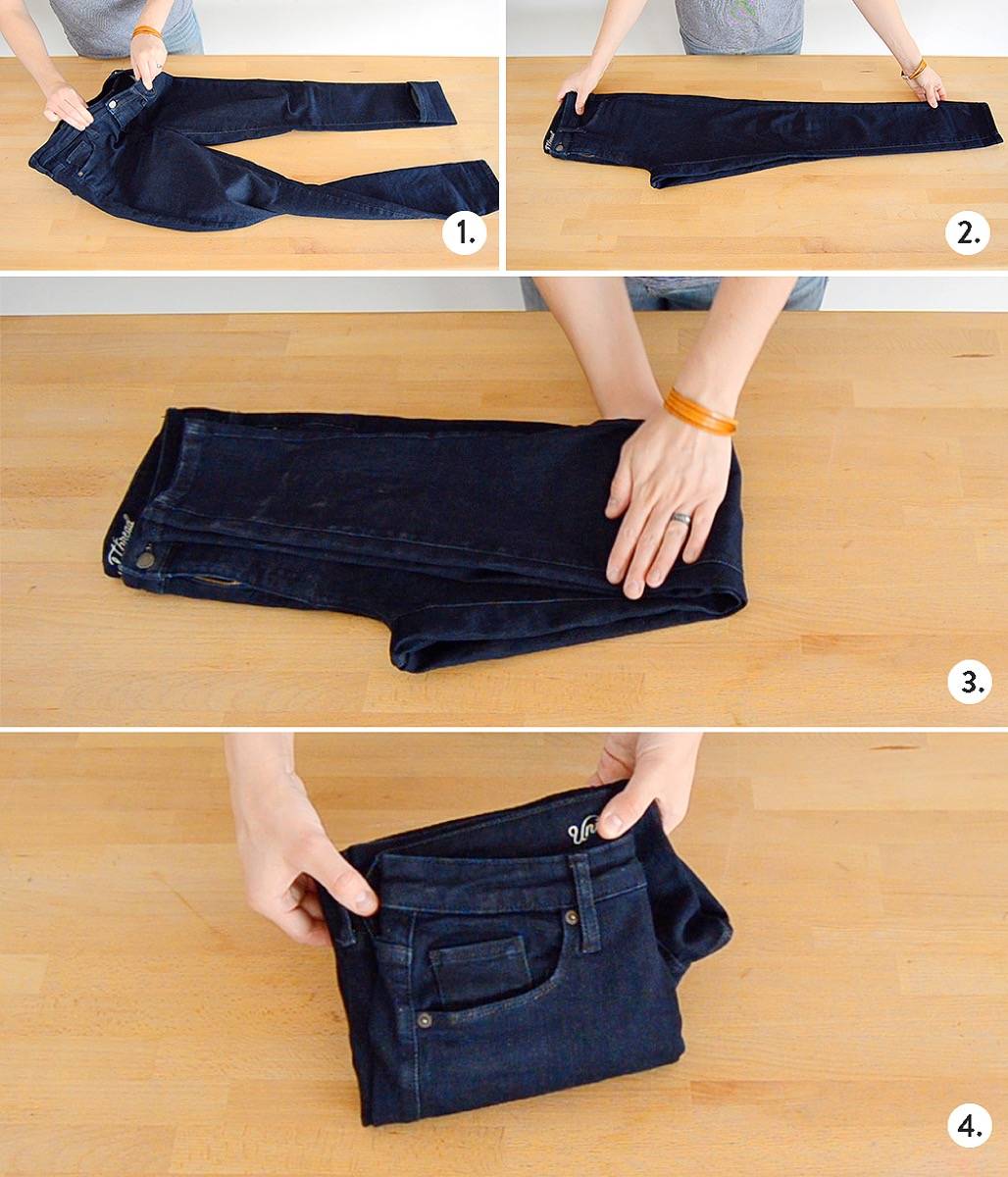
Now that our tops are folded and put away, let’s talk bottoms. Folding pants in a way that keeps them wrinkle-free is simple.
How to fold pants and jeans
Button the waistband.
Fold them in half, front side out.
Fold in half, lengthwise.
Fold then in thirds, lengthwise.
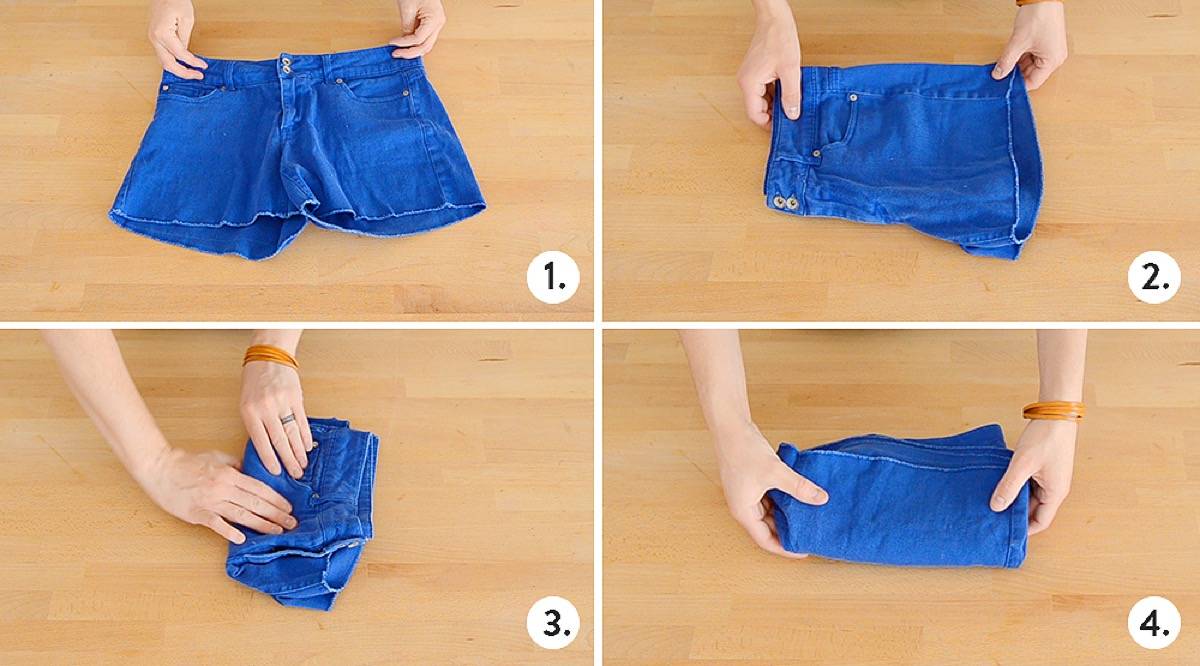
How to fold shorts
Folding shorts is just like folding pants, only… shorter!
Button the waistband.
Fold them in half, front side out.
If your shorts are short, fold them in half, lengthwise.
If your shorts are longer, fold them in thirds, lengthwise.
How to fold socks with an ankle (knee-high, crew, quarter-length, etc.)
You probably already know how to fold socks, but let’s go over it again, shall we?
Line the socks up, side by side.
Put your hand inside one of the socks, opening it up.
Grab onto the other sock through the first, and begin to turn the first sock inside out.
Turn the first sock inside out entirely.
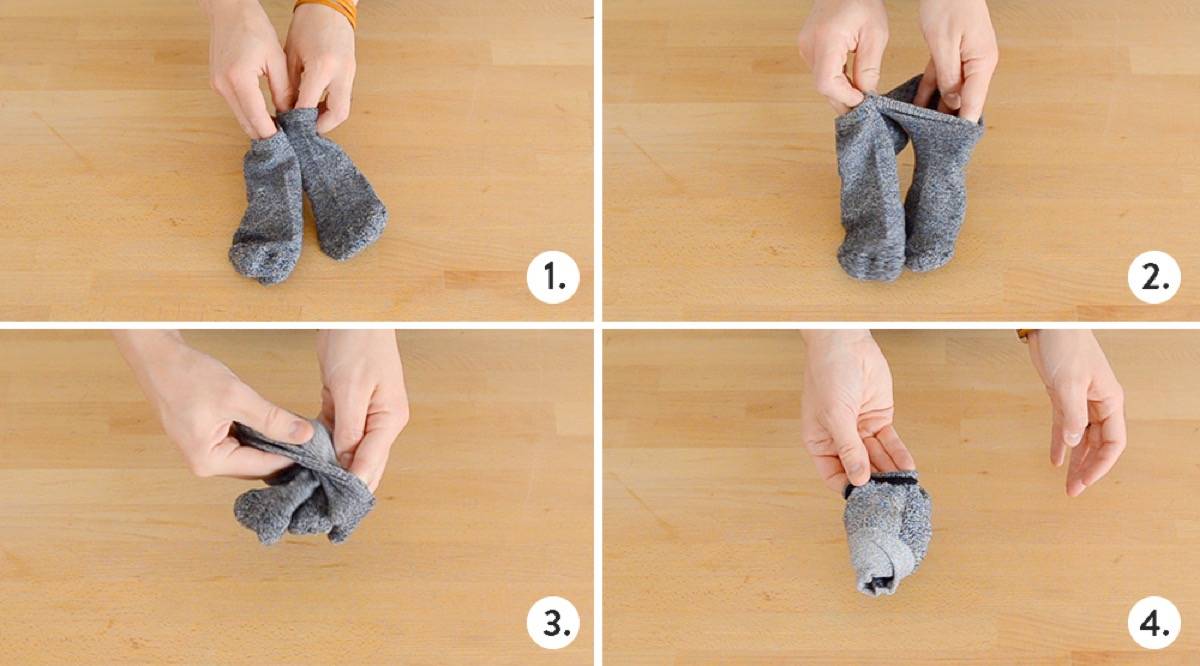
How to fold socks without an ankle, a.k.a. no-show socks or low-cut socks
So, what about socks that are teeny-tiny? We can fold those too!
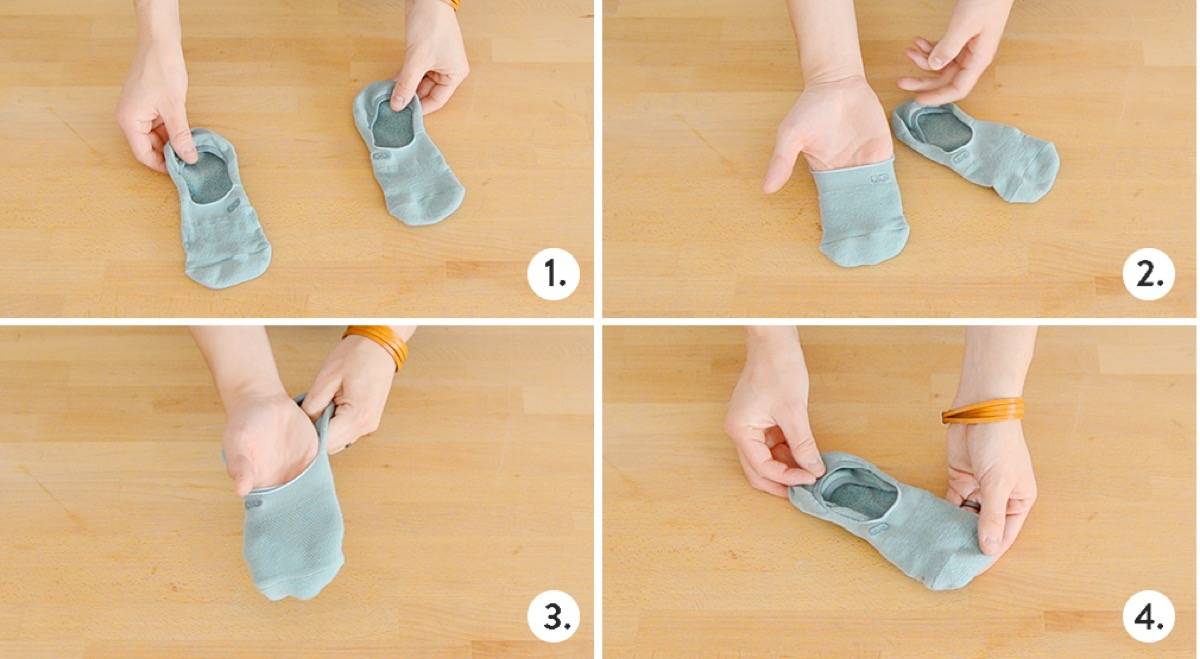
Lay socks together, pointing in the same direction.
Put your hand inside one of the socks.
Put your socked-hand inside the other sock.
Pull your hand out, leaving one sock inside the other. Done!
How to fold a bra
Bras are like necklaces, they get all tangled up when you’re not looking! Keep them organized by folding them like this:
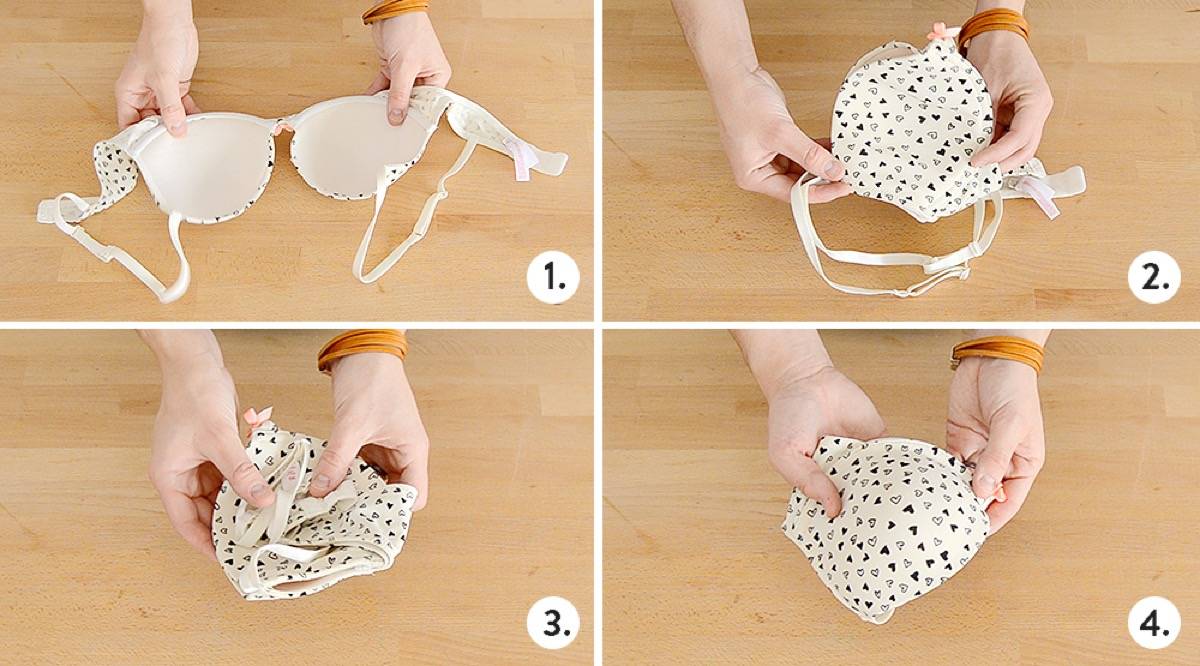
Open the bra.
Fold in half, with both cups pointing in the same direction, nesting into one another.
Tuck the straps into the cups.
Done!
How to fold underwear
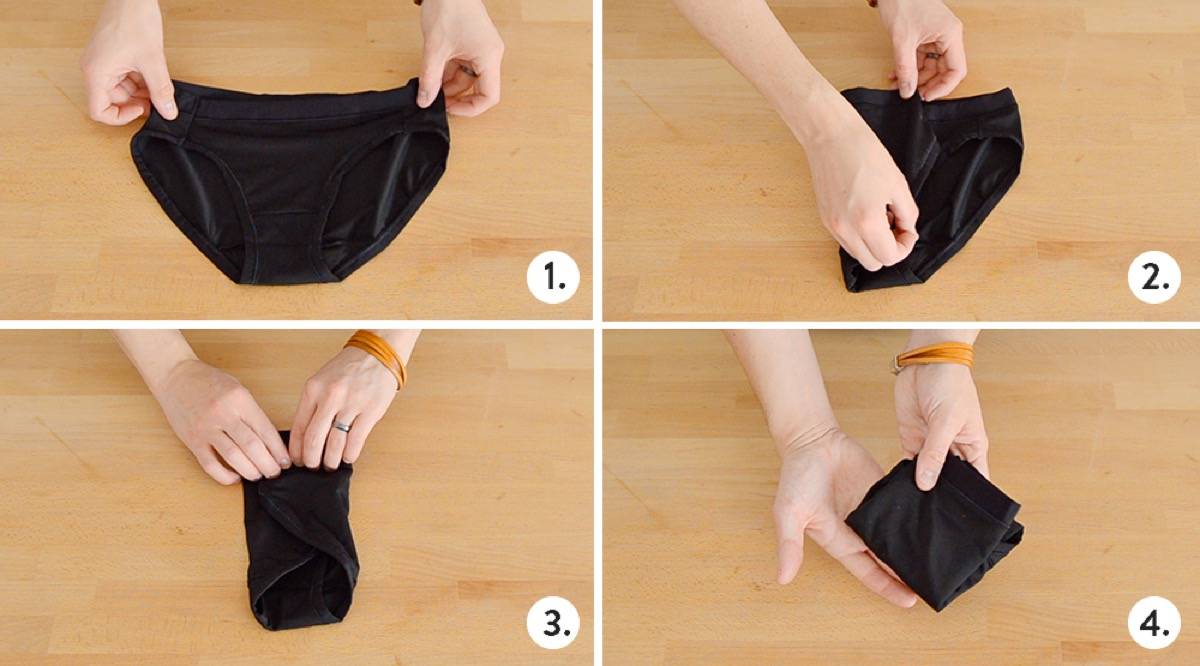
Finally, let’s talk about how to fold underwear. Do you fold your undies? A lot of us don’t, but folding them sure makes it easy to see what you have available in your drawer.
Name:Hilton Carter Location: Baltimore, MD Size: 3,200 square feet Type of home: American Colonial Years lived in: 1, owned
As Apartment Therapy’s Plant Therapist, Hilton Carter is the first person we turn to when our snake plants are looking sad or our pothos needs propagating. His deep knowledge about all things green, his fresh sense of style, and his warm, you-can-do-this attitude have helped many a plant-filled home flourish. Including his own.
As you might suspect, Hilton’s Baltimore Colonial is positively packed with plants — more than 300 of them, in fact. He even has a planter built into the floor — a happy accident after he had to rip up some of the wood due to termite damage! When it comes to the rest of his space’s style, Hilton has taken a more minimalist approach. From the Cloud sofa and treasured artwork to the sculptural planters and vintage light fixtures, he chooses everything with intention, and he knows when to say when. The result is a home where everything feels like it’s exactly where it belongs — and with whom. That’s central to Hilton’s whole design philosophy: “Fill your home with pieces you love, not things you’re just holding on to just because.”
Hilton starts by dreaming up a room’s theme, then thinking about how it might come to life and coordinate with other parts of the home. “What’s the color story?” he asks. “What textures are going to create the biggest impact? What conversation is this room having with another?” By thinking about both the parts and the whole, everything feels more organic and cohesive.
Then Hilton brings his vision to life — in good time. First, he creates a mood board of pieces that will evoke the special look and feel he’s going for. “Then I’ll order swatches of the materials that I’m looking to add, then place them in those rooms to make sure they’re doing what I want them to do,” he says. “Once I have a good feel of it in the space, that’s when I’ll make a purchase.” If Hilton’s home has you inspired to browse, Shop with Google lets you compare styles and price points at a glance and find pieces inspired by looks you love.
Perhaps the best example of Hilton’s thoughtful approach to design is the sunroom, a renovation that’s so green and exuberant that it feels like it’s always been there. “It’s just so full of life,” he says. “Sometimes I can hear it calling out to me to come and relax within it. I’ve created the space with that in mind. I think it’s working.” We definitely agree.
Inspiration: Art, design, and nature.
Favorite Element: The in-floor planter.
Biggest Challenge: Editing myself so that I don’t over style a room.
Biggest Indulgence: Plants and chairs.
What are your favorite products you have bought for your home? The cord chairs and gold planter in the sunroom. The Cloud couch and vintage sconce in the living room. The hourglass black planter and black-and-white rug in the entryway. The sconce and concrete vanity in the powder room. The refrigerator and coffee garage in the kitchen. The USB lanterns and speckled metal side table in the guest room.
Please describe any helpful, inspiring, brilliant, or just plain useful small space maximizing and/or organizing tips you have: When working in a smaller space, you have to be more precise with your purchases.
Finally, what’s your absolute best home secret or piece of decorating advice? Less is more.
We independently select these products—if you buy from one of our links, we may earn a commission. All prices were accurate at the time of publishing.
Making sure your bed and bedroom are primed for rest and relaxation is a vital part of making your home happy and healthy — all of which we take seriously at Apartment Therapy. As the unsung heroes of the bedroom, pillows are typically one of those bedding essentials you don’t really notice until something’s wrong. If something is, it’s probably because your pillow isn’t the best for your sleep position. So, we got to testing. We’ve determined the best mattresses for different sleep positions, have a whole list of the best cooling sheets for hot sleepers, and tested a ton of silk pillowcases to find out which ones are worth it. We’ve even got a round-up of the best editor-tested pillows, but what about those best suited for the most popular sleep position? Side sleepers, this Best List was made specifically for you. Of all the dozens of pillows we’ve tested, these are the very best for side sleepers, from firm and ergonomic to soft and cuddly.
For more content like this follow
The Best Pillows for Side Sleepers
What to Consider When Buying a Pillow for Side Sleepers
As we mention in our complete guide to the best pillows, there are two main features to consider when shopping for one: firmness and fill. But when you narrow your search for the best pillow for you and you tend to sleep on your side — or even in multiple positions — shape becomes the third important aspect to consider. Altogether, a pillow’s shape, firmness, and fill contribute to its overall support, and for side sleepers, personalized support is key.
For a breakdown of the most common types of pillow fill, you can reference our complete guide. Once you know the basics of memory foam, gel, down, down alternative, and latex fill types, it’s time to chat about their pros and cons for side sleepers.
Memory foam: This common fill type tends to allow the head to sink into it. Keep in mind, leveling up the firmness of a memory foam pillow could also mean experiencing extra warmth from heat trapped by its density. This said, memory foam pillows in contouring shapes can help counter these effects and provide the head and neck more tailored support for side sleepers.
Gel: Gel is a form of memory foam — its longer name is “gel-infused memory foam.” The main benefit of gel is that it makes the foam much more breathable, which is great for sweaty sleepers who need a cooling material. It’s also a bit denser than memory foam, so it offers greater support for side sleepers.
Down: Down, made from the natural material found under the feathers of geese or ducks, tends to flatten over time. A high-quality down pillow with a firm feel can combat this in the short term, but since side sleepers require support, you’ll see more synthetic fiber fills in our list than natural ones.Real down material can also trigger allergies and/or ethical concerns for some.
Down alternative: If you want the same luxurious feel as natural down, there are plenty of down alternative options that are nearly identical to the real thing. The added benefit here is that synthetic down fill has less of a tendency to flatten over time, so lack of support is less likely to creep up on side sleepers.
Latex: Latex comes from the rubber tree and is a chemical-free alternative to foam. Soft, bouncy, and durable, it’s a high-quality material that typically has a higher price tag. It’s also hypoallergenic and anti-fungal, and it doesn’t absorb heat like foam does. Most organic pillows are made from latex, and it’s an excellent, sustainable fill option for side sleepers.
Because they work in tandem, it makes sense to think about pillow firmness and height in relation to each other. For side sleepers, a pillow’s height ispossibly one of the most important factors: It has to be able to raise your head enough to align your spine without letting it sink throughout the night (or over time, for that matter). That said, if you’ve got a pillow with plenty of height that lacks firmness, you may still not be sleeping with a level of support critical for side sleepers. Because the space between our shoulders, neck, and head differs from person to person, our ideal fits can vary from piling up multiple soft pillows to sleeping on a single firm pillow with a taller height. As with most things, a little experimentation might be called for.
Tip: If you sleep in multiple positions, consider two pillows of different firmness levels: one suited for the position you fall asleep in and another nearby in case you toss and turn and need more or less support in the position you wake up in.
What We Look for in a Pillow for Side Sleepers
We tested a wide range of pillows for our list, judging them on the following criteria:
Our best overall pillow for side sleepers had a lot to achieve (not to mention some pretty particular editors to impress), and Cushion Lab’s Deep Sleep Pillow, with its gentle contouring and perfect medium-firm feel, comes out on the top of our list. Assistant shopping editor Britt says, “I was never really a sculpted-pillow person before, but the Deep Sleep Pillow has changed my mind. It has high and low neck supports and side-sleeper bolsters that create a cushioned cradle whether I turn to the left or right, as well as ample support when I am on my back. I’ve never before slept on a pillow that made me sigh in relief every time I change positions. I haven’t had any recent shoulder or neck aches, and I wake up feeling vacation-level rested. Deep sleep, indeed!”
Who It’s Best For: Those who want contouring without the obvious look of it; those who sleep in multiple positions.
Good to Know: Need several? When you shop multiple Deep Sleep pillows, you can save up to $20 off the total.
Commerce SEO editor Sarah began her quest for a new head rest when she “looked down at my pancaked pillow and I thought to myself, ‘Ouch — it may be time for an upgrade.’” Luckily for her, and for the rest of us, the upgrade comes in a pack of two and is available via Amazon for less than $50. “As a side sleeper, I knew I needed to find something with an ample amount of support for my neck,” Sarah says. Fern & Willow’s Premium Down Alternative Pillow Set became her “new go-to that was just right.”
“Not only did they provide outstanding neck support,” she continues, “but I was floored by how well they kept their shape. After a couple days, my neck pain was gone and I knew there was no turning back. In fact, when I went to visit my parents for a month, I ended up buying a set for their guest room. What can I say? I’m a ride or die when it comes to products that work for me.” And it’s pretty much what we’re all about at AT.
Who It’s Best For: Those who want the most bang for their buck; those who want a set of the same pillows.
Good to Know: Yep, these pillows are totally machine washable! Be sure to let them air dry for 72 hours before putting them back to use.
AT’s founder and CEO Maxwell can’t say enough great things about The PIllow Bar’s Down Alternative Side Sleeper Pillow. “I’m a side sleeper,” he says. “I chose four pillows from our list to get a sense of the differences, slept with each one, and came back very swiftly — spoiler alert — to liking the most luxurious, most expensive one.” Not only was Maxwell impressed by this luxe pillow, but two of his fellow testing editors also “joined me in this unanimous ruling, EVEN THOUGH we admitted that it would be hard to recommend this pillow to AT readers, since it would assuredly bring sticker shock. Nevertheless…” here we are recommending it. So, for side sleepers who are willing to invest, you’ve met your match.
It’s a down pillow — points for price justification — that’s also shaped like a boomerang so “your head is aligned with your spine to keep your blood flowing freely all night long. Problems result when this is not the case,” Maxwell shares. “I found myself quickly adapting to the unique shape of the pillow and the fact that a down pillow was quite firm (better to keep the head up). The pillow sits under your neck, but then slopes into your body in front of you, giving you a really nice feeling of an embrace.”
Who It’s Best For: Those who want something that fully contours around their head, neck, and shoulder; those who want something to help prevent excess movement.
Good to Know: The Pillow Bar recommends washing the cover once a week when you’re using it regularly.
Designed for side sleepers, the Pillow Cube has a wide range of unique, angular, and editor-loved pillows. Tack on the breathable poly-fiber fill that gives it such great support and noticeable temperature regulation, and it’s no surprise that the Ice Cube Cooling Pillow PRO wins our best cooling category.“I can lay on my side for way longer than I was able to before,” says Britt, “because the unique shape of the pillow fits in the curve between my neck and shoulder, relieving the pressure that would typically prompt me to roll over.” A wannabe side sleeper turned stomach sleeper, Britt could never get quite comfortable enough on her side. Now, after using the Ice Cube, she sleeps on her side more often. But this pillow doesn’t just live in her bedroom: “When I’m relaxing on the couch, I like to lay down on my side and watch TV, so I’ve been using the Ice Cube instead of the (less-than-ideal) sofa arm. I never thought I’d use a square pillow ever, but this is definitely a find that makes me so happy that I let my curiosity get the best of me.”
Who It’s Best For: Those who sleep hot and on their sides; those who want something supportive while lounging.
Good to Know: Pillow Cube recommends using a pillowcase on top of the Ice Cube’s cooling cover to protect it from possible pilling.
*Honorable Mention: The Layla Kapok Pillow. “Like the mattress, the pillow does NOT disappoint,” says AT contributor Emily. “I’ve tried other cooling pillows in the past, but none have this medium-firm density and are able to keep cooling through thick pillowcases! Definitely a 10/10.”
“The Easy Breather Pillow arrives at its firmest,” Britt says of our best adjustable pillow for side sleepers. “It’s packed with a mix of memory foam and polyester fiber, and it comes overstuffed on purpose. The point of the pillow is for you to adjust it to your liking by removing the fill, and it even comes with a complimentary cloth bag to hold any removed fill in case you want to add it back in later.” So far, so good. Not only is the pillow height and firmness adjustable, but its cover is cooling and machine washable, “so you end up with a versatile pillow that won’t need to be replaced as quickly as others,” Britt says, “which saves money in the long run.” Even better.
Britt adds that she’s impressed with the shape of the Easy Breather Pillow. “I’ve become more of a combination sleeper these days, alternating between my stomach and side, so a firm-but-not-too-firm pillow is perfect for me. To accomplish that with the Easy Breather Pillow, it just meant taking out a fraction of the fill to make it softer while preserving a supportive level of firmness.” Easy Breather, easy peasy.
Who It’s Best For: Those who change sleep positions; those who want the ability to change firmness and height as needed.
Good to Know:Nest Bedding advises making your Easy Breather “very soft first by removing a lot of fill… then add some back as you test to reach your optimal firmness.
When searching for the best ergonomic pillow for side sleepers, we hoped for something with a subtle shape that we could keep discreetly on our beds when they’re made and fit easily into the standard-size pillowcases we already love. Ultimately, though, it had to perform in terms of spine alignment throughout the night and allowing us to wake up pain-free. News & culture director Tara “likes that the Sleep Number Comfortfit Curved Pillow keeps its shape, is firm but not uncomfortable, and feels supportive no matter what position I am sleeping in. The curved shape creates a little pocket for your shoulder,” which is ideal if you’re a side sleeper and can prevent unnecessary tossing and turning. In fact, “my boyfriend said that he felt that he tossed and turned less frequently when he used it,” Tara says. “It was comfortable when I put my arm underneath the pillow as well.” It’s a uniquely shaped pillow that can still be used a number of ways — but we especially love that it maintains its unique shape night after night.
Who It’s Best For: Those who primarily sleep on their sides; those who want to prevent as much flattening over time as possible.
Good to Know: Not convinced this one’s for you? Sleep Number also has a Pillow Quiz that’ll help you land on the right one.
Name:Kate Arends Location: St. Paul, Minnesota Size: 5,500 square feet Type of home: Colonial rambler Years lived in: 2, owned
Whether she’s transforming her kitchen, styling effortlessly chic outfits, or fielding questions about relationships and parenting, Kate Arends lives up to the name of her popular design and lifestyle company: Wit & Delight. Like your friend who always thrifts the coolest finds, Kate adds her relaxed and irreverent style to everything she touches.
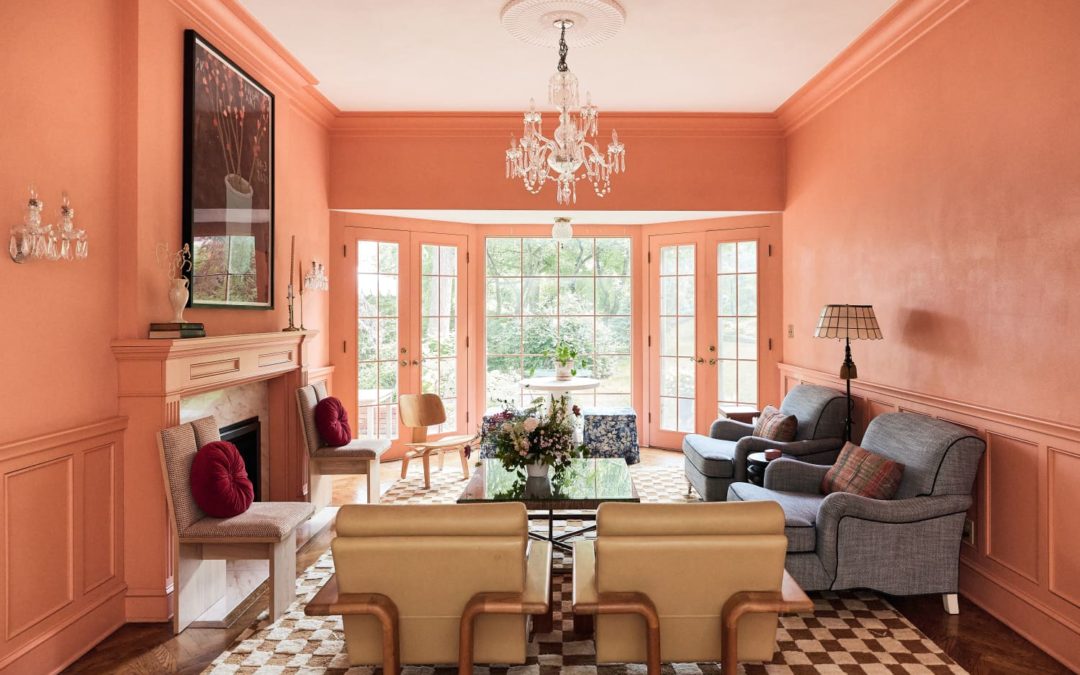
That’s especially true of the sprawling Colonial rambler she shares with her family in St. Paul, Minnesota. The classic architectural style is a dream backdrop for Kate’s playful twists on traditional decor. But when the family first moved in, it was full of wild paint colors and a few questionable design choices. No matter! Kate has spent the last two years turning it into a home that’s unmistakably hers, from the pink-and-marble kitchen to the inviting blue library. Each room is a constant work in progress — with evolving combinations of artwork, vintage rugs, and charming accents — but she wouldn’t have it any other way.
“Because I don’t design a room to be complete within a certain time frame, the spaces evolve slowly,” Kate says. “I love this way of thinking about designing for yourself because it creates a much more personalized expression of your family and home.”
With her keen eye and abundance of rooms to fill, Kate has decor scouting down to an art, whether she’s browsing thrift stores or searching online. “I have a running list of pieces I’m keeping an eye out for,” she says. “You never know when you’ll stumble upon the perfect thing!”
When Kate shops online, she uses keywords to locate looks that reflect specific styles, eras, and designers. Shop with Google helps her compare items and prices at a glance without visiting multiple sites. “It saves time and energy, plus I find items from new-to-me shops that I would have otherwise missed,” she says. (And now that Apartment Therapy house tours are shoppable, you can identify and bring home those special pieces that just make a room work.)
The constant treasure hunt means that when Kate finds a piece, whether it’s a print by a new artist or an old cabinet destined for a DIY, it fits into her home like it’s always been there. “Design for how you live and who you are,” Kate says. “Your home will support and enhance your life, and you’ll enjoy it more.”
My Style: Traditional with a modern twist.
Inspiration: Period pieces like Pride and Prejudice, Emma, and Wes Anderson films.
Favorite Element: Our property and the way the house was designed with views of the outdoors in mind.
Biggest Challenge: The layout. With two additions, we have run into costly issues when renovating. We’re working with the existing floor plan to minimize those extra expenses, like having to remove all the subflooring.
Proudest DIY: Our dining room chairs!
Biggest Indulgence: Swedish kilim rugs and our artwork.
What are your favorite products you have bought for your home and why? The pendant above our kitchen island, the Swedish kilim rugs in our foyer, the Eames chair in my office, the HUGE sectional in our family room, and the vintage chairs in our formal living room. They are items that I fell in love with as soon as I saw them, and I think they act as focal points in each of these spaces.
Please describe any helpful, inspiring, brilliant, or just plain useful small space maximizing and/or organizing tips you have: I search for hutches and reclaimed cabinets at salvage shops. I love using them for organizing toys, storing linens, and hiding clutter in high-traffic areas. These larger pieces are often cheaper than buying something new and can act like extensions of your closets.
Finally, what’s your absolute best home secret or piece of decorating advice? Don’t be afraid to let your personality shine through when designing your home. Surround yourself with the things you love and you’ll be surprised how unique and beautiful your space becomes.