by Furnishly | Jan 13, 2022 | Design Inspiration, Style
We independently select these products—if you buy from one of our links, we may earn a commission.
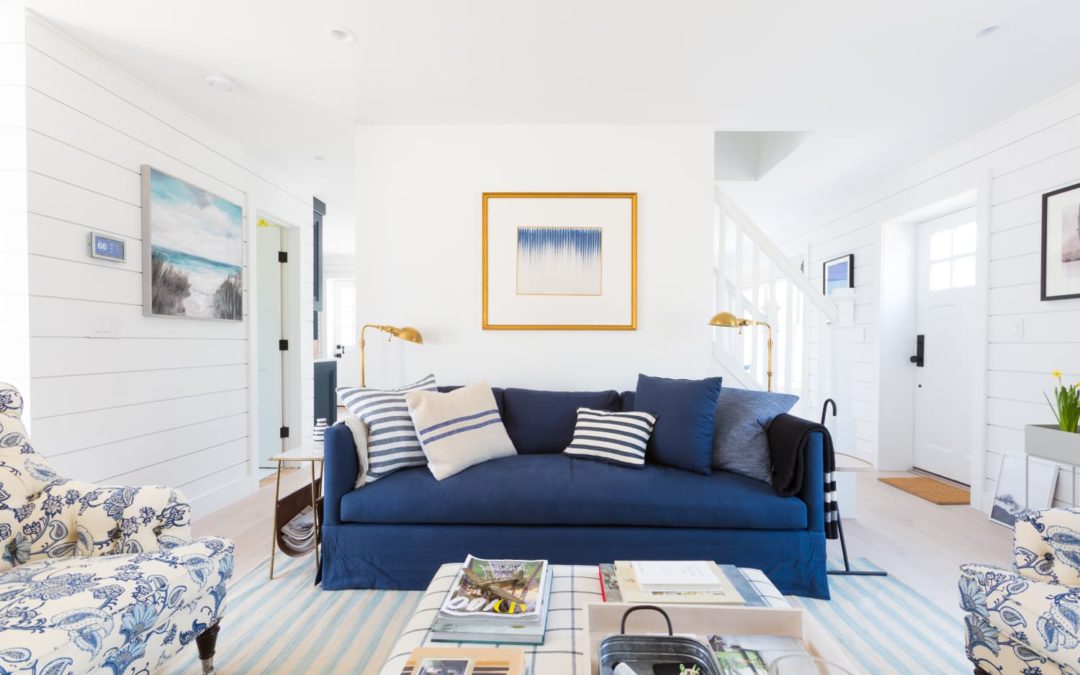
Stripes have always been a classic geometric pattern that function like a neutral. They come in a wide variety of widths, and they can easily be mixed with solid colors to add depth and personality to your space. Stripes can also ground other patterns from leopard to florals, when used strategically. This season though, a more organic, imperfect, and maybe even artistic version of the stripe pattern is showing up all over the place — we’re calling it scoring (or scored marks).
Scored patterns and prints have a little bit more artistic appeal than, say, a quintessential unbroken stripe or band pattern. That’s likely because these hash or tick-like marks call to mind the scoring and slipping of pottery construction. Often almost hand-drawn in appearance, home decor items with score mark motifs fit well with the warm minimalist aesthetic, but they also carry enough geometric weight and punch to hang in more maximalist spaces, too. It all depends on what you pair them with and what color you choose; tone-on-tone versions are especially subtle, for example, if that’s more your speed. From dressers to vases, shop a few of my favorite trendy scored items for your home right here, whether you’re looking for a splurge-worthy investment piece or a cheap decorative thrill.
You might expect to see a ceramic light with a scored pattern incised into its surface, but this Urban Outfitters table lamp actually features a shade with a hash mark pattern instead. Try it bedside or next to your living room sofa for a neutral but still visually interesting touch of texture and pattern.
Buy: Blakely Table Lamp, $139.00 from Urban Outfitters
Odetta Nine-Drawer Dresser
Anthropologie’sOdetta Dresser is a splurge, but the simple, tone-on-tone scoring on the drawers’ surfaces makes it a special piece. It comes in black and white as well.
Buy: Odetta Nine-Drawer Dresser, $2,498.00 from Anthropologie
RoomMates Tick Mark Peel and Stick Wallpaper
A scored pattern is a perfect motif for wall paper. From a distance, thispeel and stick reads like a solid color, but when you get up close, it appears to have a handmade touch, thanks to the irregular placement of the individual tick marks. Go bold with a darker colorway or subtly glam with the gold on white design.
Buy: RoomMates Tick Mark Peel and Stick Wallpaper, Starts at $28.10 per roll from Amazon
The cool thing about scoring is the individual lines can be used to fill in a larger, overarching geometric design. Such is the case with this cozy area rug, which features a diamond and triangle motif that’s comprised of scored lines in different widths placed in alternating directions.
Buy: Trunding Area Rug, Starting at $548.10 $219.24 from Boutique Rugs
You couldn’t ask for a better example of a warm minimalist ceramic vase. Try one or a pair on a table or a mantel, filled with dry florals or not. At 12 inches and 20 inches, they’re both very substantial in size.
Buy: Lati Vases, Starting at $36.95 from Crate & Barrel
Silk Mini Stripe Pillow Cover
Pillow covers are the easiest ever way to jazz up an old sofa, chair, or even your top of bed. These silk covers come in a wide variety of shades and feature bands of stripes that look like score marks. I could see one pairing well with a solid color pillow in a contrasting but still textural fabric like bouclé or velvet.
Buy: Silk Mini Stripe Pillow Cover, $42.40 $31.88 from West Elm
This rough concrete candle features a variety of etched shapes. You can’t miss those score marks though — highlighted with white paint, which is applied by hand by craftspeople — before soy wax gets poured in each vessel to create a fragrant, fruity-smelling candle.
Buy: Sonora 10 oz Candle – Pepper + Pomelo, $34.00 from Paddywax
by Furnishly | Jan 13, 2022 | Design Inspiration, Style
It’s nearly mid-January, so by now you might be thinking, “Not another 2022 decorating trend story!” But so many home, tech, and trend forecasting companies shared their thoughts on home decor in December that we had to catalog the most interesting concepts that emerged from their individual perspectives. Honestly, who doesn’t like an opportunity to peak into a crystal ball, especially when “the future” is backed by sound search data? These trends caught our eye, felt fresh, and are primed to take off big-time this year.
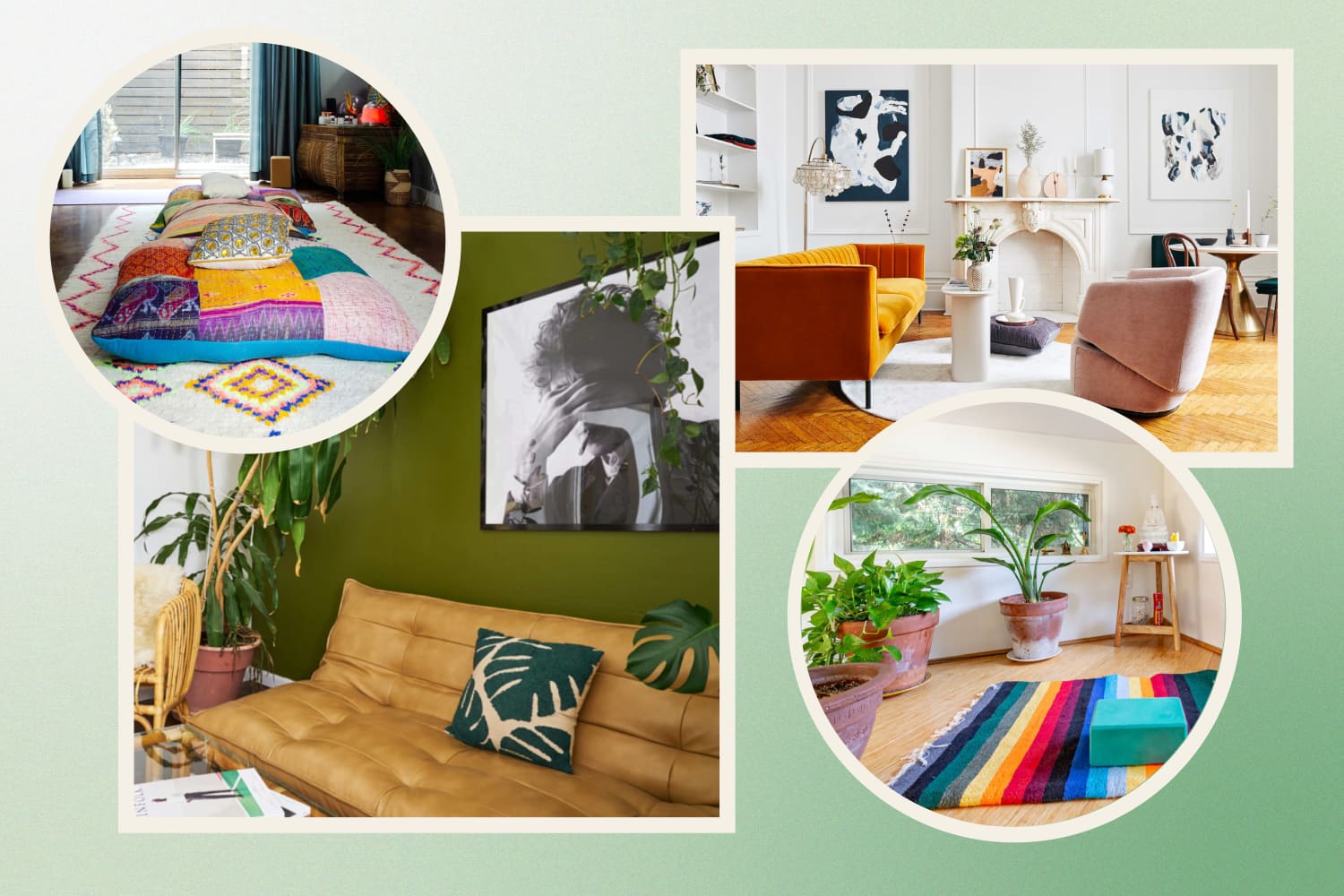
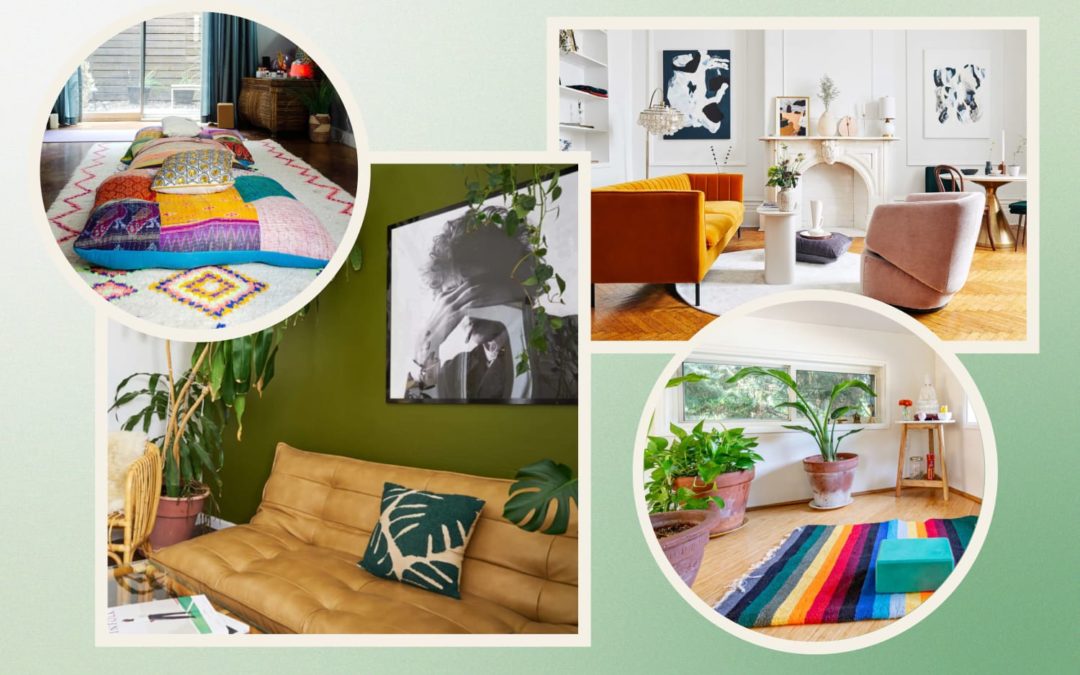
According to Pinterest, 2022 will be all about feeling your emotions in spaces designed to soothe, decompress, or nurture a wellness-fueled hobby like playing a musical instrument or kicking back and listening to vinyl. Searches across the site are also up for things like tiny library room, home massage room, and even rage room, the last of which is a space catered to releasing negative energy. Depending on the size of your home, these kind of spaces could be full rooms or small corners carved out of larger areas.
For WGSN, a global trend forecasting company formerly known as formerly Worth Global Style Network, 2022 will be all about holistic and healthy spaces that bring nature’s benefits indoors. Think plenty of plants, hits of the color green, and natural materials like leather and rattan. They’re also predicting the use of more materials that mimic natural formations that you could see outside on a hike or walk in the forest, from burl wood (which showcases interesting knots and outgrowths in trees) to large slabs of stone (which feature unique striations formed over centuries).
You’ve probably been hearing all about how 2022 is the year of sage green for the home, but that doesn’t mean other colors aren’t bubbling up in the design world, too. If designer Jeremiah Brent’s expert insight is any indication, blue might also be back in a big way. “I’m not one that naturally gravitates towards color, but I’ve recently been incorporating certain hues of blue into my designs to canvas a space,” says Brent, who partnered with Yelp on a 2022 trend report. “Muted and textural applications of blue are certainly having a moment.” The designer himself chose dusty blue plaster walls for the living room in a recent Los Angeles project, which you can see above. “Whether it’s adding an accent wall, drapery, or decorative pillows, look to dusty blues in 2022 for a timeless moment of color,” says Brent.
The 2022 Pinterest Predicts report doubled down on the curved furniture and furnishings trend we’ve been talking about for a while now. Specifically, Boomers, Gen X, and Millennials are fueling this turn to rounded edges and soft corners, perhaps for their so-called calming effect and easiness on the eyes. What’s particularly interesting is that Pinterest believes this trend is about to evolve from curvy couches and chairs to curved walls, bars, and even kitchen islands, which I actually wrote about back in early 2019. See? Design trends always do come back around.
Similar to Pinterest’s concept of emotional escape rooms but a bit more nuanced, WGSN is predicting that consumers will be filling their homes with products, materials, and finishes that support spiritual connection and aid in mindful relaxation. This could play out quite literally in spaces like the meditation loft that you see above, or you might see this in the use of quiet colors and the prominence of meaningful art and objects in deeply personal interiors.
“This year is all about making a space yours,” Brent says. What better way to express yourself through your home design than with curated artwork and special touches like custom furniture or restored vintage items? “We have a collection of meaningful pieces that have moved with us from home to home but are so excited about the new art we’ve additionally sourced for this renovation,” Brent says of the new home he’s working on with his partner, designer Nate Berkus. “Yelp saw a 181 percent increase in searches for professionals to assist with installing art, a trend that we’ll be partaking in as it supports another level of personalization within your home.”
Danielle Blundell
Home Editor
Danielle Blundell is AT’s Home Director and covers decorating and design. She loves homes, heels, the history of art, and hockey—but not necessarily always in that order.
Follow Danielle
by Furnishly | Dec 21, 2021 | Design Inspiration, Style
We independently select these products—if you buy from one of our links, we may earn a commission.
There’s something so satisfying about a year in review, especially when it comes to home decor and design. At Apartment Therapy, we’re in the business of making decorating predictions, so this kind of year-end exercise is also about taking stock of whether our home decor premonitions came true. While 2021 may have been another strange year in the world, plenty of inspiring things happened from a decorating standpoint, and a lot of what took off in terms of interiors will still be relevant long after the clock strikes midnight, on Dec. 31. Take this walk down memory lane with me, and you’ll be more than ready to redecorate and do something different after rediscovering these seven 2021 trends — many of which, yes, we predicted correctly!
Biophilic beauty kicked the year off
In 2020, many people didn’t feel safe doing much outside of their homes, other than relishing in the seclusion and beauty the great outdoors has to offer. Going into 2021 then, it came as no surprise that designers, architects, and dwellers alike all channeled the influence of nature into their spaces in various ways: earthy textures, green-forward color palettes, plants galore, and even wallpaper and fabric prints that featured flora and fauna. The buzzword for all of these nature-inspired motifs? Biophilic design, which creates a strong connection with nature through use of all the aforementioned elements as well as the inclusion of as much natural light as possible. The idea is to bring nature into your home for all of the benefits it can bring: calmness, serenity, and a breath of (literal) fresh air.
Neotenic design made its debut
If 2020 was all about curvy silhouettes for home furnishings, those rounded shapes evolved into squiggles and wiggles with full-force for 2021. You probably couldn’t scroll on Instagram without a wavy mirror, pillow, or lamp popping up on on your discovery page or in your feed. What’s more, many spaces just became less serious in general, with a subset of designers and dwellers using design references from childhood, which is essentially a resurgence of neotenic style.
“This style of design essentially embraces exaggerated childlike qualities, which are often reflected in curved pieces of furniture, lighting, and decor,” says Amber Dunford, style director for Overstock.com. “This style adds softness to a design and brings more soothing energy.” With the pandemic still a factor in everyday life, self-soothing through decor is something almost everyone can get behind, so I’d expect to see more of this in 2022. Though comfort looks different for everyone, people will likely still be finding decorative joy in primary colors and silly shapes for a while.
Arches continued to put neoclassic and classical design back on the map
The painted arch might have been 2020’s answer to simplifying 2019’s painted mural trend, but in 2021, real arches started creeping back into interiors everywhere. From doorway openings to shower surrounds and even windows, the arch made its triumphant return to renovations and home projects across the globe, culminating in this epic bathroom renovation project by designer and creative Ann Sage that Apartment Therapy showcased earlier this year. I’d expect to see more of this in 2022 as well, with arched windows adding even more classic character to new construction, too. Arched and circular windows are both dramatic and invite even more sunlight into a space than their rectangular counterparts, according to a trend report by Andersen Windows and Doors.
’80s design returned to the home space
Another hit with the Instagram and TikTok set, quintessential 1980s interior elements really surged in popularity this past year, with everything from shell lamps and brass shelves to pastel furniture and Memphis accents all enjoying time in the design spotlight. The interesting take on this ’80s revival style? This time around, millennials and Gen Zers took to mixing these pieces with reckless abandon, particularly with Art Deco-style furnishings to create a new mashup style called “Memphis-Deco.” Apparently what’s old is actually new again right now.
Closed floorplans came back in a big way
Our 2021 designer survey predicted the return of walls, and certainly, closed floor plans have made a comeback in newer construction. If there’s anything the pandemic has taught many of us, it’s that a little bit of separation is good, especially when it comes to creating distinct zones for specific uses that require a bit of quiet and privacy. For many though, construction was and still isn’t an option, and partitions became a thing of pivoting. People found ways to work within the confines of their square footage, adding dividers made out of bookshelves, living plant “walls,” curtains, and store-bought privacy screens.
Home offices popped up in tiny corners and spacious spare rooms alike
As some people continued to telecommute to the “office” in 2021, many began finding more long-term solutions for their workspaces. Whether that meant using a dining table as a desk or turning a spare closet into a nook for Zoom, these “rooms” look different for everyone. But the concept of a home office is officially here to stay, and this year gave rise to a bevy of solutions and spending on decor in the name of professional development.
All the feels came to the fore with warm minimalism
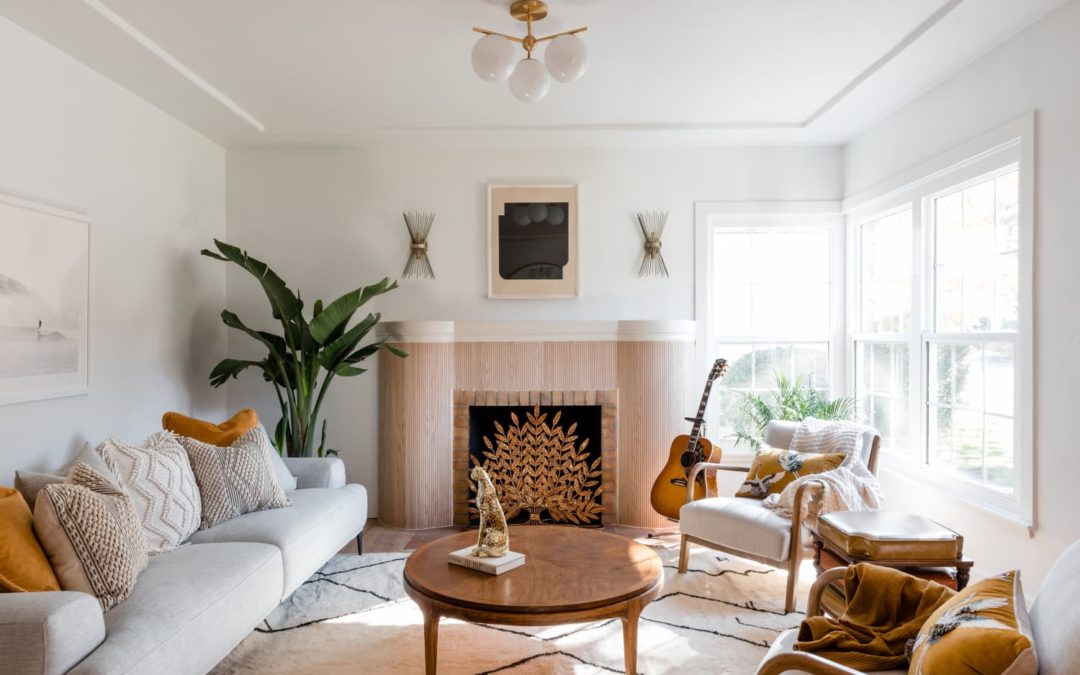
Sherpa blankets, bouclé decor, low-slung sofas: Cozy design peaked in 2021 and really shows no sign of slowing down for 2022, thanks to the dominance of warm minimalism, which puts emphasis on texture above pattern. This past year though, interiors weren’t just about all things soft. Natural textures continued to creep into the design conversation, and the slotted, clean look of tambour wood picked up where rattan, cane, and sisal left off, adding yet another way to bring warmth into a space without overwhelming the senses.
Danielle Blundell
Home Editor
Danielle Blundell is AT’s Home Director and covers decorating and design. She loves homes, heels, the history of art, and hockey—but not necessarily always in that order.
Follow Danielle
by Furnishly | Dec 14, 2021 | Design Inspiration, Style
Last year, after the pandemic forced pretty much everyone to shelter in place and rethink their living spaces, people brought in natural touches with plants galore, embraced comfortable furnishings, and carved out nooks dedicated to Zoom calls, home workouts, and other hobbies. It was a tough year, but homes are perhaps in a better place because of it. Around this time last year, all of these changes prompted us to take official stock of the design movements that emerged. We polled a wide variety of interior designers who shared information on just how values and design choices surrounding the home had shifted during unprecedented times.
A year later — a lot has changed, and yet, some things have stayed the same. Close friends and family can finally come over, and many schools have reopened full-time, but people aren’t exactly back to life as it used to be either. Makeshift home offices have had to evolve and upgrade into more permanent home features. Travel is tricking back into the picture, bringing some much needed inspiration back into decorating projects.
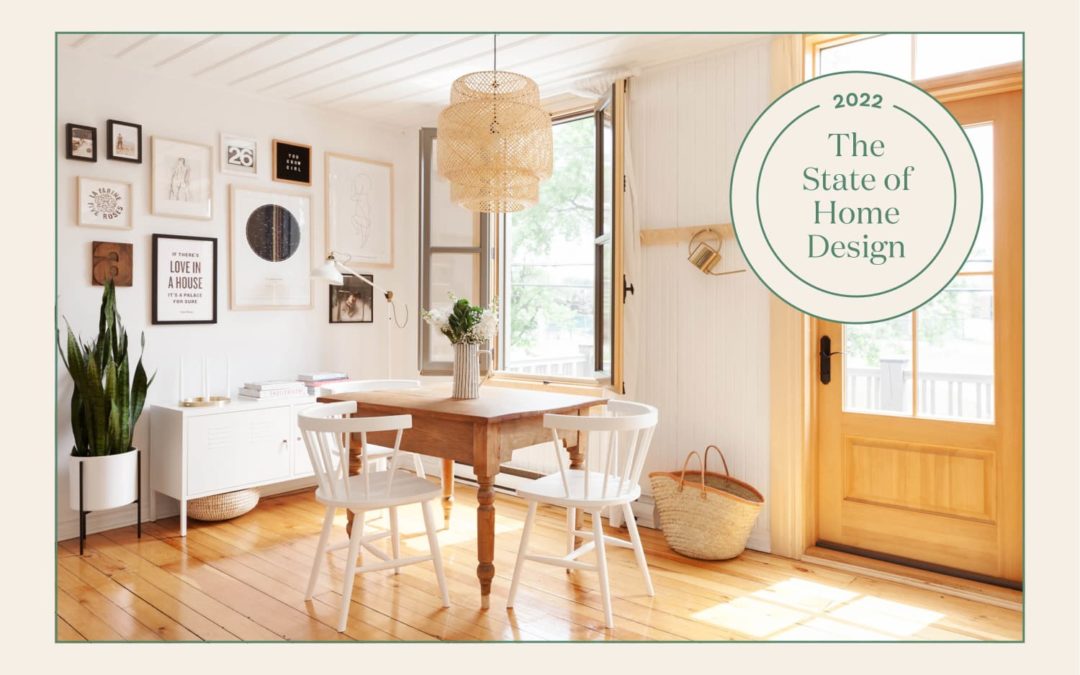
To get a sense of where home design is headed for 2022, we surveyed a new batch of designers and asked some of the same questions as last year — as well as a slew of new ones — to find out about the trends that stuck and those that are fizzling. Like last year, we tapped designers that belong to a variety of professional organizations and networks, including the American Society of Interior Designers, the New York Design Center, the Female Design Council, and more to get insider insights. During the survey, designers discussed everything from trending materials and colors to what pandemic decorating phenomenons they think will stick around for good. Read ahead for everything we learned about home design for 2022.
People continue to crave coziness and comfort — but with a side of sheer joy
Hey, we’ve been through a lot recently (pandemic, police brutality, and climate disasters come immediately to mind). Many people still need their homes to function and feel like a personal security blanket — safe and cozy. One way to achieve this cocoon-like feel is through the materials, colors, and shapes you surround yourself with.
It’s no surprise, then, that 83 percent of surveyed designers said curved and rounded sofas and chairs will dominate living spaces next year. These sinuous shapes, with soft edges, were also the top silhouette last year. Perhaps we can thank the deluge of low-to-the-ground models like Ligne Roset’s Togo and B&B Italia’s Camaleonda couch flooding Instagram feeds everywhere — 63 percent of designers predicted that their popularity will skyrocket 2022. Think body-contouring pieces you can really sink into — chairs, settee, and sofas that feel like literal hugs. “Having a comfortable spot to relax makes a huge difference and adds to the warmth and homeyness of that space,” says designer Jennifer Matthews, the New Jersey-based creative director of Tempaper, on that note.
Fabrics and tactile materials are also introducing extra warmth to interiors everywhere. Nubby bouclé’s a favorite that’s carried over from last year, with 68 percent of respondents saying they expect to see it in homes going forward. Instead of the white and creams you’re used to seeing though, a variety of bouclé colorways are now available to choose from, including darker browns to light blues. When it comes to materials though, stain-resistant and easy-to-clean performance fabrics reigned supreme (78 percent of designers saw this category as a top trend). “In 2022, I’m expecting [to see] spaces that nurture our lifestyles,” says Brooklyn, New York-based designer Erin Roberts. This includes the advancements of performance fabrics. “Clients are now being educated on the benefits of luxurious fabrics that live well with the kids and pets,” she says.
In addition to being just plain comforting, designers say that clients now want their homes to also make them feel happy with decorative touches of joy, exuberance, and hope in the the face of bleakness. The main way designers are seeing this transpire is through the use of color. In addition to ubiquitous neutrals, prepare to surround yourself with optimistic hues like sage green (75 percent) and vibrant shades like rust red (53 percent). Green and red tones are consistent with findings from last year, but on the whole, they’re more brilliant in tone and bolder in saturation. “We had a rough year-and-a-half,” says Gainesville, Florida-based designer Melody Vaughn. “As trends show after dark periods in society, color and happiness show up heavily in fashion and home design.”
Brooklyn, New York-based designer Katrina A. Peralta of Livlet Studio also sees people experimenting with color more in 2020. “Safe is becoming boring,” she says. “People are moving away from the earth tones and going with more pop and personality.” There’s no part of the home that this rings truer in than the kitchen, where 68 percent of surveyed designers predict bold colors will cover cabinets and decor. Just take a look at the pretty blue kitchen designed by Brooklyn, New York-based designer Alice Tedesco of Macte Studios shown above. Fun is back, so rounding out all of the color, you can also expect to see funky patterns and whimsical shapes on everything from wallpaper to decorative objects.
Warm minimalism continues to rein supreme as a top design style, supported by tactile touches
Can it be true? Are people finally ready to ease up on their love of mid-century modern’s tapered legs and walnut woods for lighter, brighter options? According to our survey, popular home design styles and trends are slightly shifting. What should you invest in? Designers predict warm minimalism will take over as the desired aesthetic (78 percent). The style was predicted to be big in 2021, and it’s definitely going strong with its soft palette, natural touches, and light and airy woods.
Mid-century modern, which was in the top spot last year (and for what seems like forever) fell to 60 percent and is in a tie with maximalism. While mid-century decor continues to stay relevant, the style seems to be evolving in an exciting direction. More and more current designers are pulling references from France and Italy in the ’50s and ’60s, mixing up all the “Mad Men”-esque decor with more refined pieces like what you see in the interior above. Boxy silhouettes are softening up a bit, too, with walnut showing up less frequently than before.
Like regular minimalism, warm minimalism aims to cut down on clutter and distractions, but the nature-inspired style is far from cold. In fact, one of the key principles is adding a soothing tactile appeal through textures. Think materials like woven jute, washed linen, and plush faux sheepskin, which can instantly make any room cozier. Some of the materials designers predict will overtake our recent obsession with cane and rattan are influenced by this trend, too. Burl wood (68 percent) and alabaster (54 percent) top the list of what designers see surging in the home for 2022. Burl, which features unique swirls and patterns formed from growth on trees, adds interesting depth, while elegant alabaster, the soft white stone often used for carving statues, vases, and light fixtures, elevates a room with a touch of classic sophistication.
Speaking to that desire for more fun: Enter maximalist decor. This movement for adding more personality and color to spaces is gaining ground. More and more, designers and dwellers alike are creating rooms that mix multiple patterns and decorating styles to come up with a space that’s unique and extremely individualistic, similar to this lovely layered, eclectic interior designer David Quarles, IV created in his own Memphis, Tennessee, home. Bravo!
In part because of supply chain issues and awareness around the importance of sustainability, 70 percent of designers say all things vintage will be major in 2022. “Supply chain issues have shown us that we can be inventive with what is local and available to us,” says Hyattsville, Maryland-based designer Erica Riggio of Green Owl Design. This includes buying vintage and repurposing or refinishing what you already have. Denver, Colorado-baed designer Heather Goerzen, who works with Havenly, says rummaging vintage stores and online antique auctions is an especially great way to find artwork. “Fifty dollars can go a long way in the right antique shop,” she says. “Investing in one statement piece, or smaller frames for a gallery wall, brings a discovered and soulful feel to your home that’s anything but cookie cutter.”
If you’re setting your weekend agenda for antiquing or just doing a good scroll through Facebook Marketplace, keep your eyes peeled for fabric chairs and sofas in interesting silhouettes that can be reupholstered and given a new life. Designers say these pieces offer the best return on investment and will be in highest in demand. Another hot commodity: ceramics and glassware.
Form is following function
If 2021 taught us anything, it’s that, above all else, having a comfortable, functional setup is crucial in every well-designed home. When looking for furnishings, designers say you can’t go wrong when splurging on seating, especially on a statement sofa. “The sofa is the cornerstone of your living space,” says Clayton, North Carolina-based designer Casey Hardin. “In today’s day and age, it’s more than just a lounge piece — it’s a place to converse, to eat, to work, and to relax.” You won’t regret spending on a quality piece that you’ll use every day for years to come.
According to designers, lighting is one home feature that makes a big impact but is often overlooked. A well-lit room does more than illuminate a space; it creates emotion, dictates ambiance, increases productivity… and let’s not forget, makes you look incredible in selfies or family photos. So don’t neglect the source! A majority of designers surveyed stressed the importance of selecting the right bulb for fixtures and adding dimmers to lamps, too. If you’re overwhelmed by bulb choices, Brooklyn, New York-based designer Gia Sharp says go for warm lighting. She recommends “3000k for task areas, like the kitchen and bath, and 2700k for ambiance like the living room and bedroom.” Another bright idea: Make sure your light bulb temperatures are consistent within a room for maximum visual harmony.
Finally don’t underestimate the power of a good rug. “They make a space feel finished, and can bring color, texture, and style in through one piece,” says Baltimore, Maryland-based designer Tiffanni Reidy of Reidy Creative. When picking the right option for your living room, New York City-based designer Lauren Behfarin says the right rug should be expansive, soft, and used to tie in other colors from around the room. “Rugs are often neglected but can really make a space feel larger, richer, and more finished,” she says.
Home layouts continue to evolve
The pandemic prompted many people to get wiser and craftier with their interiors. Spaces were section off to accommodate home offices and Zoom school, and while the dust has settled a little, many dwellers are still making tweaks. The biggest trend with real staying power so far though? The home office. “The home office is going nowhere,” says Atlanta, Georgia-based designer Amber Guyton of Blessed Little Bungalow. If anything, she suggests more people should invest in the workspace. Matthews agrees especially, she says, “as more and more companies realize they can get the same work done with remote employees.”
Interestingly enough, designers are fielding more requests for utility spaces like laundry rooms nowadays, too. “These were often afterthoughts but are now being reprioritized in terms of design,” says Brooklyn, New York-based designer Kathleen Walsh. “I do think the trend will continue as we spend more time in and truly appreciate every aspect of our homes.”
One of the most striking findings from last year’s survey was that almost half of the designers (44 percent) polled predicted closed floor plans will make a huge comeback. Boy, were they were right! “We absolutely rediscovered the need for walls,” says Walsh. “While an open floor plan is lovely and definitely has advantages, we’ll continue to prioritize separate spaces and privacy moving forward.” Quarles, IV says a key learning from the height of the pandemic is that people do too much in one single space. “Having set spaces where we can work, create, rest, and close off when we need to is something that I think we will continue to see in the future of design,” he says. It’s no wonder then that 50 percent of designers think dining rooms are making a comeback. The often underused room can easily serve as an office, classroom, or a meditation corner to take a beat for yourself. That being said, there’s reason to believe designers meant the formal dining room as we used to know it; what better space is there for hosting dinner parties again and showing off all the cooking skills you’ve picked up during the pandemic.
If your pandemic purchases are no longer serving you, it’s time to get rid of them. Visual clutter — you know, the piles of clothes flopped on the bench in your bedroom, stack of bills shoved in your kitchen drawer, and stray toys lying everywhere — can really keep you from being productive and impact your energy and focus. When asked in the survey what’s the one thing they want their clients to leave behind in 2021, a resounding amount of designers said clutter. “Clutter is one of the biggest obstacles to a well received and livable home,” says Humble, Texas-based designer Christopher Charles Evans. “I always ask clients to start by decluttering their home during a design project. The process of decluttering helps clients to see the space with a new appreciation for what is usually their biggest investment.”
How do you know what to get rid of? Quarles has a simple rule: He advises clients to do away with “any items they’ve not thought about in the past three months, and/or anything that no longer serves them in how they see their home being curated in the future.” If that’s too drastic for you, make the time period six months or a year, and break down the decluttering process into small tasks. You can start with a drawer, a surface, a dresser… and then work up to a closet or a full room. Let this well-organized closet by Philadelphia, Pennsylvania-based designer Kelly Collier-Clark of Plot Twist Design be your inspiration.
Inspiration is more local than ever
In the past, designers have relied on their travels to inform their eye and act as a major source of inspiration. With travel bans and quarantine requirements making leaving the country a challenge, they’re turning to their own neighborhoods, cities, and backyards to discover what’s next. With so much more opening up, make like a tourist and hit up the latest cultural events and sights in your town, or plan a weekend staycation in a nature retreat close by. Your mind just needs new ideas to be excited by. When it comes to inspiring decades, 23 percent of the designers polled said they’ll be looking to the future for ideas followed by the 1970s (20 percent).
Think Fast: Design Edition
What’s an Apartment Therapy designer questionnaire without a round of decorating “This or That”? We asked designers to pick one decorating idea over another rival concept, and we were able to suss out out a few additional trend predictions this way. First, plain lamp shades won out over the trendy pleated versions you’re seeing all over your Instagram feed, so don’t feel like you have to invest there if you don’t want to. Surprise! Textured tiles are almost twice as popular as patterned tiles. For an easy update, you can’t go wrong with any type of mirror: Frameless asymmetrical mirrors only slightly won out over gilded framed mirrors. If you’re buying big pieces of furniture (say, a dining table for your newly installed dining room), maybe go for blonde wood. Light woods won over dark woods the tune of 65 percent to 35 percent. Finally, when it comes to shopping vintage, designers prefer hitting up antique stores, estate sales, and flea markets over perusing picks online.
After polling our panel of designers, it’s clear that while colors, materials, layouts, and design styles might have shifted year over year, most people still want their homes to be their havens — but it’s not just strictly about feeling safe anymore. Part of the equation now includes full-on happiness and unbridled joy, and that’s created an exuberance in home design through the embrace of color, whimsy, pattern, and personality — for some folks, even all at once! Warm, cozy shades and soothing textures are still appealing to the senses, but the visuals in many homes are getting bolder, brighter, and on the whole, more stimulating. People are also embracing vintage furnishings, whether out of necessity or for aesthetic and/or environmental reasons. The coming year will be all about optimistic, personal interiors that work harder and smarter, even if part of their function is just to put a smile on their occupants’ faces.
by Furnishly | Dec 12, 2021 | Design Inspiration, Style
We independently select these products—if you buy from one of our links, we may earn a commission.
As someone who spends a significant amount of time browsing home tours online and keeping up with my favorite decor accounts on Instagram, I’m exposed to my fair share of design trends and styles. Sure, not every setup catches my eye to the same degree, but last year, I found myself constantly swooning over rooms with one type of accent piece in particular: the pier mirror.
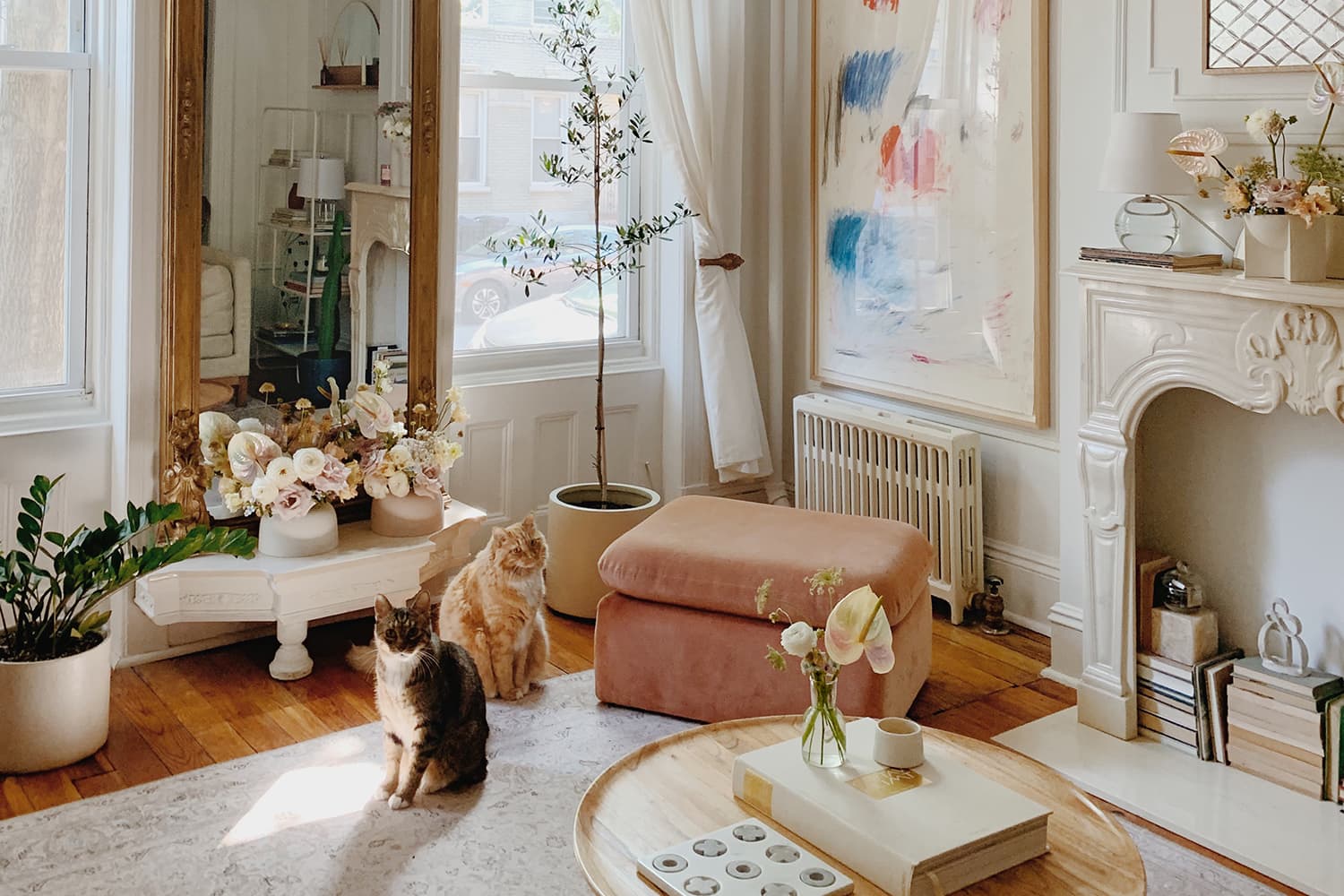
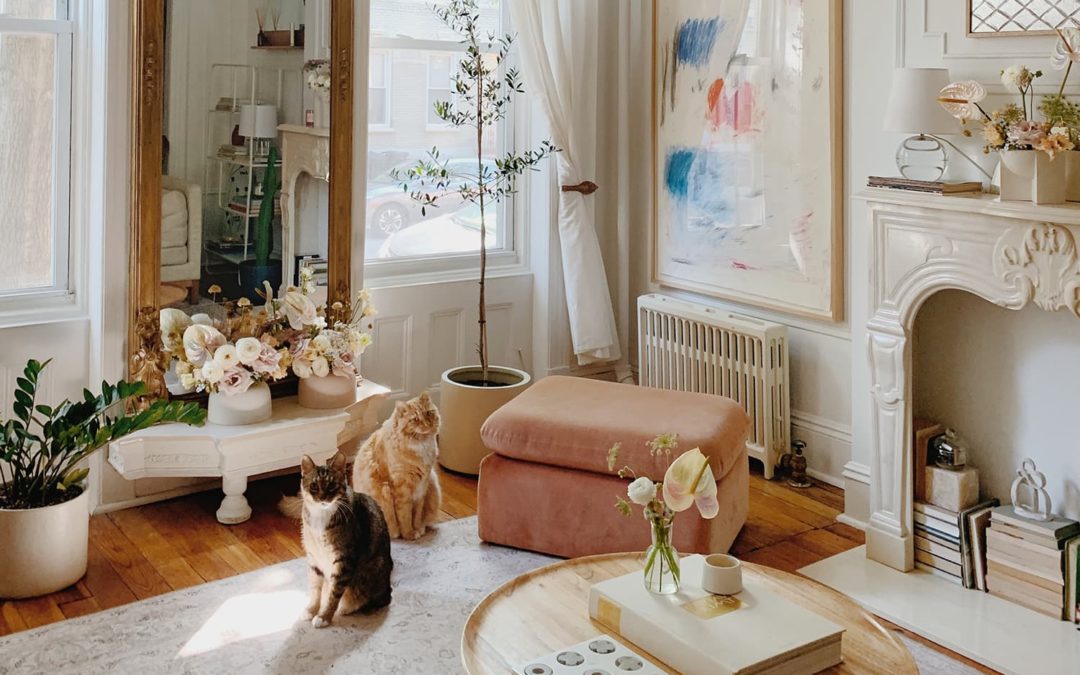
Given that I love ornate, vintage-looking pieces, it makes total sense that pier mirrors began to catch my eye — long before I even knew what they were called, I might add. Home influencer Mallory Fletchall, whose space is pictured above, artfully incorporated a pier mirror into her Brooklyn apartment, and it really adds so much dimension and intrigue to the space. Plus, mirrors are more than aesthetically pleasing; they can make rooms look much larger and brighter, too — and who doesn’t want that?!
Pier mirrors date back to the 18th century, when their ability to make a room feel brighter really was key, due to a lack of electricity. They’re simply named for where they were hung in the home — the wall between two windows is referred to as a pier, and they were typically placed in parlors and other living areas. “Sometimes the mirrors were built into the architecture and mimicked the shape of the windows they sat between,” explains Alessandra Wood, a design historian and vice president of style at Modsy. “Other times, the mirrors were decorative accents hung on the wall.” One thing you could pretty much always count on seeing? Beautiful carved details like fluting, scrolls, and cornices.
According to Wood, pier mirrors rose in popularity during the Victorian era. “With new industrial technology available to produce large mirrors at lower costs, they became much more accessible, which led to their growing popularity,” she says. Wood notes that over time, though, pier mirrors began to hang in other areas of the home. “During this era, architects and designers disassociated pier mirrors with being used only on a pier. We saw them used on large walls as furniture pieces and built into the interior architecture of entryways.” Once these mirrors began to be hung in new locales, they could be designed to be a bit wider in size, Wood adds. They also can come in a variety of finishes, from white and natural wood to antiqued gold and beyond.
If you’re in the market for a pier mirror of your own, do note that they’re quite expensive, especially if you’re going the true antique route. However, if styled well, they can appear original to an apartment unit, making them perfect for vintage-lovers or those living in a more modern space that doesn’t have as much character.
Not willing to spend upwards of $2,000? I feel you! I’ve had some luck searching for such pieces on eBay and Facebook Marketplace, and estate sale fanatics may wish to keep their eyes peeled, too. Try broadening your searches for similar but smaller pieces, which can help keep costs down. I’m even starting to see reproduction-inspired versions pop up in places like World Market and Wayfair, which can give you a similar look for less. I ended up purchasing two pier-like mirrors secondhand for my new apartment: One hangs between the two front-facing windows in the living room, and the other is in the exact same position in my bedroom. While my apartment may not date back to the 1800s, I have to admit that the setup looks pretty legit!