7 Bedroom Trends From Decades Past That Need to Make a Comeback

7 Bedroom Trends From Decades Past That Need to Make a Comeback
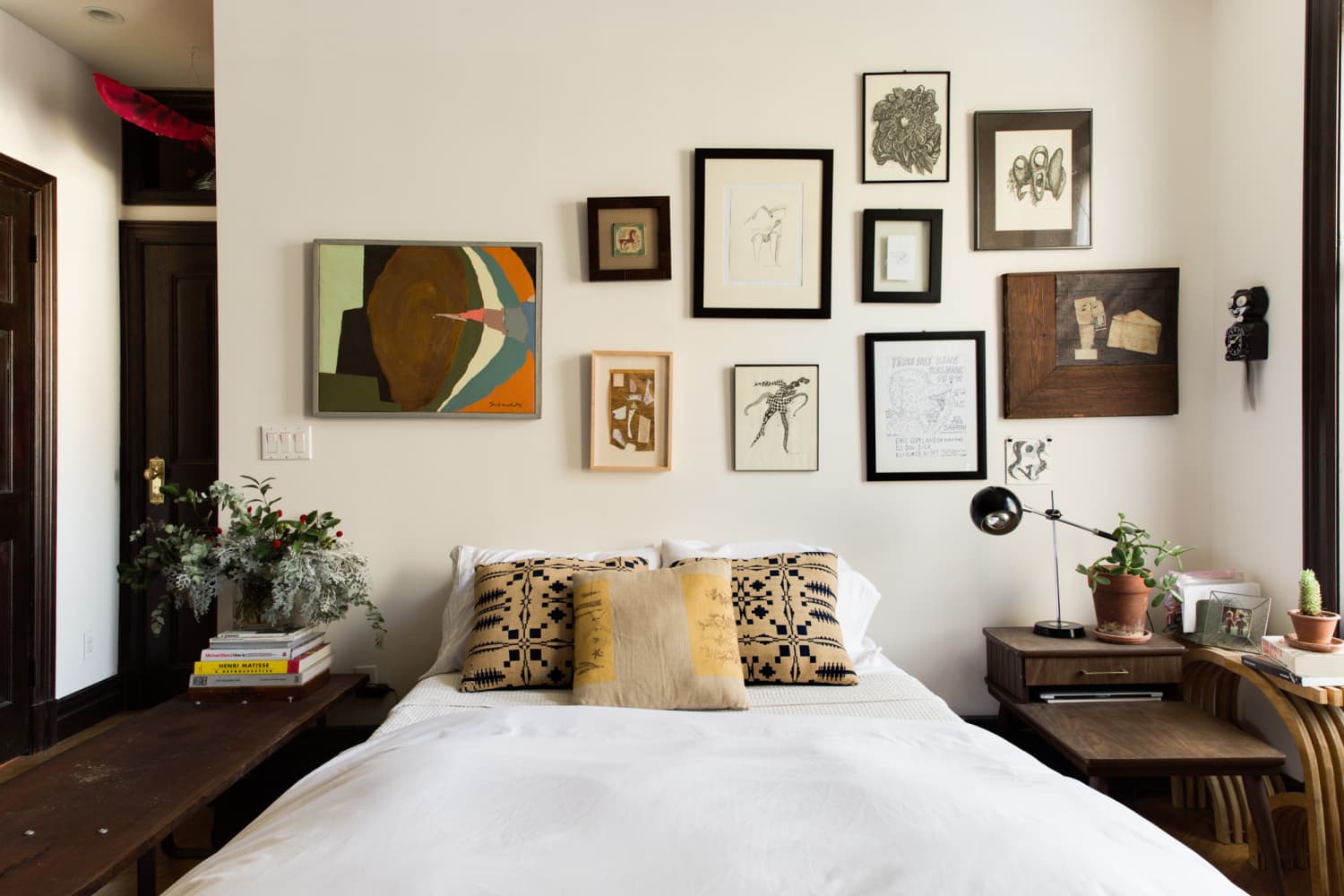
February is Bedroom Month on Apartment Therapy! We’re sharing stories all month about bedrooms — from how to decorate them, to the fascinating history of them, and so much more. Head over here to see them all!

Bedrooms — they’re sleeping havens and safe places. From vibrant colors to punchy florals and everything in between, people have found creative ways to inject a dose of personality into their sleep spaces. Over the past century though, the bedroom has undergone some major changes, evolving from simply a place to snooze into a place to hang out, too. 

Taking a trip down memory lane, it’s apparent that some of styling strategies from the past are ready for a reboot (or maybe are already resurfacing again). I talked to three pros on their favorite bedroom trends from the past century that they’d love to see fully come back, and paired each with a modern interpretation of that trend. Maybe you’ll be inspired to makeover your own bedroom by something you see here. 

In the Roaring ‘20s, many Americans had extra money to spend, and they took full advantage of it, opting for all things glitzy and glamorous. “People were feeling flush and began to adorn their bedrooms in more than a straightforward fashion,” says interior designer Jean Liu. “They [incorporated] lavish materials, such as using [silk or satin] drapes against the bed wall — and an entire century later, we’re still all for making bedrooms feel like jewel boxes.”

The Art Deco era is a favorite of West Elm visual merchandiser and interior designer Rhys Duggan, too. According to Duggan, this period was a time before built-in bedroom storage really existed. “So there were specific furniture pieces for the bedroom, such as dressers, vanities, and benches,” he says. People got creative with these furnishings and went the jewel tone route here, too. Think: rich colors, ornate patterns, and brass finishings. Full of punchy prints and bold house, today’s maximalist bedrooms show the start of a renewed love for the jewel box look, and hopefully, we’ll be seeing even more saturation soon.

Clean lines and cream tones

In the latter half of the Art Deco period, a focus on sleek forms and smooth lines became popular. French designer Jean Michel Frank was best known for this refined style, and his minimalist interiors were decorated with sumptuous but more subtle materials. “[He] was the master [of this look], and his tonal rooms with cerused oak, vellum, and creams are very much the inspiration for current design,” says interiors expert and design historian Christiane Lemieux. “A master ‘ensemblier,’ he drew from the past and made his designs modern.”

For Lemieux, this style is worth revisiting today for its timeless appeal. Earthy wood tones and clean lines certainly fit the bill for a soothing, grounding sleep space.

Mid-century-inspired bunkbeds

Bunk beds might cause unwanted flashbacks to dorm rooms and sibling fights for some, but that wasn’t always the case. In the mid-century era, bunk beds took on a more high-style aesthetic and were often featured in playful colors on TV shows like “The Brady Bunch.” Says Liu, “Bunk rooms used to be a utilitarian way to sleep children in a small space, but now it’s become a fun focal point of a kids’ playroom.”

Bunks can read as sophisticated as well; it all comes down to the bedding you choose. So if you have a guest room that needs to sleep larger groups or full families, bunk beds just might be a trend for you to pursue.

Let’s get it out of the way: ’60s and ‘70s interior design can be polarizing! While some might want to leave all the grooviness in the past, certain aspects are worth savoring. “I can’t say I would wish back all the floral prints, polyester, and matching everything of the 1960s and ‘70s,” admits Duggan. “However, I can appreciate the adventurous use of color in the bedroom during this time. Bedrooms don’t have to be beige, and it’s interesting to see how style and fashion influenced bedroom interiors during this period.”

Whether you’re coating your walls in a fresh hue or making a statement with your bedding, plenty of ways of incorporating color into your space exist, even if you’re not ready to commit to color explosions reminiscent of these decades just yet.

An even more radical approach to design was carried into the ‘80s with the Memphis Design movement. This style was inspired by pop art, with an emphasis on eye-catching and unique forms. Perhaps the most iconic image of the style is the “ring bed” designed by Japan-based Masanori Umeda. “Part bed, part boxing ring, it was symbolic of the times and prescient about the future of the bedroom,” says Lemieux.

A boxing ring bed probably won’t become a widespread trend any time soon, but the style it evokes certainly can. Graphic elements like wall stripes, neon colors, and playful headboards are ‘80s characteristics that would add a whole lot of fun to bedrooms if they made a full comeback altogether or as individual elements.

Minimalist beds and bedding

In a reaction to the loud and bold design of the decade before it, ‘90s sleep spaces pared everything back with a new brand of minimalism, a style Duggan feels people could use now. “There’s a great need for our bedrooms to be relaxing sanctuaries that we retreat to after a day at the (home) office and switch off from the world and tech,” he says. “The neutral minimal style of the 1990s is ready for a comeback to help us declutter and achieve a calming space.”

As for his suggestions to get this look? “Think light timbers, neutral bedding, natural rugs, fabric lamp shades, and potted plants,” he says. 

It feels weird to call anything from the 2010s a throwback style, but we’re in a new decade. Looking back at this time period, a more relaxed, artfully wrinkled look took over the bedroom. “Catalogs and design magazines showed a lived-in, messy bed compared to the perfect matchy-matchy hotel styling,” says Duggan. “This layered look was more about cozy comfort and quality [bedding] such as cotton, Belgian linen, and chunky throws.”

Lemieux can attest to this and sees the theme carrying on in the zeitgeist for a while. “People are no longer interested in fussy, over-styled and very formal bedrooms,” she says. “These beds tend to have complicated pillowscapes, which are also not a feature anymore. Like fashion, bedrooms are more comfortable, easy, and cozy.”

Home Experts Share Their 19 Favorite Items to Collect and Display

Home Experts Share Their 19 Favorite Items to Collect and Display

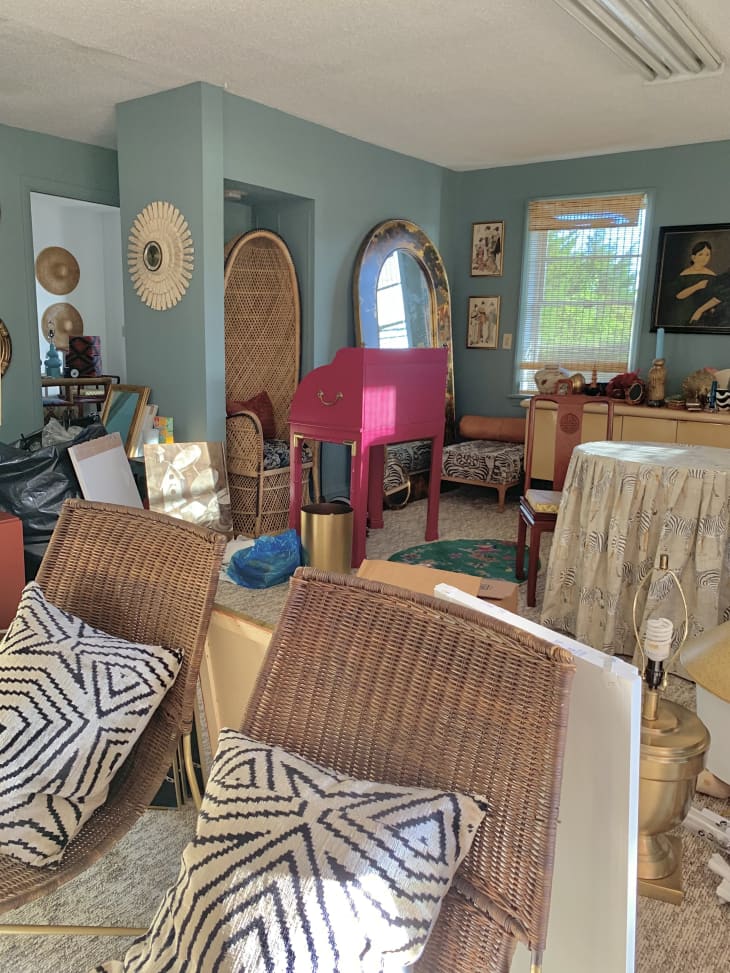
What do you like to collect? Personally, I can never have enough pieces of colored glassware, love to pick up matchbooks from my favorite restaurants, and can’t resist a good vintage portrait. When it comes to collecting objects though, there’s no right or wrong category to focus on — just take a look at the wide variety of pieces that designers and influencers enjoy hunting for, as detailed below. Maybe you’ll become inspired to incorporate some of these items into your own home.

Post Image

10. Elsa Peretti terracotta pieces

“I collect original (vintage) Elsa Peretti for Tiffany terracotta pieces! The ultimate in chic — rustic yet refined.” —Designer Lucy Harris of Lucy Harris Studio

Post Image

11. Distressed brass objects

“I’ve never thought of my decorating style as glamorous, but every time I visit an antique store, I end up leaving with another vintage brass candlestick, sconce, lamp, or sculpture. I’m so drawn to distressed brass objects that I think I’ve developed a small obsession.” —Instagrammer Ari of True Style With Ari

Post Image

19. Miscellaneous textual objects

“My goal for a space is to keep it layered in texture and pattern, and I’ve found my favorite things to collect to help achieve that goal: vases in unusual materials like rattan and leather. Other items that I love to collect are vintage art from Etsy and throw pillows made of vintage textiles.” —Designer Anastasia Casey of The Identitè Collective and IDCO Studio

7 Under-the-Radar Brands Doing Boho Decor Right That You Need to Know About Now

7 Under-the-Radar Brands Doing Boho Decor Right That You Need to Know About Now

We independently select these products—if you buy from one of our links, we may earn a commission.

Boho design furnishings aren’t necessarily hard to find, but if you genuinely love the bohemian aesthetic, chances are you’re constantly looking for new brands to provide super-unique pieces for your home. That’s why I’ve rounded up some under-the-radar brands you might not have heard of yet to help you craft the highly personal boho room of your dreams.

Are you looking to amp up your space with textiles? Then you need to check out SmithHönig, which features an eclectic collection of bohemian upholstery fabrics, linens, pillows, and wallpapers. Zhuzh up a thrifted chair with a funky fabric, or create a bohemian accent wall with a shibori print wallpaper. This vendor even carries a collection of coffee table accents that you can transform your living room tablescape with.

If you’re looking for cute shag throw blankets, earthy wall hangings, or geometric throw pillows, then you need to take a peek at Amigos de Hoy, a woman-owned brand that focuses on producing small-batch, handmade, and artisan-focused decor pieces. This end-of-bed fluffy sheepskin caught my eye, thanks to its unexpected gray color.

ILI BeHome is all about presenting you with neutral, organic pieces that can help create a serene bohemian space. Expect to find acacia wood bowls, antique basket vessels, and vintage lithographs. This under-the-radar store offers everything from home decor to dinnerware — and even books and furniture.

Simple living is the focus of Imprint House and its offerings, which appeal to a more minimalist-minded version of bohemian style. You can find giant tonga baskets, seagrass rugs, and ceramic vases here. It’s a one-stop-shop, offering everything from lighting to furniture and even cleaning tools.

If you’ve heard of France&Son, you probably associate this brand with mid-century reproduction merchandise. For those looking for high-quality boho furniture though, France&Son does deliver striking cane, rattan, and wooden pieces that’ll jibe with the rest of a boho interior. You can update your dining table, patio setup, and bedroom lighting with their stock, adding statement pieces to your home that will have your guests asking, “Where did you buy that?”

Froy is a great bohemian store to shop at because it offers pieces across different price ranges. While you can easily find furnishings for well over four figures here, you can also find fun, earthy decor accents for $30 or so. Update your house with everything from beaded pendants to Moroccan poufs by shopping Froy for something that speaks to you.

For those who like to support sustainably-minded brands, Holistic Habitat’s going to be your new favorite store. This shop not only carries just about every kind of boho decor item you could dream up, but it also lets you know if the items you’re looking at are fair-trade and small batch. support social good. 

Marlen Komar

Contributor

Marlen is a writer first, vintage hoarder second, and donut fiend third. If you have a passion for finding the best taco joints in Chicago or want to talk about Doris Day movies, then she thinks an afternoon coffee date is in order.

Meet the Next Hygge: the Dutch Concept of Uitwaaien

Meet the Next Hygge: the Dutch Concept of Uitwaaien

Now Trending is our one-stop spot to get ahead of all of the biggest things for 2022 — before everyone else knows about them. From the surprising color that’s taking over kitchens to the TikTokers you need to follow and so much more, check out all of the top trends of 2022 here. Now Trending is created independently by our editorial team and generously underwritten by Target.

Over the past decade, many people have become acquainted with the Danish idea of hygge (hoo-guh), which embraces all things cozy and comfortable. The broader Scandinavian sense of friluftsliv (free-loofts-liv), which translates to “open air living,” is almost equally as popular — and was an antidote for the early parts of the COVID-19 pandemic, when staying at home was all many could safely do. The push for outdoor entertaining and living isn’t over yet though: The Dutch concept of uitwaaien is likely to get even more people going outside yet again for the mental and physical benefits the great outdoors can offer.

Uitwaaien is defined as “walking in the wind” and refers specifically to the Dutch concept of refreshing oneself outdoors. “The Dutch have an art of compacting many words into one very simple word, and uitwaaien is a perfect example of this,” explains designer Vanessa Leyland of Vanessa Leyland Interiors, which is based in The Hague, Netherlands. “As a country that’s very flat and partially below sea level, the Netherlands can be very windy, especially in winter time. So going for ‘uitwaaien’ is a perfect way to utilize the Dutch elements, although it can really be done almost anywhere but ideally with wind and in nature.”

As Leyland notes, the uitwaaien process can be extremely restorative, whether practiced alone or with family or friends. “It’s a very simple yet visceral activity of walking and breathing in the wind and can feel very nourishing for the soul,” she says. “It’s a way to increase well-being, wash away stress and worries, act as the pause creating the space and balance between work and personal/family time, or simply to just to clear the head and body after a heavy meal.”

Designer Lenne von Sambeek of Amsterdam’s Len Interior Design also weighed in on the concept. “For me, as a Dutchie, uitwaaien means to go outside, soak in nature, and clear my mind,” she explains. “When we want a little break, we would go for a walk and say ‘even uitwaaien,’ which means something like ‘get some fresh air.’” What’s nice about uitwaaien is that it can be intense as you want it; it could be as simple as a walk around the block during your lunch break or as involved as a three-hour hike up a mountain or a solo meditation in the woods. The point is you can make uitwaaien work for you and your lifestyle, even in the winter in colder climates, so long as you bundle up and know your limits.

Just as many now associate the term hygge with cozy, welcoming spaces, the concept of uitwaaien, interestingly enough, can be applied to interior design, too. Leyland notes that her clients have been increasingly seeking ways to bridge the gap between the indoors and out. “I have a lot of clients wanting to bring their outdoor experiences and emotions into their home, so when they don’t have enough time to leave the house they can still feel nourished from nature and evoke the feelings uitwaaien gives,” she says. To that end, her clients have begun requesting more and more earthy touches in their homes, particularly in the form of blue and green hues and natural textures. She adds, “I am putting more plants into the homes than ever before.”

Von Sambeek agrees. “I believe your home should be a place where you can get a break from your busy life to clear your mind,” she notes. “A literal translation [of uitwaaien] to interior design could be incorporating natural tones and elements, soft and comfortable materials, plants, and indoor-outdoor living — overall, an easygoing vibe.”

This Is the Surprising New Color Popping Up In Tastemakers’ Kitchens

This Is the Surprising New Color Popping Up In Tastemakers’ Kitchens

Now Trending is our one-stop spot to get ahead of all of the biggest things for 2022 — before everyone else knows about them. From the surprising color that’s taking over kitchens to the TikTokers you need to follow and so much more, check out all of the top trends of 2022 here. Now Trending is created independently by our editorial team and generously underwritten by Target.

As a design writer, part of my brain’s always on the lookout for trends emerging in the world of interiors. When suddenly everyone is wallpapering their home with botanical prints or making their beds with throwback ruffles, I notice. Lately though, I’ve been focusing on cook spaces, helping Apartment Therapy’s sister site Kitchn gather candidates for their Renovation Diaries series. While scouting kitchens, you quickly realize that white, white, and more white is the current color trend in kitchen design. If people are feeling adventurous, you get some grays and blues. So it was with great surprise when my trend-spotting eye saw glimmers of a new and bold kitchen color trend emerging: shades of red!

“I chose this color because I love moody, deep jewel tones,” Gardner told me about her kitchen renovation project, pictured above. “It’s one I know most people would never have chosen. I wanted to create a space that felt fresh and inspiring and would challenge people to think beyond neutrals.” She continues: “I think so many design lovers and creatives are really, really sick of the all-white kitchen reign.” Amen!

Dunst’s cabinets are a slightly more plum hue than Gardner’s burgundy, but clearly, they’re kindred colors. I wasn’t the only one who caught the similarity. Gardner reveals, “So many people in my community sent Kirsten’s kitchen to me because of how many similarities it has to mine.”

Next, I spied oxblood cabinets in design writer Sophie Donelson’s new kitchen as shown just above, and as the saying goes, “Three is a trend,” right? “My designer Celia Bryson and I didn’t really look at other options,” Donelson said of the project. “She already knew my high threshold for living with color, and, when I saw it, it was sort of obvious how and why it would complement everything in it and near it.” While Donelson knows the color’s a bold choice and not for everyone, she does think it’s quite livable and versatile, especially when paired with warm earth tones like beiges and greens. “Berry colors are, unsurprisingly, appetizing,” she adds. “They look beautiful with green — from the houseplants on the windowsill to whatever we’re prepping for meals.”

Will these hues in the deep red to plum range truly become an all-encompassing trend though? Donelson and Gardner think it’s possible. “I hope it will make its way into the mainstream,” says Gardner, who doesn’t imagine, say, off-the-shelf burgundy cabinetry being available everywhere. “But I do see it in specialty stores and also offered in freestanding pieces like hutches or cabinets that can be incorporated into kitchens or other spaces as accents.”

Donelson agrees but thinks these bold hues are part of a larger trend. “I believe we’ll be seeing more colorful cabinets in the future,” she says. “I wanted painted cabinets so that I’d have the option of re-painting when I needed a fresh start. Is that arduous? Absolutely — but it’s easier and more environmentally responsible than installing new fronts or a new kitchen. I’m a huge believer in iterating on spaces.”

With paintable cabinet doors, you can change your mind without ripping the whole kitchen out. If you’re the type to crave a new look often, this is something important to consider when specifying cabinetry for your kitchen renovation. Even if it is more expensive upfront, it’ll mean you have an economical option to update later on down the road. As Donelson says, “No color or design choice should feel permanent — unless you want it to be!”

Laura Fenton

Contributor

Laura Fenton is the author of The Little Book of Living Small. She writes about home design and sustainability, and is a regular contributor to Apartment Therapy. Her work has been published in Better Homes & Gardens, Eater, New York Magazine, and Real Simple.

Follow Laura