We independently select these products—if you buy from one of our links, we may earn a commission. All prices were accurate at the time of publishing.
Finding aesthetically pleasing storage is no easy feat. Even cute trinket holders and bowls can jumble your stuff, making it hard to dig out your keys when you actually need them. Luckily, the TikTok DIY pros are here with a storage solution that’s not only useful, but ideal for creating the coastal cowgirl home of your dreams.
In a new TikTok video, Kaia Rae (@kaiaraes) gives an in-depth, step-by-step tutorial on how to create a framed, denim key holder. The best part of this DIY? It involves upcycling, making it a great, eco-friendly way to get more use out of those jeans you know won’t make it to next summer.
How to Make Your Own Denim Key Holder
The coastal cowgirl aesthetic is all about combining Western themes with beach vibes, and this DIY definitely delivers.
The first thing you need to do is grab an old pair of shorts or pants, and a frame of your liking. With fabric scissors, cut the shorts so that one side fits inside of the frame’s panel, with the back pocket centered and facing out. Then, fold the excess fabric behind the panel, and attach your shorts to your frame (the creator doesn’t detail how this was done, but your glue gun should do the trick). All that’s left to do afterward is hang it up, and fill it with your knickknacks.
This pocket can easily hold onto sunglasses, keys, sunscreen, and other small items. It’s a great piece to hang right beside your door, so you can quickly pull items out of the pocket before heading out.
Find a Premade Denim Key Holder
If you’re interested in a premade item like this, Etsy has a few slightly different options that deliver the coastal cowgirl vibes you’re looking for while still being cute and super functional.
I cover home upgrades, DIY projects, hacks, how-tos, and plants. I’ve written about home decor and renovations for more than a decade since earning my degree in Magazine Journalism from Northwestern University. Before AT, I was an editor at HGTV Magazine and This Old House Magazine.
Emma is originally from Grand Rapids, Michigan, but moved to Missouri to pursue her dreams of writing. She studies journalism with an emphasis in reporting and writing at the Missouri School of Journalism. Outside of school, she practices floral arranging, crochets blankets and…read more
Since moving into my home, I’ve covered almost every wall and ceiling with paint. I’ve gone through an impressive amount of paint tins – and struggled to open them using various tools and hacks.
From screwdrivers and kitchen knives to just plain brute force, I always ended up with a bent-out-of-shape tin, and my hands covered in paint.
There’s nothing worse than doing all the prep work, taping walls and ceilings, and covering your floors, all to realise you don’t know how to open a tin of paint.
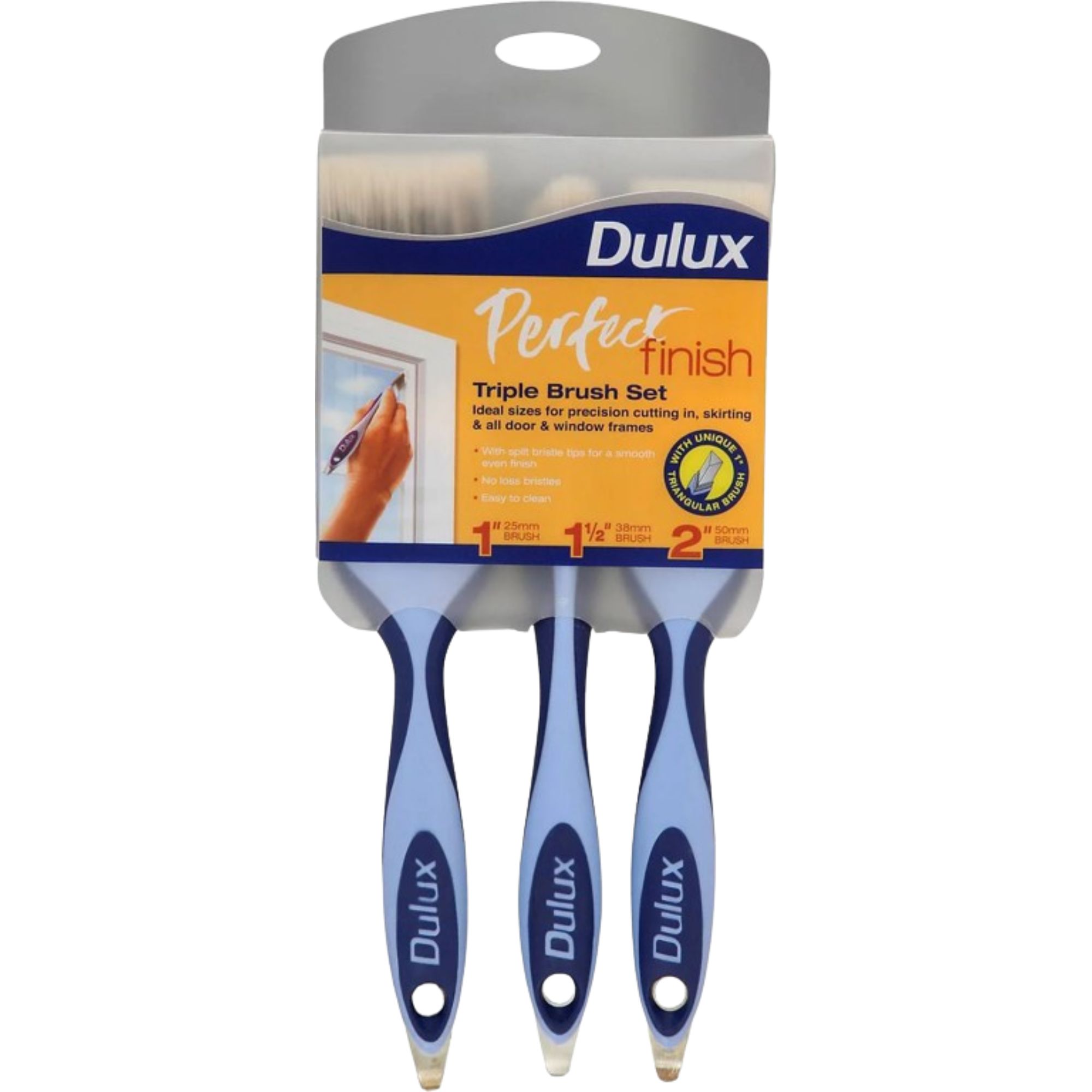
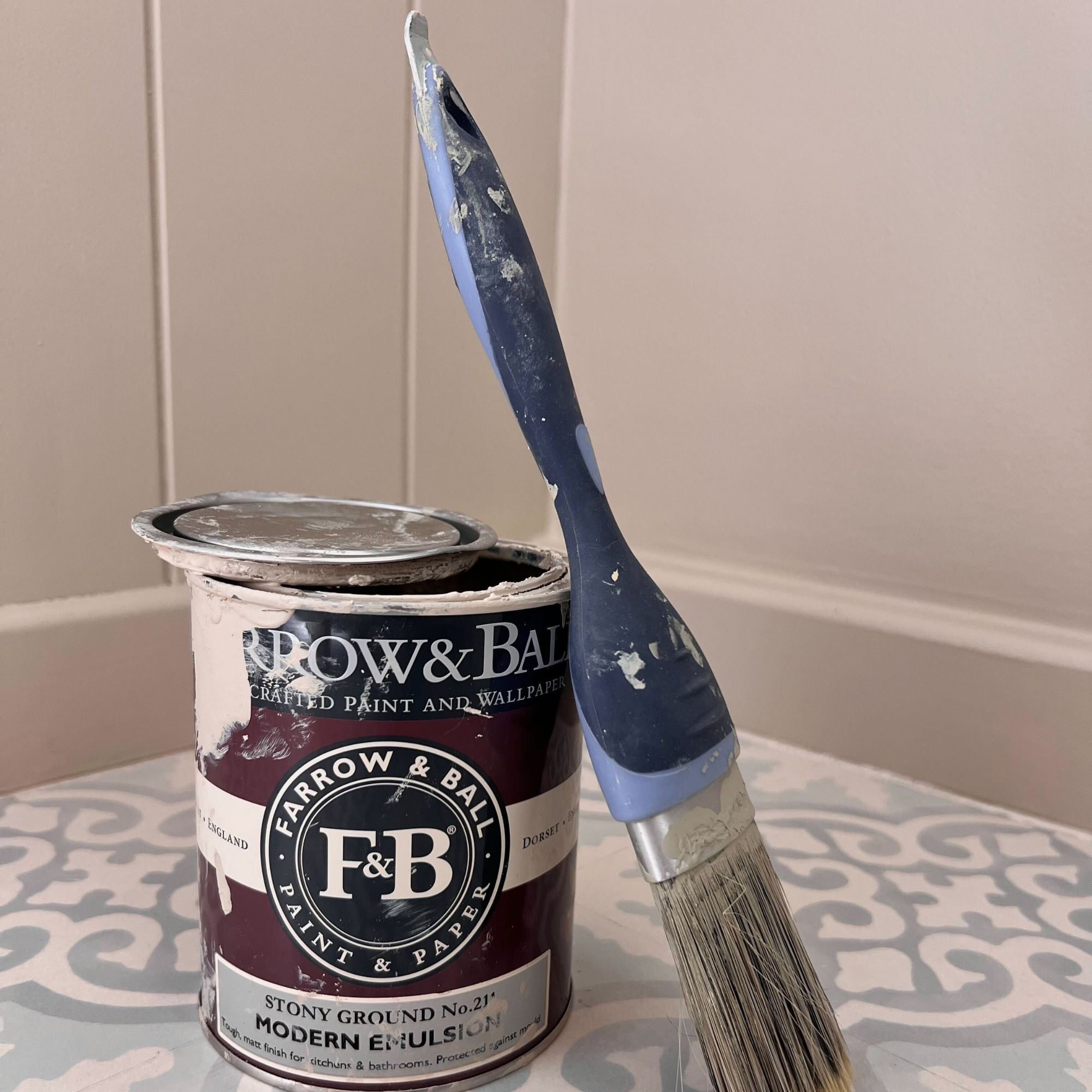
That’s the best part about these brushes – not only are they high quality, but they have a small tool on the end designed specifically for opening paint tins.
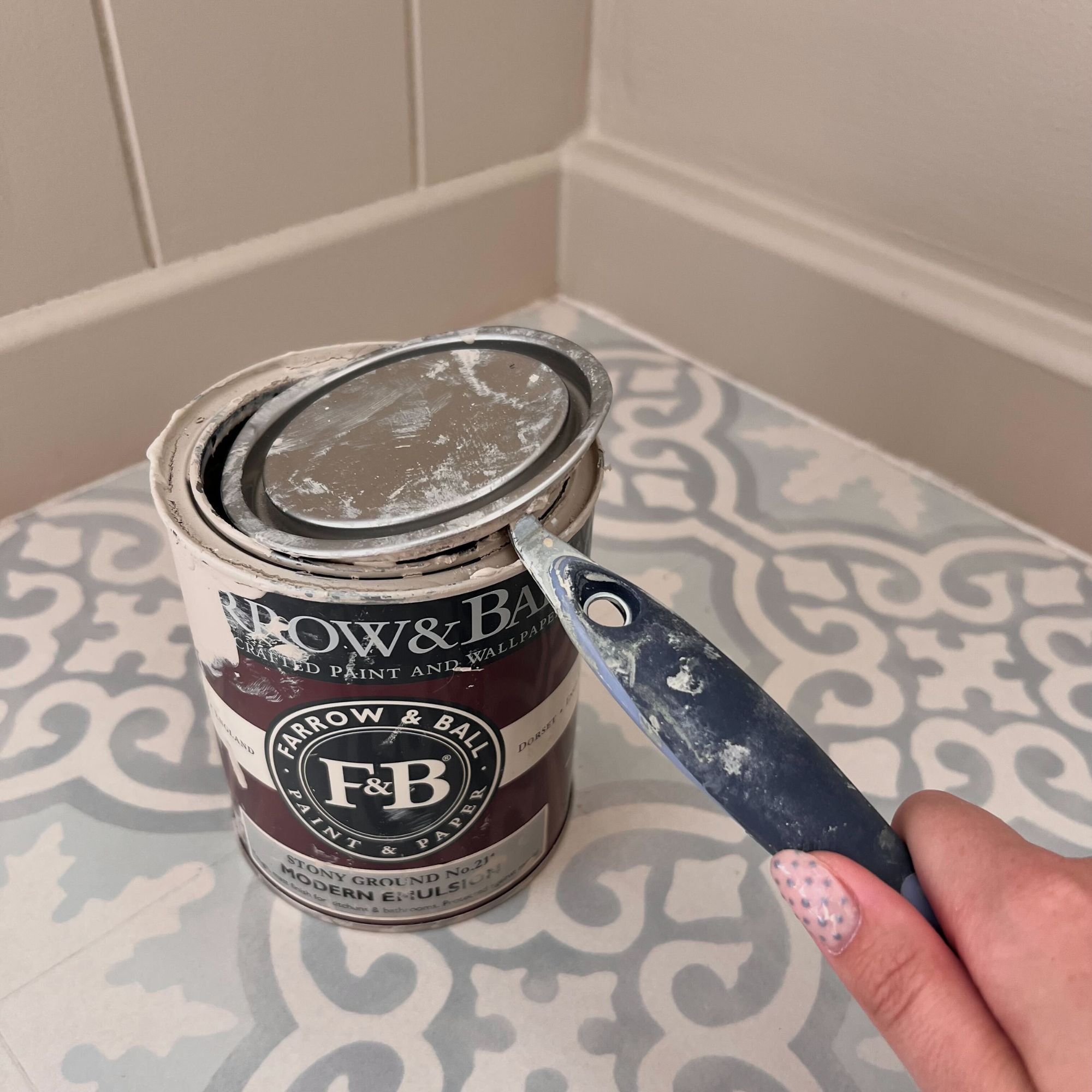
To open a tin with it, all you have to do is place the tool end into the lip of the paint tin at a 45-degree angle, push down, levering the lid off, and the lid will pop open. If you’ve got a stubborn lid or an older tin of paint, you might need to use the tool in several spots around it.
(Image credit: Future PLC / Layla Al-Ani)
It’s worth saying that I’ve tried this tool with various brands of paint too – it’s not just exclusive to Dulux paint tins. It also works with Farrow & Ball, Frenchic, Zinsser tins, and even tin tester pots, to name a few.
Sign up to our newsletter for style and decor inspiration, house makeovers, project advice and more.
The brushes themselves are a staple amongst my painting essentials. You’ll get three in the pack, in various shapes and sizes. My personal favourite is the edging brush, which has a triangular-shaped brush carefully designed for painting edges and intricate details, so taping is no longer necessary.
I’ve used the edging brush on everything from skirting boards and door frames to panelling and occasional touch-ups, too. Whatever paint trends you’re wanting to try, this set of brushes is a good one to have in your collection.
(Image credit: Future PLC / Layla Al-Ani)
Like most paint brushes, they might shed a few bristles when you first use them, but I find that with their synthetic bristles, they shed significantly less than other brands I’ve tried before.
Keeping your tools clean will help them last longer. When cleaning the brush end, I find using soap and water for water-based paints sufficient, and white spirit for oil-based paints, like gloss, works great. For the tool end, if you do get paint on it, I’d recommend wiping it off immediately to avoid any buildup.
I’ve certainly put them to good use and can confidently say that they last well – a bedroom, hallway, bathroom, and some experimental murals later, and they’re almost as good as new. The metal tool remains sturdy, and there is no sign of wear or rust.
So, gone are the days of searching for the closest thing you can find to jam open your paint tin. This all-in-one tool means once you’ve got a paintbrush handy, you’re ready to transform your space.
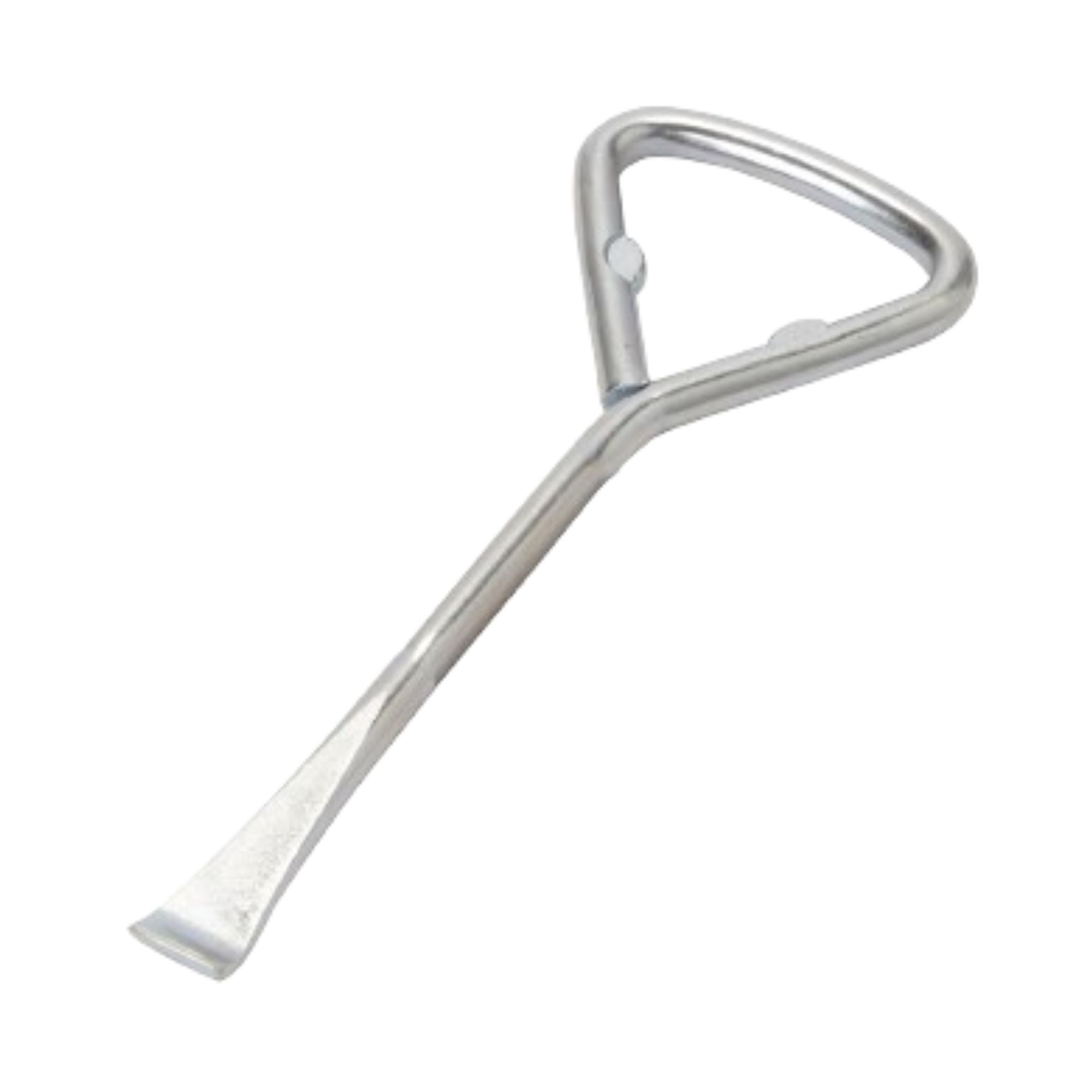
Other paint tin opener tools to try
B&Q
Paint Can Opener
This simple, metal paint opener tool makes opening your paint tin quicker and easier.
Amazon
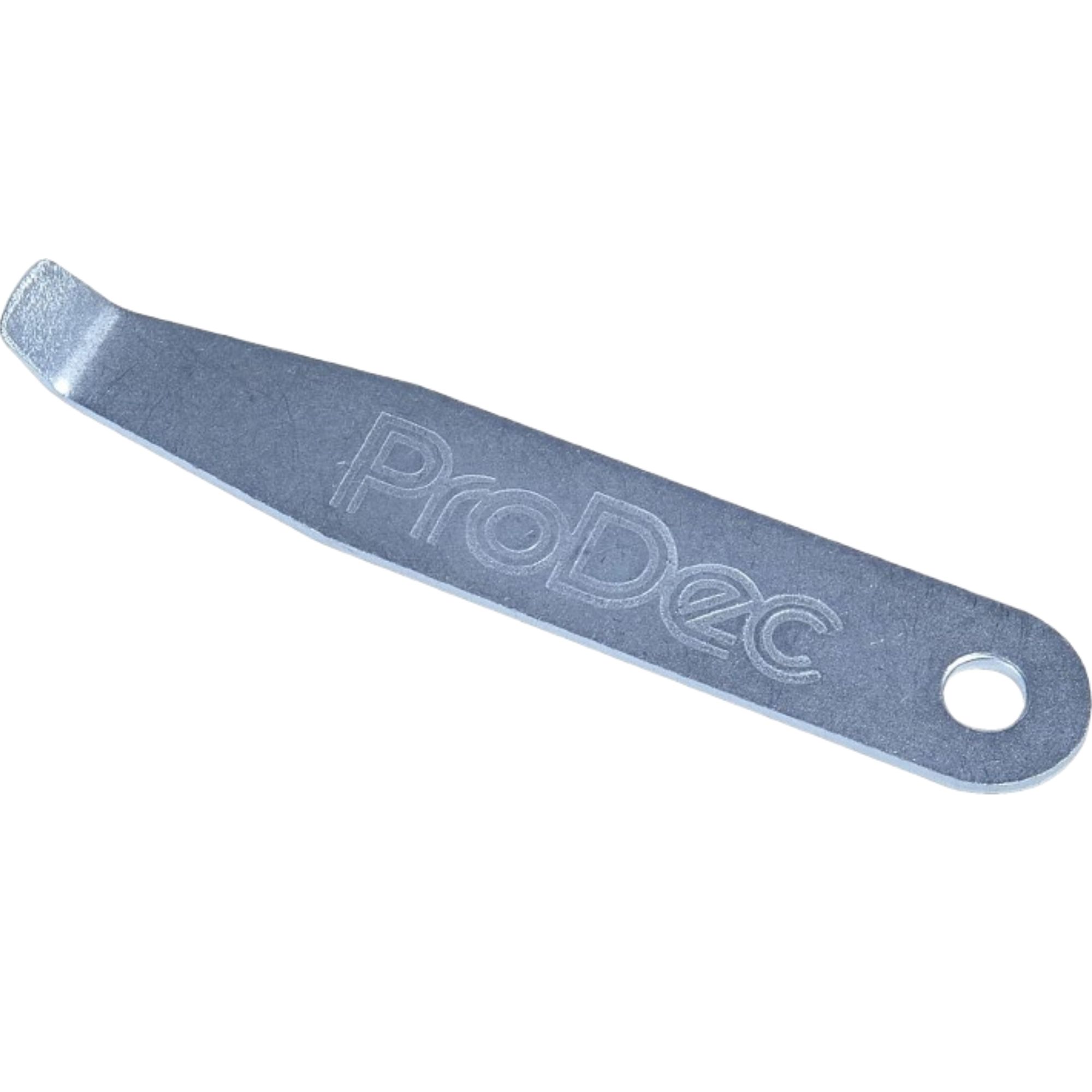
ProDec Universal Paint Tin Can Opener
This Amazon’s Choice paint tin opener tool means you can open your paint tin mess-free with the push-and-press mechanism.
Amazon
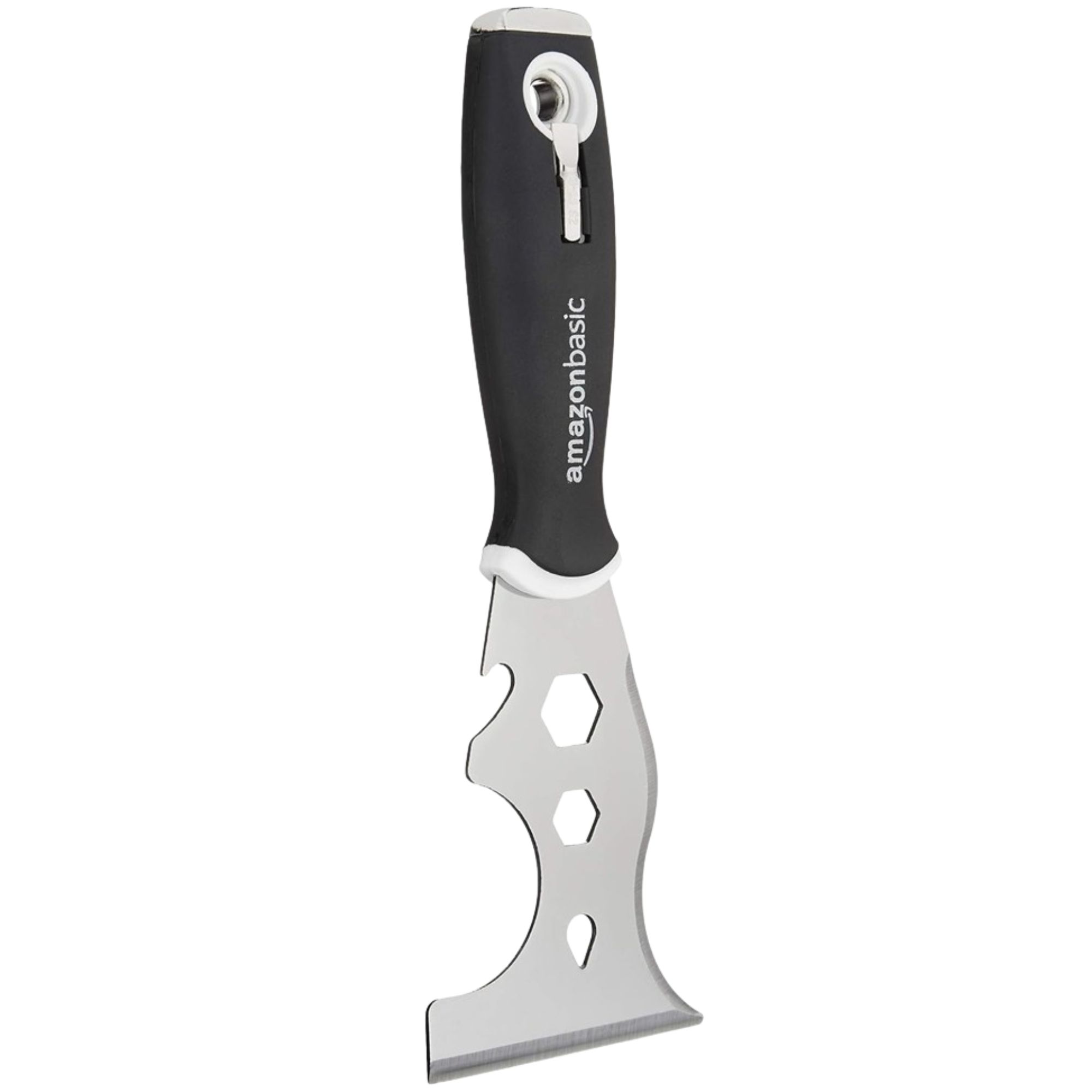
Amazon Basics 14-in-1 Versatile Painters Tool
You won’t have to worry about sacrificing your screwdrivers to open paint tins with this handy, multi-functional Amazon Basics paint tin opener.
The Dulux Perfect Finish paint brush, available at B&Q set is my go-to tool for cracking open my tins of paint. Whether you’re a DIY newbie or a seasoned expert, it’s worth trying this one out. You might just find it becomes a staple in your painting essentials, too.
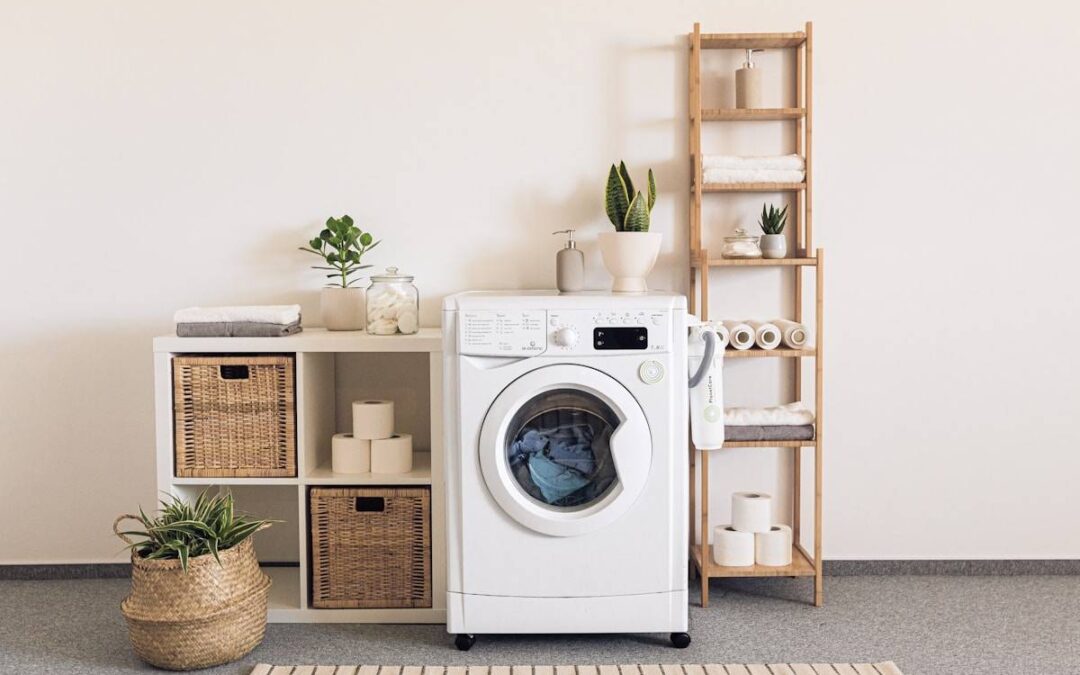
Dryer sheets are a commonly used laundry solution, but they aren’t the most environmentally friendly. For those who are looking for an option that’s sustainable and zero waste, there are alternatives you could find right in your home.
These dryer sheet alternatives are affordable, get the job done, and help reduce your carbon footprint.
We’ve rounded up a few options that will keep your clothes feeling fresh while also honoring the environment.
From essential oils to aluminum foil, you’d be surprised what you can do to spruce up your loads of laundry.
.tasty-pins-banner-container{display:block;margin-bottom:20px;position:relative;width:-moz-fit-content;width:fit-content}.tasty-pins-banner-container a{cursor:pointer;display:flex;font-size:14px;font-weight:700;letter-spacing:1px;line-height:1.8em;text-transform:uppercase}.tasty-pins-banner-container a:hover{opacity:1}.tasty-pins-banner-container .tasty-pins-banner{align-items:center;bottom:0;cursor:pointer;display:flex;justify-content:center;left:0;padding-bottom:1em;padding-top:1em;position:absolute;right:0}.tasty-pins-banner-container .tasty-pins-banner svg{margin-right:4px;width:32px}.tasty-pins-banner-container .tasty-pins-banner span{margin-top:4px}.tasty-pins-banner-container a.tasty-pins-banner{text-decoration:none}.tasty-pins-banner-container a.tasty-pins-banner:hover{opacity:.8}.tasty-pins-banner-container a.tasty-pins-banner-image-link{flex-direction:column}.tasty-pins-banner-container a img{margin-bottom:0}.entry-content .wp-block-image .tasty-pins-banner-container img{margin-bottom:0;padding-bottom:0}#et-boc .et-l div .et_pb_image_wrap .tasty-pins-banner-container .tasty-pins-banner{padding-bottom:1em!important;padding-top:1em;text-decoration:none}#et-boc .et-l div .et_pb_image_wrap .tasty-pins-banner-container a.tasty-pins-banner{cursor:pointer;display:flex;font-size:14px;font-weight:700;line-height:1.8em;text-transform:uppercase}#et-boc .et-l div .et_pb_image_wrap .tasty-pins-banner-container a.tasty-pins-banner span{letter-spacing:2px;margin-top:4px}.et-db #et-boc .et-l .et_pb_module .tasty-pins-banner-container a:not(.wc-forward){padding-bottom:0}Photo by Point3D Commercial Imaging Ltd.
Why Use Dryer Sheets?
Dryer sheets are used for a variety of reasons. Some of the most common uses include reducing static in clothing, releasing wrinkles, softening fabric, and adding a clean, fresh scent.
They’re quick and convenient, offering noticeable results with little effort. They work by transferring a solution (fabric softening agents, for instance) found on the sheets to clothing as they heat in the dryer, and voila, fluffy clothes that smell great!
Are Alternatives Better?
Many of us want are clothes to feel and smell fresh after washing, but at what cost?
Traditional dryer sheets are often filled with toxic chemicals and synthetic fragrances.
Sure, these chemicals quickly make your clothes feel soft and smell like roses, but they also transfer those same chemicals onto your skin.
If you have sensitive skin, allergies, sensitivities to harsh chemicals, or simply prefer to be more environmentally conscious, traditional dryer sheets may not be the best option for you.
Beyond personal health, single-use dryer sheets aren’t biodegradable, meaning once they’re used they go straight to a landfill.
Switching to dryer sheet alternatives allows you to cut back on chemical exposure and environmental impact. Many of the available options are cost-effective (or free) and already availabe in your home.
So, how what dryer sheet alternatives will help you toss the chemicals and embrace the natural? Keep reading!
Vinegar
Whenever we think of natural all-purpose cleaning solutions, vinegar is usually at the top of the list. Plus, it’s something you can easily find right in your kitchen.
To make this dryer sheet alternative, apply a mix of 1/2 cup white vinegar or apple cider vinegar with 1/2 cup water to a rag or cloth, then add it to clothes during the drying cycle.
Using vinegar will help your clothes feel clean and soft and minimize static.
And if you are worried about a strong vinegar smell, there’s nothing to fear – there’s no lingering scent, but a little essential oil can naturally offer a nice scent boost.
Note: Be sure to avoid using vinegar if you’ve used bleach in your clothes due to any potential chemical reactions.
Baking soda
Baking soda isn’t just for neutralizing smells in your refrigerator; it also works on clothes!
It naturally adjusts to your water’s pH levels, working to eliminate odor, bacteria, and helping clothes feel softer. We recommend adding 1/2 or 1/4 cup (depending on load size) to the laundry before adding detergent, then proceeding with your usual wash settings.
This alternative is a great option for those extra smelly laundry loads, especially thanks to its bacteria-busting power. Just make sure not to mix with vinegar, or else your laundry will turn into a science project!
Ice cubes
This is probably one of the easiest dryer sheet alternatives on the list since it’s using the most readily available item in your home: water.
Just freeze up some ice cubes to get this idea going and add them during the last 15-20 minutes of your dryer cycle.
It probably seems counterintuitive to use ice cubes for all the reasons you could think, but it works. The steam from the ice cubes works to reduce wrinkles and static.
Just a couple of ice cubes will do for a small to medium-sized load.
Aluminum foil balls
Foil as a zero waste dryer sheet option may be the most surprising on the list. But before you skip ahead, here’s why it works.
The negative ions from the aluminum foil discharge static electricity which releases which works to make your clothes static-free.
You’ll want to add two or three small balls of foil to your dryer with your wet clothing. Remember foil won’t soften your clothes or boost scents – but other options on the list will do the trick.
Wool dryer balls
Dryer balls made from wool are a great, eco-friendly option because they reduce static and soften clothes.
This natural fabric softener is loved for being so sustainable because they made with natural fibers and is designed to be reusable with multiple loads. Adding them to your dryer can also reduce drying time and increase airflow as the balls work to soak up extra moisture in fabrics.
Wool balls are also great for sensitive skin because they are free from synthetic fabrics and dyes.
Give them an extra boost by adding your favorite drops of essential oil (like lavender or citrus) to help naturally improve the scent of your clothes without harmful chemicals.
Soap nuts
Soap nuts, or dried berries, are made from saponin-containing trees. They serve multiple purposes: you can use them by adding them to the washer, dryer, or on their own.
Saponin contained in soap nuts helps remove dirt from clothing during the washing process and releases a fresh scent during drying.
Simply add a few soap nuts to a muslin or cotton drawstring bag to use for washing and transfer the same bag to the dryer.
After use, remove the bag and let it completely dry – soap nuts can be reused for several more wash cycles.
Special note: Soap nuts are also compostable and can be added to your garden after you’re done using them.
DIY Dryer Sheets
Feeling ambitious? Try making your dryer sheets.
This is an especially useful option if you’d prefer an alternative that closely matches traditional dryer sheets. All you need is an old cloth – think a worn-out t-shirt or some old hand towels – and cut a few squares to size.
Place them in an airtight container, adding a little vinegar (until damp) and essential oils. Next time you have a load of laundry to dry, you can toss one of these in without any extra prep.
One of the simplest DIY options is just hanging your sheets out to dry. Yes, it’s very traditional, but the sun naturally sanitizes. Make sure to shake your clothes before hanging, and if you have allergies, consider hanging to dry indoors.
Dryer sheets are a commonly used to keep laundry fresh and fluffy post-dryer, but the harmful ingredients may give you pause. If you have sensitive skin or just prefer a more sustainable zero waste option, there are plenty to choose from vinegar to aluminum foil. Here’s to happy washing (with less worry).