Prue Leith’s stunning sunflower and ammi visnaga (khella) display is serving as inspiration for anyone who wants a flower display that looks equally striking in a vase as in the garden.
Anyone who has grown sunflowers this summer will know how beautiful they look both in your kitchen and in your garden. But what has impressed us about Prue’s display is that she has paired them with a second bloom that helps emphasise the sunflower’s beauty even more.
If you’re looking for a flower bed idea that is as simple as it is stunning, this is why you may want to consider planting khella and sunflowers together for next year’s summer display.
Latest Videos FromIdeal Home
Prue Leith’s sunflower and khella display
In an Instagram post, Prue shared a video of her blooming flowers, thanking her gardener, Philippa Lillywhite, for her hard work over the past eight years as she was moving away to live by the sea. Phillipa then commented, informing followers that the flowers on display were ammi visnaga (khella) and sunflowers. And we’re keen to agree that this makes for a great flower pairing.
‘Sunflowers are bold and graphic, while khella have these light, domed heads made up of tiny flowers. The khella almost acts like a cloud around the sunflower heads. It stops the yellow feeling too heavy and gives the whole display movement,’ says Dr Russell Sharp, founder of Eutrema.
‘It feels quite loose and garden-picked. Sunflowers can easily dominate a display because they’re so recognisable, but the khella breaks up those big yellow circles and gives your eye somewhere to rest. It’s also a combination that makes sense both in the border and in a vase, which I always love. You can grow the two together, then cut a few stems and get the same relationship indoors. Prue Leith is known for using strong colour throughout her garden, so the sunflowers feel in keeping with that, while the white khella gives the colour some breathing room.’
(Image credit: Getty Images)
Dr Russel also goes on to explain that this isn’t the only khella pairing that works beautifully in a garden. And it’s great news for anyone who loves to grow dahlias.
Sign up to our newsletter for style inspiration, real homes, project and garden advice and shopping know-how
‘Dahlias give you that dense, sculptural flower head, while ammi adds air and softness around them. I particularly like deep burgundy or plum dahlias with white ammi because the contrast feels rich outdoors but still looks elegant when you cut it for the house,’ he says.
‘Plant the ammi through and around the dahlias rather than in a separate block, so it weaves between them naturally. Then when you cut the flowers, don’t make the arrangement too perfect. A few dahlia stems with airy ammi around them will usually look much better than trying to cram twenty different flowers into one vase.’
Where to buy sunflowers and khella
When choosing flower combinations, you want a pair that complement each other. Sunflowers and khella make a dreamy display that is perfect for summer.
Most gardeners will be well aware that between 1 March and 31 August you should never cut back your hedges, as it is bird nesting season in the UK. However, garden and wildlife experts want you to delay picking up the strimmer a little longer in September and perform this vital check.
Anyone who wants to attract birds to a garden should be aware of how the Wildlife and Countryside Act 1981 protects them. Under this act, it is illegal to deliberately damage or remove a bird’s nest in your garden, with the offender sometimes facing an unlimited fine or even prison. This is why you should always avoid cutting your hedge during nesting season.
While nesting season technically comes to an end on 1 September, it is also the moulting season for birds, and during this period they may take refuge in your hedges. So, before you start cutting, experts want you to make this check first.
Latest Videos FromIdeal Home
Why should I check my hedge in September?
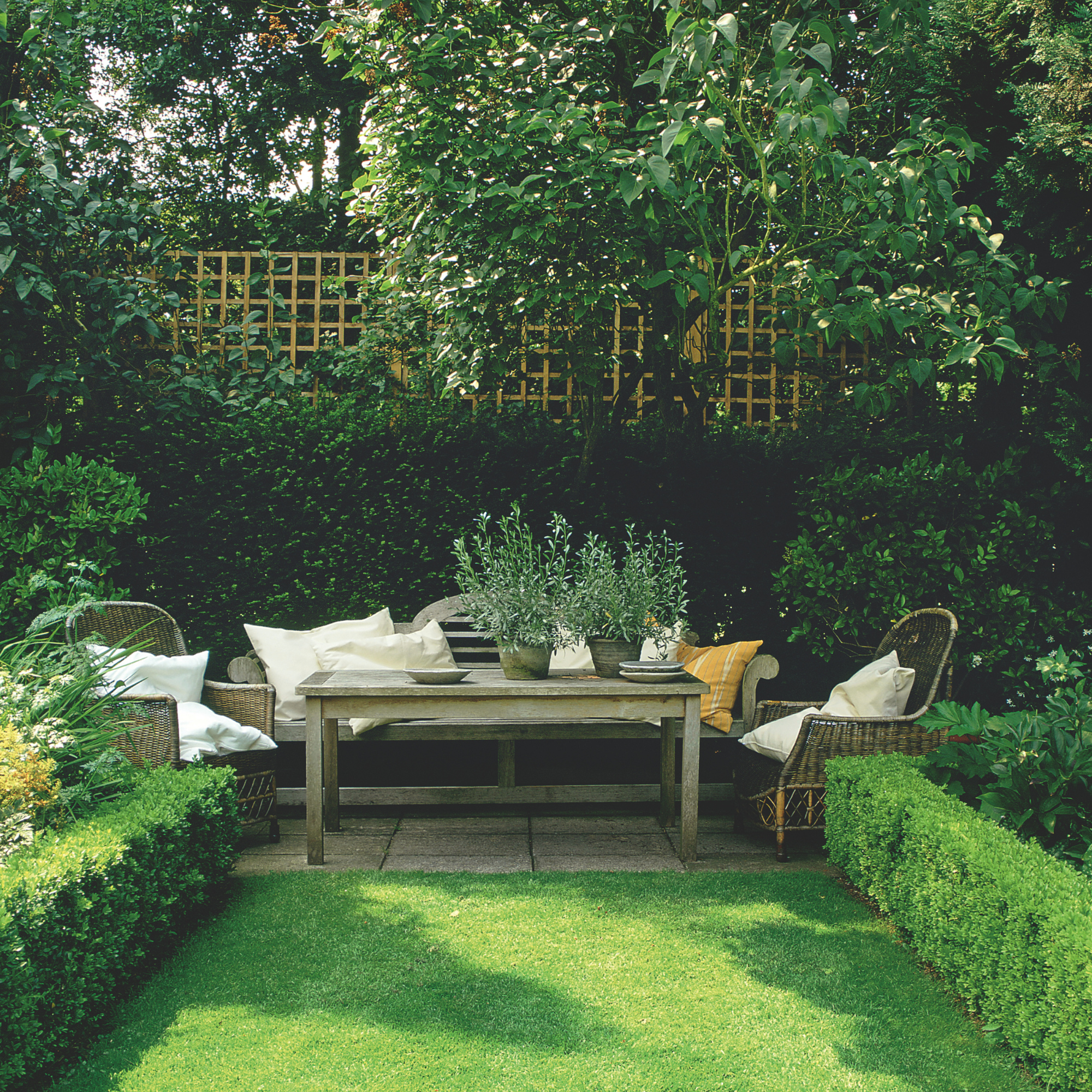
Even the best hedging materials for a garden need cutting back, and this is especially true if you’ve chosen fast-growing hedging for quick privacy. But if a bird has taken a fancy to your garden, you should always check for nests before completing any work.
(Image credit: Future PLC/ Rene Stoeltie)
‘You should still check hedges for birds after August because some late-breeding bird species may still be raising their chicks. The breeding season can extend later into the summer for some birds, with individual pairs still having eggs, nestlings or dependent fledglings in and around hedgerows,’ says Lucy Taylor, a wildlife expert at Vine House Farm.
‘More birds may shelter in hedgerows during moulting season because they are more vulnerable to predators at this time, as growing new feathers uses large amounts of energy and can affect their ability to fly.
‘Hedges provide moulting birds with a hiding place where they can remain until they finish shedding and replacing old feathers. It is also important to note that birds are much quieter during the moulting season, as they stop singing or calling to avoid attracting attention to themselves. This may make it less obvious that they are hiding in garden hedges.’
Sign up to our newsletter for style inspiration, real homes, project and garden advice and shopping know-how
When checking to see if birds are nesting in your hedges, watch to see if birds repeatedly fly in and out of the same spot, are carrying nesting materials into your hedge like twigs or moss and lastly, listen out for chirping birds from inside the hedgerow. If you spot these features, birds are likely nesting in your hedge, and any work should be postponed.
(Image credit: Alamy)
What to do if birds are nesting in your hedge
‘If you spot an active nest in your hedge, simply do not cut the hedge. Postpone your trimming work until the nest is empty and the birds have fledged,’ says Melissa Quinney, gardening expert at Cabin Master.
‘It’s better to be safe and wait a few weeks than to risk causing harm or facing severe legal penalties. A little patience and a careful check are all it takes to keep your garden thriving and our feathered friends safe.’
Instead, monitor your hedge from a distance, and when there are no signs of birds nesting, check again and proceed from there.
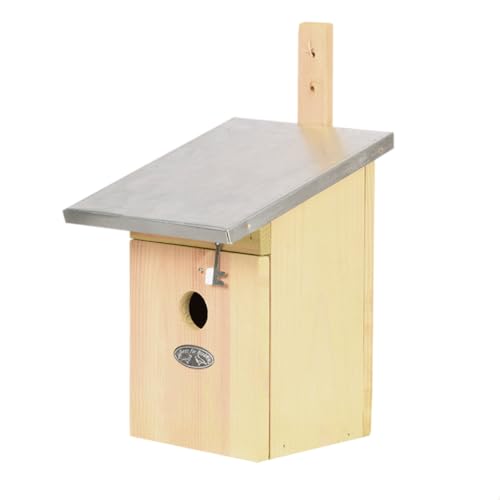
Shop nesting boxes
If you want to provide somewhere safe in your garden for birds to make a home, consider investing in a nesting box.
The Hutch Company
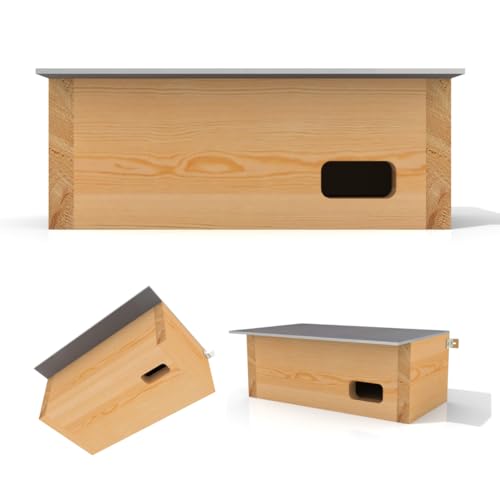
Swift & Swallow 300 Nesting Box With Adaptable Entrance & Sig® Slate Roof
SOL
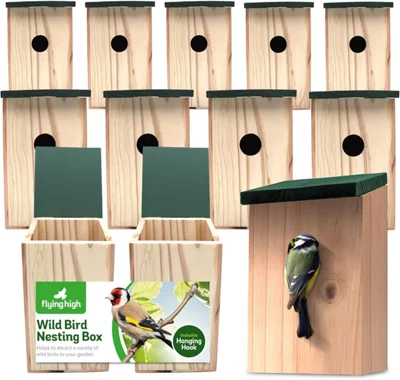
12pcs Wild Bird Nesting Boxes, 21.5 X 12 X 11.5cm
Esschert
Fallen Fruits Ltd Great Tit Nest Box Fsc 100%, 22, Brown
While cutting hedges keeps your garden tidy and neighbours happy, make sure you are keeping your garden birds safe and happy, too.
Dawn French’s beautifully decorated greenhouse is serving as a reminder to treat our outside spaces as an extension of the home.
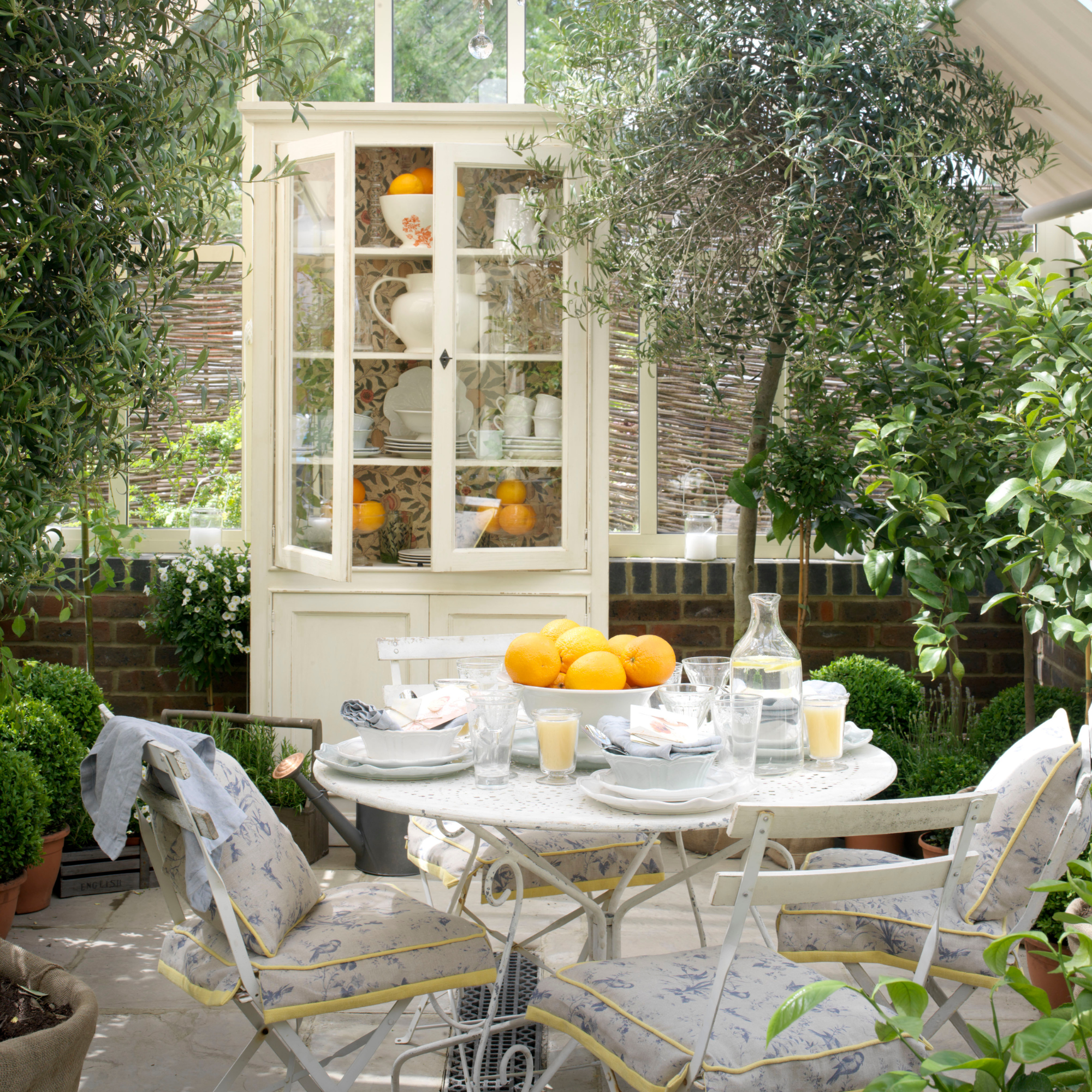
If you’re in need of new greenhouse ideas, I’d highly recommend taking a look at writer, comedian and actor Dawn French’s joyous example, which uses a mix of potted plants and pottery to create a stunning display.
And experts say that decorating your greenhouse is a great way to ensure your personality shines as much in your garden as in your home. Here’s how to do it like Dawn.
Latest Videos FromIdeal Home
Dawn French’s decorated greenhouse
This isn’t the first time a celebrity has demonstrated the benefits of decorating a greenhouse. Shirlie Kemp decorated her greenhouse for Christmas and instantly had us obsessed with her twinkling lights and foliage.
Since greenhouse decorating has taken off as a garden trend in its own right, and if you’re in need of some non-seasonal inspiration, Dawn is your girl. Posting on Instagram, Dawn was showing off a new mirror mask, which offered a glimpse into the greenhouse around her.
I spotted plenty of pretty geraniums in pots (Pelargonsjuka is a Scandi gardening trend Dawn is a fan of), with small ornaments and hanging plates nestled in between. It’s a simple idea but one that creates a gorgeous lived-in look.
‘What I like about Dawn French’s greenhouse is its personality. It doesn’t feel as though it has been decorated according to a particular trend or with the aim of looking immaculate. It feels joyful, individual and lived-in, which is exactly what a garden space should be. There’s a real sense that it reflects the person using it,’ says Francesca McEvoy, design expert at Crane Garden Buildings.
Sign up to our newsletter for style inspiration, real homes, project and garden advice and shopping know-how
‘Plants themselves are obviously a huge part of the look, too. Mixing different heights, trailing plants and interesting pots can make a greenhouse feel wonderfully layered and established rather than overly styled. I particularly like the slightly eclectic approach, where everything doesn’t necessarily match perfectly. Greenhouses lend themselves beautifully to that relaxed, collected-over-time feel.’
How to decorate a greenhouse
If you’re feeling inspired to decorate your greenhouse, the best thing about Dawn’s is that she hasn’t relied on trends to decorate hers. It looks like her own individual expression and interests, which is what the experts say you should apply to yours.
(Image credit: Future PLC/ Tim Young)
‘We spend a lot of time in our greenhouses, whether that’s tending to plants, admiring our crops or simply relaxing. Greenhouses have become an extension of our home, so it’s natural to decorate them with as much consideration as we do our indoor spaces,’ says Andrew White, sales and marketing Director at Rhino Greenhouses.
‘Adding seating such as a small bench or bistro set, soft furnishings for comfort or ornamental features such as vases, storage containers, lights all go towards giving the greenhouse more life and personality.
‘Not only does decorating a greenhouse make it an even more enjoyable place to spend time, it can help turn it into a multipurpose space, whether that’s relaxing with a drink and book, or hosting a dinner or drinks evening.’
‘My advice would be to think about how you actually want to feel when you’re in the greenhouse. If you want it to be somewhere you can sit with a cup of tea as well as tend to plants, give yourself a comfortable chair. If colour makes you happy, introduce it through pots, furniture or accessories. And don’t worry too much about making everything coordinate. Some of the most charming garden spaces are the ones that have evolved naturally over time,’ adds Francesca.
Decorate your greenhouse
Anthropologie
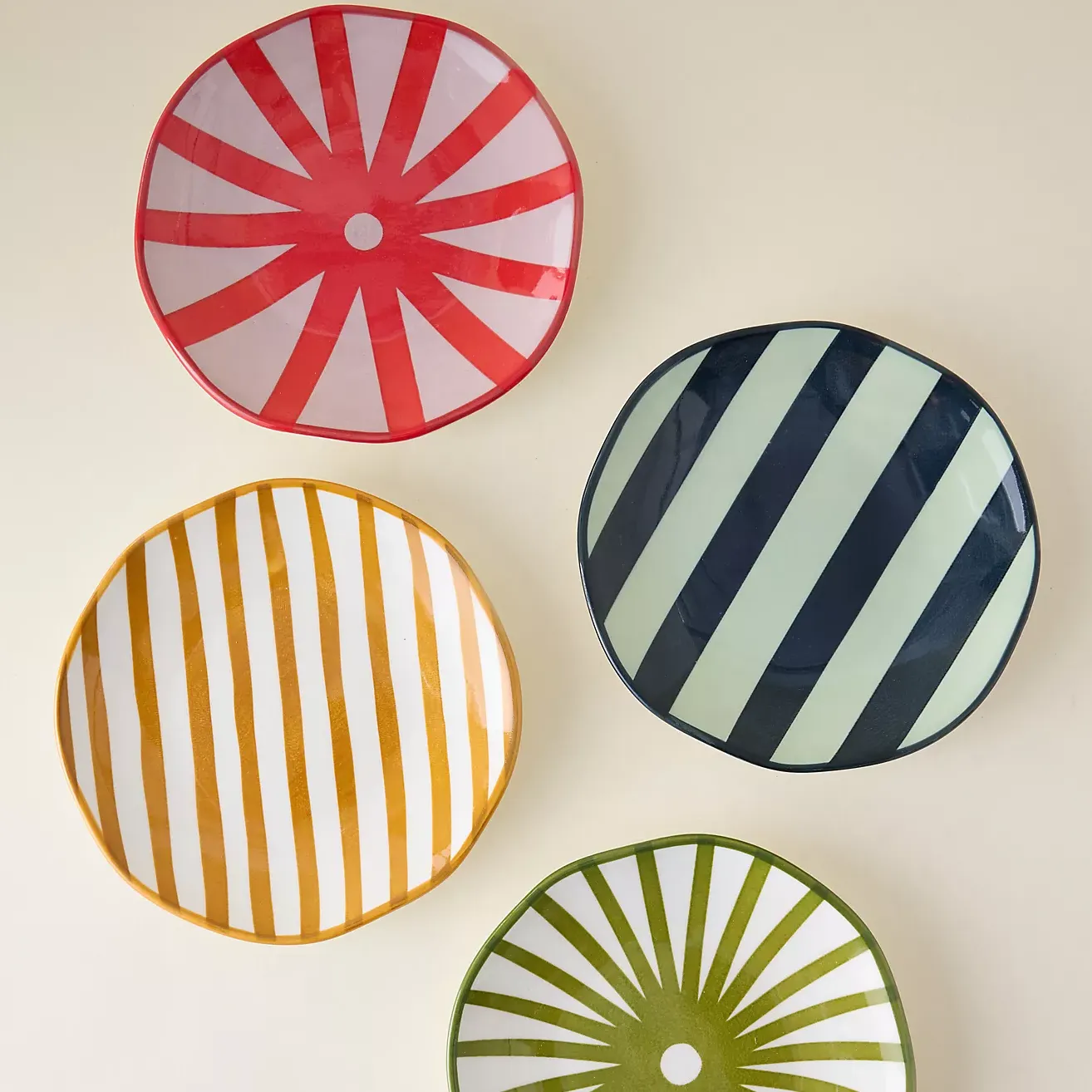
Here’s How the Marley Appetiser Plates, Set of 4
<aside data-article-category="garden" data-block-layout="hero" data-block-type="featured-product" data-editorial-currency="GBP" data-editorial-price="24" data-hawk-json="{"product":{"variants":{"Default":{"image":{"copyright":"","height":1971,"id":"QB8CxGNX2HYV2XGLR3Au3D","mimeType":"image\/webp","mos":"https:\/\/cdn.mos.cms.futurecdn.net\/v2\/t:166,l:0,cw:1314,ch:1314,q:80\/QB8CxGNX2HYV2XGLR3Au3D.webp","role":"","width":1314,"credit":"Anthropologie","alt":"Here's How the Marley Appetiser Plates, Set of 4","caption":"","crop":{"label":"1:1","left":0,"top":166,"cropWidth":1314,"cropHeight":1314,"quality":80}},"strapline":"
I love how Dawn has hung decorative plates. Personally I'd choose these bold, stripey numbers to liven up the space.","brand":"Anthropologie","name":"Here’s How the Marley Appetiser Plates, Set of 4","urlStyle":"","retailer":"","layout":"hero","linkText":"","noFollow":true,"noAffiliateTracking":false,"promoLabel":"","price":24,"salePrice":null,"currency":"GBP","linkLayout":"text","sponsored":false,"hawkProductNameMatchedCode":"","review":{"cons":[],"id":"","name":"","pros":[],"rating":0,"strapline":"","url":""},"id":"","externalId":"4c6c216d9a3e3523002eb1425e2f1c0f244159be","lastCheckedPriceDate":"","link":{"url":"https:\/\/click.linksynergy.com\/deeplink?id=kXQk6%2AivFEQ&mid=37257&u1=hawk-custom-tracking&murl=https%3A%2F%2Fwww.anthropologie.com%2Fen-gb%2Fshop%2Fheres-how-the-marley-appetiser-plates-set-of-4%3F","merchantName":"Anthropologie","merchantId":23553,"merchantNetwork":"LSfutureusLlc","merchantUrl":"anthropologie.com\/en-gb"}}}}}” data-link=”https://click.linksynergy.com/deeplink?id=kXQk6%2AivFEQ&mid=37257&u1=hawk-custom-tracking&murl=https%3A%2F%2Fwww.anthropologie.com%2Fen-gb%2Fshop%2Fheres-how-the-marley-appetiser-plates-set-of-4%3F” data-link-merchant=”Anthropologie” data-merchant-id=”23553″ data-merchant-name=”Anthropologie” data-merchant-network=”LSfutureusLlc” data-merchant-url=”anthropologie.com/en-gb” data-model-brand=”Anthropologie” data-model-name=”Anthropologie Here’s How the Marley Appetiser Plates, Set of 4″ data-name=”Product Block merchantlink widget” data-render-type=”fte” data-show-fallback=”button” data-widget-type=”merchantlink” class=”ecom-root”>
I love how Dawn has hung decorative plates. Personally I’d choose these bold, stripey numbers to liven up the space.
Dunelm
Cedar & Sage Set of 2 Timmy Tortoise Pot Hangers
<aside data-article-category="garden" data-block-layout="hero" data-block-type="featured-product" data-editorial-currency="GBP" data-editorial-price="12" data-hawk-json="{"product":{"variants":{"Default":{"image":{"copyright":"","height":284,"id":"eTeqj5mPNd5ZdxC9jcxeMC","mimeType":"image\/jpeg","mos":"https:\/\/cdn.mos.cms.futurecdn.net\/eTeqj5mPNd5ZdxC9jcxeMC.jpg","role":"","width":284,"credit":"images.dunelm.com","alt":"Cedar & Sage Set of 2 Timmy Tortoise Pot Hangers","caption":""},"strapline":"
Don't forget lighting! Some festoon lights will give your greenhouse a beautiful glow in the evening.","brand":"Habitat","name":"Habitat 30 Warm White Festoon String Light","urlStyle":"","retailer":"","layout":"hero","linkText":"","noFollow":true,"noAffiliateTracking":false,"promoLabel":"","price":35,"salePrice":null,"currency":"GBP","linkLayout":"text","sponsored":false,"hawkProductNameMatchedCode":"","review":{"cons":[],"id":"","name":"","pros":[],"rating":0,"strapline":"","url":""},"id":"","externalId":"606210faf3b7cacb6f3f61ead25c7403894f0566","lastCheckedPriceDate":"","link":{"url":"https:\/\/www.anrdoezrs.net\/click-100624752-15618761?sid=hawk-custom-tracking&url=https:\/\/www.argos.co.uk\/product\/3633852?","merchantName":"Argos","merchantId":535,"merchantNetwork":"CJ","merchantUrl":"argos.co.uk"}}}}}” data-link=”https://www.anrdoezrs.net/click-100624752-15618761?sid=hawk-custom-tracking&url=https://www.argos.co.uk/product/3633852?” data-link-merchant=”Argos” data-merchant-id=”535″ data-merchant-name=”Argos” data-merchant-network=”CJ” data-merchant-url=”argos.co.uk” data-model-brand=”Habitat” data-model-name=”Habitat Habitat 30 Warm White Festoon String Light” data-name=”Product Block merchantlink widget” data-render-type=”fte” data-show-fallback=”button” data-widget-type=”merchantlink” class=”ecom-root”>
Don’t forget lighting! Some festoon lights will give your greenhouse a beautiful glow in the evening.
If you’re planning on decorating your greenhouse, add decor you’d have in your own home. This way your greenhouse will feel like an natural extension of your indoor space.
Bookcases are one of our favourite pieces of furniture. Neat and compact, they take up comparatively little floor space and most people can find room for one. Not just for books, they’re also perfect for displaying lots of other bits and bobs. It’s best to decide first what you’re going the bookcase for so that you can get the shelf height right – tall, coffee table type books require a surprising amount of room! Many bookcases have adjustable shelves for flexibility. We’ve picked out 10 of our favourite bookcases, which will fit right into the modern home.
Table of Contents
1. Cloverlly leaning bookcase, One.World
Cloverlly leaning bookcase, One.World
This unusual bookcase has an open-back design, so it won’t overpower the room. The five spacious shelves, complete with raised edges, provide the perfect space to display books, decorative objects, or potted plants. Designed to lean securely against a wall and made from sturdy painted wood, this bookcase could become the focal point of any room. £425, available from One.World.
2. Albi wooden bookcase, Cult Furniture
Albi wooden bookcase, Cult Furniture
With its classic mid-century silhouette, clean lines, retro charm and smooth, modern finish, this neat little bookcase will find a ready home in any room. Crafted from oak veneer with an oiled finish, this wood bookcase is versatile, durable, and stylish. £199, available from Cult Furniture.
3. Berkeley Nordic oak bookcase, The Cotswold Company
Berkeley Nordic oak bookcase, The Cotswold Company
Maximise on storage space with this light oak bookcase, featuring four traditionally made shelves and two dovetail drawers for added strength. It’s perfect for displaying treasured memories and family favourite novels in bedrooms or living rooms, and the open design helps create a more airy feeling. £699, available from The Cotswold Company
4. Detroit tall bookcase, Oak Furnitureland
Detroit tall bookcase, Oak Furnitureland
If you’re looking for something a bit chunkier to provide more of a focal point for the room, this Detroit tall bookcase might fit the bill. Made from solid hardwood, it has sectioned shelves, a double storage cupboard and metal handles and legs for an urban twist. £629, available from Oak Furnitureland.
5. Goodhome connect cube storage, B&Q
Goodhome connect cube storage, B&Q
If you’re tight for space (or budget!) then this simple cube bookcase is a lucky find. It can be used both floor standing and wall mounted, and you can add other units on in different colours and sizes if you want to personalise the end result. £20 for this two-shelf cube, available from B&Q.
6. Huby shelving unit, Shelved
Huby shelving unit, Shelved
Sleek, minimal, and completely adaptable, this modular unit is the perfect space-conscious solution for storing your possessions. Four open rectangular fixed shelves give you plenty of space, and if you get your measurements who you can change the configuration or add more modules. £490.60, available from Shelved.
7. Bali rattan standing storage shelves, Oliver Bonas
Bali rattan standing storage shelves, Oliver Bonas
With an arched silhouette, this storage unit is handmade in Indonesian and featurs a circular design around the edge in bamboo, and three woven rattan shelves. The decorative side panels add interest. £195, available from Oliver Bonas.
8. Southwark ladder shelving, Swoon
Southwark ladder shelving, Swoon
No space? No problem! These narrow Southwark shelves have a touch of Scandinavian-inspired design. With tapered legs and a solid, natural timber frame, it’s clean, simple, modern and sturdy. £299, available from Swoon.
9. Shelfie side table, Loaf
Shelfie side table, Loaf
If you like your furniture to multi-task, here’s neat idea. This little bookcase/table doubles as a coffee table, a hallway shoe stasher and a neat bookcase? Perfect if you’re short of space, or just prefer a minimalist look. £695, available from Loaf.
10. Lena rattan bookshelf, VonHaus
Lena rattan bookshelf, VonHaus
Natural rattan pairs perfectly with this stand’s industrial black metal frame a. It boasts numerous shelves to display your decorations and books, and has a further two covered compartments for hiding clutter. £129.99, available from VonHaus.
Now that rainy weather has arrived, it’s much easier to accept that summer is over and the cosy season is about to begin. Several brands have been dropping their new season homeware throughout August – but H&M Home’s autumn 2026 collection only just landed. And its lack of colour took me by surprise.
Nicknamed the cosy season, autumn and the traditional autumn colour palette are known for featuring warm and earthy shades like terracotta, burgundy, brown and earthy green, all of which you can see in the likes of the Primark autumn range. But this autumn, H&M Home and the brand’s team decided to go in a very different, monochrome direction of black and white.
(Image credit: H&M)
While I wouldn’t necessarily recommend decorating your entire whole or even one whole room in this style, the individual pieces look very stylish and expensive. I think just a vase here or a table lamp there will instantly elevate your space.
Latest Videos FromIdeal Home
‘Whether it’s a structured linen cushion, a statement metal vase or the interplay between materials and textures – each object in this collection is designed to stand on its own, adding to a harmonious and deeply personal home,’ says Evelina Kravaev Söderberg, head of design and creative at H&M Home.
Top picks
H&M Home
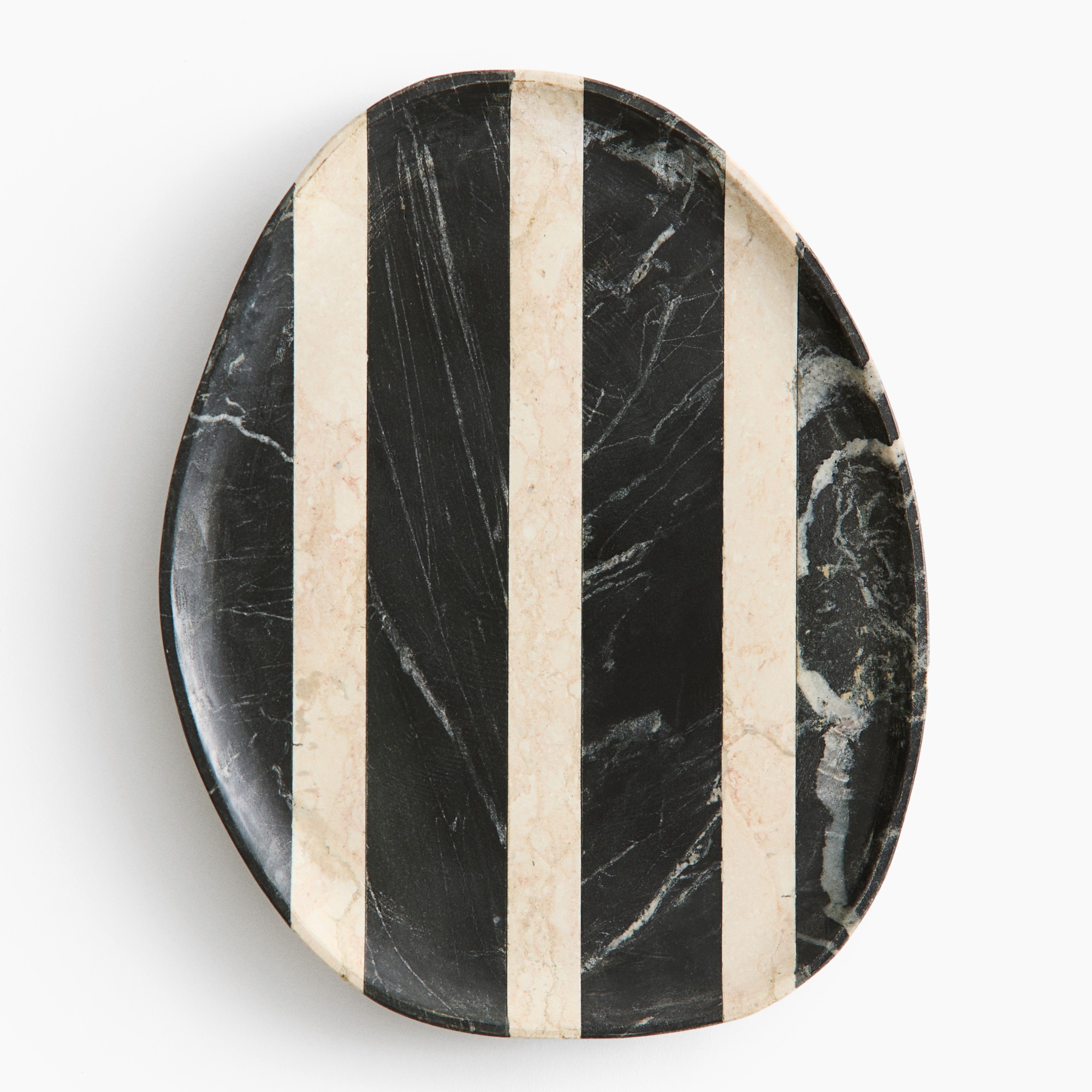
Gino large marble tray
<aside data-article-category="all-rooms" data-block-layout="hero" data-block-type="featured-product" data-hawk-json="{"product":{"variants":{"Default":{"image":{"copyright":"","height":2000,"id":"hWnc96SVeGJ42hZ5AAw8AP","mimeType":"image\/jpeg","mos":"https:\/\/cdn.mos.cms.futurecdn.net\/hWnc96SVeGJ42hZ5AAw8AP.jpg","role":"","width":2000,"credit":"H&M","alt":"H&M HOME Gino Large Marble Tray","caption":""},"strapline":"
I'm not afraid to say that I'm obsessed with this striped, two-toned marble tray. And I'm actually surprised it's not selling for more than its \u00a340 price tag. ","brand":"H&M Home","name":"Gino large marble tray","urlStyle":"","retailer":"","layout":"hero","noFollow":true,"noAffiliateTracking":false,"promoLabel":"","price":null,"salePrice":null,"currency":null,"linkLayout":"button","sponsored":false,"hawkProductNameMatchedCode":"","review":{"cons":[],"id":"","name":"","pros":[],"rating":0,"strapline":"","url":""},"id":"","lastCheckedPriceDate":"","link":{"url":"https:\/\/click.linksynergy.com\/deeplink?id=kXQk6%2AivFEQ&mid=43250&u1=hawk-custom-tracking&murl=https%3A%2F%2Fwww2.hm.com%2Fen_gb%2Fproductpage.1336569001.html","linkText":"\u00a339.99 at H&M","merchantName":"H&M","merchantId":226326,"merchantNetwork":"LSfutureusLlc","merchantUrl":"www2.hm.com\/en_gb"}}}}}” data-link=”https://click.linksynergy.com/deeplink?id=kXQk6%2AivFEQ&mid=43250&u1=hawk-custom-tracking&murl=https%3A%2F%2Fwww2.hm.com%2Fen_gb%2Fproductpage.1336569001.html” data-link-merchant=”H&M” data-link-text=”£39.99 at H&M” data-merchant-id=”226326″ data-merchant-name=”H&M” data-merchant-network=”LSfutureusLlc” data-merchant-url=”www2.hm.com/en_gb” data-model-brand=”H&M Home” data-model-name=”H&M Home Gino large marble tray” data-name=”Product Block merchantlink widget” data-render-type=”fte” data-show-fallback=”button” data-widget-type=”merchantlink” class=”ecom-root”>
I’m not afraid to say that I’m obsessed with this striped, two-toned marble tray. And I’m actually surprised it’s not selling for more than its £40 price tag.
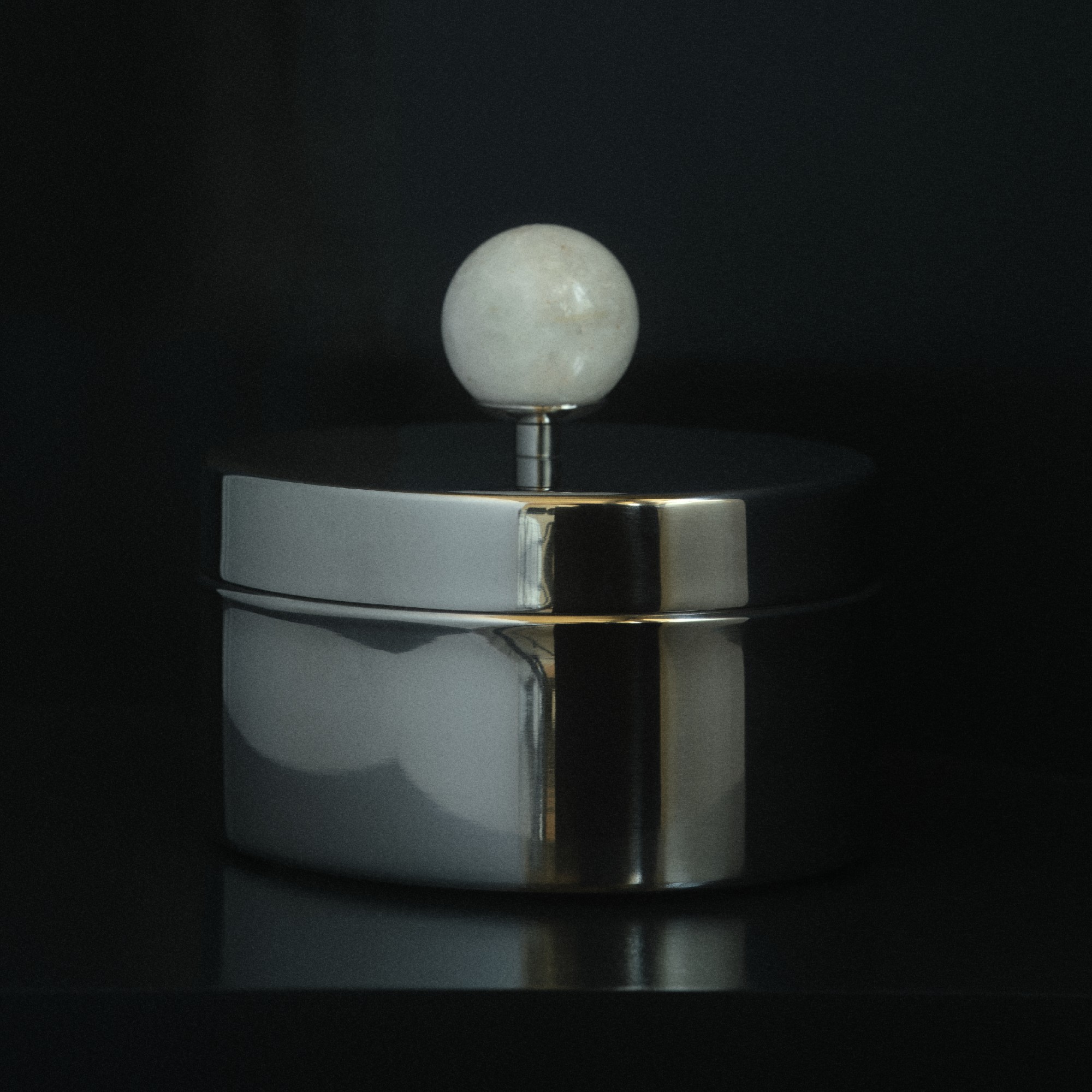
I've been looking for a stylish and decorative way to store my jewellery and I think I just found it. It's a beautiful mix of materials as the stainless steel box is paired with a marble handle on top.","brand":"H&M Home","name":"Marble-detail stainless steel box","urlStyle":"","retailer":"","layout":"hero","noFollow":true,"noAffiliateTracking":false,"promoLabel":"","price":null,"salePrice":null,"currency":null,"linkLayout":"button","sponsored":false,"hawkProductNameMatchedCode":"","review":{"cons":[],"id":"","name":"","pros":[],"rating":0,"strapline":"","url":""},"id":"","lastCheckedPriceDate":"","link":{"url":"https:\/\/click.linksynergy.com\/deeplink?id=kXQk6%2AivFEQ&mid=43250&u1=hawk-custom-tracking&murl=https%3A%2F%2Fwww2.hm.com%2Fen_gb%2Fproductpage.1345784001.html","linkText":"\u00a319.99 at H&M","merchantName":"H&M","merchantId":226326,"merchantNetwork":"LSfutureusLlc","merchantUrl":"www2.hm.com\/en_gb"}}}}}” data-link=”https://click.linksynergy.com/deeplink?id=kXQk6%2AivFEQ&mid=43250&u1=hawk-custom-tracking&murl=https%3A%2F%2Fwww2.hm.com%2Fen_gb%2Fproductpage.1345784001.html” data-link-merchant=”H&M” data-link-text=”£19.99 at H&M” data-merchant-id=”226326″ data-merchant-name=”H&M” data-merchant-network=”LSfutureusLlc” data-merchant-url=”www2.hm.com/en_gb” data-model-brand=”H&M Home” data-model-name=”H&M Home Marble-detail stainless steel box” data-name=”Product Block merchantlink widget” data-render-type=”fte” data-show-fallback=”button” data-widget-type=”merchantlink” class=”ecom-root”>
I’ve been looking for a stylish and decorative way to store my jewellery and I think I just found it. It’s a beautiful mix of materials as the stainless steel box is paired with a marble handle on top.
H&M Home
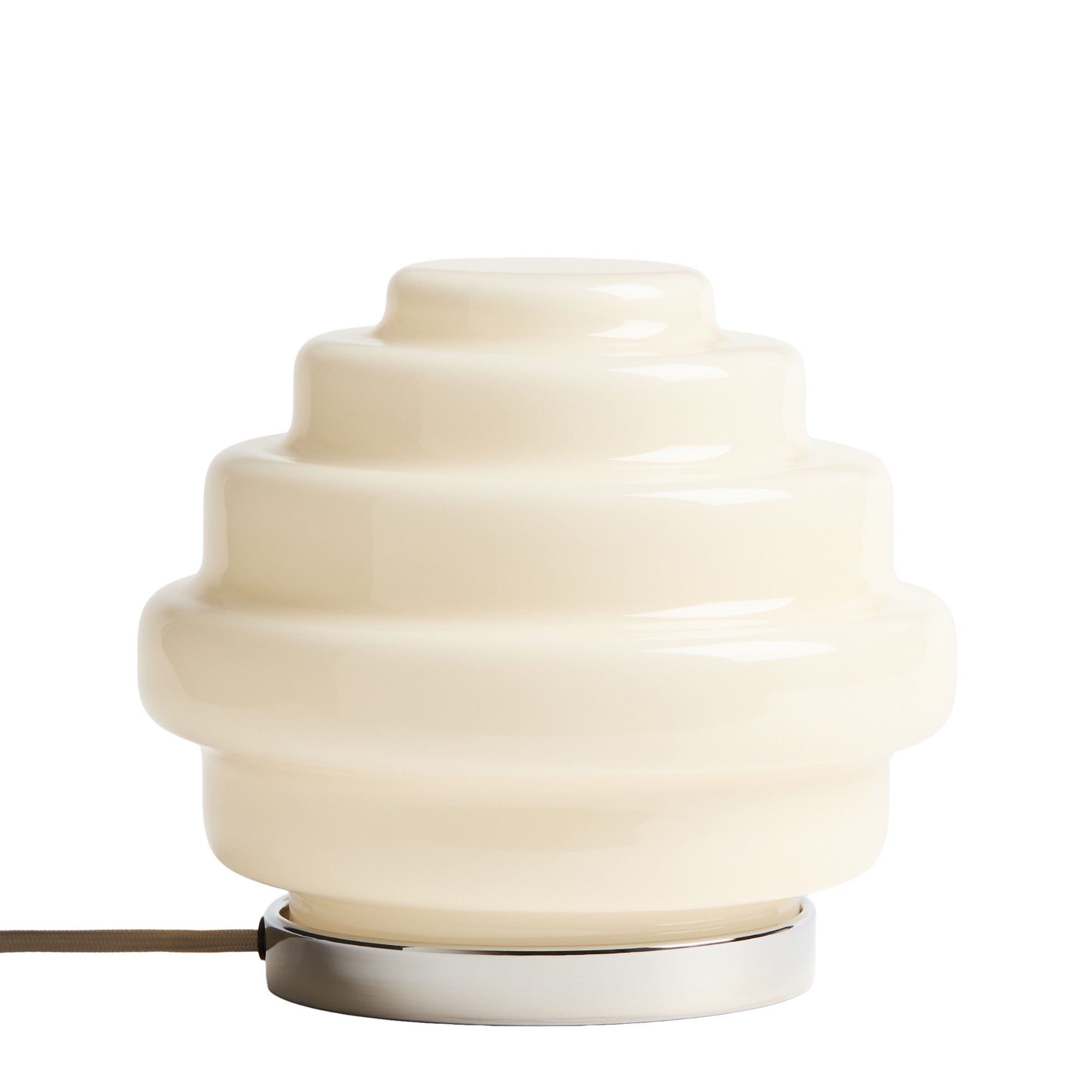
Boba small glass table lamp
<aside data-article-category="all-rooms" data-block-layout="hero" data-block-type="featured-product" data-hawk-json="{"product":{"variants":{"Default":{"image":{"copyright":"","height":2000,"id":"qTiGUFpGE93VEzQH2yvpiN","mimeType":"image\/jpeg","mos":"https:\/\/cdn.mos.cms.futurecdn.net\/qTiGUFpGE93VEzQH2yvpiN.jpg","role":"","width":2000,"credit":"H&M","alt":"H&M HOME Boba Table Lamp","caption":""},"strapline":"
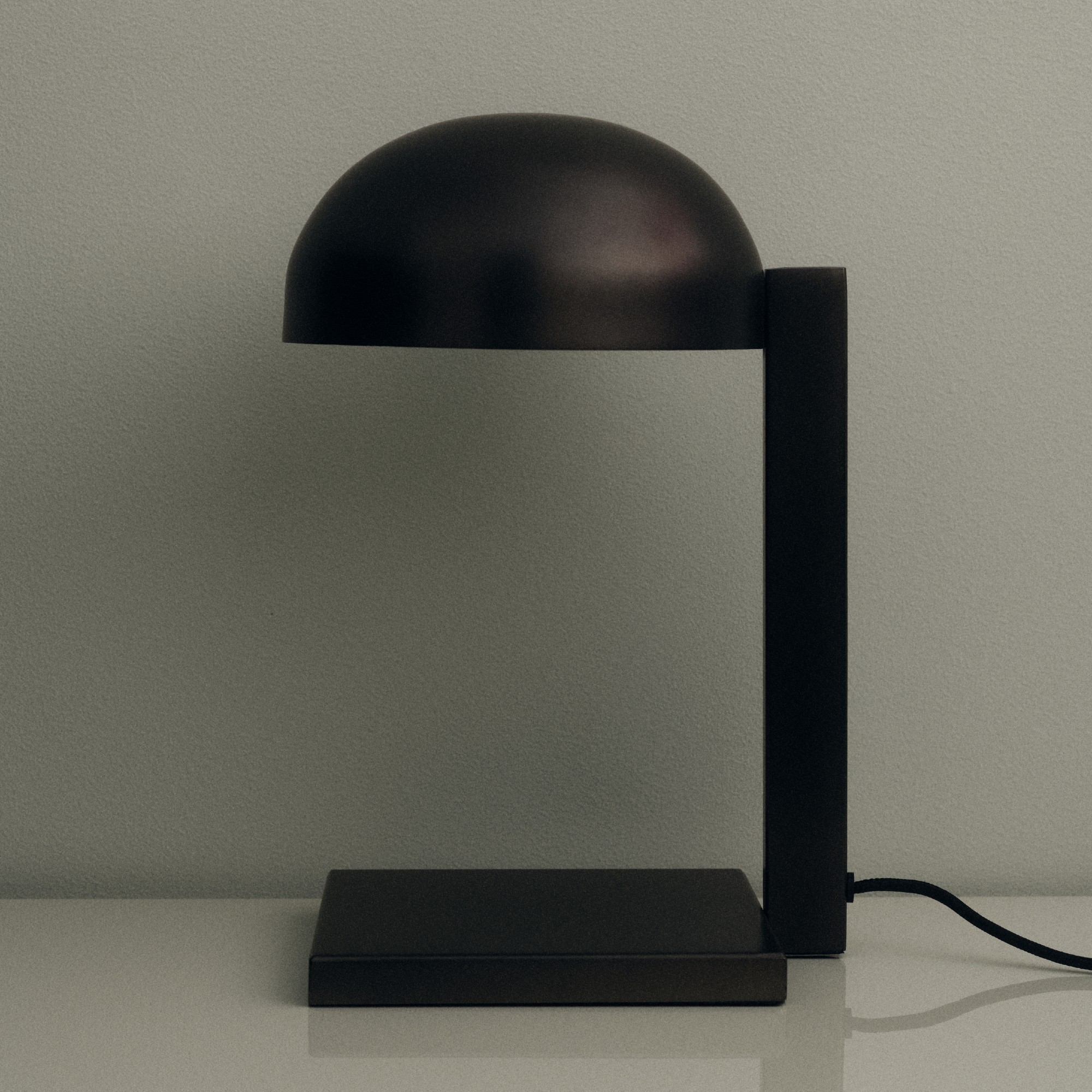
In the interiors circles, aged bronze has been the stylish material of choice in recent times. And H&M Home is bringing it to the mainstream with the likes of this chic table lamp.","brand":"H&M Home","name":"Vienna table lamp","urlStyle":"","retailer":"","layout":"hero","noFollow":true,"noAffiliateTracking":false,"promoLabel":"","price":null,"salePrice":null,"currency":null,"linkLayout":"button","sponsored":false,"hawkProductNameMatchedCode":"","review":{"cons":[],"id":"","name":"","pros":[],"rating":0,"strapline":"","url":""},"id":"","lastCheckedPriceDate":"","link":{"url":"https:\/\/click.linksynergy.com\/deeplink?id=kXQk6%2AivFEQ&mid=43250&u1=hawk-custom-tracking&murl=https%3A%2F%2Fwww2.hm.com%2Fen_gb%2Fhome.html","linkText":"\u00a369.99 at H&M","merchantName":"H&M","merchantId":226326,"merchantNetwork":"LSfutureusLlc","merchantUrl":"www2.hm.com\/en_gb"}}}}}” data-link=”https://click.linksynergy.com/deeplink?id=kXQk6%2AivFEQ&mid=43250&u1=hawk-custom-tracking&murl=https%3A%2F%2Fwww2.hm.com%2Fen_gb%2Fhome.html” data-link-merchant=”H&M” data-link-text=”£69.99 at H&M” data-merchant-id=”226326″ data-merchant-name=”H&M” data-merchant-network=”LSfutureusLlc” data-merchant-url=”www2.hm.com/en_gb” data-model-brand=”H&M Home” data-model-name=”H&M Home Vienna table lamp” data-name=”Product Block merchantlink widget” data-render-type=”fte” data-show-fallback=”button” data-widget-type=”merchantlink” class=”ecom-root”>
In the interiors circles, aged bronze has been the stylish material of choice in recent times. And H&M Home is bringing it to the mainstream with the likes of this chic table lamp.
H&M Home
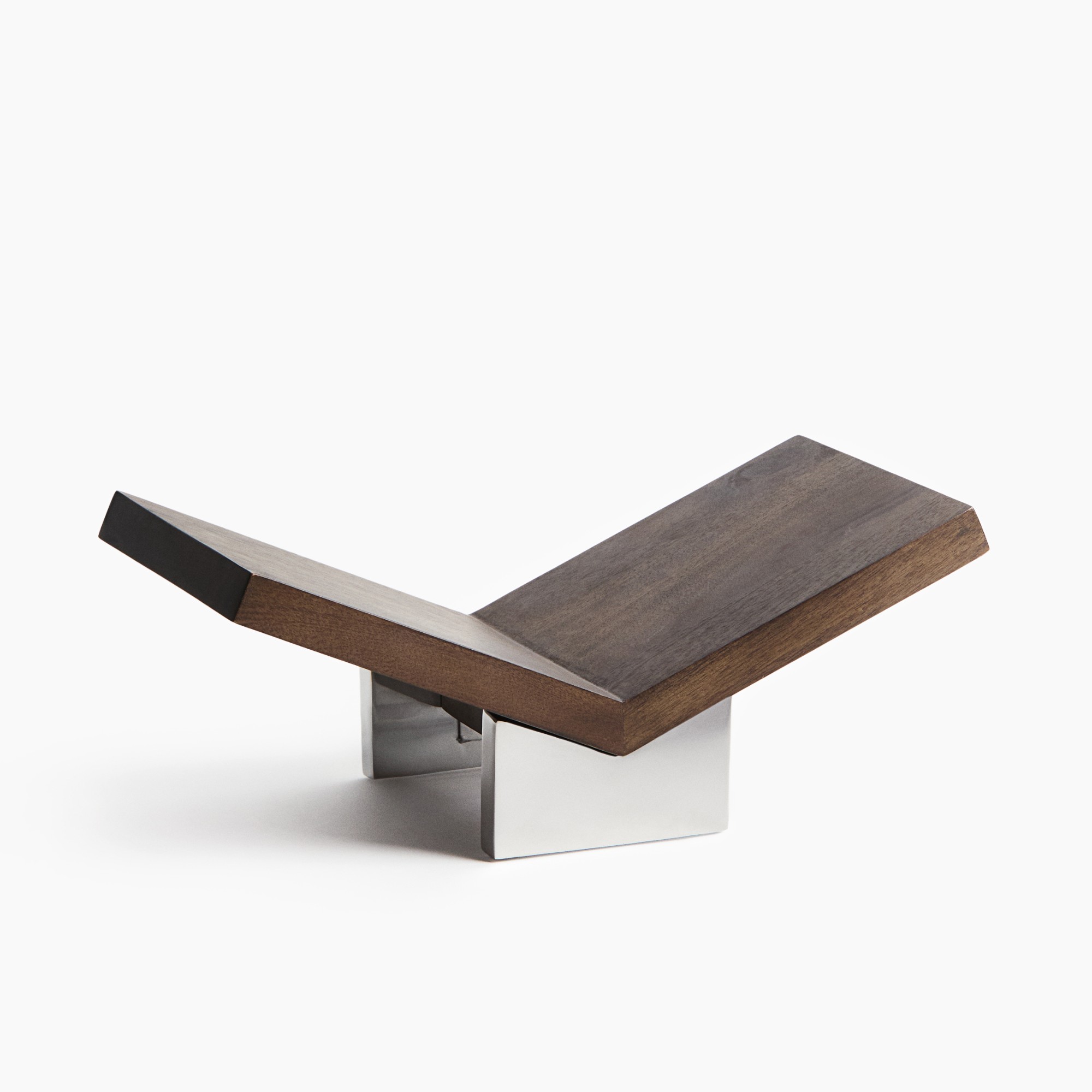
Libro wooden book stand
<aside data-article-category="all-rooms" data-block-layout="hero" data-block-type="featured-product" data-hawk-json="{"product":{"variants":{"Default":{"image":{"copyright":"","height":2000,"id":"o8iisAqZmrEjrGm4J2e7nN","mimeType":"image\/jpeg","mos":"https:\/\/cdn.mos.cms.futurecdn.net\/o8iisAqZmrEjrGm4J2e7nN.jpg","role":"","width":2000,"credit":"H&M","alt":"H&M HOME Libro Book Stand","caption":""},"strapline":"
You'll find book stands in some of the most stylish and curated homes, usually set on a sideboard or a console table with an open coffee table book atop. And with this piece, you can now do the same.","brand":"H&M Home","name":"Libro wooden book stand","urlStyle":"","retailer":"","layout":"hero","noFollow":true,"noAffiliateTracking":false,"promoLabel":"","price":null,"salePrice":null,"currency":null,"linkLayout":"button","sponsored":false,"hawkProductNameMatchedCode":"","review":{"cons":[],"id":"","name":"","pros":[],"rating":0,"strapline":"","url":""},"id":"","lastCheckedPriceDate":"","link":{"url":"https:\/\/click.linksynergy.com\/deeplink?id=kXQk6%2AivFEQ&mid=43250&u1=hawk-custom-tracking&murl=https%3A%2F%2Fwww2.hm.com%2Fen_gb%2Fproductpage.1335567001.html","linkText":"\u00a339.99 at H&M","merchantName":"H&M","merchantId":226326,"merchantNetwork":"LSfutureusLlc","merchantUrl":"www2.hm.com\/en_gb"}}}}}” data-link=”https://click.linksynergy.com/deeplink?id=kXQk6%2AivFEQ&mid=43250&u1=hawk-custom-tracking&murl=https%3A%2F%2Fwww2.hm.com%2Fen_gb%2Fproductpage.1335567001.html” data-link-merchant=”H&M” data-link-text=”£39.99 at H&M” data-merchant-id=”226326″ data-merchant-name=”H&M” data-merchant-network=”LSfutureusLlc” data-merchant-url=”www2.hm.com/en_gb” data-model-brand=”H&M Home” data-model-name=”H&M Home Libro wooden book stand” data-name=”Product Block merchantlink widget” data-render-type=”fte” data-show-fallback=”button” data-widget-type=”merchantlink” class=”ecom-root”>
You’ll find book stands in some of the most stylish and curated homes, usually set on a sideboard or a console table with an open coffee table book atop. And with this piece, you can now do the same.
H&M Home
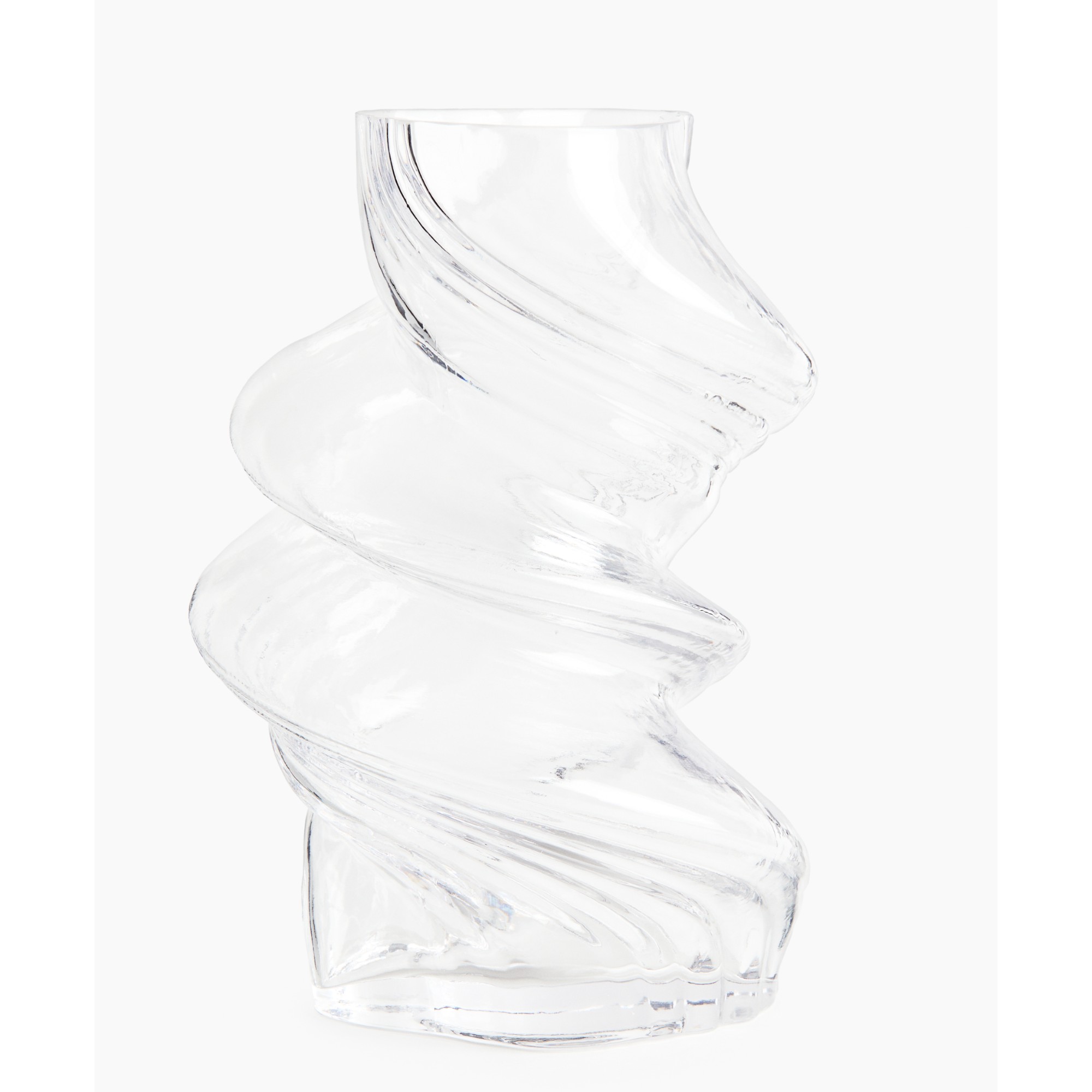
Large twisted glass vase
<aside data-article-category="all-rooms" data-block-layout="hero" data-block-type="featured-product" data-hawk-json="{"product":{"variants":{"Default":{"image":{"copyright":"","height":2000,"id":"MW2JeoXrfjCfyCRHbZy5sN","mimeType":"image\/jpeg","mos":"https:\/\/cdn.mos.cms.futurecdn.net\/MW2JeoXrfjCfyCRHbZy5sN.jpg","role":"","width":2000,"credit":"H&M","alt":"H&M HOME Clear Vase","caption":""},"strapline":"
This vase reminds me of the movement of water when it's being stirred. And I find it fascinating that H&M Home was able to turn that into a tangible object.","brand":"H&M Home","name":"Large twisted glass vase","urlStyle":"","retailer":"","layout":"hero","noFollow":true,"noAffiliateTracking":false,"promoLabel":"","price":null,"salePrice":null,"currency":null,"linkLayout":"button","sponsored":false,"hawkProductNameMatchedCode":"","review":{"cons":[],"id":"","name":"","pros":[],"rating":0,"strapline":"","url":""},"id":"","lastCheckedPriceDate":"","link":{"url":"https:\/\/click.linksynergy.com\/deeplink?id=kXQk6%2AivFEQ&mid=43250&u1=hawk-custom-tracking&murl=https%3A%2F%2Fwww2.hm.com%2Fen_gb%2Fproductpage.1337655001.html","linkText":"\u00a324.99 at H&M","merchantName":"H&M","merchantId":226326,"merchantNetwork":"LSfutureusLlc","merchantUrl":"www2.hm.com\/en_gb"}}}}}” data-link=”https://click.linksynergy.com/deeplink?id=kXQk6%2AivFEQ&mid=43250&u1=hawk-custom-tracking&murl=https%3A%2F%2Fwww2.hm.com%2Fen_gb%2Fproductpage.1337655001.html” data-link-merchant=”H&M” data-link-text=”£24.99 at H&M” data-merchant-id=”226326″ data-merchant-name=”H&M” data-merchant-network=”LSfutureusLlc” data-merchant-url=”www2.hm.com/en_gb” data-model-brand=”H&M Home” data-model-name=”H&M Home Large twisted glass vase” data-name=”Product Block merchantlink widget” data-render-type=”fte” data-show-fallback=”button” data-widget-type=”merchantlink” class=”ecom-root”>
This vase reminds me of the movement of water when it’s being stirred. And I find it fascinating that H&M Home was able to turn that into a tangible object.
H&M Home
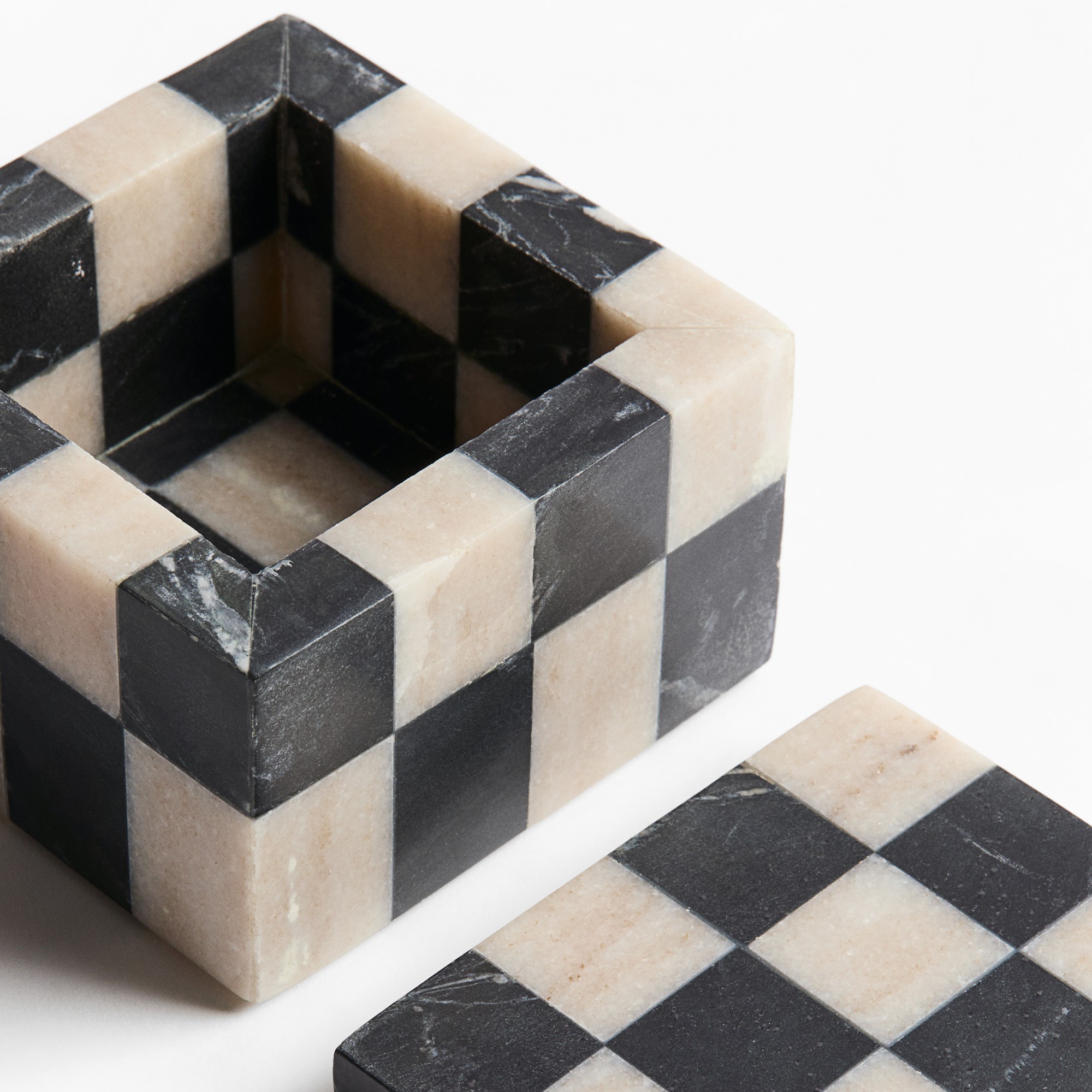
Mika lidded marble box
<aside data-article-category="all-rooms" data-block-layout="hero" data-block-type="featured-product" data-hawk-json="{"product":{"variants":{"Default":{"image":{"copyright":"","height":2000,"id":"w6AsTnppd9RnPrW5sKtjCP","mimeType":"image\/jpeg","mos":"https:\/\/cdn.mos.cms.futurecdn.net\/w6AsTnppd9RnPrW5sKtjCP.jpg","role":"","width":2000,"credit":"H&M","alt":"H&M HOME Mika Marble Box","caption":""},"strapline":"
Similarly to the marble tray, this box ideal for storing trinkets also mixes two colours of marble, but this time organised in a chequered pattern. If you're not one for a monochrome scheme, it also comes in a rust brown colourway.","brand":"H&M Home","name":"Mika lidded marble box","urlStyle":"","retailer":"","layout":"hero","noFollow":true,"noAffiliateTracking":false,"promoLabel":"","price":null,"salePrice":null,"currency":null,"linkLayout":"button","sponsored":false,"hawkProductNameMatchedCode":"","review":{"cons":[],"id":"","name":"","pros":[],"rating":0,"strapline":"","url":""},"id":"","lastCheckedPriceDate":"","link":{"url":"https:\/\/click.linksynergy.com\/deeplink?id=kXQk6%2AivFEQ&mid=43250&u1=hawk-custom-tracking&murl=https%3A%2F%2Fwww2.hm.com%2Fen_gb%2Fproductpage.1339412002.html","linkText":"\u00a334.99 at H&M","merchantName":"H&M","merchantId":226326,"merchantNetwork":"LSfutureusLlc","merchantUrl":"www2.hm.com\/en_gb"}}}}}” data-link=”https://click.linksynergy.com/deeplink?id=kXQk6%2AivFEQ&mid=43250&u1=hawk-custom-tracking&murl=https%3A%2F%2Fwww2.hm.com%2Fen_gb%2Fproductpage.1339412002.html” data-link-merchant=”H&M” data-link-text=”£34.99 at H&M” data-merchant-id=”226326″ data-merchant-name=”H&M” data-merchant-network=”LSfutureusLlc” data-merchant-url=”www2.hm.com/en_gb” data-model-brand=”H&M Home” data-model-name=”H&M Home Mika lidded marble box” data-name=”Product Block merchantlink widget” data-render-type=”fte” data-show-fallback=”button” data-widget-type=”merchantlink” class=”ecom-root”>
Similarly to the marble tray, this box ideal for storing trinkets also mixes two colours of marble, but this time organised in a chequered pattern. If you’re not one for a monochrome scheme, it also comes in a rust brown colourway.
H&M Home
Fluted metal vase
<aside data-article-category="all-rooms" data-block-layout="hero" data-block-type="featured-product" data-hawk-json="{"product":{"variants":{"Default":{"image":{"copyright":"","height":2000,"id":"x22nhoie2HFtEGisgY8xgN","mimeType":"image\/jpeg","mos":"https:\/\/cdn.mos.cms.futurecdn.net\/x22nhoie2HFtEGisgY8xgN.jpg","role":"","width":2000,"credit":"H&M","alt":"H&M Fluted metal vase","caption":""},"strapline":"
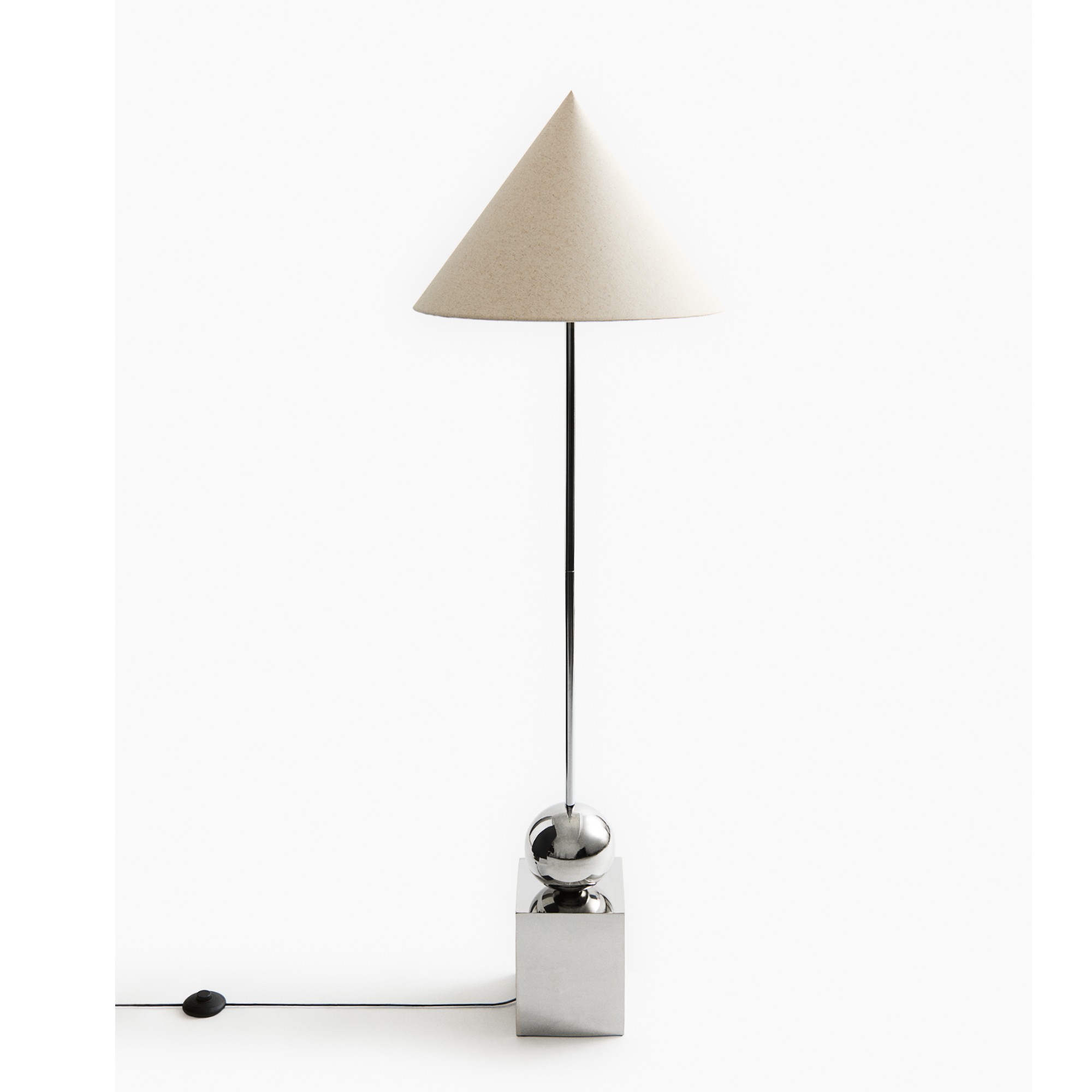
H&M Home’s autumn range references modernist design of the early 20th century which was all about clean lines and sculptural shapes. And that’s exactly what many of the pieces from this collection are, whether it’s the geometric metal floor lamp or coordinating table lamp.
(Image credit: H&M)
The brand opted to go with a restrained colour palette in order to highlight the various materials and textures included in the collection, from marble to stainless steel and warm wood. And as we know from the queen of interiors, Kelly Hoppen, texture is the most important element in any room design and decor.
Which piece from this stylish new collection do you have your eye on?
Sign up to our newsletter for style inspiration, real homes, project and garden advice and shopping know-how
While much of my garden is laid to lawn, it also has trees and hedges planted – and patches of grass that the mower missed. With just the thought of having to find three separate tools to trim, prune and maintain, I was happy to give the Webb WEV20X2MTB4X 40V (2 x 20V) Top-Mounted Brushless Multi-Tool a go to save myself some effort.
The different heights – ground, mid-level and high-level – would usually mean that I’d need to find the best strimmer at the very least. Then there’s the hedge trimmers and tree pruners to consider. Each of these tools can take up a lot of space in the shed, take some finding and blow a budget, so having this all wrapped up into one garden tool is certainly appealing.
It’s battery-powered and, therefore, cordless, which means that you won’t need an extension cable to power it, so I plan to see how this performs too.
Latest Videos FromIdeal Home
Webb
40V Top-Mounted Brushless Multi-Tool
Using the Multi Tool
The multi-tool is powered by two 4Ah batteries that slide onto either side of the motor at one end, with the shaft of one of three attachments secured onto the other.
The batteries took fewer than a couple of hours to fully charge. What I liked about the charger is that it isn’t a charging dock but a plug with three ports for a cable: 1x USB-A and 2x USB-C. The batteries each take a USB-C cable, which is unlike any tech product I have seen before; I like it, but the jury is out if it saves any space, or saves anything for that matter.
I found the set-up to be a headache, with the instructions not making much sense to me. Fortunately, with the help of my mum, we could figure it out without any written guidance (there’s no YouTube video either – fyi).
It looks like a well-balanced piece of kit with a trigger handle positioned in front of the batteries, and a handle that can be positioned anywhere along the shaft to help hold it where you’re strimming, cutting or pruning. For each task, the lower shaft will slot into the upper shaft; how it feels to hold will depend on the attachment secured to the lower shaft. For example, the hedge trimmer is longer than the strimmer, which is more circular, so the weight distribution will need adjusting for comfort and performance.
Sign up to our newsletter for style inspiration, real homes, project and garden advice and shopping know-how
Weight-wise, the hedge cutter is the heaviest at 4.85kg with both batteries in situ, whereas the pole saw is 4.6kg and the line trimmer is 4.2kg.
To operate, hold down the button on the battery to turn it on, then press the safety button before applying pressure to the trigger to start it up. I started it up before trying to trim or cut anything to check that I was comfortable with the handle positioning, because it is heavy.
Image 1 of 2
(Image credit: Future/ Jennifer Oksien)
(Image credit: Future/ Jennifer Oksien)
Line trimmer
Our robot lawn mower cuts the majority of the lawn, but it doesn’t have the turning circle to get up close to the raised vegetable patch tucked between the boundary fence and flower border, so the line trimmer attachment was a welcome tool.
It was quick to cut the grass back, and it only took a couple of passes before all the longer lengths of grass were level with the rest of the lawn. I held the trimmer by the trigger handle with one hand, and the removable telescopic handle with the other on the upper shaft, which was comfortable and well balanced.
Weeds are dislodged in seconds
(Image credit: Future/ Jennifer Oksien)
I then turned my attention to the hedge in our front garden. I am burdened by a lilac tree that keeps growing in the hedge, despite my constant efforts to remove the roots. The tree was towering over the box hedging so there was only one thing for it; hedge cutter.
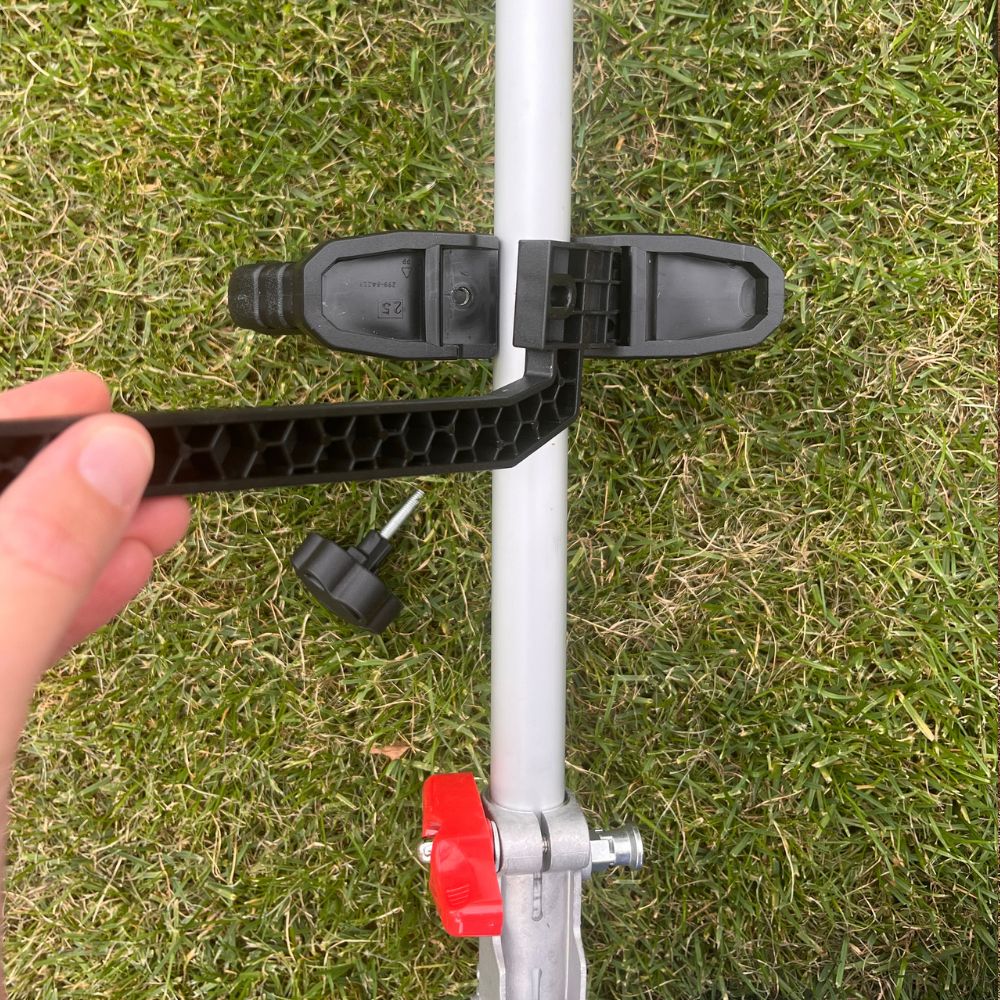
To attach, I removed the lower shaft of the trimmer from the upper shaft, and slotted in the lower shaft of the hedge cutter. It was immediately obvious that I needed to move the telescopic handle to the lower shaft to help distribute the weight – with a blade length of 420mm, the hedge cutter was making the tool feel extremely unbalanced.
Releasing the screw nut and unclipping the handle had a bit of a knack to it. The bit behind the handle needed to be folded underneath and behind it, before securing again with the screw nut. It won’t be secure otherwise.
(Image credit: Future/ Jennifer Oksien)
Hedge cutting
I found this multi-tool to be really heavy to lift and slide across the top of the hedge. I also struggled to cut back the side of the hedge with it.
Still, to my relief, it sliced through the tree hedge like butter. The small branches were cut clean, and any leaves caught up in the action were obliterated.
Image 1 of 2
(Image credit: Future/ Jennifer Oksien)
(Image credit: Future/ Jennifer Oksien)
Following the same procedure of switching-up the lower shaft, I secured the pole saw. It was our unruly Hazel tree that was to get some maintenance treatment next.
Again, it sliced through thicker tree branches with no sweat. I had the handle positioned on the lower shaft whilst I had my hand on the trigger at the other end of the tool for comfortable positioning.
I found it to be long enough to reach higher branches from the ground, and it made the job of tree pruning lighter work because it required little effort on my part.
Image 1 of 2
(Image credit: Future/ Jennifer Oksien)
(Image credit: Future/ Jennifer Oksien)
The Webb WEV20X2MTB4X 40V Top-Mounted Brushless Multi-Tool also comes with a brushcutter attachment which fits onto the line trimmer. I do not have a dense patch of weeds, or a suitable space, to try this out but going by the performance of the other attachments I’m sure that it’ll excel.
(Image credit: Future/ Jennifer Oksien)
Noise levels were consistently loud on all attachments; it bounced around 90dB on the decibel meter reading app downloaded to my phone which is equivalent to a petrol lawn mower.
Verdict? Overall the performance of this kit was brilliant with all grass, hedging and trees cut as intended. That said, I found it tricky to set up and you’ll need to find space in the shed to carefully store the separate shaft attachments.
If you don’t already own a strimmer, hedge cutter, brush cutter and pole saw, and you have a need for owning all four of these tools, then it’ll be worth the investment for sure. It costs £249.99 which is not loads more than what a strimmer, hedge cutter and saw would cost if you were to buy them individually, so it’ll save you money.
Alternatively, just owning one tool for what you need, such as a line trimmer, may be a more viable option for your gardening needs.
Alternatives
If a multi tool isn’t quite what you’re looking for, we have a few alternatives you can shop.
RYOBI
18V ONE+ 45cm Pole Hedge Trimmer (Battery & Charger Excluded)
Black & Decker
BECS2245 2.2kW 45cm Electric Chainsaw 230V
STANLEY
FATMAX V20 25cm Cordless Grass Trimmer
Will you be making the switch to a multi tool? Or do you prefer to have separate tools for all the gardening jobs? Let us know.
Water features have been one of the biggest garden trends for summer this year, but while summer is coming to an end, our love for this relaxing garden feature is not. And Monty Don’s tranquillity pond is the latest piece of inspiration that I can’t get enough of.
Celebrities have provided no shortage of water feature ideas this summer, so if you’ve been wanting to learn how to make a water feature, Instagram really has proved itself as a hotspot for how-tos and DIY inspiration.
But while the flavour of the month has centred on solar fountains, Monty’s tranquillity pond is a little more peaceful, and garden experts say it’s a brilliant idea if you want to make your garden more relaxing.
Latest Videos FromIdeal Home
It was only recently that I spotted Martin and Shirlie Kemp’s stunning water feature and wondered if it was the best celebrity example of the summer. But having now seen Monty’s, I think he’s giving them a run for their money.
Positioned in between two flower beds in the Paradise Garden, Monty’s water feature is simply breathtaking. It’s simple in design, yet could equally have stepped out of a fairy tale.
‘It doesn’t feel as though a water feature has simply been dropped into the garden. It sits within the planting, so the edges feel softened and the pond becomes part of the landscape,’ comments Blanca Sanchez, director of Halo Design Interiors.. ‘I much prefer a pond where plants come close to the water and slightly blur its outline to one surrounded by a hard border because it just makes it feel a bit too contained. Monty’s has an established quality where you notice the water, but you also feel as though it belongs where it is.’
Why you should consider a tranquillity pond
If you’ve been thinking about putting your garden pond ideas into practice, I’m pleased to tell you that tranquillity ponds offer several benefits, from being wildlife-friendly to offering sensory benefits to you and your household.
Sign up to our newsletter for style inspiration, real homes, project and garden advice and shopping know-how
‘Listening to moving water can lower cortisol levels and calm your nervous system, and trickling water can act as a natural sound barrier against traffic noise or noise from neighbours. Watching the ripples of the water can also encourage mindfulness,’ says Richard Barker, horticultural expert and commercial director of LBS Horticulture.
‘Having any kind of pond in your garden will encourage wildlife like birds and frogs to visit the area for food and drinking. As the water evaporates, it cools hot areas and adds humidity to the garden, which can stop the soil of nearby plants from drying out.
Plus, when positioned in front of your flower beds, as Monty has done, you get a beautiful reflection of your flowers. Just think of it as double the blooms! This can even be achieved with a well-positioned micro pond, making this an equally effective small garden idea, too.
How to DIY a tranquillity pond
Of course, if you want to add a tranquillity pond to your garden, you can always buy one. I’ve seen a pond similar to Monty’s for £109 at B&Q. However, if you love DIY products, experts say it is possible to make your own.
(Image credit: Future PLC/Annaick Guitteny)
‘You can easily create a mini-pond using a container, and line the container with a pond liner if it is not watertight. Add a layer of gravel or rocks to the container, using stones or logs to create varying depths or points where wildlife can climb in and out,’ says Richard.
‘When filling a pond, it is best to use rainwater to avoid the chemicals used to treat tapwater. After the pond is full, you can then add plants around it, or include a pump or filter to make the water trickle.’
Get the look
Nicoman
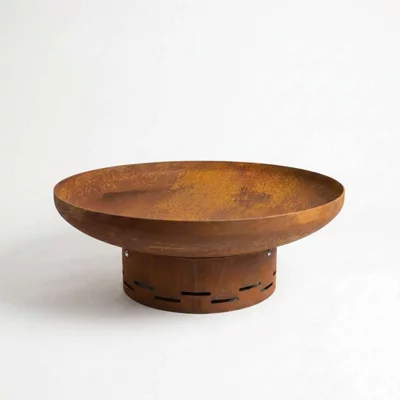
Nicoman Large Corten Steel Rust Fire Pit 70cm Outdoor Round Firepit for Garden
<aside data-article-category="garden" data-block-layout="hero" data-block-type="featured-product" data-editorial-currency="GBP" data-editorial-price="144.99" data-hawk-json="{"product":{"variants":{"Default":{"image":{"copyright":"","height":400,"id":"Nv4hFS6vCKauMdVttH8cdC","mimeType":"image\/webp","mos":"https:\/\/cdn.mos.cms.futurecdn.net\/Nv4hFS6vCKauMdVttH8cdC.webp","role":"","width":400,"credit":"Nicoman","alt":"Nicoman Large Corten Steel Rust Fire Pit 70cm Outdoor Round Firepit for Garden","caption":""},"strapline":"
This fire pit could be repurposed to create a stunning tranquillity pond.","brand":"Nicoman","name":"Nicoman Large Corten Steel Rust Fire Pit 70cm Outdoor Round Firepit for Garden","urlStyle":"","retailer":"","layout":"hero","linkText":"","noFollow":true,"noAffiliateTracking":false,"promoLabel":"","price":144.99,"salePrice":null,"currency":"GBP","linkLayout":"text","sponsored":false,"hawkProductNameMatchedCode":"","review":{"cons":[],"id":"","name":"","pros":[],"rating":0,"strapline":"","url":""},"id":"","externalId":"dc12a89d3fde32c27c25d1a0ecfdf9a25f2469ae","lastCheckedPriceDate":"","link":{"url":"https:\/\/diy.pxf.io\/c\/221109\/1632830\/18948?subId1=hawk-custom-tracking&sharedId=hawk-prefix&u=https%3A%2F%2Fwww.diy.com%2Fdepartments%2Fnicoman-large-corten-steel-rust-fire-pit-70cm-outdoor-round-firepit-for-garden%2F5061050499362_BQ.prd%3F","merchantName":"B&Q","merchantId":299090,"merchantNetwork":"ImpactRad","merchantUrl":"diy.com"}}}}}” data-link=”https://diy.pxf.io/c/221109/1632830/18948?subId1=hawk-custom-tracking&sharedId=hawk-prefix&u=https%3A%2F%2Fwww.diy.com%2Fdepartments%2Fnicoman-large-corten-steel-rust-fire-pit-70cm-outdoor-round-firepit-for-garden%2F5061050499362_BQ.prd%3F” data-link-merchant=”B&Q” data-merchant-id=”299090″ data-merchant-name=”B&Q” data-merchant-network=”ImpactRad” data-merchant-url=”diy.com” data-model-brand=”Nicoman” data-model-name=”Nicoman Nicoman Large Corten Steel Rust Fire Pit 70cm Outdoor Round Firepit for Garden” data-name=”Product Block merchantlink widget” data-render-type=”fte” data-show-fallback=”button” data-widget-type=”merchantlink” class=”ecom-root”>
This fire pit could be repurposed to create a stunning tranquillity pond.
Swell UK
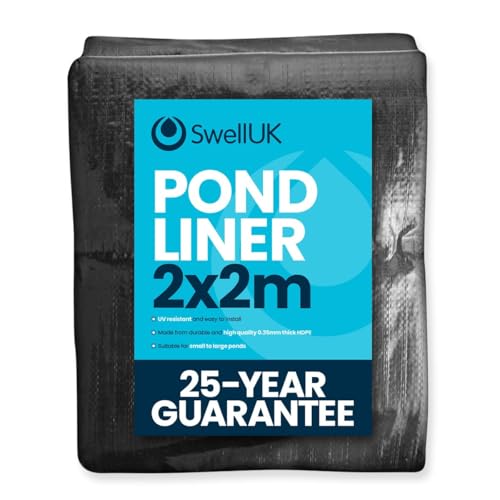
Swell Uk Pond Liner | 25 Year Guarante (2m X 2m)
<aside data-article-category="garden" data-block-layout="hero" data-block-type="featured-product" data-editorial-currency="GBP" data-editorial-price="8.99" data-hawk-json="{"product":{"variants":{"Default":{"image":{"copyright":"","height":500,"id":"5asNdvQCUqo6BdwGsHxVRC","mimeType":"image\/jpeg","mos":"https:\/\/cdn.mos.cms.futurecdn.net\/5asNdvQCUqo6BdwGsHxVRC.jpg","role":"","width":500,"credit":"Swell UK","alt":"Swell Uk Pond Liner | 25 Year Guarantee |hdpe | Uv Resistant | Garden Fish Ponds (2m X 2m)","caption":""},"strapline":"
Make sure you add pond liner to your container to ensure it stays waterproof.","brand":"Swell UK","name":"Swell Uk Pond Liner | 25 Year Guarante (2m X 2m)","urlStyle":"","retailer":"","layout":"hero","linkText":"","noFollow":true,"noAffiliateTracking":false,"promoLabel":"","price":8.99,"salePrice":null,"currency":"GBP","linkLayout":"text","sponsored":false,"hawkProductNameMatchedCode":"","review":{"cons":[],"id":"","name":"","pros":[],"rating":0,"strapline":"","url":""},"id":"","externalId":"cb680df52e0a262a8f4a81dfedd98cbe167baf66","lastCheckedPriceDate":"","link":{"url":"https:\/\/target.georiot.com\/Proxy.ashx?tsid=107653&GR_URL=https%3A%2F%2Famazon.co.uk%2FSwell-UK-Guarantee-Resistant-Garden%2Fdp%2FB0C24PQWDD%2Fref%3Dsr_1_6%3Ftag%3Dftr-idealhome-gb-21%26ascsubtag%3Dhawk-custom-tracking-21","merchantName":"Amazon UK","merchantId":1027,"merchantNetwork":"Amazonuk","merchantUrl":"amazon.co.uk"}}}}}” data-link=”https://target.georiot.com/Proxy.ashx?tsid=107653&GR_URL=https%3A%2F%2Famazon.co.uk%2FSwell-UK-Guarantee-Resistant-Garden%2Fdp%2FB0C24PQWDD%2Fref%3Dsr_1_6%3Ftag%3Dftr-idealhome-gb-21%26ascsubtag%3Dhawk-custom-tracking-21″ data-link-merchant=”Amazon UK” data-merchant-id=”1027″ data-merchant-name=”Amazon UK” data-merchant-network=”Amazonuk” data-merchant-url=”amazon.co.uk” data-model-brand=”Swell UK” data-model-name=”Swell UK Swell Uk Pond Liner | 25 Year Guarante (2m X 2m)” data-name=”Product Block merchantlink widget” data-render-type=”fte” data-show-fallback=”button” data-widget-type=”merchantlink” class=”ecom-root”>
Make sure you add pond liner to your container to ensure it stays waterproof.
SZMP
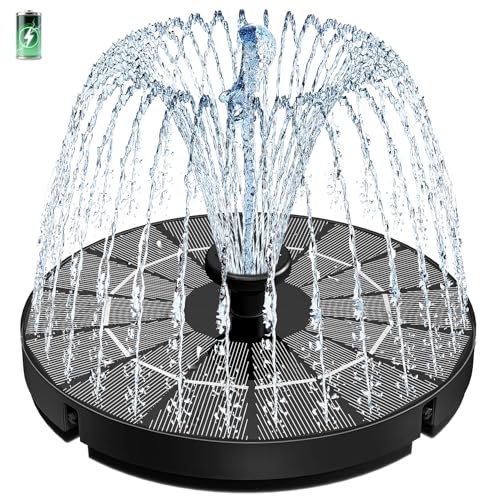
Solar Fountain
<aside data-article-category="garden" data-block-layout="hero" data-block-type="featured-product" data-editorial-currency="GBP" data-editorial-price="16.14" data-hawk-json="{"product":{"variants":{"Default":{"image":{"copyright":"","height":500,"id":"tLKwE4vpY835x2hLfhJvmB","mimeType":"image\/jpeg","mos":"https:\/\/cdn.mos.cms.futurecdn.net\/tLKwE4vpY835x2hLfhJvmB.jpg","role":"","width":500,"credit":"SZMP","alt":"Szmp Solar Fountain, 3.5w Solar Powered Bird Bath Fountains With 2000mah Battery, Work on Cloudy Day, Outdoor Water Feature Fountain Pump With 8 Nozzle and 4 Fixers for Garden, Patio, Pond, and Pool","caption":""},"strapline":"
A solar fountain will ensure you get a consistant 'trickling' in your pond, and will keep the water moving.","brand":"SZMP","name":"Solar Fountain","urlStyle":"","retailer":"","layout":"hero","linkText":"","noFollow":true,"noAffiliateTracking":false,"promoLabel":"","price":16.14,"salePrice":null,"currency":"GBP","linkLayout":"text","sponsored":false,"hawkProductNameMatchedCode":"","review":{"cons":[],"id":"","name":"","pros":[],"rating":0,"strapline":"","url":""},"id":"","externalId":"279424728b7c51eb2db69679c01159dd833f5383","lastCheckedPriceDate":"","link":{"url":"https:\/\/target.georiot.com\/Proxy.ashx?tsid=107653&GR_URL=https%3A%2F%2Famazon.co.uk%2FSZMP-Fountain-Powered-Fountains-2000mAh%2Fdp%2FB0G1RY4D2M%2Fref%3Dsr_1_12%3Ftag%3Dftr-idealhome-gb-21%26ascsubtag%3Dhawk-custom-tracking-21","merchantName":"Amazon UK","merchantId":1027,"merchantNetwork":"Amazonuk","merchantUrl":"amazon.co.uk"}}}}}” data-link=”https://target.georiot.com/Proxy.ashx?tsid=107653&GR_URL=https%3A%2F%2Famazon.co.uk%2FSZMP-Fountain-Powered-Fountains-2000mAh%2Fdp%2FB0G1RY4D2M%2Fref%3Dsr_1_12%3Ftag%3Dftr-idealhome-gb-21%26ascsubtag%3Dhawk-custom-tracking-21″ data-link-merchant=”Amazon UK” data-merchant-id=”1027″ data-merchant-name=”Amazon UK” data-merchant-network=”Amazonuk” data-merchant-url=”amazon.co.uk” data-model-brand=”SZMP” data-model-name=”SZMP Solar Fountain” data-name=”Product Block merchantlink widget” data-render-type=”fte” data-show-fallback=”button” data-widget-type=”merchantlink” class=”ecom-root”>
A solar fountain will ensure you get a consistant ‘trickling’ in your pond, and will keep the water moving.
Has Monty won you over with his simple yet serene tranquillity pond?
As August draws to a close, all I am thinking about is how to make my home cosier for the darker evenings ahead. I know I shouldn’t be wishing summer away, but September always triggers that ‘back to school’ feeling, and as a result, I’m eager to make some tweaks around my home ahead of the new season.
Lighting is the biggest design feature that really comes into its own when autumn rolls around, and this wall light set from Next particularly caught my eye.
I recently discovered Next’s ‘The Set’ range and it is one of the best value homeware launches I’ve seen in a long time. The home accessories, such as lighting, bedding and rugs, come in affordable sets, making trend-led updates more budget-friendly. Here’s why I’m shopping this chic kitchen lighting idea.
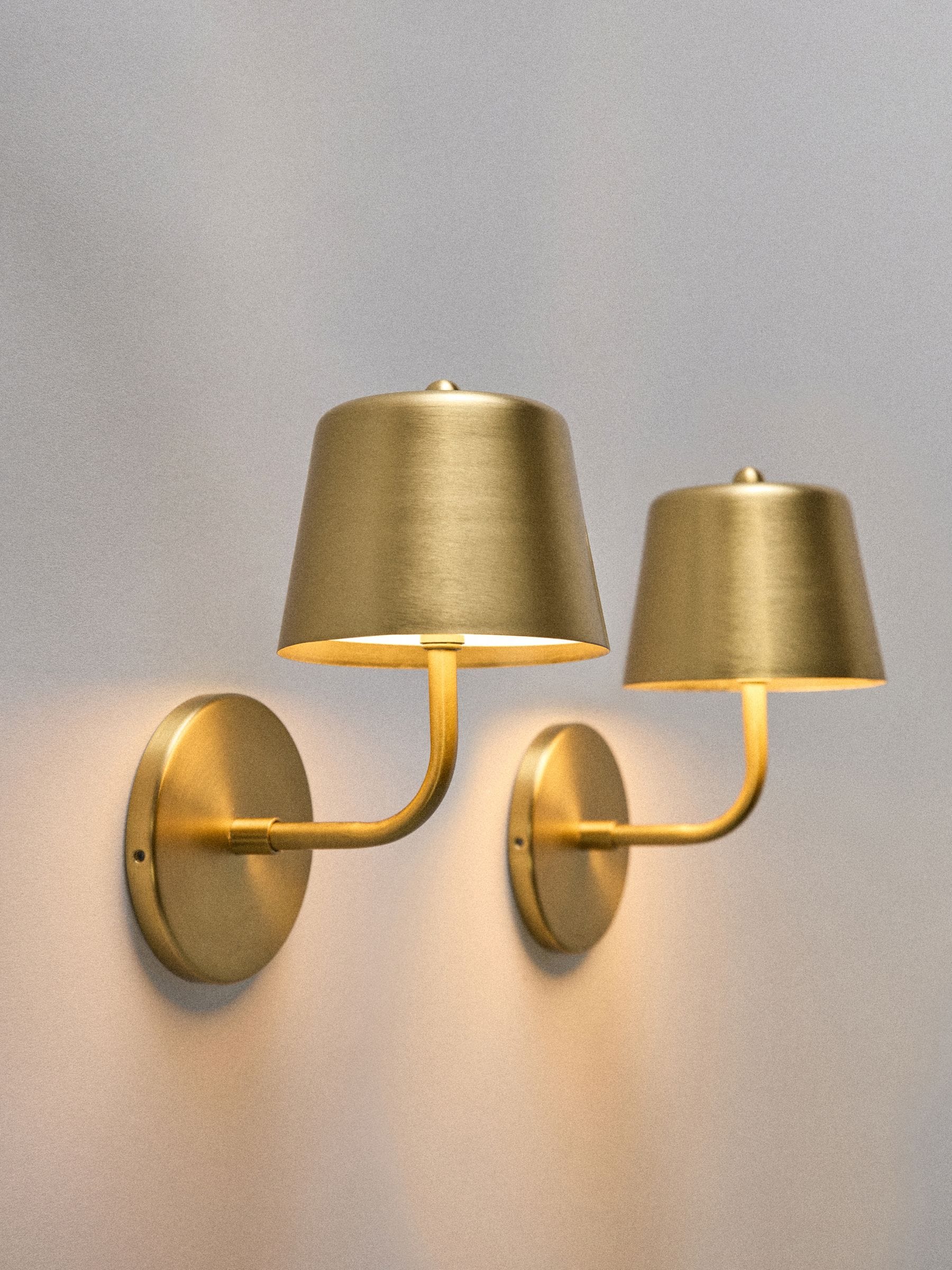
I love the brushed brass finish of these wall lights – they look so much more expensive than other brighter gold alternatives. \u00a375 for two is so handy and an easy way to flank a painting or open shelving.","brand":"The Set","name":"The Set 2 Pack Brass Rechargeable Wall Lights","urlStyle":"","retailer":"","layout":"horizontal","linkText":"","noFollow":true,"noAffiliateTracking":false,"promoLabel":"","price":75,"salePrice":null,"currency":"GBP","linkLayout":"text","sponsored":false,"hawkProductNameMatchedCode":"","review":{"cons":[],"id":"","name":"","pros":[],"rating":0,"strapline":"","url":""},"id":"","externalId":"8700e9e6c90a33391450228311c7b06ae5fa33fb","lastCheckedPriceDate":"","link":{"url":"https:\/\/click.linksynergy.com\/deeplink?id=kXQk6%2AivFEQ&mid=53096&u1=hawk-custom-tracking&murl=https%3A%2F%2Fwww.next.co.uk%2Fstyle%2Fsu707428%2Fw28936","merchantName":"Next UK","merchantId":491232,"merchantNetwork":"LSfutureusLlc","merchantUrl":"next.co.uk"}}}}}” data-link=”https://click.linksynergy.com/deeplink?id=kXQk6%2AivFEQ&mid=53096&u1=hawk-custom-tracking&murl=https%3A%2F%2Fwww.next.co.uk%2Fstyle%2Fsu707428%2Fw28936″ data-link-merchant=”Next UK” data-merchant-id=”491232″ data-merchant-name=”Next UK” data-merchant-network=”LSfutureusLlc” data-merchant-url=”next.co.uk” data-model-brand=”The Set” data-model-name=”The Set The Set 2 Pack Brass Rechargeable Wall Lights” data-name=”Horizontal Product Block merchantlink widget” data-render-type=”fte” data-show-fallback=”button” data-widget-type=”merchantlink” class=”ecom-root”>
I love the brushed brass finish of these wall lights – they look so much more expensive than other brighter gold alternatives. £75 for two is so handy and an easy way to flank a painting or open shelving.
It’s no secret that wall lights have boomed in popularity in the last year or so. What was once seen as a more traditional lighting choice has now expanded into so many different trendy styles, offering a practical way to add character and illumination to your home.
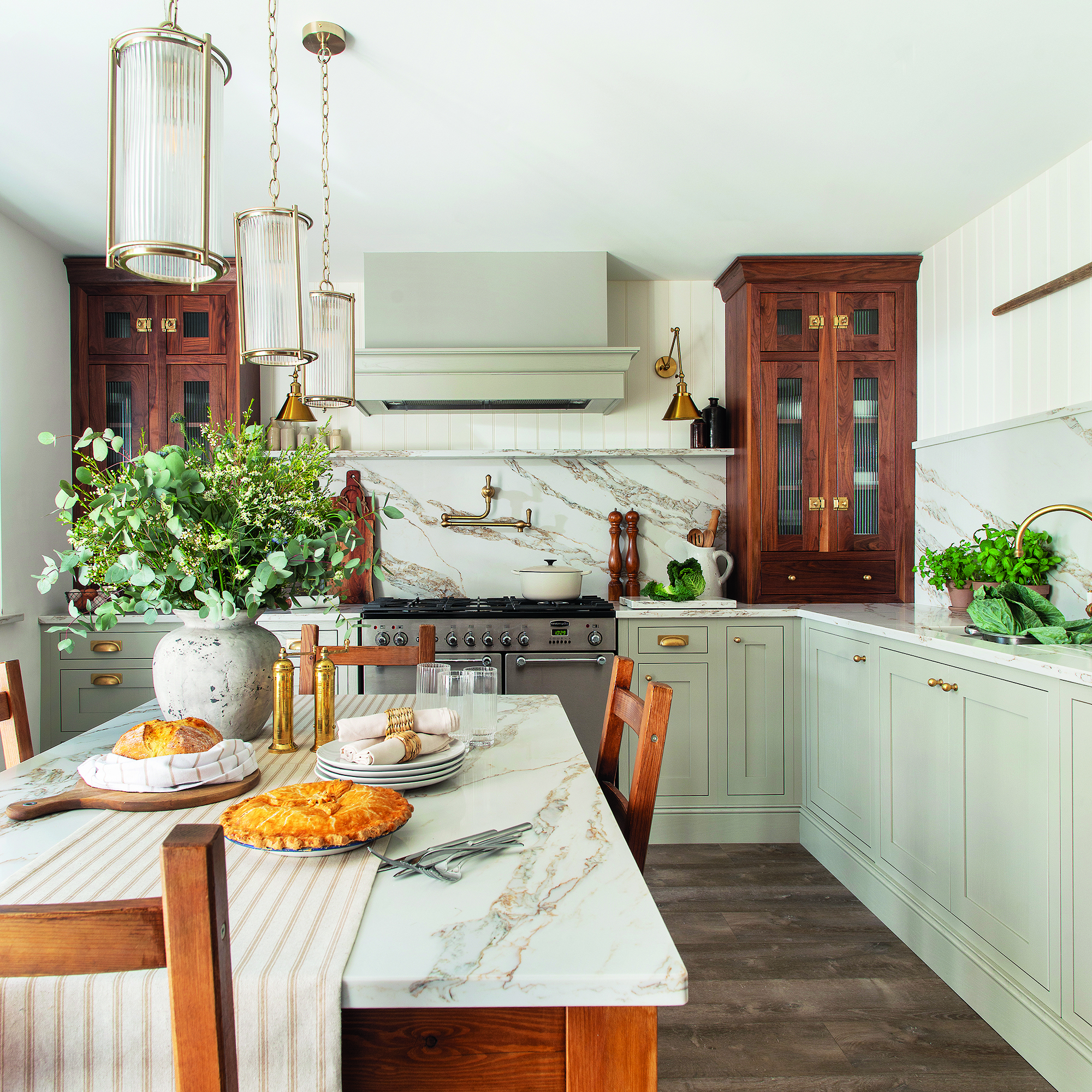
Kitchens are one room where wall lights are especially useful. On an evening, particularly in the winter, turning the overhead light on can make your home feel stark and uninviting, so layering lots of different lighting options will provide ambience as well as useful illumination for worktops.
(Image credit: Future PLC / Colin Poole)
Next’s ‘The Set’ range is a gamechanger for achieving a stylish home without overspending. Let’s face it, you rarely need just one light, so their handy collection that comes in pairs for the price of one light elsewhere saves you time and money while decorating.
I have long been a fan of brass wall lights. They add a subtle antique touch to a kitchen, and this set from Next have had a modern update with the matching brass shade – it’s also much more practical for cooking spaces where cooking smells can embed into fabric shades.
Sign up to our newsletter for style inspiration, real homes, project and garden advice and shopping know-how
The piece de resistance of these wall lights is that they’re rechargeable. I live in a rented home so wiring wall lights in isn’t going to happen, but if you’re adding them in retrospectively even to a home you own, calling in an electrician is an added expense.
Instead, you can simply screw these into the wall just before the evenings start to get darker and your kitchen will have the perfect ambience all winter.
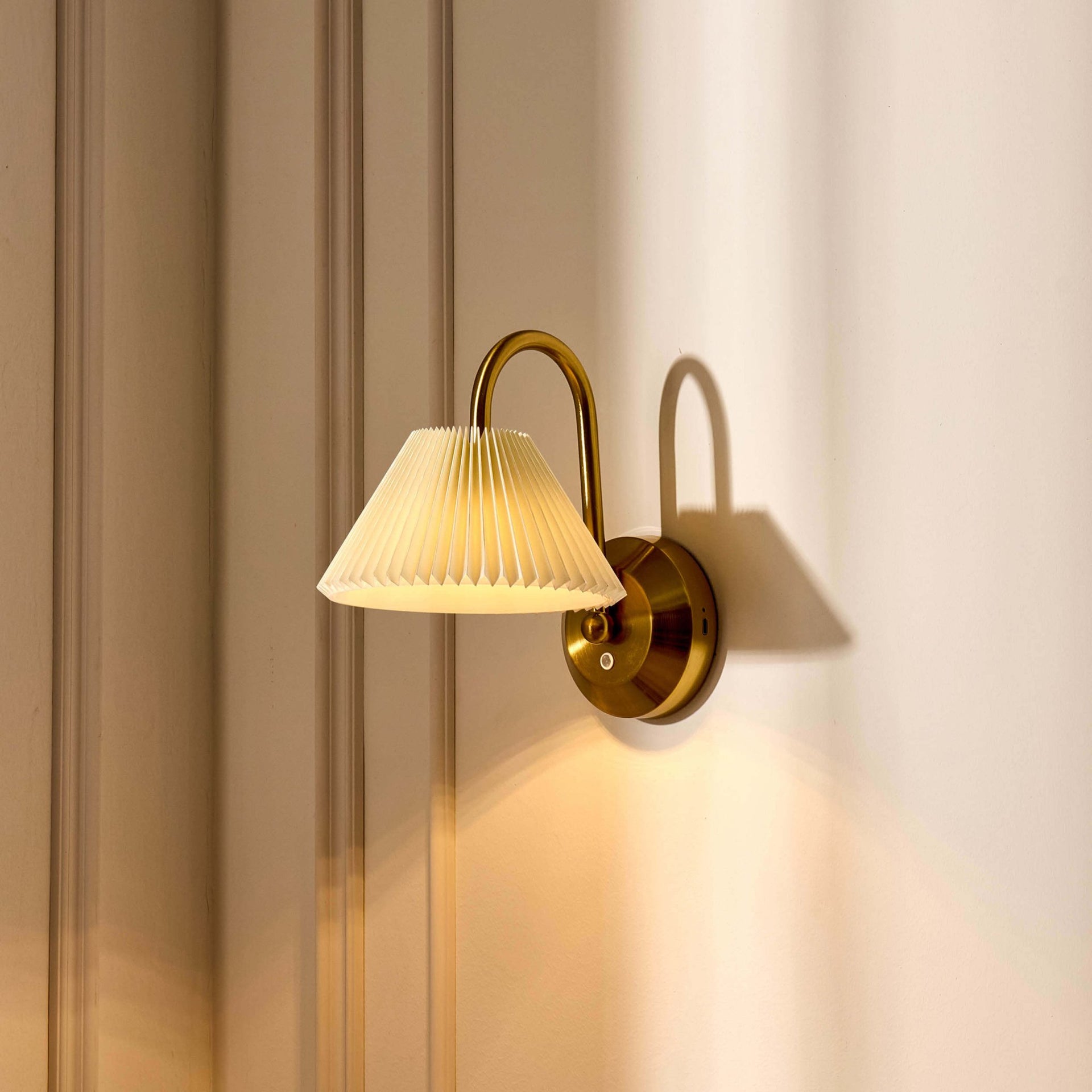
Shop more rechargeable wall lights
LaRedoute
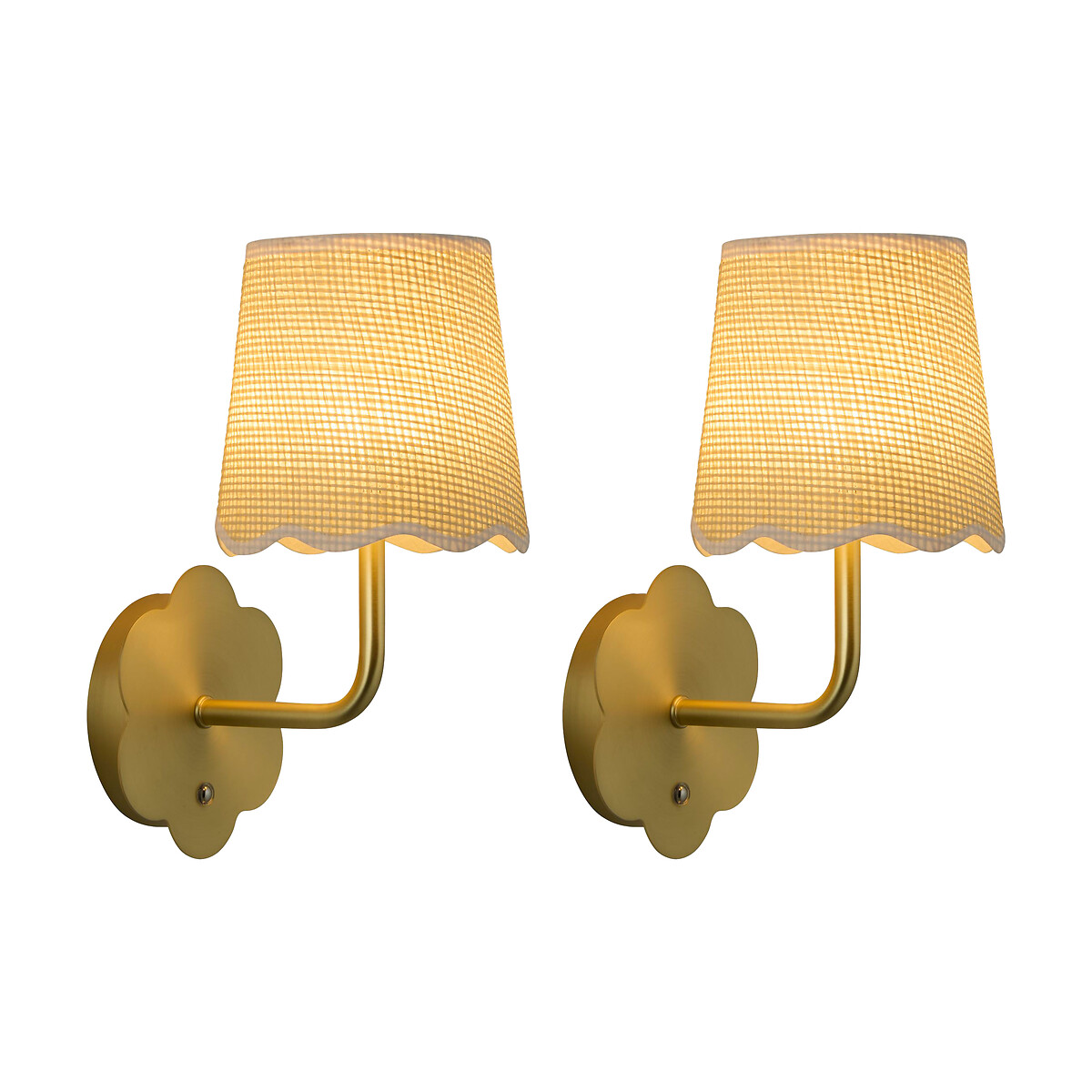
Set of 2 Delphine Flower Rechargeable Wall Lights in Gold
<aside data-article-category="all-rooms" data-block-layout="hero" data-block-type="featured-product" data-editorial-currency="GBP" data-editorial-price="19.99" data-hawk-json="{"product":{"variants":{"Default":{"image":{"copyright":"","height":1200,"id":"B9aoFaMxKT9Jdk4HnAZagf","mimeType":"image\/jpeg","mos":"https:\/\/cdn.mos.cms.futurecdn.net\/B9aoFaMxKT9Jdk4HnAZagf.jpg","role":"","width":1200,"credit":"\u00c9DIT\u00c9","alt":"Set of 2 Delphine Flower Rechargeable Wall Lights in Gold","caption":""},"strapline":"
If you prefer a more ditsy cottage-inspired look, these flower wall lights from LaRedoute will be the perfect choice.","brand":"LaRedoute","name":"Set of 2 Delphine Flower Rechargeable Wall Lights in Gold","urlStyle":"","retailer":"","layout":"hero","linkText":"","noFollow":true,"noAffiliateTracking":false,"promoLabel":"","price":19.99,"salePrice":null,"currency":"GBP","linkLayout":"text","sponsored":false,"hawkProductNameMatchedCode":"","review":{"cons":[],"id":"","name":"","pros":[],"rating":0,"strapline":"","url":""},"id":"","externalId":"9c5da3e38534a80098befa8459743dc54fd845f6","lastCheckedPriceDate":"","link":{"url":"https:\/\/www.awin1.com\/awclick.php?awinmid=1496&awinaffid=103504&clickref=hawk-custom-tracking&p=https%3A%2F%2Fwww.laredoute.co.uk%2Fppdp%2Fprod-351520052.aspx","merchantName":"La Redoute UK","merchantId":5903,"merchantNetwork":"AW","merchantUrl":"laredoute.co.uk"}}}}}” data-link=”https://www.awin1.com/awclick.php?awinmid=1496&awinaffid=103504&clickref=hawk-custom-tracking&p=https%3A%2F%2Fwww.laredoute.co.uk%2Fppdp%2Fprod-351520052.aspx” data-link-merchant=”La Redoute UK” data-merchant-id=”5903″ data-merchant-name=”La Redoute UK” data-merchant-network=”AW” data-merchant-url=”laredoute.co.uk” data-model-brand=”LaRedoute” data-model-name=”LaRedoute Set of 2 Delphine Flower Rechargeable Wall Lights in Gold” data-name=”Product Block merchantlink widget” data-render-type=”fte” data-show-fallback=”button” data-widget-type=”merchantlink” class=”ecom-root”>
If you prefer a more ditsy cottage-inspired look, these flower wall lights from LaRedoute will be the perfect choice.
While getting the look and feel of your kitchen right is essential, so are the practical elements. These small kitchen storage ideas are perfect for decluttering for the new season.
<aside data-article-category="all-rooms" data-block-layout="horizontal" data-block-type="featured-product" data-hawk-json="{"product":{"variants":{"Default":{"image":{"copyright":"","height":2000,"id":"UEREX7ubi3tLNsS4pTdJrQ","mimeType":"image\/jpeg","mos":"https:\/\/cdn.mos.cms.futurecdn.net\/UEREX7ubi3tLNsS4pTdJrQ.jpg","role":"","width":2000,"credit":"Future PLC","alt":"Ideal Home logo on white background","caption":""},"strapline":"
There are some things you might expect to sell well in a heatwave: ice cream, fans, portable air conditioners, perhaps. But I’m willing to bet that quilts wouldn’t usually top your list of hot weather purchases.
In fact, the John Lewis Leon Quilt in particular has sold out *twice* since it first went online, and cosy season hasn’t even begun yet!
Latest Videos FromIdeal Home
John Lewis
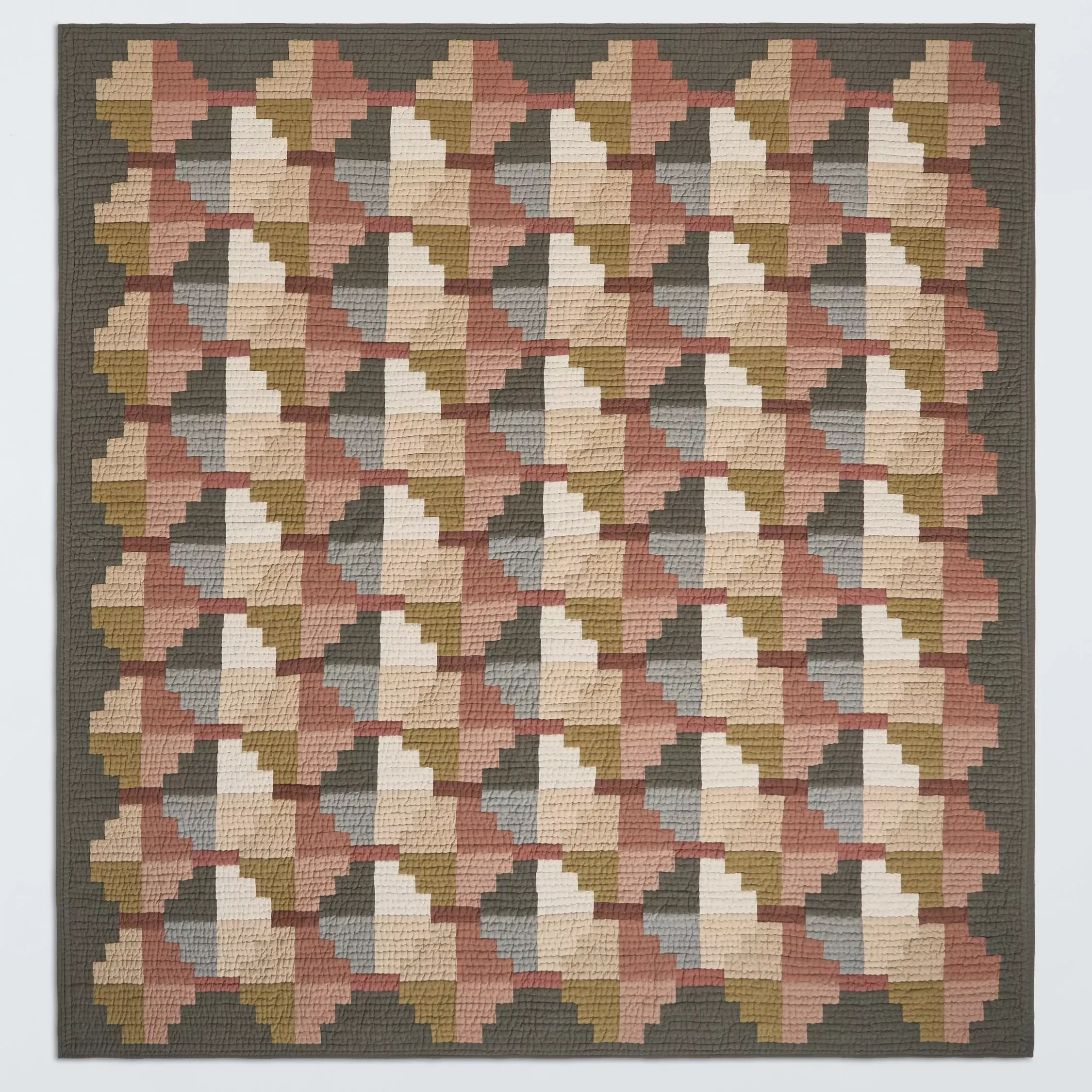
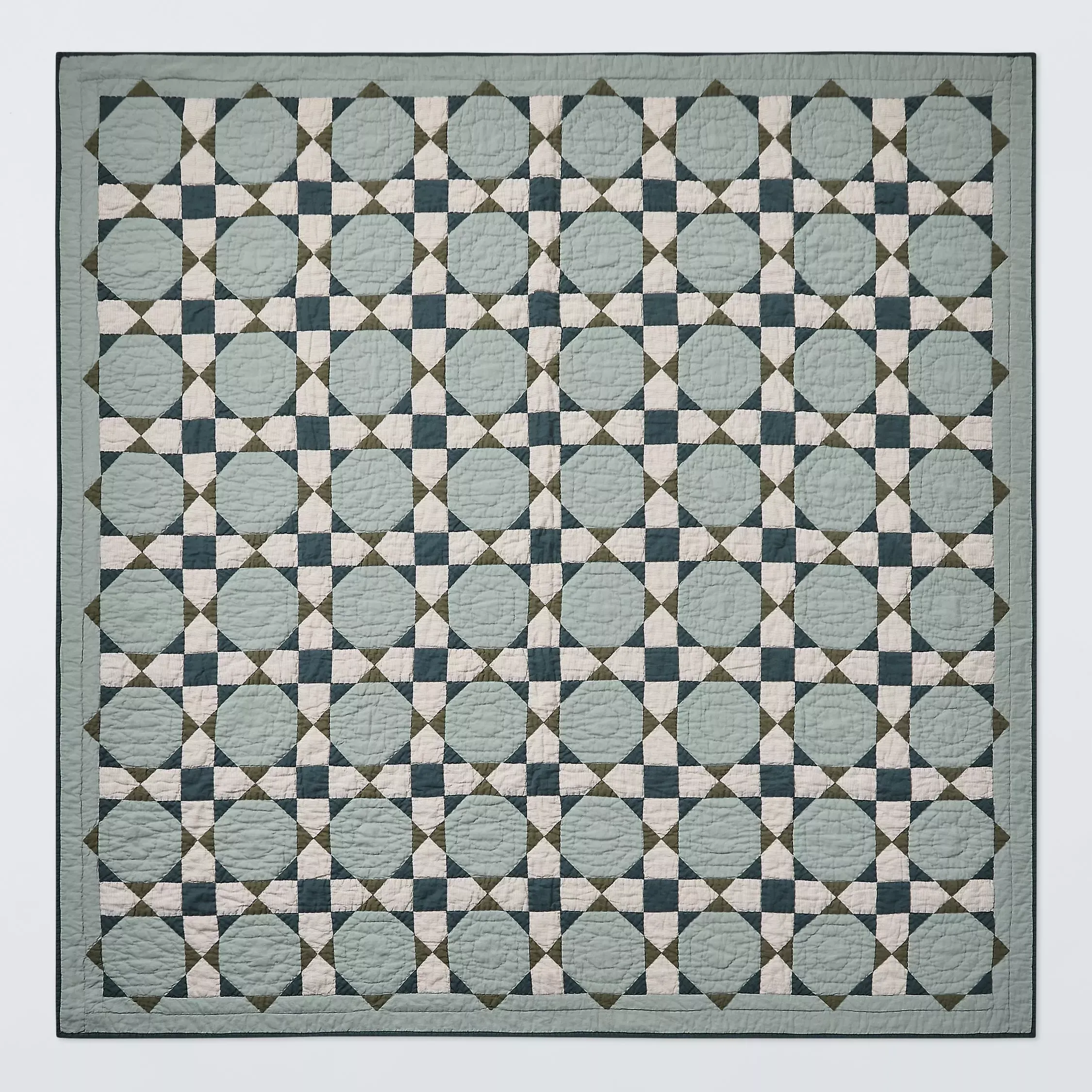
Leon Quilt
John Lewis
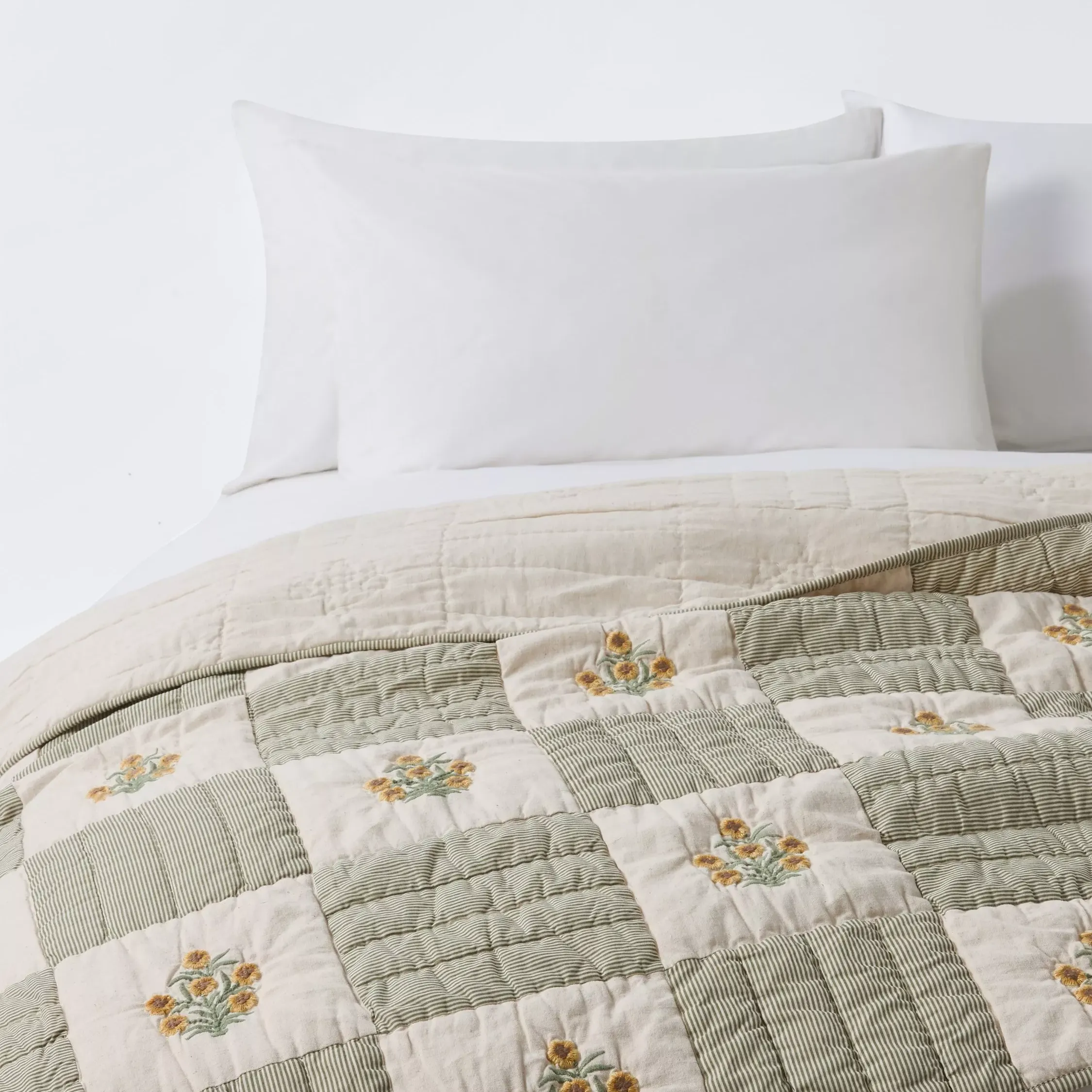
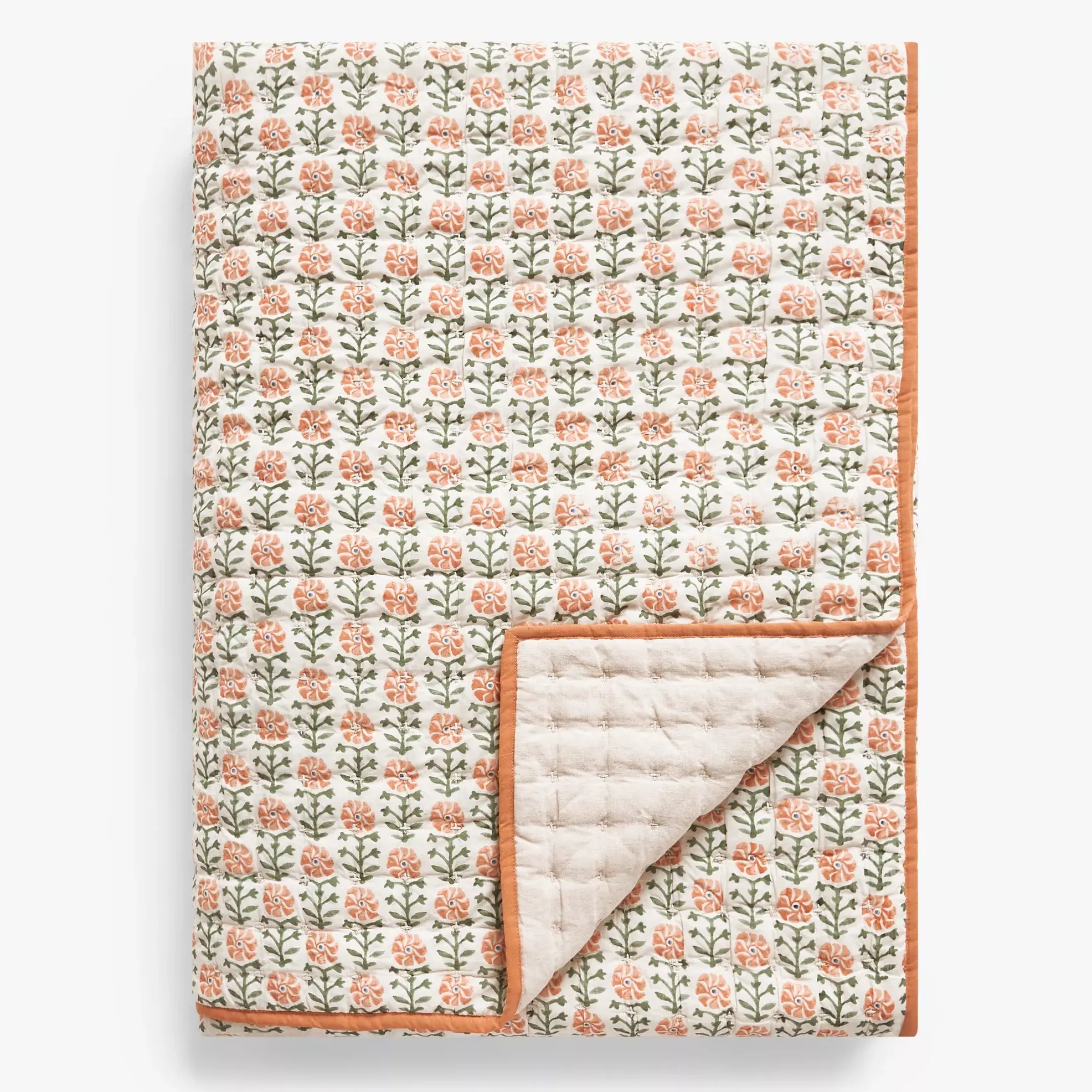
Floral Embroidered Quilt
John Lewis
Keya Suzani Quilt
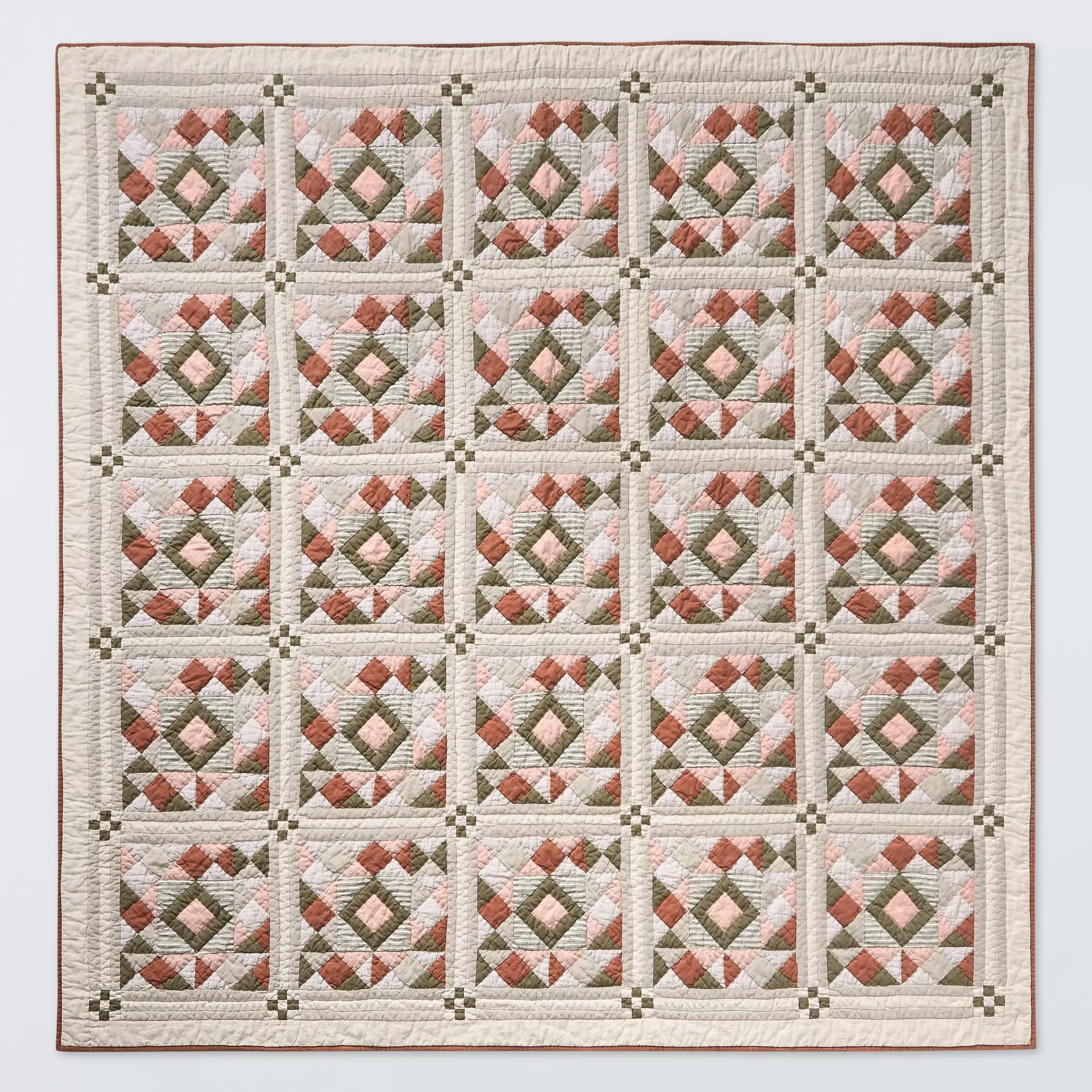
To be honest, I’m not surprised. When I predicted 2026’s biggest bedding trends at the beginning of the year, two looks in particular were top of the list, and the John Lewis quilt collection nails both.
First, there is the artisanal, handcrafted look, and the brand’s beautifully quilted and embroidered bedspreads, such as the John Lewis Floral Embroidered Quilt, sum up the look perfectly.
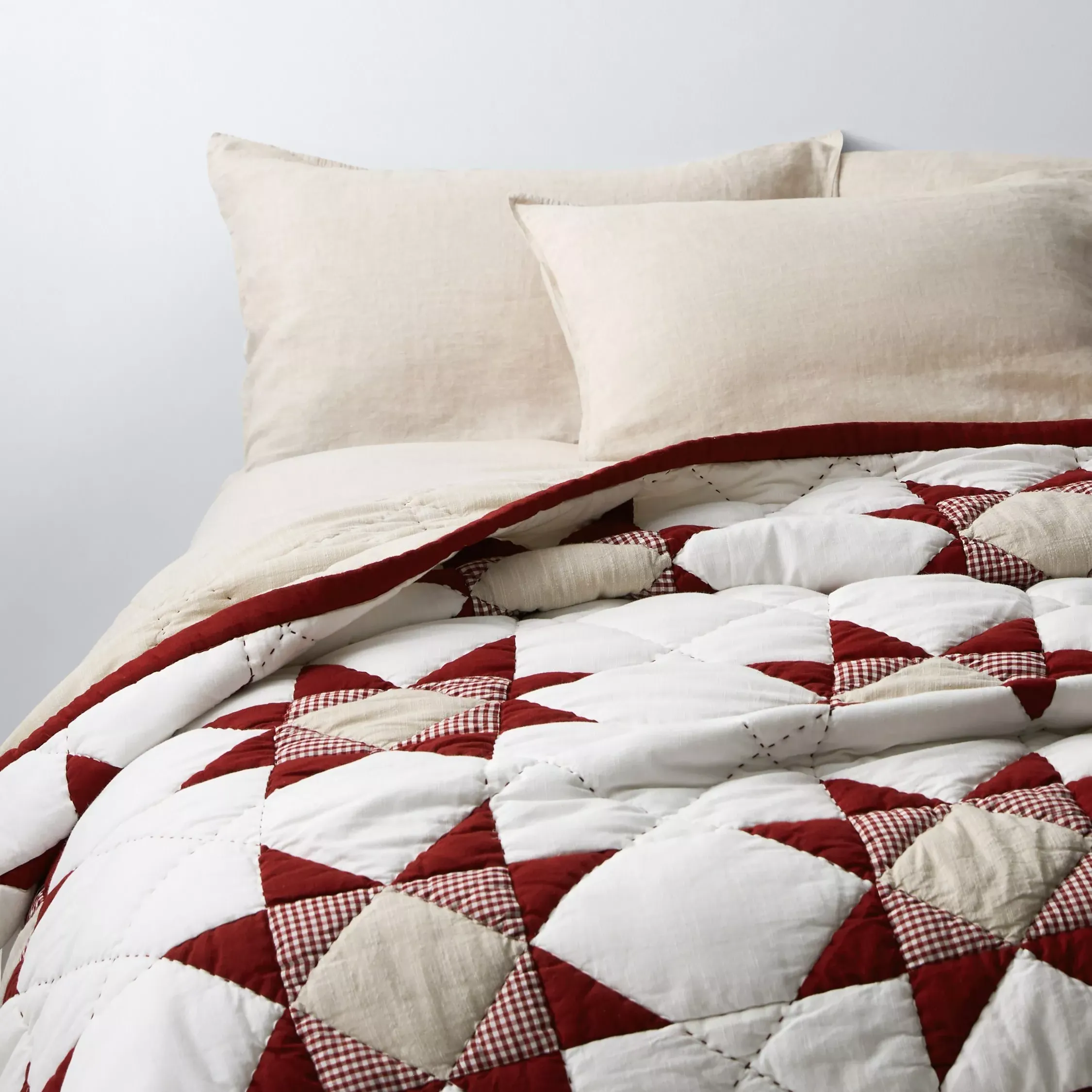
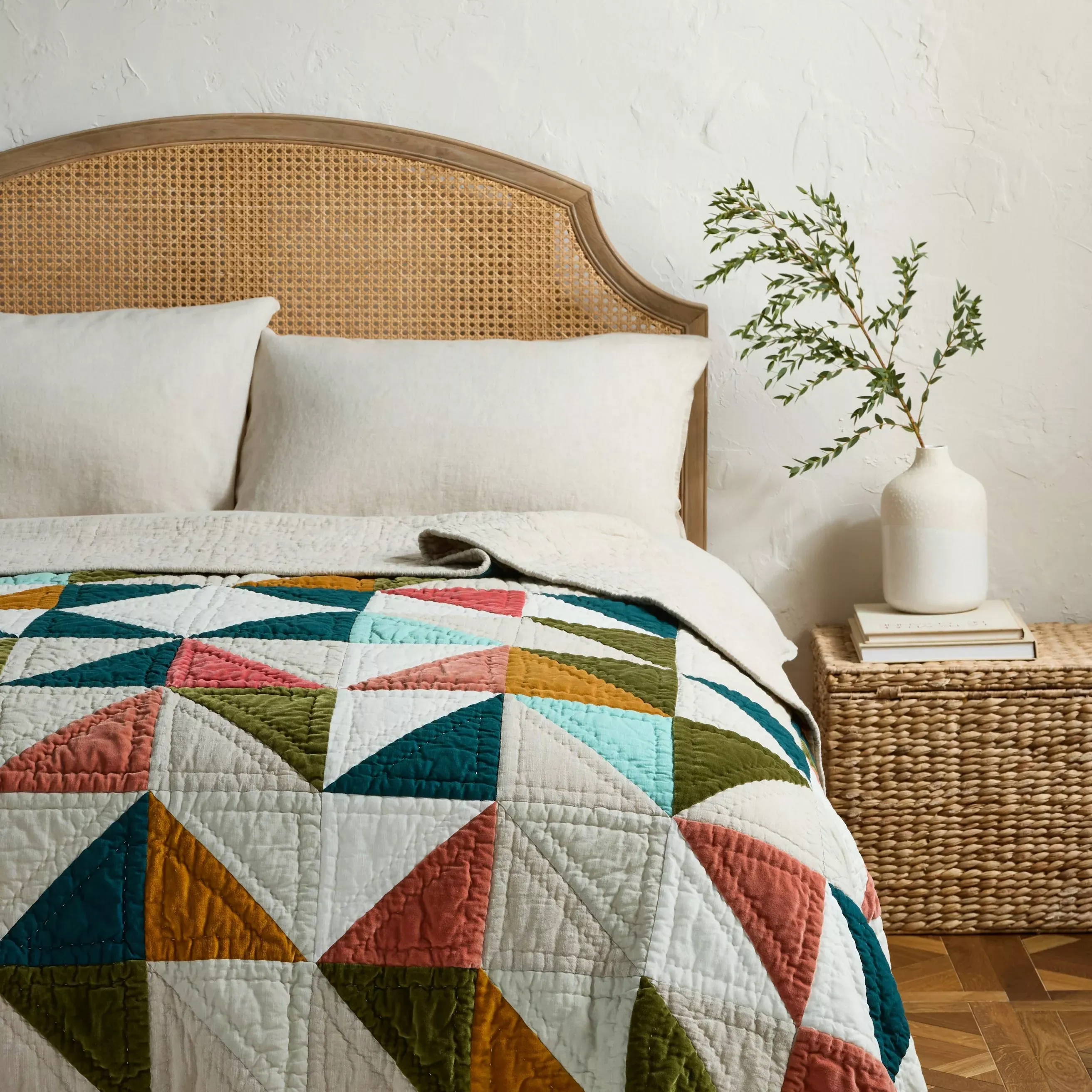
Then there was the promise that modern heirloom designs would take centre stage, and what says ‘looks like your (very stylish) Granny could have made it’ more than the brand’s fantastic patchwork quilt collection.
When the Ideal Home team first saw the new bedspread range at John Lewis Press Day Preview, we knew these designs were about to sell like hot cakes.
Sign up to our newsletter for style inspiration, real homes, project and garden advice and shopping know-how
And we were right. The quilts have been a huge hit with John Lewis shoppers, and since they launched online, selected lines have already sold out multiple times.
‘Gorgeous bedspread,’ says one 5-star reviewer of the John Lewis Diamond Patchwork Quilt on the brand’s website. ‘Very detailed and a nice modern twist on a patchwork quilt. It really elevates our bedroom.’
(Image credit: Future PLC / Sara Hesikova)
‘The most beautiful throw,’ raves another happy quilt owner. ‘The quality and colours on this throw are truly second to none. I’ve bought complementary bedding and decorative cushions to go with it, and it’s transformed our bedroom.’
‘So pleased when I put this on the bed. It looked stunning,’ shares another reviewer of the John Lewis Keya Suzani Quilt. ‘I had hesitated buying because I thought it was a little expensive, but so glad I did.’
‘Beautiful bedspread,’ echoes another shopper who agrees the investment is worth it. ‘It is great value for money given that it is extremely well made and has been beautifully designed.’
I couldn’t be happier,’ sums up another owner. ‘I love it. Just what I was looking for.’
John Lewis quilts
John Lewis
Heartland Quilt
John Lewis
Diamond Patchwork Quilt
John Lewis
Colourful Patchwork Quilt
John Lewis
Aria Reversible Quilt
John Lewis
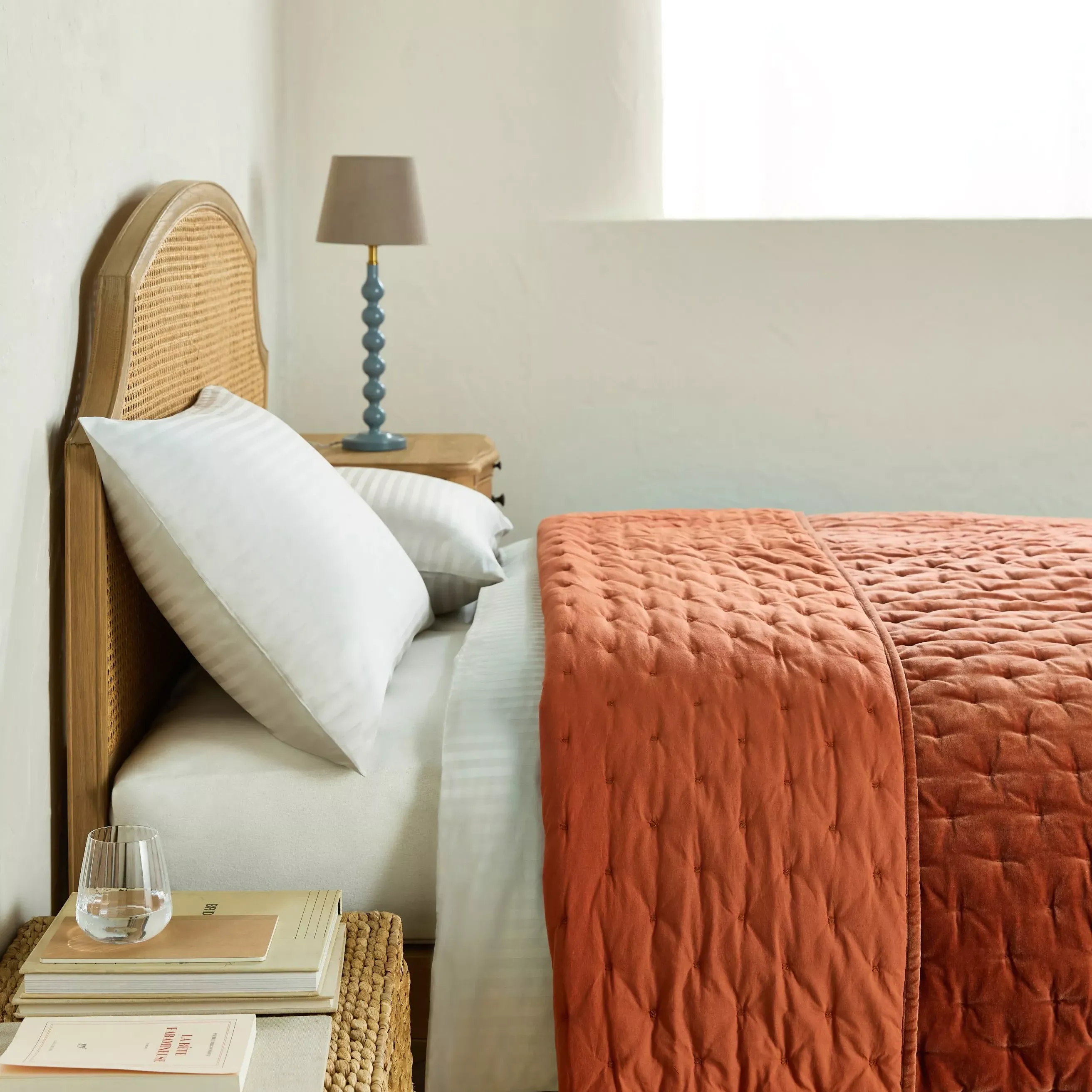
Cotton Velvet Quilt
John Lewis
Patchwork Cotton Linen Blend Quilt
As summer draws to a close and the cooler, darker nights draw in, I think now is definitely the time to snap up this bestselling bedding before it sells out again.
These are some of my favourite designs, and all are currently in stock and ready to transform your bed into a stylish and cosy cold-season retreat.
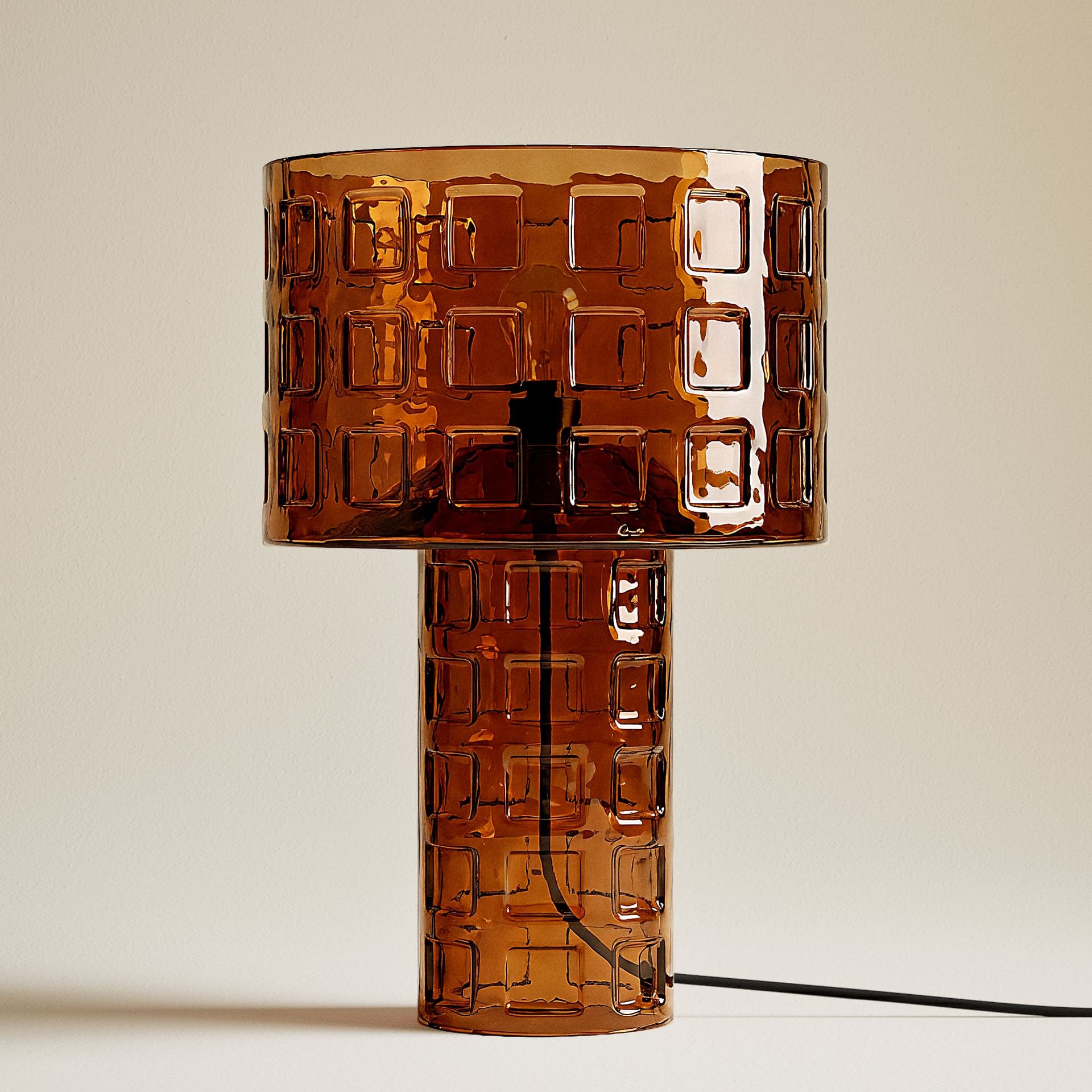
Just when I thought M&S lighting couldn’t get any better, the supermarket has only gone and dropped the Double Layer Shade Glass Base Table Lamp (£100), and its retro look is all you need to create a cosy atmosphere at home this autumn.
Warm lighting has not only been a huge lighting trend in 2026, but it is also perfect for transitioning into the cooler nights. Just think, nights curled up on the sofa with a soft, amber glow to keep you company.
M&S’s latest all-over-glass lamp is a beautiful shade of amber, and with its retro, textured design, it’s easy to see why this lamp is already a bestseller on the website. But if you like what you see, I’d act fast, as lamps as good as this one are never in stock for long.
Latest Videos FromIdeal Home
M&S
Double Layer Shade Glass Base Table Lamp
<aside data-article-category="all-rooms" data-block-layout="horizontal" data-block-type="featured-product" data-editorial-currency="GBP" data-editorial-merchant-name="£100 at M&S" data-editorial-price="100" data-hawk-json="{"product":{"variants":{"Default":{"image":{"copyright":"","height":2496,"id":"wXfJ8vKZWQEwGNHteg87m6","mimeType":"image\/jpeg","mos":"https:\/\/cdn.mos.cms.futurecdn.net\/v2\/t:405,l:0,cw:1920,ch:1920,q:80\/wXfJ8vKZWQEwGNHteg87m6.jpg","role":"","width":1920,"credit":"M&S","alt":"Double Layer Shade Glass Base Table Lamp","caption":"","crop":{"label":"1:1","left":0,"top":405,"cropWidth":1920,"cropHeight":1920,"quality":80}},"strapline":"
Is this not one of the most stylish lamps you've ever seen? I'm obsessed with the rich amber colour of the glass, coupled with its retro design.","brand":"M&S","name":"Double Layer Shade Glass Base Table Lamp","urlStyle":"","layout":"horizontal","noFollow":true,"noAffiliateTracking":false,"promoLabel":"","price":100,"salePrice":null,"currency":"GBP","linkLayout":"text","sponsored":false,"hawkProductNameMatchedCode":"","review":{"cons":[],"id":"","name":"","pros":[],"rating":0,"strapline":"","url":""},"id":"","externalId":"e90f2100cf02847df2a4ff165a59906881ecd7da","lastCheckedPriceDate":"","link":{"url":"https:\/\/www.awin1.com\/awclick.php?awinmid=1402&awinaffid=103504&clickref=hawk-custom-tracking&p=https%3A%2F%2Fwww.marksandspencer.com%2Fdouble-layer-shade-glass-base-table-lamp%2Fp%2Fhbp61232168","linkText":"\u00a3100 at M&S","editorialMerchantName":"\u00a3100 at M&S","merchantName":"Marks and Spencer UK","merchantId":1042,"merchantNetwork":"AW","merchantUrl":"marksandspencer.com"}}}}}” data-link=”https://www.awin1.com/awclick.php?awinmid=1402&awinaffid=103504&clickref=hawk-custom-tracking&p=https%3A%2F%2Fwww.marksandspencer.com%2Fdouble-layer-shade-glass-base-table-lamp%2Fp%2Fhbp61232168″ data-link-merchant=”Marks and Spencer UK” data-link-text=”£100 at M&S” data-merchant-id=”1042″ data-merchant-name=”Marks and Spencer UK” data-merchant-network=”AW” data-merchant-url=”marksandspencer.com” data-model-brand=”M&S” data-model-name=”M&S Double Layer Shade Glass Base Table Lamp” data-name=”Horizontal Product Block merchantlink widget” data-render-type=”fte” data-show-fallback=”button” data-widget-type=”merchantlink” class=”ecom-root”>
Is this not one of the most stylish lamps you’ve ever seen? I’m obsessed with the rich amber colour of the glass, coupled with its retro design.
Now the brand is dropping its AW26 collections; it seems they have no intention of letting the designer allegations slip, having dropped a gorgeous marble table lamp and now this amber glass table lamp.
The Double Layer Shade Glass Base Table Lamp has both a glass base and shade, with a built-in double layer to produce soft, circular pools of light. M&S says the cable is visible to add an industrial touch to the entire look.
Its regular, geometric design adds to its mid-century look, while the amber glass is the perfect autumn colourway. If you’re a fan of warm-toned, cosy living room ideas, this lamp simply must be part of them.
Sign up to our newsletter for style inspiration, real homes, project and garden advice and shopping know-how
(Image credit: M&S)
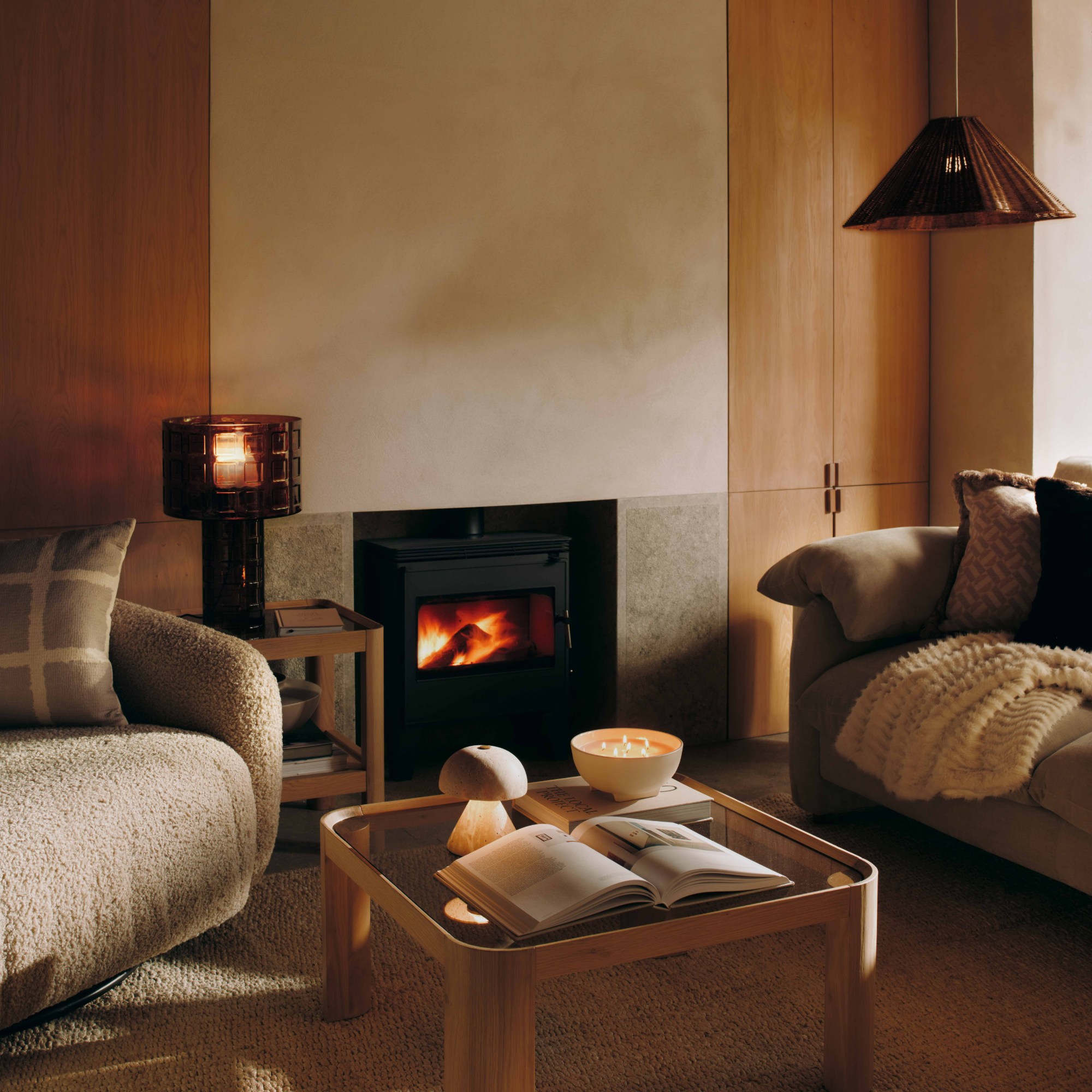
There’s a good reason I’m hammering the point of a cosy glow. If I’ve learned anything at an interiors magazine, it’s that good lighting really does have the power to define the ambience of a room. Warm-toned glass such as this lamp softens and warms dark, miserable evenings – I’d bet it will be a game-changer when the nights grow longer.
‘Warm-coloured glass lighting (like amber and brown) has been one of the biggestlighting trends of this year, so this gorgeous M&S lamp is very much on-trend. It’s also perfect for creating a cosy atmosphere as it’s going to produce a very warm shade of light. It’s definitely on the pricier side but considering the designer look with a mid-century meets art deco aesthetic, I think it’s worth it,’ says Sara Hesikova, Ideal Home’s Room Decor Editor.
If you’re not completely satisfied with this luxe-look glass lamp, here are a few more styles new to M&S.
This cute little mushroom lamp has a wavy glass dome which is perfectly complemented by its bronze base.","brand":"M&S","name":"Wavy Glass Mushroom Table Lamp","urlStyle":"","retailer":"","layout":"hero","linkText":"","noFollow":true,"noAffiliateTracking":false,"promoLabel":"","price":50,"salePrice":null,"currency":"GBP","linkLayout":"text","sponsored":false,"hawkProductNameMatchedCode":"","review":{"cons":[],"id":"","name":"","pros":[],"rating":0,"strapline":"","url":""},"id":"","externalId":"64b4918ce1366e8ad9ab8c7028b8ea340346753d","lastCheckedPriceDate":"","link":{"url":"https:\/\/www.awin1.com\/awclick.php?awinmid=1402&awinaffid=103504&clickref=hawk-custom-tracking&p=https%3A%2F%2Fwww.marksandspencer.com%2Fwavy-glass-mushroom-table-lamp%2Fp%2Fhbp61231533","merchantName":"Marks and Spencer UK","merchantId":1042,"merchantNetwork":"AW","merchantUrl":"marksandspencer.com"}}}}}” data-link=”https://www.awin1.com/awclick.php?awinmid=1402&awinaffid=103504&clickref=hawk-custom-tracking&p=https%3A%2F%2Fwww.marksandspencer.com%2Fwavy-glass-mushroom-table-lamp%2Fp%2Fhbp61231533″ data-link-merchant=”Marks and Spencer UK” data-merchant-id=”1042″ data-merchant-name=”Marks and Spencer UK” data-merchant-network=”AW” data-merchant-url=”marksandspencer.com” data-model-brand=”M&S” data-model-name=”M&S Wavy Glass Mushroom Table Lamp” data-name=”Product Block merchantlink widget” data-render-type=”fte” data-show-fallback=”button” data-widget-type=”merchantlink” class=”ecom-root”>
This cute little mushroom lamp has a wavy glass dome which is perfectly complemented by its bronze base.
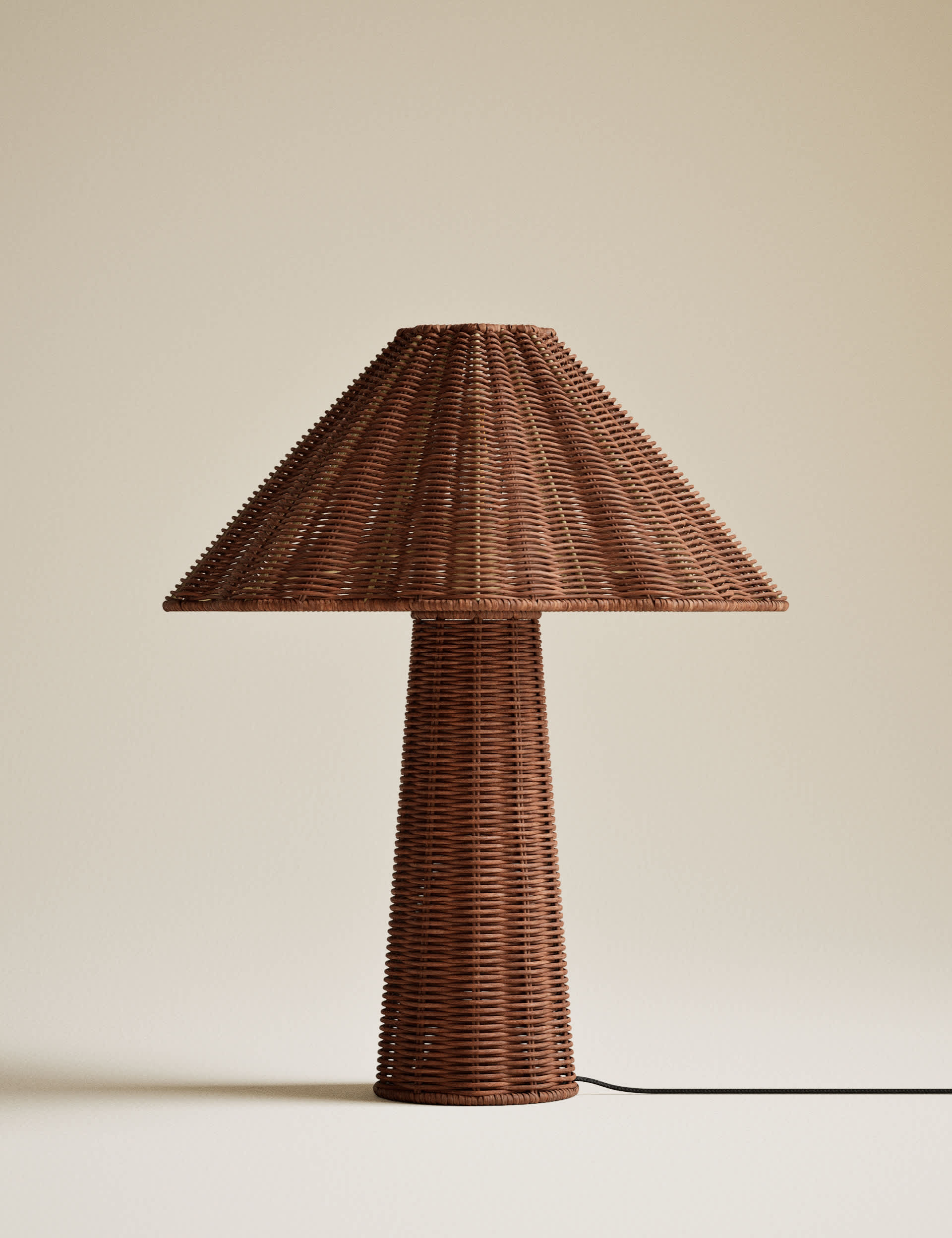
Wicker is a material I'm seeing everywhere right now, and this a brilliant example of how a stylish wicker lamp should look.","brand":"M&S","name":"All Over Wicker Scallop Table Lamp","urlStyle":"","retailer":"","layout":"hero","linkText":"","noFollow":true,"noAffiliateTracking":false,"promoLabel":"","price":90,"salePrice":null,"currency":"GBP","linkLayout":"text","sponsored":false,"hawkProductNameMatchedCode":"","review":{"cons":[],"id":"","name":"","pros":[],"rating":0,"strapline":"","url":""},"id":"","externalId":"4b7dc976f9ee50f3d8a54a5ba5831de0e8f146a4","lastCheckedPriceDate":"","link":{"url":"https:\/\/www.awin1.com\/awclick.php?awinmid=1402&awinaffid=103504&clickref=hawk-custom-tracking&p=https%3A%2F%2Fwww.marksandspencer.com%2Fall-over-wicker-scallop-table-lamp%2Fp%2Fhbp61231538","merchantName":"Marks and Spencer UK","merchantId":1042,"merchantNetwork":"AW","merchantUrl":"marksandspencer.com"}}}}}” data-link=”https://www.awin1.com/awclick.php?awinmid=1402&awinaffid=103504&clickref=hawk-custom-tracking&p=https%3A%2F%2Fwww.marksandspencer.com%2Fall-over-wicker-scallop-table-lamp%2Fp%2Fhbp61231538″ data-link-merchant=”Marks and Spencer UK” data-merchant-id=”1042″ data-merchant-name=”Marks and Spencer UK” data-merchant-network=”AW” data-merchant-url=”marksandspencer.com” data-model-brand=”M&S” data-model-name=”M&S All Over Wicker Scallop Table Lamp” data-name=”Product Block merchantlink widget” data-render-type=”fte” data-show-fallback=”button” data-widget-type=”merchantlink” class=”ecom-root”>
Wicker is a material I’m seeing everywhere right now, and this a brilliant example of how a stylish wicker lamp should look.