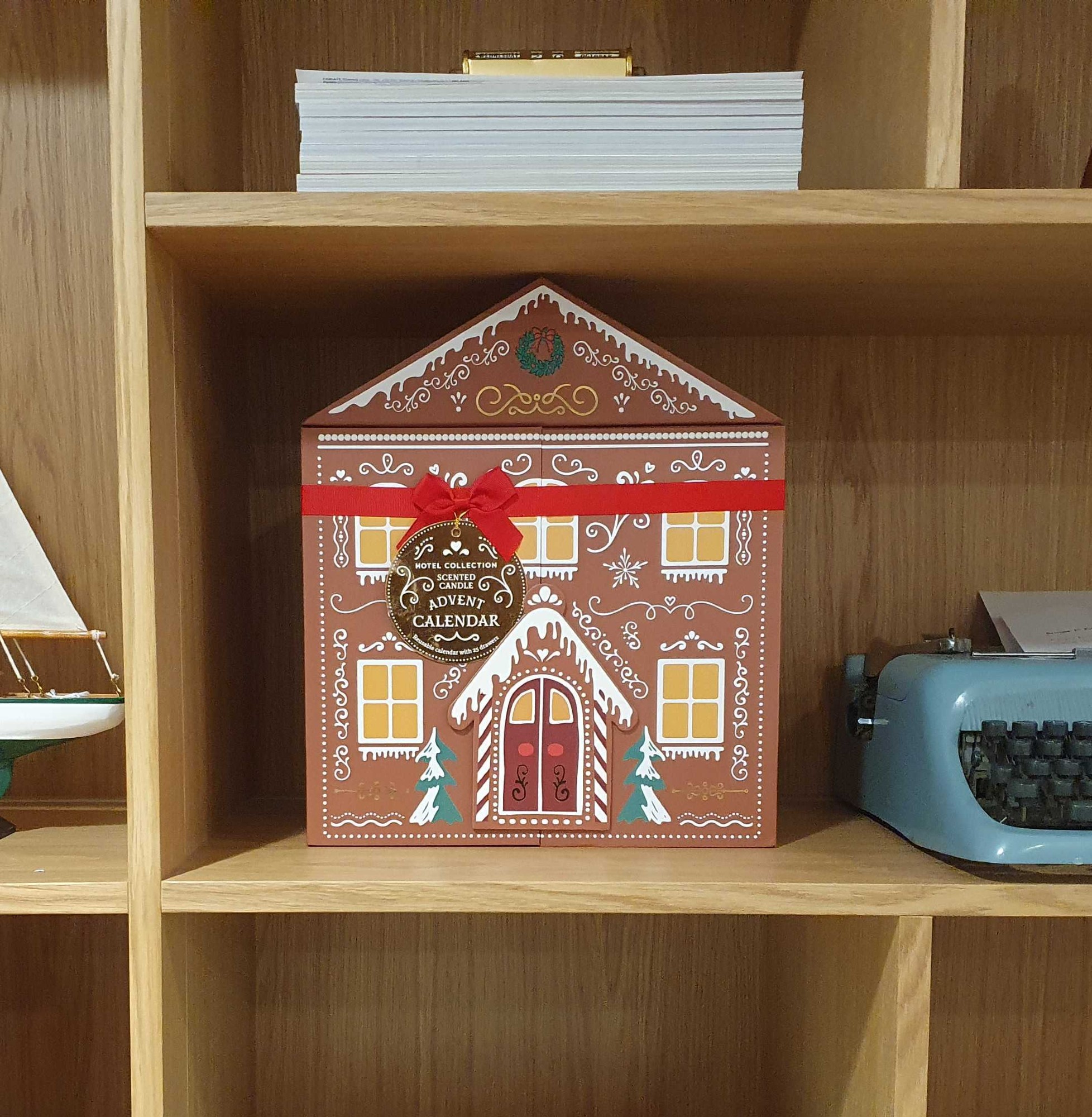
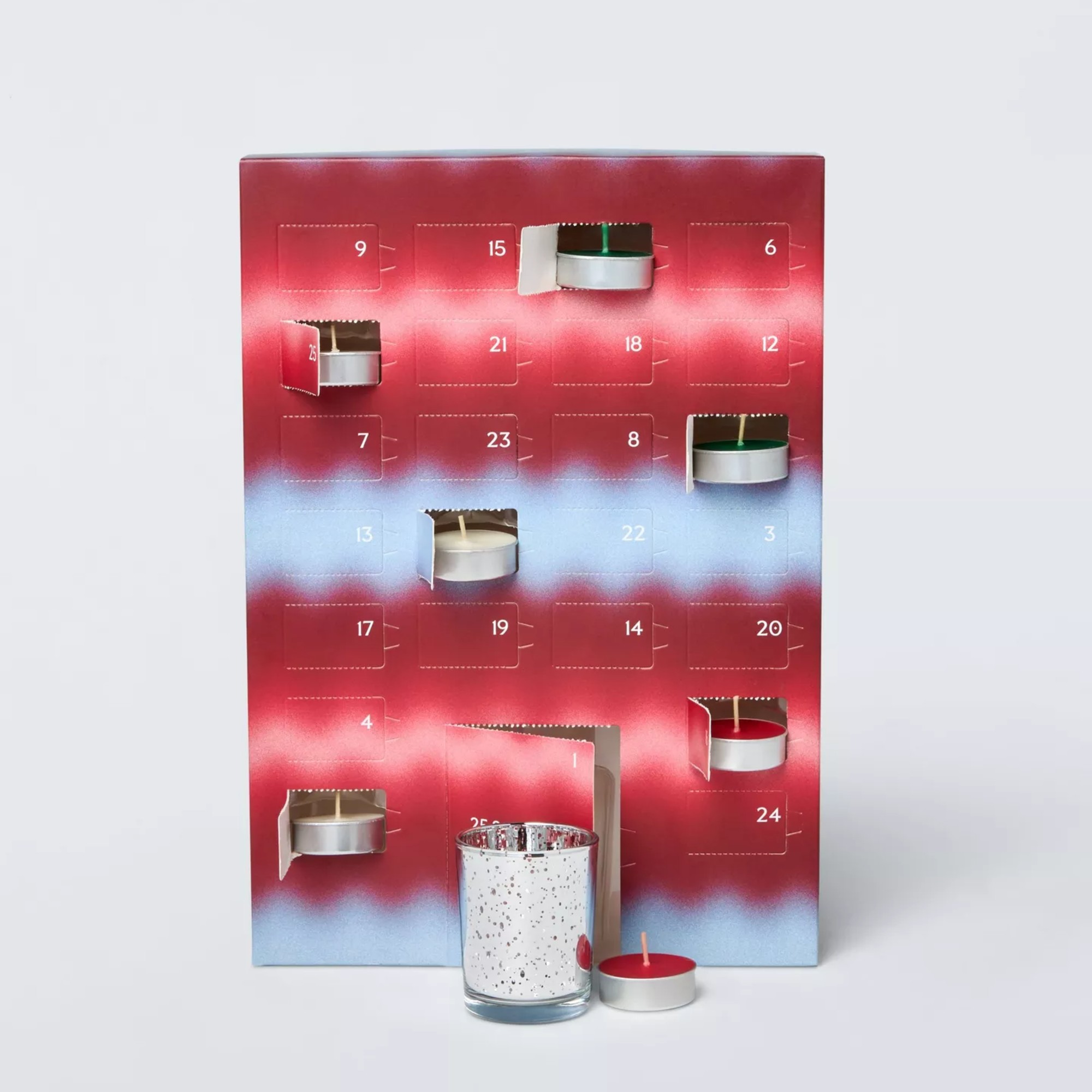
This week, Aldi’s scented candle advent calendar is landing in stores. First introduced last year, Aldi’s bringing back the £24.99 calendar – with the price point staying the same as last year – set to launch this Sunday 25th October. But I got my hands on the calendar ahead of the release and got to try and assess its contents, value for money and more.
I got a first look at the best advent calendar on a budget at the Aldi Christmas Specialbuys preview earlier this month. But that only left me wanting an up-close look and hands-on try of the calendar – and I was lucky enough to be granted this wish. And after getting my hands on it, I really believe it’s one of the best value-for-money advent calendars I’ve seen and tried this year.
(Image credit: Future/Sara Hesikova)
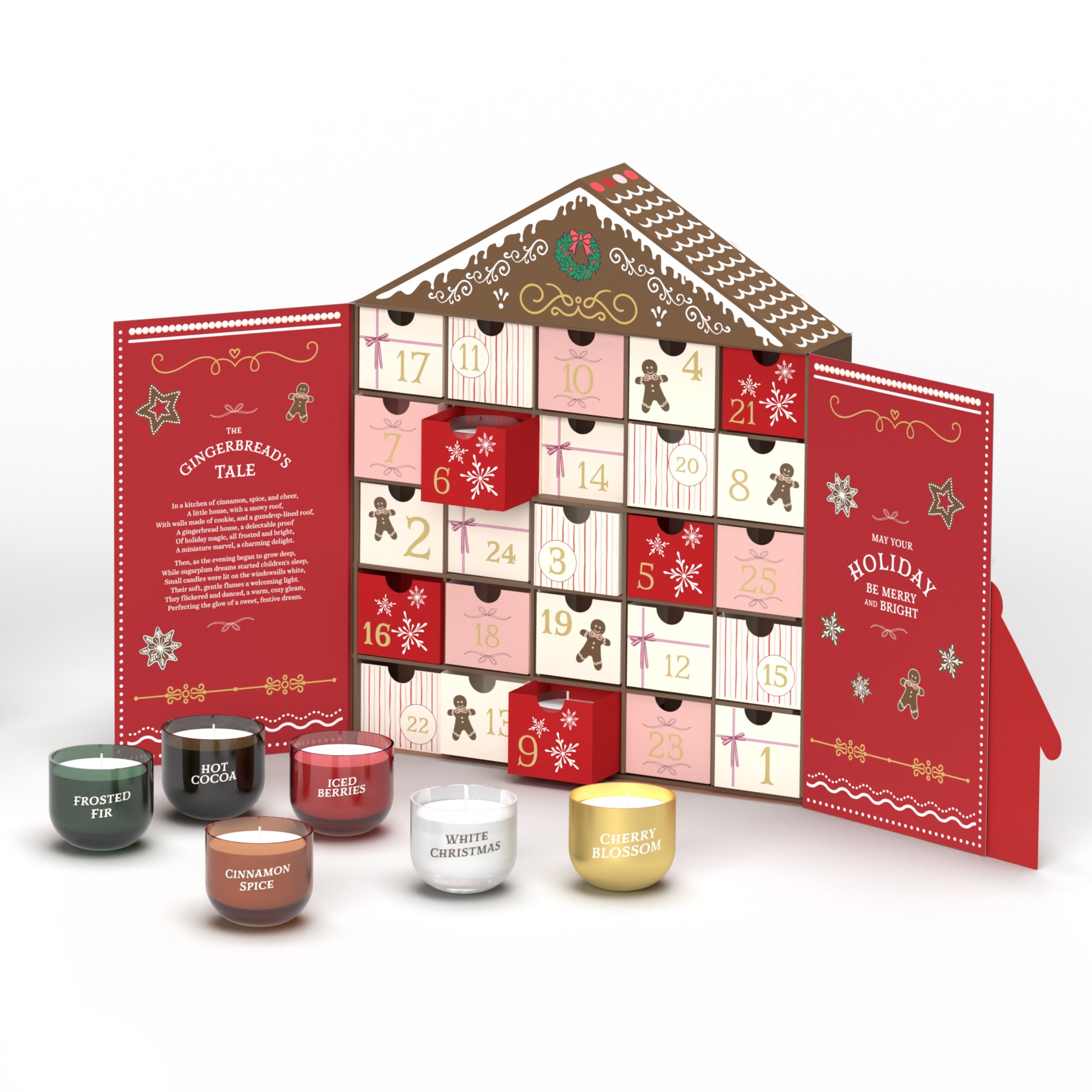
I was most impressed with the presentation, look and the feel of the actual calendar which comes across as more expensive than its £24.99 price tag. It features a gingerbread house design made from thick card – Aldi describes it as a reusable calendar which I fully get behind. You could definitely keep the box and fill it with your choice of little treats next Christmas.
Latest Videos FromIdeal Home
Once you open the calendar, you’re greeted with 25 whimsically illustrated little drawers, each containing a 40g mini candle. There are five different seasonal scented candles which repeat throughout the calendar – my favourite Iced Berries, Hot Cocoa, Frosted Fir, White Christmas and Cinnamon Spice – but on the 25th, you’ll be treated to something a little different in the form of the only Warm Gingerbread candle which is pretty delicious.
(Image credit: Future/Sara Hesikova)
If you were to compare this scented candle advent calendar to some of the pricier alternatives like the hugely popular John Lewis scented candle advent calendar, you do get what you pay for when it comes to the actual candles and their scents. In other words, the scented candles in other advent calendars with higher price points smell nicer and look more expensive (since they are).
Aldi
Scented Candle Advent Calendar
<aside data-article-category="all-rooms" data-block-layout="versus" data-block-type="featured-product" data-hawk-json="{"product":{"variants":{"Default":{"image":{"copyright":"","height":2000,"id":"AV6a2aeD3LQsDRHavxDbBc","mimeType":"image\/jpeg","mos":"https:\/\/cdn.mos.cms.futurecdn.net\/AV6a2aeD3LQsDRHavxDbBc.jpg","role":"","width":2000,"credit":"Aldi","alt":"Aldi Gingerbread House Advent Calendar","caption":""},"strapline":"
The design of this advent calendar is very impressive considering the affordable price point, both inside and out. You also get not 12, not 24 but 25 little candles to treat yourself with. The candles are on the small side though and in all honesty, I only really liked two of the fragrances.","brand":"Aldi","name":"Scented Candle Advent Calendar","urlStyle":"","retailer":"","layout":"versus","noFollow":true,"noAffiliateTracking":false,"promoLabel":"","price":null,"salePrice":null,"currency":null,"linkLayout":"button","sponsored":false,"hawkProductNameMatchedCode":"","review":{"cons":[],"id":"","name":"","pros":[],"rating":0,"strapline":"","url":""},"id":"","lastCheckedPriceDate":"","link":{"url":"https:\/\/www.aldi.co.uk\/specialbuys","linkText":"\u00a324.99 at Aldi","merchantName":"aldi.co.uk"}}}}}” data-link=”https://www.aldi.co.uk/specialbuys” data-link-merchant=”aldi.co.uk” data-link-text=”£24.99 at Aldi” data-merchant-name=”aldi.co.uk” data-model-brand=”Aldi” data-model-name=”Aldi Scented Candle Advent Calendar” data-name=”Product Block merchantlink widget” data-render-type=”fte” data-show-fallback=”button” data-widget-type=”merchantlink” class=”ecom-root”>
The design of this advent calendar is very impressive considering the affordable price point, both inside and out. You also get not 12, not 24 but 25 little candles to treat yourself with. The candles are on the small side though and in all honesty, I only really liked two of the fragrances.
The two biggest benefits of this advent calendar is that you get bigger candles which will in turn long laster, and they're from various scented candle brands, all of which smell amazing and are of high quality. But that's reflected in the higher price point and you only get 12 of them.","brand":"John Lewis","name":"Scented Candle Advent Calendar","urlStyle":"","retailer":"","layout":"versus","noFollow":true,"noAffiliateTracking":false,"promoLabel":"","price":null,"salePrice":null,"currency":null,"linkLayout":"button","sponsored":false,"hawkProductNameMatchedCode":"","review":{"cons":[],"id":"","name":"","pros":[],"rating":0,"strapline":"","url":""},"id":"","lastCheckedPriceDate":"","link":{"url":"https:\/\/john-lewis-and-partners.pxf.io\/c\/221109\/871855\/12148?subId1=hawk-custom-tracking&sharedId=hawk-prefix&u=https%3A%2F%2Fwww.johnlewis.com%2Fjohn-lewis-scented-candle-advent-calendar%2Fp115264627","linkText":"\u00a399 at John Lewis","merchantName":"John Lewis","merchantId":179552,"merchantNetwork":"ImpactRad","merchantUrl":"johnlewis.com"}}}}}” data-link=”https://john-lewis-and-partners.pxf.io/c/221109/871855/12148?subId1=hawk-custom-tracking&sharedId=hawk-prefix&u=https%3A%2F%2Fwww.johnlewis.com%2Fjohn-lewis-scented-candle-advent-calendar%2Fp115264627″ data-link-merchant=”John Lewis” data-link-text=”£99 at John Lewis” data-merchant-id=”179552″ data-merchant-name=”John Lewis” data-merchant-network=”ImpactRad” data-merchant-url=”johnlewis.com” data-model-brand=”John Lewis” data-model-name=”John Lewis Scented Candle Advent Calendar” data-name=”Product Block merchantlink widget” data-render-type=”fte” data-show-fallback=”button” data-widget-type=”merchantlink” class=”ecom-root”>
The two biggest benefits of this advent calendar is that you get bigger candles which will in turn long laster, and they’re from various scented candle brands, all of which smell amazing and are of high quality. But that’s reflected in the higher price point and you only get 12 of them.
But if you’re after an affordable but pretty candle advent calendar, whether it’s a gift or as a little treat for yourself, I couldn’t recommend this Aldi one enough.
Just like all of Aldi’s Specialbuys, this advent calendar, too, is reserved only for the supermarket’s physical stores. So I wish you luck on Sunday and hopefully you’ll get to snap one up from the middle aisle.
Sign up to our newsletter for style inspiration, real homes, project and garden advice and shopping know-how
But just in case your mission is unsuccessful, here are a few similarly priced alternatives from other brands and retailers you can get instead.
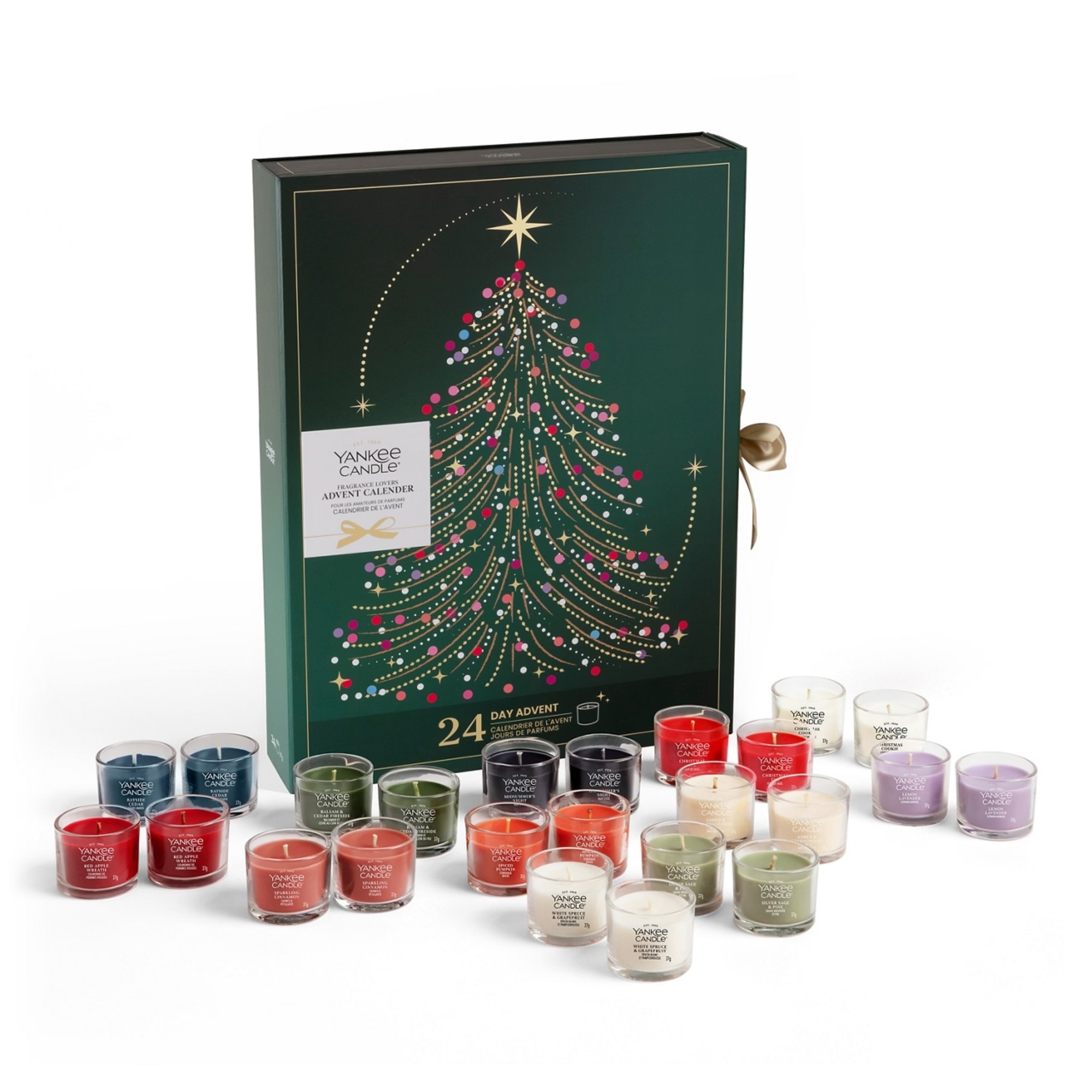
This Yankee Candle advent calendar is what Aldi's compared its own to. This one is more than double the price of Aldi's calendar but you get a wider range of scents inside.","brand":"Yankee Candle","name":"Fragrance Lovers Advent Calendar","urlStyle":"","retailer":"","layout":"hero","noFollow":true,"noAffiliateTracking":false,"promoLabel":"","price":null,"salePrice":null,"currency":null,"linkLayout":"button","sponsored":false,"hawkProductNameMatchedCode":"Yankee Candle Fragrance Lovers Advent Calendar","review":{"cons":[],"id":"","name":"","pros":[],"rating":0,"strapline":"","url":""},"hawk":{"attributes":{"data-widget-type":"merchantlink","data-model-name":"Yankee Candle Fragrance Lovers Advent Calendar"}},"id":"","lastCheckedPriceDate":"","link":{"url":"https:\/\/www.anrdoezrs.net\/click-100624752-15049858?sid=hawk-custom-tracking&url=https:\/\/www.yankeecandle.co.uk\/yankee-candle\/gifts\/candle-gift-sets\/fragrance-lovers-advent-calendar-\/SAP_2243688.html","linkText":"\u00a359.99 at Yankee Candle","merchantName":"Yankee Candle UK","merchantId":163056,"merchantNetwork":"CJ","merchantUrl":"yankeecandle.co.uk"}}}}}” data-link=”https://www.anrdoezrs.net/click-100624752-15049858?sid=hawk-custom-tracking&url=https://www.yankeecandle.co.uk/yankee-candle/gifts/candle-gift-sets/fragrance-lovers-advent-calendar-/SAP_2243688.html” data-link-merchant=”Yankee Candle UK” data-link-text=”£59.99 at Yankee Candle” data-merchant-id=”163056″ data-merchant-name=”Yankee Candle UK” data-merchant-network=”CJ” data-merchant-url=”yankeecandle.co.uk” data-model-brand=”Yankee Candle” data-model-name=”Yankee Candle Fragrance Lovers Advent Calendar” data-name=”Product Block merchantlink widget” data-render-type=”editorial” data-show-fallback=”button” data-widget-type=”merchantlink” class=”ecom-root”>
This Yankee Candle advent calendar is what Aldi’s compared its own to. This one is more than double the price of Aldi’s calendar but you get a wider range of scents inside.
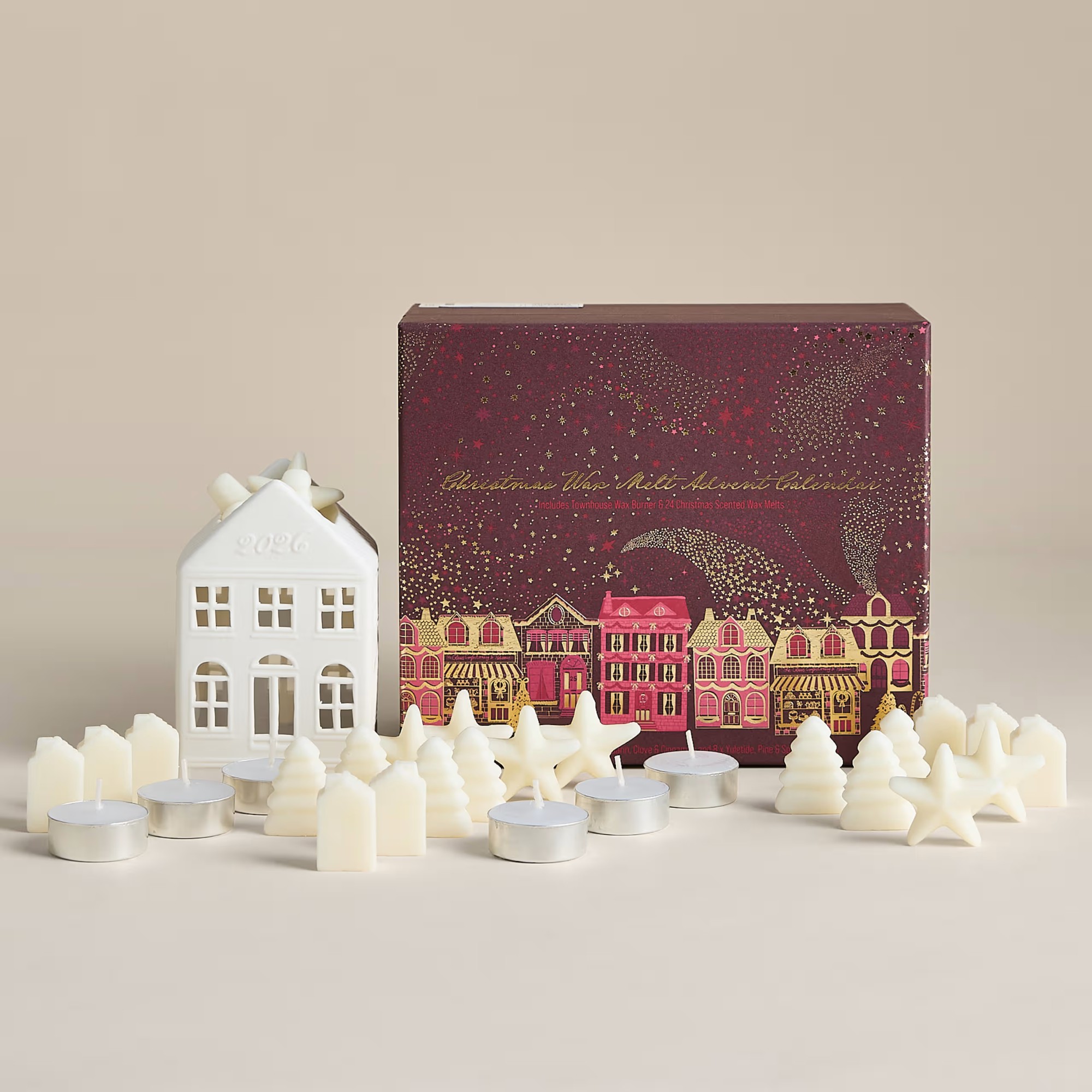
Instead of going for a scented candle calendar, you can opt for a wax melt advent calendar – and why wouldn't you when it looks as charming as Marks & Spencer's festive-scented melts which come with a townhouse-shaped wax burner?!","brand":"M&S","name":"Christmas Wax Melt Advent Calendar","urlStyle":"","retailer":"","layout":"hero","noFollow":true,"noAffiliateTracking":false,"promoLabel":"","price":null,"salePrice":null,"currency":null,"linkLayout":"button","sponsored":false,"hawkProductNameMatchedCode":"","review":{"cons":[],"id":"","name":"","pros":[],"rating":0,"strapline":"","url":""},"id":"","lastCheckedPriceDate":"","link":{"url":"https:\/\/www.awin1.com\/awclick.php?awinmid=1402&awinaffid=103504&clickref=hawk-custom-tracking&p=https%3A%2F%2Fwww.marksandspencer.com%2Fchristmas-wax-melt-advent-calendar%2Fp%2Fhbp61228487","linkText":"\u00a335 at M&S","merchantName":"Marks and Spencer UK","merchantId":1042,"merchantNetwork":"AW","merchantUrl":"marksandspencer.com"}}}}}” data-link=”https://www.awin1.com/awclick.php?awinmid=1402&awinaffid=103504&clickref=hawk-custom-tracking&p=https%3A%2F%2Fwww.marksandspencer.com%2Fchristmas-wax-melt-advent-calendar%2Fp%2Fhbp61228487″ data-link-merchant=”Marks and Spencer UK” data-link-text=”£35 at M&S” data-merchant-id=”1042″ data-merchant-name=”Marks and Spencer UK” data-merchant-network=”AW” data-merchant-url=”marksandspencer.com” data-model-brand=”M&S” data-model-name=”M&S Christmas Wax Melt Advent Calendar” data-name=”Product Block merchantlink widget” data-render-type=”fte” data-show-fallback=”button” data-widget-type=”merchantlink” class=”ecom-root”>
Instead of going for a scented candle calendar, you can opt for a wax melt advent calendar – and why wouldn’t you when it looks as charming as Marks & Spencer’s festive-scented melts which come with a townhouse-shaped wax burner?!
John Lewis
Tealight Advent Calendar
<aside data-article-category="all-rooms" data-block-layout="hero" data-block-type="featured-product" data-hawk-json="{"product":{"variants":{"Default":{"image":{"copyright":"","height":2000,"id":"ezNv3ukCUrKTENSRpVSL2c","mimeType":"image\/jpeg","mos":"https:\/\/cdn.mos.cms.futurecdn.net\/ezNv3ukCUrKTENSRpVSL2c.jpg","role":"","width":2000,"credit":"John Lewis","alt":"John Lewis Tealight Advent Calendar","caption":""},"strapline":"
It's difficult to beat Aldi's super affordable \u00a324.99 price point – but John Lewis has done it with its tealight advent calendar selling for just \u00a320. And you even get a Christmassy tealight holder with it!","brand":"John Lewis","name":"Tealight Advent Calendar","urlStyle":"","retailer":"","layout":"hero","noFollow":true,"noAffiliateTracking":false,"promoLabel":"","price":null,"salePrice":null,"currency":null,"linkLayout":"button","sponsored":false,"hawkProductNameMatchedCode":"","review":{"cons":[],"id":"","name":"","pros":[],"rating":0,"strapline":"","url":""},"id":"","lastCheckedPriceDate":"","link":{"url":"https:\/\/john-lewis-and-partners.pxf.io\/c\/221109\/871855\/12148?subId1=hawk-custom-tracking&sharedId=hawk-prefix&u=https%3A%2F%2Fwww.johnlewis.com%2Fjohn-lewis-tealight-advent-calendar%2Fp115187097","linkText":"\u00a320 at John Lewis","merchantName":"John Lewis","merchantId":179552,"merchantNetwork":"ImpactRad","merchantUrl":"johnlewis.com"}}}}}” data-link=”https://john-lewis-and-partners.pxf.io/c/221109/871855/12148?subId1=hawk-custom-tracking&sharedId=hawk-prefix&u=https%3A%2F%2Fwww.johnlewis.com%2Fjohn-lewis-tealight-advent-calendar%2Fp115187097″ data-link-merchant=”John Lewis” data-link-text=”£20 at John Lewis” data-merchant-id=”179552″ data-merchant-name=”John Lewis” data-merchant-network=”ImpactRad” data-merchant-url=”johnlewis.com” data-model-brand=”John Lewis” data-model-name=”John Lewis Tealight Advent Calendar” data-name=”Product Block merchantlink widget” data-render-type=”fte” data-show-fallback=”button” data-widget-type=”merchantlink” class=”ecom-root”>
It’s difficult to beat Aldi’s super affordable £24.99 price point – but John Lewis has done it with its tealight advent calendar selling for just £20. And you even get a Christmassy tealight holder with it!
There’s a moment every autumn when the evenings draw in, the radiators can’t quite take the edge off, and a real fire stops feeling like an indulgence and starts feeling essential. It’s also the time of year when plenty of us finally decide to do something about the empty chimney breast, the tired gas fire or the open grate that has never really been used.
Choosing a stove or fireplace is part interiors decision and part practical one. Get both halves right and it becomes the piece the whole room is arranged around. Get one wrong and you can end up with something beautiful that you can’t legally use, or something efficient that never quite suits the space. Here’s how to approach it, starting with the question most people forget to ask.
Table of Contents
Start with where you live, not what you like
Before you fall for a particular stove, it’s worth finding out whether your home sits inside a Smoke Control Area. These are areas, set by local councils, where you can’t let smoke escape from a chimney unless you’re burning an authorised fuel or using an appliance that’s been approved for that area. Much of London and a great many other towns and cities are covered, and the boundaries don’t always follow the lines you’d expect. Two streets a short walk apart can fall under different rules.
If you are inside one, you can still have a real fire. It simply narrows your choices. A wood burning stove would need to be a DEFRA exempt model, meaning it has been tested and approved to burn wood cleanly enough for a Smoke Control Area. An open fire would generally be limited to authorised smokeless fuels. Ignore the rules and the council can issue a fixed penalty, starting at £300 in England.
The easiest way to find out where you stand is to useChesneys’ free Smoke Control Area Checker. You type in your postcode and it tells you whether the address falls within a Smoke Control Area, along with what that means for the stoves and fuels you can use. It’s intended as a quick first check rather than a legal ruling, so if your result is borderline, a call to your local council will confirm it. Scotland and Wales have their own legislation, so it’s worth checking locally there too.
Doing this first saves a surprising amount of wasted browsing, because it tells you whether you’re shopping from the full range or a shorter list.
Decide what you want the fire to do
Next, be honest about how you’ll use it. A fire that’s mostly about atmosphere on a Friday night is a different proposition from one you’re relying on to take the chill off a draughty period house every evening from October to March.
For warmth you’ll lean on regularly, a closed wood burning or multi fuel stove is hard to beat. It burns far more efficiently than an open fire, with more of the heat coming into the room rather than disappearing up the chimney. Every new stove sold in the UK since January 2022 has to meet Ecodesign emission limits, so a modern model is considerably cleaner than one bought even a decade ago.
For a focal point first, a traditional fireplace with a surround in stone, marble or cast iron gives a room an architectural anchor that a freestanding stove doesn’t. You can pair a surround with a stove fitted into the opening, which gives you the look of a classic fireplace with the efficiency of a closed appliance.
For homes without a chimney, gas, electric and bioethanol options have come a long way and avoid the need for a flue, although they’re a different experience from a log fire.
Size it to the room
One of the most common mistakes is buying a stove that’s too powerful. An oversized stove either cooks you out of the room or gets run slowly with the air turned down, which is exactly how you end up with sooty glass and a dirty flue.
As a rough guide, measure your room’s length, width and height in metres, multiply them together, and divide by 14. The result is an approximate heat output in kilowatts. A living room of five metres by four with a 2.5 metre ceiling comes out at around 3.5kW. Older, draughtier houses may need a little more, and a well insulated new build less. A good installer will survey the room properly, but the sum gives you a sensible starting point.
Let the style follow the house
Here’s where the interiors side comes in. In a Georgian or Victorian home, a surround that reflects the period, whether a simple reeded design or something more ornate, tends to look as though it has always been there. In a contemporary space, a clean lined stove or a minimal stone surround keeps things calm. And in a mixed or eclectic home, a classical fireplace can be a lovely counterpoint to modern furniture.
Think about the hearth and the surrounding wall too. The fire becomes the natural place for the eye to settle, so the mantel, any alcove shelving and even the log store are part of the overall look.
The practical bits before installation
A few things to plan for:
•Installation and paperwork. A solid fuel stove needs to meet building regulations, including the right flue and a suitable hearth. A HETAS registered installer can certify the work for you. Otherwise it needs to go through building control.
•A carbon monoxide alarm. In England this is a legal requirement in the room where a new solid fuel appliance is installed, and it’s sensible everywhere.
•The chimney. Have it swept before first use, and at least once a year after that.
•The fuel. Burn wood with a moisture content of 20% or below. Look for the Ready to Burn logo on smaller bags of logs, which certifies that they’re dry enough. Wet wood gives off more smoke, less heat and more soot.
The first fire of the season
Once it’s in, the first proper fire of autumn is worth the planning. Start small and hot rather than packing the firebox, give it enough air to burn cleanly, and enjoy the way the whole room settles around it.
Do the groundwork in the right order (where you live, how you’ll use it, the size, then the style) and you’ll end up with a fire that looks right, heats well and keeps you on the right side of the rules for years to come.
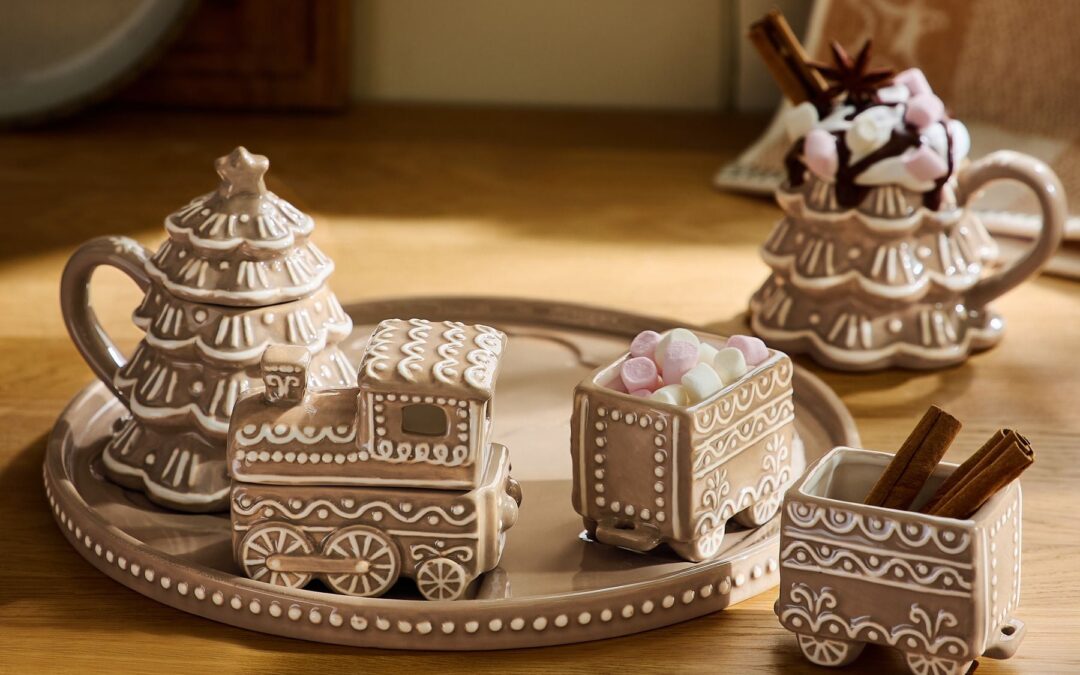
It may still be too early for Christmas cheer for many, but I just spotted what I think is about to be a must-have for the cosiest time of the year: Next’s new Gingerbread Hot Chocolate Station (£45).
This year’s Christmas decor trends have all embraced a return to the traditional motifs of the festive season that we all know and love from our childhood – gingerbread included. And seeing as Next has already had a huge hit with its sellout gingerbread Christmas tree skirt, it seems plausible that this adorable hot chocolate station kit could go the same way.
Here’s a closer look at this set which is sure to delight the whole family once December rolls around if you want to put a charming hot chocolate station idea into practice in your own home.
Latest Videos FromIdeal Home
Next
Brown Gingerbread Hot Chocolate Station With Mugs – Size One
<aside data-article-category="all-rooms" data-block-layout="versus" data-block-type="featured-product" data-editorial-currency="GBP" data-editorial-price="45" data-hawk-json="{"product":{"variants":{"Default":{"image":{"copyright":"","height":2400,"id":"MXXYRG8VaPfMsHeyBGGPid","mimeType":"image\/jpeg","mos":"https:\/\/cdn.mos.cms.futurecdn.net\/MXXYRG8VaPfMsHeyBGGPid.jpg","role":"","width":1800,"credit":"Next","alt":"Brown Gingerbread Hot Chocolate Station With Mugs – Size One","caption":""},"strapline":"
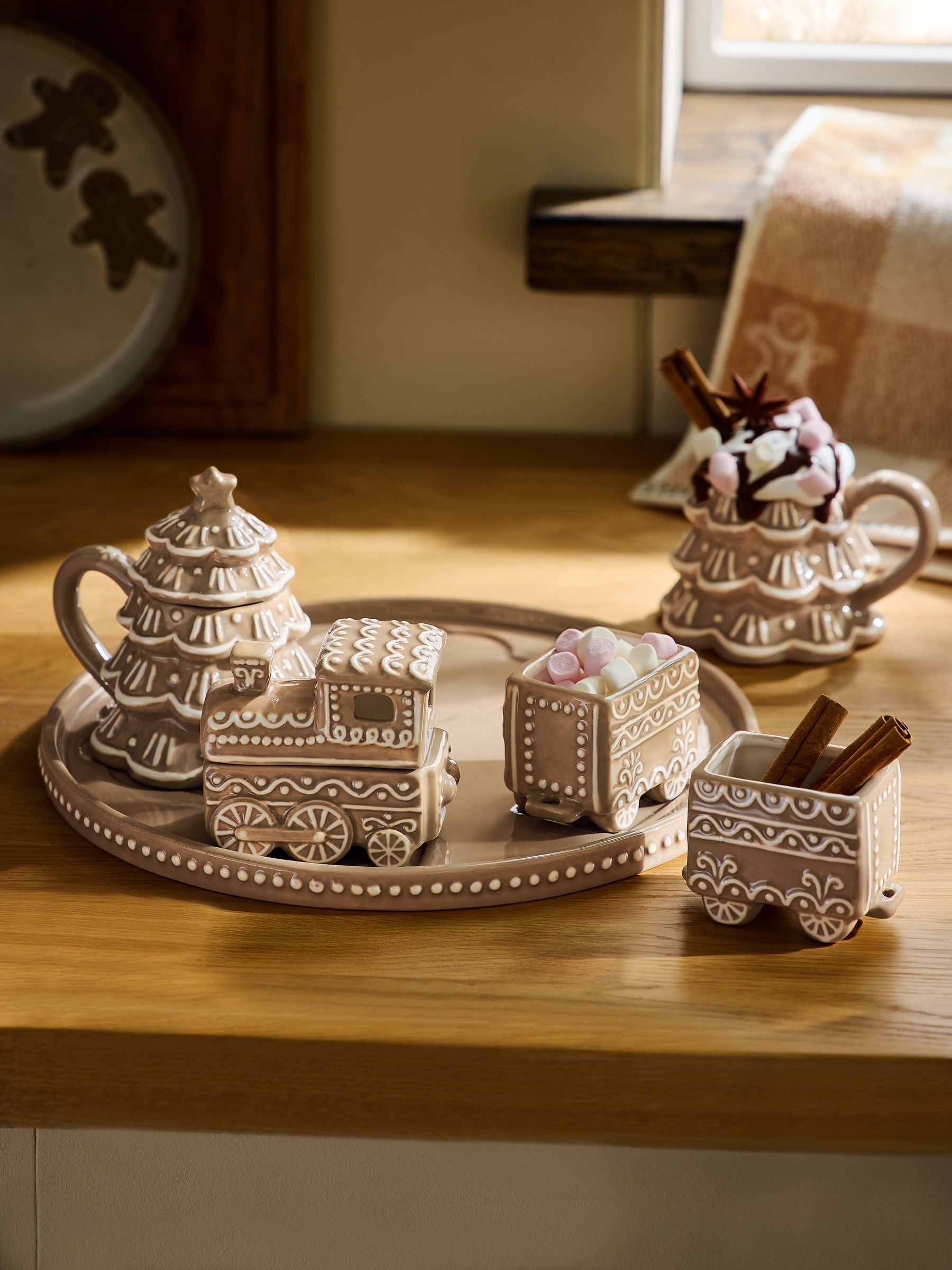
Go full whimsy with this gingerbread-inspired train set which doubles as a hot chocolate station. It includes two mugs (in the shape of Christmas trees, of course) and three vessels for your favourite snacks. ","brand":"Next","name":"Brown Gingerbread Hot Chocolate Station With Mugs – Size One","urlStyle":"","retailer":"","layout":"versus","linkText":"","noFollow":false,"noAffiliateTracking":false,"promoLabel":"","price":45,"salePrice":null,"currency":"GBP","linkLayout":"text","sponsored":false,"hawkProductNameMatchedCode":"","review":{"cons":[],"id":"","name":"","pros":[],"rating":0,"strapline":"","url":""},"id":"","externalId":"95d54deac08c78a1ae374f965184ff5d0ed02c24","lastCheckedPriceDate":"","link":{"url":"https:\/\/click.linksynergy.com\/deeplink?id=kXQk6%2AivFEQ&mid=53096&u1=hawk-custom-tracking&murl=https%3A%2F%2Fwww.next.co.uk%2Fstyle%2Fsu976463%2Fw15281","merchantName":"Next UK","merchantId":491232,"merchantNetwork":"LSfutureusLlc","merchantUrl":"next.co.uk"}}}}}” data-link=”https://click.linksynergy.com/deeplink?id=kXQk6%2AivFEQ&mid=53096&u1=hawk-custom-tracking&murl=https%3A%2F%2Fwww.next.co.uk%2Fstyle%2Fsu976463%2Fw15281″ data-link-merchant=”Next UK” data-merchant-id=”491232″ data-merchant-name=”Next UK” data-merchant-network=”LSfutureusLlc” data-merchant-url=”next.co.uk” data-model-brand=”Next” data-model-name=”Next Brown Gingerbread Hot Chocolate Station With Mugs – Size One” data-name=”Product Block merchantlink widget” data-render-type=”fte” data-show-fallback=”button” data-widget-type=”merchantlink” class=”ecom-root”>
Go full whimsy with this gingerbread-inspired train set which doubles as a hot chocolate station. It includes two mugs (in the shape of Christmas trees, of course) and three vessels for your favourite snacks.
Next
Natural Christmas Hot Chocolate Station With Mugs – Size One
<aside data-article-category="all-rooms" data-block-layout="versus" data-block-type="featured-product" data-editorial-currency="GBP" data-editorial-price="36" data-hawk-json="{"product":{"variants":{"Default":{"image":{"copyright":"","height":2400,"id":"ZRFkTkBZ5xPD4gnzYWo7b","mimeType":"image\/jpeg","mos":"https:\/\/cdn.mos.cms.futurecdn.net\/ZRFkTkBZ5xPD4gnzYWo7b.jpg","role":"","width":1800,"credit":"Next","alt":"Natural Christmas Hot Chocolate Station With Mugs – Size One","caption":""},"strapline":"
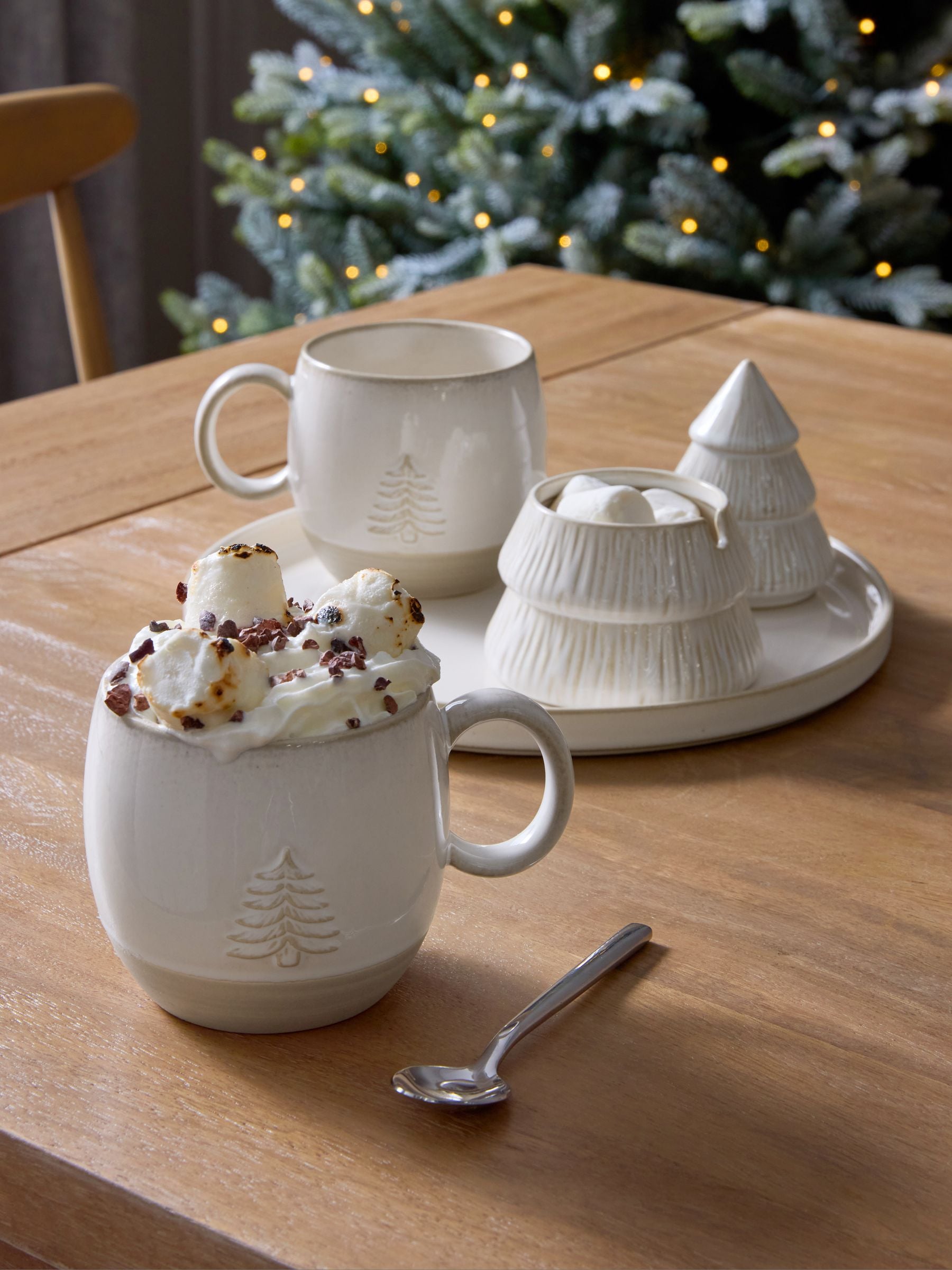
If you're a little more minimalistic in your festive decor tastes, you can get the same effect with this pared-back version featuring tree-shaped snack pots. ","brand":"Next","name":"Natural Christmas Hot Chocolate Station With Mugs – Size One","urlStyle":"","retailer":"","layout":"versus","linkText":"","noFollow":false,"noAffiliateTracking":false,"promoLabel":"","price":36,"salePrice":null,"currency":"GBP","linkLayout":"text","sponsored":false,"hawkProductNameMatchedCode":"","review":{"cons":[],"id":"","name":"","pros":[],"rating":0,"strapline":"","url":""},"id":"","externalId":"16d0ddea07f0d3ea20e2bd33482f0e345d874cda","lastCheckedPriceDate":"","link":{"url":"https:\/\/click.linksynergy.com\/deeplink?id=kXQk6%2AivFEQ&mid=53096&u1=hawk-custom-tracking&murl=https%3A%2F%2Fwww.next.co.uk%2Fstyle%2Fsu976464%2Fw15282","merchantName":"Next UK","merchantId":491232,"merchantNetwork":"LSfutureusLlc","merchantUrl":"next.co.uk"}}}}}” data-link=”https://click.linksynergy.com/deeplink?id=kXQk6%2AivFEQ&mid=53096&u1=hawk-custom-tracking&murl=https%3A%2F%2Fwww.next.co.uk%2Fstyle%2Fsu976464%2Fw15282″ data-link-merchant=”Next UK” data-merchant-id=”491232″ data-merchant-name=”Next UK” data-merchant-network=”LSfutureusLlc” data-merchant-url=”next.co.uk” data-model-brand=”Next” data-model-name=”Next Natural Christmas Hot Chocolate Station With Mugs – Size One” data-name=”Product Block merchantlink widget” data-render-type=”fte” data-show-fallback=”button” data-widget-type=”merchantlink” class=”ecom-root”>
If you’re a little more minimalistic in your festive decor tastes, you can get the same effect with this pared-back version featuring tree-shaped snack pots.
If Google Trends are anything to go by, there’s a growing appetite for DIY hot chocolate stations in the UK – the term is reportedly up 12% to +18% year on year. If you want to stage your own sweet treat display, then this set feels like something that you’d be able to pull out of storage year after year to make use of.
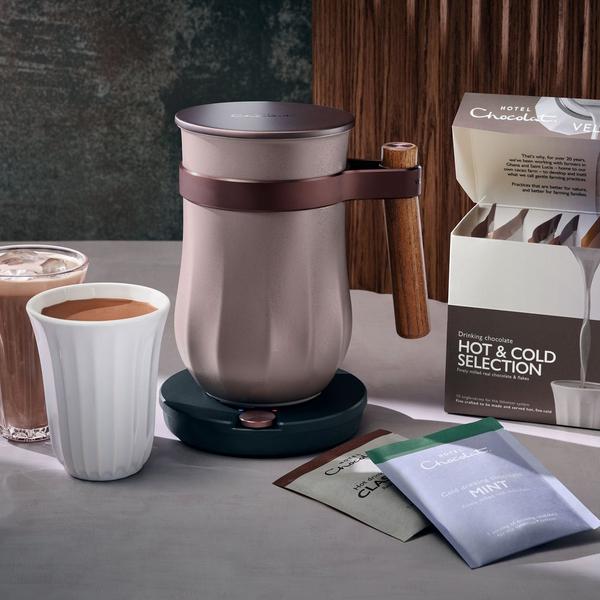
Dedicated hot chocolate makers, which might have prompted the surge in at-home stations, have been hugely popular since the launch of The Velvetiser by Hotel Chocolat back in 2018. With a jug design that carefully whisks all kinds of chocolate (including your favourite high street bars) into a silky hot drink, these frothers can also double up for use alongside the best coffee machines if you’re a latte lover.
Our Content Editor Sara got a sneak peek of the set at Next’s Christmas press show.
(Image credit: Future)
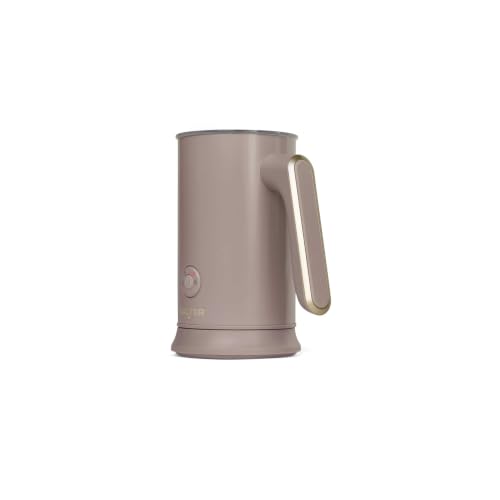
Or, Salter’s The Chocolatier is an alternative kind of appliance that’s been a huge hit with those looking for a more affordable version – I loved it when I tried it out at home. Whichever hot chocolate maker you opt for (or if you’re a purist for the hob method!), a serveware set made for the occasion is always going to be a hit when you’re hosting or just entertaining your own family.
There’s certainly one customer, who has awarded the set a five-star review already, who’s impressed by its quality. ‘It really is lovely and very well made’ said the reviewer. ‘I think the mugs could also be used to hold dipping sauces, hummus, etc. I really am delighted with my purchase and can’t wait to use it over the festive period’.
Sign up to our newsletter for style inspiration, real homes, project and garden advice and shopping know-how
Hotel Chocolat
Velvetiser – Pebble
Salter
Chocolatier Milk Frother and Hot Chocolate Maker
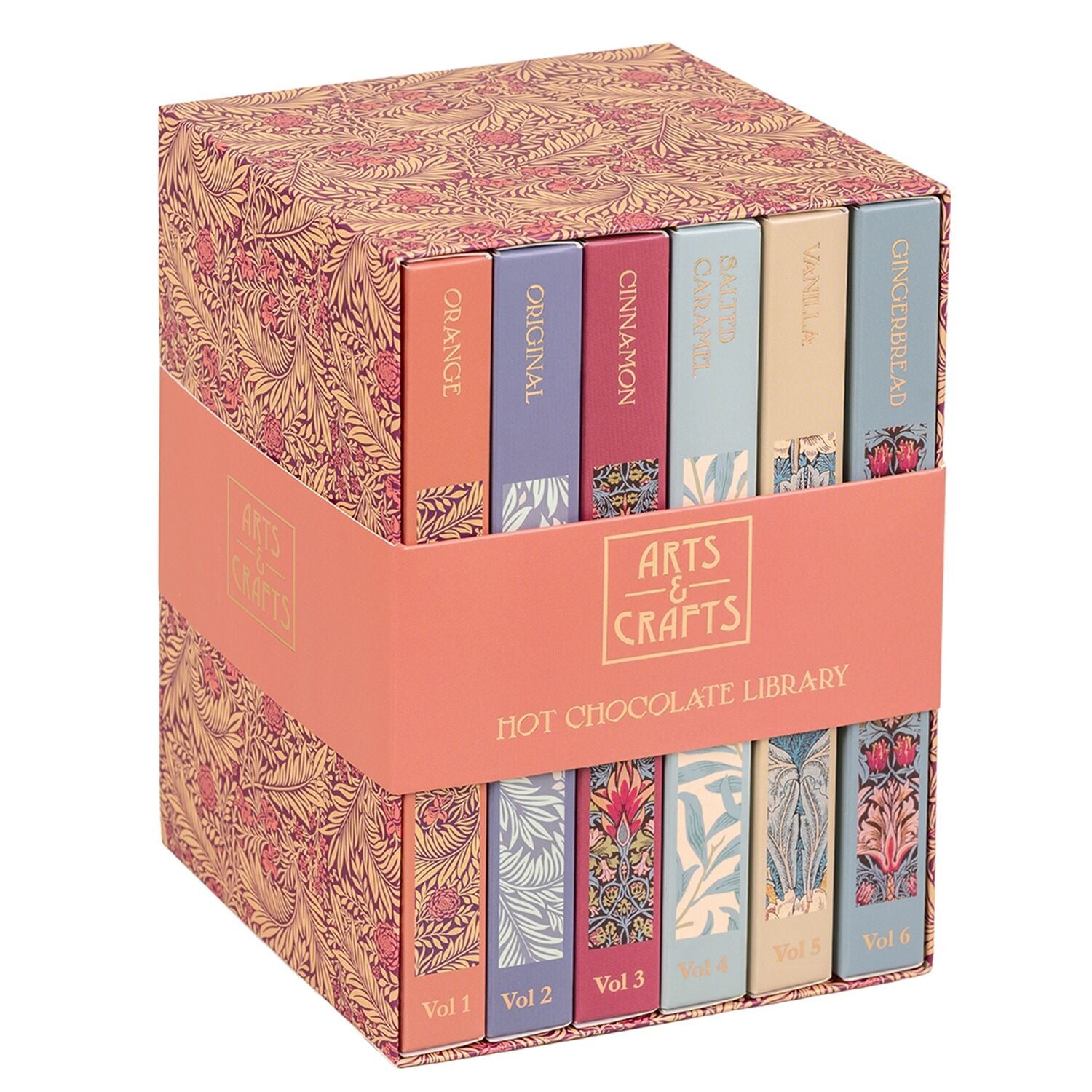
Arts & Crafts
Arts & Crafts Hot Chocolate Library 240g
Given that the nights are well and truly drawing in now, a hot chocolate station might be just the thing to brighten your spirits as we make our way towards Christmas. Can you see the appeal in this whimsical set?
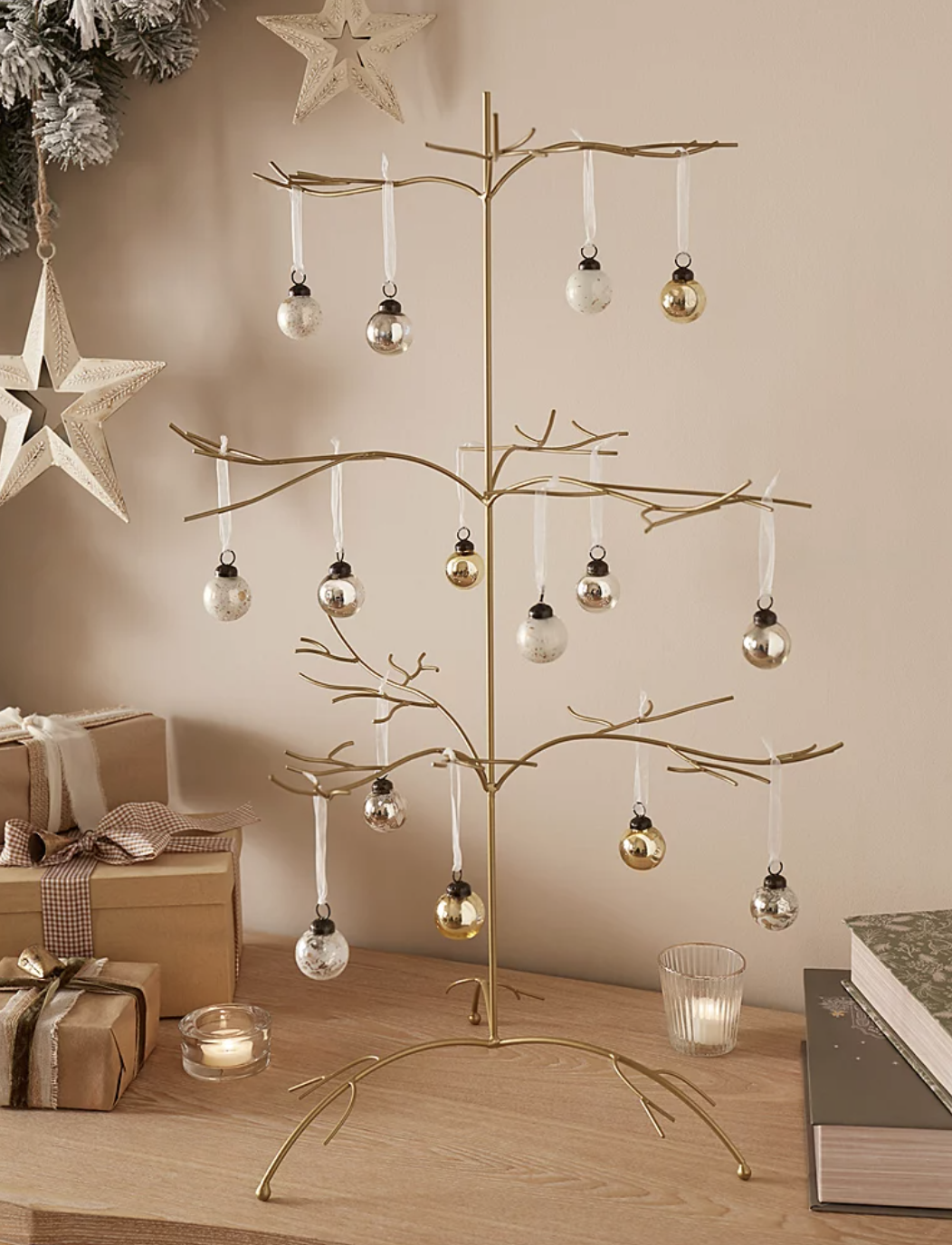
Whether this is the year that you need to invest in a second Christmas tree or you’re looking for a space-saving option to squeeze in a little festive spirit to a small room or a tiny flat, I’ve found the perfect affordable alternative to pine needles and sap in this Gold Christmas Tree Ornament from George Home at Asda.
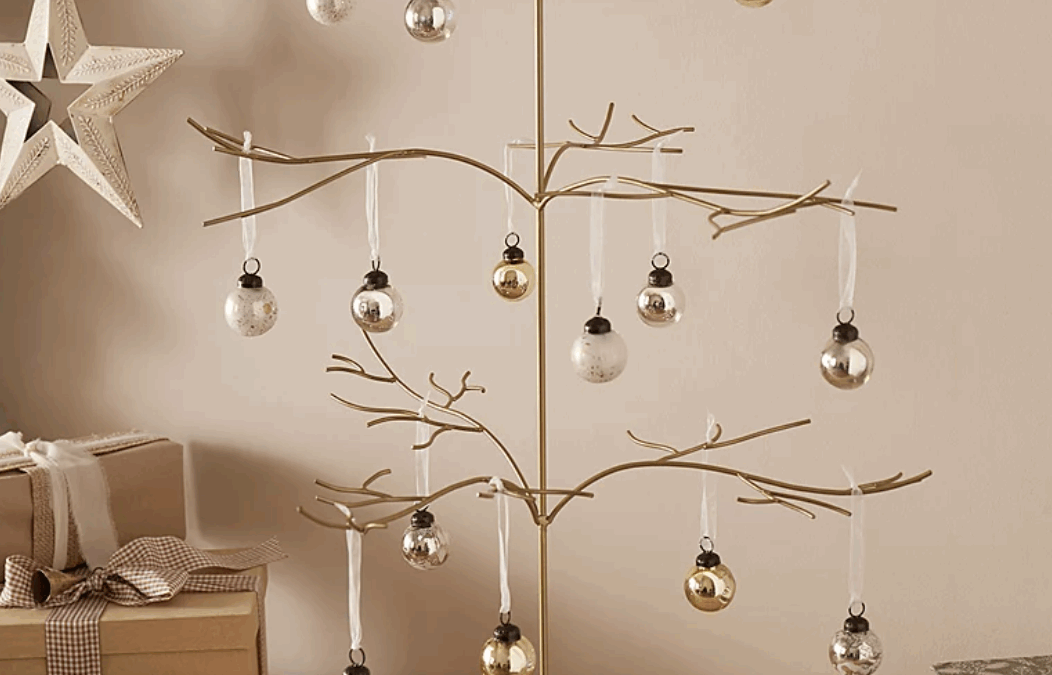
Gorgeous in gold and priced at £40, what caught my eye about this alternative to one of the best artificial Christmas trees is that it’s perfectly minimalist — even when styled with mini baubles.
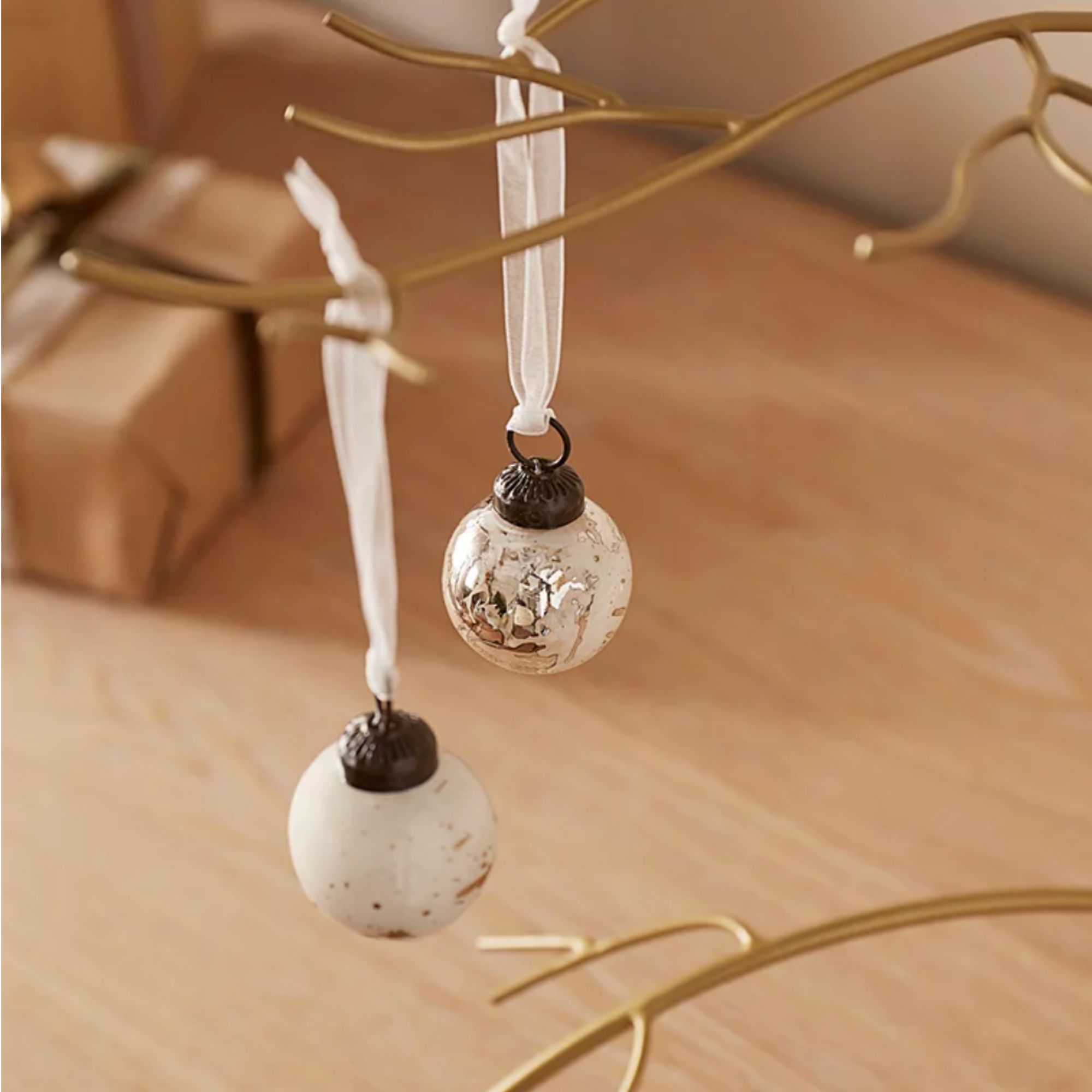
Made from metal and sprayed gold for an elegant look, this mini tree stands out from others because you can customise it with your own festive tree decorations so it feels unique to you.
Latest Videos FromIdeal Home
George at Asda
Gold Christmas Tree Ornament
You can keep it simple with an elegant gold and white bauble pairing, or you could even use this tree to house any homemade decorations from the kids over the years. I also like the idea of using it to exclusively hold chocolate tree decorations, that is, if you have the willpower not to eat them all in one day.
My only word of warning is to not hang anything too heavy on the tree as it could tip over. Style it with some real or faux presents nearby and some candles, and you’ve got yourself a simple yet elegant Christmassy corner.
(Image credit: George at Asda)
If you’re on the hunt for more Christmas tree alternatives, we’ve spotted a few extra options at George Home. Whether for the kids’ bedroom or playroom, or even for a corner of a dining room that feels otherwise empty during the festive period, these designs will prove to be game-changing when it comes to your Christmas decor.
Alternatives
George at Asda
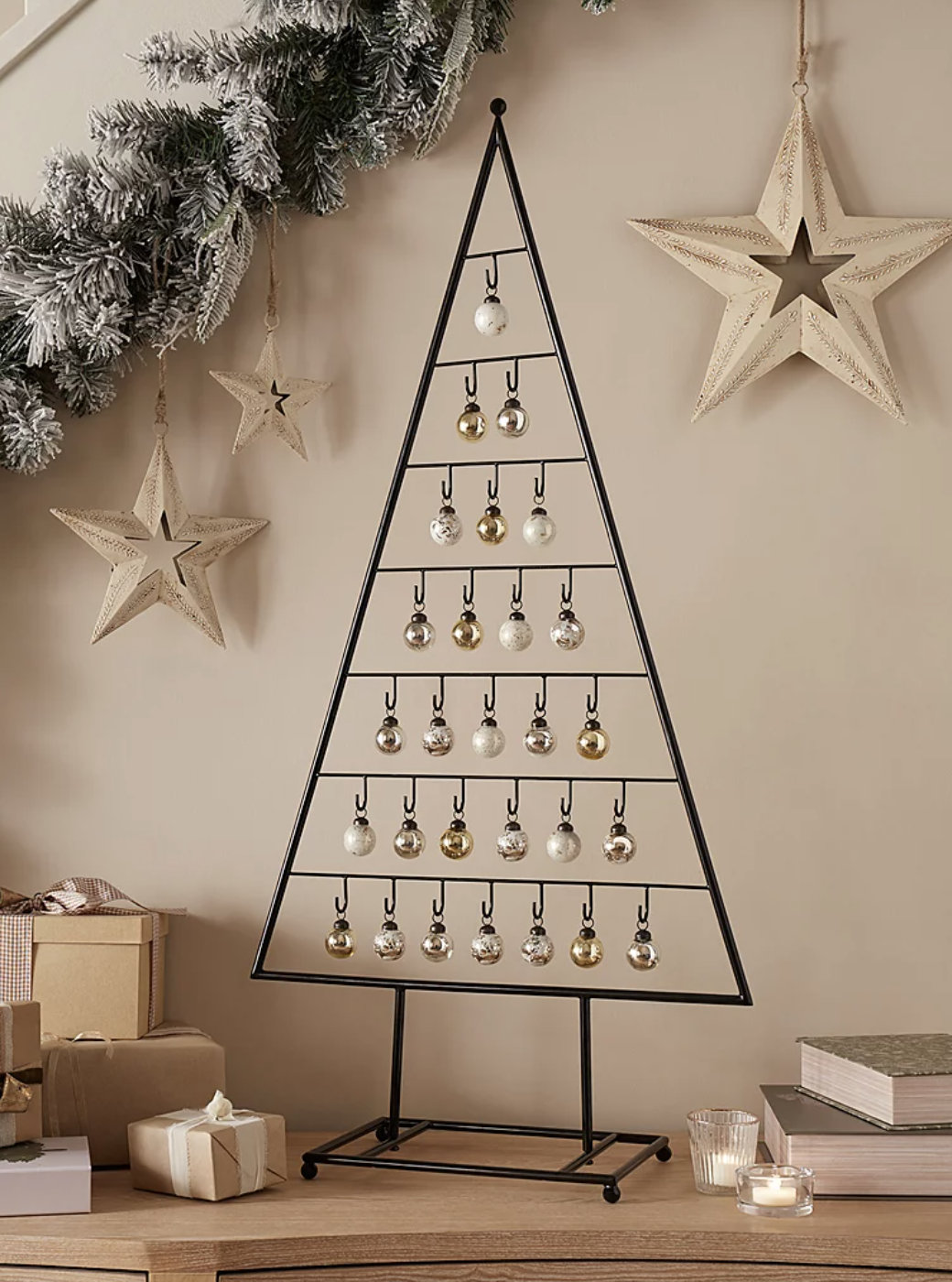
Black Metal Hanging Baubles Tree Decoration
<aside data-article-category="all-rooms" data-block-layout="hero" data-block-type="featured-product" data-editorial-currency="GBP" data-editorial-price="20" data-hawk-json="{"product":{"variants":{"Default":{"image":{"copyright":"","height":1400,"id":"HfQvJHFY62eNAoUV48u2ke","mimeType":"image\/png","mos":"https:\/\/cdn.mos.cms.futurecdn.net\/HfQvJHFY62eNAoUV48u2ke.png","role":"","width":1040,"credit":"George at Asda","alt":"George at Asda, Black Metal Hanging Baubles Tree Decoration","caption":""},"strapline":"
A similar vibe but in black, this one offers space for 28 baubles and it stands at 103cm tall to make a statement. At just \u00a320, it's a steal.","brand":"George at Asda","name":"Black Metal Hanging Baubles Tree Decoration","urlStyle":"","retailer":"","layout":"hero","linkText":"","noFollow":true,"noAffiliateTracking":false,"promoLabel":"","price":20,"salePrice":null,"currency":"GBP","linkLayout":"text","sponsored":false,"hawkProductNameMatchedCode":"","review":{"cons":[],"id":"","name":"","pros":[],"rating":0,"strapline":"","url":""},"id":"","lastCheckedPriceDate":"","link":{"url":"https:\/\/www.anrdoezrs.net\/click-100624752-15729988?sid=hawk-custom-tracking&url=https:\/\/direct.asda.com\/george\/christmas\/christmas-room-decorations\/black-metal-hanging-baubles-tree-decoration\/060188278,default,pd.html?cgid=D18M2G1C6","merchantName":"George at Asda","merchantId":446839,"merchantNetwork":"CJ","merchantUrl":"direct.asda.com"}}}}}” data-link=”https://www.anrdoezrs.net/click-100624752-15729988?sid=hawk-custom-tracking&url=https://direct.asda.com/george/christmas/christmas-room-decorations/black-metal-hanging-baubles-tree-decoration/060188278,default,pd.html?cgid=D18M2G1C6″ data-link-merchant=”George at Asda” data-merchant-id=”446839″ data-merchant-name=”George at Asda” data-merchant-network=”CJ” data-merchant-url=”direct.asda.com” data-model-brand=”George at Asda” data-model-name=”George at Asda Black Metal Hanging Baubles Tree Decoration” data-name=”Product Block merchantlink widget” data-render-type=”fte” data-show-fallback=”button” data-widget-type=”merchantlink” class=”ecom-root”>
A similar vibe but in black, this one offers space for 28 baubles and it stands at 103cm tall to make a statement. At just £20, it’s a steal.
George at Asda
White Frosted Christmas Tree Decoration
<aside data-article-category="all-rooms" data-block-layout="hero" data-block-type="featured-product" data-editorial-currency="GBP" data-editorial-price="18" data-hawk-json="{"product":{"variants":{"Default":{"image":{"copyright":"","height":1398,"id":"yw6eeWJ7ThKuCGGwgJki3V","mimeType":"image\/png","mos":"https:\/\/cdn.mos.cms.futurecdn.net\/yw6eeWJ7ThKuCGGwgJki3V.png","role":"","width":1050,"credit":"George at Asda","alt":"George at Asda, White Frosted Christmas Tree Decoration","caption":""},"strapline":"
This one's a real beauty \u2014 and it's perfect for anyone going for a softer look. Each branch is frosted in white, while it sits in a jute bag at 92cm tall. You should be able to hang very lightweight decorations from its branches.","brand":"George at Asda","name":"White Frosted Christmas Tree Decoration","urlStyle":"","retailer":"","layout":"hero","linkText":"","noFollow":true,"noAffiliateTracking":false,"promoLabel":"","price":18,"salePrice":null,"currency":"GBP","linkLayout":"text","sponsored":false,"hawkProductNameMatchedCode":"","review":{"cons":[],"id":"","name":"","pros":[],"rating":0,"strapline":"","url":""},"id":"","lastCheckedPriceDate":"","link":{"url":"https:\/\/www.anrdoezrs.net\/click-100624752-15729988?sid=hawk-custom-tracking&url=https:\/\/direct.asda.com\/george\/christmas\/christmas-room-decorations\/white-frosted-christmas-tree-decoration\/060198154,default,pd.html?cgid=D18M2G1C6","merchantName":"George at Asda","merchantId":446839,"merchantNetwork":"CJ","merchantUrl":"direct.asda.com"}}}}}” data-link=”https://www.anrdoezrs.net/click-100624752-15729988?sid=hawk-custom-tracking&url=https://direct.asda.com/george/christmas/christmas-room-decorations/white-frosted-christmas-tree-decoration/060198154,default,pd.html?cgid=D18M2G1C6″ data-link-merchant=”George at Asda” data-merchant-id=”446839″ data-merchant-name=”George at Asda” data-merchant-network=”CJ” data-merchant-url=”direct.asda.com” data-model-brand=”George at Asda” data-model-name=”George at Asda White Frosted Christmas Tree Decoration” data-name=”Product Block merchantlink widget” data-render-type=”fte” data-show-fallback=”button” data-widget-type=”merchantlink” class=”ecom-root”>
This one’s a real beauty — and it’s perfect for anyone going for a softer look. Each branch is frosted in white, while it sits in a jute bag at 92cm tall. You should be able to hang very lightweight decorations from its branches.
George at Asda
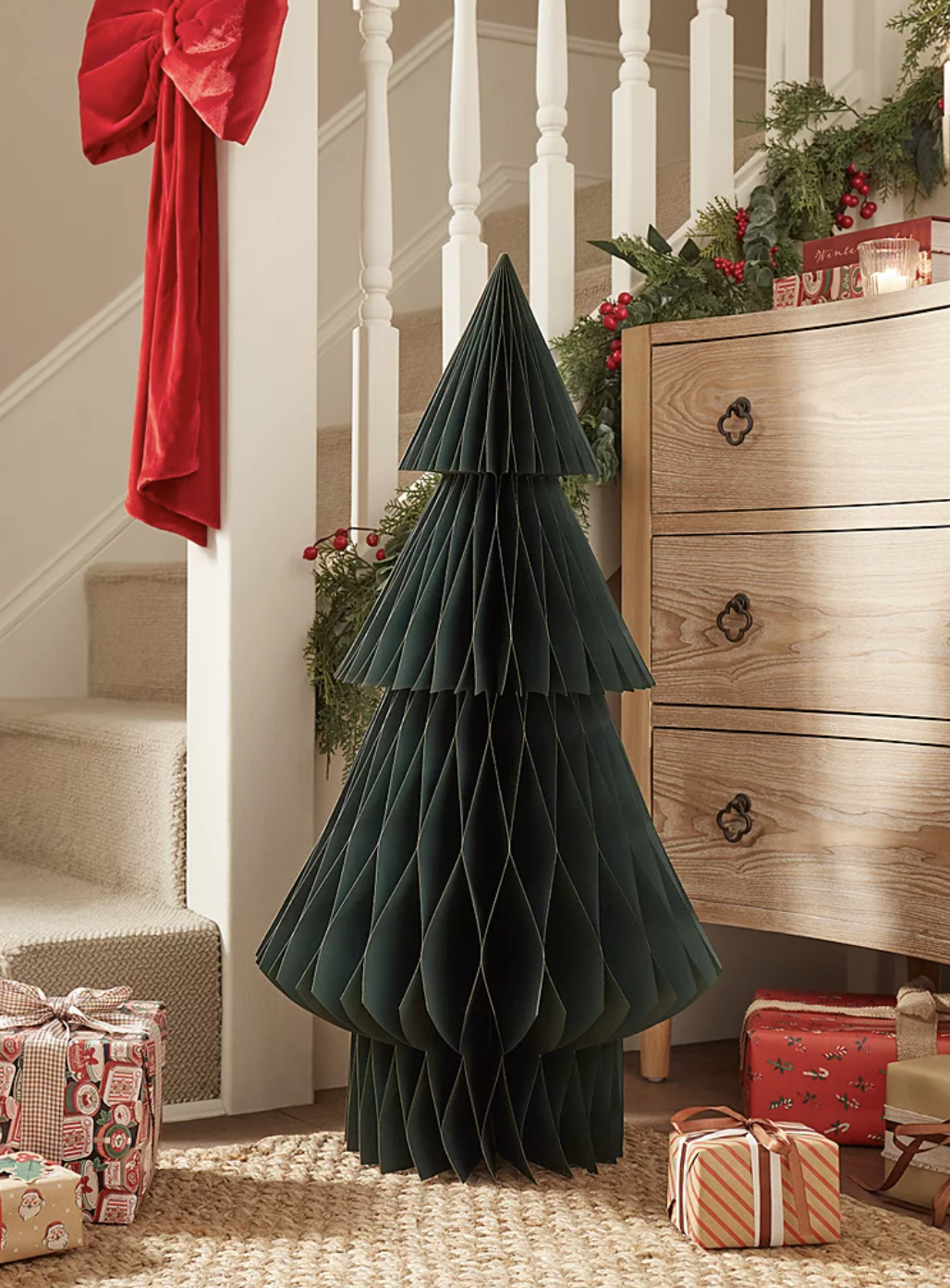
Green Honeycomb Christmas Tree
<aside data-article-category="all-rooms" data-block-layout="hero" data-block-type="featured-product" data-editorial-currency="GBP" data-editorial-price="18" data-hawk-json="{"product":{"variants":{"Default":{"image":{"copyright":"","height":1394,"id":"aMFoizZNsDuqYo7svhyZeL","mimeType":"image\/png","mos":"https:\/\/cdn.mos.cms.futurecdn.net\/aMFoizZNsDuqYo7svhyZeL.png","role":"","width":1028,"credit":"George at Asda","alt":"George at Asda, Green Honeycomb Christmas Tree","caption":""},"strapline":"
You won't be able to add baubles to this one, but it will add a pop of green to a corner that might otherwise need it. Also, it's child and pet proof. Unless your pet eats cardboard, that is. After use, it folds away for next year, and it sits at 95cm from the floor. ","brand":"George at Asda","name":"Green Honeycomb Christmas Tree","urlStyle":"","retailer":"","layout":"hero","linkText":"","noFollow":true,"noAffiliateTracking":false,"promoLabel":"","price":18,"salePrice":null,"currency":"GBP","linkLayout":"text","sponsored":false,"hawkProductNameMatchedCode":"","review":{"cons":[],"id":"","name":"","pros":[],"rating":0,"strapline":"","url":""},"id":"","lastCheckedPriceDate":"","link":{"url":"https:\/\/www.anrdoezrs.net\/click-100624752-15729988?sid=hawk-custom-tracking&url=https:\/\/direct.asda.com\/george\/christmas\/christmas-room-decorations\/green-honeycomb-christmas-tree\/060193710,default,pd.html?cgid=D18M2G1C6","merchantName":"George at Asda","merchantId":446839,"merchantNetwork":"CJ","merchantUrl":"direct.asda.com"}}}}}” data-link=”https://www.anrdoezrs.net/click-100624752-15729988?sid=hawk-custom-tracking&url=https://direct.asda.com/george/christmas/christmas-room-decorations/green-honeycomb-christmas-tree/060193710,default,pd.html?cgid=D18M2G1C6″ data-link-merchant=”George at Asda” data-merchant-id=”446839″ data-merchant-name=”George at Asda” data-merchant-network=”CJ” data-merchant-url=”direct.asda.com” data-model-brand=”George at Asda” data-model-name=”George at Asda Green Honeycomb Christmas Tree” data-name=”Product Block merchantlink widget” data-render-type=”fte” data-show-fallback=”button” data-widget-type=”merchantlink” class=”ecom-root”>
You won’t be able to add baubles to this one, but it will add a pop of green to a corner that might otherwise need it. Also, it’s child and pet proof. Unless your pet eats cardboard, that is. After use, it folds away for next year, and it sits at 95cm from the floor.
Are you already thinking about your festive decor for 2026?
Sign up to our newsletter for style inspiration, real homes, project and garden advice and shopping know-how
Planning a kitchen renovation in Brisbane? Whether you live in a timber Queenslander in Paddington or a 1980s brick lowset in Carindale, the house you’ve got decides a lot about the kitchen you can build. The climate matters too. Cabinets that would last for decades in a drier city can swell at the edges after a few Brisbane summers if the board and finish are wrong.
So where do you start? Before you look at door colours, look at the floor and walls you’re building against.
Table of Contents
1. Brisbane house types bring different problems
Queenslanders and workers’ cottages built before the 1940s are timber framed and usually sit on stumps. Many have VJ board walls. After a century of settling, floors often slope and walls are rarely square. The original kitchen was often at the back of the house or in an enclosed verandah, so the room tends to be long and narrow.
Post-war homes in suburbs like Holland Park and Stafford are smaller timber or fibro houses on low stumps. Brick lowsets from the 1970s and 80s, common around Mansfield and Capalaba, are squarer but often have closed galley kitchens with bulkheads over the cabinets.
Before you design anything, check these:
Is the floor level along the full run of cabinets? A Queenslander floor can fall noticeably from one end of the room to the other.
Do the stumps or bearers under the kitchen need work before a heavy stone benchtop goes in?
Does the house have fibro sheeting or other materials from before 1990 that might contain asbestos? In Queensland, removing more than 10 square metres of non-friable asbestos needs a licensed removalist, so get samples tested before demolition.
Is the property in a Brisbane City Council character overlay? Work inside the kitchen usually isn’t affected, but moving an external window or extending the room can be.
Before settling on a layout, it’s worth exploring different kitchen design ideas to see how storage, preparation areas and appliances can work within the available space.
2. Cabinet materials for humid conditions
Brisbane summers are hot and humid, and many older homes have timber floors and open eaves that let damp air in. The kitchen adds steam from the cooktop and dishwasher. Most cabinet failures start at an exposed edge, where moisture gets into the particleboard and it swells.
Ask for moisture-resistant board for the carcasses. It’s often sold as HMR and has a green-tinted core. At minimum it should go under the sink and beside the dishwasher, where leaks happen. Every edge should be sealed with edge banding, including the backs and undersides no one sees.
Each door finish has a trade-off:
Polyurethane (2-pac) doors are sealed on every face and handle humidity well, but they cost more and can chip if knocked.
Laminate is hard-wearing and tolerates moisture at a lower price, with a smaller range of profiles.
Vinyl wrap is cheap and looks good new, but it can lift near ovens and in a hot west-facing kitchen.
Solid timber and timber veneer suit a Queenslander. Timber moves with the seasons, so it needs a full seal and a maker who allows for that movement.
Fit a ducted rangehood vented outside rather than a recirculating unit. It takes steam out of the house instead of pushing it into the overhead cupboards. Stainless or coated hinges and drawer runners are worth the small extra cost in a humid kitchen.
3. Why made-to-measure suits older homes
Flat-pack cabinets come in fixed widths and assume a level floor and square walls. In a Queenslander neither is likely, so the installer closes gaps with filler panels and packs the legs to level the run. The result can be uneven gaps at the wall or a benchtop that sits away from the splashback.
Custom cabinets are built to the room you have. A maker can scribe an end panel to follow a wavy VJ wall and set the kickboard height to take up a fall in the floor. Cabinet widths are set to the space, so a narrow galley doesn’t lose storage to fillers at each end.
Flat-pack isn’t always the wrong choice. In a square, newer brick lowset on a tight budget it can work well, especially if you upgrade to moisture-resistant carcasses. Some owners pair flat-pack carcasses with custom doors and a stone benchtop to keep costs down.
4. Choosing a Brisbane kitchen renovator
Ask any renovator whether the people who measure and design your kitchen are the same people who build and install it. When one team carries the job through, measurements taken on site go straight to the workshop, and out-of-square walls or uneven floors in an older Brisbane home get dealt with in the cabinet design rather than on installation day.
On the southside, Capalaba-based Action Kitchens has been handling kitchen renovations in Brisbane since 1985. One carpentry-led team takes each job from the first sketch to the final fit. The company builds every cabinet to measure rather than using flat-pack, and it can work with appliances and sinks the homeowner supplies. Whoever you choose, check their QBCC licence and ask who will coordinate the plumber and electrician before you sign.
In Queensland, a contractor needs a QBCC licence for building work worth more than $3,300, and you can search a licence on the QBCC website in a minute. Work over that amount also needs a written contract, and residential work is covered by the QBCC Home Warranty Scheme. Match the licence number to the name on the quote.
Ask when the final measure happens. Walls and floors in an older home can change once the old kitchen comes out, so a careful renovator does a check measure after demolition, before cabinets go into production. It adds time, but it’s cheaper than cabinets that don’t fit.
A kitchen needs a licensed plumber and a licensed electrician. Many jobs also need a tiler or plasterer. Ask who books these trades and what happens to the schedule if one runs late. If the answer is that you book them yourself, factor that into your time and the price comparison.
5. Before you sign: a checklist
Search the renovator’s QBCC licence and confirm the name matches the quote.
Get a written contract that names the cabinet board and door finish.
Confirm a check measure after demolition, before production starts.
Ask whether the quote includes plumbing and electrical work.
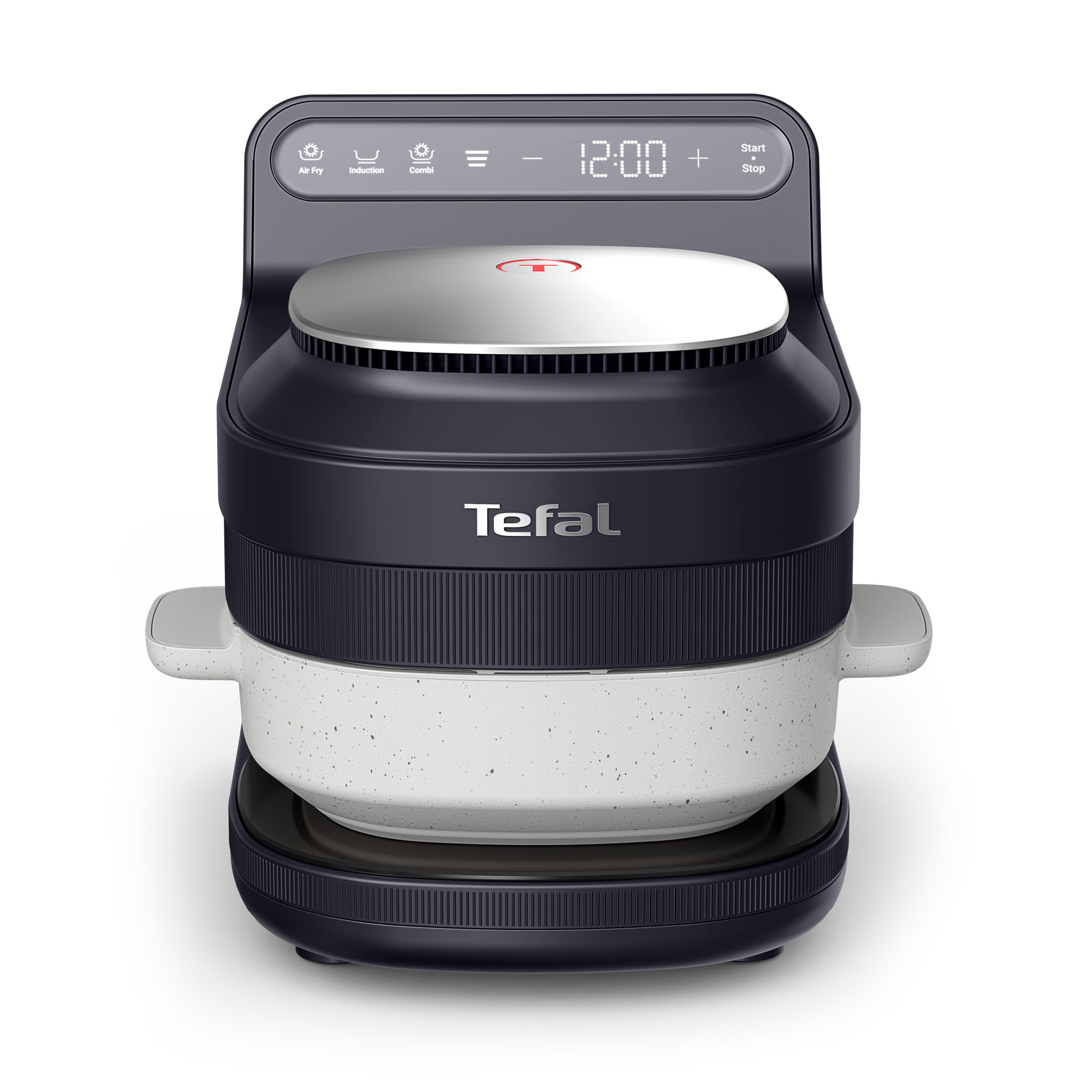
In the height of summer, I was introduced to Tefal’s latest innovation, the ‘YumMeal ’. At that point in time, the clever appliance was so new (and revolutionary) that it didn’t even have a name. However, it had a clear USP that intrigued me: a ‘personal cooker’ that aimed to make cooking for one easier, and dare I say, more exciting?
The new YumMeal from Tefal combines air frying and induction cooking into one relatively small appliance (23cm x 26cm x 36cm) that looks a little like a waffle maker. It has a built-in enamel bowl that you not only prep and cook food in, but also eat directly out of. It’s designed to be the perfect kitchen-to-sofa appliance, whipping up meals in just 15 minutes- a game-changer for anyone cooking for one.
Tefal
YumMeal All-In-One Personal Cooker
I currently live with a partner, but before that, I spent a good 10 years cooking for one. Over that time, I grew frustrated that nearly every recipe involved cooking for two, so I’d have to eat it over two nights or force dinner on one of my hungry flatmates. So I was delighted to find that Tefal were finally going the extra mile to make one-person dinners feel celebratory.
Latest Videos FromIdeal Home
While I’m impressed by the YumMeal concept, I do have questions about how likely it is to transform solo dining. It has a RRP of £199.99, which feels steep when you can pick up a compact Ninja air fryer for £109 at John Lewis, the best air fryers are the speedy appliance I usually turn to when cooking a quick dinner for one these days.
However, the cost of Tefal’s new gadget is justified when you consider it’s two appliances in one: an air fryer that can crisp, and an induction hob that can cook and simmer. It essentially replaces a full kitchen ecosystem, with the added perk that the two functions can be used together at the touch of a button.
(Image credit: Future / Rebecca Knight)
The YumMeal is not quite as easy as shoving a ready meal in the microwave, something I do also turn to when my partner is out for the evening, which is why I can’t see this product replacing them in my small kitchen. But I think where this appliance shines is as an investment for students who are trying to claim space in a shared kitchen or anyone who lives alone and hates reheating leftovers/enjoys being more creative with dinner.
If I still lived alone, I can see myself batch-prepping ingredients at the start of the week, and then using the YumMeal to make cooking from scratch as quick, easy and cost-effective as possible. Tefal also included the recipe for a one-person lemon drizzle cake as part of the launch, which piqued my interest for those days when you’re craving a single-portion sweet treat.
Sign up to our newsletter for style inspiration, real homes, project and garden advice and shopping know-how
I haven’t personally tested the YumMeal, but from what I saw when it was being demoed at the Tefal showcase, it has alot of potential. I can’t wait to put it to the test and see if it really could replace the microwave meal for kitchens across the UK.
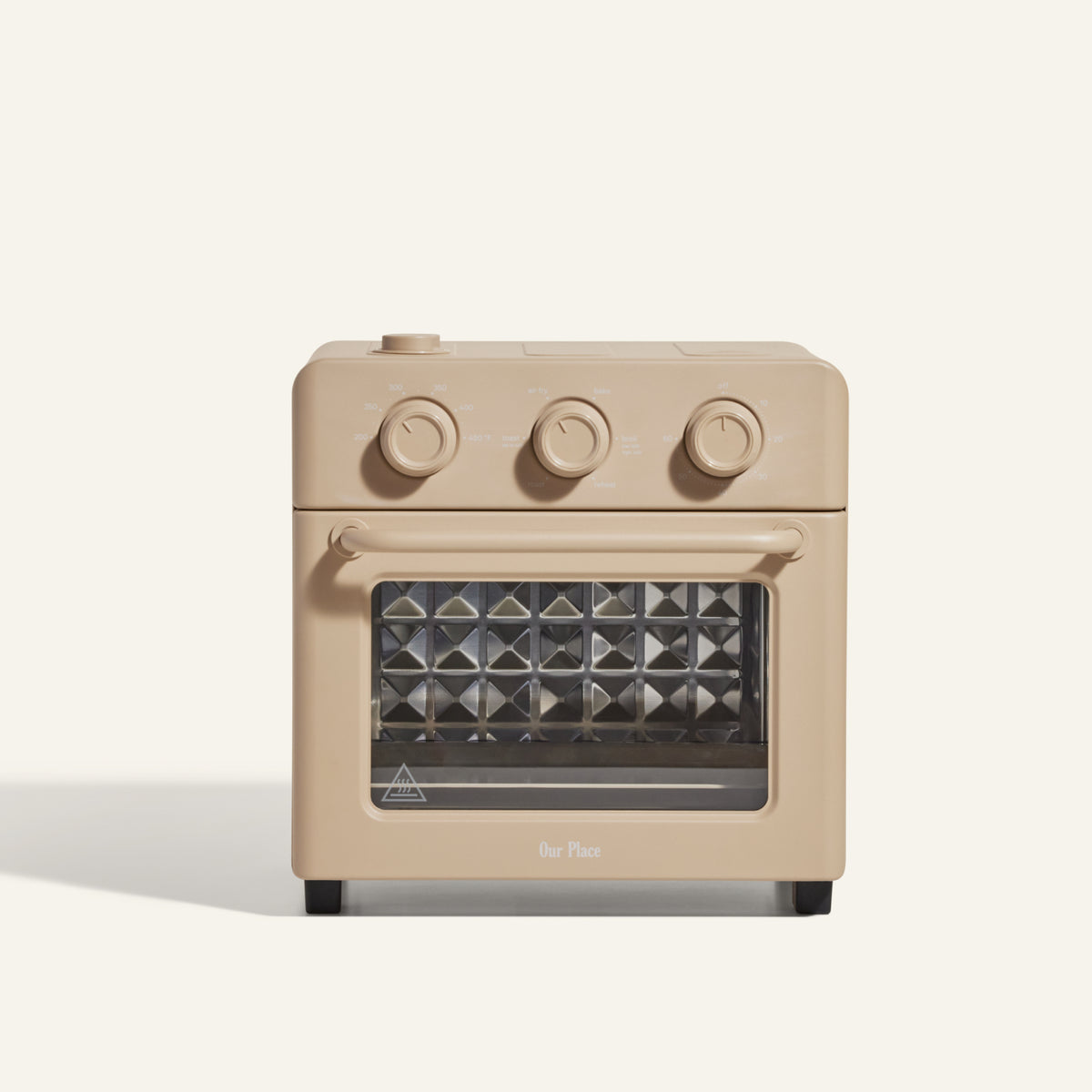
If you're cooking for one, short on space and want something to look good on the countertop this is air fryer I'd turn too. It has a built in steam function to help with the cooking process.","brand":"Our Place","name":"Wonder Oven – Steam","urlStyle":"","retailer":"","layout":"hero","linkText":"","noFollow":true,"noAffiliateTracking":false,"promoLabel":"","price":195,"salePrice":null,"currency":"GBP","linkLayout":"text","sponsored":false,"hawkProductNameMatchedCode":"","review":{"cons":[],"id":"","name":"","pros":[],"rating":0,"strapline":"","url":""},"id":"","externalId":"911683cac3f170d79e66f6e9a28903fb678e756d","lastCheckedPriceDate":"","link":{"url":"https:\/\/our-place.pxf.io\/c\/221109\/1679350\/19449?subId1=hawk-custom-tracking&sharedId=hawk-prefix&u=https%3A%2F%2Ffromourplace.co.uk%2Fproducts%2Fwonder-oven","merchantName":"Our Place","merchantId":299092,"merchantNetwork":"ImpactRad","merchantUrl":"fromourplace.co.uk"}}}}}” data-link=”https://our-place.pxf.io/c/221109/1679350/19449?subId1=hawk-custom-tracking&sharedId=hawk-prefix&u=https%3A%2F%2Ffromourplace.co.uk%2Fproducts%2Fwonder-oven” data-link-merchant=”Our Place” data-merchant-id=”299092″ data-merchant-name=”Our Place” data-merchant-network=”ImpactRad” data-merchant-url=”fromourplace.co.uk” data-model-brand=”Our Place” data-model-name=”Our Place Wonder Oven – Steam” data-name=”Product Block merchantlink widget” data-render-type=”fte” data-show-fallback=”button” data-widget-type=”merchantlink” class=”ecom-root”>
If you’re cooking for one, short on space and want something to look good on the countertop this is air fryer I’d turn too. It has a built in steam function to help with the cooking process.
Instant Pot
Instant Pot Duo 3 Mini Multi Cooker 3l
<aside data-article-category="all-rooms" data-block-layout="hero" data-block-type="featured-product" data-editorial-currency="GBP" data-editorial-price="80" data-hawk-json="{"product":{"variants":{"Default":{"image":{"copyright":"","height":1382,"id":"Jr7HZUus7oXdRU9MQbYqsX","mimeType":"image\/jpeg","mos":"https:\/\/cdn.mos.cms.futurecdn.net\/Jr7HZUus7oXdRU9MQbYqsX.jpg","role":"","width":1382,"credit":"Instant Pot","alt":"Instant Pot Duo 3 Mini Multi Cooker 3l","caption":""},"strapline":"
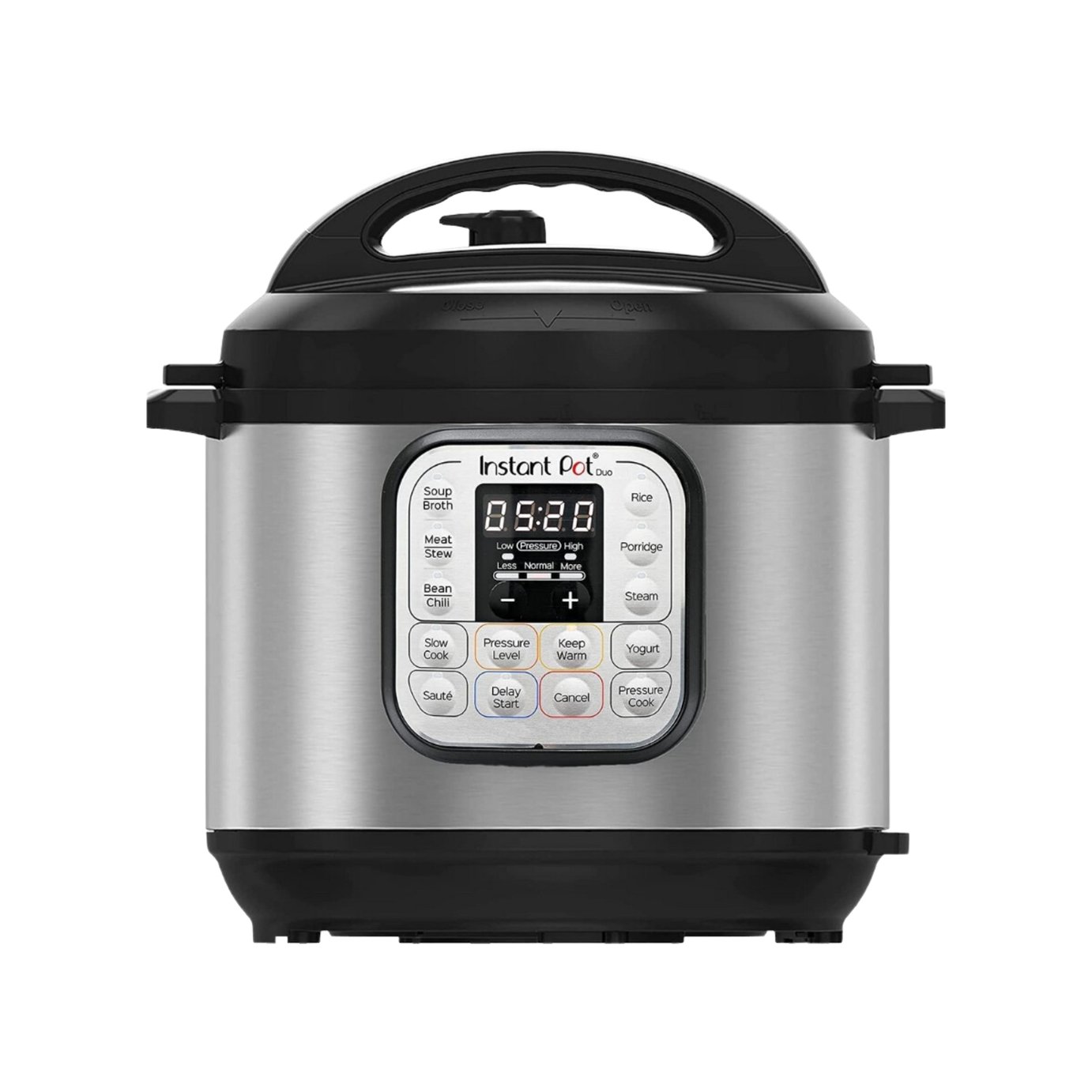
This is the guy that every American friend I had at Uni was packed off to school with, it even earned a spot in one of my best friends miniscule New York City apartment kitchen. It does everything from slow cooking to pressure cooking and works for everything from fast dinners to batch cooking.","brand":"Instant Pot","name":"Instant Pot Duo 3 Mini Multi Cooker 3l","urlStyle":"","retailer":"","layout":"hero","linkText":"","noFollow":false,"noAffiliateTracking":false,"promoLabel":"","price":80,"salePrice":null,"currency":"GBP","linkLayout":"text","sponsored":false,"hawkProductNameMatchedCode":"","review":{"cons":[],"id":"","name":"","pros":[],"rating":0,"strapline":"","url":""},"id":"","externalId":"a1fc4bb0128d53fc3cf9bdafc8e28847ec9a4021","lastCheckedPriceDate":"","link":{"url":"https:\/\/www.anrdoezrs.net\/click-100624752-15618761?sid=hawk-custom-tracking&url=https:\/\/www.argos.co.uk\/product\/9485853","merchantName":"Argos","merchantId":535,"merchantNetwork":"CJ","merchantUrl":"argos.co.uk"}}}}}” data-link=”https://www.anrdoezrs.net/click-100624752-15618761?sid=hawk-custom-tracking&url=https://www.argos.co.uk/product/9485853″ data-link-merchant=”Argos” data-merchant-id=”535″ data-merchant-name=”Argos” data-merchant-network=”CJ” data-merchant-url=”argos.co.uk” data-model-brand=”Instant Pot” data-model-name=”Instant Pot Instant Pot Duo 3 Mini Multi Cooker 3l” data-name=”Product Block merchantlink widget” data-render-type=”fte” data-show-fallback=”button” data-widget-type=”merchantlink” class=”ecom-root”>
This is the guy that every American friend I had at Uni was packed off to school with, it even earned a spot in one of my best friends miniscule New York City apartment kitchen. It does everything from slow cooking to pressure cooking and works for everything from fast dinners to batch cooking.
Ninja
Ninja Crispi 4-In-1 Portable Glass Air Fryer Meal Prep Set – Sage
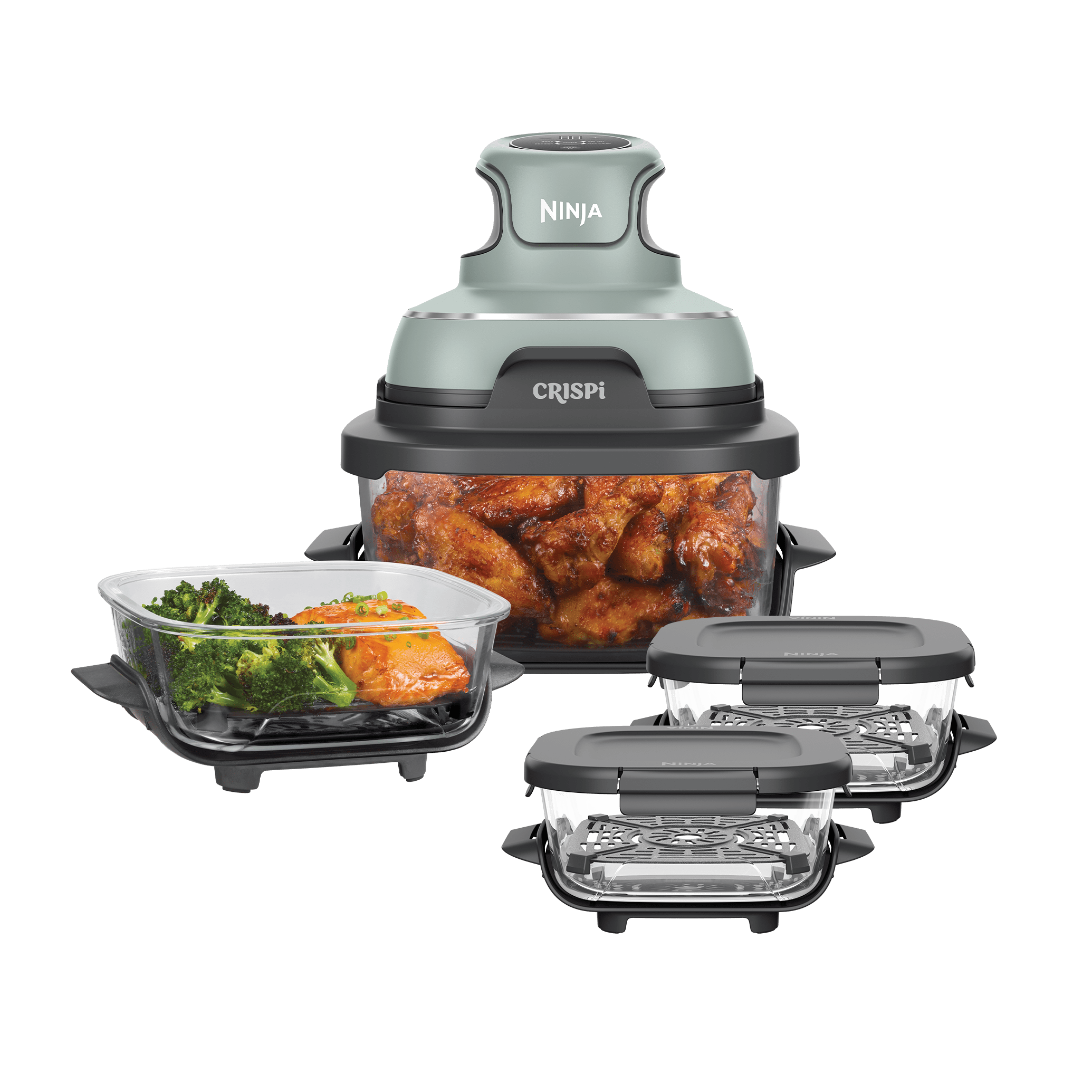
<aside data-article-category="all-rooms" data-block-layout="hero" data-block-type="featured-product" data-editorial-currency="GBP" data-editorial-price="189.99" data-hawk-json="{"product":{"variants":{"Default":{"image":{"copyright":"","height":2070,"id":"ECyF5xwUqxxE98CThDuNH4","mimeType":"image\/png","mos":"https:\/\/cdn.mos.cms.futurecdn.net\/ECyF5xwUqxxE98CThDuNH4.png","role":"","width":2070,"credit":"Ninja","alt":"Ninja Crispi 4-In-1 Portable Glass Air Fryer Meal Prep Set – Sage","caption":""},"strapline":"
If I were sending my kid of to university in this day and age, I'd skip the toastie maker and pack them of with this and a kettle. It is smaller enough that it can be kept in a drawer or a kitchen storage box (we all had one).","brand":"Ninja","name":"Ninja Crispi 4-In-1 Portable Glass Air Fryer Meal Prep Set – Sage","urlStyle":"","retailer":"","layout":"hero","linkText":"","noFollow":true,"noAffiliateTracking":false,"promoLabel":"","price":189.99,"salePrice":null,"currency":"GBP","linkLayout":"text","sponsored":false,"hawkProductNameMatchedCode":"","review":{"cons":[],"id":"","name":"","pros":[],"rating":0,"strapline":"","url":""},"id":"","externalId":"7d5f58af7733a1d75df2827ba313e32e682ae8c4","lastCheckedPriceDate":"","link":{"url":"https:\/\/www.awin1.com\/awclick.php?awinmid=8059&awinaffid=103504&clickref=hawk-custom-tracking&p=https%3A%2F%2Fwww.sharkninja.co.uk%2Fninja-crispi-4-in-1-portable-glass-air-fryer-meal-prep-set—sage%2FFN101UKSG214.html","merchantName":"SharkNinja UK","merchantId":13520,"merchantNetwork":"AW","merchantUrl":"sharkninja.co.uk"}}}}}” data-link=”https://www.awin1.com/awclick.php?awinmid=8059&awinaffid=103504&clickref=hawk-custom-tracking&p=https%3A%2F%2Fwww.sharkninja.co.uk%2Fninja-crispi-4-in-1-portable-glass-air-fryer-meal-prep-set—sage%2FFN101UKSG214.html” data-link-merchant=”SharkNinja UK” data-merchant-id=”13520″ data-merchant-name=”SharkNinja UK” data-merchant-network=”AW” data-merchant-url=”sharkninja.co.uk” data-model-brand=”Ninja” data-model-name=”Ninja Ninja Crispi 4-In-1 Portable Glass Air Fryer Meal Prep Set – Sage” data-name=”Product Block merchantlink widget” data-render-type=”fte” data-show-fallback=”button” data-widget-type=”merchantlink” class=”ecom-root”>
If I were sending my kid of to university in this day and age, I’d skip the toastie maker and pack them of with this and a kettle. It is smaller enough that it can be kept in a drawer or a kitchen storage box (we all had one).