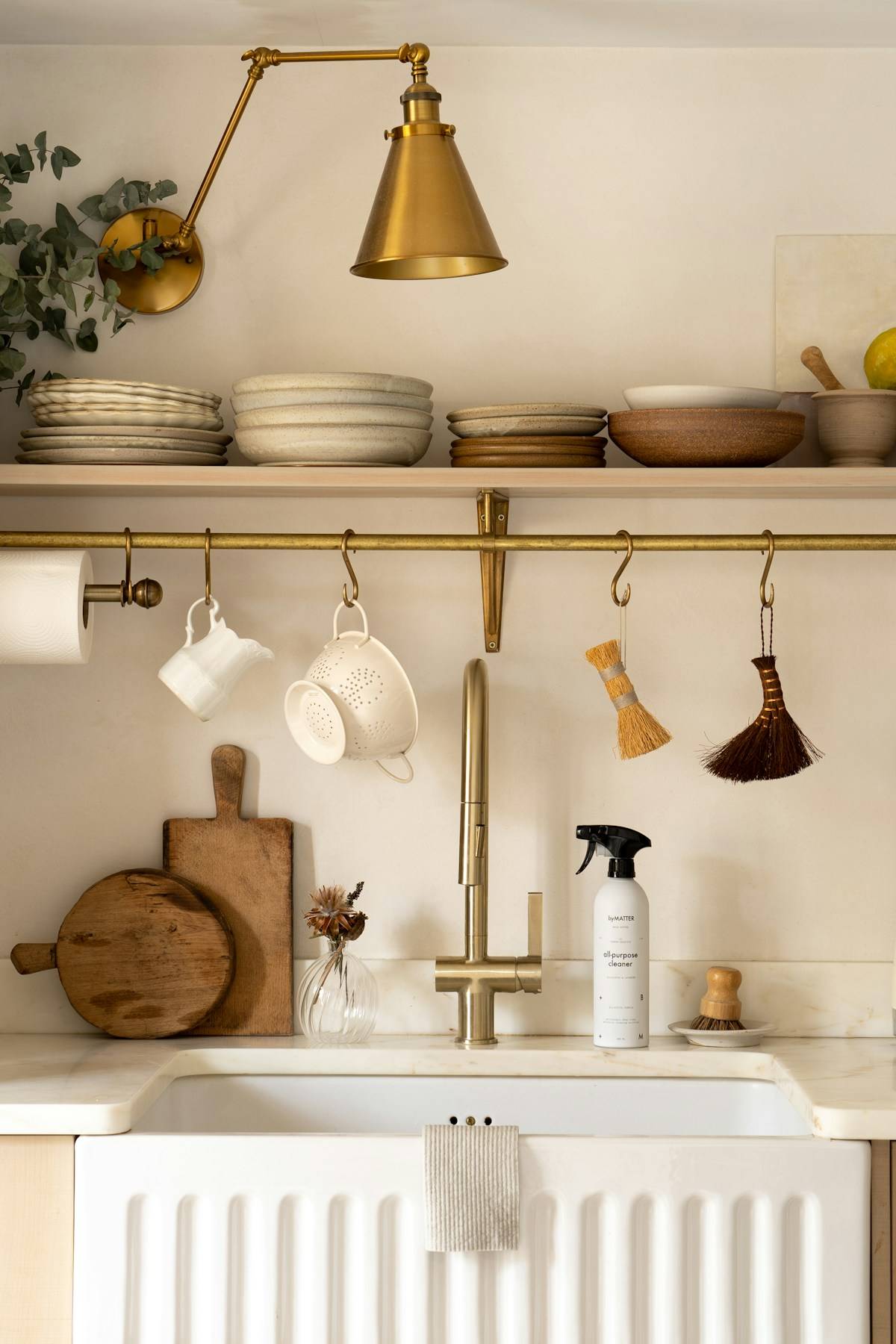
Ever looked at those pipes under your sink with anything more than irritation or neglect? Probably not, and that’s precisely why they deserve attention. Your home’s plumbing is truly the unsung hero of domestic infrastructure. That constant supply of clean water and efficient drainage is not a miracle; it’s the result of your pipes working correctly. But as much as we rely on them, we tend to forget that they need regular check-ups too.
The Perils of Ignored Plumbing
Credit: Deposit Photos
It’s a sad reality, but homeowners often perceive “plumbing problems” only when water starts gushing out where it shouldn’t. Neglecting your pipes is akin to waiting for a car to break down before considering an oil change. Water pipes endure pressure and erosion, gradually weakening over time. Small leaks can lead to significant structural damage, costly repairs, and, yes, even health hazards.
Don’t let a burst pipe be the wake-up call. Untended water damage can severely compromise your home’s foundation, leading to sagging floors and cracked walls, which ultimately diminish your home’s value. Mold growth is another silent threat when leaks are ignored. It’s more than unsightly—it’s a health risk that exacerbates allergies and respiratory issues.
Aside from the risks of severe water damage, ignoring plumbing problems often leads to unanticipated costs. These might start with small monthly increases on utility bills due to leaking pipes, but over time, these smaller sums accumulate into a hefty expense. Regular monitoring will let you catch anomalies early and potentially save on water bills.
Affecting Home Value
Damaged or leaky pipes can play a detrimental role when selling a home. Potential buyers may exercise caution if your house has a poor plumbing record, reducing offers or requesting considerable repairs before making a commitment. Thus, maintaining plumbing stands as a wise decision not just for your comfort, but your financial future as well.
Maintaining and addressing small issues in your plumbing system proactively can save you from significant trouble down the line. In a way, it’s much like regular maintenance on any other important aspect of a household, helping to ensure everything runs smoothly and efficiently. So jump right into engaging a professional plumbing solutions contractor like Nichols Mechanical.
Why Regular Check-Ups Matter
Getting a plumber to give your pipes a once-over every few years can extend their longevity and improve their function. Professionals identify issues that could remain hidden from the untrained eye, using specialized tools to check pipe health, identify leaks, and assess water pressure.
Maintenance is not just preventive care; it’s a pragmatic strategy. Much like a regular health check-up can thwart future medical emergencies, plumbing evaluations can save significant outlays down the track.
The Myths of Home Plumbing
Many homeowners operate under the illusion that “modern” plumbing systems are indestructible or fail-proof. A common myth is that once installed, these systems run forever without further attention. This couldn’t be further from the truth. Time affects everything, even the best-built plumbing systems. Rust forms, mineral sediments build up, and temperature fluctuations wreak havoc on your piping network over the years.
Another misconception lies in water heaters. They often operate behind closed doors, leading many to assume they require little maintenance. However, sediment build-up at the bottom can reduce the efficiency of heaters, unexpectedly increasing household costs. Regular draining and inspection will keep these appliances running smoothly.
A further misconception worth dispelling is the effectiveness of drain cleaning chemicals. Most believe that pouring such solutions down the drain will easily resolve all clogs. However, these aggressive substances can damage both pipes and joints, leading to future plumbing complications. Opt for mechanical solutions like drain snakes or plunger tools for safer results.
Additionally, some households overlook the importance of installing proper filtration systems. While municipal water treatment plants remove harmful bacteria, minerals can still be present in tap water, leading to build-up in your pipes over time. Implementing filtration solutions can not only enhance water quality but also prolong the lifespan of your plumbing infrastructure.
Some DIY Tips for Pipe Health
Credit: Deposit Photos
Are you someone who enjoys tackling household jobs yourself? There are proactive measures you can undertake to support your plumbing:
Insulate Pipes: During colder months, insulate pipes to guard against freezing. Burst pipes due to ice expansion are entirely preventable.
Avoid Chemical Drain Cleaners: Opt for enzyme-based products. Harsh chemicals can corrode pipes and worsen clogs over time.
Be Conscious of What You Flush: Toilets are not trash cans. Only human waste and toilet paper should be disposed of this way, or you risk unyielding blockages.
Monitor Water Pressure: Avoid sky-high water pressure, which can wear down fittings and lead to leaks. Install pressure regulators if necessary.
Moving Forward
Your home’s pipes do an impressive job day in and day out, and they deserve recognition and respect. Routine inspections shouldn’t be a dreaded chore but seen as an opportunity to enhance your home’s durability and safety. Taking a proactive approach to plumbing maintenance will not only spare you from costly repairs but also prolong the life of your precious property. It’s high time that pipes earn their place in your home health checklist — because when it comes to your plumbing, it’s not a question of if there will be an issue, but when.
Growing fruit at home has become more than a hobby in 2026 – it’s a practical, sustainable, and rewarding way for UK gardeners to enjoy fresh produce while making better use of outdoor space. From compact urban gardens to larger countryside plots, fruit-growing options are more accessible than ever.
But with so many choices available, a common question arises: should you plant raspberry plants, strawberry plants, or invest in fruit trees? This guide breaks down the benefits of each option, helping gardeners choose the right plants based on space, maintenance, yield, and long-term value.
Why Are Homegrown Fruit Plants So Popular in the UK Right Now?
Several trends have contributed to the growing popularity of fruit gardening:
Rising interest in sustainable living
Increasing food costs and supply concerns
Demand for chemical-free, fresh produce
Improved plant varieties suited to UK climates
Modern fruit plants are bred for better disease resistance, higher yields, and adaptability, making them suitable even for beginner gardeners.
What Makes Raspberry Plants Ideal for UK Gardens?
Raspberry plants are one of the easiest and most productive soft fruits to grow in the UK. They thrive in temperate climates and can deliver generous harvests year after year with minimal effort.
Why Are Raspberry Plants a Smart Choice?
Raspberry plants offer several advantages:
High yields from relatively small spaces
Perennial growth, producing fruit annually
Suitable for borders, raised beds, and containers
Available in summer-fruiting and autumn-fruiting varieties
Because they establish quickly, many gardeners see fruit within the first growing season.
Explore a wide range of high-quality raspberry plants suitable for UK gardens here:
Are Raspberry Plants Easy to Maintain?
Yes, raspberries are considered low-maintenance once established. Key care requirements include:
Well-drained soil with good sunlight
Annual pruning to encourage healthy growth
Simple support systems such as canes or wires
Autumn-fruiting raspberries are especially beginner-friendly, as they require only one annual prune.
Why Are Strawberry Plants Perfect for Small Gardens and Containers?
Strawberries remain one of the most popular soft fruits in the UK — and for good reason. They are compact, fast-growing, and ideal for gardeners with limited space.
What Are the Benefits of Strawberry Plants?
Strawberry plants are particularly versatile:
Suitable for pots, hanging baskets, grow bags, and borders
Fast to establish and fruit
Ideal for patios, balconies, and small gardens
Attractive plants with decorative foliage and flowers
They are also a great option for families, as children enjoy both growing and harvesting strawberries.
You can find a selection of healthy, productive strawberry plants here:
How Long Do Strawberry Plants Produce Fruit?
Most strawberry plants produce fruit for 3–4 years before yields decline. However, many gardeners renew plants regularly to maintain strong harvests.
There are different types to consider:
June-bearing strawberries – large crops over a short period
Everbearing strawberries – smaller harvests throughout the season
Perpetual varieties – ideal for continuous picking
This flexibility makes strawberries a reliable choice for gardeners who want quick results.
Are Fruit Trees Still Worth Planting in 2026?
Fruit trees are a long-term investment, but they remain one of the most rewarding additions to a garden. With modern dwarf and semi-dwarf rootstocks, fruit trees are now suitable for gardens of all sizes.
Why Choose Fruit Trees?
Fruit trees offer benefits that soft fruit plants cannot:
Long lifespan with decades of harvests
High yields once mature
Increased property and garden value
Strong visual impact and seasonal interest
Apples, pears, plums, cherries, and peaches all grow well in the UK when matched to the right conditions.
Browse a range of premium fruit trees suitable for UK climates here:
How Much Space Do Fruit Trees Need?
Thanks to modern growing techniques, space is no longer a limiting factor when it comes to fruit trees.
Options include:
Dwarf trees for small gardens and containers
Espalier or cordon trees for walls and fences
Traditional orchard trees for larger plots
Choosing the right rootstock ensures manageable growth without sacrificing yield.
Raspberry Plants vs Strawberry Plants vs Fruit Trees: Which Is Best?
Each option serves a different purpose depending on your goals.
Feature
Raspberry Plants
Strawberry Plants
Fruit Trees
Space required
Medium
Low
Medium–High
Time to harvest
Fast
Very fast
Slower
Lifespan
10+ years
3–4 years
20–50+ years
Maintenance
Low
Low
Moderate
Yield potential
High
Medium
Very high
Choose Raspberry Plants If:
You want consistent annual harvests
You have moderate space
You prefer low-effort perennial fruit
Choose Strawberry Plants If:
You garden in containers or small spaces
You want fast results
You enjoy frequent picking
Choose Fruit Trees If:
You want long-term value
You have space or vertical growing options
You want larger quantities of fruit over time
Many UK gardeners choose a combination of all three for a balanced and productive garden.
How Do Fruit Plants Support Sustainable Gardening?
Growing fruit at home contributes to sustainability by:
Reducing food miles
Cutting packaging waste
Supporting pollinators
Encouraging seasonal eating
Fruit plants also improve soil health and biodiversity, making them a valuable addition to eco-conscious gardens.
What Should You Consider Before Planting Fruit Plants?
Before choosing your plants, consider:
Sunlight availability
Soil quality and drainage
Space for mature growth
Pollination requirements
Ongoing maintenance commitment
Selecting plants suited to your environment is key to long-term success.
Final Thoughts
In 2026, growing fruit at home is both practical and rewarding. Raspberry plants offer dependable harvests with minimal effort, strawberry plants deliver quick results in even the smallest spaces, and fruit trees provide decades of abundance and structure.
Rather than choosing just one, combining these options allows gardeners to enjoy fresh fruit across multiple seasons while creating a diverse, resilient garden.
With the right selection and care, fruit plants remain one of the most valuable investments any UK garden can make.
When it comes to investment, one of the best options for your money is through property. Even as an expat, a buy to let (BTL) can be a smart move as it offerings long-term potential due to the high rental demand and property value growth.
However, it’s a complex process that requires specialist mortgages and careful tax planning. There are navigation to be made within currencies and lenders, so if you’re looking to buy a property then here’s why it’s still appealing and the key challenges that come with it.
Why are BTLs appealing for expats?
Credit: P.Cartwright / Shutterstock
There’s a significant shortage of housing and as such, that means a strong tenant demand and rising rental incomes as a result. This is often outpacing house price growth in key areas, which makes it appealing for expats to explore BTL opportunities.
Buy-to-lets are a long-term asset and UK property remains a stable asset class that has potential for capital appreciation. It also serves as a hedge against inflation and a foundation for retirement too.
Despite there being some challenges, the underlying fundamentals of UK property, remain strong and stable.
The key challenges for expats of buy-to-lets
Are there key challenges for expats of buy-to-lets? Here are some of the challenges that come with BTLs.
Specialist mortgages
Lenders will often scrutinize overseas income and require higher deposits as a result for buying property from overseas. Typically around 25% of 40% of the value of the property, will be required as a deposit. More paperwork will likely result from buying as an expat, making a specialist broker an essential investment to have.
Currency risk
There are fluctuations in exchange rates that can significantly impact deposit costs and mortgage repayments. It’s important to note though that rate-fixing options are available too.
Taxation
There are changes in tax rules, like mortgage interest relief, which have made owning property less attractive.
This can often push expats towards buying through a limited company instead but this adds to the complexity of buying a BTL.
How to make it work as an expat
Credit: I Wei Huang/Shutterstock
If you’re an expat and you’re looking to make a smart move with BTL property, then here are some ways on how to make it work.
Firstly, get professional advice. Specialist expat buy to let mortgages require the right mortgage broker. It’s also good to have an international tax advisor are crucial for navigating the complexities of the process.
For larger portfolios, having a limited company structure can offer plenty of tax advantages. Location is important so focus on high-demand areas where affordability issues for UK residents will create long-term investment opportunities for expat investors.
Long-term strategies are important to consider. BTL for expats are best viewed as a long-term investment for capital growth and income.
UK BTLs aren’t guaranteed wins, but they still remain a smart and viable option for profitable investments. You’ll want to prepare for the complexities, seek expert guidance and align the investments in question to ensure long-term financial goals are met.
Fire safety isn’t just about detection – it’s also about containment and safe evacuation. In modern UK buildings, systems such as internal fire doors, door guards, and alarms play a crucial role in slowing the spread of fire and smoke while giving occupants time to escape.
This article explains how these elements function together and why they remain essential in 2026.
Why Are Internal Fire Doors So Important?
Fire doors are designed to compartmentalise buildings, preventing fire and smoke from spreading rapidly.
What Are FD30 and FD60 Fire Doors?
FD30 fire doors provide 30 minutes of fire resistance
FD60 fire doors provide 60 minutes of fire resistance
These doors are tested to withstand heat and flames while maintaining structural integrity.
Fire doors are commonly required in apartment buildings, blocks of flats and new homes. They are especially important along escape routes and between high-risk areas.
What Are Door Guards and Why Are They Used?
A common issue in many buildings is fire doors being wedged open, which undermines their effectiveness. Door guards solve this problem by holding doors open safely.
How Do Door Guards Improve Safety?
Door guards:
Keep fire doors open for accessibility
Automatically release doors when an alarm sounds
Improve airflow and ease of movement
Support fire safety compliance
Discover door guards designed for fire doors here:
Are Door Guards Suitable for All Buildings?
Door guards are widely used in commercial and public buildngs. They provide a balance between everyday usability and emergency safety.
How Do Smoke Alarms Support Fire Doors and Door Guards?
Smoke alarms act as the trigger point for many fire protection systems. When smoke is detected, alarms alert occupants and activate safety mechanisms.
Why Are Interlinked Smoke Alarms Effective?
Alerts are triggered throughout the building
Door guards release fire doors automatically
Occupants receive early warning
Mains-powered smoke alarms are commonly used in larger properties for consistent coverage:
How Does This Integrated Approach Improve Evacuation?
When combined:
Smoke alarms detect danger early
Door guards release doors immediately
Fire doors slow fire and smoke spread
This layered approach gives occupants more time to evacuate safely and reduces damage.
What Are the Legal Responsibilities for Fire Doors and Alarms?
Under UK fire safety legislation, responsible persons must:
Ensure fire doors are properly installed and maintained
Prevent fire doors from being wedged open
Maintain compliant alarm systems
Failure to do so can result in enforcement action and increased risk.
What Should Building Managers Review in 2026?
Key review points include:
Fire door condition and certification
Correct placement of door guards
Alarm coverage and interlinking
Regular testing and inspections
Proactive management is essential for compliance and safety.
Final Thoughts: Why Integrated Fire Protection Matters
In 2026, effective fire safety depends on systems working together, not in isolation. Internal fire doors contain fires, door guards ensure doors are used correctly, and smoke alarms provide the early warning needed to protect lives.
For UK buildings, this integrated approach delivers safer environments, improved compliance, and greater peace of mind.
Are you ready for a sparkling clean home but want to avoid harsh cleaners?
Skip the chemicals and go the natural route. Cleaning product alternatives have been around for ages, often created with just a few staple kitchen ingredients. They are a great way to avoid harsh (and at times dangerous) irritants like chlorine bleach, ammonia, and synthetic fragrances.
These chemicals disinfect, but they also tend release gases and particles that can get into your lungs and the environment.
.tasty-pins-banner-container{display:block;margin-bottom:20px;position:relative;width:-moz-fit-content;width:fit-content}.tasty-pins-banner-container a{cursor:pointer;display:flex;font-size:14px;font-weight:700;letter-spacing:1px;line-height:1.8em;text-transform:uppercase}.tasty-pins-banner-container a:hover{opacity:1}.tasty-pins-banner-container .tasty-pins-banner{align-items:center;bottom:0;cursor:pointer;display:flex;justify-content:center;left:0;padding-bottom:1em;padding-top:1em;position:absolute;right:0}.tasty-pins-banner-container .tasty-pins-banner svg{margin-right:4px;width:32px}.tasty-pins-banner-container .tasty-pins-banner span{margin-top:4px}.tasty-pins-banner-container a.tasty-pins-banner{text-decoration:none}.tasty-pins-banner-container a.tasty-pins-banner:hover{opacity:.8}.tasty-pins-banner-container a.tasty-pins-banner-image-link{flex-direction:column}.tasty-pins-banner-container a img{margin-bottom:0}.entry-content .wp-block-image .tasty-pins-banner-container img{margin-bottom:0;padding-bottom:0}#et-boc .et-l div .et_pb_image_wrap .tasty-pins-banner-container .tasty-pins-banner{padding-bottom:1em!important;padding-top:1em;text-decoration:none}#et-boc .et-l div .et_pb_image_wrap .tasty-pins-banner-container a.tasty-pins-banner{cursor:pointer;display:flex;font-size:14px;font-weight:700;line-height:1.8em;text-transform:uppercase}#et-boc .et-l div .et_pb_image_wrap .tasty-pins-banner-container a.tasty-pins-banner span{letter-spacing:2px;margin-top:4px}.et-db #et-boc .et-l .et_pb_module .tasty-pins-banner-container a:not(.wc-forward){padding-bottom:0}Photo by Good Soul Shop
Over time, these chemicals can damage surfaces, affect indoor air quality, and even make you sick. Homemade cleaning products are safer and affordable.
Most of the items you’ll need to create your natural cleaning concoctions are right in your pantry, like baking soda, vinegar, and essential oils. And you can create natural cleaning products to tackle dirt, grease, and grime effectively and safely.
Plus, you can customize to your liking based on scent, strength, and purpose.
Find Your Homemade Cleaner
Keep Your House Spotless and the Family Safe
From pets to kids, everyone benefits from natural cleaning products. Commercial cleaners can trigger allergies, asthma, and sensitive skin.
If you have pets, many cleansers have toxic chemicals that can harm them if accidentally ingested. These chemicals can even be absorbed through their paws.
Little ones are especially vulnerable if they are crawling and playing on floors freshly cleaned with harsh chemicals.
Benefits of Homemade Cleaners
Non-Toxic: Generally a safer option if you have kids, pets, or allergy-prone family members
Eco-Friendly: Reduces plastic waste and chemical runoff
Budget-Friendly: Most recipes cost pennies per use and last longer
Customizable: Option to add your favorite scents and adjust ingredients depending on use
Multi-Purpose: One cleaner can work with multiple surfaces
Staple Ingredients for Natural Cleaning Goodness
Our list of homemade cleaners includes a few staple ingredients; all you need to do is check your pantry!
Baking Soda: Gentle yet abrasive, use this to scrub away stains and deodorize.
Borax: A natural mineral that boosts cleaning power and works great with laundry.
Castile Soap: A plant-based soap that has multiple uses, like all-purpose cleaning.
White Vinegar: Used in many cleaning recipes, it cuts through grease, dissolves minerals, and neutralizes smells.
Essential Oils: Offers fragrance to your cleaning solution (tea tree, lavender, and citrus) and is known to have antibacterial properties.
Olive Oil: Perfect for polishing wood furniture.
Hydrogen Peroxide: Naturally disinfects – great for cleaning bathrooms and kitchens.
Citrus (Lemon Juice): Brightens surfaces and helps remove stains, and leaves a pleasant clean scent behind.
Now that you’ve gathered your essentials, it’s time to put them to work. Let the mixing magic begin with these simple homemade cleaning recipes.
DIY All-Purpose Cleaner
A quick go-to for your countertops, tiles, and chrome fixtures.
Ingredients:
2 cups of warm water
1 cup of white vinegar
1 teaspoon castile soap
10 drops of your favorite essential oil (we like lavender or tea tree)
Directions:
Pour all your ingredients into a spray bottle.
Shake well before each use.
Spray on surfaces and then wipe with a soft cloth. For stainless steel, we recommend following the direction of the grain.
Natural Bathroom Scrub
Say goodbye to mold and soap scum!
Ingredients:
½ cup baking soda
2 tablespoons washing soda
1 tablespoon castile soap
A few drops of tea tree oil
Directions:
Mix all dry ingredients in a bowl.
Add castile soap and essential oil to form a paste.
Once paste is formed, apply it to tiles, grout, and basins with a brush.
Scrub and rinse with hot water.
If you’re dealing with stubborn grout stains, sprinkle some extra baking soda and scrub with an old toothbrush.
Homemade Toilet Bowl Cleaner
Skip chlorine bleach and try this natural fix.
Ingredients:
½ cup of baking soda
½ cup of white vinegar
10 drops of tea tree oil
Directions:
Sprinkle baking soda into the bowl.
Pour vinegar over it and let it fizz for 10 minutes.
Scrub with a toilet brush and flush.
Add a few drops of tea tree oil for a clean scent.
Furniture Polish
Keep wood surfaces shiny without harsh chemicals and fragrances.
Ingredients:
½ cup of olive oil
¼ cup of lemon juice
5 drops of essential oil (optional)
Directions:
Combine ingredients in a mason jar or spray bottle.
Dip a soft cloth into the mixture (or spray onto the cloth) and rub along the grain.
Buff with the dry cloth for a natural shine and add essential oil of choice for a natural scent.
Laundry Detergent Alternative
Commercial detergents can still be effective without scary chemicals.
Ingredients:
1 cup of washing soda
1 cup of borax
1 bar grated castile soap
Optional: a few drops of essential oil
Directions:
Mix all ingredients and store in an airtight container.
Use 2 tablespoons per load.
Glass & Mirror Cleaner
Get a beautiful streak-free shine with just three ingredients.
Ingredients:
1 cup of water
1 cup of white vinegar
1 tablespoon rubbing alcohol
Directions:
Combine ingredients in a spray bottle.
Spray and wipe with a lint-free cloth or newspaper.
Drain Deodorizer
Smelly drain? Here’s a recipe to keep it fresh.
Ingredients:
½ cup of baking soda
½ cup of vinegar
Boiling water
Directions:
Pour baking soda down your drain.
Add vinegar and let it fizz for 10 minutes.
Flush with boiling water.
Optional: Add in a few drops of essential oil
Stainless Steel Polish
An easy way to restore shine to appliances.
Ingredients:
1 tablespoon olive oil
Soft cloth
Directions:
Apply oil to the cloth.
Buff with a dry cloth.
Carpet & Upholstery Freshener
Neutralize odors from heavy foot traffic, pets, and more.
Ingredients:
1 cup baking soda
10 drops essential oil (lemon or eucalyptus)
Directions:
Mix and sprinkle over the carpet.
Let it sit for 15 minutes, then vacuum.
Natural Disinfectant Spray
A money-saving solution for doorknobs and light switches.
Ingredients:
1 cup of water
½ cup of hydrogen peroxide
10 drops of tea tree oil
Directions:
Combine in a spray bottle.
Spray and let air dry—no need to rinse.
Oven Cleaner
Some of the harshest fumes come from oven cleaners. Try this effective alternative:
Ingredients:
½ cup of baking soda
3 tablespoons of salt
Warm water (enough to make a paste)
Directions:
Spread paste inside the oven.
Let sit overnight.
Scrub with a damp sponge and rinse.
Degreaser for Kitchen Surfaces
Stubbon grease is no match for this natural recipe.
Ingredients:
Peels from 2–3 lemons or oranges
2 cups white vinegar
1 cup of water
10 drops lemon essential oil (optional)
Directions:
Place citrus peels in a jar and cover with vinegar.
Let sit for 1–2 weeks, then strain.
Mix vinegar blend with water in a spray bottle.
Homemade Floor Cleaner for Hardwood
Keep your hardwood floors clean without damaging the finish.
Ingredients:
• 4 cups of warm water
• ½ cup of white vinegar
• 2 tablespoons olive oil
• 10 drops of lemon essential oil
Directions:
1. Mix ingredients in a bucket.
2. Mop floors with a damp (not soaking) mop.
Keep Your Home Sparkling with These Tips for Success
Shake Well: Natural ingredients tend to separate, so make sure to give them a good shake.
Test First: Always test your mixture in a small area before applying to delicate surfaces.
Label Bottles: Write the recipe and date on each spray bottle for freshness.
Store Safely: Even natural ingredients can cause irrritation to kids and pets, so be sure to keep out of their reach.
Switching to homemade cleaners saves money and keeps your home environment healthy. As you reduce exposure to harsh chemicals, you also minimize environmental impact. So enjoy the peace of mind that comes from knowing your home is clean and so are your cleaning products.