It’s no secret that weather has been unpredictable lately — just ask the massive cold snap and blizzard that recently froze basically the entire United States before thawing out into relatively mild temperatures. As winter weather gets more extreme, it’s important to know what to wear to stay warm. Luckily for you, I just returned from an Antarctica expedition. Now I’m packed full of tips and advice (with the help of the ship’s excellent expedition crew) for braving the coldest chills on the planet. Here’s what you need to know about keeping warm in freezing temperatures.
For more content like this follow
According to Aaron Lawton, Viking’s Expedition Operations Manager, a great base layer is the most critical part of your cold-weather clothing setup. You’ll want to cover your top, bottom, and extremities.
“Merino wool is a wonderful base and provides excellent thermal properties as well as moisture-wicking capabilities,” Lawton says. “A warm pair of socks, something similar to a ski sock, is a great addition to the base layer.”
While I was in Antarctica, my base layer was a pair of leggings and a thin but warm long-sleeved shirt. I preferred a base layer on the thinner side so I wouldn’t feel too stiff with everything else on over it — a tactic that works well no matter where in the world you are.
Choose the Right Insulating Layer
Above your base layer, you should have an insulating layer. It keeps you warmer while also keeping out any moisture that might try to seep into your clothing, which will just make you freeze. Ideally, you’ll have both a top and bottom insulating layer. Lawton suggests using fleece pants and a wool or fleece top.
Use an Appropriate Outer Layer
On Viking expeditions, they provide guests with rain pants, neoprene rubber boots, and a two-piece expedition jacket to take home with an inner puffer layer and an outer wind- and waterproof shell. (It’s legitimately the warmest jacket I’ve ever owned, making me sweat even through the cold Chicago wind.) These layers provide insulation from whatever volatile weather systems might throw your way — and they’re vital for keeping you warm, dry, and cozy. Helly Hansen is one of the best brands for your outer layers. Plus, it’s pretty stylish.
If you’ve heard this advice a lot, it’s because it’s true. You lose heat through your extremities: your hands, feet, and head. And if they’re cold, you’re probably chilly no matter what you’re wearing.
“A wool hat [or] beanie is a great way to protect your head and a pair of warm gloves or mitts, preferably waterproof, will also be a great addition to the ideal outfit,” Lawton says. “And good socks. Don’t skimp on the socks as happy feet are important to having a happy day.”
Know When to Go Waterproof
The moment I realized I’d brought the wrong gloves to Antarctica was a wet and chilly one. I was wearing an adorable pair of pink-striped gloves — but they were fabric and thin.
A wave splashed up the side of our Zodiac (an inflatable boat) and hit me from the chest down, soaking my gloves completely. For the rest of the day, I had to keep my hands stuffed in my pockets. The weather was bad and if I took them out, my fingers would freeze instantly. So take it from me (and Lawton), and make sure you’ve got waterproof outer layers on days that could be wet.
“Cotton isn’t a good idea when out in the elements as it doesn’t insulate very well, especially when wet,” Lawson and my stylish gloves say. “Being dressed to accommodate … weather changes means the difference between enjoying the changing weather and feeling uncomfortable as a result of the changing weather. A bit of salt spray on your face while in the Zodiac makes you feel alive, as long as it stays on the outside of your clothing.”
Jennifer Prince’s work is featured on several national travel sites, such as Travel + Leisure, National Geographic, AFAR, Lonely Planet, and Conde Nast Traveler. She thrives on off-the-beaten-path itineraries and is passionate about finding microstories to bring destinations to life. Jennifer currently lives in Virginia with her husband, and other than travel and writing, she enjoys ’80s music, vintage things, fostering kittens, time with her family, and dreaming about her next Airbnb venture.
Lubricating your garage door and cleaning windows are easy chores to tackle during downtime when you’re home for the holidays. (knowlesgallery, Getty Images/Manuel-F-O, Getty Images)
In this special Ask Danny podcast, Danny talks about some simple home maintenance tasks to do during the downtime of the holidays.
Lubricating your garage door is a great way to help it run smoothly and reduce noise. (knowlesgallery, Getty Images)
Lubricate Door Hinges
An easy chore to tackle while you’re home for the holidays is silencing squeaky doors.
With just a few simple steps, you can easily lubricate your door hinges and keep them running smoothly!
To lubricate door hinges, you’ll need some lubricant like WD-40. Use graphite lubricant on exterior hinges, like fence gates.
Start by opening the door and spraying the lubricant onto the hinges. Next, close the door and use a clean rag to wipe away any excess lubricant. Finally, open and close the door a couple of times to make sure the hinges are properly lubricated.
Don’t forget about your garage door! Lubricating a garage door with lithium grease is a great way to help it run smoothly and reduce noise.
To start, you’ll want to make sure the garage door is completely clean and free of dust and debris.
Once the garage door is clean, you can apply a thin layer of lithium grease to any metal-on-metal contact points on the door.
Make sure to avoid any plastic or rubber parts, as the lithium grease could damage them.
After you’ve applied the grease, you can test the door to make sure it’s working properly.
Gutter downspouts should carry water at least 10 feet away from the home. (ziggy1, Getty Images Pro)
Direct Drainage Away from Your Home
Proper home drainage is incredibly important for keeping your home safe and preventing damage to the structure.
Poorly drained homes can suffer from issues such as foundation damage, cracked walls, and mold or mildew growth. Additionally, poor drainage can lead to flooding, which can be both costly and dangerous.
Depending on your situation, there are a few options you could consider for directing drainage away from your home.
If you have rain gutters installed, simply direct the downspouts away from your home.
Another option is installing a French drain, which is a gravel-filled trench with a pipe that diverts water away from the area.
You could also install a sump pump, which pumps the water away from the area.
If you’re looking for a more natural solution, you could consider planting vegetation that can absorb water and direct it away from your home.
A great way to get started on organizing your garage is to divide the space into sections and designate a purpose for each. (3 Echoes Content Studio)
Organize Your Garage
Organizing your garage can save you time and energy in the long run, so it’s worth making the effort to do it when you’re home for the holidays.
It can help you to find items more quickly, as you’ll know exactly where everything is located. It can also free up more space for storage, making it easier to store items that need to be kept out of the way.
Furthermore, it can help to protect valuables from the elements and make your garage look more presentable.
Cleaning windows with microfiber cloths is a great way to get a streak-free shine. (Manuel-F-O, Getty Images)
Clean Windows and Doors
Cleaning house windows is a relatively straightforward task that can make a big difference in the overall appearance of your home. Here are some tips to help you get started:
Start by using a soft cloth to wipe away any dirt and dust that has accumulated on the windows.
Once the windows are free of dust, use a mild cleaning solution (diluted dish soap, a store-bought cleaner or a combination of white vinegar and water) to clean the glass. Don’t forget to clean the tracks too!
Use a squeegee or a soft cloth to wipe the windows clean. Start from the top and work your way down in overlapping strokes.
For extra sparkle, finish by wiping the windows with a cloth dampened with distilled white vinegar.
Draining some of the water out of your hot water heater annually removes sediment that settles in the bottom of the tank. (C5Media, Getty Images Pro)
Drain Water Heater
Draining your water heater can make your water heater more efficient and extend its life by draining the tank and flushing away sediment at least once a year.
A perfect time to do it is after all your guests have left your home for after the holidays.
Here’s all you have to do.
For electric heaters, turn off the power at the breaker box. For gas units, turn the fuel control to the off setting.
Next, turn off the cold water inlet valve, and attach a garden hose to the outlet valve at the bottom of the tank. When you open the outlet valve, be careful; it is hot water, after all.
To get the water flowing, you also have to flip the pressure relief valve near the top of the tank to break the vacuum inside.
Once the hot water drains, open the cold water valve to flush out the tank, and then simply reverse the process to restore normal operation.
Sarah writes about all things shopping for Apartment Therapy, The Kitchn, and Cubby helping you find the best deals and the best products for you and your home. A Brooklyn-born Jersey Girl, she loves a good playlist, a good bagel, and her family (but not necessarily in that order).
We independently select these products—if you buy from one of our links, we may earn a commission. All prices were accurate at the time of publishing.
During the long, balmy dog days of summer, the list of activities to do seems endless. You can garden! You can go for a picnic in the park! You can bike all around town! But when the sun starts setting what feels like one hour after waking up, “wind chill” starts to play a big role in conversation, and my hands are perpetually cold, that list of things to do can feel a lot shorter.
For more content like this follow
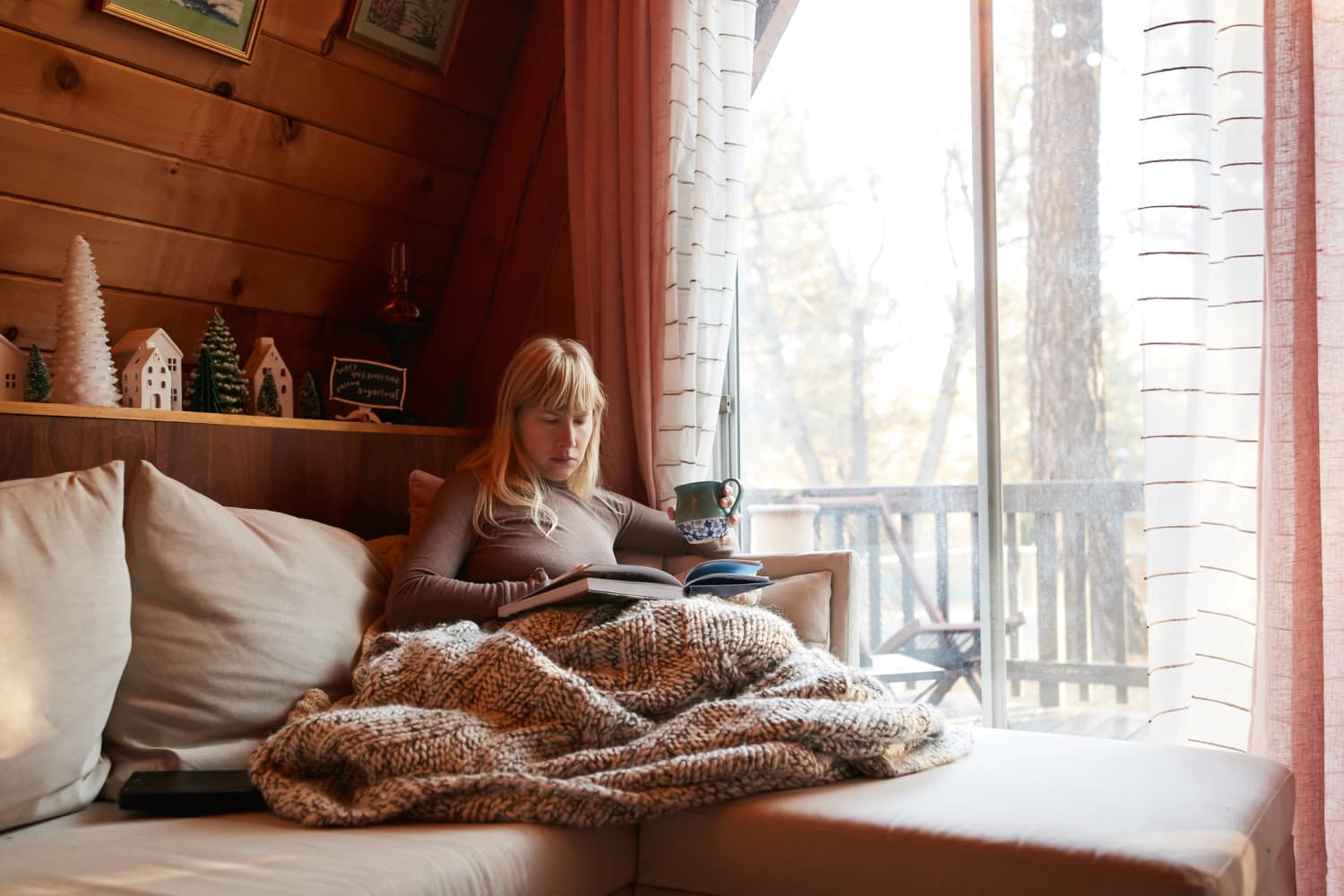
The truth is, drastically distinct seasons are one of the reasons I love living on the East Coast. Summer is the season for soaking up the sun and socializing, while winter is the season for baking and hibernating. And now that December is here, I can’t wait to return to one of my favorite ways to spend a winter day: a read-a-thon. The concept has trended on TikTok for some time, and involves getting as cozy as possible, gathering your TBR pile, and reading to your heart’s content.
Reading may not seem like a groundbreaking way to spend time, but an all-day reading session turns the activity into a luxurious exercise in hygge. When I set aside a leisurely afternoon for reading, I brew a pot of my favorite Trader Joe’s maple espresso tea, make a snack, light my cinnamon and clove candle, put on my softest sweatpants, and prepare to pore over my newest library book or the novel that’s been haunting my nightstand for the past few weeks. Intentionally creating a relaxing, comfortable environment helps the experience feel like a little treat.
I love a winter reading day for a few reasons. For one, it’s a completely free activity, which is particularly nice around gift-giving season when I’d rather save some money to splurge on gifts for loved ones. While the warmer months are flush with gratis entertainment, from lawn concerts to beach days, it can be trickier to find those free moments in the winter. But a read-a-thon uses things you already have right at home — books, blankets, and anything that makes you feel cozy.
It’s also satisfying because it gives you permission to do just one thing. While my reading is often squished into the few minutes before I put down my phone and fall asleep, dedicating a long time to the practice lets me forget about everything else and focus on the book at hand.
It reminds me of the days I would stay home sick from school when I was young, secretly thrilled at the permission slip to do nothing but eat popsicles and watch movies all day. In a time where multitasking is a hard habit to kick and attention spans are running short, doing one slow thing I love for hours on end is surprisingly delightful.
And when the snow starts falling outside the window? It makes this reading ritual all the more cozy.