Most homeowners only notice a pigeon problem once it’s already expensive. A gutter stops draining properly, a roof tile turns out to be cracked from years of nest debris, or a solar installer mentions, almost in passing, that output has dropped more than it should have. Pigeons are so familiar a sight in British towns that it’s easy to underestimate what they’re actually doing to a building while nobody’s looking.
The UK is home to an estimated 18 million pigeons, and feral pigeons in particular have adapted to nest on exactly the ledges, eaves, and flat surfaces that modern roofs and solar arrays provide. Anyone researching pest control Bromley households actually book tends to find pigeons, not wasps or rodents, are the most common reason for a first call about birds specifically. This piece looks at what the damage really involves, what’s legally allowed when dealing with it, and how proofing should be done properly rather than as an afterthought.
Table of Contents
A Problem Most Homeowners Only Notice After It’s Expensive
Pigeons favour flat or gently sloped surfaces with a bit of shelter nearby, which describes most British roofs, porches, and increasingly, the underside of solar panels. A single pair can produce several broods a year, and once a ledge or gap proves usable, successive generations tend to return to the same spot.
The issue rarely announces itself immediately. Droppings accumulate quietly, nesting material builds up in gutters and valleys, and by the time a blockage or a leak shows up, the underlying cause has usually been active for a season or more. Nottingham City Council received more than 300 complaints in 2022 about blocked gutters, damaged tiles, and leaking roofs, almost entirely linked to homes that had fitted solar panels without any pigeon proofing beforehand.
What Pigeons Actually Do to a Roof and Gutters
The mechanics of the damage are fairly straightforward once you know what to look for. Nesting material, twigs, feathers, and debris collects in gutters and downpipes, which blocks proper drainage and can eventually cause water to back up under roof tiles. Pigeons also dislodge loose tiles while building nests, and will sometimes peck at already-damaged tiles to widen a gap into a loft space.
Droppings cause a separate kind of problem. They’re corrosive enough over time to degrade roofing materials, render, and paintwork, and a heavy accumulation left unaddressed becomes genuinely difficult and unpleasant to clear safely without the right equipment.
The Solar Panel Problem Nobody Mentions at Installation
This is where the numbers get more striking than most people expect. The gap between a solar panel and the roof, typically around 10 to 15 centimetres, is close to an ideal nesting cavity: sheltered, slightly warm, and largely undisturbed.
Research from the Vellore Institute of Technology found that just 10 grams of bird droppings on a panel reduced its efficiency by 31.25 percent, and 50 grams cut output by 86.53 percent. Separately, the effect has been estimated to reduce panel efficiency by up to 30 percent over a system’s lifetime if left unmanaged. There’s a fire risk element too: droppings and debris under a panel can raise electrical resistance and create hotspots capable of damaging electrical components, while pigeons occasionally peck at wiring directly.
The cost comparison makes the timing argument fairly clearly. Proofing at installation typically costs around £25 per panel, so a modest 5-panel system runs to roughly £125. Adding protection later usually means paying for scaffolding again, which can add hundreds or even thousands of pounds to what would otherwise have been a minor addition to the original job.
Are Pigeons Protected, and What Can Homeowners Actually Do
This is one of the more commonly misunderstood parts of the problem. Feral pigeons are not legally classed as vermin, and under the Wildlife and Countryside Act 1981, all wild birds in the UK, pigeons included, are protected. It’s an offence to kill, injure, or take a wild bird, or to damage or destroy a nest that’s in use or being built, without a licence covering that specific action.
Where control is genuinely necessary for public health or safety reasons, it’s permitted under a general licence issued by Natural England. The current framework is set out in GL41, the general licence covering certain wild bird species for public health and safety, which sets out the conditions under which lethal control can legally take place. In practice, almost no residential situation needs to go anywhere near that point. Proofing, spikes, netting, and mesh barriers that simply prevent birds from landing or nesting in the first place, is the standard, humane, and legally straightforward route, and it’s the method the Animal Welfare Act 2006 effectively steers homeowners toward by making any less careful approach considerably riskier to get wrong.
Getting Proofing Right the First Time
Not all proofing methods suit every part of a building, and choosing the wrong one for the location is a common reason problems come back within a year or two.
Bird spikes work well on narrow ledges, gutters, and roof edges, discouraging landing without harming the bird.
Netting suits larger open areas such as courtyards, roof voids, and gable ends where multiple birds are roosting.
Solar panel mesh is purpose-built to seal the gap beneath panels while still allowing airflow, which matters for panel cooling and performance.
Professional installation tends to outlast DIY attempts considerably, since gaps left around the edge of a poorly fitted mesh are exactly what a determined pigeon will exploit first.
Firms such as Clearzone Pest Control, which handle bird management solutions including spikes, netting, and solar panel proofing, generally assess the specific site before recommending a method rather than applying the same fix everywhere. That site-specific approach is worth asking about directly when getting quotes, since a one-size answer over the phone is a reasonable sign to look elsewhere.
Frequently Asked Questions
Is it illegal to remove an active pigeon nest myself? Yes, generally. Nests that are in use or being built are protected under the Wildlife and Countryside Act 1981, and removing one without a licence covering that action can be an offence. Proofing to prevent nesting in the first place avoids this issue entirely.
Do bird spikes actually harm pigeons? No, properly installed spikes are designed to make a surface uncomfortable to land on, not to injure birds. They’re widely considered one of the more humane and low-maintenance proofing methods available.
Can solar panel bird proofing be added after panels are already installed? Yes, though it typically costs more than fitting it at installation, mainly because scaffolding or roof access needs arranging again. It’s still worth doing if droppings or nesting are already causing efficiency loss or drainage problems.
How quickly does pigeon nesting usually cause a noticeable problem? It varies, but gutter blockages and early solar efficiency loss can show up within a single breeding season, often before any visible roof damage becomes obvious from ground level.
Pigeons aren’t going anywhere, and given how adaptable they are to modern roof lines and solar installations, the realistic goal isn’t eliminating them from the area but making a particular roof considerably less appealing to nest on. Getting proofing right once, ideally at the same time as any roofing or solar work, tends to be far cheaper and far less disruptive than dealing with the consequences a year or two down the line.
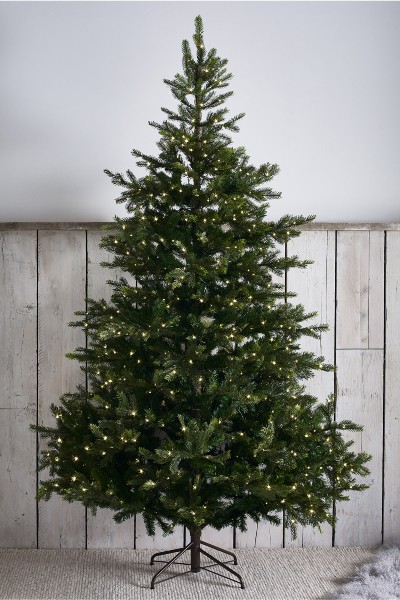
Unlike the retailers such as John Lewis and Habitat which each year shake up their Christmas tree range and add new styles to it, The White Company is one of those brands that stick with the same tried and true (and extremely popular) designs year after year. But not this year, as The White Company Extra Bright Grand Spruce Christmas Tree has been added to the collection.
But for this festive season, The White Company’s expanding its range with the twinkliest and most magical tree I’ve ever come across. And at this point, I’ve seen a lot of pre-lit Christmas trees. You might be wondering what makes this new Christmas tree idea so bright. And the answer is rather simple – it’s down to the number of light bulbs on the tree.
Latest Videos FromIdeal Home
The White Company
6ft Extra Bright Grand Spruce Christmas Tree
The White Company
6ft Pre Lit Grand Spruce Christmas Tree
Available in 6ft and 7.5ft sizes, I’ve never seen pre-lit trees with so many light bulbs as these extra-bright trees. The 6ft version boasts 2500 LED light bulbs, while the 7.5ft one comes with a whopping 4800 bulbs.
For comparison, The White Company’s regular 6ft pre-lit grand spruce tree comes with 390 lights, while the 7.5ft size is equipped with 650 bulbs. So the new extra-bright trees come with around seven times more lights than regular pre-lit styles, while keeping the eight light functions of the regular pre-lit tree.
The White Company
7.5ft Extra Bright Grand Spruce Christmas Tree
The White Company
7.5ft Pre-Lit Grand Spruce Christmas Tree
When you put the two versions side by side, the difference in brightness becomes especially apparent. However, it should be said that this magical brightness comes at a price – the extra bright trees are selling for £200 more than the pre-lit grand spruce as the 6ft size retails for £575 and the 7.5ft size sells for £695.
While it’s very impressive how bright this new tree design shines, it’s certainly an investment piece. So I’d recommend this new tree over the regular The White Company pre-lit grand spruce tree only if an intensely radiant tree that pretty much fills the room with light is what you’re after and what you prioritise in a tree.
Sign up to our newsletter for style inspiration, real homes, project and garden advice and shopping know-how
One of the most iconic Christmas decorations is, of course, a wreath on the front door. But if you’re looking for a stylish alternative (that allows you a little more creative freedom), have you considered opting for a door basket instead?
Aside from the best artificial Christmas tree, wreaths are one of the most popular festive decor choices, and this year’s Christmas trends have seen a return to traditional naturalistic styles. While a wreath may seem like the obvious Christmas decorating idea to achieve this, a door basket, sometimes known as a door pocket, can be a low-maintenance alternative.
A door basket is a little like a vase you hang on your front door. You can add foliage for a chic, yet festive finished look. Here’s why experts are recommending them this Christmas.
Latest Videos FromIdeal Home
Door basket vs wreaths
As much as I love a Christmas wreath, and this year there have been some fabulous options on offer, opting for a door basket instead allows you to refresh and change your seasonal foliage as much as you’d like, rather than sticking to one style for the entirety of the festive season.
‘It really comes down to personal preference! You may want to change up your usual wreath and try something new. If you do opt for a door basket instead, don’t feel you need to go completely wreath-less! Hang on doors inside the home or, if you have the wall space, a collection of several wreaths of different sizes grouped can make for a striking festive focal point,’ comments Whinnie Williams, interior designer and trends forecaster for Christmas brand Balsam Hill.
Now, we don’t predict door baskets taking over from Christmas wreath ideas as a more popular decorating choice, but they can look just as beautiful when styled correctly.
‘A basket gives you a bit more of a slightly collected country-house look without needing lots of decoration, and the woven texture itself adds warmth before you’ve even added foliage. For me, what makes one stylish is restraint. A simple basket with two or three types of greenery and one seasonal accent usually looks more considered than stuffing it with ribbons and baubles,’ says Blanca Sanchez, director of Halo Design Interiors.
Sign up to our newsletter for style inspiration, real homes, project and garden advice and shopping know-how
‘Wreaths still work beautifully, especially on traditional doors, but baskets offer a softer, less expected alternative. If the exterior of the house is already quite decorative, I’d probably keep the basket very simple. On a minimal door, you can afford to make the arrangement fuller and more sculptural.
‘You can use longer eucalyptus, trailing ivy, dried hydrangeas or branches and let them sit more naturally, which works particularly well on a plain or narrow front door where a round wreath can sometimes feel too neat or a little bulky. Baskets are also easier to refresh through the year, where you can keep the same base and change a handful of stems as the seasons move on, which makes them feel less disposable. I’d just keep the scale in proportion to the door and make sure the basket isn’t so deep that it knocks against the frame every time the door opens.’
What you need
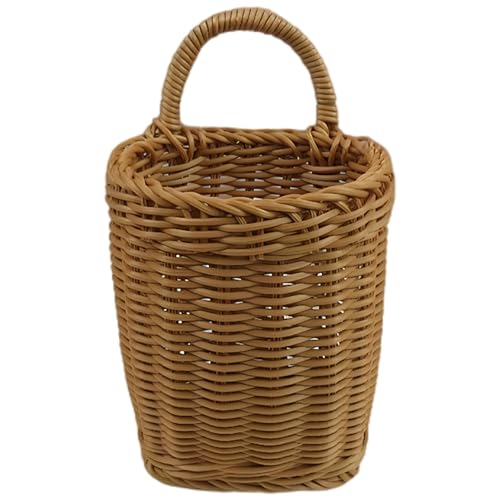
Joygoodta
Wall Hanging Basket
<aside data-article-category="all-rooms" data-block-layout="hero" data-block-type="featured-product" data-editorial-currency="GBP" data-editorial-price="6.38" data-hawk-json="{"product":{"variants":{"Default":{"image":{"copyright":"","height":500,"id":"eVgd8nAXxBKZCagfXcehnE","mimeType":"image\/jpeg","mos":"https:\/\/cdn.mos.cms.futurecdn.net\/eVgd8nAXxBKZCagfXcehnE.jpg","role":"","width":500,"credit":"Joygoodta","alt":"Wall Hanging Baskets Handmade Rattan Hanging Basket With Handle Woven Wall Decor for Door Garden Farmhouse Home Woven Baskets","caption":""},"strapline":"
Add a few festive stems to this classic wicker basket and hang from your front door.","brand":"Joygoodta","name":"Wall Hanging Basket","urlStyle":"","retailer":"","layout":"hero","linkText":"","noFollow":true,"noAffiliateTracking":false,"promoLabel":"","price":6.38,"salePrice":null,"currency":"GBP","linkLayout":"text","sponsored":false,"hawkProductNameMatchedCode":"","review":{"cons":[],"id":"","name":"","pros":[],"rating":0,"strapline":"","url":""},"id":"","externalId":"4d1024c60ff9e45d37f40fff08ac45c486b1f683","lastCheckedPriceDate":"","link":{"url":"https:\/\/target.georiot.com\/Proxy.ashx?tsid=107653&GR_URL=https%3A%2F%2Famazon.co.uk%2FHanging-Baskets-Handmade-Rattan-Farmhouse%2Fdp%2FB0FXKTLNJQ%3Ftag%3Dftr-idealhome-gb-21%26ascsubtag%3Dhawk-custom-tracking-21","merchantName":"Amazon UK","merchantId":1027,"merchantNetwork":"Amazonuk","merchantUrl":"amazon.co.uk"}}}}}” data-link=”https://target.georiot.com/Proxy.ashx?tsid=107653&GR_URL=https%3A%2F%2Famazon.co.uk%2FHanging-Baskets-Handmade-Rattan-Farmhouse%2Fdp%2FB0FXKTLNJQ%3Ftag%3Dftr-idealhome-gb-21%26ascsubtag%3Dhawk-custom-tracking-21″ data-link-merchant=”Amazon UK” data-merchant-id=”1027″ data-merchant-name=”Amazon UK” data-merchant-network=”Amazonuk” data-merchant-url=”amazon.co.uk” data-model-brand=”Joygoodta” data-model-name=”Joygoodta Wall Hanging Basket” data-name=”Product Block merchantlink widget” data-render-type=”fte” data-show-fallback=”button” data-widget-type=”merchantlink” class=”ecom-root”>
Add a few festive stems to this classic wicker basket and hang from your front door.
This gorgeous wire wreath can be filled with moss as a base and then you can add succulents or flowers for a unique finish.","brand":"Crocus","name":"Hanging Wreath Basket","urlStyle":"","retailer":"","layout":"hero","linkText":"","noFollow":true,"noAffiliateTracking":false,"promoLabel":"","price":12.99,"salePrice":null,"currency":"GBP","linkLayout":"text","sponsored":false,"hawkProductNameMatchedCode":"","review":{"cons":[],"id":"","name":"","pros":[],"rating":0,"strapline":"","url":""},"id":"","externalId":"fa5dbf5c731da2975b4e4b53e25f7a8067ce7f4c","lastCheckedPriceDate":"","link":{"url":"https:\/\/www.awin1.com\/awclick.php?awinmid=7833&awinaffid=103504&clickref=hawk-custom-tracking&p=https%3A%2F%2Fwww.crocus.co.uk%2Fproduct%2F_%2Fhanging-wreath-basket%2Fclassid.2000033995%2Fsku.PR30011978%2F","merchantName":"Crocus","merchantId":24321,"merchantNetwork":"AW","merchantUrl":"crocus.co.uk"}}}}}” data-link=”https://www.awin1.com/awclick.php?awinmid=7833&awinaffid=103504&clickref=hawk-custom-tracking&p=https%3A%2F%2Fwww.crocus.co.uk%2Fproduct%2F_%2Fhanging-wreath-basket%2Fclassid.2000033995%2Fsku.PR30011978%2F” data-link-merchant=”Crocus” data-merchant-id=”24321″ data-merchant-name=”Crocus” data-merchant-network=”AW” data-merchant-url=”crocus.co.uk” data-model-brand=”Crocus” data-model-name=”Crocus Hanging Wreath Basket” data-name=”Product Block merchantlink widget” data-render-type=”fte” data-show-fallback=”button” data-widget-type=”merchantlink” class=”ecom-root”>
This gorgeous wire wreath can be filled with moss as a base and then you can add succulents or flowers for a unique finish.
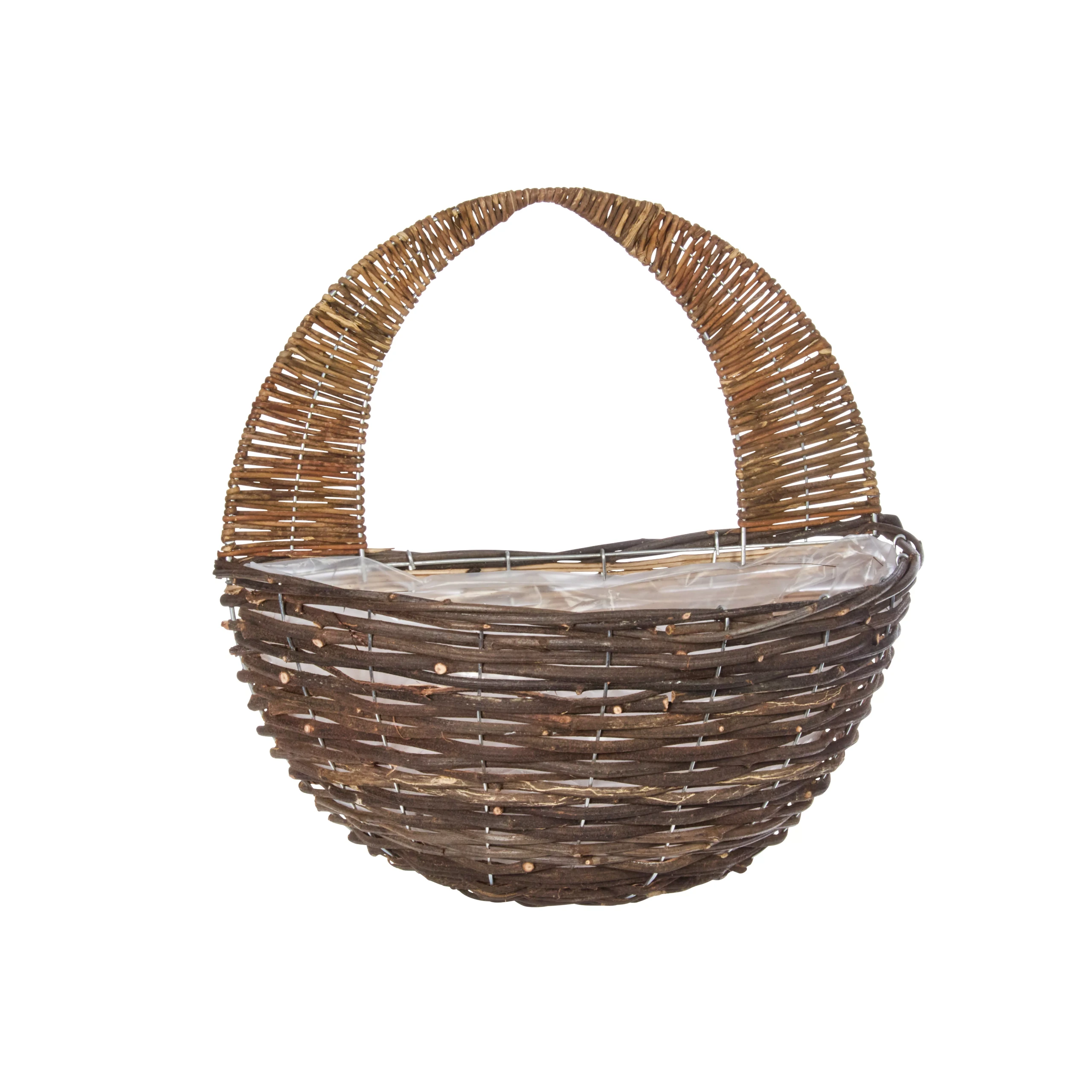
This classic hanging basket style is designed to sit flat against a surface, like a wall or front door.","brand":"Smart Garden","name":"Smart Garden Rustic Willow Weaved Brown Semi-Circle Rattan Hanging Basket, 40cm","urlStyle":"","retailer":"","layout":"hero","linkText":"","noFollow":true,"noAffiliateTracking":false,"promoLabel":"","price":9,"salePrice":null,"currency":"GBP","linkLayout":"text","sponsored":false,"hawkProductNameMatchedCode":"","review":{"cons":[],"id":"","name":"","pros":[],"rating":0,"strapline":"","url":""},"id":"","externalId":"1419b75d464396c779cdff352dec51205eac9415","lastCheckedPriceDate":"","link":{"url":"https:\/\/diy.pxf.io\/c\/221109\/1632830\/18948?subId1=hawk-custom-tracking&sharedId=hawk-prefix&u=https%3A%2F%2Fwww.diy.com%2Fdepartments%2Fsmart-garden-rustic-willow-weaved-brown-semi-circle-rattan-hanging-basket-40cm%2F5050642115964_BQ.prd%3F","merchantName":"B&Q","merchantId":299090,"merchantNetwork":"ImpactRad","merchantUrl":"diy.com"}}}}}” data-link=”https://diy.pxf.io/c/221109/1632830/18948?subId1=hawk-custom-tracking&sharedId=hawk-prefix&u=https%3A%2F%2Fwww.diy.com%2Fdepartments%2Fsmart-garden-rustic-willow-weaved-brown-semi-circle-rattan-hanging-basket-40cm%2F5050642115964_BQ.prd%3F” data-link-merchant=”B&Q” data-merchant-id=”299090″ data-merchant-name=”B&Q” data-merchant-network=”ImpactRad” data-merchant-url=”diy.com” data-model-brand=”Smart Garden” data-model-name=”Smart Garden Smart Garden Rustic Willow Weaved Brown Semi-Circle Rattan Hanging Basket, 40cm” data-name=”Product Block merchantlink widget” data-render-type=”fte” data-show-fallback=”button” data-widget-type=”merchantlink” class=”ecom-root”>
This classic hanging basket style is designed to sit flat against a surface, like a wall or front door.
Would you be tempted to swap the classic wreath for a stylish door basket?
One thing you should know about me? I’m a planner. Instead of leaving Christmas preparations to the last minute, I like to plan months ahead to spread the money (and the stress), which is why I’ve already started filling my kitchen cupboards, fridge, and freezer with festive food. However, they’re starting to get very cluttered.
And while I’m planning on moving the biggest Christmas clutter-inducers out of my kitchen before the big day to free up some much-needed space, I’ve only bought a fraction of the food I want to buy so far. By the time I add more, I know my cupboards will be overflowing, and the clutter will become overwhelming.
That’s why I’m getting ahead of the game and snapping up some kitchen organisers to double my storage space and add a layer of organisation I’ll need over the festive period. This means I’ll spend less time tidying (and stressing about tidying), and more time enjoying the festive celebrations.
Latest Videos FromIdeal Home
Dunelm
12 Inch Three Compartment Turn Table With Mat
<aside data-article-category="house-manual" data-block-layout="hero" data-block-type="featured-product" data-editorial-currency="GBP" data-editorial-price="7" data-hawk-json="{"product":{"variants":{"Default":{"image":{"copyright":"","height":2000,"id":"EoNgyiki4tMHBbEvZNbLAi","mimeType":"image\/jpeg","mos":"https:\/\/cdn.mos.cms.futurecdn.net\/EoNgyiki4tMHBbEvZNbLAi.jpg","role":"","width":2000,"credit":"Dunelm","alt":"12 Inch Three Compartment Turn Table With Mat","caption":""},"strapline":"
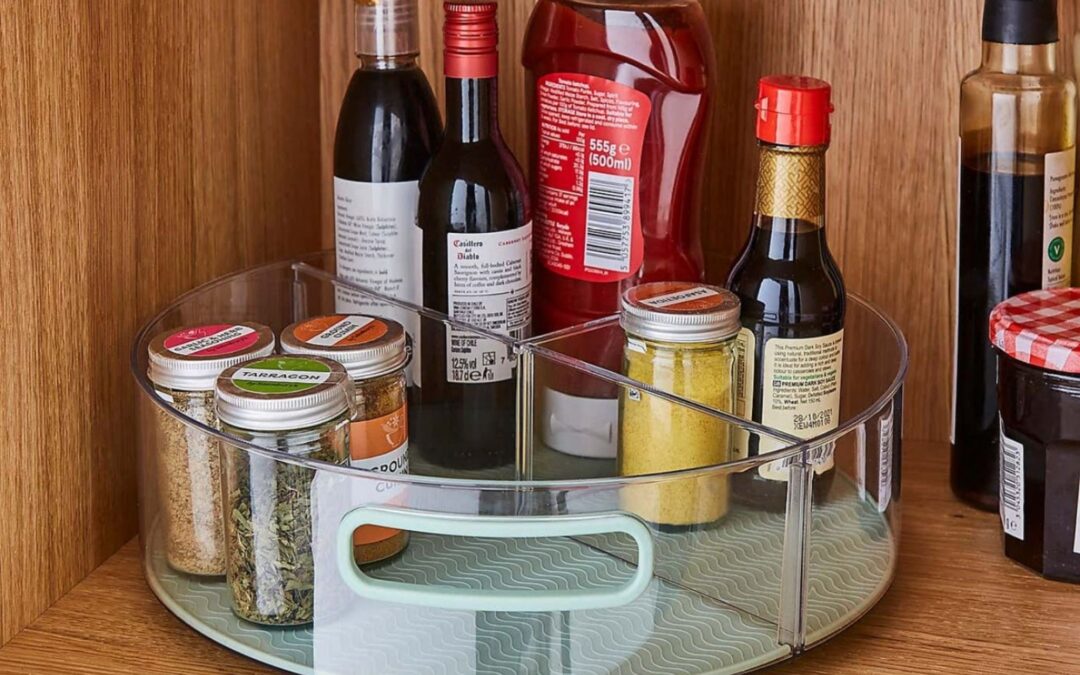
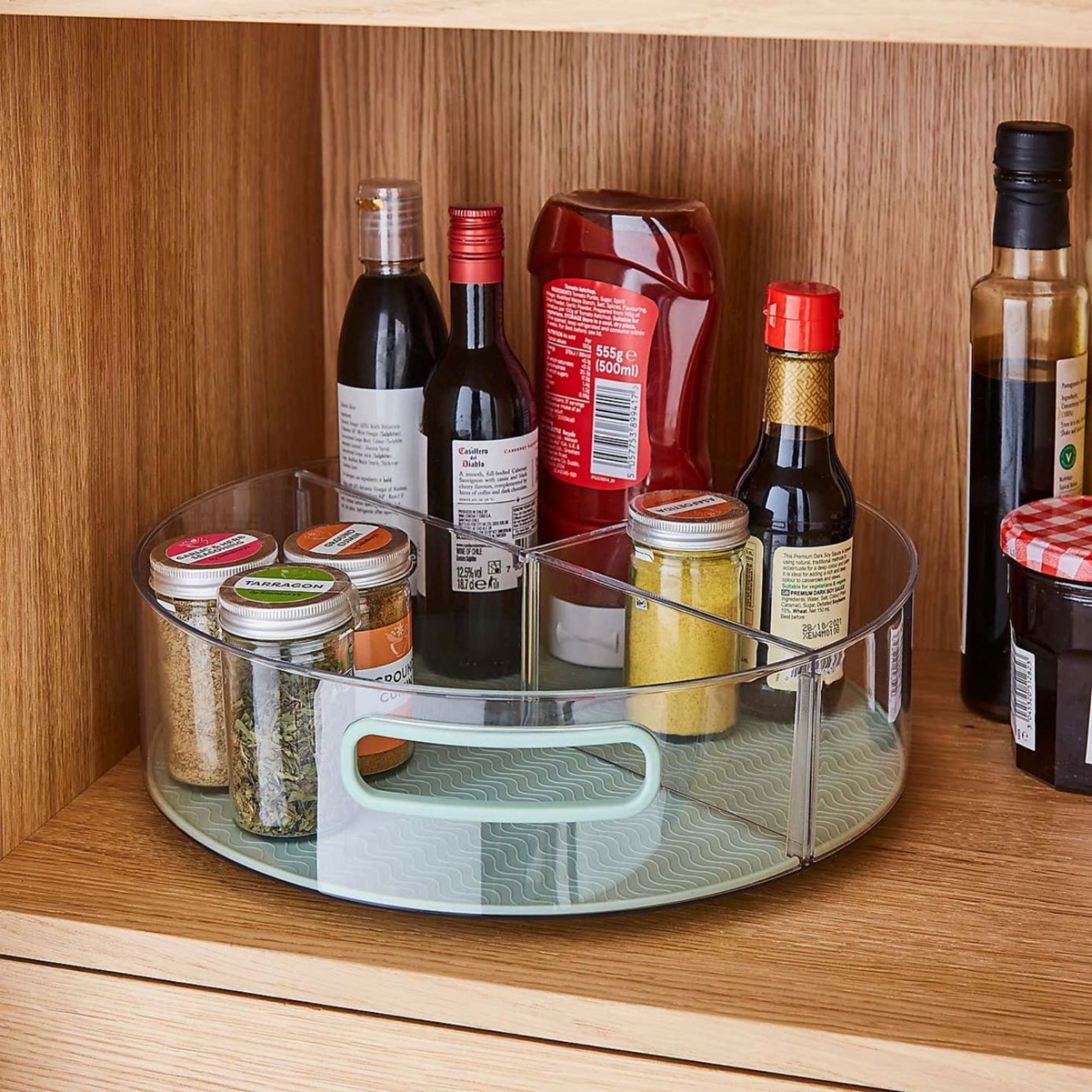
A turntable – or lazy Susan – works wonders over the festive period. You can use it to organise your sauces, spices and jars in the cupboard or the fridge. Then, you can spin it around to grab what you need, instead of knocking everything down to get the bottle you want. You could even use it on the Christmas dinner table!","brand":"Dunelm","name":"12 Inch Three Compartment Turn Table With Mat","urlStyle":"","retailer":"","layout":"hero","linkText":"","noFollow":true,"noAffiliateTracking":false,"promoLabel":"","price":7,"salePrice":null,"currency":"GBP","linkLayout":"text","sponsored":false,"hawkProductNameMatchedCode":"","review":{"cons":[],"id":"","name":"","pros":[],"rating":0,"strapline":"","url":""},"id":"","externalId":"5e2a501eb556dd1831c4f7d47df8cc95f6cd7835","lastCheckedPriceDate":"","link":{"url":"https:\/\/www.prf.hn\/click\/camref:1011l5dAX6\/pubref:hawk-custom-tracking\/destination:https%3A%2F%2Fwww.dunelm.com%2Fproduct%2F12-inch-three-compartment-turn-table-with-mat-1000279555","merchantName":"Dunelm","merchantId":579677,"merchantNetwork":"PHG","merchantUrl":"dunelm.com"}}}}}” data-link=”https://www.prf.hn/click/camref:1011l5dAX6/pubref:hawk-custom-tracking/destination:https%3A%2F%2Fwww.dunelm.com%2Fproduct%2F12-inch-three-compartment-turn-table-with-mat-1000279555″ data-link-merchant=”Dunelm” data-merchant-id=”579677″ data-merchant-name=”Dunelm” data-merchant-network=”PHG” data-merchant-url=”dunelm.com” data-model-brand=”Dunelm” data-model-name=”Dunelm 12 Inch Three Compartment Turn Table With Mat” data-name=”Product Block merchantlink widget” data-render-type=”fte” data-show-fallback=”button” data-widget-type=”merchantlink” class=”ecom-root”>
A turntable – or lazy Susan – works wonders over the festive period. You can use it to organise your sauces, spices and jars in the cupboard or the fridge. Then, you can spin it around to grab what you need, instead of knocking everything down to get the bottle you want. You could even use it on the Christmas dinner table!
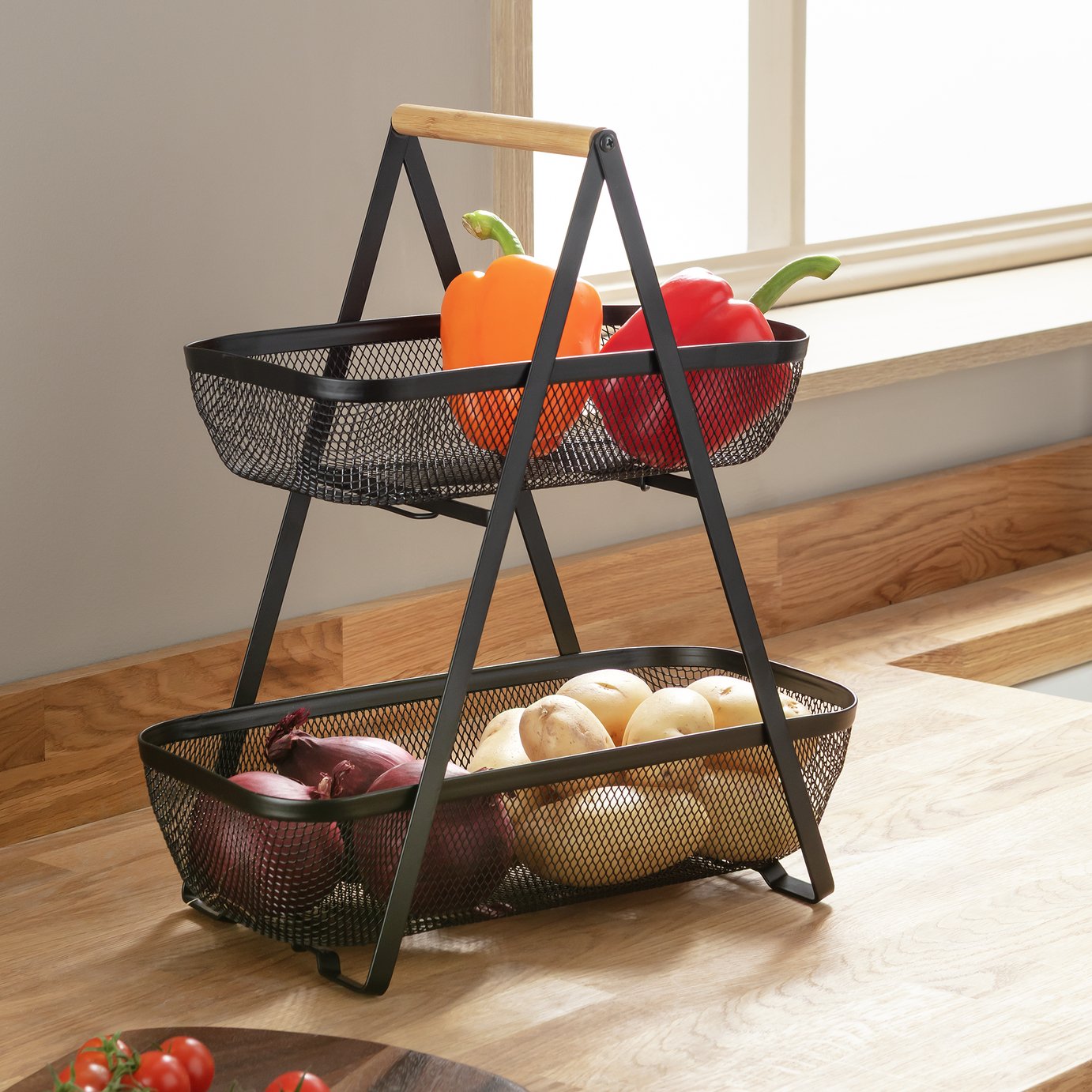
No Christmas dinner is complete without some veggies, and a pretty-but-practical storage basket like this can be a great way to keep your onions and potatoes to hand without taking up vital cupboard space. Pop it on your kitchen counter, or, if you do have the space, put it in the cupboard so you can grab the whole thing when you need it. ","brand":"Argos Home","name":"2 Tier Wire Storage Basket ","urlStyle":"","retailer":"","layout":"hero","linkText":"","noFollow":true,"noAffiliateTracking":false,"promoLabel":"","price":12,"salePrice":null,"currency":"GBP","linkLayout":"text","sponsored":false,"hawkProductNameMatchedCode":"","review":{"cons":[],"id":"","name":"","pros":[],"rating":0,"strapline":"","url":""},"id":"","externalId":"3d853ad8202ba77cd5b40e9366242088feb01f45","lastCheckedPriceDate":"","link":{"url":"https:\/\/www.anrdoezrs.net\/click-100624752-15618761?sid=hawk-custom-tracking&url=https:\/\/www.argos.co.uk\/product\/8777696","merchantName":"Argos","merchantId":535,"merchantNetwork":"CJ","merchantUrl":"argos.co.uk"}}}}}” data-link=”https://www.anrdoezrs.net/click-100624752-15618761?sid=hawk-custom-tracking&url=https://www.argos.co.uk/product/8777696″ data-link-merchant=”Argos” data-merchant-id=”535″ data-merchant-name=”Argos” data-merchant-network=”CJ” data-merchant-url=”argos.co.uk” data-model-brand=”Argos Home” data-model-name=”Argos Home 2 Tier Wire Storage Basket” data-name=”Product Block merchantlink widget” data-render-type=”fte” data-show-fallback=”button” data-widget-type=”merchantlink” class=”ecom-root”>
No Christmas dinner is complete without some veggies, and a pretty-but-practical storage basket like this can be a great way to keep your onions and potatoes to hand without taking up vital cupboard space. Pop it on your kitchen counter, or, if you do have the space, put it in the cupboard so you can grab the whole thing when you need it.
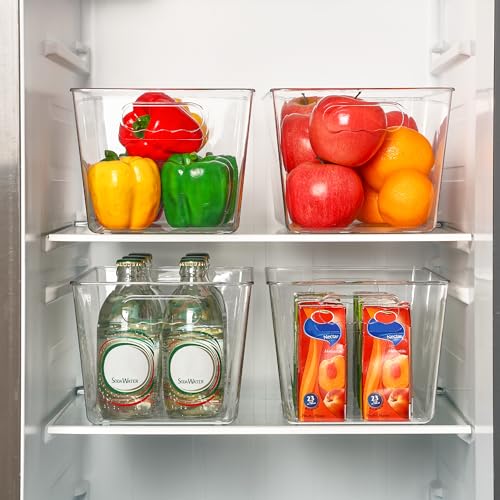
Storage boxes like this are so versatile during Christmas and beyond. They can be used in the fridge or cupboard to house everything from your festive sweet treats to your vegetables and savoury snacks, but for maximum organisation and ease, you should group similar food together in one box. Alternatively, you could group meal ingredients together so one box equals one meal.","brand":"Vtopmart","name":"Kitchen Storage Boxes 6 Pack","urlStyle":"","retailer":"","layout":"hero","linkText":"","noFollow":true,"noAffiliateTracking":false,"promoLabel":"","price":22.52,"salePrice":19.99,"currency":"GBP","linkLayout":"text","sponsored":false,"hawkProductNameMatchedCode":"","review":{"cons":[],"id":"","name":"","pros":[],"rating":0,"strapline":"","url":""},"id":"","externalId":"b62e3377c8de8ec58c3a61c5cc755c4274359192","lastCheckedPriceDate":"","link":{"url":"https:\/\/target.georiot.com\/Proxy.ashx?tsid=107653&GR_URL=https%3A%2F%2Famazon.co.uk%2FVtopmart-Organisers-Plastic-Kitchen-Pack%2Fdp%2FB0BZ88MWSS%2F%3Fth%3D1%26tag%3Dftr-idealhome-gb-21%26ascsubtag%3Dhawk-custom-tracking-21","merchantName":"Amazon UK","merchantId":1027,"merchantNetwork":"Amazonuk","merchantUrl":"amazon.co.uk"}}}}}” data-link=”https://target.georiot.com/Proxy.ashx?tsid=107653&GR_URL=https%3A%2F%2Famazon.co.uk%2FVtopmart-Organisers-Plastic-Kitchen-Pack%2Fdp%2FB0BZ88MWSS%2F%3Fth%3D1%26tag%3Dftr-idealhome-gb-21%26ascsubtag%3Dhawk-custom-tracking-21″ data-link-merchant=”Amazon UK” data-merchant-id=”1027″ data-merchant-name=”Amazon UK” data-merchant-network=”Amazonuk” data-merchant-url=”amazon.co.uk” data-model-brand=”Vtopmart” data-model-name=”Vtopmart Kitchen Storage Boxes 6 Pack” data-name=”Product Block merchantlink widget” data-render-type=”fte” data-show-fallback=”button” data-widget-type=”merchantlink” class=”ecom-root”>
Storage boxes like this are so versatile during Christmas and beyond. They can be used in the fridge or cupboard to house everything from your festive sweet treats to your vegetables and savoury snacks, but for maximum organisation and ease, you should group similar food together in one box. Alternatively, you could group meal ingredients together so one box equals one meal.
Amazon Basics
Amazon Basics Stackable Metal Storage Baskets
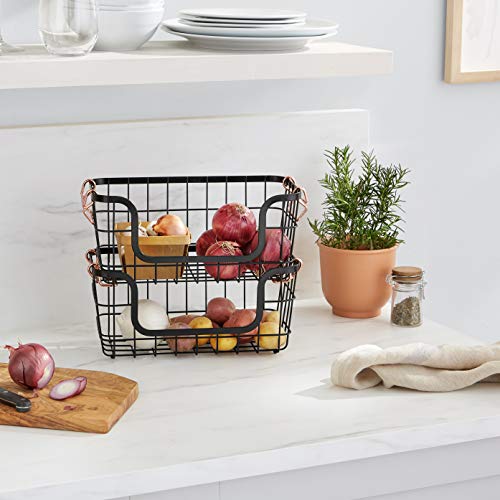
<aside data-article-category="house-manual" data-block-layout="hero" data-block-type="featured-product" data-editorial-currency="GBP" data-editorial-price="16.99" data-hawk-json="{"product":{"variants":{"Default":{"image":{"copyright":"","height":500,"id":"baUFkKiU9WwmVzVWXkTZZ8","mimeType":"image\/jpeg","mos":"https:\/\/cdn.mos.cms.futurecdn.net\/baUFkKiU9WwmVzVWXkTZZ8.jpg","role":"","width":500,"credit":"Amazon Basics","alt":"Amazon Basics Stackable Metal Storage Baskets for Kitchen or Bathroom, Rectangular, 2 Pack, 16.3 X 31 X 14.1 Cm, Black","caption":""},"strapline":"
Stackable boxes instantly double your storage space by making the most of vertical space. And the metal design of these ones makes them incredibly versatile, allowing you to use them for packets and sauces, Christmas treats, or even vegetables. They also come in gold, so you can keep them on your worktops if you don't have any cupboard space left. ","brand":"Amazon Basics","name":"Amazon Basics Stackable Metal Storage Baskets ","urlStyle":"","retailer":"","layout":"hero","linkText":"","noFollow":true,"noAffiliateTracking":false,"promoLabel":"","price":16.99,"salePrice":null,"currency":"GBP","linkLayout":"text","sponsored":false,"hawkProductNameMatchedCode":"","review":{"cons":[],"id":"","name":"","pros":[],"rating":0,"strapline":"","url":""},"id":"","externalId":"b9d0e9cab31edc76f81578f7c0ab7920986da3b0","lastCheckedPriceDate":"","link":{"url":"https:\/\/target.georiot.com\/Proxy.ashx?tsid=107653&GR_URL=https%3A%2F%2Famazon.co.uk%2FAmazonBasics-Stackable-Storage-Baskets-Bathroom%2Fdp%2FB07XYM1LG3%2F%3Ftag%3Dftr-idealhome-gb-21%26ascsubtag%3Dhawk-custom-tracking-21","merchantName":"Amazon UK","merchantId":1027,"merchantNetwork":"Amazonuk","merchantUrl":"amazon.co.uk"}}}}}” data-link=”https://target.georiot.com/Proxy.ashx?tsid=107653&GR_URL=https%3A%2F%2Famazon.co.uk%2FAmazonBasics-Stackable-Storage-Baskets-Bathroom%2Fdp%2FB07XYM1LG3%2F%3Ftag%3Dftr-idealhome-gb-21%26ascsubtag%3Dhawk-custom-tracking-21″ data-link-merchant=”Amazon UK” data-merchant-id=”1027″ data-merchant-name=”Amazon UK” data-merchant-network=”Amazonuk” data-merchant-url=”amazon.co.uk” data-model-brand=”Amazon Basics” data-model-name=”Amazon Basics Amazon Basics Stackable Metal Storage Baskets” data-name=”Product Block merchantlink widget” data-render-type=”fte” data-show-fallback=”button” data-widget-type=”merchantlink” class=”ecom-root”>
Stackable boxes instantly double your storage space by making the most of vertical space. And the metal design of these ones makes them incredibly versatile, allowing you to use them for packets and sauces, Christmas treats, or even vegetables. They also come in gold, so you can keep them on your worktops if you don’t have any cupboard space left.
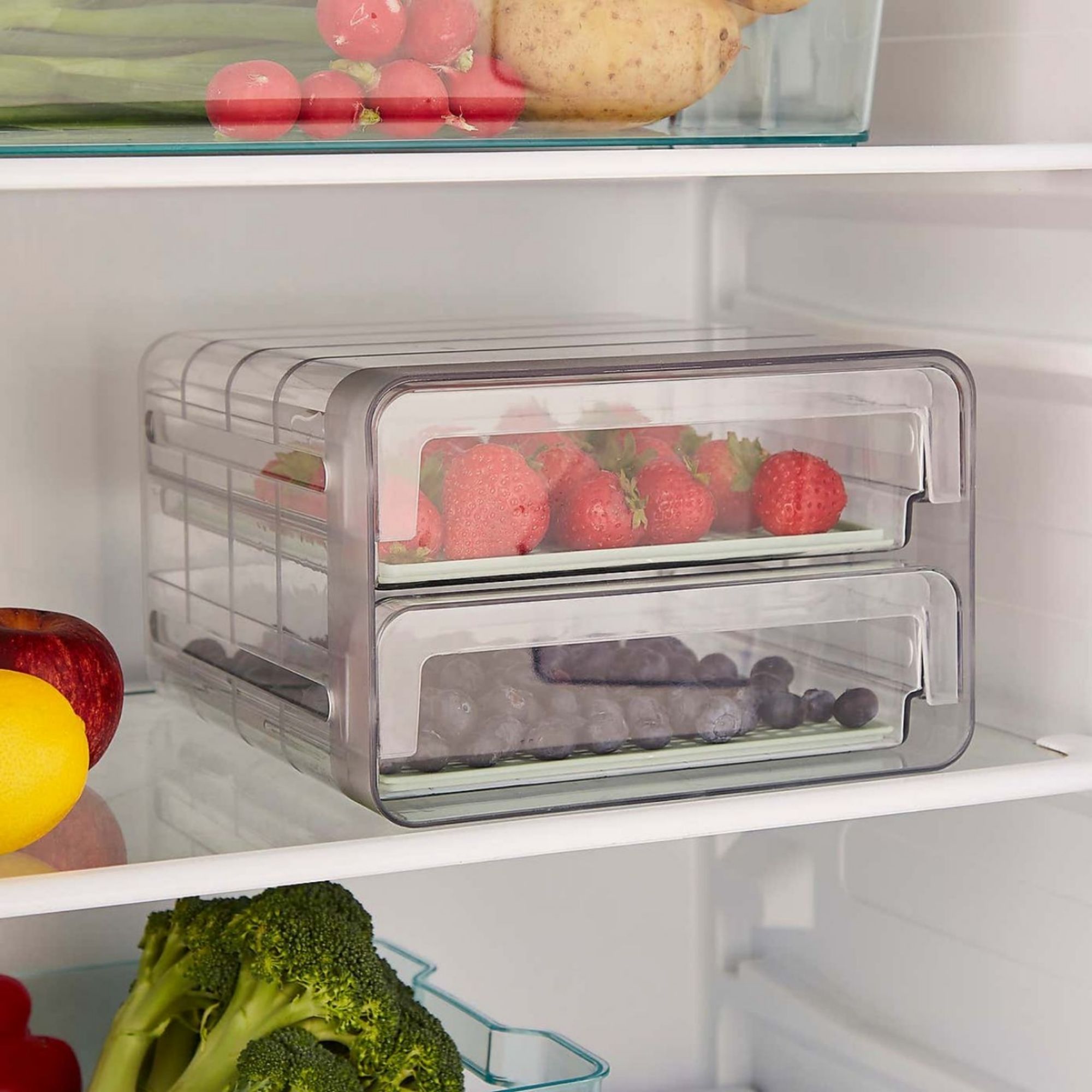
Whether you add fruit to your cocktails or plan on making a delicious pavlova, fruit is a must-have at Christmas. But if you ditch the packaging and use storage boxes like this, you can free up more fridge space and keep your fruit fresher for longer. This one even has a drain feature that keeps moisture at bay. ","brand":"Dunelm","name":"Two Layer Drain Fridge Storage Box","urlStyle":"","retailer":"","layout":"hero","linkText":"","noFollow":true,"noAffiliateTracking":false,"promoLabel":"","price":7,"salePrice":null,"currency":"GBP","linkLayout":"text","sponsored":false,"hawkProductNameMatchedCode":"","review":{"cons":[],"id":"","name":"","pros":[],"rating":0,"strapline":"","url":""},"id":"","externalId":"15c24d309c24636e02c52a19757b902ce95370be","lastCheckedPriceDate":"","link":{"url":"https:\/\/www.prf.hn\/click\/camref:1011l5dAX6\/pubref:hawk-custom-tracking\/destination:https%3A%2F%2Fwww.dunelm.com%2Fproduct%2Ftwo-layer-drain-storage-box-1000279563","merchantName":"Dunelm","merchantId":579677,"merchantNetwork":"PHG","merchantUrl":"dunelm.com"}}}}}” data-link=”https://www.prf.hn/click/camref:1011l5dAX6/pubref:hawk-custom-tracking/destination:https%3A%2F%2Fwww.dunelm.com%2Fproduct%2Ftwo-layer-drain-storage-box-1000279563″ data-link-merchant=”Dunelm” data-merchant-id=”579677″ data-merchant-name=”Dunelm” data-merchant-network=”PHG” data-merchant-url=”dunelm.com” data-model-brand=”Dunelm” data-model-name=”Dunelm Two Layer Drain Fridge Storage Box” data-name=”Product Block merchantlink widget” data-render-type=”fte” data-show-fallback=”button” data-widget-type=”merchantlink” class=”ecom-root”>
Whether you add fruit to your cocktails or plan on making a delicious pavlova, fruit is a must-have at Christmas. But if you ditch the packaging and use storage boxes like this, you can free up more fridge space and keep your fruit fresher for longer. This one even has a drain feature that keeps moisture at bay.
The best part? These organisers will continue to curb the clutter in your kitchen even when Christmas is over.
Sign up to our newsletter for style inspiration, real homes, project and garden advice and shopping know-how
We independently select these products—if you buy from one of our links, we may earn a commission. All prices were accurate at the time of publishing.
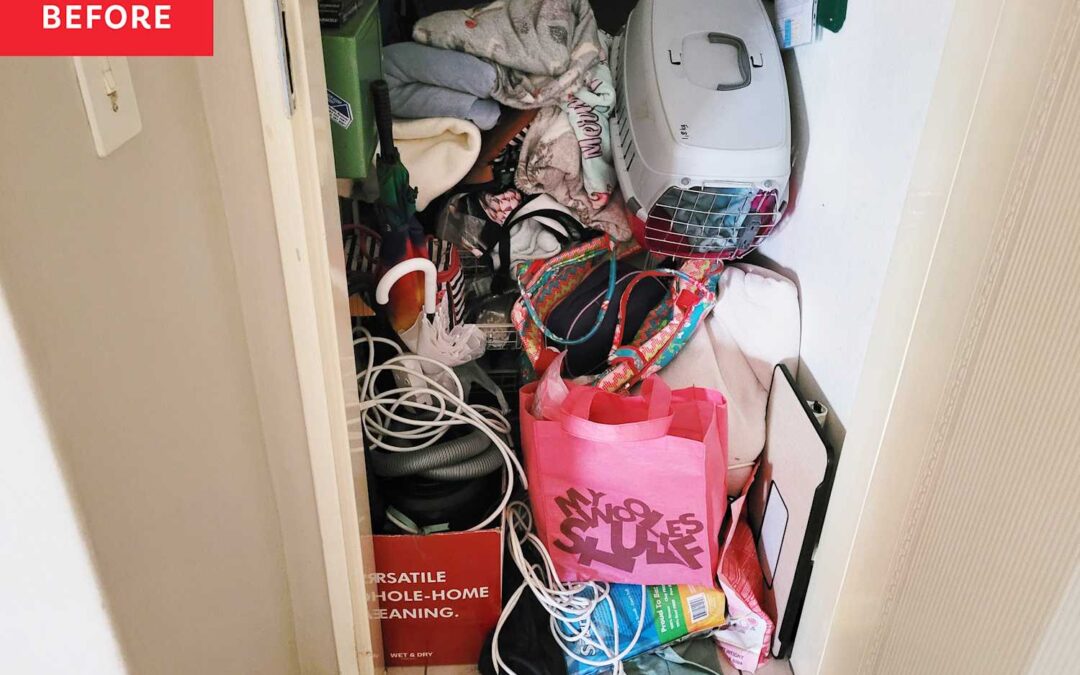
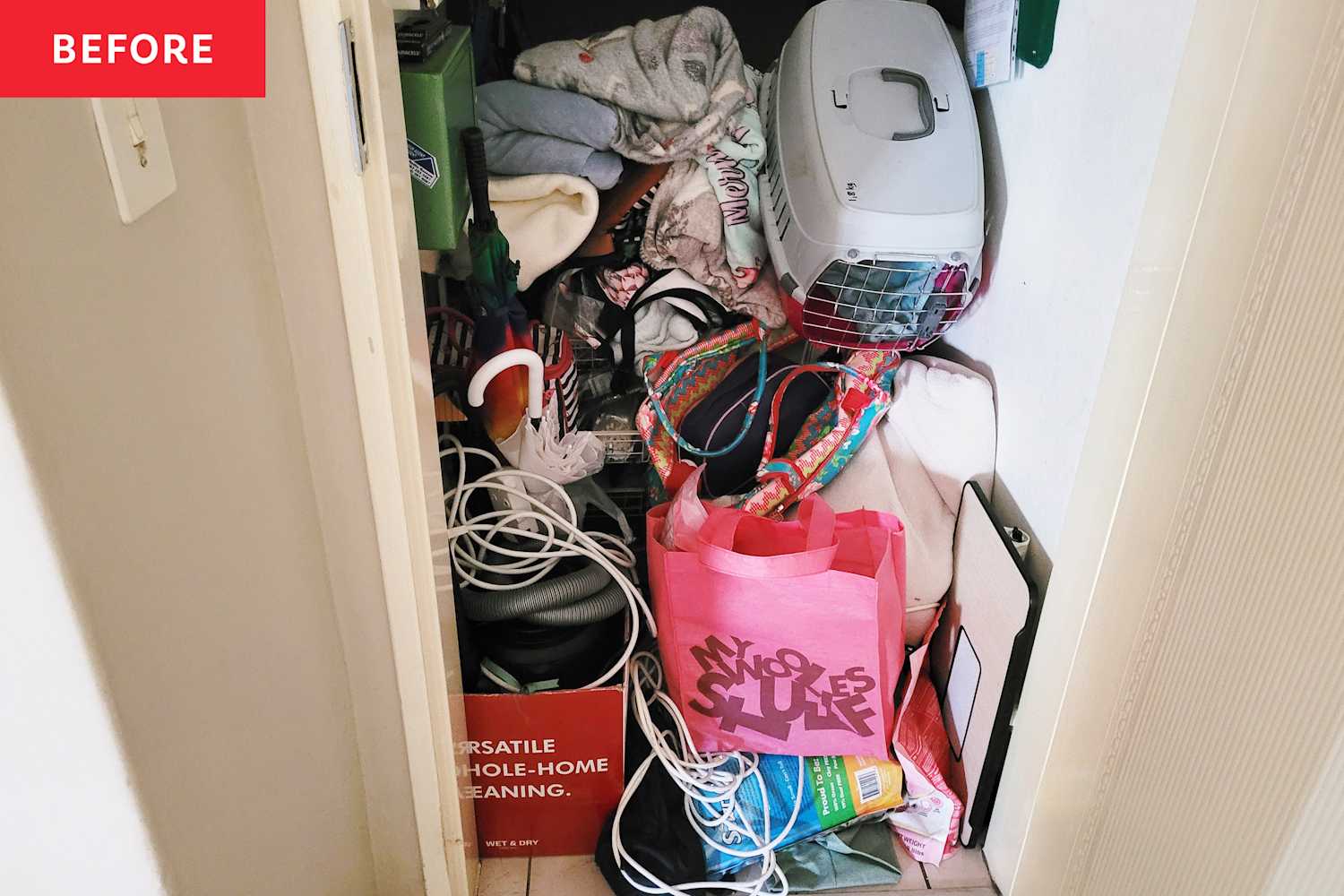
Over time, my storage closet had become the place where everything went when I didn’t know where else to put it. Suitcases were wedged behind a vacuum, cat carriers were stacked precariously on top of boxes, and somewhere in the back was a collection of miscellaneous items I was convinced I would eventually use. Opening the door felt like a game of Tetris — except nothing ever actually fit properly.
I knew it was time to tackle this mess, and instead of spending hours staring at it and wondering where to even begin I decided to ask AI for help. I uploaded a few photos of my closet into ChatGPT and accompanied them with the following: “This is my storage closet. It holds suitcases, cat carriers, a vacuum cleaner, DIY supplies, and various household items. Look at the photos and tell me what you would change first. I don’t want to buy lots of new storage products. I want to make better use of the space.” The chatbot’s response gave me a starting point in just a few seconds. Here’s everything it said and how I followed its advice to reclaim my mess of a closet.
Tip No. 1: Stop Organizing and Start Sorting
Instead of telling me to pull everything out and reorganize the entire closet at once, the agent suggested dividing the contents into broad categories and prioritizing the items I needed to access most often. It also pointed out that I was storing several bulky items in ways that created dead space around them. These are the four categories I landed on: regularly used items I should keep; occasionally used items I should keep; items I should move elsewhere; and items I should donate, recycle, or throw away.
Then, I said: “Help me decide what belongs in this closet. The main purpose of the space is household storage. I want to keep things that are bulky, seasonal, or difficult to store elsewhere, but I don’t want it to become a dumping ground.” AI’s answer helped me create the rule that if an item was useful but didn’t need to be accessed regularly, the closet was probably a good home for it. If it belonged in another room or hadn’t been used in years, it needed to go elsewhere. Items I use regularly should be stored near the front or at eye level.
Tip No. 2: Tackle the Bulky Items
The suitcases were one of the biggest problems because they took up so much floor and shelf space. I asked AI how I should store them so they take up as little space as possible but are still easy to access. Its recommendation was to nest the smaller suitcases inside the larger ones wherever possible, and to store the set vertically or along the side of the closet. It also suggested using the suitcases to store items associated with travel, like packing cubes, travel adapters, and toiletry bags. That cleared up an entire section of the closet without a single additional organizer.
The two cat carriers were also tricky because they’re bulky and oddly shaped, and used very rarely. I asked AI how to store them so they were still semi-accessible, and it suggested putting them together rather than allowing them to occupy separate areas. If they could be safely nested or stacked, that was preferable, while leaving enough clearance to remove the top carrier without dismantling everything around it. This advice was simple, but it was also exactly what I needed to hear.
Tip No. 3: Designate and Declutter
The vacuum cleaner was always leaning against something, so every time I pulled it out something else came with it. AI recommended giving it a dedicated vertical storage zone, ideally along a side wall or near the front of the closet, rather than treating it as another object that needed to be squeezed between boxes.
Next I had to address the miscellaneous DIY craft and home supplies: leftover paint, tools, hardware, adhesives, and various pieces of equipment that seemed too useful to throw away. I typed, “Help me declutter DIY supplies. What should I keep, what should I throw away, and what should I store differently? I have miscellaneous tools, hardware, adhesives, and leftover materials.” AI recommended grouping supplies by function and also reminded me to check for usability, such as dried-out adhesives, damaged materials, and duplicate tools. This advice made the process much less emotional; instead of asking myself whether I might use something one day, I asked whether it was still usable, whether I already owned another one, and whether it was worth the space it occupied.
Tip No. 4: Organize by Zones
Once I’d removed the items that didn’t belong, I took another photo and asked: “Based on this updated photo, create a simple storage plan for this closet. The main items are suitcases, cat carriers, a vacuum cleaner, DIY supplies, and miscellaneous household items. Prioritize easy access, vertical space, and keeping frequently used items toward the front.” This is where AI became particularly useful — it suggested creating zones rather than trying to make the closet look perfectly uniform. The bulky, rarely used items could go higher up or farther back, while things I reach for more often should stay closer to the door.
The final arrangement, roughly:
Final Thoughts on Using AI to Reorganize My Closet
I’m not going to pretend my storage closet now looks like something from a home organizing catalog. It still contains all the essentials, but now I can open the door without worrying that something is going to fall on me. The biggest surprise was that I didn’t need a perfect system — I just needed a clear starting point. It isn’t Pinterest-worthy, but it doesn’t need to be. It’s simply a closet where I can see what I have and, more importantly, actually get to it.
Letting ChatGPT help break the daunting project into small, specific decisions made the closet clutter feel way less overwhelming, and now the space works better for my actual life. I’ll definitely ask AI for help with my next organizing project.
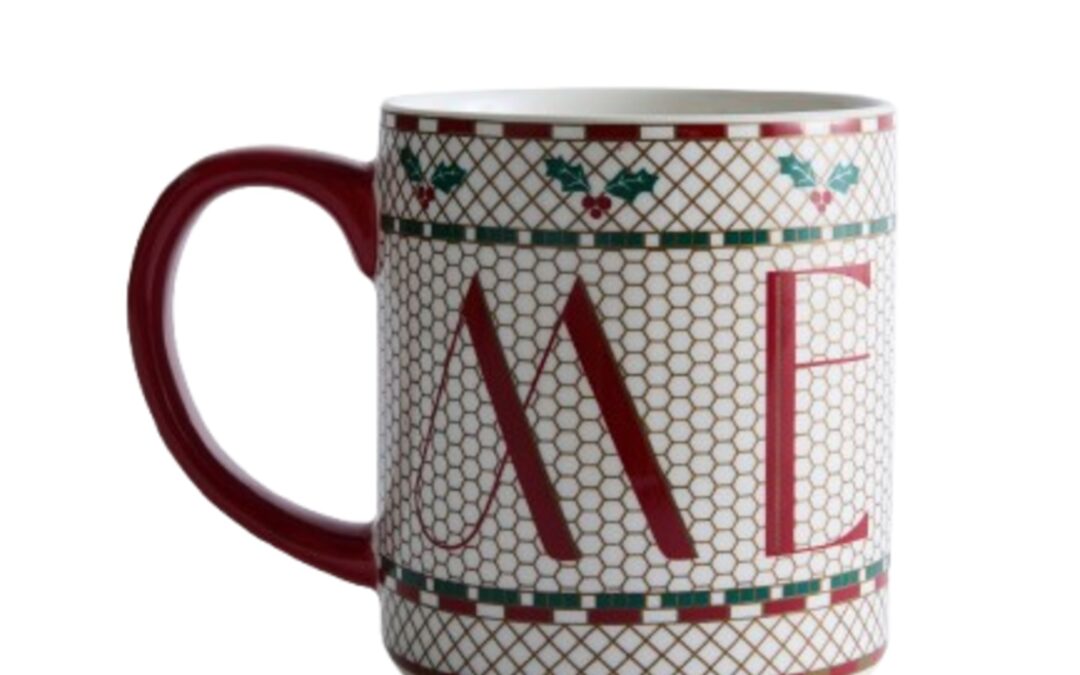
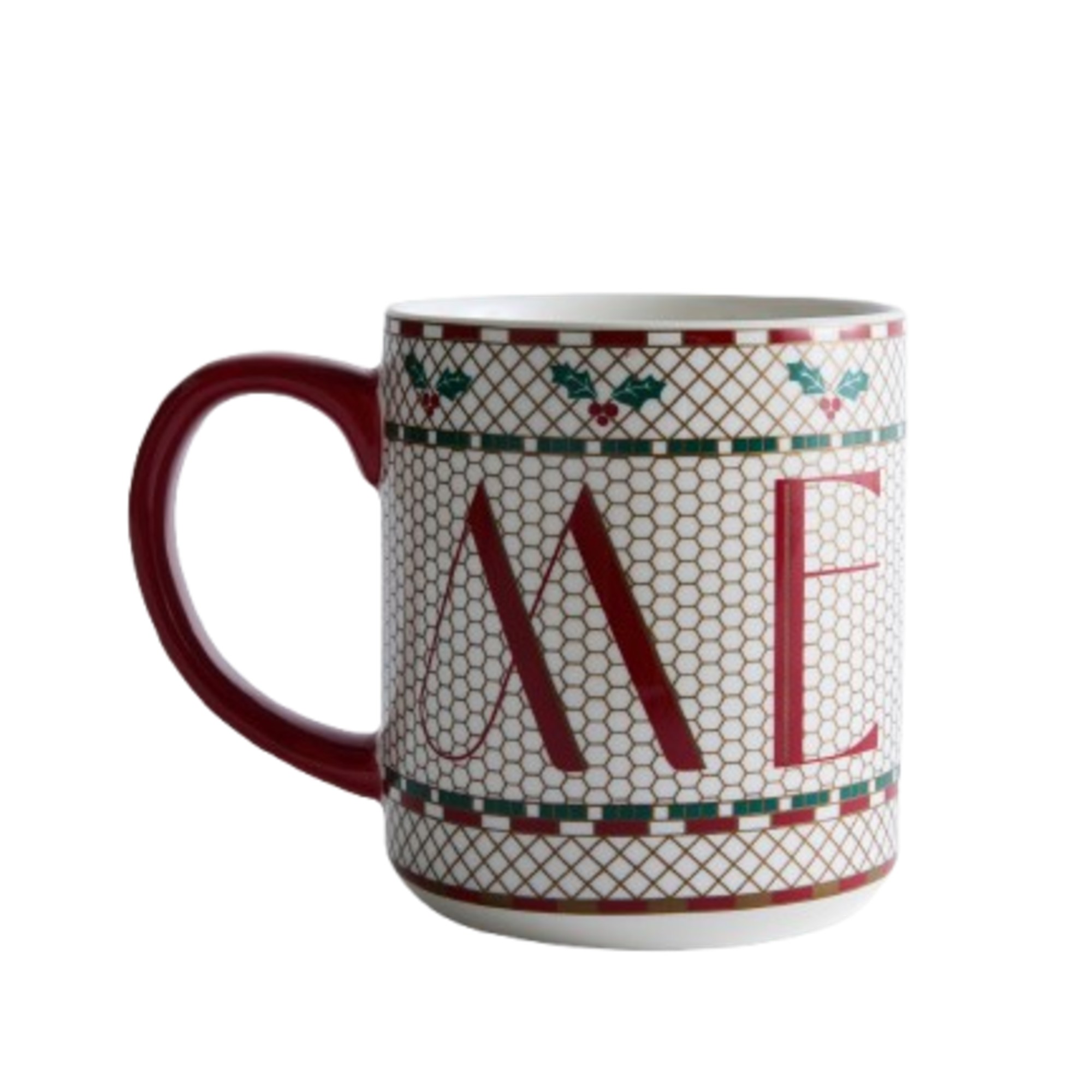
For many, Christmas prep is already in full swing as some festive decor and accessories are already selling out. If you’re in the well-organised camp and are in the market for a festive mug – or just an addition to a growing mug collection – do not sleep on Primark‘s Christmas slogan mug. It is a dead ringer for Anthropologie’s bestselling Christmas bistro tile mug, with the exception that Primark’s version is half the price.
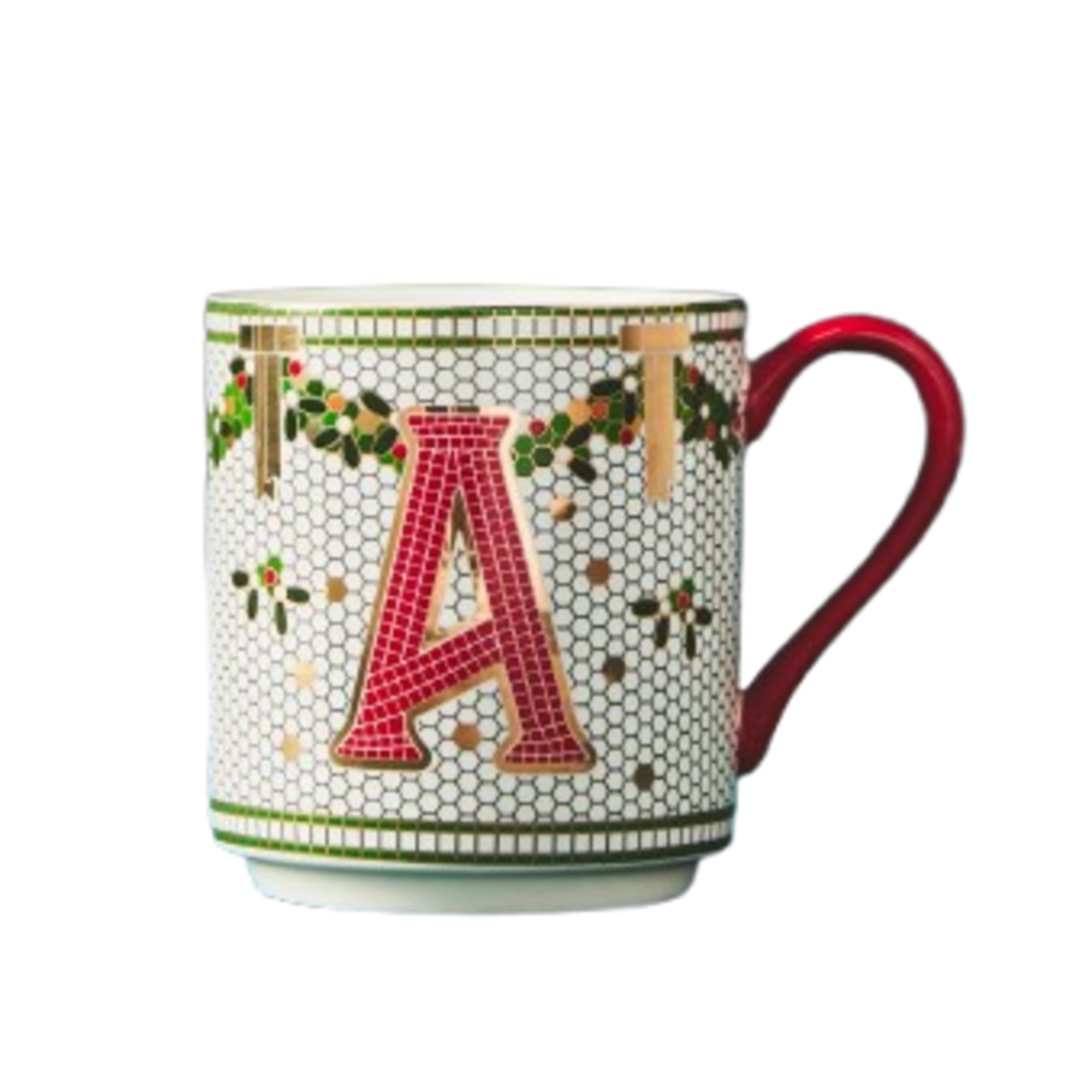
Selling for £12, Anthropologie’s festive bistro tile monogram mug is iconic – and the tiled pattern and monogram detail make the design instantly recognisable. This returning classic is among the brand’s top-selling Christmas ideas year after year – and this year is no exception.
Primark's Christmas mug looks just as pretty and expensive as Anthropologie's. But just like all Primark's products, you need to go in-store to get it – either order it online for click and collect or buy it directly in-store. ","brand":"Primark Home","name":"Christmas Slogan Mug","urlStyle":"","retailer":"","layout":"versus","noFollow":true,"noAffiliateTracking":false,"promoLabel":"","price":null,"salePrice":null,"currency":null,"linkLayout":"button","sponsored":false,"hawkProductNameMatchedCode":"","review":{"cons":[],"id":"","name":"","pros":[],"rating":0,"strapline":"","url":""},"id":"","lastCheckedPriceDate":"","link":{"url":"https:\/\/www.primark.com\/en-gb\/p\/christmas-slogan-mug-red-991191258352","linkText":"\u00a36 at Primark","merchantName":"primark.com"}}}}}” data-link=”https://www.primark.com/en-gb/p/christmas-slogan-mug-red-991191258352″ data-link-merchant=”primark.com” data-link-text=”£6 at Primark” data-merchant-name=”primark.com” data-model-brand=”Primark Home” data-model-name=”Primark Home Christmas Slogan Mug” data-name=”Product Block merchantlink widget” data-render-type=”fte” data-show-fallback=”button” data-widget-type=”merchantlink” class=”ecom-root”>
Primark’s Christmas mug looks just as pretty and expensive as Anthropologie’s. But just like all Primark’s products, you need to go in-store to get it – either order it online for click and collect or buy it directly in-store.
If you prefer a Christmas mug with your initial on it then I recommend sticking with the Anthropologie one. But be quick before your initial sells out.","brand":"Anthropologie","name":"Festive Bistro Tile Monogram Mug","urlStyle":"","retailer":"","layout":"versus","noFollow":true,"noAffiliateTracking":false,"promoLabel":"","price":null,"salePrice":null,"currency":null,"linkLayout":"button","sponsored":false,"hawkProductNameMatchedCode":"","review":{"cons":[],"id":"","name":"","pros":[],"rating":0,"strapline":"","url":""},"id":"","lastCheckedPriceDate":"","link":{"url":"https:\/\/click.linksynergy.com\/deeplink?id=kXQk6%2AivFEQ&mid=37257&u1=hawk-custom-tracking&murl=https%3A%2F%2Fwww.anthropologie.com%2Fen-gb%2Fshop%2Ffestive-bistro-tile-monogram-mug","linkText":"\u00a312 at Anthropologie","merchantName":"Anthropologie","merchantId":23553,"merchantNetwork":"LSfutureusLlc","merchantUrl":"anthropologie.com\/en-gb"}}}}}” data-link=”https://click.linksynergy.com/deeplink?id=kXQk6%2AivFEQ&mid=37257&u1=hawk-custom-tracking&murl=https%3A%2F%2Fwww.anthropologie.com%2Fen-gb%2Fshop%2Ffestive-bistro-tile-monogram-mug” data-link-merchant=”Anthropologie” data-link-text=”£12 at Anthropologie” data-merchant-id=”23553″ data-merchant-name=”Anthropologie” data-merchant-network=”LSfutureusLlc” data-merchant-url=”anthropologie.com/en-gb” data-model-brand=”Anthropologie” data-model-name=”Anthropologie Festive Bistro Tile Monogram Mug” data-name=”Product Block merchantlink widget” data-render-type=”fte” data-show-fallback=”button” data-widget-type=”merchantlink” class=”ecom-root”>
If you prefer a Christmas mug with your initial on it then I recommend sticking with the Anthropologie one. But be quick before your initial sells out.
But when I stumbled across Primark’s Christmas slogan mug, retailing for £6, and subsequently showed it to my colleagues, they all thought I was showing them the Anthropologie mug. That’s how similar the design is.
Latest Videos FromIdeal Home
The main difference between the two is that Anthropologie’s mug is a monogram design so you can choose one with your initial. Meanwhile, Primark’s mug features a Christmas slogan in large lettering, reading ‘Merry’, in place of a single initial. That also means that Primark’s design doesn’t have the same personalisation aspect to it as Anthropologie’s. But as I’ve already pointed out, Primark’s selling theirs for half the price of Anthropologie’s.
(Image credit: Anthropologie)
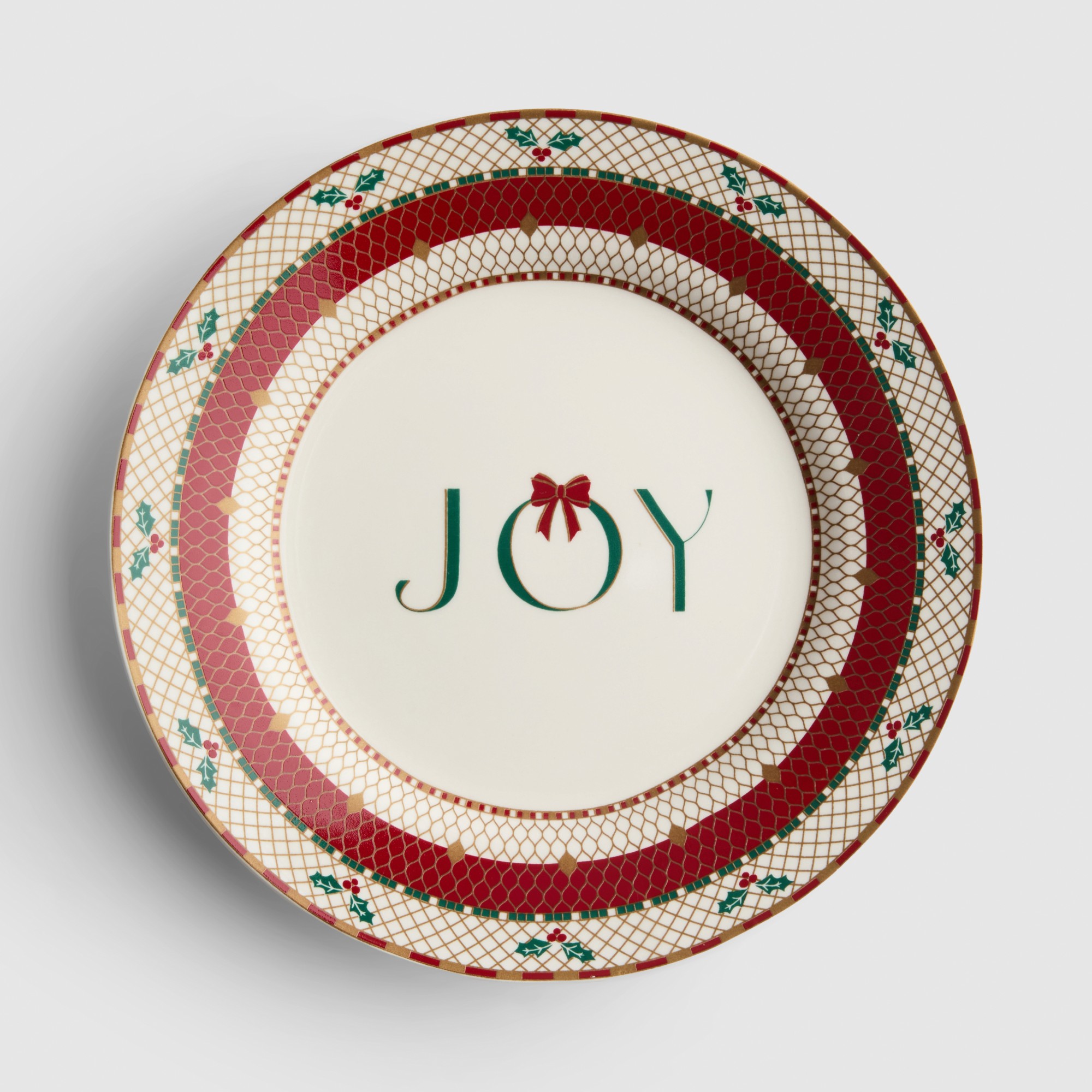
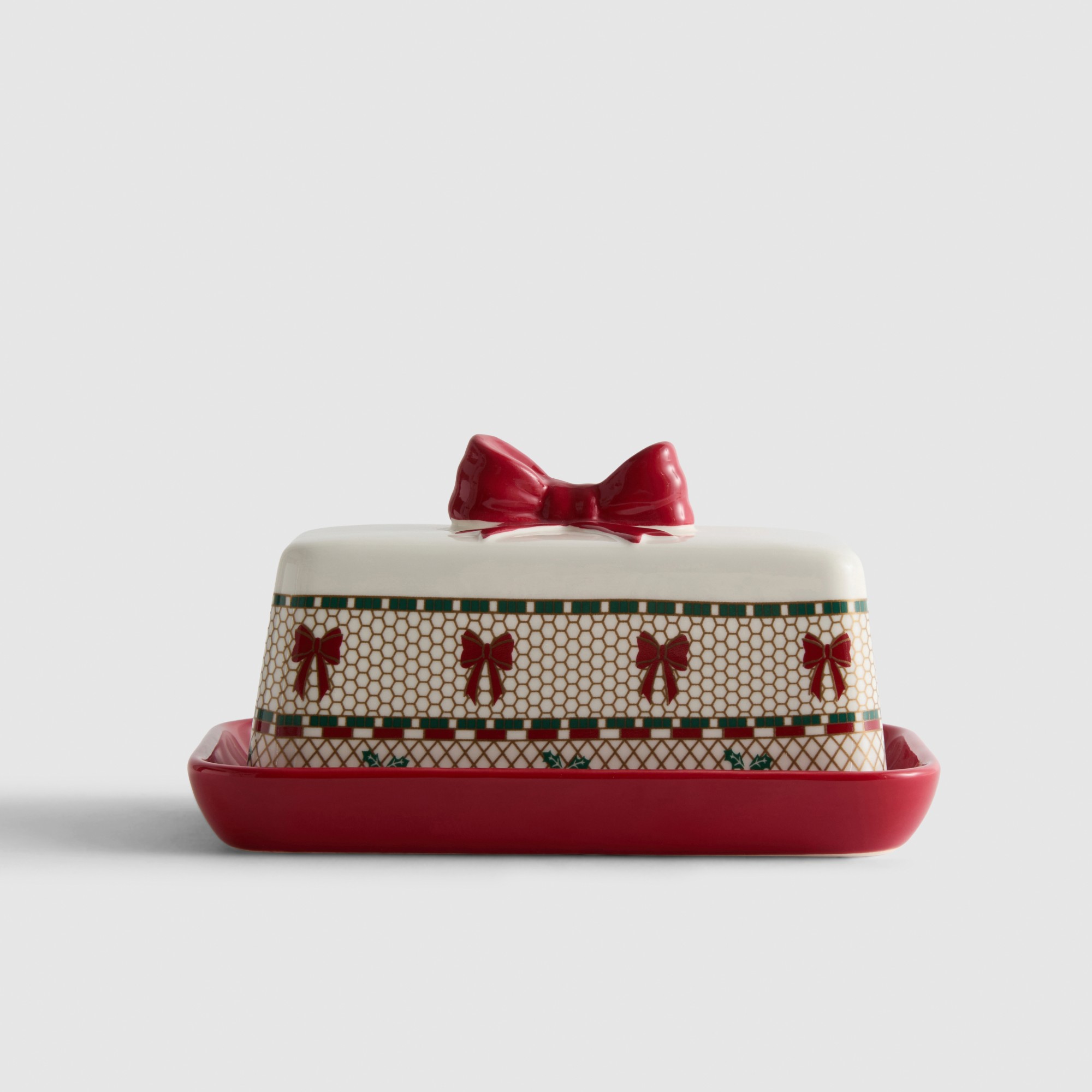
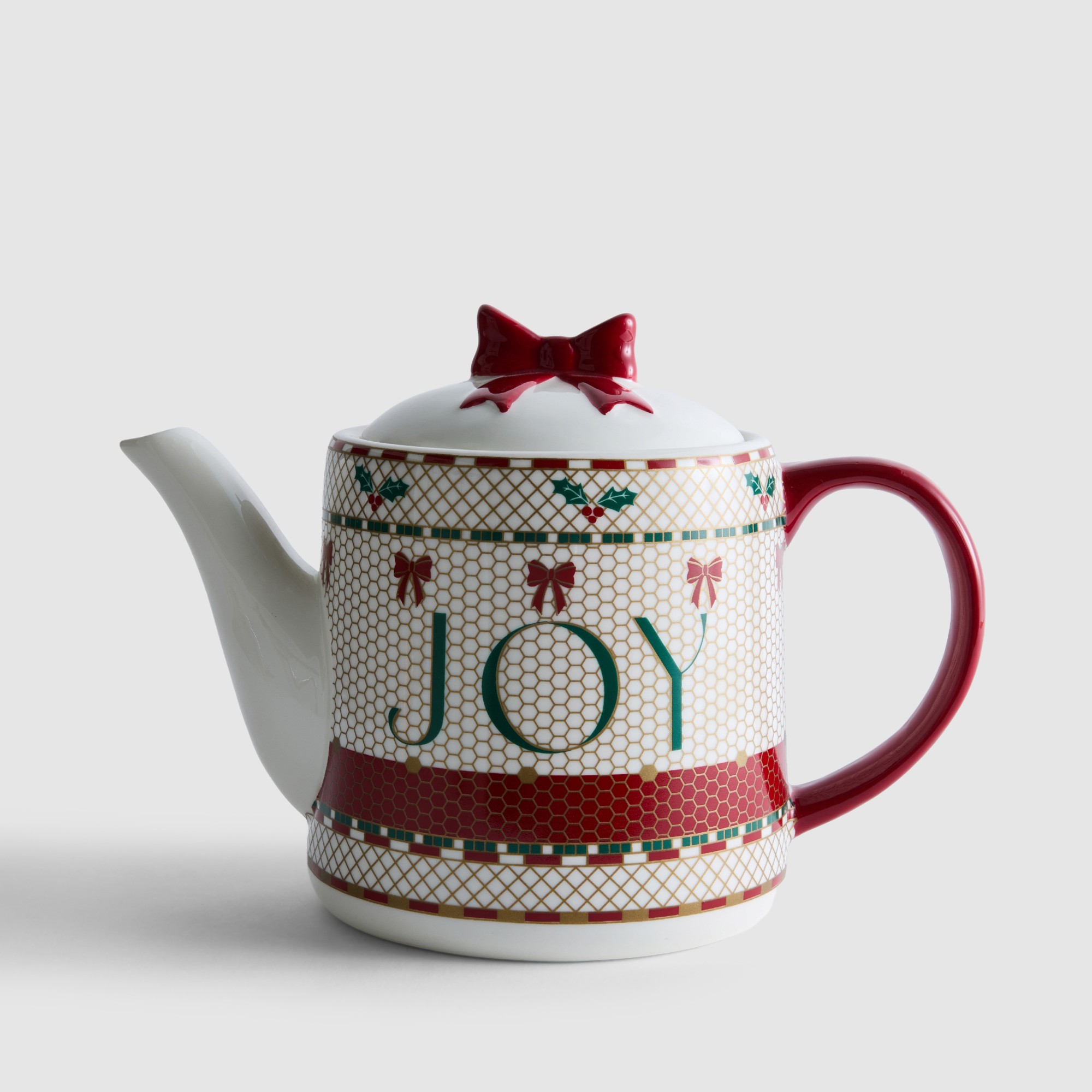
Another great thing about Primark’s tile mug is that there’s a whole matching tableware range available to shop, too – everything from one of the cutest bow-topped butter dishes I’ve seen to charming plates with a ‘Joy’ slogan. Meanwhile, Anthropologie doesn’t have a matching set to go with its mug this year.
Primark Home
Christmas Joy Ceramic Plate
Primark Home
Christmas Bow Lidded Butter Dish
Primark Home
Christmas Joy Ceramic Teapot
But even though there is no festive bistro tile tableware range available at Anthropologie this time around, there are plenty of other beautiful pieces to shop ahead of Christmas, from charming Christmas cookware to new adorable Christmas mugs to choose from. These are some of my current favourites and top sellers.
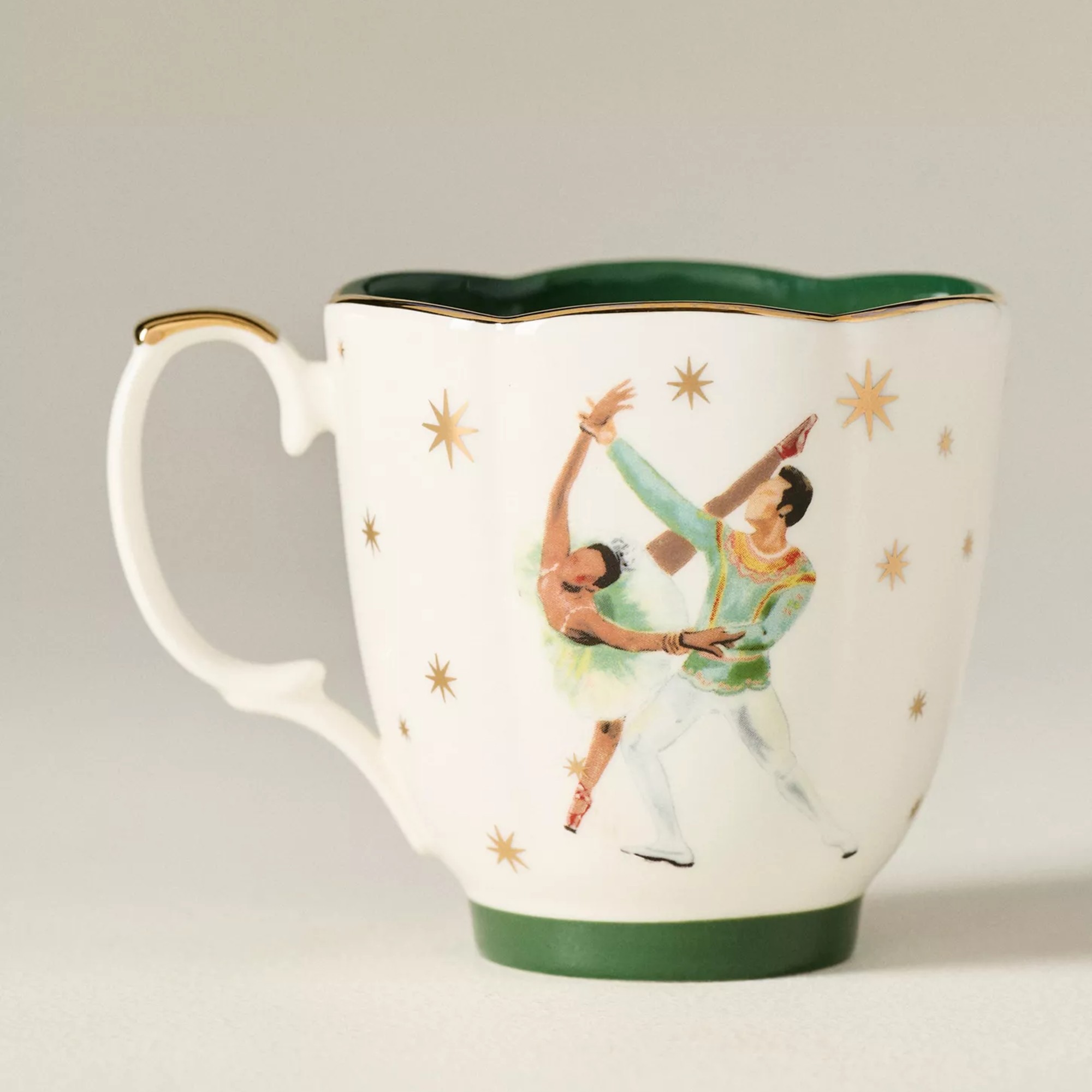
New York City Ballet
Sugar Plum Fairy Stoneware Mug
<aside data-article-category="all-rooms" data-block-layout="hero" data-block-type="featured-product" data-hawk-json="{"product":{"variants":{"Default":{"image":{"copyright":"","height":2000,"id":"h8PUEywJRiyMMZCFentxDT","mimeType":"image\/jpeg","mos":"https:\/\/cdn.mos.cms.futurecdn.net\/h8PUEywJRiyMMZCFentxDT.jpg","role":"","width":2000,"credit":"Anthropologie","alt":"Anthropologie New York City Ballet Stoneware Mug","caption":""},"strapline":"
I don't know about you but going to the ballet has become a Christmas tradition for me. And it seems like I'm not alone as this Sugar Plum Fairy mug is currently one of the festive bestsellers at Anthropologie.","brand":"New York City Ballet","name":"Sugar Plum Fairy Stoneware Mug","urlStyle":"","retailer":"","layout":"hero","noFollow":true,"noAffiliateTracking":false,"promoLabel":"","price":null,"salePrice":null,"currency":null,"linkLayout":"button","sponsored":false,"hawkProductNameMatchedCode":"","review":{"cons":[],"id":"","name":"","pros":[],"rating":0,"strapline":"","url":""},"id":"","lastCheckedPriceDate":"","link":{"url":"https:\/\/click.linksynergy.com\/deeplink?id=kXQk6%2AivFEQ&mid=37257&u1=hawk-custom-tracking&murl=https%3A%2F%2Fwww.anthropologie.com%2Fen-gb%2Fshop%2Fnew-york-city-ballet-stoneware-mug","linkText":"\u00a314 at Anthropologie","merchantName":"Anthropologie","merchantId":23553,"merchantNetwork":"LSfutureusLlc","merchantUrl":"anthropologie.com\/en-gb"}}}}}” data-link=”https://click.linksynergy.com/deeplink?id=kXQk6%2AivFEQ&mid=37257&u1=hawk-custom-tracking&murl=https%3A%2F%2Fwww.anthropologie.com%2Fen-gb%2Fshop%2Fnew-york-city-ballet-stoneware-mug” data-link-merchant=”Anthropologie” data-link-text=”£14 at Anthropologie” data-merchant-id=”23553″ data-merchant-name=”Anthropologie” data-merchant-network=”LSfutureusLlc” data-merchant-url=”anthropologie.com/en-gb” data-model-brand=”New York City Ballet” data-model-name=”New York City Ballet Sugar Plum Fairy Stoneware Mug” data-name=”Product Block merchantlink widget” data-render-type=”fte” data-show-fallback=”button” data-widget-type=”merchantlink” class=”ecom-root”>
I don’t know about you but going to the ballet has become a Christmas tradition for me. And it seems like I’m not alone as this Sugar Plum Fairy mug is currently one of the festive bestsellers at Anthropologie.
Anthropologie
Gingerbread House Stoneware Mug
<aside data-article-category="all-rooms" data-block-layout="hero" data-block-type="featured-product" data-hawk-json="{"product":{"variants":{"Default":{"image":{"copyright":"","height":2000,"id":"96eZB8YhjyHF2GeNVWHpHT","mimeType":"image\/jpeg","mos":"https:\/\/cdn.mos.cms.futurecdn.net\/96eZB8YhjyHF2GeNVWHpHT.jpg","role":"","width":2000,"credit":"Anthropologie","alt":"Anthropologie Gingerbread House Stoneware Mug","caption":""},"strapline":"
I'm obsessed with gingerbread-themed Christmas decor. So this adorable gingerbread house mug is right up my street. It even comes with a roof-style lid!","brand":"Anthropologie","name":"Gingerbread House Stoneware Mug","urlStyle":"","retailer":"","layout":"hero","noFollow":true,"noAffiliateTracking":false,"promoLabel":"","price":null,"salePrice":null,"currency":null,"linkLayout":"button","sponsored":false,"hawkProductNameMatchedCode":"","review":{"cons":[],"id":"","name":"","pros":[],"rating":0,"strapline":"","url":""},"id":"","lastCheckedPriceDate":"","link":{"url":"https:\/\/click.linksynergy.com\/deeplink?id=kXQk6%2AivFEQ&mid=37257&u1=hawk-custom-tracking&murl=https%3A%2F%2Fwww.anthropologie.com%2Fen-gb%2Fshop%2Fgingerbread-house-stoneware-mug","linkText":"\u00a316 at Anthropologie","merchantName":"Anthropologie","merchantId":23553,"merchantNetwork":"LSfutureusLlc","merchantUrl":"anthropologie.com\/en-gb"}}}}}” data-link=”https://click.linksynergy.com/deeplink?id=kXQk6%2AivFEQ&mid=37257&u1=hawk-custom-tracking&murl=https%3A%2F%2Fwww.anthropologie.com%2Fen-gb%2Fshop%2Fgingerbread-house-stoneware-mug” data-link-merchant=”Anthropologie” data-link-text=”£16 at Anthropologie” data-merchant-id=”23553″ data-merchant-name=”Anthropologie” data-merchant-network=”LSfutureusLlc” data-merchant-url=”anthropologie.com/en-gb” data-model-brand=”Anthropologie” data-model-name=”Anthropologie Gingerbread House Stoneware Mug” data-name=”Product Block merchantlink widget” data-render-type=”fte” data-show-fallback=”button” data-widget-type=”merchantlink” class=”ecom-root”>
I’m obsessed with gingerbread-themed Christmas decor. So this adorable gingerbread house mug is right up my street. It even comes with a roof-style lid!
Anthropologie
Holiday in the City London Stoneware Mug
<aside data-article-category="all-rooms" data-block-layout="hero" data-block-type="featured-product" data-hawk-json="{"product":{"variants":{"Default":{"image":{"copyright":"","height":2000,"id":"FLAshdsYedHdv3SyE6ymZT","mimeType":"image\/jpeg","mos":"https:\/\/cdn.mos.cms.futurecdn.net\/FLAshdsYedHdv3SyE6ymZT.jpg","role":"","width":2000,"credit":"Anthropologie","alt":"Anthropologie Holiday in the City Stoneware Mug","caption":""},"strapline":"
Commemorate this year's Christmas (or a Christmas past) spent in one of the major cities around the globe. There's a London design, of course, but Paris, NYC and more are also available.","brand":"Anthropologie","name":"Holiday in the City London Stoneware Mug","urlStyle":"","retailer":"","layout":"hero","noFollow":true,"noAffiliateTracking":false,"promoLabel":"","price":null,"salePrice":null,"currency":null,"linkLayout":"button","sponsored":false,"hawkProductNameMatchedCode":"","review":{"cons":[],"id":"","name":"","pros":[],"rating":0,"strapline":"","url":""},"id":"","lastCheckedPriceDate":"","link":{"url":"https:\/\/click.linksynergy.com\/deeplink?id=kXQk6%2AivFEQ&mid=37257&u1=hawk-custom-tracking&murl=https%3A%2F%2Fwww.anthropologie.com%2Fen-gb%2Fshop%2Fholiday-in-the-city-stoneware-mug3","linkText":"\u00a314 at Anthropologie","merchantName":"Anthropologie","merchantId":23553,"merchantNetwork":"LSfutureusLlc","merchantUrl":"anthropologie.com\/en-gb"}}}}}” data-link=”https://click.linksynergy.com/deeplink?id=kXQk6%2AivFEQ&mid=37257&u1=hawk-custom-tracking&murl=https%3A%2F%2Fwww.anthropologie.com%2Fen-gb%2Fshop%2Fholiday-in-the-city-stoneware-mug3″ data-link-merchant=”Anthropologie” data-link-text=”£14 at Anthropologie” data-merchant-id=”23553″ data-merchant-name=”Anthropologie” data-merchant-network=”LSfutureusLlc” data-merchant-url=”anthropologie.com/en-gb” data-model-brand=”Anthropologie” data-model-name=”Anthropologie Holiday in the City London Stoneware Mug” data-name=”Product Block merchantlink widget” data-render-type=”fte” data-show-fallback=”button” data-widget-type=”merchantlink” class=”ecom-root”>
Commemorate this year’s Christmas (or a Christmas past) spent in one of the major cities around the globe. There’s a London design, of course, but Paris, NYC and more are also available.
Which Christmas mug have you got your eye to celebrate the festive season with once it arrives? It’s just around the corner, and it’s going to be here before you know it.
Sign up to our newsletter for style inspiration, real homes, project and garden advice and shopping know-how