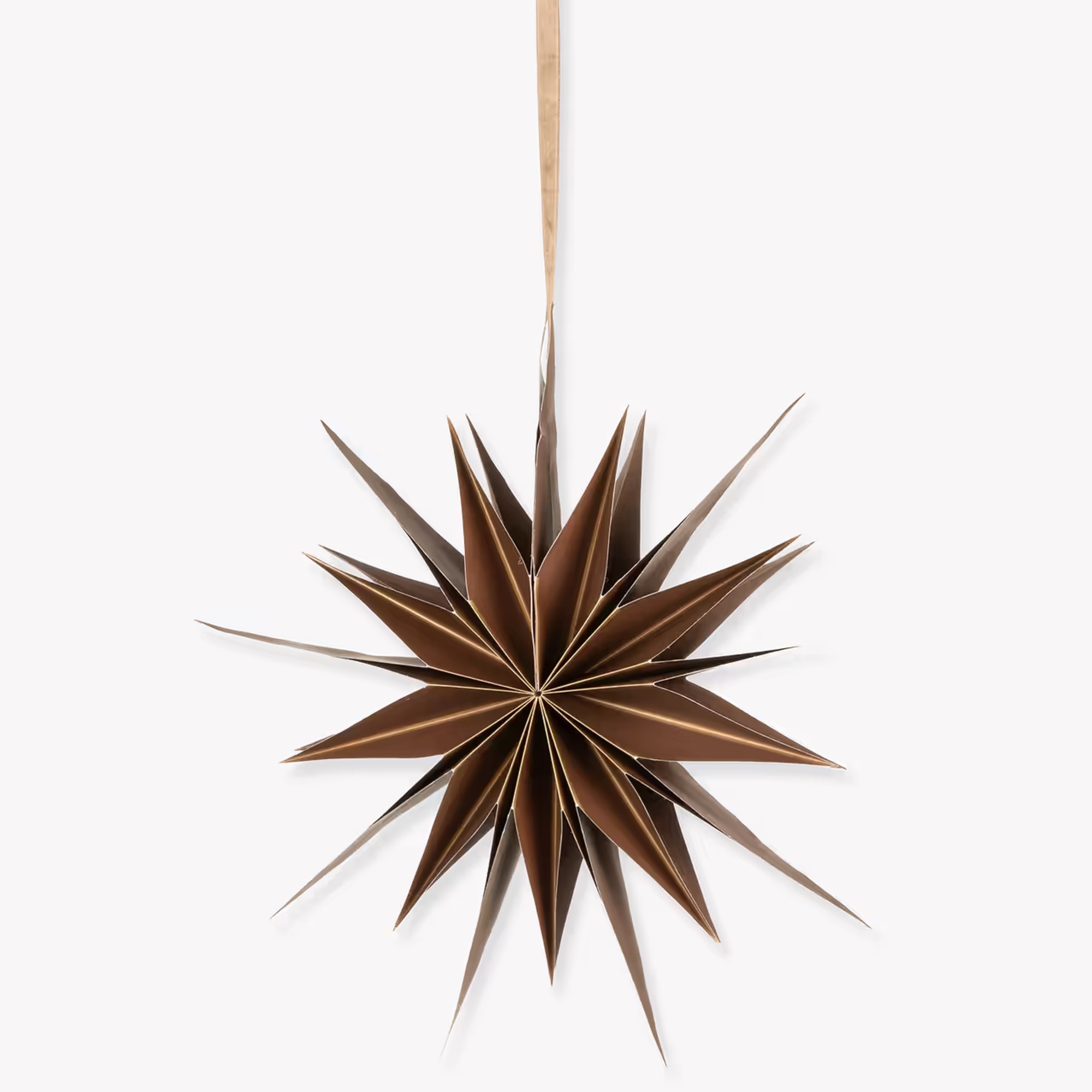
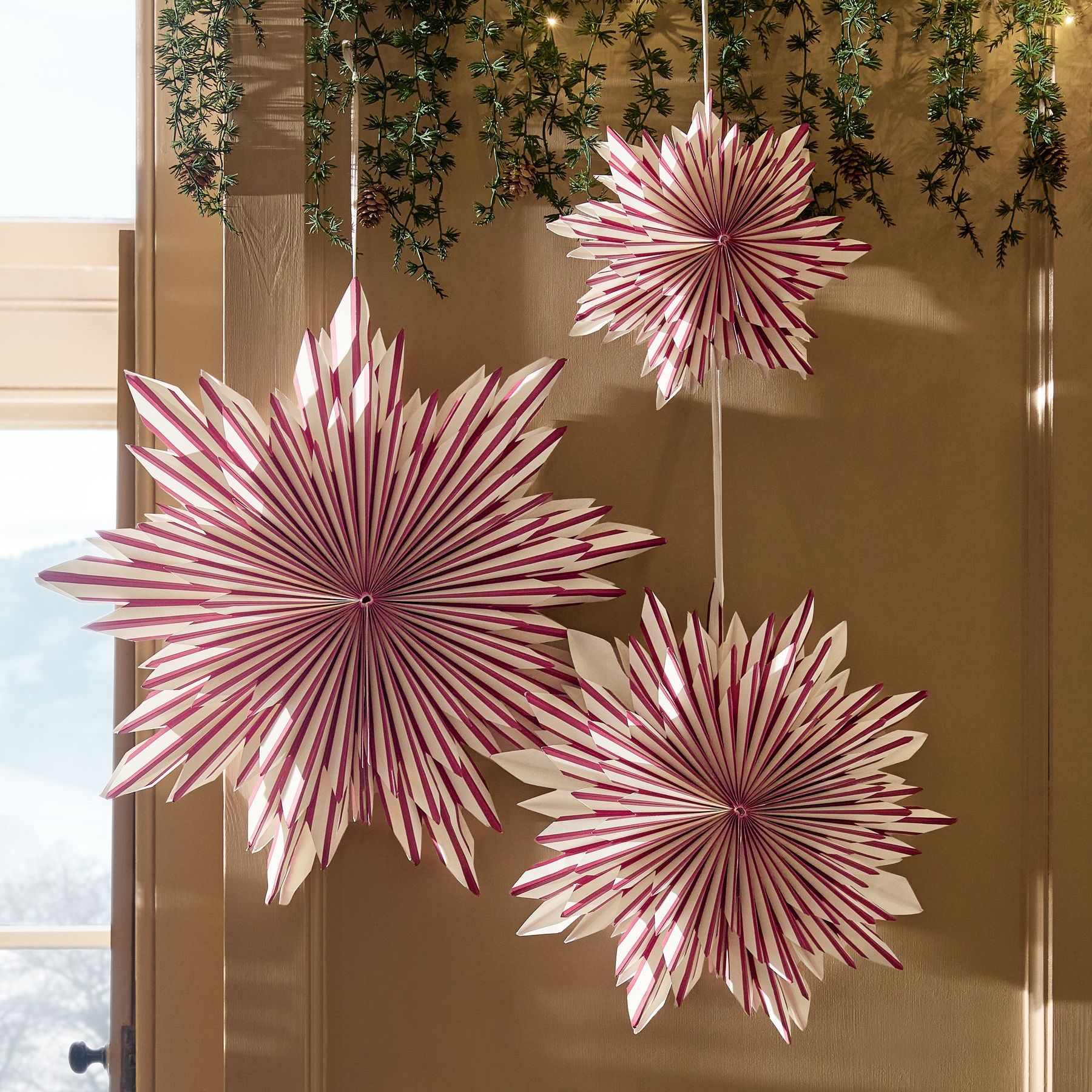
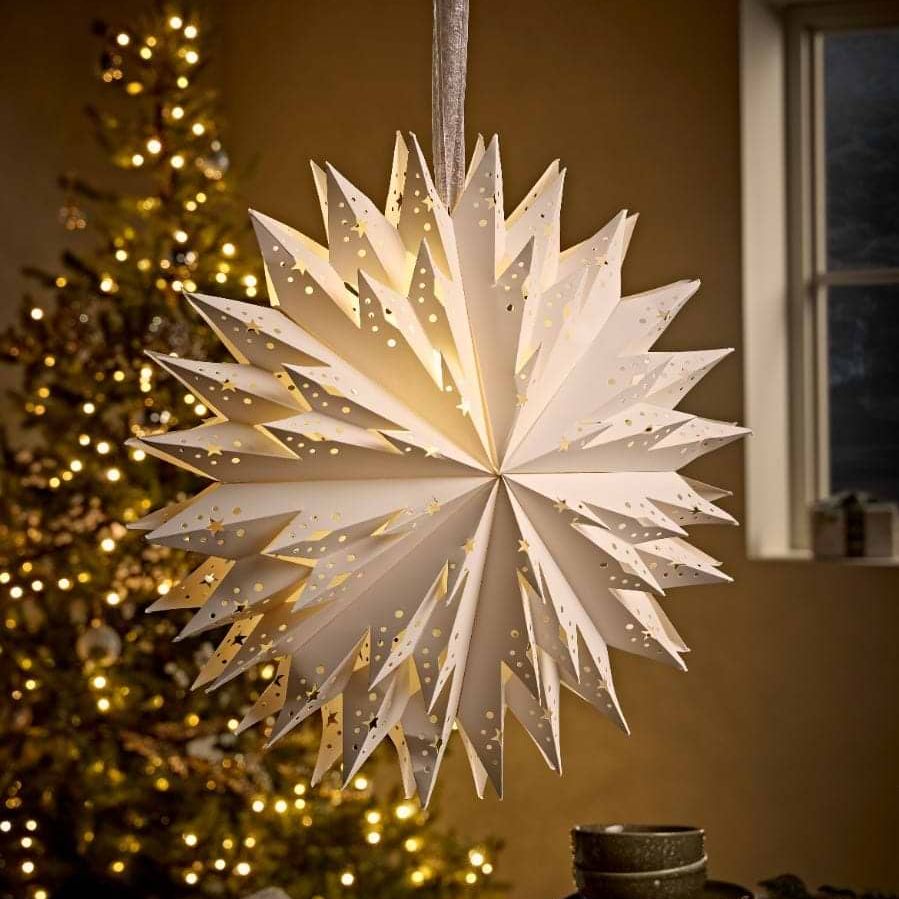
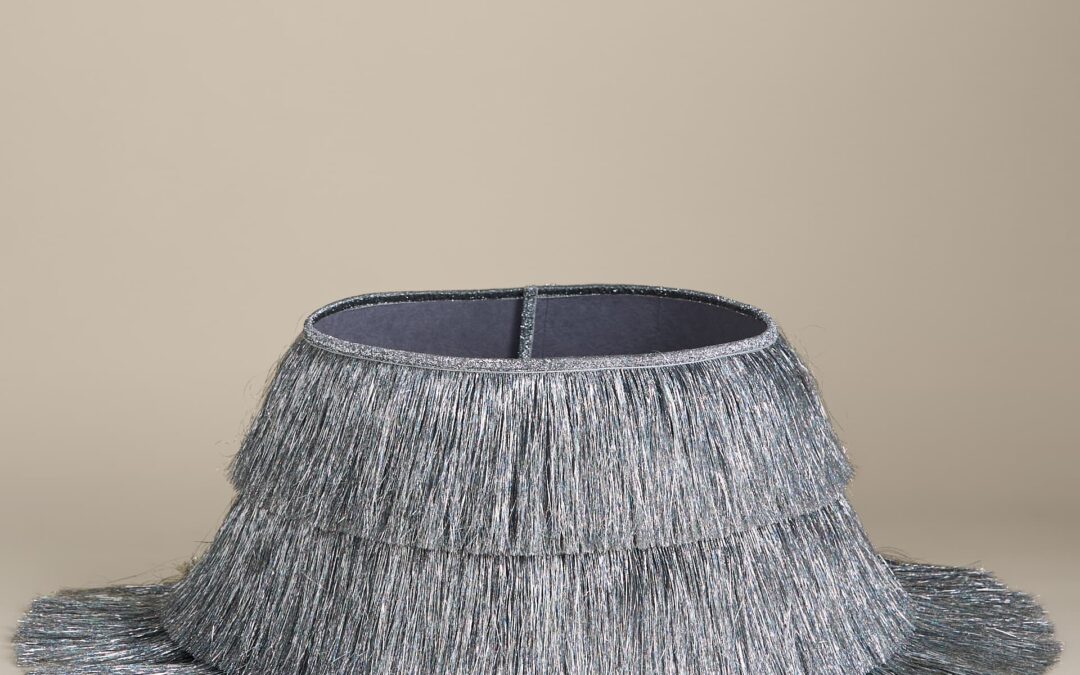
It might seem early to be talking about Christmas decorations, but past experience has taught me that you need to act fast to get the most stylish and best-value ones. Even if that means Christmas shopping in early October.
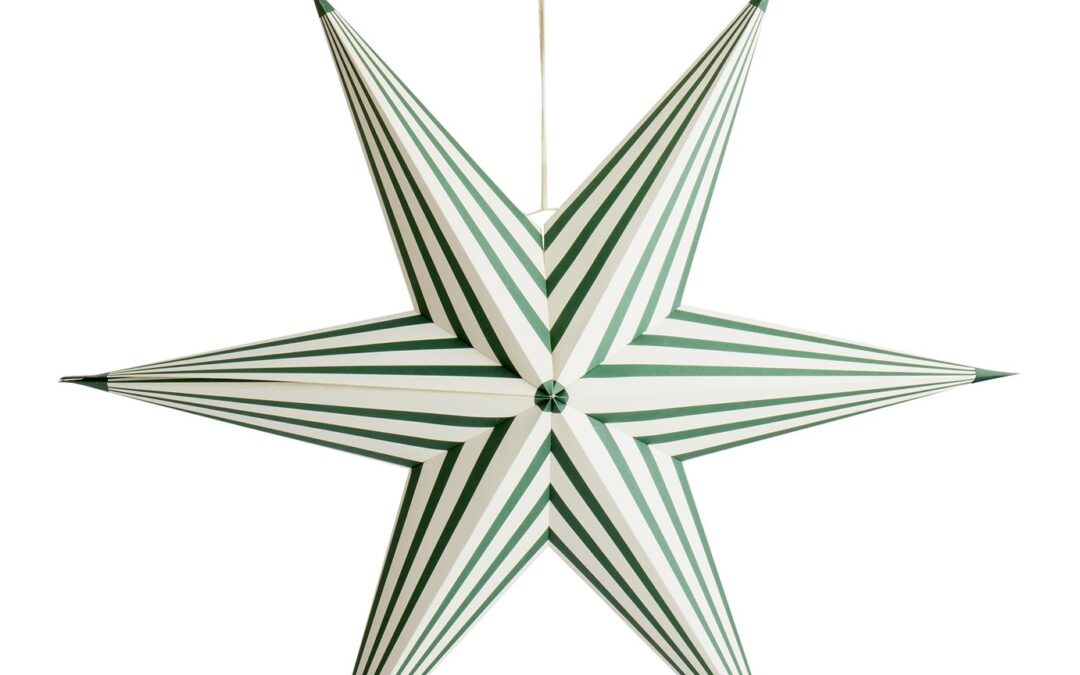
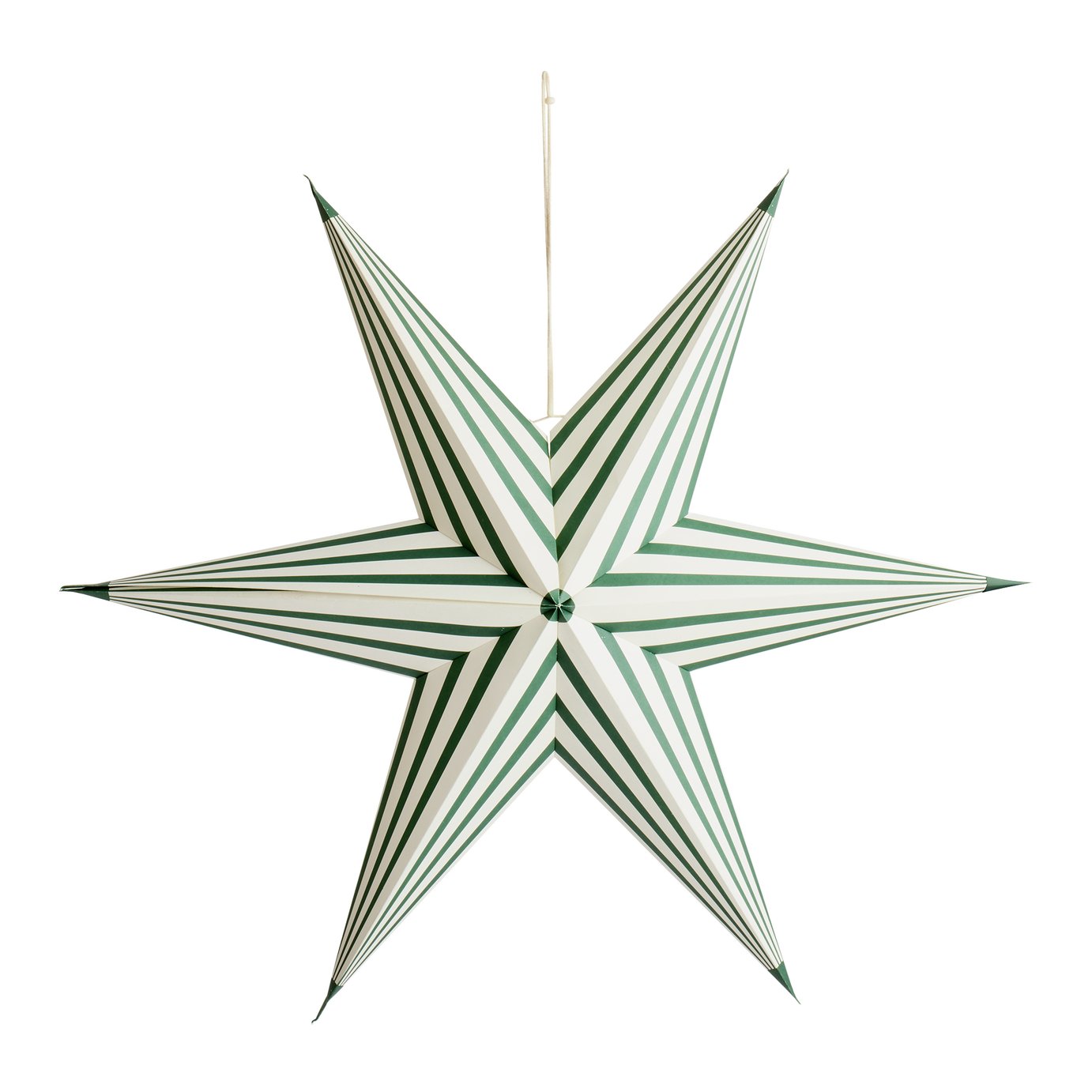
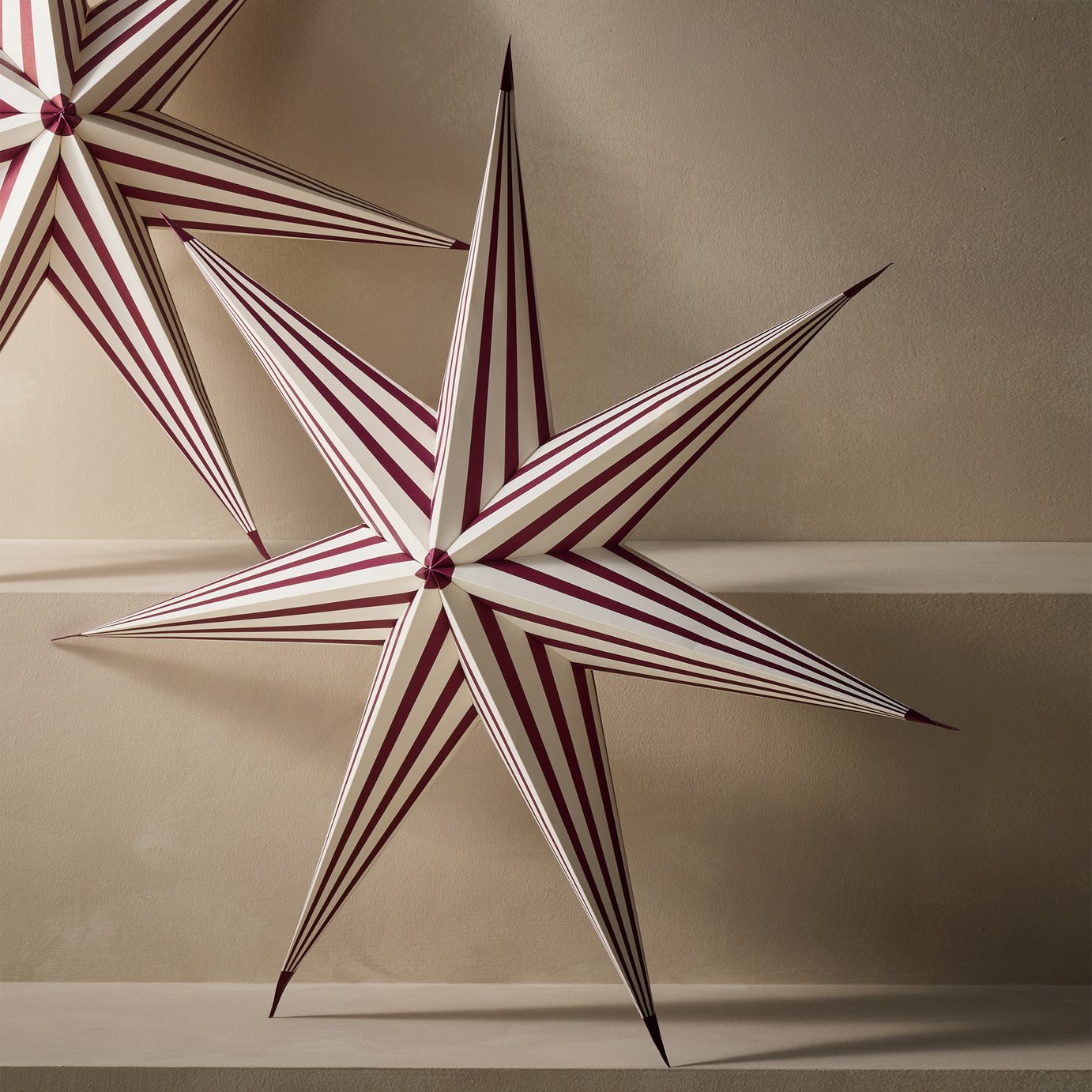
Last year, my big loss was missing out on Habitat’s £5 statement green stripe paper star decoration. I spent too long dithering over whether I needed one or three (the answer is always three). By the time I decided, it had flown out of stock, and it was only October. I’ve been waiting patiently for a year, and I’m happy to announce that it is finally back in stock, but act fast; they’re already becoming like gold dust to get your hands on.
Habitat
Green Stripe Paper Star Christmas Hanging Decoration
Habitat
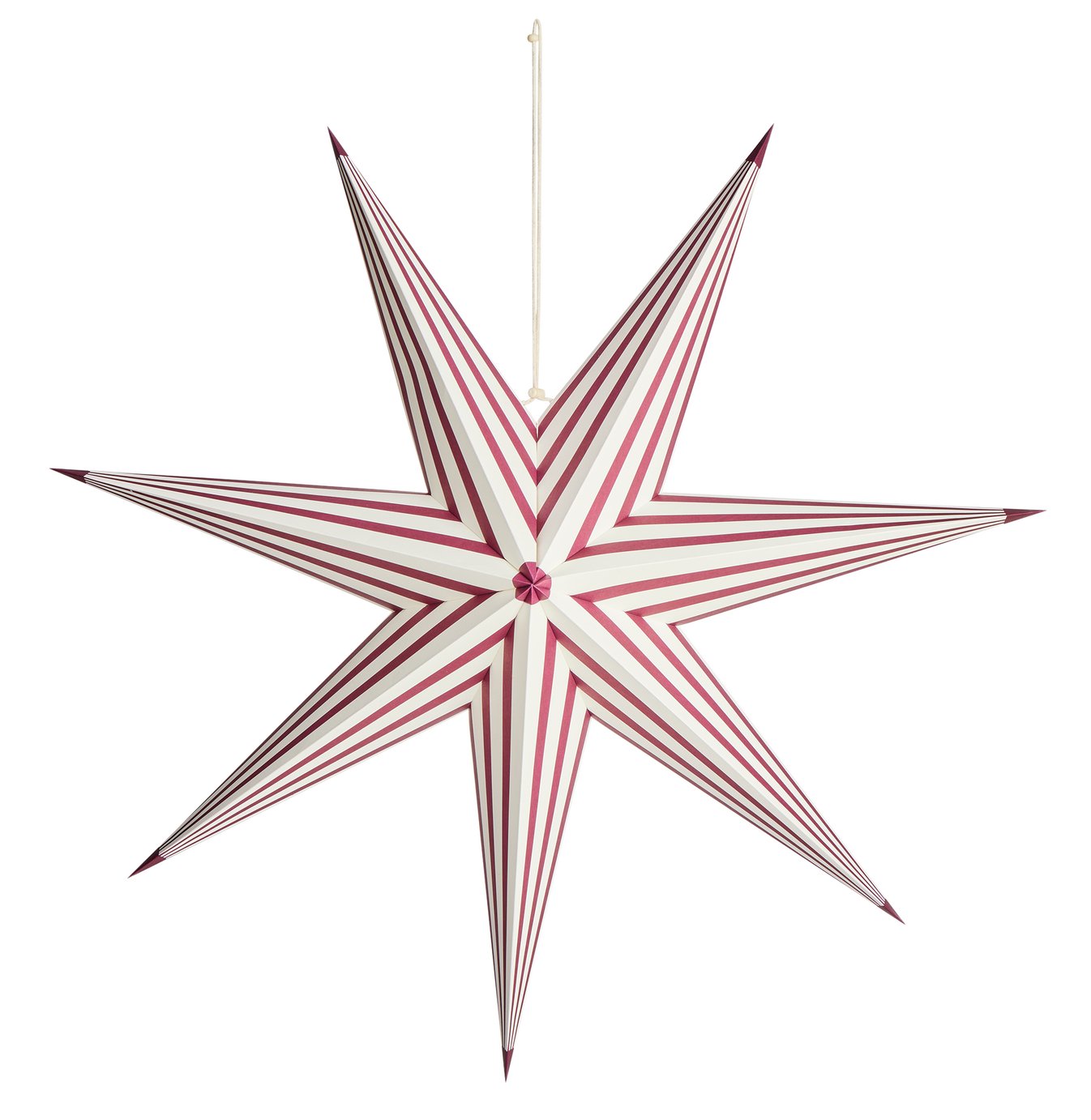
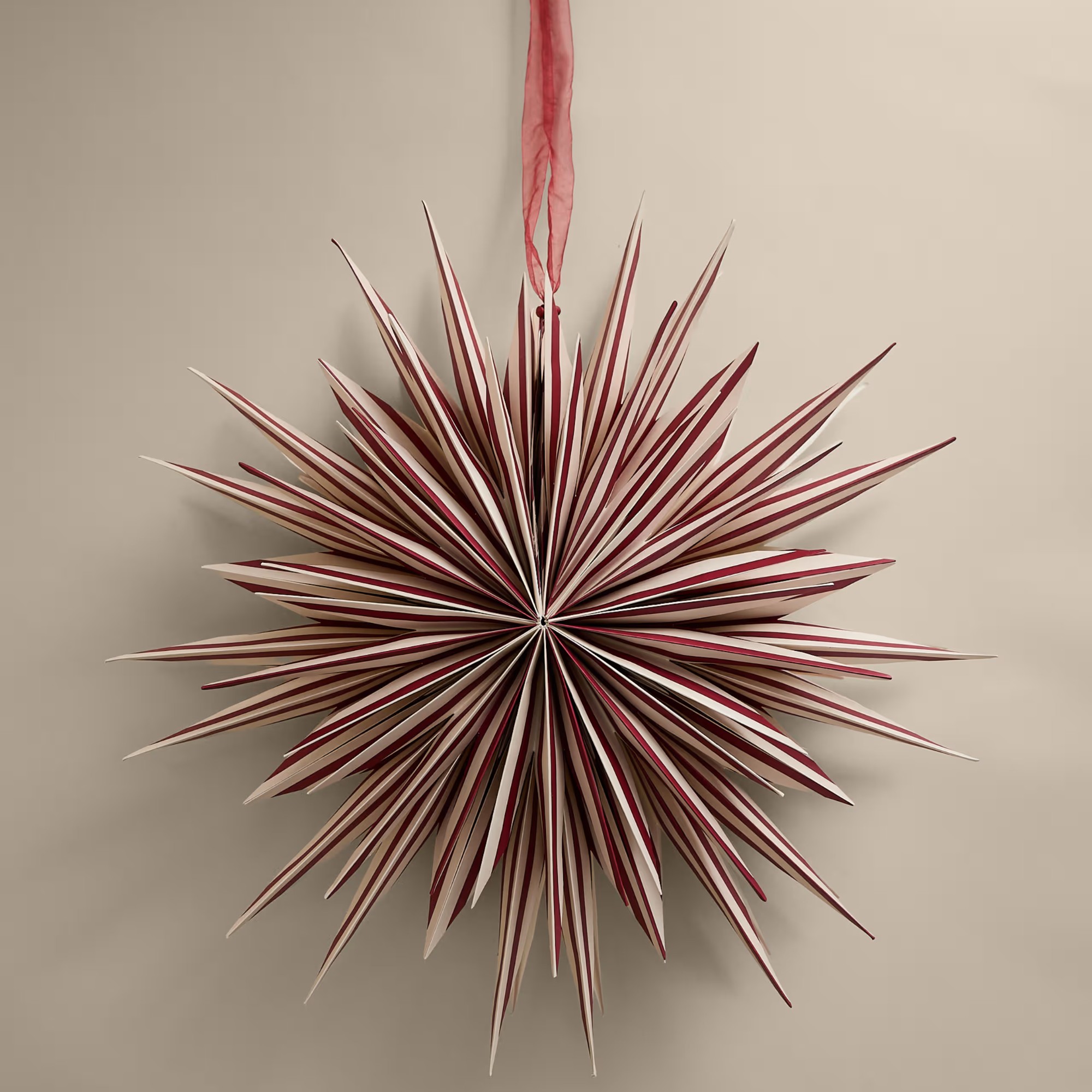
Handmade Large Paper Star Tree Decoration
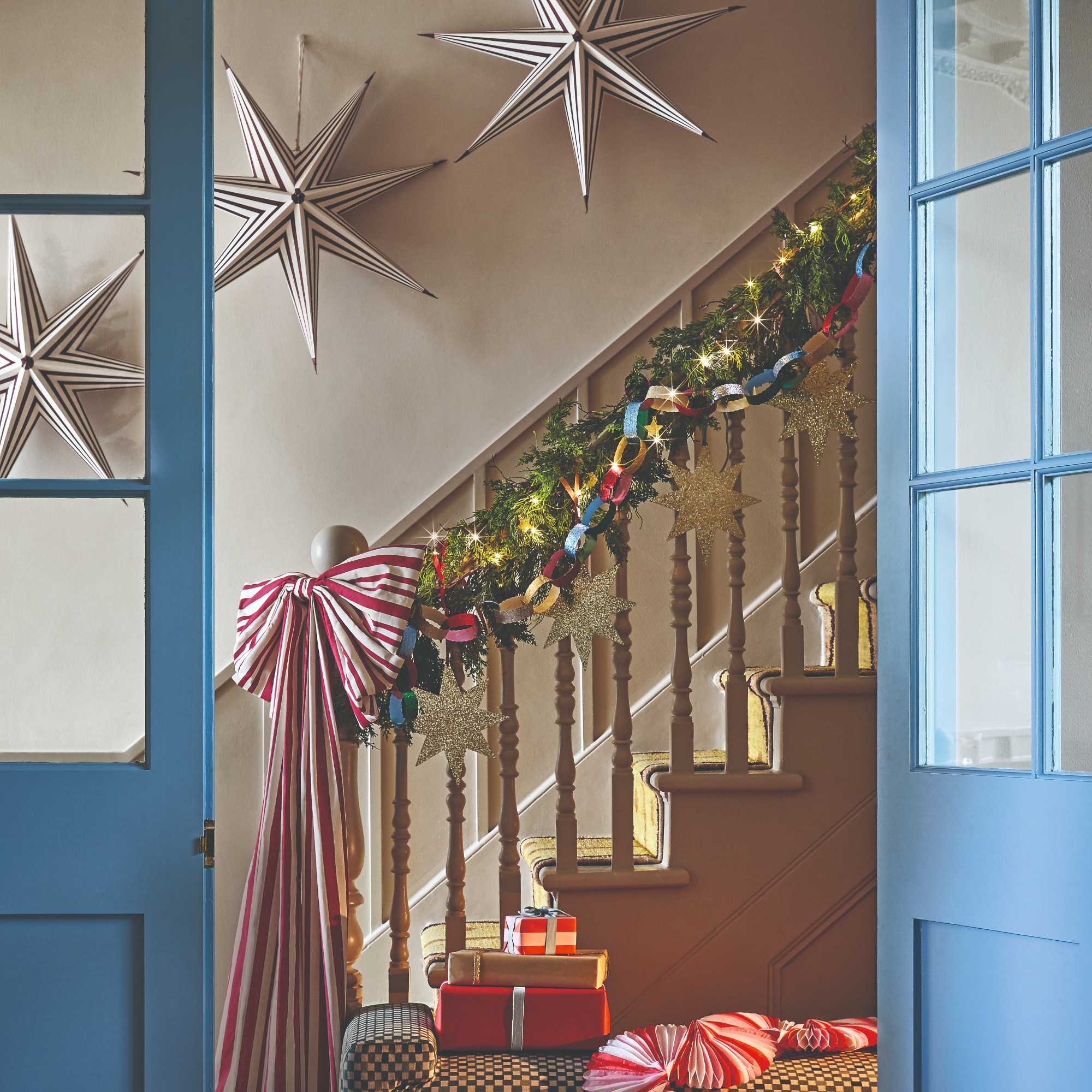
Paper stars are always a staple festive decoration, but over the last two years, larger, colourful and striped iterations have been a big breakout christmas decor trend.
Latest Videos FromIdeal Home
‘Scandi-inspired Christmas stars have been popular for a while now. But in the last couple of years, they’ve become a major focus of so many people’s Christmas decor,’ explains Ideal Home’s Room Decor Editor, Sara Hesikova. ‘And this year, pretty much all the major high street brands and retailers we love buying our Christmas decorations from have jumped on the trend. Compared to previous years, the favoured look has evolved, though as brands are leaving the uber minimalist styles behind in favour of stripes and layered, snowflake-reminiscent shapes.’
I was alerted to the Habitat Paper Star last year by Ideal Home’s Room Decor Editor, who spotted it in person at the Habitat Christmas preview and was blown away by just how big the decoration was. Measuring 75 cm across, it is about the size of a computer monitor or a backpack; it delivers a big impact for a fraction of the price of similar-style decorations.
Last year, the star was only available in a green stripe, but this year Habitat has brought it back in a red stripe too. Red is always a staple festive colour, but burgundy and red stripes are set to be massive this Christmas, especially with the ongoing trend for rich, dark, juicy reds going strong in the rest of the interiors world.
Sign up to our newsletter for style inspiration, real homes, project and garden advice and shopping know-how
(Image credit: Habitat)
I’m planning to snap up three of the red stars to display on the wall in my pink living room as the backdrop for my Christmas tree. That is, if I can get my hands on three.
The stars are already showing as sold out for many locations in the green colourway, and currently I can only find two of the red stars for collection at my local Argos. So if you want to snap any up, I’d recommend acting fast.
Alternatives
If the Habitat paper stars are currently all out of stock in your local area for delivery and collection, I’ve tracked down a few other statement stars and snowflakes that give this classic scandi decoration a joyful spin.
M&S
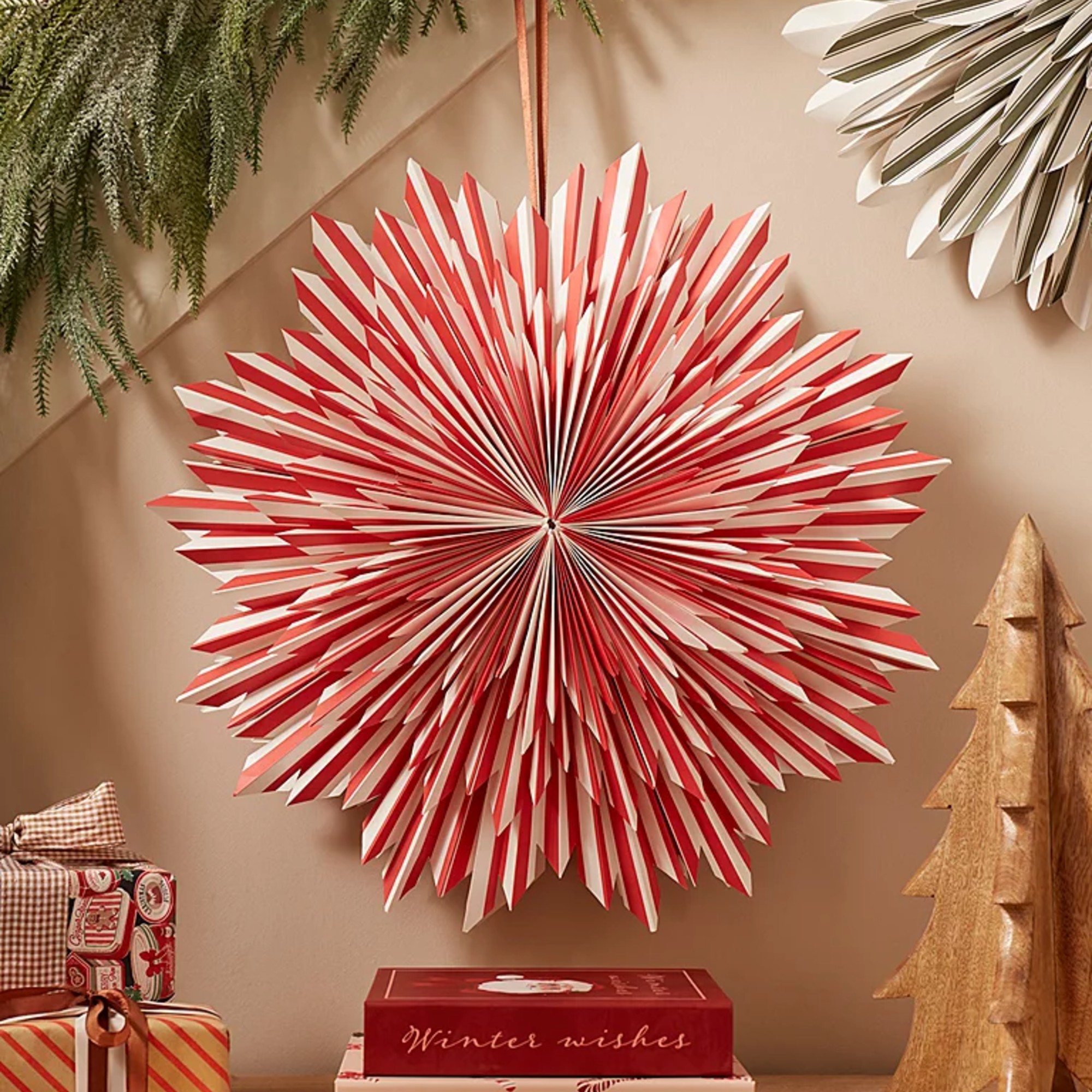
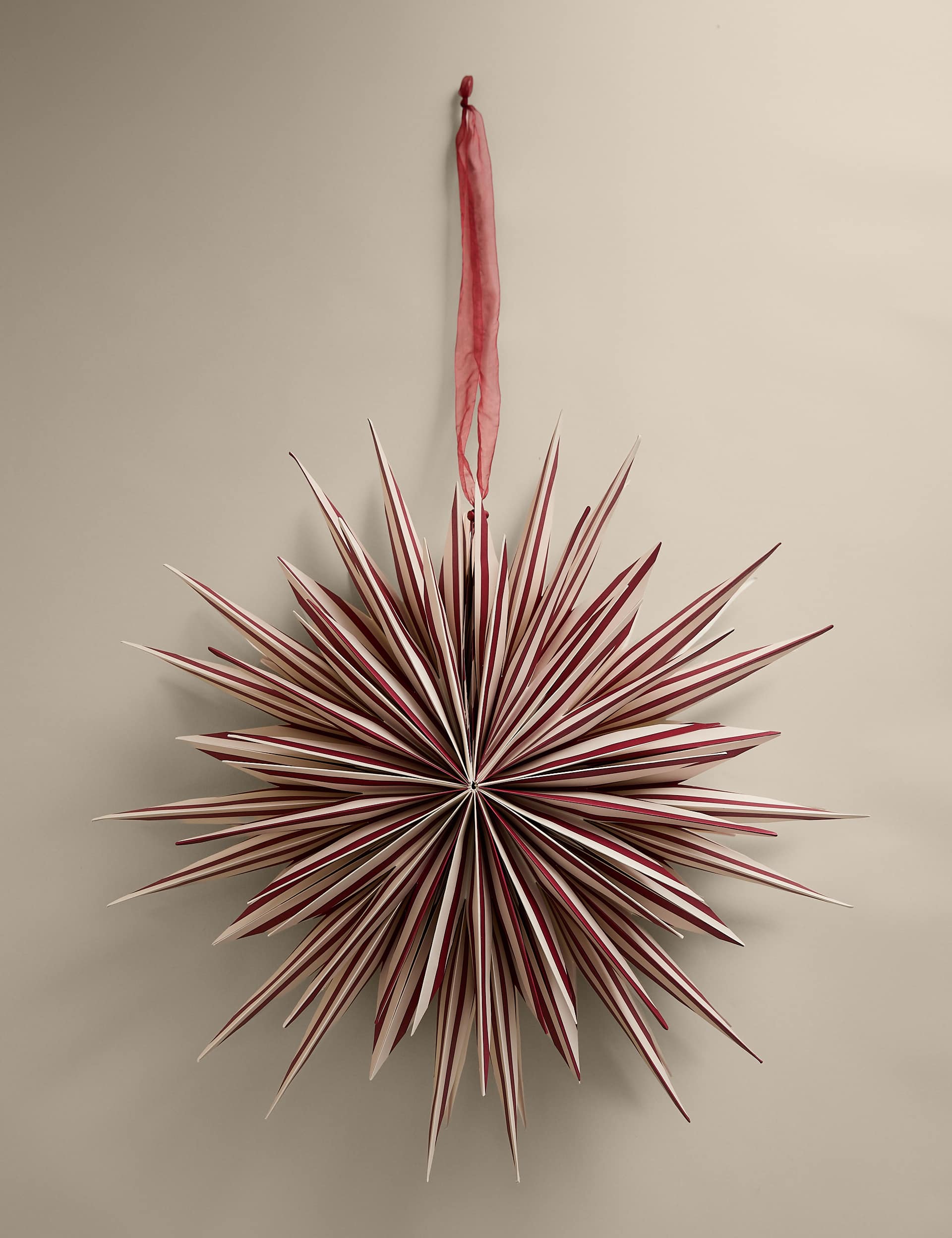
Paper Striped Star Room Decoration
George Home
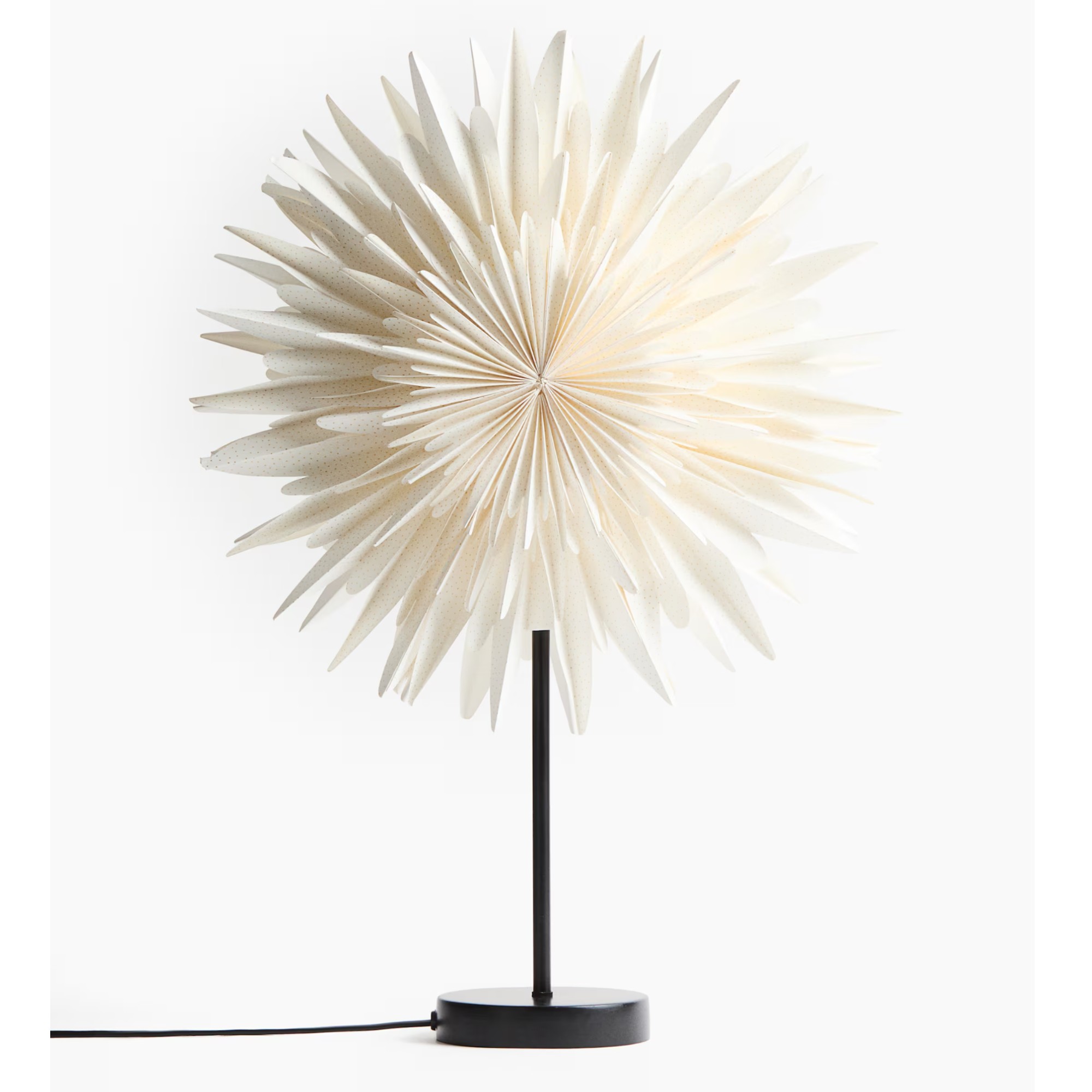
Red & White Paper Snowflake Christmas Decoration
<aside data-article-category="all-rooms" data-block-layout="hero" data-block-type="featured-product" data-hawk-json="{"product":{"variants":{"Default":{"image":{"copyright":"","height":2000,"id":"yNB6dzTsZhChfgeihrDXPN","mimeType":"image\/jpeg","mos":"https:\/\/cdn.mos.cms.futurecdn.net\/yNB6dzTsZhChfgeihrDXPN.jpg","role":"","width":2000,"credit":"George Home","alt":"George Home Red & White Paper Snowflake Christmas Decoration","caption":""},"strapline":"
George Home calls this Christmas decoration a 'snowflake', but I think it could be a star as much as it could be a snowflake.","brand":"George Home","name":"Red & White Paper Snowflake Christmas Decoration","urlStyle":"","retailer":"","layout":"hero","noFollow":true,"noAffiliateTracking":false,"promoLabel":"","price":null,"salePrice":null,"currency":null,"linkLayout":"button","sponsored":false,"hawkProductNameMatchedCode":"","review":{"cons":[],"id":"","name":"","pros":[],"rating":0,"strapline":"","url":""},"id":"","lastCheckedPriceDate":"","link":{"url":"https:\/\/www.anrdoezrs.net\/click-100624752-15729988?sid=hawk-custom-tracking&url=https:\/\/direct.asda.com\/george\/christmas\/christmas-room-decorations\/red-white-paper-snowflake-christmas-decoration\/060201143,default,pd.html","linkText":"\u00a312 at ASDA","merchantName":"George at Asda","merchantId":446839,"merchantNetwork":"CJ","merchantUrl":"direct.asda.com"}}}}}” data-link=”https://www.anrdoezrs.net/click-100624752-15729988?sid=hawk-custom-tracking&url=https://direct.asda.com/george/christmas/christmas-room-decorations/red-white-paper-snowflake-christmas-decoration/060201143,default,pd.html” data-link-merchant=”George at Asda” data-link-text=”£12 at ASDA” data-merchant-id=”446839″ data-merchant-name=”George at Asda” data-merchant-network=”CJ” data-merchant-url=”direct.asda.com” data-model-brand=”George Home” data-model-name=”George Home Red & White Paper Snowflake Christmas Decoration” data-name=”Product Block merchantlink widget” data-render-type=”fte” data-show-fallback=”button” data-widget-type=”merchantlink” class=”ecom-root”>
George Home calls this Christmas decoration a ‘snowflake’, but I think it could be a star as much as it could be a snowflake.
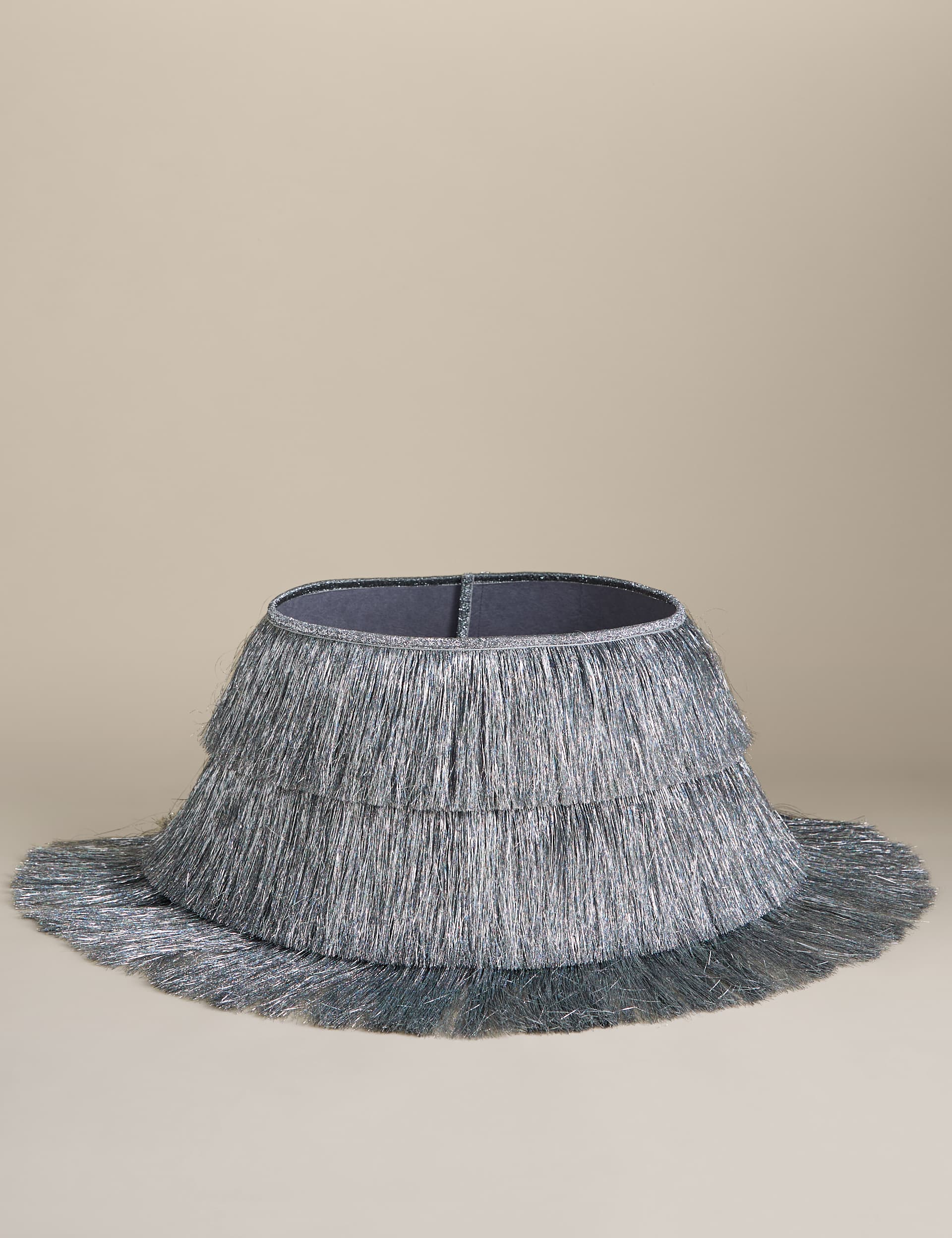
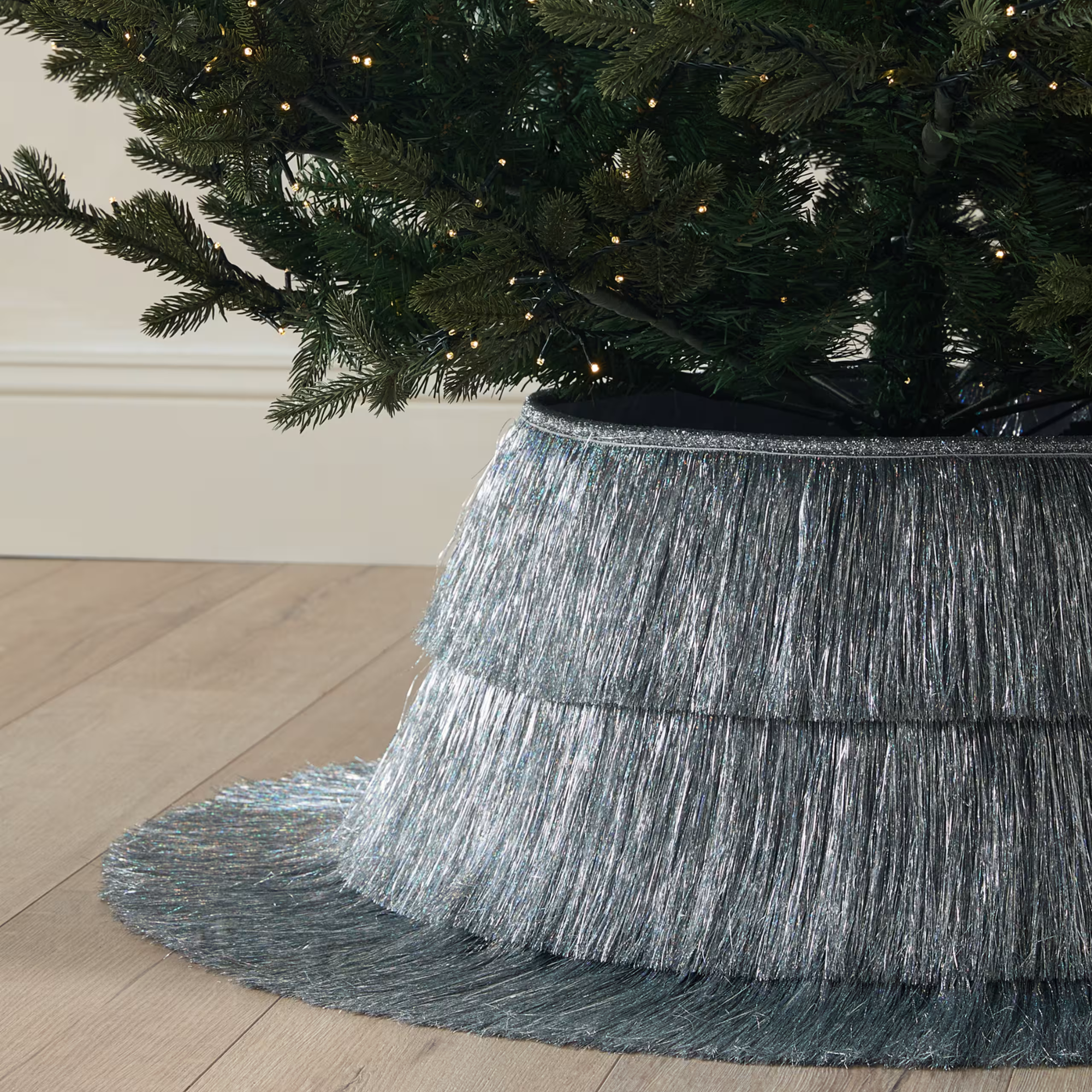
M&S’s sell-out Textured Tinsel Tree Skirt (£18) is back for Christmas 2026, and in a sparkling new colourway. If you’re looking for showstopping festive decor, this glittering tinsel skirt is undoubtedly a star buy.
Last year, when Christmas trends were heavily centred on nostalgic, tinsel-heavy displays, M&S dropped a stunning multicoloured tinsel tree skirt, and it wasn’t long before it sold out completely.
If you missed out last year, don’t worry, as it’s back in stock and available in a sleek silver colourway. But if you like what you see, be quick, as I predict another sell-out.
Latest Videos FromIdeal Home
M&S
Textured Tinsel Tree Skirt
If you’re a fan of nostalgic, maximalist festive decor, this is a great tree skirt to incorporate into Christmas decorating. It has a playful disco look, and it means the base of your tree is just as eye-catching as your baubles and fairy lights.
A tree skirt is an effective way to cover the base of even the best artificial Christmas tree and maintain the illusion of a real tree (without the dropped needles). They’ve quickly become one of the most popular Christmas decor ideas, and with a range of styles available, there is one to suit any home.
‘The M&S tinsel skirt first debuted last year. I’d had a preview of it before it went live and had kept checking the site for it to drop because I knew it would be a sellout success. And sure enough, it was! I’ve never seen a tree skirt like this anywhere else before or since. So it’s this unique, playful look that sets it apart from the rest and makes it so popular with shoppers. And with the affordable £18 price point, no wonder everyone’s going mad for it,’ says Sara Hesikova, Ideal Home’s Room Decor Editor.
Sign up to our newsletter for style inspiration, real homes, project and garden advice and shopping know-how
The silver tinsel skirt stands at 70cm tall and has a length of 165cm, making it big enough to fit most artificial trees. Meanwhile, its three tiers of tinsel add an extra layer of sparkle to your decor, whilst keeping the finished look polished. The tinsel also has a textured surface, which means it should catch the light, adding even more sparkle to your home.
If that sounds like a little too much sparkle for you (no such thing), I’ve listed a few more of my favourite M&S Christmas decorations from this year.
M&S
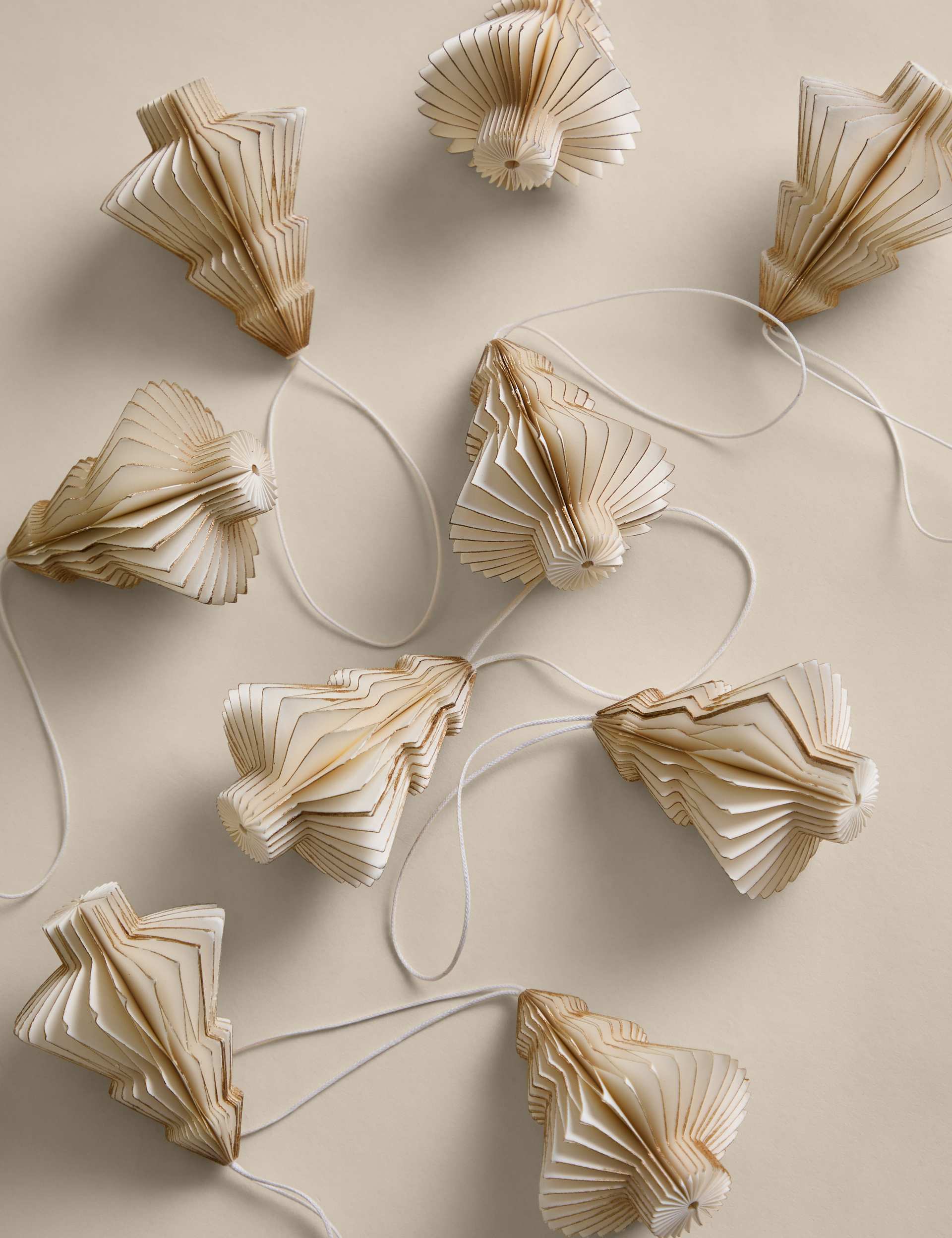
9 Pack Paper Tree Baubles
<aside data-article-category="all-rooms" data-block-layout="hero" data-block-type="featured-product" data-editorial-currency="GBP" data-editorial-price="10" data-hawk-json="{"product":{"variants":{"Default":{"image":{"copyright":"","height":2496,"id":"DimXSfArt5QLEvJ9GapqJE","mimeType":"image\/jpeg","mos":"https:\/\/cdn.mos.cms.futurecdn.net\/DimXSfArt5QLEvJ9GapqJE.jpg","role":"","width":1920,"credit":"M&S","alt":"9 Pack Paper Tree Baubles","caption":""},"strapline":"
Paper trees are everywhere right now and I love these miniature ones to hang on your tree. They add a charming, Scandi finish to your door.
Marks and Spencer
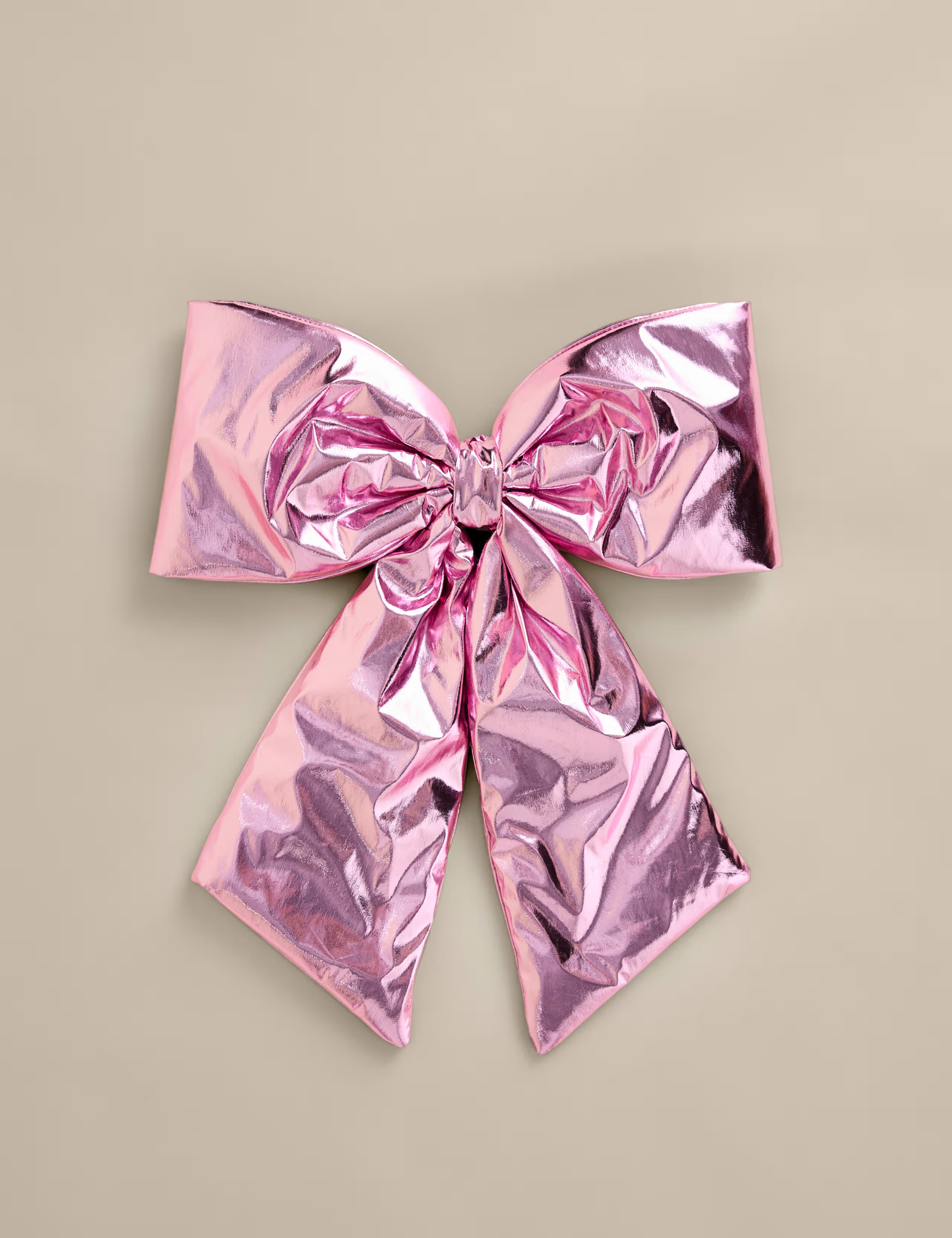
Pink Metallic Hanging Bow Decoration
<aside data-article-category="all-rooms" data-block-layout="hero" data-block-type="featured-product" data-editorial-currency="GBP" data-editorial-merchant-name="£12 at Marks and Spencer" data-hawk-json="{"product":{"variants":{"Default":{"image":{"copyright":"","height":2560,"id":"tWrVZHH3M7DQJagXRF2cSP","mimeType":"image\/png","mos":"https:\/\/cdn.mos.cms.futurecdn.net\/tWrVZHH3M7DQJagXRF2cSP.png","role":"","width":1969,"credit":"Marks and Spencer","alt":"Marks and Spencer, Pink Metallic Hanging Bow Decoration","caption":""},"strapline":"
This pink metallic bow is so much fun. It's perfect if you want to add a fun pop of colour to your Christmas tree.","brand":"Marks and Spencer","name":"Pink Metallic Hanging Bow Decoration","urlStyle":"","layout":"hero","noFollow":true,"noAffiliateTracking":false,"promoLabel":"","price":null,"salePrice":null,"currency":"GBP","linkLayout":"text","sponsored":false,"hawkProductNameMatchedCode":"","review":{"cons":[],"id":"","name":"","pros":[],"rating":0,"strapline":"","url":""},"id":"","lastCheckedPriceDate":"","link":{"url":"https:\/\/www.awin1.com\/awclick.php?awinmid=1402&awinaffid=103504&clickref=hawk-custom-tracking&p=https%3A%2F%2Fwww.marksandspencer.com%2Fpink-metallic-hanging-bow-decoration%2Fp%2Fhbp6122940","linkText":"\u00a312 at Marks and Spencer","editorialMerchantName":"\u00a312 at Marks and Spencer","merchantName":"Marks and Spencer UK","merchantId":1042,"merchantNetwork":"AW","merchantUrl":"marksandspencer.com"}}}}}” data-link=”https://www.awin1.com/awclick.php?awinmid=1402&awinaffid=103504&clickref=hawk-custom-tracking&p=https%3A%2F%2Fwww.marksandspencer.com%2Fpink-metallic-hanging-bow-decoration%2Fp%2Fhbp6122940″ data-link-merchant=”Marks and Spencer UK” data-link-text=”£12 at Marks and Spencer” data-merchant-id=”1042″ data-merchant-name=”Marks and Spencer UK” data-merchant-network=”AW” data-merchant-url=”marksandspencer.com” data-model-brand=”Marks and Spencer” data-model-name=”Marks and Spencer Pink Metallic Hanging Bow Decoration” data-name=”Product Block merchantlink widget” data-render-type=”fte” data-show-fallback=”button” data-widget-type=”merchantlink” class=”ecom-root”>
This pink metallic bow is so much fun. It’s perfect if you want to add a fun pop of colour to your Christmas tree.
Paper stars have also been a popular choice of decor and it's easy to see why. This one is striking, with its festive pop of red.","brand":"M&S","name":"Paper Striped Star Room Decoration","urlStyle":"","retailer":"","layout":"hero","linkText":"","noFollow":true,"noAffiliateTracking":false,"promoLabel":"","price":15,"salePrice":null,"currency":"GBP","linkLayout":"text","sponsored":false,"hawkProductNameMatchedCode":"","review":{"cons":[],"id":"","name":"","pros":[],"rating":0,"strapline":"","url":""},"id":"","externalId":"c612e08ff996db478bf3b421f67cc68d64f352d7","lastCheckedPriceDate":"","link":{"url":"https:\/\/www.awin1.com\/awclick.php?awinmid=1402&awinaffid=103504&clickref=hawk-custom-tracking&p=https%3A%2F%2Fwww.marksandspencer.com%2Fpaper-striped-star-room-decoration%2Fp%2Fhbp61230425","merchantName":"Marks and Spencer UK","merchantId":1042,"merchantNetwork":"AW","merchantUrl":"marksandspencer.com"}}}}}” data-link=”https://www.awin1.com/awclick.php?awinmid=1402&awinaffid=103504&clickref=hawk-custom-tracking&p=https%3A%2F%2Fwww.marksandspencer.com%2Fpaper-striped-star-room-decoration%2Fp%2Fhbp61230425″ data-link-merchant=”Marks and Spencer UK” data-merchant-id=”1042″ data-merchant-name=”Marks and Spencer UK” data-merchant-network=”AW” data-merchant-url=”marksandspencer.com” data-model-brand=”M&S” data-model-name=”M&S Paper Striped Star Room Decoration” data-name=”Product Block merchantlink widget” data-render-type=”fte” data-show-fallback=”button” data-widget-type=”merchantlink” class=”ecom-root”>
Paper stars have also been a popular choice of decor and it’s easy to see why. This one is striking, with its festive pop of red.
Given that M&S’ tinsel tree sold out by November this year, I predict it will be the same case this year – especially is such a pretty silver colourway. So, if you like what you see, snap it up now.
Photographs are more than attractive decoration; they are visual reminders of people, places, milestones and moments that matter. From a compact flat to a rented house or a spacious family home, displaying photography can instantly make your walls feel warmer, more expressive and more personal.
Before choosing frames or layouts, consider the mood you want each room to have. If you are refreshing family portraits, photo printing at Custtom can help turn digital images into meaningful wall pieces that feel considered rather than temporary. Think about colour, scale, subject and style so your photographs complement your space while still telling your own story.
Table of Contents
Create A Gallery Wall With Meaning
A gallery wall is one of the most flexible ways to display photography. It can be neat and symmetrical, or relaxed and eclectic. The key is to choose images that connect with one another, whether through theme, colour palette, location or emotional value.
For a polished look, use matching frames in black, white or natural wood. For a more collected style, combine different frame sizes and finishes. Lay everything out on the floor before hanging, or use paper templates on the wall to test the arrangement. This prevents unnecessary nail holes and helps you find the right balance.
A gallery wall works beautifully in hallways, staircases, living rooms and dining spaces. Mix close-up portraits with landscapes, travel shots and small detail images to create rhythm and variety.
Try Large Statement Prints
Sometimes one striking photograph can have more impact than a collection. A large print above a sofa, bed or sideboard can become the centrepiece of a room. This works especially well with dramatic landscapes, black-and-white portraits, architectural images or abstract close-ups.
When choosing a statement print, pay attention to the colours already present in the room. A coastal image with soft blues and greys can create calm, while a vibrant city scene can add energy. If your interior is minimal, a bold photograph can introduce personality without cluttering the space.
Use Shelves For Flexible Displays
Picture shelves are ideal if you enjoy changing your displays regularly. Instead of committing to a fixed layout, you can lean framed photographs against the wall and layer them with books, candles, plants or small ornaments.
This approach is especially useful in rented homes, as it reduces the need for multiple wall fixings. It also allows you to update your display seasonally. You might show sunny holiday photographs in summer, cosy family moments in winter, or special celebrations around birthdays and anniversaries.
For a stylish finish, vary the height and width of the frames while keeping a consistent element, such as similar tones or matching mounts.
Mix Photography With Other Artwork
Your walls don’t need to feature photography alone. Combining photographs with illustrations, paintings, typography prints or textile pieces can create a richer and more individual display.
For example, you could place a family portrait beside a favourite quote, a travel photograph next to a map, or a nature print alongside pressed flowers. This layered approach makes your wall feel curated and personal rather than overly coordinated.
To keep the look cohesive, repeat certain colours, frame styles or shapes. Even an eclectic display benefits from a sense of visual order.
Consider Unusual Spaces
Do not limit photography to obvious walls. Small or overlooked areas can become charming places for personal displays. Try hanging a mini collection in a downstairs loo, arranging travel photos above a desk, or placing black-and-white family images in a reading corner.
Kitchens can also work well for photography, especially cheerful images of family gatherings, markets, food, gardens or holidays. Just make sure prints are kept away from steam and splashes, or use protective frames.
Display Everyday Moments
Many people reserve wall space for formal portraits or major events, but everyday photographs can be just as powerful. A child laughing in the garden, a quiet morning coffee, a pet curled up by the window or a favourite local walk can all bring warmth and authenticity to your home.
These informal images often feel more intimate because they capture real life as it happens. Displaying them reminds you that beauty is not limited to big occasions; it exists in ordinary routines too.
Tell Your Story Room By Room
The most successful photo displays feel connected to the people who live with them. A bedroom might suit calming images and personal memories, while a living room can hold family portraits or favourite adventures. A home office might benefit from inspiring places, achievements or creative shots.
Choosing photographs with intention enables you to transform blank walls into a visual autobiography. Your home becomes not just decorated, but deeply personal.
IKEA has been a festive treasure trove when it comes to Christmas lighting this year – and these are my favourite quirky picks to add some whimsy to your festive decor.
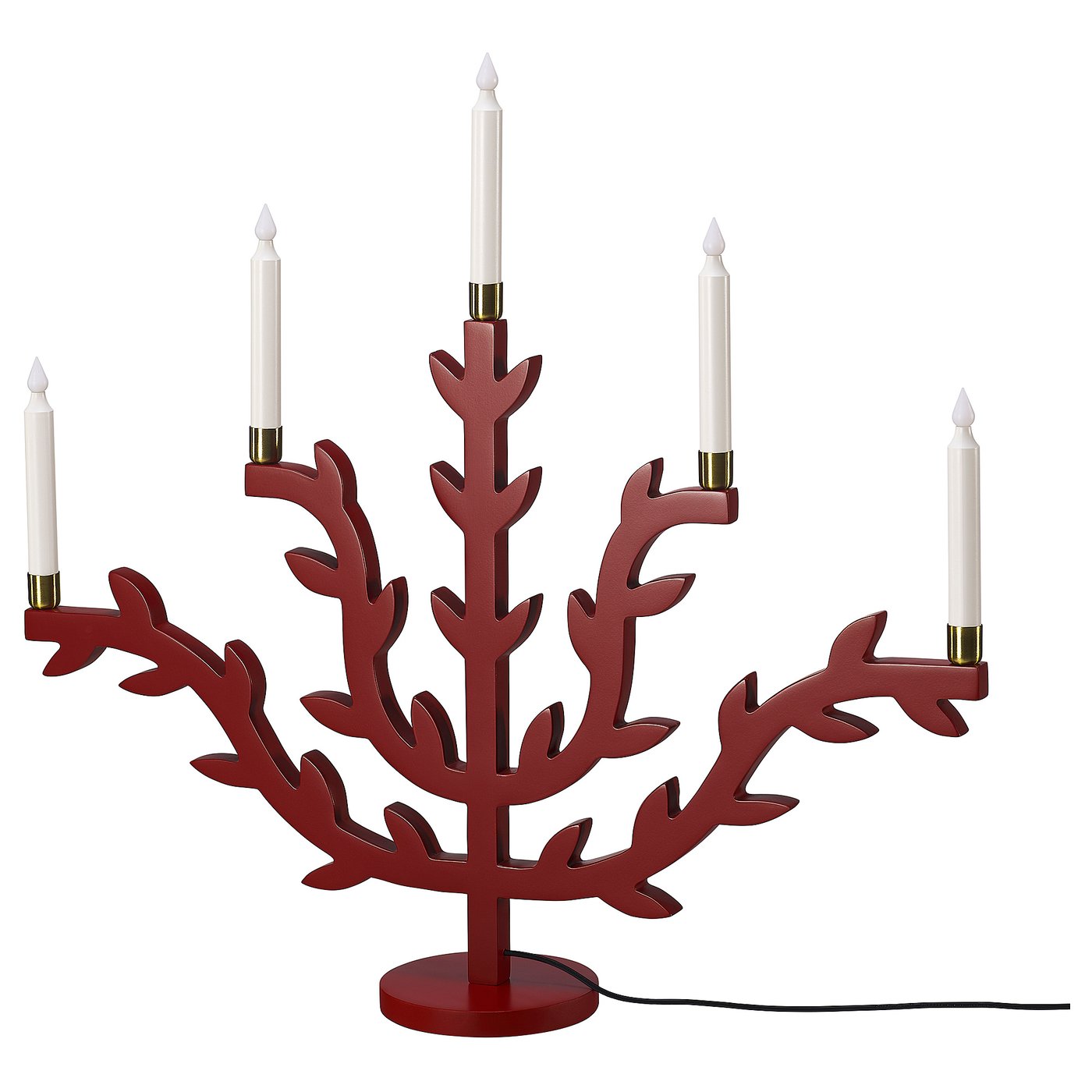
Folk-style decor has emerged as one of the biggest Christmas trends for 2026, and IKEA’s Christmas lighting collections have been one of the best places to shop for this style. However, there are also a few more ‘quirky’ options on sale that are perfect for achieving a traditional yet individual look.
From a glowing paper snowman to a light-up wooden reindeer, here are the IKEA lights that will inject personality into your Christmas decorating ideas this year.
Latest Videos FromIdeal Home
(Image credit: IKEA)
It’s no secret that I’ve been loving IKEA’s Christmas decorations this year. Their LED Christmas tree is a brilliant alternative to one of the best artificial Christmas trees if you’re short on space, while their range of fairy lights, paper stars and novelty lighting options means every style is well catered to.
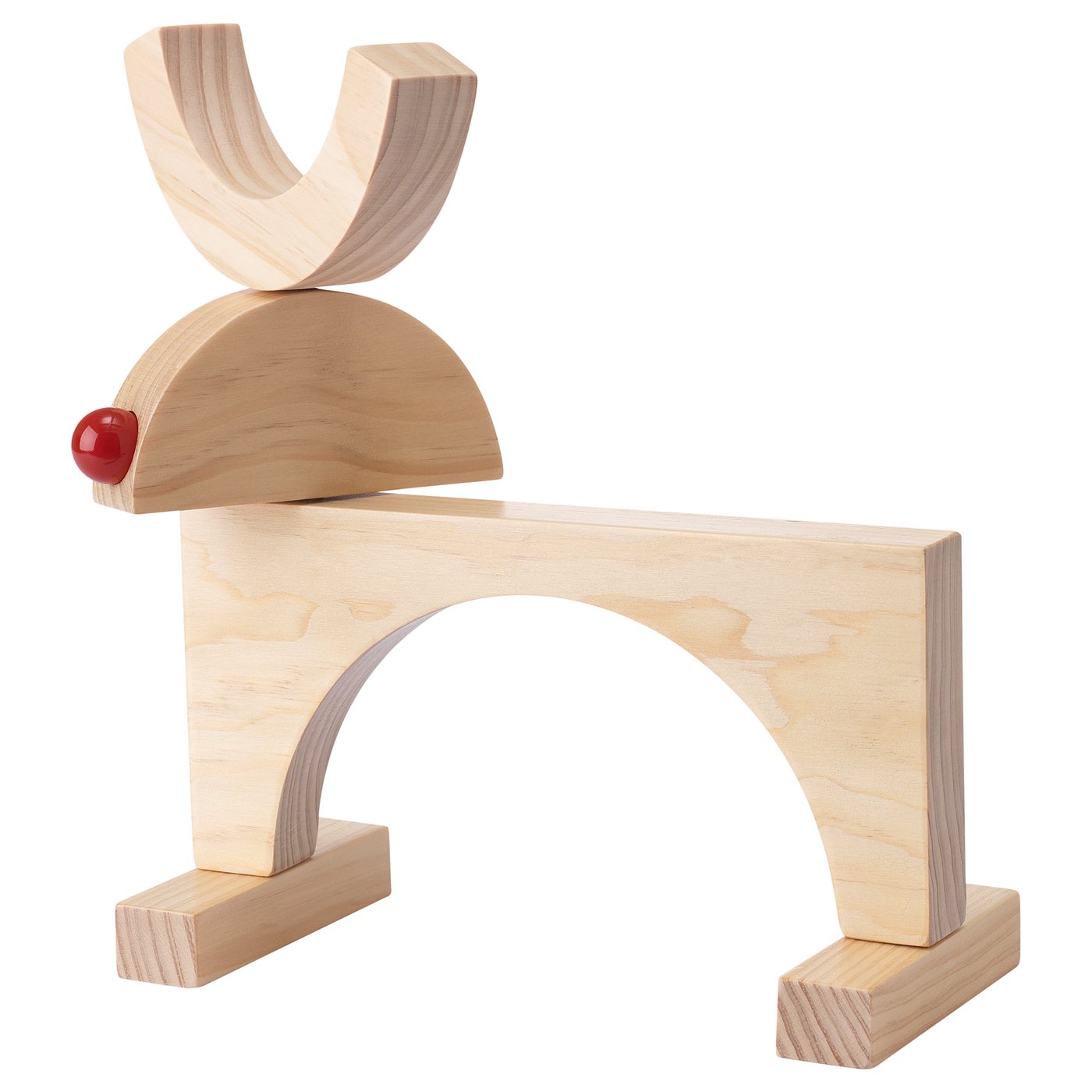
My top pick is the Battery-Operated Reindeer (£12), which, like Rudolph, has a glowing red nose. Its wood finish makes this piece of decor look like a traditional children’s toy. It’s playful, festive and fun, perfect for adding the finishing touches to your decor. Alternatively, here are the rest of my six picks.
IKEA
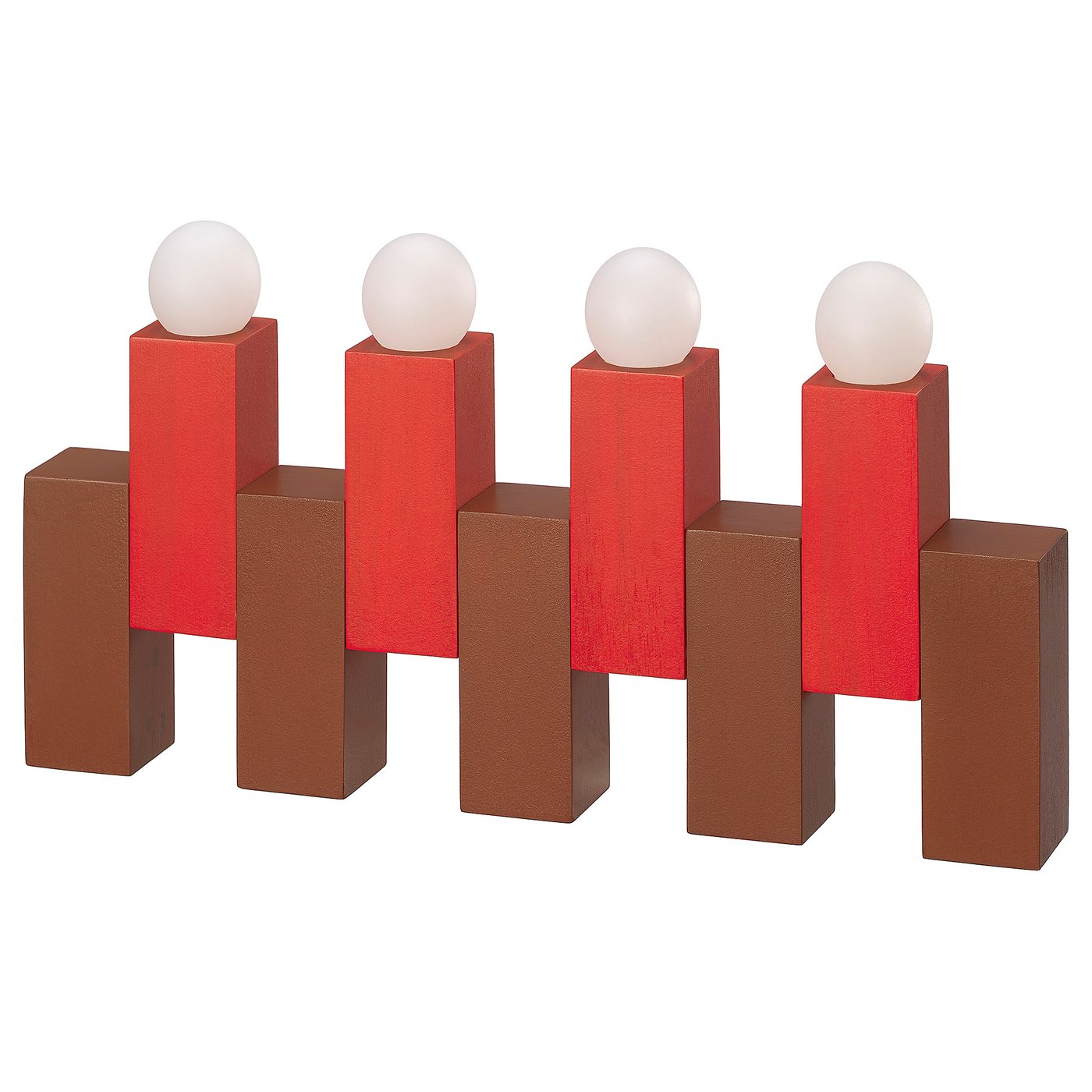
STRÅLA Led Table Decoration – Battery-Operated/reindeer
I love the retro look of this lamp. It reminds me of a children's toy, yet is stylish enough to hold its own as a piece of decor.","brand":"IKEA","name":"STR\u00c5LA Led Table Decoration – Battery-Operated\/wooden Block Red","urlStyle":"","retailer":"","layout":"hero","linkText":"","noFollow":true,"noAffiliateTracking":false,"promoLabel":"","price":9,"salePrice":null,"currency":"GBP","linkLayout":"text","sponsored":false,"hawkProductNameMatchedCode":"","review":{"cons":[],"id":"","name":"","pros":[],"rating":0,"strapline":"","url":""},"id":"","externalId":"048b4d8706b1f2b9d4508e8e49bd967253cbee14","lastCheckedPriceDate":"","link":{"url":"https:\/\/go.redirectingat.com?id=92X1623319&xcust=hawk-custom-tracking&xs=1&url=https%3A%2F%2Fwww.ikea.com%2Fgb%2Fen%2Fp%2Fstrala-led-table-decoration-battery-operated-wooden-block-red-20637491%2F&sref=https%3A%2F%2Fwww.idealhome.co.uk%2Fall-rooms%2Fikea-whimsical-christmas-lighting-picks","merchantName":"ikea.com"}}}}}” data-link=”https://go.redirectingat.com?id=92X1623319&xcust=hawk-custom-tracking&xs=1&url=https%3A%2F%2Fwww.ikea.com%2Fgb%2Fen%2Fp%2Fstrala-led-table-decoration-battery-operated-wooden-block-red-20637491%2F&sref=https%3A%2F%2Fwww.idealhome.co.uk%2Fall-rooms%2Fikea-whimsical-christmas-lighting-picks” data-link-merchant=”ikea.com” data-merchant-name=”ikea.com” data-model-brand=”IKEA” data-model-name=”IKEA STRÅLA Led Table Decoration – Battery-Operated/wooden Block Red” data-name=”Product Block merchantlink widget” data-render-type=”fte” data-show-fallback=”button” data-widget-type=”merchantlink” class=”ecom-root”>
I love the retro look of this lamp. It reminds me of a children’s toy, yet is stylish enough to hold its own as a piece of decor.
IKEA
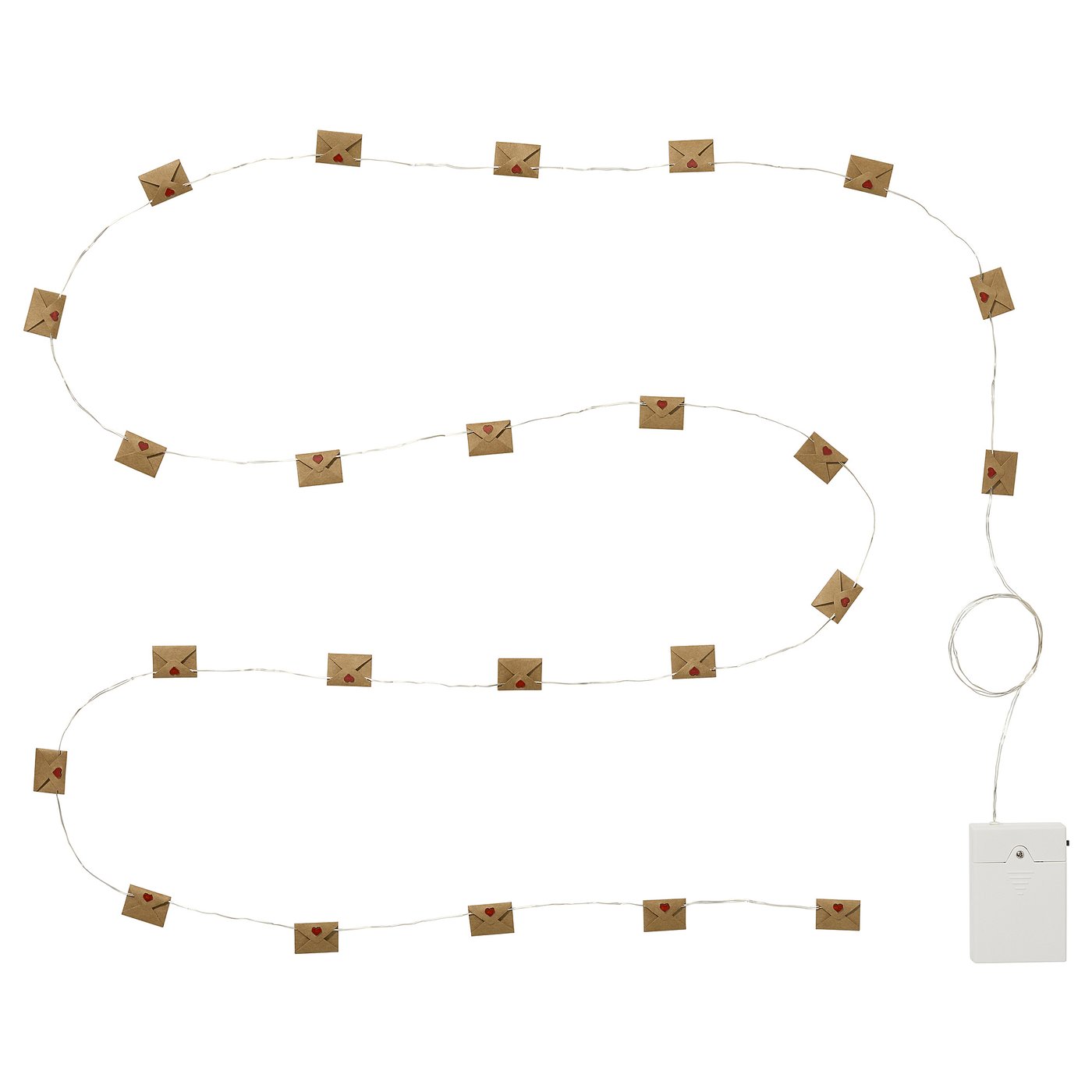
STRÅLA Led Lighting Chain – Envelope Battery-Operated/red 2.80 M
These little envelope fairy lights are so cute! I'd hang along shelves or a bookcase to create as much festive glow in my home as possible.","brand":"IKEA","name":"STR\u00c5LA Led Lighting Chain – Envelope Battery-Operated\/red 2.80 M","urlStyle":"","retailer":"","layout":"hero","linkText":"","noFollow":true,"noAffiliateTracking":false,"promoLabel":"","price":9,"salePrice":null,"currency":"GBP","linkLayout":"text","sponsored":false,"hawkProductNameMatchedCode":"","review":{"cons":[],"id":"","name":"","pros":[],"rating":0,"strapline":"","url":""},"id":"","externalId":"2c727d5ff3bf23b296dc1a07e7e41b0c14716fc4","lastCheckedPriceDate":"","link":{"url":"https:\/\/go.redirectingat.com?id=92X1623319&xcust=hawk-custom-tracking&xs=1&url=https%3A%2F%2Fwww.ikea.com%2Fgb%2Fen%2Fp%2Fstrala-led-lighting-chain-envelope-battery-operated-red-10633498%2F&sref=https%3A%2F%2Fwww.idealhome.co.uk%2Fall-rooms%2Fikea-whimsical-christmas-lighting-picks","merchantName":"ikea.com"}}}}}” data-link=”https://go.redirectingat.com?id=92X1623319&xcust=hawk-custom-tracking&xs=1&url=https%3A%2F%2Fwww.ikea.com%2Fgb%2Fen%2Fp%2Fstrala-led-lighting-chain-envelope-battery-operated-red-10633498%2F&sref=https%3A%2F%2Fwww.idealhome.co.uk%2Fall-rooms%2Fikea-whimsical-christmas-lighting-picks” data-link-merchant=”ikea.com” data-merchant-name=”ikea.com” data-model-brand=”IKEA” data-model-name=”IKEA STRÅLA Led Lighting Chain – Envelope Battery-Operated/red 2.80 M” data-name=”Product Block merchantlink widget” data-render-type=”fte” data-show-fallback=”button” data-widget-type=”merchantlink” class=”ecom-root”>
These little envelope fairy lights are so cute! I’d hang along shelves or a bookcase to create as much festive glow in my home as possible.
IKEA
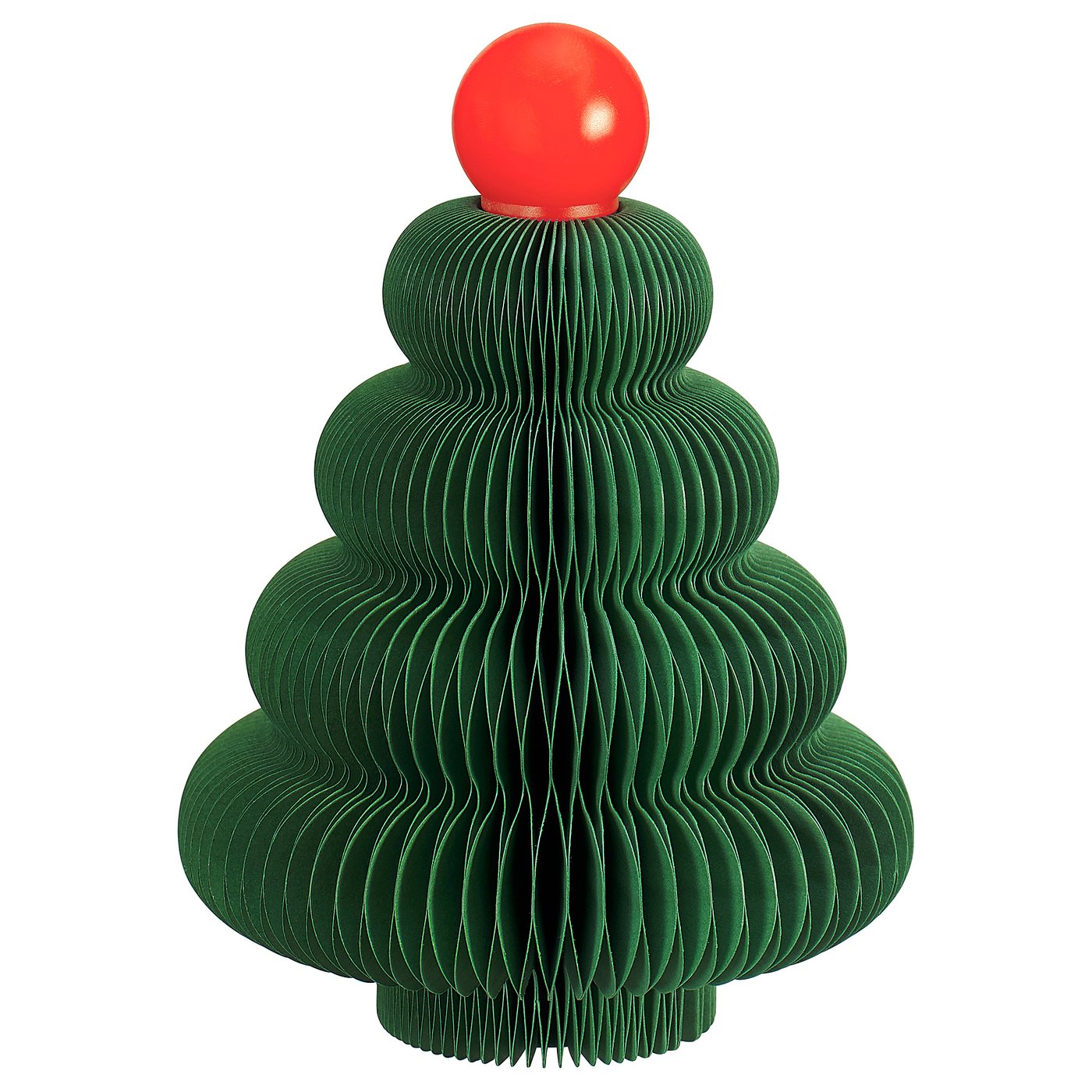
STRÅLA Led Table Decoration – Battery-Operated/tree Green
Light-up paper trees are a huge Christmas trend this year, and these ones are so bold and fun.","brand":"IKEA","name":"STR\u00c5LA Led Table Decoration – Battery-Operated\/tree Green","urlStyle":"","retailer":"","layout":"hero","linkText":"","noFollow":true,"noAffiliateTracking":false,"promoLabel":"","price":12,"salePrice":null,"currency":"GBP","linkLayout":"text","sponsored":false,"hawkProductNameMatchedCode":"","review":{"cons":[],"id":"","name":"","pros":[],"rating":0,"strapline":"","url":""},"id":"","externalId":"7d8e4bf2d444031e9c7408c1e8e90f28b08bc3d0","lastCheckedPriceDate":"","link":{"url":"https:\/\/go.redirectingat.com?id=92X1623319&xcust=hawk-custom-tracking&xs=1&url=https%3A%2F%2Fwww.ikea.com%2Fgb%2Fen%2Fp%2Fstrala-led-table-decoration-battery-operated-tree-green-40633562%2F&sref=https%3A%2F%2Fwww.idealhome.co.uk%2Fall-rooms%2Fikea-whimsical-christmas-lighting-picks","merchantName":"ikea.com"}}}}}” data-link=”https://go.redirectingat.com?id=92X1623319&xcust=hawk-custom-tracking&xs=1&url=https%3A%2F%2Fwww.ikea.com%2Fgb%2Fen%2Fp%2Fstrala-led-table-decoration-battery-operated-tree-green-40633562%2F&sref=https%3A%2F%2Fwww.idealhome.co.uk%2Fall-rooms%2Fikea-whimsical-christmas-lighting-picks” data-link-merchant=”ikea.com” data-merchant-name=”ikea.com” data-model-brand=”IKEA” data-model-name=”IKEA STRÅLA Led Table Decoration – Battery-Operated/tree Green” data-name=”Product Block merchantlink widget” data-render-type=”fte” data-show-fallback=”button” data-widget-type=”merchantlink” class=”ecom-root”>
Light-up paper trees are a huge Christmas trend this year, and these ones are so bold and fun.
IKEA
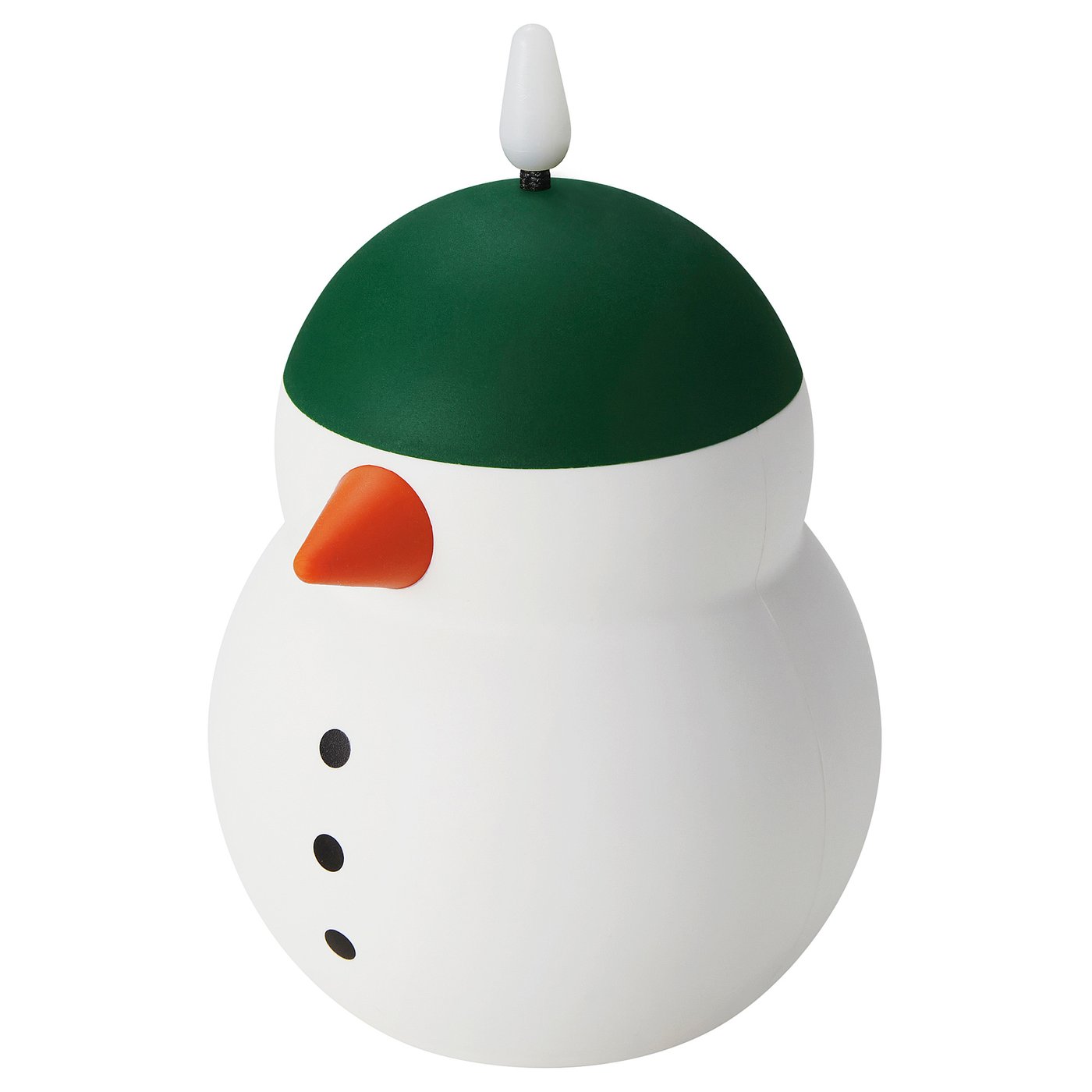
Vinterfint Led Decoration Lighting – Battery-Operated/snowman 14 Cm
If you want a quirky little table decoration, look no further than this adorable light up snowman.","brand":"IKEA","name":"Vinterfint Led Decoration Lighting – Battery-Operated\/snowman 14 Cm","urlStyle":"","retailer":"","layout":"hero","linkText":"","noFollow":true,"noAffiliateTracking":false,"promoLabel":"","price":7,"salePrice":null,"currency":"GBP","linkLayout":"text","sponsored":false,"hawkProductNameMatchedCode":"","review":{"cons":[],"id":"","name":"","pros":[],"rating":0,"strapline":"","url":""},"id":"","externalId":"226a037bec33f7ec9a250926b4aa988f88815dd7","lastCheckedPriceDate":"","link":{"url":"https:\/\/go.redirectingat.com?id=92X1623319&xcust=hawk-custom-tracking&xs=1&url=https%3A%2F%2Fwww.ikea.com%2Fgb%2Fen%2Fp%2Fvinterfint-led-decoration-lighting-battery-operated-snowman-80636870%2F&sref=https%3A%2F%2Fwww.idealhome.co.uk%2Fall-rooms%2Fikea-whimsical-christmas-lighting-picks","merchantName":"ikea.com"}}}}}” data-link=”https://go.redirectingat.com?id=92X1623319&xcust=hawk-custom-tracking&xs=1&url=https%3A%2F%2Fwww.ikea.com%2Fgb%2Fen%2Fp%2Fvinterfint-led-decoration-lighting-battery-operated-snowman-80636870%2F&sref=https%3A%2F%2Fwww.idealhome.co.uk%2Fall-rooms%2Fikea-whimsical-christmas-lighting-picks” data-link-merchant=”ikea.com” data-merchant-name=”ikea.com” data-model-brand=”IKEA” data-model-name=”IKEA Vinterfint Led Decoration Lighting – Battery-Operated/snowman 14 Cm” data-name=”Product Block merchantlink widget” data-render-type=”fte” data-show-fallback=”button” data-widget-type=”merchantlink” class=”ecom-root”>
If you want a quirky little table decoration, look no further than this adorable light up snowman.
If you still need whimsical inspiration, here are a few more quirky designs I’ve found that you can shop online.
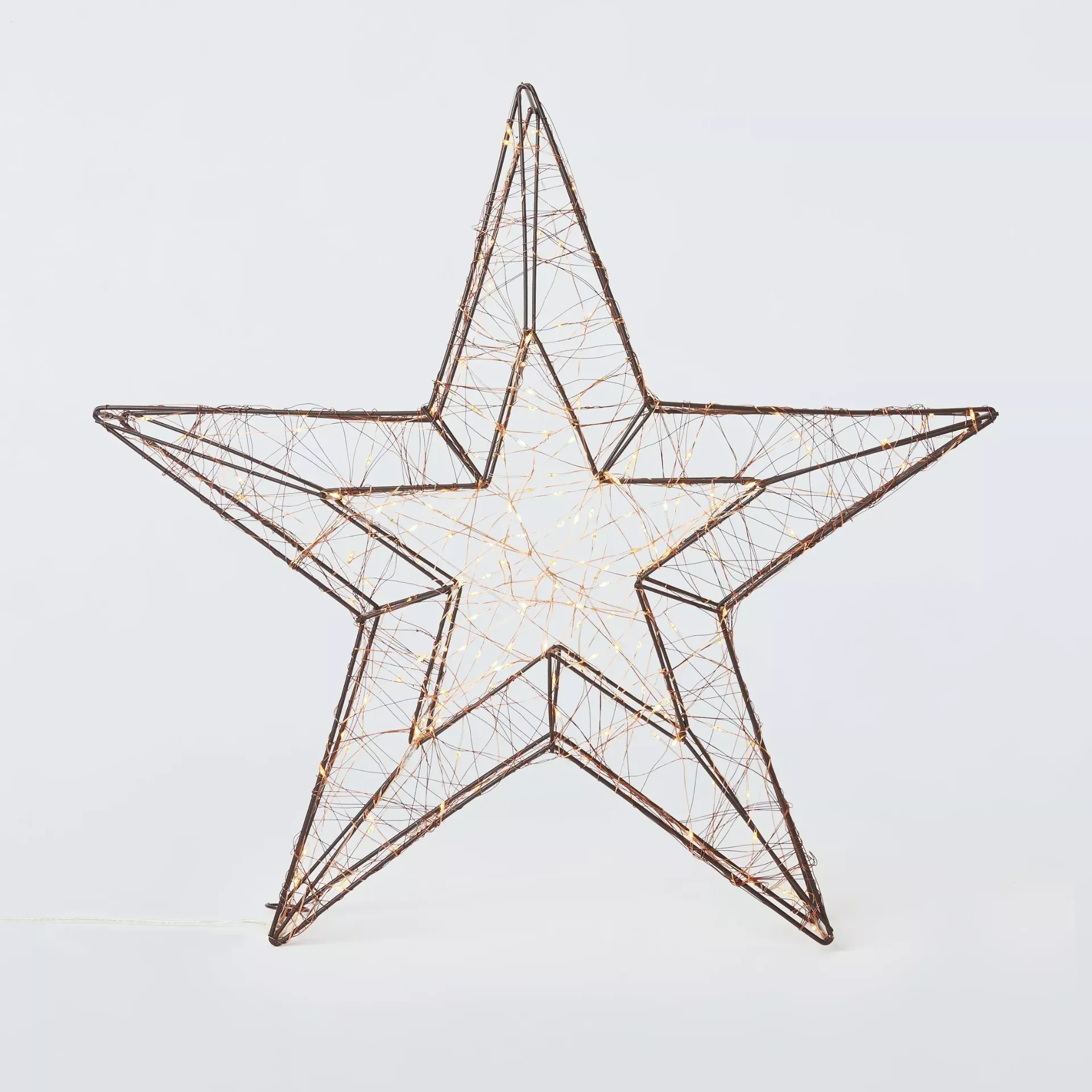
<aside data-article-category="all-rooms" data-block-layout="hero" data-block-type="featured-product" data-editorial-currency="GBP" data-editorial-price="40" data-hawk-json="{"product":{"variants":{"Default":{"image":{"copyright":"","height":2560,"id":"oMLDSeoYx6yThp8E6SghxA","mimeType":"image\/webp","mos":"https:\/\/cdn.mos.cms.futurecdn.net\/v2\/t:640,l:0,cw:1920,ch:1920,q:80\/oMLDSeoYx6yThp8E6SghxA.webp","role":"","width":1920,"credit":"John Lewis","alt":"John Lewis Led Star Light, Warm White\/copper","caption":"","crop":{"label":"1:1","left":0,"top":640,"cropWidth":1920,"cropHeight":1920,"quality":80}},"strapline":"
This light up star looks so stylish.","brand":"John Lewis","name":"John Lewis Led Star Light, Warm White\/copper","urlStyle":"","retailer":"","layout":"hero","linkText":"","noFollow":true,"noAffiliateTracking":false,"promoLabel":"","price":40,"salePrice":null,"currency":"GBP","linkLayout":"text","sponsored":false,"hawkProductNameMatchedCode":"","review":{"cons":[],"id":"","name":"","pros":[],"rating":0,"strapline":"","url":""},"id":"","externalId":"cf4adba507946f526362313678961a8e8118c646","lastCheckedPriceDate":"","link":{"url":"https:\/\/john-lewis-and-partners.pxf.io\/c\/221109\/871855\/12148?subId1=hawk-custom-tracking&sharedId=hawk-prefix&u=https%3A%2F%2Fwww.johnlewis.com%2Fjohn-lewis-led-star-light-warm-white-copper%2Fp115648926%3F","merchantName":"John Lewis","merchantId":179552,"merchantNetwork":"ImpactRad","merchantUrl":"johnlewis.com"}}}}}” data-link=”https://john-lewis-and-partners.pxf.io/c/221109/871855/12148?subId1=hawk-custom-tracking&sharedId=hawk-prefix&u=https%3A%2F%2Fwww.johnlewis.com%2Fjohn-lewis-led-star-light-warm-white-copper%2Fp115648926%3F” data-link-merchant=”John Lewis” data-merchant-id=”179552″ data-merchant-name=”John Lewis” data-merchant-network=”ImpactRad” data-merchant-url=”johnlewis.com” data-model-brand=”John Lewis” data-model-name=”John Lewis John Lewis Led Star Light, Warm White/copper” data-name=”Product Block merchantlink widget” data-render-type=”fte” data-show-fallback=”button” data-widget-type=”merchantlink” class=”ecom-root”>
This light up star looks so stylish.
M&S
Yuletide Pine & Spice Refillable Light Up Candle
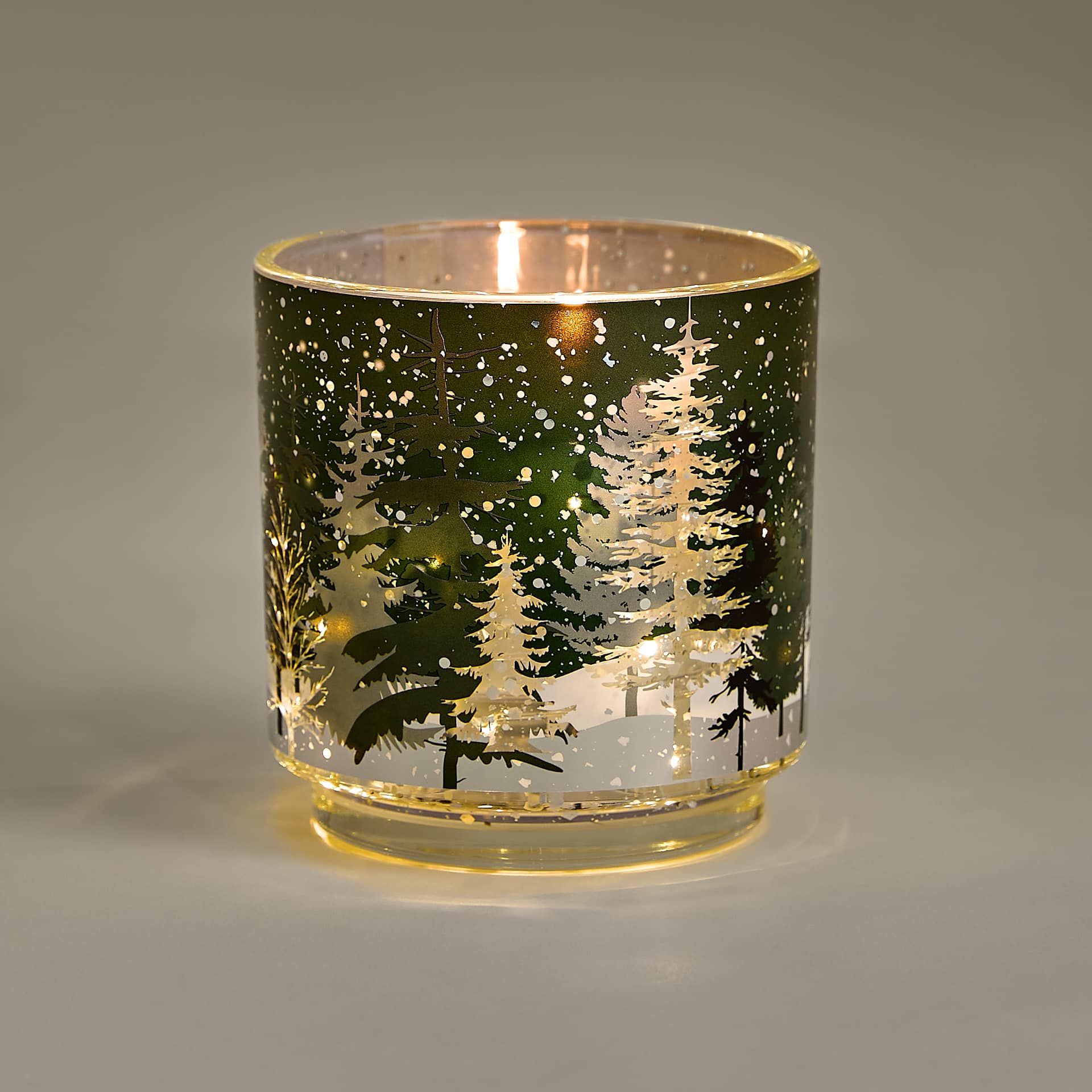
<aside data-article-category="all-rooms" data-block-layout="hero" data-block-type="featured-product" data-editorial-currency="GBP" data-editorial-price="12" data-hawk-json="{"product":{"variants":{"Default":{"image":{"copyright":"","height":2496,"id":"YguQ8Uc69Ag9tsFKTC38f9","mimeType":"image\/jpeg","mos":"https:\/\/cdn.mos.cms.futurecdn.net\/v2\/t:576,l:0,cw:1920,ch:1920,q:80\/YguQ8Uc69Ag9tsFKTC38f9.jpg","role":"","width":1920,"credit":"M&S","alt":"Yuletide Pine & Spice Refillable Light Up Candle","caption":"","crop":{"label":"1:1","left":0,"top":576,"cropWidth":1920,"cropHeight":1920,"quality":80}},"strapline":"
M&S light up candles are perfect for creating a cosy glow. They light up when lit.","brand":"M&S","name":"Yuletide Pine & Spice Refillable Light Up Candle","urlStyle":"","retailer":"","layout":"hero","linkText":"","noFollow":true,"noAffiliateTracking":false,"promoLabel":"","price":12,"salePrice":null,"currency":"GBP","linkLayout":"text","sponsored":false,"hawkProductNameMatchedCode":"","review":{"cons":[],"id":"","name":"","pros":[],"rating":0,"strapline":"","url":""},"id":"","externalId":"8750af6953699231a2d51ddeae5864633e71cbb5","lastCheckedPriceDate":"","link":{"url":"https:\/\/www.awin1.com\/awclick.php?awinmid=1402&awinaffid=103504&clickref=hawk-custom-tracking&p=https%3A%2F%2Fwww.marksandspencer.com%2Fyuletide-pine-and-spice-refillable-light-up-candle%2Fp%2Fhbp61228481","merchantName":"Marks and Spencer UK","merchantId":1042,"merchantNetwork":"AW","merchantUrl":"marksandspencer.com"}}}}}” data-link=”https://www.awin1.com/awclick.php?awinmid=1402&awinaffid=103504&clickref=hawk-custom-tracking&p=https%3A%2F%2Fwww.marksandspencer.com%2Fyuletide-pine-and-spice-refillable-light-up-candle%2Fp%2Fhbp61228481″ data-link-merchant=”Marks and Spencer UK” data-merchant-id=”1042″ data-merchant-name=”Marks and Spencer UK” data-merchant-network=”AW” data-merchant-url=”marksandspencer.com” data-model-brand=”M&S” data-model-name=”M&S Yuletide Pine & Spice Refillable Light Up Candle” data-name=”Product Block merchantlink widget” data-render-type=”fte” data-show-fallback=”button” data-widget-type=”merchantlink” class=”ecom-root”>
M&S light up candles are perfect for creating a cosy glow. They light up when lit.
It may only be October, but IKEA has me excited for hanging those Christmas lights.
Sign up to our newsletter for style inspiration, real homes, project and garden advice and shopping know-how
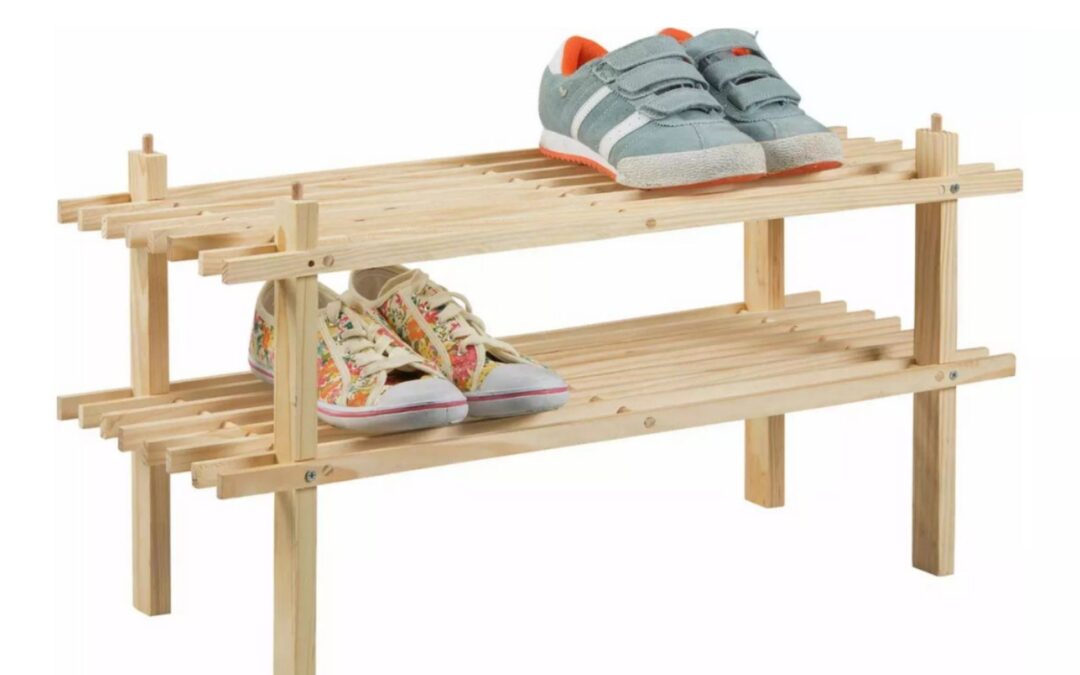
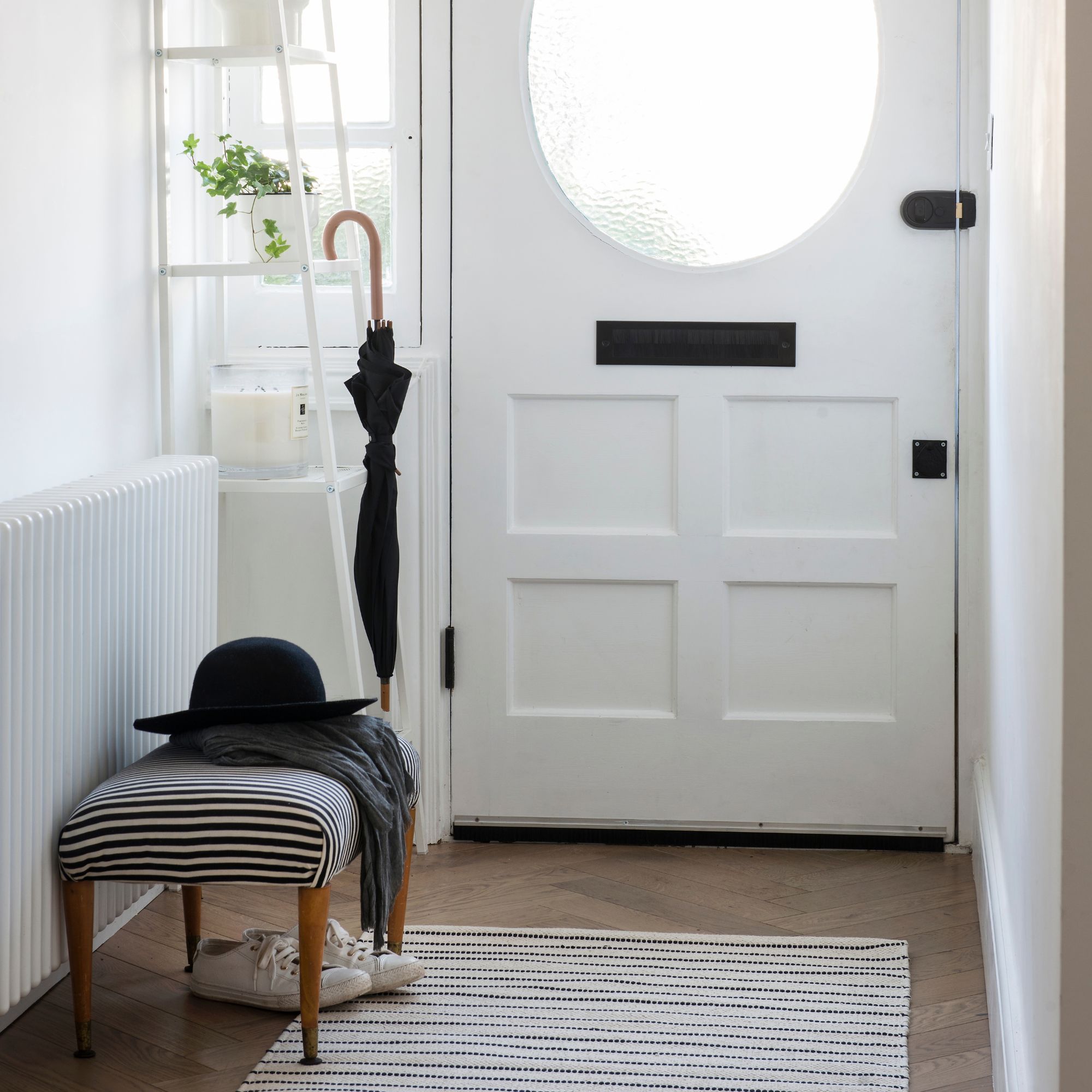
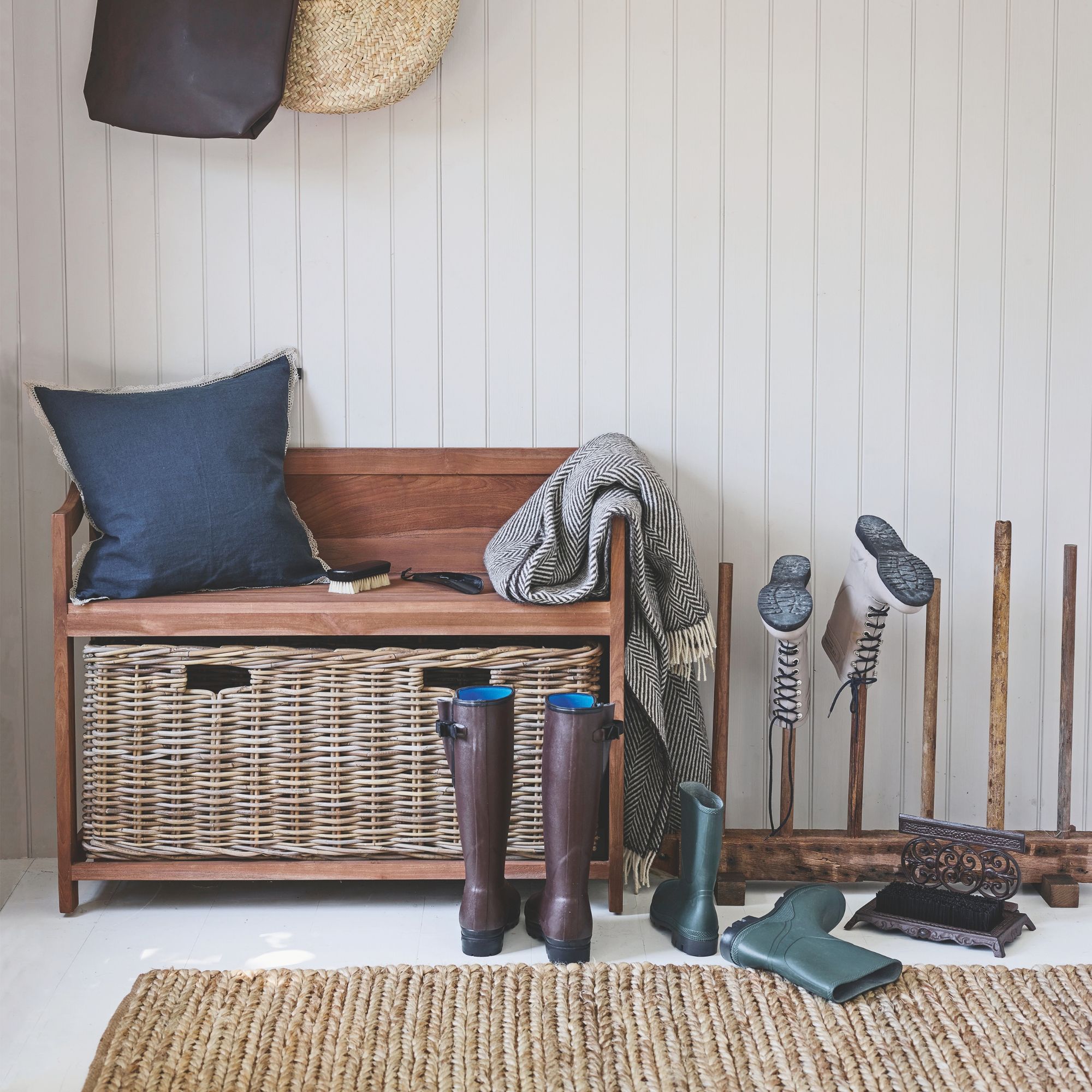
The autumn weather can turn your hallway into a mess. And as someone who went years without proper shoe storage, I can tell you that constantly tripping over shoes and mopping up muddy footprints gets boring fast. That’s where clever products like the Argos Home 2 Shelf Stackable Shoe Rack (£7 at Argos) can help.
Yes, one thing I know for certain is you can’t keep a hallway consistently tidy without storage solutions that work for your entryway and your needs, and narrow hallways with limited space like mine suit small-space-friendly shoe storage solutions best. However, these space-savvy options also often limit the number of shoes you can store – which isn’t always practical if you have a big family, like to host or just love shoes (guilty!).
That’s why this Argos shoe rack is so clever. Not only does it give muddy shoes a home over the wetter months, but the stackable design means it can ‘grow’ as and when you need it. This means that you can tailor it to your space AND your shoes throughout the autumn months and beyond.
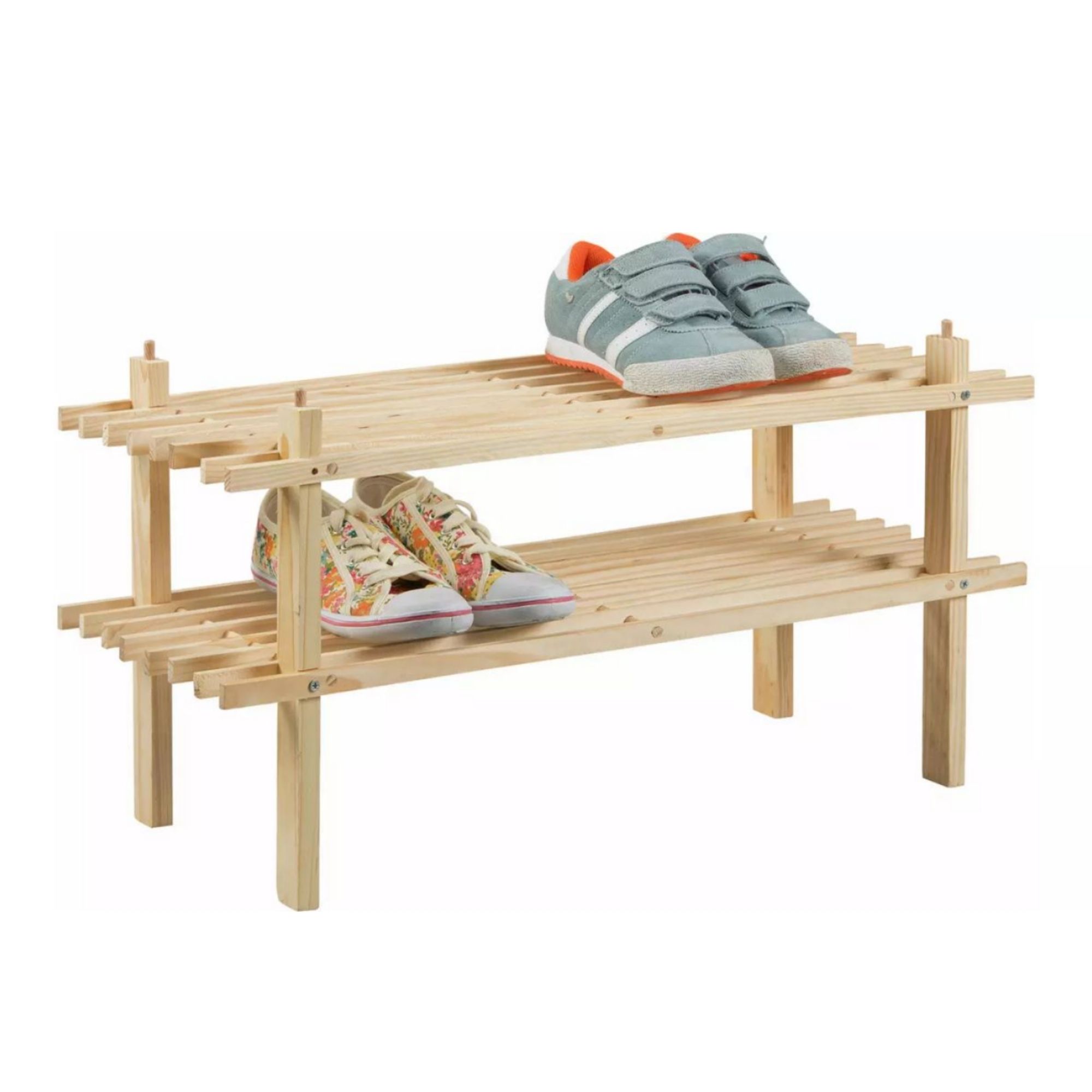
Spot the four handy dowels that make this clever shoe rack stackable! That means you can double the storage space for a few extra pounds. ","brand":"Argos Home","name":"2 Shelf Stackable Shoe Rack","urlStyle":"","retailer":"","layout":"horizontal","linkText":"","noFollow":true,"noAffiliateTracking":false,"promoLabel":"","price":7,"salePrice":null,"currency":"GBP","linkLayout":"text","sponsored":false,"hawkProductNameMatchedCode":"","review":{"cons":[],"id":"","name":"","pros":[],"rating":0,"strapline":"","url":""},"id":"","lastCheckedPriceDate":"","link":{"url":"https:\/\/www.anrdoezrs.net\/click-100624752-15618761?sid=hawk-custom-tracking&url=https:\/\/www.argos.co.uk\/product\/7740394","merchantName":"Argos","merchantId":535,"merchantNetwork":"CJ","merchantUrl":"argos.co.uk"}}}}}” data-link=”https://www.anrdoezrs.net/click-100624752-15618761?sid=hawk-custom-tracking&url=https://www.argos.co.uk/product/7740394″ data-link-merchant=”Argos” data-merchant-id=”535″ data-merchant-name=”Argos” data-merchant-network=”CJ” data-merchant-url=”argos.co.uk” data-model-brand=”Argos Home” data-model-name=”Argos Home 2 Shelf Stackable Shoe Rack” data-name=”Horizontal Product Block merchantlink widget” data-render-type=”fte” data-show-fallback=”button” data-widget-type=”merchantlink” class=”ecom-root”>
Spot the four handy dowels that make this clever shoe rack stackable! That means you can double the storage space for a few extra pounds.
At just £7, this shoe rack is ridiculously affordable, which is great for your bank account. But this bargain price also means that it’s not quite on the same aesthetic level as the prettier shoe racks on the market.
However, I’m a firm believer that shoe storage works best when it offers function over form, as attractive shoe racks often focus too much on looks and sacrifice usable space. But the Argos Home 2 Shelf Stackable Shoe Rack offers a compact design that’ll suit a smaller hallway, while also letting you expand it if needed.
(Image credit: Future PLC/Colin Poole)
That’s because this shoe rack features a stackable design for those who want to keep more than six pairs of shoes tidy this autumn. For example, if you wanted to stop 12 pairs of muddy shoes from cluttering up your hallway, you can buy two and slot them together using the dowels in the four vertical pieces of wood.
If you need even more space, you can buy a third or maybe even a fourth and simply slot them on top of each other to keep them secure. And making the most of vertical space is one of the techniques the pros swear by when organising a smaller room or hallway.
Sign up to our newsletter for style inspiration, real homes, project and garden advice and shopping know-how
Plus, I wouldn’t say it was unattractive. The natural pine look is a neutral design choice that suits any hallway decor, and you can paint it if you’re so inclined. This means it’s a very customisable way to autumn-proof your hallway, add extra storage to your entryway, or even add to the bottom of your wardrobe or tuck it into your under-the-stairs cupboard.
(Image credit: Future PLC)
Don’t just take my word for it, either. This £7 Argos shoe rack is one of the retailer’s biggest sellers, and at the time of writing, the Argos Home 2 Shelf Stackable Shoe Rack has over 3,500 reviews with an average star rating of 4.2 out of 5.
One happy customer wrote, ‘I bought three of them. They’re an absolute bargain,’ and another raved, ‘Great value simple shoe rack. Easy to assemble, sturdy enough. We have it in a rear porch for gardening shoes, walking boots, etc. It holds plenty of pairs.’
A small minority haven’t been as positive about the quality, though, so bear that in mind if you’re looking to organise your hallway this autumn.
It’s a great, affordable option for muddy shoes, as long as you appreciate that it is definitely on the cheaper side of the market. But if you’re willing to splash a bit more cash, I have popped some alternatives below, too.
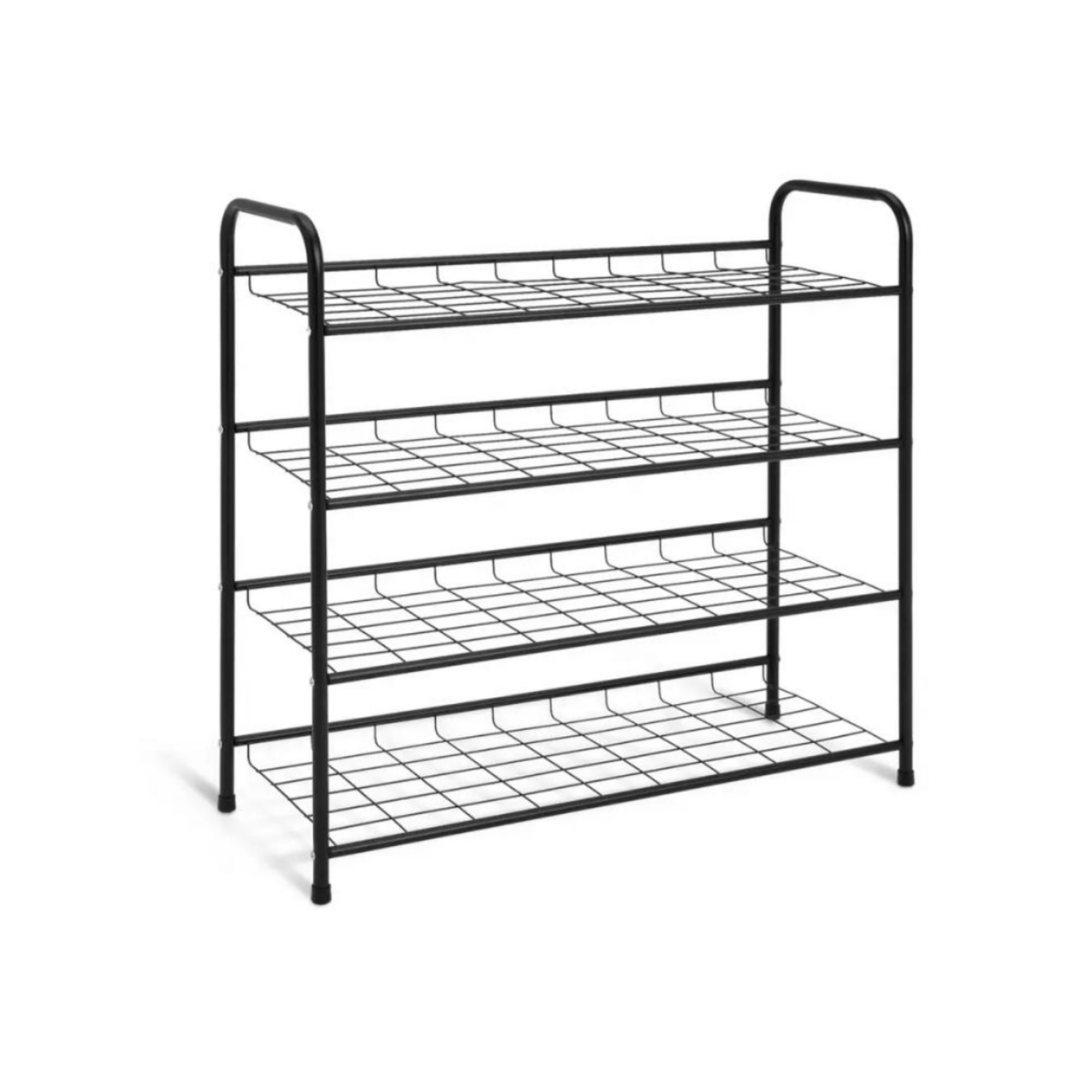
Still very affordable, this alternative Argos shoe rack can hold up to 12 pairs of shoes and is made from metal, so you can just wipe it clean if your muddy shoes mess it up. ","brand":"Argos Home","name":"Jorn 4 Shelf Shoe Storage Rack","urlStyle":"","retailer":"","layout":"hero","linkText":"","noFollow":true,"noAffiliateTracking":false,"promoLabel":"","price":21,"salePrice":null,"currency":"GBP","linkLayout":"text","sponsored":false,"hawkProductNameMatchedCode":"","review":{"cons":[],"id":"","name":"","pros":[],"rating":0,"strapline":"","url":""},"id":"","lastCheckedPriceDate":"","link":{"url":"https:\/\/www.anrdoezrs.net\/click-100624752-15618761?sid=hawk-custom-tracking&url=https:\/\/www.argos.co.uk\/product\/5798946","merchantName":"Argos","merchantId":535,"merchantNetwork":"CJ","merchantUrl":"argos.co.uk"}}}}}” data-link=”https://www.anrdoezrs.net/click-100624752-15618761?sid=hawk-custom-tracking&url=https://www.argos.co.uk/product/5798946″ data-link-merchant=”Argos” data-merchant-id=”535″ data-merchant-name=”Argos” data-merchant-network=”CJ” data-merchant-url=”argos.co.uk” data-model-brand=”Argos Home” data-model-name=”Argos Home Jorn 4 Shelf Shoe Storage Rack” data-name=”Product Block merchantlink widget” data-render-type=”fte” data-show-fallback=”button” data-widget-type=”merchantlink” class=”ecom-root”>
Still very affordable, this alternative Argos shoe rack can hold up to 12 pairs of shoes and is made from metal, so you can just wipe it clean if your muddy shoes mess it up.
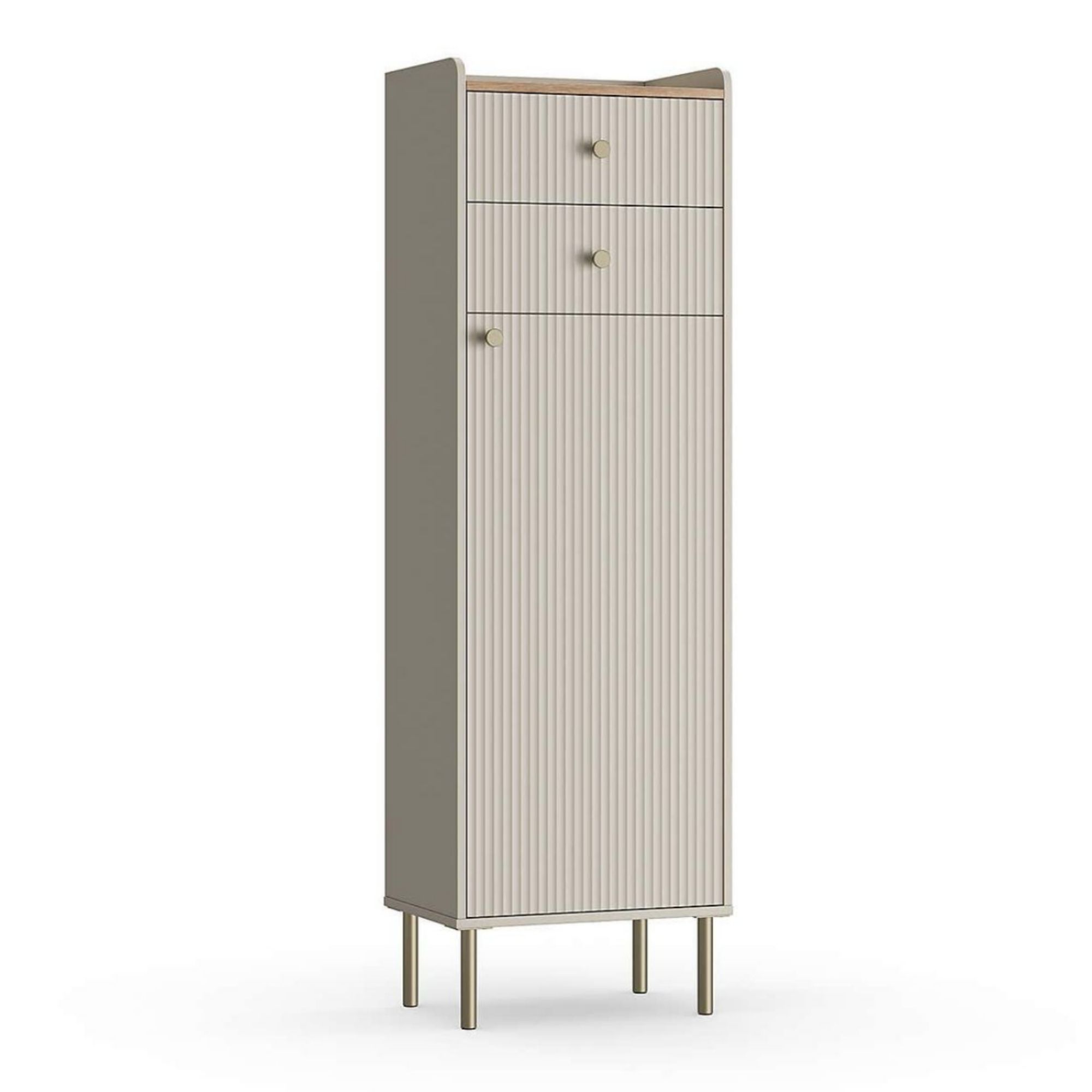
If you want to hide the shoes in your hallway, this tall unit has five hidden shoe shelves, as well as two drawers at the top for all of your other hallway essentials – like your keys or post. ","brand":"Dunelm","name":"Georgi Tall Shoe Storage Unit","urlStyle":"","retailer":"","layout":"hero","linkText":"","noFollow":true,"noAffiliateTracking":false,"promoLabel":"","price":299,"salePrice":null,"currency":"GBP","linkLayout":"text","sponsored":false,"hawkProductNameMatchedCode":"","review":{"cons":[],"id":"","name":"","pros":[],"rating":0,"strapline":"","url":""},"id":"","lastCheckedPriceDate":"","link":{"url":"https:\/\/www.prf.hn\/click\/camref:1011l5dAX6\/pubref:hawk-custom-tracking\/destination:https%3A%2F%2Fwww.dunelm.com%2Fproduct%2Fgeorgi-tall-shoe-storage-unit-1000282033%3Fcolour%3DNatural","merchantName":"Dunelm","merchantId":579677,"merchantNetwork":"PHG","merchantUrl":"dunelm.com"}}}}}” data-link=”https://www.prf.hn/click/camref:1011l5dAX6/pubref:hawk-custom-tracking/destination:https%3A%2F%2Fwww.dunelm.com%2Fproduct%2Fgeorgi-tall-shoe-storage-unit-1000282033%3Fcolour%3DNatural” data-link-merchant=”Dunelm” data-merchant-id=”579677″ data-merchant-name=”Dunelm” data-merchant-network=”PHG” data-merchant-url=”dunelm.com” data-model-brand=”Dunelm” data-model-name=”Dunelm Georgi Tall Shoe Storage Unit” data-name=”Product Block merchantlink widget” data-render-type=”fte” data-show-fallback=”button” data-widget-type=”merchantlink” class=”ecom-root”>
If you want to hide the shoes in your hallway, this tall unit has five hidden shoe shelves, as well as two drawers at the top for all of your other hallway essentials – like your keys or post.
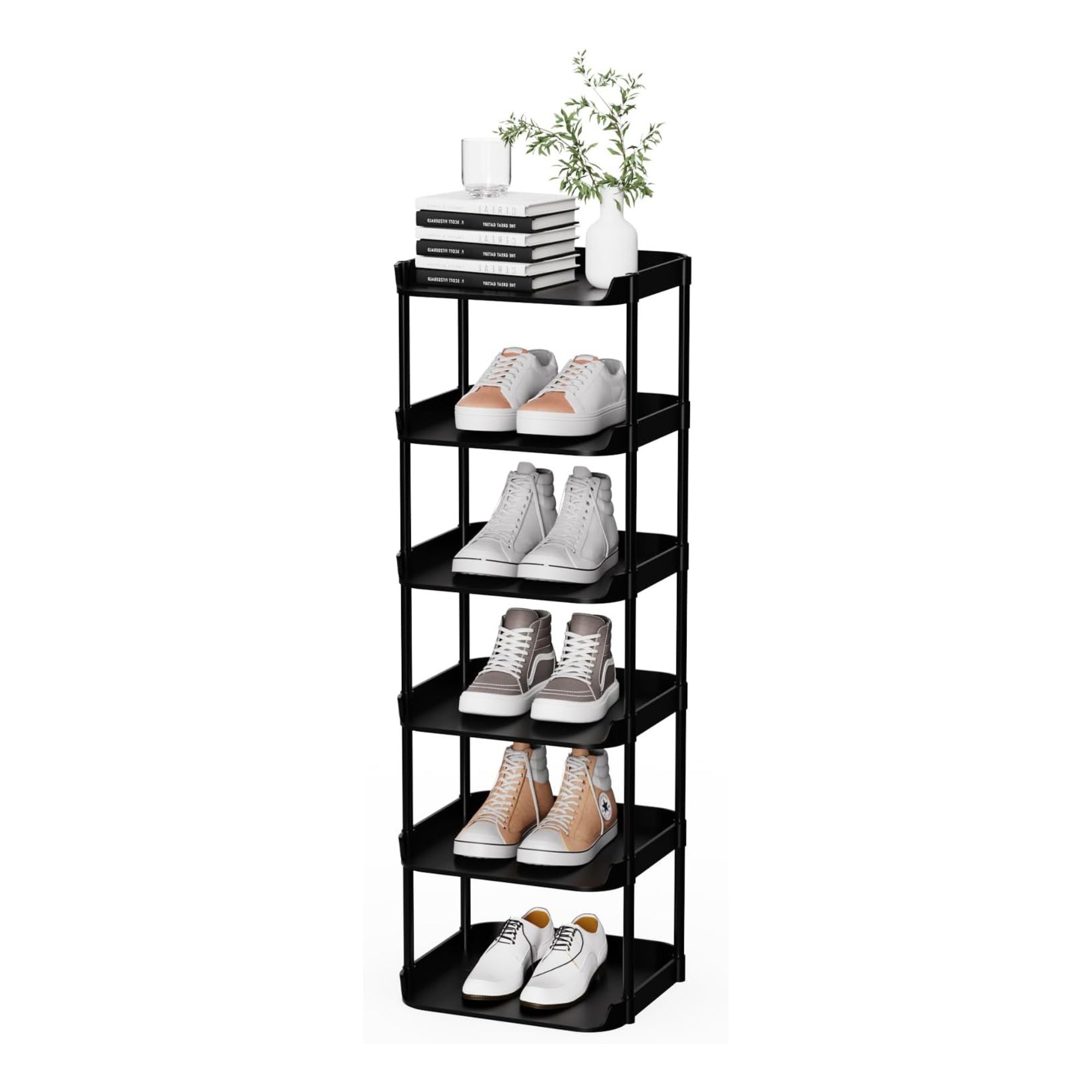
If you only need to keep a few key pairs of shoes tidy, a unit like this can work wonders. It'll tuck into the corner of any hallway, and comes in either a 6-tier or 8-tier design. ","brand":"Amazon","name":"6 Tier Narrow Shoe Storage Rack","urlStyle":"","retailer":"","layout":"hero","linkText":"","noFollow":true,"noAffiliateTracking":false,"promoLabel":"","price":15.99,"salePrice":null,"currency":"GBP","linkLayout":"text","sponsored":false,"hawkProductNameMatchedCode":"","review":{"cons":[],"id":"","name":"","pros":[],"rating":0,"strapline":"","url":""},"id":"","lastCheckedPriceDate":"","link":{"url":"https:\/\/target.georiot.com\/Proxy.ashx?tsid=107653&GR_URL=https%3A%2F%2Famazon.co.uk%2FAltdnmaf-Shoerack-Stackable-Vertical-Organizer%2Fdp%2FB0F7LBB549%2Fref%3Dsr_1_8%3Fth%3D1%26tag%3Dftr-idealhome-gb-21%26ascsubtag%3Dhawk-custom-tracking-21","merchantName":"Amazon UK","merchantId":1027,"merchantNetwork":"Amazonuk","merchantUrl":"amazon.co.uk"}}}}}” data-link=”https://target.georiot.com/Proxy.ashx?tsid=107653&GR_URL=https%3A%2F%2Famazon.co.uk%2FAltdnmaf-Shoerack-Stackable-Vertical-Organizer%2Fdp%2FB0F7LBB549%2Fref%3Dsr_1_8%3Fth%3D1%26tag%3Dftr-idealhome-gb-21%26ascsubtag%3Dhawk-custom-tracking-21″ data-link-merchant=”Amazon UK” data-merchant-id=”1027″ data-merchant-name=”Amazon UK” data-merchant-network=”Amazonuk” data-merchant-url=”amazon.co.uk” data-model-brand=”Amazon” data-model-name=”Amazon 6 Tier Narrow Shoe Storage Rack” data-name=”Product Block merchantlink widget” data-render-type=”fte” data-show-fallback=”button” data-widget-type=”merchantlink” class=”ecom-root”>
If you only need to keep a few key pairs of shoes tidy, a unit like this can work wonders. It’ll tuck into the corner of any hallway, and comes in either a 6-tier or 8-tier design.
For just £7, though, I think the stackable Argos shoe rack is my winner!