We independently select these products—if you buy from one of our links, we may earn a commission. All prices were accurate at the time of publishing.
My home tends to accumulate a lot of clutter. I can contain bigger items on shelves, but the smaller stuff can become a bit of a puzzle. I’m the type of person who needs to see my possessions on a regular basis or I may very well forget they exist. So, you can understand why I’m not a huge fan of jewelry boxes. I have a rotating rack for my earrings and a stand for my necklaces, but sometimes I wish I could store all my types of accessories in a way that lets me see them all at once. Turns out, all I need to make that happen is a spoon rack.
Why You Should Put a Spoon Rack on Your Wall
First of all, you may be wondering what a spoon rack even is. At first, I thought it might be more like a utensil rest, but when I watched an Instagram Reel by thrifting pro Amy of @yours.truly_home, I learned it’s more like a wooden spice rack (but instead of shelves, there are rows of notches in the wood). You’re meant to slide a spoon in each notch, which gives your silverware a dedicated storage space and creates an eye-catching wall display. Well, instead of spoons, Amy decided to fill the whole rack with many, many pieces of jewelry.
In addition to being visually nice to look at, the spoon rack storage system really can contain a lot. Amy adds all sorts of brooches, earrings, pins, necklaces, and even combs to hers — and because you’re not storing spoons, you can use the whole rack instead of just the dedicated spoon notches. Not a big jewelry person? Try filling the spoon rack’s slots with fresh, dried, or faux flowers. Amy does this in her video, too, and it looks like a great way to add some unique elegance to your wall.
Where to Find a Spoon Rack for Your Wall
Part of the whimsy of Amy’s video is that she finds her spoon rack at a thrift store, which gives it a special, one-of-a-kind vibe. Hunting for hidden gems at a secondhand shop can be a delightful experience, but I understand not everyone has the patience for it. However, Wayfair does sell a mountable wooden spoon rack that looks a lot like the vintage one in the video.
It has a slightly different shape and lacks the floral patterns engraved into the thrifted version, but the wooden rack has an old-fashioned charm that makes it look like it could be vintage. It’s $64.99 and measures 18 inches tall, 10.5 inches wide, and 1.5 inches deep. It’s designed to hold 24 spoons, but as you see in the video it’ll likely hold a lot more jewelry than that.
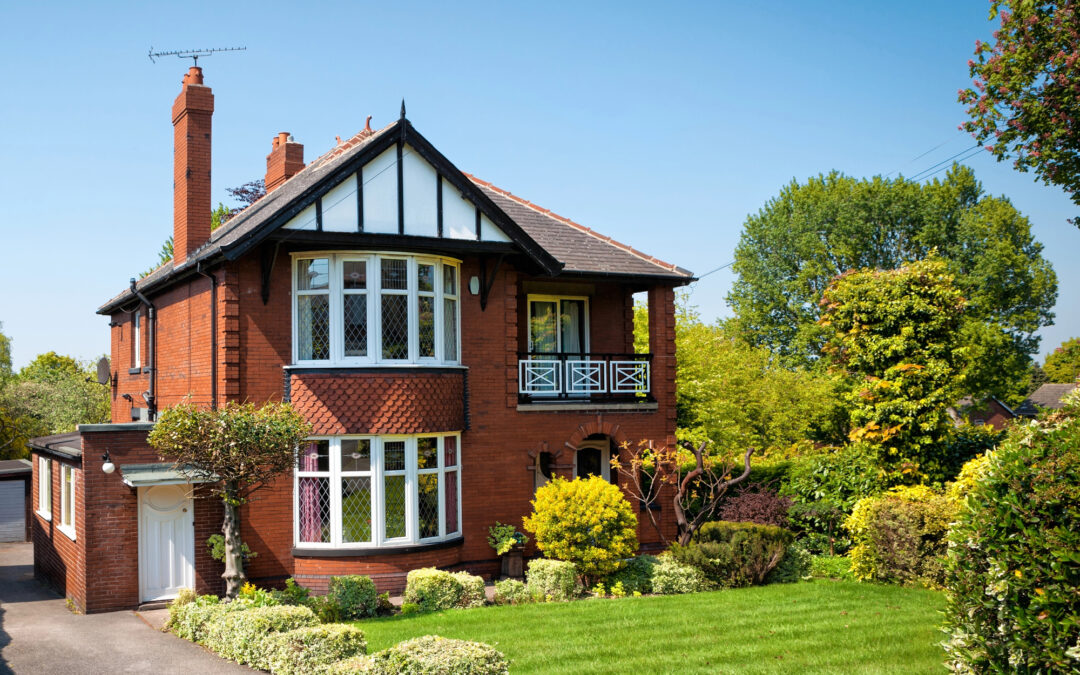
Your front garden tells a story before anyone knocks.
Overgrown hedges, cracked paving, bins visible from the street. They all say something. But usually not what you want.
Kerb appeal matters. Not just for resale value, though estate agents will tell you it makes a difference there too. It matters because you see your front garden every single day. Coming home should feel good. Walking up to a tired, neglected entrance does not.
The good news? Most kerb appeal improvements are simpler than you think. You do not need to redesign everything. Small changes create big visual shifts.
Why kerb appeal actually matters
First impressions form fast. Visitors make judgments in seconds.
A well-maintained front garden signals that the rest of the property receives the same care. A neglected one raises questions. What else has been overlooked?
According to research by the Royal Institution of Chartered Surveyors, improving your front garden can add between 5% and 10% to property value. On a £300,000 home, that is £15,000 to £30,000. Not a bad return for some paving and planting.
But resale is not the whole story. You live with your front garden daily. It affects how you feel pulling into the driveway or walking up the path. A space that looks cared for lifts your mood. One that reminds you of tasks undone does the opposite.
Front gardens also affect your street. Neighbours notice. Not in a judgemental way necessarily, but well-kept properties encourage others to maintain standards. One tired front garden drags down the whole row.
Start with a proper clear out
Before adding anything, remove what does not work.
Dead plants in pots that have sat there for three winters. Weeds pushing through gravel. That broken planter you meant to fix two years ago. All of it creates visual clutter that undermines everything else.
Bin storage is often the biggest eyesore. Most councils now provide multiple bins. Leaving them permanently visible by the front door looks terrible. If you cannot build dedicated storage, at least position bins where they are less prominent. Behind a wall. Tucked to the side. Anywhere that is not the focal point of your entrance.
Sweep hard surfaces. Power wash if necessary. Algae and moss make paving look old and neglected even when the surface is structurally fine. A few hours with a pressure washer transforms appearance dramatically.
Cut back overgrown plants. Shrubs that have outgrown their space and hedge that blocks windows both need trimming. You can always replant later if gaps appear, but getting rid of overgrowth creates an instant improvement.
Fix the obvious maintenance issues
Small repairs make a surprising difference.
Cracked paving trips people and looks bad. Replacing a few broken slabs costs little but changes the overall impression significantly. Loose edging that has shifted over time makes paths look untidy; securing it takes an hour but reads as proper maintenance.
Peeling paint on front doors, gate posts, or window frames catches the eye. Repainting is a weekend job that refreshes the whole entrance. Choose colours that suit your property type. Period homes often suit traditional colours. Modern builds can take bolder choices.
Rusty gates need treating or replacing. A gate that drags on the ground and has to be lifted to close frustrates daily and looks neglected. New hinges or a replacement gate both solve this.
Clean windows and fascias. You stop noticing dirt build-up when you see it every day, but visitors clock it immediately. A quick clean makes everything look fresher.
Rethink your front path
The route from pavement to front door sets the tone.
Straight paths suit formal properties. Curved paths work better with informal planting styles. Either way, the path needs to be wide enough for comfortable walking. Narrow paths hemmed in by overgrown plants force visitors to walk single file and brush against wet foliage.
Path materials should suit your house. Victorian terraces often had geometric tile paths. Restoring or recreating this detail adds character. Modern homes can take sleeker materials like porcelain or resin-bound surfaces.
Edging defines paths clearly. Without it, gravel migrates and plants encroach. Proper edging keeps everything in place and looks intentional rather than haphazard.
Lighting along paths helps after dark and creates atmosphere. Solar lights are the easy option but quality varies wildly. Mains-powered LED fixtures give better light and reliability. Low-level fittings illuminate the path without glaring in eyes.
But they need to earn their place. High-maintenance planting in front gardens rarely gets the attention it needs. Choose plants that look good with minimal fuss.
Evergreens provide year-round structure. Box balls, lavender, and small shrubs like pittosporum hold their shape and stay green through winter. They create permanent features that anchor your planting scheme.
Perennials add seasonal colour without the replanting annuals demand. Salvias, geraniums, and ornamental grasses all perform well in front gardens and tolerate some neglect.
Containers by the front door create focal points. Seasonal planting in pots lets you change displays without redesigning beds. Buy ready-planted pots if you do not enjoy gardening. The cost is modest and they look good immediately.
Climbers on walls add vertical interest. Jasmine smells beautiful. Roses add colour. Ivy covers ugly walls fast. Just make sure whatever you plant suits the available light and will not damage the building.
For more comprehensive changes, professional front garden transformation addresses layout, drainage, and material choices alongside planting.
Deal with parking without killing the garden
Many front gardens must accommodate cars. The challenge is doing so without creating a concrete desert.
Permeable surfaces are increasingly required by planning rules. If you pave more than five square metres with impermeable materials, you need permission unless water drains to a permeable area. This is not just bureaucracy; it reduces flooding risk and water pollution.
Permeable options include resin-bound surfacing, permeable block paving, and gravel with proper sub-base. All allow water through while providing solid parking.
Gravel is the cheapest option but needs stabilising grids to prevent ruts forming. Loose gravel migrates onto paths and lawns, creating mess.
Grass pavers let you park on grass without turning it to mud. Plastic or concrete grids support vehicle weight while grass grows through the openings. This only works in areas that get enough light for grass to thrive.
Keep some planting even if parking dominates. Beds along boundaries or a strip beside the house soften the impact of hard surfacing. Even narrow beds support hedging or structural shrubs that break up expanses of paving.
Create a boundary that suits your property
Front garden boundaries affect kerb appeal significantly.
Low walls suit period properties. If you have original walls, repair rather than replace them. New walls should match the house in material and style. Random modern materials on Victorian houses look wrong.
Hedges provide living boundaries that soften hard landscaping. Box, privet, and beech all clip into neat hedges. Keep front hedges below 1.2 metres so they do not block sightlines for cars pulling out.
Railings complement Victorian and Edwardian homes. Original railings were often removed during wars; reproduction designs can restore period character without enormous cost.
Fencing is quick and affordable but can look defensive. Close-board fencing particularly risks making front gardens feel closed off. If you need screening, slatted panels or painted picket fences feel more welcoming than solid barriers.
The boundary between driveway and planted areas needs clear definition. Metal or timber edging keeps gravel in place. Brick or stone edging suits period properties. Without it, materials mix and the whole garden looks messy.
Add details that finish the look
Small touches complete the transformation.
House numbers that can actually be read help visitors and delivery drivers. Numbers mounted on walls or gate posts need to be large enough and lit well enough to see from the street.
Doorbells that work and door furniture that matches create a polished entrance. Mismatched letter boxes, door handles, and knockers look haphazard. Replacing them with a coordinated set costs little but elevates the overall impression.
Pot plants either side of the front door frame the entrance. Symmetrical planting suits formal properties. Matching pots create rhythm even when planting is informal.
Welcome mats or doormats stop mud tracking into the house and add a homely touch. Choose materials that drain and dry quickly so they do not stay sodden in wet weather.
Outdoor lighting transforms front gardens after dark. Uplighting architectural features, lighting paths, and illuminating house numbers all add atmosphere and security.
Maintenance that keeps improvements looking good
Transforming your front garden is one thing. Keeping it looking good is another.
Choose materials and plants that suit your maintenance appetite. If you hate gardening, extensive planting beds will frustrate. If you do not mind occasional weeding but hate mowing, artificial grass might make sense.
Set a realistic maintenance schedule. Front gardens need less attention than back gardens but cannot be ignored entirely. An hour every few weeks keeps things under control. Leave it for months and you are back to overgrown and neglected.
Seasonal tasks matter. Spring needs tidying after winter and refreshing containers. Summer requires watering if you have pots. Autumn means sweeping leaves before they turn slimy. Winter is for checking drainage and planning changes.
Weed control makes the biggest visual difference for the least effort. Keeping hard surfaces weed-free and beds tidy prevents the neglected look creeping back. Regular light weeding beats occasional marathon sessions.
Quick wins for instant improvement
Some changes deliver immediate results.
Painting your front door takes a day and costs under £50. The impact is enormous. A fresh, bold colour draws the eye and lifts the whole entrance.
Pressure washing paving, walls, and the house front removes years of grime in hours. The difference between dirty and clean surfacing is night and day.
New house numbers mounted prominently make finding your property easier and signal attention to detail.
Replacing dead or dying plants in prominent positions removes eyesores. Even if you leave beds bare for replanting later, removing obviously dead plants improves appearance.
Trimming hedges and cutting back overhanging plants opens up the garden and makes it feel cared for. You can be strategic about replanting, but overgrowth needs addressing immediately.
Cleaning windows, especially front-facing ones, brightens the house front. Sparkling glass makes everything look fresher.
When to call in professionals
Credit: Shutterstock
Some front garden improvements suit DIY. Others benefit from professional help.
Structural changes like new driveways, rebuilding walls, or installing drainage all need proper expertise. Mistakes with foundations or drainage create expensive problems. According to guidance from the National House Building Council, proper groundwork prevents subsidence and drainage issues that undermine landscaping investments.
Design services help when you know the current setup is not working but cannot visualise solutions. Professionals see possibilities you might miss and avoid costly mistakes.
Large-scale planting works better with expert input. Understanding soil conditions, aspect, and plant compatibility prevents buying things that will not thrive.
Materials selection benefits from experience. The range of paving, edging, and surfacing options is vast. Professionals understand durability, maintenance requirements, and suitability for different uses.
Anything involving electrics for outdoor lighting needs qualified work. DIY electrical work outside rarely meets building regulations and creates safety risks.
Budget-friendly approaches
Kerb appeal improvements do not require huge budgets.
Prioritise high-impact, low-cost changes first. Cleaning, trimming, painting, and minor repairs cost little but transform appearance.
Phase larger projects over time. Replace paving one section at a time. Replant beds gradually rather than all at once. Spreading costs makes improvements affordable while maintaining momentum.
Choose materials wisely. Premium natural stone looks beautiful but costs significantly more than good-quality concrete or porcelain. For front gardens where durability and appearance matter more than authenticity, modern alternatives often make sense.
Do some work yourself where skills allow. Painting, planting, and simple maintenance all suit DIY. Save professional budgets for structural work, design, and anything requiring specific expertise.
Shop around for materials. Prices vary widely between suppliers for identical products. Bulk buying can deliver savings if you are doing multiple areas.
Your front garden deserves attention. It is the first thing you see coming home and the first impression visitors form. Small improvements compound. Even simple changes create welcome that lasts.
The increase in energy costs is a topic for all of us, not least in Suisse Romande. Much of the older housing stock in Geneva, Vaud, and Neuchâtel can leave tenants or homeowners responsible for a significant share of monthly costs, even when heating alone is considered. Luckily, homeowners have some realistic options for cutting costs, and you don’t need to freeze all winter to do it.
Assess Your Home’s Energy Use
One key to cutting bills is knowing where the energy goes. Draughty windows, poorly insulated walls, and old heating systems frequently allow heat to slip away, with the homeowner none the wiser. Even simple measures, such as filling gaps, insulating lofts, and fitting efficient doors, can reduce heat loss and lower energy bills.
Home energy assessments also provide a clear understanding of trouble spots. Smart thermostats and energy monitors enable homeowners to track usage over time, helping uncover high-consumption areas. For instance, front rooms with old radiators or guest bedrooms that do not get much use often use more energy than their share.
The ability to identify which systems or rooms are guzzling the juice enables homeowners to address fixes without guesswork, helping them decide how to spend their money and time. This methodical approach helps homeowners invest in future energy savings rather than relying on one-size-fits-all, short-sighted fixes.
Upgrade Heating Systems Thoughtfully
Heating is usually the largest part of a winter power bill. There are also numerous older oil, gas, and electric boilers that don’t operate as efficiently, use more fuel than necessary, and circulate heat unevenly throughout the house. This is why one of the best sustainable ways to lower those bills and costs in general is to upgrade to more modern systems.
Air-to-water pumps: The right choice for Swiss homes. They pull heat from the outdoor air and transfer it efficiently to warm the home. When installed and sized properly, these systems are capable of keeping indoor spaces reasonably comfortable even when temperatures drop below freezing. When combined with correctly sized radiators or underfloor heating, air-to-water heat pumps can provide excellent comfort at low operating costs.
Yes, the performance is more affected by high or low temperatures, depending on the property. Older apartments with radiators often require high-temperature systems, whereas low-temperature systems are more economical for new builds and well-insulated homes maintained at relatively stable temperatures. Shorter cycles and steady operation maximise efficiency.
Focus on Insulation and Airflow
The best heating in the world won’t work if you’re trying to heat an under-insulated home. Check walls, roofs, and floors for heat loss. Minor changes, such as double-glazed windows, insulated doors, and draught excluders, can help keep a home warm while reducing the need for heating.
Indoor airflow is important, too. Do not block radiators with furniture, and keep vents or ducts unobstructed. Air can flow freely, transferring heat more evenly and allowing a lower thermostat setting. Small measures, like using curtains to let sunlight into your home, can help save energy.
Make Use of Energy-Saving Habits
Behavioural changes complement technical upgrades. Even in small habits, there is a hidden waste of wonder-working power. By setting the thermostat 1-2°C lower, using timers, and wearing warm clothes inside, you can reduce energy use for greater comfort.
Other measures include turning off unused appliances, unplugging standby devices, and switching to LED lights. These things may seem tiny when done just once, but together they add up to big savings!
Upgrade Water Heating and Hot Taps
Costs can balloon with an out-of-control water heater, too. Newer on-demand water heaters or heat pumps, combined with insulated hot water tanks and pipes, help prevent heat loss.
In Swiss households, though, installing these systems alongside central heating ensures heat is used efficiently. For instance, a low-temperature air-to-water heat pump can provide space heating and domestic hot water with high efficiency and comfort throughout the year.
Leverage Government Incentives
Swiss homeowners frequently fail to take advantage of available subsidies. Since their launch in 2010, low-interest loans and energy-efficient subsidies have been available. Municipal and cantonal programmes support investments in heat pumps, insulation, and windows.
If you check your eligibility at the start of a project, you can ensure you receive as much assistance as possible. For instance, installing a new heat pump in place of an outdated electric boiler could be eligible for grant assistance, dramatically reducing upfront costs and increasing long-term fuel efficiency.
Modern Heating Systems Deliver Long-Term Savings
An air-to-water heat pump is an investment that will continue to pay off. These are efficient, consistent, and controlled heating systems that are ideal for low energy use and smart home integration. Combined with insulation and energy-efficient habits, homeowners can realise significant savings on their bills while enhancing indoor comfort.
Modern heat pumps are also much quieter and tend to require less maintenance than older models. When correctly installed, they offer excellent performance and are equally popular for both renovation projects and new builds throughout the Suisse Romande.
Plan for Seasonal Efficiency
Swiss winters are mixed, and heat pumps perform best when evaluated by their seasonal efficiency. A well-insulated house with properly sized radiators or underfloor heating will remain at a constant temperature without requiring extra electricity.
By planning installations before winter, homeowners will immediately see lower bills. Regularly checking and cleaning filters and monitoring system pressure helps keep energy use down.
Would you like to cut your heating bills and increase the comfort of your Romandy property? Working with a qualified installer experienced in air-to-water systems, such as Swissthermic in Switzerland, helps ensure correct sizing and long-term performance.
Slow living isn’t easy – not today, when everything needs to move at the speed of light. Even our forms of entertainment are quicker, snappier and harder to follow than ever, thanks to shortening media formats and ever-shortening attention spans. Earning money is stressful, making that money stretch in a difficult economy is even more stressful, and there never seems to be any time to catch a breath.
Luckily, you don’t need to take a sabbatical to re-introduce some calm into your life. While you might not be able to meaningfully practice slow living every day of the week, you can, at the very least, imbue your home with the sense of it, using interior design. And how better to imbue such slow-living sense than with the concept of travel?
1. Curating Meaningful Decor
Using travel as a shibboleth through which to translate slow living into home décor might sound like one step too many – but it’s an excellent opportunity to naturally fold calming influences into your environment. This is particularly the case when it comes to trips you’ve already taken; such trips tend to yield souvenirs of great personal import.
Items collected on trips, whether a hand-woven basket from a market or photographs from a quiet continental village getaway, can serve as emotionally-resonant pieces that uplift your surroundings, rather than clutter them.
2. Adopt Slow Interiors Principles Inspired by Places You’ve Visited
You don’t necessarily require physical objects from your travels to adopt slow living design in your home, though. Sometimes, you can take the sensibility of a place you’ve been to as inspiration. On your travels, whether cheap holidays somewhere warm or cultural excursions to places of great artistic import, you’ll have encountered buildings and interiors which reflected considered, thoughtful design choices. You’ll also have aligned yourself mentally with certain locations, pieces of which you can figuratively steal for your home.
3. Use Travel Colours and Materials to Shape Calm Environments
In another relatively straightforward sense, you can quasi-literally steal influence from places you’ve visited by reflecting them in your colour and material choices. The terracotta tiling of a coastal patio in Italy could inform the rustic nature of a new kitchen or bathroom design; the colour of the Mediterranean off the southern coast of Sicily could be the exact colour of bedroom en-suite you plump for. The only limit is your imagination.
4. Create Rooms That Feel Like Retreats, Not Showpieces
One of the most striking things about memorable places is how they feel, not how perfectly styled they are. Think of a small guesthouse where everything was a little worn but deeply comfortable, or a rented apartment abroad where mornings felt unhurried simply because the space allowed them to be. You can translate that feeling at home by prioritising comfort, softness and usability over visual perfection.
This might mean choosing seating you genuinely want to sink into, layering textiles rather than matching them, or allowing a room to remain intentionally quiet rather than filling it with decorative noise. Slow living interiors aren’t designed to impress at first glance; they’re designed to support daily rituals, rest and presence.
5. Let Imperfection Tell a Story
Travel has a way of loosening our attachment to perfection. Cracked plaster walls, uneven tiles and sun-faded fabrics often become part of a place’s charm rather than a flaw. Bringing that same acceptance into your home can be incredibly grounding.
Natural patina, handmade finishes and materials that age gracefully all reinforce a slower pace of life. Limewashed walls, raw timber, vintage furniture and ceramics with visible marks of the maker encourage you to live with your home rather than constantly fixing or upgrading it. These imperfections add depth and remind you that a lived-in space is a healthy one.
6. Build Daily Rituals into Your Layout
Slow living is as much about behaviour as it is about aesthetics, and travel often shifts our routines in subtle but powerful ways. Maybe you lingered over breakfast on a balcony, read more in the evenings, or walked instead of scrolling. Your home can support those habits if it’s designed with intention.
Consider where you naturally pause during the day, and design for those moments. A chair by a window, a low table for tea, open shelving that encourages cooking rather than hiding everything away. These small choices create gentle friction against rush and distraction, making it easier to move through the day with awareness.
7. Avoid Turning Travel into a Theme
There’s a fine line between travel-inspired interiors and rooms that feel like a checklist of destinations. Slow living thrives on subtlety, so it’s worth resisting the urge to overtly reference places through themed décor or obvious motifs.
Instead, allow travel influence to show up quietly — in textures, proportions, light and mood. A home shaped by travel should feel cohesive and personal, not like a museum of past trips. The goal isn’t to recreate somewhere else, but to bring back the pace and presence those places allowed you to feel.
8. Design with Intention: Slowing Down Your Decorating Process
Ultimately, your new renovations should themselves embody that sense of mindful travel. There’s value to taking time in curating your space, rather than rushing through your new interior designs in one push. Resist impulse buys, resist speed, and lean into the process; you may even like it.
Estate sales, yard sales, and antique shops were regular weekend destinations for my brother and me as kids. My parents, always on the hunt for period-appropriate decor for our Staten Island 19th-century house, made sure of it. Since then, I’ve had a love for home design and…read more