I Just Discovered the Best Trick for Removing Avocado Stains
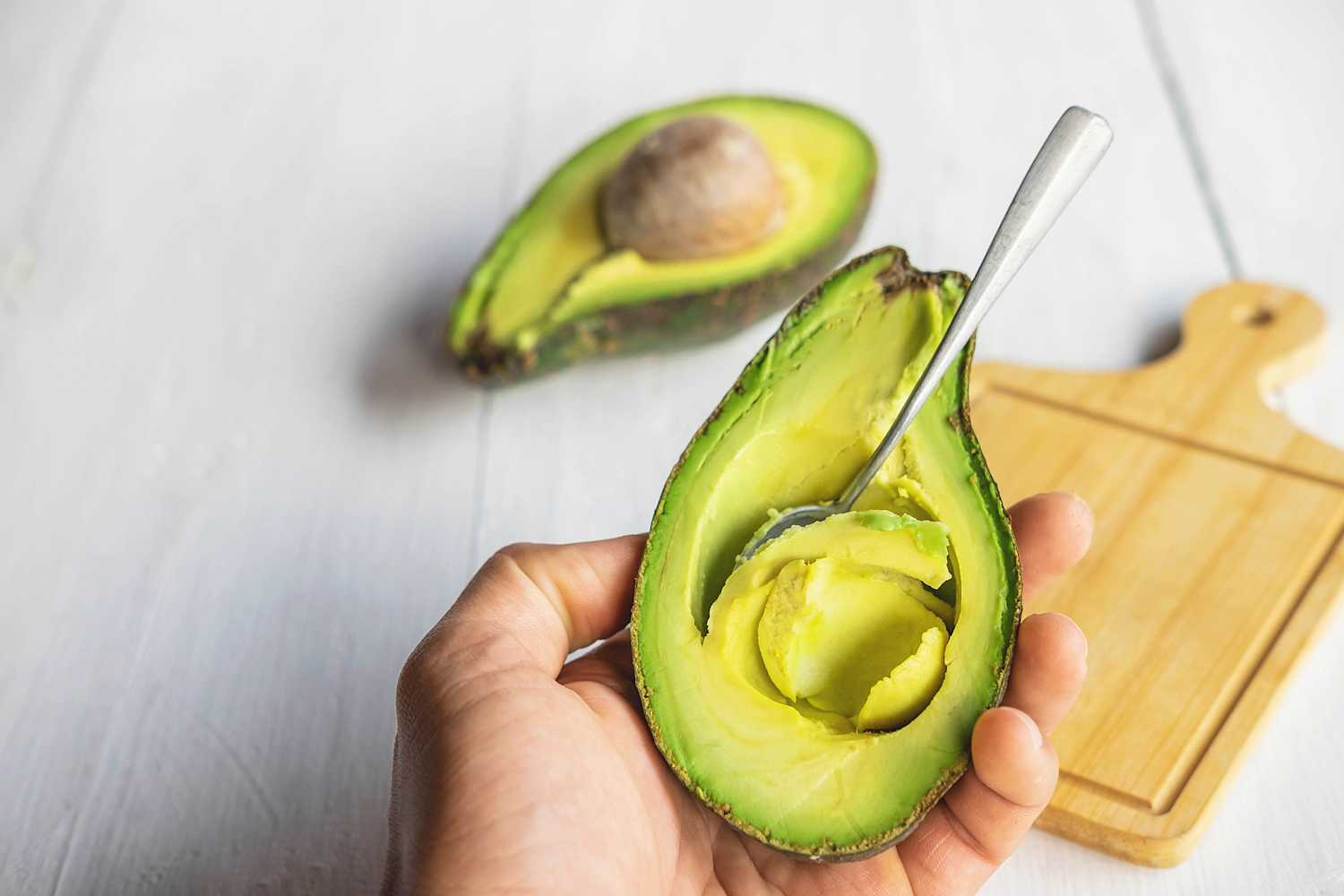
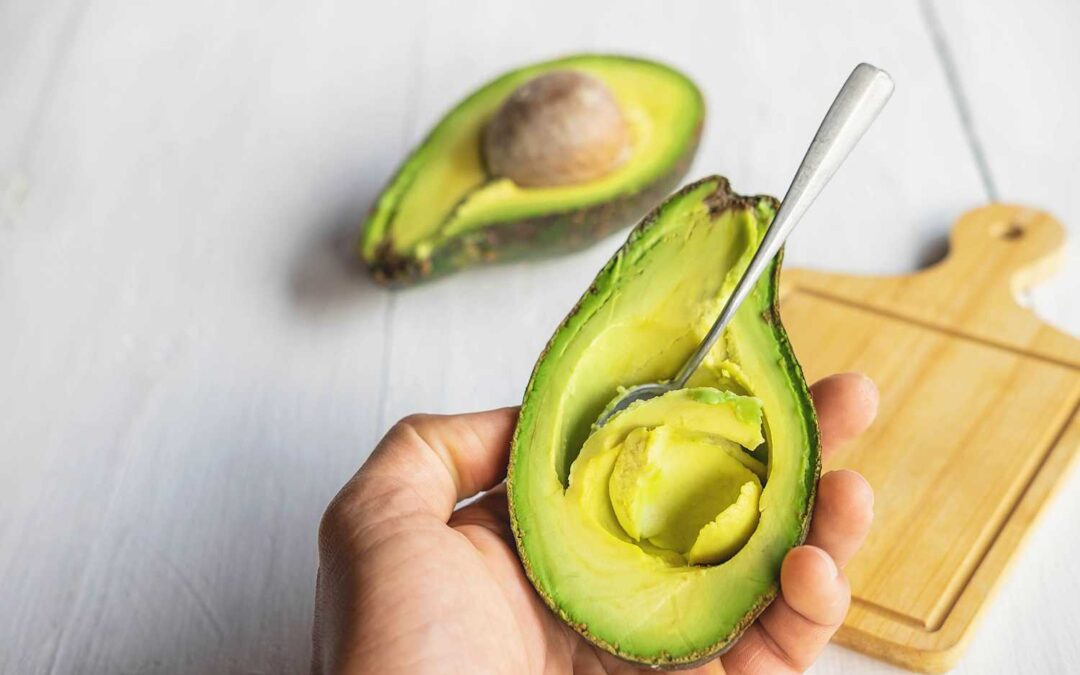
I love avocado toast — I could eat it all day, every day, and still not get tired of it! I even make it a mission to try it everywhere I travel. What I didn’t know before becoming an avocado toast devotee is that avocado can leave behind some pretty stubborn stains when you get it on your clothes. Luckily I spoke with Ashley Kidder, founder of Mountains of Laundry, to learn how to get avocado out of clothes.
Why Does Avocado Stain Clothes So Easily?
Avocado’s high fat content is what makes it tricky to remove, according to Kidder; it leaves behind an oily stain. If you leave the spot to sit, oxidation sets in (the same reason an avocado browns when exposed to air), and the oils can seep even deeper into the fabric weave.
What You’ll Need to Get Avocado Stains Out of Clothes
How to Get Avocado Stains Out of Clothes
Below, Kidder shares how to get avocado stains out of clothes in just six steps.
Step 1: Scrape off the excess avocado.
Use the spoon (or any blunt edge) to gently lift off extra avocado. Work from the outside of the stain toward the center so you’re not spreading it around.
Step 2: Spot treat with detergent.
Spot treat the stain by applying about a tablespoon of detergent to it. Let it sit for 5 to 10 minutes.
Step 3: Gently scrub the stain with a toothbrush.
With the toothbrush, softly work out any remaining oil. Don’t scrub too hard — you want to lift the stain, not push it deeper into the fabric.
Step 4: Soak the garment in warm water.
Place the item in warm (not hot) water for about 30 minutes.
Step 5: Launder as usual.
Follow the care instructions on your garment’s label and launder as normal. If you still see residue after washing, repeat the cleaning and washing process before drying.
Heat can permanently set the stain, so when in doubt, let the garment air dry instead of using a dryer.