We all know and love IKEA for their smart, stylish and affordable furniture, but with the introduction of the brand new Life at Home Platform, IKEA are taking it one step further – helping you move house!
You don’t need me to tell you that if you’re on the hunt for the best home decor trends, IKEA is a great place to find goodies on a budget. Plus, with hundreds of IKEA DIY hacks, it’s easy to turn your flatpack furniture into something beautiful.
Now, Life at Home takes the experience a step further. Designed to meet the needs of a modern household, moving home is about to become a less stressful experience. Here’s everything you need to know.
IKEA’s Life at Home Platform
Life at Home is an innovative new initiative that is made up of three features, all designed to make moving home that little bit easier.
You should consider adding IKEA to your moving house checklist, as these new features can help elevate some of the workload when moving. The three services are Home Move & Setup, Energy Eervices and the IKEA Family Credit Card.
(Image credit: Future PLC/ Brent Darby)
Working in collaboration with Just Move In, the home move and setup service is currently being trialled and aims to relieve the stress of moving. The service handles tasks such as utility transfers for your gas, electricity, water and council tax, comparing and setting up broadband and TV subscriptions and even redirecting mail to your new address.
The service also plans to cover your physical needs, offering secure storage and deep clean options, as well as professional support for removals.
Sign up to our newsletter for style inspiration, real homes, project and garden advice and shopping know-how
The home move service is free to use, and professional services are competitively priced. Simply sign up via IKEA’s website, and get started.
Meanwhile, the energy services aim to make renewable energy more accessible and affordable for customers. It has partnered with trusted providers such as Aira Heat Pumps and Soly Solar Panels, Batteries and Chargers to provide a one-stop shop for customers seeking more renewable energy options at home.
Finally, the IKEA Family Credit Card helps spread the cost of small to medium-ticket purchases. The card offers flexible repayment options and exclusive benefits, both in and out of IKEA. Purchases between £99 and £299 can be paid over three months interest-free, while purchases up to £1,200 and £2,000 can be spread over 10- and 20-month terms respectively.
(Image credit: Future PLC/David Giles)
‘At IKEA, we’ve always been driven by the mission to create a better everyday life for people. The Life at Home offering reflects this commitment,’ says Ashley Hamilton, UKIE Customer Manager for IKEA.
;It’s a comprehensive collection of services that not only makes life at home more convenient and affordable but also empowers our customers to live more sustainably. With solutions that span moving home, energy and financial services, we’re making it easier for our customers to navigate life’s moments and transitions.’
Do you think IKEA’s new Life at Home services would benefit your home?
Location, Location, Location’s Phil Spencer has revealed that it is the small changes that make a big difference when selling a home, and effective decluttering is at the top of his list if you want to sell your house fast.
The best decluttering methods and smart storage solutions can transform our spaces and even make us feel more relaxed in our own homes. And this feeling of serenity is translated to potential buyers when they view potential properties.
‘You don’t need a full renovation to impress buyers – far from it,’ says Phil. ‘In my experience, it’s the small, thoughtful touches that really help a home stand out. Storage is an absolute must in my opinion – clear, clutter-free spaces instantly make a home feel calmer and more inviting.’
How can decluttering help sell your home fast?
Working in collaboration with Wickes, Phil revealed that ‘clutter is a dealbreaker’ when it comes to selling your home.
(Image credit: Future PLC/Anna Stathaki)
‘Buyers are drawn to homes that feel organised and serene – not crammed and chaotic. Think built-in shelving, hallway cupboards or stylish storage units that hide the mess and highlight the space. It’s not just storage – it’s breathing room,’ he said.
A tidy, organised home signals to potential buyers that the home has been well-taken care of. Similarly to how a neutral colour scheme can provide a blank canvas for potential buyers to consider, a tidy, decluttered space allows them to envision living there.
(Image credit: Future PLC/Caroline Mardon)
‘When buyers walk into a viewing, they don’t just assess bricks and mortar; they picture how their life might fit into each room. So, if a property is filled with lots of personal possessions, excess furniture, or everyday clutter, that vision becomes harder to create,’ explains Andrew Boast, property expert at SAM Conveyancing.
Sign up to our newsletter for style inspiration, real homes, project and garden advice and shopping know-how
‘Rooms will feel smaller, storage will appear insufficient, natural lighting may be blocked, and the overall impression is that the home may not have been maintained to a high standard.’
‘In contrast, homes that have been properly decluttered tend to feel brighter, larger, and more welcoming to potential buyers, and this emotional shift can speed up the decision-making process. Some homes that struggle to attract offers for months can generate fresh interest simply by being pared back and presented more thoughtfully.’
What should you declutter?
Decluttering can feel overwhelming, so let’s have a look at the best places to start so you can get the job done quickly and efficiently, without stress.
(Image credit: Future PLC/Brent Darby)
‘Start with surfaces – clear kitchen counters, bathroom vanities, and tables so buyers see the available space. Next, tackle storage areas, as buyers will open cupboards and wardrobes; neatly organised storage shows your home has plenty of room,’ suggests Max Wilson, organisation expert and co-founder of Pocket Storage.
‘Pack away personal items like family photos so the property feels like a blank canvas. Finally, consider bulky or excess furniture – removing it can instantly make a room feel more spacious and improve flow.’
If decluttering a job you struggle with, why not try micro-decluttering or the 1-3-5 decluttering method, which are both carefully curated to minimise feelings of overwhelm and keep you on track.
Shop storage solutions
Dunelm
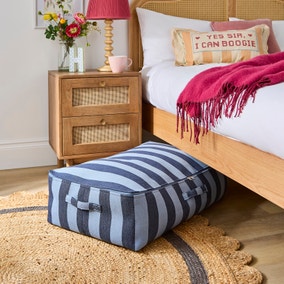
Beatrice Woven Stripe Underbed Storage Bag
These handy bags create loads of extra stroage under your bed to tuck away extra bedding and towels, if like me, you don’t have an airing cupboard. Plus, they look great!
Habitat
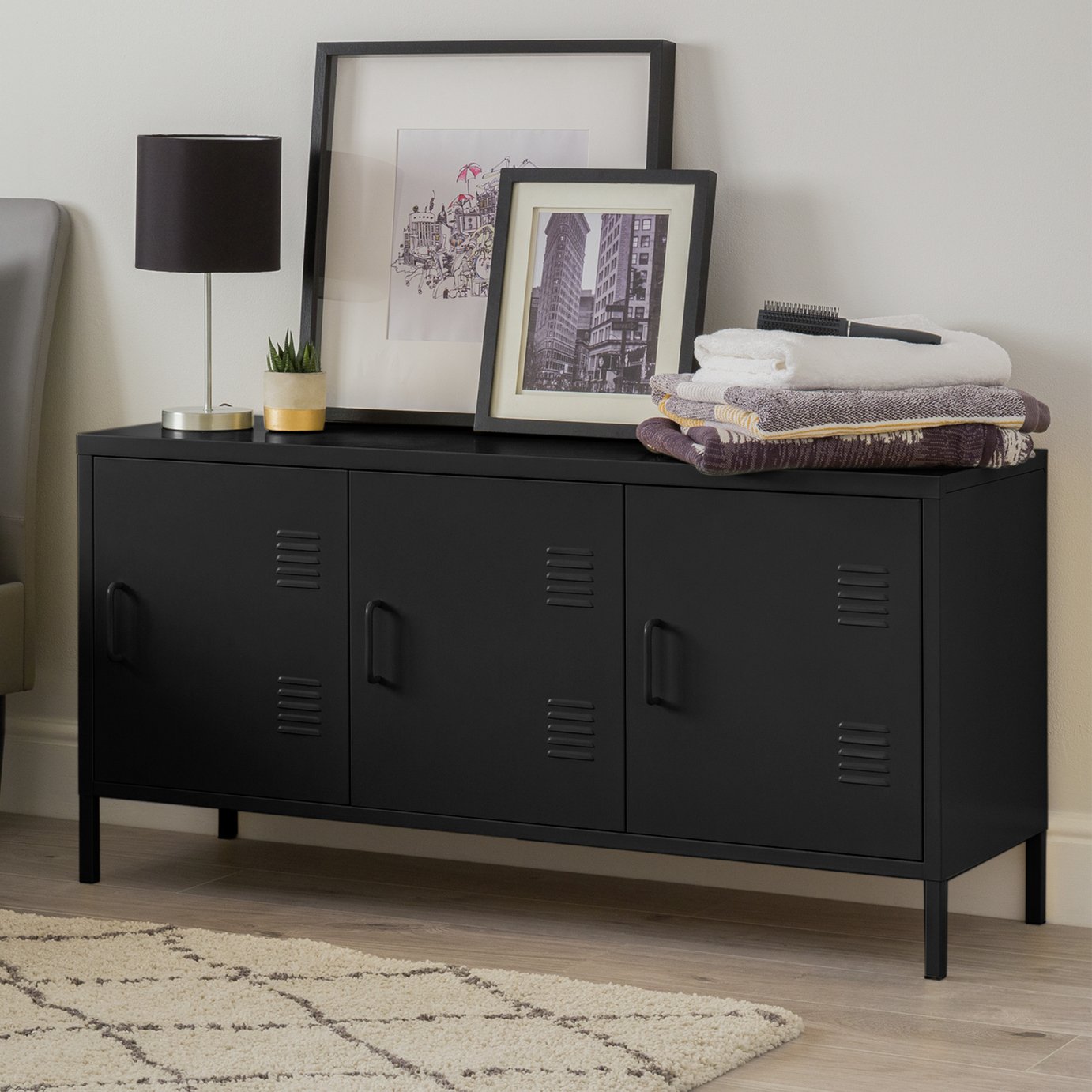
Habitat Stevie 3 Door Locker – Black
If you like an industrial, contemporary look, this stylish cabinet provides loads of extra storage, and with a depth of 40cm, doesn’t take up much space.
Dunelm
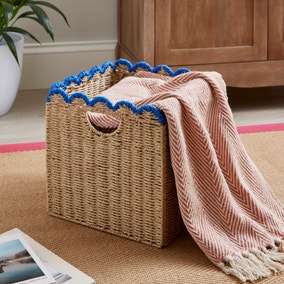
Scalloped Storage Box
Opting for attractive storage soloutions means you don’t have to worry about tucking them out of sight.
Whether you’re looking to sell your home or not, decluttering can make your home feel far more serene and relaxing. And if you’re looking for a quick sale, it would be foolish to leave decluttering for another day.
The August bank holiday is a welcome break for all, a long weekend to enjoy the end of summer, but if you’re heading off for a relaxing break, waste experts are warning you not to leave your bins out.
The last thing you want to think about when heading off on holiday or for a long weekend is thinking about your rubbish, hence the wealth of kitchen bin ideas to make your life easier. And while it can be all too tempting to leave your bins out on the road for the collectors while you’re away (as who knows when the bin men will come during a bank holiday!), the experts are warning this is a big mistake.
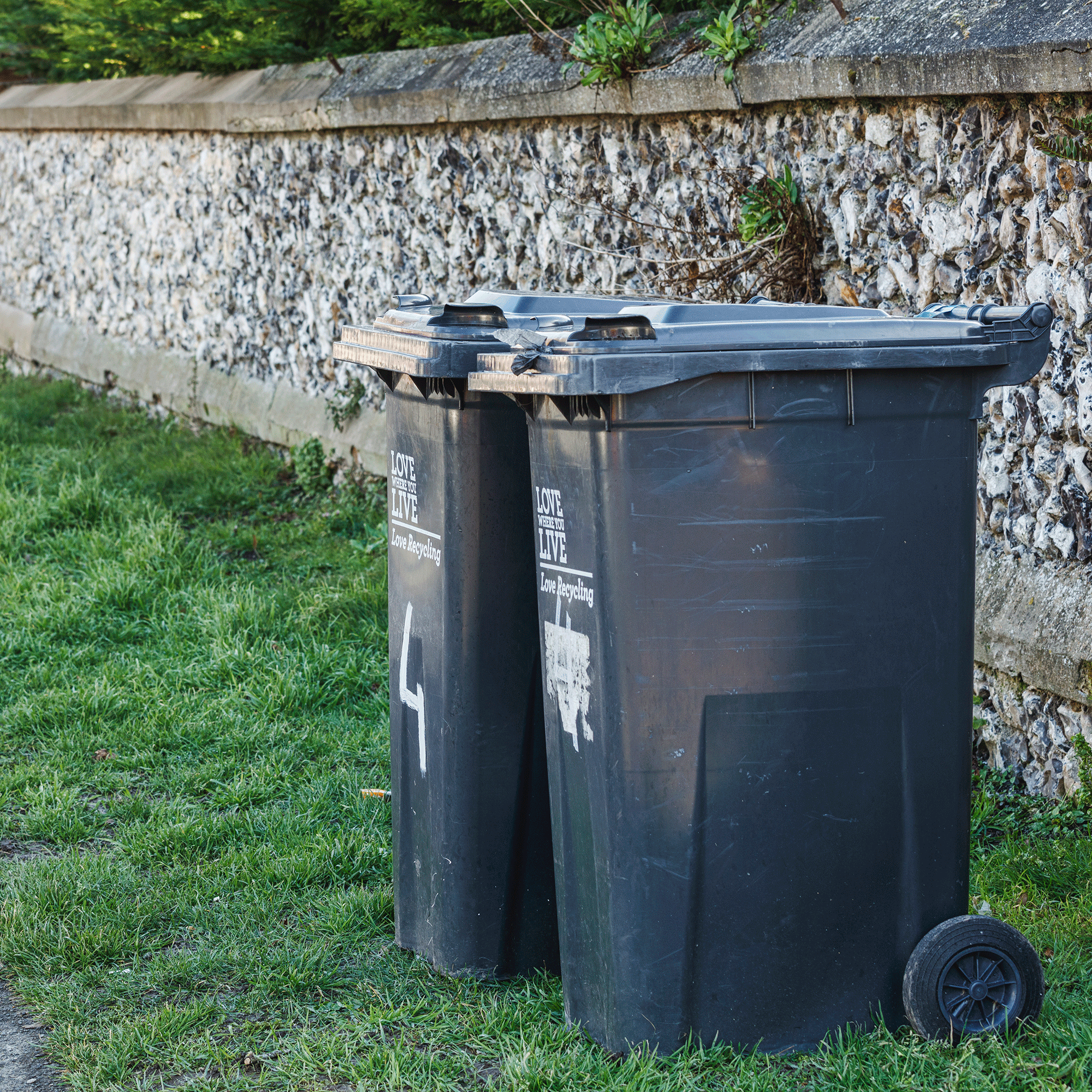
Leaving your bins out for collection while you’re away, even when done with good intentions, could land you with a complaint or even an £80 fine from your local council. Here’s why.
(Image credit: Getty Images)
‘Typically, around public holidays, there can be regular changes to bin collection schedules. Missing a bin collection can result in overflowing bins, so many homeowners will try to guess their bin day to avoid missing a collection,’ says Ryan Kaila, waste and recycling expert at Kingfisher Direct.
‘If you’re away on your bin collection day, then it’s a good idea to ask a trusted neighbour or family member to put your bins out for collection on the appropriate day and return them when the bin has been emptied.’
‘Leaving your bins out for days at a time can obstruct pathways, and you may receive a complaint or even a fine from your local council,’
(Image credit: Getty Images)
Alternatively, there are ways to make more space in your bin, so you can leave it until the next collection day if necessary. It may also be tempting to put rubbish in a neighbour’s bin, but this is strongly advised against and could land you in more trouble if you don’t have permission.
Sign up to our newsletter for style inspiration, real homes, project and garden advice and shopping know-how
‘When bins are left out after bin day they can become a nuisance to neighbours and pedestrians as they block pathways, attract pests and are a visual eye-sore,’ says Ryan.
‘Therefore, leaving your bins for extended periods can lead to fines from your local council. Some local councils issue fines of up to £80 if your bins are left on the pavement after collection day.’
The council can issue a Fixed Penalty Notice (FPN) to your household if you leave your bins out for too long. This varies between councils, but the typical fine is £80.
‘It’s everyone’s responsibility to check whether their waste collection will be affected by the longer weekend to ensure they don’t miss out and have to wait until their next collection,’ adds Graham Matthews, waste collection expert at BusinessWaste.co.uk.
‘This avoids unnecessary stress and the risk of bulkier collections, as well as potential health and hygiene hazards caused by not leaving waste out in the open for too long.’
Joseph Joseph
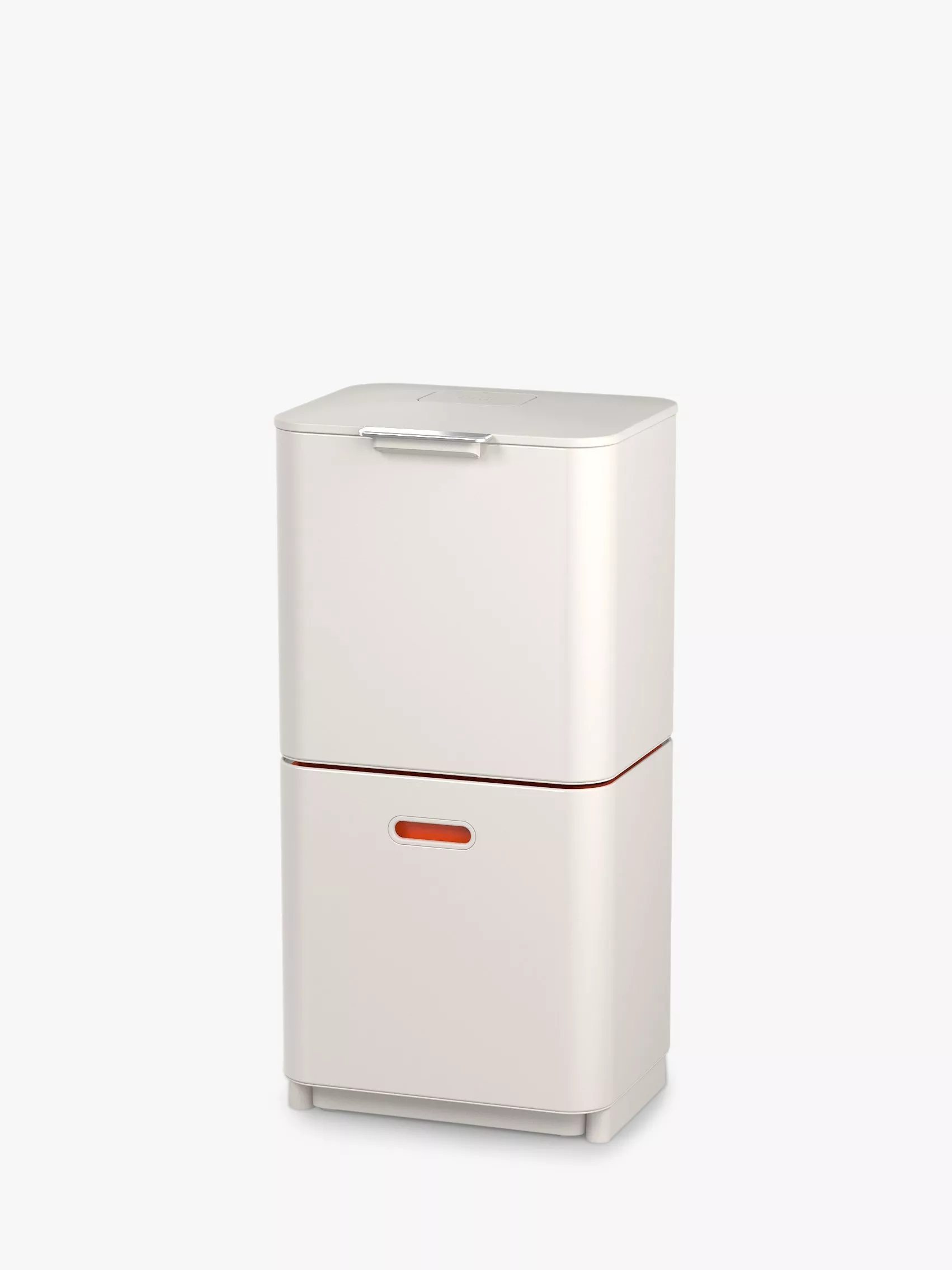
Intelligent Waste Totem Max Bin, 60l
Joseph Joseph bins are optimised to give you extra bin space without taking up too much room. This bin separates waste and recycling,holding a whopping 60L of waste – ideal if you’re missing a bin collection due to being away. It even has a clever filter to stop stinky bin smells escaping.
It may seem like a small detail, but if you’re heading off on holiday, or simply unaware of your bank holiday collection dates, it’s important to make sure you check exactly when your bins are due to be collected so you can make the necessary arrangements and avoid an unnecessary fine.
Local councils are cracking down on garden sheds that have been converted into living spaces, and the tightening of rules could mean your garden shed is eligible for council tax.
If your garden shed ideas have transformed your space into more than just a space for storing tools, ie, your shed is deemed livable, you could find yourself paying a second council tax to account for the additional living space.
This comes as councils are facing rising financial pressures and are seeking to ensure all eligible self-contained properties, including outbuildings, are properly taxed.
When is a shed taxable?
‘A shed or garden building may become liable for its own council tax if it is considered a self-contained residence. This means it has independent living facilities such as a kitchen, bathroom, and its own separate entrance. In such cases, it can be placed into its own council tax band, separate from the main property,’ explains Nick Rowles-Davies, global lawyer and CEO of Lexolent.
‘Simple storage sheds, hobby rooms, or other non-residential outbuildings normally do not trigger additional tax.’
(Image credit: Future PLC/David Giles)
Government guidance says that a property is considered a separate dwelling if it has a kitchen, bathroom and independent entrance. Structures with these features, including sheds and garden rooms, can be eligible for their own council tax band. Councils have been working with The Valuation Office Agency (VOA) to assess the eligibility of outbuildings by reviewing planning permissions, property sales and on-site inspections.
‘This isn’t a brand-new law, but councils are facing mounting financial pressures, including rising costs (e.g., social care) and debt burdens. As a result, they’re revisiting older rules that allow additional properties, even small annexes or garden rooms, to be taxed separately.
Sign up to our newsletter for style inspiration, real homes, project and garden advice and shopping know-how
In essence, the foundations were there all along, but enforcement is tightening now due to fiscal necessity,’ says Raj Chohan, property expert and owner of Golden Key Estates.
How do the rules vary?
While the definition of what constitutes a separate dwelling is consistent, local councils will interpret and apply rules differently. Some councils are more proactive in reclassifying outbuildings than others.
(Image credit: Future PLC/Claire Lloyd Davies)
‘While the general test is whether a building qualifies as a separate dwelling, councils have discretion over their assessments. They may also offer discounts or exemptions for specific cases, such as long-term empty homes or uninhabitable structures. This means two similar sheds in different council areas might be treated differently,’ explains Nick.
Raj explains that there are different discounts available in England and Wales.
‘In England, you may qualify for a 50% council tax discount on an annexe that’s classified separately—if it’s used as part of the main dwelling. That discount must be applied for; it isn’t automatic,’ she says.
‘In Wales, councils have additional leeway to impose council tax premiums on second homes or long-term empty dwellings—up to 300%—though that’s aimed more at empty properties or holiday homes, not necessarily annexes.’
What should you do if you’re affected?
If you feel your outbuilding has been unfairly reclassified as a separate dwelling, there are some measures you can take. Raj recommends appealing to the VOA or the relevant valuation body in your area, providing strong proof that your shed lacks a kitchen or bathroom, doesn’t have an independent entrance or is more akin to a utility or leisure structure.
‘Use floor plans, photos, and descriptions in your appeal to show it’s not a standalone home,’ she advises.
(Image credit: Future PLC)
You can also seek advice at organisations such as the HomeOwners Alliance or Citizens Advice. These bodies can assist you with preparing an appeal and advising you on your rights. There are some instances where you may be exempt, too.
‘Exemptions can include annexes that remain part of the main home, properties for sale or rent, outbuildings used for armed forces accommodation, or those with planning restrictions against residential use. Councils can also use their discretion to reduce or remove charges in some cases,’ comments Nick.
It’s always worth reaching out to a legal expert or advice body if you are unsure what you owe. Being aware of the rules and regulations, and how they apply to you, means you won’t get stung by unexpected tax.
Experts have warned that not checking your smoke alarm regularly could risk voiding your home insurance policy.
Of course, having up-to-date smoke and carbon monoxide alarms is vital to keep you and your family safe; however, new research by Go.Compare has revealed that £16.7 million in home insurance has been lost due to smoke alarm negligence in the past year.
The research found that more than half a million Brits live in a property without a working smoke alarm, while 62% didn’t know failing to regularly check their smoke alarms could void their home insurance policies. So, I asked the experts how often you should check your alarm as well as the best way to check it. This is what they said.
How often should you check a smoke alarm?
Smoke alarms can sometimes be a little annoying, especially when your best toaster sets it off on a Sunday morning. However, if you’ve been tempted to leave it when it stops reacting to your toaster or oven, I want to stress how much of a bad idea this is.
For best practice, Go.Compare recommends testing your smoke alarm weekly to stay in line with your home insurance police and keep your home safe.
(Image credit: Future PLC/David Giles)
‘It goes without saying that failing to install and regularly test a smoke alarm could have catastrophic consequences. But on top of the huge safety risk, your insurer likely won’t pay out if your smoke alarm wasn’t working when a fire occurred, so you’d suffer the financial consequences of the blaze – as well as the emotional ones,’ explains Nathan Blackler, home insurance expert at Go.Compare.
‘It might feel like one of the more mundane tasks on your to-do list, but it’s also one of the most important. Testing your alarm takes just seconds. Consider setting a weekly reminder so that you’re less likely to forget. If you have difficulty maintaining your alarms yourself, you can contact your local fire service for support. If you don’t know how to test it, you will likely find instructions in the manufacturer’s manual.’
Sign up to our newsletter for style and decor inspiration, house makeovers, project advice and more.
How to check a smoke alarm?
Checking your smoke isn’t as complicated as it sounds, and as Nathan points out, you should always check your manufacturer’s manual as a guide.
(Image credit: Future PLC/ Brent Darby)
‘It takes 10 seconds and could save your life. All you have to do is press and hold the test button, usually a large circular button on the face of the device, until you hear the beep. That noise tells you that the sounder is working. You should also check for dust build-up, water damage or any signs of corrosion. If your alarm’s over 10 years old, replace it entirely. These aren’t lifelong devices, they wear out like any other household appliance,’ says Jonny Smith, a seasoned fire safety consultant at Crusader Fire.
‘A smoke alarm is your first line of defence in a house fire, but only if it’s working. Fires can take hold in seconds, and a functioning alarm gives you vital seconds to act, get out, and call for help. Without that early warning, you’re relying on luck, and that’s not a risk anyone should take.’
If your smoke alarm is battery-operated, you should replace the batteries every year. If your smoke alarm needs to be replaced, you can pick one up at a local hardware store and fit it yourself, following the manufacturer’s instructions. However, if you are struggling or vulnerable, check with your local fire department, as they often provide services where they provide and install smoke alarms for free.
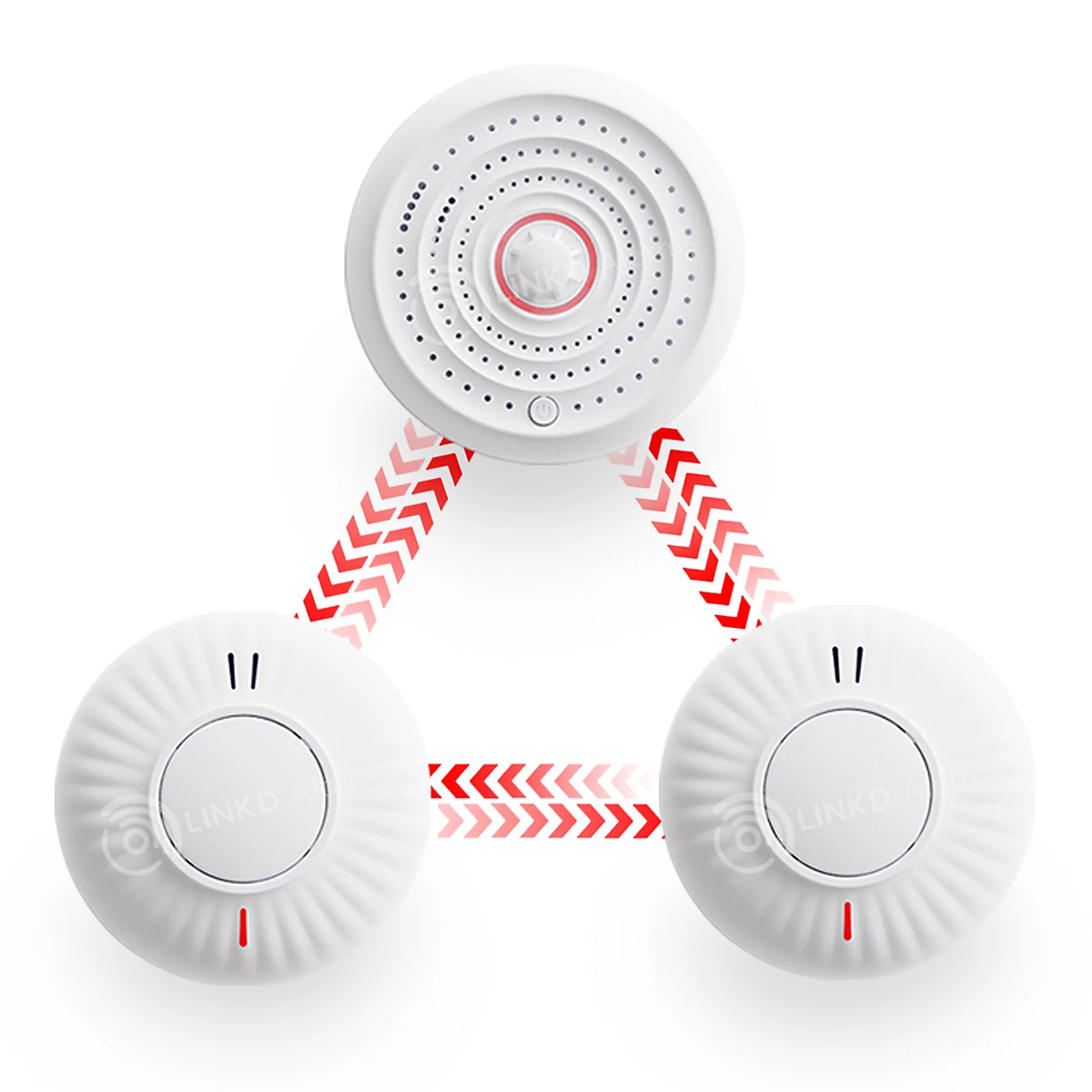
Wireless Interlinked Smoke & Heat Alarm Bundle, LINKD Alarms, 10 Year Battery, Scotland & England Compliant
Your home is covered with these three smoke and heat alarms. They come with a 10 year warrenty and are wirelessly interlinked for peace of mind. This means if one alarm is triggered all will sound, alterting everyone in the property.
When was the last time you checked your smoke alarm?