by Furnishly | Mar 1, 2022 | Design Inspiration, Furniture, Style
We independently select these products—if you buy from one of our links, we may earn a commission.
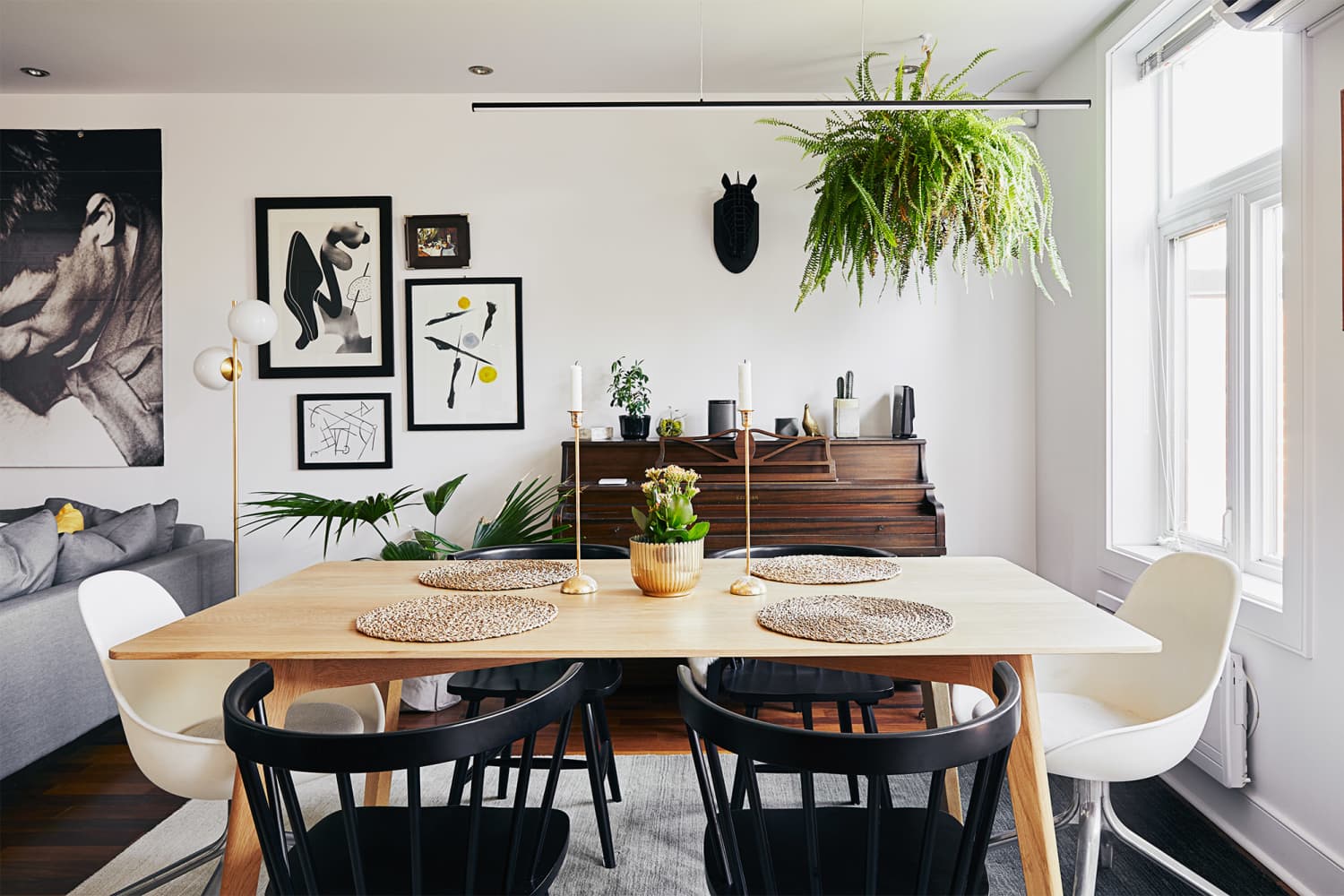
I have an affinity for old things. I love storied furniture, hand-me-down decor, and — much to the chagrin of my minimalist housemate — knick-knacks, trinkets, and tchotchkes. I have a steady routine of buying used home goods, basking in their novelty for a short while, then selling or donating them to their next admirers. Keeping up with my habit in New York City has been messy, usually involving stoop trash, Goodwill runs, and finding friends with cars and time. Then, I discovered Kaiyo.
Not only do I love secondhand furniture and decor, but I’m quite picky about what goes in my space because…who isn’t? I’ve done the Facebook Marketplace thing, but after encountering a few too many weirdos, I’ve put that venture to rest. What I needed was a place to shop and sell secondhand home goods that works with my schedule, allows me to avoid negotiations, and takes worrying about shipping and handling completely off my plate.
Kaiyo lets me submit my furniture to sell, collects it via white-glove service in alignment with my schedule, gives me an instant offer (before my items even sell), and takes care of the entire selling process after that, from storing to photographing, listing, and delivering the items to their buyers. Because the Kaiyo team is approving all furniture submissions for selling (rather than sellers creating listings on their own), all the listings for sale on the website are hand-picked and curated with their condition, quality, and value in mind. Brand names like Restoration Hardware and West Elm pepper Kaiyo’s collection, as do some seriously special and rare vintage pieces.
I was able to try out Kaiyo’s shopping experience myself, and when I tell you I’m not going back, I mean it. I was able to find the perfect dresser for my tiny bedroom within half an hour (thanks to the number of very specific filters available) and schedule its delivery right away. My secondhand gem arrived within just a couple of days, in great condition (accurate to its listing) and by two careful, respectful, and strong individuals. I didn’t have to lift a finger throughout the entire process but now get to enjoy a piece that I think I’ll actually hold on to for quite some time.
Kaiyo is available on the East coast, including NYC, Washington DC, Philly’s metropolitan area, and parts of Virginia and Maryland. In the spirit of sustainability, buying used, reducing waste, and keeping furniture out of landfills, Kaiyo also facilitates the planting of a tree for every order placed. Right now, you can also save 15 percent on your order over $2,000 by using the code BLOSSOM at checkout. Consider this your sign to join the club, get to selling and shopping secondhand on Kaiyo, and dive into sustainable home shopping. Oh, and load up the site with more pre-loved goodies I can buy for myself.
by Furnishly | Mar 1, 2022 | Design Inspiration, Style
We independently select these products—if you buy from one of our links, we may earn a commission.
In an ideal world, my apartment would be full of charming architectural touches — molding on the walls and ceilings, built-in fireplaces, exposed brick walls — you get the picture. As a renter in New York City, I definitely had to make some sacrifices during the apartment search while hunting for a new place last summer. While I’m completely happy with where I ended up, my apartment doesn’t have the level of charm that I often swoon over when scrolling through home tours online or in my favorite magazines. So that simply meant that I had to take matters into my own hands.
I moved into my apartment in July 2021, but I wanted to live in the space for some time before making any major changes to my unit. By January, I decided to have the walls painted in Clare paint’s Grayish. The paint alone made a huge impact in my space, but I wanted to up the ante a bit by doing something even more dramatic.
My original idea was to incorporate picture frame molding on the walls, but installing molding was far out of my budget, and I wasn’t willing to go in for the splurge, particularly given that my space is a rental. Plus, the molding would be pretty difficult to remove down the line, making it even more of a no-go in my opinion.
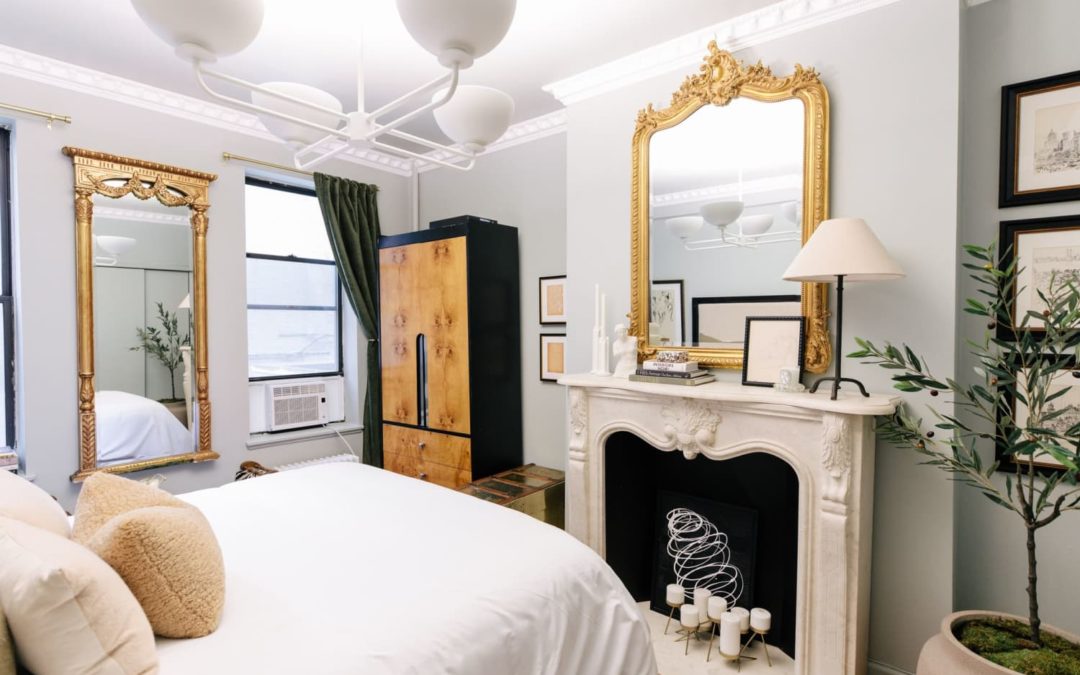
Then I had another idea. While scrolling through Amazon looking for some renter friendly molding that wouldn’t run me nearly $4,000, I came across this beautiful faux wall molding. Picture frame molding continues to appeal to me, but this was unlike anything I’d ever seen faked in a rental before, and I knew I had to try it out. Believe it or not, this wall molding is actually made from styrofoam. I know, I know — but trust me; it looks amazing. If I hadn’t touched some of the material myself, I honestly would have been convinced it was wooden or plastic based on how nice it looks on the walls.
The carpenter I hired on TaskRabbit did an amazing job using a miter saw and the corresponding molding glue I purchased to perfectly cut each strip of styrofoam and adhere it to the wall. The whole project took him about five hours, making it perfectly manageable if you’re like me and don’t want to deal with days or even weeks of disarray in your apartment and repair people coming in and out.
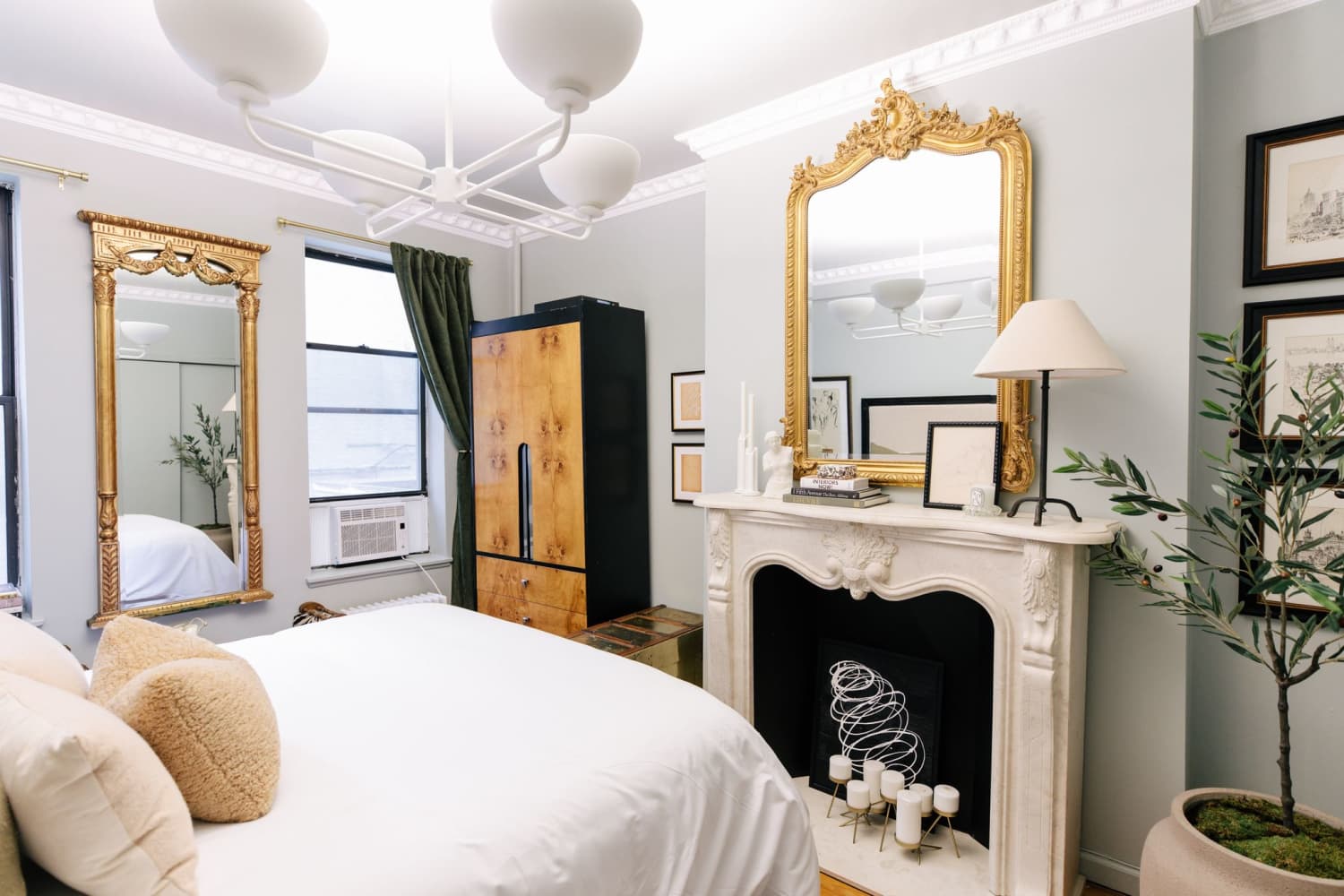
After giving my TaskRabbit a large tip and bidding him farewell at the end of the day, I sat on my bed in awe. I truly couldn’t believe how much of a transformation the molding and paint combined had made. My bedroom finally had that chic Parisian feel to it that I wanted, and it really couldn’t have looked more different than it did when I first moved in (if you don’t believe me, just check out the before picture below for reference!).
This molding is renter-friendly, paintable, and can easily be removed at the end of my time in the apartment, but truthfully, I may ask my landlord if they’d like me to leave it up, assuming it’s still holding up well whenever I do decide to move out. Don’t you agree it adds all sorts of charm?
by Furnishly | Feb 24, 2022 | Design Inspiration, Style
Mishma Nixon
Contributor
Mishma is a writer and daydreamer from Colombo, Sri Lanka. She loves books, sad movies, villains, wholesome sitcoms, and tea. You can find her on twitter @chasingfaes or discussing her favorite books on her book blog.
Follow Mishma
by Furnishly | Feb 14, 2022 | Design Inspiration, Style
We independently select these products—if you buy from one of our links, we may earn a commission.
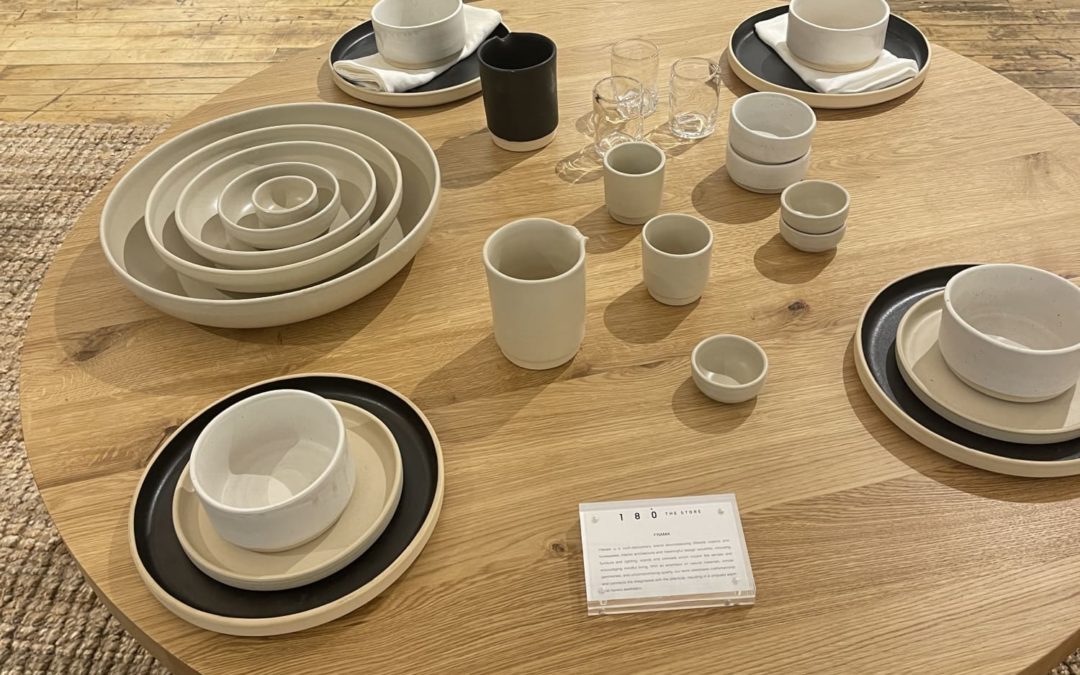
Nestled in New York City’s Tribeca neighborhood, 180 the Store is a shopper’s paradise for stylish apparel, jewelry, homewares, and much more. Run by owner Denise Williamson, there’s something to discover around every corner of this brick-and-mortar. Williamson’s curation is stellar, and that’s where the Danish brand FRAMA comes in.
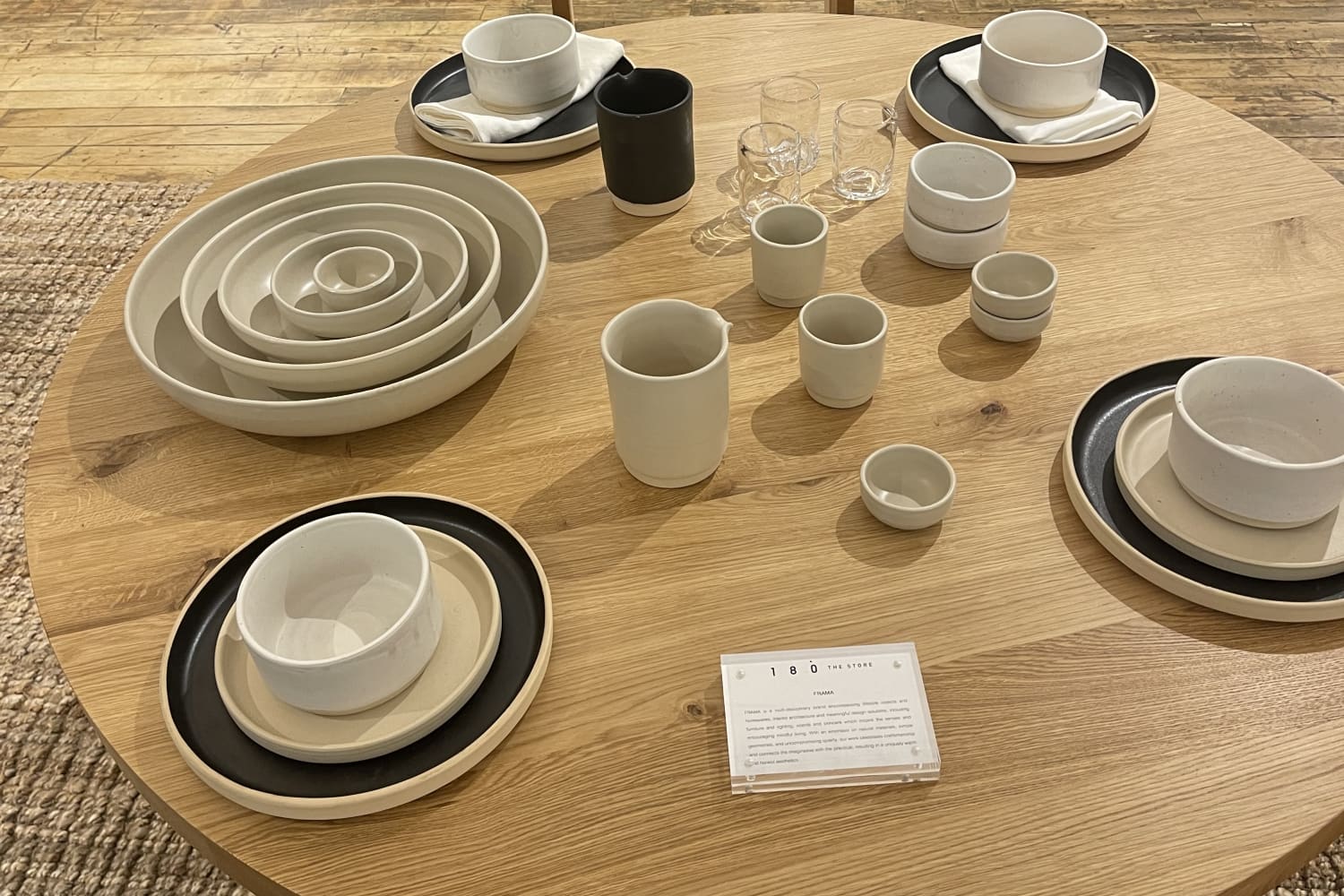
FRAMA is a 10-year-old multidisciplinary brand that specializes in home and bath products — and 180 the Store is the exclusive importer of FRAMA goods stateside.
If you’re at all into AESOP personal care products, then you’re probably going to want to know more about FRAMA. The look, feel, and even scent of the brand’s hand wash, body wash, lotion, and haircare products remind me of classic AESOP. These products come packaged in beautiful bottles, making them a great housewarming gift for that person who loves luxe lotion. Simply add some ribbon or a bow, and you’re golden!
FRAMA also makes furniture, which is ultra ideal for those whose styles lean minimalist, mid-century modern, or Scandi. They also make home and entertaining pieces, including glassware, candles, and kitchen supplies, and offer lots of lighting solutions. Whether you need a new table lamp or are in the market for an overheard fixture, FRAMA likely will have something that’ll strike your fancy.
I, for one, am eager to begin working a few of FRAMA’s items into my home, and I’m not alone. Maxwell Ryan, founder and CEO of Apartment Therapy, is also a fan. “My particular favorite is their ‘shelf library’ system that is a stunningly beautiful adjustable shelving system that comes in wood, brass, and stainless steel,” Ryan says. “It’s a showstopper.”
Though FRAMA pieces are an investment, their authentic, timeless nature makes them worth the splurge if you can swing it. “You’re getting the best of Danish design, and these items are collectibles for life,” Ryan says.
by Furnishly | Feb 12, 2022 | Design Inspiration, Style
I’ve always felt like my house looks like I’m two years out of college. Basic couches, sporadic curtains, mismatched dishes, mismatched lamps. My saving grace? No posters taped to walls.
In reality, though, I’m decades removed from college with a husband and two kids. I should have it together. My excuses: We made a habit out of moving every two years. I’m a decision-phobe who doesn’t entertain much. There’s always something else I’d rather put my money toward.
A finely polished and cozy home has always felt out of my reach. I get overwhelmed. The expense! The options! The commitment! But maybe because we’ve been in the same place for several years now, or maybe because of the pandemic, my “just fine” home decor started to feel… not fine. Being confined to the house for the better part of two years has a way of revealing truths.
My suddenly homeschooled children could barely find enough space around our small, pub-style kitchen table to work. When we did make room, the clunky wooden chairs reminded us just how different our new normal was. My husband and I bought this table when we bought our first house. We started with the necessities. I liked the pub table. The height made it feel like an adult table with character.
When kids came along, that “character” was less charming and more hazardous, especially since the wobbly chair legs would come loose. The table essentially morphed into a desk topped with a fruit bowl — filled with coins, random Legos, and lost buttons — and flanked by piles of mail. My boys ate at our counter barstools, while my husband and I stood with plates in our hands like we were mingling at a dinner party. Technically, we ate together. Just like how, technically, you can sleep on a concrete slab.
The pandemic made that dysfunctional table even more dysfunctional. I browsed new tables with a renewed sense of urgency. It needed to seat us all comfortably and fulfill its dining purpose. Anything bigger than what we had, though, would be way too big. Anything comfortable would cost too much. Anything fancy would get ruined by kids. I looked and looked and looked.
Then I found it. Naturally, it cost more than I wanted to spend. The cushy fabric chairs seemed like magnets for dirt and stains. The size would eat up our space. I let it simmer for months. I’d check and recheck the website for sales, to make sure that I still liked it, to see if there was anything else. Do people really spend thousands of dollars on tables? What if it became like the pub table I grew to hate? What if it just made the kitchen feel smaller? What if the seats weren’t as comfortable as they looked?
With a gentle push from my husband, we finally bought it, and it’s the best home purchase we’ve ever made. Eating no longer feels one step away from standing over pots with forks. The table gets set. Food sits in serving bowls. We turn off the TV. We sink into those fabric seats, whose sandy color is light enough to be pretty but textured enough to handle small spills.
It’s not just that the table has made mealtime more deliberate; it’s become a place we naturally gather during hectic days. We linger. We play games on a whim. The kids will sit and chat while they do homework and I put away groceries.
Our table has become the understated centerpiece of our home, quietly changing the rhythm of our days. It’s a constant reminder that splurging on furniture is sometimes about more than simple aesthetics.