Today’s Homeowner Radio Podcast | January 21, 2023

Today’s Homeowner Radio Podcast | January 21, 2023

Learn the secret to removing vinyl wallpaper and how to prevent internal frost on windows. (3 Echoes Content Studio)

Hour 1

Learn what trends are hot in kitchen remodeling, how to prevent internal frost on windows, the difference between refacing and refinishing cabinets and more.


Blue kitchen island
46 percent of homeowners surveyed for Houzz’s 2023 Kitchen Trends Study chose an island cabinet color that contrasts the color of the main cabinets. (3 Echoes Content Studio)

As a home improvement professional, I’m always looking to learn about the latest design trends. I recently came across the 2023 U.S. Houzz Kitchen Trends Study, and I have to say, the findings are quite interesting. 

The study surveyed more than 2,000 U.S. homeowners who are in the midst of, are planning, or recently completed a kitchen renovation project, and the results provide a valuable glimpse into what’s trending in kitchen design. Here’s what stood out the most to me:

Renovation Spending Rises: The median spend on a minor remodel increased $4,000 year over year to $14,000 by mid-2022. Homeowners spent $15,000 on a minor remodel of a larger kitchen and $13,000 on a smaller kitchen.

Sustainability Influences Choices: 92 percent of homeowners incorporate sustainable features during a kitchen remodel. These include LED lightbulbs, energy-efficient appliances and water-efficient fixtures.

Open Layouts are Here to Stay: Following a dip in the trend of open kitchens last year, this year renovators are once again more likely to open their kitchens to other interior spaces and outdoor spaces. The most popular choice for kitchens newly open to interior spaces still is to have no wall separation. For the transition between the kitchen and outdoor areas, the most common choice is double doors or a row of doors.

Wood Cabinets Gain Popularity: White cabinets aren’t going out of style anytime soon. The color remains the most popular choice, but wood tones are a strong contender. Nearly a quarter of homeowners choose wood-tone cabinets.

Colorful Islands: 46 percent of homeowners selected an island cabinet color that contrasts the color of the main cabinets. The popularity of blue and gray declined slightly, while black, medium-tone wood and dark wood saw increases.

Read the full report: 2023 U.S. Houzz Kitchen Trends Study


Why is Frost Forming on the Inside of My Windows? 

Split image of frost forming on the corners of a window and glass panels on a door window
Frost building up on the inside of windows and doors during extremely cold temperatures could mean the humidity in the home is too high. (Julie Geving)

A homeowner in Wyoming says during the last cold snap, temperatures dropped to around 36 degrees below zero! She noticed frost building up on the inside of all of her windows and doors. 

“Is there anything we can do to prevent this from happening?” she asks. 

Frost building up on the inside of windows and doors during extremely cold temperatures can be caused by a number of factors.

Our first thought is that the doors and windows are older and defective. However, the homeowner says the house is new, so the doors and windows are very energy efficient. Because of this, less humidity is escaping from the home through the windows and doors. So, once the moisture in the air makes contact with those cold surfaces, it freezes.  

So what’s causing this high humidity? Some possible explanations include:

  • Lack of ventilation: Insufficient ventilation can cause humidity to build up in a home, especially in bathrooms and kitchens where moisture is generated from cooking, bathing and showering. 
  • Houseplants: Large numbers of houseplants can release moisture into the air, contributing to high humidity.
  • High occupancy: High occupancy in a house can increase humidity levels because of the many people living and breathing in the same space.

The solutions to high humidity are adding ventilation and insulation, and in extreme cases installing a whole-house dehumidifier. Make sure you’re venting any moisture out of the house, like using a range hood and bathroom vent fan. 

To keep an eye on humidity levels in your home, and address the underlying causes, get a hygrometer to measure the amount of humidity in your home. It shouldn’t exceed 50 percent. 


Refacing vs. Refinishing Cabinets

Split image showing refaced cabinets and Chelsea Lipford Wolf spray painting a kitchen cabinet door
Refacing is the process of covering the existing cabinets with new materials to change the overall design while refinishing is the process of applying a new finish on the existing cabinets. (3 Echoes Content Studio)

We’re renovating our kitchen, but the budget doesn’t allow for all new cabinets. So, we were planning on refinishing them by sanding and then repainting. But then I read an article about refacing the cabinets. What’s the difference between refinishing and refacing, and which would you recommend?

Refinishing and refacing are two different methods used to update the look of kitchen cabinets.

Refinishing involves sanding down the existing finish on the cabinets and applying a new finish, such as paint or stain. This method is typically less expensive than refacing and is a good option for those looking to change the color of their cabinets. However, it does not change the overall design of the cabinets and can be time-consuming and labor-intensive.

Refacing, on the other hand, involves covering the existing cabinet doors and drawer fronts with new materials, such as veneer, laminate or solid wood. This can change the overall design of the cabinets and can be used to update the look of your kitchen. It’s also a more expensive option than refinishing, but it’s a quick way to change the appearance of your cabinets, and it’s less disruptive to your kitchen.

In summary, refinishing is the process of applying a new finish on the existing cabinets, while refacing is the process of covering the existing cabinets with new materials to change the overall design.


Hour 2

Hear the secret to removing vinyl wallpaper, tips for staining a pressure-treated wood fence, and more. 


The Secret Removing Vinyl Wallpaper

Hands removing vinyl wallpaper from drywall
Removing wallpaper may seem daunting, but with the right tools and techniques, it’s a manageable task. (3 Echoes Content Studio)

A homeowner wants to know — what’s the trick to removing vinyl wallpaper?

“I sprayed it down with DIF wallpaper remover, covered the wall with thin plastic, and then waited an hour or so, but the wallpaper was still stuck in place. I don’t want to damage the drywall by trying to scrape it off. What do you suggest?” he asks. 

When removing vinyl wallpaper, you need to score the vinyl coating in order for the DIF wallpaper remover to work. To do this, use a tool called a paper tiger. Simply rub it over the face of vinyl to poke thousands of holes in it. This will allow the remover to penetrate to the wallpaper and deactivate it, so you can easily remove it. 

To remove the wallpaper, mix in a 5-gallon bucket:

Stir the mixture, then apply it to the wall using a pump-up garden sprayer. After thoroughly soaking the wallpaper, cover the wall with a layer of thin (0.7 mil) plastic, using a wallpaper brush to press the plastic onto the wall.

Let the wallpaper remover soak on the wall for at least three hours, overnight would be even better. The mixture will dissolve almost all the adhesive, allowing you to peel away the wallpaper with virtually no effort!

Watch: The Easy Recipe to Remove Wallpaper


Tips for Staining a Fence

Staining wood with a staining pad
Oil-based stains are the best option for pressure-treated wood because they’re more effective at penetrating the wood. (IcemanJ, Getty Images)

A homeowner wants to stain her newly installed pressure-treated wood fence. She asks, “Can you give me some tips or advice?”

Staining a pressure-treated wood fence can be a great way to protect the wood and enhance its natural beauty. However, there are a few things to keep in mind to ensure that the stain is applied properly and adheres well to the wood:

Wait for the wood to dry: Pressure-treated wood is typically wet when it is first installed, so wait for it to dry completely before staining. This can take several weeks or even months, depending on the weather and the wood’s exposure to the elements. You can also try this test.

Clean the wood: Before staining, clean the wood to remove any dirt, grime, or other contaminants that may be on the surface. A solution of water and a mild detergent is usually sufficient, but you can also use a wood cleaner specifically designed for pressure-treated wood.

Choose the right stain: Not all stains are suitable for pressure-treated wood, so choose a stain that is specifically formulated for use on pressure-treated wood. Oil-based stains are the best option because they’re more effective at penetrating the wood.

Apply the stain evenly: Apply the stain evenly and in the direction of the wood grain. Work the stain into the wood using a brush, roller or pump-up, then back-brush it into the wood to ensure it’s thoroughly covered. 

Allow the stain to dry: After staining, allow the wood to dry completely before applying a second coat or using the fence. This can take several hours or even days, depending on the weather and what stain was used.


Best New Products

Ridgid’s new and improved 2.0 Pro Gear System portable toolbox keeps all your tools organized and easily accessible while you’re on the go. Learn more >>

Simple Solutions

Breaking in a new paint roller cover
Conditioning a paint roller prevents loose fibers from shedding into the paint. (3 Echoes Content Studio)

Condition New Paint Roller — Before using a brand-new paint-roller sleeve, it’s important to “condition” it, so that it spreads paint evenly and smoothly. 

Place the new sleeve on the paint roller, fill a plant mister with water, then spin the sleeve as you spray it liberally with water. 

Dry-spin the sleeve to remove any excess water, then roll the sleeve onto a piece of cardboard or other bare, clean surface. That will help remove any loosened fibers from the roller sleeve — and prevent them from getting into the paint or onto the newly painted surface. 

Now use the dampened, conditioned sleeve to immediately apply paint.

Watch: How to Condition A New Paint Roller Cover 

Builder grade wire shelving with an s hook overlayed on top
Hanging S-hooks from ventilated metal-wire shelving is an easy way to add extra storage. (Photo illustration: ABBPhoto, Getty Images/Adobe Stock)

Extra Storage for Ventilated Shelving — If you have ventilated metal-wire shelving in your closet or pantry, here’s a quick, simple way to gain a little extra storage. 

Buy several metal S-hooks and slip them onto the wire shelving. Use pliers to pinch closed the hooks so they can’t pop off. 

The hooks are great for hanging all sorts of items that would ordinarily be taking up valuable shelf space, including dust brooms, hand towels, flashlights, belts, scarves, etc.


Further Reading


Radio Show & Podcast: Send us your question!

If you have a comment, general question about home improvement, or something we’ve featured on Today’s Homeowner, please fill in this form:
How to Correct a Sagging Fence Gate with a Caster

How to Correct a Sagging Fence Gate with a Caster

No matter how well you build a wooden fence gate, they all share a common problem over time — the tendency to sag over time. 

A sagging gate doesn’t just make your fence look old and unattractive — it’s also a hazard for children and pets.

Wide gates are no exception, and possibly are more susceptible to sagging. For example, this fence gate is five and a half feet wide, and I’ve tried everything over the years. I replaced the hinges with larger hinges. I installed the steel braces in each corner. Still, it didn’t work. 

Instead of fighting gravity, prop the sagging gate up when it’s closed or open with a caster.

The caster is made from a simple two-by-four pressure-treated block. Here’s how to build it:

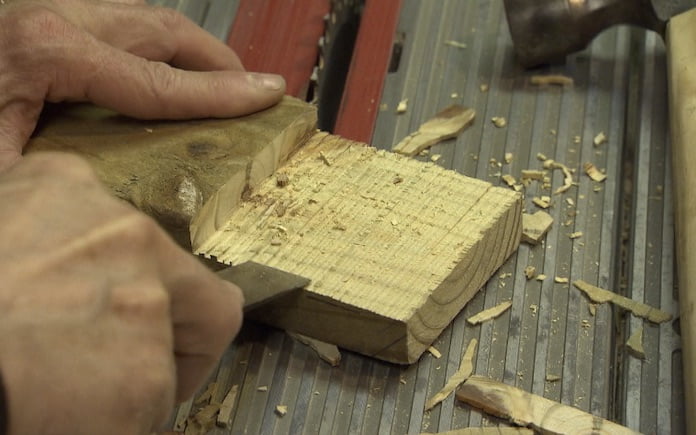
Hand using a wood scraper to smooth a notch out of a two-by-four pressure-treated board
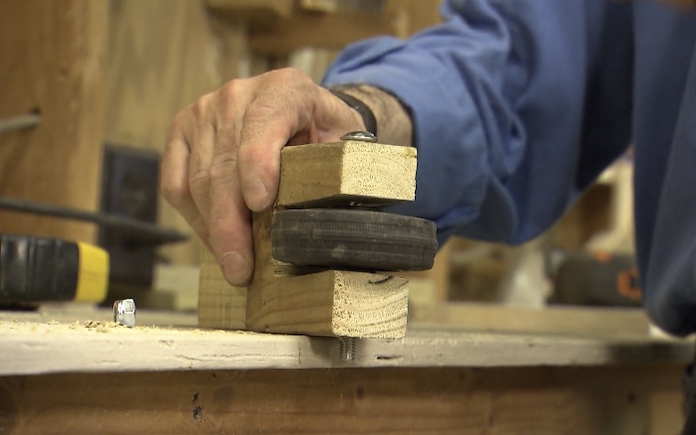
A wood scraper smooths the edges of the two-by-four so it rests neatly against the horizontal fence gate support board. (3 Echoes Content Studio)

Cut a notch in the back of the two-by-four pressure-treated board to create a shoulder so it rests under the horizontal rail of the gate.

A caster wheel made from a pressure-treated two-by-four to correct a sagging fence gate
Cut the notch wide enough for the caster wheel to roll without any blockage. (3 Echoes Content Studio)

Then, cut another notch in the bottom to hold the caster. Drill a hole through the notch for a coverage bolt to go through to secure the caster to the block.  

Ridgid drill drilling galvanized screws into a caster wheel on a fence gate
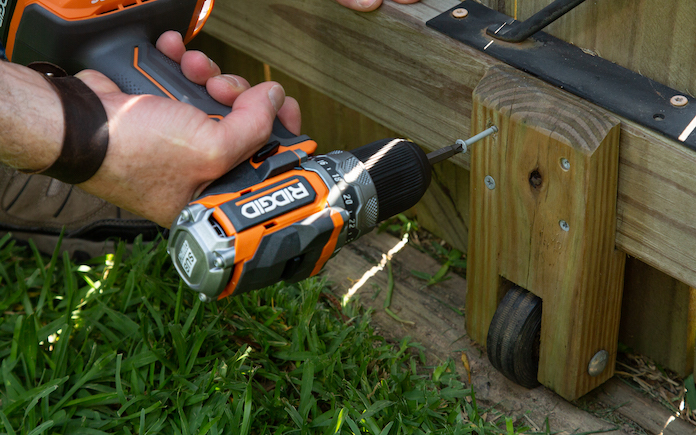
The notch on the back of the two-by-four keeps the caster wheel from sticking too far out from the gate. (3 Echoes Content Studio)

Finally, secure the caster block to the horizontal support board with four two-inch long galvanized screws.

Now when the gate is open or closed, the caster, not the hinges, completely supports it.

Watch the video, and check out more Simple Solutions.


Further Reading

These Wide Fence Pickets Make Installation Faster 

These Wide Fence Pickets Make Installation Faster 

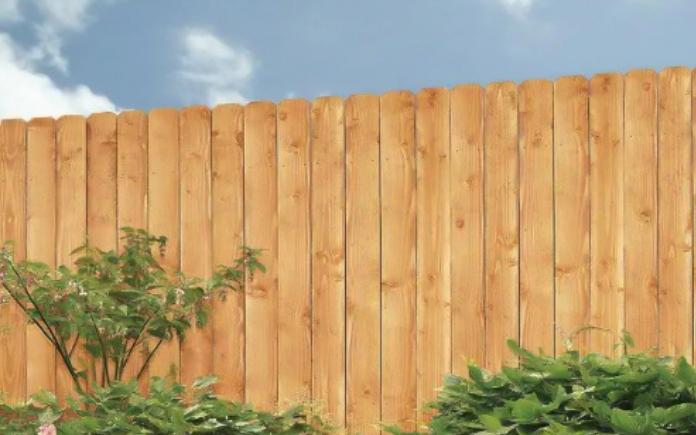
Fence made with Alta Forest Products Premium Treated Dog-Ear Fence Pickets
Alta Forest Products’ Premium Treated Dog-Ear Fence Pickets add beauty and privacy to your yard. (Image via The Home Depot)

If you’ve ever installed a privacy fence you know how tedious it can be to attach one picket after another. And it’s even worse with warped or twisted wood.

So the folks at Alta Forest Products have introduced one that addresses those issues and more with their Premium Treated Dog-Ear Fence Pickets.

This page contains affiliate links. If you purchase a product from these links, we will earn a small commission at no additional cost to you.


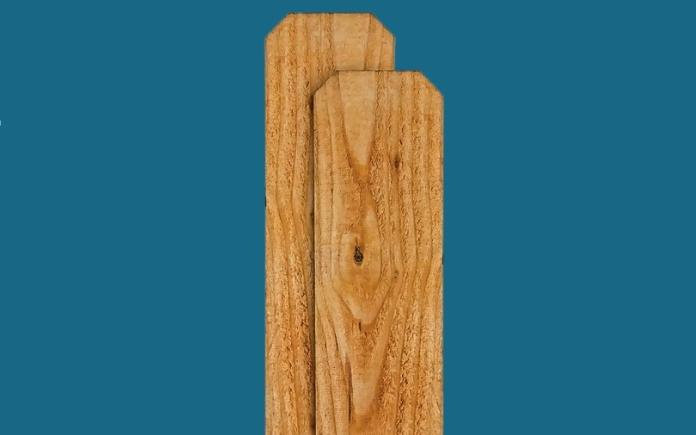
Isolated Alta Forest Products Premium Treated Dog-Ear Fence Pickets on a blue background
These pickets are wider than most, so you can use fewer to build a fence. (Image via The Home Depot)

Easy Installation

Most fence pickets are only three to five inches wide. Alta’s Premium Treated Dog-Ear Fence Picket, however, is a full six inches wide, allowing for faster installation and requiring fewer fasteners and labor. 

It’s also a full 3/4 inch thick which combined with the addition of a wood stabilizing additive makes this product extremely stable and minimizes the amount of warp and twist typically seen in other products. 

These fence pickets ends are sealed to resist splits and checks, for a stronger, longer-lasting fence. 

Alta’s Premium Treated pickets come with a 10-year warranty that protects against rot, decay and wood ingesting insects, including Formosan termites. 


Fence made with Alta Forest Products Premium Treated Dog-Ear Fence Pickets
Because each picket is individually treated and stained, your fence will have a more uniform appearance. (Image via The Home Depot)

Lasting Beauty

Each picket is individually treated and stained — saving you time and money. Plus, your completed fence will have a more uniform appearance. 

They also come with a two-year color fade warranty, so your fence will stay looking new longer. 


More Details

Alta Premium Treated pickets are non-toxic, so there are no special handling or disposal requirements, making this the safe alternative to cedar and pressure-treated wood pickets.

Listen to learn all about this Best New Product!

Find the Alta Forest Products Premium Treated Dog-Ear Fence Picket at The Home Depot.


Further Reading

Simplifying Summer Home Maintenance

Simplifying Summer Home Maintenance

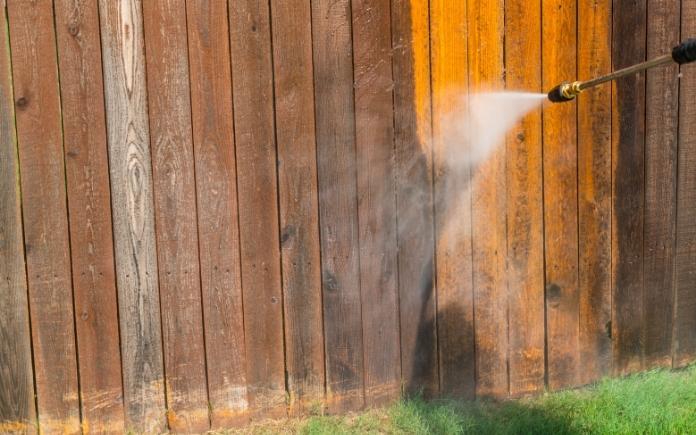
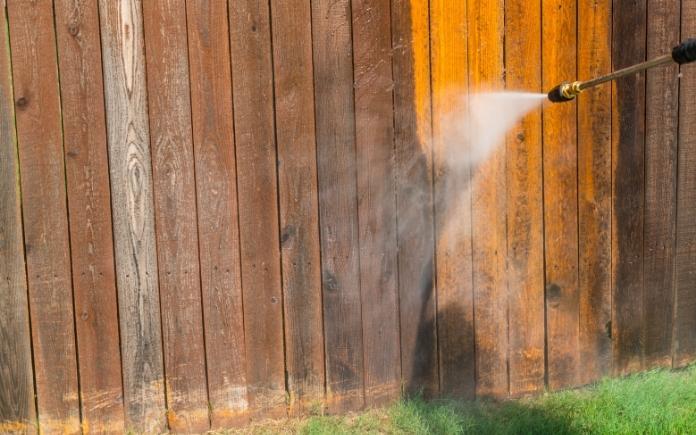
Pressure washing a wood fence for summer home maintenance
A quick pressure wash will make your fence look brand new. (RoschetzkkylstockPhoto, Getty Images Pro)

Home maintenance is a year-round event, but some tasks just make more sense to do in the summer.

Our 4 Seasons of Homeownership Summer Checklist, which divides must-do tasks by the time of year, is a great way to stay on top of your home maintenance projects.

With help from our friends at The Home Depot, we’ve compiled this list of timely chores to keep your house clean and comfortable.

Listen to this special-edition Today’s Homeowner Podcast, and follow along below, to learn all about the top summer home maintenance projects!


Accumulair titanium mini pleat air conditioner filter
Changing the air conditioner filter makes your AC work better to keep you cooler. (3 Echoes Content Studio)

1. Change AC & Heating System Filters

Regularly changing your HVAC system’s filters is important because a dirty filter will slow down and strain your system. It should take about two to three minutes to take out your old filter and put in a new one.

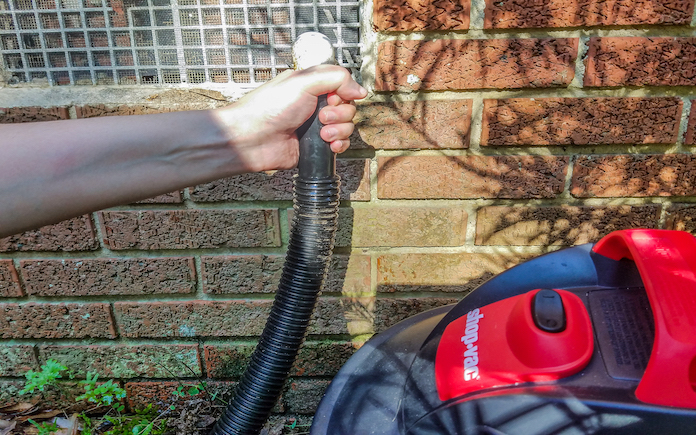
Also, once your filter is out, go ahead and vacuum the cavity in case of dust build-up.


Shop vac vacuuming out an AC drain line during the home for home maintenance
Make sure to flush out the AC drain line to prevent damage. (3 Echoes Content Studio)

2. Flush Out AC Drain Line

Your AC drain line can get blocked with mold and mildew, causing its pan to overflow. Flush it with bleach twice during the summer, when it’s working at its hardest. 


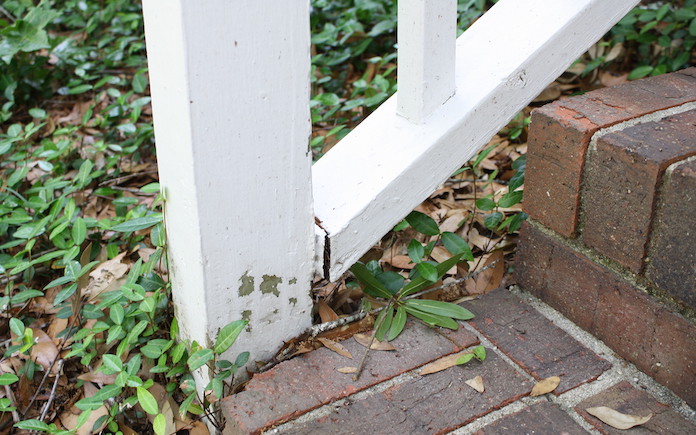
Loose bottom rail on a step railing
Check your railings for any weak spots. (3 Echoes Content Studio)

3. Check for Loose Railings or Damage on Wooden Decks 

Changing weather can take a toll on your deck. Nails and screws can loosen during the temperature change and splinters can pop up once the heat rises.

Inspect and repair any damage to your deck so you can have some safe fun in the sun. Top it off with a coat of sealer to keep it protected all summer long.


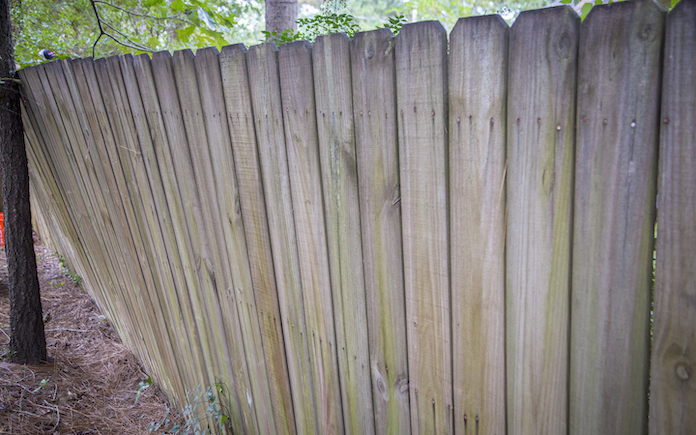
Leaning fence resting on a tree
Fixing a leaning fence isn’t as complicated as it might appear to be. (3 Echoes Content Studio)

 4. Inspect Fencing & Gates for Damage

Look for rotting and damage and check your posts’ sturdiness. If any boards are warped, replace them with new ones.

Now is also a great time to pressure wash your fence and apply a fresh coat of stain.


Charcoal on fire on a grill
Keep your grill clean for a great-tasting barbecue. (3 Echoes Content Studio)

5. Clean & Inspect Outdoor Grill

Cleaning your grill will not take away any of your food’s flavor, but it will get rid of any nasty germs and fire hazards.

Whether you have a gas or charcoal grill, scrub away any drippings using aluminum foil and white vinegar.


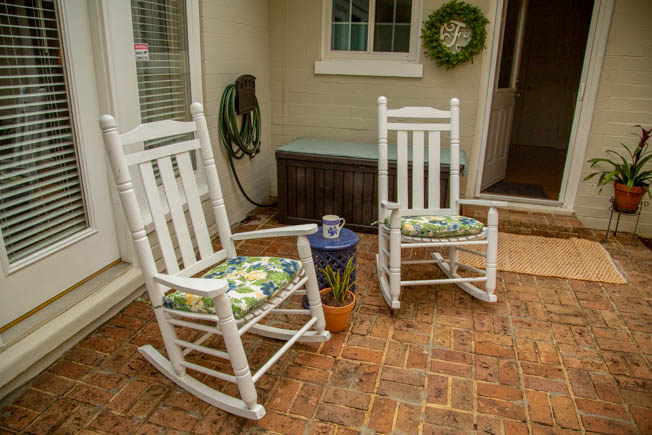
Two rocking chairs on a brick paver patio
Regularly cleaning outdoor furniture extends its lifespan. (3 Echoes Content Studio)

6. Clean Outdoor Furniture

Regularly clean your outdoor furniture — especially if it’s wood.

Check for any loose parts or rot (if it’s wood). If you have cushions, be sure to wash them. In addition, if your cushions get wet from rain, be sure to hang them out to dry on a sunny day to avoid mold.

If you do this on a regular basis, it makes it a lot easier to keep everything clean.


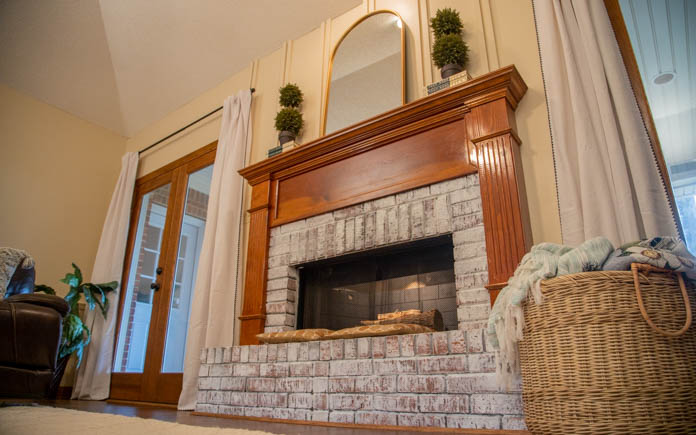
A whitewashed brick fireplace
Your fireplace will be ready for winter if you have it inspected this summer. (3 Echoes Content Studio)

7. Have Chimney Inspected & Cleaned

Now’s a great time to have a professional inspect your fireplace and chimney because you aren’t using them during the summer. 

Plus, you’ll have more time for repairs if needed.


Paint peeling from wood siding
Scrape off peeling paint and put on a fresh coat for an exterior refresh. (mehampson, Getty Images)

8. Scrape Loose Paint from Siding & Trim

Boost your home’s curb appeal by freshening up siding. Scrape away any loose paint, sand if needed, then prime and paint on a fresh coat. 

If it’s an older paint, be sure to test it for lead as a precaution.


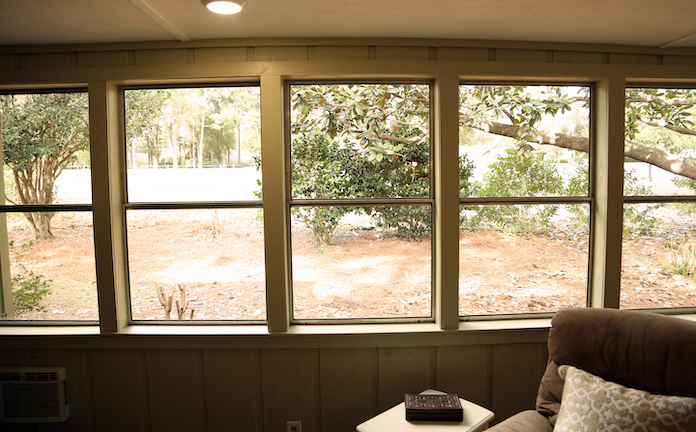
Row of windows in a sunroom
Clean your windows regularly so they sparkle. (3 Echoes Content Studio)

9. Clean Windows

Mix 1 teaspoon of baby shampoo to 1 gallon of water, or 1-1/2 cups of vinegar to 1 gallon of water, and wipe windows down with newspaper for a streak-free shine.

Involve family members and tag-team to speed things up! Have one person clean the windows inside while another cleans the outside. 


10. Pull Weeds & Add Mulch

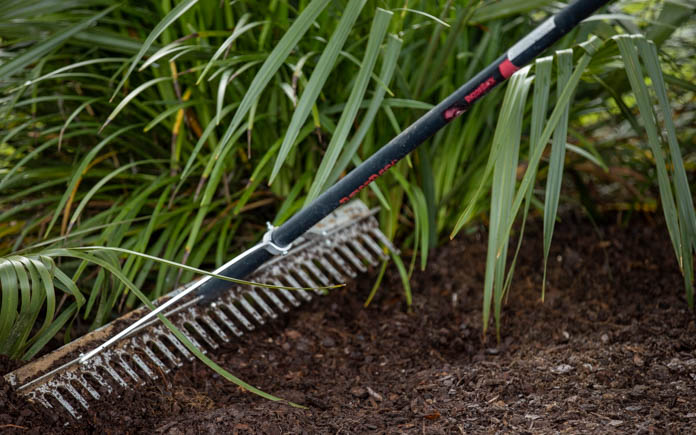
Rake over brown mulch next to decorative grass
Mulch keeps moisture inside flower beds and inhibits weed growth. (3 Echoes Content Studio)

Finally, summer blooms are burgeoning! Now is the perfect time to pull any weeds from garden beds and prevent further weed growth by adding 2 to 3 inches of mulch

Listen to this special-edition Today’s Homeowner Podcast for more summer home maintenance tips!


Further Reading