by Furnishly | Jan 28, 2026 | Design Inspiration, Style
We
independently select these products—if you buy from one of our links, we may earn a commission. All prices were accurate at the time of publishing.
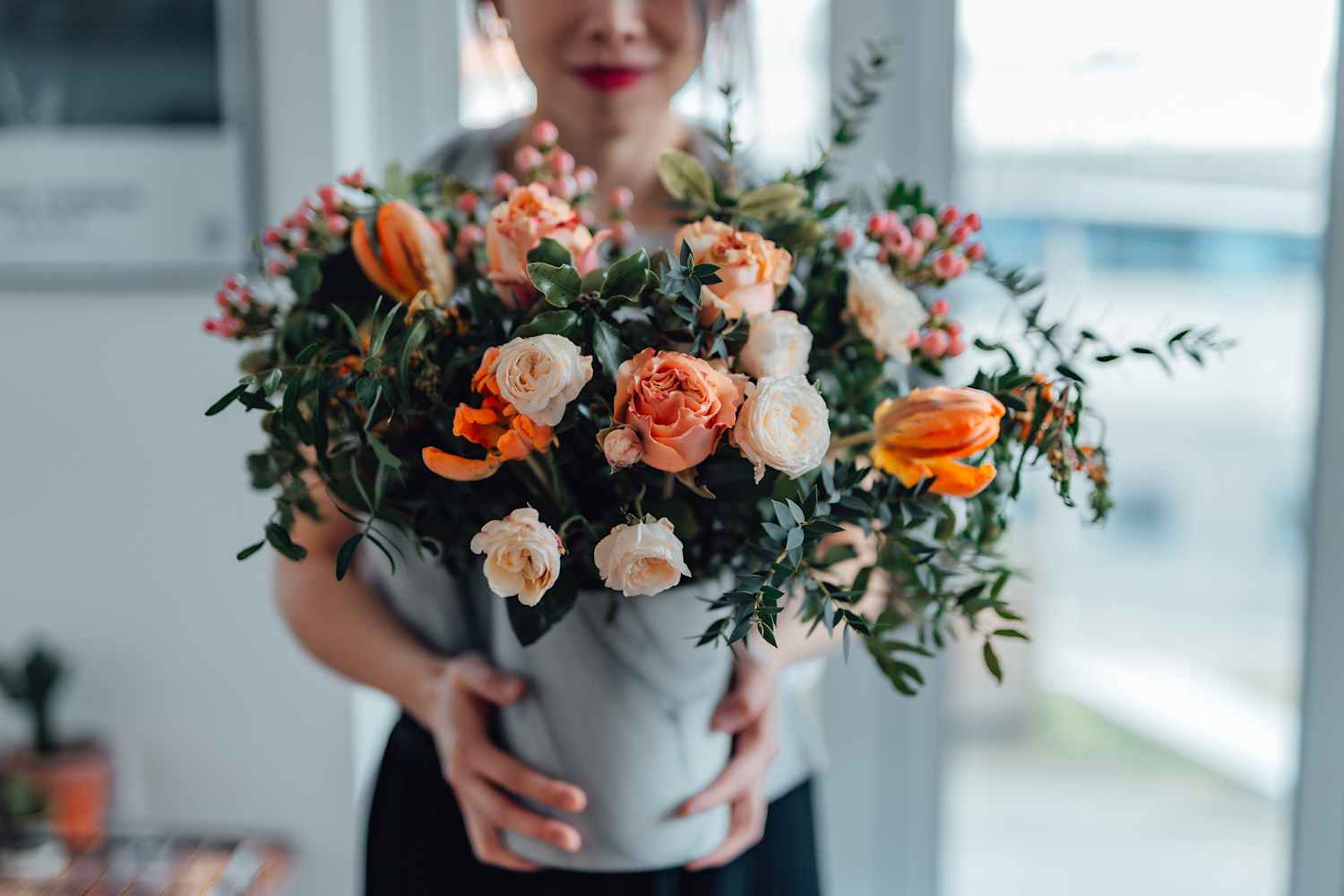
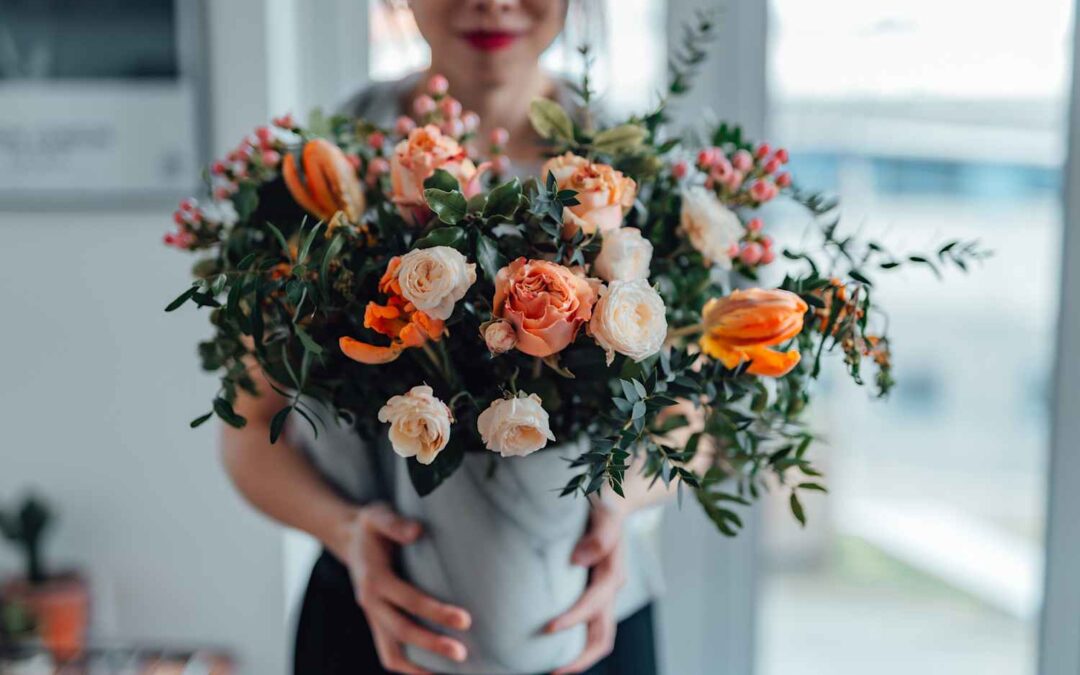
Ever since I moved out of state, I’ve made a habit of sending my mom flowers on Valentine’s Day. Say what you want about Valentine’s Day flowers being passé, but there’s something undeniably special about finding a beautiful bouquet on your doorstep. The thorn of it all is that the vases they come in aren’t always the cutest, and, even worse, the flowers wilt after only a couple of days. Sure, it’s the thought that counts, but flower deliveries aren’t cheap — and frankly, my mom deserves better. That’s why I’m trying something new this year and gifting her this preserved bouquet from Lasting Brilliance.
Not only is the arrangement gorgeous, but the brand also claims it’ll last up to three years without any maintenance. Needless to say, my interest was piqued, so I received a bouquet for myself to investigate further. Read on for my thoughts!
What Is the Lasting Brilliance Opal Signature Bouquet?
While Lasting Brilliance is known for its famous Forever Roses, the Opal Signature Bouquet needs to be on your radar. It includes a stunning mix of preserved hydrangeas, pink roses, and plumosus fern, along with dried flowers and grasses — all in cream and blush tones. Like the Forever Roses, the Opal Bouquet can last up to three years, with no water or sunlight required. In fact, the brand recommends keeping them away from the sun, as prolonged exposure may fade the color over time.
Another thing that makes the Opal bouquet special is the elegant vase. Your giftee won’t be tempted to re-home the flowers upon receipt, because the opulent fluted vase has a gilded finish that practically makes it a piece of decor.
Why I Love the Lasting Brilliance Opal Signature Bouquet
As someone who has gifted and received flower deliveries over the years, I was impressed by how well the Lasting Brilliance bouquet was packaged. You obviously don’t have to worry about any water spillage in a preserved arrangement like this, which is a huge pro. The vase was also securely packaged between styrofoam blocks to keep it from tumbling around. There were a few fallen petals, which is par for the course with any mail-order bouquet, but there were far less than others I’ve ordered. And because the flowers are so carefully preserved, they weren’t already half-dead upon receipt — which I can’t say about other services I’ve tried.
The Opal bouquet’s gold-finished vase is a stylish upgrade from the overly commercial, bare-bones vases I’m used to seeing. Its metallic finish and fluted shape bring a bit of vintage glamour and elegance to my tabletop. The vase complements the arrangement’s soft blush and cream tones just perfectly, without calling too much attention, which is perfect if you’re giving the bouquet to someone as a gift (as I plan to do).
I obviously can’t speak to the brand’s three-year lifespan promise, but what I can tell you is that the flowers look as beautiful now as they did the day I got them. Plus, the bouquet’s light color palette makes me feel even better about having them in my home and giving them as a gift — because I won’t have to worry about the color fading with time! The arrangement looks soft and sophisticated, and is the perfect way to make someone feel special this Valentine’s Day while also bringing a touch of vintage charm to their decor.
by Furnishly | Jan 28, 2026 | Design Inspiration, Style
We
independently select these products—if you buy from one of our links, we may earn a commission. All prices were accurate at the time of publishing.
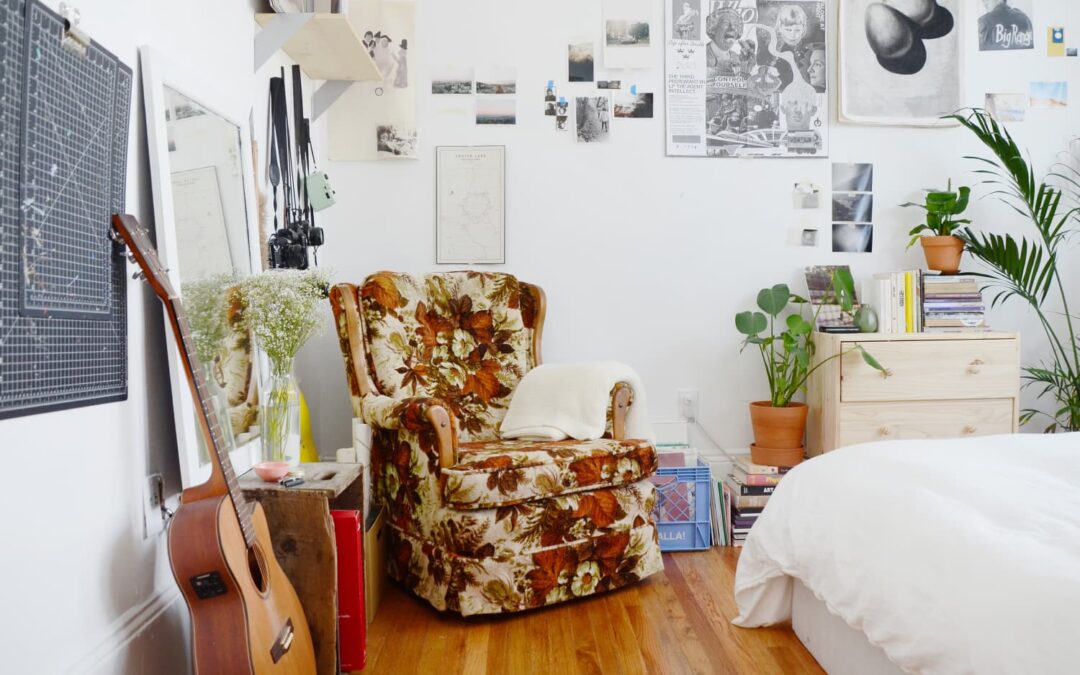
Designers think that the motivation behind this shift is strongly tied to the emotional and nostalgic connotations of vintage style. “There is a yearning for things that have emotion behind them and a story behind them, and sort of that little bit of whimsy and discovery that you find with vintage pieces,” says designer Stacy Garcia, CEO & Chief Inspiration Officer at Stacy Garcia Design Studio in New York.
But beyond just the feeling of nostalgia, what makes a vintage piece truly stylish today? If it was solely about nostalgia, wouldn’t we all be installing plush green carpet and linoleum floors again, too? So I spoke with some interior designers to find out which vintage pieces specifically are poised for a style renaissance in 2026. Read on for your de facto designer-curated thrift store shopping list!
Many of us seem to be leaning into cozy “grandma hobbies” today — like knitting, needlepoint, and sewing — so it makes sense that quilts would make a comeback, too. “The bold geometry of patchwork quilts feels modern again. Especially if you pair them with other solid bright colors and let them really be the star of the show,” says Jessica Ahnert Davis, owner and creative director of Atelier Davis.
In a world of fast furniture and disposable decor, these pieces feel even more meaningful and comforting, Garcia adds. “There’s a renewed appreciation for quilts and handmade textiles because they bring warmth, texture, and a human touch into the home,” she says. A quintessential grandma creation, quilts are finally having their moment and being recognized for the craftsmanship that makes them truly special.
Tufting, Fringe, and Skirting
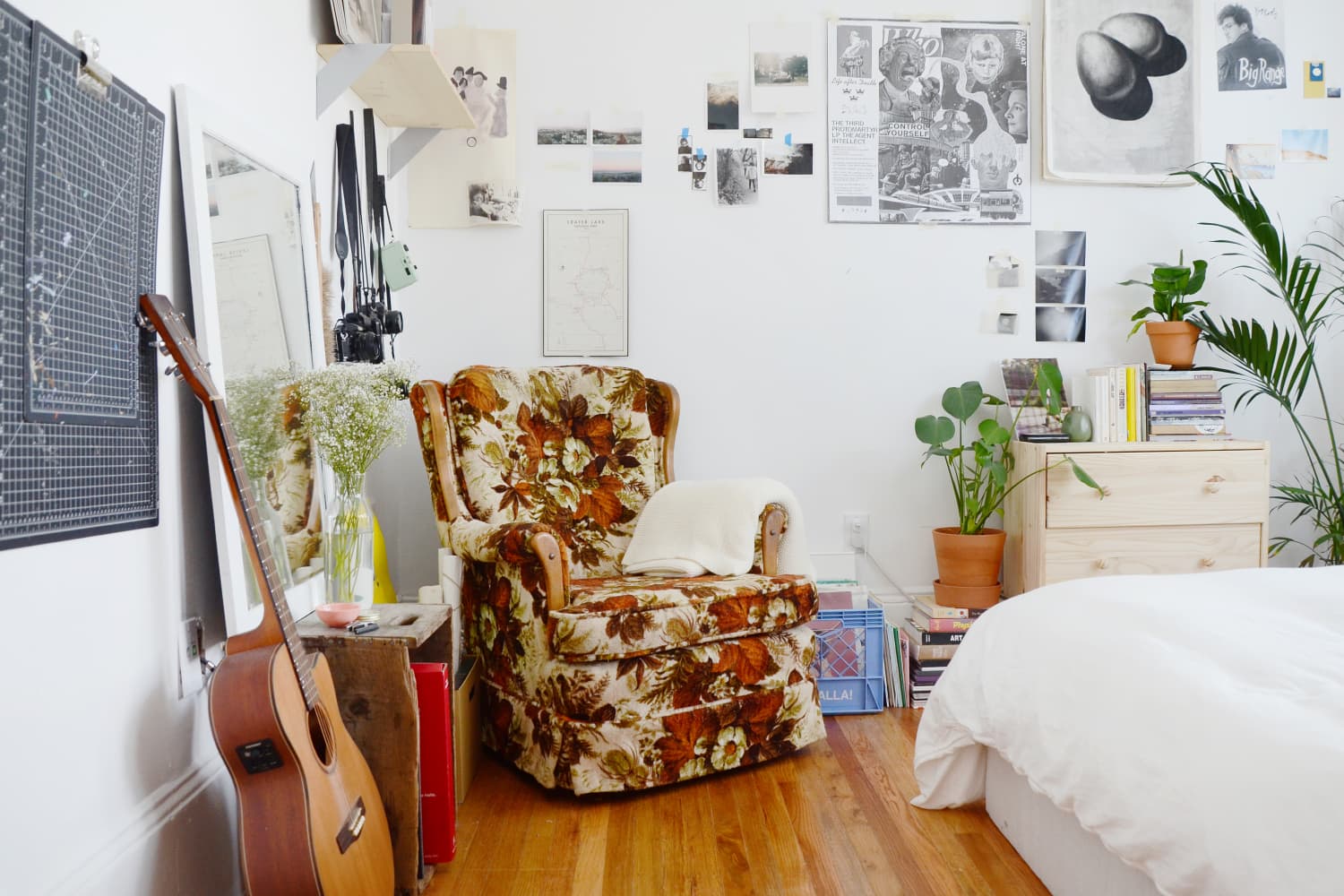
And while we’re returning to an appreciation for craftsmanship, traditional furniture details are seeing a resurgence, too. Things like tufted cushions, fringe trim, and skirted sofas or chairs are suddenly everywhere again. “These elements feel nostalgic yet fresh when mixed with modern pieces, creating spaces that feel curated rather than overly styled,” Garcia explains.
The Apartment Therapy 2026 State of Home Design report found that vintage textiles will be one of the most sought-after items in secondhand shops this year, so it makes sense that you’re seeing embroidery everywhere right now. Whether displayed as art or used as upholstery, embroidered pieces are on everyone’s list right now. Ksenya Malina of New York interior design studio Time & Place Interiors agrees, saying she’s seeing a rise in embroidered towels and linens as well.
In the same vein, Malina also predicts we’ll see a resurgence of upholstered or embroidered footstools and ottomans, as decorators strive to inject functional antique accents into modern homes. Not only are ottomans a great spot to rest your feet at the end of a long day, she says, but they’re also useful to hold a tray of drinks or appetizers when you entertain.
Candy Dishes and Cookie Tins
People are finding so many ways to repurpose vintage candy dishes and cookie tins — from jewelry holders, to knickknack bowls, to ornate centerpieces. “When displayed together as a collection, candy dishes can look so fun and sculptural,” Davis says. “Especially with light streaming in from a window behind.” Or, try clustering a few old-school cookie tins together to hide coffee-table clutter.
China Cabinets and Glass-Front Hutches
China cabinets are yet another example of an attempt to add personality, history, and a sense of storytelling back into our spaces, according to Garcia. “China cabinets are coming back because people want to actually see and enjoy the things they’ve collected over time, rather than hide them away,” Garcia says.
Displaying collections like that, whether china or something else, can also be a gateway to connect with your history and loved ones. Glass hutches increase visibility and encourage use of items that might otherwise be hidden away in a drawer. “Putting a tea set out and actually sitting and using it … making yourself a glass of tea and having a friend over — there’s something so nice about that,” Garcia says.
We might not be laying out a formal dinner table each night anymore, but that doesn’t mean you can’t (or shouldn’t) pull a few great pieces of silverware out from grandma’s set every now and then, Malina says. “A couple of beautiful vintage serving spoons elevates even a casual table setting (takeout included). And mix-and-match silverware pieces give an eclectic, French look to your meal,” she explains. This is an easy way to add some whimsy and old-world glam to the everyday.
We’re definitely seeing a shift toward warmer ambient lighting in homes right now, and candles are a huge part of that. Vintage candlesticks can seriously elevate the look.
Malina suggests adding an antique candlestick or two to your favorite shelf. If you’re feeling really funky, you can even create a grouping of mismatched candleholders of differing heights on your sideboard for a pretty vignette. “To give it an authentic look, light the candle briefly and then blow it out, so that the wick turns black,” Malina says.

by Furnishly | Jan 28, 2026 | Design Inspiration, Style
Olivia Harvey is a freelance writer and award-winning scriptwriter from outside Boston, Massachusetts. She’s a big fan of scented candles, getting dressed up, and the 2005 film adaptation of Pride and Prejudice starring Keira Knightley. You can make sure she’s doing okay via…read more
by Furnishly | Jan 27, 2026 | Design Inspiration, Furniture, Style
Olivia Harvey is a freelance writer and award-winning scriptwriter from outside Boston, Massachusetts. She’s a big fan of scented candles, getting dressed up, and the 2005 film adaptation of Pride and Prejudice starring Keira Knightley. You can make sure she’s doing okay via…read more
by Furnishly | Jan 22, 2026 | Design Inspiration, Style
Jessie Quinn is a lifestyle writer with words published in The Spruce, Byrdie, Well + Good, Shape, PEOPLE, and more. Jessie has a Bachelor’s Degree in Fashion Journalism from Academy of Art University and leans on her background in fashion to inspire readers to hone their…read more