Sarah is a staff writer at Apartment Therapy. She completed her MA in journalism at the University of Missouri and has a bachelor’s degree in journalism from Belmont University. Past writing and editing stops include HGTV Magazine, Nashville Arts Magazine, and several outlets local to her hometown, Columbia, Missouri.
Lauren Wellbank is a freelance writer with more than a decade of experience in the mortgage industry. Her writing has also appeared on HuffPost, Washington Post, Martha Stewart Living, and more. When she’s not writing she can be found spending time with her growing family in the Lehigh Valley area of Pennsylvania.
We independently select these products—if you buy from one of our links, we may earn a commission. All prices were accurate at the time of publishing.
When it comes to curb appeal, real estate agents see firsthand what makes prospective buyers eager to come through the door. So it’s no surprise that what seems like a small detail on the exterior of a home might be one of the biggest motivators to get a new owner to take a look inside.
For more content like this follow
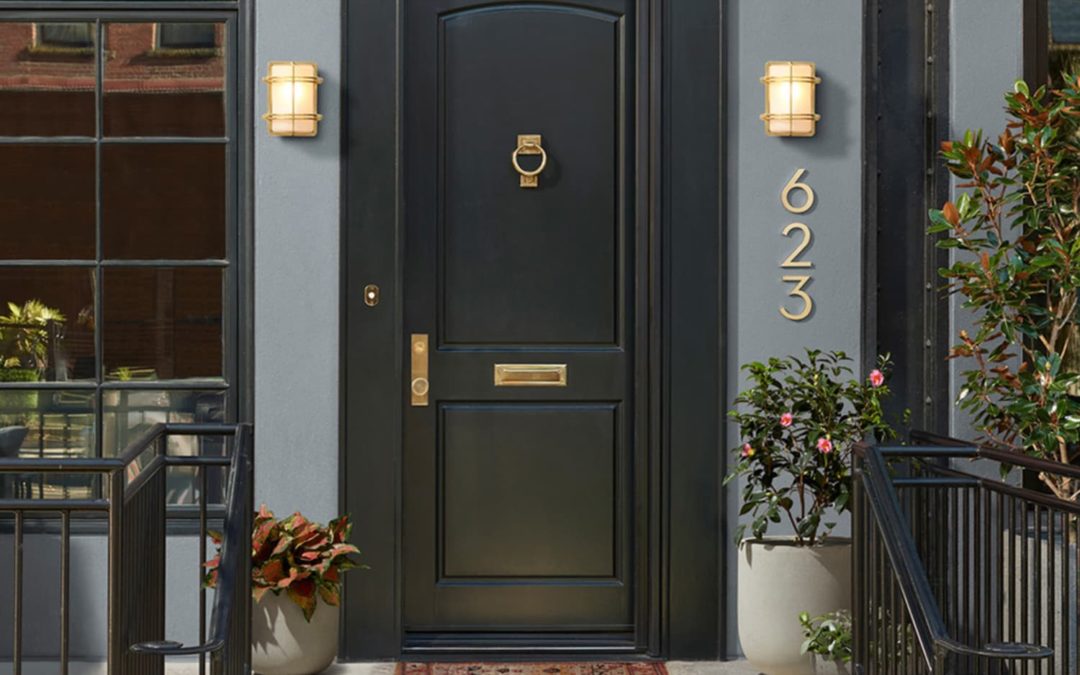
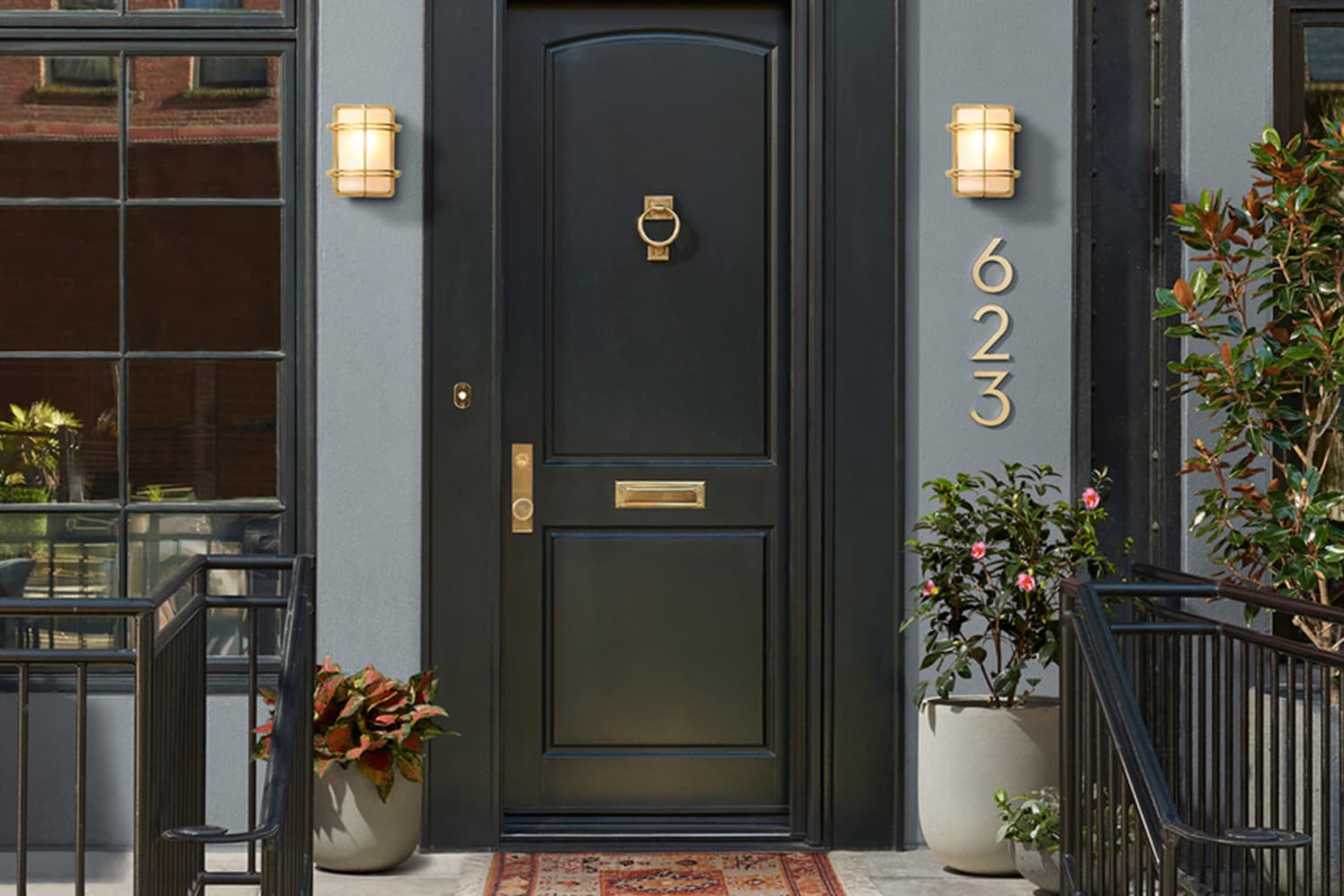
“Clients always love modern house numbers. It’s a simple update, but it really elevates the whole exterior of a home,” says Laura Springer, a Realtor with Coldwell Banker Realty, who notes that this update works for both single-family homes and multifamily properties.
Springer recommends 6” Rock Creek Modern House Numbers from Rejuvenation ($65), which are made of aluminum and come in an aged brass finish. They come with ½-inch spacers, so you can ensure they’re not crooked while also conveying a sense of depth to the property’s facade. Her other favorites are Modern House Numbers from Schoolhouse ($38), which are available flat black, satin nickel, or satin brass. Measuring 7 inches, they can be mounted flush on the wall or with a floating effect, which can be attained using the hardware that is included. Both options are “always crowd-pleasers,” according to Springer.
”There are so many great options and finishes now, and buyers like that they can tailor them to their own style,” says Springer, who notes that a good house number injects an instant sense of personality and character, which immediately sets the tone you’re trying to create for the home. Of course, if you’re looking for a cheaper option, there’s a variety of modern house numbers available for under $10 from sites like Amazon or Target. Just be sure you have the proper equipment for mounting the numbers so they don’t look crooked or unevenly spaced.
While it may seem like a minute detail, when it comes down to it, the house number is just another important piece of the curb appeal fabric that reels prospective buyers in. It creates an aesthetic that inspires them to imagine their family making the space a home.
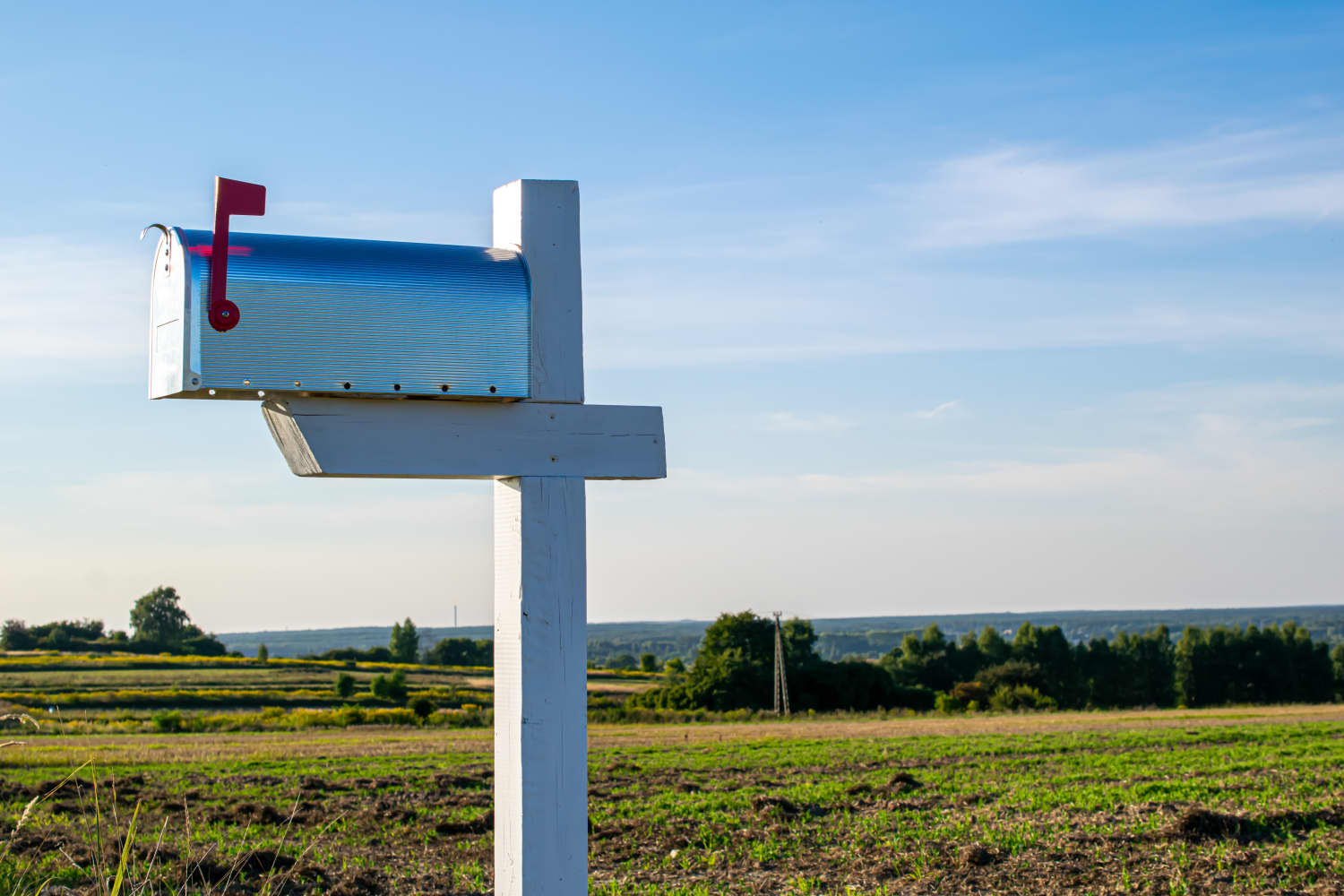
“I would say it goes hand in hand with a nice mailbox, doormat, and entry light. All together, it changes the feel of the whole exterior,” says Springer.
While house numbers are always something potential buyers notice, there are other exterior features prospective buyers seem to go crazy for as well. Ed Deveau of Century 21 Mario Real Estate says any sort of personal security devices are big hits with buyers, since people like to know what’s happening around their home, even if they’re not there.
“I would say either a Ring Video Doorbell or a ButterflyMX intercom system,” says Deveau. “Homeowners want to see what’s going on outside their property. It comes in handy with food deliveries, Amazon, animals, and other things. Everything can be done remotely. It’s a big must-have for new development.”
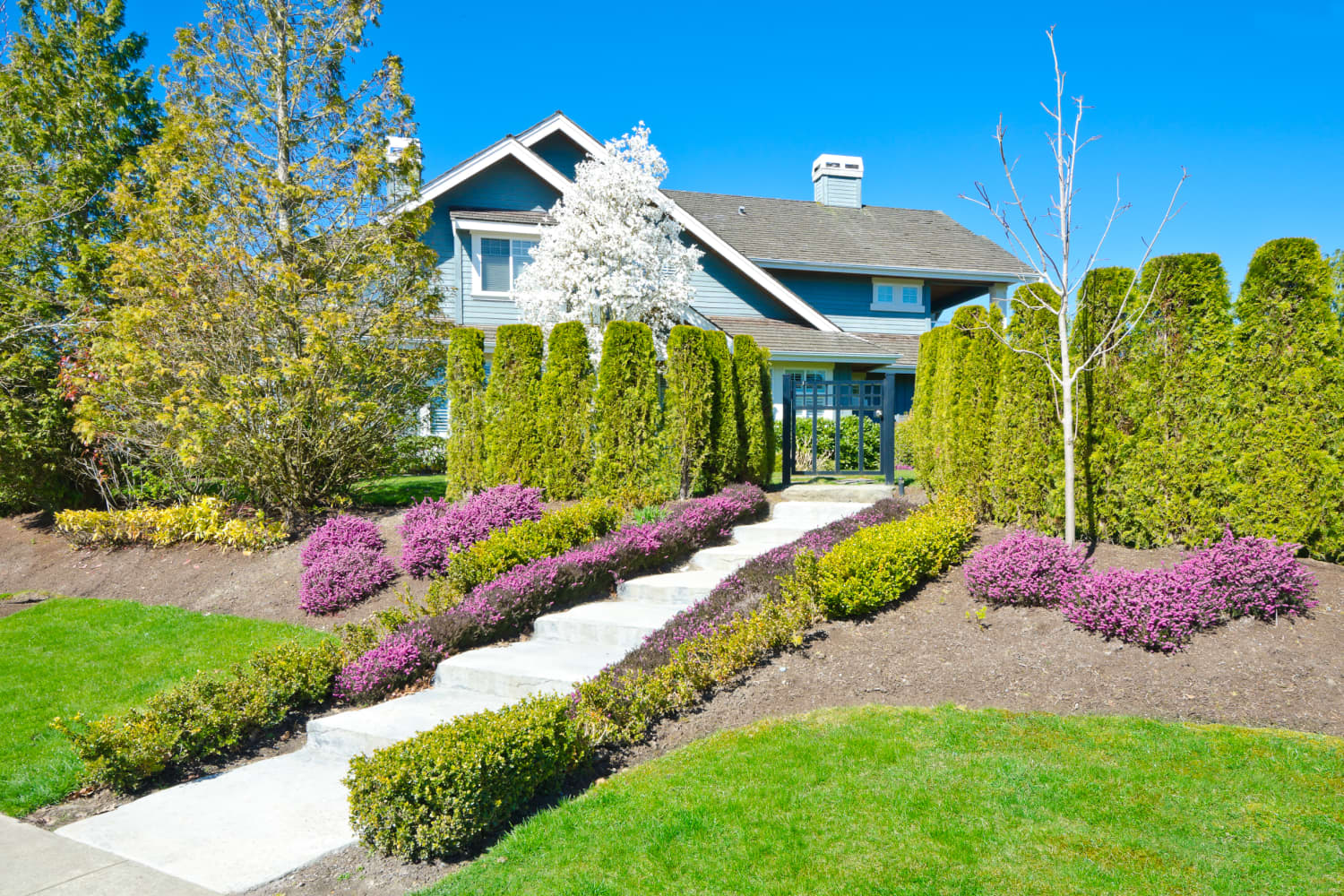
If you’re looking to add some curb appeal to your home, planting a shrub can definitely accomplish this. When choosing a shrub to plant, though, it’s important to choose wisely or you could end up wasting time and money on plants that aren’t worth the effort.
For more content like this follow
Landscaping and plant care can be expensive, especially if those plants develop issues that create more problems for your property. I spoke with a few real estate and professional landscaping experts about the pesky types of shrubs to avoid planting in your yard.
Boxwoods are evergreen shrubs that tend to grow in warmer climates. You’ll need well-drained soil to grow this shrub, but this requires a lot of maintenance and patience that you may not have — particularly if you’re trying to sell a home.
“Boxwoods are one of those plants that people love because they look great when they’re young, but then get old and boring,” says Melody Estes, a landscape design gardening supervisor and consultant at The Project Girl. “They also take a long time to grow, so if you plant one now, it may not have matured by the time you’re ready to sell your house.”
Azaleas are beautiful shrubs that range in size from one to 15-feet wide. These plants thrive in warm climates, and as a flowering plant, they produce foliage in an array of colors. Still, the beauty may not be worth the effort since this shrub is very sensitive to weather and soil changes, making it easily susceptible to disease and damage.
“Azaleas tend to die off after just two years,” says Estes. “That means every year you’ll need to replace them with new ones, which will cost more than just buying a different kind of flower altogether.”
Burning Bush delivers incredible fall colors even from a distance. While this shrub may very well be the MVP of the fall season, a real estate expert claims that you won’t be able to watch much of your favorite teams during Sunday night football due to the rigorous maintenance requirements it has.
“Burning Bush grows fast, so it typically needs regular pruning,” says John Maxim, an expert house flipper and founder of four real estate companies. “I also like to think of the burning bush as the fall poinsettia, since it can be highly toxic to dogs and cats if ingested by them.”
Shrubs are an important part of a home’s landscaping, but you may want to avoid the toxic ones, especially if you’re selling a home to a family that may have small children. Jennifer Reddington, a licensed real estate advisor at Compass Real Estate, cautions against shrubs like wisteria, lily of the valley, and oleander.
“They are all beautiful plants, especially when flowering, but they can be dangerous if ingested,” says Reddington. “Although it seems obvious that you wouldn’t eat a flower, you never know what a little kid or your pet might do.”
Privet shrubs are often used as a filler to avoid empty space, but these plants can grow quickly, ranging from 4 to 15 feet.
“I recommend shying away from using this plant because these shrubs grow incredibly fast and require a lot of upkeep year-round,” says Beatrice de Jong, a real estate broker and Consumer Trends expert at Opendoor. “If you’re a busy homeowner, I suggest choosing a shrub that doesn’t require as much attention, like a hydrangea bush, which also adds a beautiful pop of color.”
One Last Thing: Location Matters
Where you live, the weather, type of soil and yard size are all factors that can impact whether a planted shrub does well in the environment or not.
“When it comes to finding the ideal shrub to plant, the elements to be considered when selecting the right species vary a lot,” says Jonathan Fargion, an Italian landscape designer. “Always consider the growing trajectory of the shrub because you don’t want to end up with a big tree that is casting shade all over your small yard.”
Fargion also recommends thinking about the fruits a certain species can produce, especially if the plant is close to a patio that can get stained by those fruits.
“Avoid shrubs that will be hard to manage and won’t compliment your space,” adds Fargion. “Otherwise, plan away and have fun with colors, seasonality, scent, and more.”
Madeline Bilis is a writer and editor with a soft spot for brutalist buildings. Her work has appeared in Travel + Leisure, Boston magazine, the Boston Globe, and other outlets. She has a degree in journalism from Emerson College and published her first book, 50 Hikes in Eastern Massachusetts, in August 2019.