Local councils across England are offering ‘welcoming spaces’ or ‘cool spaces’ to help you stay cool in this heatwave.
Even when you’ve invested in the best portable air conditioners and best fans, with temperatures expected to rise close to 40 degrees in some parts of the UK, it is expected that our homes are going to feel too hot.
And if you’re struggling to cool your home, many councils across the country are offering cool spaces, where you have access to air conditioning and fresh water. If you’re struggling to keep cool, here’s how a welcoming space may help.
Latest Videos From
What are ‘cool spaces’?
Even though I’ve tested out plenty of cooling hacks, and my fan is pretty much constantly running, my third-floor flat is not equipped to deal with extreme heat. It retains heat incredibly well, which I’m always grateful for in winter, but during a heatwave it feels like a furnace.
I’m lucky that my local pub seems to have super-charged air conditioning, so when it gets too much, I can escape there for an ice-cold Diet Coke. However, it was looking at my local council website (Bristol City) that I saw they offered third spaces to help keep cool – and it meant I would be saving a small fortune in soft drinks!
Cool spaces that are free to use are often set up in parks, libraries and community hubs during a heatwave. They frequently offer quiet, air-conditioned spaces where you can relax and cool off, if cool spaces are not available to you. They are also places where you can access a toilet or drinking water.
(Image credit: Future PLC/James French)
Cool spaces operate at your council’s discretion. The Mayor of London has issued a Stay Cool map for Londoners to access their cool spaces. Bath and North East Somerset Council (BANES) have an online directory of cool spaces, as does Rochdale Council and Leeds Council.
Sign up to our newsletter for style inspiration, real homes, project and garden advice and shopping know-how
If you’re interested in accessing a cool or welcoming space for yourself or someone you know, it is best to check your local council’s website for more information. Alternatively, you can also speak to your local library or community hub directly to see what services they offer during a heatwave.
Alternatively, here are a few more affordable home buys that can help cool you down.
John Lewis
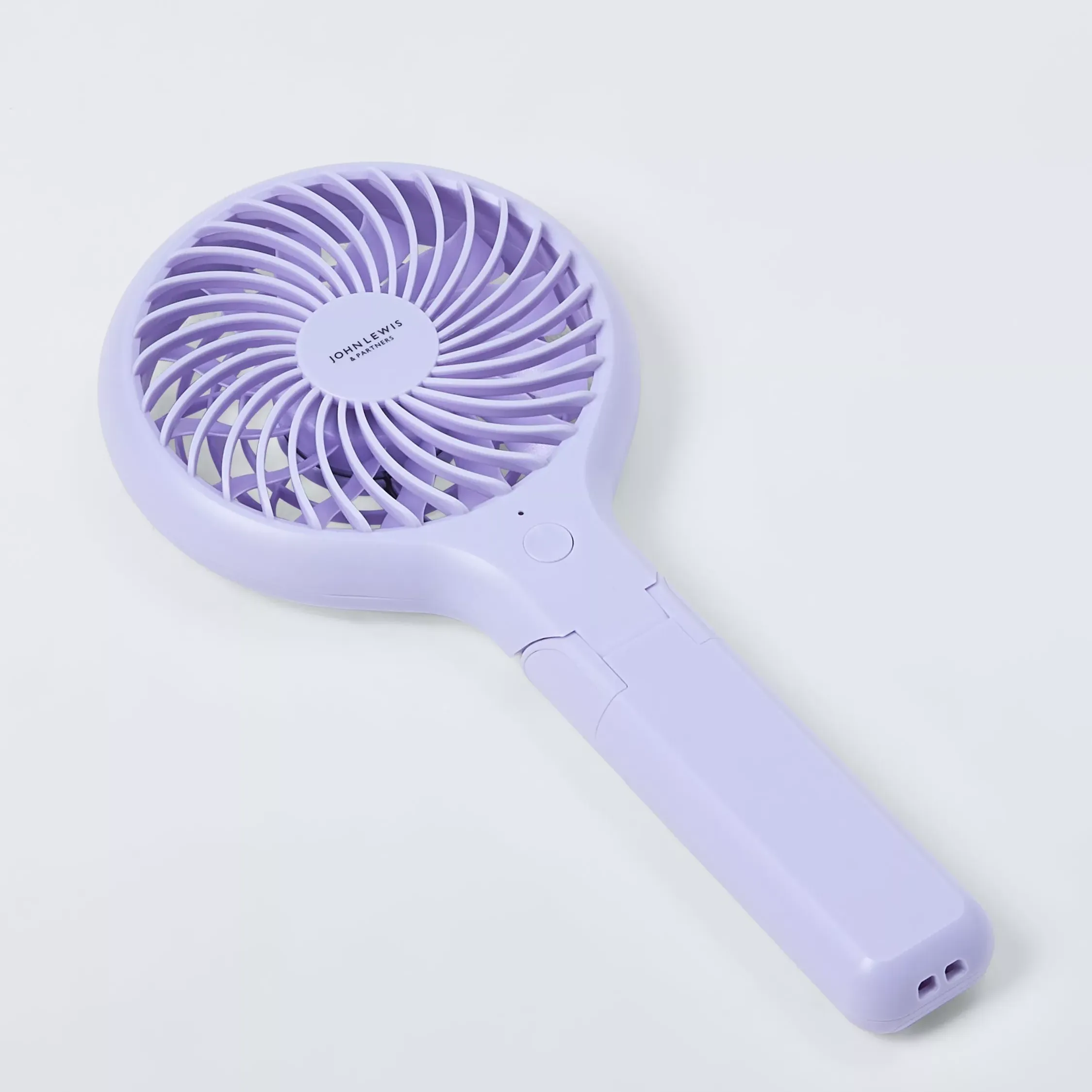
John Lewis Handheld & Foldable Desk Fan, 4 Inch, Lilac
<aside data-block-layout="hero" data-block-type="featured-product" data-editorial-currency="GBP" data-editorial-merchant-name="£12 at John Lewis" data-editorial-price="12" data-hawk-json="{"product":{"variants":{"Default":{"image":{"copyright":"","height":3000,"id":"cWGWMwndfish3BV5vV2KHG","mimeType":"image\/webp","mos":"https:\/\/cdn.mos.cms.futurecdn.net\/v2\/t:570,l:0,cw:2250,ch:2250,q:80\/cWGWMwndfish3BV5vV2KHG.webp","role":"","width":2250,"credit":"John Lewis","alt":"John Lewis Handheld & Foldable Desk Fan, 4 Inch, Lilac","caption":"","crop":{"top":570,"left":0,"cropWidth":2250,"cropHeight":2250,"quality":80}},"strapline":"
The Ideal Home Editors genuinely swear by this hand-held fan for staying cool. It’s perfect for working from home, and taking on the go.","brand":"John Lewis","name":"John Lewis Handheld & Foldable Desk Fan, 4 Inch, Lilac","urlStyle":"","layout":"hero","noFollow":true,"noAffiliateTracking":false,"promoLabel":"","price":12,"salePrice":null,"currency":"GBP","linkLayout":"text","sponsored":false,"hawkProductNameMatchedCode":"","review":{"cons":[],"id":"","name":"","pros":[],"rating":0,"strapline":"","url":""},"id":"","externalId":"d62c70628ef8868d4246dd77c3bbf51bf333e6cd","lastCheckedPriceDate":"","link":{"url":"https:\/\/john-lewis-and-partners.pxf.io\/c\/221109\/871855\/12148?subId1=hawk-custom-tracking&sharedId=hawk-prefix&u=https%3A%2F%2Fwww.johnlewis.com%2Fjohn-lewis-handheld-foldable-desk-fan-4-inch%2Flilac%2Fp114531639%3F","linkText":"\u00a312 at John Lewis","editorialMerchantName":"\u00a312 at John Lewis","merchantName":"John Lewis","merchantId":179552,"merchantNetwork":"ImpactRad","merchantUrl":"johnlewis.com"}}}}}” data-link=”https://john-lewis-and-partners.pxf.io/c/221109/871855/12148?subId1=hawk-custom-tracking&sharedId=hawk-prefix&u=https%3A%2F%2Fwww.johnlewis.com%2Fjohn-lewis-handheld-foldable-desk-fan-4-inch%2Flilac%2Fp114531639%3F” data-link-merchant=”John Lewis” data-link-text=”£12 at John Lewis” data-merchant-id=”179552″ data-merchant-name=”John Lewis” data-merchant-network=”ImpactRad” data-merchant-url=”johnlewis.com” data-model-brand=”John Lewis” data-model-name=”John Lewis John Lewis Handheld & Foldable Desk Fan, 4 Inch, Lilac” data-name=”Product Block merchantlink widget” data-render-type=”fte” data-show-fallback=”button” data-widget-type=”merchantlink” class=”hawk-root”>
The Ideal Home Editors genuinely swear by this hand-held fan for staying cool. It’s perfect for working from home, and taking on the go.
JML
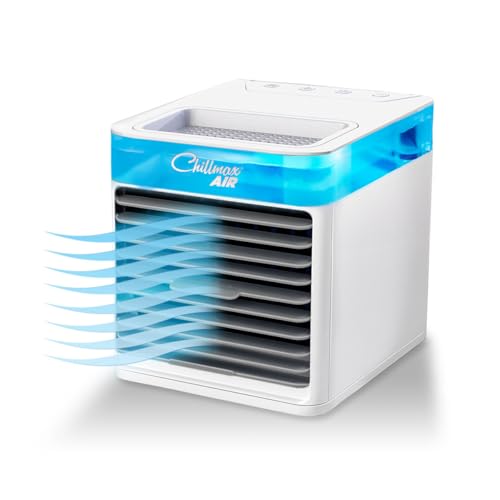
Jml Air Cooler
<aside data-block-layout="hero" data-block-type="featured-product" data-editorial-currency="GBP" data-editorial-merchant-name="£39.99 at Amazon" data-editorial-price="39.99" data-hawk-json="{"product":{"variants":{"Default":{"image":{"copyright":"","height":500,"id":"36EnEH73bHZ5sbbuQwYfgB","mimeType":"image\/jpeg","mos":"https:\/\/cdn.mos.cms.futurecdn.net\/36EnEH73bHZ5sbbuQwYfgB.jpg","role":"","width":500,"credit":"JML","alt":"Jml Air Cooler, Portable Fan and Humidifier – Chillmax Air Pure Chill 2.0, 4-Speed Settings With Dual Mist Spray Jets, Evaporative Hydro-Chill Filter, Easy Clean Alternative Air Conditioning Unit","caption":""},"strapline":"
An air cooler is a great affordable alternative to a portable air conditioner. This one has 4-Speed Settings with Dual Mist Spray Jets and 10 hours of run time per fill.","brand":"JML","name":"Jml Air Cooler","urlStyle":"","layout":"hero","noFollow":true,"noAffiliateTracking":false,"promoLabel":"","price":39.99,"salePrice":null,"currency":"GBP","linkLayout":"text","sponsored":false,"hawkProductNameMatchedCode":"","review":{"cons":[],"id":"","name":"","pros":[],"rating":0,"strapline":"","url":""},"id":"","externalId":"a1790ecb20d31c1e36758b77f4910ca7e181f856","lastCheckedPriceDate":"","link":{"url":"https:\/\/target.georiot.com\/Proxy.ashx?tsid=107653&GR_URL=https%3A%2F%2Famazon.co.uk%2FJML-Air-Cooler-Portable-Humidifier%2Fdp%2FB0FHWYXDLF%2Fref%3Dasc_df_B0FHWYXDLF%3Ftag%3Dftr-idealhome-gb-21%26ascsubtag%3Dhawk-custom-tracking-21","linkText":"\u00a339.99 at Amazon","editorialMerchantName":"\u00a339.99 at Amazon","merchantName":"Amazon UK","merchantId":1027,"merchantNetwork":"Amazonuk","merchantUrl":"amazon.co.uk"}}}}}” data-link=”https://target.georiot.com/Proxy.ashx?tsid=107653&GR_URL=https%3A%2F%2Famazon.co.uk%2FJML-Air-Cooler-Portable-Humidifier%2Fdp%2FB0FHWYXDLF%2Fref%3Dasc_df_B0FHWYXDLF%3Ftag%3Dftr-idealhome-gb-21%26ascsubtag%3Dhawk-custom-tracking-21″ data-link-merchant=”Amazon UK” data-link-text=”£39.99 at Amazon” data-merchant-id=”1027″ data-merchant-name=”Amazon UK” data-merchant-network=”Amazonuk” data-merchant-url=”amazon.co.uk” data-model-brand=”JML” data-model-name=”JML Jml Air Cooler” data-name=”Product Block merchantlink widget” data-render-type=”fte” data-show-fallback=”button” data-widget-type=”merchantlink” class=”hawk-root”>
An air cooler is a great affordable alternative to a portable air conditioner. This one has 4-Speed Settings with Dual Mist Spray Jets and 10 hours of run time per fill.
JML
Jml Chillmax Cooling Pillow
<aside data-block-layout="hero" data-block-type="featured-product" data-editorial-currency="GBP" data-editorial-merchant-name="£8.54 at Amazon" data-editorial-price="8.54" data-hawk-json="{"product":{"variants":{"Default":{"image":{"copyright":"","height":500,"id":"rn38B3CfXHeGutt8R9nfhB","mimeType":"image\/jpeg","mos":"https:\/\/cdn.mos.cms.futurecdn.net\/rn38B3CfXHeGutt8R9nfhB.jpg","role":"","width":500,"credit":"JML","alt":"Jml Chillmax Cooling Pillow – Absorbs Body Heat, Multi-Use Cooling Pad, Light & Foldable – No Water Needed, Fridge Enhanced Cool Sensation – Ideal as Pillow, Seat Cushion, Laptop Mat","caption":""},"strapline":"
If you’re struggling to sleep, a cooling pillow can be really helpful. This one absorbs your body heat to support a restful sleep during hot weather.","brand":"JML","name":"Jml Chillmax Cooling Pillow ","urlStyle":"","layout":"hero","noFollow":true,"noAffiliateTracking":false,"promoLabel":"","price":8.54,"salePrice":null,"currency":"GBP","linkLayout":"text","sponsored":false,"hawkProductNameMatchedCode":"","review":{"cons":[],"id":"","name":"","pros":[],"rating":0,"strapline":"","url":""},"id":"","externalId":"855a7f0ec6eb1d979b8e576e28643aae5af8d1e3","lastCheckedPriceDate":"","link":{"url":"https:\/\/target.georiot.com\/Proxy.ashx?tsid=107653&GR_URL=https%3A%2F%2Famazon.co.uk%2FJML-Chillmax-Natural-Cooling-Maximum%2Fdp%2FB014R8VA0Y%2Fref%3Dasc_df_B014R8VA0Y%3Ftag%3Dftr-idealhome-gb-21%26ascsubtag%3Dhawk-custom-tracking-21","linkText":"\u00a38.54 at Amazon","editorialMerchantName":"\u00a38.54 at Amazon","merchantName":"Amazon UK","merchantId":1027,"merchantNetwork":"Amazonuk","merchantUrl":"amazon.co.uk"}}}}}” data-link=”https://target.georiot.com/Proxy.ashx?tsid=107653&GR_URL=https%3A%2F%2Famazon.co.uk%2FJML-Chillmax-Natural-Cooling-Maximum%2Fdp%2FB014R8VA0Y%2Fref%3Dasc_df_B014R8VA0Y%3Ftag%3Dftr-idealhome-gb-21%26ascsubtag%3Dhawk-custom-tracking-21″ data-link-merchant=”Amazon UK” data-link-text=”£8.54 at Amazon” data-merchant-id=”1027″ data-merchant-name=”Amazon UK” data-merchant-network=”Amazonuk” data-merchant-url=”amazon.co.uk” data-model-brand=”JML” data-model-name=”JML Jml Chillmax Cooling Pillow” data-name=”Product Block merchantlink widget” data-render-type=”fte” data-show-fallback=”button” data-widget-type=”merchantlink” class=”hawk-root”>
If you’re struggling to sleep, a cooling pillow can be really helpful. This one absorbs your body heat to support a restful sleep during hot weather.
It is important to note that these cool spaces are not medical care alternatives if you or someone you know is overheating. They’re also not spaces designed to support vulnerable people during heat. What they do offer is a place of respite during extreme heat.
Home improvement projects can be one of the most rewarding ways to enhance a property, whether that involves refreshing a tired room, renovating a kitchen, restoring furniture, or tackling long-overdue repairs. However, many projects end up costing far more than expected due to avoidable mistakes made during the planning and execution stages. One common mistake homeowners make is focusing solely on upfront costs rather than choosing quality power tools over cheaper alternatives, which can often lead to additional expense, frustration, and replacement costs later. Alongside tool selection, factors such as planning, preparation, budgeting, and realistic expectations all play an important role in determining whether a project runs smoothly.
While DIY improvements can save money and provide a sense of achievement, overlooking key details can result in wasted materials, project delays, and disappointing results. Understanding some of the most common pitfalls can help homeowners complete projects more efficiently and achieve better outcomes.
Failing to Plan Before Starting
Many home improvement problems begin before any work has actually started. It can be tempting to jump straight into a project, particularly when enthusiasm is high, but inadequate planning often creates avoidable complications later.
Inaccurate measurements are one of the most common issues. Ordering flooring, wallpaper, shelving, or furniture without carefully measuring the available space can result in costly mistakes and delays while replacements are sourced. Similarly, underestimating the amount of materials required may mean multiple trips to suppliers and unnecessary interruptions to the project.
Budgeting mistakes are equally common. Homeowners often focus on the primary costs while overlooking items such as fixings, consumables, protective coverings, paint accessories, or waste disposal. Unexpected issues may also emerge once work begins, particularly in older properties where hidden damage or previous repairs may only become apparent after surfaces are removed.
Taking time to create a realistic budget, schedule, and materials list can significantly reduce stress and help projects stay on track.
Choosing the Wrong Tools for the Task
The tools used during a project can have a major impact on both the quality of the finished result and the overall experience of completing the work.
Using unsuitable equipment often leads to frustration and slower progress. For example, attempting to cut materials with the wrong tool can create rough edges, inaccurate cuts, and unnecessary waste. Similarly, using equipment that lacks sufficient power or precision can make even simple jobs far more difficult than they need to be.
Poor tool selection can also increase the risk of damaging materials. A mistake made while drilling, cutting, sanding, or fixing components can quickly become expensive if replacement materials are required.
While homeowners do not necessarily need professional-grade equipment for every project, investing in appropriate tools for the work being undertaken can improve efficiency, reduce frustration, and contribute to a higher-quality finish.
Skipping Surface Preparation
Scraping old paint off wall, before re-painting
Preparation is often the least exciting stage of a home improvement project, but it is frequently the most important.
Whether painting walls, refinishing furniture, installing flooring, or carrying out repairs, the final result is heavily influenced by the quality of the preparation work completed beforehand. Unfortunately, many homeowners rush through this stage or skip it entirely in an attempt to save time.
Painting directly over damaged surfaces, failing to clean walls properly, neglecting sanding, or ignoring small repairs can all lead to poor finishes that become noticeable once the project is complete. Flooring installations can also suffer if subfloors are not properly prepared before new materials are laid.
Taking the time to repair imperfections, clean surfaces thoroughly, and prepare materials correctly often delivers far better results and reduces the likelihood of future problems.
Buying Based Solely on Price
Keeping costs under control is important, but selecting products based entirely on the lowest price can sometimes create additional expenses later.
Lower-cost materials and equipment may appear attractive initially, particularly when working within a limited budget. However, cheaper options can sometimes offer reduced durability, lower performance, or a shorter lifespan compared with higher-quality alternatives.
This does not mean that the most expensive product is always the best choice. Instead, homeowners should focus on value rather than price alone. A product that performs reliably for many years often represents a better investment than a cheaper alternative that requires early replacement or additional maintenance.
Considering long-term performance alongside upfront cost can help homeowners make more informed purchasing decisions.
Ignoring Basic DIY Safety
Image: Pixabay
Safety is often overlooked during home improvement projects, particularly when tasks appear relatively straightforward.
Simple precautions can make a significant difference. Wearing appropriate eye protection when cutting, drilling, or sanding materials helps reduce the risk of injury. Ensuring ladders are positioned correctly and used safely can prevent falls. Adequate ventilation is particularly important when working with paints, adhesives, sealants, and other products that may release fumes.
Workspace organisation is another important factor. Cluttered work areas increase the risk of trips, falls, and accidental damage. Taking a few extra minutes to organise materials and equipment can contribute to a safer and more efficient working environment.
A strong focus on safety not only protects homeowners but also helps prevent costly mistakes and project setbacks.
Taking on Projects Beyond Your Skill Level
DIY skills can develop significantly over time, but it is important to recognise when a project may require professional assistance.
Many homeowners successfully complete decorating projects, furniture restoration, shelving installations, and various maintenance tasks. However, some jobs carry greater risks and may require specialist knowledge or qualifications.
Structural alterations, major plumbing work, electrical installations, and roofing projects are examples where professional expertise may be advisable. Mistakes in these areas can create safety risks, lead to expensive repairs, or potentially affect insurance and regulatory compliance.
Being realistic about personal experience and capabilities can help homeowners avoid unnecessary complications while still enjoying the benefits of DIY projects where appropriate.
Forgetting About Long-Term Maintenance
Completing a project often feels like the finish line, but ongoing maintenance plays a vital role in preserving both appearance and performance.
Exterior timber, painted surfaces, decking, and many other materials require periodic maintenance to remain in good condition. Protective coatings may need reapplication, sealants may require inspection, and regular cleaning can prevent dirt and moisture from causing premature deterioration.
Neglecting maintenance can shorten the lifespan of completed work and increase long-term costs. By building maintenance requirements into project planning from the outset, homeowners can protect their investment and reduce the likelihood of future repairs.
Making the Most of Your Home Improvement Projects
Successful home improvement projects rarely happen by accident. They are usually the result of careful planning, realistic budgeting, thorough preparation, suitable tools, and attention to detail throughout every stage of the process.
Avoiding common mistakes such as poor planning, inadequate preparation, unsafe working practices, and focusing solely on the lowest price can help homeowners achieve better results while reducing stress and unnecessary expense. Whether tackling a simple room refresh or a more ambitious renovation project, thoughtful decision-making often proves just as important as the work itself.
FAQs
What are the most common home improvement mistakes homeowners make?
Some of the most common mistakes include poor planning, inaccurate measurements, unrealistic budgets, skipping preparation work, using unsuitable tools, and underestimating the complexity of a project.
How can I avoid overspending on a renovation project?
Creating a detailed budget, allowing for contingency costs, accurately measuring materials, and researching products before purchasing can help reduce the risk of unexpected expenses.
Why does tool quality matter for DIY work?
Appropriate, reliable tools can improve efficiency, reduce frustration, help achieve better results, and minimise the risk of damaging materials during a project.
When should I hire a professional instead of doing the work myself?
Projects involving structural changes, major electrical work, complex plumbing, or roofing repairs often benefit from professional expertise due to safety considerations and technical requirements.
What preparation should be completed before starting a home improvement project?
Preparation may include measuring accurately, creating a budget, sourcing materials, preparing surfaces, organising tools, and ensuring a safe workspace before work begins.
How can I improve the efficiency of DIY renovation work?
Planning ahead, using suitable tools, preparing surfaces properly, working methodically, and allowing adequate time for each stage of the project can help improve efficiency and overall results.
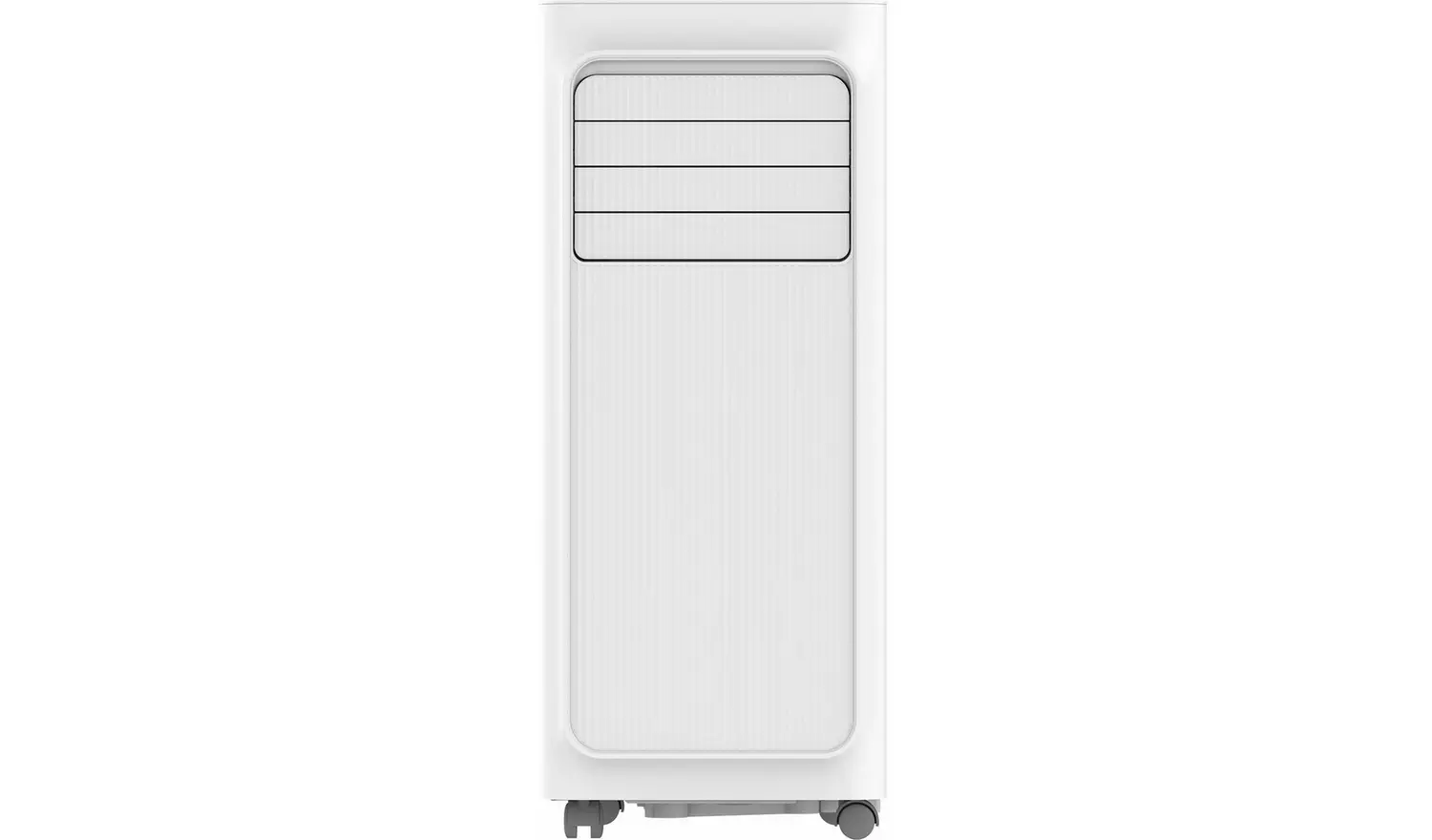
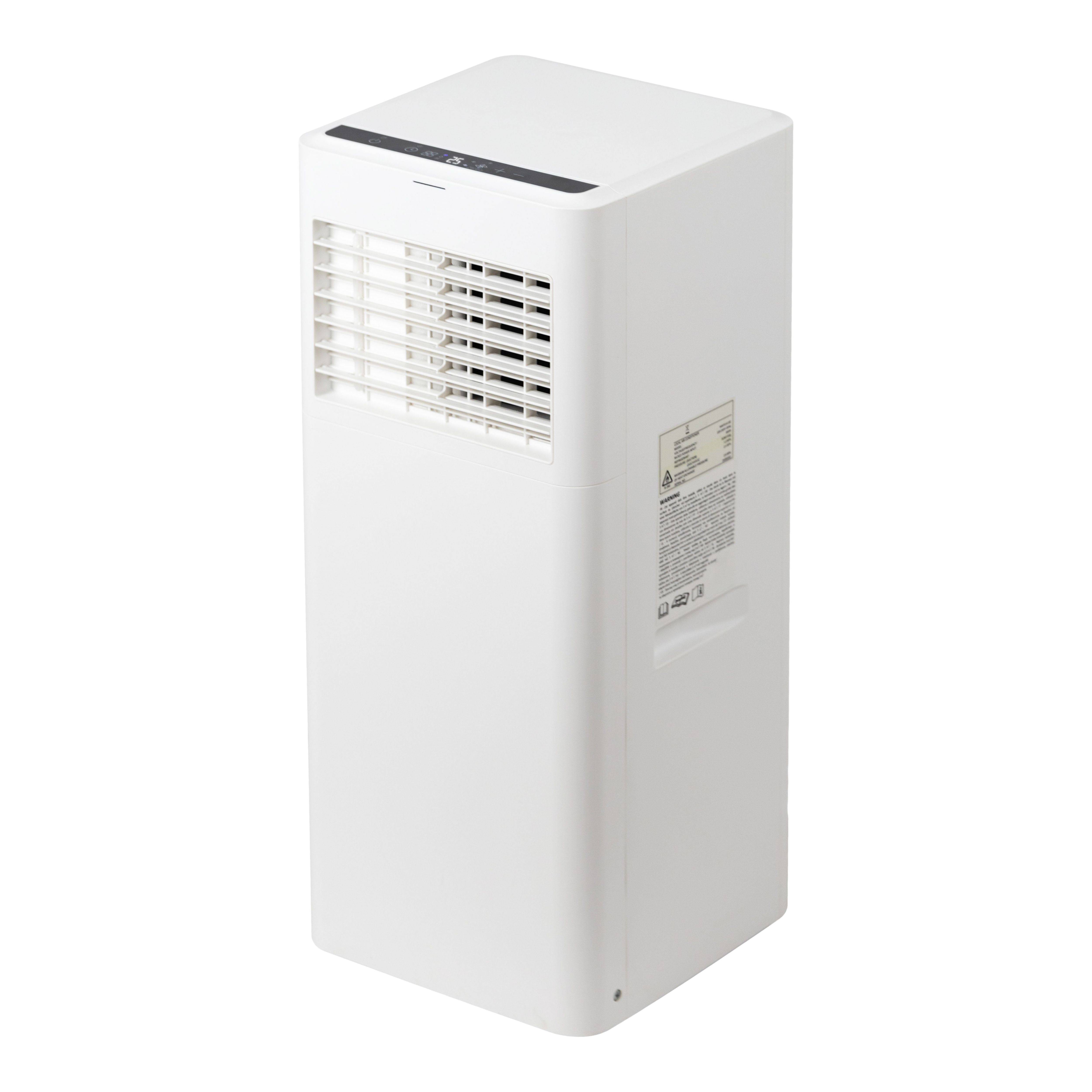
Portable air conditioners are pretty much sold out everywhere. But, I have found an exception – the Bush 9K Air Conditioner (£375) is still in stock at Argos – and it’s already reaping five-star reviews.
Hence, it is unusual to see a relatively affordable and well-rated model such as the Bush 9K Portable Air Conditioner still in stock. Unfortunately, we doubt it will be in stock for long – so if you like what you see, snap it up now.
Latest Videos From
Bush
Bush 9K Air Conditioner
<aside data-block-layout="horizontal" data-block-type="featured-product" data-editorial-currency="GBP" data-editorial-merchant-name="£375 at Argos" data-hawk-json="{"product":{"variants":{"Default":{"image":{"copyright":"","height":880,"id":"LjXMt58KnNcAW23fNnhZoR","mimeType":"image\/webp","mos":"https:\/\/cdn.mos.cms.futurecdn.net\/LjXMt58KnNcAW23fNnhZoR.webp","role":"","width":1500,"credit":"Bush","alt":"Bush, Bush 9K Air Conditioner","caption":""},"strapline":"
I can’t believe this portable AC is still in stock. It’s a relatively affordable price compared to other models, and offers multiple modes to cater to your needs. In other words, it does the trick!","brand":"Bush","name":"Bush 9K Air Conditioner","urlStyle":"","layout":"horizontal","noFollow":true,"noAffiliateTracking":false,"promoLabel":"","price":null,"salePrice":null,"currency":"GBP","linkLayout":"text","sponsored":false,"hawkProductNameMatchedCode":"","review":{"cons":[],"id":"","name":"","pros":[],"rating":0,"strapline":"","url":""},"id":"","lastCheckedPriceDate":"","link":{"url":"https:\/\/www.anrdoezrs.net\/click-100624752-15618761?sid=hawk-custom-tracking&url=https:\/\/www.argos.co.uk\/product\/7891092","linkText":"\u00a3375 at Argos","editorialMerchantName":"\u00a3375 at Argos","merchantName":"Argos","merchantId":535,"merchantNetwork":"CJ","merchantUrl":"argos.co.uk"}}}}}” data-link=”https://www.anrdoezrs.net/click-100624752-15618761?sid=hawk-custom-tracking&url=https://www.argos.co.uk/product/7891092″ data-link-merchant=”Argos” data-link-text=”£375 at Argos” data-merchant-id=”535″ data-merchant-name=”Argos” data-merchant-network=”CJ” data-merchant-url=”argos.co.uk” data-model-brand=”Bush” data-model-name=”Bush Bush 9K Air Conditioner” data-name=”Horizontal Product Block merchantlink widget” data-render-type=”fte” data-show-fallback=”button” data-widget-type=”merchantlink” class=”hawk-root”>
I can’t believe this portable AC is still in stock. It’s a relatively affordable price compared to other models, and offers multiple modes to cater to your needs. In other words, it does the trick!
First things first, portable air conditioners are worth it. Period. Offering the same benefits as a fitted AC, without the installation or start-up fee, these handy appliances are brilliant at keeping a room cool during a heatwave. And with the UK expected to reach record temperatures this week, I don’t know about you, but I need all the cooling help I can get.
The Bush 9K Air Conditioner is currently available for delivery, not collection, and offers to take the edge off the heat with auto, cooling, fan and dry modes to keep you comfortable. It has an easy-to-read LED display, and you can control it via the panel or a remote control – so you don’t have to move from your bed or sofa!
It has a sleep mode and a 24-hour timer, while its auto-restart feature will remember your preferences. The machine operates at a sound level of 64dB, which may be a little loud, so bear that in mind if you were hoping for a whisper-quiet appliance (like the new Meaco Circo).
It also has an energy efficiency rating of Class A and uses 1,000W of power. If you’re worried about the cost of running a portable air conditioner, most models are between 1,000 and 1,300 watts (W), with 1,000W costing 26.11p per hour to run, according to the recent July Price Cap.
Sign up to our newsletter for style inspiration, real homes, project and garden advice and shopping know-how
(Image credit: Bush)
We haven’t tested this portable AC, but so far, this portable air conditioner has received six five-star reviews on the Argos website, vouching for the appliance’s credibility.
‘I bought this the day before this heat wave in June started, and it’s brilliant! Now that I have found a way to install it in the window without leaving a gap, it works perfectly at cooling the room down in a matter of minutes. It’s the difference between a comfortable night’s sleep and no sleep at all. It’s light and easily mobile, so I can move it from room to room,’ said one.
‘I live in a mobile home that gets very warm when it’s 30 °C plus, so eventually bought this air con unit, it does make a noise, but I suspect most would, but it’s not a deafening noise and i did get used to it but the best thing is that it works it’s made my home cool so would definitely recommend,’ said another.
Alternatives
Duux
Duux Whisper Flex 2 Smart Fan
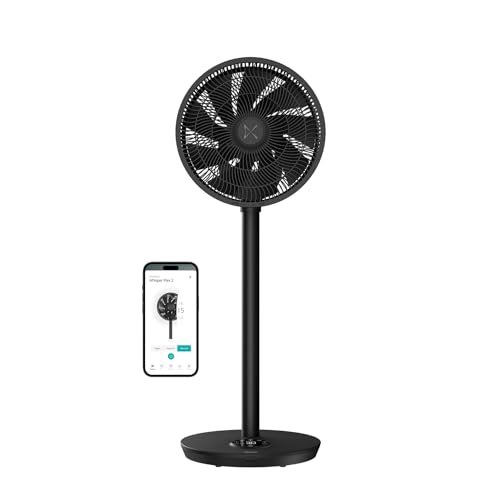
<aside data-block-layout="hero" data-block-type="featured-product" data-editorial-currency="GBP" data-editorial-merchant-name="Was £179.99, now £129 at Amazon" data-editorial-price="129" data-editorial-was-price="179.99" data-hawk-json="{"product":{"variants":{"Default":{"image":{"copyright":"","height":500,"id":"mxM7e7NBQT42JTV3pvHFPV","mimeType":"image\/jpeg","mos":"https:\/\/cdn.mos.cms.futurecdn.net\/mxM7e7NBQT42JTV3pvHFPV.jpg","role":"","width":500,"credit":"Duux","alt":"Duux Whisper Flex 2 Smart Fan, 13db, Remote Control, Alexa & Smart App, 30 Cooling Speeds, Adjustable From Desk to Standing Fan, Up-Down, Left-Right Oscillation, Powerful & Quiet, Night Mode, Black","caption":""},"strapline":"
A rare Amazon deal on a fan, don’t miss the opportunity to snap up this Duux Whisper Fan. If you want a quiet cooling appliance, this fan is an excellent choice with a dedicated sleep mode. It also has WiFi connectivity and is compatible with Google Assistant and Alexa, 30 speed settings, multiple oscillation presets and can be adjusted into a desk fan.","brand":"Duux","name":"Duux Whisper Flex 2 Smart Fan","urlStyle":"","layout":"hero","noFollow":true,"noAffiliateTracking":false,"promoLabel":"","price":179.99,"salePrice":129,"currency":"GBP","linkLayout":"text","sponsored":false,"hawkProductNameMatchedCode":"","review":{"cons":[],"id":"","name":"","pros":[],"rating":0,"strapline":"","url":""},"id":"","externalId":"4f6445dd648670dba9ad8a3eedd4eb504d5a683f","lastCheckedPriceDate":"","link":{"url":"https:\/\/target.georiot.com\/Proxy.ashx?tsid=107653&GR_URL=https%3A%2F%2Famazon.co.uk%2Fdp%2FB0F3CTNVQQ%3Ftag%3Dftr-idealhome-gb-21%26ascsubtag%3Dhawk-custom-tracking-21","linkText":"Was \u00a3179.99, now \u00a3129 at Amazon","editorialMerchantName":"Was \u00a3179.99, now \u00a3129 at Amazon","merchantName":"Amazon UK","merchantId":1027,"merchantNetwork":"Amazonuk","merchantUrl":"amazon.co.uk"}}}}}” data-link=”https://target.georiot.com/Proxy.ashx?tsid=107653&GR_URL=https%3A%2F%2Famazon.co.uk%2Fdp%2FB0F3CTNVQQ%3Ftag%3Dftr-idealhome-gb-21%26ascsubtag%3Dhawk-custom-tracking-21″ data-link-merchant=”Amazon UK” data-link-text=”Was £179.99, now £129 at Amazon” data-merchant-id=”1027″ data-merchant-name=”Amazon UK” data-merchant-network=”Amazonuk” data-merchant-url=”amazon.co.uk” data-model-brand=”Duux” data-model-name=”Duux Duux Whisper Flex 2 Smart Fan” data-name=”Product Block merchantlink widget” data-render-type=”fte” data-show-fallback=”button” data-widget-type=”merchantlink” class=”hawk-root”>
A rare Amazon deal on a fan, don’t miss the opportunity to snap up this Duux Whisper Fan. If you want a quiet cooling appliance, this fan is an excellent choice with a dedicated sleep mode. It also has WiFi connectivity and is compatible with Google Assistant and Alexa, 30 speed settings, multiple oscillation presets and can be adjusted into a desk fan.
DREO
Dreo 7500 Btu Portable Air Conditioner, 3-In-1 Cool/fan/dry
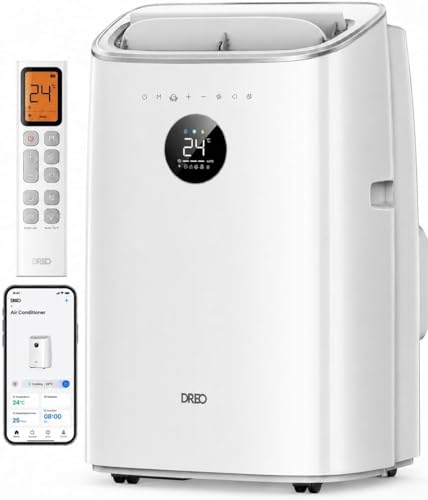
<aside data-block-layout="hero" data-block-type="featured-product" data-editorial-currency="GBP" data-editorial-merchant-name="£399.99 at Amazon" data-editorial-price="399.99" data-hawk-json="{"product":{"variants":{"Default":{"image":{"copyright":"","height":500,"id":"RCkB4qYxg5JdMSig6j3gNV","mimeType":"image\/jpeg","mos":"https:\/\/cdn.mos.cms.futurecdn.net\/RCkB4qYxg5JdMSig6j3gNV.jpg","role":"","width":428,"credit":"DREO","alt":"Dreo 7500 Btu Portable Air Conditioner, 3-In-1 Cool\/fan\/dry Quiet Ac Unit for Bedroom\/office, Smart App\/voice\/remote Control, Drainage-Free, Universal Window Kit, 2.5l\/h Dehumidification, Ac318s","caption":""},"strapline":"
This portable air conditioner and fan is also still in stock at Amazon and compatible with Siri, Amazon Alexa and Google Home. It can cool and dehumidify, creating a comfortable environment. You can even set the temperature of your room between 16 and 30 degrees if you want a specific room temperature.","brand":"DREO","name":"Dreo 7500 Btu Portable Air Conditioner, 3-In-1 Cool\/fan\/dry ","urlStyle":"","layout":"hero","noFollow":true,"noAffiliateTracking":false,"promoLabel":"","price":399.99,"salePrice":null,"currency":"GBP","linkLayout":"text","sponsored":false,"hawkProductNameMatchedCode":"","review":{"cons":[],"id":"","name":"","pros":[],"rating":0,"strapline":"","url":""},"id":"","externalId":"2686685849edc56689a02c07febe3b928081bbe9","lastCheckedPriceDate":"","link":{"url":"https:\/\/target.georiot.com\/Proxy.ashx?tsid=107653&GR_URL=https%3A%2F%2Famazon.co.uk%2FDREO-Conditioner-Drainage-Free-Universal-Dehumidification%2Fdp%2FB0GVJXQ9J5%2Fref%3Dsr_1_11%3Ftag%3Dftr-idealhome-gb-21%26ascsubtag%3Dhawk-custom-tracking-21","linkText":"\u00a3399.99 at Amazon","editorialMerchantName":"\u00a3399.99 at Amazon","merchantName":"Amazon UK","merchantId":1027,"merchantNetwork":"Amazonuk","merchantUrl":"amazon.co.uk"}}}}}” data-link=”https://target.georiot.com/Proxy.ashx?tsid=107653&GR_URL=https%3A%2F%2Famazon.co.uk%2FDREO-Conditioner-Drainage-Free-Universal-Dehumidification%2Fdp%2FB0GVJXQ9J5%2Fref%3Dsr_1_11%3Ftag%3Dftr-idealhome-gb-21%26ascsubtag%3Dhawk-custom-tracking-21″ data-link-merchant=”Amazon UK” data-link-text=”£399.99 at Amazon” data-merchant-id=”1027″ data-merchant-name=”Amazon UK” data-merchant-network=”Amazonuk” data-merchant-url=”amazon.co.uk” data-model-brand=”DREO” data-model-name=”DREO Dreo 7500 Btu Portable Air Conditioner, 3-In-1 Cool/fan/dry” data-name=”Product Block merchantlink widget” data-render-type=”fte” data-show-fallback=”button” data-widget-type=”merchantlink” class=”hawk-root”>
This portable air conditioner and fan is also still in stock at Amazon and compatible with Siri, Amazon Alexa and Google Home. It can cool and dehumidify, creating a comfortable environment. You can even set the temperature of your room between 16 and 30 degrees if you want a specific room temperature.
B&Q
Mobile Air Conditioner 220-230v 5000btu
<aside data-block-layout="hero" data-block-type="featured-product" data-editorial-currency="GBP" data-editorial-merchant-name="£179 at B&Q" data-editorial-price="179" data-hawk-json="{"product":{"variants":{"Default":{"image":{"copyright":"","height":5000,"id":"64Lazd8jNqTsHzZm8BRp2W","mimeType":"image\/jpeg","mos":"https:\/\/cdn.mos.cms.futurecdn.net\/64Lazd8jNqTsHzZm8BRp2W.jpg","role":"","width":5000,"credit":"media.diy.com","alt":"Mobile Air Conditioner 220-230v 5000btu","caption":""},"strapline":"
If you’re yet to snap up a portable air conditioner, now is the time to do so – they are selling really fast. The Bush 9K Portable Air Conditioner, while we haven’t tested it ourselves, comes highly rated and is affordable, too.
As a perimenopausal 46-year-old mum, I struggle with overheating in bed at the best of times, let alone during a heatwave that’s seen temperatures in my area reach 30C plus.
Our home doesn’t have air-con, so my kids are often too hot to sleep during the summer, too. As such, staying cool in bed becomes a real battle during hot weather.
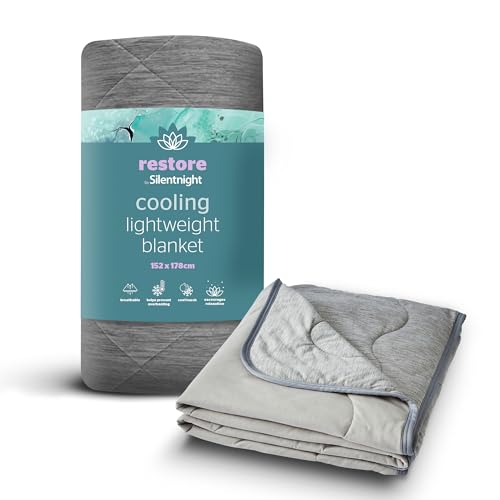
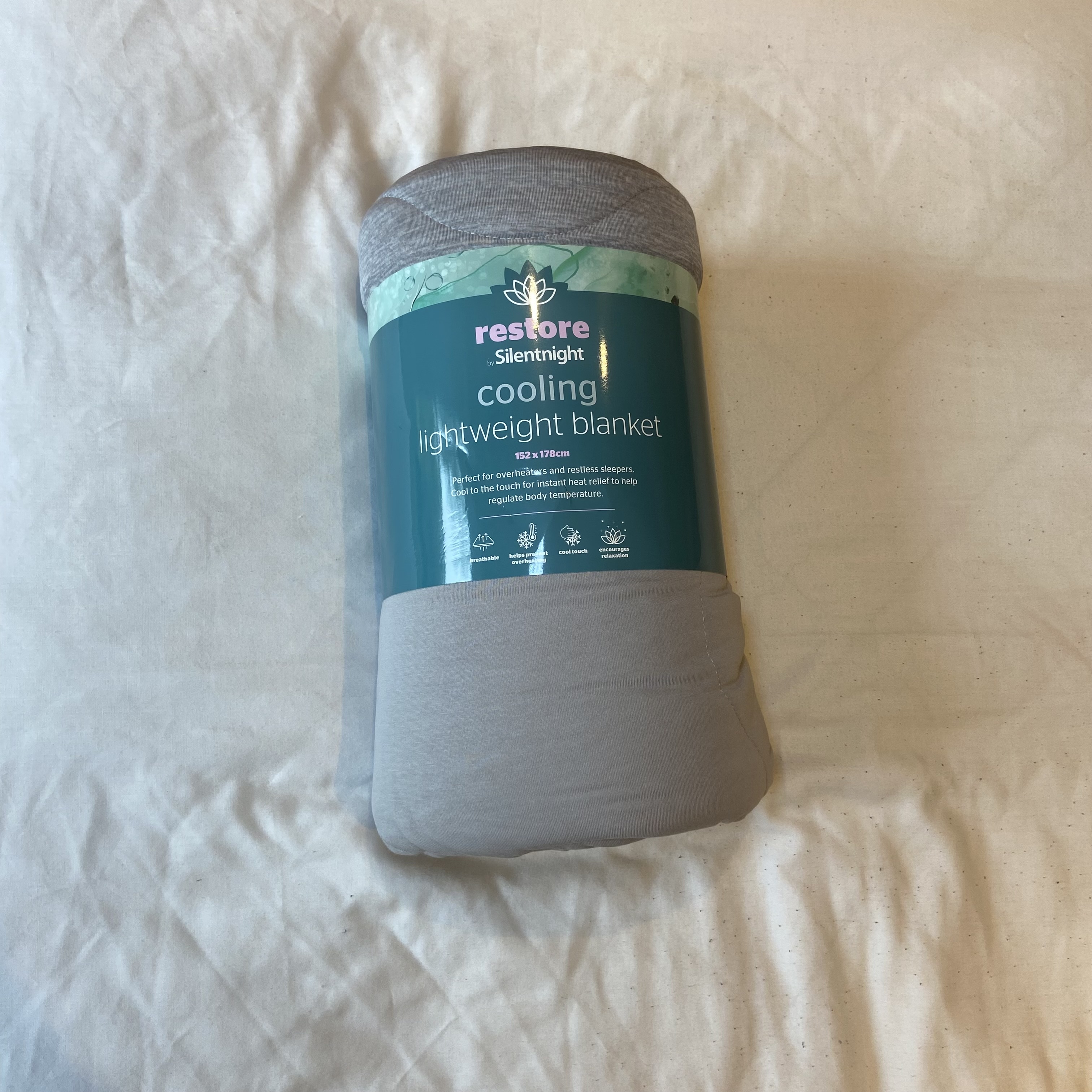
<aside data-block-layout="horizontal" data-block-type="featured-product" data-editorial-currency="GBP" data-editorial-price="37.99" data-hawk-json="{"product":{"variants":{"Default":{"image":{"copyright":"","height":500,"id":"PB8addefJi9JPmA2Rv2y7b","mimeType":"image\/jpeg","mos":"https:\/\/cdn.mos.cms.futurecdn.net\/PB8addefJi9JPmA2Rv2y7b.jpg","role":"","width":500,"credit":"Silentnight","alt":"Silentnight Restore Cooling Lightweight Blanket – Comfortable Breathable Cool Feeling for Night Sweats Hot Flushes Menopause – Summer Throw for Sofa & Bed Prevents Overheating Fabric, Medium, Grey","caption":""},"strapline":"
Usually costing \u00a345, this cooling blanket is currently reduced on Amazon.","brand":"Silentnight","name":"Restore Cooling Lightweight Blanket","urlStyle":"","retailer":"","layout":"horizontal","linkText":"","noFollow":true,"noAffiliateTracking":false,"promoLabel":"","price":37.99,"salePrice":null,"currency":"GBP","linkLayout":"text","sponsored":false,"hawkProductNameMatchedCode":"","review":{"cons":[],"id":"","name":"","pros":[],"rating":0,"strapline":"","url":""},"id":"","externalId":"1e634239819ca42669041a8eed0d7769db35e26b","lastCheckedPriceDate":"","link":{"url":"https:\/\/target.georiot.com\/Proxy.ashx?tsid=107653&GR_URL=https%3A%2F%2Famazon.co.uk%2FSilentnight-Restore-Cooling-Blanket-Lightweight%2Fdp%2FB0CXTDCTH9%2F%3Ftag%3Dftr-idealhome-gb-21%26ascsubtag%3Dhawk-custom-tracking-21","merchantName":"Amazon UK","merchantId":1027,"merchantNetwork":"Amazonuk","merchantUrl":"amazon.co.uk"}}}}}” data-link=”https://target.georiot.com/Proxy.ashx?tsid=107653&GR_URL=https%3A%2F%2Famazon.co.uk%2FSilentnight-Restore-Cooling-Blanket-Lightweight%2Fdp%2FB0CXTDCTH9%2F%3Ftag%3Dftr-idealhome-gb-21%26ascsubtag%3Dhawk-custom-tracking-21″ data-link-merchant=”Amazon UK” data-merchant-id=”1027″ data-merchant-name=”Amazon UK” data-merchant-network=”Amazonuk” data-merchant-url=”amazon.co.uk” data-model-brand=”Silentnight” data-model-name=”Silentnight Restore Cooling Lightweight Blanket” data-name=”Horizontal Product Block merchantlink widget” data-render-type=”fte” data-show-fallback=”button” data-widget-type=”merchantlink” class=”hawk-root”>
Usually costing £45, this cooling blanket is currently reduced on Amazon.
Described by Silentnight as ‘cool to the touch for instant heat relief’ and helping ‘to regulate body temperature’, it sounded like *exactly* what I needed to beat overheating once and for all.
And, unlike many cooling bedding products I’ve tested in the past few years, I wasn’t disappointed when I unpacked it.
(Image credit: Future / Rachel Tompkins)
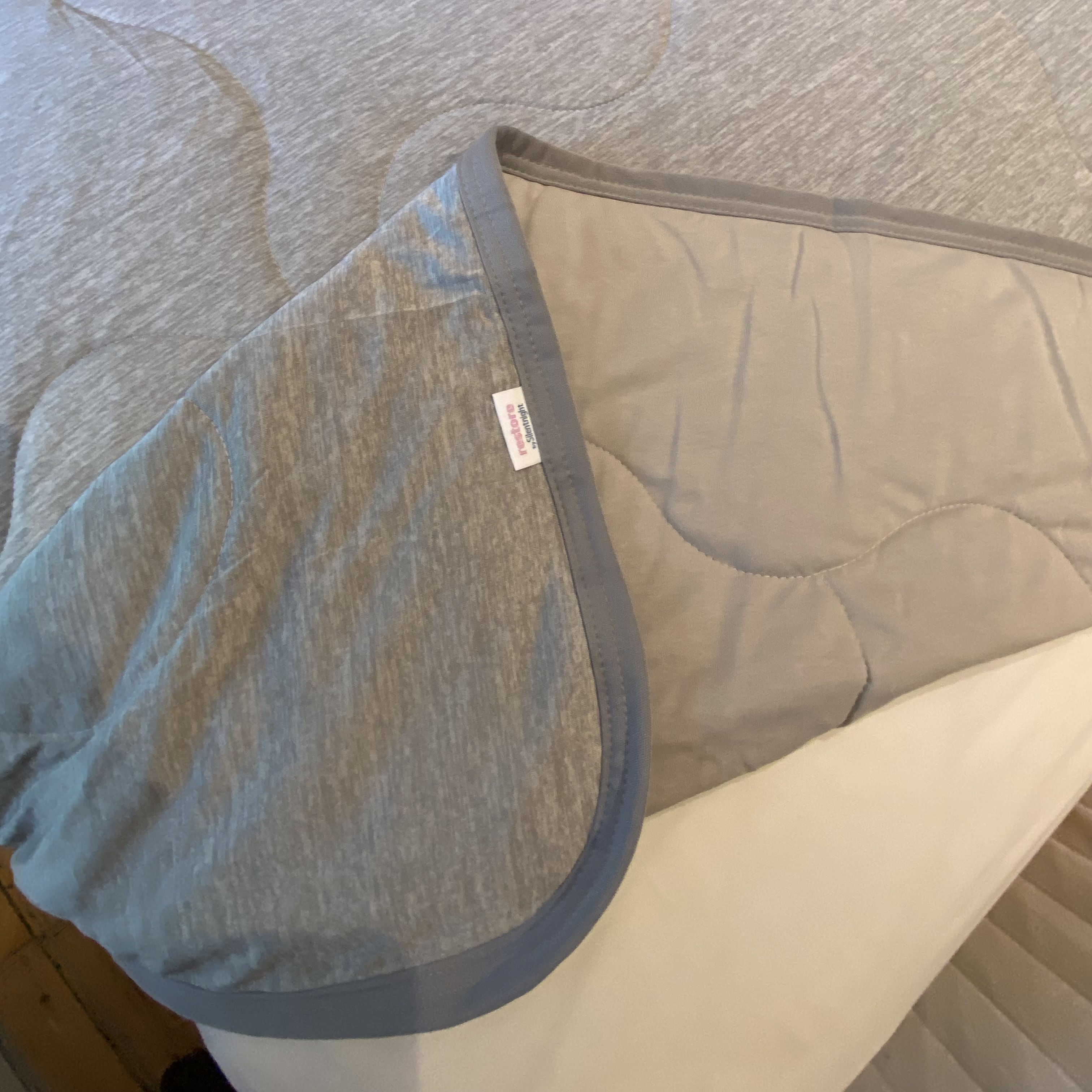
The first thing I noticed when I picked up this blanket was how cold it felt to the touch. One side in particular felt noticeably colder than any other bedding in our house, and its coolness was something that both of my sons immediately commented on.
Sleeping under it the first night of warm weather, I felt instantly cooler. Initially, I missed the weight of my regular duvet, but if, like me and my children, you don’t like the idea of sleeping with no covers at all, this hot-weather duvet alternative offers a perfect in-between solution.
Sign up to our newsletter for style inspiration, real homes, project and garden advice and shopping know-how
I fell asleep quickly, and I didn’t wake up in the night due to overheating. Plus, in the morning, I didn’t feel sweaty or clammy at all like I sometimes do.
Whether that’s down to the innovative composition of the blanket or the fact that it’s thinner than my usual duvet, I can’t be sure, but my children both noticed that when they slept under this blanket, they felt cooler than when they slept under an empty duvet cover like they usually do when it’s hot.
(Image credit: Future / Rachel Tompkins)
Possibly the biggest test came from my youngest son, who is the clammiest sleeper I know and always wakes up sweaty! He loved falling asleep under this and slept soundly. When he woke up in the morning, he felt a lot cooler and less clammy than usual.
In fact, the one night I tested this blanket pre-heatwave I had to swap it for my usual quilt because I felt too cold!
And it seems I’m not alone in being impressed by the blanket’s cooling powers. One reviewer of the Silentnight Restore Cooling Blanket on the Argos website says, ‘what is this wizardry? I bought this for the summer, and I literally can’t believe the difference it made to my sleep. How it works, I have no idea, but it remains cool constantly – it’s literally like magic. I can definitely recommend this cooling blanket.’
‘Surprised how effective this lightweight cooling blanket was,’ says another owner. ‘I’m at “that age” where I get so hot in the night… my duvet is too hot, but I still need something on me to sleep; this blanket really helped and really worked! It’s lightweight but feels enough weight on you; it’s definitely cooling and quite cool to the touch. I slept so much better.’
(Image credit: Future / Rachel Tompkins)
Another big bonus is that the Restore blanket is machine washable at 40C, and I’ve found it fits in the washing machine easily and dries quickly on the line (the care label says it can be tumble dried on low, but I haven’t needed to test that in this heat!). It looks as good as new after being washed and didn’t lose its shape at all.
The only downside is that it only comes in one size. On a double bed, it was just big enough to cover two people, although there wasn’t much extra space at the edges if either of us moved around.
Personally, I’d definitely recommend The Silentnight Restore Cooling Blanket for keeping cool on warm nights, as well as for anyone who struggles with hormonal temperature changes during the night.
That said, it’s not the only option out there. I’ve rounded up a few alternatives below, all of which can help you beat the heat on hot, hot summer nights.
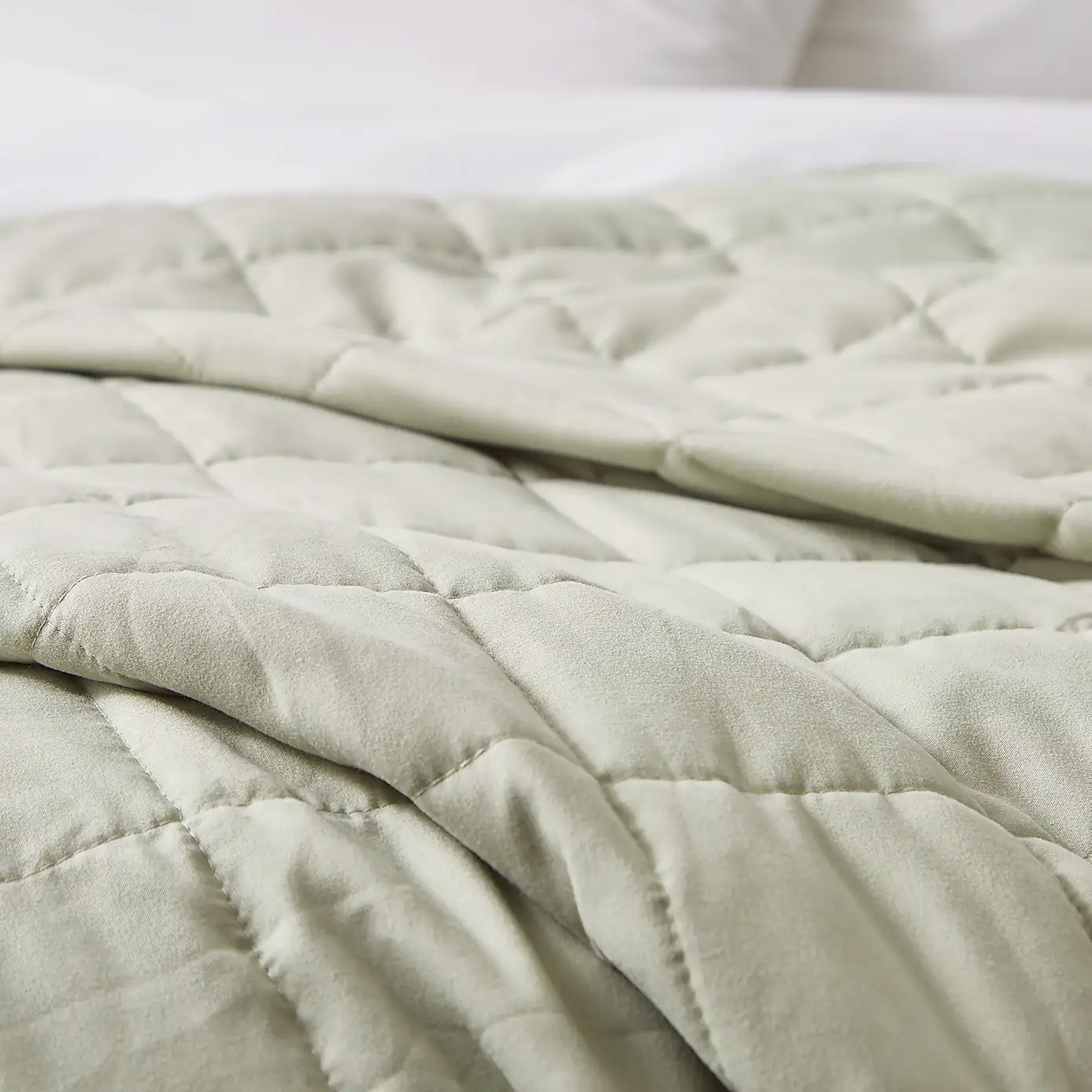
This cooling blanket has a silky texture that’s instantly cool to the touch. It feels a lot more luxurious than the Silentnight option, and it comes in more size options. However, comparable sizes are more expensive.","brand":"Bedsure","name":"Cooling Blanket","urlStyle":"","retailer":"","layout":"hero","linkText":"","noFollow":true,"noAffiliateTracking":false,"promoLabel":"","price":32.99,"salePrice":29.99,"currency":"GBP","linkLayout":"text","sponsored":false,"hawkProductNameMatchedCode":"","review":{"cons":[],"id":"","name":"","pros":[],"rating":0,"strapline":"","url":""},"id":"","externalId":"5c07d6006225058659b32657f58f9e8c89e934d3","lastCheckedPriceDate":"","link":{"url":"https:\/\/target.georiot.com\/Proxy.ashx?tsid=107653&GR_URL=https%3A%2F%2Famazon.co.uk%2Fdp%2FB0FRS79DR7%2Fref%3Dtwister_B0FRSB9NP9%3F_encoding%3DUTF8%26th%3D1%26tag%3Dftr-idealhome-gb-21%26ascsubtag%3Dhawk-custom-tracking-21","merchantName":"Amazon UK","merchantId":1027,"merchantNetwork":"Amazonuk","merchantUrl":"amazon.co.uk"}}}}}” data-link=”https://target.georiot.com/Proxy.ashx?tsid=107653&GR_URL=https%3A%2F%2Famazon.co.uk%2Fdp%2FB0FRS79DR7%2Fref%3Dtwister_B0FRSB9NP9%3F_encoding%3DUTF8%26th%3D1%26tag%3Dftr-idealhome-gb-21%26ascsubtag%3Dhawk-custom-tracking-21″ data-link-merchant=”Amazon UK” data-merchant-id=”1027″ data-merchant-name=”Amazon UK” data-merchant-network=”Amazonuk” data-merchant-url=”amazon.co.uk” data-model-brand=”Bedsure” data-model-name=”Bedsure Cooling Blanket” data-name=”Product Block merchantlink widget” data-render-type=”fte” data-show-fallback=”button” data-widget-type=”merchantlink” class=”hawk-root”>
This cooling blanket has a silky texture that’s instantly cool to the touch. It feels a lot more luxurious than the Silentnight option, and it comes in more size options. However, comparable sizes are more expensive.
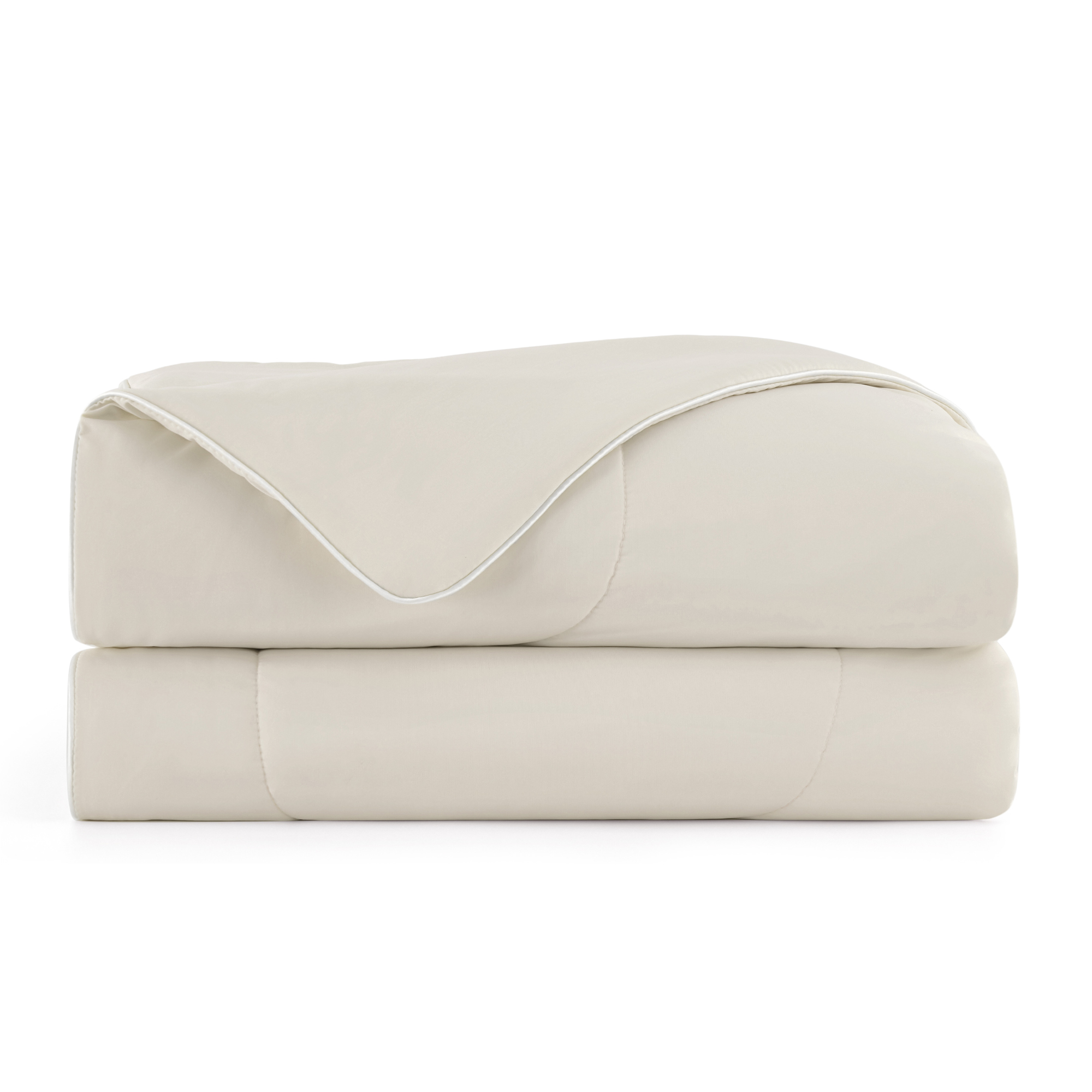
Another hot-weather duvet alternative is opting to sleep under a muslin throw. This cotton fabric has a loose weave that allows for plenty of airflow. Although if your pets share your bed, those threads are easy to pull.","brand":"Bedsure","name":"Cotton Muslin Throw Blanket","urlStyle":"","retailer":"","layout":"hero","linkText":"","noFollow":true,"noAffiliateTracking":false,"promoLabel":"","price":21.99,"salePrice":18.69,"currency":"GBP","linkLayout":"text","sponsored":false,"hawkProductNameMatchedCode":"","review":{"cons":[],"id":"","name":"","pros":[],"rating":0,"strapline":"","url":""},"id":"","externalId":"260486f52ab7b608e846053d3b0e7c04a30ad8a7","lastCheckedPriceDate":"","link":{"url":"https:\/\/target.georiot.com\/Proxy.ashx?tsid=107653&GR_URL=https%3A%2F%2Famazon.co.uk%2FBedsure-Muslin-Blanket-130×150-Beige%2Fdp%2FB0FPR9SFS1%2F%3Fth%3D1%26tag%3Dftr-idealhome-gb-21%26ascsubtag%3Dhawk-custom-tracking-21","merchantName":"Amazon UK","merchantId":1027,"merchantNetwork":"Amazonuk","merchantUrl":"amazon.co.uk"}}}}}” data-link=”https://target.georiot.com/Proxy.ashx?tsid=107653&GR_URL=https%3A%2F%2Famazon.co.uk%2FBedsure-Muslin-Blanket-130×150-Beige%2Fdp%2FB0FPR9SFS1%2F%3Fth%3D1%26tag%3Dftr-idealhome-gb-21%26ascsubtag%3Dhawk-custom-tracking-21″ data-link-merchant=”Amazon UK” data-merchant-id=”1027″ data-merchant-name=”Amazon UK” data-merchant-network=”Amazonuk” data-merchant-url=”amazon.co.uk” data-model-brand=”Bedsure” data-model-name=”Bedsure Cotton Muslin Throw Blanket” data-name=”Product Block merchantlink widget” data-render-type=”fte” data-show-fallback=”button” data-widget-type=”merchantlink” class=”hawk-root”>
Another hot-weather duvet alternative is opting to sleep under a muslin throw. This cotton fabric has a loose weave that allows for plenty of airflow. Although if your pets share your bed, those threads are easy to pull.
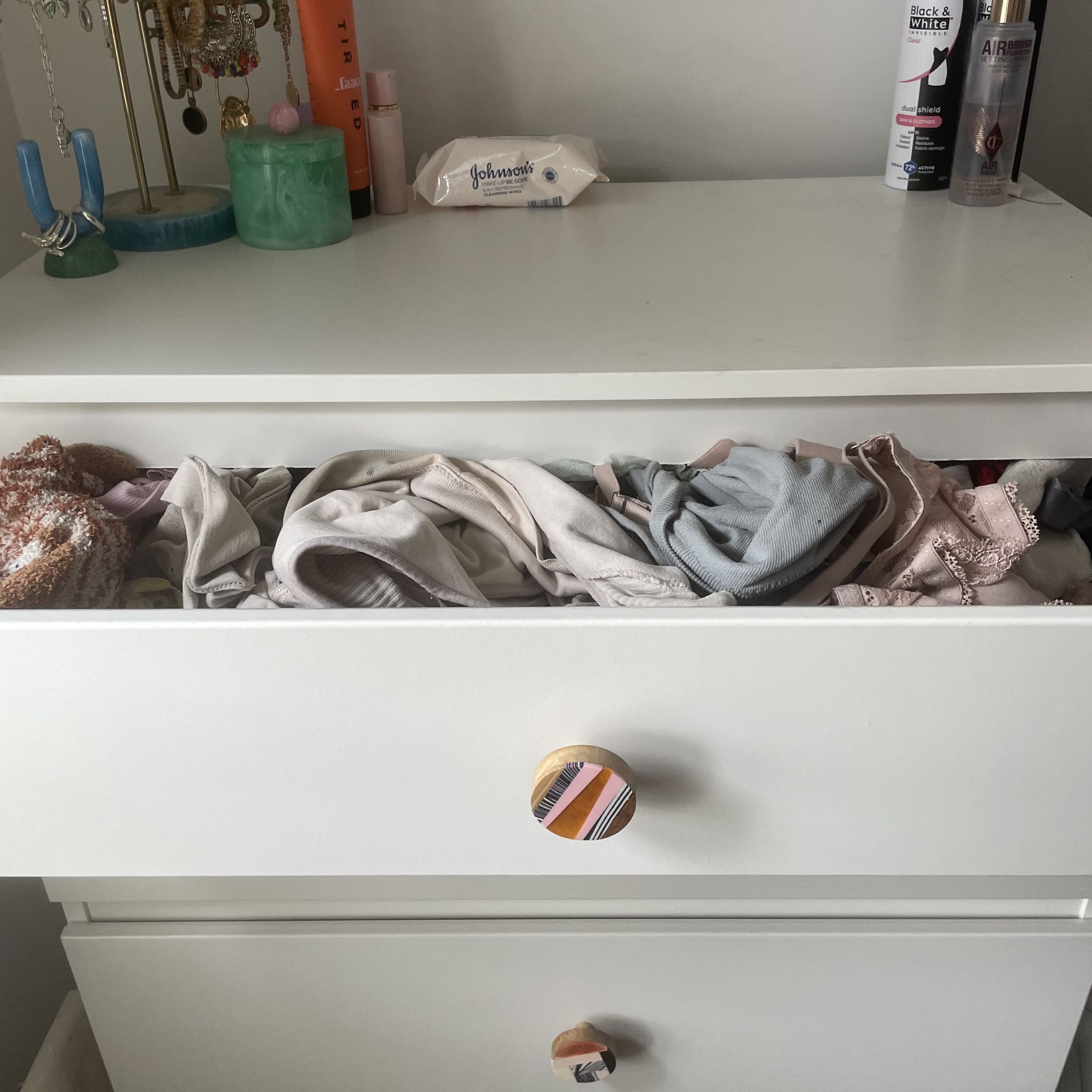
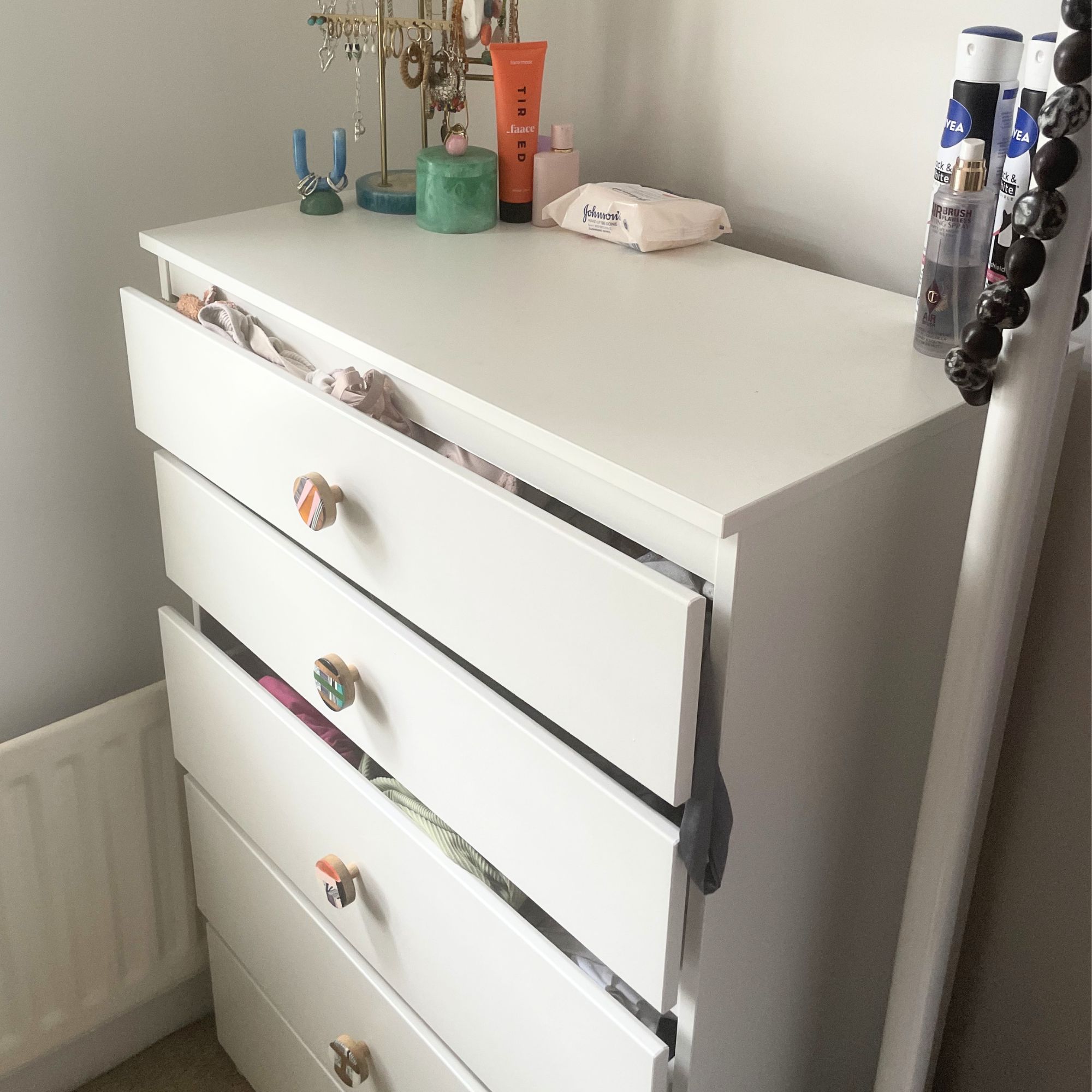
As a small-home dweller, I’m used to making sacrifices due to limited storage. And while I’m willing to second-guess some items that catch my eye when shopping, I’ve always been reluctant to get rid of clothes that I genuinely still wear and love. And before I invested in these DIMJ 12 Pack Drawer Organisers (£18.99 at Amazon), my clothes were constantly spilling out of my drawers.
Yes, as I’m always trying to be one of those people with constantly tidy clothes, the clothing clutter and my complete inability to shut my drawers really started to get to me. It made me feel anxious in what should be a relaxing sleeping space, made me less inclined to fold and care for my clothes, and even made it harder to get dressed in the morning.
However, I didn’t have space for a whole new chest of drawers or an extra hanging rail for my clothes, so I needed to find a solution that would work with what I already had. And introducing these drawer organisers has not only restored order but also freed up space I didn’t even know was there.
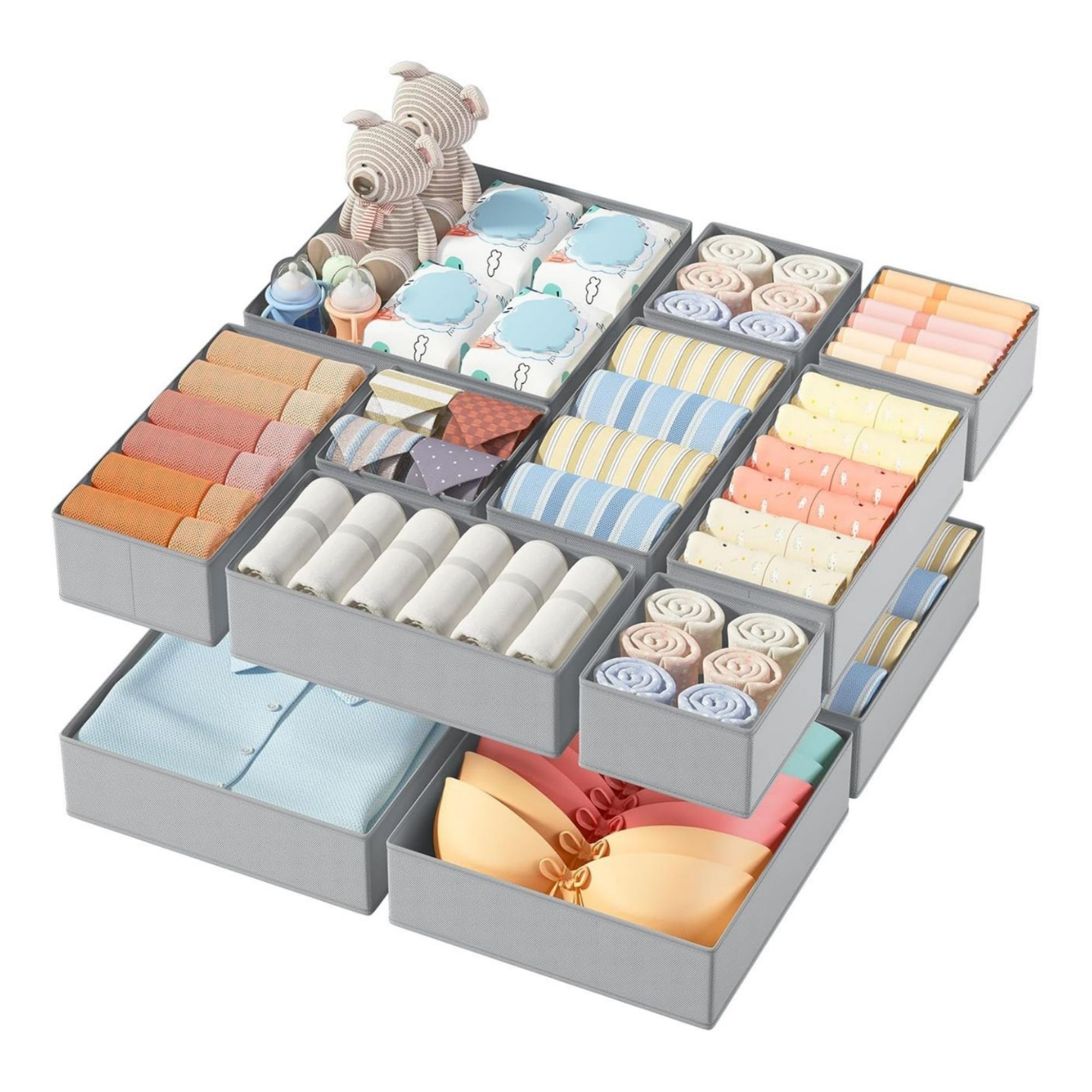
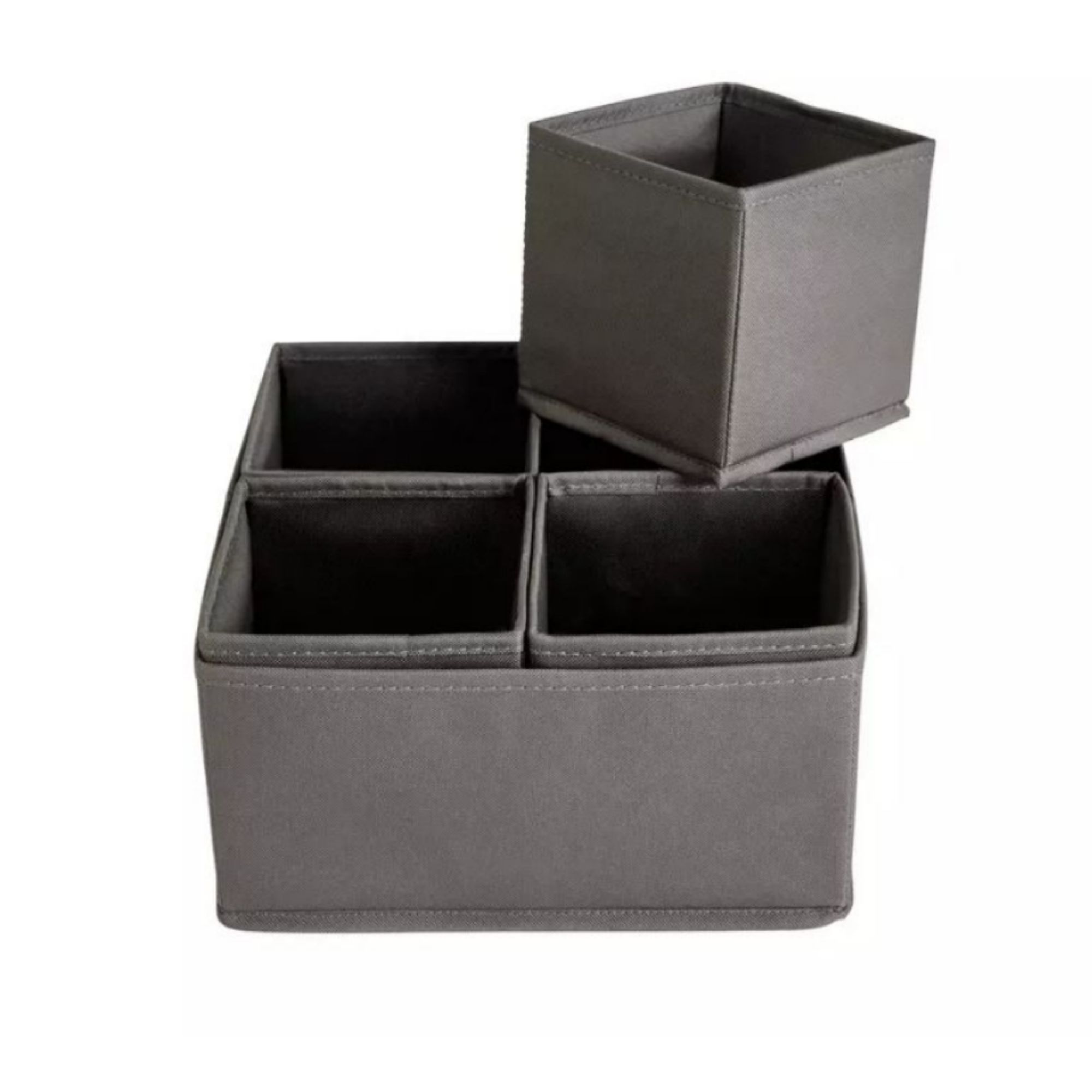
Coming in various sizes and colourways, these foldable fabric boxes can be used to organise and store everything from your clothes to your cosmetics. ","brand":"","name":"DIMJ 12 Pack Drawer Organisers","urlStyle":"","retailer":"","layout":"horizontal","noFollow":true,"noAffiliateTracking":false,"promoLabel":"","price":null,"salePrice":null,"currency":null,"linkLayout":"text","sponsored":false,"hawkProductNameMatchedCode":"","review":{"cons":[],"id":"","name":"","pros":[],"rating":0,"strapline":"","url":""},"id":"","lastCheckedPriceDate":"","link":{"url":"https:\/\/target.georiot.com\/Proxy.ashx?tsid=107653&GR_URL=https%3A%2F%2Famazon.co.uk%2Fdp%2FB0B7VLWYS8%3Fth%3D1%26tag%3Dftr-idealhome-gb-21%26ascsubtag%3Dhawk-custom-tracking-21","linkText":"\u00a318.99 at Amazon","merchantName":"Amazon UK","merchantId":1027,"merchantNetwork":"Amazonuk","merchantUrl":"amazon.co.uk"}}}}}” data-link=”https://target.georiot.com/Proxy.ashx?tsid=107653&GR_URL=https%3A%2F%2Famazon.co.uk%2Fdp%2FB0B7VLWYS8%3Fth%3D1%26tag%3Dftr-idealhome-gb-21%26ascsubtag%3Dhawk-custom-tracking-21″ data-link-merchant=”Amazon UK” data-link-text=”£18.99 at Amazon” data-merchant-id=”1027″ data-merchant-name=”Amazon UK” data-merchant-network=”Amazonuk” data-merchant-url=”amazon.co.uk” data-model-name=”DIMJ 12 Pack Drawer Organisers” data-name=”Horizontal Product Block merchantlink widget” data-render-type=”fte” data-show-fallback=”button” data-widget-type=”merchantlink” class=”hawk-root”>
Coming in various sizes and colourways, these foldable fabric boxes can be used to organise and store everything from your clothes to your cosmetics.
I’ve recently been talking about how I store clothes without a wardrobe, but, for me, a chest of drawers is non-negotiable, as I need the folded storage space – particularly for smaller items such as underwear, shorts and even pyjamas. But this folded space is often much bigger than the clothes inside, which means they can quickly become a jumbled mess that seems impossible to tame.
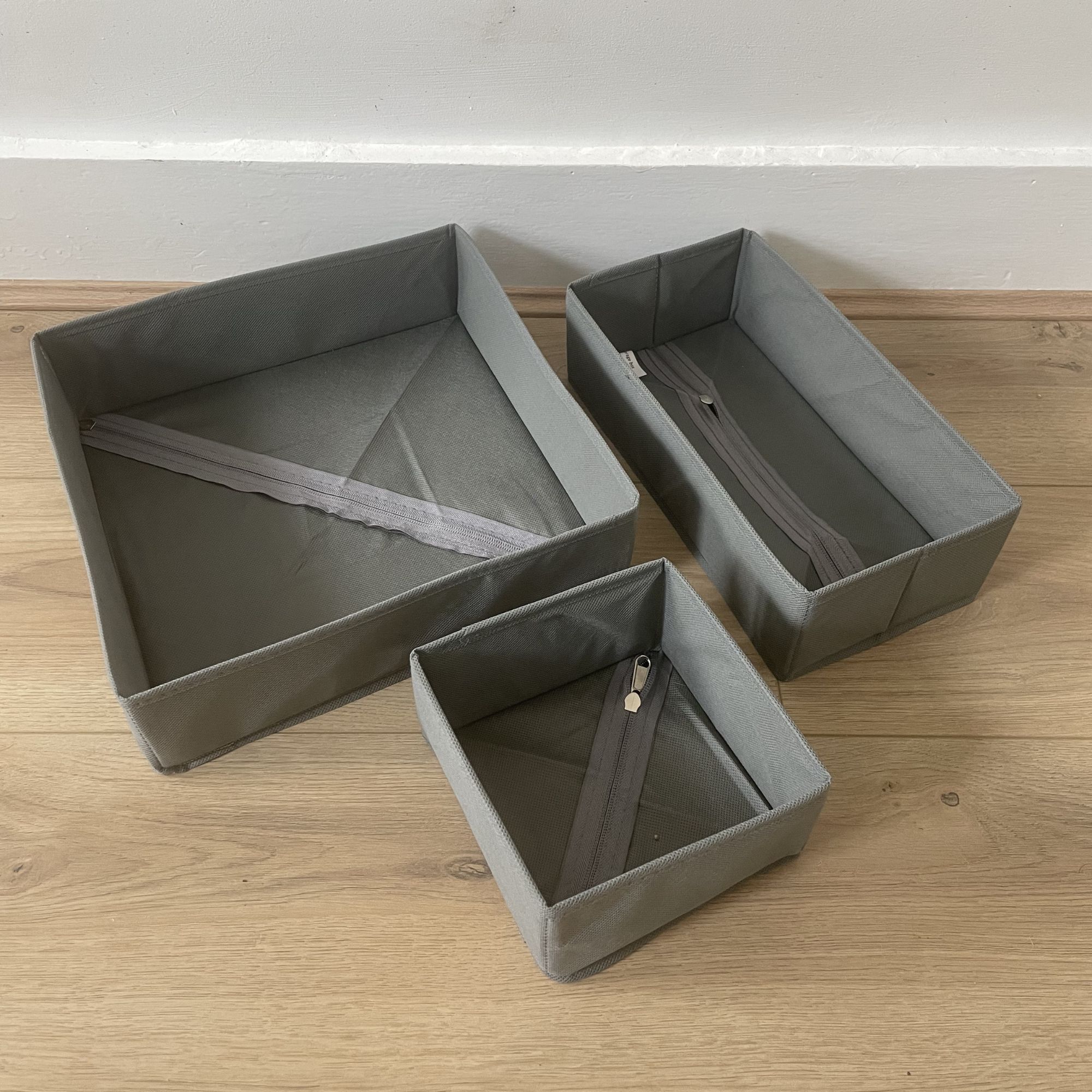
And while they may not be the most aesthetically pleasing clothes storage solution, the DIMJ Drawer Organisers are an organisational game-changer. The ones I bought came in a pack of 12, split into three sizes: four large square organisers, four smaller rectangular organisers, and four small square organisers.
Image 1 of 2
(Image credit: Future PLC/Lauren Bradbury)
(Image credit: Future PLC/Lauren Bradbury)
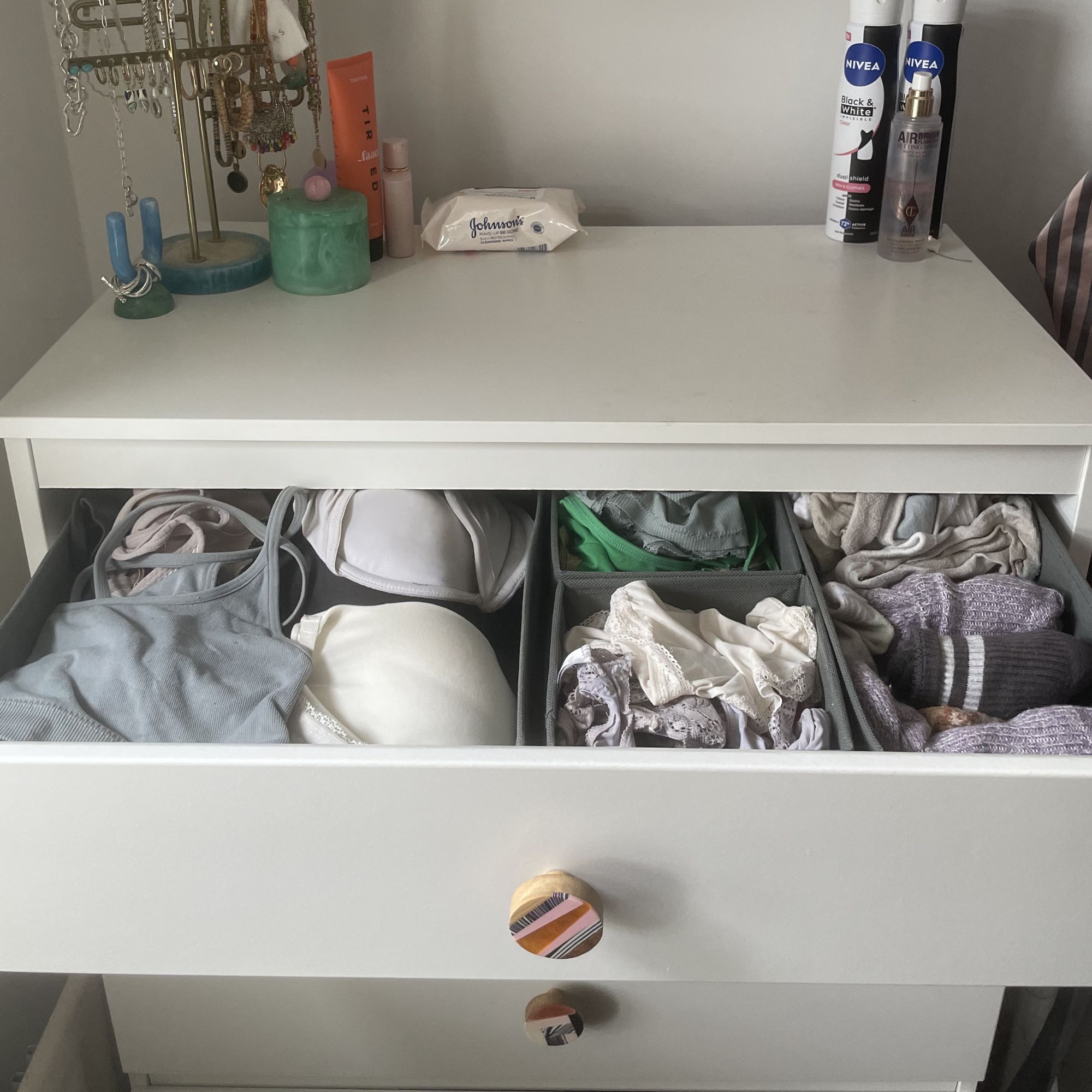
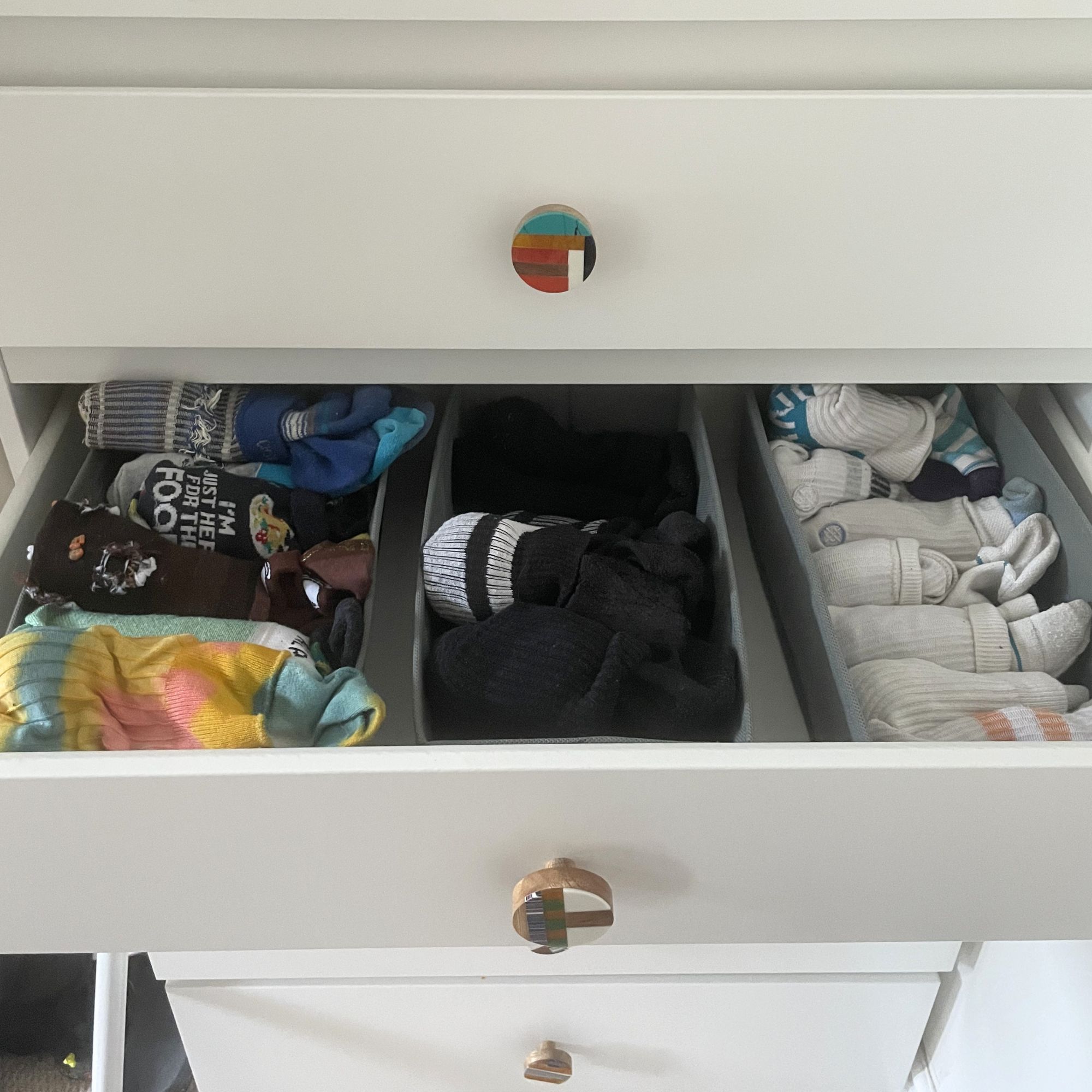
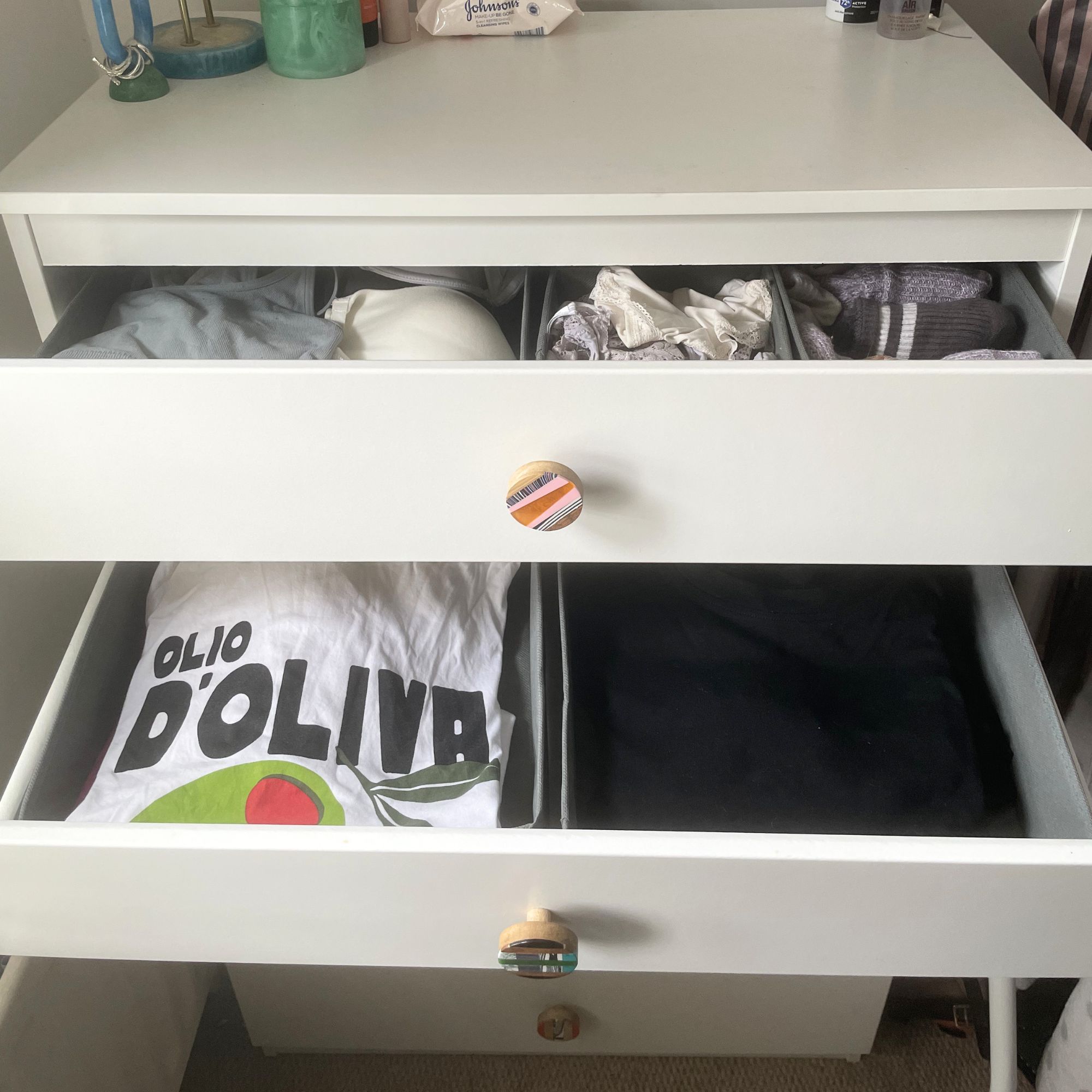
It’s worth noting that the smaller option is very small, but the beauty of these organisers and the different sizes is that they can be used for anything. And I found this perfect for my underwear drawer, as I used the smallest size for my delicates, the middle rectangular size for my socks, and the largest size for bras.
I then continued to use the larger sizes to separate and organise my T-shirts in a drawer that had previously been impossible to close. This is mostly because I’d given up trying to fold them and simply shoved them in there to avoid dealing with them – as shown by the white T-shirt that definitely needs a good steam now.
Sign up to our newsletter for style inspiration, real homes, project and garden advice and shopping know-how
Image 1 of 2
After! (Image credit: Future PLC/Lauren Bradbury)
Before…(Image credit: Future PLC/Lauren Bradbury)
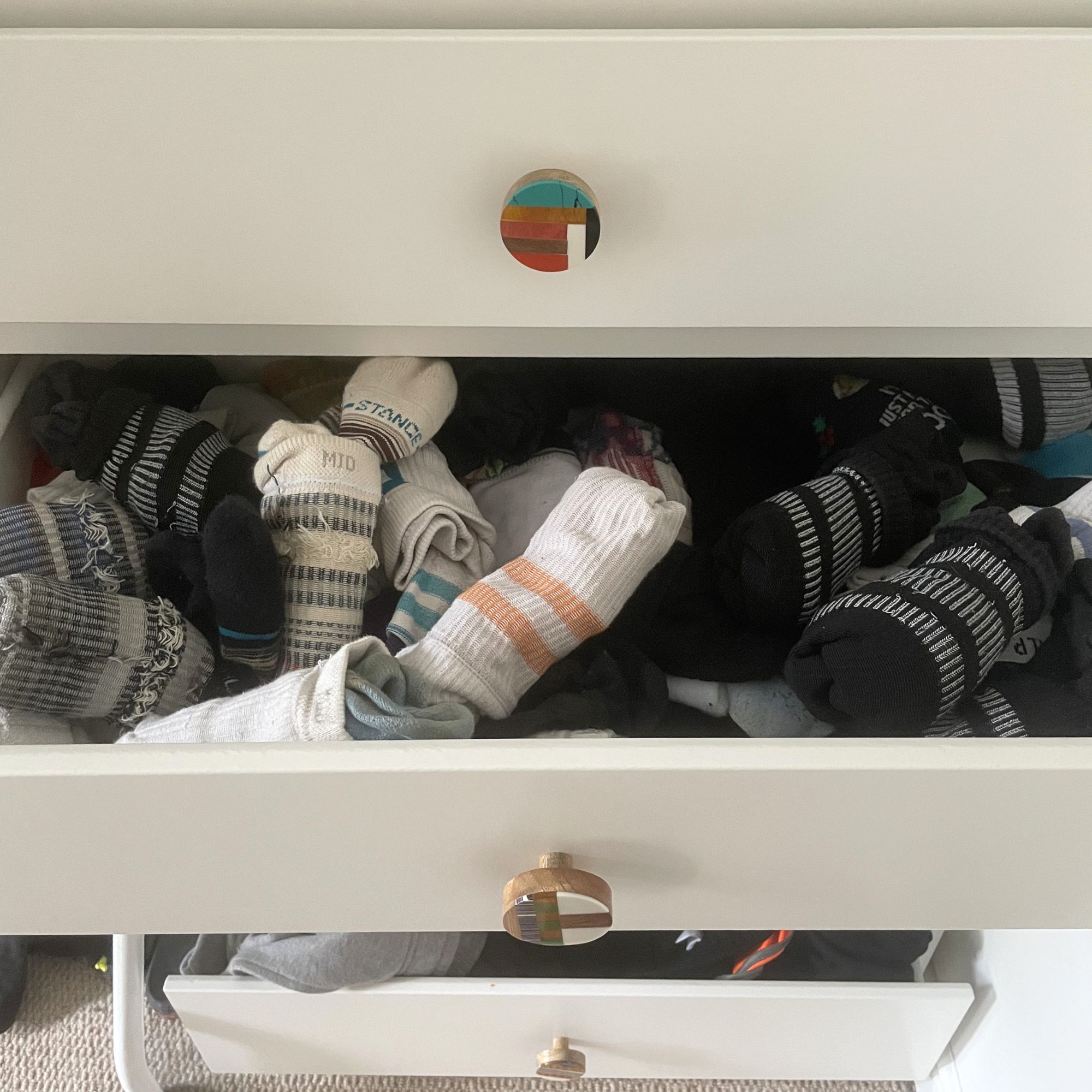
And while I didn’t have the skills to perfect Marie Kondo’s impressive folding method when putting them into the new organisers, the difference was still really impressive. Not only could I finally close the drawers properly, but it also proved to me that my drawers weren’t as full as I thought (and that there was even space for more clothes).
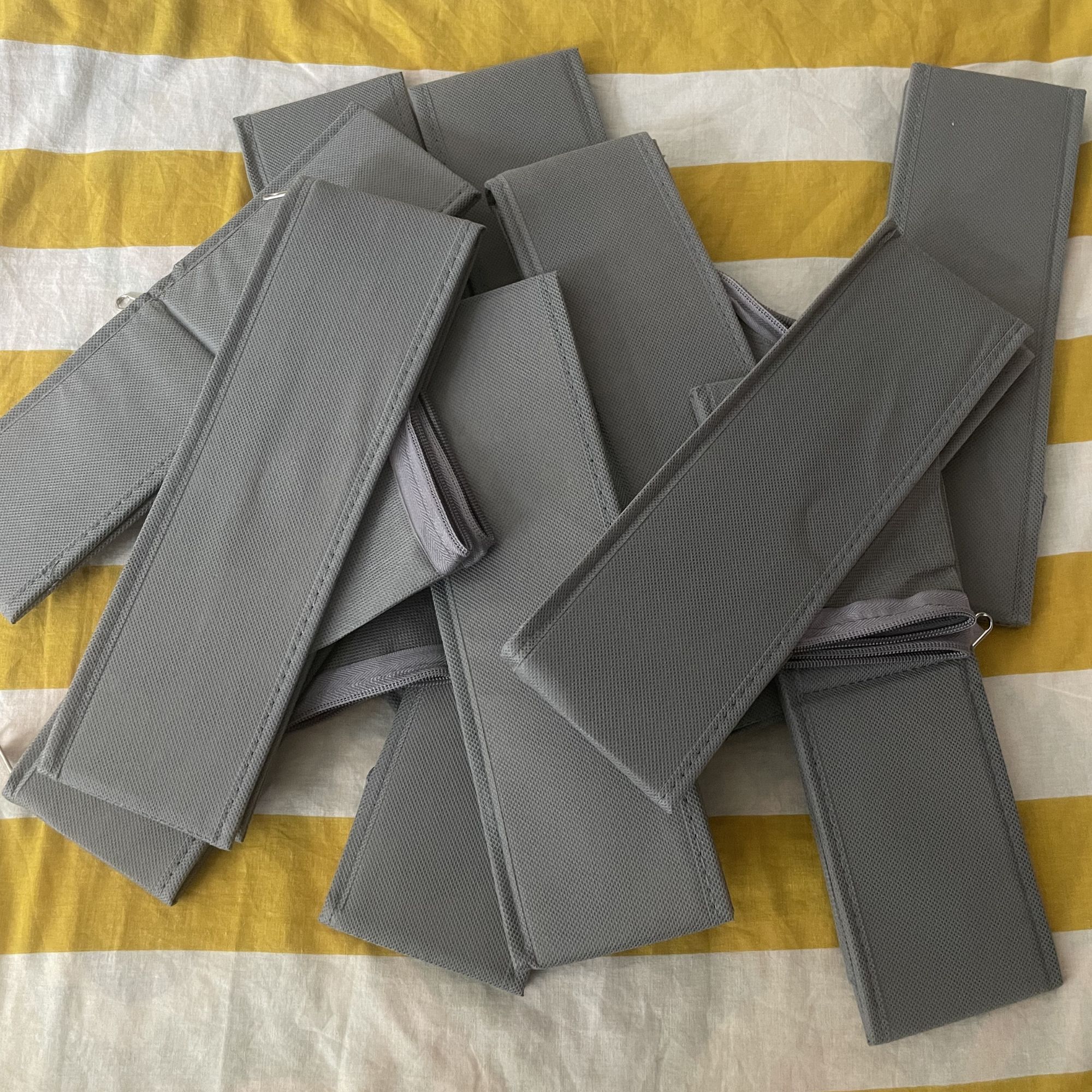
My only regret is that I only bought a pack of 12, so I’ve since bought another set to organise my husband’s chest of drawers, too – and his socks have never looked tidier. But there are also options on Amazon to buy them in a variety of quantities – including an 18-pack for £32.99 or a 28-pack for £38.99. Even if you don’t need them all, they’re flat-pack and won’t take up too much space in your house when not in use.
There are also many different colourways to choose from, so you don’t have to opt for the slate grey that I went for. And you can use these all around the house to organise a junk drawer or even tidy up your cosmetics, so the opportunities really are endless.
Image 1 of 2
After! (Image credit: Future PLC/Lauren Bradbury)
Before…(Image credit: Future PLC/Lauren Bradbury)
Don’t just take my word for it, though. The DIMJ Drawer Organisers are a bestseller on Amazon, with an overall star rating of 4.4 out of 5 across over 8,500 reviews. One customer even wrote, ‘The quality is good, and my drawers have never been so organised! Should have bought them years ago!’
Another wrote, ‘These organisers are brilliant – just what I had hoped for. Ingenious design (zips) and sizes. Great value for money.’
Image 1 of 2
After! (Image credit: Future PLC/Lauren Bradbury)
Before…(Image credit: Future PLC/Lauren Bradbury)
But even if you don’t opt for these specific drawer organisers, I can’t recommend adding some storage to your clothes drawers enough. They really do help maximise the available space while minimising clutter, as they allow you to grab what you need without messing up the entire drawer.
In fact, since adding these to my drawers a few weeks ago, I’ve been able to maintain the organisation with ease – no overflowing underwear in sight. Sure, I’ve had to re-fold a few things here and there, but I’ve been able to keep my drawers so much tidier with very little fuss.
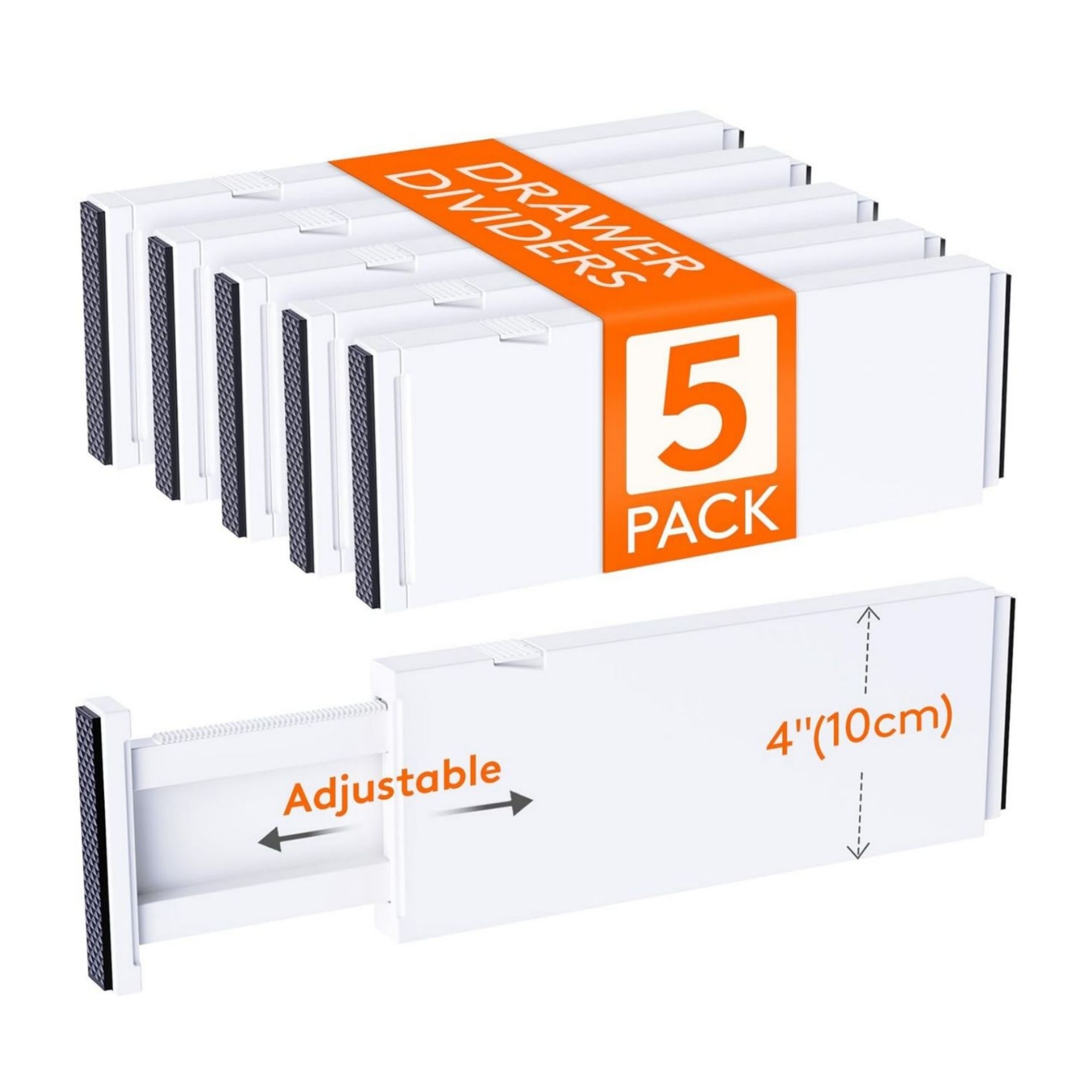
If you don’t want to use storage boxes, drawer dividers are another great way to organise your clothes. And these can be used anywhere in the house. ","brand":"","name":"Lifewit 4 Pack Drawer Dividers Plastic 4\" High","urlStyle":"","retailer":"","layout":"hero","noFollow":true,"noAffiliateTracking":false,"promoLabel":"","price":null,"salePrice":null,"currency":null,"linkLayout":"text","sponsored":false,"hawkProductNameMatchedCode":"","review":{"cons":[],"id":"","name":"","pros":[],"rating":0,"strapline":"","url":""},"id":"","lastCheckedPriceDate":"","link":{"url":"https:\/\/target.georiot.com\/Proxy.ashx?tsid=107653&GR_URL=https%3A%2F%2Famazon.co.uk%2FLifewit-Adjustable-Organisers-Expandable-Organization%2Fdp%2FB0CWTCD427%2F%3Fth%3D1%26tag%3Dftr-idealhome-gb-21%26ascsubtag%3Dhawk-custom-tracking-21","linkText":"\u00a319.99 at Amazon","merchantName":"Amazon UK","merchantId":1027,"merchantNetwork":"Amazonuk","merchantUrl":"amazon.co.uk"}}}}}” data-link=”https://target.georiot.com/Proxy.ashx?tsid=107653&GR_URL=https%3A%2F%2Famazon.co.uk%2FLifewit-Adjustable-Organisers-Expandable-Organization%2Fdp%2FB0CWTCD427%2F%3Fth%3D1%26tag%3Dftr-idealhome-gb-21%26ascsubtag%3Dhawk-custom-tracking-21″ data-link-merchant=”Amazon UK” data-link-text=”£19.99 at Amazon” data-merchant-id=”1027″ data-merchant-name=”Amazon UK” data-merchant-network=”Amazonuk” data-merchant-url=”amazon.co.uk” data-model-name=”Lifewit 4 Pack Drawer Dividers Plastic 4" High” data-name=”Product Block merchantlink widget” data-render-type=”fte” data-show-fallback=”button” data-widget-type=”merchantlink” class=”hawk-root”>
If you don’t want to use storage boxes, drawer dividers are another great way to organise your clothes. And these can be used anywhere in the house.
Argos Home Set of 8 Drawer Organiser
<aside data-block-layout="hero" data-block-type="featured-product" data-hawk-json="{"product":{"variants":{"Default":{"image":{"copyright":"","height":2000,"id":"DyoNbhhMT6qcAUth9y5qJS","mimeType":"image\/jpeg","mos":"https:\/\/cdn.mos.cms.futurecdn.net\/DyoNbhhMT6qcAUth9y5qJS.jpg","role":"","width":2000,"credit":"Argos","alt":"Argos Home Set of 8 Drawer Organiser","caption":""},"strapline":"
If you want to start organising your drawers as soon as possible, you may be able to benefit from same-day collection (or even delivery) with this Argos option. ","brand":"","name":"Argos Home Set of 8 Drawer Organiser","urlStyle":"","retailer":"","layout":"hero","noFollow":true,"noAffiliateTracking":false,"promoLabel":"","price":null,"salePrice":null,"currency":null,"linkLayout":"text","sponsored":false,"hawkProductNameMatchedCode":"","review":{"cons":[],"id":"","name":"","pros":[],"rating":0,"strapline":"","url":""},"id":"","lastCheckedPriceDate":"","link":{"url":"https:\/\/www.anrdoezrs.net\/click-100624752-15618761?sid=hawk-custom-tracking&url=https:\/\/www.argos.co.uk\/product\/7147193","linkText":"\u00a315 at Argos","merchantName":"Argos","merchantId":535,"merchantNetwork":"CJ","merchantUrl":"argos.co.uk"}}}}}” data-link=”https://www.anrdoezrs.net/click-100624752-15618761?sid=hawk-custom-tracking&url=https://www.argos.co.uk/product/7147193″ data-link-merchant=”Argos” data-link-text=”£15 at Argos” data-merchant-id=”535″ data-merchant-name=”Argos” data-merchant-network=”CJ” data-merchant-url=”argos.co.uk” data-model-name=”Argos Home Set of 8 Drawer Organiser” data-name=”Product Block merchantlink widget” data-render-type=”fte” data-show-fallback=”button” data-widget-type=”merchantlink” class=”hawk-root”>
If you want to start organising your drawers as soon as possible, you may be able to benefit from same-day collection (or even delivery) with this Argos option.
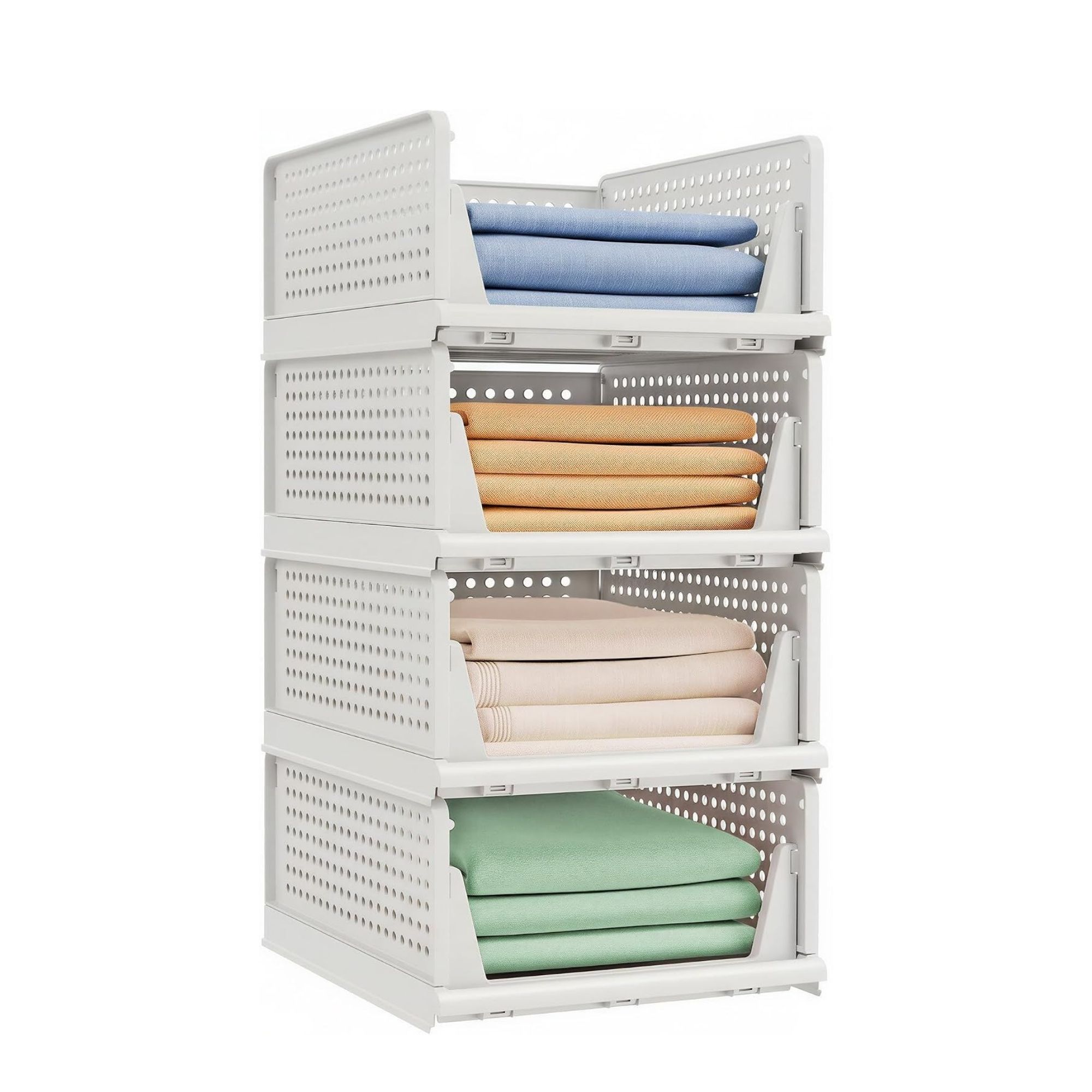
If you really don’t have a lot of drawer space, you can continue to organise your folded clothes in a wardrobe using these stackable baskets. ","brand":"","name":"SONGMICS Foldable Closet Organiser","urlStyle":"","retailer":"","layout":"hero","noFollow":true,"noAffiliateTracking":false,"promoLabel":"","price":null,"salePrice":null,"currency":null,"linkLayout":"text","sponsored":false,"hawkProductNameMatchedCode":"","review":{"cons":[],"id":"","name":"","pros":[],"rating":0,"strapline":"","url":""},"id":"","lastCheckedPriceDate":"","link":{"url":"https:\/\/target.georiot.com\/Proxy.ashx?tsid=107653&GR_URL=https%3A%2F%2Famazon.co.uk%2FSONGMICS-Stackable-Organiser-Organisation-LPC400WZ01%2Fdp%2FB0FM6QHJHQ%2F%3Fth%3D1%26tag%3Dftr-idealhome-gb-21%26ascsubtag%3Dhawk-custom-tracking-21","linkText":"\u00a319.99 at Amazon","merchantName":"Amazon UK","merchantId":1027,"merchantNetwork":"Amazonuk","merchantUrl":"amazon.co.uk"}}}}}” data-link=”https://target.georiot.com/Proxy.ashx?tsid=107653&GR_URL=https%3A%2F%2Famazon.co.uk%2FSONGMICS-Stackable-Organiser-Organisation-LPC400WZ01%2Fdp%2FB0FM6QHJHQ%2F%3Fth%3D1%26tag%3Dftr-idealhome-gb-21%26ascsubtag%3Dhawk-custom-tracking-21″ data-link-merchant=”Amazon UK” data-link-text=”£19.99 at Amazon” data-merchant-id=”1027″ data-merchant-name=”Amazon UK” data-merchant-network=”Amazonuk” data-merchant-url=”amazon.co.uk” data-model-name=”SONGMICS Foldable Closet Organiser” data-name=”Product Block merchantlink widget” data-render-type=”fte” data-show-fallback=”button” data-widget-type=”merchantlink” class=”hawk-root”>
If you really don’t have a lot of drawer space, you can continue to organise your folded clothes in a wardrobe using these stackable baskets.
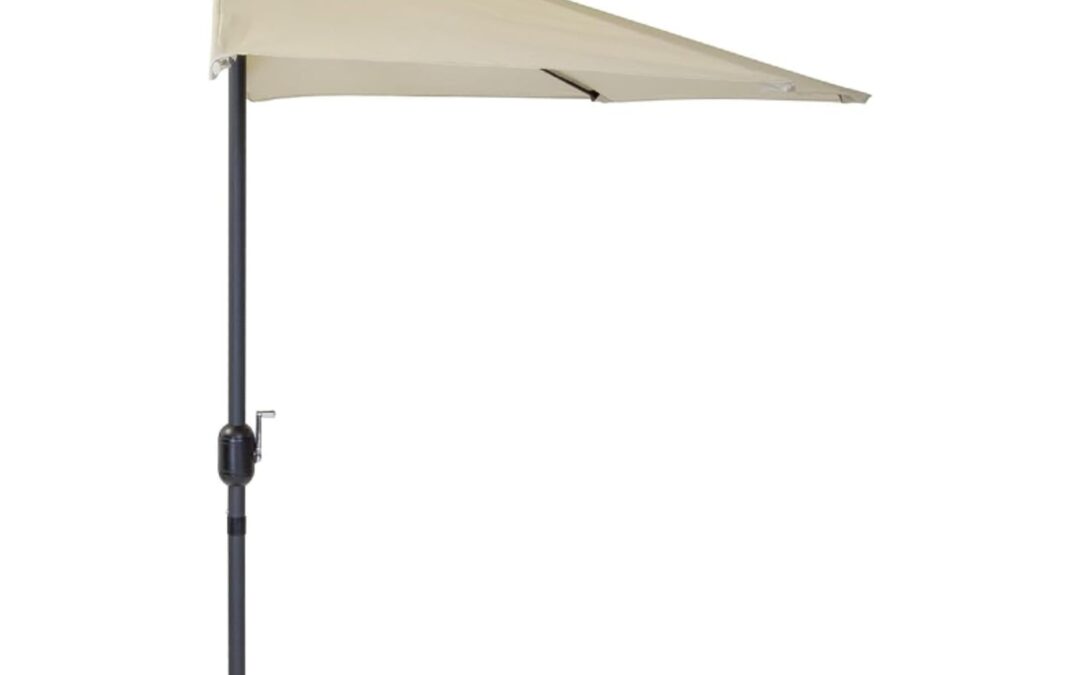
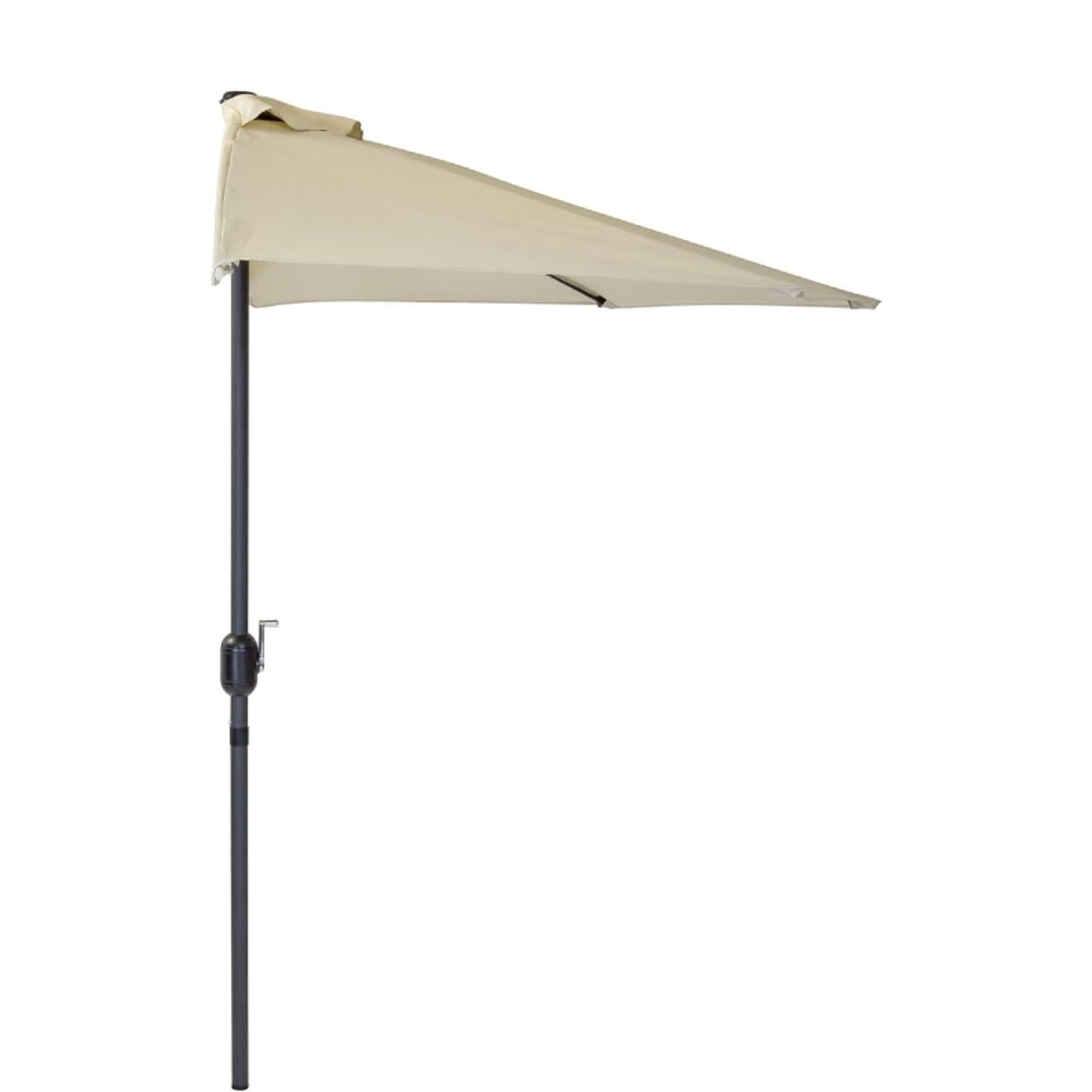
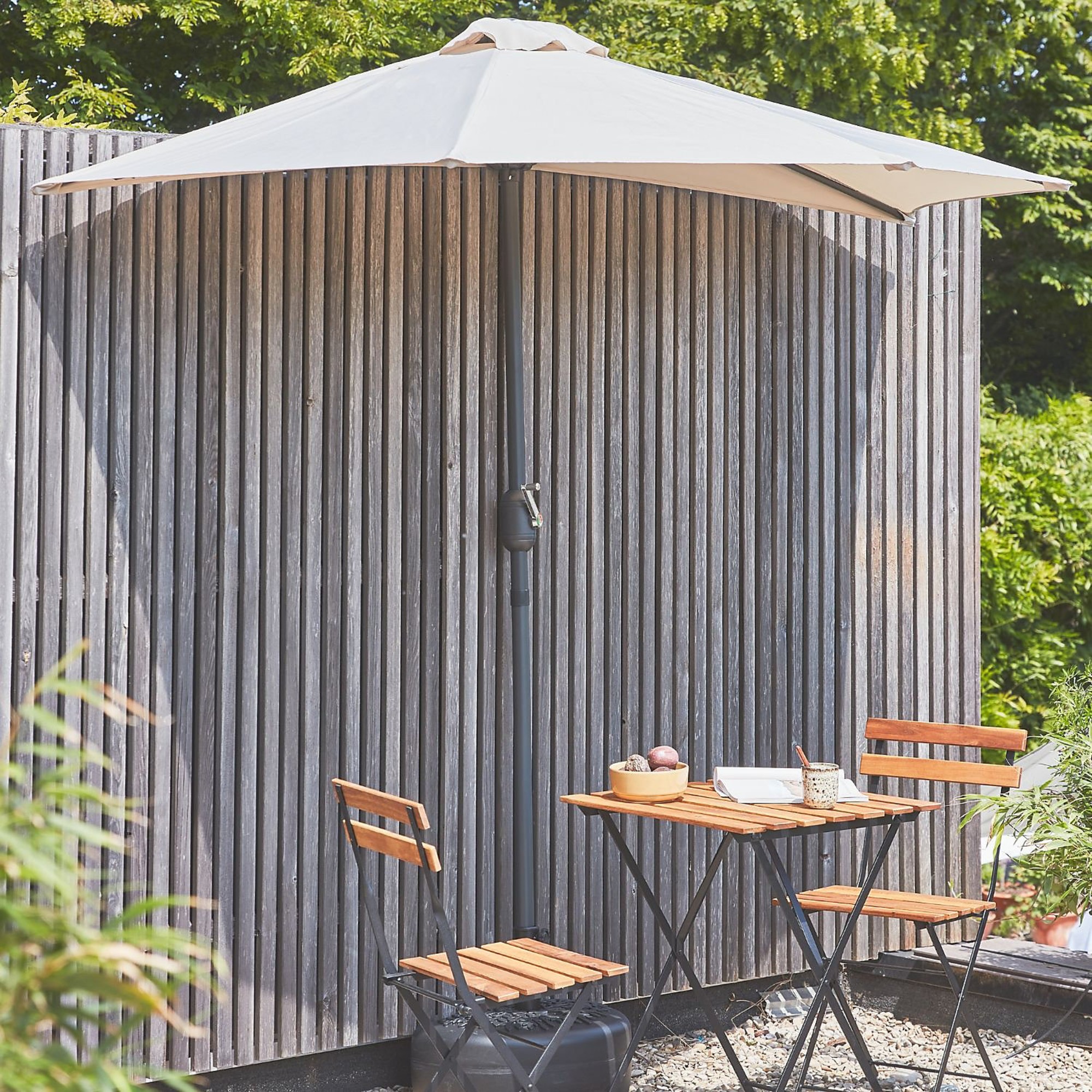
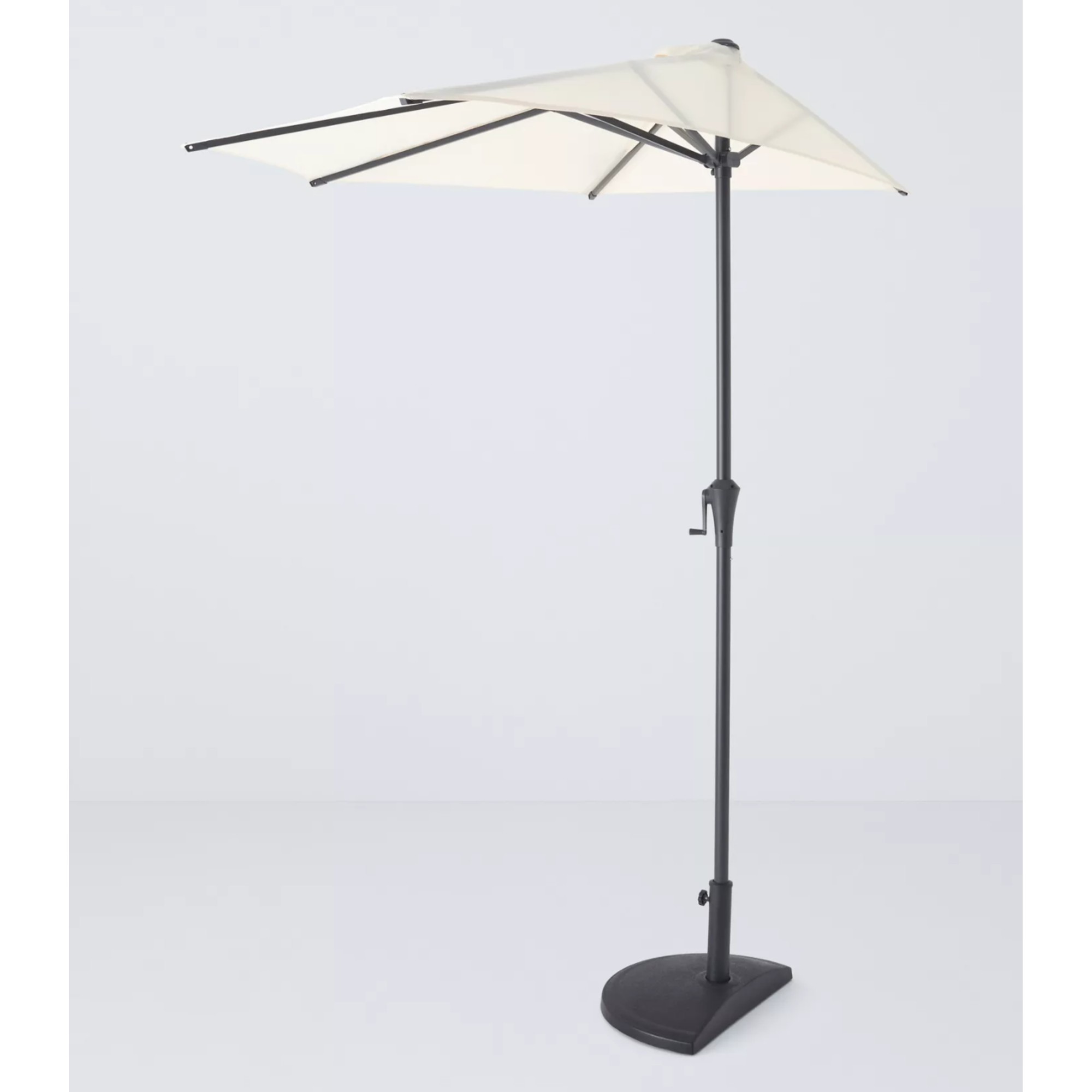
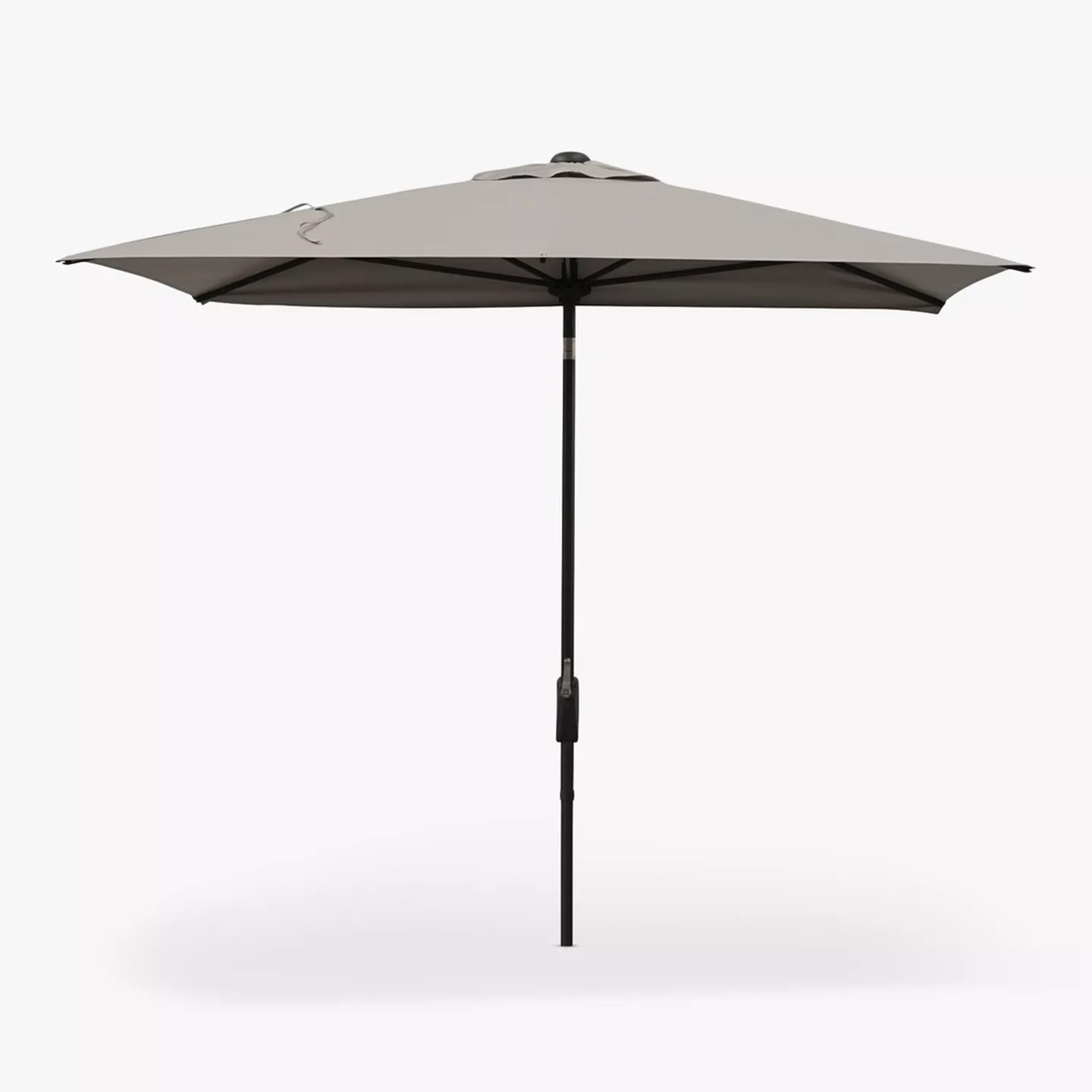
The sun is out in full force for the next few days – so both you and your outdoor space need protection from it. A parasol is the ideal tool for this – but if your garden or patio is on the smaller side or you’re only working with a small balcony, none of which fit a regular-sized parasol, let me introduce you to the half parasol.
Equipped with crank function, it makes opening and closing this parasol super easy. And it’s designed to protect both against the sun and light rain as the material’s water-resistant.","brand":"Charles Bentley","name":"2.7m Half Balcony Parasol","urlStyle":"","retailer":"","layout":"horizontal","noFollow":true,"noAffiliateTracking":false,"promoLabel":"","price":null,"salePrice":null,"currency":null,"linkLayout":"button","sponsored":false,"hawkProductNameMatchedCode":"","review":{"cons":[],"id":"","name":"","pros":[],"rating":0,"strapline":"","url":""},"id":"","lastCheckedPriceDate":"","link":{"url":"https:\/\/target.georiot.com\/Proxy.ashx?tsid=107653&GR_URL=https%3A%2F%2Famazon.co.uk%2FCHARLES-BENTLEY-Umbrella-Resistant-235x135cm%2Fdp%2FB06W9M265V%2Fref%3Dasc_df_B06W9M265V%3Ftag%3Dftr-idealhome-gb-21%26ascsubtag%3Dhawk-custom-tracking-21","linkText":"Was \u00a342.99 Now \u00a335.99 at Amazon","merchantName":"Amazon UK","merchantId":1027,"merchantNetwork":"Amazonuk","merchantUrl":"amazon.co.uk"}}}}}” data-link=”https://target.georiot.com/Proxy.ashx?tsid=107653&GR_URL=https%3A%2F%2Famazon.co.uk%2FCHARLES-BENTLEY-Umbrella-Resistant-235x135cm%2Fdp%2FB06W9M265V%2Fref%3Dasc_df_B06W9M265V%3Ftag%3Dftr-idealhome-gb-21%26ascsubtag%3Dhawk-custom-tracking-21″ data-link-merchant=”Amazon UK” data-link-text=”Was £42.99 Now £35.99 at Amazon” data-merchant-id=”1027″ data-merchant-name=”Amazon UK” data-merchant-network=”Amazonuk” data-merchant-url=”amazon.co.uk” data-model-brand=”Charles Bentley” data-model-name=”Charles Bentley 7m Half Balcony Parasol” data-name=”Horizontal Product Block merchantlink widget” data-render-type=”fte” data-show-fallback=”button” data-widget-type=”merchantlink” class=”hawk-root”>
Equipped with crank function, it makes opening and closing this parasol super easy. And it’s designed to protect both against the sun and light rain as the material’s water-resistant.
Half parasols are a concept that’s so simple but so clever – so much so that I just can’t believe I’m only finding out about them now.
Latest Videos From
And it’s not just people with tiny outdoor spaces that are already going crazy for them – shoppers are also using half parasols to shade their windows which is a clever hack. One reviewer of the Charles Bentley half parasol wrote, ‘This parasol was recommended to me by my brother. He had two on his patio to shield his kitchen windows from the sun. I bought one and used it for the same job. Well made, perfect bit of kit. Folded away easily. Much nicer than drawing the curtains.’
(Image credit: B&Q)
While another existing customer wrote, ‘It fits perfectly on a small patio flush up against a hedge. Seems very sturdy and being heavy stays put in windy weather.’
But aside from the popular Charles Bentley design, I’ve found 6 other half parasols worth investing in if you need a space-saving protection from the sun for your compact outdoor space.
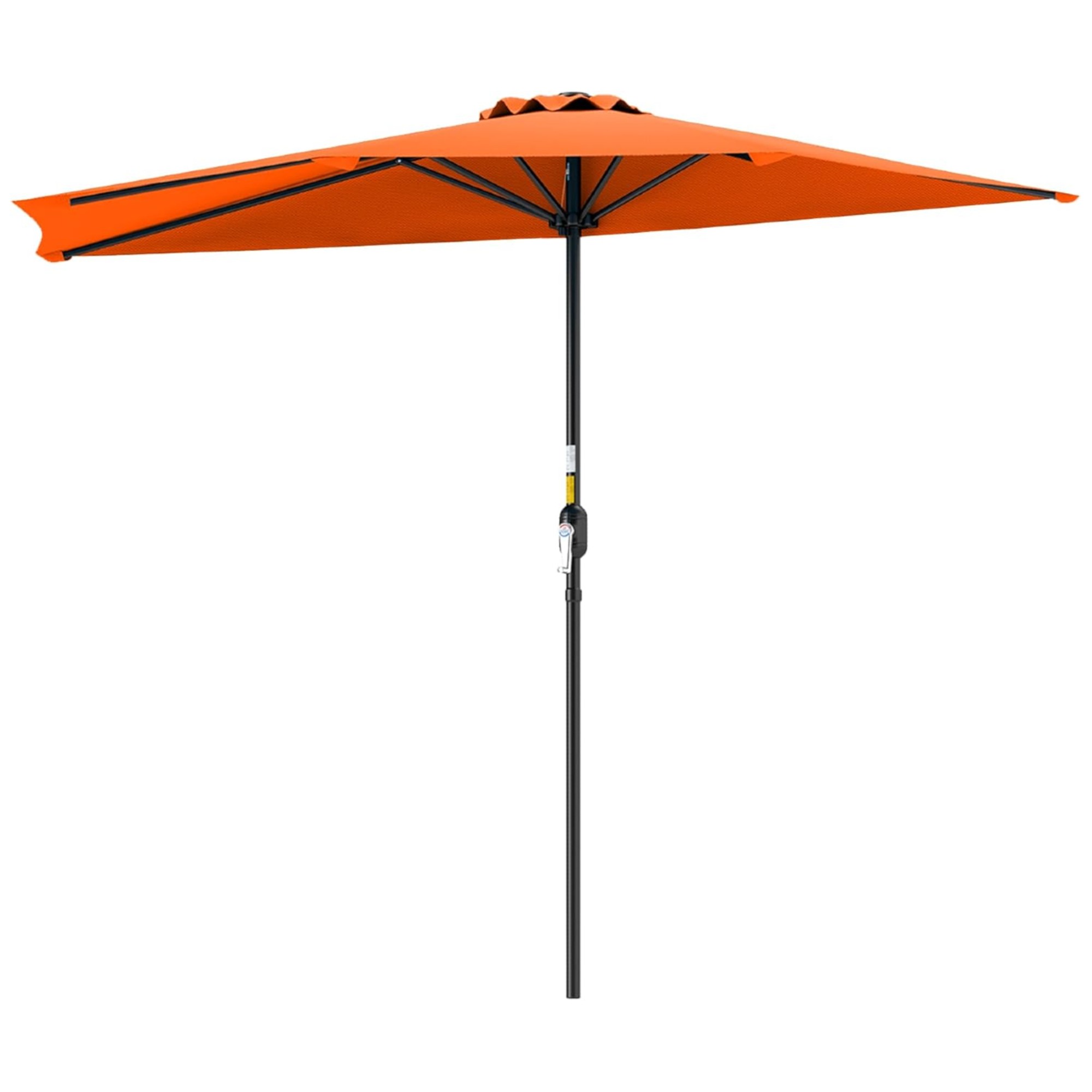
This half parasol is one of the bestsellers across different retailers, from amazon to B&Q. It’s available in a variety of colours from neutrals to bolder shades like this vibrant orange. ","brand":"Outsunny","name":"2.7m Garden Half Parasol","urlStyle":"","retailer":"","layout":"hero","noFollow":true,"noAffiliateTracking":false,"promoLabel":"","price":null,"salePrice":null,"currency":null,"linkLayout":"button","sponsored":false,"hawkProductNameMatchedCode":"","review":{"cons":[],"id":"","name":"","pros":[],"rating":0,"strapline":"","url":""},"id":"","lastCheckedPriceDate":"","link":{"url":"https:\/\/target.georiot.com\/Proxy.ashx?tsid=107653&GR_URL=https%3A%2F%2Famazon.co.uk%2FOutsunny-Parasol-Outdoor-Balcony-Umbrella%2Fdp%2FB0GQ2BQQBL%2Fref%3Dsr_1_10%3Ftag%3Dftr-idealhome-gb-21%26ascsubtag%3Dhawk-custom-tracking-21","linkText":"\u00a336.99 at Amazon","merchantName":"Amazon UK","merchantId":1027,"merchantNetwork":"Amazonuk","merchantUrl":"amazon.co.uk"}}}}}” data-link=”https://target.georiot.com/Proxy.ashx?tsid=107653&GR_URL=https%3A%2F%2Famazon.co.uk%2FOutsunny-Parasol-Outdoor-Balcony-Umbrella%2Fdp%2FB0GQ2BQQBL%2Fref%3Dsr_1_10%3Ftag%3Dftr-idealhome-gb-21%26ascsubtag%3Dhawk-custom-tracking-21″ data-link-merchant=”Amazon UK” data-link-text=”£36.99 at Amazon” data-merchant-id=”1027″ data-merchant-name=”Amazon UK” data-merchant-network=”Amazonuk” data-merchant-url=”amazon.co.uk” data-model-brand=”Outsunny” data-model-name=”Outsunny 7m Garden Half Parasol” data-name=”Product Block merchantlink widget” data-render-type=”fte” data-show-fallback=”button” data-widget-type=”merchantlink” class=”hawk-root”>
This half parasol is one of the bestsellers across different retailers, from amazon to B&Q. It’s available in a variety of colours from neutrals to bolder shades like this vibrant orange.
John Lewis
Freestanding Balcony Parasol & Base Weight
<aside data-block-layout="hero" data-block-type="featured-product" data-hawk-json="{"product":{"variants":{"Default":{"image":{"copyright":"","height":2000,"id":"5wv8whJZm9ec6Eo3g4Zcu","mimeType":"image\/jpeg","mos":"https:\/\/cdn.mos.cms.futurecdn.net\/5wv8whJZm9ec6Eo3g4Zcu.jpg","role":"","width":2000,"credit":"John Lewis","alt":"John Lewis Freestanding Balcony Parasol & Base Weight","caption":""},"strapline":"
This half parasol is loved by John Lewis customers and even comes with its own base which is a great benefit – it is, however, reflected in the slightly higher price point. ","brand":"John Lewis","name":"Freestanding Balcony Parasol & Base Weight","urlStyle":"","retailer":"","layout":"hero","noFollow":true,"noAffiliateTracking":false,"promoLabel":"","price":null,"salePrice":null,"currency":null,"linkLayout":"button","sponsored":false,"hawkProductNameMatchedCode":"","review":{"cons":[],"id":"","name":"","pros":[],"rating":0,"strapline":"","url":""},"id":"","lastCheckedPriceDate":"","link":{"url":"https:\/\/john-lewis-and-partners.pxf.io\/c\/221109\/871855\/12148?subId1=hawk-custom-tracking&sharedId=hawk-prefix&u=https%3A%2F%2Fwww.johnlewis.com%2Fjohn-lewis-freestanding-balcony-parasol-base-weight-2-4-x-2-7m-oyster%2Foyster%2Fp112549435","linkText":"\u00a379 at John Lewis","merchantName":"John Lewis","merchantId":179552,"merchantNetwork":"ImpactRad","merchantUrl":"johnlewis.com"}}}}}” data-link=”https://john-lewis-and-partners.pxf.io/c/221109/871855/12148?subId1=hawk-custom-tracking&sharedId=hawk-prefix&u=https%3A%2F%2Fwww.johnlewis.com%2Fjohn-lewis-freestanding-balcony-parasol-base-weight-2-4-x-2-7m-oyster%2Foyster%2Fp112549435″ data-link-merchant=”John Lewis” data-link-text=”£79 at John Lewis” data-merchant-id=”179552″ data-merchant-name=”John Lewis” data-merchant-network=”ImpactRad” data-merchant-url=”johnlewis.com” data-model-brand=”John Lewis” data-model-name=”John Lewis Freestanding Balcony Parasol & Base Weight” data-name=”Product Block merchantlink widget” data-render-type=”fte” data-show-fallback=”button” data-widget-type=”merchantlink” class=”hawk-root”>
This half parasol is loved by John Lewis customers and even comes with its own base which is a great benefit – it is, however, reflected in the slightly higher price point.
Outsunny
2.6 m Half Garden Parasol with Solar LED Lights
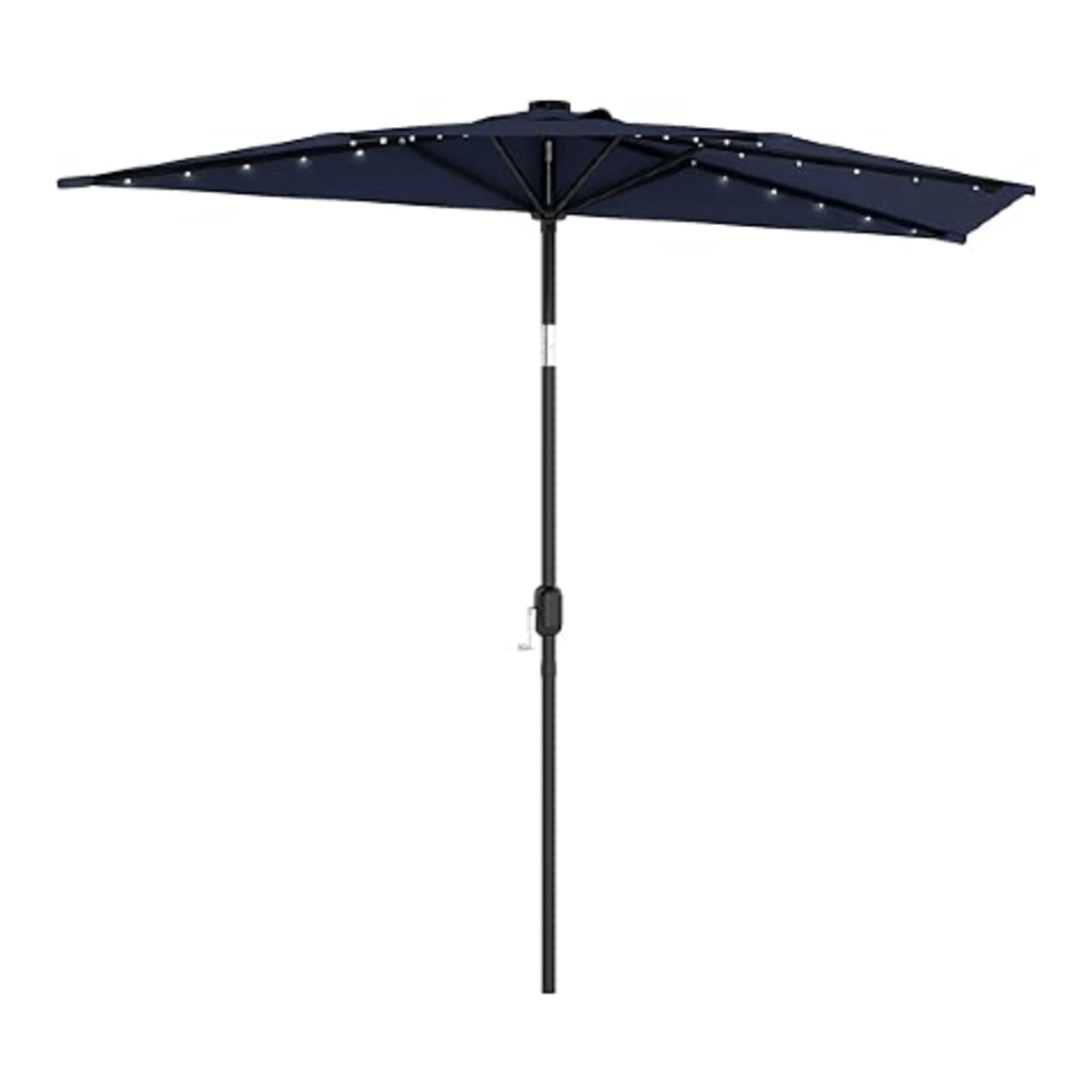
<aside data-block-layout="hero" data-block-type="featured-product" data-hawk-json="{"product":{"variants":{"Default":{"image":{"copyright":"","height":2000,"id":"rwAdWJ3T6ZbnbUrzTskyt","mimeType":"image\/jpeg","mos":"https:\/\/cdn.mos.cms.futurecdn.net\/rwAdWJ3T6ZbnbUrzTskyt.jpg","role":"","width":2000,"credit":"Amazon","alt":"Outsunny 2.6 m Half Garden Parasol with Solar LED Lights","caption":""},"strapline":"
As if a half parasol in itself wasn’t genius enough, this Outsunny design from Amazon also comes with added internal LED fairy-style lights for creating a magical atmosphere in the evening. ","brand":"Outsunny","name":"2.6 m Half Garden Parasol with Solar LED Lights","urlStyle":"","retailer":"","layout":"hero","noFollow":true,"noAffiliateTracking":false,"promoLabel":"","price":null,"salePrice":null,"currency":null,"linkLayout":"button","sponsored":false,"hawkProductNameMatchedCode":"","review":{"cons":[],"id":"","name":"","pros":[],"rating":0,"strapline":"","url":""},"id":"","lastCheckedPriceDate":"","link":{"url":"https:\/\/target.georiot.com\/Proxy.ashx?tsid=107653&GR_URL=https%3A%2F%2Famazon.co.uk%2FOutsunny-Garden-Parasol-Umbrella-Balcony%2Fdp%2FB0GQ24BK8H%2Fref%3Dsr_1_2_sspa%3Ftag%3Dftr-idealhome-gb-21%26ascsubtag%3Dhawk-custom-tracking-21","linkText":"Was \u00a346.99 Now \u00a340.99 at Amazon","merchantName":"Amazon UK","merchantId":1027,"merchantNetwork":"Amazonuk","merchantUrl":"amazon.co.uk"}}}}}” data-link=”https://target.georiot.com/Proxy.ashx?tsid=107653&GR_URL=https%3A%2F%2Famazon.co.uk%2FOutsunny-Garden-Parasol-Umbrella-Balcony%2Fdp%2FB0GQ24BK8H%2Fref%3Dsr_1_2_sspa%3Ftag%3Dftr-idealhome-gb-21%26ascsubtag%3Dhawk-custom-tracking-21″ data-link-merchant=”Amazon UK” data-link-text=”Was £46.99 Now £40.99 at Amazon” data-merchant-id=”1027″ data-merchant-name=”Amazon UK” data-merchant-network=”Amazonuk” data-merchant-url=”amazon.co.uk” data-model-brand=”Outsunny” data-model-name=”Outsunny 6 m Half Garden Parasol with Solar LED Lights” data-name=”Product Block merchantlink widget” data-render-type=”fte” data-show-fallback=”button” data-widget-type=”merchantlink” class=”hawk-root”>
As if a half parasol in itself wasn’t genius enough, this Outsunny design from Amazon also comes with added internal LED fairy-style lights for creating a magical atmosphere in the evening.
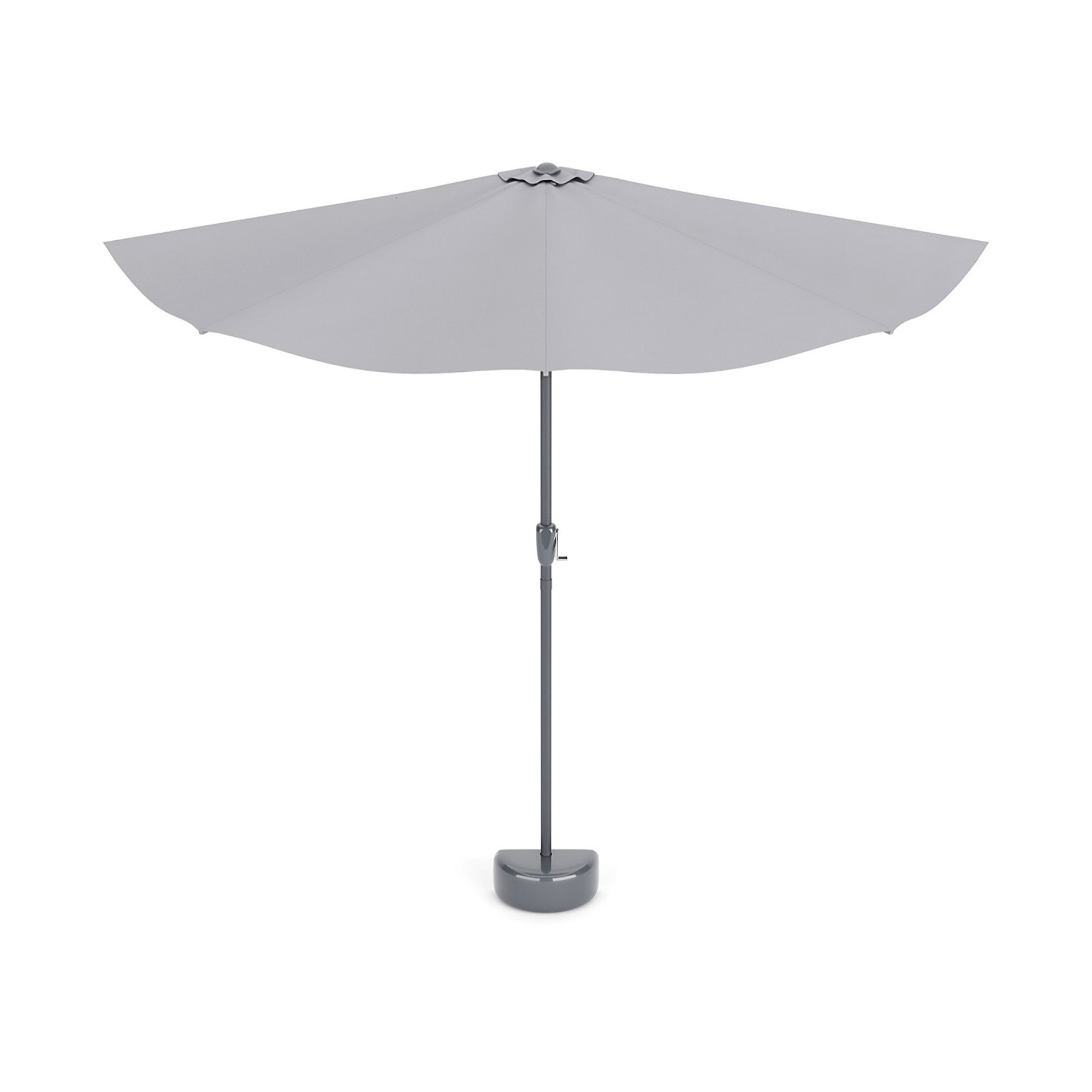
Available in two colourways – this neutral grey and bold citron green – this crank-operated half parasol comes with an aluminium pole which is known for being durable rust-resistant.","brand":"QVC","name":"Innovators Space-Saving 2.7m Half Parasol","urlStyle":"","retailer":"","layout":"hero","noFollow":true,"noAffiliateTracking":false,"promoLabel":"","price":null,"salePrice":null,"currency":null,"linkLayout":"button","sponsored":false,"hawkProductNameMatchedCode":"","review":{"cons":[],"id":"","name":"","pros":[],"rating":0,"strapline":"","url":""},"id":"","lastCheckedPriceDate":"","link":{"url":"https:\/\/www.anrdoezrs.net\/click-100624752-17042721?sid=hawk-custom-tracking&url=https:\/\/www.qvcuk.com\/innovators-space-saving-27m-half-parasol.product.744981.html","linkText":"\u00a345 at QVC","merchantName":"QVC UK","merchantId":574518,"merchantNetwork":"CJ","merchantUrl":"qvcuk.com"}}}}}” data-link=”https://www.anrdoezrs.net/click-100624752-17042721?sid=hawk-custom-tracking&url=https://www.qvcuk.com/innovators-space-saving-27m-half-parasol.product.744981.html” data-link-merchant=”QVC UK” data-link-text=”£45 at QVC” data-merchant-id=”574518″ data-merchant-name=”QVC UK” data-merchant-network=”CJ” data-merchant-url=”qvcuk.com” data-model-brand=”QVC” data-model-name=”QVC Innovators Space-Saving 2.7m Half Parasol” data-name=”Product Block merchantlink widget” data-render-type=”fte” data-show-fallback=”button” data-widget-type=”merchantlink” class=”hawk-root”>
Available in two colourways – this neutral grey and bold citron green – this crank-operated half parasol comes with an aluminium pole which is known for being durable rust-resistant.
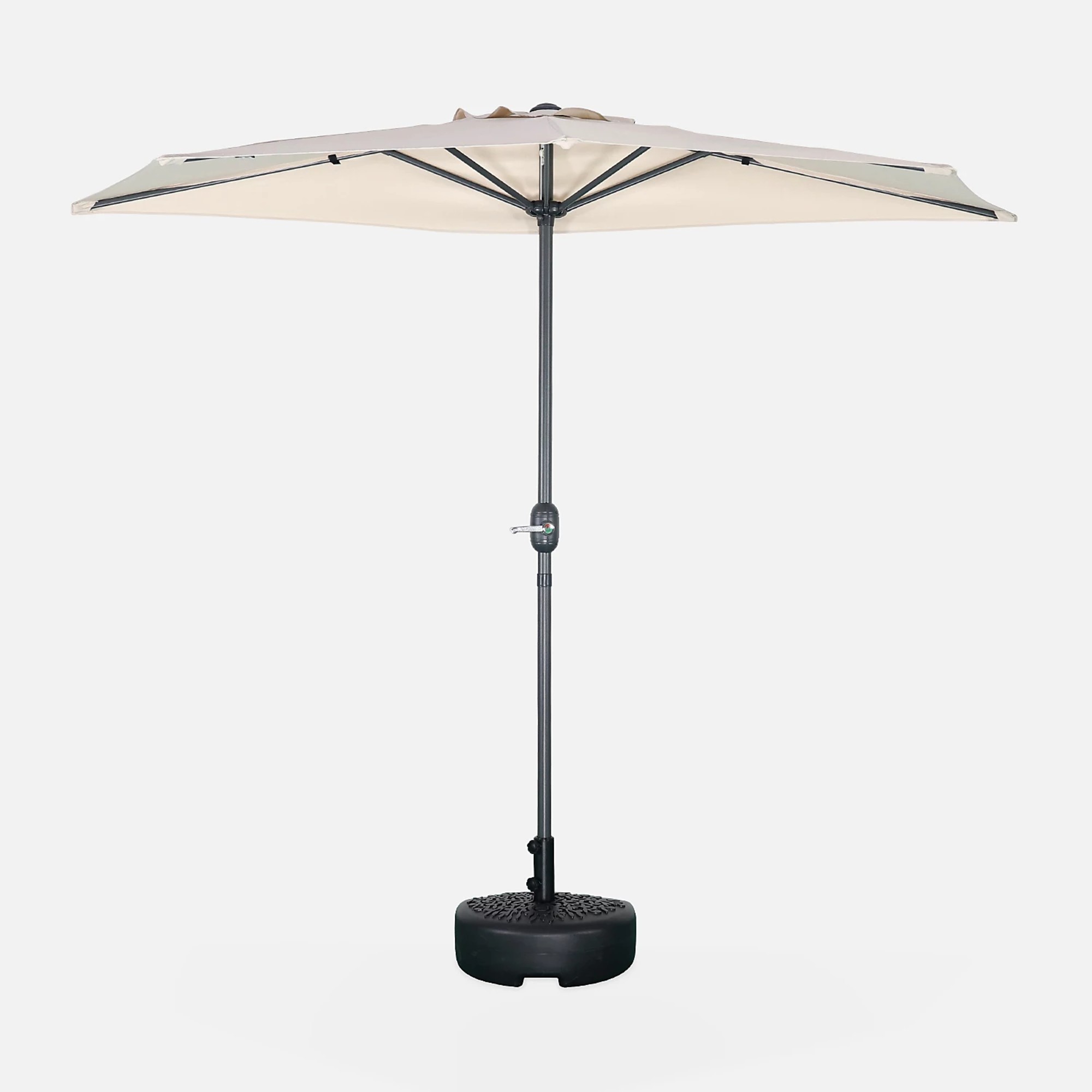
Boasting several positive reviews, this round half parasol is available in a timeless sand colourway and is operated by a handy crank on the robust aluminium pole. The base is sold separately though.","brand":"sweeek","name":"2.5m round half parasol for balcony","urlStyle":"","retailer":"","layout":"hero","noFollow":true,"noAffiliateTracking":false,"promoLabel":"","price":null,"salePrice":null,"currency":null,"linkLayout":"button","sponsored":false,"hawkProductNameMatchedCode":"","review":{"cons":[],"id":"","name":"","pros":[],"rating":0,"strapline":"","url":""},"id":"","lastCheckedPriceDate":"","link":{"url":"https:\/\/diy.pxf.io\/c\/221109\/1632830\/18948?subId1=hawk-custom-tracking&sharedId=hawk-prefix&u=https%3A%2F%2Fwww.diy.com%2Fdepartments%2Fsweeek-2-5m-round-half-parasol-for-balcony-sand-250x250x228-cm-calvi%2F3760326990580_BQ.prd","linkText":"\u00a378.99 at B&Q","merchantName":"B&Q","merchantId":299090,"merchantNetwork":"ImpactRad","merchantUrl":"diy.com"}}}}}” data-link=”https://diy.pxf.io/c/221109/1632830/18948?subId1=hawk-custom-tracking&sharedId=hawk-prefix&u=https%3A%2F%2Fwww.diy.com%2Fdepartments%2Fsweeek-2-5m-round-half-parasol-for-balcony-sand-250x250x228-cm-calvi%2F3760326990580_BQ.prd” data-link-merchant=”B&Q” data-link-text=”£78.99 at B&Q” data-merchant-id=”299090″ data-merchant-name=”B&Q” data-merchant-network=”ImpactRad” data-merchant-url=”diy.com” data-model-brand=”sweeek” data-model-name=”sweeek 5m round half parasol for balcony” data-name=”Product Block merchantlink widget” data-render-type=”fte” data-show-fallback=”button” data-widget-type=”merchantlink” class=”hawk-root”>
Boasting several positive reviews, this round half parasol is available in a timeless sand colourway and is operated by a handy crank on the robust aluminium pole. The base is sold separately though.
This half parasol comes with a tilt function which allows you to adjust the design to your needs throughout the day. Kettler also doesn’t mess about when it comes to sun protection as the material comes with UV50+ protection.","brand":"Kettler","name":"Wind-Up Balcony Half Parasol, 2.1m","urlStyle":"","retailer":"","layout":"hero","noFollow":true,"noAffiliateTracking":false,"promoLabel":"","price":null,"salePrice":null,"currency":null,"linkLayout":"button","sponsored":false,"hawkProductNameMatchedCode":"","review":{"cons":[],"id":"","name":"","pros":[],"rating":0,"strapline":"","url":""},"id":"","lastCheckedPriceDate":"","link":{"url":"https:\/\/john-lewis-and-partners.pxf.io\/c\/221109\/871855\/12148?subId1=hawk-custom-tracking&sharedId=hawk-prefix&u=https%3A%2F%2Fwww.johnlewis.com%2Fkettler-wind-up-balcony-half-parasol-2-1m-stone%2Fp114880947","linkText":"\u00a389 at John Lewis","merchantName":"John Lewis","merchantId":179552,"merchantNetwork":"ImpactRad","merchantUrl":"johnlewis.com"}}}}}” data-link=”https://john-lewis-and-partners.pxf.io/c/221109/871855/12148?subId1=hawk-custom-tracking&sharedId=hawk-prefix&u=https%3A%2F%2Fwww.johnlewis.com%2Fkettler-wind-up-balcony-half-parasol-2-1m-stone%2Fp114880947″ data-link-merchant=”John Lewis” data-link-text=”£89 at John Lewis” data-merchant-id=”179552″ data-merchant-name=”John Lewis” data-merchant-network=”ImpactRad” data-merchant-url=”johnlewis.com” data-model-brand=”Kettler” data-model-name=”Kettler Wind-Up Balcony Half Parasol, 2.1m” data-name=”Product Block merchantlink widget” data-render-type=”fte” data-show-fallback=”button” data-widget-type=”merchantlink” class=”hawk-root”>
This half parasol comes with a tilt function which allows you to adjust the design to your needs throughout the day. Kettler also doesn’t mess about when it comes to sun protection as the material comes with UV50+ protection.
With parasols being the ‘it’ garden buy of this summer, this style makes it attainable for outdoor spaces of all sizes and dimensions. And I’m always very much here for that!
Sign up to our newsletter for style inspiration, real homes, project and garden advice and shopping know-how
It’s getting seriously hot, record-breaking levels of heat, and if you’re struggling with the most recent heatwave, imagine how your pet feels. If you’re looking for ways to help keep your furry friends cool this month, Aldi’s best-selling pet cooling range has returned to the middle aisle, offering affordable cooling products that work.
The Aldi pet cooling range is becoming a middle aisle favourite, returning again for 2026. With prices starting at just £1.99, these handy cooling buys are back by popular demand after rapidly selling out last year.
Dogs, cats and all manner of pests are part of our families, which is why we invest in everything from the best vacuums for pet hair to the comfiest beds and squeakiest toys. Now, you can also ensure your pet stays cool during what is currently the hottest week of the year.
You can choose between a playful watermelon and pink striped print or classic blue and green pool shades. The paddling pool itself is foldable, making storage easy when not in use, and small garden-friendly.
You can also expect it to be durable, too. In the past, I’ve used a normal paddling pool for my pooch, only for her nails to scratch the lining, causing leaks. Specially designed pet pools are made from tougher material to prevent popping and scratches.
(Image credit: Aldi)
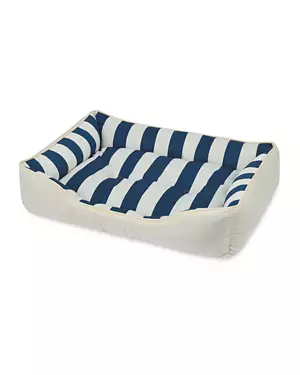
As well as the collapsible, Aldi is also dropping a £12.99 pet cooling bed, which is available in four colourways and two different sizes. These beds are designed to provide a soothing, cool environment to help pets sleep. There isn’t much information on how Aldi’s cooling mats work, but FurDreams Pet Cooling Mat (£49.99, B&Q) works by absorbing your pet’s body heat, keeping them seven to nine degrees cooler than their surroundings. It re-cools automatically after 15 to 20 minutes of non-use.
Sign up to our newsletter for style inspiration, real homes, project and garden advice and shopping know-how
Also, to catch my eye was Aldi’s Cooling Dog Toy (£2.49), which offers dogs something cool to chew on, helping to regulate their temperature while they play.
‘Pets are part of the family, and we are always looking for ways to help our customers keep their four-legged friends happy and comfortable, especially during the warmer months. Our Pet Shop range has been designed to offer fun, practical solutions at unbeatable value to help keep dogs cool all summer long,’ said Julie Ashfield, Chief Commercial Officer at Aldi UK.
We expect Aldi’s pet cooling range to sell out fast. So, I’ve found a few alternatives you can shop online.
Jsdoin Dogs Pool -100cm Inflatable Dog Splash Pool
<aside data-block-layout="hero" data-block-type="featured-product" data-editorial-currency="GBP" data-editorial-merchant-name="£13.99 at Amazon" data-editorial-price="9.99" data-editorial-was-price="13.99" data-hawk-json="{"product":{"variants":{"Default":{"image":{"copyright":"","height":500,"id":"jZPUrQi46WXzZ5oATAzF6k","mimeType":"image\/jpeg","mos":"https:\/\/cdn.mos.cms.futurecdn.net\/jZPUrQi46WXzZ5oATAzF6k.jpg","role":"","width":500,"credit":"Jsdoin","alt":"Jsdoin Dogs Pool -100cm Inflatable Dog Splash Dogs Pool, Foldable Thickened Outdoor Dog Sprinkler Play Mat for Summer Garden Beach Backyard Sprinkler Water Toy\uff08blue\uff09","caption":""},"strapline":"
Perfect for dogs who love to play, this sprinkler pool will help keep them cool all summer. It’s material is thick and durable, and it is large enough for two dogs to enjoy.","brand":"","name":"Jsdoin Dogs Pool -100cm Inflatable Dog Splash Pool","urlStyle":"","layout":"hero","noFollow":true,"noAffiliateTracking":false,"promoLabel":"","price":13.99,"salePrice":9.99,"currency":"GBP","linkLayout":"text","sponsored":false,"hawkProductNameMatchedCode":"","review":{"cons":[],"id":"","name":"","pros":[],"rating":0,"strapline":"","url":""},"id":"","externalId":"8cde23c71268dee9dc3bb090ee8405a9bb8cf876","lastCheckedPriceDate":"","link":{"url":"https:\/\/target.georiot.com\/Proxy.ashx?tsid=107653&GR_URL=https%3A%2F%2Famazon.co.uk%2FJsdoin-Inflatable-Thickened-Sprinkler-ADLQ80659%2Fdp%2FB0C6D74HHM%2Fref%3Dasc_df_B0C6D74HHM%3Ftag%3Dftr-idealhome-gb-21%26ascsubtag%3Dhawk-custom-tracking-21","linkText":"\u00a313.99 at Amazon","editorialMerchantName":"\u00a313.99 at Amazon","merchantName":"Amazon UK","merchantId":1027,"merchantNetwork":"Amazonuk","merchantUrl":"amazon.co.uk"}}}}}” data-link=”https://target.georiot.com/Proxy.ashx?tsid=107653&GR_URL=https%3A%2F%2Famazon.co.uk%2FJsdoin-Inflatable-Thickened-Sprinkler-ADLQ80659%2Fdp%2FB0C6D74HHM%2Fref%3Dasc_df_B0C6D74HHM%3Ftag%3Dftr-idealhome-gb-21%26ascsubtag%3Dhawk-custom-tracking-21″ data-link-merchant=”Amazon UK” data-link-text=”£13.99 at Amazon” data-merchant-id=”1027″ data-merchant-name=”Amazon UK” data-merchant-network=”Amazonuk” data-merchant-url=”amazon.co.uk” data-model-name=”Jsdoin Dogs Pool -100cm Inflatable Dog Splash Pool” data-name=”Product Block merchantlink widget” data-render-type=”fte” data-show-fallback=”button” data-widget-type=”merchantlink” class=”hawk-root”>
Perfect for dogs who love to play, this sprinkler pool will help keep them cool all summer. It’s material is thick and durable, and it is large enough for two dogs to enjoy.
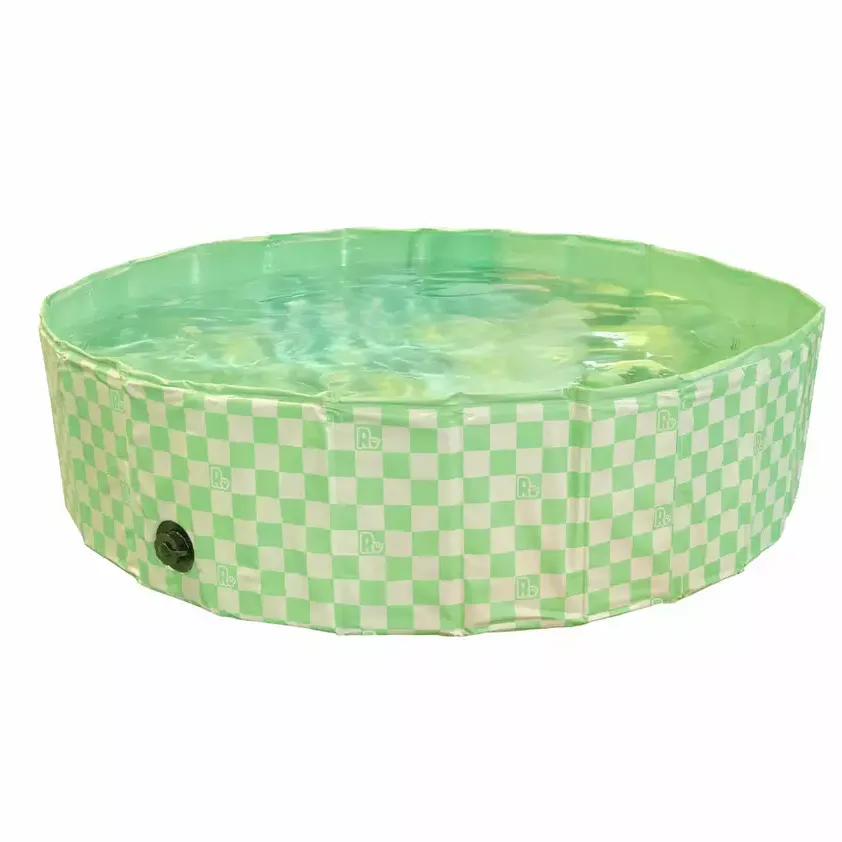
Rosewood Green Checkered Paddling Pool – 120cm
<aside data-block-layout="hero" data-block-type="featured-product" data-editorial-currency="GBP" data-editorial-merchant-name="£30 at Argos" data-hawk-json="{"product":{"variants":{"Default":{"image":{"copyright":"","height":880,"id":"vdwaaN5dokMz7PzksYYCsL","mimeType":"image\/webp","mos":"https:\/\/cdn.mos.cms.futurecdn.net\/v2\/t:8,l:318,cw:842,ch:842,q:80\/vdwaaN5dokMz7PzksYYCsL.webp","role":"","width":1500,"credit":"Rosewood","alt":"Rosewood, Rosewood Green Checkered Paddling Pool – 120cm","caption":"","crop":{"top":8,"left":318,"cropWidth":842,"cropHeight":842,"quality":80}},"strapline":"
A paddling pool is a great way for dogs to help cool off. this one is suitable for small, medium and large sized dogs, and is made from\u00a0claw-resistant PVC and reinforced MDF outer panels.","brand":"","name":"Rosewood Green Checkered Paddling Pool – 120cm","urlStyle":"","layout":"hero","noFollow":true,"noAffiliateTracking":false,"promoLabel":"","price":null,"salePrice":null,"currency":"GBP","linkLayout":"text","sponsored":false,"hawkProductNameMatchedCode":"","review":{"cons":[],"id":"","name":"","pros":[],"rating":0,"strapline":"","url":""},"id":"","lastCheckedPriceDate":"","link":{"url":"https:\/\/www.anrdoezrs.net\/click-100624752-15618761?sid=hawk-custom-tracking&url=https:\/\/www.argos.co.uk\/product\/7703410?","linkText":"\u00a330 at Argos","editorialMerchantName":"\u00a330 at Argos","merchantName":"Argos","merchantId":535,"merchantNetwork":"CJ","merchantUrl":"argos.co.uk"}}}}}” data-link=”https://www.anrdoezrs.net/click-100624752-15618761?sid=hawk-custom-tracking&url=https://www.argos.co.uk/product/7703410?” data-link-merchant=”Argos” data-link-text=”£30 at Argos” data-merchant-id=”535″ data-merchant-name=”Argos” data-merchant-network=”CJ” data-merchant-url=”argos.co.uk” data-model-name=”Rosewood Green Checkered Paddling Pool – 120cm” data-name=”Product Block merchantlink widget” data-render-type=”fte” data-show-fallback=”button” data-widget-type=”merchantlink” class=”hawk-root”>
A paddling pool is a great way for dogs to help cool off. this one is suitable for small, medium and large sized dogs, and is made from claw-resistant PVC and reinforced MDF outer panels.
Heatwaves can be uncomfortable and even dangerous for our pets. Are you prepared to keep them cool?
Temperatures this week are set to soar as high as 38 degrees in parts of the UK, so it comes as no surprise that we’re all on the lookout for cooling solutions for our homes. The best portable air conditioners are the best way to quickly cool your home, but they have been flying off the virtual shelves. In fact, many of our top-rated models are already sold out at multiple retailers, and we imagine some of the best fans are set to start selling out just as quickly, too.
However, there are still portable air conditioners, air coolers and misting fans available to buy if you know where to look. We’ve tracked down where you can still find a portable AC in stock, and any rare fan deals we come across along the way.
At Ideal Home, we test portable ACs and fans all year round, so we have all the insider intel on which ones are worth spending on, the alternatives that deliver similar results for a lower price point and other cooling hacks that will tide you over until you get your hands on a portable AC.
Portable air conditioners in stock
Fans in stock
Stock sourced by
Stock sourced by
Sarah Handley
As well as being Ideal Home’s Renovation Editor, I also lead on all of the website’s heating and cooling content, which means I’m well versed in what it takes to keep your home a comfortable temperature year-round and how you can do that in the most energy-efficient way possible.
I regularly test portable air conditioners and fans in my 1970s three-bed home.
As soon as the warmer weather arrives, so do the flies. But it’s important for UK homes to keep common house flies, fruit flies and drain flies out of the house, as these irritating pests can spread germs and generally cause a nuisance.
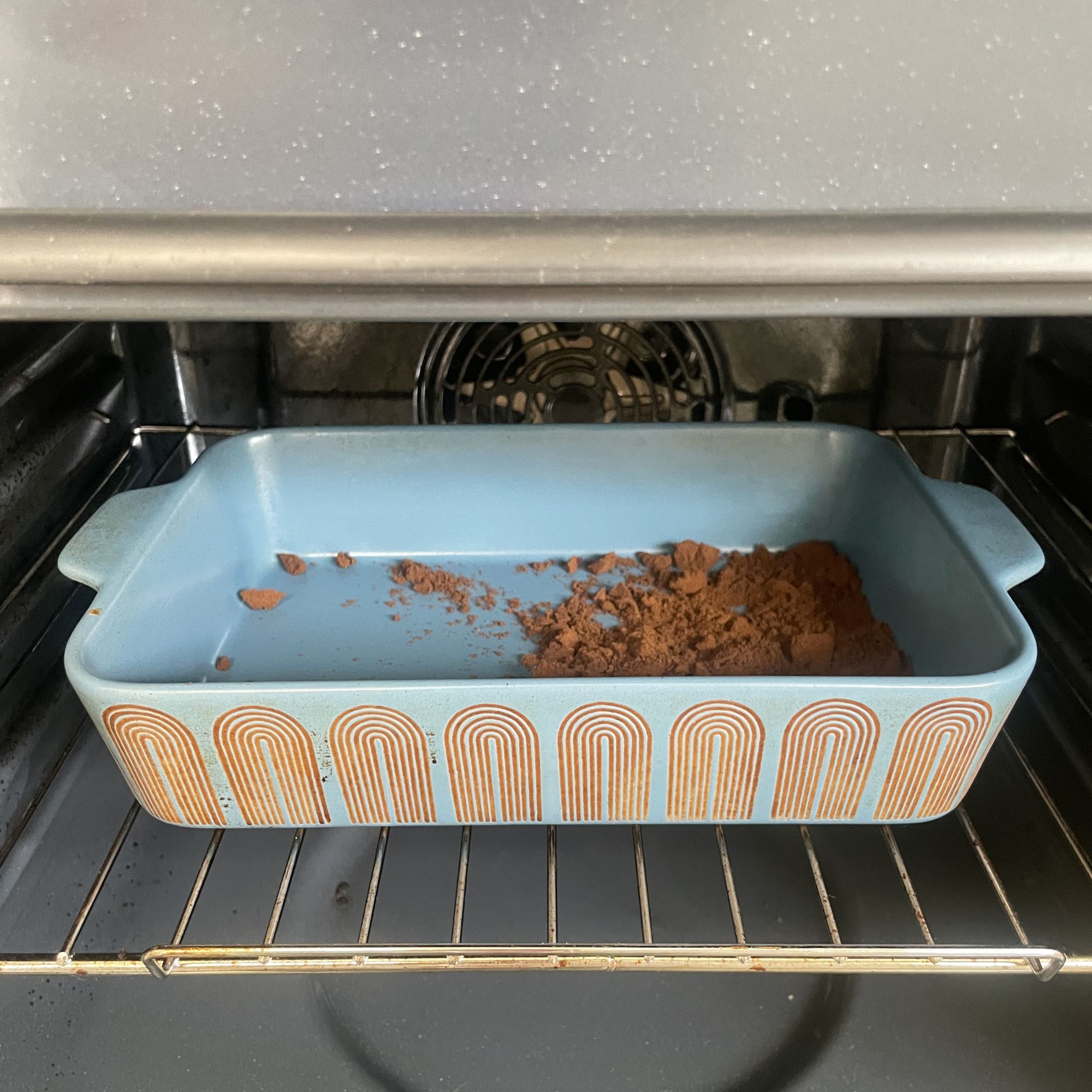
Thankfully, it’s my job to test all of the ways to keep flies out of the house, and I’m always on the lookout for new hacks that can get the job done – especially as flies have been buzzing around my own kitchen recently. So, when I spotted a method that uses coffee grounds to get rid of flies, I decided to test it out.
According to @thehitchcockhouse, all I had to do was burn my leftover coffee grounds in the oven for 15 minutes, then leave the smoking remains to work their magic and keep the flies at bay. And while I’m happy to report that it did work, there was a catch.
Latest Videos From
The coffee grounds fly hack is based on the notion that coffee is a scent that flies hate. Like most animals and humans, they also associate smoke with danger. So, in theory, the burnt coffee grounds should force the flies to flee.
After burning coffee grounds from my own morning brew in the oven for 15 minutes, I was left with a smoking pile of coffee that made my house smell like a café. And within a few minutes of placing it on my kitchen worktop, the flies that had been buzzing around left through a window I’d left open for them.
(Image credit: Future PLC/Lauren Bradbury)
For the next three hours, my house was a fly-free zone – despite leaving the window open to let the cool breeze into my stifling Victorian terrace. However, the magic wore off after that, and the flies started to return.
This is something that James Copley, Chief Executive Officer of Copley Pest Solutions, expected to happen. He told me, ‘Burning coffee grounds to keep flies out of your home is a widely shared tip that homeowners use. Flies heavily rely on their sense of smell, so the smoke will deter them, but it is not a permanent solution. Instead, the most effective way to keep flies out of your home is to remove whatever attracted them in the first place.’
Sign up to our newsletter for style inspiration, real homes, project and garden advice and shopping know-how
So, while burning coffee grounds can be a great way to reuse coffee grounds and get rid of flies in the short-term, long-term prevention will always be more effective. This is especially true if you struggle with flies in the kitchen as I often do.
(Image credit: Future PLC/Lauren Bradbury)
James says that the most important step is to deter flies from food waste bins, as ‘Flies are attracted to food scraps, overripe fruit, dirty bins, pet food, pet waste, and standing water. Homeowners should not just empty their bins regularly but also clean them.’
Regularly cleaning the kitchen, storing food in airtight containers, and removing standing water from kitchens and bathrooms are also key steps to keep flies out of the house.
Physical barriers can also help if you’re struggling right now. Our Senior Digital Editor, Jenny, swears by fly fans like this Zero In Fly Go! USB Rechargeable Fly Repellent Fan (£11.99 at Amazon) to naturally repel the flies, and there are even barriers you can put on your windows and doors to keep these unwanted visitors out.
(Image credit: Future/Jenny McFarlane)
Jason Peterkin, director and founder of 247 Blinds, says, ‘One of the simplest ways to keep flies out of the house is with a retractable fly screen. They create a physical barrier that helps keep insects out while still allowing in ventilation and natural light, making them particularly useful in kitchens, living spaces and bedrooms where windows are frequently left open during warmer weather.’
Of course, there are also the traditional methods of using citronella candles and even the lemon clove fly repellent hack, where you stick cloves into a lemon half to throw off their senses and leave them no option but to flee your home. But, really, prevention is always better than the cure if you want to keep flies out of the house.
This food waste caddy should be less appealing to flies thanks to the ventilated design that reduces moisture and odours – and it even comes with an odour filter, too. ","brand":"","name":"Joseph Joseph Intelligent Waste","urlStyle":"","retailer":"","layout":"hero","noFollow":true,"noAffiliateTracking":false,"promoLabel":"","price":null,"salePrice":null,"currency":null,"linkLayout":"text","sponsored":false,"hawkProductNameMatchedCode":"","review":{"cons":[],"id":"","name":"","pros":[],"rating":0,"strapline":"","url":""},"id":"","lastCheckedPriceDate":"","link":{"url":"https:\/\/target.georiot.com\/Proxy.ashx?tsid=107653&GR_URL=https%3A%2F%2Famazon.co.uk%2FJoseph-Intelligent-Waste-Stack-Filter%2Fdp%2FB01BPDY092%3Fth%3D1%26tag%3Dftr-idealhome-gb-21%26ascsubtag%3Dhawk-custom-tracking-21","linkText":"Was \u00a334, now \u00a316 at Amazon","merchantName":"Amazon UK","merchantId":1027,"merchantNetwork":"Amazonuk","merchantUrl":"amazon.co.uk"}}}}}” data-link=”https://target.georiot.com/Proxy.ashx?tsid=107653&GR_URL=https%3A%2F%2Famazon.co.uk%2FJoseph-Intelligent-Waste-Stack-Filter%2Fdp%2FB01BPDY092%3Fth%3D1%26tag%3Dftr-idealhome-gb-21%26ascsubtag%3Dhawk-custom-tracking-21″ data-link-merchant=”Amazon UK” data-link-text=”Was £34, now £16 at Amazon” data-merchant-id=”1027″ data-merchant-name=”Amazon UK” data-merchant-network=”Amazonuk” data-merchant-url=”amazon.co.uk” data-model-name=”Joseph Joseph Intelligent” data-name=”Product Block merchantlink widget” data-render-type=”fte” data-show-fallback=”button” data-widget-type=”merchantlink” class=”hawk-root”>
This food waste caddy should be less appealing to flies thanks to the ventilated design that reduces moisture and odours – and it even comes with an odour filter, too.
NeatiEase Adjustable DIY Magnetic Fly Screen
<aside data-block-layout="hero" data-block-type="featured-product" data-hawk-json="{"product":{"variants":{"Default":{"image":{"copyright":"","height":2000,"id":"2MudbRoFSiZYqhuBDcvMq9","mimeType":"image\/jpeg","mos":"https:\/\/cdn.mos.cms.futurecdn.net\/2MudbRoFSiZYqhuBDcvMq9.jpg","role":"","width":2000,"credit":"Amazon","alt":"NeatiEase Adjustable DIY Magnetic Fly Screen","caption":""},"strapline":"
This magnetic fly screen comes in different sizes to suit the windows in your home, and comes extremely well-reviewed on Amazon. ","brand":"","name":"NeatiEase Adjustable DIY Magnetic Fly Screen","urlStyle":"","retailer":"","layout":"hero","noFollow":true,"noAffiliateTracking":false,"promoLabel":"","price":null,"salePrice":null,"currency":null,"linkLayout":"text","sponsored":false,"hawkProductNameMatchedCode":"","review":{"cons":[],"id":"","name":"","pros":[],"rating":0,"strapline":"","url":""},"id":"","lastCheckedPriceDate":"","link":{"url":"https:\/\/target.georiot.com\/Proxy.ashx?tsid=107653&GR_URL=https%3A%2F%2Famazon.co.uk%2FAdjustable-Magnetic-Window-Smaller-Fibergalss%2Fdp%2FB01N2WTDW5%2F%3Fth%3D1%26tag%3Dftr-idealhome-gb-21%26ascsubtag%3Dhawk-custom-tracking-21","linkText":"\u00a326.99 at Amazon","merchantName":"Amazon UK","merchantId":1027,"merchantNetwork":"Amazonuk","merchantUrl":"amazon.co.uk"}}}}}” data-link=”https://target.georiot.com/Proxy.ashx?tsid=107653&GR_URL=https%3A%2F%2Famazon.co.uk%2FAdjustable-Magnetic-Window-Smaller-Fibergalss%2Fdp%2FB01N2WTDW5%2F%3Fth%3D1%26tag%3Dftr-idealhome-gb-21%26ascsubtag%3Dhawk-custom-tracking-21″ data-link-merchant=”Amazon UK” data-link-text=”£26.99 at Amazon” data-merchant-id=”1027″ data-merchant-name=”Amazon UK” data-merchant-network=”Amazonuk” data-merchant-url=”amazon.co.uk” data-model-name=”NeatiEase Adjustable DIY Magnetic Fly Screen” data-name=”Product Block merchantlink widget” data-render-type=”fte” data-show-fallback=”button” data-widget-type=”merchantlink” class=”hawk-root”>
This magnetic fly screen comes in different sizes to suit the windows in your home, and comes extremely well-reviewed on Amazon.
This multi-wick candle will be both practical and pretty, and the citronella scent should ward off flies inside and outside the house. ","brand":"","name":"Habitat Citronella Striped Effect Multiwick Candle","urlStyle":"","retailer":"","layout":"hero","noFollow":true,"noAffiliateTracking":false,"promoLabel":"","price":null,"salePrice":null,"currency":null,"linkLayout":"text","sponsored":false,"hawkProductNameMatchedCode":"","review":{"cons":[],"id":"","name":"","pros":[],"rating":0,"strapline":"","url":""},"id":"","lastCheckedPriceDate":"","link":{"url":"https:\/\/www.anrdoezrs.net\/click-100624752-17304007?sid=hawk-custom-tracking&url=https:\/\/www.habitat.co.uk\/product\/7737541","linkText":"\u00a325 at Habitat","merchantName":"Habitat UK","merchantId":209252,"merchantNetwork":"CJ","merchantUrl":"habitat.co.uk"}}}}}” data-link=”https://www.anrdoezrs.net/click-100624752-17304007?sid=hawk-custom-tracking&url=https://www.habitat.co.uk/product/7737541″ data-link-merchant=”Habitat UK” data-link-text=”£25 at Habitat” data-merchant-id=”209252″ data-merchant-name=”Habitat UK” data-merchant-network=”CJ” data-merchant-url=”habitat.co.uk” data-model-name=”Habitat Citronella Striped Effect Multiwick Candle” data-name=”Product Block merchantlink widget” data-render-type=”fte” data-show-fallback=”button” data-widget-type=”merchantlink” class=”hawk-root”>
This multi-wick candle will be both practical and pretty, and the citronella scent should ward off flies inside and outside the house.
There aren’t many gardeners who don’t dream of adding a stunning water feature to their outside space, and if you have a small garden, courtyard or balcony, I’m here to tell you that your dream is in fact a possibility. I’m seeing patio ponds (£24.99, Thompson & Morgan), also known as micro ponds, everywhere this summer – and they’re perfect for supporting wildlife and creating a relaxing water feature in a small space.
Wildlife-friendly gardening has been one of the biggest garden trends of the year, and a micro pond is one of the easiest (and prettiest) ways to encourage wildlife to a small garden or urban outdoor space.
If you’ve been dreaming of adding a water feature to your garden, but lack the space to commit to a pond, micro ponds are the space-saving alternative that birds, bees and butterflies will love, too.
This micro pond comes with three stunning flowering plants; Anemopsis, Pontederia and Flag Iris. It’s quick and easy to plant uop and will attract a variety of wildlife to your garden.","brand":"Thompson & Morgan","name":"Flowering Pond Kit","urlStyle":"","layout":"horizontal","noFollow":true,"noAffiliateTracking":false,"promoLabel":"","price":24.99,"salePrice":null,"currency":"GBP","linkLayout":"text","sponsored":false,"hawkProductNameMatchedCode":"","review":{"cons":[],"id":"","name":"","pros":[],"rating":0,"strapline":"","url":""},"id":"","externalId":"899197f85cd746c2a2a4c0d99c61f46896adb5c9","lastCheckedPriceDate":"","link":{"url":"https:\/\/www.awin1.com\/awclick.php?awinmid=2283&awinaffid=103504&clickref=hawk-custom-tracking&p=https%3A%2F%2Fwww.thompson-morgan.com%2Fp%2Fflowering-pond-kit%2Fwkf8615TM","linkText":"\u00a324.99 at Thompson & Morgan","editorialMerchantName":"\u00a324.99 at Thompson & Morgan","merchantName":"Thompson & Morgan","merchantId":6134,"merchantNetwork":"AW","merchantUrl":"thompson-morgan.com"}}}}}” data-link=”https://www.awin1.com/awclick.php?awinmid=2283&awinaffid=103504&clickref=hawk-custom-tracking&p=https%3A%2F%2Fwww.thompson-morgan.com%2Fp%2Fflowering-pond-kit%2Fwkf8615TM” data-link-merchant=”Thompson & Morgan” data-link-text=”£24.99 at Thompson & Morgan” data-merchant-id=”6134″ data-merchant-name=”Thompson & Morgan” data-merchant-network=”AW” data-merchant-url=”thompson-morgan.com” data-model-brand=”Thompson & Morgan” data-model-name=”Thompson & Morgan Flowering Pond Kit” data-name=”Horizontal Product Block merchantlink widget” data-render-type=”fte” data-show-fallback=”button” data-widget-type=”merchantlink” class=”hawk-root”>
This micro pond comes with three stunning flowering plants; Anemopsis, Pontederia and Flag Iris. It’s quick and easy to plant uop and will attract a variety of wildlife to your garden.
The micro pond trend
‘Patio ponds are growing in popularity as more people look for simple ways to support local wildlife, even if they only have a small outdoor space. They offer many of the benefits of a traditional garden pond without requiring a large garden or significant investment,’ comments Tom Douglas, Senior Gardening Buyer at Cherry Lane Garden Centres.
‘As well as attracting wildlife, patio ponds can transform the feel of an outdoor space by creating a calming focal point. The combination of water, movement and reflection helps bring a sense of tranquillity to gardens, patios and balconies, while adding visual interest throughout the year.’
(Image credit: Future PLC)
This garden pond idea offers an affordable way to add a water feature to your space (especially if you build your own patio pond like our Editor in Chief, Heather Young). They offer many of the same benefits as a traditional pond, but are more compact and less maintenance to take care of.
‘Patio ponds are a great idea, especially for wildlife! They become a mini-ecosystem beneficial for pollinators and birds, and they’re such a great way of maximising a small space. They add character to a garden, and they’re a stylish alternative to a traditional pond, which can be high maintenance but also expensive to install in the first place,’ adds James Ewens, wildlife and gardening expert at Green Feathers.
Sign up to our newsletter for style inspiration, real homes, project and garden advice and shopping know-how
‘Not only do they add some visual interest to a patio, but they’re also functional, which is right on brand for how we’re using our gardens in 2026. They support biodiversity, providing drinking water and bathing water for birds, and a safe breeding ground for wildlife.’
The benefits of micro ponds
The most obvious benefit of a patio pond is, of course, giving an urban garden wildlife-friendly features. However, if you do plan on your pond being somewhere that local wildlife can bathe, make sure you add a small ramp in and out of the pond to make it accessible.
(Image credit: Alamy)
‘Patio ponds are a great option for anyone looking to make their outdoor space more wildlife-friendly without undertaking a major garden project. They’re relatively inexpensive to install, straightforward to maintain and can have a real impact on the variety of wildlife visiting your garden,’ says Tom.
‘For people with limited outdoor space, they’re an easy way to create a thriving mini ecosystem while adding an attractive feature that can be enjoyed year-round.’
While low-maintenance, just bear in mind that you have limited space, so don’t go overboard on buying the aquatic plants.
(Image credit: Future PLC/Mark Scott)
‘I’d say patio ponds are low maintenance, especially compared with larger ponds structured into your garden. Just make sure, especially in summer, you’re keeping your pond topped up with fresh water, clear away any excess debris and occasionally just trim back your aquatic plants so they don’t start taking over,’ says James.
‘In a small pond, you run the risk of overloading it – whether that’s with fish or too many aquatic plants. Stick to small oxygenating plants to keep the water fresh, and avoid large marginal plants like yellow flag iris or bulrushes as they take over small spaces. Fish, while a lovely addition, belong in a larger pond. Fish secrete more waste than you’d think from a small body, so it’s best to keep them from polluting the pond!’
B&Q
Patio Pond Kit – Includes Plants, Pot and Gravel
<aside data-block-layout="hero" data-block-type="featured-product" data-editorial-currency="GBP" data-editorial-merchant-name="£25.99 at B&Q" data-editorial-price="25.99" data-hawk-json="{"product":{"variants":{"Default":{"image":{"copyright":"","height":400,"id":"bhfzedGLDXESbHKxdQHxNg","mimeType":"image\/webp","mos":"https:\/\/cdn.mos.cms.futurecdn.net\/bhfzedGLDXESbHKxdQHxNg.webp","role":"","width":400,"credit":"media.diy.com","alt":"Patio Pond Kit – Includes Plants, Pot and Gravel","caption":""},"strapline":"
<aside data-block-layout="hero" data-block-type="featured-product" data-editorial-currency="GBP" data-editorial-merchant-name="£139.99 at Crocus" data-editorial-price="139.99" data-hawk-json="{"product":{"variants":{"Default":{"image":{"copyright":"","height":1000,"id":"S4DTsZemjN3guDvMh7o4Tk","mimeType":"image\/jpeg","mos":"https:\/\/cdn.mos.cms.futurecdn.net\/S4DTsZemjN3guDvMh7o4Tk.jpg","role":"","width":1000,"credit":"Crocus","alt":"Pond in a Pot – Complete With Plants","caption":""},"strapline":"
While one of the priciest ponds I’ve seen, it does come with a 55cm diameter patio pond\/planter, and three marginal aquatic plants, planted up with aquatic compost into one litre pond pots.\u00a0You also get a one litre pot containing a water lily.","brand":"Crocus","name":"Pond in a Pot – Complete With Plants","urlStyle":"","layout":"hero","noFollow":true,"noAffiliateTracking":false,"promoLabel":"","price":139.99,"salePrice":null,"currency":"GBP","linkLayout":"text","sponsored":false,"hawkProductNameMatchedCode":"","review":{"cons":[],"id":"","name":"","pros":[],"rating":0,"strapline":"","url":""},"id":"","externalId":"a9eb211ef75fe372fbee0b060a085a35872ed852","lastCheckedPriceDate":"","link":{"url":"https:\/\/www.awin1.com\/awclick.php?awinmid=7833&awinaffid=103504&clickref=hawk-custom-tracking&p=https%3A%2F%2Fwww.crocus.co.uk%2Fplants%2F_%2Fpond-in-a-pot-complete-with-plants%2Fclassid.2000051444%2Fsku.PL30008367%2F","linkText":"\u00a3139.99 at Crocus","editorialMerchantName":"\u00a3139.99 at Crocus","merchantName":"Crocus","merchantId":24321,"merchantNetwork":"AW","merchantUrl":"crocus.co.uk"}}}}}” data-link=”https://www.awin1.com/awclick.php?awinmid=7833&awinaffid=103504&clickref=hawk-custom-tracking&p=https%3A%2F%2Fwww.crocus.co.uk%2Fplants%2F_%2Fpond-in-a-pot-complete-with-plants%2Fclassid.2000051444%2Fsku.PL30008367%2F” data-link-merchant=”Crocus” data-link-text=”£139.99 at Crocus” data-merchant-id=”24321″ data-merchant-name=”Crocus” data-merchant-network=”AW” data-merchant-url=”crocus.co.uk” data-model-brand=”Crocus” data-model-name=”Crocus Pond in a Pot – Complete With Plants” data-name=”Product Block merchantlink widget” data-render-type=”fte” data-show-fallback=”button” data-widget-type=”merchantlink” class=”hawk-root”>
While one of the priciest ponds I’ve seen, it does come with a 55cm diameter patio pond/planter, and three marginal aquatic plants, planted up with aquatic compost into one litre pond pots. You also get a one litre pot containing a water lily.
Amazon
Jsdoin Solar Fountain Pump
<aside data-block-layout="hero" data-block-type="featured-product" data-editorial-currency="GBP" data-editorial-merchant-name="£12.99 at Amazon" data-editorial-price="8.99" data-editorial-was-price="12.99" data-hawk-json="{"product":{"variants":{"Default":{"image":{"copyright":"","height":500,"id":"EfSmAGigiA85yJcYPYZ98g","mimeType":"image\/jpeg","mos":"https:\/\/cdn.mos.cms.futurecdn.net\/EfSmAGigiA85yJcYPYZ98g.jpg","role":"","width":500,"credit":"Jsdoin","alt":"Jsdoin Solar Fountain Pump,solar Powered Water Features With 7 Nozzles for the Garden, Floating Pond Pump for Bird Bath,pool, Patio,pond and Fish Tank","caption":""},"strapline":"
Lastly, you should add this solar foundtain to your pond if you want to turn it into a water feature, too. It automatically works with sunlight, and will pump sprays of water into the air for a relaxing display.","brand":"Amazon","name":"Jsdoin Solar Fountain Pump","urlStyle":"","layout":"hero","noFollow":true,"noAffiliateTracking":false,"promoLabel":"","price":12.99,"salePrice":8.99,"currency":"GBP","linkLayout":"text","sponsored":false,"hawkProductNameMatchedCode":"","review":{"cons":[],"id":"","name":"","pros":[],"rating":0,"strapline":"","url":""},"id":"","externalId":"cbe078e809b1a705bab083403129ef2a33b16046","lastCheckedPriceDate":"","link":{"url":"https:\/\/target.georiot.com\/Proxy.ashx?tsid=107653&GR_URL=https%3A%2F%2Famazon.co.uk%2FJsdoin-Fountain-Upgrade-Standing-Submersible%2Fdp%2FB08XQC2R23%2Fref%3Dsr_1_19%3Ftag%3Dftr-idealhome-gb-21%26ascsubtag%3Dhawk-custom-tracking-21","linkText":"\u00a312.99 at Amazon","editorialMerchantName":"\u00a312.99 at Amazon","merchantName":"Amazon UK","merchantId":1027,"merchantNetwork":"Amazonuk","merchantUrl":"amazon.co.uk"}}}}}” data-link=”https://target.georiot.com/Proxy.ashx?tsid=107653&GR_URL=https%3A%2F%2Famazon.co.uk%2FJsdoin-Fountain-Upgrade-Standing-Submersible%2Fdp%2FB08XQC2R23%2Fref%3Dsr_1_19%3Ftag%3Dftr-idealhome-gb-21%26ascsubtag%3Dhawk-custom-tracking-21″ data-link-merchant=”Amazon UK” data-link-text=”£12.99 at Amazon” data-merchant-id=”1027″ data-merchant-name=”Amazon UK” data-merchant-network=”Amazonuk” data-merchant-url=”amazon.co.uk” data-model-brand=”Amazon” data-model-name=”Amazon Jsdoin Solar Fountain Pump” data-name=”Product Block merchantlink widget” data-render-type=”fte” data-show-fallback=”button” data-widget-type=”merchantlink” class=”hawk-root”>
Lastly, you should add this solar foundtain to your pond if you want to turn it into a water feature, too. It automatically works with sunlight, and will pump sprays of water into the air for a relaxing display.
Stylish, environmentally-friendly and relaxing to look at, what’s not to love about patio ponds?