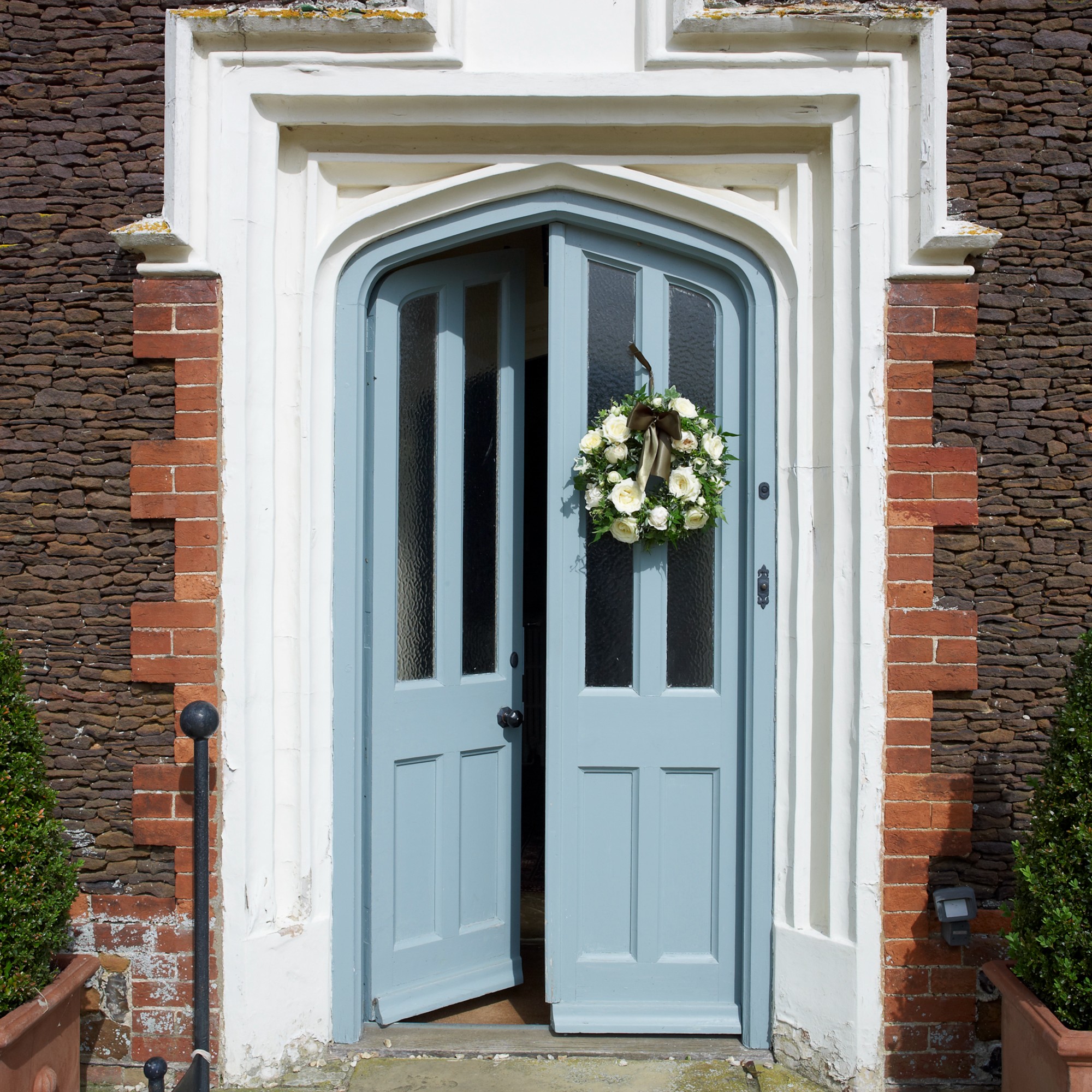
Former EastEnders star, actress and podcaster Natalie Cassidy has created a stunning doorscape of eucalyptus, and I’m obsessed. Its high-impact display has convinced me that we should decorate our front doors and entryways year-round.
If you’ve been looking for new front door ideas, I’ll bet you haven’t considered a doorscape. While the home decor trend is becoming increasingly popular, it’s still vastly associated with holidays such as Christmas and Halloween – until now.
Natalie Cassidy’s calming eucalyptus display, which uses faux eucalyptus stems to create soft, bushy, framing foliage, is all the doorscape inspo you need, if you want a display you can show off all year round.
Latest Videos From
There are plenty of good reasons to make your front door look expensive. Not only does it boost your home’s curb appeal, but it is also always nice to return to a beautiful, welcoming home. Natalie Cassidy’s doorway shows a creative way to achieve this sentiment.
‘We chose different shades of calming eucalyptus for this design, Nat wanted something evergreen and long-lasting that would last through the different seasons and something that we could add to later on in the year if she fancied a change,’ Hayley Lyons, founder of the Door Display Company, who designed Natalie’s doorscape, explained to me.
‘We chose muted pale shades of green and silvery green eucalyptus that would give some colour and textured decoration to Natalie’s doorway, achieving a soft and natural look.’
On the Instagram post revealing the new doorscape, Natalie Cassidy said: ‘So beautiful and simple. Brings me peace. ❤️’. Eucalyptus is renowned for its calming properties, and while the eucalyptus used for this doorscape uses artificial foliage, it still achieves a calming, welcoming look.
Sign up to our newsletter for style inspiration, real homes, project and garden advice and shopping know-how
‘We chose to use premium grade silk artificial eucalyptus for this design to give longevity as the goal was to have something beautiful but long lasting that could last through the different seasons,’ said Hayley.
‘By choosing this design, it looks amazing on its own but is also very versatile, and as the seasons change, we have the option to add in some airy florals throughout the summer or berries and foliage for autumn and winter if Nat wanted something different.’
Are doorscapes trending?
Natalie Cassidy’s eucalyptus doorway also points to a wider trend, but reveals a way to make it work all year round. I’m sure you’ve all seen viral doorscapes on Instagram – especially Stacey Solomon’s pumpkin doorscape and Christmas display.
But by using simple foliage, Natalie’s door is a subtle take on the trend, and one that can be enjoyed through everyday life using some great affordable stems that create a very realistic effect when styled well.
‘Our entryways are the first impression of our homes and can be styled seasonally throughout the year, not just at Christmas,’ explains Natalie Evans, founder and CEO of home styling and staging company Little Barn Door.
‘Thoughtful exterior styling adds personality, warmth, and character to a property, creating a more inviting atmosphere. From fresh spring foliage to autumnal textures, dressing a front door can become an extension of your interior style.’
‘A carefully styled doorway adds softness, texture, and visual interest, making the home feel more luxurious and curated. However, restraint is important. Oversized or overly dense displays can overwhelm the space rather than enhance it.
‘These installations can be difficult to perfect and require careful consideration. The symmetry of the doorway, the scale of the foliage, and the overall visual weight all play an important role in creating a balanced look.’
(Image credit: Future PLC/Mark Luscombe Whyte)
You don’t want to swamp your front door with foliage. This can instantly make the front of your house look crowded and, for lack of a nicer word, tacky. Natalie emphasises that less is always more if you want to achieve a tasteful look.
‘To recreate this style in a more refined way, I would begin with a softer, asymmetrical framework using lighter foliage such as eucalyptus, olive branches, or wispy seasonal stems. Fresh stems bring beautiful natural scent and movement, although they do have a shorter lifespan,’ she says.
‘For a more practical long-term option, high-quality faux eucalyptus can work beautifully too. IKEA has some great affordable stems that create a very realistic effect when styled well.’
Get the look
Leixi
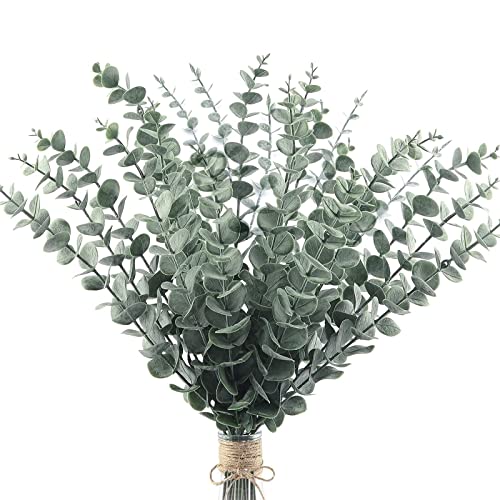
24pcs Artificial Eucalyptus Stems
Famibay
Famibay Artificial Eucalyptus Garland With Roses
HomeKaren
Eucalyptus Wreaths for Front Door
I love seeing pretty doorscapes through autumn and Christmas, but Natalie Cassidy’s eucalyptus display is proof that we can enjoy this front door style all year round. All I need now is a bunch of eucalyptus…
Lego lunches are the new food prep trend taking over the most organised corners of the internet and the buyers over at Aldi must have heard all about it given their launch of a £3.99 Portion Perfect Meal Kit, in stores from this Sunday (the 24th of May).
If you’re about to start climbing into the loft to retrieve your old Lego then hold fire, as while this trend takes inspiration from the iconic mini bricks, it’s actually a sturdy perfectly-portioned food container you’ll need to take part, as well as one of the best microwaves.
By using modular food prep buys, like Aldi’s brand new ones, Lego lunches allow you to combine different frozen leftovers into one meal – giving increased variation and the opportunity to mix and match foods. Here’s a closer look at how Lego lunches and modular food containers work.
Latest Videos From
CROFTON
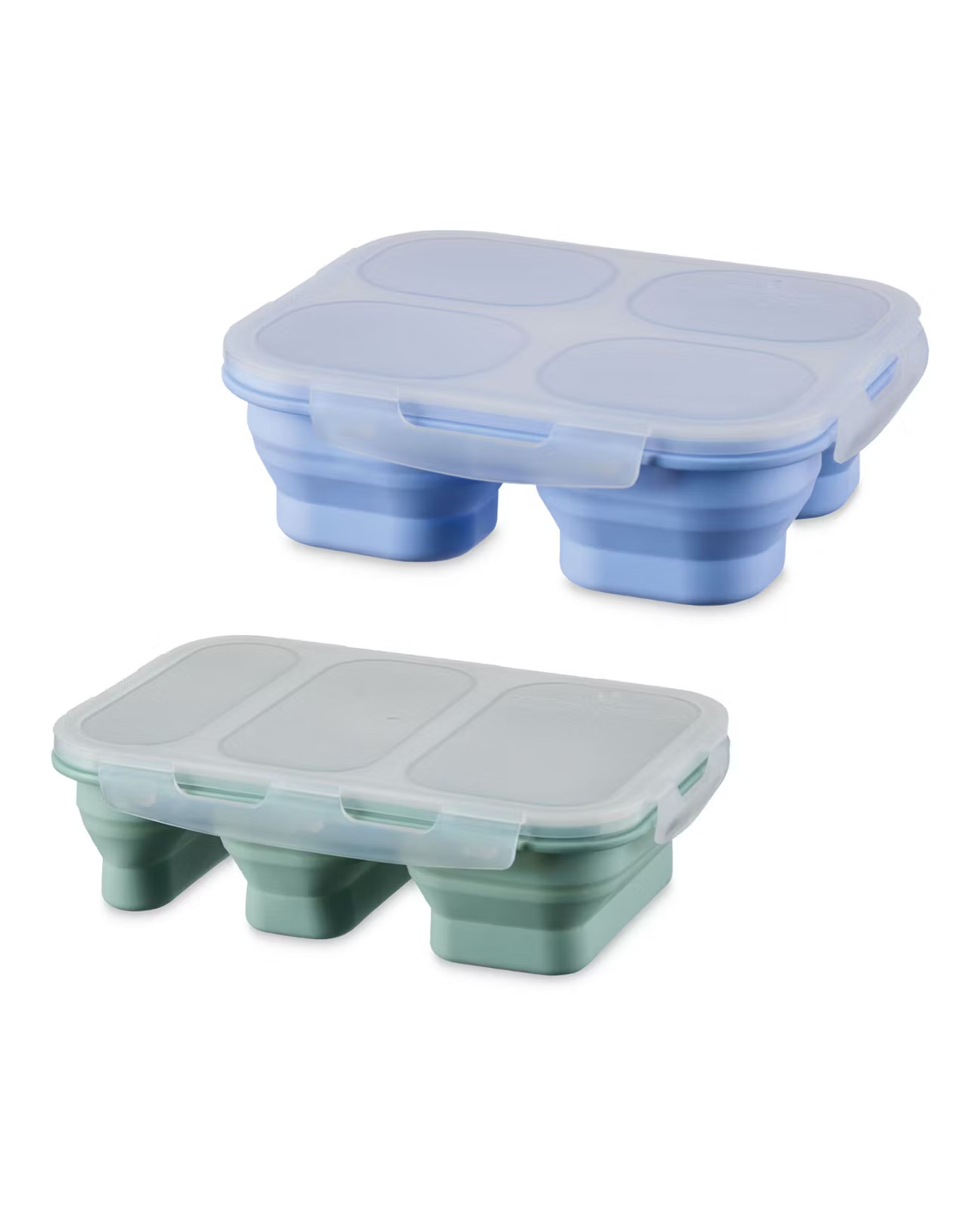
Portion Perfect Meal Kit
Starting from £3.99 each, these food prep containers are a total bargain if you want to food prep efficiently. You can choose from the 3 or 4 compartment version.
The beauty of a Lego lunch is variation. With special compartmented freeze pods you can portion up individual batches of different foods – a portion of chilli, say – and then only defrost and heat up a single portion for your lunchbox.
Picking up a few of these modular containers is an even better bet, as it means you can combine a single portion of your main protein with a side of frozen vegetables and then combine them together as you cook them in a microwave.
If you can’t make it to your closest Aldi to pick up the £3.99 versions then there are plenty of alternatives that already have a legion of fans that you can turn to.
The brand that you’ll find is most ubiqitous when it comes to Lego lunches is Souper Cube, who offer a huge and quite amazing range of freeze containers and accessories.
Sign up to our newsletter for style inspiration, real homes, project and garden advice and shopping know-how
You can buy the brand’s silicone moulds in a huge variation of sizes on Amazon, with shapes fit for everything from stews to cookies. There are even stoneware cubes (from £39.99 on Amazon) you can pick up for heating and serving your leftovers in.
(Image credit: Souper Cubes)
Souper Cubes are very popular in the US, but it didn’t take long for our favourite UK stores to come up with their own versions of these very clever food prep buys. Lakeland‘s Freeze Pods start from just £7.99 and also come in the two-zone and three-zone configuration. They’re BPA-free and made of that same handy silicone material to make popping out the portions of food super easy.
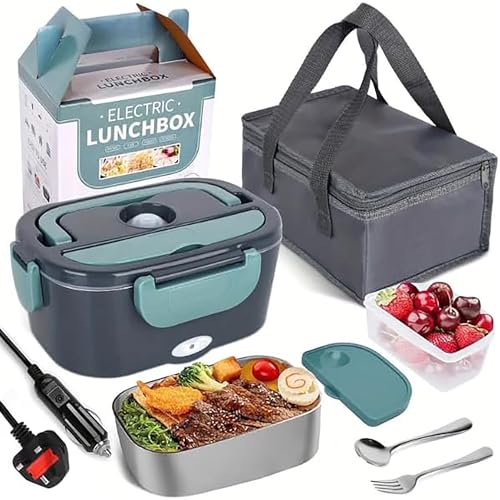
If you really want to max out on food prep organisation, then a heated lunchbox means you can warm up those cubed leftovers without the need for a microwave – perfect for anyone who works on the go. Here’s a closer look at the full selection of alternative modular buys you can pick up to optimise your lunchtimes.
Lakeland
3-Portion Freeze Pod
These excellent Lakeland freezer containers are such good value for under £10 and are available in a two-zone design too.
NobleNookich
Electric Lunch Box 1.5L
Upgrade your Lego lunch and eat it absolutely anywhere with this well-reviewed electric lunch box from Amazon. It has an impressive 4.6 star rating.
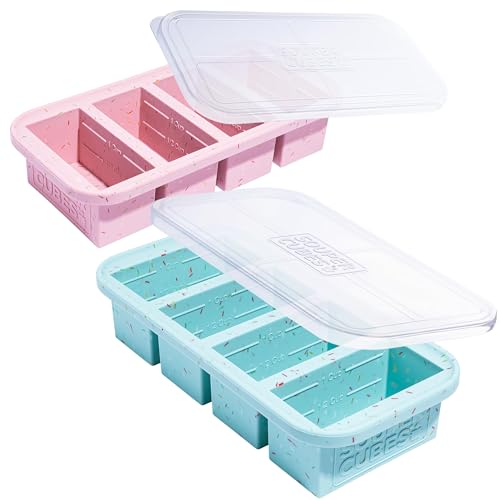
Souper Cubes
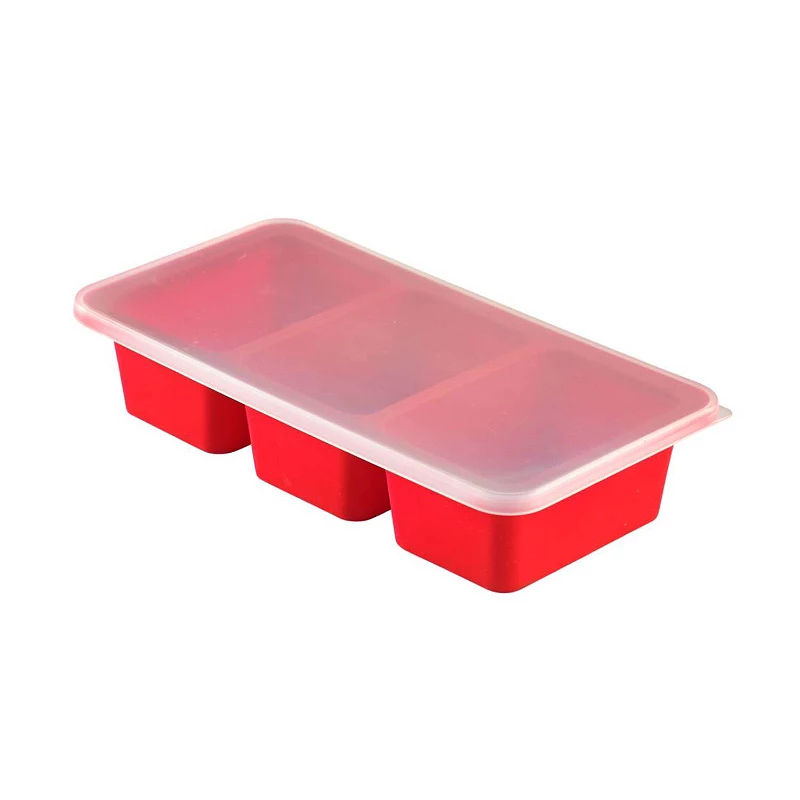
Silicone Freezer Tray With Lid 2-Pack
Souper Cubes have the widest range of modular food prep containers on the market and are well-loved by fans of the brand. This 4-slot configuration is great for batch cookers.
I’m desperate to try out the Lego lunch trend for myself, so I’ll be heading straight to Lakeland to check out their versions. Can you see the appeal in a modular freezing system?
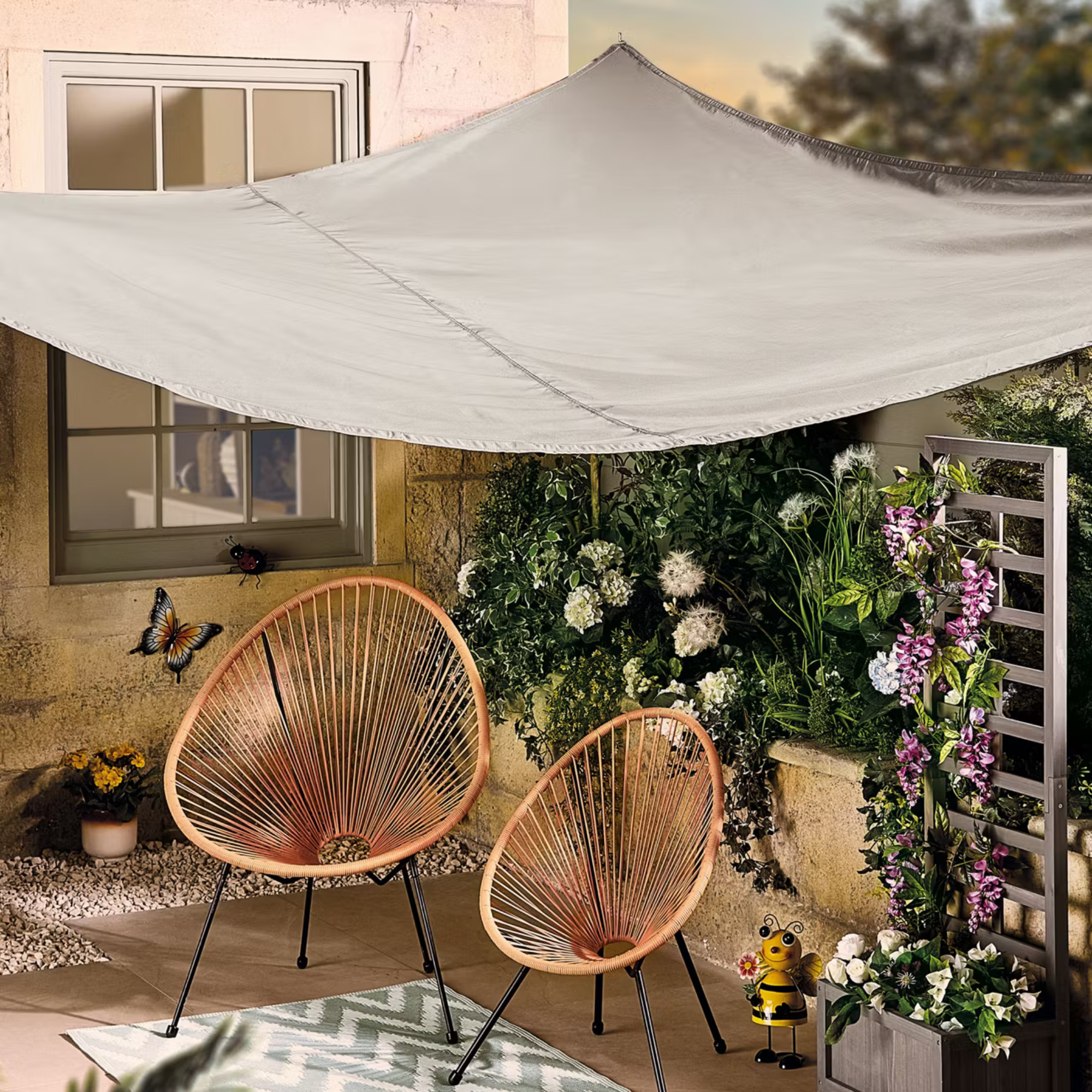
Sorry, garden parasols, Aldi’s sleek sun sail is the stylish shade solution that’d be perfect for small gardens and courtyard spaces.
If you’ve been looking for stylish garden shade ideas, yet have a small or courtyard garden, a sun sail can be a practical solution whilst still looking good. And, if this sounds like you, you’ll be pleased to learn that Aldi’s sun sail is launching in stores today (21 May).
Perfect for creating an oasis of shade this summer, here’s everything you need to – plus where to snap up a sun sail for even cheaper than Aldi!
Latest Videos From
BELAVI
Garden Wing Tarp
Green Bay
Green Bay Sun Shade Sail
The best garden canopy ideas will protect you from both rain and shine – something you will definitely get both of during British summertime. And the latest Aldi sun sail does just that.
The Belavi Garden Wing Tarp (£14.99 is a durable garden wing tarp built to protect and perform in any weather. You can choose from a triangle or rectangular shape, depending on your garden’s size and your preference. It’s also available in either warm grey or dark slate.
The sail is easy to fold and therefore store, making it a practical choice if you also have a small shed or lack garden storage space. Plus, it’s also quick and easy to install; you just need something to tether it to, such as your garden fence or a tree.
At £14.99, the Aldi Garden Wing Tarp is a bargain price. However, it’s not the best price I’ve seen as Amazon’s Green Bay Sun Shade Sail is just £11.95 and comes with hundreds of reviews singing its praises.
Sign up to our newsletter for style inspiration, real homes, project and garden advice and shopping know-how
(Image credit: Aldi)
‘Very happy, quick postage and exactly what I wanted. I had one before in grey and left it out in all weathers, lasting over 2 years before I had to replace it… If you take it down when summer’s over (like I should have), it will last a lot longer. Good material and sturdy metal bits, had cheaper versions (not that much cheaper) that just rip and don’t have good quality metal or material used, this one is Great, and for the price you can’t go wrong,’ said one.
‘Great garden sale, excellent quality, great choice of colours, shapes and sizes, delighted with purchase,’ said another.
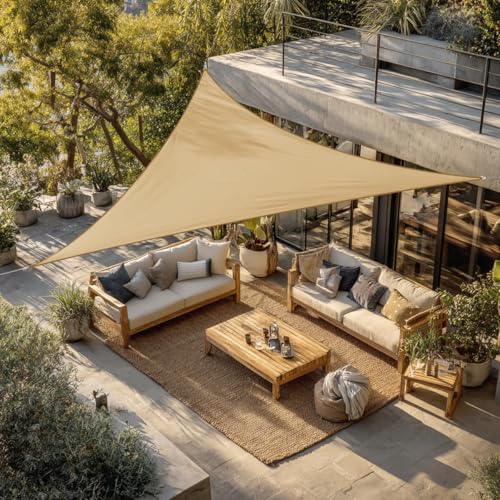
The Green Bay Sun Shade Sail is available in eight stylish colourways, covering a surface of 2x2x2m. It protects against rain and UV, making it a perfect choice for summer hosting. So much so, I’d choose this cover over Aldi’s.
Alternatively, here are a few more highly recommended and reviewed sun sails you can shop online.
Dunelm
Elements Grey Sail Parasol
Kookaburra
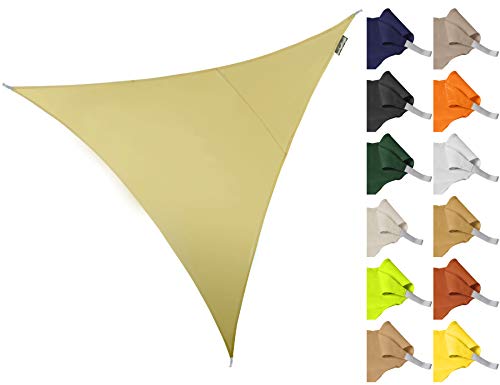
Kookaburra 3.6m Triangle Water Resistant Garden Patio
VOUNOT
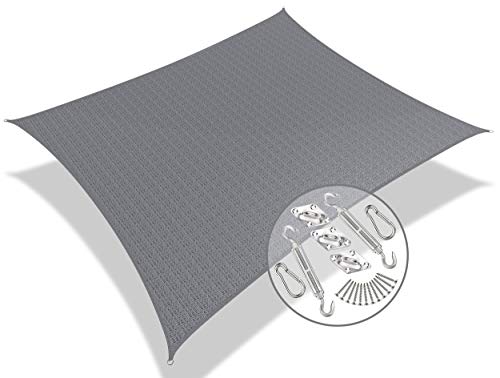
Vounot® Sun Shade Sail Rectangle With Fixing Kit
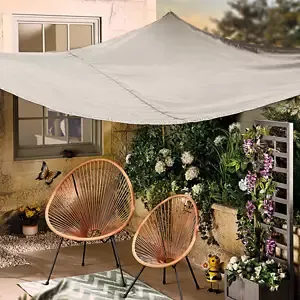
If you lack space, a sun sail often trumps a garden parasol as you don’t have to worry about finding space for its chunky bases. Plus, they’re a more affordable option, too. It’s a win-win!
Lidl’s bladeless fan is returning to stores this week, and it couldn’t have returned at a better time. With the UK anticipating a heatwave for the bank holiday (fingers crossed), having a fan on standby is one of the best ways to keep cool. And even better, the Lidl Tronic Bladeless Fan is even cheaper than last year.
As the weather heats up and the summer months roll closer, it is always helpful to have one of the best fans to keep you cool and comfortable, especially if you don’t already have one of the best portable air conditioners.
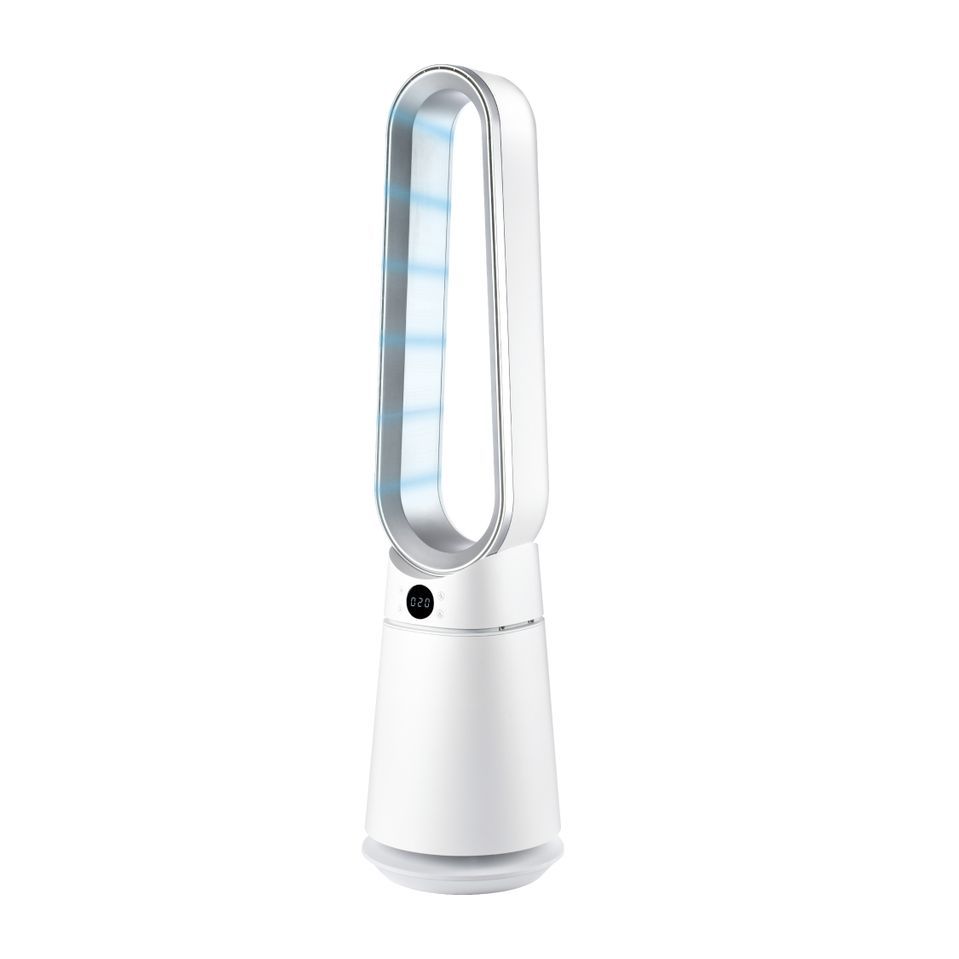
Landing in stores tomorrow (21 May), Lidl’s bladeless fan is an affordable alternative to Dyson’s bladeless fan range, costing just £59.99 for the standard and £39.99 for a smaller model. Here’s how they shape up.
Latest Videos From
TRONIC
White Large Bladeless Fan
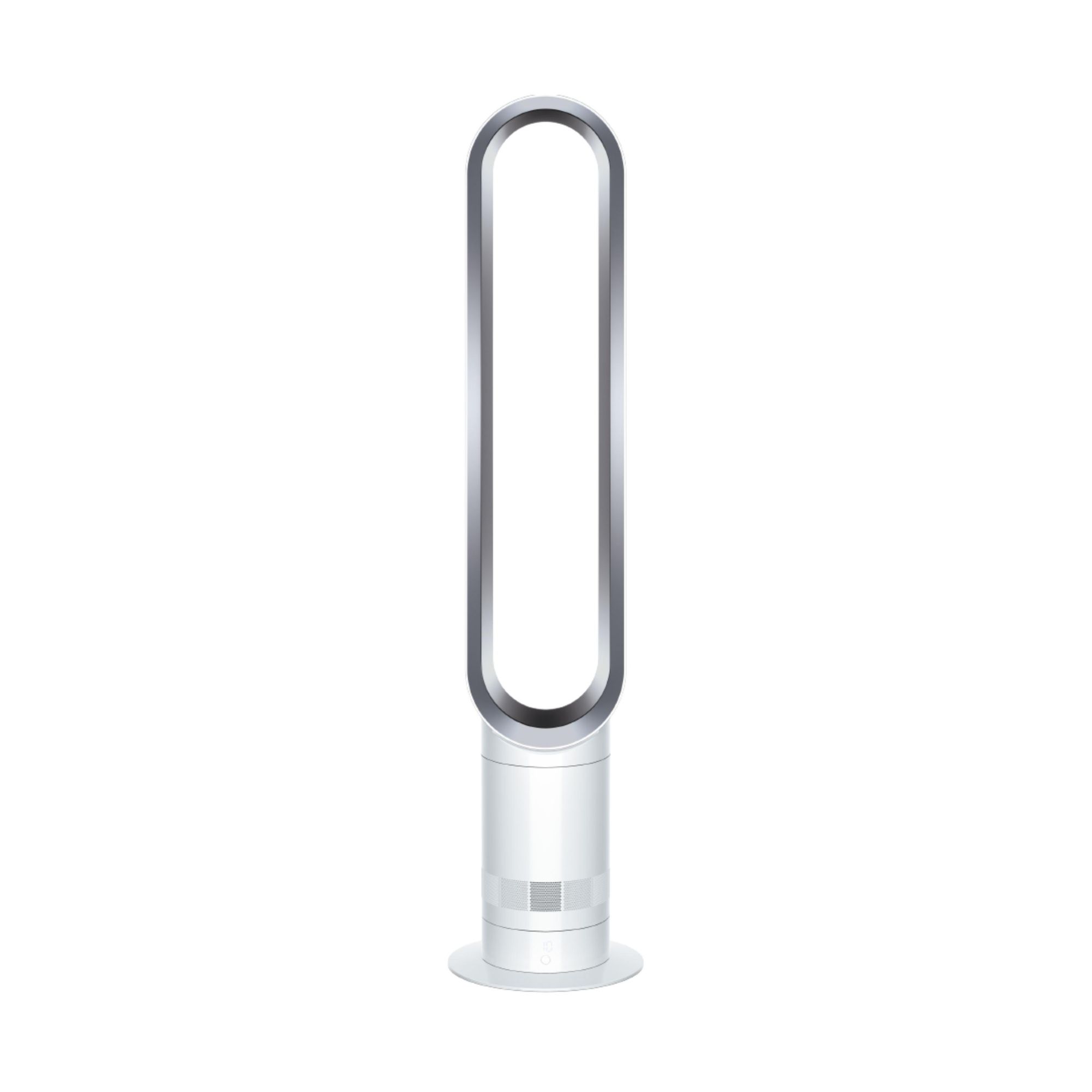
Dyson
Dyson Cool™ Am07 Tower Fan (white/silver)
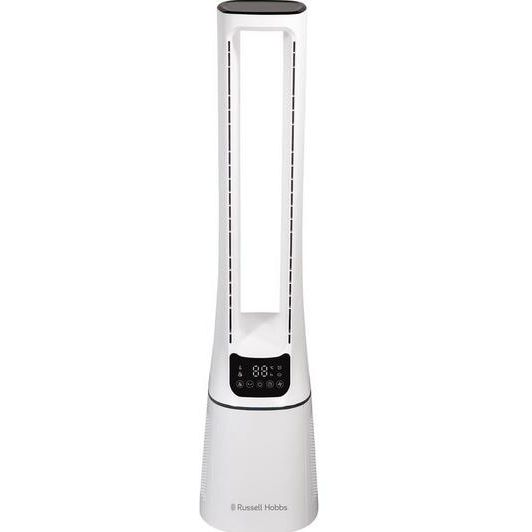
Russell Hobbs
Russell Hobbs Rhbldl12 Bladeless Tower Fan – White
Every year, both Lidl and Aldi launch affordable bladeless fans that share many of the desired features of higher-end brands. If you’re looking to keep cool on a budget, these affordable fans can be helpful when temperatures soar.
Plus, in case you’re wondering how much it costs to run a fan, the good news is that the best models are incredibly energy efficient. As per the July 2025 price cap, this is set at 0.257p/kWh, meaning that Lidl’s fan, which uses 35W, runs at just over 0.8p an hour. However, with the energy price cap predicted to increase this July by Cornwall Insight, it is likely that appliances will cost more to run this summer.
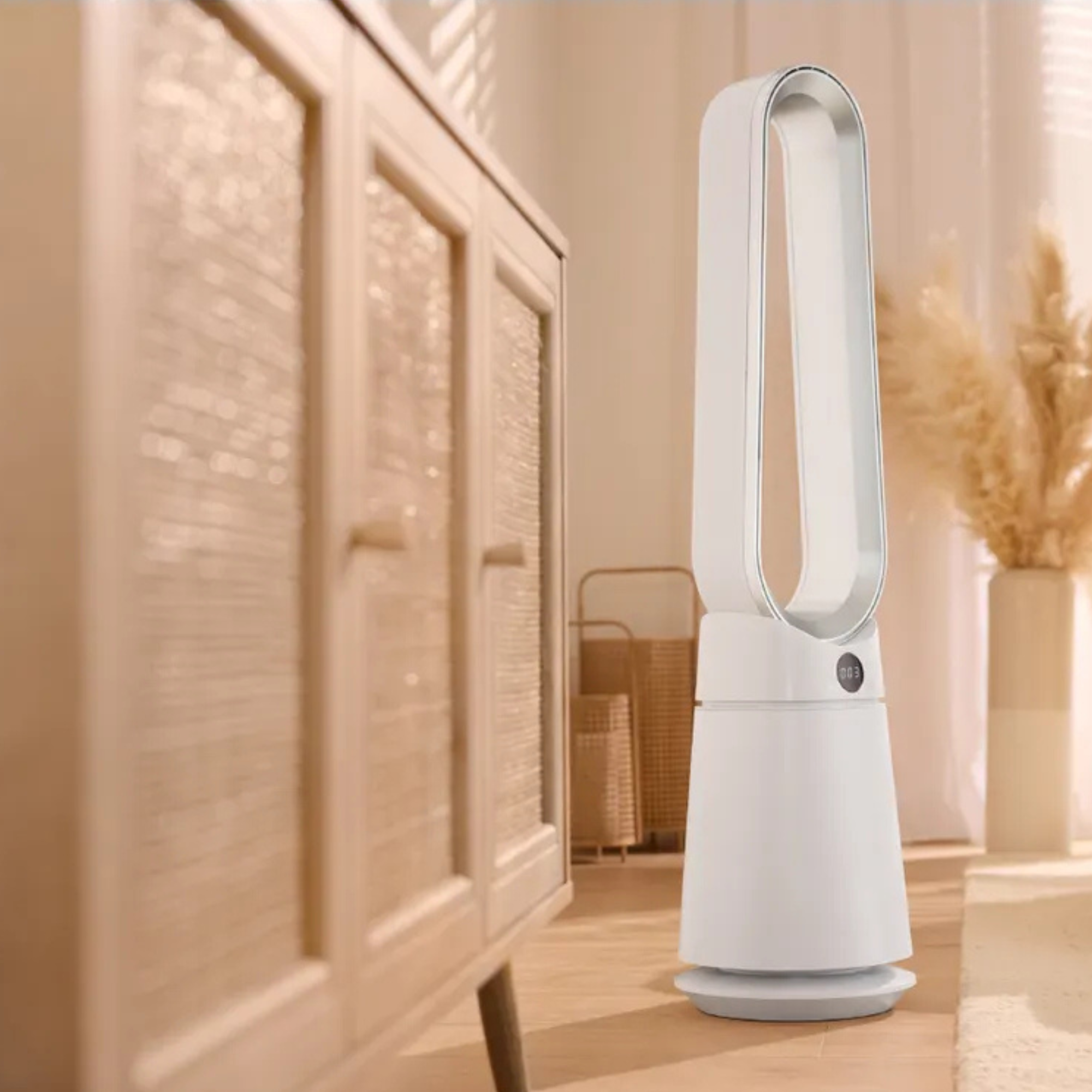
Lidl’s Tronic Bladeless fan is available in matte black or white. It has an LED display to show speed settings, the timer and operating modes. You can expect even air distribution, 20 speed settings to choose from, oscillating settings and four operating modes: normal, natural, sleep and power.
(Image credit: Lidl)
Also included is a remote control and battery, and the fan comes with a 3-year warranty. If you’re looking for a new desk fan, the mini bladeless shares many of the same features as the large, but has just 10 speeds and four buttons to turn it on/ off, adjust speed, timer or oscillation.
Sign up to our newsletter for style inspiration, real homes, project and garden advice and shopping know-how
‘Dyson fans are brilliant, but they do come with a hefty price tag, which means they aren’t affordable for everyone. Lidl’s alternatives are much more budget-friendly and will get you a similar look for a fraction of the price. However, while these more affordable options may look similar, the lower cost will likely mean they have fewer features, less power and may not be as quiet in their operation,’ commented Sarah Handley, Ideal Home’s Renovation and Home Energy Editor.
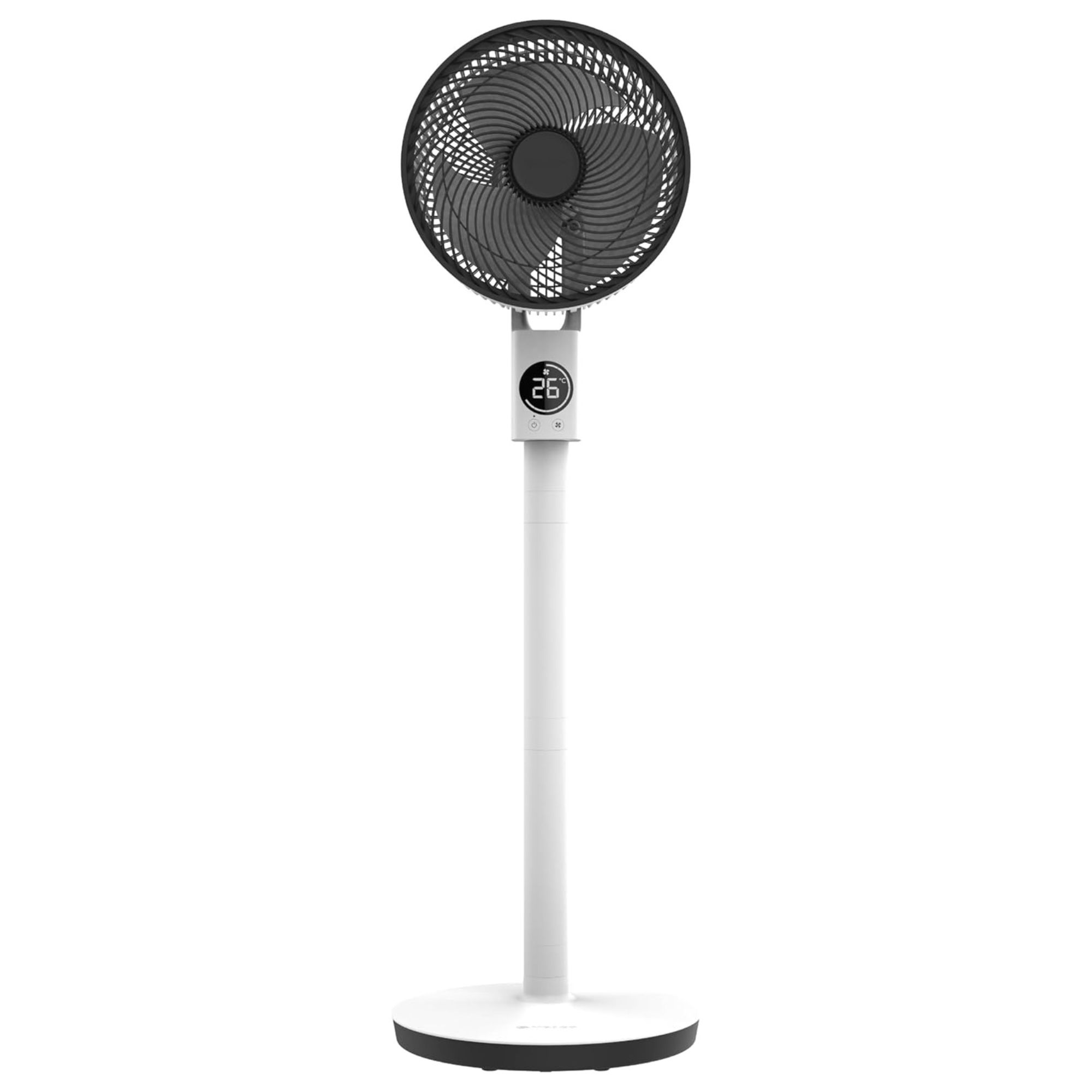
With an apparent heat wave imminent, I have a feeling these fans will be very popular. So, if your local store sells out fast, these are the best fans recommended by us that you can shop for online.
Meaco Sefte 10” Pedestal Air Circulator
Ideal Home‘s best-rated fan, it is exceptionally quiet, gentle and soft. It’s also been very thoughtfully designed, from lights and sounds that turn off when it’s in night mode and the variation of oscillation settings to the glow-in-the-dark and magnetic remote control.
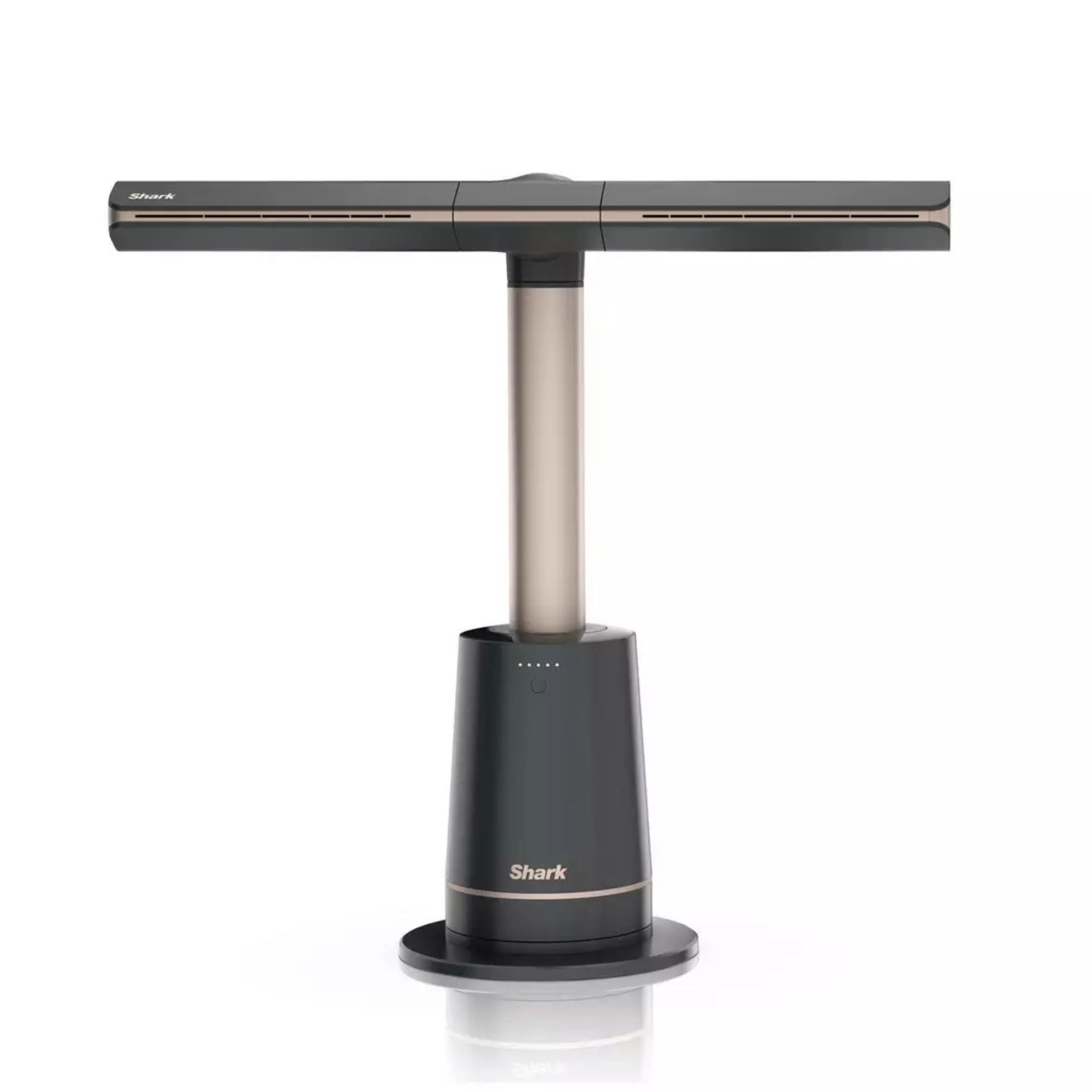
Shark TurboBlade
Our tester couldn’t fault this fan on performance, despite it not being the quietest fan we’ve tested. Customisation is even possible with the TurboBlade, which means you and a partner can each opt for a preferred setting at the same time.
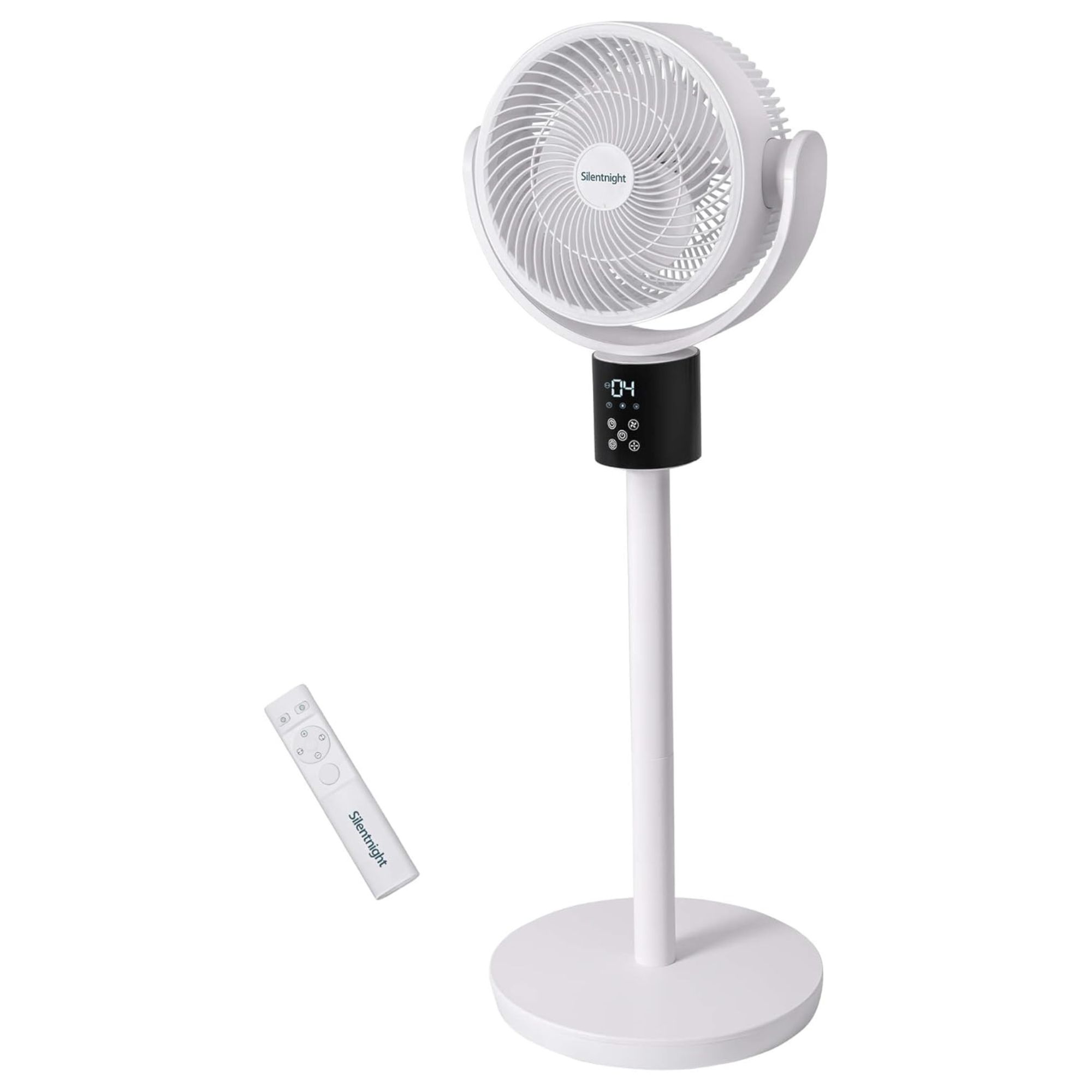
Silentnight Airmax Pro360 Pedestal Fan with Remote Control
This fan has quiet operation, decent wind speed options and ease of use – all with a sub-£100 price tag. It’s also super lightweight, so it’s easy to move around your home.
Summer is very nearly here, and the smart thing to do is ensure your cooling solutions are up to scratch now.
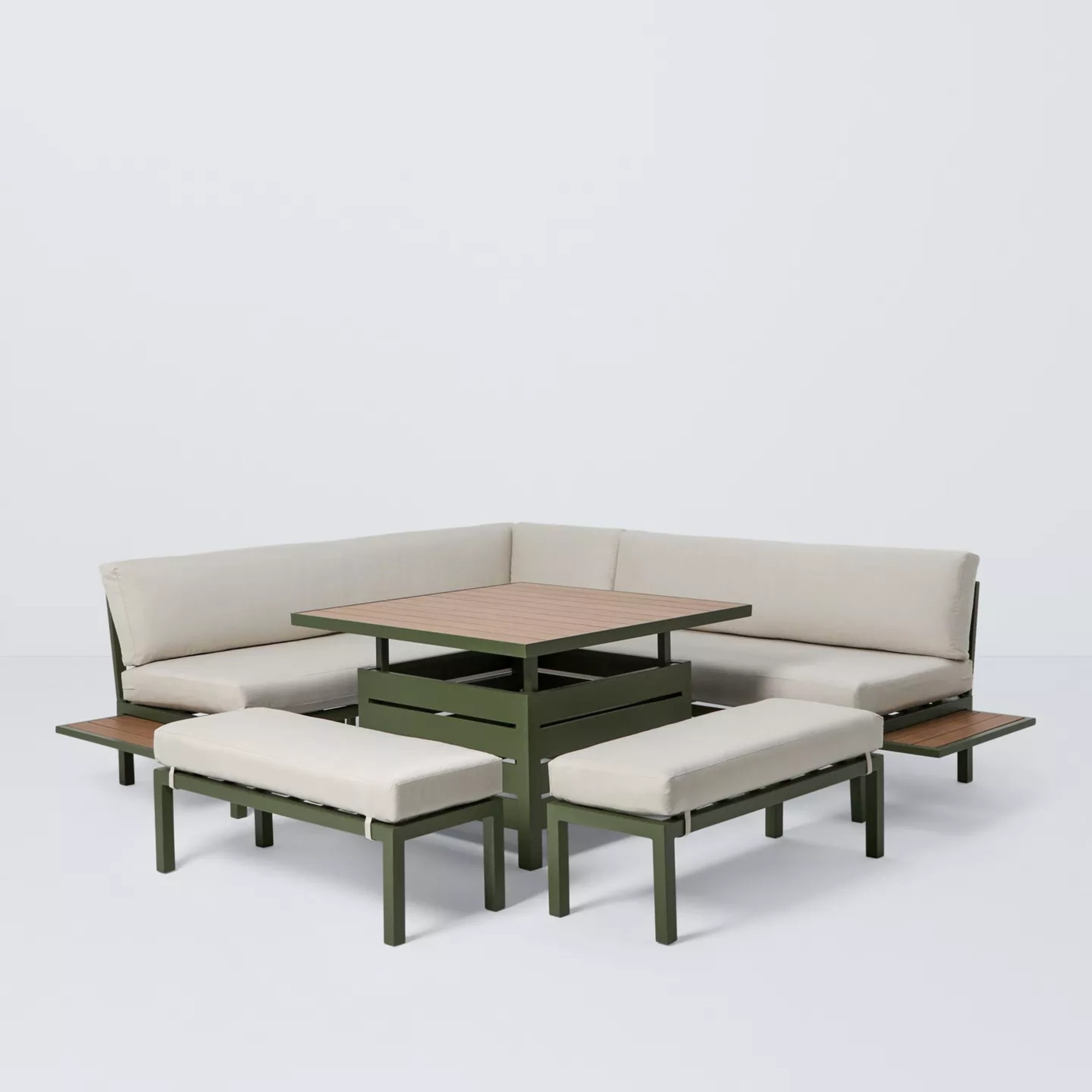
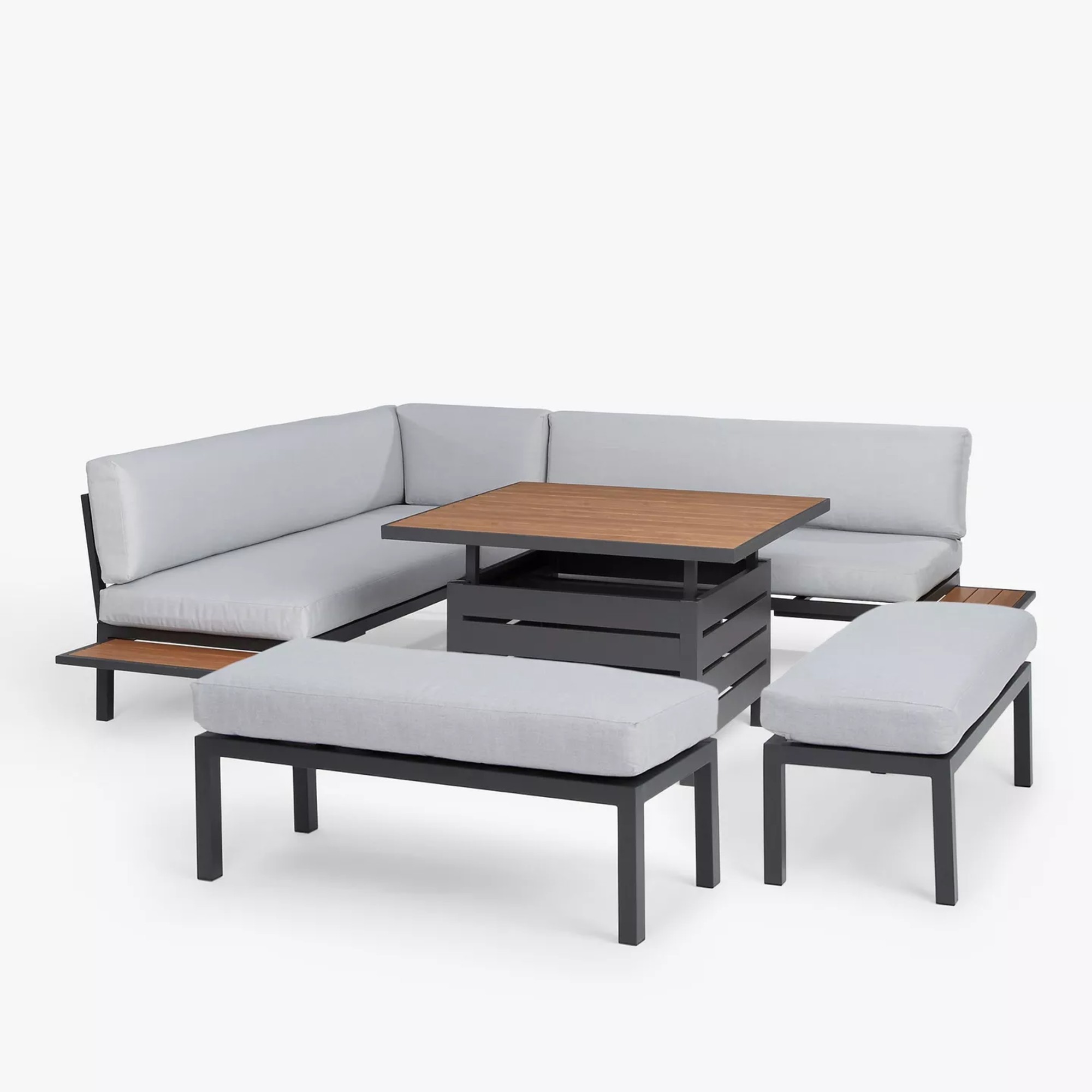
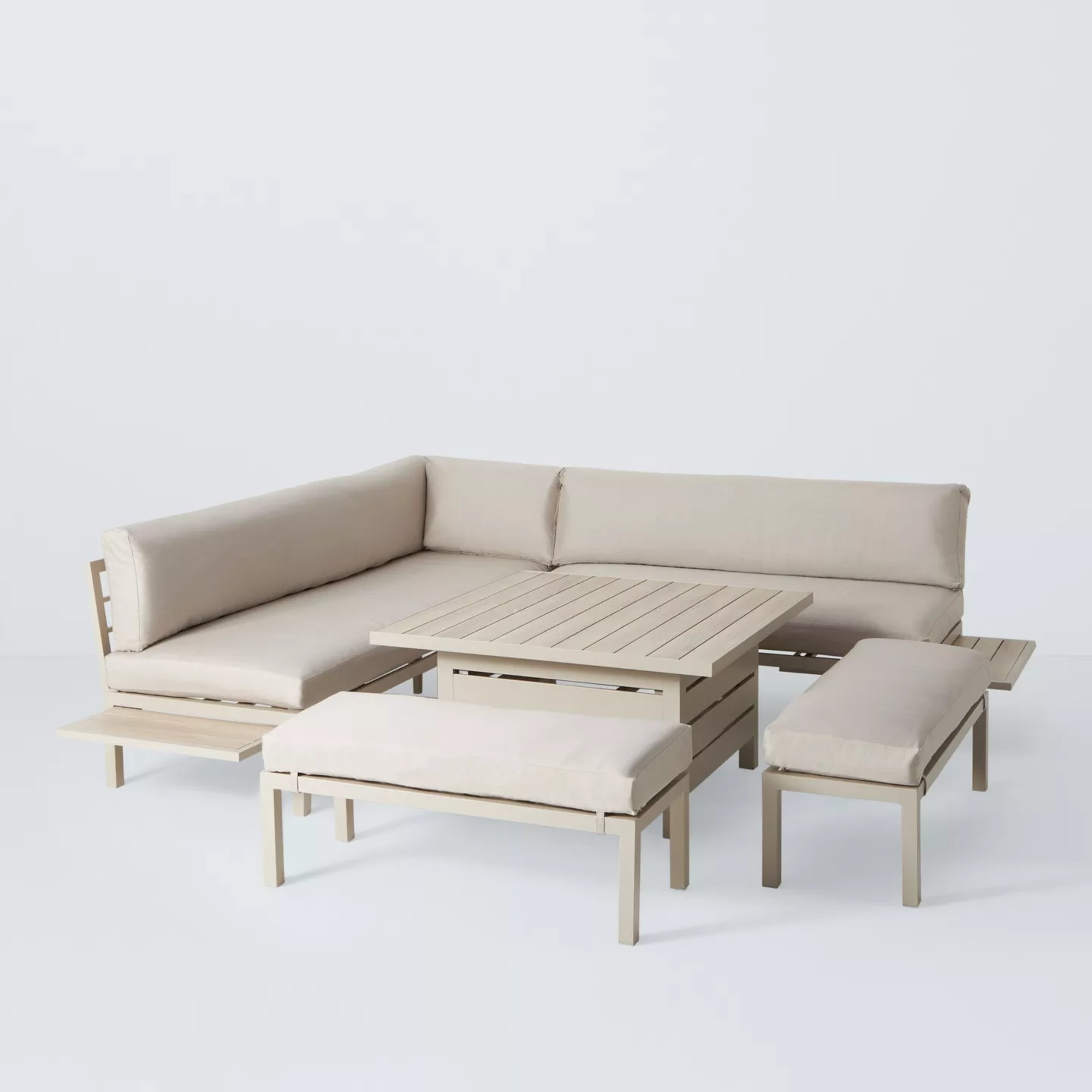
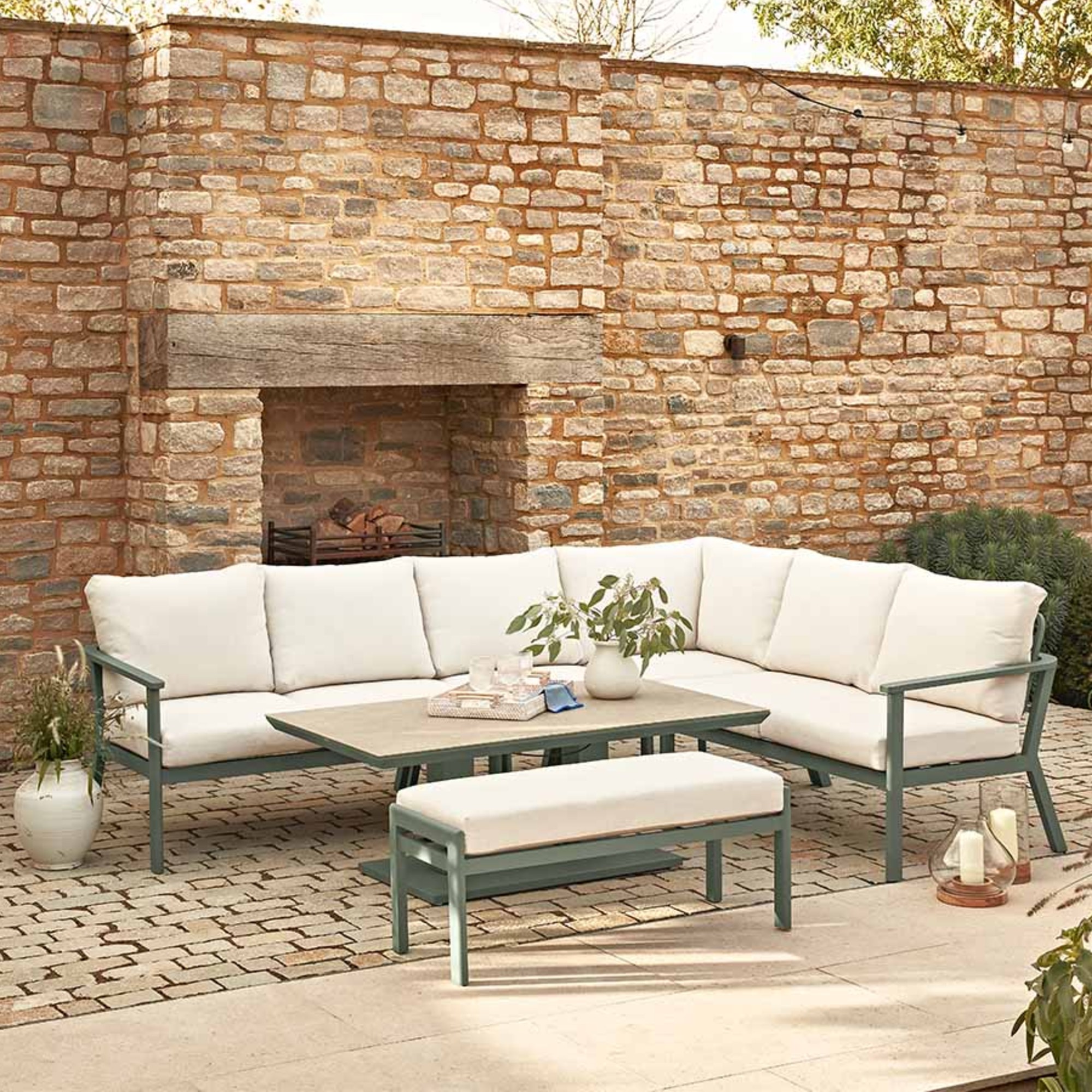
In smaller outdoor spaces, you often have to choose between creating a lounging space or a more formal outdoor dining area. But the genius John Lewis Platform garden dining/lounge set combined the two into one, so that you no longer have to choose – and it’s no surprise that customers are falling head over heels for this clever yet stylish design.
This best garden furniture design from John Lewis is not new, but it’s currently enjoying a lot of popularity as it takes the top spot as the retailer’s outdoor furniture bestseller.
‘We’ve seen demand soar with sales up by 12% year on year as customers look for new garden furniture that stands the test of time,’ says Scott Bartle, buyer for outdoor at John Lewis. ‘The Platform range is very popular with our customers because it perfectly solves the dilemma of having to choose between a stylish outdoor dining set and one that is practical.’
Latest Videos From
John Lewis
Platform 8-Seater Corner Garden Dining/Lounge Set with Height-Adjustable Table in Green
John Lewis
Platform 8-Seater Corner Garden Dining/Lounge Set with Height-Adjustable Table in Grey
John Lewis
Platform 8-Seater Corner Garden Dining/Lounge Set with Height-Adjustable Table in Taupe
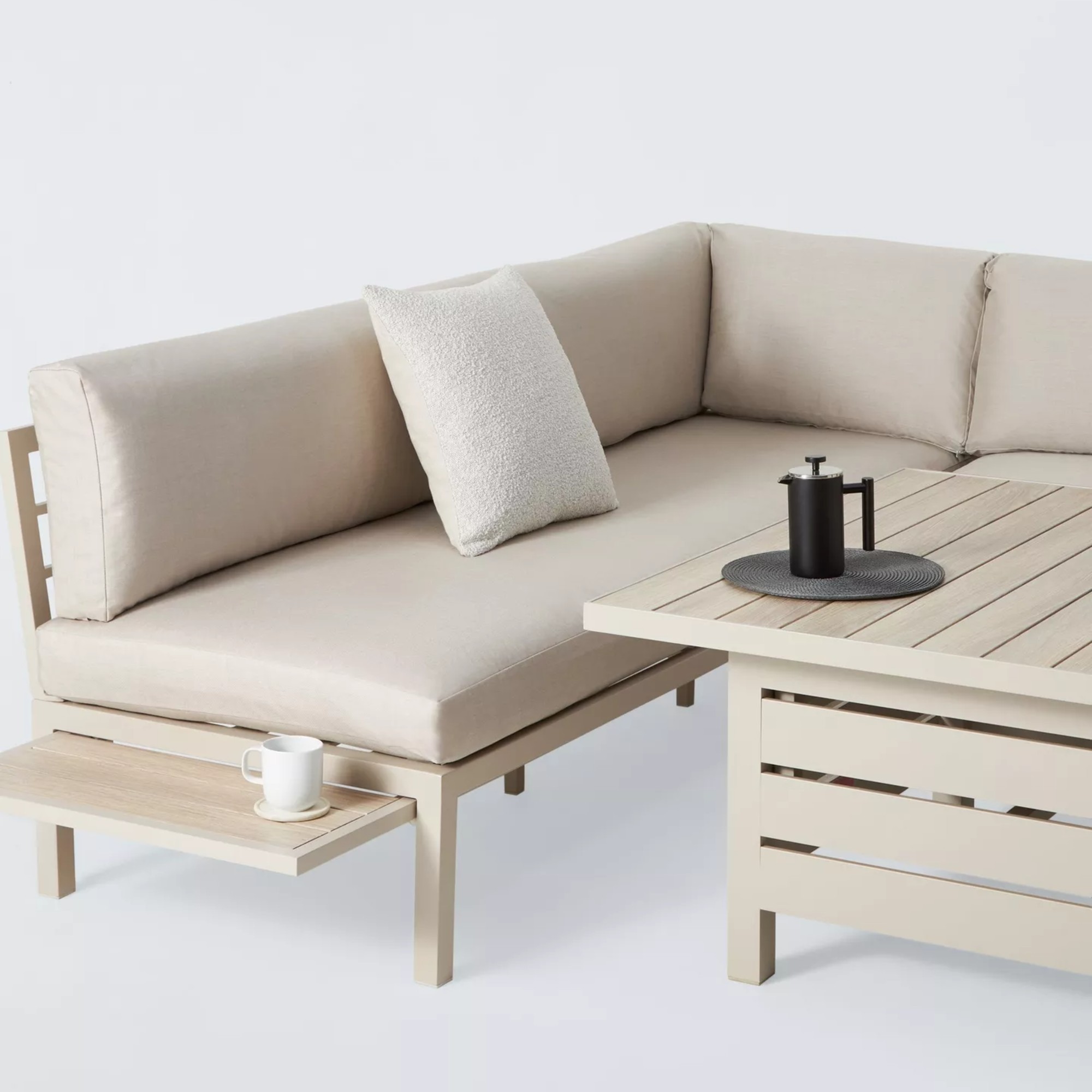
The dual functionality, offering a space both for lounging and dining and making it the perfect small garden idea, is thanks to the table being height adjustable – so the tabletop can be both raised to a dining table level and lowered to function as a coffee table.
Selling for £1499, the 8-seater set is available in three colourways – taupe which matches the frame to the cushions, dark green with beige cushions and dark grey with light grey cushions. The fact that the frame is made with aluminium is another benefit as it’s one of the most durable types of outdoor furniture that’s resistant to rust.
(Image credit: John Lewis)
‘The inspiration really came from the concept of “bringing the indoors out”. We wanted to design a collection that felt as refined and comfortable as your indoor living room, but engineered to withstand the British weather. We designed the Platform 8-seater corner set to make hosting a breeze. It features a clever pull-out side table, perfect for drinks and nibbles, and the height-adjustable main table effortlessly transforms your space from a laid-back lounge into a casual dining area,’ Scott at John Lewis explains.
And the hype behind this space-saving outdoor furniture set isn’t just coming from new customers shopping for it right now – but also from existing customers who can’t seem to stop singing this design’s praises. The product is currently boasting 28 five-star reviews.
Sign up to our newsletter for style inspiration, real homes, project and garden advice and shopping know-how
(Image credit: Future/Sara Hesikova)
One very happy reviewer wrote, ‘Absolutely delighted with the John Lewis Platform 8 seater garden dining/lounge set. The quality is outstanding – everything feels solid, well-made, and built to last. Assembly was a breeze, with clear instructions and all the parts fitting together perfectly. It’s incredibly comfortable, whether you’re lounging with a drink or sitting down for a meal. Easily seats eight people with plenty of room, making it ideal for entertaining family and friends. We’ve had so many compliments already. Couldn’t be happier with this purchase – stylish, functional, and exactly what we were looking for. Highly recommend!’
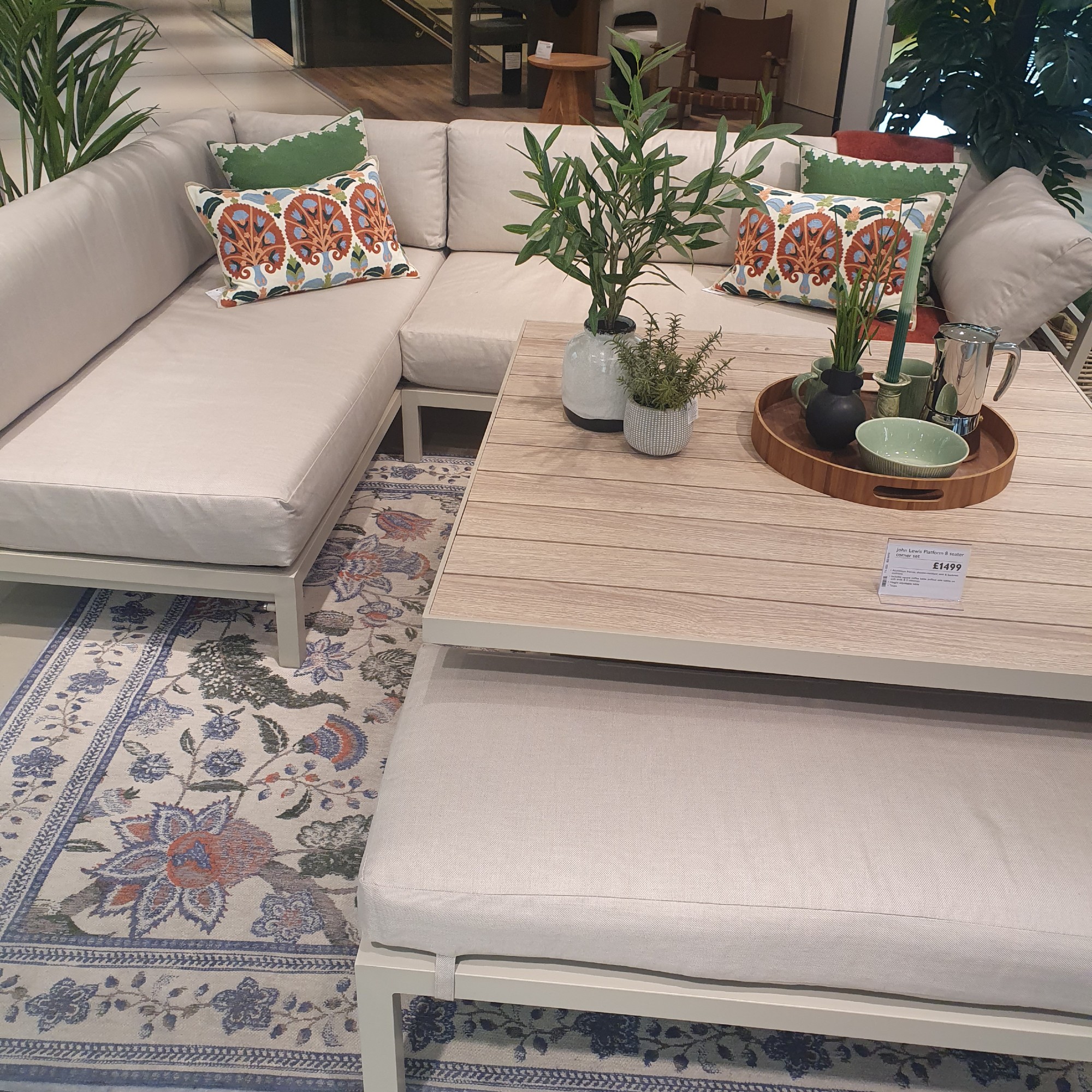
As if all of this wasn’t already enough, the Platform set is also incredibly comfortable as I myself experienced when visiting the John Lewis Oxford Street store earlier this year and then again only a few days ago.
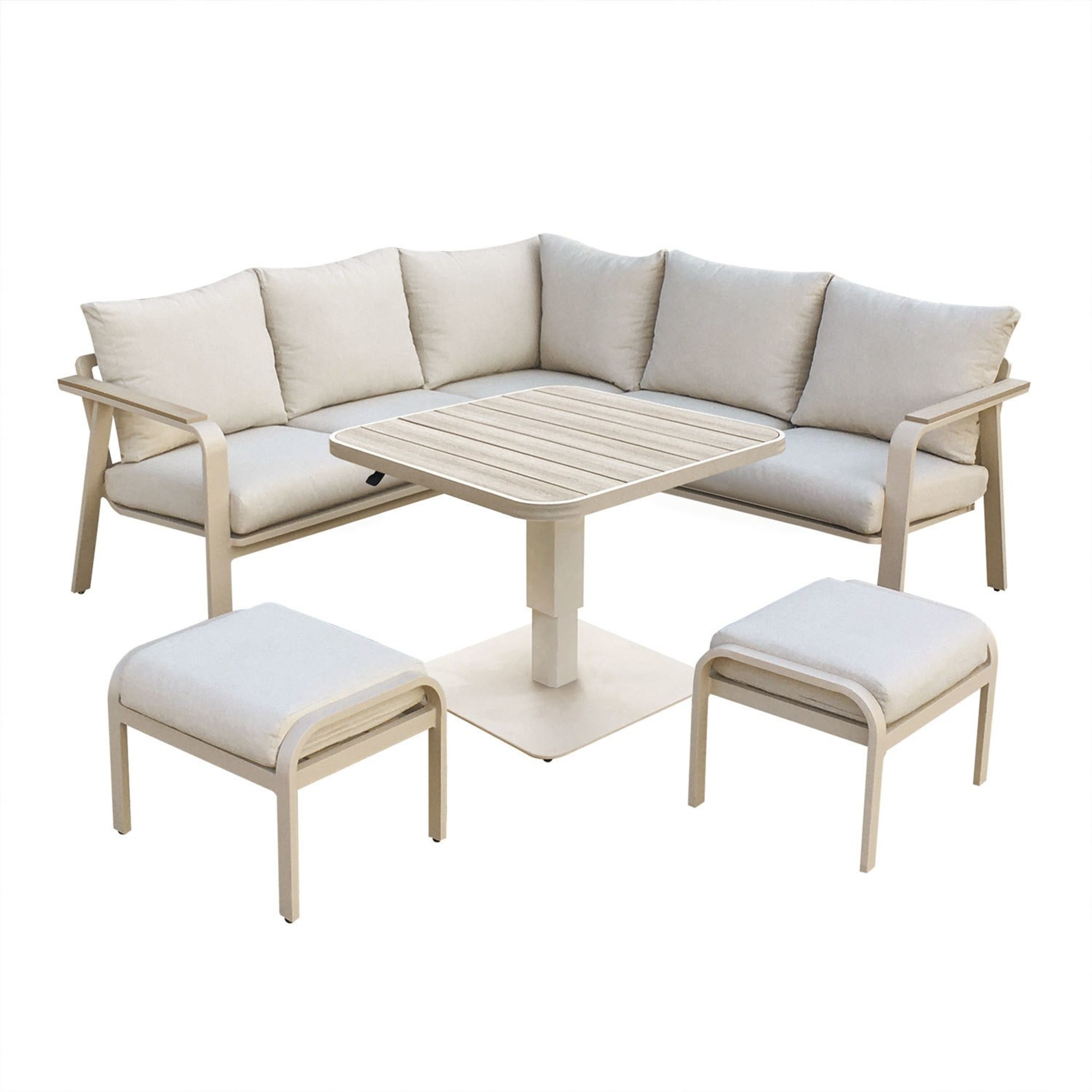
7 Seater Beige Aluminium Corner Garden Dining Set with Height Adjustable Table
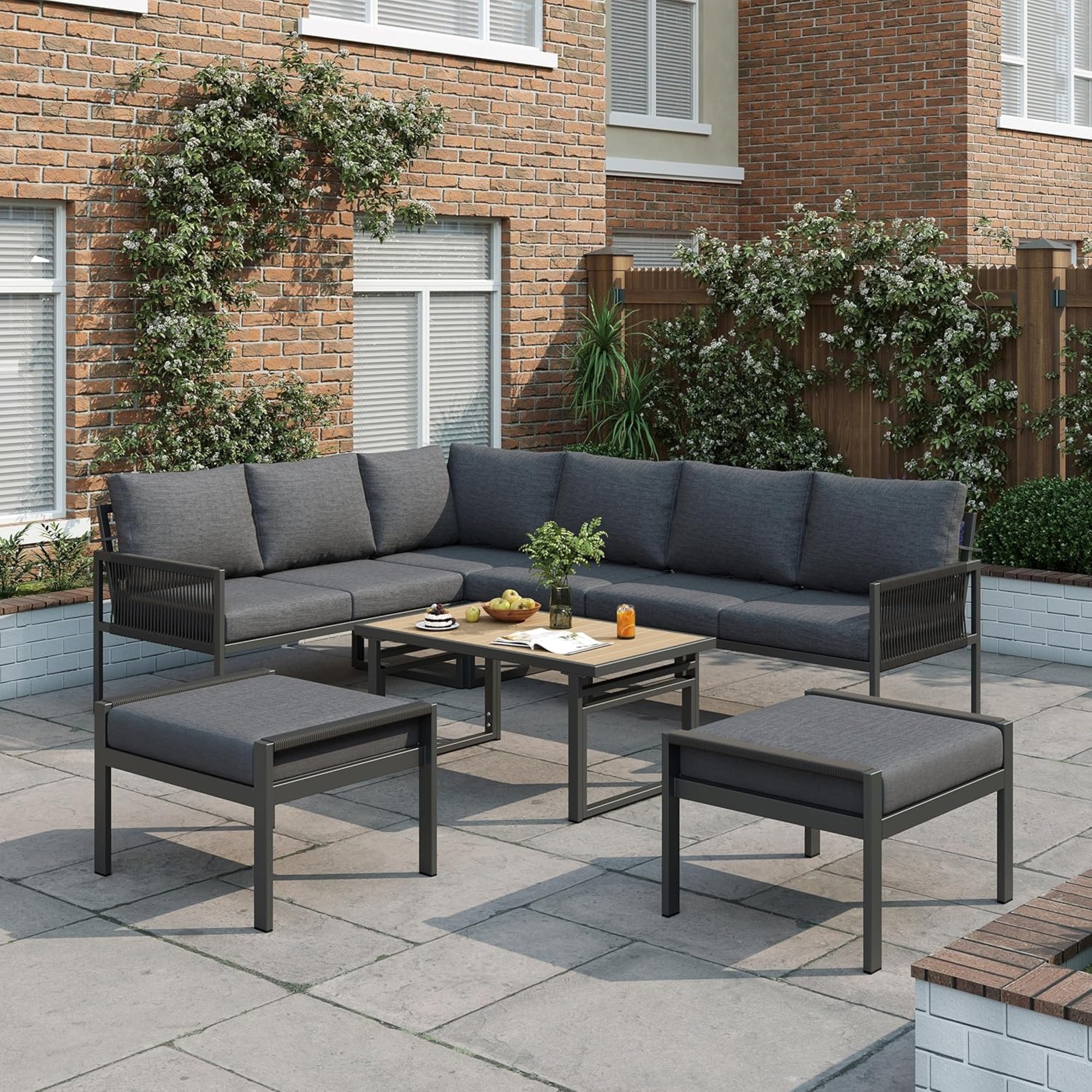
Jost like the John Lewis Platform set, this set is also made with aluminium. But instead of two benches, the set comes with two little stools in addition to the corner sofa.
Valentina Corner Lounge Dining Set with Adjustable Table
Sticking with aluminium, Atkin and Thyme’s Valentina outdoor set is a very similar design to the John Lewis Platform. The only real difference is the more muted shade of green the frame is covered in.
Scott concludes, ‘We’ve seen an increase in interest for modern, modular garden furniture on our site, and the Platform range was designed precisely to meet that demand for flexible, design-led outdoor living. It offers maximum comfort and ultimate versatility for any garden size.’
Side tables are truly having their moment right now. I’ve recently noticed, while trawling my favourite homeware sites looking for things I really don’t need, that there’s been a huge rise in funky kitsch side tables. You know the ones: they boast funky shapes, add colour that you otherwise wouldn’t dare to inject into your decor and better yet: make a statement in a room.
An easy way to add a little fun to your interiors, this is your sign to buy that funky side table you spotted and haven’t stopped thinking about since. The Urban Outfitters Martini Side Table is just one of the funky side tables going viral on social media at the moment, and this trend isn’t going anywhere anytime soon. Kitsch side tables are coming in thick and fast from some of our favourite stores, such as Dunelm and Anthropologie.
Gone are the days of your coffee table ideas being your living room centrepiece. Why not let your side table take over as we’ve found 6 striking designs on the high street, with prices from £99. A low price to pay for a statement piece…
Latest Videos From
Urban Outfitters
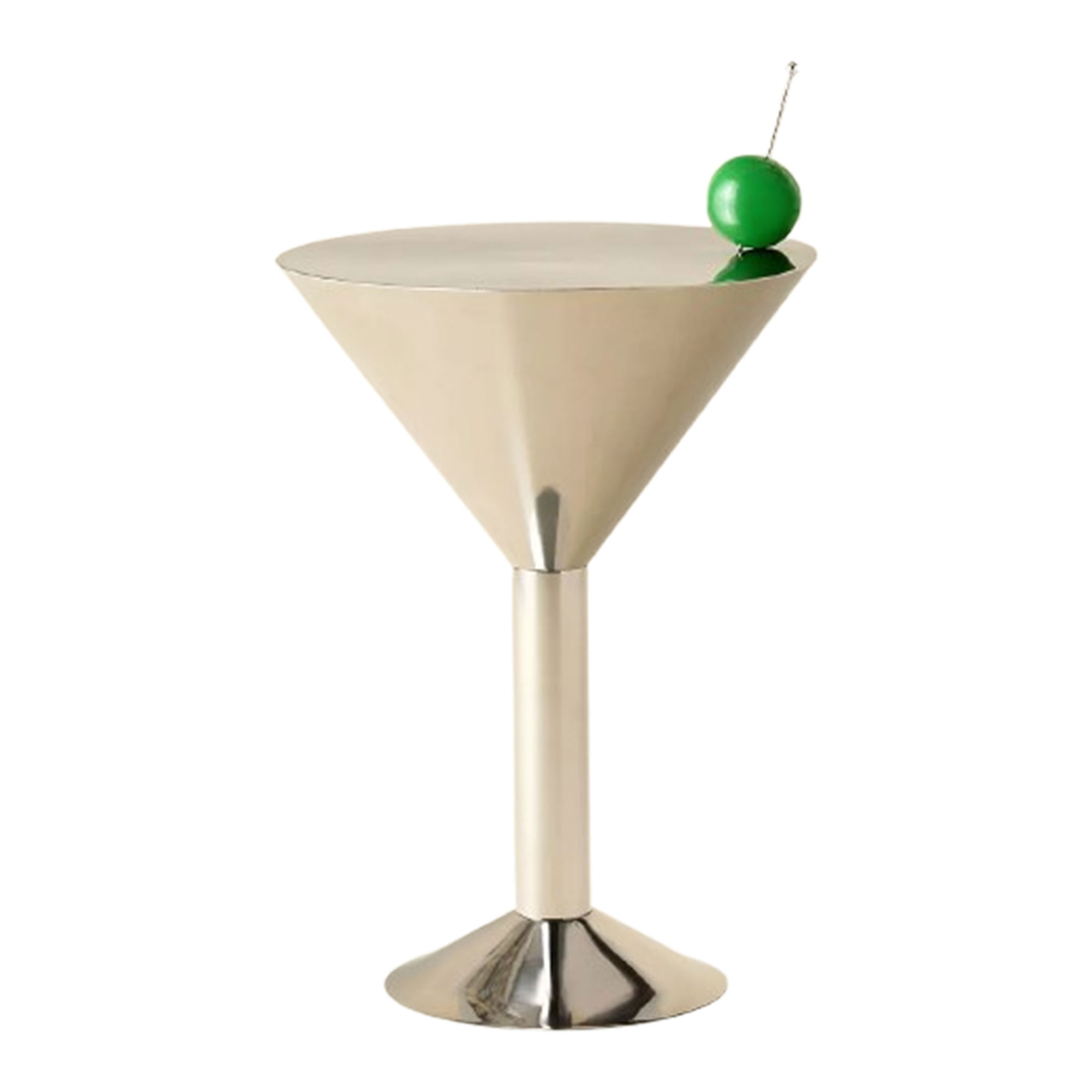
Martini Side Table
Crafted from steel and shaped like a Martini glass, this table comes with the fake olive decoration on top, and it’d be the perfect addition to a bar area, as an extra place to pop your cocktail.
Rockett St George
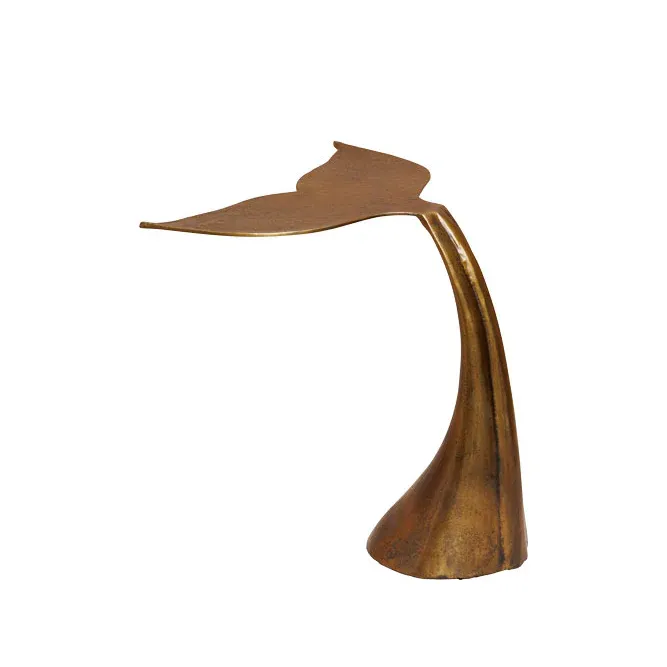
Mermaid Tail Side Table
Finished with a distressed, antique-effect brass look, this mermaid-tail-shaped table is a magnificent addition to a living room or even a bathroom, beside a deep tub. It’s the perfect perch for your favourite candle or cuppa.
Dunelm
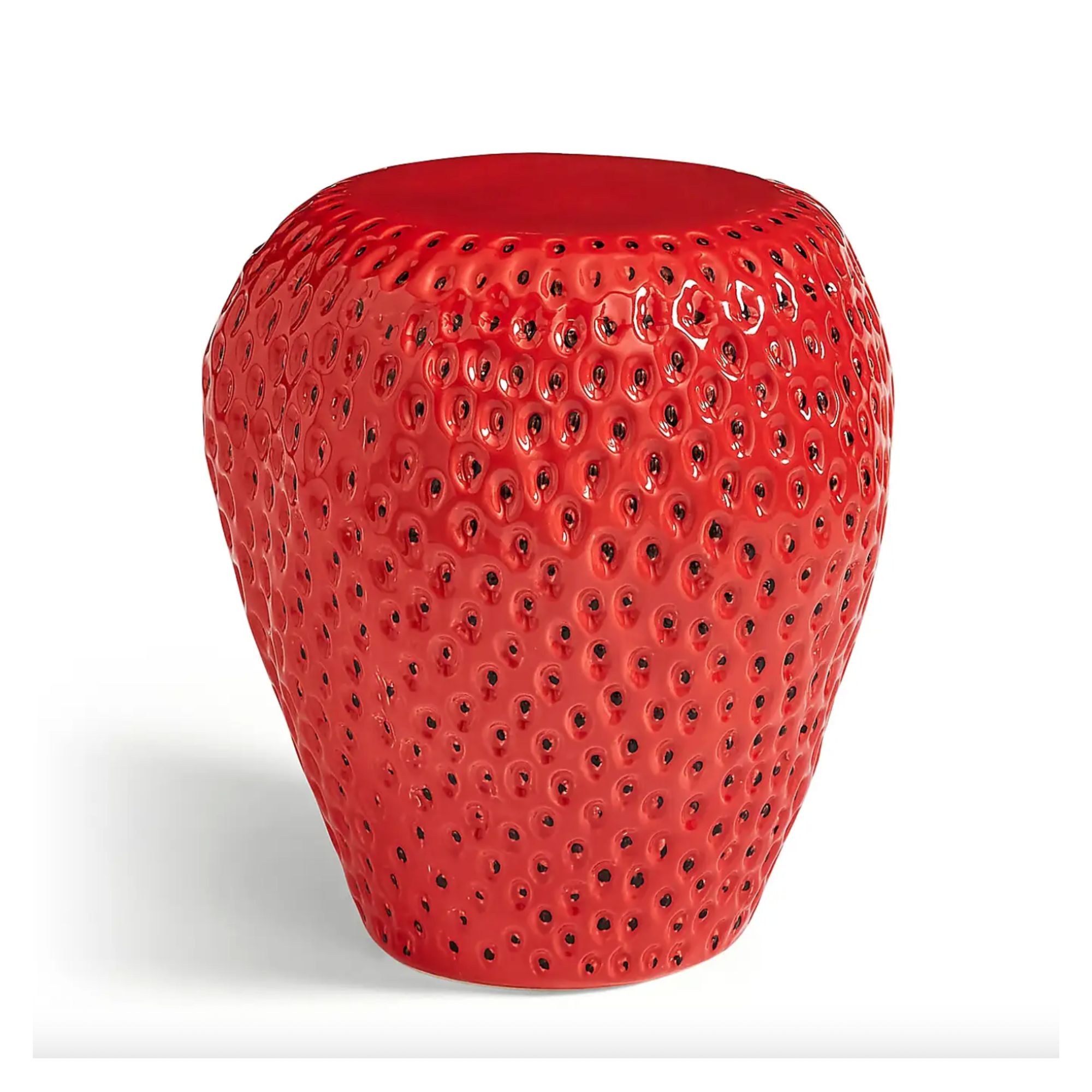
Strawberry Ceramic Table
100% ceramic and 100% sweet, this strawberry side table offers an abundance of tabletop space for your drinks, while adding some red to your space. It’s the summer side table of the year.
Oliver Bonas
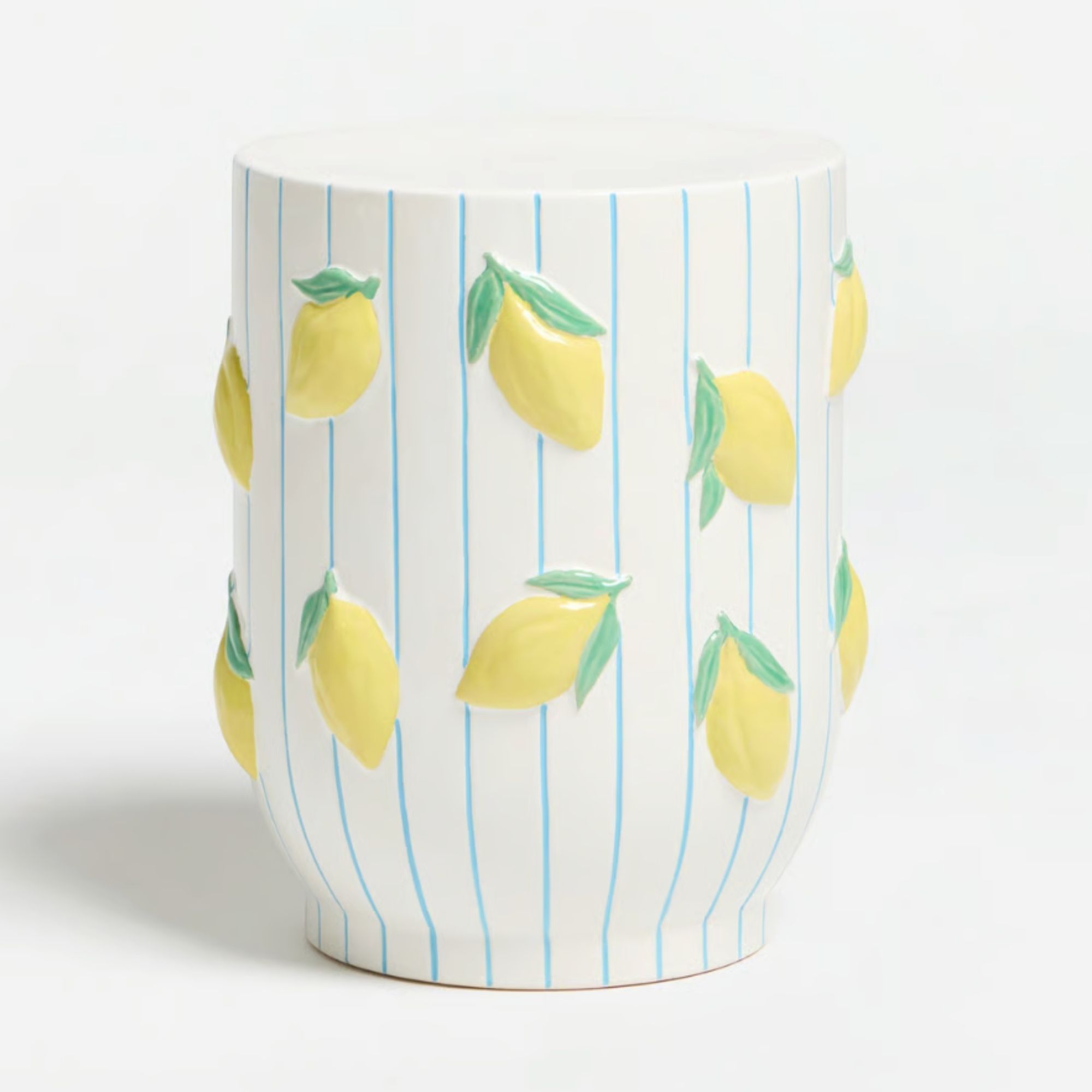
Lemon Striped Ceramic Side Table
Bring the Amalfi to your living room with this lemon decorated side table made from Eathenware. Featuring 3D lemons and blue stripes, it’s nice and subtle while still being different than most.
Anthropologie
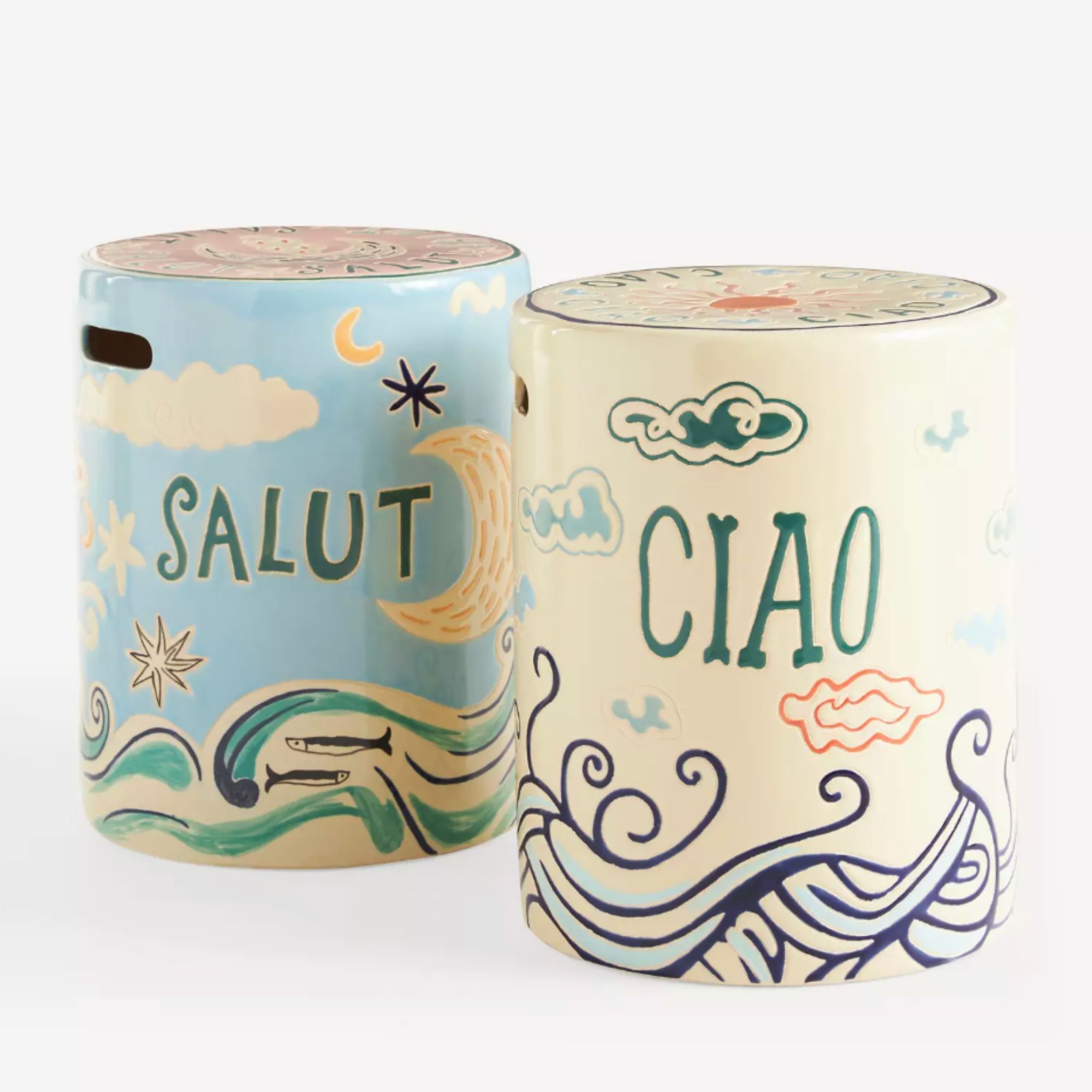
Festa Outdoor Ceramic Stool
Arguably my favourite of the bunch, choose from Ciao or Salut and use these ceramic stools as an extra seat or a place to perch your drink in the garden. They look pretty when used as part of outdoor living room ideas, too.
Dunelm
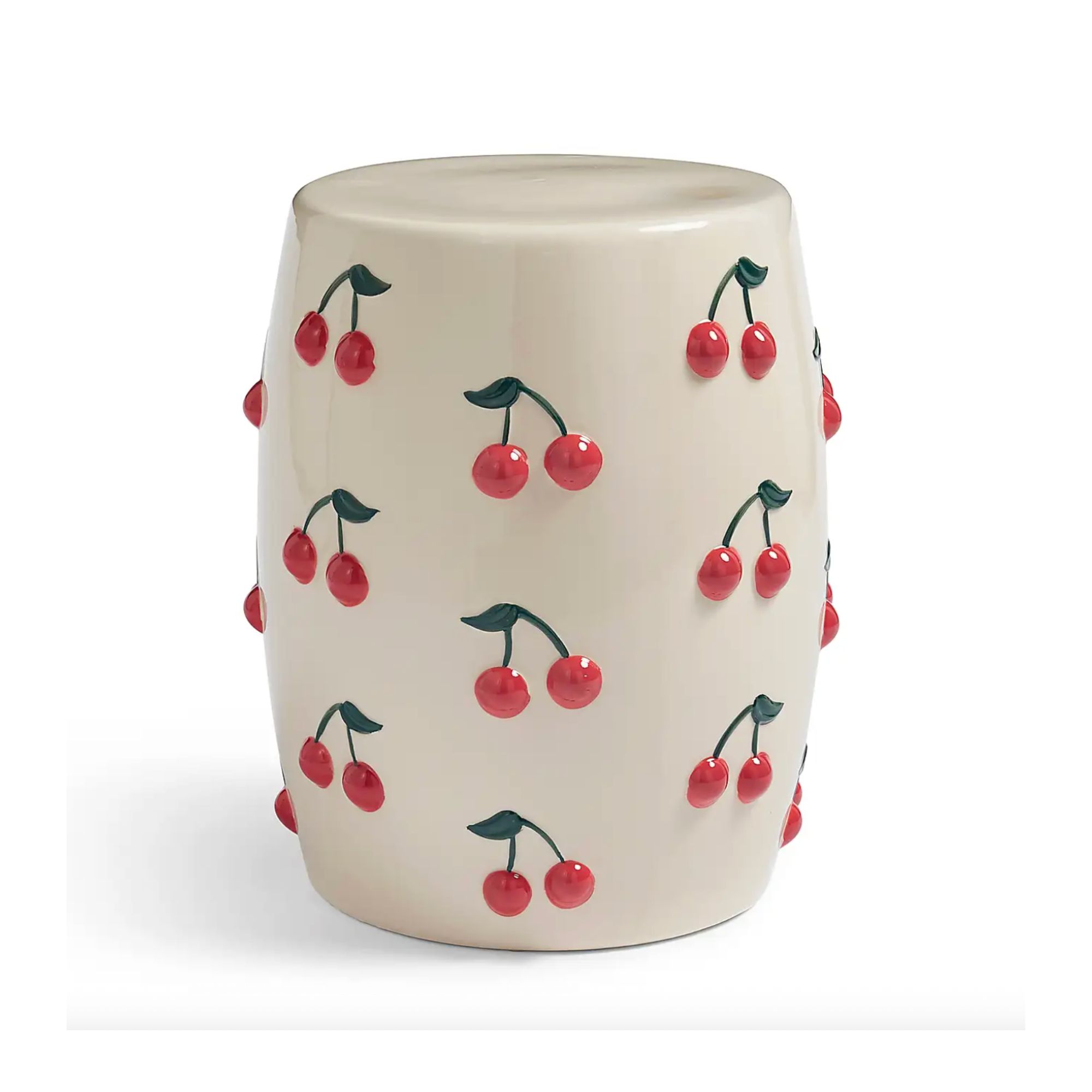
Cherry Print Ceramic Side Table
Cute cherries galore! This ceramic kitsch side table is a safe option for those who’d rather hold back on the colour. Its cherry design is 3D, for extra effect.
Will you be dipping your toe into this playful homeware trend with one of these statement designs? I’ve got my eye on that mermaid tail!
If you enjoyed reading this, sign up for the Ideal Home newsletter for all the latest home decor trends and inspiration delivered straight to your inbox
Sign up to our newsletter for style inspiration, real homes, project and garden advice and shopping know-how