The lake house aesthetic is trending on Pinterest right now, and if you want to shop this luxe, nautical-inspired trend, Next is offering some of the best options.
Take it from us, Pinterest is one of the best places to find the latest home decor trends. And as we see coastal gardens fall back into fashion, it’s no surprise that the elevated lake house trend has also popped up on our radar.
Defined by nature-inspired colour palettes, mixed, natural materials and nautical-themed finishing touches, this trend is both homely and perfect for summer. And if you’re looking to embrace the trend, here are six pieces from Next’s latest homeware collections that I think nail it.
The lake house aesthetic is a trend centred on tranquillity. With wellness culture booming, including the increased popularity of spa gardens, it makes sense that we also want the inside of our homes to feel like a luxury retreat.
Taking inspiration from traditional lake houses and holiday homes, this trend is about recreating the same sense of serenity you feel when on a holiday. So, expect to see lots of calming blue tones, natural wood finishes and of course, a few coastal stripes as well. This trend is also focused on comfort, so you should expect to see a few comfy seating ideas, too.
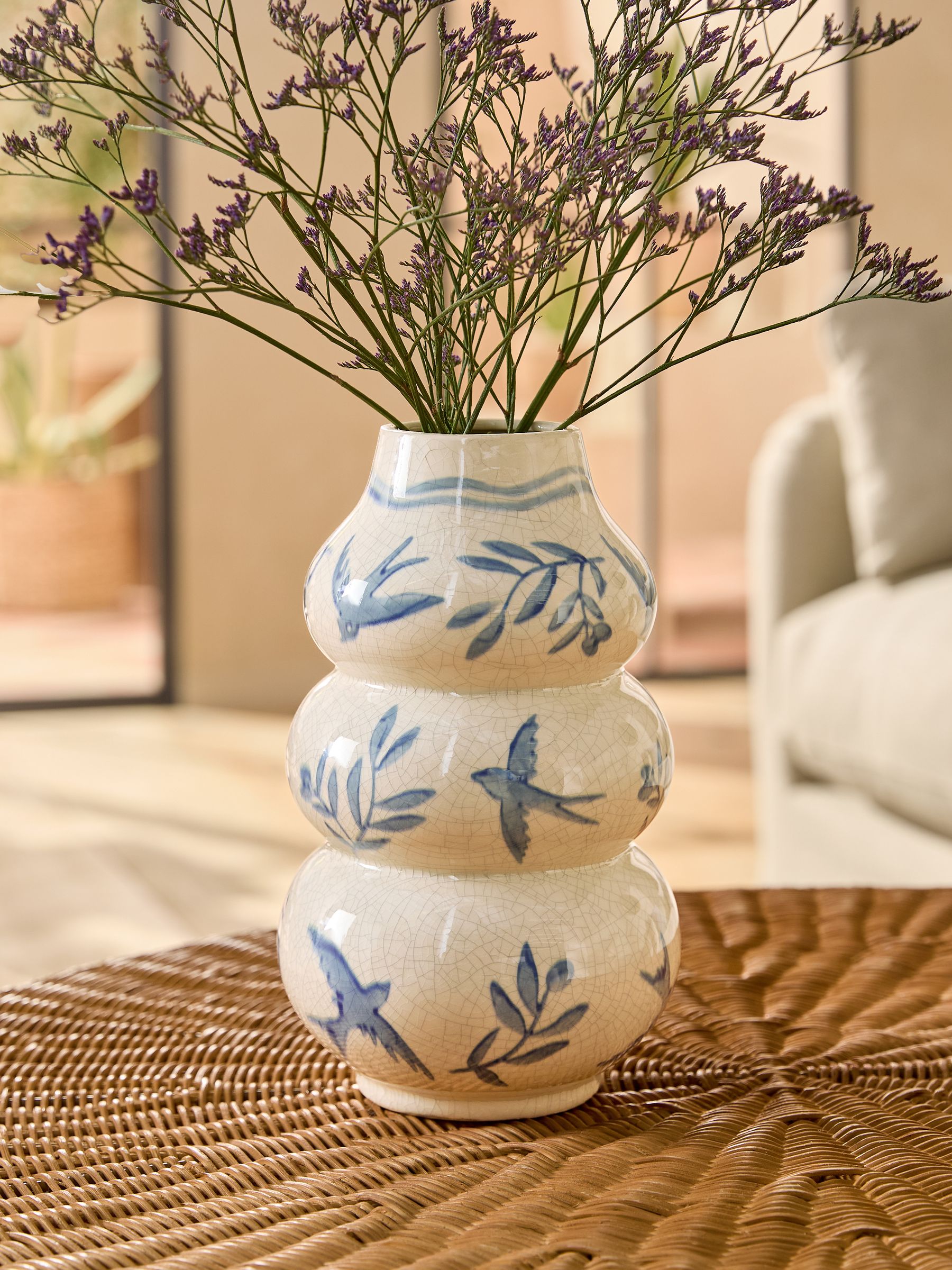
The first piece from Next to catch my eye was their Blue Coastal Ceramic Vase (£28), which, adorned with leaves and birds, has a stunning vintage look. If you’re looking for more inspo, here are my top six picks from Next that I think nail the lake house aesthetic trend.
Next
Blue Coastal Ceramic Vase
I was instantly drawn to this stunning vase which looks like something out of a Nancy Meyers movie. It’s a subtle touch that’s easy on the eye, and will incorporate a key colour into your home.
Next
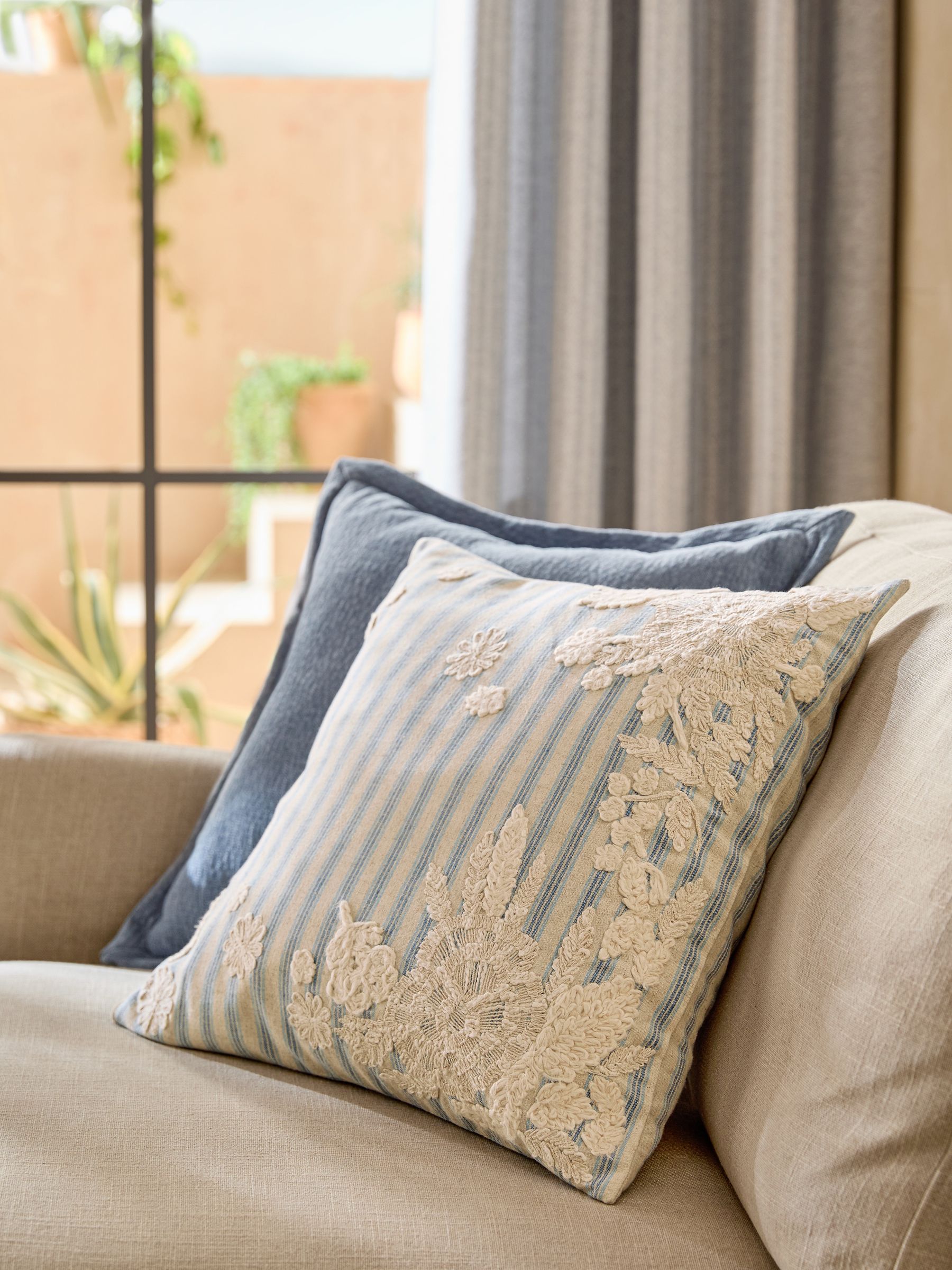
Blue 50 X 50cm Embroidered Floral Stripe Cushion
A striped cushion is a lake house detail, but I love the added detail of lace flowers, which elevates the look. It’s perfect for adding to your sofa for a lake house spin.
Next
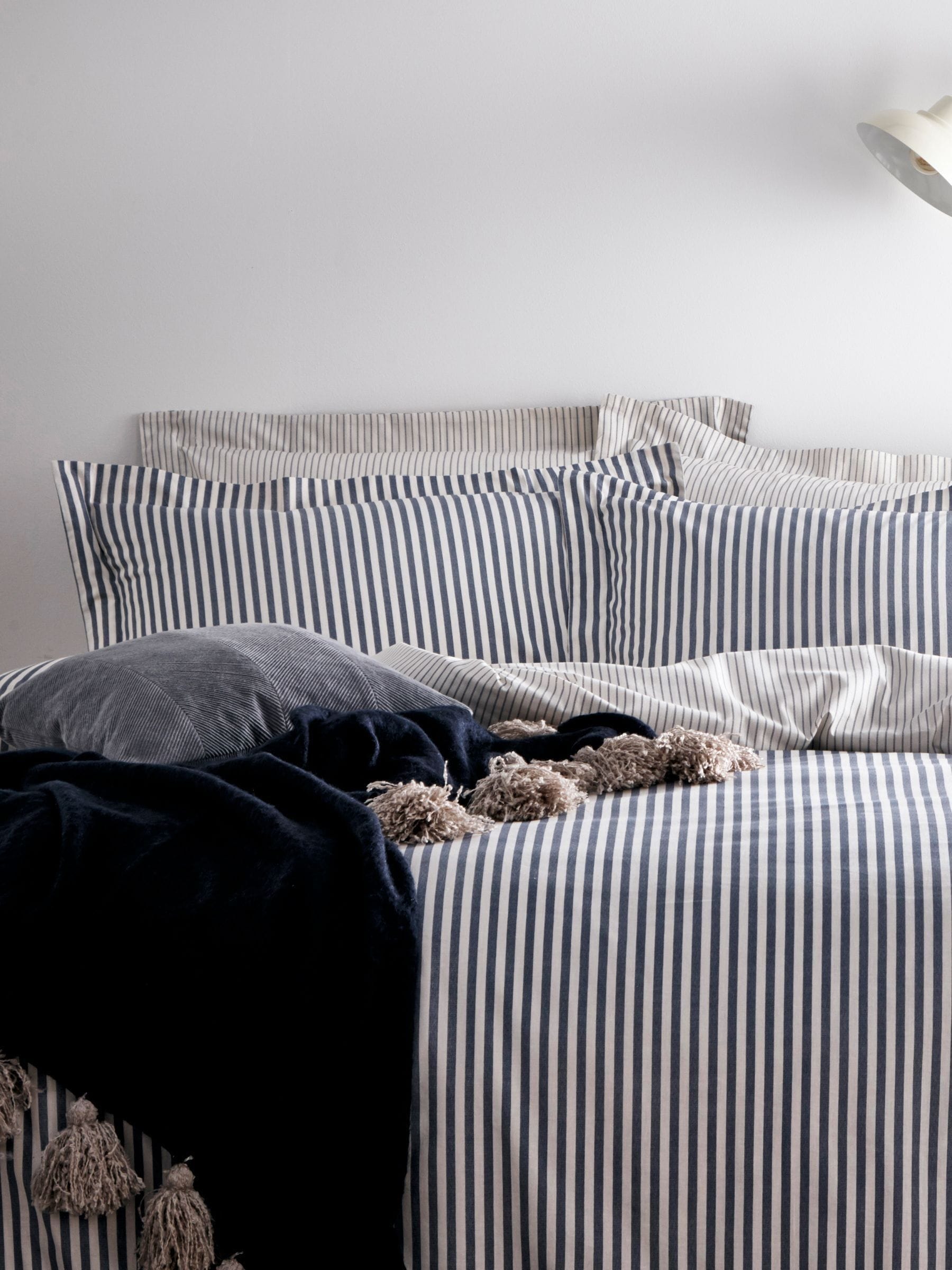
Yard Navy Blue Hebden Striped Cotton Duvet Cover and Pillowcase Set – Single
A navy striped bedding set is a must-have for achieving the lake house look. The Oxford borders and 100% cotton material gives it a luxe, hotel finish.
Next
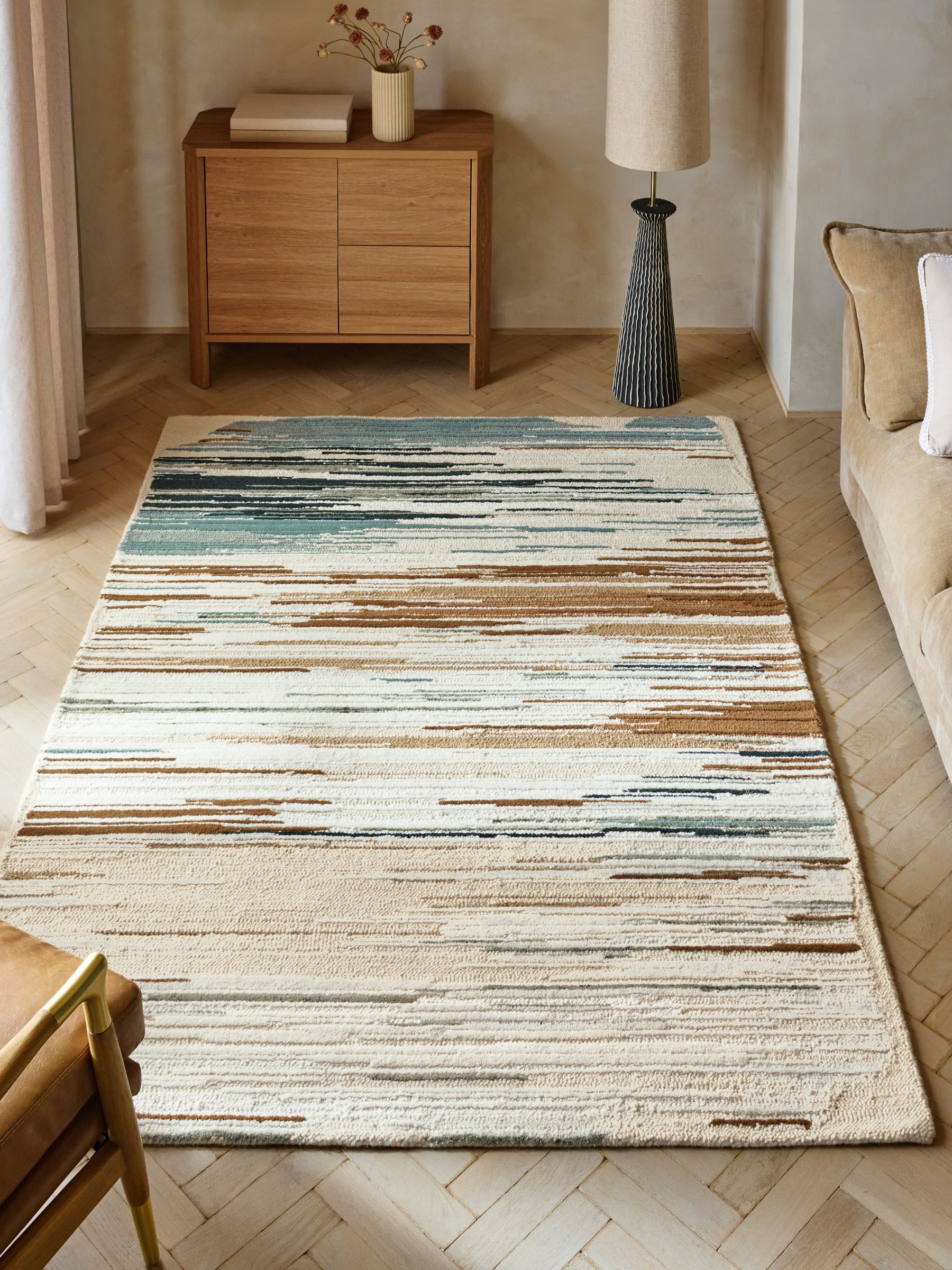
Blue Linear Abstract Wool Rug
To me, this looks like water washing up the shore at my favourite lake. The colours blend beautifully together to create a statement piece for your home.
Next
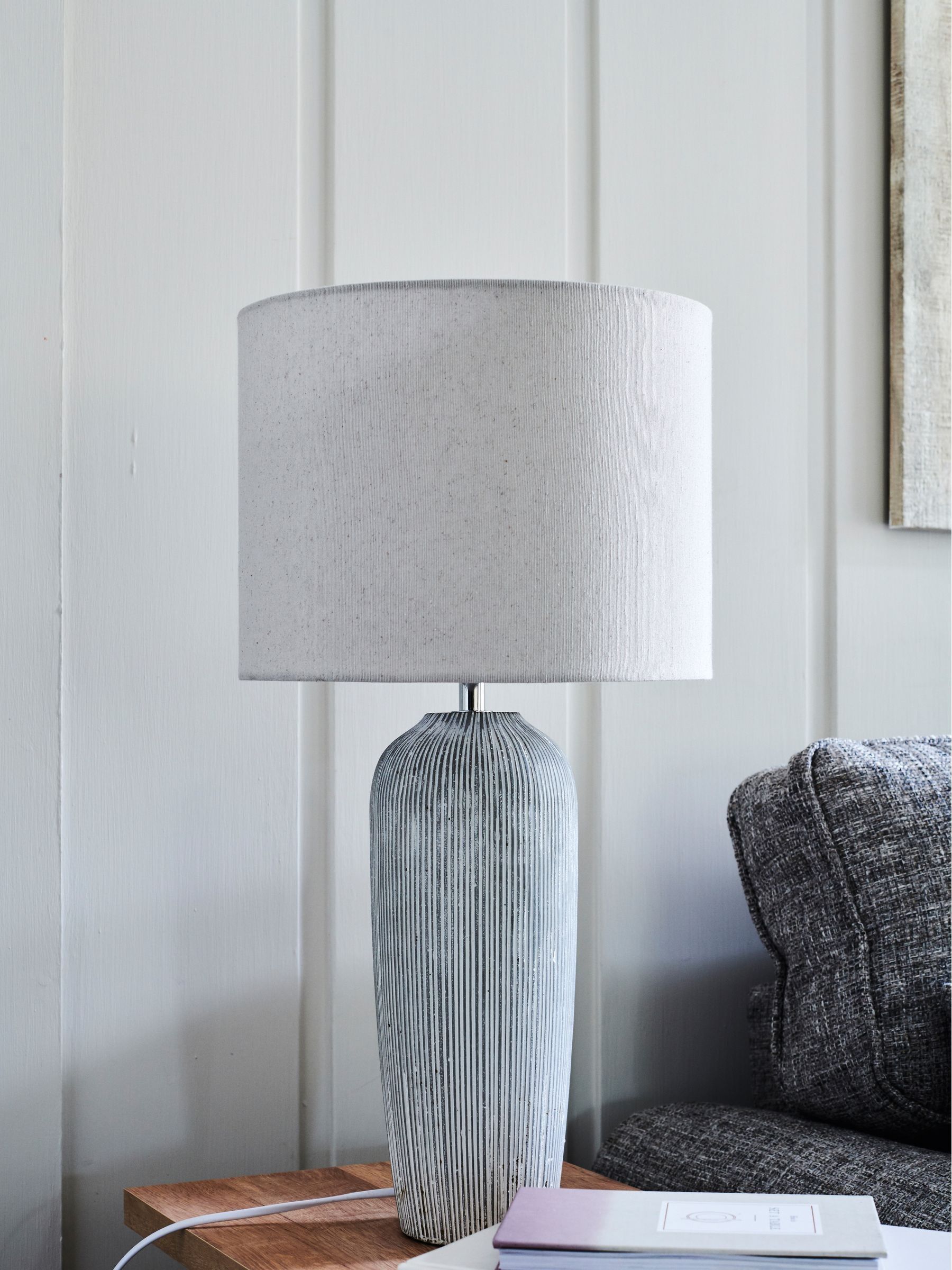
Grey Fairford Extra Large Table Lamp
This chic lamp reminds me of a shell. It’s a soft blue and grey which is undeniably calming to look at – perfect for a bedroom or living room.
Next
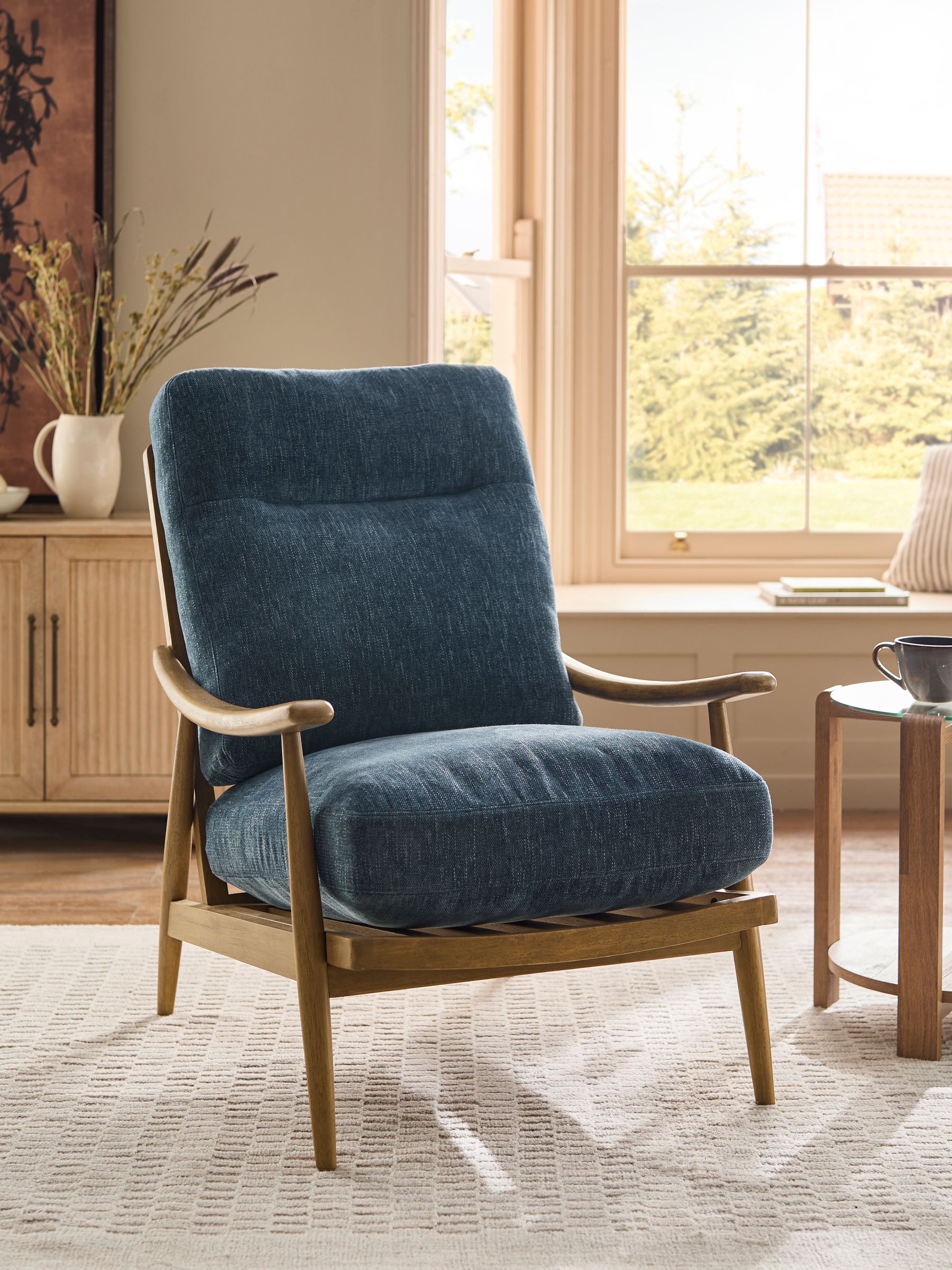
Costwold Chenille Dark Blue Hampton High Back Wooden Accent Chair
Cosy, comfortable seating is an important componant of this trend, and this chenille chair looks very plush and comfortable. I also love how it’s navy colourway and wood finish complement the trend.
The lake house aesthetic is ideal for anyone looking to create a sense of serenity at home this summer. Which piece caught your eye?
Sign up to our newsletter for style inspiration, real homes, project and garden advice and shopping know-how
You can’t beat the fresh scent of washing that has been dried outside. And with Argos Home’s retractable clothes lines (£11), even the smallest of gardens and balconies can get in on this action – not to mention the 1790 positive reviews backing it up.
Now that we’re finally forecasting some warm weather, it’s time to put away your best heated airer and embrace drying your clothes outdoors. But for those of us with small gardens, courtyards or balconies, it can be a little harder to make use of the sunshine and dry washing outside.
While you can always squeeze your airer outside if you don’t have a rotary airer (£25, John Lewis), a more practical and space-saving solution is to invest in a retractable clothes line. At just £11, with thousands of good reviews, Argos Home’s retractable line is perfect for your drying needs. Here’s why.
Latest Videos From
Argos Home
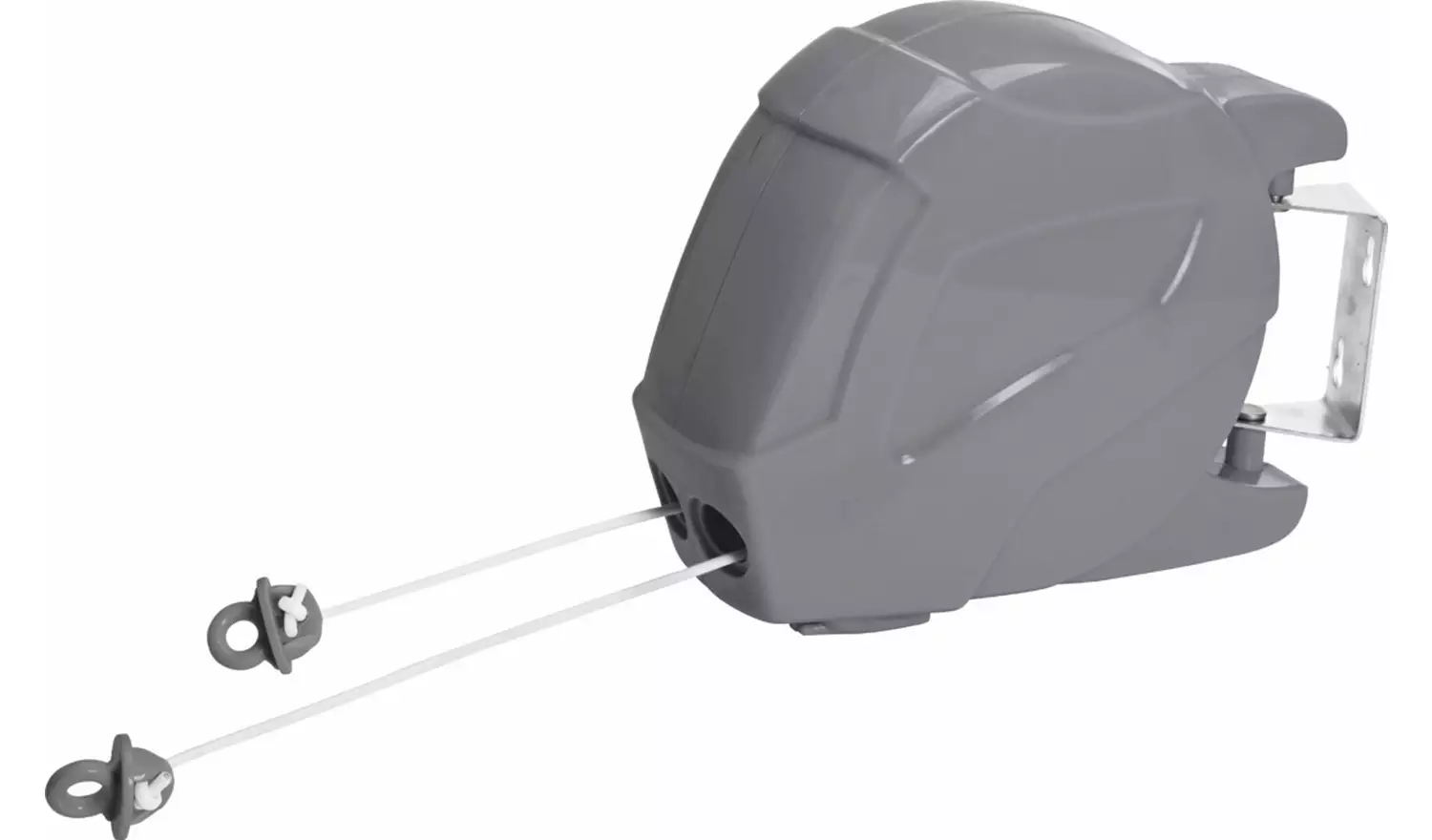
2 x 15m Retractable Clothes Lines
Perfect for small gardens, patios and balconies, this clothes line retracts when not in use – keeping your small space neat and tidy.
There’s something about laundry that has been dried outside that smells and feels much fresher than laundry dried inside the home (although Fairy Outdoorable, £5 at Amazon, does an excellent job of replicating the freshness).
And for small home and garden dwellers, it can feel like you don’t have the space to put a washing line. And this is where a retractable clothes line comes in incredibly handy.
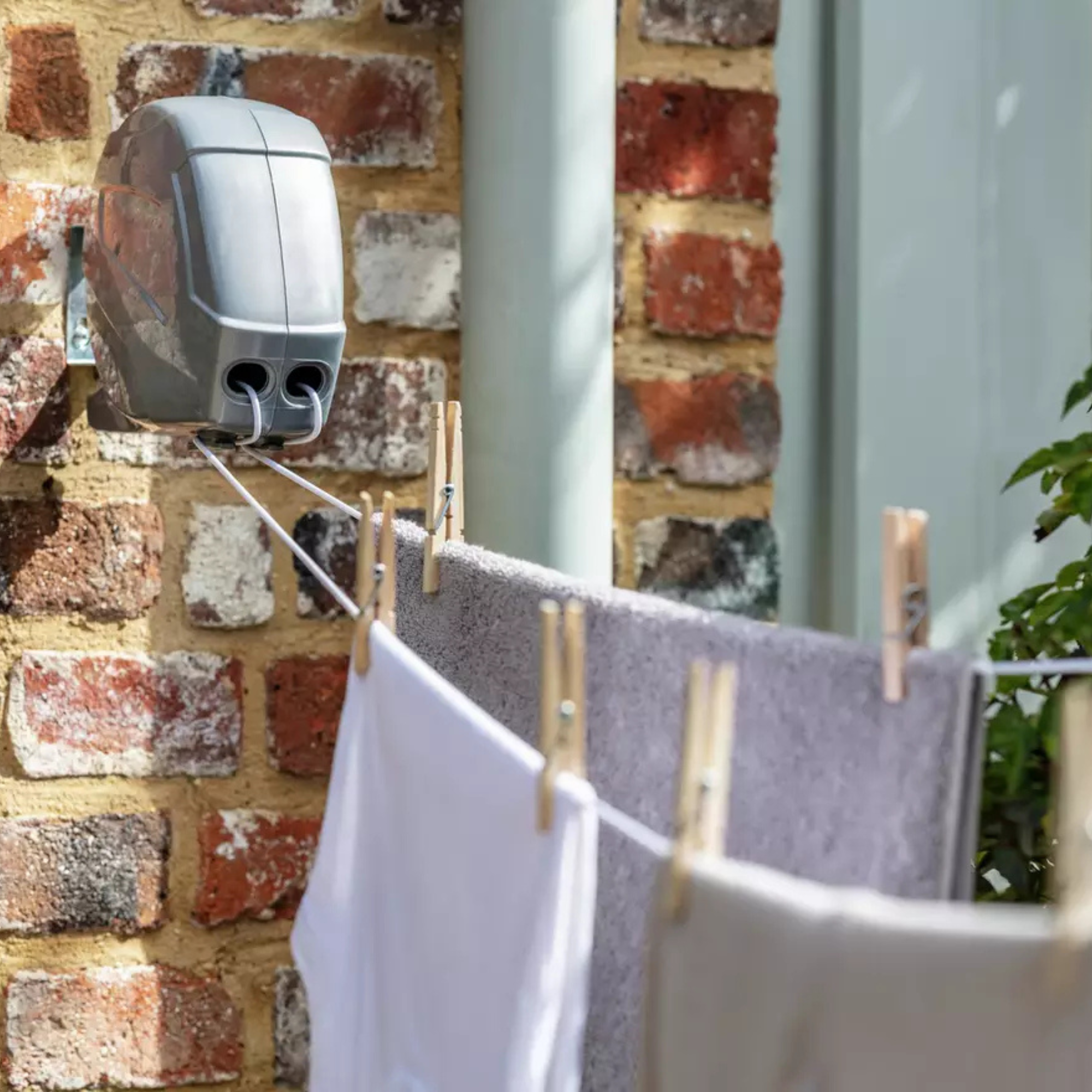
The Argos Home 2 x 15m Retractable Clothes Lines is brilliant at drying laundry without taking up permanent space in your garden. This is because when you’re finished, the lines retract back into the box. This makes it a great choice for gardens and patios where a clothes line will take up too much space or get in the way.
The two lines offer 30m of drying space and hold up to 15kg, so it’s perfectly capable of handling the washing needs of a busy family. It also comes with fittings, making the installation process easy, too. It will need to be screwed to a wall, so that it is strong enough to hold a full line of washing. Meanwhile, the lines work a little like a tape measure and can be pulled out and hooked into place.
Sign up to our newsletter for style inspiration, real homes, project and garden advice and shopping know-how
(Image credit: Argos Home)
And don’t just take it from me, many of the reviews mention how brilliant this clothes line is for small gardens.
‘I’ve had a few of these, with only having a small garden, they are ideal. They last a few years, and I leave them out all winter. Always put the lines in after each use. I would certainly recommend it,’ says one.
‘Bought this a few weeks ago in time for the sunny weather….great price and good product, I didn’t want a clothes line taking up space in my small garden, so this is perfect as it’s retractable,’ said another.
Shop retractable clothes lines
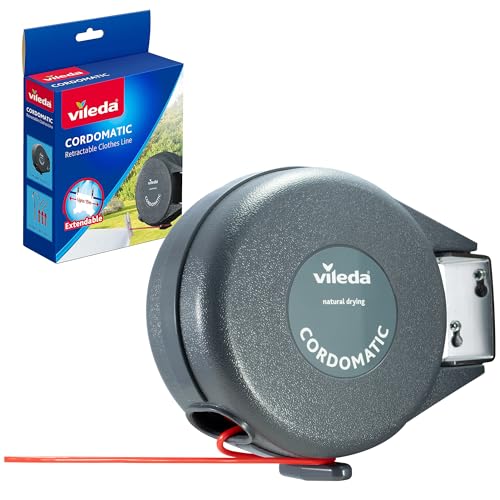
Vileda
Vileda Cordomatic Retractable Washing Line 15m
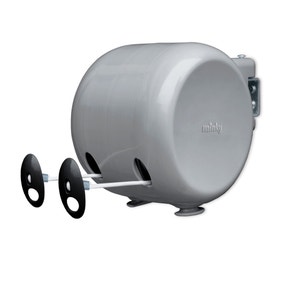
Minky
Minky 30 Metre Retractable Line
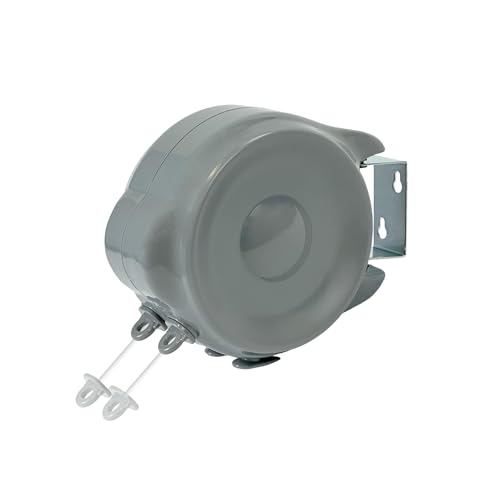
Addis
Addis Dual 2 Line Retractable Outdoor Space Saving Laundry Clothes Washing Line
Would you use a retractable line in your small garden?
Garden edging may seem like a small detail, but it can have a surprisingly big impact on the overall look and feel of a garden. Acting as a visual boundary between lawns, flower beds, pathways and patios, edging helps create definition, structure and a sense of order. It can make planting schemes stand out more clearly, prevent grass from creeping into borders and give even the most informal garden a more polished appearance.
The good news is that garden edging comes in a huge variety of styles, materials and price points. From traditional brick and natural stone borders to contemporary metal edging, timber sleepers and naturalistic planting, there is an option to suit every type of garden. Whether you are designing a formal landscape, a cottage-style retreat or a modern outdoor space, the right edging can tie the entire design together.
In this guide, we’ll explore a range of garden edging ideas to inspire your next project. We’ll look at the benefits of different materials, where they work best, and how to choose an edging style that complements both your garden areas and the exterior style of your home. Whether you’re planning a complete garden makeover or simply refreshing existing borders or lawn edges, these ideas will help you create attractive, well-defined outdoor spaces.
Why Garden Edging Matters More Than You Think
Walk past any professionally landscaped property and the first thing your eye notices is not the flowers or shrubs. It is the clean, defined lines separating lawn edging from beds. Those crisp edges signal intentional design and careful maintenance, even when the rest of the garden space is relatively simple.
Without edging, your garden beds become battlegrounds. Grass roots tunnel underneath. Mulch migrates during rain. String trimmers scalp plants trying to create a clean line. You spend weekends on your knees with a spade trying to redefine borders that disappear within weeks.
Edging solves four problems at once:
It creates a physical barrier grass cannot cross
It holds mulch and soil exactly where you want them
Provides a lawn mowing guide that protects plants from trimmer damage
The return on investment is immediate. One afternoon installing the right edging eliminates hours of monthly maintenance while making your property look significantly more polished and intentional.
Matching Garden Edging to Your Garden Style
The most attractive garden edging feels like a natural extension of the surrounding landscape. Choosing materials that suit your garden style creates a more cohesive and professionally designed appearance.
Cottage Gardens
Cottage gardens thrive on charm, informality, and abundant planting. Reclaimed bricks, weathered timber, natural stone, and living edges made from ground-cover plants all work beautifully in this setting.
Contemporary Gardens
Modern gardens often feature strong lines and minimalist planting schemes. Steel, aluminium, concrete, and large-format pavers provide the clean, architectural appearance that contemporary landscapes demand.
Formal Gardens
Formal gardens benefit from symmetry and structure. Brick soldier courses, neatly clipped box hedging, and precisely installed stone edging reinforce the sense of order and balance.
Mediterranean Gardens
Terracotta edging, limestone, gravel borders, and warm-toned stone help create the relaxed atmosphere associated with Mediterranean-style outdoor spaces.
Woodland and Naturalistic Gardens
Logs, timber rounds, fieldstone, and living plant edges blend naturally into woodland-inspired landscapes, allowing the planting to remain the main focus.
Steel Edging for Modern Clean Lines
Black steel edging in a contemporary garden design
Steel edging delivers the sharpest, most contemporary look available. The thin profile nearly disappears visually while creating a knife-edge separation between lawn and garden beds.
Professional landscapers favor steel because it bends to any curve, installs permanently, and requires zero maintenance. The material develops a natural rust patina over time that blends beautifully with soil and mulch, or you can choose powder-coated versions in black or green that stay consistent for decades.
Installation requires a flat spade to cut a narrow trench along your bed line, then you simply press the steel edge into the trench and backfill. The top edge sits flush with or slightly above the soil line, creating a guide for your mower wheels while completely blocking grass rhizomes from crossing.
Three critical installation tips:
Overlap sections properly. Most steel edging comes in 8 or 16-foot sections with connectors. Overlap joints by at least 6 inches and use the provided stakes to lock sections together, or grass will find the gaps.
Match the curve radius. Tight curves require shorter sections or specialized flexible edging. Forcing long rigid sections into sharp turns creates gaps at ground level.
Stake every 3 feet minimum. Ground heave from freeze-thaw cycles will push unstaked edging out of alignment within a single season.
Steel edging costs more upfront than most alternatives but lasts 20-plus years with zero replacement or repair, making it the most economical choice long-term. The clean modern aesthetic works especially well with contemporary architecture and minimalist garden designs.
Aluminium Garden Edging: Another Modern Alternative
While steel edging often receives the most attention, aluminium edging has become increasingly popular in contemporary landscape design.
Aluminium offers many of the same clean visual lines as steel but with several additional advantages. It is lightweight, resistant to rust, and easier to handle during installation. The material can be curved to create flowing bed shapes while still maintaining crisp, professional-looking borders.
Many aluminium edging systems are available in powder-coated finishes, including silver, black, bronze, and dark grey, making them easy to coordinate with modern architectural styles.
Although aluminium typically costs more than plastic edging, it requires very little maintenance and can last for decades when properly installed. If you are seeking a sleek, contemporary appearance without the possibility of rust, aluminium is well worth considering.
Brick and Stone Edging for Traditional Charm
Brick and stone bring old-world character and substance that plastic and metal cannot match. These materials add texture, color variation, and a sense of permanence that complements cottage gardens, traditional landscapes, and historic properties beautifully.
Your main options for stone edges for gardens break down like this:
Mortared brick: Creates a formal, permanent border that will outlast your house. Requires a concrete footer, proper mortar mixing, and some masonry skill. Best for straight runs and gentle curves. The labor investment is significant but the result is heirloom-quality.
Dry-stacked stone: Fieldstone or cut stone laid without mortar creates a rustic, organic look. Works for raised beds where you stack 2-3 courses high. Garden stones for edging will settle and shift slightly over time, which adds to the informal charm but means occasional adjustment.
Brick soldier course: Bricks set vertically in a narrow trench create a tidy sawtooth edge. No mortar required. The bricks should be buried halfway, leaving 4 inches exposed. Pack soil tight on both sides to prevent tilting.
The weight of stone and brick is both advantage and limitation. Once installed these borders stay exactly where you put them. But moving or adjusting them later requires significant effort, so get your bed lines right before installation.
Choose materials that echo your home’s exterior or hardscaping. Red brick matches traditional homes with brick facades. Bluestone complements slate roofs and contemporary stone veneer. Limestone works beautifully with stucco and Mediterranean styles.
Plastic and Composite Edging for Quick Installation
Flexible composite garden border edging
If you need edging installed this weekend without special tools or skills, plastic and composite materials deliver. These products have evolved far beyond the flimsy green strips that popped out of the ground every spring.
Modern composite edging mimics wood grain, comes in realistic earth tones, and includes heavy-duty anchor stakes that actually hold. The flexibility lets you create smooth curves impossible with rigid materials, and the cost is low enough to edge your entire property for a few hundred dollars.
Installation takes three steps: Mark your line with landscape paint or a garden hose. Cut a narrow trench with a flat spade or edging tool. Press the edging into the trench and drive stakes every 2-3 feet, then backfill and tamp.
The main weakness is durability in extreme climates. Freeze-thaw cycles can heave plastic edging out of alignment. UV exposure makes some products brittle after 5-7 years. And plastic simply lacks the visual weight and permanence of metal or stone.
Buy the thickest, heaviest product you can find. Thin flexible edging saves a few dollars but buckles under soil pressure and looks cheap. Professional-grade composite edging costs 3-4 times more than basic plastic but lasts twice as long and actually stays where you install it.
Use plastic edging for temporary beds, rental properties, or areas where you might redesign in a few years. For permanent installations where you want a quality look, invest in steel, stone, or wood instead.
Wood and Timber Garden Edging for Natural Warmth
Garden wood edging brings warmth and texture that works beautifully in cottage gardens, woodland settings, and informal landscapes. The organic look softens hardscape and blends seamlessly with plants and mulch.
Pressure-treated landscape timbers create substantial raised borders. Stack timber for garden edging 2-3 courses high for dramatic elevation changes or use a single timber for a low profile edge. Anchor each course with 12-inch landscape spikes driven through pre-drilled holes into the timber below.
Garden sleeper edging is another popular choice for creating robust and attractive edged borders. Available in timber, reclaimed, or composite styles, sleepers can be laid flat to define pathways and flower beds or stacked to form raised planting areas. Their substantial size creates a strong visual presence in the landscape and makes them particularly effective in larger gardens where smaller edging materials may look lost. They also work well for retaining soil on gently sloping sites while adding a natural, rustic character to the garden.
Cedar and redwood boards offer rot resistance without chemical treatment. Horizontal boards held by stakes create clean lines for vegetable gardens and cutting beds. Vertical boards driven into the ground produce a rustic palisade effect perfect for informal cottage gardens.
The hard truth about wood for garden edging is lifespan. Even rot-resistant species break down in constant soil contact. Expect 7-12 years from cedar and redwood, 15-20 from pressure-treated pine, then budget for replacement. Wood edging is not a permanent solution, but the aesthetic appeal and ease of working with familiar materials makes it worthwhile for many gardeners.
Concrete and Paver Edging for Ultimate Permanence
Concrete edging is forever. Once installed it will outlast your garden, your house, and probably your grandchildren. This permanence is either the biggest advantage or the biggest liability depending on how certain you are about your landscape layout.
Poured concrete curbing: Professional installers use specialized equipment to extrude continuous concrete borders in any shape. The seamless look is extremely clean and modern. Color can be added during mixing and the surface can be stamped or textured. Costs run 12-18 dollars per linear foot installed.
Concrete pavers: Precast edging pavers install like brick but offer more size and style options. Lay them end-to-end in a trench with a sand base for a semi-permanent installation, or set them in concrete for a truly permanent border.
Poured-in-place edging: DIY concrete borders require building temporary forms, mixing concrete, pouring, and finishing. The labor investment is high and mistakes are difficult to correct, but material costs are low and the customization is unlimited.
The visual weight of concrete makes a strong design statement. Use it intentionally where you want to emphasize structure and geometry. The material works best in contemporary, Mediterranean, and desert landscapes where the substantial presence complements the architectural style.
Concrete is unforgiving of layout mistakes. Spend extra time perfecting your curves and lines before installation because changes later require a jackhammer and complete reinstallation.
Living Edges with Ground Cover Plants
The softest, most organic edge is not a product you install but a plant you grow. Low ground covers create a living border that blurs the transition between lawn and garden while suppressing weeds and adding another layer of texture and color.
Top performing plants for garden edges include:
Creeping thyme: Stays under 3 inches tall, tolerates foot traffic, blooms in early summer, and smells amazing when brushed. Excellent between pavers and along path edges.
Blue star creeper: Tiny leaves and small blue flowers create a dense mat that handles moderate foot traffic. Stays green year-round in mild climates.
Mondo grass: Clumping habit creates a neat edge without spreading. Dark green blades stay attractive year-round. Plant on 6-inch centers for a continuous border.
Sedum: Succulent foliage in green, purple, or variegated forms adds color while requiring almost zero water once established. Low-growing varieties like Sedum album or Sedum rupestre work best.
Living edges require maintenance different from hard borders. You will trim, divide, and manage growth rather than just mowing up to a physical barrier. But the softness and movement of plants create a look that hard materials cannot match.
Plant ground cover edges 6-12 inches wide to create enough visual mass for impact. A single thin line of plants looks skimpy and gets lost against both lawn and garden bed. A generous band reads as an intentional design element.
Wildlife-Friendly Garden Edging
Modern gardens are increasingly designed to support local wildlife, and edging choices can play a role in creating a more nature-friendly landscape.
Living edges planted with creeping thyme, sedum, or other flowering ground covers can provide valuable nectar sources for pollinators. Natural stone edging often creates small gaps and crevices that benefit insects and other beneficial garden creatures.
Where possible, avoid creating barriers that restrict the movement of wildlife such as hedgehogs. Leaving occasional gaps or choosing lower-profile edging can help animals move safely throughout the garden.
Permeable edging solutions that allow water to infiltrate naturally into the soil also contribute to healthier garden ecosystems while helping to reduce surface water runoff.
Trench Edging for Zero-Cost Clean Lines
The simplest natural edge costs nothing, requires no additional materials, and takes about 15 minutes per 20 feet of border. A clean trench cut with a flat spade, edging shovel or half-moon edger creates a crisp line that defines beds beautifully.
Cut vertically along your desired edge line to full spade depth. Then angle the spade to remove a 2-3 inch wedge of soil from the lawn side, creating a small ditch. The vertical wall on the garden side and the angled slope on the lawn side gives you a sharp defined edge and a guide for your mower wheels.
This traditional method works beautifully in formal English gardens where maintenance is part of the gardening ritual. The edge needs redefining every 4-6 weeks during the growing season as grass grows back into the trench.
Three reasons trenched edges still make sense: Zero material cost. Completely natural appearance. Total flexibility to adjust bed lines anytime without wasting materials or wrestling with installed products.
The time investment is the tradeoff. If you enjoy the meditative work of hand-edging and the crisp results, this method is perfect. If garden maintenance feels like a chore you want to minimize, install a permanent edging material instead.
Combining Multiple Edge Types for Maximum Impact
The most sophisticated landscapes layer edging materials to create depth and solve multiple problems simultaneously. A primary structural edge provides the muscle while a secondary decorative edge adds visual interest.
Steel plus stone: Install steel edging for the functional grass barrier, then place decorative river rock or small boulders along the garden side for texture and color. The steel does the work invisibly while the stone gets the visual attention.
Trench plus mulch: Cut a maintenance trench, then add a 6-inch band of contrasting mulch like dark hardwood against lighter pine straw. The trench stops grass while the mulch band creates a bold visual stripe.
Timber plus ground cover: Use landscape edging timbers to create raised bed structure, then plant a low ground cover like creeping thyme along the top and outer face of the timber. The wood provides clean geometry while the plants soften the hard edges.
Think about edging in layers rather than single solutions. The functional barrier that stops grass does not have to be the same element that provides visual appeal. Combining materials lets you optimize for both performance and aesthetics.
Garden Edging Cost Comparison
Here’s a useful at-a-glance cost comparison of the most popular types of garden edging materials. Use it to help you work out the best option for you in terms of outlay cost, lifespan and maintenance needs.
EDGING MATERIAL
COST
LIFESPAN
MAINTENANCE
Trench edging
£
Ongoing upkeep
High
Plastic edging
££
5–10 years
Medium
Timber edging
££
7–20 years
Medium
Aluminium edging
£££
20+ years
Low
Steel edging
£££
20+ years
Low
Brick edging
£££
50+ years
Low
Stone edging
£££
50+ years
Low
Concrete edging
£££
Lifetime
Very low
Living edging
££
Long-term with care
Medium to High
Garden Edging for Sloping Gardens
Sloping gardens present unique challenges when it comes to garden edges. Gravity encourages soil, mulch, and decorative gravel to migrate downhill over time, while heavy rainfall can accelerate erosion and wash materials out of planting beds. Choosing the right edging can help stabilise the landscape while creating attractive, well-defined borders.
For gentle slopes, substantial materials such as garden sleepers, natural stone, and larger pavers often provide enough weight to hold soil in place. Sleepers are particularly effective because they can be installed horizontally to create low retaining edges that follow the contours of the land. This helps establish level planting areas while adding structure and visual interest.
Steeper slopes may benefit from terraced edging solutions. By dividing the garden into a series of smaller levels using sleepers, stone retaining walls, or concrete blocks, you can reduce erosion, improve drainage, and create easier-to-maintain planting zones. Terracing also makes sloping gardens feel more organised and accessible.
Natural stone is another excellent option for slopes because it blends seamlessly into the landscape while providing substantial support. Dry-stacked stone walls can help retain soil and create attractive transitions between different levels of the garden. For a more contemporary appearance, steel edging can be used to define stepped planting beds and pathways, particularly when combined with gravel or ornamental grasses.
When installing edging on any slope, it is important to consider drainage. Water should be able to move naturally through the landscape without becoming trapped behind edging materials. Proper drainage helps prevent waterlogging, soil erosion, and frost damage during colder months.
With the right approach, garden edging can transform a challenging sloping site into a series of attractive, functional spaces that feel intentional and professionally designed.
Maintaining Your Garden Edging
Re-staining wooden garden sleeper edging
Even the most durable edging benefits from occasional maintenance to keep it looking its best.
At least once each year, inspect edging for signs of movement, damage, or deterioration. Replace broken sections promptly to prevent larger problems from developing.
Timber edging may require periodic staining or treatment to extend its lifespan, while brick and stone borders should be checked for loose sections or deteriorating mortar joints.
Steel and aluminium edging generally require very little maintenance beyond removing accumulated soil and debris. Plastic edging may occasionally need to be reset if frost or ground movement causes shifting.
Living plant edges should be trimmed and divided as necessary to maintain their shape and prevent them from spreading into unwanted areas.
A small amount of annual attention can dramatically extend the lifespan of your edging while preserving the crisp, defined appearance that makes garden borders so effective.
Conclusion
Garden edging is one of those landscape features that often goes unnoticed when done well, yet its impact on the overall appearance and functionality of a garden is significant. Whether you prefer the clean lines of steel, the timeless appeal of brick and stone, the warmth of timber, or the softness of living plant borders, the right edging helps bring structure, definition, and polish to outdoor spaces.
Beyond aesthetics, quality edging can reduce maintenance, prevent grass from invading borders, keep mulch and soil in place, and make routine gardening tasks easier. The best choice will depend on your garden style, budget, and how much long-term upkeep you are willing to undertake.
As with many aspects of garden design, there is no single perfect solution. A contemporary courtyard may benefit from sleek metal edging, while a cottage garden might look more at home with reclaimed brick or flowering ground covers. By selecting materials that complement both your home and landscape, you can create borders that feel intentional, attractive, and built to last.
Whether you are refreshing existing beds or redesigning your entire garden, investing time in choosing the right edging can make a remarkable difference. Sometimes it is the smallest details that have the biggest effect, and well-defined garden borders are a perfect example of that principle in action.
Related Posts
For most content related to garden edging in various forms, check out these posts:
If you’ve been following this year’s Interior Design Masters on the BBC, you won’t have missed that earlier this week, Lia Gold was crowned the winner and won a contract to design a homeware collection with Next.
Lia Gold’s joyful collection with Next dropped yesterday, and I was able to see the full collection in person on launch day. Seeing homeware you can typically only buy online in person as soon as it goes on sale – sometimes even before – is one of the perks of my job. It means I can find out firsthand if something really does look as good IRL as it does on screen, and in this case, I’m happy to report it looks better.
I’m a huge fan of Interior Design Masters, rarely missing an episode, so I was intrigued to see what this year’s winning collaboration would look like. While I was surprised not to see Lia’s signature florals from the show in the collection, I think the unexpected direction made me like it even more. Lia leaned into her Scottish Italian roots to create a bright and sunny range of homeware that was the jolt of colour I needed to see during this rainy week.
Latest Videos From
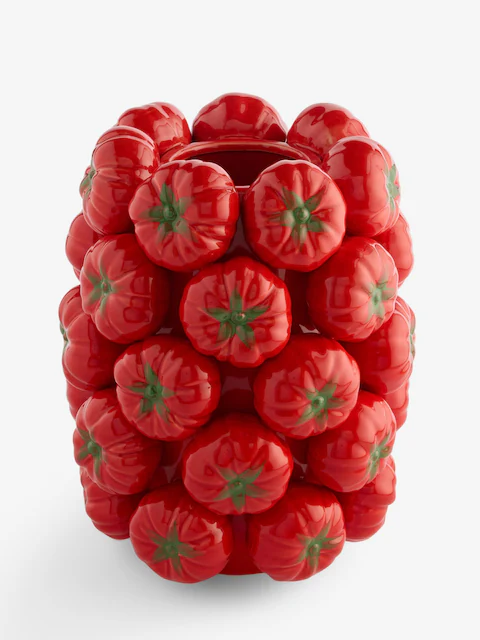
The standout stars are, hands down, the fire engine red chilli ceramic plant pot and the tomato vase. Playful and vibrant, I was impressed with the quality and detail in these pieces when I saw them IRL.
The collection sticks to a tight colour palette of green, red and blue, making these pieces easier to mix into an existing room scheme. These are the 9-star pieces of the collection that impressed me the most when I saw them in person.
Lia Gold x Next
Lia Gold X Next Red Tomato Vase – Size One
If you love Bordallo Pinheiro you are going to adore this vase. The detail is incredible, justifying the almost £70 price tag. I saw it styled up with simple green foliage and a couple of red flowers as a table centre piece, but it would look just as beautiful styled on its own on an open shelf.
Next
Lia Gold X Next Green Ciao Slogan Door Mat – Size 40×70 Cm
I love a cheeky doormat, and this has a fun Oliver Bonas look to it, but at a slightly lower price point. I was also impressed to see that it comes in two sizes, with the large size costing £22 .
Next
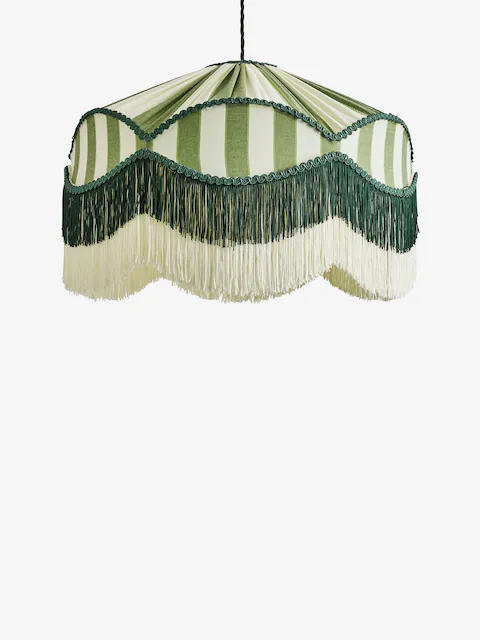
Lia Gold X Next Green/ecru Stripe Easy Fit Light Shade
I am obsessed with the drama and vintage style of this fringed lamp. It looks brilliant as a ceiling light, but I also saw it fitted with a floor lamp in person, which made a gorgeous statement piece in a cosy corner.
Next
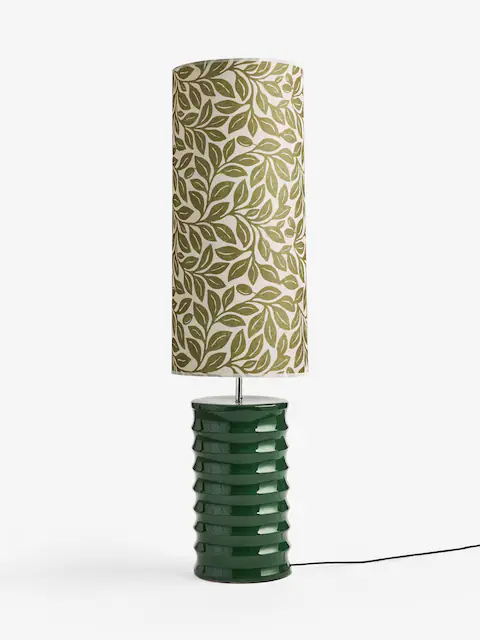
Lia Gold X Next Green/ecru Leaf Print Ribbed Ceramic Base Floor Lamp
I’m really enjoying the trend for cylindrical floor lamps, and this one instantly caught my eye. When styled on the floor with wooden furniture, it casts a gorgeous, warming glow at eye level, perfect for styling in a living room by a sofa or reading chair.
Next
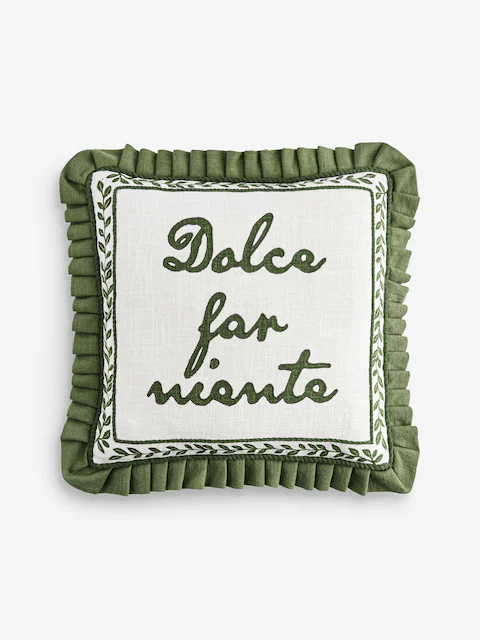
Lia Gold X Next Green Embroidered Slogan Pleated Cushion
It takes a rare slogan cushion to catch my attention, but I couldn’t resist this lovely green pleat cushion. The slogan translates into ‘the sweetness of doing nothing’, one for the Eat, Pray, Love fans.
Next
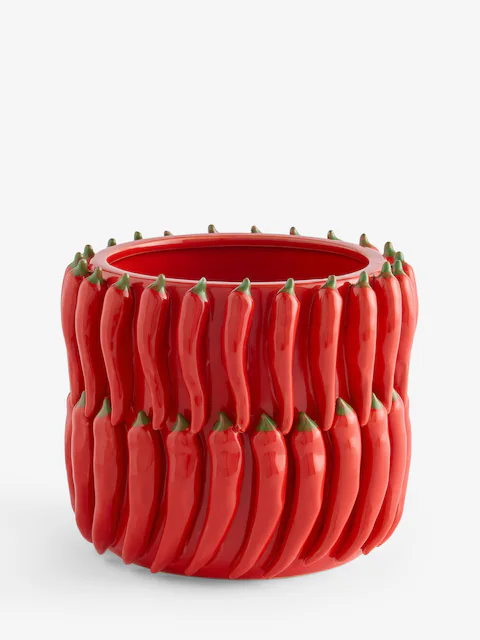
Lia Gold X Next Red/green Chilli Planter
In the whole collection, this planter is the one piece I couldn’t take my eyes off. You can see the detail in each ceramic chilli attached to the planter, and it instantly got my mind whirring with the idea of styling it on the counter of an outdoor kitchen.
Next
Lia Gold X Next Set of 4 Clear Tomato Tumbler Glasses
Nearly every brand on the high street has their own version of these motif tumbler glasses, but I was particularly impressed with how weighty and well made this set of four were for the price point.
Next
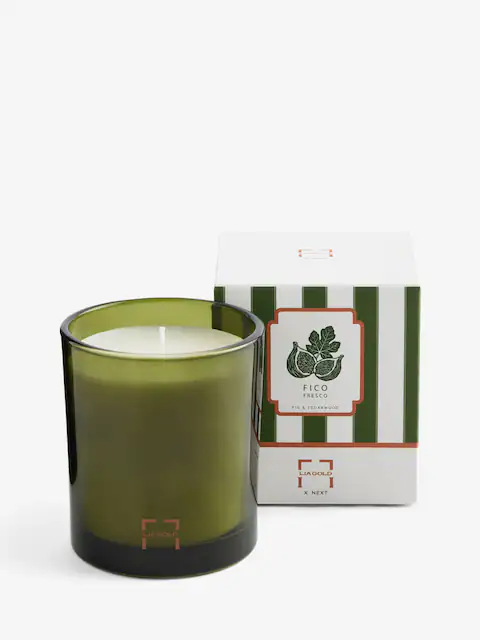
Lia Gold X Next Fig and Cedarwood Boxed Candle
I adore a fig-scented candle, and this one smells incredible. Nothing sums up the scent of a Mediterranean coast quite like the scent of a fig tree on a warm day. My fig candle of choice is typically Diptyque Figuier, but at £18, this Next one has now become my affordable alternative.
Next
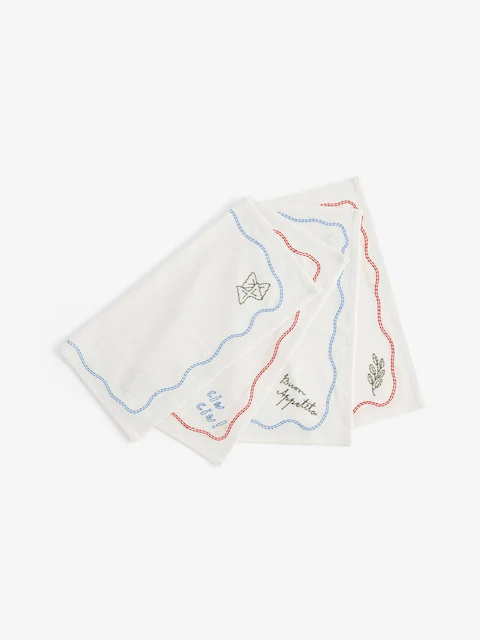
Lia Gold X Next Set of 4 White Embroidered Napkins
If you want to buy one thing to impress your guests this summer, then these napkins will do the trick. The embroidered detail is utterly charming and will instantly elevate an ordinary table setting, all for the low price of £16. I’d even consider framing a few as a cute wall art idea.
Take this as your sign to add a little Italian charm to your home this summer.
Sign up to our newsletter for style inspiration, real homes, project and garden advice and shopping know-how
A wifi smart lock does not usually stop being a lock when the internet goes down. What it loses first is distance. You may not be able to unlock it from another city, check its live status, or get a timely alert the moment someone uses the door. At the door itself, though, the answer is usually more reassuring: local unlock methods often keep working.
That difference matters. Many people search for whether a smart lock that requires internet will leave them locked out during a router reset, ISP outage, or storm-related power cut. The better question is what layer fails first. A practical WiFi lock plan has three layers: remote WiFi control, local access through Bluetooth or a keypad, and a mechanical or emergency power fallback if the battery is gone.
The sections ahead cover remote limits, gateway versus built-in WiFi failure paths, local Bluetooth and keypad entry, battery versus outage behavior, shaky notifications, and what to check on specs for solid backups.
Remote access depends on both the internet and power
Using palm vein recognition to open a smart lock.
Remote control is the feature most people associate with a wifi smart lock, but it only works when two things are true at the same time. The lock, or its gateway, must have an internet path. The lock must also have enough power to receive and process the command.
When either side fails, the app may show the same simple result: offline. That can hide the real cause. A router reboot, an ISP outage, a dead bridge, or a drained lock battery can all block remote control, but they are not the same failure. One is a network path problem. The other is a device power problem.
During a WiFi outage, these features usually become unavailable or unreliable:
Remote locking and unlocking from outside the home
Real-time lock status in the app
Temporary code changes made from far away
Live video or two-way talk on camera lock models
Cloud-routed voice assistant commands
Instant push notifications
The bolt can still be physically secure while those features are offline. The connected layer is what has disappeared, not the door hardware.
Built-in WiFi and external gateways fail differently
Smart lock wifi connectivity is not always built the same way. Some locks connect directly to the home router through built-in WiFi. Others use Bluetooth, Thread, or another short-range protocol at the door, then send internet traffic through a plug-in bridge, chime, or home hub.
The difference matters during troubleshooting. With a direct WiFi lock, the main questions are whether the router is online, whether the signal reaches the door, and whether the lock battery has enough charge. With an external gateway setup, there is one more link in the chain. The lock may be fine, but the bridge may have lost power, moved too far from the door, or dropped from the router.
That is why placement matters before installation. A gateway plugged behind a media cabinet or several rooms away from the front door may work during setup and become unstable later. A front entry with metal siding, thick walls, or a long distance from the router can also make the connection weaker than expected.
This is not a reason to avoid WiFi. It is a reason to treat the network path as part of the lock system. Test the signal at the door, check where the bridge will sit if one is required, and know which device actually talks to the cloud.
Local Bluetooth and keypad access become the main route
When WiFi drops, local entry becomes the practical fallback. Depending on the model, that may mean Bluetooth from a nearby phone, a saved PIN code, a fingerprint or palm vein reader, an NFC tag, or a physical key. These methods do not all require the internet.
That is where comparing Wi-Fi with Bluetooth options helps. Bluetooth works over a short distance, so it is limited to someone standing near the door. WiFi works from far away, so it is better for checking the house while traveling or letting in a guest while you are at work. During an internet outage, Bluetooth behaves more like a local remote. WiFi behaves like a long-distance link that has been cut.
A keypad is even simpler. If the access code is already stored on the lock, the lock can compare the entered code locally. You do not need to ask a server for permission each time. That is why a family member can often still get in during a router outage even though the app on your phone says the lock is offline.
The limit is management. You may not be able to create a brand new code, delete an old one, or see whether someone used a code until the connection returns. For most homes, that is acceptable during a short outage. For rentals, cleaners, or rotating guest access, it is worth planning around.
Power loss changes the problem from the network to the entry
A power outage is different from an internet outage, though the two often happen together. If the home loses power, the router goes down unless it is on a backup battery. The lock may still work because most residential smart locks use their own battery rather than house wiring.
That means local access can continue during a blackout. A keypad, biometric reader, or Bluetooth unlock may still work as long as the lock battery has a charge. The remote layer is gone because the router is down, but the lock has not necessarily lost power.
The higher risk is a dead battery. Good smart lock habits are boring but important: replace or recharge the main battery when low battery warnings begin, keep a physical key somewhere reachable, and know whether the model has an emergency power port or backup battery. A lock with a USB emergency power interface may accept a portable charger long enough to wake the electronics for one unlock. A backup battery system may keep basic PIN entry alive after the main battery is low.
Mechanical key access still matters because electronics can fail in ways that apps cannot solve. It is not the most modern part of the system, but it is the cleanest final fallback when both the network and the battery are unavailable.
Notifications can arrive late or look misleading
Notifications are often treated as proof that a door event just happened. With a smart lock, they are better understood as messages that depend on a delivery path. If the path is interrupted, the event and the notification can separate.
For example, a child may come home and unlock the door with a saved code at 3:20 p.m. If the router is offline, that event may not reach your phone. When the router reconnects later, the app may send a delayed entry alert. The door did not open twice. The alert simply arrived late.
The same timing issue can create needless worry. A lock may be set to notify you if a door has not opened at a certain time. If the door opened locally but the internet was down, the app may not receive the event in time. From the app’s point of view, the expected unlock never happened.
Security expectations should account for this delay. A WiFi lock can record or process local events, but real-time awareness depends on the network. If alerts are part of a child arrival routine, a vacation rental workflow, or a caregiver schedule, consider adding a second check during known outages.
WiFi backup layers pair remote access with local entry
A useful WiFi lock is not only the one with the longest feature list. It is the one whose fallback behavior matches the household. If remote access matters because guests, cleaners, or family members arrive when you are away, WiFi is valuable. If the front door sits far from the router or outages are common, local entry and backup power matter just as much.
The eufy FamiLock S3 Max is one current lock that still treats remote reach, local unlock, and backup power as separate questions instead of one blended WiFi pitch. Built-in Direct Wi-Fi still supports remote app unlocks while you are away. If the ISP or router fails while the lithium pack still has a normal charge, whoever is on the porch can still use Palm Vein, a stored password, or a physical key without a live cloud path. When the 15,000 mAh lithium pack runs low, four AAA backup cells keep PIN-only lock and unlock while richer functions pause, which eases the morning after a low-battery alert. Matter and Apple Home sit on the same compatibility list as Alexa and Google Home, so the bolt can join HomeKit or a Matter hub without forcing every household into one vendor app.
For a front door, the practical takeaway is simple: check the remote layer, the local layer, and the emergency layer before buying. If all three are clear, an outage becomes an inconvenience instead of a crisis.
eufy FamiLock S3 Max
Conclusion
A wifi smart lock loses remote reach when the internet goes down. It may lose app commands, live status, voice assistant control, real-time alerts, and video features. It should not lose every way to open the door.
The safest way to think about claims that a smart lock needs always-on internet is by layer. WiFi handles distance. Bluetooth, keypad, biometric access, or stored codes handle local entry. A mechanical key, emergency power port, or backup battery handles the worst case. When those layers are clear before installation, the lock feels less like a fragile connected gadget and more like a door system with a plan.
If you are comparing models by connection type and fallback method, the eufy smart lock collection is a useful place to review WiFi-enabled, biometric, keypad, and backup power options side by side.