I organize the Before & After series and cover DIY and design. I joined AT in October 2020 as a production assistant. I have an MA in Journalism from the University of Missouri and a BA in Journalism from Belmont University. Past editorial stops include HGTV Magazine, Nashville Arts Magazine, and local magazines in my hometown, Columbia, Missouri.
When snow begins to fall, we naturally look for a warm and comfortable place to call our own. When it comes to cold climates, Scandinavians are widely regarded as true experts in creating cosy interiors. What makes the nordic style so popular? We’ll dive right into what this interior design philosophy is based on. Let’s learn how to style your house in a truly timeless way.
Scandinavian style emerged at the turn of the 19th and 20th century in Denmark, Finland and Sweden. This design school stems out of long and heavy winters with only a limited amount of daylight. The core principles are based around functionality of the interior so that it remains practical for everyday use.
This style features clean lines, natural materials, muted colours and emphasis on comfort and human-centered living. The approach started to gain popularity in the 1950s and became one of the most popular interior design approaches.
Colour palettes that create calm and light filled interiors
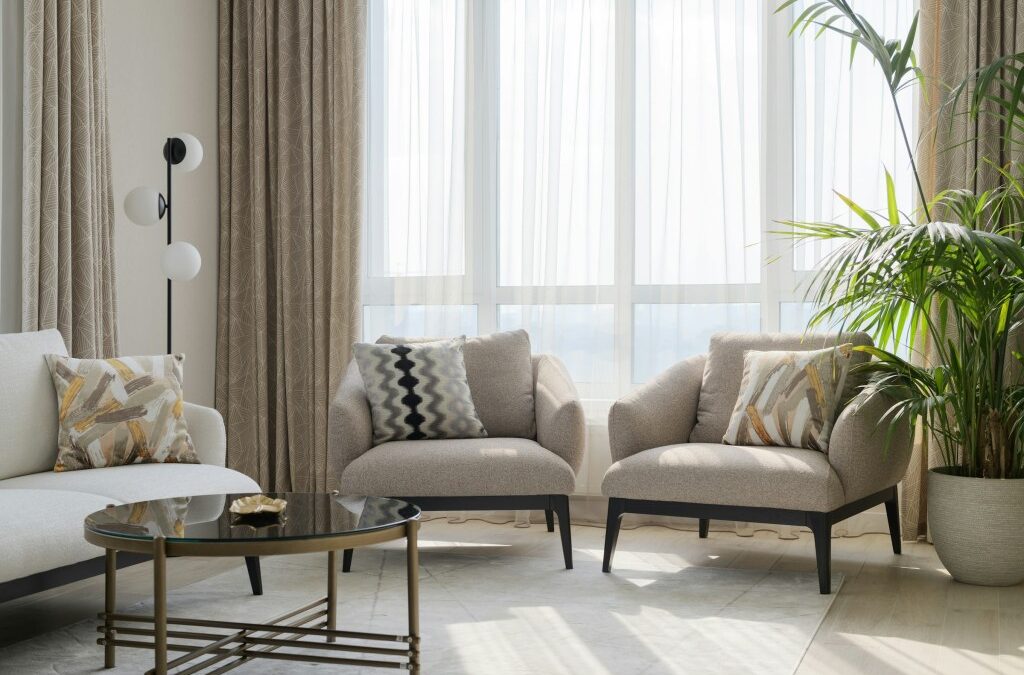
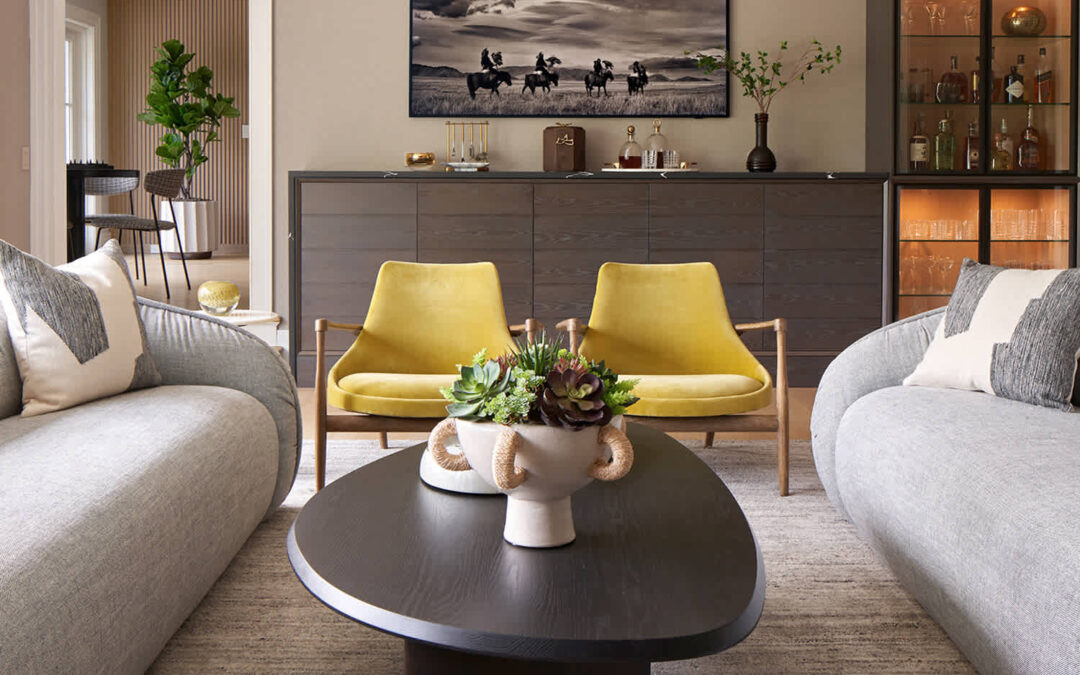
Scandi style usually uses soft whites, warm greys, muted beiges as the color base for all of the interior. Try using some subtle accents of other colours to really make them pop, but not overwhelm the palette. Various écru shades brighten the room, especially if it doesn’t get a lot of daylight.
Additionally, these colour choices lift up the mood and affect the spatial perception in living areas making them look pleasant. Try to use multiple different shades to really build up the colour palette and ensure that the place will not feel cold or flat.
Furniture choices that balance comfort and simplicity
Furniture is here to serve you and your guests, not the other way around. Scandinavian style is all about practicality and everyday use. Keep the proportions of the pieces of furniture in check making sure that no one piece dominates the place. It’s great to have some statement items yet this style is really about simplicity and balance.
Make sure that every sofa and armchair is useful and comfortable. Same with tables and storage – they are all great, but only if they don’t overwhelm the space. A room should feel airy and comfy to really convey the nordic approach.
Textures and materials that add warmth to minimalist spaces
Textures should add another layer to the interior. Be it plain or corduroy, mix and match the upholstery to add some sensory diversity. Additionally, natural materials like wood and stone will work well, but only if they are processed and not used too often. Rugs and wall decorations could really help the room to not feel sterile.
It’s all about layering different textures and blending colours to add some expression. A Scandinavian room can be both minimalist and welcoming, but only if it’s neither overdone nor too clean. It should feel like a “living” room, not a hospital ward.
The farther north we head, the less light we’ll be getting. Harsh winters can substantially decrease the amount of sunlight we get and improper styling can really depress the interior. Keeping the colours bright helps in getting as much of the sun as possible. Additionally, don’t forget to layer various light sources. Have multiple sources of light coming from different places and different heights.
If you plan to use overhead light then make sure to keep it subtle by choosing a frame which disperses it at least slightly. Make sure that light hue works for the effect that you want to achieve. We usually prefer warmer hues in order to add some depth and colour to the interior. Always check the parameters when buying a lightbulb – both hue and lumens can differ greatly between models. Furthermore, you can opt for a smart light solution which will enable you to change the lighting colour and find a perfect shade.
How to adapt Scandinavian interiors to real life living
We don’t aim to live in museums of design. Our home is where we live, drink, play, dance, laugh, sleep and much more. Don’t focus too much on supposedly “perfect” interiors cleaned right before taking pictures. Every family needs a lot of storage for children’s toys, sports, hobby gear and a ton of clothes we own. Make sure to integrate those in a discreet and smart way. It’s great to use a sofa with a built-in cache or a stylised full wall wardrobe.
If you have or plan to have kids, it’s very important to keep the centre of the room open. It works great if you host a lot of parties as well. Furniture layout can really open up or close the room. Think about the placement of the particular elements and be open to new arrangement ideas.
Common mistakes to avoid in Scandinavian inspired interiors
As someone who lives where the winters can get really harsh (-20°C at the moment of writing), I know first hand how hard this season can hit. The hardest part is the lack of light which can be quite depressing. I find my joy in occasional drops of brighter colours, like an orange desk lamp which really works well in creating a moody atmosphere.
When styling Scandinavian, try to not over-optimize the interior for minimalism. This can create an effect of a liminal space, not one arranged for humans to live in. Use multiple colours which will have some degree of contrast between them to keep things interesting. Don’t obsess over design in favour of comfort. Nothing beats a comfy Scandi sofa after a hard day’s work.
Scandinavian interiors as a timeless choice for modern homes
Nordic style is today as relevant as ever, mainly as it works in many different climates. The human-first approach to design really wins the hearts of people as it enables a cozy and stylish living. Due to its popularity, it’s easy to find matching furniture and decorate it well according to your taste. Scandinavian style proves itself as quite adaptable, comfortable and timeless. After all, we are all humans and we deserve to live in a hygge space designed for actual humans to live in.
We independently select these products—if you buy from one of our links, we may earn a commission. All prices were accurate at the time of publishing.
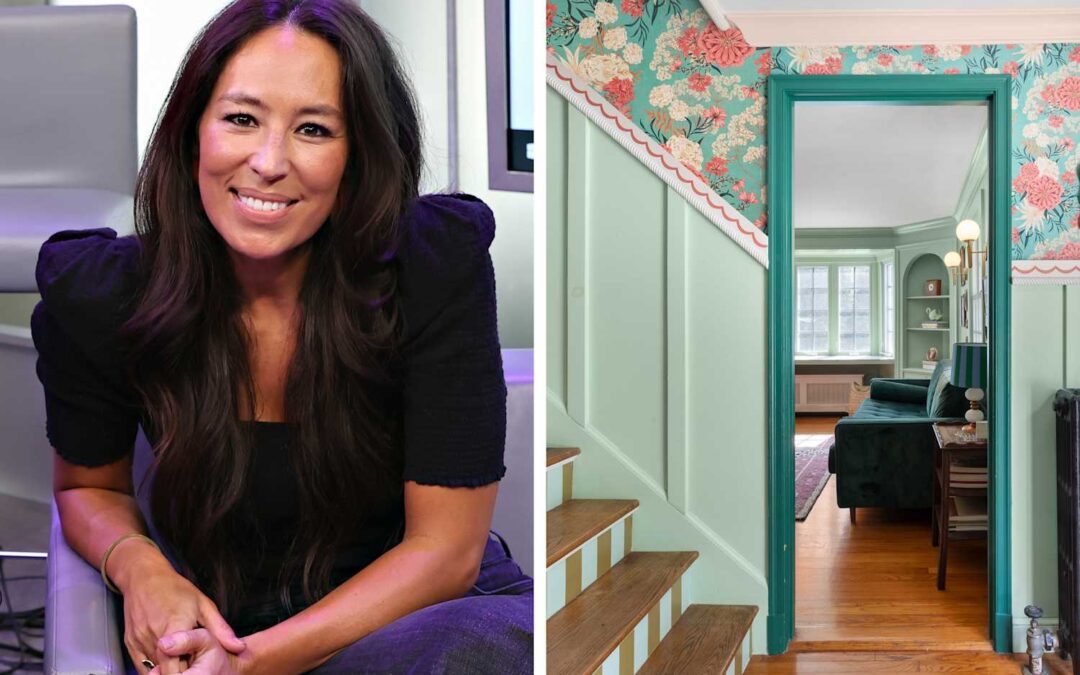
When HGTV’s Joanna Gaines began the renovation process of her latest major Fixer Upper project (aka the Colorado mountain house!), she knew she had to do something for a grand entrance. She became fixated on a big blank wall that greeted guests as they stepped into the home.
It was the wall beneath the stairs, which Gaines calls a “dead space” — a spot in the home with major untapped potential (especially in small spaces) — and she shared with her fans that she could turn it into something not only beautiful but useful, too.
“Under most stairwells, there’s a hollow wall,” Gaines said in a recent Facebook video. “And this is a really good example of [something that] doesn’t require a lot of money or thought, but you can really add value and story to your space by simply cutting out — correctly — what’s underneath the stairs, creating bookshelves, more storage, or even like we have …this little reading nook.”
Joanna Gaines’ Tips for Making the Most of Dead Space
Gaines knocked out the drywall under the stairs to install built-in drawers and a daybed for reading on (similar to this $400 DIY update!). This upgrade could also serve as a makeshift mudroom, with gloves, hats, and shoes stored in the drawers.
In the Instagram caption, Gaines adds, “All the things you could create under the dead space of your stairs: reading nook, bookshelves/library, coffee bar, desk/office nook, toy storage, Etc. etc!!” There are endless possibilities!
To really capitalize on the opportunity, Gaines also suggests updating the stair railing to be “more reflective of your style.” She did just that at Mountain House, switching out the decorative iron railing for a design inspired by vintage ski chalets.
If you’re dealing with stairs that curve around a corner, that dead space under the landing may be best used as an indoor doghouse or small playroom for kids. Or, on the contrary, the space may be large enough to install a full door and convert it into a pantry or closet.
Look at the dead space under your stairs and start mapping out its potential. This project may just be the one that changes the flow of your home for the better!
Megan McCarty is a full-time freelance writer, specializing in interior design. Her work can be seen in the Wall Street Journal, Rue, Architectural Digest, and Domino, among other outlets. She holds a B.A. in Journalism from the University of Minnesota and has spent more than a…read more
We independently select these products—if you buy from one of our links, we may earn a commission. All prices were accurate at the time of publishing.
One of my absolute favorite things about moving from Florida to Tennessee is finally getting to enjoy all four seasons. Spring brings blooming trees, summer is full of pool days, fall glows with mountain color, and winter offers just enough snow to feel magical. Honestly, there isn’t a season I don’t love.
What I haven’t mastered yet, though, is swapping out and organizing seasonal clothing. Now that we’re in the winter months, all our wintertime accessories have become a mess around the home. Gloves and hats, for instance, might be tucked into storage bins, stuffed into kids’ drawers, tossed into the coat closet, or forgotten entirely inside jacket pockets. That’s not ideal — especially on dark, frigid school mornings when everyone suddenly needs a hat right now.
Our old system (a basket shoved into the closet) quickly turned into a jumbled mess, making it harder to see what we had and who needed what. That is until I decided to use a lid organizer.
Why a Lid Organizer Is Perfect for Hat Storage
When I came across an Instagram Reel by Courtney Broadhead of @keepitsimplesparkles, one detail immediately caught my eye: her solution for storing beanies. She used a dedicated hat organizer that retails for about $47 on Amazon. It was clever — but also looked very familiar. In fact, it looked exactly like the lid organizer I already use to file baking sheets in my kitchen cabinet. Instantly, I knew I had to try it.
What Happened When I Tried This Storage Hack
I pulled the lid organizer out of the cabinet and tested it with our beanies — and sure enough, they fit perfectly. Each hat slid neatly into its own slot, staying visible and easy to grab without collapsing into a pile. What I love most about this setup is how clearly you can see everything at once. Instead of digging through a basket or bin, every beanie has a dedicated spot, making it easier for kids (and adults) to grab one and put it back.
The only challenge I’m still working through is where to store it. Our under-the-stairs closet is oddly shaped, so visibility is tricky. I think this hack would shine even more in a personal closet or a traditional coat closet with a shelf.
Still, turning a simple lid organizer into a beanie station is hands down the smartest winter accessory storage hack I’ve tried — and it’s officially earned a permanent spot in our seasonal organizing rotation.