We independently select these products—if you buy from one of our links, we may earn a commission. All prices were accurate at the time of publishing.
I’ve spent an embarrassing amount of time trying to perfect my work-from-home setup. I’ve tweaked the height of my chair and desk, and even tried several different laptop stands that promised everything and delivered little more than vibes. What I didn’t expect was that the thing that would finally bring me comfort and help with my back pain would be a $25 ergonomic footrest — an object I had previously filed under “unnecessary office accessories.” And yet, here I am.
Before the footrest, my posture situation was bleak. I’d start the day sitting like a functional adult, only to slowly devolve into a forward-slouching, feet-tucked-under-legs pretzel. By mid-afternoon, my lower back had that dull, nagging ache that made it hard to focus. I thought that was just the price of sitting at a desk. Turns out, my feet were the problem. But without even trying, I had found a solution.
What Is the BlissTrends Foot Rest?
The BlissTrends Foot Rest has become my favorite desk upgrade. It’s small, affordable, and doesn’t require rearranging your space or buying a whole new chair. This height-adjustable foam footrest takes up basically no visual space, works barefoot or with shoes, and slides under your desk when you’re done. Plus, it comes with a cover that can be easily removed and thrown into the washing machine. It’s the definition of low commitment, high reward.
Why Your Feet Matter More Than You Think
“Most desk posture issues start with where your feet are,” says Dr. Mikel Daniels, a Baltimore-based podiatrist and founder of WeTreatFeet Podiatry. When your feet hang, don’t quite reach the floor, or you’re constantly pulling them back under your chair, the rest of your body has to make up for it. That compensation travels upward fast with “malposition of the pelvis, lumbar spine, and even your neck.” Your pelvis tucks under, your back loses its natural curve, and suddenly sitting feels way harder than it should. It can lead to “rounded shoulders, tight hip flexors, aching low backs, and swollen feet by 4 p.m.”
An ergonomic footrest helps eliminate “desk posture” by doing something extremely basic but surprisingly effective: It brings the floor up to you. This “lets you set your chair at the right height for your desk and screen while still giving your feet a solid, supportive base,” Daniels explains. “It’s a simple way to hit that ‘neutral alignment’ sweet spot without needing a custom chair and desk setup.” Translation: Your body can finally stop improvising.
What Happened When I Used This Footrest
The first day I used the footrest, I noticed I wasn’t thinking about my posture at all. My feet felt grounded. My hips stayed put. I wasn’t inching forward in my chair or curling myself into a question mark. This is because, according to Dr. Devin Trachman, the clinic director at Physical Therapy Central, “A footrest gives the body a stable base to allow the pelvis and spine to be more neutral and supported.” From her physical therapy standpoint, “this stability is foundational for reducing unnecessary stress and strain during times of prolonged sitting.”
That neutral alignment was the missing piece for me. With my feet supported, I actually used the back of my chair. My back wasn’t working overtime just to keep me upright. And by the end of the workday? No familiar ache. No stretching on the floor like I’d just finished a marathon.
There are circulation benefits, too. Supporting your feet reduces pressure on the backs of your thighs, which can improve blood flow and reduce swelling in the lower legs and feet — something many people who sit all day experience without realizing it. Trachman adds, “Clinically, I often see improvements in low back pain, hip tightness, and even neck tension when mechanics of sitting are corrected from the ground up.” This explains why, since incorporating a footrest into my workspace, I’ve noticed less stiffness by the end of the day.
What “Good Posture” Actually Looks Like
The good news is that good posture doesn’t mean sitting perfectly upright all day. Some key cues that Trachman likes giving her patients are as follows:
Daniels likes to remind his patients of the following message: “Perfect posture does not exist. However, sustainable posture does.” His baseline advice is keeping a footrest height so your knees are at about a 90- to 100-degree angle, letting your feet feel “heavy but relaxed” on the surface, and sitting all the way back in your chair to support your lumbar spine.
Even then, movement matters. Trachman recommends changing positions or standing every 30 to 60 minutes. A footrest isn’t meant to lock you into place — it just makes good posture the path of least resistance.
Why a Footrest Is a Simple yet Effective Upgrade for Workspaces
Is a footrest exciting? Not even a little bit. Did it make my workday noticeably more comfortable? Completely. Although it doesn’t feel dramatic, the payoff is. My desk setup finally feels like a true ergonomic workspace, my workdays end without that familiar back ache, and I didn’t have to replace a single piece of furniture or buy any fancy gadgets.
It’s not a magic solution. But for under $30, it’s one of those simple but effective upgrades that makes you wonder why you didn’t try it sooner — especially if you work from home, live in a small space, or sit more than you probably should. Trust me — your back will thank you.
Cozy interior design is created by selecting the best pieces, furniture that makes you stop and rest so you can feel peaceful and secure in your space. Instead of all the things that make up your interior, only some can be functional, interesting, and unshakable, such as a wingback chair.
More than just a decorative chair, a wingback chair is actually a personal space in your home and an important element of interior design. It brings cozy feelings, delivers physical comfort, and has a low key yet impactful design element on the space. A wingback chair, be it in the living room, reading corner or beside a fire box, has a little bit of secret magic. A carefully selected model of wingback originated successes in space changing both the feel and the use.
Through this text, we are going to see why the wingback chair is a timeless piece of furniture that can be applied in various layout schemes, and how it can be the heart of a warm and cozy space.
About Wingback Chairs
Wingback chairs hold a unique position in home furnishings. They feel familiar yet refined, traditional yet surprisingly adaptable. Their distinctive silhouette has survived centuries of changing tastes, not because of nostalgia alone, but because the design genuinely works — both visually and physically.
Originally created for warmth and protection, wingback chairs have evolved into one of the most expressive forms of seating in interior decor. Today, they are as likely to appear in modern living rooms as in traditional studies, proving that good design rarely expires.
Historical Significance
The wingback chair was born in Queen Anne and Georgian designs, which were the first to give equal importance to comfort and proportion as compared to mere beauty. The initial wingback chairs were introduced with the style of a high back and closed sides that are also referred to as the wings to protect the sitter from the cold drafts during the sitting period near an unlocked fireplace.
In Georgian interiors, these chairs were associated with:
private reading and conversation,
long evenings by the hearth,
refined yet practical living.
Their structure reflected a deeper understanding of human posture and warmth, making them one of the first truly ergonomic seating solutions in domestic furniture. Over time, the wingback chair became a symbol of thoughtful living — furniture designed for use, not display.
Modern Adaptations
While the essence of the wingback chair remains unchanged, modern design has expanded its language. Today’s wingback chair styles embrace a wide range of upholstery and finishes, allowing them to blend seamlessly into contemporary homes.
Common modern adaptations include:
smooth leather for a timeless, masculine or heritage feel,
soft fabric or velvet for warmth and tactile comfort,
patterned or patchwork upholstery as a bold interior statement,
vintage distressed leather for lived-in character and depth.
These variations allow the wingback chair to function as either a quiet anchor or a focal point, depending on the interior styling. Whether your home leans towards modern design or traditional style, there is a wingback chair that fits naturally into the story.
Wingback chairs: comfort and ergonomics
The wingback chair is stunning not only in its style but also in ergonomics. In fact, its design is the manifestation of an exceptional thought process of engineering that resembles the body and is like a physical barrier from the outside world which many modern chairs do not have.
The high importance of the back and wings
The high wings offer privacy to the one sitting and also one gets full support of the back and neck by the tall back. This addition benefits in the elimination of visual and sensory distractions, thus making wingback a perfect choice for times of peace and focus.
Chilling out and novels with the wingbacks is a super thought
The closed wrapping design essentially stresses a relaxed and slow posture. Reading, listening to music or just being idle, a wingback chair is like a stop button in the house.
Relevant ergonomic features
equal depth of seat for longevity of comfort
proper arm height for shoulder and arm support
small lumbar support that promotes a normal posture.
Together, these elements explain why wingback chairs are often chosen for reading nooks and cozy corners rather than high-traffic seating areas.
Top Wingback Chair Selections
A properly constructed wingback chair is a purchase that guarantees you daily comfort forever. Here are some of the excellent styles exhibiting that the classic forms can be transformed into different types of interiors while preserving their core features.
Chesterfield Queen Anne Wing Chair (Antique Oxblood)
This chair is a perfect example of a traditional British design that keeps its bravery in the forefront. Covered with the splendid antique oxblood leather, it gives a sense of the space being deep, warm, and heavy with visual axe:
ideal for studies, libraries, or formal living rooms,
pairs beautifully with dark wood furniture,
ages gracefully, gaining character over time.
A tribute to what seems to be the unchangeable style, this object belongs to the good old days, thus proving your taste and sense of the environment. It is also an excellent choice for those who adore the old-school furniture.
Chesterfield Mallory Flat Wing High Back Wing Chair (Cream Leather)
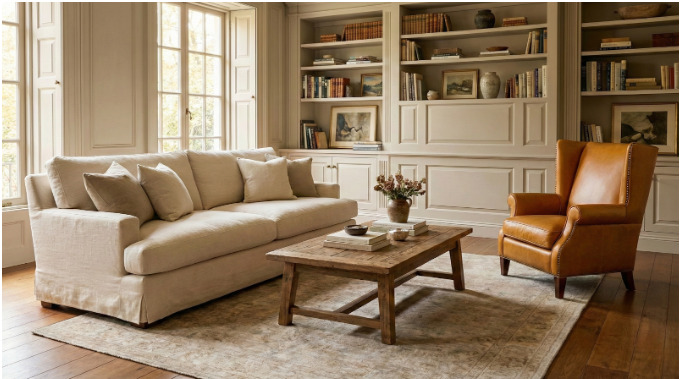
This particular model is a perfect fit for the brighter interiors and modern living rooms with a light but similar refined touch .
The flat wings generate a much simpler and cleaner look.
The cream leather catches the light thus reflecting the space while it is the softest choice.
It is a good representative of the Scandinavian or transitional types of decoration.
This chair embodies the notion that traditional styles can be reborn without the loss of their original form.
You can see this chair model in another colour in more detail in the video below:
For the homes that love texture and a story to tell, distressed leather adds a layer of depth that no other material can offer.
Cigar warm hues radiate wealth without the feeling of heaviness,
the natural flaws make it more true to life,
perfectly fit for easygoing, lived-in spaces.
This typology is particularly effective in the areas created for relaxation-scag, reading nooks, fire places corners, or lounges.
Wing Back Chair Tartan Beige with Footstool
Patterned upholstery introduces warmth and personality, while a matching footstool enhances comfort.
tartan fabric adds a classic, homely feel,
footstool encourages better posture and relaxation,
perfect for extended sitting sessions.
This combination creates a complete seating experience rather than a standalone chair.
Pattern and Patchwork Wingback Chairs
The wingback chair becomes a true spotlight by using patchwork and patterned designs.
This piece is most suitable for eclectic or creative interiors,
adds hues without dominating the space,
can be simply used as an individual accent chair.
When used properly, these chairs serve the dual purpose of being a conversation starter and providing real comfort.
Styling Tips for a Cozy Home
A wingback chair reaches its full potential when styled intentionally. Its presence can shape how a room is used and how it feels on a daily basis.
Incorporating Textures and Fabrics
Texture plays a central role in cozy home decor. Wingback chairs offer an opportunity to introduce tactile richness.
Leather adds structure and longevity,
Fabric and velvet bring softness and warmth,
Patterned upholstery creates visual interest.
Mixing textures thoughtfully enhances the sense of depth and comfort within the room.
Accommodating and Positioning
The position influences whether a wingback chair is perceived as merely a decorative or functional chair.
Here are some usual ways to place it:
a specially earmarked reading corner with a floor lamp,
next to a fireplace as a source of heat and symmetry,
as a part of the seating set in a living room for a discussion.
Be sure to leave ample space around the chair to maintain its vividness without overcrowding it.
Decor Elements with Complementarity
The addition of a few small elements is enough to bring the experience of a chair to a higher level.
A full set might include:
a colorful throw or a cushion
a side table for books or tea
a floor lamp for focused lighting
a matching footstool for extended comfort
These elements not only turn the chair into a full comfort zone but also serve as a visual accent.
Choosing the Right Wingback Chair for Your Space
Selecting the right wingback chair involves balancing proportion, material, and lifestyle needs.
At this stage, it can be helpful to look at real examples rather than rely on theory alone. Seeing how different wingback chairs vary in shape, upholstery, and scale often makes these decisions clearer, especially when considering how a chair will sit within a specific room.
Consideration
Recommendation
Small rooms
Slim wings, lighter colours
Large rooms
Deeper seats, darker tones
Family homes
Durable leather or performance fabric
Colour choice
Dark for grounding, light for openness
Footstool
Ideal for relaxation and posture
Think of the chair not as an isolated purchase, but as part of a broader home transformation focused on comfort and usability.
In Closing
A wingback chair is never simply another item of furniture. It is a considered decision — a reflection of the wish to live more comfortably, more slowly, and with greater intention. In an age of constantly shifting interiors and short-lived trends, the wingback chair remains quietly enduring. It offers a place to pause, to sit without urgency, and to feel at home rather than merely surrounded by decor.
Whether rooted in traditional craftsmanship or interpreted through modern design, subtle or expressive in character, a wingback chair naturally forms the emotional centre of a room. It does not demand attention, yet it defines the space around it — a gentle reminder that true comfort, like good design, never loses its relevance.
FAQ
Can a wingback chair be appropriate in modern interiors?
A wingback chair could be a perfect choice in modern interiors if it is selected out of dealing with proportion and material. The contemporary versions of this often contain simpler lines, slim wings, and very light textiles that would act as a background for modern design and feel non-traditional or heavy at all. A wingback chair, when chosen wisely, it is not opposition in the space, but a good addition that makes off the balance character and depth, softening an empty school and by this way gives warmth that is sometimes missing in a modern interior.
Are wingback chairs comfortable for sitting over a long time?
Wingback chairs are very comfortable for long periods of sitting. The high back helps you to keep a good posture, while the wings give a feeling of enclosure that promotes relaxation and focus. This is the reason why they are particularly appropriate for reading, quiet conversation or obtaining a long enough time to sit comfortably where comfort is needed to be sustained rather than temporary.
What upholstery is the best for wingback chairs in a family home?
The choice of upholstery is highly dependent on the lifestyle of the people and the duration of daily usage. The hot favorite is leather that people are most of the time opting for in households with a lot of movement because of its strength, easy cleaning, and timeless look. Fabric and velvet materials, on the other side, create a soft and intimate environment hence they prefer being installed in a living space that aims for a homey look and texture. Each of the two can be exquisite when they are in tune with the household’s schedule.
Can a wingback chair composite a smaller room as well?
A wingback chair can definitely fit in a smaller room right with the mix of scale and color, supporting both home comfort and smart furniture arrangement. Chairs with a slim profile, lightest upholstery, and narrower wings that aren’t so pronounced often feel more balanced in compact spaces and work well with thoughtful home styling. Carefully positioned by a window or in a reading corner, the chair can contribute to the room without overstepping, helping create a cozy atmosphere while adding function and visual interest.
Is a footstool necessary, or is the chair itself good enough?
Although a wingback chair is good to have when sitting alone, a footstool can make the overall experience completely different and support both comfort and home improvement. The legs up along with the chair’s lower back seating pressure are two effects of the raised footstool that are found together, and a more relaxed and open seating position can also be mentioned especially in the case of longer use. Besides the comfort, a matching footstool with the chair also adds to the visual and functional cohesiveness of the space as part of home design, working as one of those thoughtful home accessories and subtle home accents that make the seating area not just a secondary part but a complete one.
We independently select these products—if you buy from one of our links, we may earn a commission. All prices were accurate at the time of publishing.
As I recently moved to a new apartment in Los Angeles, I’ve been on the hunt for affordable organizers — particularly for my kitchen. Lucky for me, Aldi just dropped a new batch of 26 kitchen organizers. The organizers are exactly what I’ve been looking for — inexpensive (priced $29.99 and below), highly practical, and aesthetically pleasing. I’m planning on purchasing several, and once you have a look you’ll want to get them too.
What Are the Kirkton House Kitchen Organizers?
Aldi is constantly adding products to its home improvement collection, and this upcoming bunch includes super-handy kitchen organizers that will help you arrange your pantry or fridge. There are 26 organizers to choose from, including a grocery bag saver, a kitchen towel holder, under-shelf organizers that come in a two-pack, a magnetic organizer rack, and even a slide-out drawer. Purchasing these organizers is a no-brainer if you’re looking for functional pieces that are sturdy as well as well-priced (the products range from $4.99 to no more than $29.99).
I love these Kirkton House kitchen organizers because they’re sleek, practical, and perfect for compact spaces such as my kitchen. They also feature a minimal design aesthetic, which complements homes of various design styles. And these kitchen organizing items are so budget-friendly and versatile that you could get several of them for different rooms in your home. I’m buying a few kitchen towel holders and under-shelf organizers for my kitchen and bathrooms.
The idea of a playroom is changing, and honestly, it was overdue. The old version was simple: bright primary colors, plastic bins, loud toy clutter, and a space that adults tolerated rather than enjoyed. But families today live differently. Homes are more open-plan, routines are shared, and spaces are expected to work harder than ever.
That’s why the grown-up playroom is becoming one of the smartest and most stylish rooms in modern family homes. It’s not a kids-only zone, it’s a multi-generational space designed for play, lounging, learning, hosting, and everyday life. Think: soft neutral palettes, comfortable seating, built-in storage, and a layout that welcomes toddlers, teens, parents, and grandparents equally. A grown-up playroom doesn’t mean less fun. It means better design, where toys can exist without taking over, and where the space still feels like part of a beautiful home. Here are 18 practical and design-forward ways to create a playroom that works for every age.
A grown-up playroom begins with what you don’t see first: the backdrop. Instead of colorful walls that visually shout “kids live here,” choose a calm base like warm white, soft beige, greige, or muted taupe. Neutral walls make the room feel larger, cleaner, and more connected to the rest of the home, especially if your playroom is part of an open layout. The best part? A neutral base lets you bring in color through toys, books, and artwork without the room ever feeling chaotic. It also makes it easier to evolve the space as your children grow. What works for building blocks today can still work for board games and homework later.
The most successful multi-generational spaces work because they don’t force everyone to do the same thing. Create zones that naturally support different ages and activities. For example, a soft rug area for toddlers, a table corner for puzzles or crafts, and a comfy lounge zone for teens or adults. Even in small rooms, zoning can be done with furniture placement, lighting, or a change in rug texture. When the playroom supports multiple rhythms at once, it becomes more usable throughout the day. It’s less “kids corner” and more “family room with playful purpose.
A reading corner adds softness to a playroom and gives the room a calmer personality. It’s also one of the most multi-generational features you can add, toddlers can flip board books, older kids can unwind, and adults can join in without feeling out of place. Use a soft chair, a floor cushion, or a built-in bench with pillows. Add a small lamp for warmth and a low bookshelf for easy access. This corner encourages quiet time and balances louder play. The best playrooms aren’t just about activity, they’re about comfort and rhythm too.
A grown-up playroom works best when seating feels flexible, casual, and welcoming for every age. Alternative seating,like floor cushions, poufs, oversized beanbags, or even a soft daybed,creates a space that adapts to how families actually use the room. Kids naturally gravitate toward floor-level comfort, while adults appreciate having extra spots to sit during playtime or movie nights. Choose options in textured, neutral fabrics so they feel elevated rather than messy. When seating is varied, the room feels less like a “kids zone” and more like a multi-generational lounge.
Kid-friendly colors don’t have to mean loud primary tones. In a multi-generational playroom, color works best when it’s softened, think dusty blue, muted sage, warm terracotta, or buttery yellow instead of neon shades. This approach keeps the room cheerful and child-friendly while still matching the rest of the home. You can introduce color through rugs, cushions, artwork, or a single accent wall rather than painting everything bright. The result feels balanced: fun for kids, calming for parents, and stylish enough that adults don’t feel like they’re spending time in a nursery.
A snack nook is one of the most practical upgrades you can add to a grown-up playroom. It reduces constant trips to the kitchen and keeps little hands busy in a controlled way. A small cabinet, a mini fridge, or a dedicated shelf with water bottles and easy snacks can make the space more self-sufficient,especially for families with multiple kids. Add a small tray, wipe-clean surfaces, and a waste bin nearby so cleanup stays simple. It’s a small “real life” feature that makes the whole room more enjoyable for both kids and adults.
Floating shelves are a smart way to add storage while keeping the playroom looking polished. They’re perfect for displaying storybooks, framed prints, and a few beautiful toys,without the heaviness of large furniture. In multi-generational spaces, shelving helps you style the room like a living area while still keeping essentials within reach. Keep frequently used items lower and decorative items higher for safety and balance. When the shelves are curated rather than overfilled, the playroom feels intentional, calmer, and more grown-up, even when it’s actively being used.
Natural light is one of the biggest reasons a playroom feels welcoming. Bright, airy light makes the room feel healthier, more spacious, and more connected to the rest of the home,especially important for multi-generational spaces where adults want comfort too. Use sheer curtains or light-filtering blinds instead of heavy drapes, and keep window areas clear so daylight can spread naturally. Mirrors can also help bounce light around, especially in smaller rooms. The more daylight you bring in, the easier it becomes to keep the room feeling fresh and calm,even with toys around.
Floating your furniture simply means pulling it slightly away from the walls to create better flow. It’s a designer trick that makes a room feel more spacious and intentional,perfect for a grown-up playroom that needs to handle movement, play, and lounging. A sofa placed a few inches off the wall, a rug anchoring the seating zone, and a chair angled into the space can completely change how the room feels. This layout encourages conversation and keeps the playroom from feeling like a storage box. It also makes it easier to create separate zones for different ages.
Mixing patterns can make a playroom feel layered, cozy, and full of personality, but the trick is control. Instead of using lots of loud prints at once, stick to a consistent color palette and layer patterns through different textures: a striped rug, a subtle geometric cushion, and a playful but muted throw. This keeps the room visually interesting without becoming overstimulating. Pattern adds warmth and helps hide wear and stains, which is practical in family spaces. Done thoughtfully, pattern mixing makes the room feel designed, not cluttered, fun enough for kids, tasteful enough for adults.
A grown-up playroom becomes even more valuable when it can double as a space for family gatherings and celebrations. Party-friendly design doesn’t mean turning it into an event room, it simply means choosing flexible furniture, creating open floor space, and having easy cleanup options. Think stackable stools, a large rug that anchors the room, and lighting that feels warm in the evenings. A hidden storage system helps you tidy toys quickly when guests arrive, and a snack or drink station keeps hosting simple. When the playroom is party-ready, it naturally becomes a true family hub.
Smart storage solutions are what separate a beautiful playroom from a stressful one. Multi-generational spaces need storage that can handle toys, books, games, crafts, and sometimes even tech accessories, without constantly spilling into the rest of the home. Closed cabinetry keeps the room visually calm, while baskets and bins make daily cleanup quick. Consider storage benches, ottomans with hidden compartments, or modular shelves that can change with your child’s age. The goal is a space that stays functional for years, not one that needs redesigning every time your family routine changes.
Using vertical space is one of the easiest ways to keep a playroom organised without eating up valuable floor area. Tall shelving, wall-mounted cabinets, and floating shelves allow you to store more while keeping the room open for play and movement. This is especially helpful for multi-generational spaces, where you want enough room for kids to spread out but also space for adults to walk, sit, and relax comfortably. Store everyday toys on lower shelves and display books or décor higher up. Vertical storage keeps the room practical, polished, and easy to maintain.
A grown-up playroom can still be fun, it just needs playfulness that feels intentional rather than chaotic. You can add a chalkboard wall, a small climbing corner, playful artwork, or colorful cushions without covering the entire room in bright plastic. The trick is choosing a calm base and letting a few fun elements shine. This way, the room stays exciting for kids but still comfortable and stylish for adults. When the space feels playful and welcoming to everyone, it becomes a true family zone, not just a room kids use alone.
Lighting makes a massive difference in whether a playroom feels chaotic or calm. Bright overhead lighting can feel harsh and overly functional, like a classroom. For a grown-up playroom, layer your lighting. Start with a warm ceiling light, then add a floor lamp, table lamp, or wall sconces. Soft lighting helps the room feel cozy and intentional, especially in the evenings. It’s a simple upgrade that instantly makes the space feel more like a living room and less like a storage room for toys.
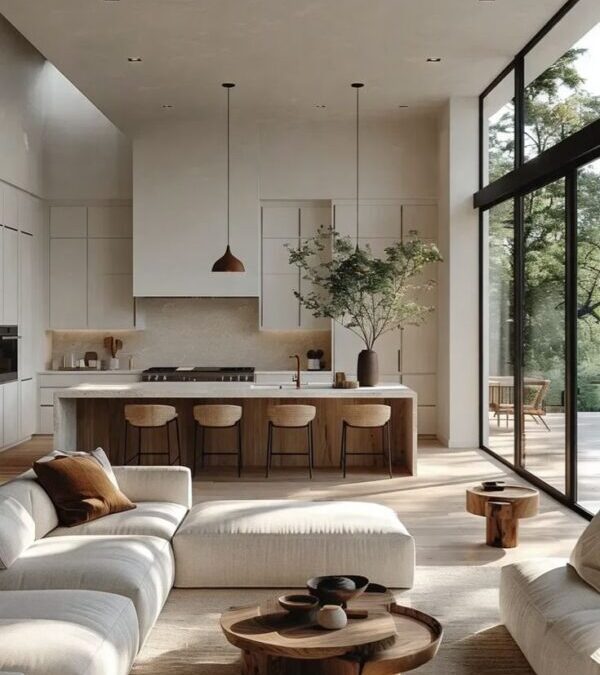
Open concept layouts work beautifully for grown-up playrooms because they make the space feel connected to the rest of the home rather than isolated. When the playroom flows into a living area, dining space, or kitchen, it becomes easier for adults to supervise while still relaxing or multitasking. The key is using smart zoning, like rugs, furniture placement, and lighting, to define the playroom area without closing it off. Open layouts also help the space feel larger and brighter, which makes it more welcoming for all ages.
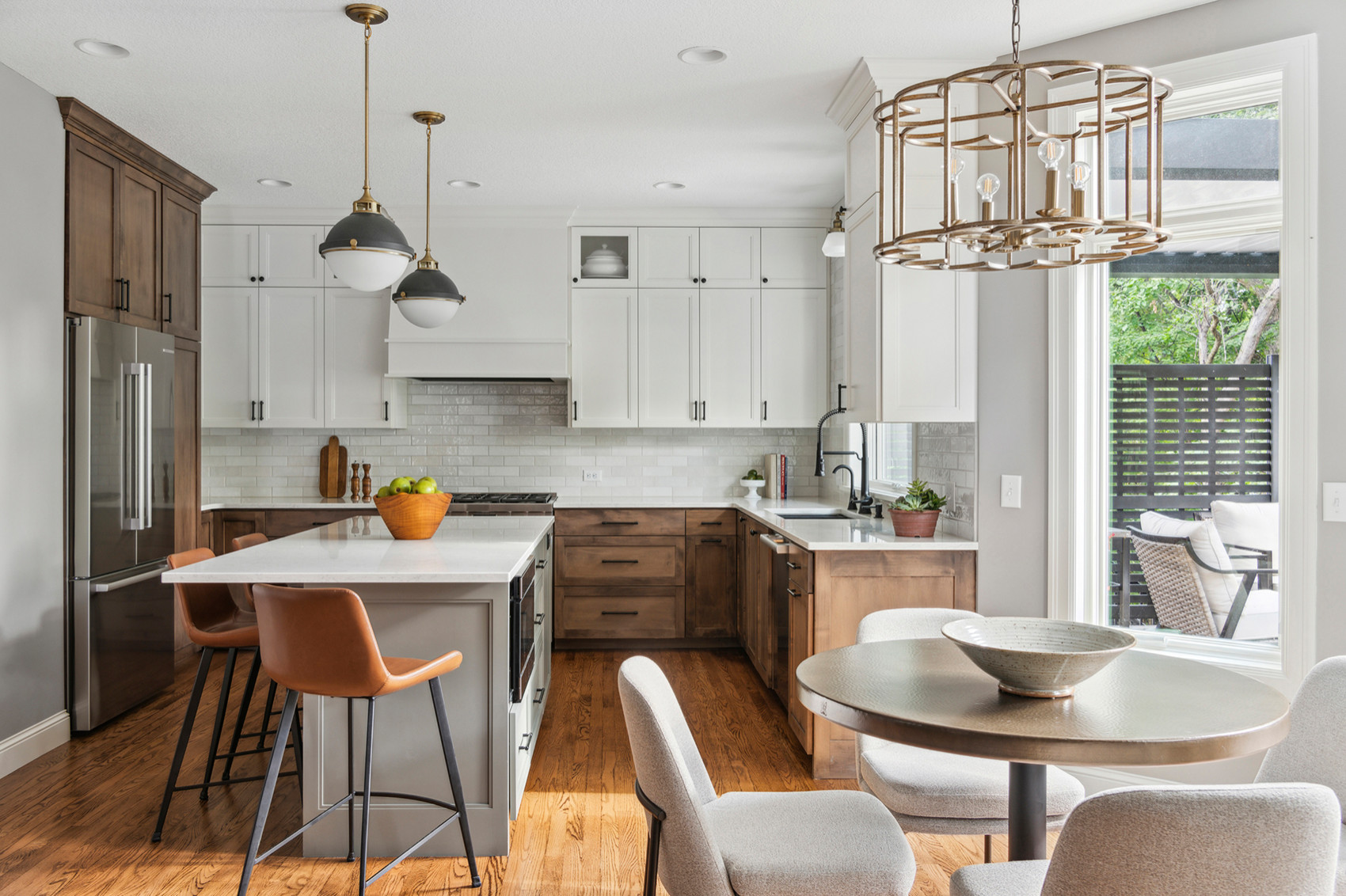
In multi-generational homes, the kitchen is rarely quiet. It’s where meals happen, conversations start, and routines overlap. The best family kitchens are designed for movement and teamwork, more than one person should be able to cook or prep without bumping into each other. Add an island with seating for kids and adults, or create a small breakfast corner where grandparents can sit comfortably. Use pull-out drawers and clear pantry organization so everyone can find what they need. A kitchen designed for shared use feels calmer, more social, and easier to live in every day.
Dining spaces in multi-generational homes need to handle everything, from quiet breakfasts to big family meals. Flexibility is everything. A dining table with extendable leaves, stackable chairs, or a bench option allows the space to shift naturally. Consider mixing formal and casual seating: chairs on one side, a bench on the other. This adds warmth and makes room for more people without crowding. Also, lighting matters, a warm pendant light instantly makes dining feel more inviting. When dining is flexible, hosting becomes easy and everyday meals feel more relaxed.
Wrap-Up
Designing for multi-generational living is really about creating a home that feels comfortable for everyone, kids, teens, parents, and grandparents,without sacrificing style. From grown-up playrooms and flexible living rooms to practical kitchens, calm bedrooms, and easy-to-navigate layouts, the goal is always the same: spaces that support real family life while staying beautiful and functional. Thoughtful zoning, smart storage, durable materials, and warm lighting make a home feel more balanced, relaxed, and welcoming at every stage. For readers of Home Designing, these ideas show how intentional interiors can bring generations together in a way that feels effortless, modern, and truly livable.
I organize the Before & After series and cover DIY and design. I joined AT in October 2020 as a production assistant. I have an MA in Journalism from the University of Missouri and a BA in Journalism from Belmont University. Past editorial stops include HGTV Magazine, Nashville Arts Magazine, and local magazines in my hometown, Columbia, Missouri.