
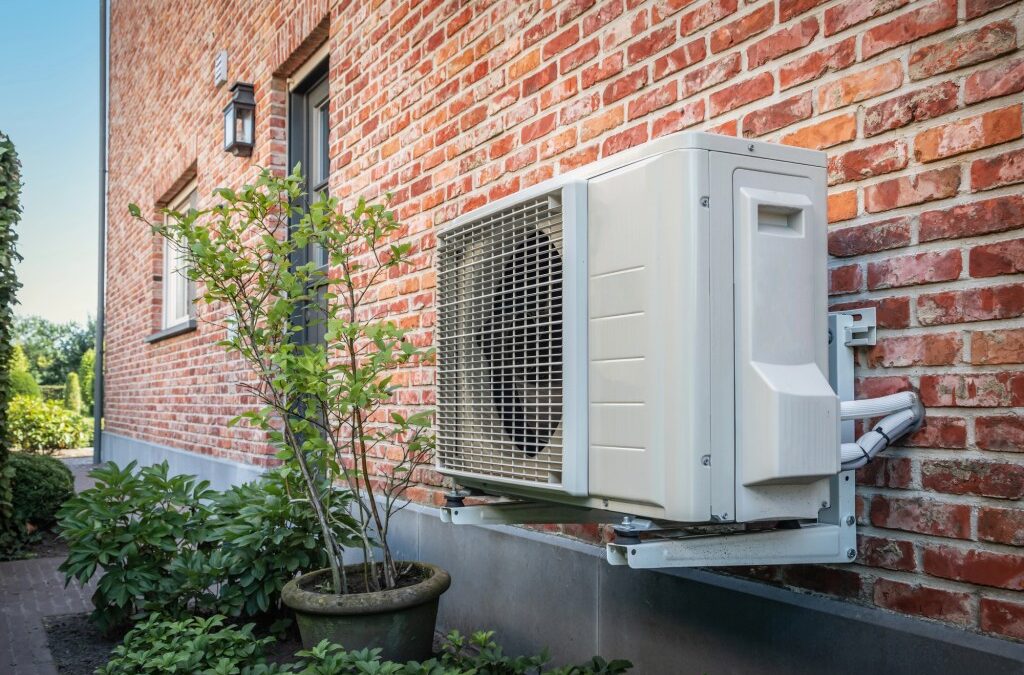
Heat pumps are now widely used in homes throughout Los Angeles and Ventura County, CA. Many were added to increase efficiency, reduce gas usage, or replace older HVAC systems. But as these systems age, homeowners face a more pressing question: should the heat pump be repaired, or is it time to replace it?
This is seldom obvious at first glance. A system might boot only to perform at its worst. Repair costs rise. Energy bills change. Knowing when to repair and when to replace can help you avoid wasting money and enduring discomfort.
In this guide, we’ll help you work through the decision of whether to repair or replace a heat pump in a Southern California home.
Why This Decision Matters More in Southern California

Los Angeles and Ventura County have relatively mild winters and long cooling seasons. Heat pumps in that area usually operate 24/7 between heating and cooling seasons. That steady use affects wear.
Even when efficiency declines, a heat pump might seem “good enough” since winter is mild. Homeowners occasionally delay replacing it because the system is still producing heat or cooling. This can lead to higher operating costs, increased repairs, and even shorten the life of your equipment.
Climate affects the repair-versus-replace decision. Southern California systems are designed to perform well in mild conditions. When they fail to do so, replacement often delivers a proven benefit.
When Heat Pump Repair Makes Sense
Heat pump repair is often the best solution when the system is within its expected life, and the problem is localised.
The system is under 10 years old
When properly prepared and installed, most heat pumps are designed to last 12-15 years. If your unit is less than 10 years old, a repair is often the first and most cost-effective solution.
The issue is minor or well-defined
Typical repairable failures include defective sensors, worn contactors, motors, and other electrical components. These repairs restore function without affecting long-term reliability.
Energy bills have not changed significantly
If your heat pump is still working properly and you’re not seeing any significant changes in your utility bill, fixing it may be the most viable option.
The system has a good maintenance history
Heat pumps that are regularly serviced generally perform well in terms of repairs. Maintenance reduces wear and tear on critical components and extends system life.
In these cases, repair brings the unit back to standard and postpones replacement, without introducing habitual long-term cost changes.
When Heat Pump Replacement Makes More Sense

Replacement is the better choice once repairs are no longer viable.
The system is 12-15 years old or older
Performance degrades, and so too does the reliability of components. Operational costs, even for a system that crisis repairs bring into operation, often skyrocket.
Repairs are frequent or expensive
If there is more than one repair in a fairly short time span, you’re often better off replacing. But fixing one failed component will not prevent the next one from failing.
Heating or cooling performance is inconsistent
Fluctuating temperatures, AC running all the time, or inconsistent humidity control are usually signs of system failure. These problems rarely improve with a patch repair alone.
Energy bills are steadily increasing
In Southern California, a heat pump is likely effective at moderate temperatures. Increased expenditure generally indicates the system is less efficient.
Major components have failed
Compressor failure or refrigerant system issues often reach the point of replacement.
Replacement not only improves comfort and efficiency but also saves you the hassle of ongoing repairs.
The Role of Climate in Repair vs Replacement
However, the math changes in Southern California.
Heat pumps are most effective in moderate temperatures. If a system fails in Los Angeles or Ventura County, it’s typically a sign of deeper inefficiency rather than just extreme weather strain.
Heat demand is used so sparingly that efficiency losses can accumulate over time. In this equation, the replacement’s cost efficiency is typically factored in.
That’s why many people in this area replace systems more frequently than they would in cooler climates. The pace at which efficiency is being added to the system is accelerating.
Repair vs Replacement Cost: What to Consider

Upfront repair cost should not be the only factor.
A more modest repair bill now could mean higher operating costs tomorrow. Higher replacement costs may save you money on your monthly energy bills for years.
Questions to ask include:
- How many maintenance tasks have been required for the system in the last two years?
- Are the energy levels higher than in previous seasons?
- Is the system still operating efficiently?
- How long will you live in the home?
In Los Angeles and Ventura Counties, it is often prudent to replace equipment when heating and cooling performance is no longer sufficient, since the heat pump handles both.
Replacement Timing That Makes the Most Sense
Replacement is most cost-effective when done at the right time.
- During a combined heating and cooling failure
- Replacing a struggling heat pump saves you from spending money on repairs for a system that’s already on its last legs
- When upgrading other home systems
- Electrical upgrades or panel work could often be paired with the heat pump replacement.
- When energy costs rise
- Upgrading to a newer, higher-efficiency system can reduce long-term exposure to rising utility rates.
Replacing on schedule minimizes these types of emergency decisions and permits a better choice of the system.
Why Local Evaluation Matters
Online rules of thumb can be useful, but they don’t substitute for a local evaluation.
It can be influenced by the size of the home, the insulation in the walls and attic, the condition of the ductwork, and how you use your energy. For example, a system that appears fixable on paper may not work as intended when implemented in practice.
Local installers understand how heat pumps behave in Los Angeles and Ventura County climates. They can determine whether the repair will restore efficiency or merely postpone replacement.
Making a Confident Decision
There is no hard-and-fast rule about fixing versus replacing. Which option is best for a system or situation depends on the system’s age, performance, repair history, and local environment.
Efficiency drops to the point where many Southern California homeowners choose replacement as the better investment, even if the system continues to run. Comfort, dependability, and long-term cost are more important than keeping an old unit on life support.
If you would like an answer specific to your system and region, the next best step is a professional evaluation. For a free in-home heat pump evaluation to assess repair and replacement options for your Los Angeles or Ventura County residence, call Reliable Heating and Air.
Related
<!–
–>