
Slow living isn’t easy – not today, when everything needs to move at the speed of light. Even our forms of entertainment are quicker, snappier and harder to follow than ever, thanks to shortening media formats and ever-shortening attention spans. Earning money is stressful, making that money stretch in a difficult economy is even more stressful, and there never seems to be any time to catch a breath.
Luckily, you don’t need to take a sabbatical to re-introduce some calm into your life. While you might not be able to meaningfully practice slow living every day of the week, you can, at the very least, imbue your home with the sense of it, using interior design. And how better to imbue such slow-living sense than with the concept of travel?
1. Curating Meaningful Decor

Using travel as a shibboleth through which to translate slow living into home décor might sound like one step too many – but it’s an excellent opportunity to naturally fold calming influences into your environment. This is particularly the case when it comes to trips you’ve already taken; such trips tend to yield souvenirs of great personal import.
Items collected on trips, whether a hand-woven basket from a market or photographs from a quiet continental village getaway, can serve as emotionally-resonant pieces that uplift your surroundings, rather than clutter them.
2. Adopt Slow Interiors Principles Inspired by Places You’ve Visited
You don’t necessarily require physical objects from your travels to adopt slow living design in your home, though. Sometimes, you can take the sensibility of a place you’ve been to as inspiration. On your travels, whether cheap holidays somewhere warm or cultural excursions to places of great artistic import, you’ll have encountered buildings and interiors which reflected considered, thoughtful design choices. You’ll also have aligned yourself mentally with certain locations, pieces of which you can figuratively steal for your home.
3. Use Travel Colours and Materials to Shape Calm Environments

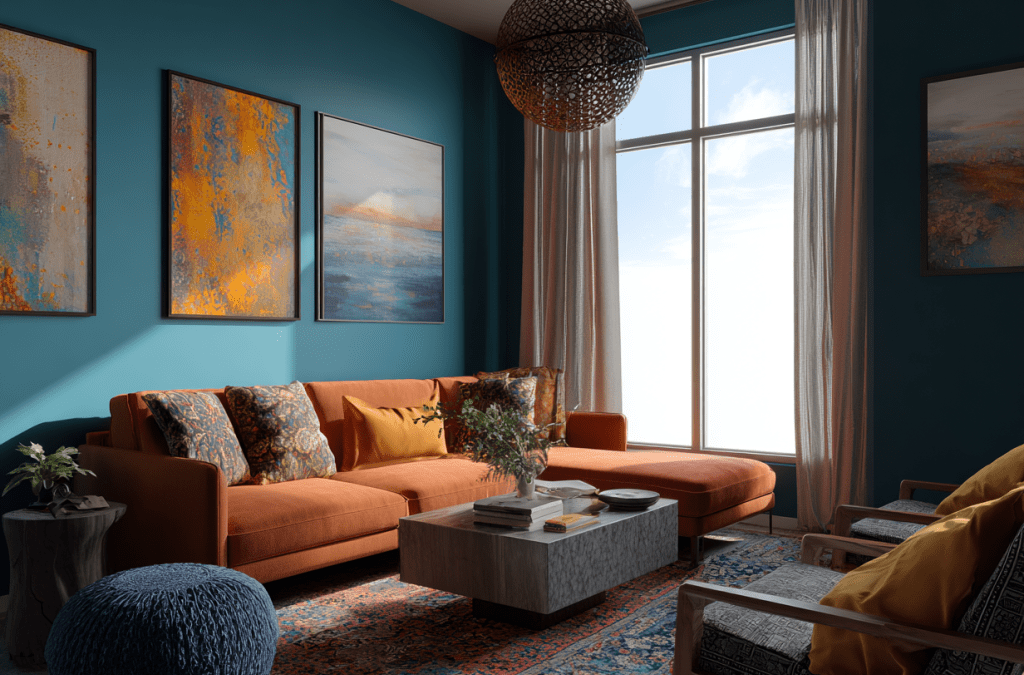
In another relatively straightforward sense, you can quasi-literally steal influence from places you’ve visited by reflecting them in your colour and material choices. The terracotta tiling of a coastal patio in Italy could inform the rustic nature of a new kitchen or bathroom design; the colour of the Mediterranean off the southern coast of Sicily could be the exact colour of bedroom en-suite you plump for. The only limit is your imagination.
4. Create Rooms That Feel Like Retreats, Not Showpieces
One of the most striking things about memorable places is how they feel, not how perfectly styled they are. Think of a small guesthouse where everything was a little worn but deeply comfortable, or a rented apartment abroad where mornings felt unhurried simply because the space allowed them to be. You can translate that feeling at home by prioritising comfort, softness and usability over visual perfection.
This might mean choosing seating you genuinely want to sink into, layering textiles rather than matching them, or allowing a room to remain intentionally quiet rather than filling it with decorative noise. Slow living interiors aren’t designed to impress at first glance; they’re designed to support daily rituals, rest and presence.
5. Let Imperfection Tell a Story

Travel has a way of loosening our attachment to perfection. Cracked plaster walls, uneven tiles and sun-faded fabrics often become part of a place’s charm rather than a flaw. Bringing that same acceptance into your home can be incredibly grounding.
Natural patina, handmade finishes and materials that age gracefully all reinforce a slower pace of life. Limewashed walls, raw timber, vintage furniture and ceramics with visible marks of the maker encourage you to live with your home rather than constantly fixing or upgrading it. These imperfections add depth and remind you that a lived-in space is a healthy one.
6. Build Daily Rituals into Your Layout

Slow living is as much about behaviour as it is about aesthetics, and travel often shifts our routines in subtle but powerful ways. Maybe you lingered over breakfast on a balcony, read more in the evenings, or walked instead of scrolling. Your home can support those habits if it’s designed with intention.
Consider where you naturally pause during the day, and design for those moments. A chair by a window, a low table for tea, open shelving that encourages cooking rather than hiding everything away. These small choices create gentle friction against rush and distraction, making it easier to move through the day with awareness.
7. Avoid Turning Travel into a Theme
There’s a fine line between travel-inspired interiors and rooms that feel like a checklist of destinations. Slow living thrives on subtlety, so it’s worth resisting the urge to overtly reference places through themed décor or obvious motifs.
Instead, allow travel influence to show up quietly — in textures, proportions, light and mood. A home shaped by travel should feel cohesive and personal, not like a museum of past trips. The goal isn’t to recreate somewhere else, but to bring back the pace and presence those places allowed you to feel.
8. Design with Intention: Slowing Down Your Decorating Process

Ultimately, your new renovations should themselves embody that sense of mindful travel. There’s value to taking time in curating your space, rather than rushing through your new interior designs in one push. Resist impulse buys, resist speed, and lean into the process; you may even like it.
Related
<!–
–>