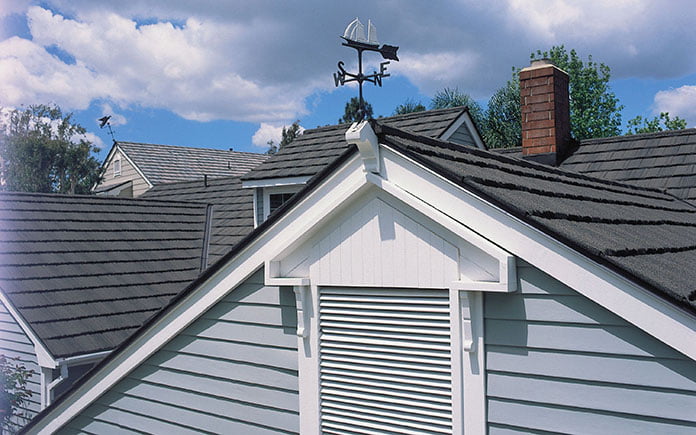
People who are considering a new roof often ask me, what are the benefits of a metal roof? As a remodeling contractor with over 40 years’ experience, I always tell them it’s all about the roof’s strength and all about saving money on your energy bill.
With extreme weather conditions, such as hail storms, other roofing materials such as asphalt shingles are prone to damage. Metal roofs can withstand wind speeds up to 140 mph.
Insurance companies love the added strength that metal roofing provides so many of them provide discounts for homeowners with metal roofs.
Also, with a metal roof’s interlocking design, it’s like the parts work together as one piece to withstand strong winds. Compare that to separate asphalt shingles, which can easily blow off, making the home vulnerable to water damage.
Metal roofs are also energy-efficient. Because metal is a reflective material, heat from the sun won’t penetrate your home’s attic and work its way down in your living space.
Best of all, with a metal roof, you can save up to 40% on your cooling and heating costs. That means you can have peace of mind during severe weather and relief when you open that energy bill.
If you want to learn more about energy-efficient roofing, go to metalroofing.com.
Metal roofing includes many alloy types. Do your homework before choosing a material. (MRA member Boral Steel)
More homeowners — particularly in hurricane-prone areas — are choosing metal roofing over asphalt shingles and other materials. That’s because metal roofing is durable, energy-efficient, and can withstand severe weather.
However, “metal roofing” is a general term for a variety of different alloy types, and each has its unique characteristics. If you’re considering a new metal roof for your home, it’s important to know the differences and make an informed decision.
Here are four popular metal roofing options, and what you should know about each of them.
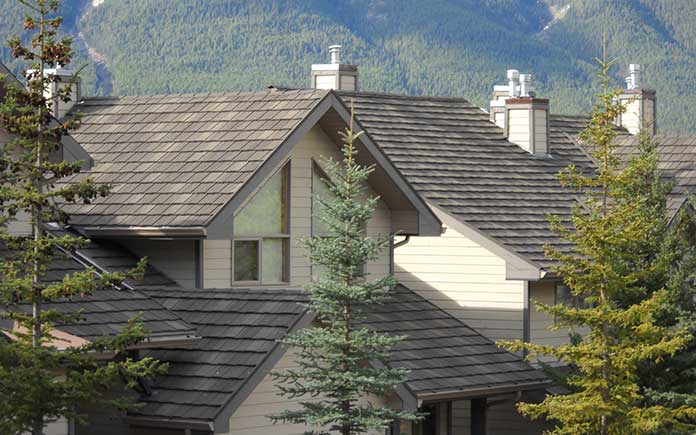
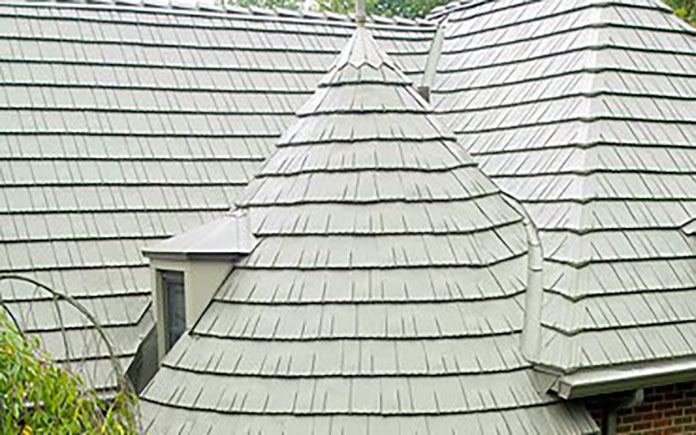
Steel roofs come in many styles, including tiles, shakes and slate. (MRA member Decra)
1. Steel
Steel is one of the strongest metal roofing options available. Made from iron and other elements, it can weather hail and high winds, along with heavy snow and ice loads.
Steel roofing is available in many different colors and coatings, with popular options such as galvanized and Galvalume™.
Galvanized steel’s outer layer of zinc protects the inner layer of steel from corrosion. Galvalume™ uses a combination of aluminum and zinc to protect the steel. .
Strength, style and energy efficiency attract many homeowners to steel. Quality steel roofing — which can resemble clay tile, shakes or slate — can last 50-plus years.
In addition, steel is the most recycled material on the planet, which makes it one of the most environmentally friendly metal roofing option.
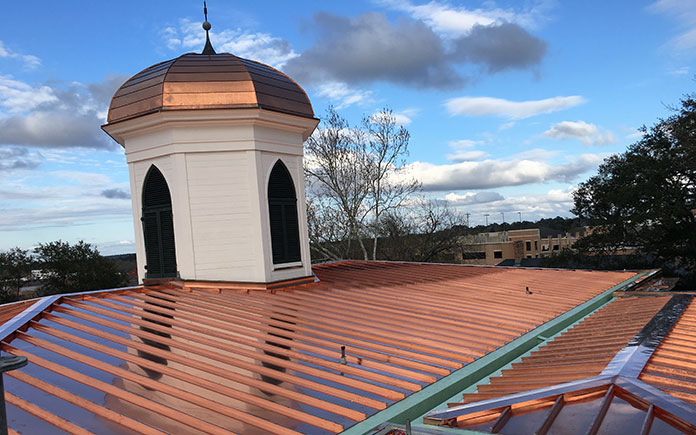
Copper roofing is elegant and timeless. (MRA member McElroy Metal)
2. Copper
Copper roofing, a favorite for centuries, is eye-catching and timeless. It also comes at a high cost compared to alternatives due to its higher demand and scarce supply.
Metal reflects heat, rather than absorbing it, so its application as a roofing material — when properly assembled and ventilated — boosts energy efficiency.
Aged, weathered copper changes in appearance and develops a patina, or thin layer of tarnish, due to chemical processes such as oxidation. Many homeowners desire this patination on architectural roofing systems.
However, copper’s natural compounds may speed up corrosion of neighboring metals. So, copper needs to be separated from other metals. It is recommended that homeowners use a knowledgeable installer should for any copper projects. .
Aluminum roofing is ideal in coastal climates due to its resistance to salt corrosion. (MRA member Classic Metal Roofing)
3. Aluminum
Aluminum resists salt corrosion, which makes it a favorite for beachside and inland homes in coastal climates. Cost-wise, it falls between copper and steel.
This metal roofing material’s durability comes from its key ingredient. When exposed to oxygen, aluminum creates a layer of aluminum oxide that seals the metal’s inner layer. This protects the roof from corrosion and provides long-lasting protection.
High-quality aluminum panels have a high strength-to weight ratio and a thicker profile than steel, offering superior protection during severe weather such as hurricanes.
And, like copper, aluminum develops a patina, although many homeowners prefer to treat aluminum roofing with paint and protective coatings.
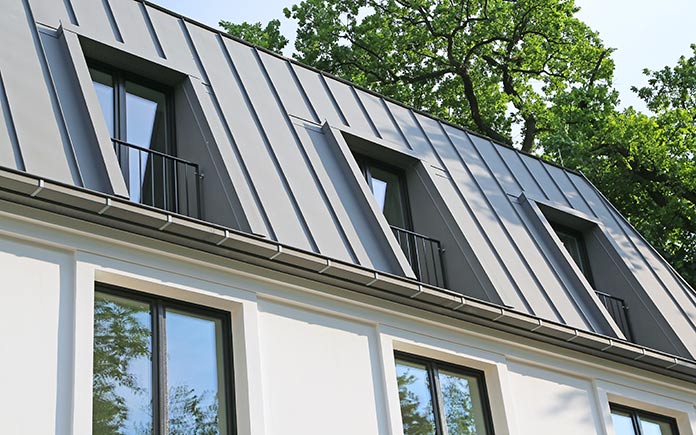
From its creation to installation, zinc is particularly sustainable and exceptionally durable compared to other roofing materials.
Zinc requires just one quarter of the energy necessary to process steel or copper; its low melting point — 420 °Celsius — makes high-quality roofing systems last, potentially, for centuries; and it’s 100 percent recyclable.
A softer metal, zinc is easy to form and manipulate. This results in a wide array of flexible and unique roof designs.
The cost of zinc is comparable to copper, and zinc similarly reacts to its environment, changing appearance as it ages and weathers the elements.
While zinc’s scratches self-heal over time, the material is vulnerable to visible “chalking” where water collects and flows. That’s why it is typically sealed with a protective coating — and why it’s important to work with a knowledgeable installer with experience in zinc installations.
For more information about metal types, how to choose a quality metal roof designed to last for a lifetime, and additional details about metal roofing properties and performance capabilities, download a free copy of the MRA Residential Metal Roofing Buyer’s Guide at www.metalroofing.com
This week, we’re helping a Louisiana family get their home back in shape after Hurricane Zeta caused some major damage. We’re also getting their home prepared for the 2021 hurricane season.
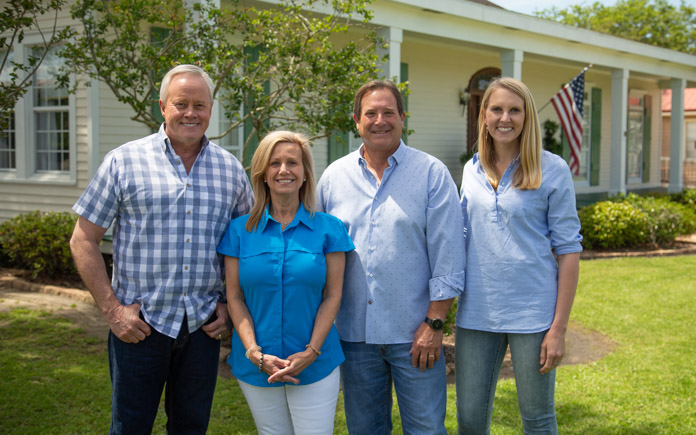
The house belongs to David and Ruby LeBlanc of Cut Off, Louisiana.
Replacing the Mismatched Roof
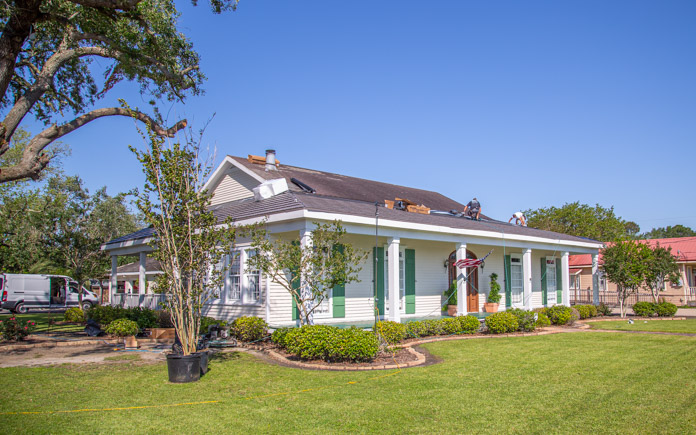
The first project is replacing the roof. David and Ruby did their fair share of research and chose the perfect roof for their home from the Metal Roofing Alliance.
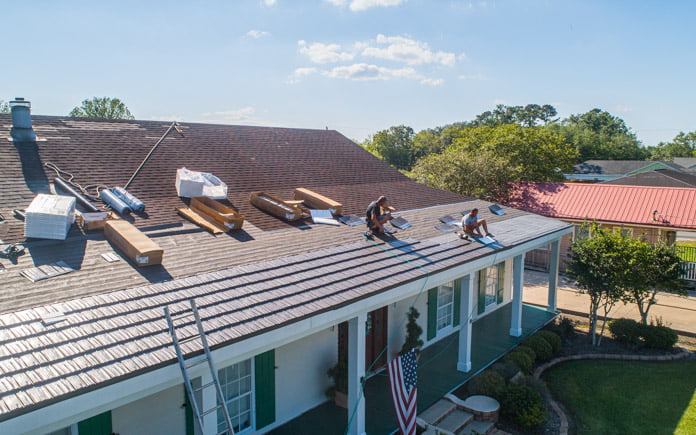
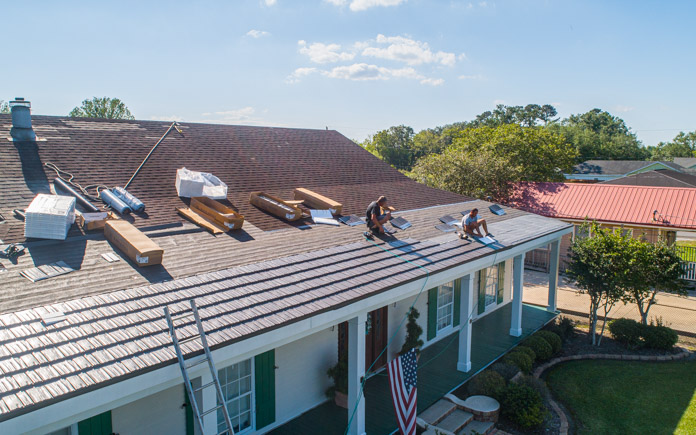
When the roofers arrive, they start working by trim around the eaves and installing underlayment over the old shingles to prepare for the installation of the new metal roof.
Installing New French Doors
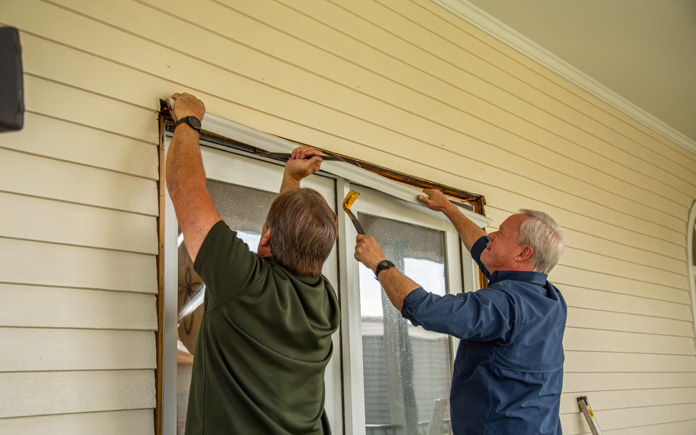
Then it’s time for me and David to replace the old French doors with new ones.
The old French doors were damaged in the last hurricane as the seal around the glass frame was compromised, allowing humidity between the glass panes.
We start by removing the trim around the door and then removing the old doors. Once the new French doors are installed, we properly insulate the space around the door and finish it out by sealing in the new doors.
Creating Storm Panels for the Windows
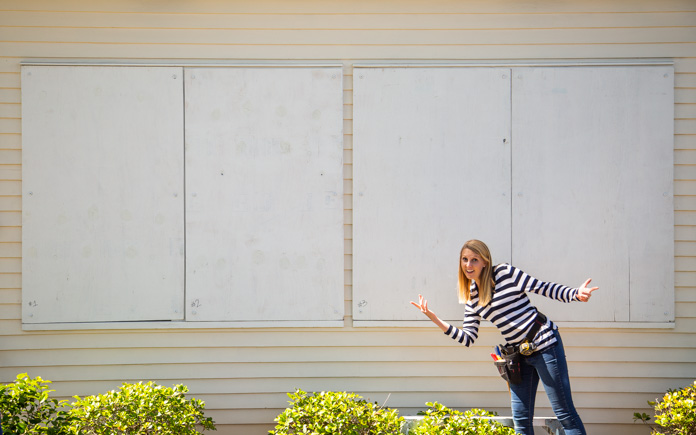
To create the reusable storm panels, we start by measuring the windows they will cover.
Next, we cut half-inch plywood to size and drill quarter-inch mounting holes into the four corners of each panel and midway across the longest span.
To reduce any warping, we are also painting these panels. Once they are dry, we put them in place temporarily so we can mark the location of the mounting holes on the window trim.
At each of these marks, we drill a half-inch diameter hole. This is so we can install the flush-mount threaded fastener anchors.
Finish the Landscaping
There’s one more project to tackle for this couple. After Hurricane Zeta rolled through, the LeBlancs’ landscape was destroyed.
To bring some life back into the front yard, we replaced their crape myrtle trees.
Now, this home down by the bayou is beautiful and protected from any storms that may come its way.