How to Make Impactful Upgrades for Your Small Home

How to Make Impactful Upgrades for Your Small Home

A small home with white shiplap walls, an open plan kitchen, living, dining room and double aspect windows

Photo of a small home by Jed Owen on Unsplash

I live in a really small home. It’s a small two-bedroom flat and with two tween daughters, we really have to make the most of every square inch. It’s not easy at all and it is getting more difficult with every year that passes as the kids accumulate more stuff. Progress upgrading our flat has been snail-slow because my husband and I have been busy building multiple businesses. But we have learnt a lot along the way. Because most British homes tend to be on the smaller side we need a lot of creativity when it comes to small home ideas. So today, I want to share some advice to help you make impactful upgrades to your small home.

Declutter Your Small Home

When thinking about the upgrades you want to make to your small home that can make the biggest impact and help your home feel more spacious, the best place to start is with a really thorough declutter. Nothing else you do will make much of a difference if you are still trying to cram too much stuff into your small home. It’s time to get ruthless. Get rid of everything you haven’t used in a while and are unlikely to use again. Sell belongings, take the rest to the charity shop and anything that needs binning can go to the local recycling centre. If you find you have a lot of stuff to get rid of, consider hiring a skip to save yourself a lot of hassle. One drop-off, one pick-up, and you’re done. I am dreaming of doing this at the moment. I would love to have a thorough clearout and only hang on to the essentials and things that bring me joy every day!

Maximise Every Inch of Space in Your Small Home

Once you’ve pared everything right back it’s time to look at spacial planning. The layout of your small home will have a huge impact on how spacious it feels. It is totally possible to live in a tiny home that doesn’t feel tiny at all. I had this realisation when my husband and I spent the weekend in a small private spa in North Devon. It was roughly the size of two containers and yet it felt pretty expansive. This was primarily down to the layout, but also the many ways that the owners had used biophilic design in the property. So if your home feels like a collection of tiny, separate boxes, it might be time to rethink the layout.

Old houses love their walls. They divide, they frame, and they hide staircases in weird places. But sometimes, all they do is make life harder. Removing just one wall can open up a space in ways you didn’t expect—turning a kitchen and dining room into a social hub or making a dark hallway disappear into something airy and useful.

Not keen on full demolition? Even switching a traditional door for a pocket version can make a difference and improve the flow in your home by creating more room to move and fewer obstacles.

Choose Multifunctional Furniture

An open blue ottoman bed in a bedroom

Loxley Ottoman bed from Bedstar

One thing we have learnt over the years is that it pays to invest in multi-functional furniture. When you live in a small home, everything that you bring in has to work super hard for you to earn its place. Some of the best storage solutions don’t even look like storage. An ottoman bed that lifts to reveal under-bed storage works wonders in our bedroom for storing away bed linen and extra towels as well as spare bags and backpacks. We also have a coffee table in the living room with storage inside for extra blankets and cushions. When it comes to choosing furniture for a small home, multi-functional pieces are well worth the investment.

Use Natural Light to Open up the Space

The internal window in the home office allows natural light to move through this North London terraced house by Cairn Architects | Photography by Peter Landers and Anna Stathaki

The internal window in the home office allows natural light to move through this North London terraced house by Cairn Architects | Photography by Peter Landers and Anna Stathaki

One way to make a small home feel larger is to make the most of the natural light that you have available. A dark room shrinks. A bright one expands. Light is magic like that. So make sure that windows are unobstructed. Don’t place furniture that will block natural light from entering the room. Choose window treatments that let the maximum amount of light in during daylight hours and make sure you hang curtains outside of the window frame so that they don’t block out any light when open.

Mirrors can help to bounce natural light around your small home. Place them opposite a window, and all that natural light will be reflected back into the room. They also create the illusion of having another window in the room making it feel double aspect and much more expansive.

Another trick is to switch out solid doors for glass-paned doors and adding in internal windows that let light move throughout your small home uninterrupted. This can allow natural light to illuminate darker, narrower spaces that need brightening.

If your home lacks natural light like mine does, consider how to effectively use artificial light. Layer your lighting by choosing a mixture of overhead lighting, table lamps, wall sconces and LED lighting under shelving and cabinets. This will help your home feel more flexible as you choose the right kind of lighting for a given moment.

Opt for Clever Storage Solutions

A storage bench is perfect for a small home

Jayson Wood Storage Bench from Wayfair

Storage is more important than ever in a small home and there are some clever ways to maximise your storage solutions. Having your belongings out on display will only make your small home feel smaller due to the visual clutter. Instead, meticulously curate what you want to have out on show and store everything else away neatly and out of sight.

If you have open shelving units, consider adding small storage boxes so everything is out of sight and streamlined. If you have awkward alcoves, consider creating built-in storage cupboards with doors that keep your belongings out of sight.

If your small floor plan doesn’t leave much room for added storage cabinets, consider using the vertical potential of the walls. The space up near the ceiling is wasted space and can easily be maximised. For example, if you don’t have space for a floor-standing bookcase, install a book shelf about a foot below the ceiling that extends around the room. This keeps your books out of the line of sight but still accessible and makes the most of that unused space.

Create Depth with Colour and Texture in a Small Home

A small living room with dark green walls, a round storage copper coffee table and a brown leather sofa covered in textured cushions and blankets

Dark green walls and a copper storage table in my small living room

It is very tempting in a small home to stick with white or other very light colours when you decorate. Wisdom tells us that lighter colours reflect light and darker colours absorb it. Whilst this may be true, no amount of white paint is going to make a particularly small home feel as spacious as you’d like. Instead embrace cosier darker colours and give your home some personality.

Texture can bring your home to life and will make a big impact as it will not only make your small home feel cosier but it will also add layers of visual interest and tactility that will tantilise the senses.

Maximise Your Outdoor Space

A bistro table and chairs and lots of textured cushions and rugs on a small balcony

Balcony decor from Wayfair

If you are lucky enough to have outdoor space make sure you are maximising its potential. Vertical gardens can turn a bare wall into a lush green feature. A foldaway bistro table and chairs mean you can eat outside, even if it’s just a morning coffee. And if your garden connects to your home, matching indoor and outdoor flooring can blur the boundary, making everything feel bigger. Whether you have a large garden like we do, a small courtyard, a narrow balcony or a tiny strip of grass, there is always a way to upgrade it to benefit your small home.

No matter the size of your small home, there are affordable upgrades you can make that can help you to maximise it’s potential, make it feel more spacious and organised. Remember, the best small homes don’t try to pretend they’re bigger. They just use every inch brilliantly.

If you have any tips to add, please share in the comments.

5 Of The Best Reasons To Maximise Natural Light At Home

5 Of The Best Reasons To Maximise Natural Light At Home

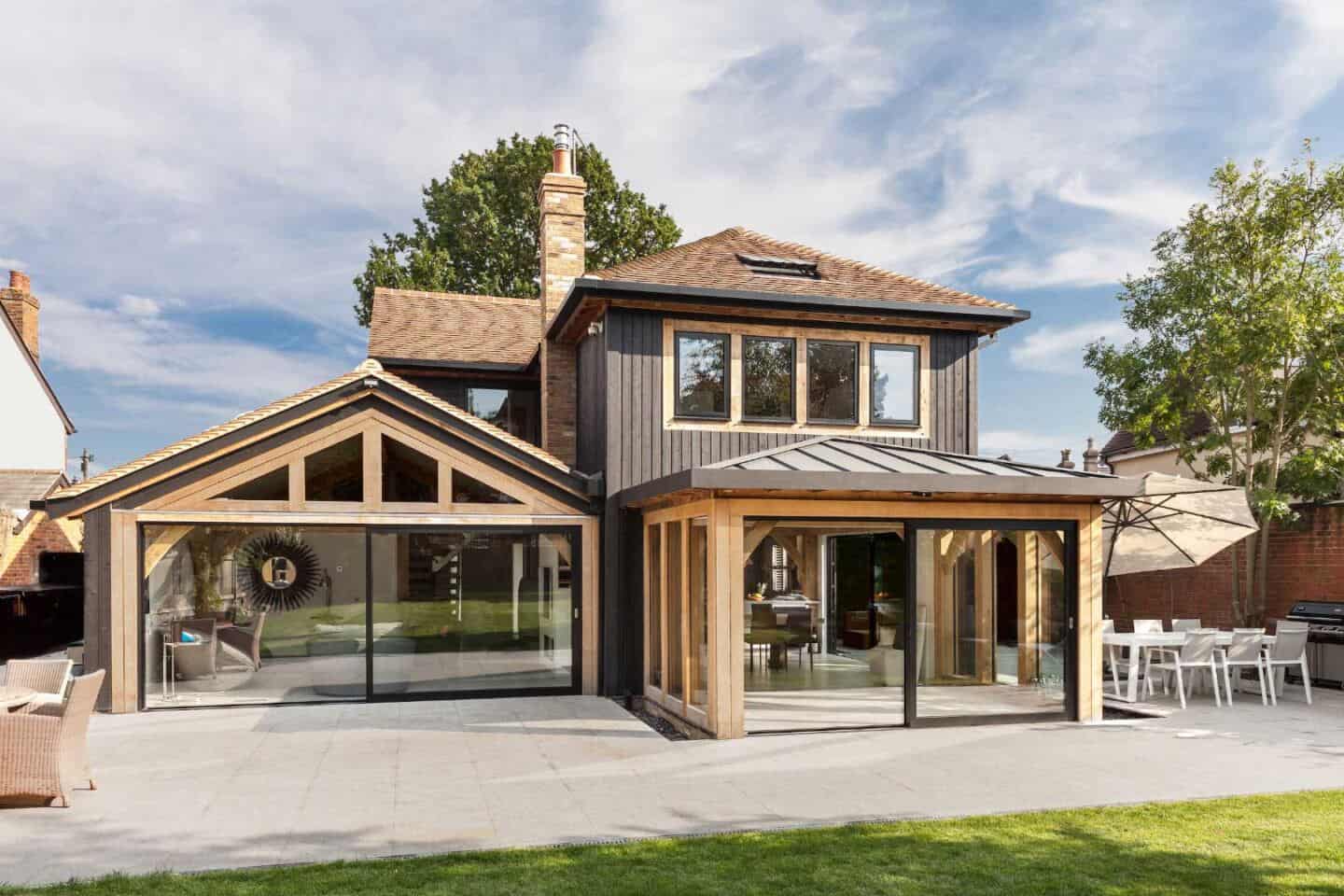
A detached home that maximises natural light with a timber frame extension and black aluminium sliding doors and windows.

A home with KustomSlide Mono Aluminium Sliding Doors from Kloeber that maximise natural light

For a very long time, I was convinced that I need to live in a rather large house to be happy. I’d dream of one day moving into somewhere palatial, with an enormous footprint, vast ceilings and many rooms. I’ve always had this feeling that I need a lot of space to be happy.

But then, not so long ago I had a realisation. It doesn’t matter about the size of the home. What it comes down to is light. Natural light is what makes me feel better. So what I actually need is a home that is flooded with natural light and has lots of big windows that provide views of nature.

A modern Scandi style home with roof timbers and large aluminium windows maximises natural light

Scientific studies have proven that regular exposure to daylight is essential to maintaining human health and well-being. Research also shows that I am not alone in preferring buildings with large windows. This is because they provide a connection to the outdoors, give us a better sense of the time of day and allow us to experience varying intensities of light and shadow throughout the day.

Again, it all comes down to biophilic design which I have written about extensively. In fact, it was a short stay at Wildwood Spa, a tiny biophilic retreat in the forest of North Devon, that made me realise how much of an impact natural light actually has and how important windows are.

So let’s take a better look at some of the best reasons to maximise natural light in your home.

1. To Save Energy & Money

A lengthy corridor with aluminium sliding doors down one side of barn conversion

This is quite an obvious reason to start with. By bringing as much natural daylight as possible into your home you need to use far less artificial lighting and therefore energy which saves you money in the long run. This is definitely something worth thinking about if you are designing and building a home, renovating or extending. And it is particularly pertinent given the explosion in energy prices this year.

2. To Increase the Value of Your Home

Aluminium doors and windows maximise the natural light in this large open-plan kitchen

My Home Move Conveyancing recently conducted a survey asking Brits what features of a property will make them fall in love at first sight. Over 2000 British homeowners were surveyed and the results showed that the size of the windows ranked fourth out of 30 features.

Clearly, the size of the windows directly correlates to the amount of natural light that a home gets. This makes natural light one of the most sought-after features and a key priority homebuyers look for when purchasing a property. Experts also agree that properties with good natural light have a higher resale value.

3. To Improve Sleep Patterns

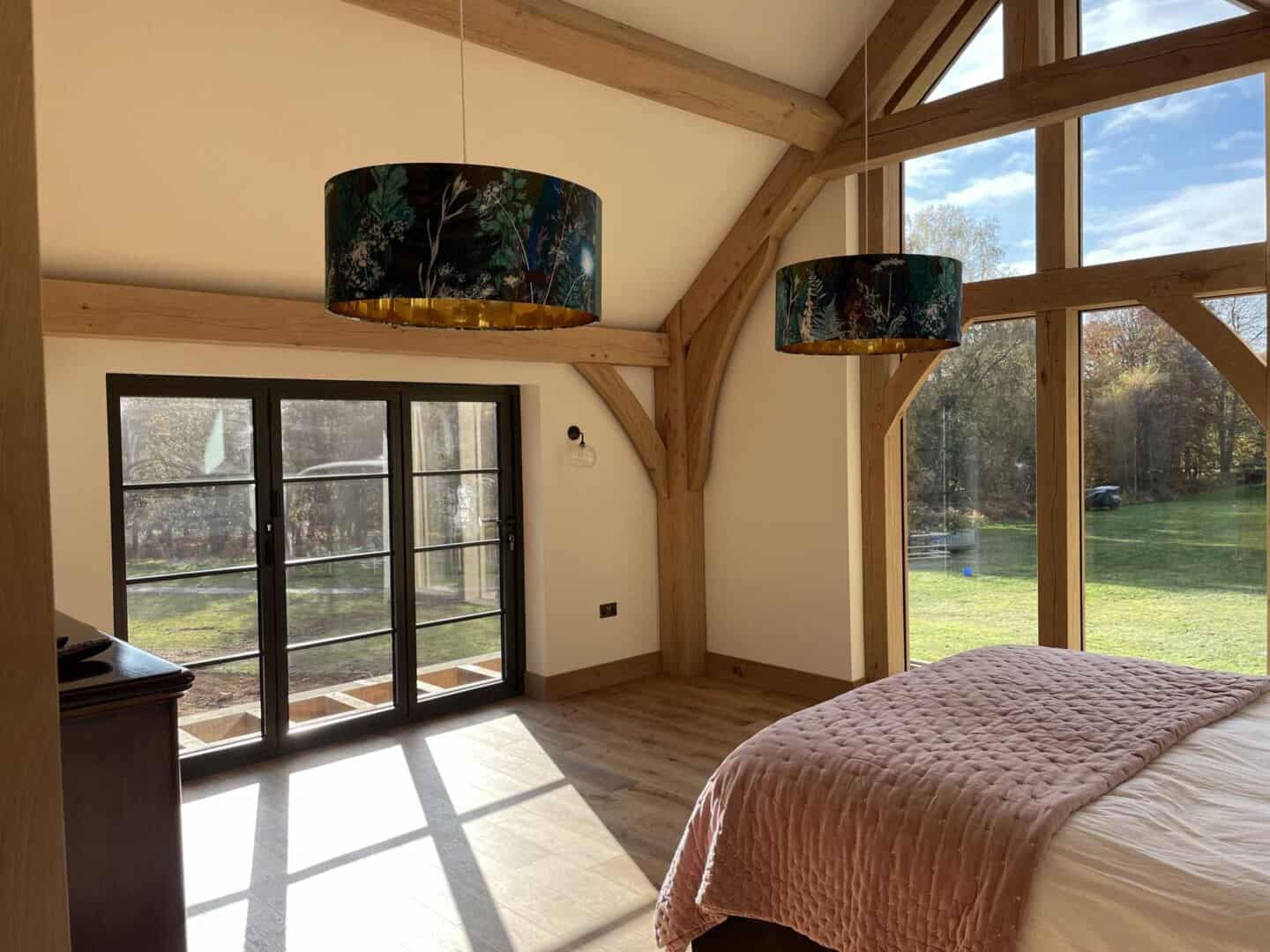
Aluminium bifold doors create beautiful shadows on the floor of this timber framed bedroom

Another reason to maximise natural light at home is that our current lifestyle is really interrupting our circadian rhythm and affecting our sleep patterns. Circadian rhythms are 24-hour cycles that are part of the body’s internal clock. They co-ordinate our mental and physical systems and make sure that our bodily processes occur at the right time during the 24hr period.

The sleep-wake cycle is one of the most important circadian rhythms. Exposure to daylight helps us to stay awake, feel alert and keep active. As night falls, it signals to our bodies to produce melatonin which is the sleep hormone that allows us to have a restful night’s sleep.

As we now tend to spend 90% of our time indoors it is easy to see why there is the need to maximise natural light at home. We need to ensure that our circadian rhythm and the sleep-wake cycle can continue to function properly and protect our sleep patterns.

Without good quality sleep, we begin to see all sorts of physical and mental consequences such as increased stress, emotional distress, mood disorders, memory problems and general poor performance.

4. To Prevent Seasonal Depression

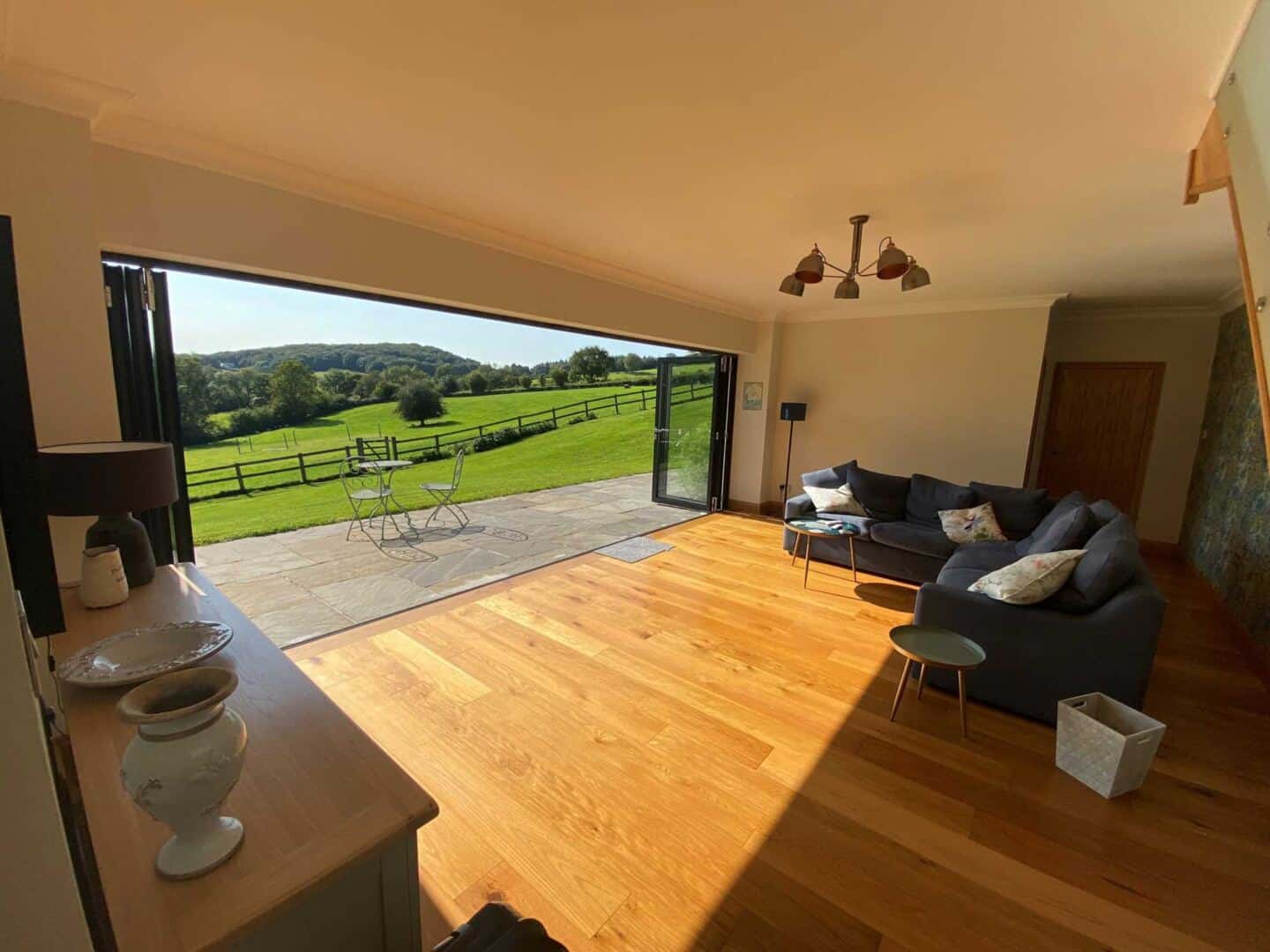
Aluminium bi-fold doors maximise the natural light and enable a seamless transition from inside this living room to the garden outside

Seasonal affective disorder (SAD) is a type of seasonal depression. It often affects people during the winter months when a lack of daylight reduces our serotonin levels. It can result in low mood, irritability, lethargy and sleepiness. We can lose interest in the things that we normally love to do and can crave carbohydrates.

It is important to expose ourselves to as much daylight as possible during the winter months so that we don’t experience these drops in serotonin and the resulting side effects. Spending more time outside will help with this, but also finding ways to maximise natural light inside your home too.

5. To Keep Us Fit and Healthy

These cornerless aluminium bi-fold doors allow the natural light to flood in whilst connecting this sitting room to the garden.

As we’ve seen natural light is absolutely necessary for keeping us fit and healthy, both physically and mentally. But it is more than our sleep and our mood that is affected by the amount of natural light that we are exposed to.

Our skin absorbs vitamin D from sunlight. Vitamin D helps to prevent bone loss and reduces the risk of heart disease, weight gain, and various cancers. And according to science, it doesn’t matter whether we get this sunlight outdoors or indoors.

Vitamin D is also important for our immune system. Scientists at the University of Copenhagen in Denmark found that Vitamin D is crucial for activating our T-Cells which enable us to fight off serious, life-threatening infections in the body.

Exposure to natural light as we have seen increases our serotonin levels. A side effect of this is that serotonin suppresses our appetite and helps us to lose weight or not gain weight. Makes sense if you’ve ever found it easier to diet in the Summer months.

How Can We Maximise Natural Light at Home?

This is much easier to do if you are designing and building your own home, planning an extension or undergoing a large renovation project.

1. Add Extra Doors and Windows

Plan in as many large windows and doors as you can. Unless your home is a listed building and has to abide by certain regulations, making your windows and doors as big as possible will allow more light to enter your home.

2. Replace External Walls with Glazing

Consider replacing walls with glazing like large bi-fold doors or minimalist sliding patio doors that can fully open up one side of your home. This will not only improve the airflow in your home but will also allow light to flood in.

3. Replace Internal Walls with Glazing

If you have a particularly dark room in your home, you may be able to knock through an internal wall and replace it with glazed panels. This will allow you to still have a defined boundary between the rooms but the light can flow between them uninterrupted.

4. Add a Rooflight

Another way to maximise natural light in your home is by adding a rooflight. You can choose from a flat rooflight which offers a minimalistic finish or a pitched rooflight which has the added benefit of adding height to the room and therefore creating a feeling of spaciousness.

If you aren’t able to make structural changes to your home there are a number of other ways that you can bring more daylight into your home without the building work.

5. Use Light Colours When Decorating

Decorating with lighter colours is generally accepted as making a space feel brighter. Light colours reflect and bounce light around whereas darker colours tend to absorb it.

6. Choose Lighter Furniture

Dark, heavy furniture can take up a lot of visual space as well as absorb light. Opting for lighter furniture that can reflect the natural light around the room is a much better choice.

7. Add Mirrored Surfaces

If you can’t add extra windows, try adding mirrors to your interiors instead. Mirrors can bounce light around the room creating the illusion that light is entering the space from different angles. Consider getting mirrors that look like windows to trick the eye into believing that there is more natural light coming in.

8. Choose Lighter Flooring

By choosing lighter and polished flooring you can reflect the natural light back up into the room. Something like polished stone tiles works well for this.

5 Reasons to Maximise Natural Light at Home Pinterest pin