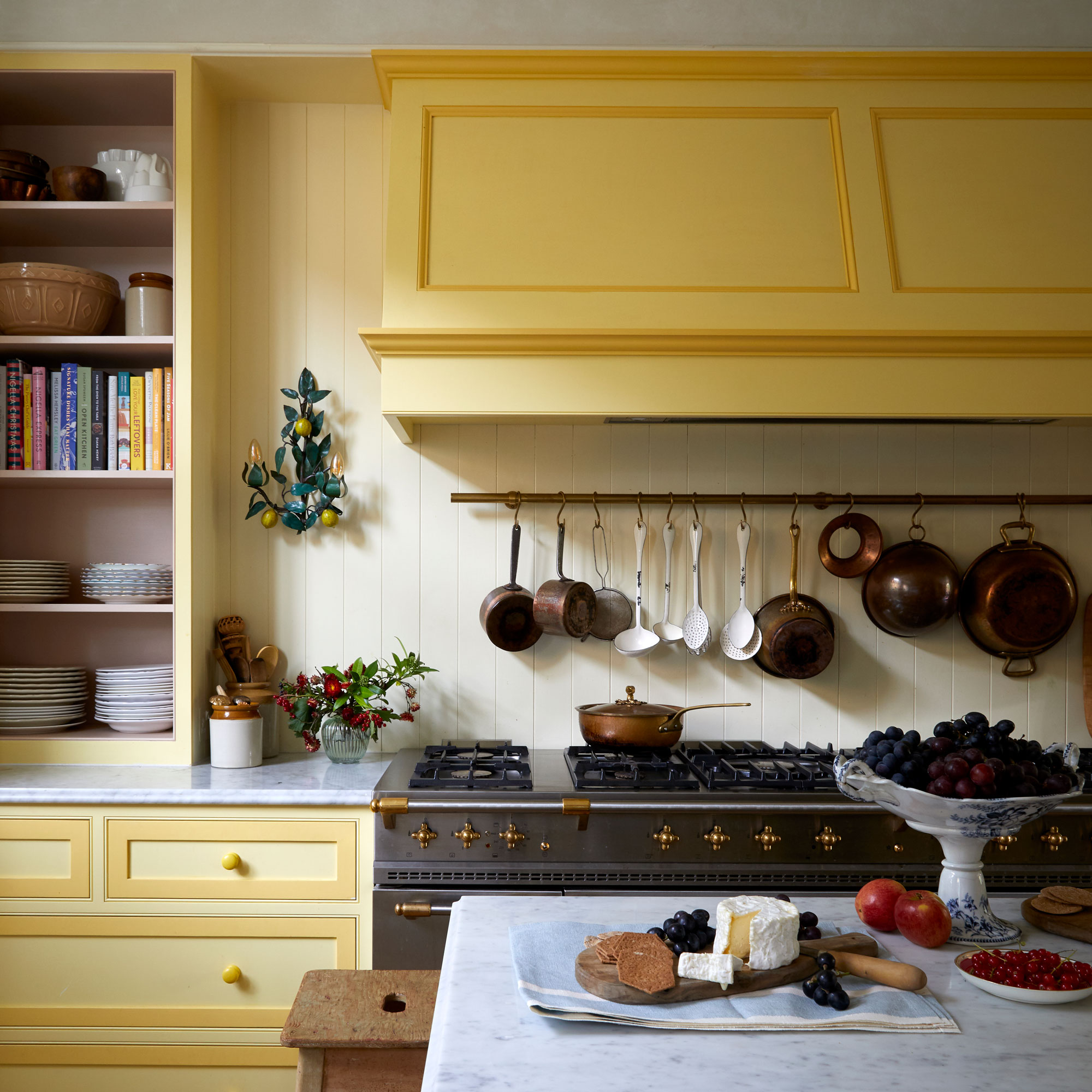
The country kitchen style has been huge this year, and Mariella Frostrup’s cosy kitchen is a brilliant example of the rustic, lived-in look, and her pot rack in particular has caught our eye.
Mariella, a journalist and presenter, may have swapped her home comforts for the jungle in ‘I’m a Celeb’, but after snooping through her social media, I’ve fallen in love with her charming country kitchen ideas.
Above her Aga stove sits a stacked pot rack, meaning all her pans are within reach while cooking, and experts say that not only is this a hallmark of the country kitchen trend, but it will make cooking a faster and easier process. Here’s why we think it’s a greatkitchen storgae ideato embrace ahead of the busy Christmas period.
Latest Videos FromIdeal Home
The first thing that comes to mind when looking at Mariella’s kitchen is how homely and cosy it looks. With green painted cabinets, plenty of wood and, of course, her stunning cream AGA, it looks and feels like a comforting space for the family to enjoy. It is the curation of this feeling that’s been behind the surge in popularity of the country kitchen trend.
‘The country kitchen has always been about so much more than cooking. It’s where everyday life unfolds, and memories are made, from children doing their homework at the kitchen table to long, lingering suppers and the place you sit when friends drop in. There’s something particularly appealing about a kitchen that feels lived in and loved, where everything is useful and meaningful, and nothing feels too precious to use,’ says Laura James, Head of Brand Expression at AGA.
‘After years of fast interior trends and kitchens designed to look impressive rather than feel lived-in, there’s a real pull back towards a slower, more rooted way of living, and the country kitchen is a physical expression of that. It’s a reaction against the more sterile kitchens we’ve had for years. People don’t want a space that just looks good; they want one that feels really good to be in.’
Mariella’s star feature
Cosiness aside, it is the practicality of Marielle’s pot rack that makes this kitchen a particularly good example for those who cook a lot. Sitting across the top of your stove, a pot rack is essentially a fitted rail where you can hang pots, pans and cooking utensils. You can even pick up a basic pot rack for as little as £15 at B&Q.
Sign up to our newsletter for style inspiration, real homes, project and garden advice and shopping know-how
Growing up, my mum had a pot rack above her oven, and it genuinely made the cooking process more efficient as you could reach and grab exactly what you wanted, rather than rooting around in cupboards. So, if you are hosting a dinner party or have the honours of cooking Christmas dinner this year, a pot rack can really help streamline the process.
‘An overhead pot rack is a lovely feature in a country kitchen because it combines practical storage with a real sense of character. It’s particularly useful in kitchens where drawer or cupboard space is limited, as it makes use of otherwise unused space above the cooking area and frees up valuable storage elsewhere,’ comments Laura Ashley Fitted Kitchens’ design manager, Josie Medved.
‘It’s also a great way to display beautiful cookware, particularly copper or stainless steel pans, which can become part of the kitchen’s overall design. Mariella’s rack is a real focal point and gives the room that relaxed, traditional country kitchen feel. The key is to avoid overcrowding and make sure the pans are positioned at a comfortable, safe height for everyday use.’
Josie also points out that with a pot rack, you have to remember to clean your kitchen more frequently, as dust can build up on your cookware – the same criticism as with the open shelving debate. Despite the extra upkeep, I’d argue the benefits outweigh the cons.
(Image credit: Future PLC / Paul Massey)
‘It’s a simple idea, but good kitchen design is often about these small practical details that make everyday tasks easier. Keeping frequently used cookware close to the cooking area helps create a more efficient working space, especially when preparing several dishes at once,’ says Josie.
‘Christmas is probably one of the busiest times of year for the kitchen, so anything that makes cooking and preparation easier is worth considering. With several dishes on the go, oven trays, serving dishes and ingredients competing for space, having saucepans and cookware stored overhead can make a real difference.
‘An overhead rack keeps everyday pans accessible while freeing up cupboards and drawers for other essentials, which is particularly useful when cooking for a crowd. It’s also a lovely feature for the festive season, adding to that warm, traditional country kitchen atmosphere.’
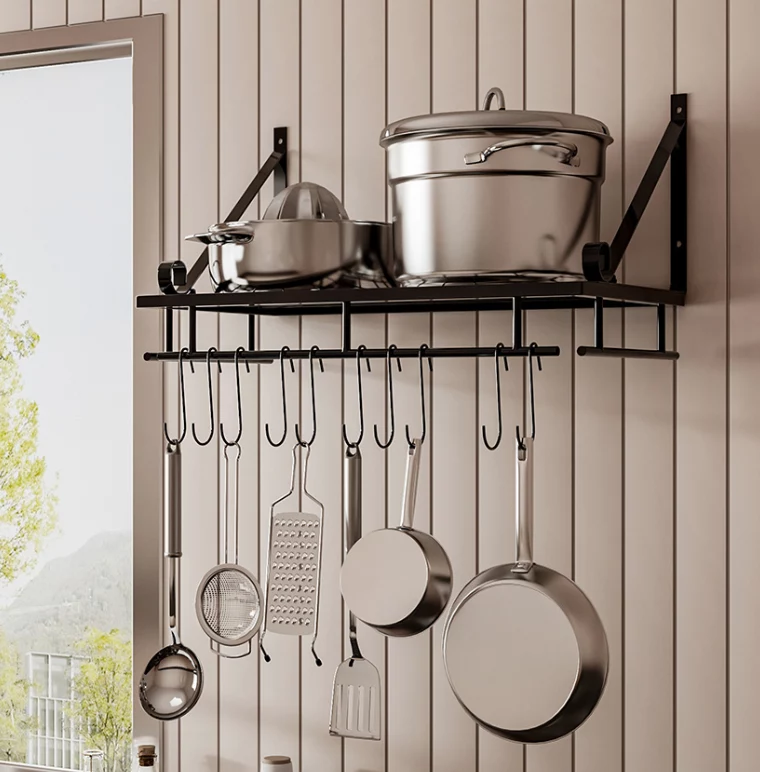
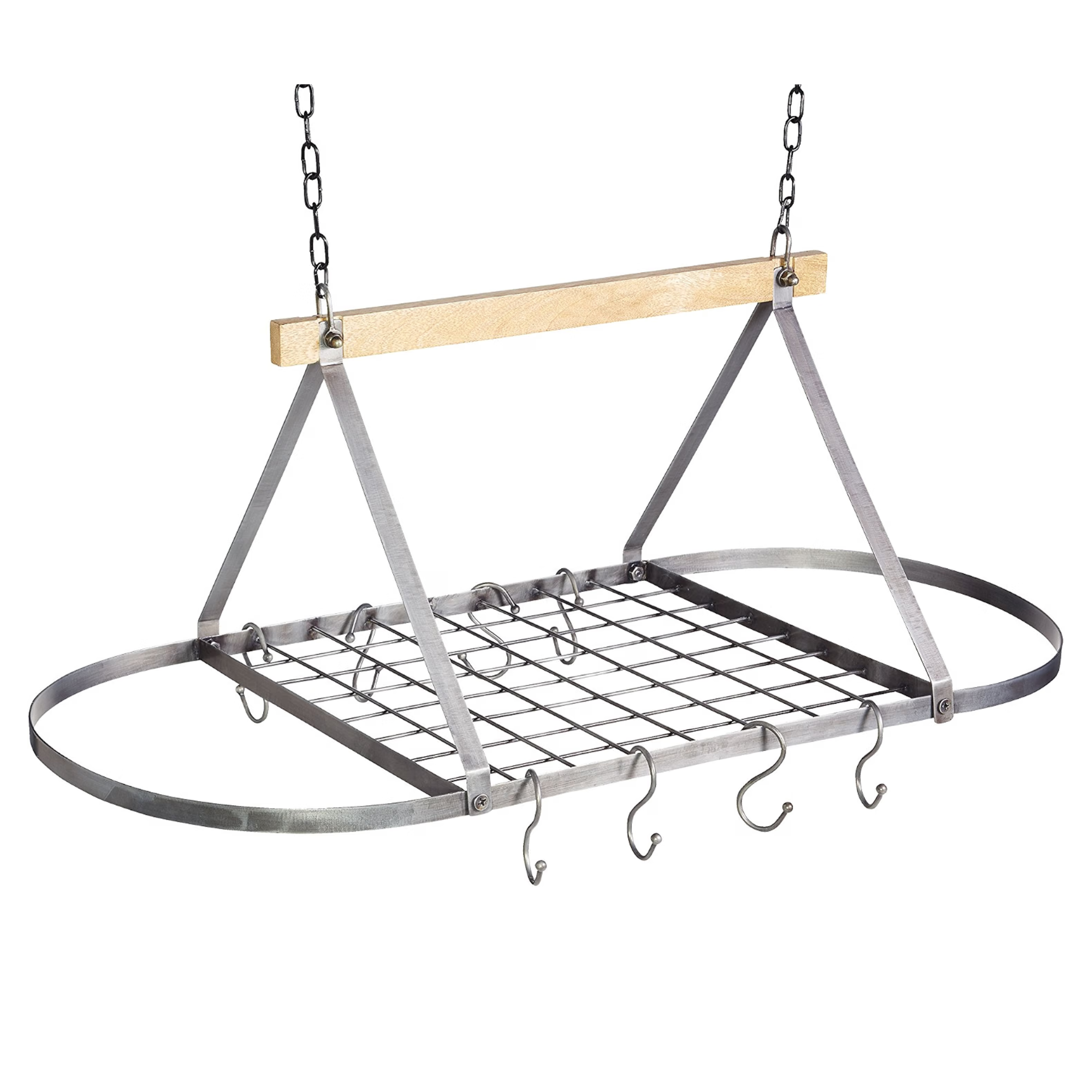
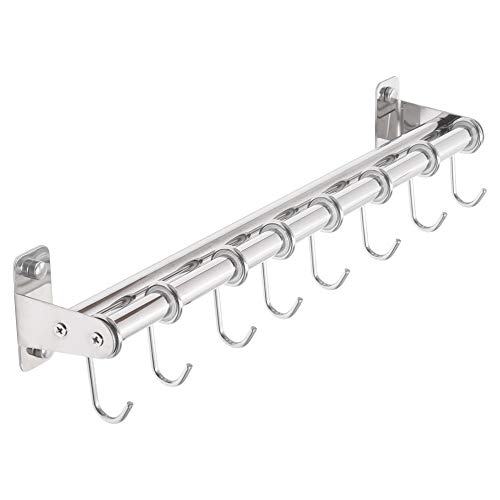
Shop pot racks
Living And Home
Kitchen Metal Shelves Saucepan Pan Pot Rack
KitchenCraft
Industrial Kitchen Vintage-Style Ceiling Hanging Pot & Pan Rack
Dseap
Pot Rack
As much as we want our kitchens to look good, it is essential they are also functional space. Mariella’s has the brilliance of being both.
Choosing a kitchen worktop is one of the biggest decisions you’ll make when planning a new kitchen or renovating an existing one. Worktops occupy a large amount of visual space, so they have a significant influence on how your finished kitchen looks. But unlike many decorative choices, they also need to work hard every day.
A good kitchen worktop needs to cope with food preparation, spills, heat, water, cleaning products and the inevitable knocks and scratches of everyday life. At the same time, you’ll probably want something that complements your cabinets, flooring and overall decorating style.
There’s also a considerable difference in price between worktop materials. Affordable laminate can provide an attractive finish for a relatively modest budget, while natural stone, quartz, porcelain and premium composite surfaces can represent a substantial part of the overall kitchen cost.
So, how do you choose? This guide explores the most popular kitchen worktop materials, their advantages and disadvantages, approximate prices, maintenance requirements and the kitchen styles they suit best.
Table of Contents
Quick Answer: How Do I Choose a Kitchen Worktop?
When choosing a kitchen worktop, consider five main factors: budget, durability, maintenance, appearance and how you use your kitchen.
For a busy family kitchen, prioritise a durable, stain-resistant surface that’s easy to clean. Quartz and porcelain are particularly practical options, while good-quality laminate offers excellent value for money.
If you’re looking for character and natural variation, granite, marble or timber may be more appealing, although they generally require more care.
Also, think about the colour and style of your kitchen cabinets. Your worktop doesn’t necessarily need to match them. In fact, creating a deliberate contrast between cabinets and worktops can make a kitchen considerably more interesting. Before ordering, always obtain samples and look at them in your kitchen during both daylight and artificial light.
What Should You Consider When Choosing a Kitchen Worktop?
It’s easy to choose a worktop based primarily on appearance, but this is one area where practicality deserves equal consideration.
Ask yourself the following questions before making a decision:
How much can I realistically spend?
How heavily will the worktop be used?
Do I regularly cook from scratch?
Am I likely to place hot pans on the surface?
How important is stain resistance?
Am I prepared to seal or oil the worktop periodically?
Do I want a completely uniform surface or natural variation?
Will the worktop need complicated cut-outs or unusual shapes?
Do I want an undermounted or Belfast-style sink?
How long do I expect the worktop to last?
There’s no single “best” kitchen worktop because different households have different priorities.
Someone renovating a rental property, for example, may prioritise affordability and easy replacement. A keen cook might value heat and scratch resistance, while someone creating a luxury kitchen may be more interested in natural stone or a dramatic statement surface. Choosing a worktop is just one part of planning a successful kitchen. If you’re starting from scratch, our guide to designing a new kitchen covers everything from layout and storage to lighting, appliances and practical finishing touches.
The Most Popular Kitchen Worktop Materials
There are more worktop materials available than ever before. Here’s how the main options compare.
Laminate Worktops
Laminate remains one of the most affordable and versatile kitchen worktop choices. Modern laminate has improved enormously and is available in an extensive range of finishes designed to resemble marble, granite, concrete, timber and other materials.
Advantages:
Relatively inexpensive
Huge choice of colours and designs
Easy to clean
Low maintenance
Straightforward to install
Can imitate expensive materials surprisingly effectively
Disadvantages:
Can be damaged by excessive heat
Susceptible to scratches and chips
Water ingress can cause swelling if joins or edges become damaged
Generally has a shorter lifespan than stone or quartz
Laminate is particularly useful when you’re working with a restricted budget or want to achieve a particular look without paying for natural stone.
Quartz Worktops
Engineered quartz has become enormously popular in contemporary kitchen countertops. Quartz worktops are manufactured using natural quartz minerals combined with resins and pigments, producing a hard, non-porous surface. They’re available in everything from understated neutral colours to dramatic marble-effect designs with bold veining.
Advantages:
Highly durable
Non-porous
Excellent stain resistance
Easy to maintain
Huge variety of colours and patterns
Consistent appearance
Premium look
Disadvantages:
More expensive than laminate
Professional templating and installation are normally required
Very hot cookware can potentially damage the resin, so trivets are advisable
Large slabs are extremely heavy
Quartz is an excellent all-round choice if you want the appearance of stone combined with relatively straightforward maintenance.
Granite Worktops
Granite is a natural stone, which means every slab is unique. Its combination of durability, natural pattern and luxurious appearance has made it a long-standing favourite for kitchens.
Advantages:
Extremely durable
Excellent heat resistance
Each slab is unique
Wide range of colours and patterns
Can add a luxurious feel to a kitchen
Disadvantages:
Usually expensive
Heavy
May require periodic sealing
Natural variations mean samples won’t necessarily show exactly what your finished worktop will look like
Granite works particularly well if you appreciate natural materials and don’t mind subtle variations in colour and pattern.
Marble Worktops
Few materials create quite the same sense of luxury as marble. Classic Carrara and Calacatta-style surfaces are especially popular in elegant kitchens, but marble requires more care than many homeowners initially realise.
Advantages:
Beautiful natural appearance
Unique veining
Timeless
Naturally cool surface
Develops character over time
Disadvantages:
Porous
Can stain
Vulnerable to acidic substances such as lemon juice and vinegar
Can scratch and etch
Requires sealing and careful maintenance
If you want a pristine, maintenance-free surface, marble probably isn’t your best choice. If you appreciate the patina that natural materials develop with age, however, it can be exceptionally beautiful.
Solid Wood Worktops
Timber introduces warmth and natural texture into a kitchen and works particularly well when you want to soften painted cabinetry. Oak, walnut, iroko and beech are among the woods commonly used for worktops.
Advantages:
Warm natural appearance
Works with numerous kitchen styles
Can be sanded and refinished
Develops character over time
Renewable material when responsibly sourced
Disadvantages:
Requires regular oiling
Can stain
Vulnerable to water damage
Can scorch
May expand or contract with changes in moisture
Wooden worktops need considerably more attention around sinks, where standing water should be wiped away promptly.
Porcelain Worktops
Porcelain is increasingly appearing in high-end contemporary kitchens. Made from minerals fired at extremely high temperatures, porcelain slabs can be remarkably hard and resistant to everyday kitchen hazards.
Advantages:
Highly resistant to heat
Excellent stain resistance
Low porosity
UV resistant
Available in convincing stone and marble effects
Suitable for indoor-outdoor kitchen schemes
Disadvantages:
Premium price
Can chip along exposed edges
Requires specialist fabrication and installation
Repairs can be difficult
Porcelain is particularly attractive if you want a slim, sophisticated worktop profile.
Solid Surface Worktops
Solid-surface products, such as Corian, are made from a blend of minerals and acrylic or resin. One of their biggest advantages is the ability to create flowing, almost seamless installations, including integrated sinks and curved sections.
Advantages:
Smooth, contemporary appearance
Non-porous
Joints can be very inconspicuous
Can form curved shapes
Minor scratches may be repairable
Disadvantages:
Can scratch
Heat protection is required
More expensive than laminate
Professional installation is usually needed
They’re particularly well suited to minimalist kitchens where visual continuity is important.
Stainless Steel Worktops
Stainless steel is associated with professional kitchens for good reason. It’s hygienic, durable and exceptionally resistant to heat. It’s increasingly being used in residential kitchens too, particularly contemporary and industrial-style spaces.
Advantages:
Hygienic
Heat resistant
Waterproof
Durable
Recyclable
Creates a distinctive professional look
Disadvantages:
Shows fingerprints
Scratches relatively easily
Can look clinical if used excessively
Usually requires specialist fabrication
Interestingly, scratches often become less noticeable as the surface develops an overall patina.
Concrete Worktops
Concrete can create an impressive architectural statement and works particularly well in industrial, contemporary and rustic-modern kitchens.
Advantages:
Distinctive appearance
Can be customised
Suitable for unusual shapes
Develops character
Disadvantages:
Heavy
Can crack
Requires sealing
Vulnerable to staining if poorly maintained
Specialist installation can make it expensive
Concrete-effect quartz, porcelain and laminate provide alternatives if you like the appearance but don’t want the maintenance.
Which Kitchen Worktop Should I Choose? A Simple Decision Guide
With so many materials available, choosing a kitchen worktop can quickly become confusing. If you’ve narrowed down the colours and finishes you like but aren’t sure which material will actually suit your home, start with the way you use your kitchen.
1. What Is Your Worktop Budget?
I want to keep costs as low as possible → Consider laminate
Laminate is usually the best starting point if affordability is your priority. Modern designs can convincingly recreate the appearance of timber, concrete, marble and stone without the associated cost. It’s also relatively straightforward to install and replace.
I have a mid-range budget → Consider solid wood or entry-level quartz
Timber provides a genuine natural surface at a relatively accessible price, although it requires ongoing maintenance. Depending on the size and complexity of your kitchen, some quartz ranges may also fall within a mid-range renovation budget.
I’m happy to invest in a premium surface → Consider quartz, granite, porcelain, solid surface or natural stone
These materials cost considerably more, particularly once templating, fabrication and installation are included, but they can provide excellent durability and a high-quality finish.
2. How Much Maintenance Are You Prepared to Do?
As little as possible → Quartz, porcelain or laminate
If you don’t want to think about sealing or oiling your worktops, choose a low-maintenance surface.
Quartz is particularly appealing because it’s non-porous and easy to clean, while porcelain offers excellent resistance to stains, heat and everyday wear. Laminate is another low-maintenance option, although you’ll need to take more care with heat, scratches and water around joins.
I don’t mind occasional maintenance → Granite or solid surface
Some granite worktops have surfaces that benefit from periodic sealing, while solid-surface worktops may need occasional attention if scratches develop.
I don’t mind regularly caring for my worktops → Solid wood or marble
Timber generally needs periodic oiling, particularly around sinks and other areas frequently exposed to water. Marble also requires more careful treatment because acidic foods and liquids can etch its surface.
3. How Busy Is Your Kitchen?
Very busy – we cook every day and the worktops get a lot of use → Quartz, porcelain or granite
These are good choices for hardworking kitchens where durability matters. Quartz offers an excellent combination of stain resistance and easy maintenance, while porcelain is particularly resistant to heat and staining. Granite is extremely hard-wearing and heat resistant, although it may require more maintenance than quartz or porcelain.
Moderately busy → Most materials are suitable
If you cook regularly but are reasonably careful with your surfaces, you’ll have considerably more choice. Quartz, granite, laminate, timber, porcelain and solid-surface worktops can all perform well.
Light use – appearance matters more than maximum durability → Marble, timber or other decorative surfaces become more practical
If the kitchen isn’t subjected to constant heavy use, you may feel more comfortable choosing a material primarily because you love the way it looks.
4. Are You Worried About Stains?
Yes → Quartz or porcelain
Both are excellent choices where stain resistance is a priority. This can be particularly useful in family kitchens or households where coffee, wine, tomato sauces, turmeric and other strongly coloured ingredients are regularly used.
Not particularly – I’m happy to wipe spills quickly → Granite, solid surface or laminate
These can all be practical choices when properly maintained and used according to the manufacturer’s instructions.
I accept that the surface may develop a patina → Marble or timber
Natural materials change as they’re used. For some homeowners that’s part of their appeal. A small mark on marble or timber doesn’t necessarily mean the worktop is ruined; over time, those imperfections can become part of the character of the surface.
5. Do You Frequently Put Hot Pans on the Worktop?
Yes → Consider porcelain, granite or a stainless steel worktop
These are among the strongest options where heat resistance is particularly important. However, it’s still sensible to use trivets or pan stands wherever possible. Even highly heat-resistant surfaces can be affected by extreme temperatures or thermal shock under certain circumstances.
No – I always use a trivet → Quartz, laminate, solid surface and timber remain options
If you’re already accustomed to protecting your worktops from hot cookware, heat resistance may be less important when choosing your material.
6. Do You Want a Completely Uniform Appearance?
Yes → Quartz, solid surface or laminate
Manufactured surfaces provide greater control over colour and pattern. They’re particularly useful if you want a minimalist kitchen with consistent worktops throughout the room.
No – I like natural variations → Granite, marble or timber
No two pieces of natural stone or wood are identical. Variations in grain, veining, colour and pattern can make the finished kitchen more individual, but it’s important to be comfortable with this unpredictability before ordering.
7. What Style Is Your Kitchen?
Modern or minimalist → Quartz, porcelain, solid surface or stainless steel
Look for simple colours, subtle veining and streamlined edges.
Shaker → Quartz, granite, timber or marble-effect surfaces
Shaker cabinetry works with an enormous variety of materials, making it one of the easiest kitchen styles to pair with worktops.
Traditional or country → Timber, granite, marble or warm stone-effect quartz countertops
Natural textures and warmer colours tend to complement traditional cabinetry particularly well.
Industrial → Concrete, stainless steel, dark granite or concrete-effect porcelain
These materials complement black metal, exposed brick, timber and darker cabinetry.
Scandinavian → Pale timber, white quartz or light stone-effect surfaces
Keep the overall palette light and natural.
Luxury contemporary → Quartz, quartzite, porcelain, marble or dramatic natural stone
Large-format surfaces with distinctive veining can become a major design feature, particularly when continued across an island or splashback.
8. Do You Want an Undermounted Sink?
Yes → Quartz, granite, porcelain or solid surface are particularly suitable
These materials allow the worktop edge to remain exposed around the sink opening, creating a clean and streamlined appearance.
No → You have much greater flexibility
An inset sink sits over the worktop opening, making it suitable for a wider variety of materials, including laminate.
9. Do You Want Your Worktop to Look Pristine for Years?
Yes → Choose something forgiving and low maintenance
Quartz and porcelain are strong candidates, but also think carefully about colour and pattern. A completely plain black or white surface may reveal marks more easily than a subtly patterned or mid-toned design.
No – I like materials that age naturally → Consider timber, marble or stainless steel
These surfaces can develop scratches, marks and other signs of use over time. If you enjoy interiors with character, this can be an advantage rather than a disadvantage.
Kitchen Worktop Decision Tree at a Glance
If you’re still unsure, use these priorities as a quick starting point:
Best for a tight budget: Laminate
Best all-rounder: Quartz
Best for very low maintenance: Quartz or porcelain
Best for heat resistance: Porcelain, granite or stainless steel
Best for natural character: Granite or solid wood
Best for a luxury appearance: Marble, quartzite, premium quartz or porcelain
Best for a country kitchen: Solid wood, granite or warm stone-effect quartz
Best for a contemporary kitchen: Quartz, porcelain or solid surface
Best for an industrial kitchen: Stainless steel, concrete or dark stone
Best for a busy family kitchen: Quartz or porcelain
Best for an inexpensive kitchen makeover: Laminate
Best if you want a surface that can be refinished: Solid wood or certain solid-surface materials
Best for a seamless minimalist look: Solid surface
Best if you love unique natural patterns: Granite, marble or quartzite
Still Can’t Decide?
If you’re choosing between two or three different materials for your dream kitchen, don’t make the final decision from photographs alone.
Order or borrow physical samples and place them in your kitchen alongside your cabinet doors, flooring, wall colour and splashback. Look at them in morning daylight, evening light and under your kitchen lighting.
Then test the practical side of the decision too. Ask yourself whether you’re genuinely prepared to oil timber, protect marble from acidic spills or always use trivets on a heat-sensitive surface.
A worktop can look beautiful in a showroom, but the best kitchen worktop is the one that suits your budget, your kitchen style and the way you actually use the room every day.
What Are the Most Durable Kitchen Worktops?
If you’re investing in a new kitchen, durability is likely to be high on your list of priorities. After all, a worktop isn’t simply decorative. It may be used several times a day for food preparation, cooking, serving meals and everything from making coffee to unpacking the weekly shop.
But “durable” can mean different things. One material might offer exceptional scratch resistance but be vulnerable to chipping. Another might tolerate hot pans but stain if spills aren’t removed quickly. It’s therefore worth considering heat resistance, stain resistance, scratch resistance and impact resistance separately.
Porcelain
Porcelain is one of the most durable worktop materials currently available. It’s fired at extremely high temperatures, producing a dense, hard surface that offers excellent resistance to heat, stains and scratches. It’s also non-porous and UV resistant, making it particularly interesting for kitchens with lots of natural light or indoor-outdoor spaces.
Porcelain isn’t indestructible, however. Although the surface itself is extremely hard, exposed edges can potentially chip if they’re struck by a heavy pan or other object.
Best for: Busy contemporary kitchens where heat, stains and easy maintenance are major priorities.
Granite
Granite has been used for kitchen worktops for decades, and its durability is one of the reasons it remains popular. This natural stone is extremely hard and offers excellent heat resistance. With appropriate care, a quality granite worktop can potentially last for decades.
Because granite is a natural material, its characteristics vary. Some varieties are more porous than others and may require periodic sealing to help prevent staining.
It’s also worth remembering that although granite is hard, it isn’t impossible to damage. Heavy impacts can chip edges, particularly around sinks.
Best for: Hardworking kitchens where natural stone, longevity and heat resistance are priorities.
Quartz
Quartz is arguably one of the best all-round worktop materials for everyday domestic kitchens. It’s hard, non-porous and highly resistant to stains, making it particularly practical for busy households. Unlike natural stone, engineered quartz also offers a more predictable appearance and doesn’t normally require sealing.
One important distinction is heat resistance. Although quartz is extremely durable, the resin used in its manufacture means you shouldn’t routinely place very hot pans directly onto it. Use a trivet and quartz can provide many years of service with relatively little maintenance.
Best for: Busy family kitchens where easy cleaning and stain resistance are more important than extreme heat resistance.
Stainless Steel
There’s a reason stainless steel is so widely used in restaurant and professional kitchens. It’s waterproof, hygienic, non-porous and exceptionally resistant to heat. It also won’t stain in the same way as porous natural stone. Its main weakness is scratching.
A pristine stainless-steel surface can quickly develop fine scratches through everyday use. Rather than trying to keep it flawless, it’s often better to accept that the scratches will eventually blend together into a distinctive patina.
Best for: Serious cooks, industrial-style kitchens and anyone prioritising hygiene and heat resistance.
Solid Surface
Solid-surface materials offer good overall durability, although they’re generally softer than quartz, porcelain or granite countertops. They can scratch and may be vulnerable to high temperatures, so chopping boards and trivets are advisable.
Their big advantage is repairability. Minor scratches and marks can often be sanded or polished away, helping the surface maintain its appearance for many years.
Best for: Contemporary kitchens where seamless design and repairability are important.
Solid Wood
Wood is an interesting case because it isn’t necessarily the hardest worktop material, but it can still have an exceptionally long lifespan.
Timber can scratch, stain and scorch, and it requires regular maintenance. However, unlike many manufactured surfaces, a solid wooden worktop can often be sanded down and refinished. That means a worktop that looks tired after ten years may potentially be restored rather than replaced.
Best for: Kitchens where natural materials, longevity and repairability matter more than low maintenance.
Laminate
Laminate isn’t as hard-wearing as stone, quartz or porcelain, but good-quality modern laminate can still provide impressive durability for its price. Its main vulnerabilities are heat, deep scratches and moisture entering damaged joins or edges.
The relatively low replacement cost is also worth considering. If you’re renovating on a budget, installing laminate now and replacing it in the future may make more financial sense than stretching your budget for stone.
Best for: Budget-conscious households wanting a practical, low-maintenance worktop.
Marble
Marble is physically durable enough to last for generations, but it isn’t necessarily the most practical surface if your definition of durability is “looks exactly the same as the day it was installed”. It’s not stain resistant or scratch resistant, so is unfortunately vulnerable to unwanted staining, scratching and, importantly, etching.
Acidic substances such as lemon juice and vinegar can react with marble and create dull areas on a polished surface.
For people who love the evolving patina of natural stone, this isn’t necessarily a problem. If you expect your worktop to remain pristine, it may be frustrating.
Best for: Kitchens where natural beauty and character are valued more highly than resistance to everyday marks.
Which Kitchen Worktop Is Hardest to Damage?
For most households, porcelain, granite and quartz are among the strongest choices, but each has slightly different advantages.
Material
Scratch resistance
Stain resistance
Heat resistance
Maintenance
Porcelain
Excellent
Excellent
Excellent
Very low
Granite
Excellent
Very good*
Excellent
Low-moderate
Quartz
Excellent
Excellent
Good
Very low
Stainless steel
Moderate
Excellent
Excellent
Low
Solid surface
Moderate
Very good
Moderate
Low
Solid wood
Moderate
Moderate
Moderate
Moderate-high
Laminate
Moderate
Good
Moderate-low
Low
Marble
Moderate
Moderate
Good
High
*Performance varies according to the type of granite and whether sealing is required.
If you want a worktop that can cope with being in busy kitchens while requiring very little attention, quartz and porcelain are particularly strong contenders.
If you’re a keen cook and heat resistance matters more than maintaining a perfectly pristine appearance, granite, porcelain or stainless steel may be preferable.
And if longevity includes the ability to restore rather than replace a surface, solid timber deserves serious consideration.
Ultimately, durability isn’t simply about finding the hardest material. It’s about choosing a worktop whose particular strengths match the demands you’re most likely to place on it.
How Much Do Kitchen Worktops Cost?
Worktop prices vary considerably according to thickness, manufacturer, finish, fabrication, installation and the complexity of your kitchen.
As a very approximate UK guide, you might expect:
Worktop material
Approximate price
Laminate
£20–£100+ per linear metre
Solid wood
£50–£150+ per linear metre
Granite
£250–£500+ per m²
Quartz
£300–£600+ per m²
Solid surface
£300–£600+ per m²
Concrete
£300–£700+ per m²
Porcelain/sintered stone
£400–£800+ per m²
Marble
£400–£1,000+ per m²
Stainless steel
£300–£800+ per m²
These figures should only be treated as broad budgeting estimates. Installation costs can make a significant difference, particularly with stone, quartz and porcelain.
Don’t forget to budget for templating, delivery, cut-outs for sinks and hobs, drainer grooves, upstands, splashbacks, waterfall ends and installation. A seemingly affordable slab can become considerably more expensive once fabrication is included.
If you’re renovating on a budget, take a look at other kitchen remodel ideas to decide where spending more will make the biggest difference.
If you’re buying a new-build home, it’s worth comparing the developer’s worktop upgrade prices with the cost of fitting your preferred material later. Our guide to new-build extras worth paying for explores this decision in more detail
Which Worktop Is Best for Different Kitchen Styles?
Your worktop can reinforce the overall style of your kitchen or provide an intentional contrast
Warm white quartz creates a fresh contemporary Shaker kitchen, while timber or darker stone can produce a more traditional feel. Worktop materials and cabinet finishes should complement one another. If your existing cupboards are still in good condition, updating your kitchen cabinetry could transform the overall look without requiring a completely new kitchen
Country Kitchens
Natural materials tend to feel particularly at home here. Good choices include:
Oak
Granite
Marble
Warm stone-effect quartz
Timber-effect laminate
A wooden section on an island can also introduce warmth without requiring timber throughout the kitchen.
Industrial Kitchens
Consider surfaces with stronger texture and character:
Stainless steel
Concrete
Dark granite
Concrete-effect porcelain
Dark quartz
Pair these with exposed brick, black metal, timber and industrial lighting.
Scandinavian Kitchens
Scandinavian interiors tend to favour pale, natural finishes.
Consider:
Pale timber
White quartz
Light grey quartz
Subtle terrazzo
White or stone-effect laminate
Luxury Kitchens
For a more luxurious look, consider:
Dramatically veined quartz
Marble
Quartzite
Porcelain
Premium granite
Using the same surface for worktops, splashbacks and waterfall island ends can create an especially striking result.
Traditional Kitchens
Traditional cabinetry often works beautifully with:
Granite
Timber
Marble
Warm quartz
Subtle stone-effect surfaces
Avoid assuming a traditional kitchen needs a heavily patterned worktop. A restrained surface can prevent detailed cabinetry from looking overly busy.
Should Kitchen Worktops Match the Cabinets?
Not necessarily. Some of the most successful kitchens use contrast rather than matching colours.
For example:
White cabinets work beautifully with black, grey, timber, marble-effect and warm neutral worktops.
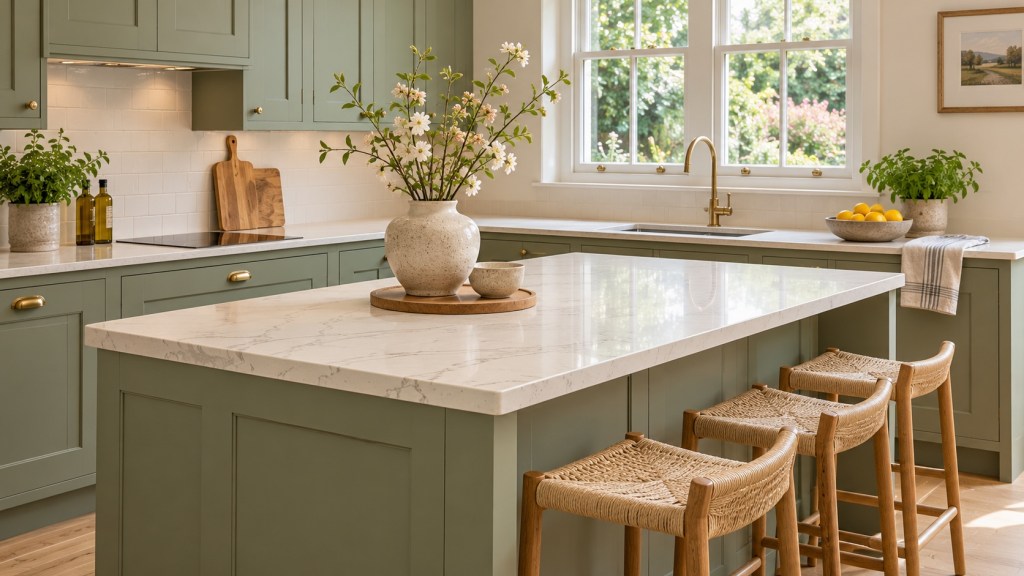
Green kitchens pair particularly well with white quartz, creamy stone, pale timber and richly veined marble-effect surfaces.
Navy kitchens look striking with white, pale grey or warm stone worktops.
Natural wood kitchens often benefit from white, cream, charcoal or subtly veined surfaces that provide contrast without competing with the grain.
Black kitchens can be paired with pale stone for dramatic contrast or dark worktops for a sophisticated tonal effect.
Think about your flooring too. Three different heavily patterned surfaces – floor, cabinets and worktop – can make a kitchen feel visually chaotic.
Matt or Polished Worktops?
The finish of your worktop can change its appearance almost as much as its colour.
Polished stone and quartz reflect light and can help brighten a room. They’re particularly effective in kitchens with limited natural light. Honed and matt finishes have a softer, more contemporary appearance and often suit natural, earthy interiors.
However, matt surfaces can sometimes show fingerprints, grease marks or water marks more readily, depending on the material and colour. Always test a sample before ordering.
What Worktop Is Best Around a Kitchen Sink?
Water resistance becomes particularly important around sinks. Quartz, granite, porcelain, stainless steel and solid-surface materials are generally excellent options. Laminate can also work perfectly well, provided edges, joins and sink cut-outs are correctly sealed.
Timber requires more attention. Water should never be allowed to sit around taps or sinks for extended periods, and the surface will need regular oiling.
If you’re installing an undermounted sink, check whether your chosen material is suitable. Stone, quartz and solid-surface materials are generally better suited than conventional laminate because the exposed internal edge of laminate can be vulnerable to moisture.
Which Worktop Is Best for a Busy Family Kitchen?
For households where the kitchen receives heavy daily use, low-maintenance surfaces are understandably attractive.
Quartz is one of the strongest all-round choices because it combines durability, stain resistance and easy cleaning. Porcelain is another excellent option, particularly where heat resistance is important.
Good-quality laminate shouldn’t be overlooked either. It may not have the longevity of premium stone, but it’s inexpensive, practical and easy to replace if it becomes damaged.
The important thing is to choose a surface that suits how you actually live, rather than the kitchen you imagine you’ll suddenly become careful enough to maintain.
Can You Mix Kitchen Worktop Materials?
Absolutely. Using two different worktop materials can make a kitchen more visually interesting and can also be practical.
You might combine:
Quartz perimeter worktops with a timber island
Stainless steel around the cooking area with stone elsewhere
Marble on an island with quartz around the sink
Dark stone with a contrasting pale breakfast bar
Combining a timber island surface with quartz perimeter worktops can be particularly effective, but it’s important to get the island’s proportions right. Our guide to choosing the right kitchen island explores the practical considerations.
The trick is to make the combination look intentional. Try linking the materials through colour, undertones or another element within the kitchen.
How to Care for Kitchen Worktops
Different surfaces require different maintenance, so always follow the manufacturer’s specific instructions.
Laminate
Clean with warm water and mild detergent using a soft cloth. Avoid abrasive cleaners and never place hot pans directly on the surface. Pay particular attention to joins and edges around sinks.
Quartz
Use mild detergent and warm water for everyday cleaning. Although quartz is durable, use chopping boards and trivets rather than cutting directly on the surface or placing extremely hot pans on it. Avoid harsh chemicals unless they’re specifically approved by the manufacturer.
Granite
Wipe spills promptly and clean using products suitable for natural stone. Depending on the particular granite and finish, periodic resealing may be recommended.
Marble
Marble needs more careful treatment. Clean spills quickly, particularly acidic liquids including wine, citrus juice and vinegar. Avoid acidic or abrasive cleaning products and use products specifically formulated for marble.
Wood
Wipe up water immediately and avoid allowing wet objects to remain on the surface. Wooden worktops usually need periodic oiling to maintain their protective finish. The advantage is that scratches and marks can often be sanded away and the surface refinished.
Porcelain
Porcelain generally requires very little maintenance. Warm water and mild detergent are normally sufficient for everyday cleaning. Avoid hitting exposed edges with heavy cookware, as these areas can potentially chip.
Stainless Steel
Use warm soapy water followed by a clean, dry cloth. Wiping in the direction of the grain can help reduce visible marks. Avoid steel wool and aggressive abrasive cleaners.
Should You Choose a Light or Dark Worktop?
Both can look fantastic, but there are practical differences.
Light worktops can make kitchens feel brighter and more spacious, particularly when paired with pale cabinetry. Warm whites, creams and lightly veined stone effects are especially versatile. Dark worktops create contrast and drama and can look superb with white, green, timber or pale neutral cabinets. However, very dark glossy surfaces can reveal fingerprints, dust, crumbs and limescale more readily.
If you live in a hard-water area, consider how easily water marks will show around the sink. Mid-toned and patterned surfaces are often the most forgiving for busy households.
Don’t Forget Worktop Thickness and Edge Profiles
Colour and material aren’t the only design considerations. Worktop thickness can dramatically alter the character of a kitchen. Slim worktops create a streamlined contemporary appearance, while thicker surfaces can feel more substantial and architectural.
Edge profiles matter too. Depending on the material, possibilities may include:
Square edges
Pencil edges
Bevelled edges
Bullnose edges
Ogee profiles
Mitred built-up edges
Simpler profiles generally suit contemporary kitchens, while decorative profiles can complement more traditional designs.
Think About Repairability as Well as Durability
A material being hard doesn’t necessarily mean it’s easy to repair. Wood scratches relatively easily, for example, but can often be sanded and refinished. Laminate can be inexpensive to replace but difficult to invisibly repair. Stone chips may require specialist attention, while scratches in some solid-surface materials can be professionally polished away.
If you’re planning a kitchen you’ll keep for 15 or 20 years, repairability is worth considering alongside initial durability.
Think About Worktops and Splashbacks Together
It’s worth choosing your worktop and splashback at the same time rather than treating them as separate decisions. Continuing the worktop material vertically behind the cooker or along the entire wall creates a seamless, luxurious appearance.
Alternatively, tiles can introduce colour, texture and pattern. If your worktop has dramatic veining, a simple splashback often works best. If your worktop is relatively plain, you have more freedom to introduce decorative tiles.
Before finalising your worktop design, consider where you’ll use small appliances. Our guide to planning kitchen plug sockets explains how to position electrical points conveniently and safely.
Always See a Full Slab Before Buying Natural Stone
Small samples can be misleading. Natural granite, marble and quartzite can vary significantly across a slab. Veining, colour concentrations and mineral deposits may be far more dramatic than a small sample suggests. If you’re buying natural stone, ask to see the actual slab whenever possible.
You may even be able to discuss how the slab will be cut so particularly attractive sections appear on an island or other prominent area. The same principle can apply to strongly patterned engineered surfaces.
Common Kitchen Worktop Mistakes to Avoid
One of the biggest mistakes is choosing a surface purely because it looks beautiful in a showroom.
Also avoid:
Ignoring maintenance requirements
Forgetting fabrication and installation costs
Choosing colour from online photographs alone
Failing to test samples in your own kitchen
Assuming every stone surface behaves the same way
Forgetting about sink compatibility
Choosing highly patterned worktops and flooring that compete visually
Ignoring worktop joins and where they’ll appear
Forgetting to protect walls with upstands or splashbacks
Assuming “heat resistant” means completely heatproof
Most importantly, don’t choose a worktop for someone else’s lifestyle. There’s little point installing pristine white marble if you’ll spend the next decade worrying every time somebody pours a glass of red wine.
Kitchen Worktop Comparison at a Glance
Material
Durability
Maintenance
Heat resistance
Typical cost
Best for
Laminate
Good
Low
Low-moderate
£
Budget kitchens
Solid wood
Good
High
Moderate
££
Country/Shaker
Quartz
Excellent
Low
Good
£££
Most kitchen styles
Granite
Excellent
Moderate
Excellent
£££
Traditional/luxury
Marble
Moderate
High
Good
££££
Luxury/classic
Porcelain
Excellent
Low
Excellent
££££
Modern kitchens
Solid surface
Good
Low-moderate
Moderate
£££
Contemporary
Stainless steel
Excellent
Low
Excellent
£££
Industrial/professional
Concrete
Good
Moderate-high
Good
£££
Industrial/contemporary
Which Kitchen Worktop Is Best Overall?
There isn’t one worktop that’s right for everybody.
If you’re looking for the best balance between durability, appearance and easy maintenance, quartz is difficult to beat.
For affordability and choice, laminate remains an excellent option.
If you want natural character, granite and timber have enormous appeal.
For high heat and stain resistance with a contemporary appearance, porcelain is increasingly worth considering.
And if appearance is your overriding priority and you’re happy to accept additional maintenance, marble remains one of the most beautiful materials available.
Final Thoughts
Your kitchen worktop is likely to be used thousands of times during the life of your kitchen, so it’s worth looking beyond colour and pattern when making your decision.
Think realistically about how you cook, clean and live. Consider whether you’ll happily maintain timber or marble, whether you need something exceptionally resistant to stains, and whether the additional cost of a premium surface is worthwhile for the length of time you expect to keep your kitchen.
Once you’ve narrowed down the practical options, bring several samples home. Place them alongside your kitchen cabinet doors, flooring and splashback choices and examine them at different times of day. Colours and undertones can change dramatically depending on the light.
The best kitchen worktop isn’t necessarily the most expensive or fashionable one. It’s the surface that provides the right combination of appearance, practicality, maintenance, durability and price for your home – and still looks and performs well years after the kitchen has been installed.
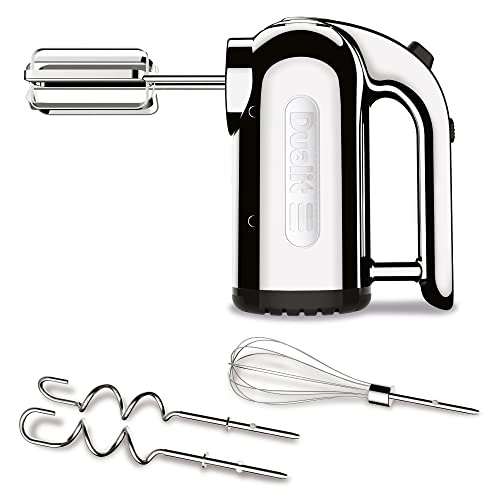
Nigella Lawson’s arrival in the Bake Off tent has given us plenty of inspiration, both with her signature recipes and the appliances she uses to whip them up. Now she’s given her seal of approval to a bestselling pick from British brand Dualit – the brand’s Hand Mixer (for £84.52 from Amazon).
In a rare peak at Nigella herself whipping up a dessert in the tent – as opposed to this season’s contestants – she uses the mixer to beat egg whites into a consistency that she can use for quick and easy chocolate mousses. And while the products used in the Bake Off tent are usually shrouded in secrecy (as well as their brand names covered over sneakily with tape) it’s clear to see that Dualit is the brand of choice for this particular job.
Here’s a closer look at this lightweight, durable mixer which Nigella favoured over one of the best stand mixers for this delectable dessert.
With an impressive 4.6 star rating on Amazon from over 1,700 reviews, it's not just Nigella who has found a firm favourite with this mixer. ","brand":"Dualit","name":"Hand Mixer in Chrome","urlStyle":"","retailer":"","layout":"horizontal","linkText":"","noFollow":false,"noAffiliateTracking":false,"promoLabel":"","price":84.52,"salePrice":null,"currency":"GBP","linkLayout":"text","sponsored":false,"hawkProductNameMatchedCode":"","review":{"cons":[],"id":"","name":"","pros":[],"rating":0,"strapline":"","url":""},"id":"","externalId":"7e88adde44e4b12e572ba8c7cdcabae67f7ee5ca","lastCheckedPriceDate":"","link":{"url":"https:\/\/target.georiot.com\/Proxy.ashx?tsid=107653&GR_URL=https%3A%2F%2Famazon.co.uk%2FDualit-Hand-Mixer-Copper-Attachments%2Fdp%2FB00ET19EUI%2Fref%3Dsr_1_1%3Ftag%3Dftr-idealhome-gb-21%26ascsubtag%3Dhawk-custom-tracking-21","merchantName":"Amazon UK","merchantId":1027,"merchantNetwork":"Amazonuk","merchantUrl":"amazon.co.uk"}}}}}” data-link=”https://target.georiot.com/Proxy.ashx?tsid=107653&GR_URL=https%3A%2F%2Famazon.co.uk%2FDualit-Hand-Mixer-Copper-Attachments%2Fdp%2FB00ET19EUI%2Fref%3Dsr_1_1%3Ftag%3Dftr-idealhome-gb-21%26ascsubtag%3Dhawk-custom-tracking-21″ data-link-merchant=”Amazon UK” data-merchant-id=”1027″ data-merchant-name=”Amazon UK” data-merchant-network=”Amazonuk” data-merchant-url=”amazon.co.uk” data-model-brand=”Dualit” data-model-name=”Dualit Hand Mixer in Chrome” data-name=”Horizontal Product Block merchantlink widget” data-render-type=”fte” data-show-fallback=”button” data-widget-type=”merchantlink” class=”ecom-root”>
With an impressive 4.6 star rating on Amazon from over 1,700 reviews, it’s not just Nigella who has found a firm favourite with this mixer.
Dualit, which was established in London in 1945, is a brand known by most thanks to its breakfast duo (which we reviewed very highly back in 2022). And there’s very good reason that these two always top the lists of the best toasters and the best kettles. From the replaceable parts to the stories of this pair lasting for decades, there’s a quality about this brand that keeps people loyal.
Though less known, the brand’s hand mixer follows the same ethos with ‘built-to-last technology’. And while many big names are switching over to cordless hand appliances, Dualit has resisted the trend with this version (that Nigella clearly favours!).
It features four different speed settings as well as multiple attachments. That includes flat edge beaters, dough hooks and a balloon whisk. And just like with its toaster and kettles, it offers replaceable parts in the event of you needing to make a repair.
In her easy-to-follow tutorial, Nigella uses the beater attachments to bring together her chocolate mousses saving herself plenty of time in the baking process. And something that is not as clear to see in the video is the clever cord system that this appliance boasts too – with the cable fully retracting into the base of the mixer for neat storage.
Sign up to our newsletter for style inspiration, real homes, project and garden advice and shopping know-how
Reviewing hand mixers at the Ideal Home test kitchen.
(Image credit: Future)
In recent years, Dualit has branched out into new realms of the kitchen. That includes the launch of its snazzy new ice-cream maker (which allows you to skip the pre-freeze, which our reviewer loved) as well as its very well-rated air fryer. I found it very hard to find fault with during my five-star review in 2024.
So, if it’s quality you’re after, then following in Nigella’s footsteps by giving this beloved British brand a go is definitely worth a punt. Have you tried any of Dualit’s bestsellers?
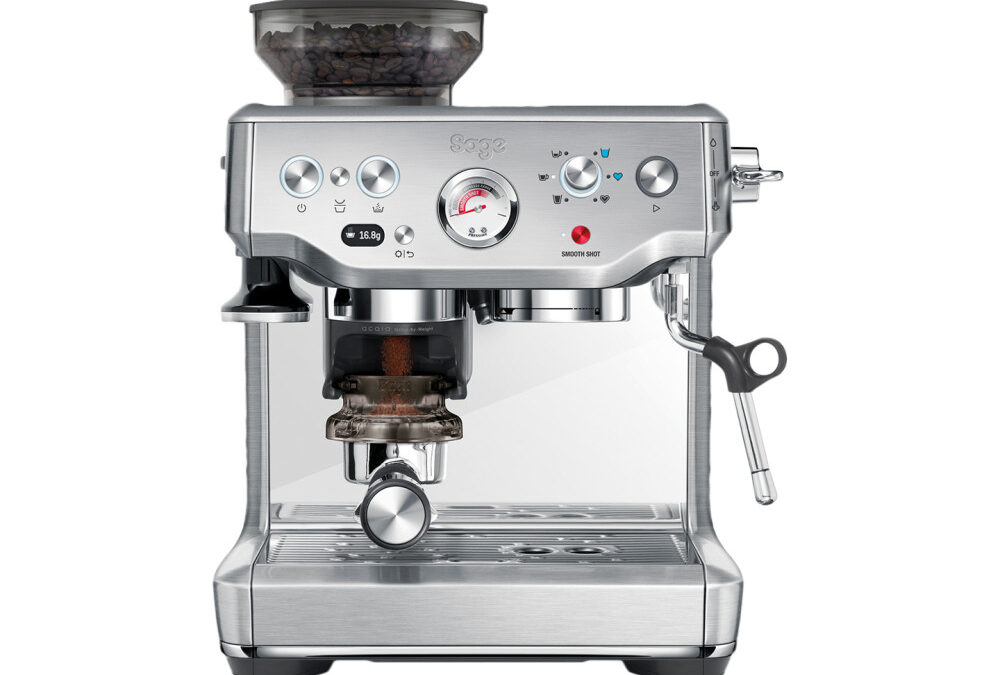
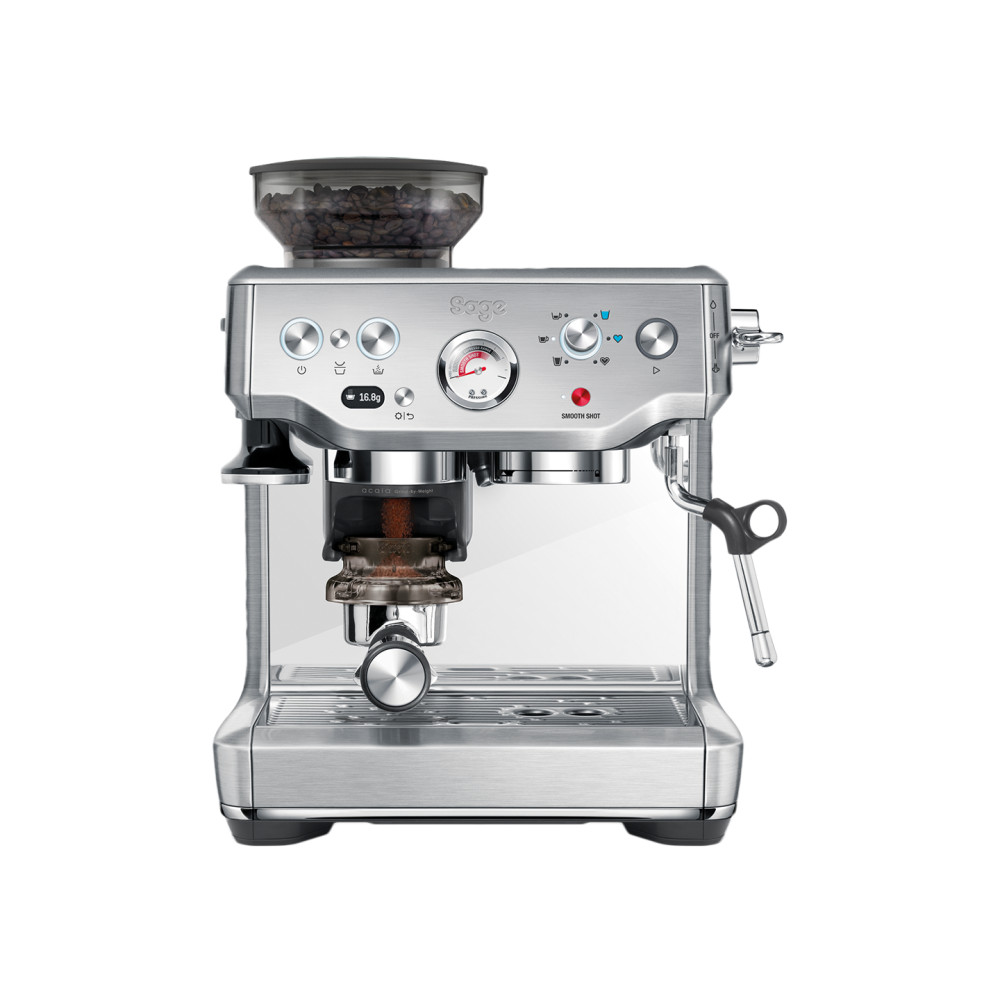
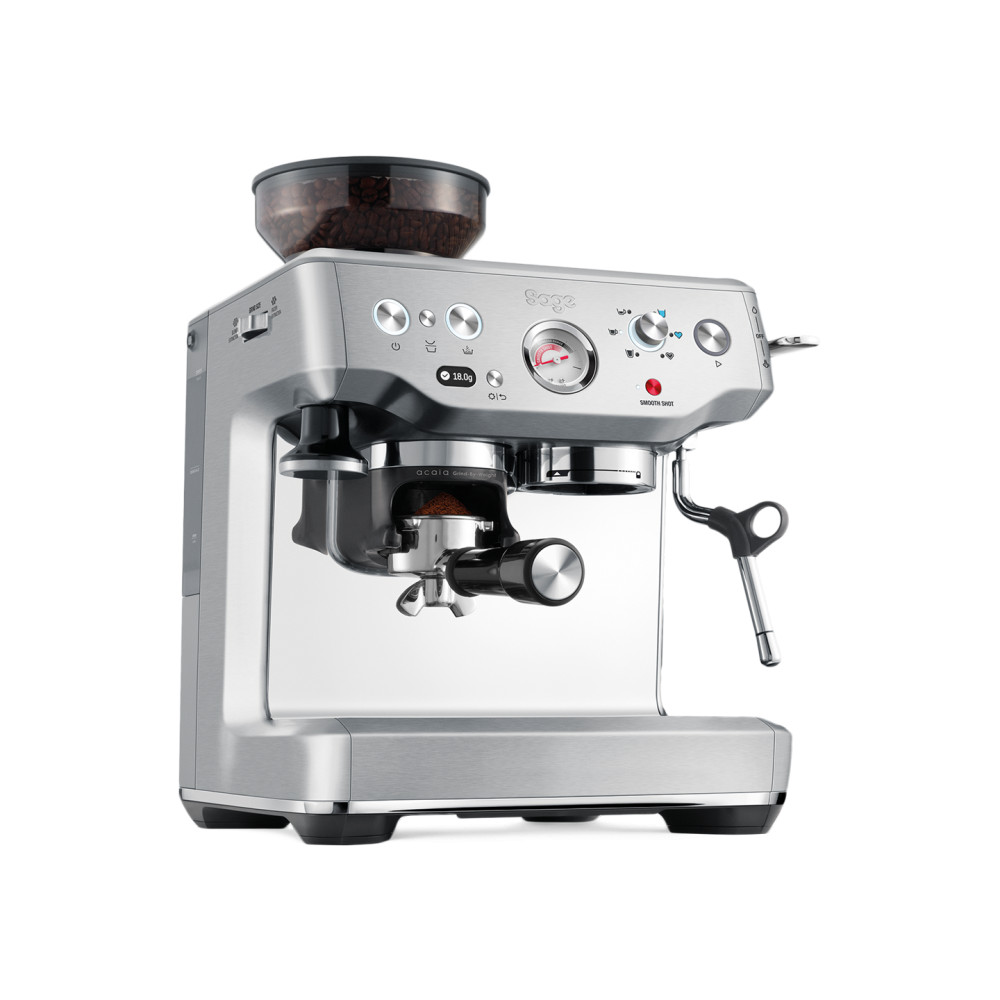
Sage has unveiled a brand new coffee machine, the Barista Express Neo, which is a new take on its perennial bestseller. It’s packed with features to make the art of espresso at home far easier for anyone to pick up and is available now for £779.90 via Sage.
As Ideal Home’s Kitchen Appliances Editor, I’ve tried many of the best Sage coffee machines over the last five years and after seeing a demo of the Neo, I think this might be the bean-to-cup machine to top them all.
It takes everything that home baristas have long loved about the Barista Express (which we reviewed back in 2024) and adds in what it calls ‘premium upgrades’ including the SmoothShot function which helps to deliver a more balanced espresso. Here’s how that, and all of the other new features, can help you make a better cup of coffee at home.
From a first glance you might think that this machine looks almost identical to its predecessor, the Barista Express. But what really sets it apart from the OG machine is all in the fine details – all of which should make your morning cup of coffee taste that much better.
The first new feature is the aforementioned Smooth Shot technology. This is an optional setting on the machine which is turned on using the red button on the right of the control panel. Once turned on, it’ll help you achieve a balanced espresso without having to endlessly tinker with manual settings yourself. Instead, it detects when your espresso is flowing too fast and will slow the process time to the ideal 25-35 second time frame.
After seeing the Smooth Shot setting in action during an sneak peek demo of this machine, I was so impressed at how much of a difference it made to the taste of the resulting coffee. In a before and after taste test, it was clear that the coffee was less sharp after the machine had auto adjusted the settings and timing.
During a demo of the new Sage the Barista Express Neo.
(Image credit: Future)
But that’s not all with this machine also boasting new built-in scales from professional-grade manufacturers Acacia. These allow at-home users to be more precise without having to invest in additional coffee kit if they really get into the art of espresso at home.
Sign up to our newsletter for style inspiration, real homes, project and garden advice and shopping know-how
The machine also features a grind size guidance program, which is communicated via the tiny new on-screen display. As well as helping you fine-tune your grind, this should also help prevent waste when you’re dialling in your espresso shot with new beans for the first time.
(Image credit: Sage)
There’s also been a change to the milk frothing wand, which now has an insulated design to make the surface cooler so that any residue is easier to wipe away after use. And many fan-favourite features from the original Barista Express of course remain including the pressure gauge and stainless steel body.
As an everyday user of the Sage Barista Express Impress I’m very excited to try out the new features on this machine which I think will be very useful for coffee connoisseurs as well as those who want to get started with a bean-to-cup machine. Can you see the appeal in these new features?
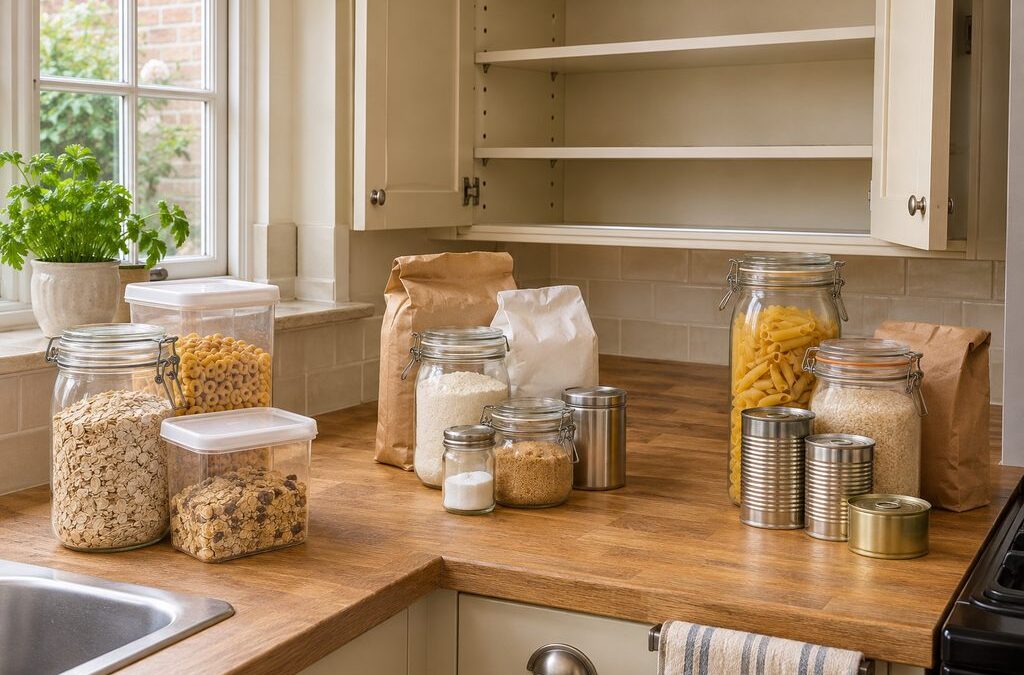
A pantry is one of those kitchen features that can make everyday life feel a little more organised. Having pantry essentials such as pasta, tins, baking ingredients and breakfast staples in a place where you can actually find them makes cooking easier and helps prevent the familiar discovery of three half-used bags of rice at the back of a cupboard.
Walk-in pantries make sense in some large kitchens. In a small space, a single pantry cabinet, a tall pull-out unit or a few shallow shelves can give everyday essentials a dedicated home.
These kitchen pantry storage ideas make the most of the available space, whether you’re adapting an existing cupboard or planning a new pantry as part of a kitchen redesign.
Table of Contents
Quick Answer
To create a pantry in a small kitchen, dedicate an existing cupboard, a deep drawer or a set of shallow wall shelves to dry goods. Group similar items together, keep everyday ingredients within easy reach and use baskets or shelf risers to make the contents easier to see. If you’re redesigning the kitchen, a tall, slim pull-out larder can add storage where floor space is limited.
Start With What You Need to Store
Before looking at larder cupboards or buying matching containers, take stock of your kitchen supplies. Empty your food cupboards, check dates and group similar items together. You’ll get a clearer idea of how much storage you need and what shape it should take.
Tall cereal packets, small spice jars and heavy tins all need different arrangements. If you also want to store small appliances, measure them separately. A stand mixer can take up the space you need for a whole shelf of dry goods. If you bake regularly, flour, sugar and baking equipment may deserve a dedicated section. If most evenings involve quick meals, prioritise easy access to pasta, rice, tins and cooking sauces.
Think about shopping habits, too. A weekly shop needs a different amount of space from occasional bulk buying. Plan around your normal routine, with a little room for new purchases, rather than trying to accommodate every possible ingredient.
Find the Right Spot for Your Pantry
Look for unused spaces in your kitchen layout. A cupboard filled with rarely used crockery, a bare corner or a shallow alcove could all become useful storage space. In compact kitchens, check the kitchen walls and the vertical space above low units, too. If the rest of your kitchen is short on cupboard or worktop space, these creative kitchen storage ideas can help you make room.
Your pantry or larder cupboard doesn’t have to hold every food item in the kitchen. A central cupboard for dry ingredients can work alongside a smaller drawer for spices or a breakfast shelf near the kettle.
Ideally, choose a dry position away from direct sunlight and sources of heat. Avoid placing food storage where steam or splashes are likely to be a regular problem.
Measure carefully before committing to anything. Measure the height, width and depth of the available space, then check the clearance needed to open doors, extend drawers and walk past comfortably. A cupboard that technically fits can still make a compact kitchen awkward to use.
Turn an Existing Cupboard Into a Mini Pantry
One of the simplest ways to create a pantry in a small kitchen is to dedicate an existing cupboard to food storage. Cabinet interiors are easier to organise once you know which food items you need to fit and how often you reach for them.
Start by adjusting the shelves, if possible. A large gap above short jars is wasted space, while a shelf that’s too low may force tall packets onto their sides. Vary the shelf spacing to suit different categories. If the cupboard itself needs a refresh, our guide to updating existing kitchen cabinetry explains when it make sense to keep and adapt what you have.
Tiered shelf risers bring the back row of tins into view, while a handled basket keeps small items such as yeast sachets and seasoning packets together. On deep shelves, a removable basket or a pull-out tray lets you access items at the back without emptying the front row.
Keep the improvements selective. Too many inserts can reduce usable space and make the cupboard fiddly. Begin with the shelf layout, then add organisers where they solve a clear problem.
Consider a Tall, Narrow Larder Unit
If you’re redesigning your kitchen, a tall larder cupboard makes efficient use of space where floor area is limited. Compare a fitted pantry cabinet with full-height shelving against tall pull-out cabinets to see which arrangement gives you better access.
Slim pull-out units give you access from the sides. A hinged larder cupboard with internal pull-out shelves or pull-out trays may be easier to use if you prefer to open just one section at a time.
Compare usable storage capacity by measuring inside the cabinet. Mechanisms, baskets and runners take up room, and some fittings are better suited to small packets than bulky containers.
Check how the unit will operate within your layout. It needs sufficient clearance, and the contents should remain comfortably accessible. An existing narrow gap isn’t automatically suitable for a pull-out: appliance ventilation requirements and installation details may rule it out.
Add a Freestanding Pantry Cupboard
A freestanding cupboard is a useful option when you want extra storage without replacing fitted cabinetry. A compact larder, shallow cabinet or second-hand dresser can all work, provided the dimensions suit the room.
Look closely at the interior. Adjustable shelves give you flexibility, while drawers are handy for smaller items. Shallow shelves keep small pantry items in plain sight. If the cupboard has deeper lower shelves, use them for bulky items such as large bags of flour or a spare cereal box.
Position it where it won’t interrupt the main route through the kitchen or obstruct appliance doors. Follow the manufacturer’s instructions for securing tall furniture.
For a cohesive appearance, choose a finish that relates to the existing kitchen. A pale timber pantry cabinet can soften a run of white cabinets, while a simple painted larder can sit comfortably alongside flat-panel cabinets. A painted cupboard in soft olive, warm cream or muted blue can introduce character, while simple timber furniture adds warmth. Coordinating handles can help a separate piece feel intentional.
Use Shelves Where Floor Space Is Tight
If you have limited floor space, open shelving can create a dedicated zone for pantry essentials. An alcove, a short stretch of unused wall or the space above a low storage unit may offer possibilities.
Shallow shelves are often practical because you can see what’s there without moving several rows of food. Plan their depth around the items you intend to store, and use suitable fixings for the wall and expected load.
In open pantry designs, a few baskets or trays help keep loose food packets together. A basket for snack packets, a few jars for regularly used ingredients and a row of everyday tins can feel orderly without requiring an elaborate display.
Keep frequently used supplies within easy reach. High shelves are better for lightweight, occasional items, accessed with a suitable step stool. Avoid shelving positions where cooking grease, steam or direct sunlight will make food storage impractical.
Using wall space for storage can free up the floor and worktops. For more ways to help the room look less cramped, see how to make a small kitchen look larger.
Put Drawers and Cupboard Doors to Work
A pantry doesn’t have to be behind a tall door. Deep kitchen drawers can be excellent places to store dry ingredients, particularly when everything is visible from above.
Use removable boxes or dividers to separate categories and stop packets sliding around. Label container lids so you can identify the contents without lifting each one out. Keep heavier items in suitably rated lower drawers.
Shallow door racks can hold small packets or spice jars. In tight spaces, a single short rack may be easier to fit than an attachment that spans several shelves. Before fitting one, check that it clears the shelves and allows the door to close properly.
Check the fitting’s load limits and suitability for the door. What looks like spare space needs to work with the cupboard’s construction and hinges.
Choose Organisers That Earn Their Space
It’s tempting to buy a complete set of matching pantry containers, but organising products should follow the plan rather than dictate it.
Measure the shelves and the ingredients you want to store. A container that holds less than your usual bag of flour leaves you storing both the container and the remaining packet.
Clear containers make it easy to see when rice or oats are running low. Stackable rectangular tubs can be handy in small pantries, especially if they fit the depth of the shelf. Turntables, sometimes called lazy Susans, are a good way to access bottles in an awkward corner, although they can leave unused space around the edges.
If you’ve identified a specific gap in your storage, our roundup of storage ideas to help you get organised includes examples of stackable containers, baskets and tiered storage organisers.
You don’t need to decant everything. Original packaging often fits well and keeps instructions and product details close to hand. If you do transfer ingredients, use suitable food-storage containers and keep the best-before date, allergen information and cooking instructions. Avoid repeatedly topping up old contents with fresh supplies.
Arrange Everything Around Daily Use
Once you’ve chosen your storage, organise it around the way you cook. Dedicated storage zones are easiest to maintain when the categories reflect what you cook and how often you use it.
Group pantry items by both purpose and frequency of use. Keep everyday items such as oats, coffee beans or pasta near eye level, where you can see and reach them easily. Baking supplies can share a basket you lift out when needed. Put heavy tins and jars lower down.
Place older purchases towards the front where you’ll see and use them first. This can help cut food waste and prevent duplicate purchases. If you keep spare packets, give them a defined spot rather than spreading them across several shelves.
Leave a little breathing room. A pantry packed tightly from edge to edge may hold more initially, but it becomes frustrating when removing one jar means rearranging everything around it. You should be able to put the shopping away without rebuilding the cupboard.
Make Your Pantry Feel Part of the Kitchen
Practical storage can still add to the appearance of your kitchen. The trick is to use a few consistent details without turning the pantry into something that’s difficult to live with.
The best pantry doors depend on the available space and how much you want to see. Slim hinged pantry doors divide the swing across two smaller leaves if the walkway is tight. Glass doors can make a built-in pantry a decorative element, though tins and packets will remain visible. Solid doors keep the contents out of sight. Inside, straightforward labels and a small number of coordinating baskets may be all you need.
For open shelves, repeat one or two materials, such as clear glass and natural timber, to give the arrangement some cohesion. Leave decorative objects for places where they won’t displace useful storage.
Good lighting makes it easier to spot what’s at the back of a dark cupboard. A suitable battery-operated option can be a straightforward addition; check that its placement won’t interfere with shelves or contents.
There’s no need for every jar to match. The aim is a pantry that belongs in your kitchen and makes daily tasks easier.
Create a Pantry on a Budget
Start with what you own. Clearing out an existing cupboard, changing the shelf positions and regrouping ingredients can improve storage before you spend anything.
Reuse suitable food containers and baskets, and try an arrangement for a week or two before investing in fittings. You’ll soon notice whether loose packets need containing or a deep shelf would benefit from a pull-out basket.
Second-hand furniture can provide useful storage, but check its condition, dimensions and shelf strength. Factor in any repairs or fittings needed before deciding whether it’s a bargain.
For a rented kitchen, removable baskets and freestanding organisers offer flexibility. Check your tenancy terms or obtain permission before drilling into walls or altering cabinetry.
Keep the System Easy to Maintain
A small pantry works best when checking it becomes part of your shopping routine. Look through the contents before writing a list, keep opened packets visible and clear up spills promptly.
If the same area keeps becoming untidy, reconsider the arrangement. A basket may be too small, a shelf too high or a category too broad. Adjusting the storage is often more useful than repeatedly tidying a setup that doesn’t suit you.
Resist buying more than the space can comfortably hold. A multibuy is less helpful if it hides other ingredients or leaves packets stacked on the worktop.
A well-designed pantry suits your shopping and cooking habits, whether it occupies one cupboard or a full-height larder. Start with a manageable space, give your regular ingredients a sensible home and let the arrangement develop around the way you cook.