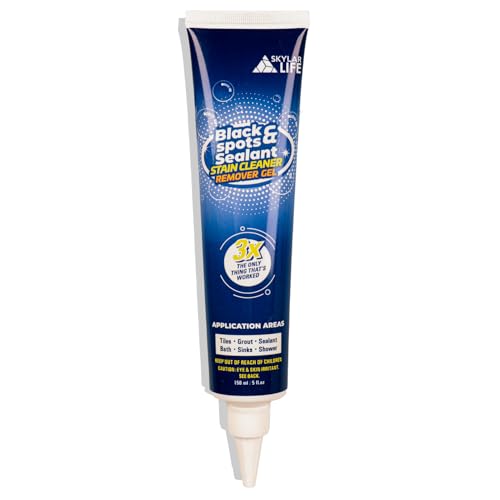
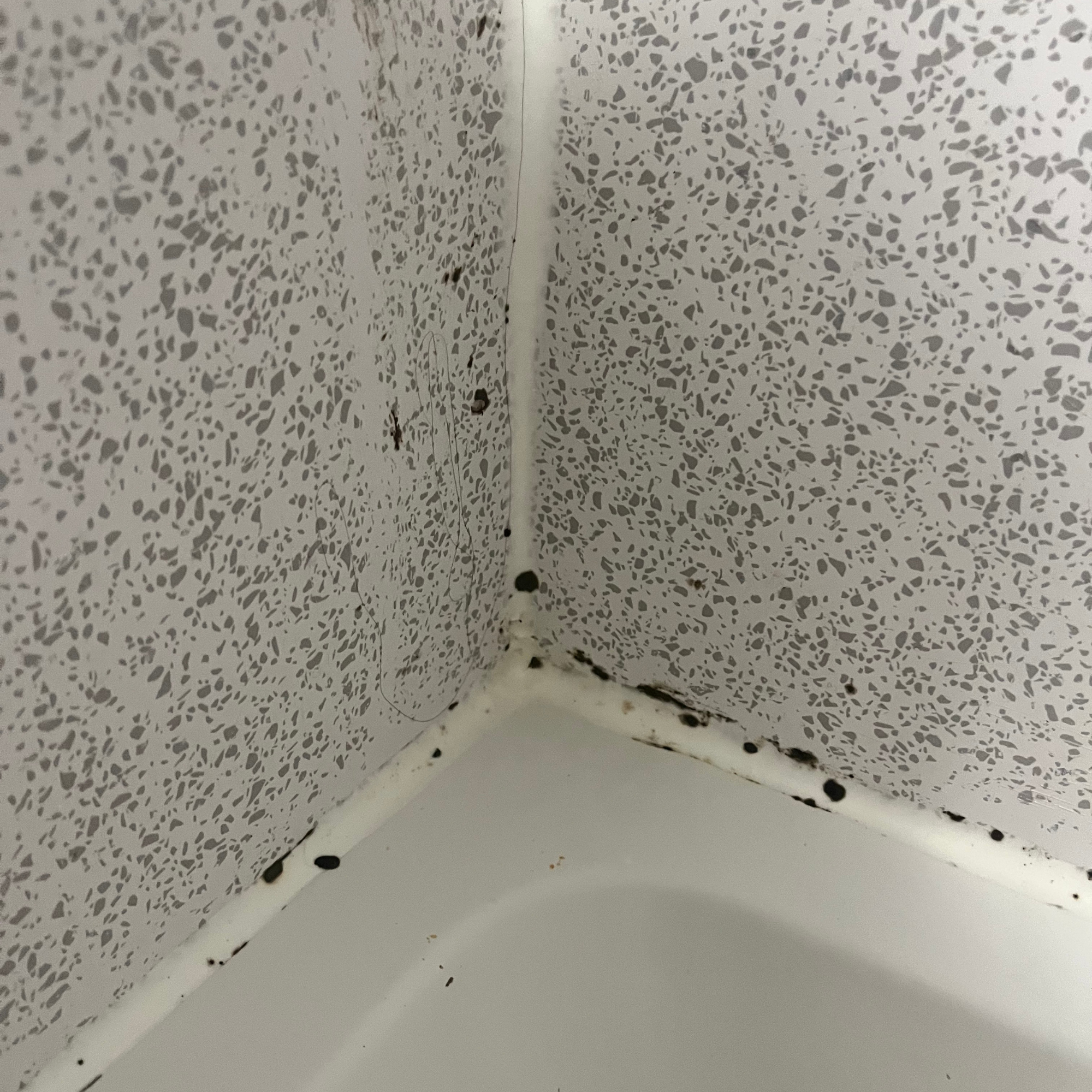
Having spent my entire adult life renting, I’ve had my fair share of grotty, mouldy bathrooms. And to remove said mould from my bath and shower grouting, there is one Amazon buy in particular that I always rely on to strip mould effectively, with minimal effort on my part. I’m talking about Skylarlife Home Mould & Mildew Stain Remover Gel (£13.99).
There’s a good reason this Amazon mould gel has been crowned one of Ideal Home’s best cleaning products. Its easy application, minimal scrubbing and effectiveness have made it one of my favourite ways to get rid of mould fast.
So much so that when I swapped one poorly ventilated bathroom for another last year, it was the first thing I reached for when it came to whipping my new bathroom into shape. Here’s why it’s the product I swear by to remove mould from grout.
Latest Videos FromIdeal Home
SKYLAR LIFE
Skylarlife Home Mould & Mildew Stain Remover Gel
When my partner and I moved into our one-bed flat in June last year, it was pretty much perfect. My only little niggle was the lack of a bathroom window, but any Bristol renter knows that somewhat affordable rent coupled with a good location is few and far between.
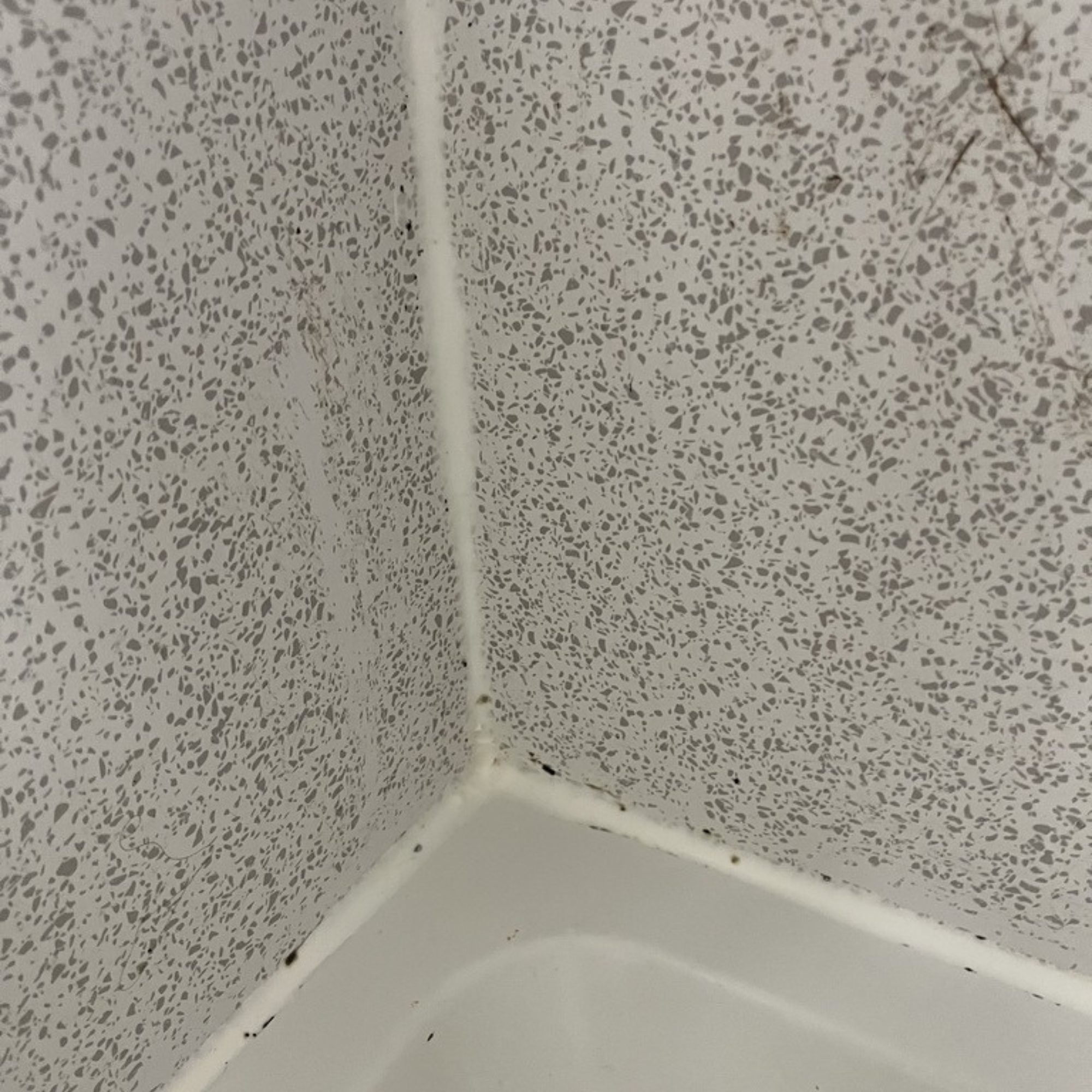
But when it comes to my grouting, sometimes it needs a little extra TLC, and this is where the Skylarlife mould gel comes into play. I apply a thin strip of gel to my sealant, wait six to eight hours and then use the shower head to rinse it away. And that’s literally it!
While I’d love to sit here and give you a full step-by-step, that is genuinely all I need to do. I usually apply it before bed, so it can rinse away in the morning or before I start work in the morning. And the results do speak for themselves. Sometimes there is a little mould left over, but I find this mould is easy to remove with white vinegar.
Sign up to our newsletter for style inspiration, real homes, project and garden advice and shopping know-how
(Image credit: Future PLC/ Kezia Reynolds)
What I will say is that this product is a strong bleach, so you should avoid getting the gel on your hands and keep it out of the way of children. And of course, remember to wash it off your tiles before getting in the shower!
Mouldy bathrooms are unfortunately something we all deal with, especially in the colder months. I’ve found this mould gel to be the best thing I’ve tried. Honestly, I hate scrubbing away at bathroom tiles, and this gel allows me to clean my bathroom faster and more efficiently. If you feel like you’ve tried everything to clean mould grouting, I recommend you try this miracle buy before choosing to regrout.
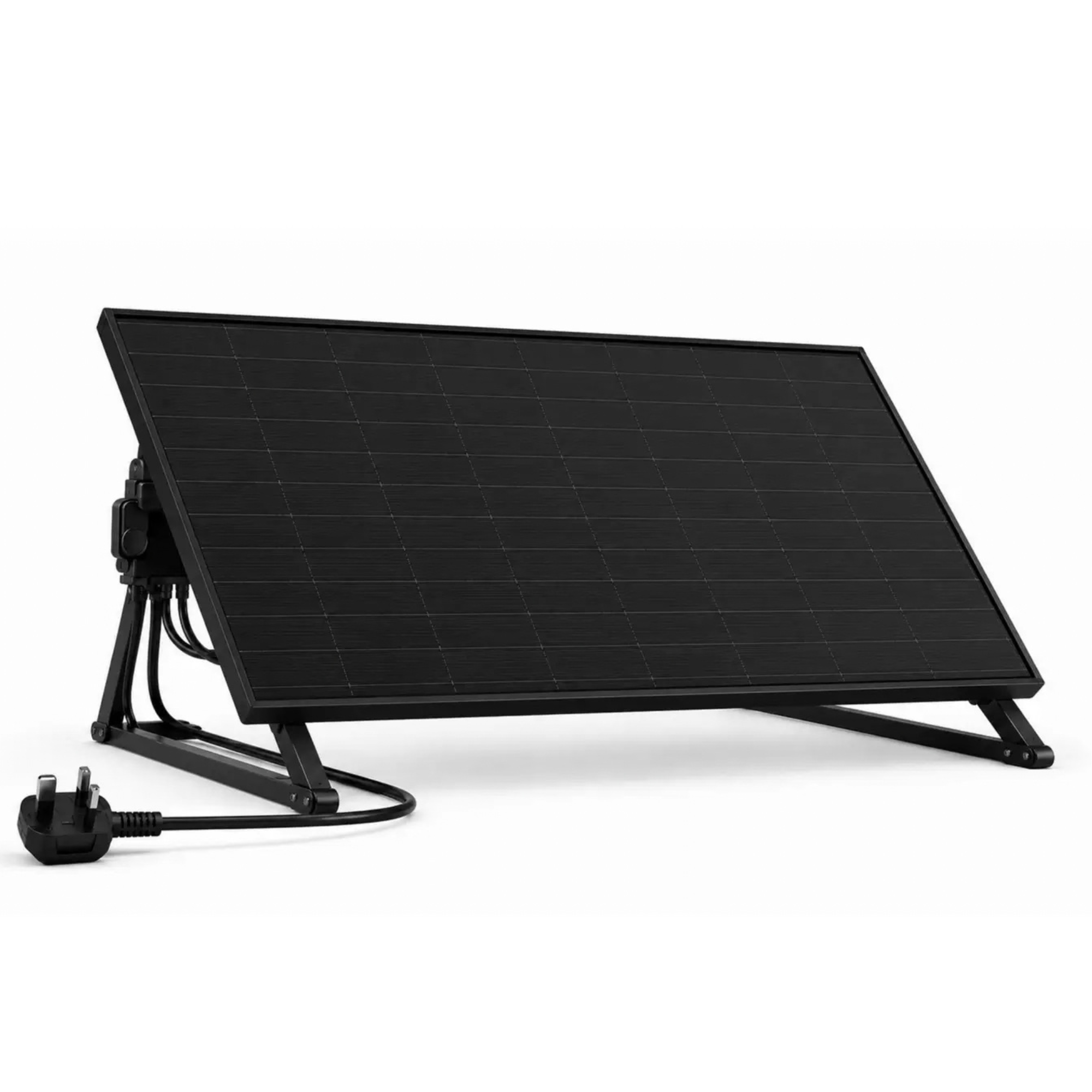
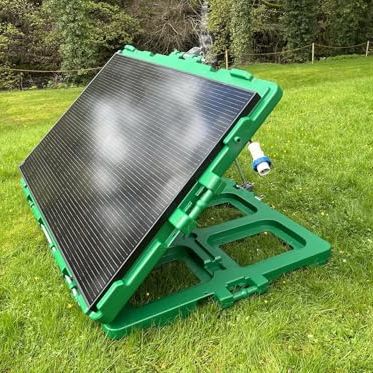
Since the Government announced plug-in solar panels were legal to buy and use in August this year, generating solar power at home is more accessible than ever before. However, this doesn’t mean that you can go and position your plug-in solar panels wherever you fancy – in fact, experts are warning against this one place in particular.
Now you can buy plug-in solar panels to harness solar energy without relying on traditional roof panels. They’re less expensive than rooftop panels and better suited to rentals and flats.
‘Homeowners may want to put a plug-in solar panel on their shed roof because of the angle the solar panel would lie. It’s best practice to have a tilt of around 30 to 40 degrees to ensure the sunlight is being captured properly, and a shed roof may provide that. However, homeowners are encouraged to consider wall-mounted solar panels or another surface, such as a balcony, to house their solar panels,’ says Alvaro Iturmendi, Uswitch solar energy expert.
‘Plug-in solar panels shouldn’t be installed on anything wooden, including gates, sheds, or shed roofs, due to the potential increased fire risk. This is due to components potentially overheating and causing a fire to start, with timber being a very combustible material.’
As you are dealing with electricals, it’s important to ensure your electricals are not in constant contact with flammable materials, like wood, as excess heat generated can act as a fire risk. However, if your shed is not made from wood, it could be used to house your plug-in solar panel, but it is worth checking with a professional first – especially if you have older wiring or need an outdoor socket installed.
Sign up to our newsletter for style inspiration, real homes, project and garden advice and shopping know-how
(Image credit: Future PLC/Colin Poole)
‘Before installing anything, check the direction of the shed roof and how much shade it receives from nearby trees and buildings. You should also inspect the shed itself, ensuring the structure is in good condition, and the roof is strong enough to carry the additional weight,’ says Garden shed expert Sam Jenkinson, from garden building retailer Tiger.
‘You’ll also need a suitable mains socket to safely plug the solar panel into. The cable run should be short and safe, without extension leads stretching across the garden.
‘Once installed, each system must be registered with your local Distribution Network Operator. It’s also important to check whether you need permission from your landlord, freeholder or your local council before installing.’
Shop compliant plug-in solar panels
UKSOL
Uksol 515w Pro Compact Plug in Solar Panel With Hybrid Mount Bundle
Modular Solar
Reduce Your Energy Bills With a Plug-In Modular Solar Unit – Prebuilt Unit
PowerXpress
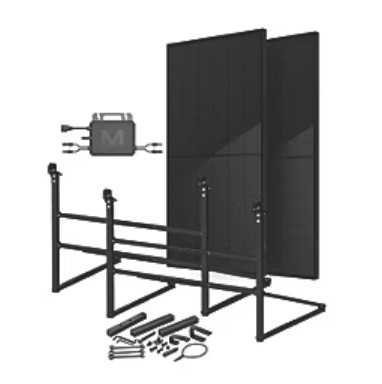
800W Bifacial Plug-In Solar Power Kit
While plug-in solar offer ample opportunity to save energy and money on your bills. However, safety should always be your number one priority.
Rubber bands are one of those items that seem to wind their way up into a junk drawer and take up permanent residence. We always tell ourselves we’ll keep them for something useful, but what exactly are those things?
If you’re looking for ways to reuse rubber bands around the house, you’re in luck, as experts have suggested three different ways to give your bands a second life.
While rubber bands are one of the things you should store in drawers, they have plenty of other uses. Here are just three examples you can test out at home with ease.
Latest Videos FromIdeal Home
1. Stop clothes slipping off hangers
When it comes to tidying and organising a wardrobe, the main grievance I have is that my clothes are prone to slipping off their hangers, making the space messy again. What I hadn’t realised was that two handy rubber bands are all I need to fix the problem.
(Image credit: Future PLC/Georgia Burns)
‘Before buying specialist non-slip hangers, try adding a couple of rubber bands to basic plastic or wooden ones. Wrap a thick rubber band tightly around each end of the hanger to create extra friction, helping strappy tops, wide-neck jumpers and slippery fabrics stay in place rather than ending up on the wardrobe floor,’ explains Max Wilson, co-founder at Pocket Storage.
Dunelm
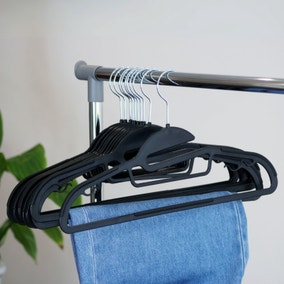
Set of 10 No Stretch Anti Slip Hangers
<aside data-article-category="house-manual" data-block-layout="horizontal" data-block-type="featured-product" data-editorial-currency="GBP" data-editorial-price="6" data-hawk-json="{"product":{"variants":{"Default":{"image":{"copyright":"","height":284,"id":"Xukd9i7ATrJM9Tw4RjztBm","mimeType":"image\/jpeg","mos":"https:\/\/cdn.mos.cms.futurecdn.net\/Xukd9i7ATrJM9Tw4RjztBm.jpg","role":"","width":284,"credit":"images.dunelm.com","alt":"Set of 10 No Stretch Anti Slip Hangers","caption":""},"strapline":"
If you want to clean your blinds but don’t have the best tools to hand to help you, a pair of tongs, cloths and a rubber band can help you get the job done.
(Image credit: Future PLC/David Giles)
‘Grab a pair of kitchen tongs and wrap two microfibre cloths around the end, secured in place with a rubber band. Then, simply clamp each of the slats between the tongs and glide along. It’s a quick, simple, and satisfying hack to clean both sides of each slat in one smooth motion. Works best on venetian and aluminium blinds,’ says Heath Showman, founder of Lifestyle Blinds.
Sign up to our newsletter for style inspiration, real homes, project and garden advice and shopping know-how
This affordable cleaning tool is also excellent at removing dust from your blinds.","brand":"Scrub Daddy","name":"Scrub Daddy Damp Duster","urlStyle":"","retailer":"","layout":"horizontal","linkText":"","noFollow":true,"noAffiliateTracking":false,"promoLabel":"","price":3,"salePrice":null,"currency":"GBP","linkLayout":"text","sponsored":false,"hawkProductNameMatchedCode":"","review":{"cons":[],"id":"","name":"","pros":[],"rating":0,"strapline":"","url":""},"id":"","externalId":"97c2df2811b0e2eef419fb9518b9170fee36c9c2","lastCheckedPriceDate":"","link":{"url":"https:\/\/target.georiot.com\/Proxy.ashx?tsid=107653&GR_URL=https%3A%2F%2Famazon.co.uk%2FScrub-Daddy-Cleaning-Venetian-Radiators%2Fdp%2FB0B2SS5ZK2%3Ftag%3Dftr-idealhome-gb-21%26ascsubtag%3Dhawk-custom-tracking-21","merchantName":"Amazon UK","merchantId":1027,"merchantNetwork":"Amazonuk","merchantUrl":"amazon.co.uk"}}}}}” data-link=”https://target.georiot.com/Proxy.ashx?tsid=107653&GR_URL=https%3A%2F%2Famazon.co.uk%2FScrub-Daddy-Cleaning-Venetian-Radiators%2Fdp%2FB0B2SS5ZK2%3Ftag%3Dftr-idealhome-gb-21%26ascsubtag%3Dhawk-custom-tracking-21″ data-link-merchant=”Amazon UK” data-merchant-id=”1027″ data-merchant-name=”Amazon UK” data-merchant-network=”Amazonuk” data-merchant-url=”amazon.co.uk” data-model-brand=”Scrub Daddy” data-model-name=”Scrub Daddy Scrub Daddy Damp Duster” data-name=”Horizontal Product Block merchantlink widget” data-render-type=”fte” data-show-fallback=”button” data-widget-type=”merchantlink” class=”ecom-root”>
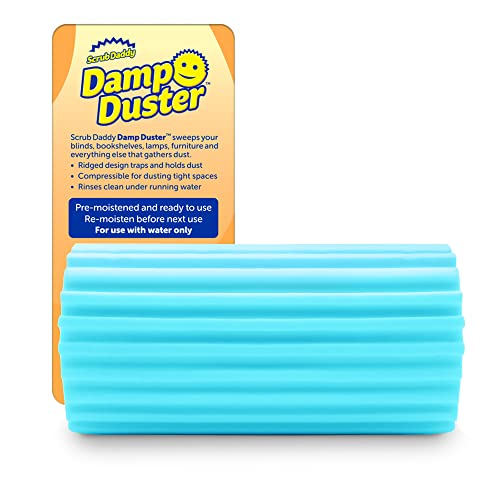
This affordable cleaning tool is also excellent at removing dust from your blinds.
3. Open stubborn jars
Everyone has a trick for opening a sticky jar, but I’m always happy to welcome one more – after all, there’s nothing worse than being hungry and not being able to get a jar open when cooking.
(Image credit: Future PLC / Colin Poole)
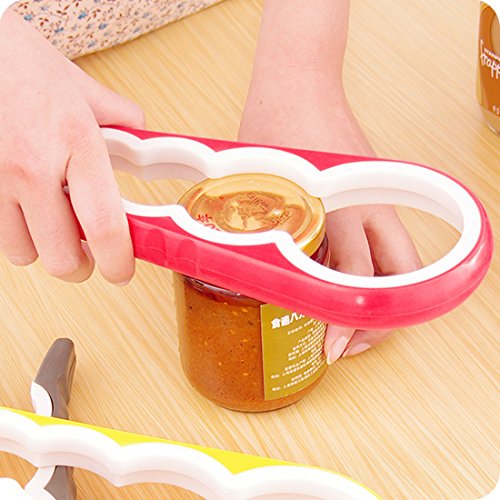
‘Give an old rubber band a new job as a DIY grip. Wrap a thick band around a stubborn jar or bottle lid and twist. The rubber creates extra friction between your hand and the lid, giving you more grip and leverage without needing a specialist jar opener,’ says Max.
DOTTY DEALS
Universal Lid Jar Opener
<aside data-article-category="house-manual" data-block-layout="horizontal" data-block-type="featured-product" data-editorial-currency="GBP" data-editorial-price="4.99" data-editorial-was-price="5.29" data-hawk-json="{"product":{"variants":{"Default":{"image":{"copyright":"","height":500,"id":"ivXkUvcCXa4fpiim7hEQXL","mimeType":"image\/jpeg","mos":"https:\/\/cdn.mos.cms.futurecdn.net\/ivXkUvcCXa4fpiim7hEQXL.jpg","role":"","width":500,"credit":"DOTTY DEALS","alt":"Universal Lid Jar Opener \/ Bottle Opener \/ Can Opener Kitchen Gadget Easy Twist Tool for Multiple Sizes (random Color)","caption":""},"strapline":"
This clever tool makes opening jars a breeze. It will fit most lids and gives you a little extra leverage to get them open.","brand":"DOTTY DEALS","name":"Universal Lid Jar Opener","urlStyle":"","retailer":"","layout":"horizontal","linkText":"","noFollow":true,"noAffiliateTracking":false,"promoLabel":"","price":5.29,"salePrice":4.99,"currency":"GBP","linkLayout":"text","sponsored":false,"hawkProductNameMatchedCode":"","review":{"cons":[],"id":"","name":"","pros":[],"rating":0,"strapline":"","url":""},"id":"","externalId":"9b0f5f80c3c9bbf244a862eeafe3b86bfb0667b2","lastCheckedPriceDate":"","link":{"url":"https:\/\/target.georiot.com\/Proxy.ashx?tsid=107653&GR_URL=https%3A%2F%2Famazon.co.uk%2FUniversal-Opener-Bottle-Kitchen-Multiple%2Fdp%2FB01C2CIXKC%3Ftag%3Dftr-idealhome-gb-21%26ascsubtag%3Dhawk-custom-tracking-21","merchantName":"Amazon UK","merchantId":1027,"merchantNetwork":"Amazonuk","merchantUrl":"amazon.co.uk"}}}}}” data-link=”https://target.georiot.com/Proxy.ashx?tsid=107653&GR_URL=https%3A%2F%2Famazon.co.uk%2FUniversal-Opener-Bottle-Kitchen-Multiple%2Fdp%2FB01C2CIXKC%3Ftag%3Dftr-idealhome-gb-21%26ascsubtag%3Dhawk-custom-tracking-21″ data-link-merchant=”Amazon UK” data-merchant-id=”1027″ data-merchant-name=”Amazon UK” data-merchant-network=”Amazonuk” data-merchant-url=”amazon.co.uk” data-model-brand=”DOTTY DEALS” data-model-name=”DOTTY DEALS Universal Lid Jar Opener” data-name=”Horizontal Product Block merchantlink widget” data-render-type=”fte” data-show-fallback=”button” data-widget-type=”merchantlink” class=”ecom-root”>
This clever tool makes opening jars a breeze. It will fit most lids and gives you a little extra leverage to get them open.
Do you have any other handy uses for old rubber bands?
When you think about the everyday items in your home – your bin, ironing board or clothes airer, for example – do you ever consider them to be beautiful?
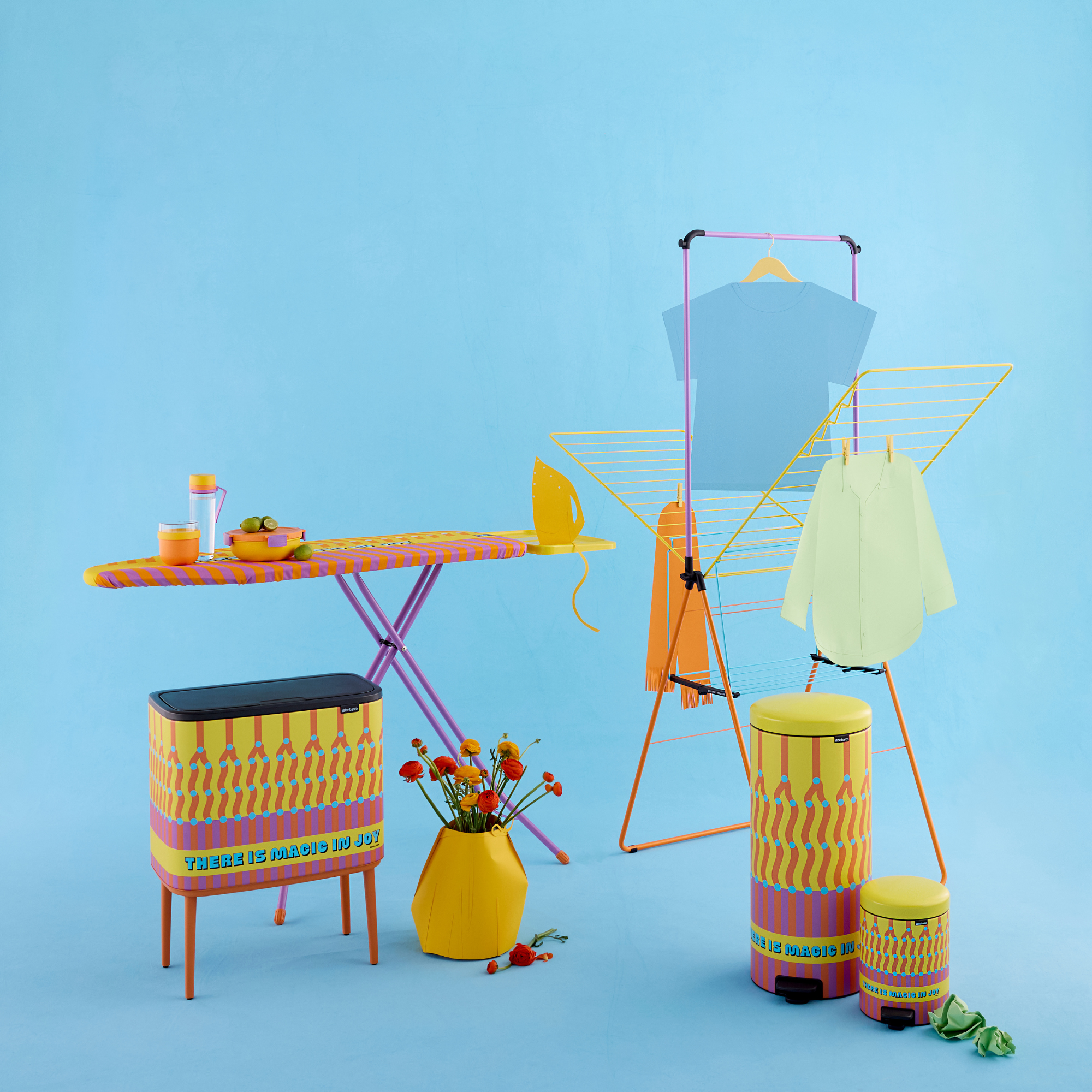
I’ll wager you barely even notice such household items, let alone consider them beautiful. Yinka Ilori OBE’s new collaboration with Brabantia is here to change that. The collection, titled ‘There is Magic in Joy ’, takes the best kitchen bins or even the best airers and turns them into works of art.
I had the pleasure of sitting down with Yinka to discuss his latest bold and colourful collection (the Yinka Ilori x Dunelm collection impressing the Ideal Home team in the summer). After discussing the importance of colour and joyfulness in his work, I was convinced every area of your home should add joy to your life.
Latest Videos FromIdeal Home
Brabantia
Hangon Drying Rack 25 Metres With Rod – Yinka Ilori
<aside data-article-category="house-manual" data-block-layout="hero" data-block-type="featured-product" data-editorial-currency="GBP" data-editorial-price="99" data-hawk-json="{"product":{"variants":{"Default":{"image":{"copyright":"","height":700,"id":"wPuyhg7for8fhGfj2Z9nV7","mimeType":"image\/jpeg","mos":"https:\/\/cdn.mos.cms.futurecdn.net\/wPuyhg7for8fhGfj2Z9nV7.jpg","role":"","width":521,"credit":"Brabantia","alt":"Hangon Drying Rack 25 Metres With Rod – Yinka Ilori","caption":""},"strapline":"
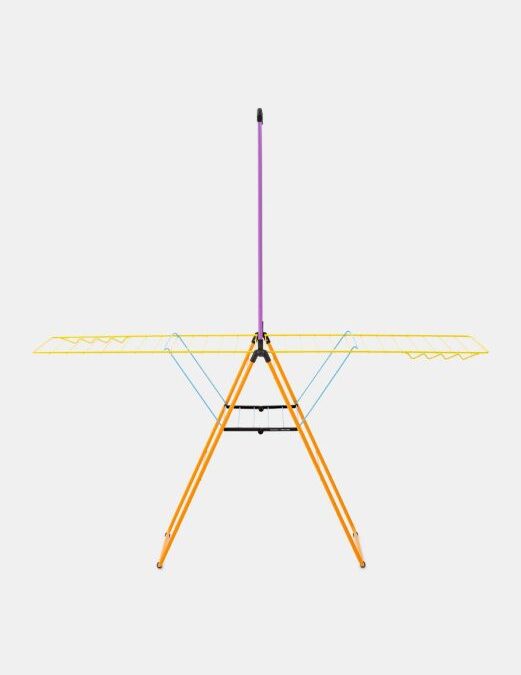
At an in-person preview of the collection, this airer jumped out to me. It's playful and bold, making an everyday chore that little bit more joyful. Plus, it's an airer you'll actually want on show.","brand":"Brabantia","name":"Hangon Drying Rack 25 Metres With Rod – Yinka Ilori","urlStyle":"","retailer":"","layout":"hero","linkText":"","noFollow":true,"noAffiliateTracking":false,"promoLabel":"","price":99,"salePrice":null,"currency":"GBP","linkLayout":"text","sponsored":false,"hawkProductNameMatchedCode":"","review":{"cons":[],"id":"","name":"","pros":[],"rating":0,"strapline":"","url":""},"id":"","externalId":"06383ffd0b76abcc33a641be3e7615ba71312a5e","lastCheckedPriceDate":"","link":{"url":"https:\/\/www.brabantia.com\/uk\/hangon-drying-rack-25-metres-with-rod-yinka-ilori\/","merchantName":"brabantia.com"}}}}}” data-link=”https://www.brabantia.com/uk/hangon-drying-rack-25-metres-with-rod-yinka-ilori/” data-link-merchant=”brabantia.com” data-merchant-name=”brabantia.com” data-model-brand=”Brabantia” data-model-name=”Brabantia Hangon Drying Rack 25 Metres With Rod – Yinka Ilori” data-name=”Product Block merchantlink widget” data-render-type=”fte” data-show-fallback=”button” data-widget-type=”merchantlink” class=”ecom-root”>
At an in-person preview of the collection, this airer jumped out to me. It’s playful and bold, making an everyday chore that little bit more joyful. Plus, it’s an airer you’ll actually want on show.
Brabantia
Ironing Board C 124 X 45 Cm, for Steam Generator – Yinka Ilori
<aside data-article-category="house-manual" data-block-layout="hero" data-block-type="featured-product" data-editorial-currency="GBP" data-editorial-price="139" data-hawk-json="{"product":{"variants":{"Default":{"image":{"copyright":"","height":700,"id":"kpTZjhTQQREMJoqXGZRLZ7","mimeType":"image\/jpeg","mos":"https:\/\/cdn.mos.cms.futurecdn.net\/kpTZjhTQQREMJoqXGZRLZ7.jpg","role":"","width":521,"credit":"Brabantia","alt":"Ironing Board C 124 X 45 Cm, for Steam Generator – Yinka Ilori","caption":""},"strapline":"
Yinka told me ironing was one of his favourite daily rituals – dating back to getting ready for Church on a Sunday as a child. As a result, this colourful ironing board has been created with the sole purpose of making you smile.","brand":"Brabantia","name":"Ironing Board C 124 X 45 Cm, for Steam Generator – Yinka Ilori","urlStyle":"","retailer":"","layout":"hero","linkText":"","noFollow":true,"noAffiliateTracking":false,"promoLabel":"","price":139,"salePrice":null,"currency":"GBP","linkLayout":"text","sponsored":false,"hawkProductNameMatchedCode":"","review":{"cons":[],"id":"","name":"","pros":[],"rating":0,"strapline":"","url":""},"id":"","externalId":"85b15bb6978ce96893ffbd4c525f2bc4088d1c12","lastCheckedPriceDate":"","link":{"url":"https:\/\/www.brabantia.com\/uk\/ironing-board-c-124×45-cm-solid-steam-unit-holder-yinka-ilori\/","merchantName":"brabantia.com"}}}}}” data-link=”https://www.brabantia.com/uk/ironing-board-c-124×45-cm-solid-steam-unit-holder-yinka-ilori/” data-link-merchant=”brabantia.com” data-merchant-name=”brabantia.com” data-model-brand=”Brabantia” data-model-name=”Brabantia Ironing Board C 124 X 45 Cm, for Steam Generator – Yinka Ilori” data-name=”Product Block merchantlink widget” data-render-type=”fte” data-show-fallback=”button” data-widget-type=”merchantlink” class=”ecom-root”>
Yinka told me ironing was one of his favourite daily rituals – dating back to getting ready for Church on a Sunday as a child. As a result, this colourful ironing board has been created with the sole purpose of making you smile.
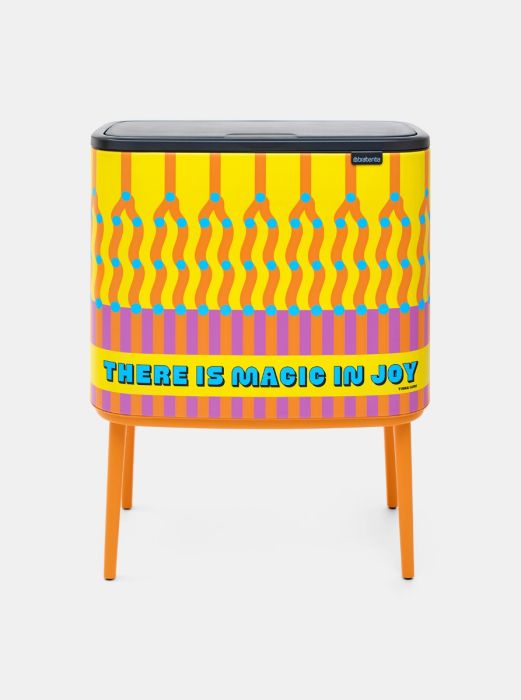
It wouldn't be a Brabantia collection without the inclusion of a bin. I wasn't sure how I felt about patterned bins, but this one has won me over. I actually love how bold it is – and, it's incredibly handy for waste separation, too, with two handy compartments.","brand":"Brabantia","name":"Bo Touch Bin 11 + 23 Litre – Yinka Ilori","urlStyle":"","retailer":"","layout":"hero","linkText":"","noFollow":true,"noAffiliateTracking":false,"promoLabel":"","price":249,"salePrice":null,"currency":"GBP","linkLayout":"text","sponsored":false,"hawkProductNameMatchedCode":"","review":{"cons":[],"id":"","name":"","pros":[],"rating":0,"strapline":"","url":""},"id":"","externalId":"55cbc8bf48e23f49d7d6f468cda525190b2b64a3","lastCheckedPriceDate":"","link":{"url":"https:\/\/www.brabantia.com\/uk\/bo-touch-bin-with-2-inner-buckets-11-23-litre-yinka-ilori\/","merchantName":"brabantia.com"}}}}}” data-link=”https://www.brabantia.com/uk/bo-touch-bin-with-2-inner-buckets-11-23-litre-yinka-ilori/” data-link-merchant=”brabantia.com” data-merchant-name=”brabantia.com” data-model-brand=”Brabantia” data-model-name=”Brabantia Bo Touch Bin 11 + 23 Litre – Yinka Ilori” data-name=”Product Block merchantlink widget” data-render-type=”fte” data-show-fallback=”button” data-widget-type=”merchantlink” class=”ecom-root”>
It wouldn’t be a Brabantia collection without the inclusion of a bin. I wasn’t sure how I felt about patterned bins, but this one has won me over. I actually love how bold it is – and, it’s incredibly handy for waste separation, too, with two handy compartments.
British-Nigerian artist and designer Yinka Ilori is well known for his use of bold colour and intricate detailing within his designs. He’s a master of creating a kaleidoscope of colour, and the most recent Brabantia collection is no exception.
The collection includes statement bins, a bold, colourful airer, and ironing board and lunchbox accessories. Yellow and pink feature heavily throughout the designs, with Yinka even telling me they’re two of his favourite colours to work with.
‘I was really interested in seeing how you could reimagine an everyday object into something that is a ritual that we do daily. But how can that ritual become a ritual of joy?’ Yinka told me.
‘And I think having slogans and artworks on things that we use daily within our home, I think, can really kind of shape our day, our moods, and really kind of change the way we look at kitchen utensils and kitchen objects within the home space.’
Sign up to our newsletter for style inspiration, real homes, project and garden advice and shopping know-how
(Image credit: Brabantia)
What struck me as someone who has a small home and a really small kitchen was that this latest Brabantia collection contained items that look like pieces of decor, rather than functional items. For example, I don’t have a tumble dryer, so my bog-standard grey clothes horse is on show the majority of the time in my home. Since seeing the HangOn Drying Rack (£99) in person, I like the idea of my clothes horse adding colour to my space, rather than looking unsightly.
‘I thought there’s something quite playful about the drying rack because of all the kinds of block colours. I mean, for me, I might put my socks in the yellow section, and I might put my t-shirts in the purple section. So I think there’s also something quite playful that kids might find interesting about, you know, an object that we see daily,’ Yinka added.
‘People shouldn’t be nervous by color. For me, it’s just like doctors saying to you, you know, you need vitamin D from the sun, right? You know, for your skin, it’s good for your body. It brings you joy. It’s the same thing as, you know, as if you are around colour and around affirmation, it will uplift your mood and change your home space.’
So as we head into winter, and Vitamin D starts to wane, consider finding yours in colourful and joyful home decor. I saw that the Yink Ilori x Brabantia collection is a good place to start.
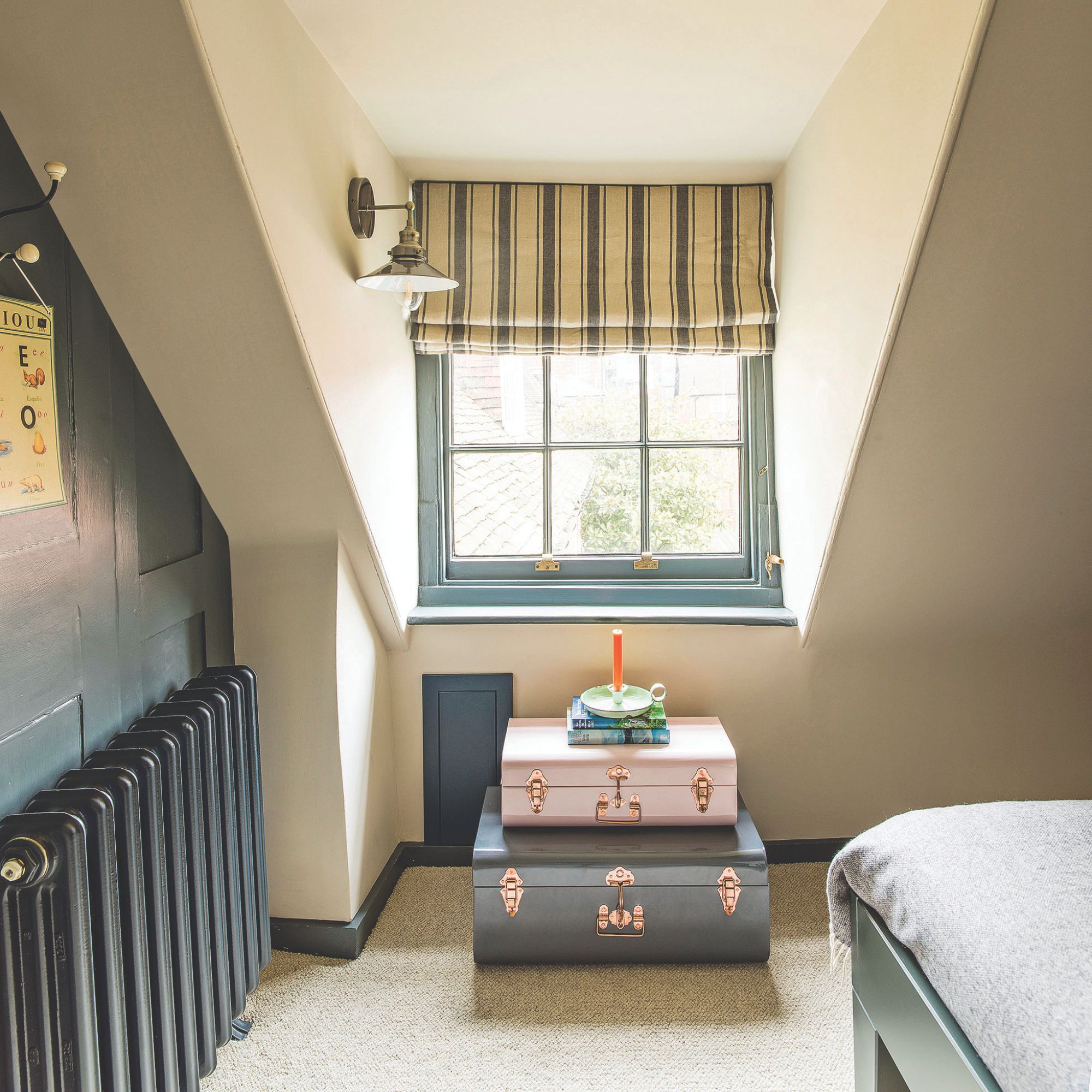
I hate to say it, but it’s definitely spider season in the UK, and if you’ve noticed an influx of arachnids to your home, then you may benefit from introducing a window curfew to your home.
While I must point out that spiders won’t harm you in the UK, many adults are afraid of them, which is why many of us will be looking for ways to get rid of spiders during this time of year.
Instead of worrying about the things luring spiders into your home, it’s time to be proactive and stop them from entering your home in the first place. Introducing a 7 pm window curfew can help prevent spiders from creeping into your house. Here’s everything you need to know.
Latest Videos FromIdeal Home
What is a window curfew?
A spider curfew is a completely free and easy way to keep pests out of your home, without having to rely on chemicals such as spider spray. All you have to do is shut your windows before 7 pm every night, and you should see a reduction in the number of spiders in your home.
(Image credit: Getty Images/Arterra/Contributor)
‘A lot of people notice more spiders around the home at this time of year, but they’re not usually coming inside looking for shelter. More often than not, they’re following their food. As the evenings get darker, insects are attracted to the lights in our homes, and spiders tend to follow where there’s an easy meal to be found,’ comments Simon Browne, product expert at Luxaflex.
‘Open windows can provide an easy route indoors, especially in the early evening when it’s cooler, and people are trying to let fresh air in. Once it starts getting dark outside, the glow from lights inside the home can attract insects towards windows and doorways, which is why you may see more spider activity around these areas.
‘Closing your windows from around 7 pm can help reduce the chances of spiders finding their way inside, particularly during late summer and early autumn when they’re most active. It’s not a guaranteed fix, but limiting access points after dusk can certainly help make your home less inviting to both insects and the spiders that follow them.’
Sign up to our newsletter for style inspiration, real homes, project and garden advice and shopping know-how
Is this a good method to use?
While we can’t quite promise you’ll see spiders disappear completely from your home, introducing a curfew can be handy alongside using other deterrents such as scents spiders can’t stand.
(Image credit: Future PLC/Mel Yates)
‘It won’t guarantee you never see a spider, because they can get in through other gaps and some will already be living in and around the building, but closing windows and external doors earlier in the evening should reduce the chances of more wandering in,’ says Darren Coates, window expert and sales director at SolarFrame.
Simon points out that you should also consider opening your windows during different parts of the day during spider season.
‘If you want to keep rooms feeling fresh without leaving windows open late into the evening, it’s worth thinking about ways to manage ventilation earlier in the day. Keeping windows open in the morning or afternoon, then closing them as night falls, can help strike a balance between maintaining airflow and reducing the likelihood of unwanted visitors making their way indoors,’ he says.
Deter spiders from your home:
Zero In
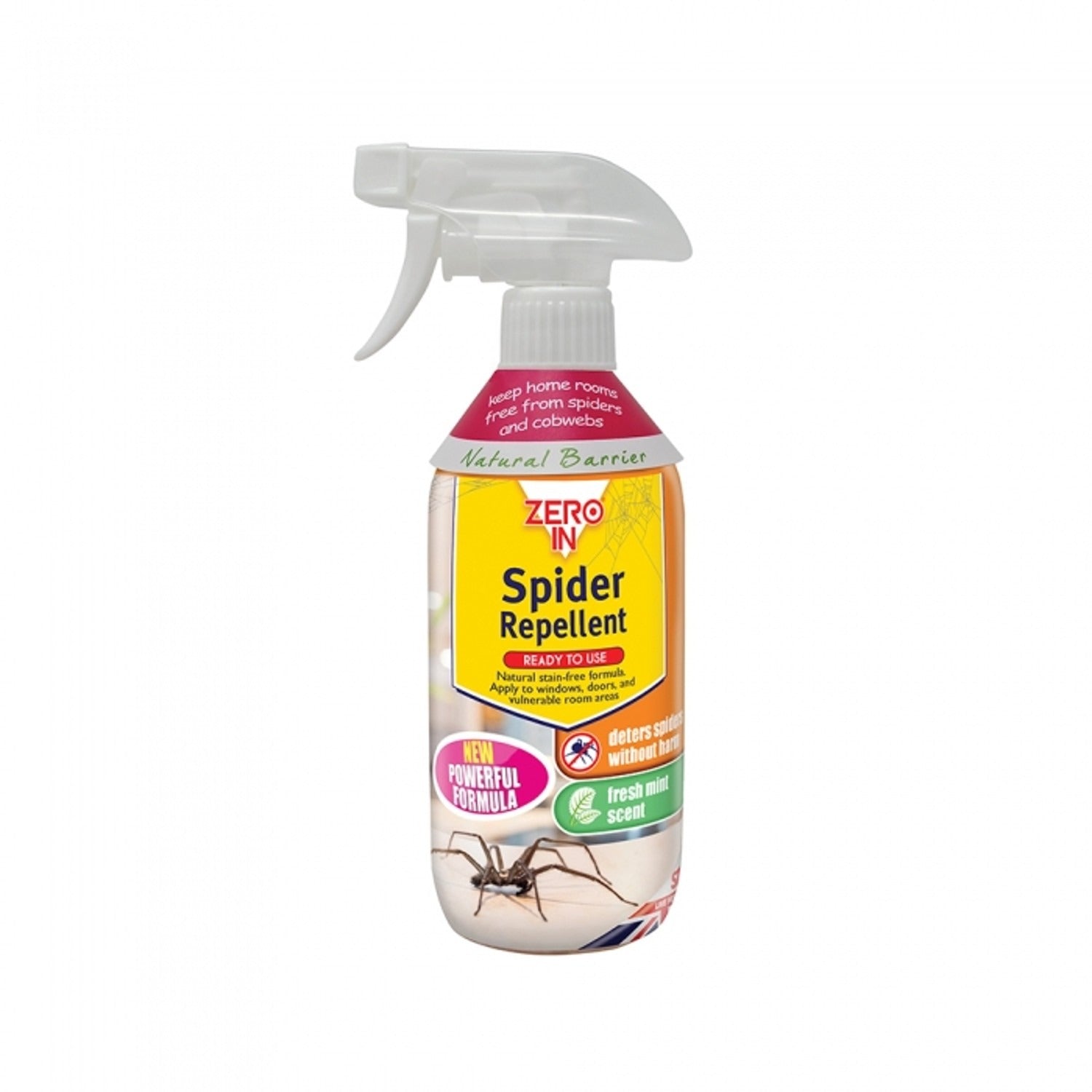
Zero in Spider Repellent Spray 500ml
<aside data-article-category="house-manual" data-block-layout="hero" data-block-type="featured-product" data-editorial-currency="GBP" data-editorial-merchant-name="£5.99 at Lakeland" data-editorial-price="5.99" data-hawk-json="{"product":{"variants":{"Default":{"image":{"copyright":"","height":1500,"id":"3CdyYeLFYoaurSCu5pqAQA","mimeType":"image\/jpeg","mos":"https:\/\/cdn.mos.cms.futurecdn.net\/3CdyYeLFYoaurSCu5pqAQA.jpg","role":"","width":1500,"credit":"Zero In","alt":"Zero in Spider Repellent Spray 500ml","caption":""},"strapline":"
Spray this chemical free mixture around windows and doors. Spiders can't stand the smell and will avoid the area.","brand":"Zero In","name":"Zero in Spider Repellent Spray 500ml","urlStyle":"","layout":"hero","noFollow":true,"noAffiliateTracking":false,"promoLabel":"","price":5.99,"salePrice":null,"currency":"GBP","linkLayout":"text","sponsored":false,"hawkProductNameMatchedCode":"","review":{"cons":[],"id":"","name":"","pros":[],"rating":0,"strapline":"","url":""},"id":"","externalId":"7859df8619c2a1810cf62e5e6df0a20b48318f67","lastCheckedPriceDate":"","link":{"url":"https:\/\/www.awin1.com\/awclick.php?awinmid=1751&awinaffid=103504&clickref=hawk-custom-tracking&p=https%3A%2F%2Fwww.lakeland.co.uk%2Fproducts%2Fzero-in-spider-repellent-spray-500ml","linkText":"\u00a35.99 at Lakeland","editorialMerchantName":"\u00a35.99 at Lakeland","merchantName":"Lakeland","merchantId":2595,"merchantNetwork":"AW","merchantUrl":"lakeland.co.uk"}}}}}” data-link=”https://www.awin1.com/awclick.php?awinmid=1751&awinaffid=103504&clickref=hawk-custom-tracking&p=https%3A%2F%2Fwww.lakeland.co.uk%2Fproducts%2Fzero-in-spider-repellent-spray-500ml” data-link-merchant=”Lakeland” data-link-text=”£5.99 at Lakeland” data-merchant-id=”2595″ data-merchant-name=”Lakeland” data-merchant-network=”AW” data-merchant-url=”lakeland.co.uk” data-model-brand=”Zero In” data-model-name=”Zero In Zero in Spider Repellent Spray 500ml” data-name=”Product Block merchantlink widget” data-render-type=”fte” data-show-fallback=”button” data-widget-type=”merchantlink” class=”ecom-root”>
Spray this chemical free mixture around windows and doors. Spiders can’t stand the smell and will avoid the area.
Handcraft Blends
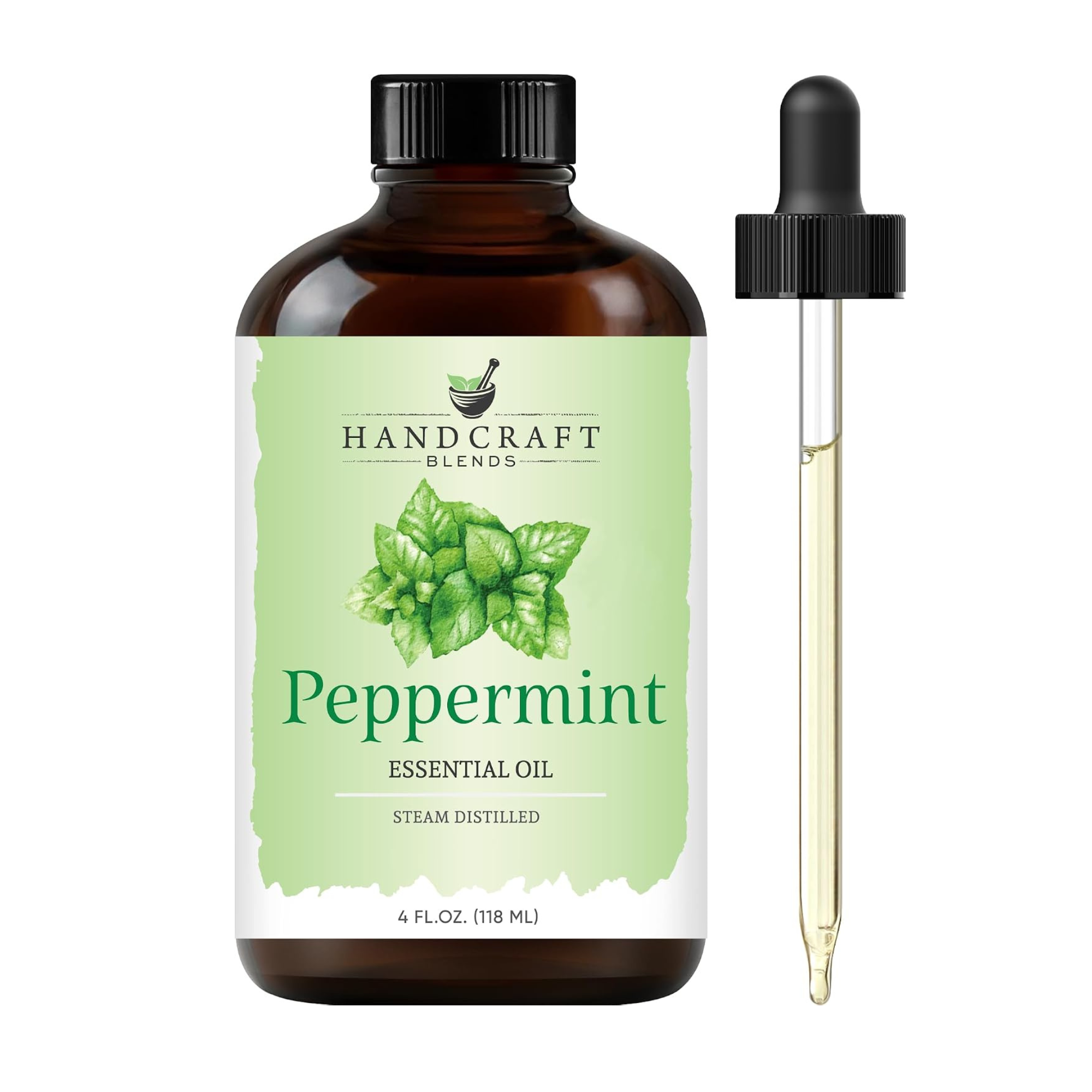
Handcraft Blends Peppermint Essential Oil – Huge 118 Ml
Spiders dislike the smell of peppermint, so mix the oil with water and spray near windows and doors to keep them out.","brand":"Handcraft Blends","name":"Handcraft Blends Peppermint Essential Oil – Huge 118 Ml","urlStyle":"","layout":"hero","noFollow":true,"noAffiliateTracking":false,"promoLabel":"","price":9.99,"salePrice":null,"currency":"GBP","linkLayout":"text","sponsored":false,"hawkProductNameMatchedCode":"","review":{"cons":[],"id":"","name":"","pros":[],"rating":0,"strapline":"","url":""},"id":"","externalId":"8e6b67ba33379422e23ab15eb81371a1e7e332a3","lastCheckedPriceDate":"","link":{"url":"https:\/\/target.georiot.com\/Proxy.ashx?tsid=107653&GR_URL=https%3A%2F%2Famazon.co.uk%2FHandcraft-Peppermint-Essential-Oil-Therapeutic%2Fdp%2FB0756MBLNX%3Ftag%3Dftr-idealhome-gb-21%26ascsubtag%3Dhawk-custom-tracking-21","linkText":"\u00a39.99 at Amazon","editorialMerchantName":"\u00a39.99 at Amazon","merchantName":"Amazon UK","merchantId":1027,"merchantNetwork":"Amazonuk","merchantUrl":"amazon.co.uk"}}}}}” data-link=”https://target.georiot.com/Proxy.ashx?tsid=107653&GR_URL=https%3A%2F%2Famazon.co.uk%2FHandcraft-Peppermint-Essential-Oil-Therapeutic%2Fdp%2FB0756MBLNX%3Ftag%3Dftr-idealhome-gb-21%26ascsubtag%3Dhawk-custom-tracking-21″ data-link-merchant=”Amazon UK” data-link-text=”£9.99 at Amazon” data-merchant-id=”1027″ data-merchant-name=”Amazon UK” data-merchant-network=”Amazonuk” data-merchant-url=”amazon.co.uk” data-model-brand=”Handcraft Blends” data-model-name=”Handcraft Blends Handcraft Blends Peppermint Essential Oil – Huge 118 Ml” data-name=”Product Block merchantlink widget” data-render-type=”fte” data-show-fallback=”button” data-widget-type=”merchantlink” class=”ecom-root”>
Spiders dislike the smell of peppermint, so mix the oil with water and spray near windows and doors to keep them out.
Pestbye
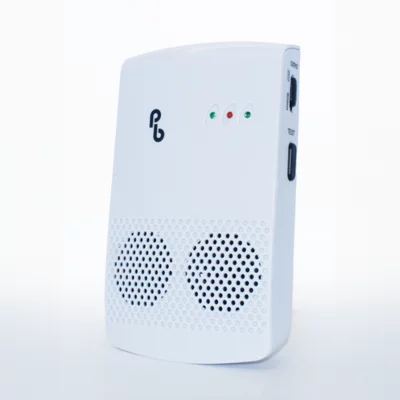
Pestbye Whole House Advanced Spider Repellent
<aside data-article-category="house-manual" data-block-layout="hero" data-block-type="featured-product" data-editorial-currency="GBP" data-editorial-merchant-name="£31.99 at B&Q" data-editorial-price="31.99" data-hawk-json="{"product":{"variants":{"Default":{"image":{"copyright":"","height":400,"id":"bocd9GePit99F2wkGw7WGA","mimeType":"image\/webp","mos":"https:\/\/cdn.mos.cms.futurecdn.net\/bocd9GePit99F2wkGw7WGA.webp","role":"","width":400,"credit":"Pestbye","alt":"Pestbye Whole House Advanced Spider Repellent Deterrent Ultrasonic Electromagnetic Insect Repeller","caption":""},"strapline":"
This device uses a combination of ultrasonic sound and electromagnetic fields to safely and humanely deter spiders and crawling insects. ","brand":"Pestbye","name":"Pestbye Whole House Advanced Spider Repellent ","urlStyle":"","layout":"hero","noFollow":true,"noAffiliateTracking":false,"promoLabel":"","price":31.99,"salePrice":null,"currency":"GBP","linkLayout":"text","sponsored":false,"hawkProductNameMatchedCode":"","review":{"cons":[],"id":"","name":"","pros":[],"rating":0,"strapline":"","url":""},"id":"","externalId":"35dac5b5d561403ce019f9bb7792795e92fe7f26","lastCheckedPriceDate":"","link":{"url":"https:\/\/diy.pxf.io\/c\/221109\/1632830\/18948?subId1=hawk-custom-tracking&sharedId=hawk-prefix&u=https%3A%2F%2Fwww.diy.com%2Fdepartments%2Fpestbye-whole-house-advanced-spider-repellent-deterrent-ultrasonic-electromagnetic-insect-repeller%2F5055837223097_BQ.prd%3F","linkText":"\u00a331.99 at B&Q","editorialMerchantName":"\u00a331.99 at B&Q","merchantName":"B&Q","merchantId":299090,"merchantNetwork":"ImpactRad","merchantUrl":"diy.com"}}}}}” data-link=”https://diy.pxf.io/c/221109/1632830/18948?subId1=hawk-custom-tracking&sharedId=hawk-prefix&u=https%3A%2F%2Fwww.diy.com%2Fdepartments%2Fpestbye-whole-house-advanced-spider-repellent-deterrent-ultrasonic-electromagnetic-insect-repeller%2F5055837223097_BQ.prd%3F” data-link-merchant=”B&Q” data-link-text=”£31.99 at B&Q” data-merchant-id=”299090″ data-merchant-name=”B&Q” data-merchant-network=”ImpactRad” data-merchant-url=”diy.com” data-model-brand=”Pestbye” data-model-name=”Pestbye Pestbye Whole House Advanced Spider Repellent” data-name=”Product Block merchantlink widget” data-render-type=”fte” data-show-fallback=”button” data-widget-type=”merchantlink” class=”ecom-root”>
This device uses a combination of ultrasonic sound and electromagnetic fields to safely and humanely deter spiders and crawling insects.
Will you be introducing a spider curfew to your home this month?