With the UK experiencing it’s third heatwave of the year before the middle of July, it’s no wonder that households are desperate for ways to keep cool.
As a result of the high temperatures, there has been unprecedented demand for portable air conditioners and fans, selling them out left, right and centre. But it’s not just portable appliances that are seeing record levels of demand. Fitted air conditioning has also see a huge boost, according to Angus Struthers, Managing Director at BOXT: ‘From 1st of May to 30th June, BOXT saw AC sales rise by 249% YoY, with increases in all regions of the UK. This was true as far north as Scotland, which saw a 233% growth YoY, and down in Brighton on the south coast, there was a whopping 1,700% YoY increase in enquiries.’
And so for those who have invested in a fitted system, headlines about air conditioning being ripped from homes under energy efficiency rules will undoubtedly be worrisome. So is air conditioning really being banned? I asked the experts for the truth behind the rumour.
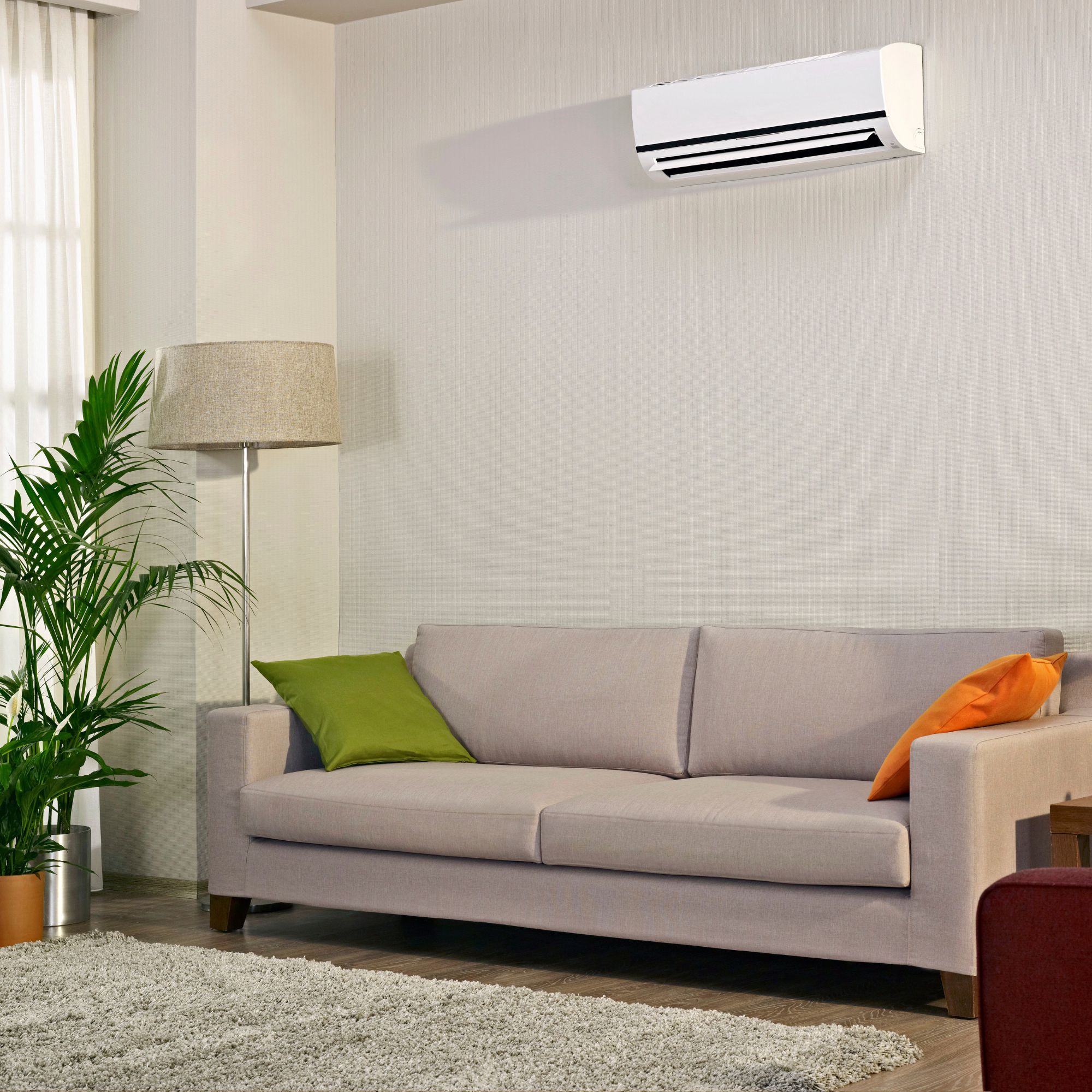
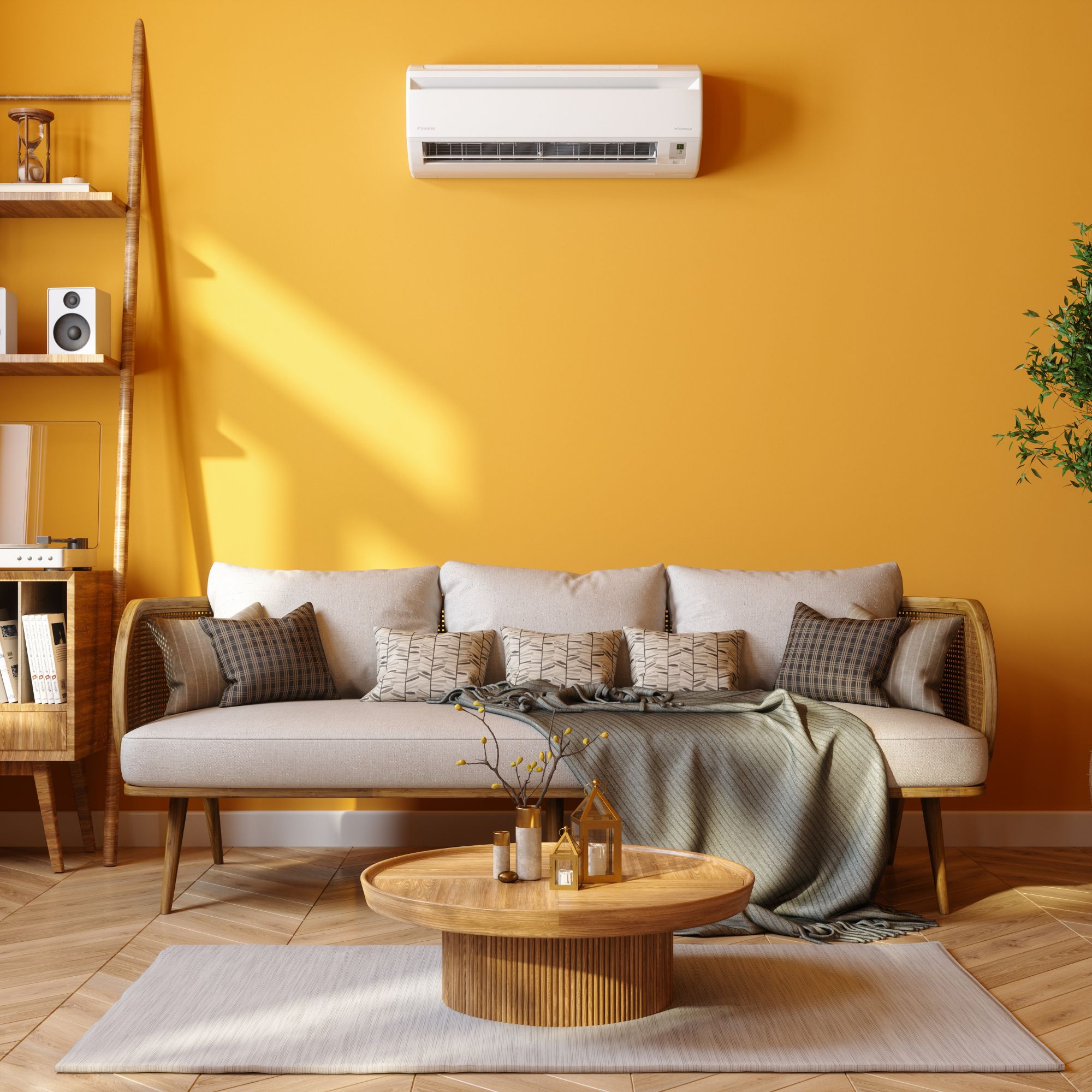
Is air conditioning going to be banned in the UK?
(Image credit: Getty Images)
No air conditioning isn’t going to be banned in the UK. In fact, in response to headlines to the contrary, the Ministry of Housing, Communities & Local Government has stated: ‘There has been media coverage this week suggesting that air conditioning is banned in homes. This is incorrect.
‘Air conditioning can be installed in both existing and new homes.
‘In most cases, planning permission is not required to install it for a small home if it would not materially affect the appearance of the building from outside.
Sign up to our newsletter for style inspiration, real homes, project and garden advice and shopping know-how
‘However, there is no blanket rule. People should speak with their local council to check the rules, and councils should take a common-sense approach.’
Where do rumours of an air conditioning ban come from?
As reported by The Telegraph, some homeowners in London have been ordered by their local authority to remove the air conditioning from their homes, in favour of more passive cooling solutions like keeping windows and curtains closed at the hottest part of the day, and opening them when it’s cooler to get some cross ventilation going.
In many cases, enforced removal like this will be down to the installations falling foul of planning and building regulation rules, which will not be the same for every area of the UK. Air conditioning rules may also be stricter in highly populated urban areas, like London, as Michael Whittall, Sustainability Manager at Fairview New Homes, explains: ‘Air conditioning may make individual homes cooler, but we also have to recognise the wider impact it can have on our cities and communities. Air conditioning systems work by removing heat from inside buildings and releasing it outdoors. When this happens at scale, particularly in dense urban areas, it can contribute to the urban heat island effect – adding to higher outdoor temperatures and increasing heat stress in cities.’
There are also concerns about what a widespread uptake of air conditioning may mean for the National Grid, with researchers from Loughborough University telling the BBC that it won’t be able to cope with the additional demand. According to Kian Milroy, Renewables Electrical Engineer at Heatable: ‘There is a legitimate concern about millions of inefficient air conditioning units being switched on simultaneously during a heatwave. Modelling by researchers at Loughborough University found that, under its highest domestic uptake scenario, air conditioning could add around 7GW to Britain’s evening peak electricity demand by 2050.’
(Image credit: Getty Images)
But Martyn Bridges, Director of External Affairs at Worcester Bosch, argues that this wouldn’t be grounds for a ban: ‘It is highly unlikely that grid capacity concerns will lead to a ban on domestic air conditioning. Much of the UK’s electricity grid is already being upgraded anyway to accommodate the wider electrification of transport with EVs and heating with heat pumps.
‘Furthermore, a typical domestic air-to-air heat pump uses around 1.2 kW/hr of electricity—which is less than a standard washing machine or dishwasher. Given this relatively low consumption and the ongoing infrastructure upgrades, there simply isn’t a strong case for a ban.’
Kianalso disagrees that a ban is the answer, saying: ‘A more credible future is tighter standards rather than a ban. This could include minimum energy-efficiency requirements, restrictions on the least efficient portable units, better installer regulation and incentives for modern systems that provide both heating and cooling.
‘Smart tariffs and demand-response technology could also help spread electricity use more intelligently, encouraging households to pre-cool their homes when renewable electricity is abundant rather than adding demand during the evening peak.’
Do you need planning permission to install air conditioning?
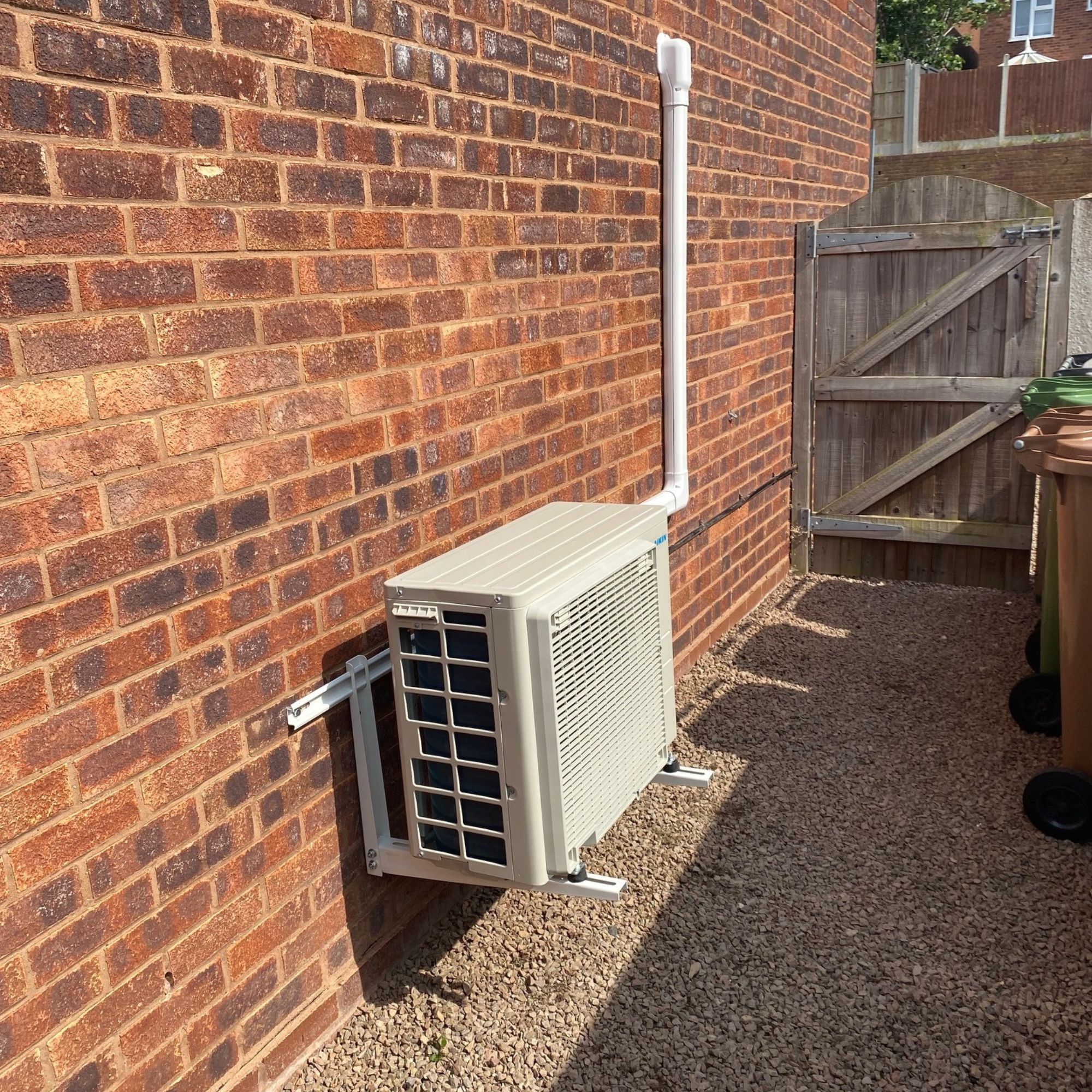
Planning rules will limit the negative impact any outdoor units of a fitted air conditioning system may have on neighbours and the local environment
In many cases, installing an air-to-air heat pump (which is what fitted air con units are), can be done under Permitted Development as long as it can be used for both heating and cooling, and is fitted and used in a way that doesn’t negatively impact your neighbours in terms of things like noise and proximity to their property. It’s always best to double check with your local planning authority before you commit to save yourself any hassle. If you don’t check and your installation falls foul of the rules, then you may face enforcement action to remove it at your own expense.
Rules will be different if you live in a conservation area, Area of Outstanding Natural Beauty or national park. In these areas, permitted development rights may be restricted or removed altogether, meaning you’ll need to apply for planning permission. Similarly, if you live in a listed building, you will need Listed Building Consent to make changes.
Portable air conditioning units will be exempt from planning and building regulation rules, but if they are too noisy or cause issues for your neighbours, the council may intervene if they receive a complaint.
Should homeowners do anything differently?
The best thing you can do if you are planning on installing air conditioning at home, is to check with your local authority that it would be breaching any rules. That way you can rest assured that your investment won’t be short lived.
Choosing a reputable installer is also important and they should also be well-versed in the installation requirements under the planning rules.
If you already have air conditioning installed and it turns out you should have sought planning permission, then you could try applying for retrospective planning permission, although there is no guarantee that this will be granted.
If it looks like a fitted system won’t be feasible for your home, you could invest in a portable air conditioner when stock is replenished. Until that time, you could also try the tricks to supercharge your fan’s cooling power, and opening all your windows when it’s cooler outside to help freshen up and cool down your home.
<aside id="cd0b8dca-7ec6-11f1-9c16-e7c7c9d4dc4e_0" class="hawk-root" data-block-layout="horizontal" data-block-type="featured-product" data-hawk-json="{"product":{"variants":{"Default":{"image":{"copyright":"","height":2000,"id":"UEREX7ubi3tLNsS4pTdJrQ","mimeType":"image\/jpeg","mos":"https:\/\/cdn.mos.cms.futurecdn.net\/UEREX7ubi3tLNsS4pTdJrQ.jpg","role":"","width":2000,"credit":"Future PLC","alt":"Ideal Home logo on white background","caption":""},"strapline":"
The rumour mill has been buzzing with talk that underfloor heating is going to be banned in the UK. But is there any truth to the gossip?
While not every home has underfloor heating, it is an increasingly popular choice for those looking for even heat and clear walls. While wet underfloor heating tends to only be installed as part of a new build or extension project, electric underfloor heating is much easier to install in an existing home.
But under new Government rules, some electric underfloor heating systems could be removed from sale. This is everything we know so far.
Latest Videos From
Is underfloor heating going to be banned in the UK?
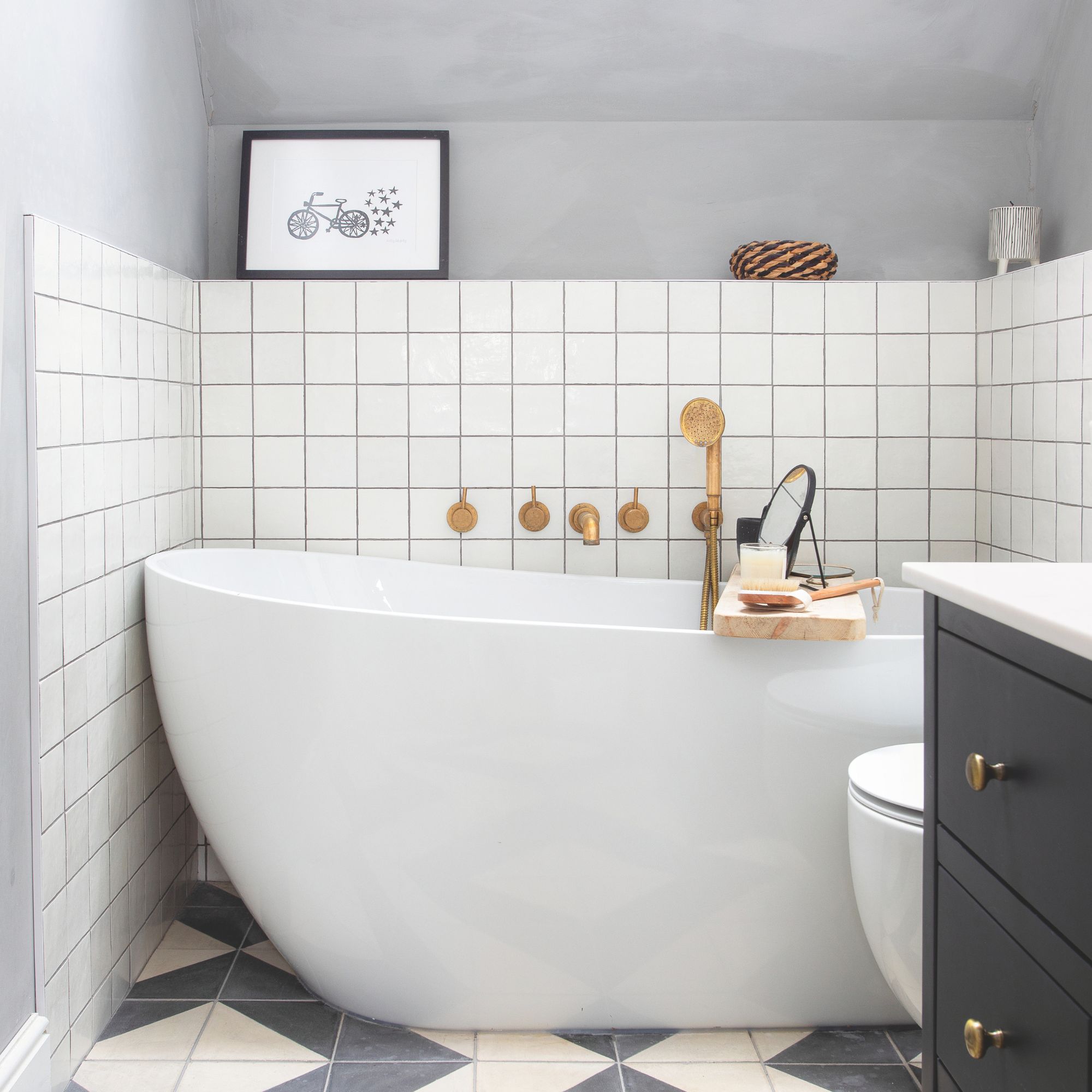
Electric underfloor heating is commonly used in small bathrooms where there is no other form of heating
(Image credit: Future PLC/Douglas Gibb)
No, underfloor heating isn’t going to be banned in the UK. Rumours of a ban instead stem from Government proposals to ensure that inefficient heating systems are phased out.
Stricter energy efficiency standards that the Government wants to introduce will mean that electric underfloor heating systems that are deemed inefficient will no longer be available to buy. This will only impact new products and not those already installed in homes, with inefficient models phased out by 2027.
As part of it’s wider initiatives around energy security and Net Zero targets, the Government is proposing to update the minimum energy performance standard for local space heaters, like electric underfloor heating as well as things like electric radiators and towel rails as well as gas stoves and radiant heaters.
‘Homeowners shouldn’t be alarmed by headlines suggesting that underfloor heating, heated towel rails or gas fires are set to be banned,’ explains John Klee, heating technology expert at BestHeating. ‘The proposals currently being discussed relate to the efficiency standards that new heating products must meet before they can be sold in the UK, rather than the systems already installed in people’s homes.
Sign up to our newsletter for style inspiration, real homes, project and garden advice and shopping know-how
‘The aim is to encourage the development of more energy-efficient products, often through improved controls such as thermostats and timers, helping households reduce energy consumption and lower running costs over time.’
According to the consultation document on the new rules, electric space heating in domestic properties accounted for 4% of all electricity demand in the UK in 2024. ‘It is therefore essential to make sure these local space heaters are as energy efficient as possible,’ the Government says.
As well as electric underfloor heating, electric towel rails will also face more stringent energy efficiency requirements before they can be sold in the UK
(Image credit: Future PLC/ Juliet Murphy)
Under the proposals, Ecodesign regulations for local space heaters in the UK will be updated to be in line with the EU. That means that higher performance requirements must be reached before the products can be sold in the UK.
The proposals also introduce requirements for these products to come with controls and low-power modes to help people use them more efficiently and reduce unnecessary energy wastage.
Furthermore, the proposals introduce ‘right to repair’ measures, which mean manufacturers will need to supply spare parts, like controls, thermostats and heating elements, for a minimum of 10 years. This is to cut waste and emissions from manufacturing and disposal.
As a result of these measures, almost half (48%) of electric underfloor heating systems currently available will be removed from sale.
What about wet underfloor heating?
Wet underfloor heating isn’t going to be banned either, as Matthew Powell, founder of WarmZilla, explains: ‘What’s happening is a wider shift in building regulations and net zero policy that affects how heating systems are designed and installed, especially in new builds. Recent proposals and commentary have included tighter efficiency rules and a push away from high carbon heating systems, but underfloor heating itself is not being targeted for removal.
‘In fact, underfloor heating is generally considered a compatible low temperature heating method that works well with heat pumps, which are being encouraged as part of the UK’s transition to lower carbon homes. Some confusion comes from discussions around Future Homes Standard rules and efficiency requirements that favour low temperature systems, but this is about improving performance standards, not banning UFH.’
What does this mean for those who want or have electric underfloor heating?
If you are thinking about installing electric underfloor heating at home, then it’s worth asking your chosen retailer or installer about the most energy efficient option. Inefficient models will be phased out over the next six months, so you won’t be able to buy them.
The new rules will mean that any electric underfloor heating system you buy will be more energy efficient, and therefore, will have a positive effect on your energy bills.
However, it also means that you may have to pay more to buy the electric underfloor heating in the first place. ‘The immediate impact will be on the upfront cost for heating appliances, with manufacturer efforts to create more innovative and energy-efficient designs likely to result in increased costs being passed on to consumers, with fewer budget-friendly options remaining on the market,’ says Anton Neike, Energy Expert and CEO at Taupia. ‘However, the Government argues households will be better off in the long term through lower running costs.
‘On the other hand, once more efficient underfloor heating systems with smarter controls become more readily available, running costs may become more predictable for consumers who’ll have more control over how much their system is used.’
If you already have electric underfloor heating, you won’t be impacted by the changes until you want to replace your existing system. ‘When it comes time to upgrade, homeowners may benefit from newer systems that incorporate enhanced efficiency features and smarter controls,’ adds John Klee. ‘However, for now, those with existing installations can continue using them as normal, confident that these proposals are focused on future product standards rather than current heating systems.’
If you enjoyed reading this, sign up for the Ideal Home newsletter for all the latest home decor trends and inspiration delivered straight to your inbox
Heating experts have revealed the three summer boiler mistakes that can make your home feel hot and stuffy during summer – and luckily for you, they’re easy to rectify.
With yet another heatwave here in the UK, it can feel exhausting trying to find new ways to keep a room cool, yet these boiler mistakes could be contributing to your house being hotter than it needs to be.
While you can invest in the best fan you could be fighting a losing battle by keeping your boiler on winter settings, not having your hot water on a timer or having your water too hot. All three of these factors will contribute to making your home feel warmer in summer.
1. You’re still on winter settings
‘One of the most common oversights I see is leaving the boiler on its winter settings well into the summer months, which means the central heating circuit can still activate even when it’s not needed. This is often because the programmer hasn’t been switched to a summer mode, so the boiler continues to circulate hot water through radiators unnecessarily, creating a subtle but constant source of heat that builds up indoors,’ explains Stephen Day, a Heating Engineer at iHeat.
(Image credit: Future PLC/ James French)
On modern boilers you can typically find two settings, ‘winter’ and ‘summer’ so it’s as easy as flicking a switch to ensure you’re on summer mode. Alternatively, check your manufacturers manual for instructions, or you can switch your boiler to ‘hot water only’ if you have a combi boiler.
2. Your water isn’t on a timer
Another factor that may be causing your home to feel more stuffy is having your hot water on when you don’t need it.
(Image credit: Future PLC / Kasia Fiszer)
‘Many households keep their system as it is to be able to access boiling water constantly, even when they’re out for the day or they’re on holiday. By using timers and schedules to match your actual household usage, you’ll be avoiding overheating the house when it isn’t needed,’ says Ryan Willdig, heating expert at Heatforce.
Sign up to our newsletter for style inspiration, real homes, project and garden advice and shopping know-how
This can cause excess heat as the boiler has to maintain the temperature in the hot water cylinder all day which can make your boiler cupboard air airing cupboard feel like a sauna.
3. Your water is too hot
Another contributing factor is that your water temperature is unnecessarily too high, which can make your house feel hot and even cost you more on energy bills.
(Image credit: Future PLC/ Katie Lee)
‘Most combi boilers allow you to set the water temperature separately from your heating temperatures,’ says Ryan.
‘Keeping everything at full blast will mean scalding water from the taps and also extra heating radiating into your home. You want to aim for around 50 degrees in summer and nothing more.’
Beat the heat
If you’re still struggling with the hot weather, here are a few more ways to beat the heat.
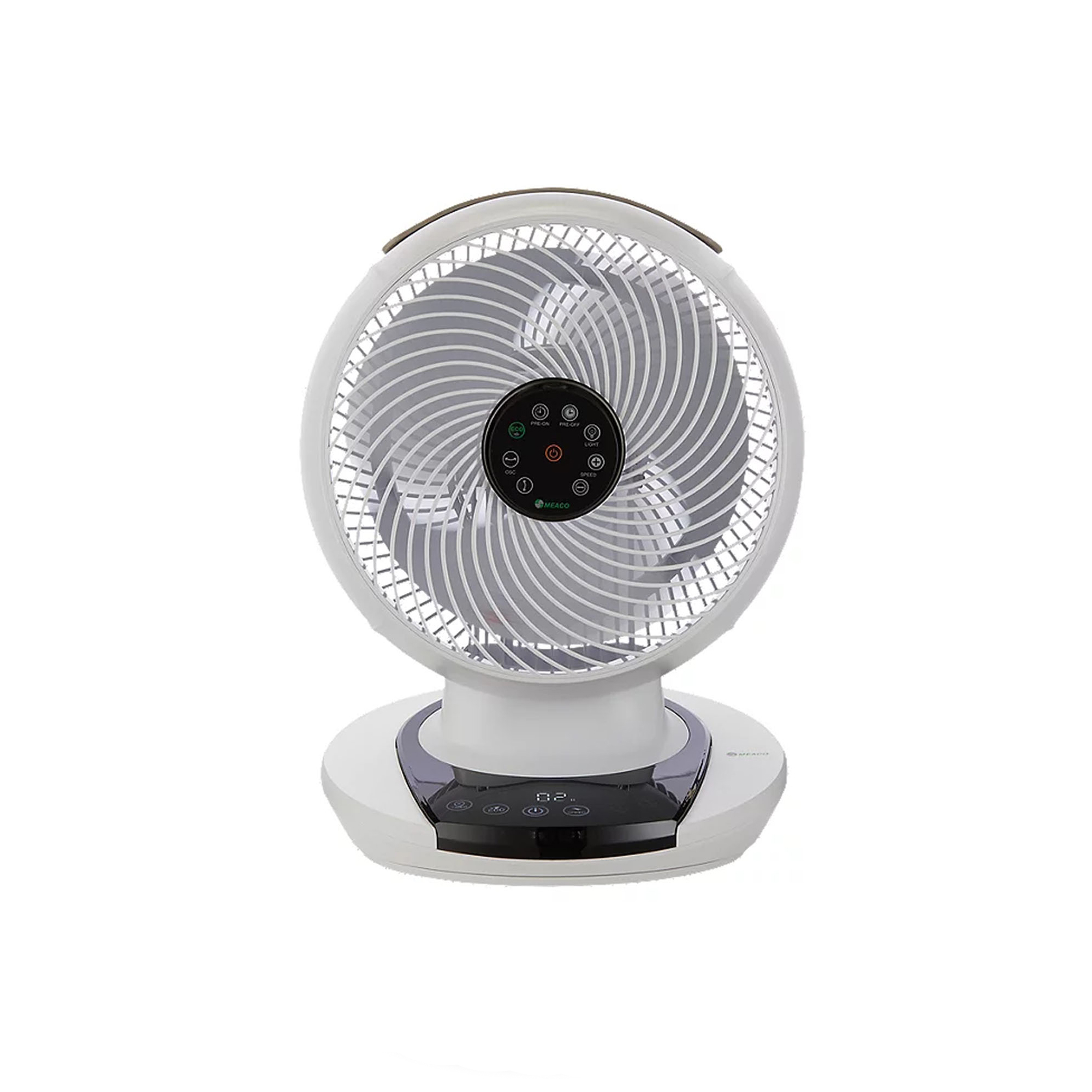
MeacoFan 1056 Air Circulator
Powerful, quiet, energy-efficient, and easy to use, the MeacoFan 1056 Air Circulator is Ideal Home’s best rated fan. It requires no self-assembly and is compact and portable so you can use it anywhere in your home.
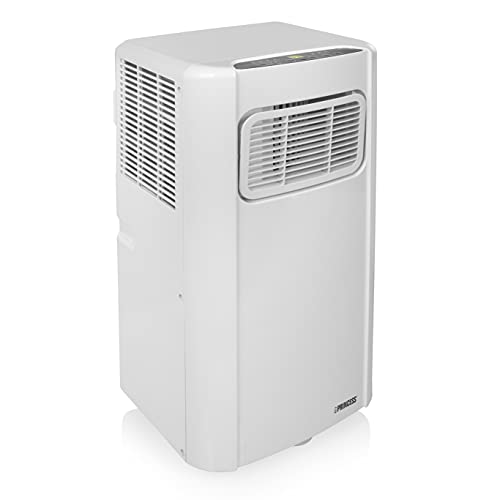
Princess 3-In-1 Portable Air Conditioner
We haven’t tested this air conditioner but it’s recomended by Amazon and has plenty of positive reviews to back it up. It has three speeds and can cool, dehumidify and ventilate to keep you comfortable.
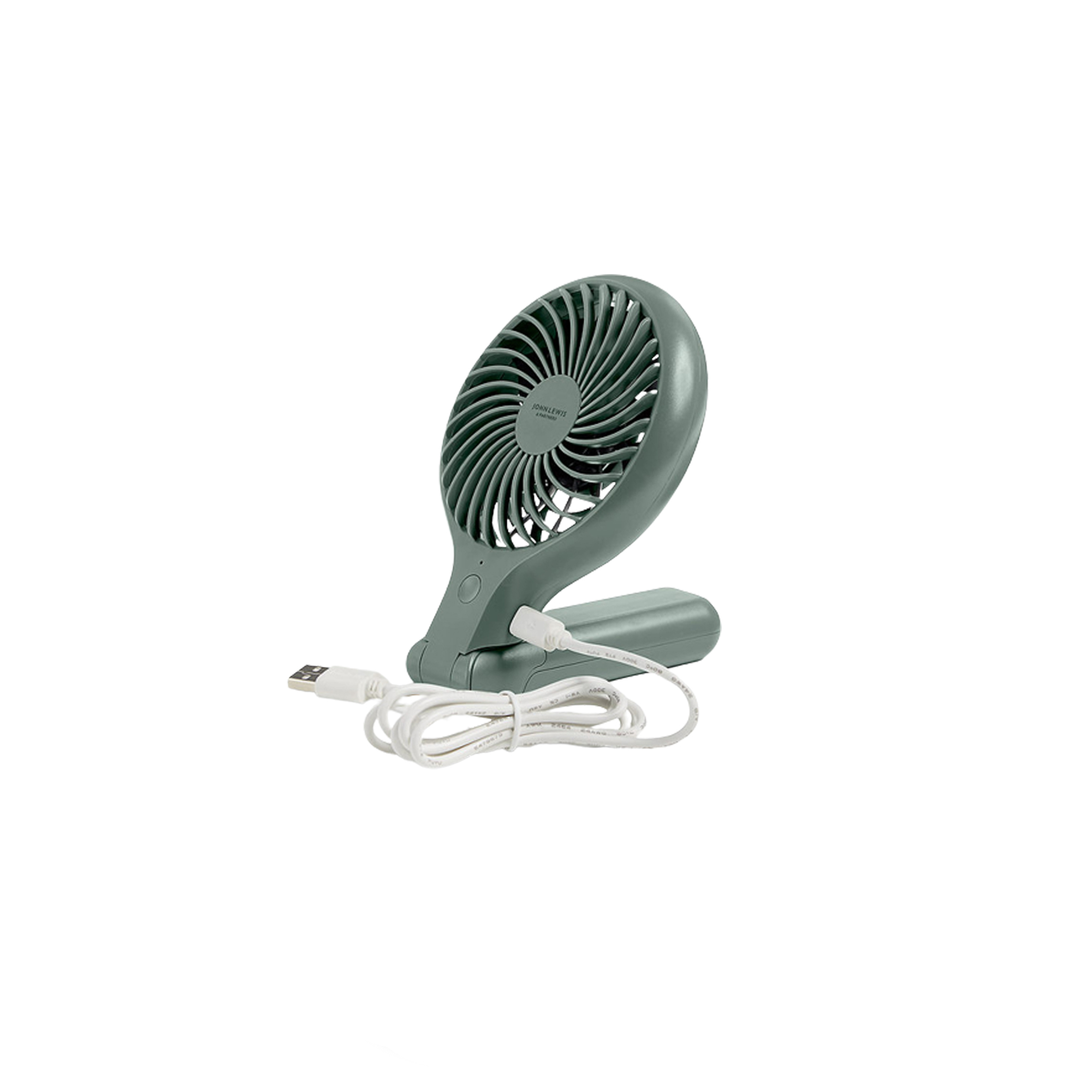
John Lewis Handheld and Desk Fan
Nearly every one of our editors owns one of these handheld fans that can be turned into a compact table fan with its folding handle.
Your boiler is not the first thing you think of when thinking about hot summer weather. But remembering to check for these three mistakes could help your home feel cooler.
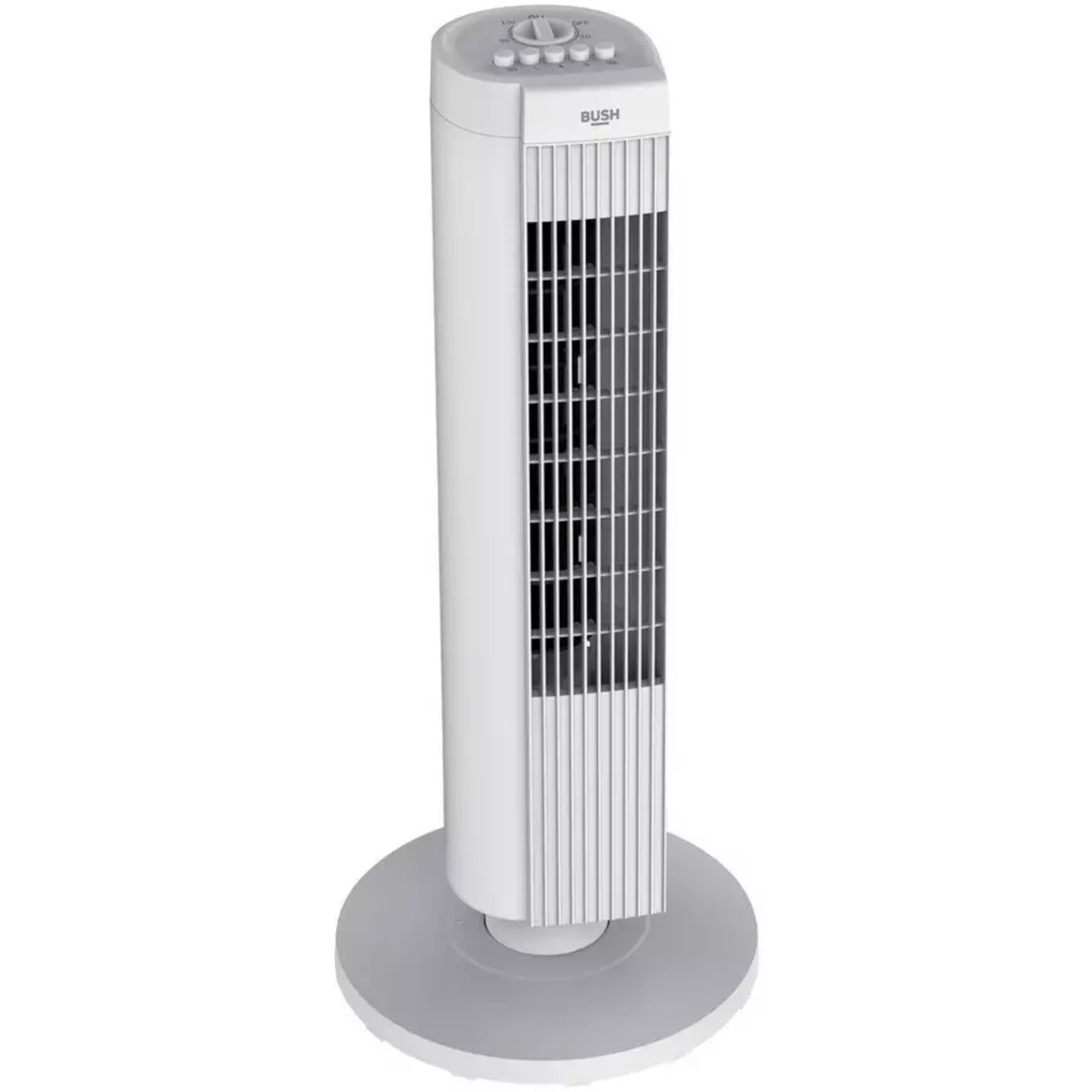
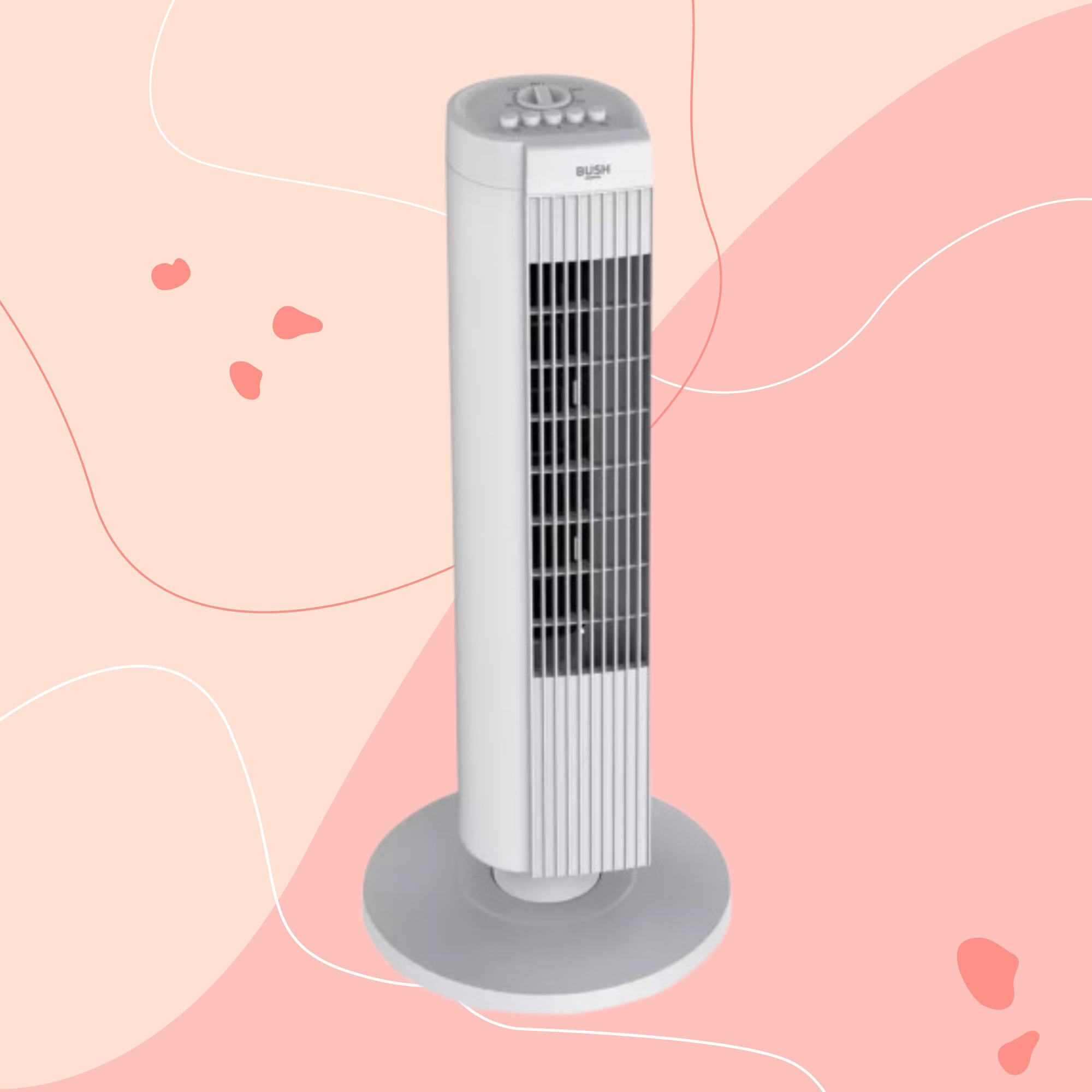
If you’re looking for a cheap but quality fan to keep you cool this summer, look no further. Argos’s Bush White Tower Fan (£24) is Argos’s current best-selling fan and has five-star reviews to back it up.
Investing in one of the best fans is no doubt one of the best ways to keep cool over summer, but being a seasonal buy, I doubt you want to splash loads of cash. Currently discounted from £30 to £24, the Bush tower is an excellent, affordable option. It’s both quiet and will keep you cool all summer long.
It’s also a best-seller, with Argos reporting sales for this fan are up 534% since last week, so you’ll have to be quick if you want to get your hands on one.
Bush
Bush White Tower Fan
This fan has three speeds and two air-flow settings so you can tailor it to your own needs.
Temperatures are set to soar across the country this week, and if you’ve landed on this page, I can guarantee you’re looking for ways to stay cool. Now, investing in a fan won’t reduce a room’s temperature as one of the best portable air conditioners does. But it will keep air circulating in your home, keeping you cooler in the process.
The Bush tower fan has three speed settings and a choice between static and oscillating air flow. You can even set it to a two-hour timer, meaning this fan can adapt to your needs as the weather inevitably changes throughout the summer.
This fan is 28 inches in height, making it a great choice for small living rooms, bedrooms and home offices as it will not dominate a space. It also comes with a manufacturer’s one-year guarantee.
(Image credit: Bush)
‘I bought this fan many years ago, and at the time we bought it because we were in a pinch and needed something cheap and cheerful during a heatwave – but I’m amazed at how well it’s stood the test of time,’ says Lauren Bradbury, Content Editor and Certified Expert in Training on Vacuums for Ideal Home.
Sign up to our newsletter for style and decor inspiration, house makeovers, project advice and more.
‘It’s super easy to use and offers impressive cooling power, and the shape and size of it mean that it can be tucked in a corner when it’s not in use. And although I’ve recently upgraded to the Shark TurboBlade fan for my bedroom, I still keep this one on-hand for those particularly hot days in my home office and living room!’
Lauren’s not the only one impressed as this fan has lots of happy reviews praising the fan for being both high-quality and a great price, with one even stating ‘it works better than expected.’
But, if you’re not convinced by this £24 bargain buy, here are a few more top-rated fans in the Argos sale to choose from.