What You Should Know About Heat Pumps
Want to reduce your home’s utility bills and its carbon footprint? Switch your heating and cooling system to a heat pump!
This energy-efficient system provides up to three times more heat than the energy they use. They also can reduce electricity use for heating by about 50 percent compared to electric furnaces or electric baseboard heaters, according to Energy Saver.
Plus, with the recent passage of the Inflation Reduction Act, you can actually get money back when you install one.
Right now, you can receive a $300 tax credit for purchasing efficient heating and cooling equipment. And beginning in 2023, all households will be eligible for rebates up to $4,000, while low-income households could receive up to $8,000 for home efficiency. (For the tax credit program, the incentives apply to equipment installed on Jan. 1, 2023, or later.)
Read on to learn more and determine if this energy-efficient HVAC system is right for you.
This post is sponsored by American Standard Heating and Air Conditioning.
What is a Heat Pump?
Don’t let the name fool you — heat pumps both heat and cool your home.
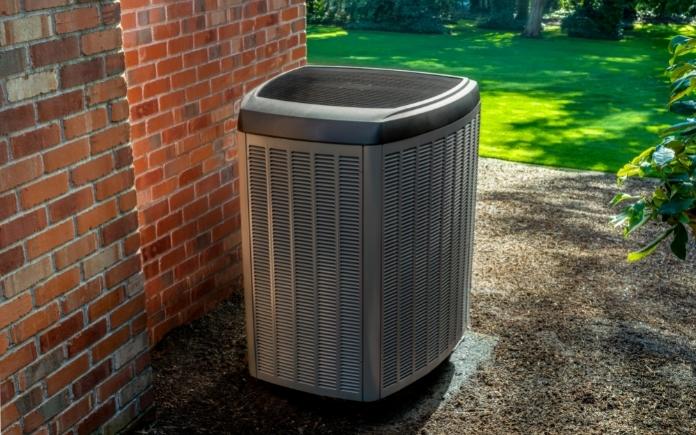
This HVAC system heats your home by collecting heat from the air, water, or ground outside and concentrating it for use inside. It does double duty as a central air conditioner by collecting the heat inside your house and pumping it outside.
During the heating season, a heat pump moves heat from the cool outdoors into your warm house. Then, during the cooling season, it moves heat from your house into the outdoors.
Because these systems transfer heat rather than generate heat, they can efficiently provide comfortable temperatures for your home.
Types of Heat Pumps
The three main types of heat pumps are air-to-air, geothermal and water source, according to Energy Saver.
Air-to-Air
Air-source heat pumps transfer heat between your house and the outside air. These are the most common type and can be used in all climates. There are also cold-climate air-source heat pumps designed specifically for cold climates.
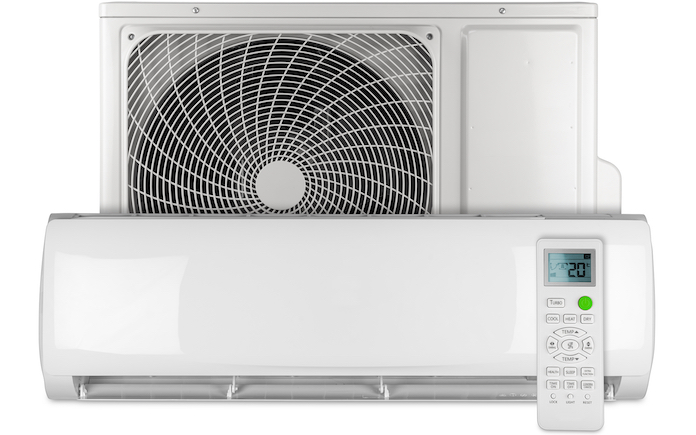
Ductless mini-split systems are air-source heat pumps that can be installed in homes or additions without ducts. They’re small and offer flexibility for zoning or heating and cooling individual rooms.
Geothermal
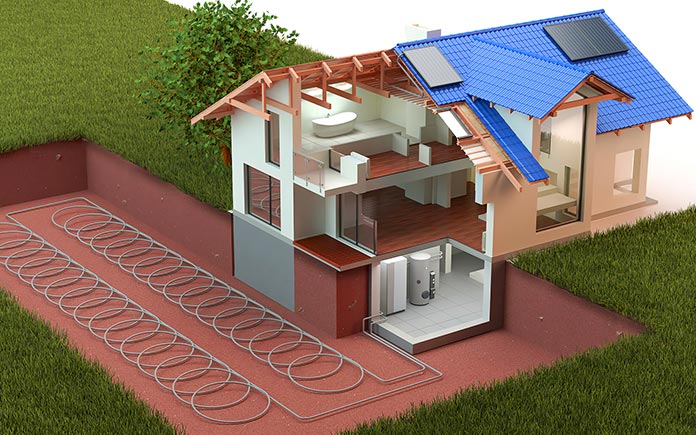
Geothermal (or ground source) heat pumps transfer heat between your house and the ground or a nearby water source. Because they move heat that already exists in the ground, they are among the most energy-efficient and comfortable heating and cooling technologies available.
Water Source
Absorption heat pumps are driven by a heat source such as natural gas, propane, solar-heated water, or geothermal-heated water. They usually only make sense in homes without an electricity source.

How Do I Know If My Home Needs a Heat Pump?
Every home and homeowner has unique needs, but generally, a heat pump is right for you if your winters are mild — rarely dipping below freezing. For instance, it’s ideal for a climate like the Southeast, which has mild winters.
Also, if you live in an area with low electric rates, then you’re a prime candidate for one.
What’s the Difference Between a Heat Pump and a Furnace?
A furnace converts fuel (either gas or oil) into heat that’s then delivered throughout your home.
Heat pumps, on the other hand, don’t burn fuel like a furnace — they run on electricity and circulate outside air to warm your home during the winter.
And because they don’t have to be matched with a separate heating or cooling system, they can be a less expensive option over time.
What Are the Benefits of Hybrid Heating?
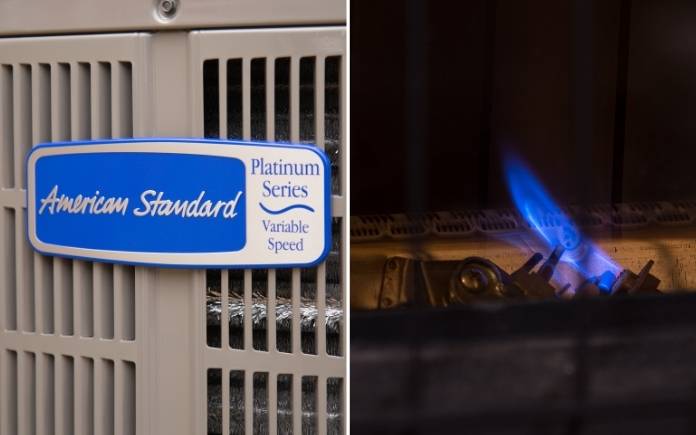
One of the best ways to improve a heat pump’s efficiency is to pair it with a gas furnace. This dual-fuel system is also called hybrid heating. Here’s how it works:
During milder temperatures, the heat pump operates because it’s more efficient. As the outdoor temperature gets colder, the system will automatically switch over to the gas furnace.
This switching back and forth means the most efficient heating method is always used, which in turn saves on your utility bills.
For a more detailed explanation of hybrid heating, read Hybrid Heating: How Dual-Fuel Heat Pump Systems Save Energy & Money.
American Standard Heat Pumps
If you’ve decided a heat pump is right for you, consider purchasing one from American Standard Heating and Air Conditioning.
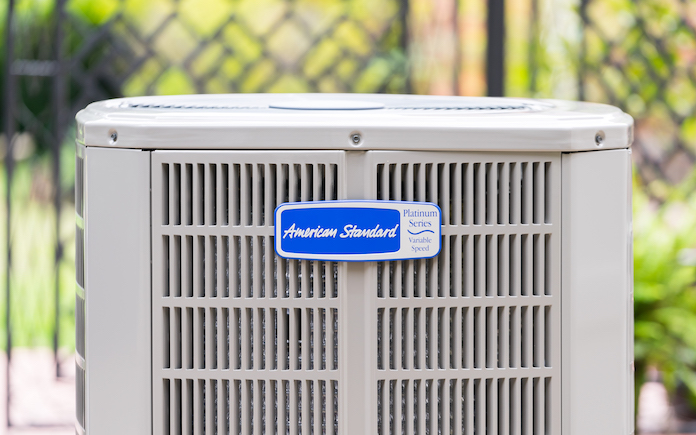
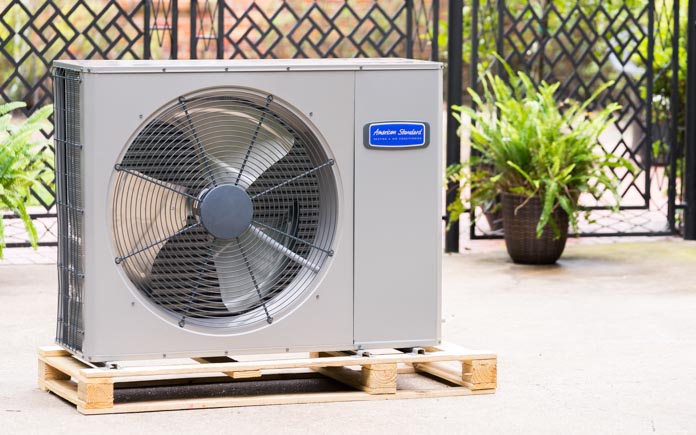
American Standard heat pumps operate quietly, have customizable heating and humidity controls, and they offer a variety of models to best suit your needs.
If efficiency is your top priority, then you’ll want the AccuComfort Platinum 20 Variable Speed. It comes with AccuComfort technology that allows the multi-stage heating and cooling system to consistently adjust to run at a more efficient speed to maintain your personal level of comfort. Plus, with up to 20.00 SEER and 10HSPF, it’s both efficient and quiet.
Is noise your main concern? The AccuComfort Platinum 19 Low Profile is American Standard’s most efficient and quiet to date. It’s specially designed to meet the noise requirements of some cities and is perfect for installations near bedrooms and outdoor living spaces.
Learn more about these heat pump models and discover more options at americanstandardair.com.
Further Reading