If you’ve noticed the temperature is about to spike once again at the end of the week, don’t panic. Experts have revealed six jobs to prepare your kitchen in time for the July heatwave.
While the last heatwave left us desperately seeking ways to cool a home, purchasing the best fans and desperately checking to see if the best portable air conditioners were back in stock, this time around, it pays to be prepared.
When you’re hot and bothered, the last thing you want to do is clean a kitchen. So, experts recommend completing these six kitchen tasks now before the weather heats up. You’ll thank yourself later!
Latest Videos From
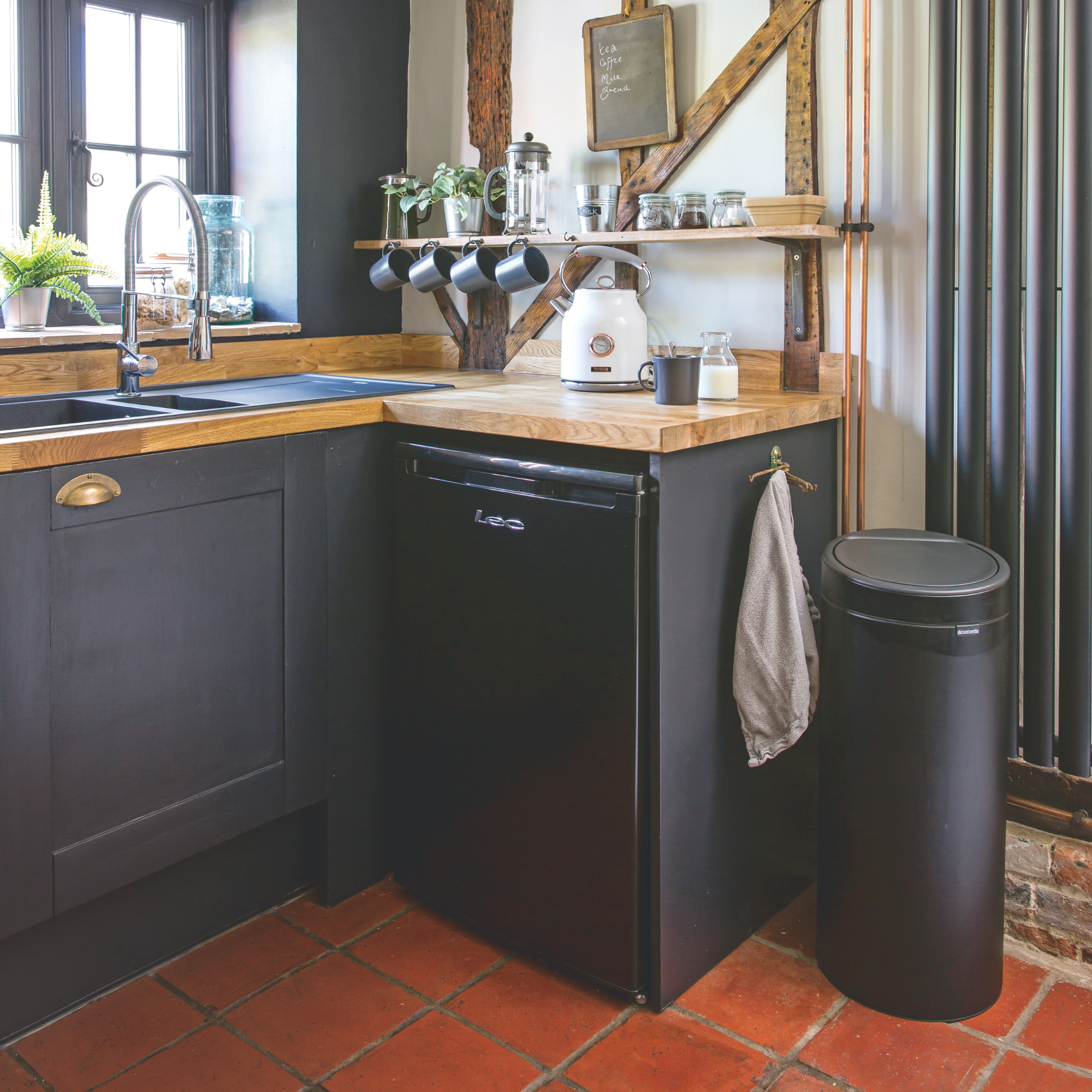
1. Clean your kitchen bins
Unfortunately, stinky bins are often synonymous with hot weather. Heat speeds up the process of decay, which can cause some pretty funky smells. So, it’s really important to keep on top of bin hygiene when the weather heats up to avoid attracting flies and making your kitchen stink.
(Image credit: Future PLC/ Lizzie Orme)
‘The warm weather provides the ideal conditions for bacterial growth and the breakdown of food, which is why kitchen bins are often the biggest culprits for unpleasant smells in the summer,’ explains Heather Nixon, sustainability manager at Bio-D.
‘Giving your kitchen bin a thorough wash before temperatures rise removes food residue that causes the odours. It’s also worth emptying food waste more regularly during hot spells as this reduces the window of opportunity for odours and bacteria to develop.’
Sign up to our newsletter for style inspiration, real homes, project and garden advice and shopping know-how
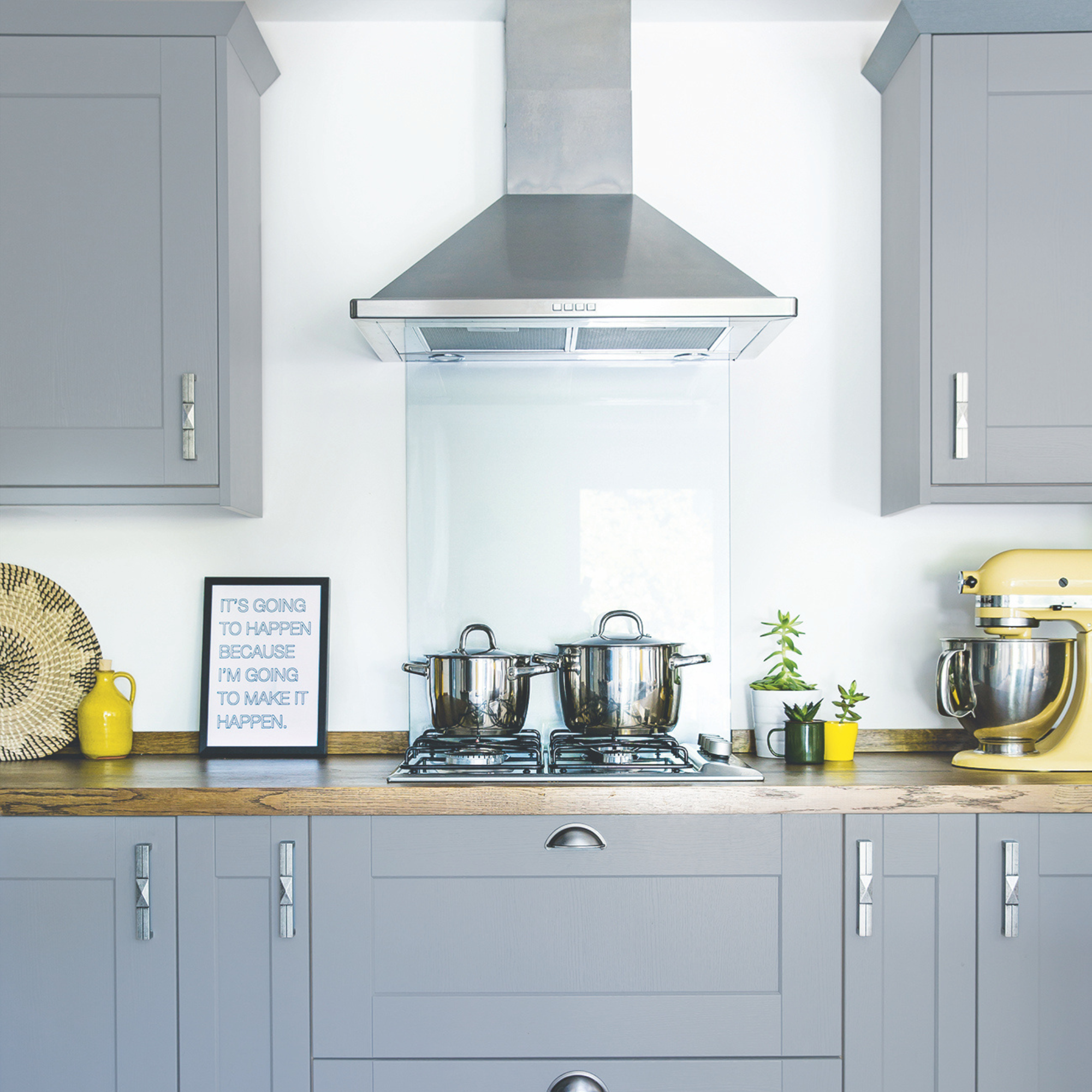
2. Clean and check your extrator fan
Do you remember the last time you cleaned your extractor fan? Well, now is as good a time as any, as these fans can be really helpful when your kitchen feels too hot.
(Image credit: Future PLC/ Lizzie Orme)
‘Extractor fans can be your friends in heatwaves as they pull warm, humid air out of the kitchen, especially when you’re cooking or doing the washing up. Before the heat arrives, give the fan and filter a deep clean to make sure it’s working as efficiently as possible, so it can help stop hot, stuffy air sitting in the room,’ says Angus Struthers, Managing Director at BOXT, heating and cooling specialists.
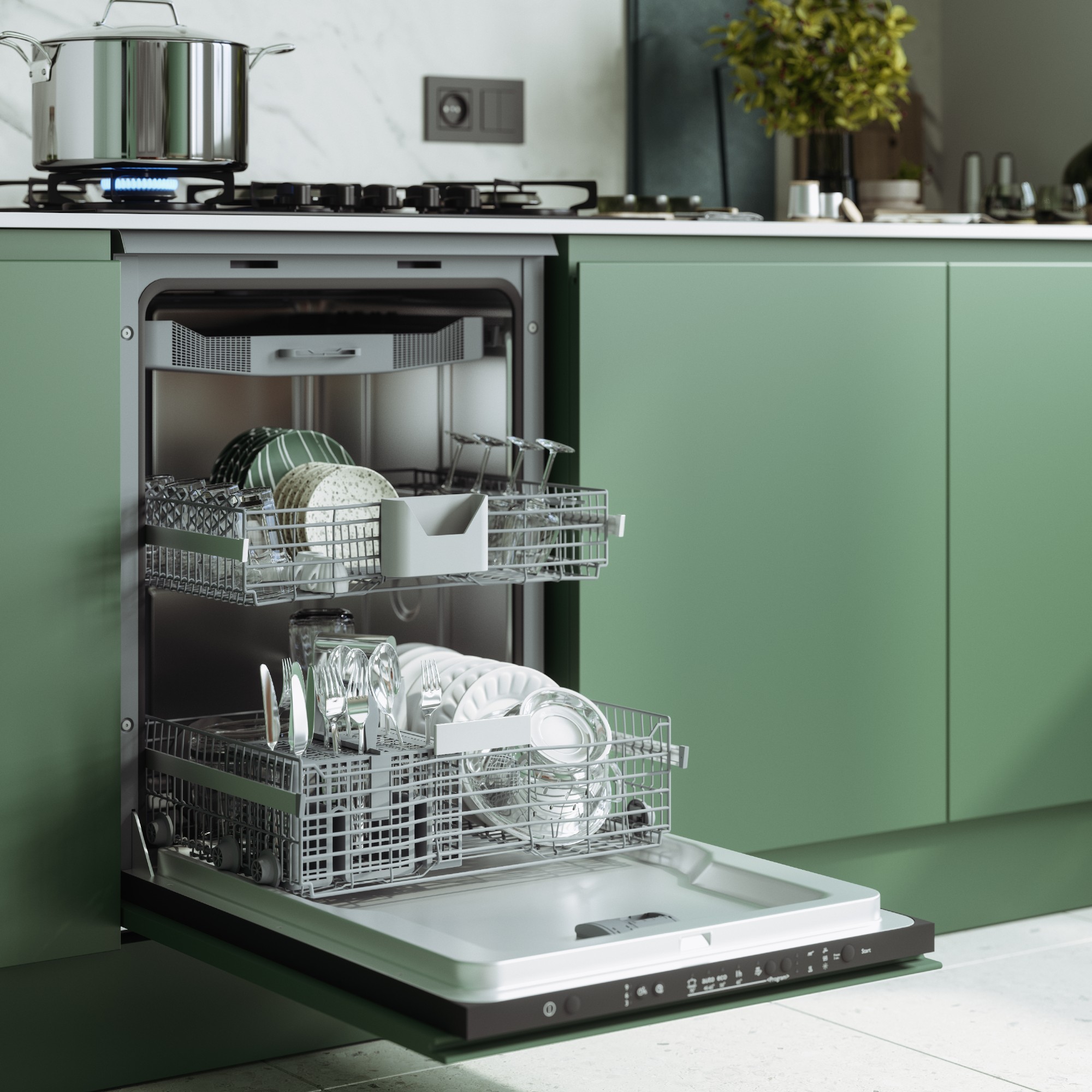
3. Clean the dishwasher
While your dishwasher is likely to be your best friend during a heatwave, it’s a good idea to give it a clean before the heat hits, particularly if you want to reduce the risk of bad smells.
(Image credit: Getty Images)
‘Dishwashers can easily become a hidden source of unpleasant odours during hot weather. The remaining food particles, grease, and moisture from previous cycles can build up around the filter and door seals and combined with higher temperatures, it can make smells that usually go undetected much more noticeable,’ says Heather.
‘Pre-empting this before a heatwave begins by removing the dishwasher filter, wiping around the rubber seals and running an empty maintenance cycle with some rinse aid is an easy way of reducing odours and preventing homes from becoming even more uncomfortable with the heat.’
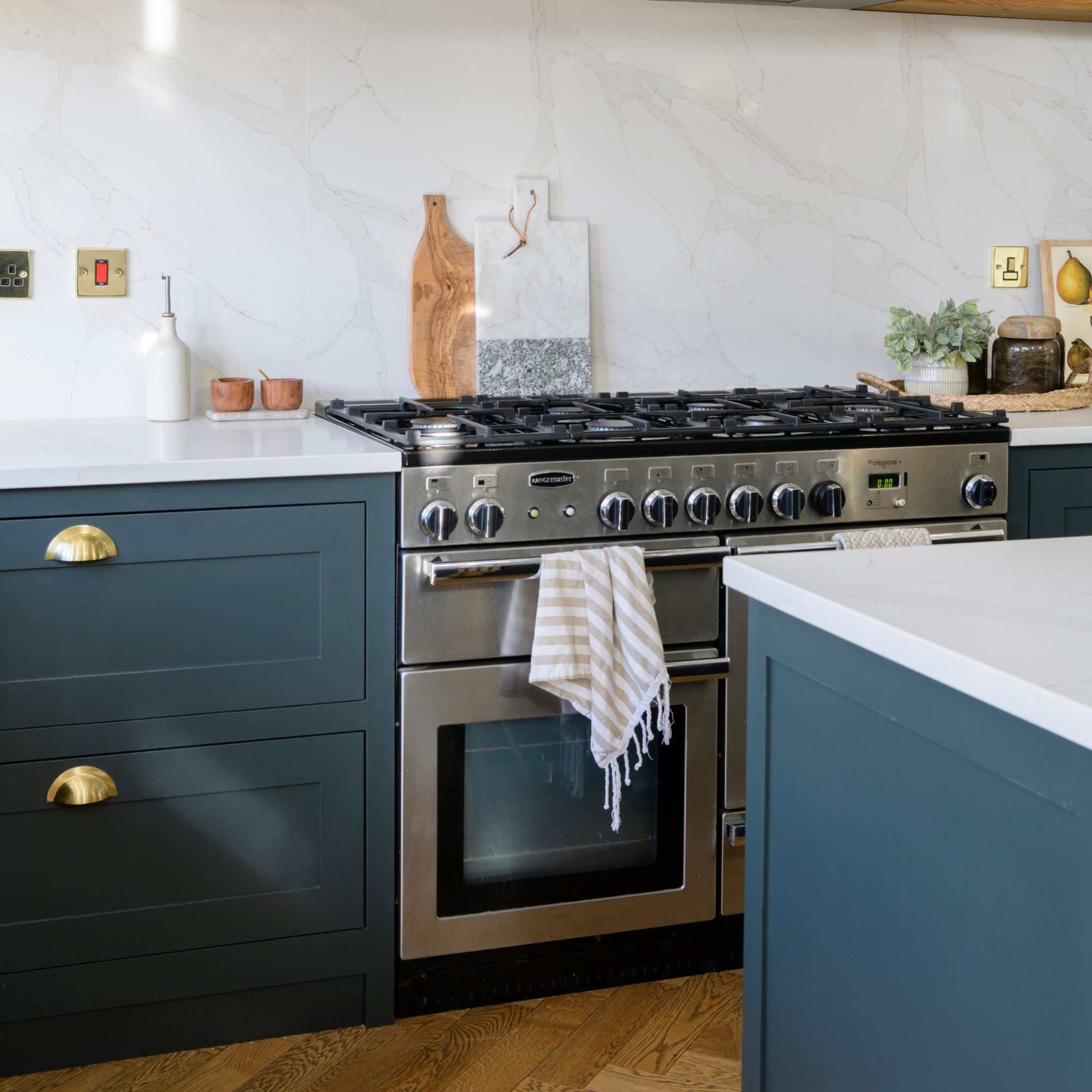
4. Plan no-oven meals
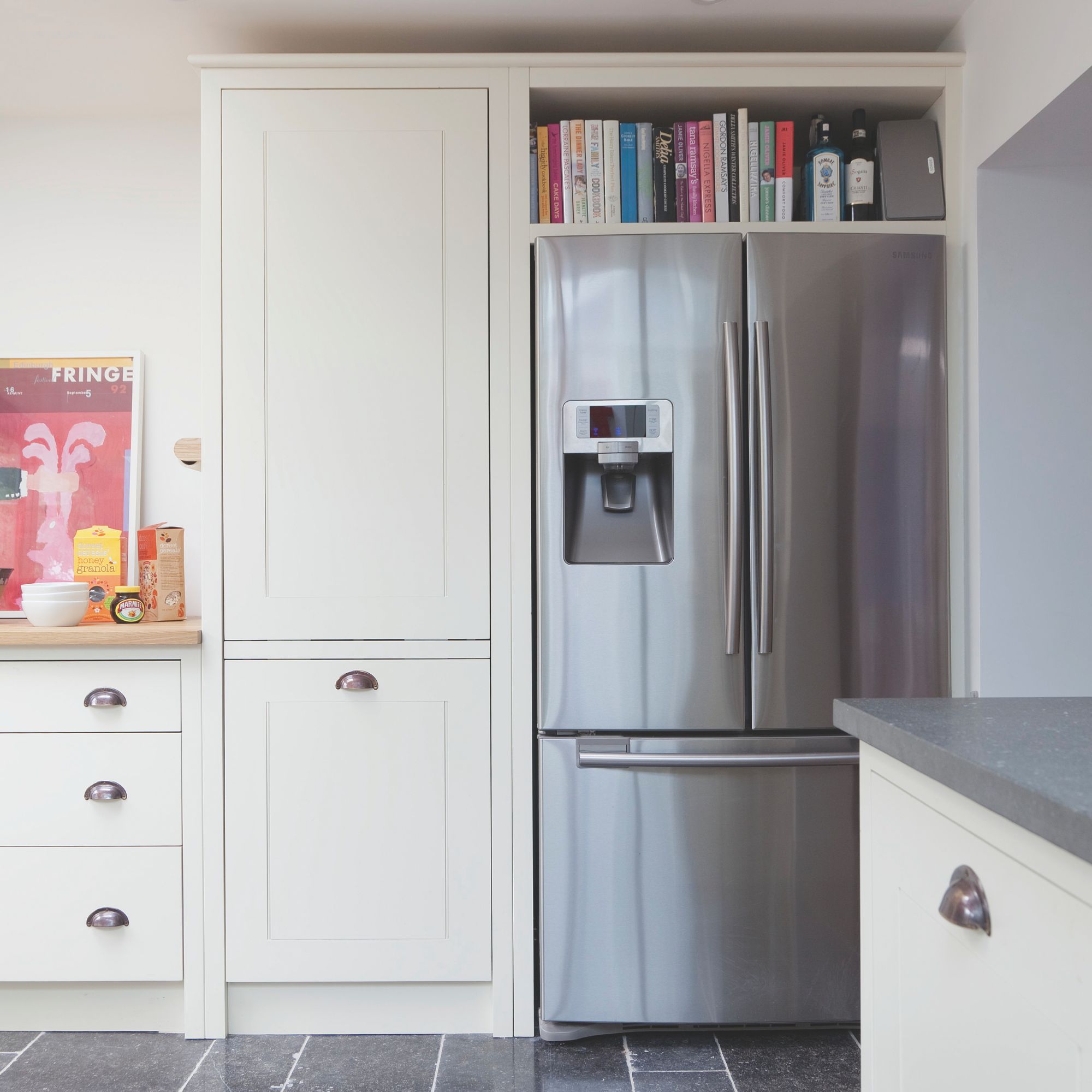
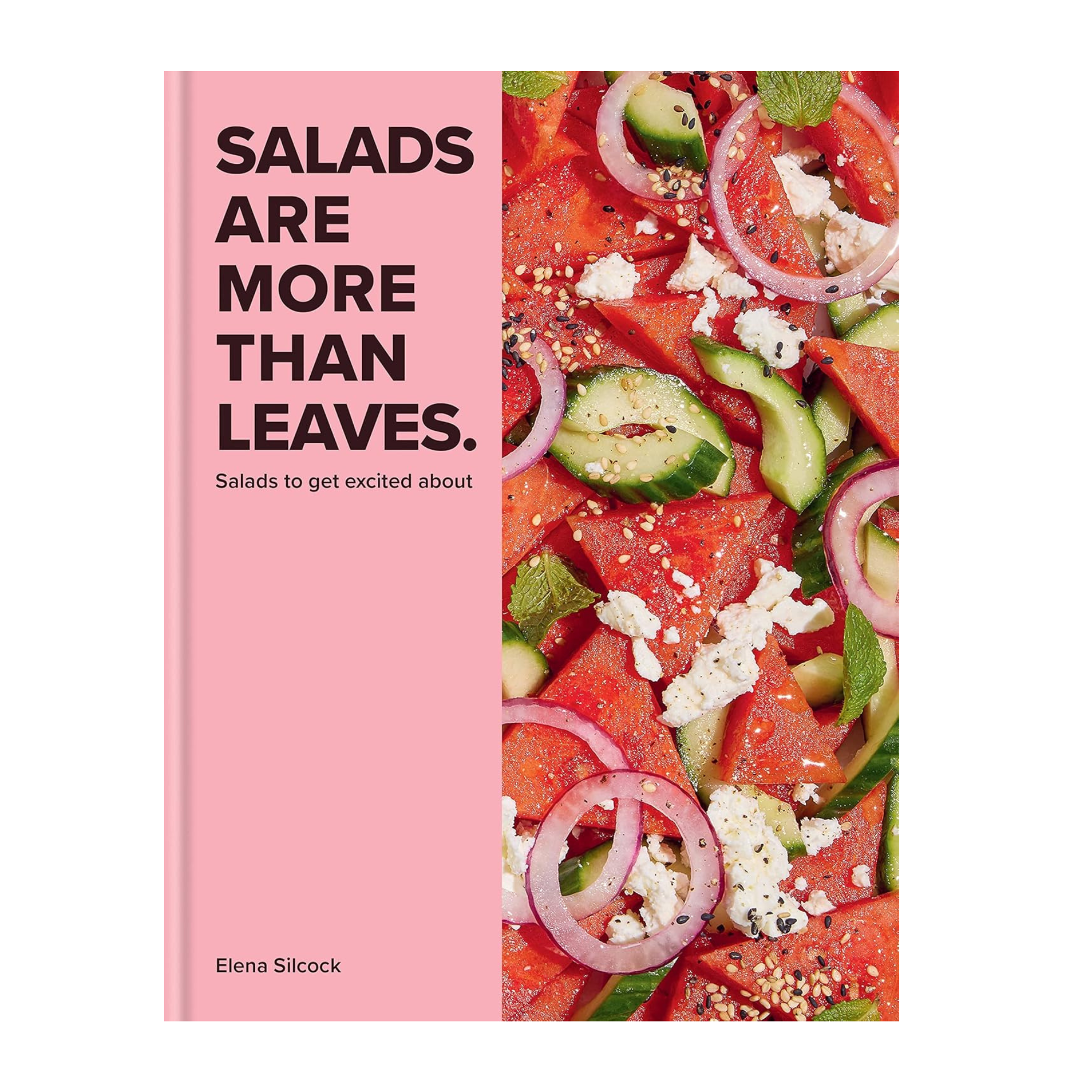
During a heatwave, my kitchen is a firm no-oven zone. I normally opt for plenty of salads (MOB Fresh has some delicious non-boring salads) during the summer, so I don’t have to use my hob or oven. This helps reduce the amount of excess heat in my kitchen.
In the meantime, it’s a good idea to degrease your oven and give the inside a clean to remove any food residue before the heat hits (and causes potential odour), and so it is lovely and clean when the time comes to return to heart
(Image credit: Future PLC/Caroline Mardon)
‘We all love a home-cooked meal, but this can actually turn your kitchen into a furnace without you realising. Ovens and hobs are some of the biggest culprits in the kitchen. We’ve all got to eat, but if you can plan a few meals that don’t need the oven, or can be cooked earlier in the day or later in the evening, it can help stop the kitchen from becoming unbearably hot during the afternoon,’ says Angus.
5. Wash cleaning cloths
Lastly, you’ll need to clean your kitchen cleaning cloths ahead of the temperature increase. Not only do they become smelly, but they can harbour bacteria, too. Two things that contradict the whole point of a cleaning cloth!
(Image credit: Future PLC/James French)
‘Damp dishcloths and cleaning cloths can quickly become a breeding ground for bacteria, and this is sped up when temperatures rise. Before a heatwave arrives, give your kitchen cloths a thorough wash and make sure they’re able to dry completely between uses, rather than leaving them scrunched up beside the sink. This is a simple yet effective preventative habit to get into to stop further bacterial and odour build-up,’ says Heather.
6. Give your fridge and freezer a clean and clear out
Now is also the perfect time to clean your fridge and freezer. Bin any old food, and ensure you wipe away any stains or spillages. This helps reduce smells and helps your appliance work more efficiently.
(Image credit: Future PLC)
‘The warmer it gets, the more strain is put on your fridge-freezer, so getting a few small jobs done before the hot weather hits can help prevent it from breaking down just as you need to stock up on ice cream,’ says Nathan Blackler, home insurance expert at Go.Compare.
‘First, give your fridge and freezer a quick clear-out. Throw away any out-of-date food, nearly empty jars or gone-off vegetables, and make sure you’re not overpacking shelves or blocking the air vents. While a reasonably full fridge and freezer can help maintain a stable temperature, good airflow is key to keeping the appliance running efficiently during hot weather.
‘It is also worth giving the fridge-freezer a quick maintenance check. Pull it slightly away from the wall if you can, so there is enough ventilation around the back, and try to keep it out of direct sunlight. Wiping up spills, checking the door seals and making sure nothing is blocking the vents can all help the appliance cope better when the kitchen is warm.’
What you need
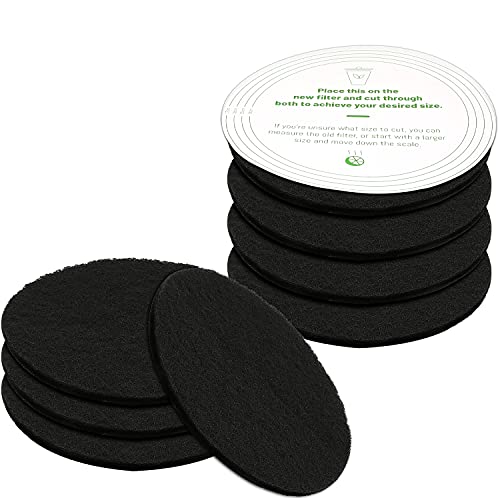
Ezebesta
Compost Bin Filters
<aside data-block-layout="hero" data-block-type="featured-product" data-editorial-currency="GBP" data-editorial-price="9.99" data-hawk-json="{"product":{"variants":{"Default":{"image":{"copyright":"","height":500,"id":"bF8meGzUPvi2sQgTQUwQx6","mimeType":"image\/jpeg","mos":"https:\/\/cdn.mos.cms.futurecdn.net\/bF8meGzUPvi2sQgTQUwQx6.jpg","role":"","width":500,"credit":"Ezebesta","alt":"Compost Bin Filters Extra Thick Round Food Waste Caddy Odour Filter Refill Activated Charcoal Filters Universal Size Fits All Compost Bins Up to 17cm (pack of 8)","caption":""},"strapline":"
These filters stick to the lid of your bin and absorbs and neutralises bad smells.","brand":"Ezebesta","name":"Compost Bin Filters","urlStyle":"","retailer":"","layout":"hero","linkText":"","noFollow":false,"noAffiliateTracking":false,"promoLabel":"","price":9.99,"salePrice":null,"currency":"GBP","linkLayout":"text","sponsored":false,"hawkProductNameMatchedCode":"","review":{"cons":[],"id":"","name":"","pros":[],"rating":0,"strapline":"","url":""},"id":"","externalId":"1009244a3d381408806096bd1260a22110d2ec54","lastCheckedPriceDate":"","link":{"url":"https:\/\/target.georiot.com\/Proxy.ashx?tsid=107653&GR_URL=https%3A%2F%2Famazon.co.uk%2FCompost-Filters-Activated-Charcoal-Universal%2Fdp%2FB09F65PNL3%2Fref%3Dsr_1_3_sspa%3Ftag%3Dftr-idealhome-gb-21%26ascsubtag%3Dhawk-custom-tracking-21","merchantName":"Amazon UK","merchantId":1027,"merchantNetwork":"Amazonuk","merchantUrl":"amazon.co.uk"}}}}}” data-link=”https://target.georiot.com/Proxy.ashx?tsid=107653&GR_URL=https%3A%2F%2Famazon.co.uk%2FCompost-Filters-Activated-Charcoal-Universal%2Fdp%2FB09F65PNL3%2Fref%3Dsr_1_3_sspa%3Ftag%3Dftr-idealhome-gb-21%26ascsubtag%3Dhawk-custom-tracking-21″ data-link-merchant=”Amazon UK” data-merchant-id=”1027″ data-merchant-name=”Amazon UK” data-merchant-network=”Amazonuk” data-merchant-url=”amazon.co.uk” data-model-brand=”Ezebesta” data-model-name=”Ezebesta Compost Bin Filters” data-name=”Product Block merchantlink widget” data-render-type=”fte” data-show-fallback=”button” data-widget-type=”merchantlink” class=”hawk-root”>
These filters stick to the lid of your bin and absorbs and neutralises bad smells.
Hamlyn
Salads Are More Than Leaves: Salads to Get Excited About
<aside data-block-layout="hero" data-block-type="featured-product" data-editorial-currency="GBP" data-editorial-price="18.63" data-editorial-was-price="22" data-hawk-json="{"product":{"variants":{"Default":{"image":{"copyright":"","height":2000,"id":"gjj9Laap2Ep8c6bY3v5QsU","mimeType":"image\/png","mos":"https:\/\/cdn.mos.cms.futurecdn.net\/gjj9Laap2Ep8c6bY3v5QsU.png","role":"","width":2000,"credit":"Hamlyn","alt":"Salads Are More Than Leaves: Salads to Get Excited About","caption":""},"strapline":"
If you’re saying goodbye to the oven in hot weather, you’ll need some delicous salads to fill you up. I’ve added this to my cart already.","brand":"Hamlyn","name":"Salads Are More Than Leaves: Salads to Get Excited About","urlStyle":"","retailer":"","layout":"hero","linkText":"","noFollow":false,"noAffiliateTracking":false,"promoLabel":"","price":22,"salePrice":18.63,"currency":"GBP","linkLayout":"text","sponsored":false,"hawkProductNameMatchedCode":"","review":{"cons":[],"id":"","name":"","pros":[],"rating":0,"strapline":"","url":""},"id":"","externalId":"b6d289afd0e177f9678f54c198c73bbe2c11b90b","lastCheckedPriceDate":"","link":{"url":"https:\/\/target.georiot.com\/Proxy.ashx?tsid=107653&GR_URL=https%3A%2F%2Famazon.co.uk%2FSalads-are-More-Than-Leaves%2Fdp%2F0600637425%2Fref%3Dsxin_17_pa_sp_search_thematic_sspa%3Ftag%3Dftr-idealhome-gb-21%26ascsubtag%3Dhawk-custom-tracking-21","merchantName":"Amazon UK","merchantId":1027,"merchantNetwork":"Amazonuk","merchantUrl":"amazon.co.uk"}}}}}” data-link=”https://target.georiot.com/Proxy.ashx?tsid=107653&GR_URL=https%3A%2F%2Famazon.co.uk%2FSalads-are-More-Than-Leaves%2Fdp%2F0600637425%2Fref%3Dsxin_17_pa_sp_search_thematic_sspa%3Ftag%3Dftr-idealhome-gb-21%26ascsubtag%3Dhawk-custom-tracking-21″ data-link-merchant=”Amazon UK” data-merchant-id=”1027″ data-merchant-name=”Amazon UK” data-merchant-network=”Amazonuk” data-merchant-url=”amazon.co.uk” data-model-brand=”Hamlyn” data-model-name=”Hamlyn Salads Are More Than Leaves: Salads to Get Excited About” data-name=”Product Block merchantlink widget” data-render-type=”fte” data-show-fallback=”button” data-widget-type=”merchantlink” class=”hawk-root”>
If you’re saying goodbye to the oven in hot weather, you’ll need some delicous salads to fill you up. I’ve added this to my cart already.
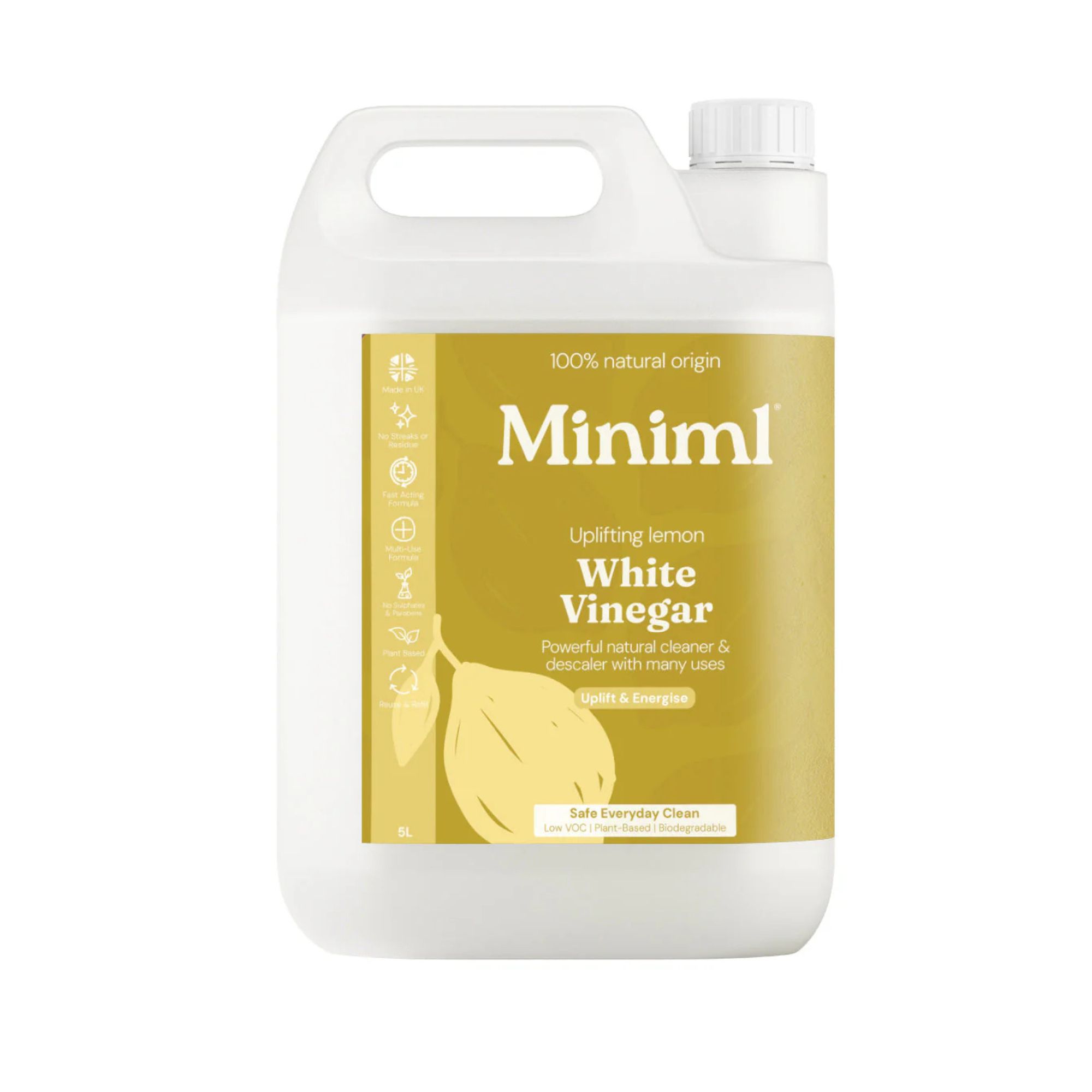
Miniml
Miniml Eco White Vinegar Cleaning Sorrento Lemon Scented
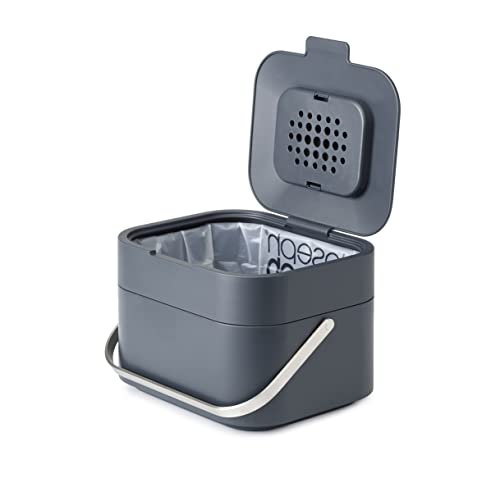
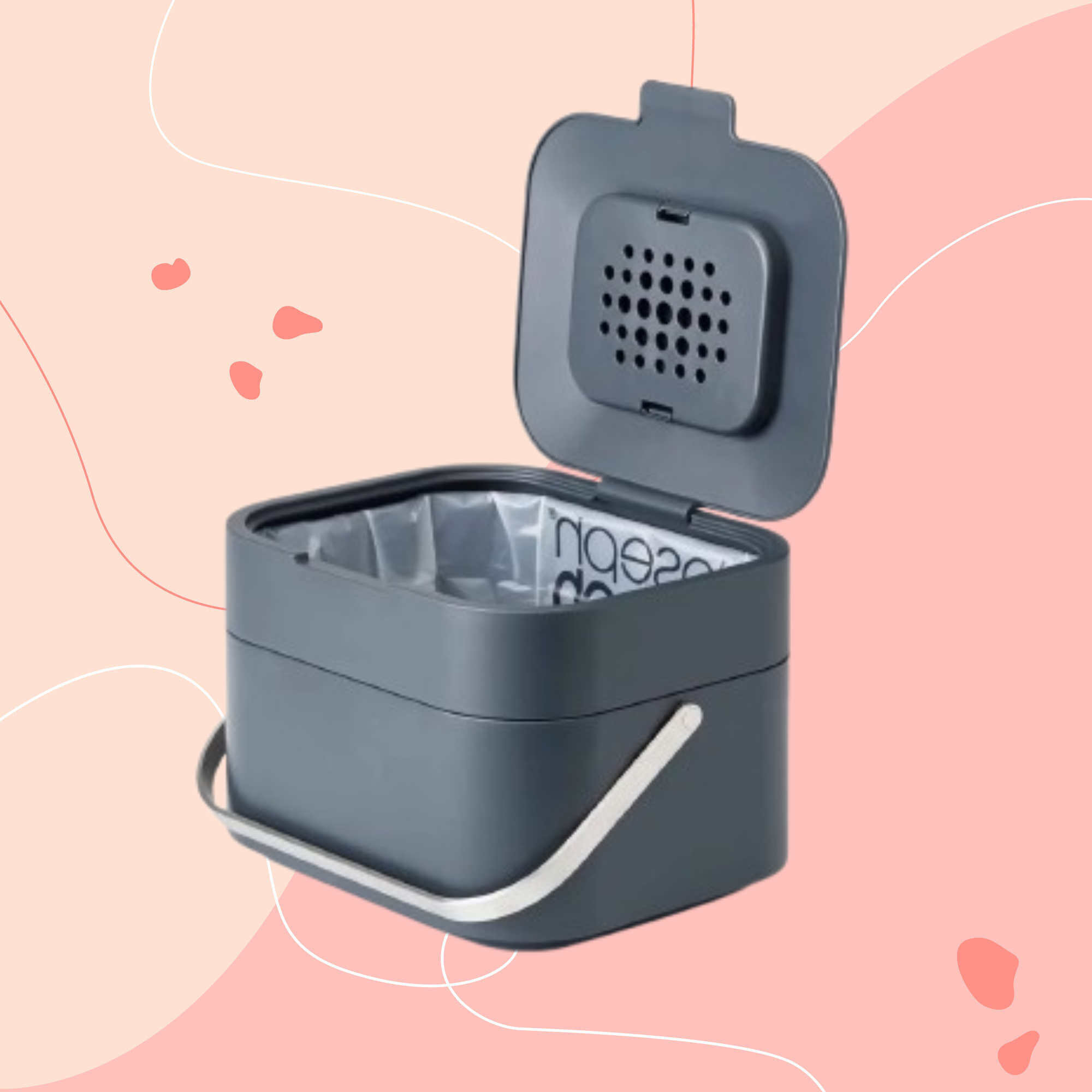
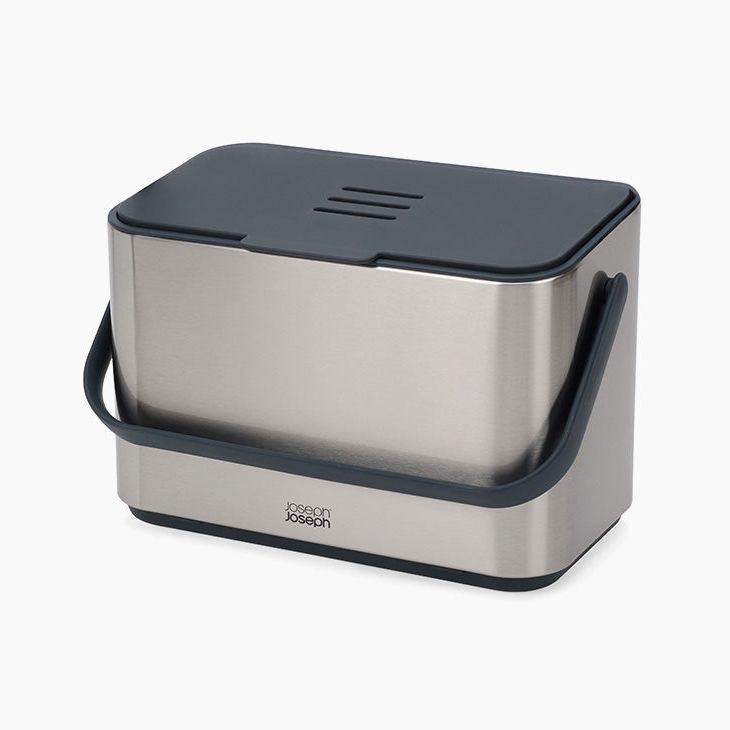
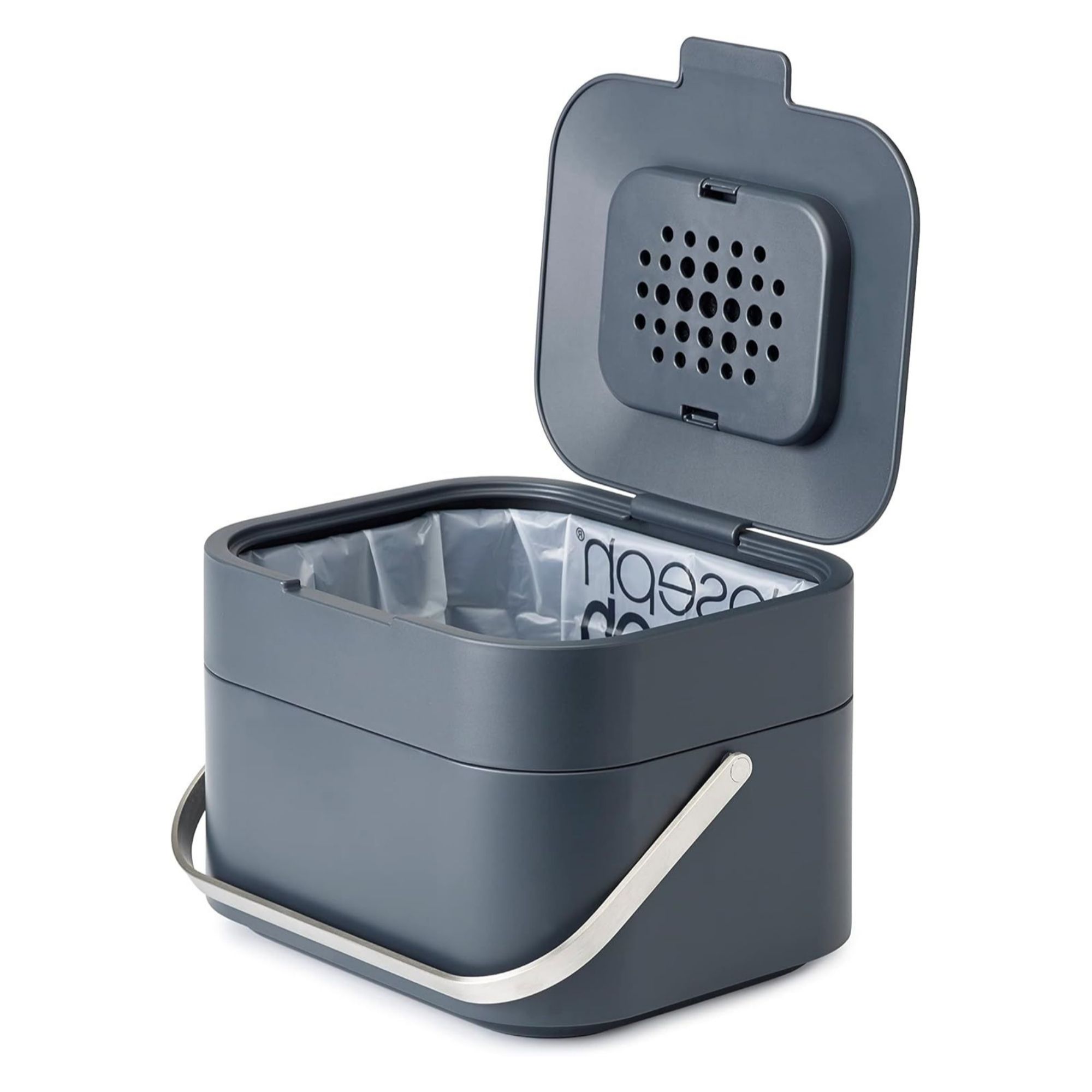
The recent heatwave has reminded me that food waste bins really can stink, and if you’re keen to reduce odour and discourage flies from your kitchen, the Joseph Joseph Intelligent Waste Caddy (£29, Amazon) does just that.
The Simpler Recycling rules that were introduced earlier this year have meant that every household in England has been (or is in the process of being) issued a food waste bin and caddy. The plastic caddy is used for transporting food waste from your kitchen to the outdoor food waste bin, and is a brown plastic tub that is small enough to sit on a countertop.
However, I’ve found that my council-issued caddy does practically nothing to mask smells – especially during hot weather. And in my effort to get rid of flies from my kitchen, I’m investing in the Joseph Joseph Intelligent Waste Caddy. Here’s why.
Latest Videos From
Joseph Joseph
Joseph Joseph Intelligent Waste Caddy
<aside data-block-layout="versus" data-block-type="featured-product" data-editorial-currency="GBP" data-editorial-price="16" data-editorial-was-price="34" data-hawk-json="{"product":{"variants":{"Default":{"image":{"copyright":"","height":478,"id":"jgn6Y4oV5k5yn9t9ZWcPxG","mimeType":"image\/jpeg","mos":"https:\/\/cdn.mos.cms.futurecdn.net\/jgn6Y4oV5k5yn9t9ZWcPxG.jpg","role":"","width":500,"credit":"Joseph Joseph","alt":"Joseph Joseph Intelligent Waste, Stack 4 Kitchen Food Waste Compost Caddy Recycling Bin With Odour Filter, 4 Litres \/ 1 Gallon- Graphite","caption":""},"strapline":"
I’ve had my eye on this bin for a while. It’s compact, much smarter looking than my current brown caddy and most importantly, has a clever built-in filter that absorbs bad smells!","brand":"Joseph Joseph","name":"Joseph Joseph Intelligent Waste Caddy","urlStyle":"","retailer":"","layout":"versus","linkText":"","noFollow":false,"noAffiliateTracking":false,"promoLabel":"","price":34,"salePrice":16,"currency":"GBP","linkLayout":"text","sponsored":false,"hawkProductNameMatchedCode":"Joseph Joseph Joseph Joseph Intelligent Waste Caddy","review":{"cons":[],"id":"","name":"","pros":[],"rating":0,"strapline":"","url":""},"hawk":{"attributes":{"data-widget-type":"merchantlink","data-model-name":"Joseph Joseph Joseph Joseph Intelligent Waste Caddy"}},"id":"","externalId":"acbda7836c606f46e1020706a783b8a9a75bc391","lastCheckedPriceDate":"","link":{"url":"https:\/\/target.georiot.com\/Proxy.ashx?tsid=107653&GR_URL=https%3A%2F%2Famazon.co.uk%2FJoseph-Intelligent-Waste-Stack-Filter%2Fdp%2FB01BPDY092%2Fref%3Dasc_df_B01BPDY092%3Ftag%3Dftr-idealhome-gb-21%26ascsubtag%3Dhawk-custom-tracking-21","merchantName":"Amazon UK","merchantId":1027,"merchantNetwork":"Amazonuk","merchantUrl":"amazon.co.uk"}}}}}” data-link=”https://target.georiot.com/Proxy.ashx?tsid=107653&GR_URL=https%3A%2F%2Famazon.co.uk%2FJoseph-Intelligent-Waste-Stack-Filter%2Fdp%2FB01BPDY092%2Fref%3Dasc_df_B01BPDY092%3Ftag%3Dftr-idealhome-gb-21%26ascsubtag%3Dhawk-custom-tracking-21″ data-link-merchant=”Amazon UK” data-merchant-id=”1027″ data-merchant-name=”Amazon UK” data-merchant-network=”Amazonuk” data-merchant-url=”amazon.co.uk” data-model-brand=”Joseph Joseph” data-model-name=”Joseph Joseph Joseph Joseph Intelligent Waste Caddy” data-name=”Product Block merchantlink widget” data-render-type=”editorial” data-show-fallback=”button” data-widget-type=”merchantlink” class=”hawk-root”>
I’ve had my eye on this bin for a while. It’s compact, much smarter looking than my current brown caddy and most importantly, has a clever built-in filter that absorbs bad smells!
Joseph Joseph
Joseph Joseph Iw2 Biodegradable, Compostable Bags, Pack of 50
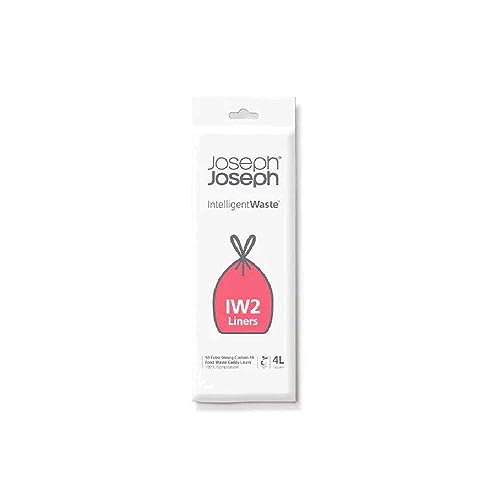
<aside data-block-layout="versus" data-block-type="featured-product" data-editorial-currency="GBP" data-editorial-price="8.8" data-hawk-json="{"product":{"variants":{"Default":{"image":{"copyright":"","height":500,"id":"ocgrSKXh9vNVWYAMBwRxzE","mimeType":"image\/jpeg","mos":"https:\/\/cdn.mos.cms.futurecdn.net\/ocgrSKXh9vNVWYAMBwRxzE.jpg","role":"","width":500,"credit":"Joseph Joseph","alt":"Joseph Joseph Iw2 Biodegradable, Compostable Bags, Pack of 50 Food Waste Bin Liners, White, Small, 4 Litres","caption":""},"strapline":"
These bags fit the Joseph Joseph Intelligent Waste Caddy best, so are worth buying alongside the bin.","brand":"Joseph Joseph","name":"Joseph Joseph Iw2 Biodegradable, Compostable Bags, Pack of 50 ","urlStyle":"","retailer":"","layout":"versus","linkText":"","noFollow":false,"noAffiliateTracking":false,"promoLabel":"","price":8.8,"salePrice":null,"currency":"GBP","linkLayout":"text","sponsored":false,"hawkProductNameMatchedCode":"","review":{"cons":[],"id":"","name":"","pros":[],"rating":0,"strapline":"","url":""},"id":"","externalId":"4fac4ce6eaa4bc7aa870579de1cb7b2b59307db6","lastCheckedPriceDate":"","link":{"url":"https:\/\/target.georiot.com\/Proxy.ashx?tsid=107653&GR_URL=https%3A%2F%2Famazon.co.uk%2FJoseph-Compostable-Bags-Pack-White%2Fdp%2FB00UYAN0DA%2Fref%3Dasc_df_B00UYAN0DA%3Ftag%3Dftr-idealhome-gb-21%26ascsubtag%3Dhawk-custom-tracking-21","merchantName":"Amazon UK","merchantId":1027,"merchantNetwork":"Amazonuk","merchantUrl":"amazon.co.uk"}}}}}” data-link=”https://target.georiot.com/Proxy.ashx?tsid=107653&GR_URL=https%3A%2F%2Famazon.co.uk%2FJoseph-Compostable-Bags-Pack-White%2Fdp%2FB00UYAN0DA%2Fref%3Dasc_df_B00UYAN0DA%3Ftag%3Dftr-idealhome-gb-21%26ascsubtag%3Dhawk-custom-tracking-21″ data-link-merchant=”Amazon UK” data-merchant-id=”1027″ data-merchant-name=”Amazon UK” data-merchant-network=”Amazonuk” data-merchant-url=”amazon.co.uk” data-model-brand=”Joseph Joseph” data-model-name=”Joseph Joseph Joseph Joseph Iw2 Biodegradable, Compostable Bags, Pack of 50″ data-name=”Product Block merchantlink widget” data-render-type=”fte” data-show-fallback=”button” data-widget-type=”merchantlink” class=”hawk-root”>
These bags fit the Joseph Joseph Intelligent Waste Caddy best, so are worth buying alongside the bin.
Unfortunately for you and me, a stinky food waste bin is like ambrosia for flies. Flies – particularly vinegar flies – are attracted to the smell of decaying food, in particular fruit, which releases a particularly attractive smell when it begins to overferment.
Of course, you should regularly clean your food waste bin to deter flies. By keeping it clean, it is less smelly and therefore less attractive to flies. I find that placing bicarbonate of soda (£2, Amazon) in the base of my bin is a handy trick for absorbing and neutralising bad odours. You can also purchase charcoal bin filters (£10.20, Amazon), which work similarly to absorb odour. Plus, you can even add a few drops of your favourite essential oil to some kitchen roll and place it in the bottom of a bin. Choose a scent that flies don’t like, such as lavender or peppermint.
But considering it’s meant to be a scorching summer this year, I want a bin that works as hard as I do. This is why I’ve been considering the Joseph Joseph Intelligent Waste Caddy. Although the Joseph Joseph caddy is a little more than I’d typically spend on a food waste bin, especially as I do get one for free from my local council, its clever design features have convinced me to make the splurge.
(Image credit: Joseph Joseph)
The caddy has a four-litre capacity, easily handling the food waste of a busy household. It has a tight-lipped lid, which makes it harder for flies to access the inside because it seals shut. Plus, there is a built-in odour filter in the lid, which helps reduce odour and moisture, making it a less friendly environment for pests. It’s also easy to clean, with the manufacturers stating it’s easy to clean with hot soapy water, then wipe dry with a soft cloth.
Sign up to our newsletter for style inspiration, real homes, project and garden advice and shopping know-how
What’s more, the Joseph Joseph Intelligent Waste Caddy has over 10,000 positive reviews to back it up.
‘Solved the issues I had with throwing food waste into my normal bin. It used to really smell. This container uses a filter to aid with smell. I can tie bags of food up and throw them away separately. The build is pretty good. The lid opens easily. There is a handle to carry it with. It is small enough to barely take up space on my kitchen counter. No complaints. I would recommend it,’ said one.
‘Was more than I planned to spend, but worth it for the quality. The lid sits firmly over the base – and on hotter days, I have peace of mind that flies won’t get into it. There is no smell of food inside either when it’s closed,’ said another.
Alternatives
Kazai. Compost Bin ‘elin’
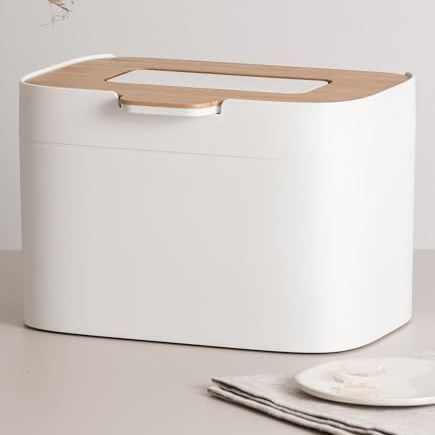
<aside data-block-layout="hero" data-block-type="featured-product" data-editorial-currency="GBP" data-editorial-price="41.95" data-hawk-json="{"product":{"variants":{"Default":{"image":{"copyright":"","height":500,"id":"o3GrgVdcWswcE2K8uaybki","mimeType":"image\/jpeg","mos":"https:\/\/cdn.mos.cms.futurecdn.net\/v2\/t:58,l:0,cw:435,ch:435,q:80\/o3GrgVdcWswcE2K8uaybki.jpg","role":"","width":435,"credit":"Kazai.","alt":"Kazai. Compost Bin 'elin' | 4.5l Small Kitchen Bin With Wooden Lid & Filter | Food Waste Container, Odour-Free, Dishwasher Safe, With Inner Caddy | Caddy for Kitchen Counter Top | Off-White\/bamboo","caption":"","crop":{"top":58,"left":0,"cropWidth":435,"cropHeight":435,"quality":80}},"strapline":"
This bin looks far too good to be handling food waste. It has an activated charcoal filter\u00a0to neutralise bad smells, and the caddy itself is safe to go in the dishwasher.","brand":"","name":"Kazai. Compost Bin ‘elin’ ","urlStyle":"","retailer":"","layout":"hero","linkText":"","noFollow":false,"noAffiliateTracking":false,"promoLabel":"","price":41.95,"salePrice":null,"currency":"GBP","linkLayout":"text","sponsored":false,"hawkProductNameMatchedCode":"","review":{"cons":[],"id":"","name":"","pros":[],"rating":0,"strapline":"","url":""},"id":"","externalId":"0951320f37d85c863e114855a1114c56da7e55ed","lastCheckedPriceDate":"","link":{"url":"https:\/\/target.georiot.com\/Proxy.ashx?tsid=107653&GR_URL=https%3A%2F%2Famazon.co.uk%2FKAZAI-%25C2%25AE-Container-Odour-Free-Dishwasher-Recycling%2Fdp%2FB0D8CMP3XR%3Ftag%3Dftr-idealhome-gb-21%26ascsubtag%3Dhawk-custom-tracking-21","merchantName":"Amazon UK","merchantId":1027,"merchantNetwork":"Amazonuk","merchantUrl":"amazon.co.uk"}}}}}” data-link=”https://target.georiot.com/Proxy.ashx?tsid=107653&GR_URL=https%3A%2F%2Famazon.co.uk%2FKAZAI-%25C2%25AE-Container-Odour-Free-Dishwasher-Recycling%2Fdp%2FB0D8CMP3XR%3Ftag%3Dftr-idealhome-gb-21%26ascsubtag%3Dhawk-custom-tracking-21″ data-link-merchant=”Amazon UK” data-merchant-id=”1027″ data-merchant-name=”Amazon UK” data-merchant-network=”Amazonuk” data-merchant-url=”amazon.co.uk” data-model-name=”Kazai. Compost Bin ‘elin'” data-name=”Product Block merchantlink widget” data-render-type=”fte” data-show-fallback=”button” data-widget-type=”merchantlink” class=”hawk-root”>
This bin looks far too good to be handling food waste. It has an activated charcoal filter to neutralise bad smells, and the caddy itself is safe to go in the dishwasher.
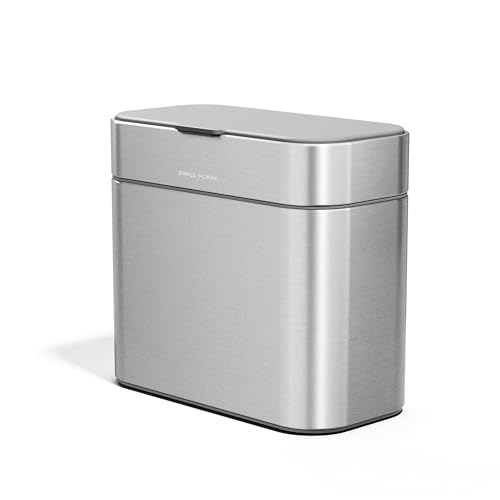
Another sleek, steel choice, this bin has a magnetic docking system to keep the lid firmly shut. It has been specially designed to keep odours in and flies out.","brand":"","name":"Simplehuman 4L Compost Caddy","urlStyle":"","retailer":"","layout":"hero","linkText":"","noFollow":false,"noAffiliateTracking":false,"promoLabel":"","price":49.95,"salePrice":39.99,"currency":"GBP","linkLayout":"text","sponsored":false,"hawkProductNameMatchedCode":"","review":{"cons":[],"id":"","name":"","pros":[],"rating":0,"strapline":"","url":""},"id":"","externalId":"2e656d67abb6c3794e69b8adf4ad6a5d170df6c4","lastCheckedPriceDate":"","link":{"url":"https:\/\/target.georiot.com\/Proxy.ashx?tsid=107653&GR_URL=https%3A%2F%2Famazon.co.uk%2Fsimplehuman-Compost-Fingerprint-Proof-Brushed-Stainless%2Fdp%2FB08S2P53GD%2Fref%3Dasc_df_B08S2P53GD%3Ftag%3Dftr-idealhome-gb-21%26ascsubtag%3Dhawk-custom-tracking-21","merchantName":"Amazon UK","merchantId":1027,"merchantNetwork":"Amazonuk","merchantUrl":"amazon.co.uk"}}}}}” data-link=”https://target.georiot.com/Proxy.ashx?tsid=107653&GR_URL=https%3A%2F%2Famazon.co.uk%2Fsimplehuman-Compost-Fingerprint-Proof-Brushed-Stainless%2Fdp%2FB08S2P53GD%2Fref%3Dasc_df_B08S2P53GD%3Ftag%3Dftr-idealhome-gb-21%26ascsubtag%3Dhawk-custom-tracking-21″ data-link-merchant=”Amazon UK” data-merchant-id=”1027″ data-merchant-name=”Amazon UK” data-merchant-network=”Amazonuk” data-merchant-url=”amazon.co.uk” data-model-name=”Simplehuman 4L Compost Caddy” data-name=”Product Block merchantlink widget” data-render-type=”fte” data-show-fallback=”button” data-widget-type=”merchantlink” class=”hawk-root”>
Another sleek, steel choice, this bin has a magnetic docking system to keep the lid firmly shut. It has been specially designed to keep odours in and flies out.
Bad bin smells, and fruit flies are enough to put most of us in a grump. But ensuring you have the right products and practises in place, this grievance can be a thing of the past.
As soon as the warmer weather arrives, so do the flies. But it’s important for UK homes to keep common house flies, fruit flies and drain flies out of the house, as these irritating pests can spread germs and generally cause a nuisance.
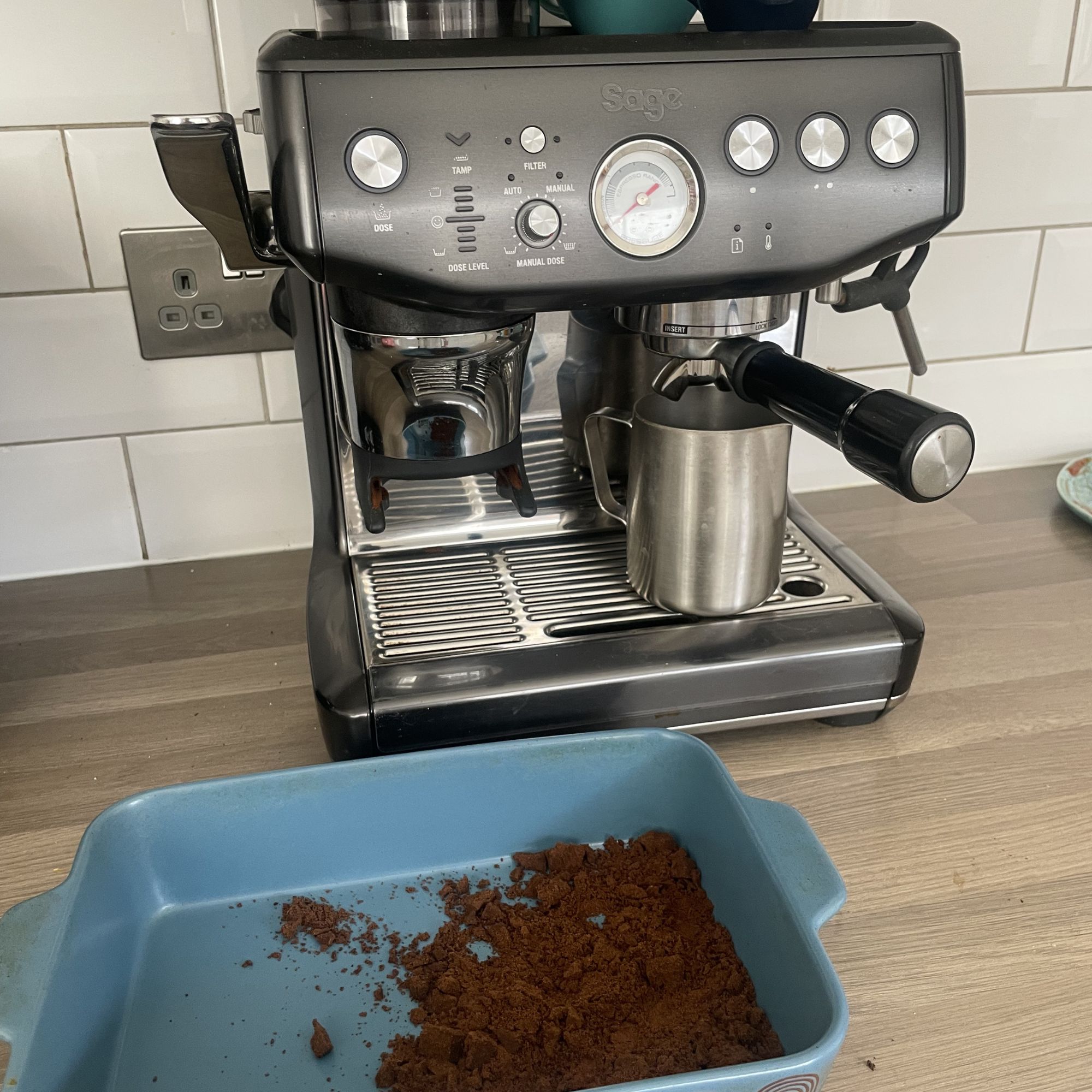
Thankfully, it’s my job to test all of the ways to keep flies out of the house, and I’m always on the lookout for new hacks that can get the job done – especially as flies have been buzzing around my own kitchen recently. So, when I spotted a method that uses coffee grounds to get rid of flies, I decided to test it out.
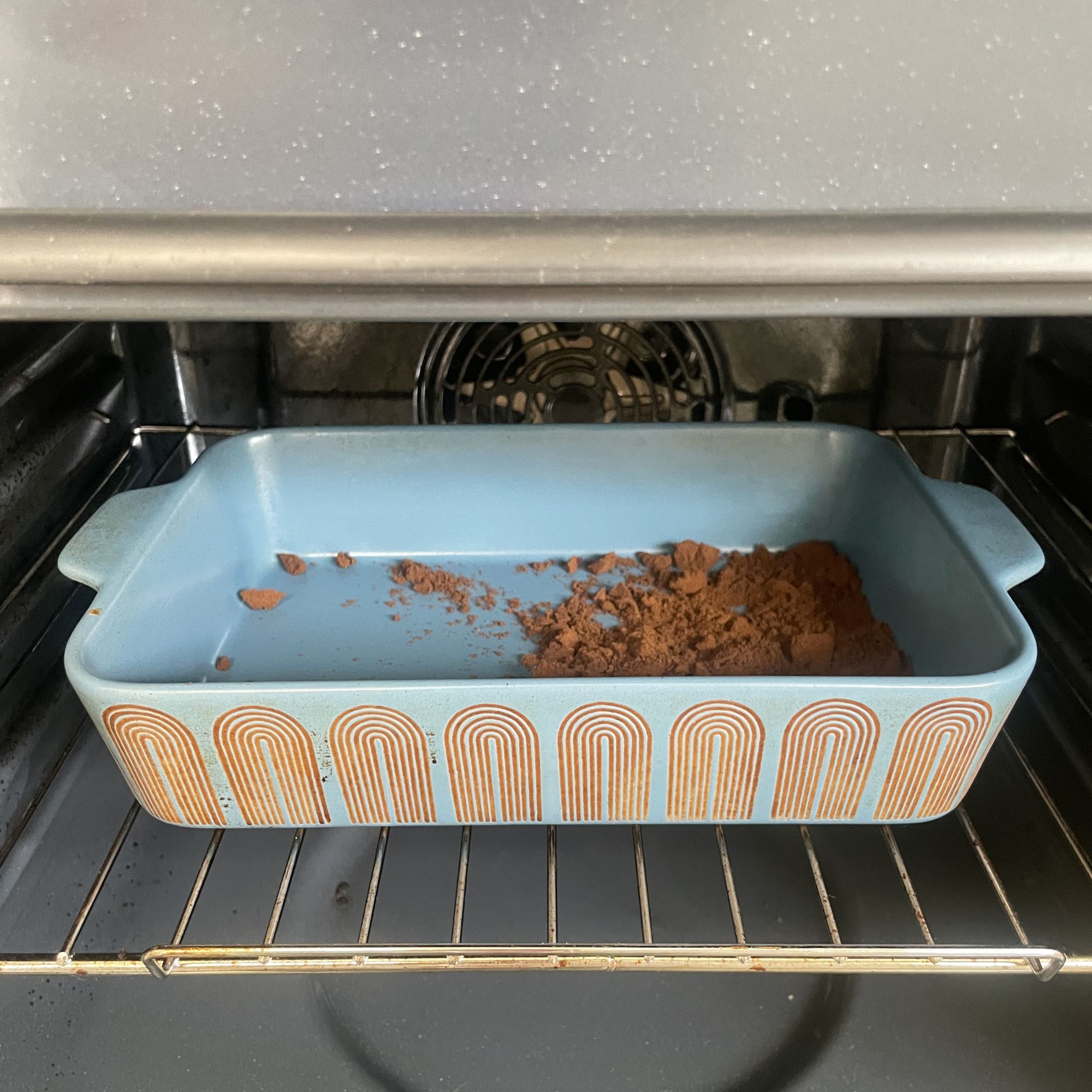
According to @thehitchcockhouse, all I had to do was burn my leftover coffee grounds in the oven for 15 minutes, then leave the smoking remains to work their magic and keep the flies at bay. And while I’m happy to report that it did work, there was a catch.
Latest Videos From
The coffee grounds fly hack is based on the notion that coffee is a scent that flies hate. Like most animals and humans, they also associate smoke with danger. So, in theory, the burnt coffee grounds should force the flies to flee.
After burning coffee grounds from my own morning brew in the oven for 15 minutes, I was left with a smoking pile of coffee that made my house smell like a café. And within a few minutes of placing it on my kitchen worktop, the flies that had been buzzing around left through a window I’d left open for them.
(Image credit: Future PLC/Lauren Bradbury)
For the next three hours, my house was a fly-free zone – despite leaving the window open to let the cool breeze into my stifling Victorian terrace. However, the magic wore off after that, and the flies started to return.
This is something that James Copley, Chief Executive Officer of Copley Pest Solutions, expected to happen. He told me, ‘Burning coffee grounds to keep flies out of your home is a widely shared tip that homeowners use. Flies heavily rely on their sense of smell, so the smoke will deter them, but it is not a permanent solution. Instead, the most effective way to keep flies out of your home is to remove whatever attracted them in the first place.’
Sign up to our newsletter for style inspiration, real homes, project and garden advice and shopping know-how
So, while burning coffee grounds can be a great way to reuse coffee grounds and get rid of flies in the short-term, long-term prevention will always be more effective. This is especially true if you struggle with flies in the kitchen as I often do.
(Image credit: Future PLC/Lauren Bradbury)
James says that the most important step is to deter flies from food waste bins, as ‘Flies are attracted to food scraps, overripe fruit, dirty bins, pet food, pet waste, and standing water. Homeowners should not just empty their bins regularly but also clean them.’
Regularly cleaning the kitchen, storing food in airtight containers, and removing standing water from kitchens and bathrooms are also key steps to keep flies out of the house.
Physical barriers can also help if you’re struggling right now. Our Senior Digital Editor, Jenny, swears by fly fans like this Zero In Fly Go! USB Rechargeable Fly Repellent Fan (£11.99 at Amazon) to naturally repel the flies, and there are even barriers you can put on your windows and doors to keep these unwanted visitors out.
(Image credit: Future/Jenny McFarlane)
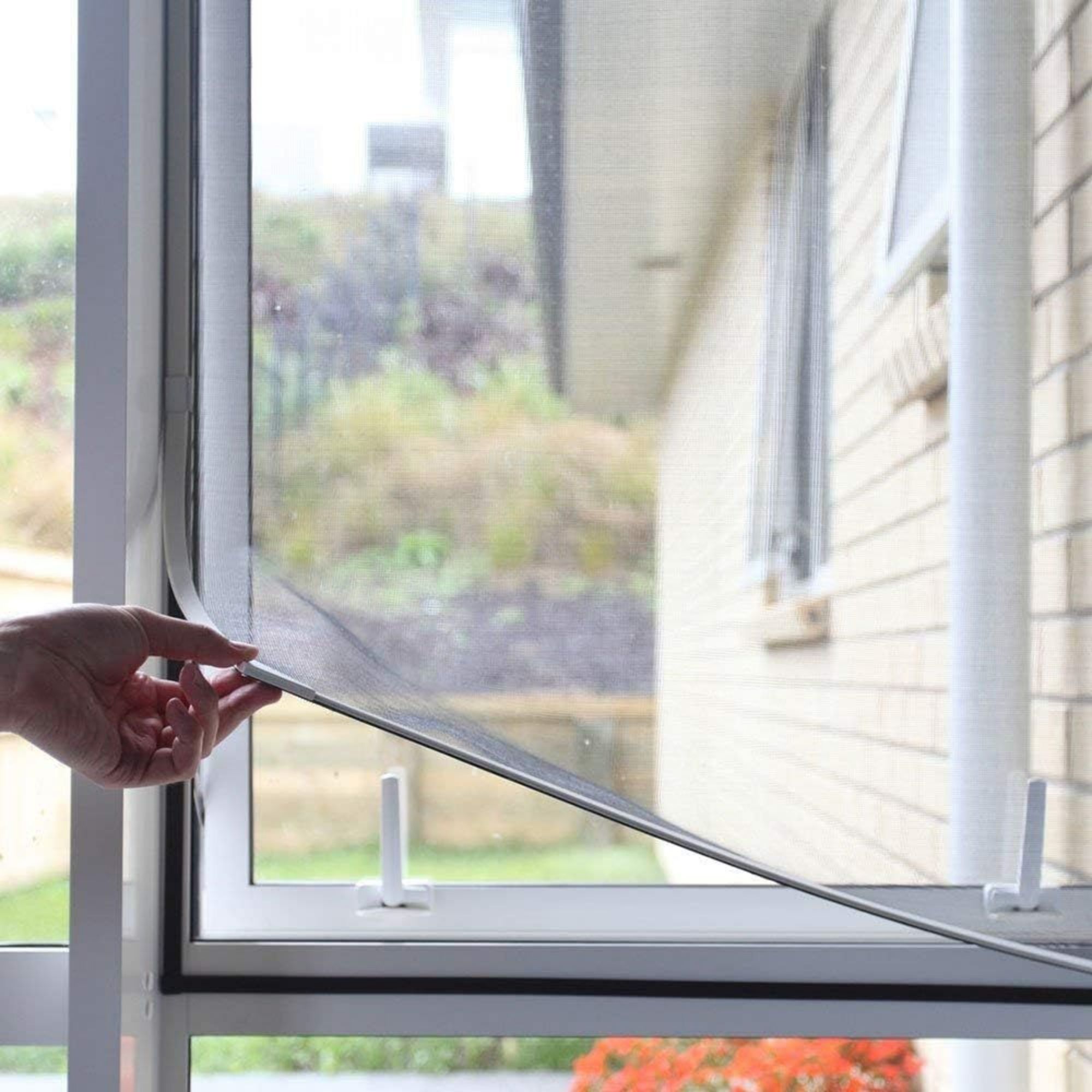
Jason Peterkin, director and founder of 247 Blinds, says, ‘One of the simplest ways to keep flies out of the house is with a retractable fly screen. They create a physical barrier that helps keep insects out while still allowing in ventilation and natural light, making them particularly useful in kitchens, living spaces and bedrooms where windows are frequently left open during warmer weather.’
Of course, there are also the traditional methods of using citronella candles and even the lemon clove fly repellent hack, where you stick cloves into a lemon half to throw off their senses and leave them no option but to flee your home. But, really, prevention is always better than the cure if you want to keep flies out of the house.
This food waste caddy should be less appealing to flies thanks to the ventilated design that reduces moisture and odours – and it even comes with an odour filter, too. ","brand":"","name":"Joseph Joseph Intelligent Waste","urlStyle":"","retailer":"","layout":"hero","noFollow":true,"noAffiliateTracking":false,"promoLabel":"","price":null,"salePrice":null,"currency":null,"linkLayout":"text","sponsored":false,"hawkProductNameMatchedCode":"","review":{"cons":[],"id":"","name":"","pros":[],"rating":0,"strapline":"","url":""},"id":"","lastCheckedPriceDate":"","link":{"url":"https:\/\/target.georiot.com\/Proxy.ashx?tsid=107653&GR_URL=https%3A%2F%2Famazon.co.uk%2FJoseph-Intelligent-Waste-Stack-Filter%2Fdp%2FB01BPDY092%3Fth%3D1%26tag%3Dftr-idealhome-gb-21%26ascsubtag%3Dhawk-custom-tracking-21","linkText":"Was \u00a334, now \u00a316 at Amazon","merchantName":"Amazon UK","merchantId":1027,"merchantNetwork":"Amazonuk","merchantUrl":"amazon.co.uk"}}}}}” data-link=”https://target.georiot.com/Proxy.ashx?tsid=107653&GR_URL=https%3A%2F%2Famazon.co.uk%2FJoseph-Intelligent-Waste-Stack-Filter%2Fdp%2FB01BPDY092%3Fth%3D1%26tag%3Dftr-idealhome-gb-21%26ascsubtag%3Dhawk-custom-tracking-21″ data-link-merchant=”Amazon UK” data-link-text=”Was £34, now £16 at Amazon” data-merchant-id=”1027″ data-merchant-name=”Amazon UK” data-merchant-network=”Amazonuk” data-merchant-url=”amazon.co.uk” data-model-name=”Joseph Joseph Intelligent” data-name=”Product Block merchantlink widget” data-render-type=”fte” data-show-fallback=”button” data-widget-type=”merchantlink” class=”hawk-root”>
This food waste caddy should be less appealing to flies thanks to the ventilated design that reduces moisture and odours – and it even comes with an odour filter, too.
NeatiEase Adjustable DIY Magnetic Fly Screen
<aside data-block-layout="hero" data-block-type="featured-product" data-hawk-json="{"product":{"variants":{"Default":{"image":{"copyright":"","height":2000,"id":"2MudbRoFSiZYqhuBDcvMq9","mimeType":"image\/jpeg","mos":"https:\/\/cdn.mos.cms.futurecdn.net\/2MudbRoFSiZYqhuBDcvMq9.jpg","role":"","width":2000,"credit":"Amazon","alt":"NeatiEase Adjustable DIY Magnetic Fly Screen","caption":""},"strapline":"
This magnetic fly screen comes in different sizes to suit the windows in your home, and comes extremely well-reviewed on Amazon. ","brand":"","name":"NeatiEase Adjustable DIY Magnetic Fly Screen","urlStyle":"","retailer":"","layout":"hero","noFollow":true,"noAffiliateTracking":false,"promoLabel":"","price":null,"salePrice":null,"currency":null,"linkLayout":"text","sponsored":false,"hawkProductNameMatchedCode":"","review":{"cons":[],"id":"","name":"","pros":[],"rating":0,"strapline":"","url":""},"id":"","lastCheckedPriceDate":"","link":{"url":"https:\/\/target.georiot.com\/Proxy.ashx?tsid=107653&GR_URL=https%3A%2F%2Famazon.co.uk%2FAdjustable-Magnetic-Window-Smaller-Fibergalss%2Fdp%2FB01N2WTDW5%2F%3Fth%3D1%26tag%3Dftr-idealhome-gb-21%26ascsubtag%3Dhawk-custom-tracking-21","linkText":"\u00a326.99 at Amazon","merchantName":"Amazon UK","merchantId":1027,"merchantNetwork":"Amazonuk","merchantUrl":"amazon.co.uk"}}}}}” data-link=”https://target.georiot.com/Proxy.ashx?tsid=107653&GR_URL=https%3A%2F%2Famazon.co.uk%2FAdjustable-Magnetic-Window-Smaller-Fibergalss%2Fdp%2FB01N2WTDW5%2F%3Fth%3D1%26tag%3Dftr-idealhome-gb-21%26ascsubtag%3Dhawk-custom-tracking-21″ data-link-merchant=”Amazon UK” data-link-text=”£26.99 at Amazon” data-merchant-id=”1027″ data-merchant-name=”Amazon UK” data-merchant-network=”Amazonuk” data-merchant-url=”amazon.co.uk” data-model-name=”NeatiEase Adjustable DIY Magnetic Fly Screen” data-name=”Product Block merchantlink widget” data-render-type=”fte” data-show-fallback=”button” data-widget-type=”merchantlink” class=”hawk-root”>
This magnetic fly screen comes in different sizes to suit the windows in your home, and comes extremely well-reviewed on Amazon.
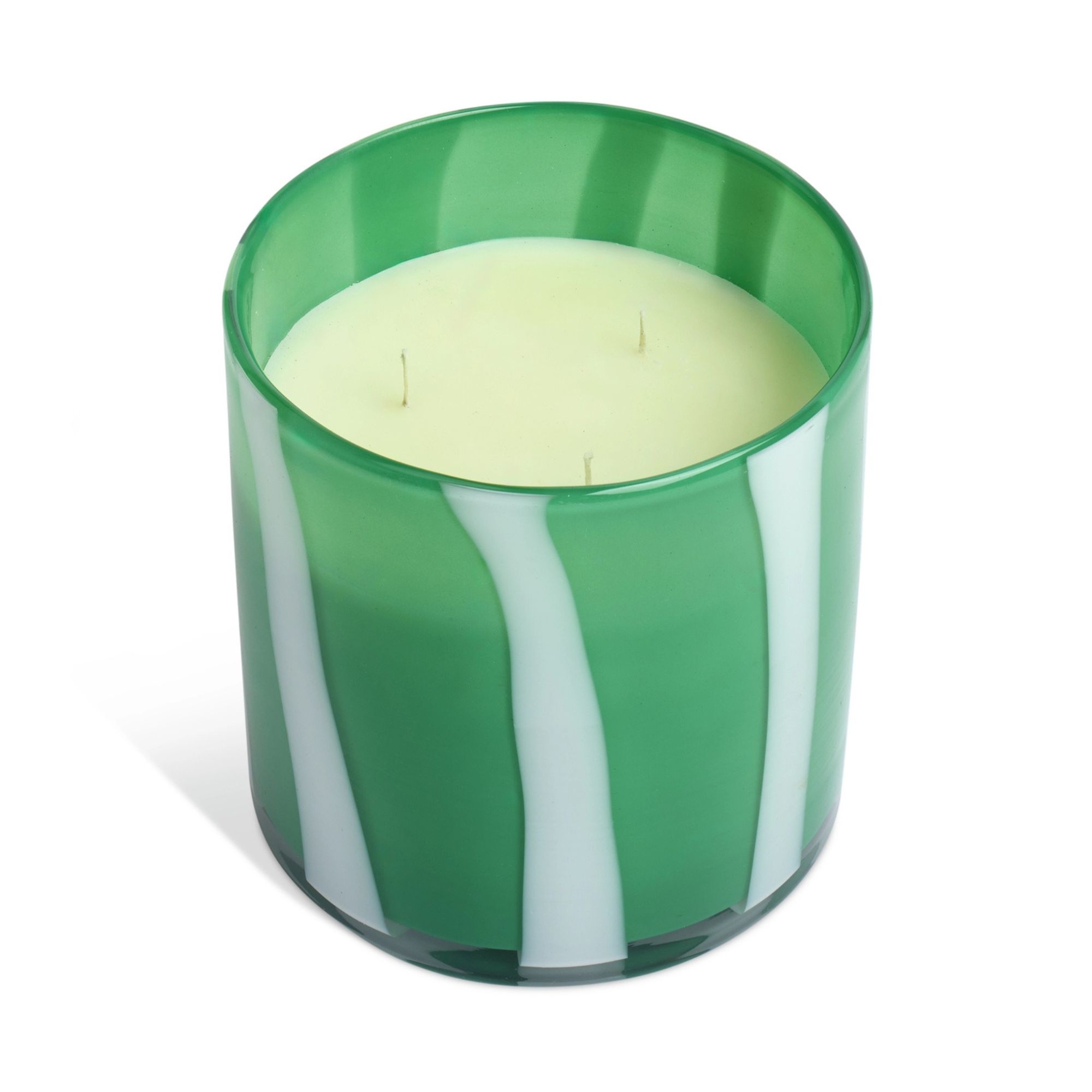
This multi-wick candle will be both practical and pretty, and the citronella scent should ward off flies inside and outside the house. ","brand":"","name":"Habitat Citronella Striped Effect Multiwick Candle","urlStyle":"","retailer":"","layout":"hero","noFollow":true,"noAffiliateTracking":false,"promoLabel":"","price":null,"salePrice":null,"currency":null,"linkLayout":"text","sponsored":false,"hawkProductNameMatchedCode":"","review":{"cons":[],"id":"","name":"","pros":[],"rating":0,"strapline":"","url":""},"id":"","lastCheckedPriceDate":"","link":{"url":"https:\/\/www.anrdoezrs.net\/click-100624752-17304007?sid=hawk-custom-tracking&url=https:\/\/www.habitat.co.uk\/product\/7737541","linkText":"\u00a325 at Habitat","merchantName":"Habitat UK","merchantId":209252,"merchantNetwork":"CJ","merchantUrl":"habitat.co.uk"}}}}}” data-link=”https://www.anrdoezrs.net/click-100624752-17304007?sid=hawk-custom-tracking&url=https://www.habitat.co.uk/product/7737541″ data-link-merchant=”Habitat UK” data-link-text=”£25 at Habitat” data-merchant-id=”209252″ data-merchant-name=”Habitat UK” data-merchant-network=”CJ” data-merchant-url=”habitat.co.uk” data-model-name=”Habitat Citronella Striped Effect Multiwick Candle” data-name=”Product Block merchantlink widget” data-render-type=”fte” data-show-fallback=”button” data-widget-type=”merchantlink” class=”hawk-root”>
This multi-wick candle will be both practical and pretty, and the citronella scent should ward off flies inside and outside the house.
Now that summer has arrived, we’re leaving the windows open and making the most of our gardens. But with this comes the nuisance of wasps, and if you want to keep wasps away from your home, you need to understand what’s attracting them. And these are five unusual household items inadvertently attracting wasps to your home.
I’d wager most of us want to know how to get rid of wasps. These buzzing pests not only have a nasty sting, but can sometimes behave aggressively and are a phobia to many. So, if you want to avoid a home and garden full of wasps, you need to address the things that attract them.
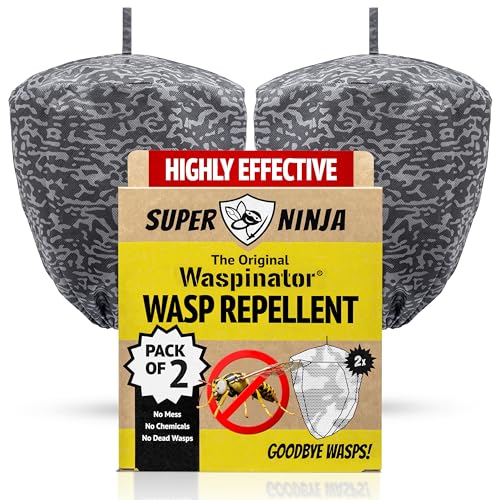
While there are many ways to deter wasps, including using scent or even fake wasp nests, let’s address the root cause of what’s attracting them to your home in the first place.
Latest Videos From
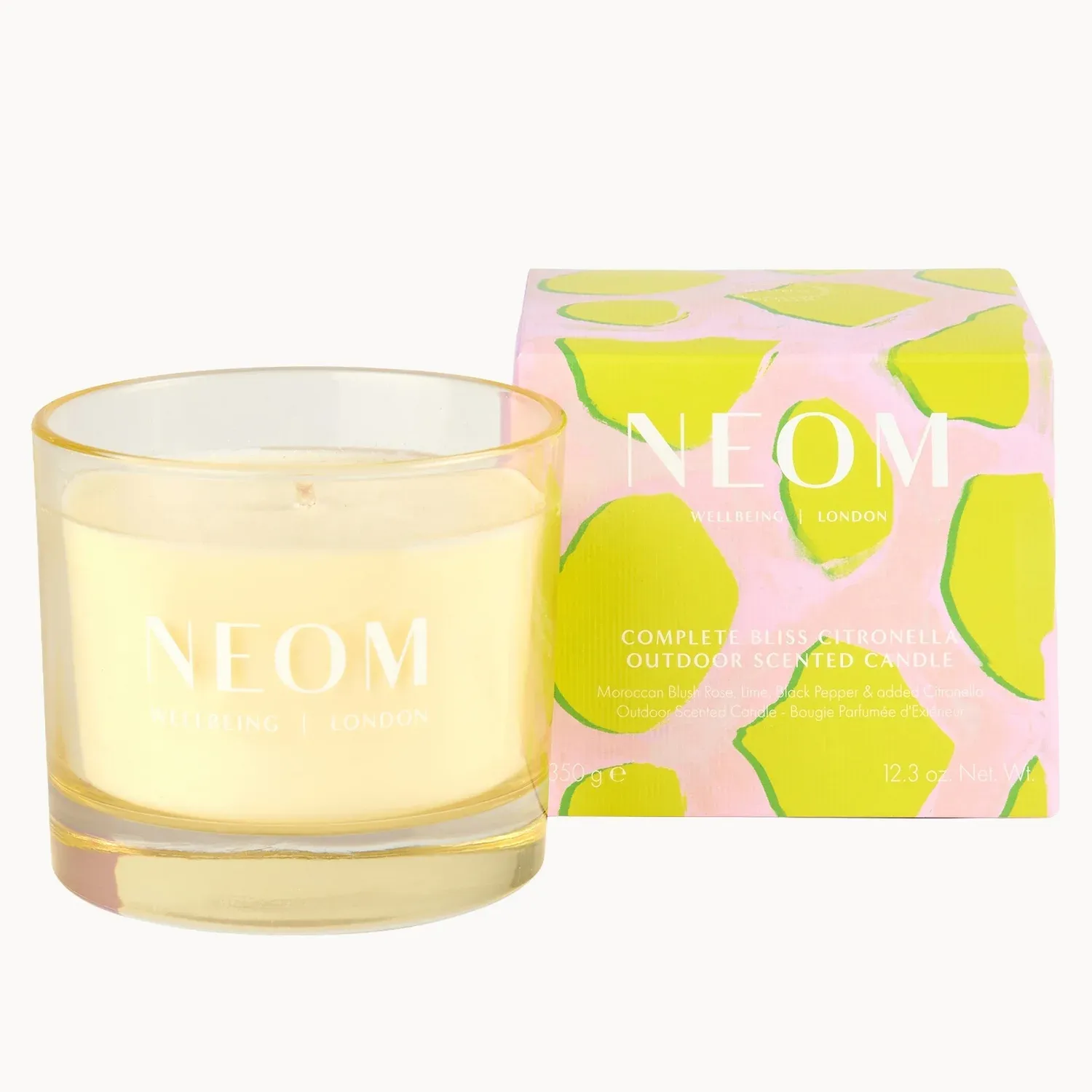
1. Sweet candles and diffusers
In summer, more often than not, the best candles and reed diffusers we choose for our home have a sweet, fruity scent. While gourmand vanilla or floral rose smells amazing to you and me, unfortunately, wasps are a huge fan of these fragrances, too.
(Image credit: Future PLC/James French)
‘Fruity or floral scented candles and reed diffusers are one of the most overlooked wasp attractants in the home. Wasps are drawn to sweet smells in the same way they are drawn to ripe fruit, and a diffuser pumping out mango or tropical scents near an open window is essentially a welcome sign. Swap to more neutral or citrus-based scents, which are less attractive to wasps and actively repellent in the case of citronella,’ explains Mosh Latifi, co-owner of EcoCare Pest Management.
Sign up to our newsletter for style inspiration, real homes, project and garden advice and shopping know-how
(Image credit: Future PLC/Bee Holmes)
‘This one isn’t a major attractor, but outdoor cushions can sometimes provide sheltered spots for wasps to investigate, particularly if they’re left outside all season. In some cases, worn or damaged furnishings may also provide fibres that certain species can use when building nests. Storing cushions away when they’re not in use and replacing badly frayed items can help minimise the risk,’ says Luke Newnes, gardening expert at Hillarys.
Yep, the bag for life you picked up from the supermarket and currently have stashed in a cupboard, drawer, or even your car could be attracting wasps to your home – especially if you haven’t cleaned it before storing it.
(Image credit: Getty Images/ d3sign)
‘Reusable bags that have carried groceries and not been washed regularly can retain food odours that attract wasps, particularly if stored in a warm car boot or shed. Give bags a regular wash, especially during summer, and do not store them near entry points to the house,’ says Mosh.
4. Standing water and leaky taps
You should check your garden and home for any leaky taps or stagnant water, as this can also attract wasps to your home.
(Image credit: Future PLC/Katie Lee)
‘Like most insects, wasps need water, particularly during hot, dry weather. Dripping taps, water collecting in plant trays, bird baths or other damp areas can become regular drinking spots. Fixing leaks and removing unnecessary standing water won’t prevent wasps entirely, but it can make your garden less attractive to them,’ says Luke.
If you have a bird bath and want to continue to support birds in hot weather, you don’t have to remove it. Simply position it a bit further away from your home to reduce the distance from you and any wasps. You could also consider planting plants that wasps dislike, to deter them from coming near the area.
5. Pet food
Last but not least is pet food, which can also attract wasps to your home if left out after your pets have finished eating.
(Image credit: Future PLC / Joanna Henderson)
‘Cat and dog food left in bowls outside, or even inside near an open door or window, attracts wasps looking for protein as much as sugar. Wasps actively seek protein sources in summer to feed their larvae, and pet food is an easy target. Remove pet bowls as soon as feeding is finished rather than leaving them down all day,’ says Mosh.
<aside data-block-layout="hero" data-block-type="featured-product" data-editorial-currency="GBP" data-editorial-merchant-name="£9.99 at Amazon" data-editorial-price="9.99" data-hawk-json="{"product":{"variants":{"Default":{"image":{"copyright":"","height":500,"id":"nB9m33EtfFrKDkvghSh3zS","mimeType":"image\/jpeg","mos":"https:\/\/cdn.mos.cms.futurecdn.net\/nB9m33EtfFrKDkvghSh3zS.jpg","role":"","width":500,"credit":"Waspinator","alt":"Waspinator Wasp Nest Decoy – 2 Pack, Fake Wasp Nest for Outdoor Hanging, Yellow Jackets & Bee Repellent, Waterproof & Tear-Resistant Deterrent for Outdoor, Patio & Garden","caption":""},"strapline":"
Wasps instinctively avoid other colonies, so if they spot a decoy nests, they will avoid the area. This is a great chemical-free, environmentally-friendly deterrent.","brand":"Waspinator","name":"Waspinator Wasp Nest Decoy – 2 Pack","urlStyle":"","layout":"hero","noFollow":true,"noAffiliateTracking":false,"promoLabel":"","price":9.99,"salePrice":null,"currency":"GBP","linkLayout":"text","sponsored":false,"hawkProductNameMatchedCode":"","review":{"cons":[],"id":"","name":"","pros":[],"rating":0,"strapline":"","url":""},"id":"","externalId":"b9ca0555a12a536dd536740433aae01ad89f81fb","lastCheckedPriceDate":"","link":{"url":"https:\/\/target.georiot.com\/Proxy.ashx?tsid=107653&GR_URL=https%3A%2F%2Famazon.co.uk%2FSuper-Ninja-Wasp-Nest-Decoy%2Fdp%2FB0DDCKWNPV%2Fref%3Dasc_df_B0DDCKWNPV%3Ftag%3Dftr-idealhome-gb-21%26ascsubtag%3Dhawk-custom-tracking-21","linkText":"\u00a39.99 at Amazon","editorialMerchantName":"\u00a39.99 at Amazon","merchantName":"Amazon UK","merchantId":1027,"merchantNetwork":"Amazonuk","merchantUrl":"amazon.co.uk"}}}}}” data-link=”https://target.georiot.com/Proxy.ashx?tsid=107653&GR_URL=https%3A%2F%2Famazon.co.uk%2FSuper-Ninja-Wasp-Nest-Decoy%2Fdp%2FB0DDCKWNPV%2Fref%3Dasc_df_B0DDCKWNPV%3Ftag%3Dftr-idealhome-gb-21%26ascsubtag%3Dhawk-custom-tracking-21″ data-link-merchant=”Amazon UK” data-link-text=”£9.99 at Amazon” data-merchant-id=”1027″ data-merchant-name=”Amazon UK” data-merchant-network=”Amazonuk” data-merchant-url=”amazon.co.uk” data-model-brand=”Waspinator” data-model-name=”Waspinator Waspinator” data-name=”Product Block merchantlink widget” data-render-type=”fte” data-show-fallback=”button” data-widget-type=”merchantlink” class=”hawk-root”>
Wasps instinctively avoid other colonies, so if they spot a decoy nests, they will avoid the area. This is a great chemical-free, environmentally-friendly deterrent.
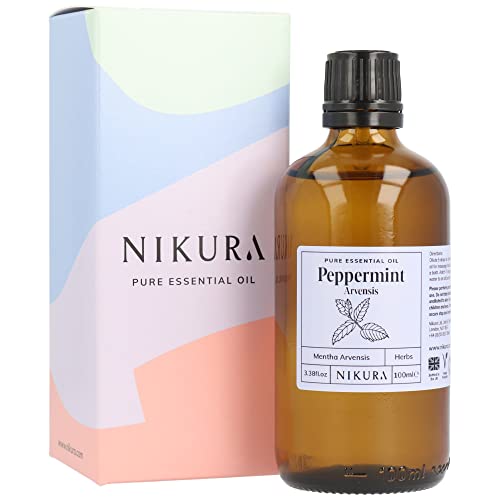
<aside data-block-layout="hero" data-block-type="featured-product" data-editorial-currency="GBP" data-editorial-merchant-name="£9.99 at Amazon" data-editorial-price="9.99" data-hawk-json="{"product":{"variants":{"Default":{"image":{"copyright":"","height":500,"id":"jqQBQhiYggh6oPKYUwRoS4","mimeType":"image\/jpeg","mos":"https:\/\/cdn.mos.cms.futurecdn.net\/jqQBQhiYggh6oPKYUwRoS4.jpg","role":"","width":500,"credit":"nikura","alt":"Nikura Peppermint Essential Oil (arvensis) – 100ml | Perfect for Repelling Spiders, Rats, Mice, Bugs, Ants | Great for Hair, Headaches Relief, Energy Boost, Skin, Candle Making | Vegan & Uk Made","caption":""},"strapline":"
Fun fact, wasps really don’t like the scent of peppermint as it disrupts their abilty to find food and follow pheromone trails. Simple wipe the oil around windows, doors and other entryways to deter them.","brand":"nikura","name":"Nikura Peppermint Essential Oil (arvensis) – 100ml ","urlStyle":"","layout":"hero","noFollow":true,"noAffiliateTracking":false,"promoLabel":"","price":9.99,"salePrice":null,"currency":"GBP","linkLayout":"text","sponsored":false,"hawkProductNameMatchedCode":"","review":{"cons":[],"id":"","name":"","pros":[],"rating":0,"strapline":"","url":""},"id":"","externalId":"c4ded6fc9d879aa0132cdc7027402c59f22a1ee4","lastCheckedPriceDate":"","link":{"url":"https:\/\/target.georiot.com\/Proxy.ashx?tsid=107653&GR_URL=https%3A%2F%2Famazon.co.uk%2F100-Peppermint-Arvensis-Essential-100ml%2Fdp%2FB079ZZ83VT%2Fref%3Dsr_1_5_sspa%3Ftag%3Dftr-idealhome-gb-21%26ascsubtag%3Dhawk-custom-tracking-21","linkText":"\u00a39.99 at Amazon","editorialMerchantName":"\u00a39.99 at Amazon","merchantName":"Amazon UK","merchantId":1027,"merchantNetwork":"Amazonuk","merchantUrl":"amazon.co.uk"}}}}}” data-link=”https://target.georiot.com/Proxy.ashx?tsid=107653&GR_URL=https%3A%2F%2Famazon.co.uk%2F100-Peppermint-Arvensis-Essential-100ml%2Fdp%2FB079ZZ83VT%2Fref%3Dsr_1_5_sspa%3Ftag%3Dftr-idealhome-gb-21%26ascsubtag%3Dhawk-custom-tracking-21″ data-link-merchant=”Amazon UK” data-link-text=”£9.99 at Amazon” data-merchant-id=”1027″ data-merchant-name=”Amazon UK” data-merchant-network=”Amazonuk” data-merchant-url=”amazon.co.uk” data-model-brand=”nikura” data-model-name=”nikura Nikura Peppermint Essential Oil (arvensis) – 100ml” data-name=”Product Block merchantlink widget” data-render-type=”fte” data-show-fallback=”button” data-widget-type=”merchantlink” class=”hawk-root”>
Fun fact, wasps really don’t like the scent of peppermint as it disrupts their abilty to find food and follow pheromone trails. Simple wipe the oil around windows, doors and other entryways to deter them.
I’d have never guessed that a few of these items would attract wasps to my home – especially my bag for life! But now we know the unusual things that attract wasps, we can ensure we don’t leave them lying around. Prevention is better than a cure, after all.
It wouldn’t be British summertime without unpredictable weather forecasts. One minute it’s hot and humid, and the next it’s pouring with rain. Not only does this make it difficult to plan summer days out, but it also leaves our home at an increased risk of summer mould.
That’s right, summer mould thrives in moist and humid conditions. So it’s no wonder that many of our homes are set to become a hotspot for mould this summer.
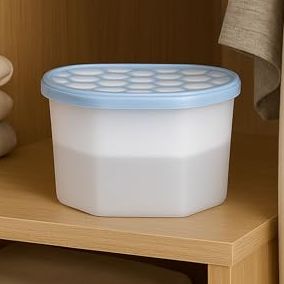
Cuqoo Disposable Dehumidifier for Home 500ml, Pack of 10
Mould thrives in areas of the home that are damp and poorly ventilated. While it’s an issue all year round, mould can become surprisingly present during the summer months. ‘We tend to associate mould with cold, damp winter conditions. But mould is a naturally occurring fungus that’s always present in the air,’ explains Emma Mannion, cleaning expert at Astonish.
‘Mould only becomes visible when it finds the right conditions to grow: moisture, warmth and a suitable surface. During the summer months, higher humidity levels inside the home can provide exactly that,’ she adds.
In fact, humidity is one of the main causes of summer mould. ‘In the summer, excess moisture combined with poor airflow is what causes mould,’ explains Andy Ellis, founder of Vidalux. ‘Although you may have the windows open in the summer, it could be that on really hot and humid days, you’re letting in more moisture rather than reducing it.’
With this in mind, the best dehumidifiers are a no-brainer for reducing the presence of damp and mould within the home. However, they often come with a price. So, I’ve found the next best thing from Amazon – disposable dehumidifiers.
Sign up to our newsletter for style inspiration, real homes, project and garden advice and shopping know-how
(Image credit: Future PLC / Maddie Balcombe)
Disposable dehumidifiers work to absorb moisture in your home, just like electrical dehumidifiers do. But, rather than plugging them in and finding space for the bulky appliance, disposable dehumidifiers can slot seamlessly into your space and still do the job.
Simply place the box in the area of your choice and remove the foil from the top of the box. Then you can leave it to work its magic. Filled with hydrophilic crystals, each dehumidifier absorbs up to 3 times its weight in water as it draws excess moisture from the atmosphere.
At just £9.99 for a pack of 10, you’re free to place multiple dehumidifiers in different spots throughout your home. Or, keep the spare boxes on hand as replacements for when your current dehumidifier fills up. Mine typically last me a month.
(Image credit: Future PLC / Maddie Balcombe)
Disposable dehumidifiers come in many forms, like hanging bags or moisture absorbing balls. But I first discovered the handy dehumidifier boxes a few years ago when I was living in university accommodation. I noticed that my clothes were starting to smell a little musty, so I popped one in my wardrobe, and the problem went away in no time, while the box rapidly began to fill with water.
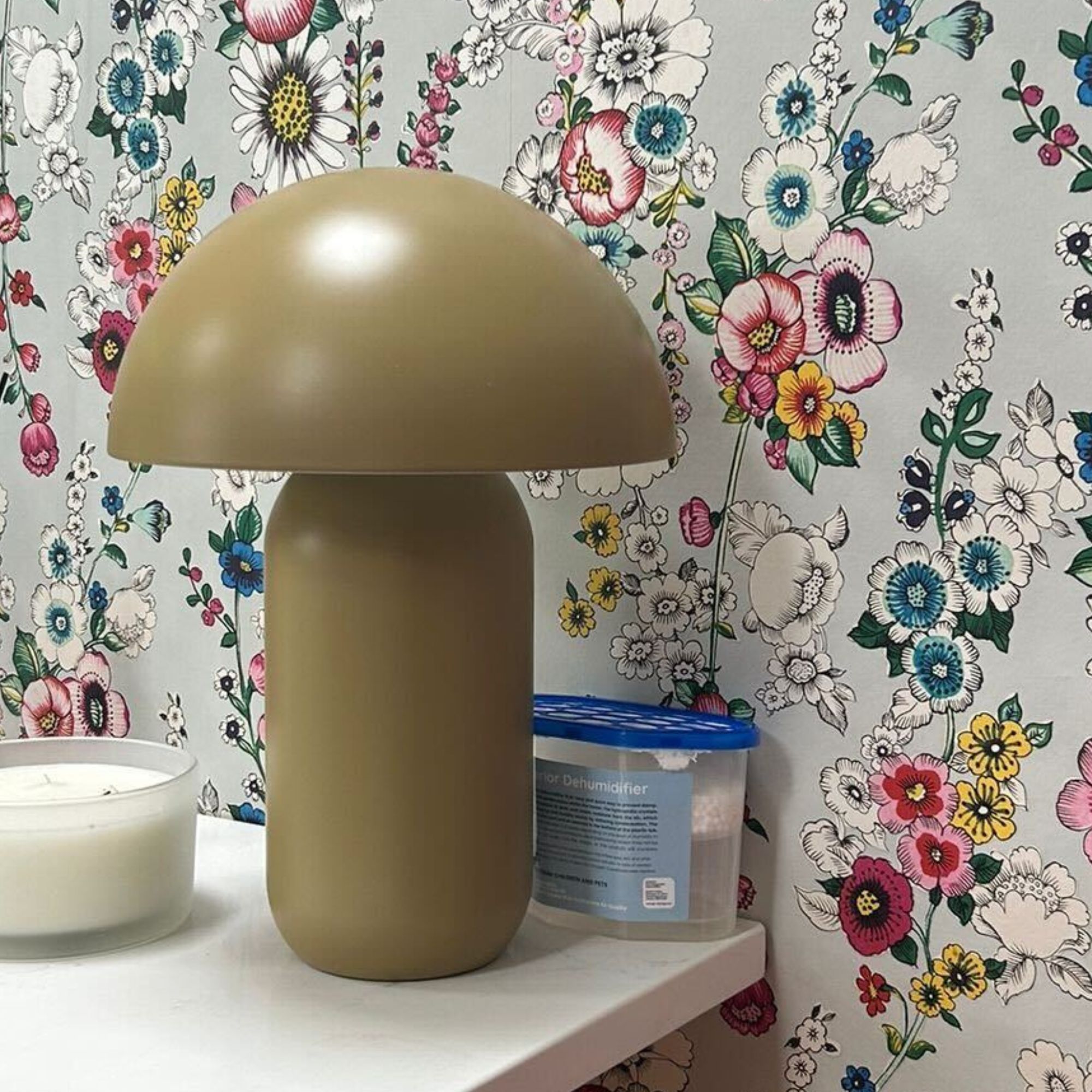
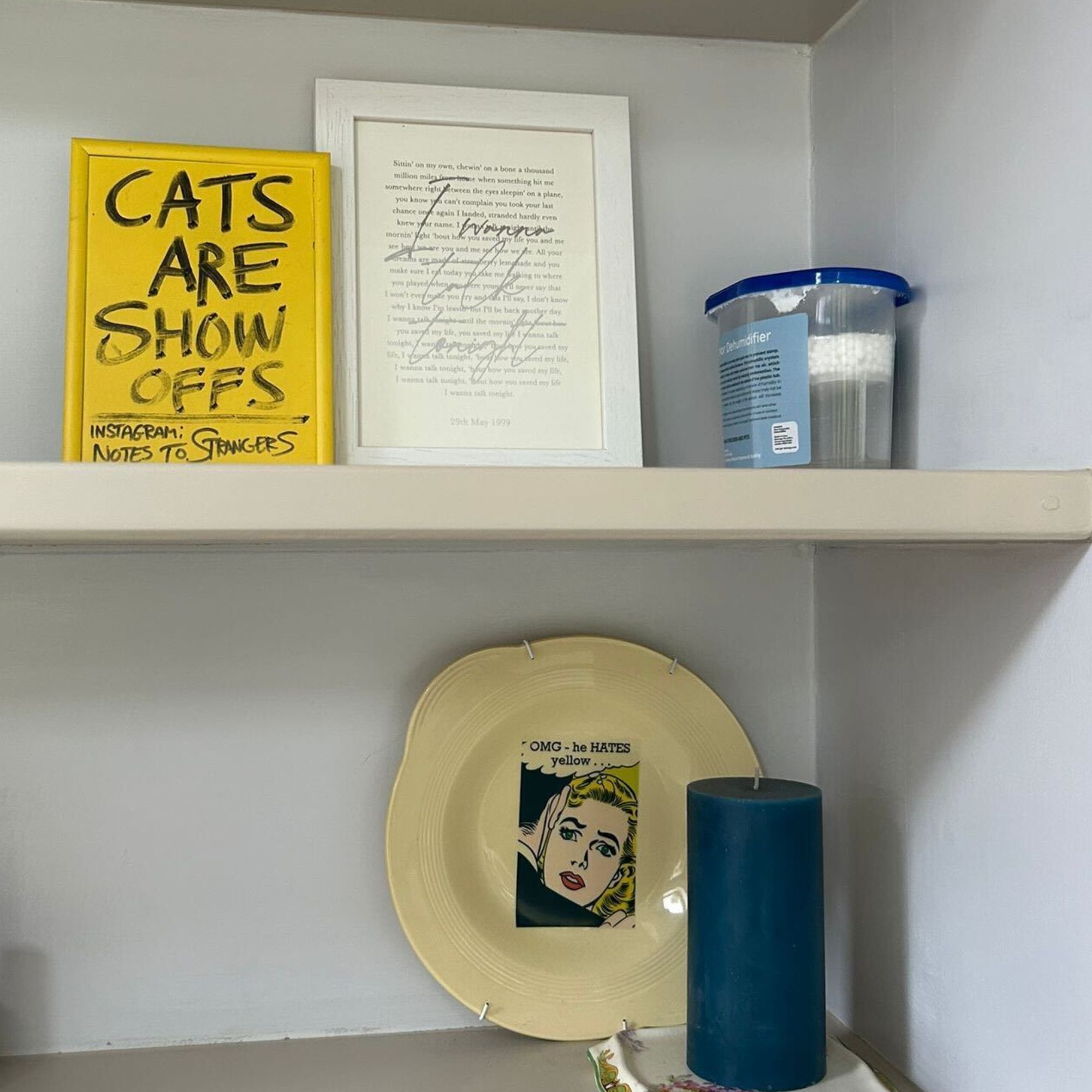
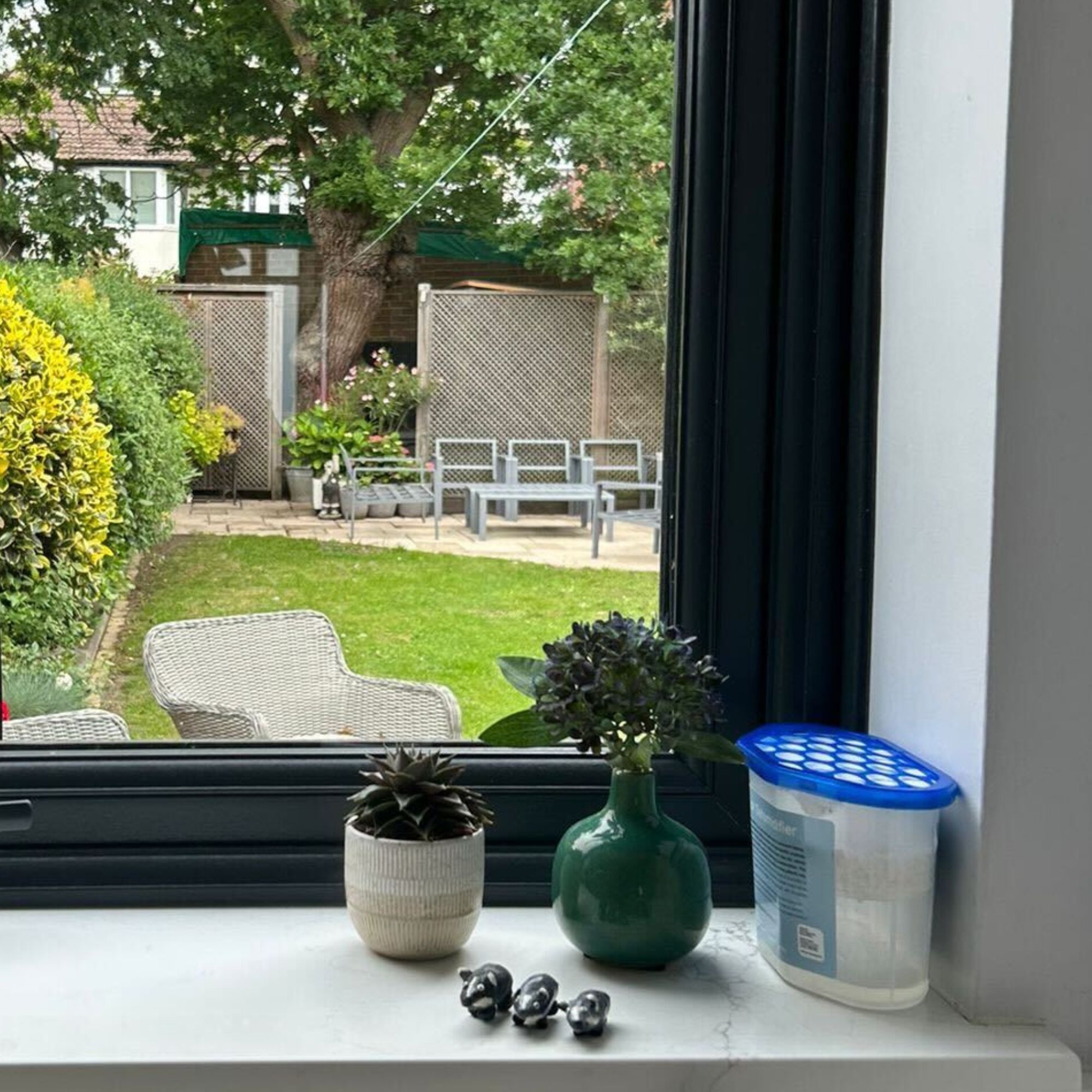
Since then, I’ve used the disposable dehumidifiers regularly in areas that might benefit from them. I have one tucked away by my kitchen window, one in my bedroom and multiple hidden behind plant pots, sofas or bookshelves throughout my home. I love how discreetly the dehumidifiers fit into my space, doing their job without distracting from my decor or style.
Summer mould will be rife in areas that are naturally higher in moisture, so consider placing your boxes here. ‘Everyday activities like cooking, showering and drying clothes indoors all release water vapour, and during warmer weather, the air is able to hold more of that moisture,’ explains Emma.
(Image credit: Future PLC / Maddie Balcombe)
‘Problems start when that humid air has nowhere to go. If it comes into contact with cooler surfaces, for example overnight when temperatures drop, it can form condensation – this leaves surfaces damp enough for mould to grow,’ she adds.
And while these disposable dehumidifiers are a great starting point for reducing the risk of summer mould, they likely won’t be enough on their own to get rid of it altogether. For instance, sometimes larger rooms can benefit from bigger, electrical dehumidifiers.
‘Having a dehumidifier is a great solution for preventing mould, especially in rooms that feel stuffy, bathrooms without good extractor fans, and rooms prone to condensation. But it’s important to note, if you have an existing mould issue, a dehumidifier alone won’t fix the underlying cause of the mould,’ says Andy.
But, if you’re looking for a preventative measure before temperatures rise further, these disposable dehumidifiers will do the job just fine.
Get rid of mould
If mould has already settled on your surfaces, try these products to remove it with ease
Astonish
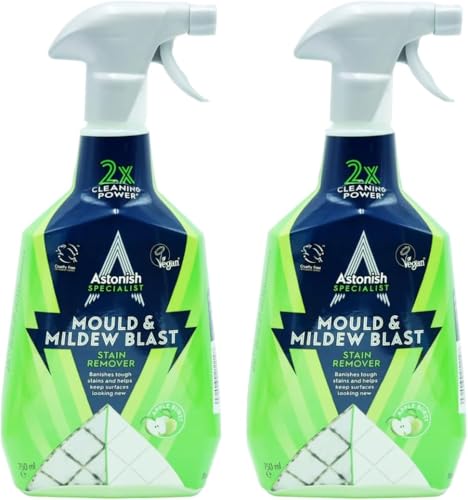
Specialist Extra Strength Mould & Mildew Stain Blaster Spray
Spontex
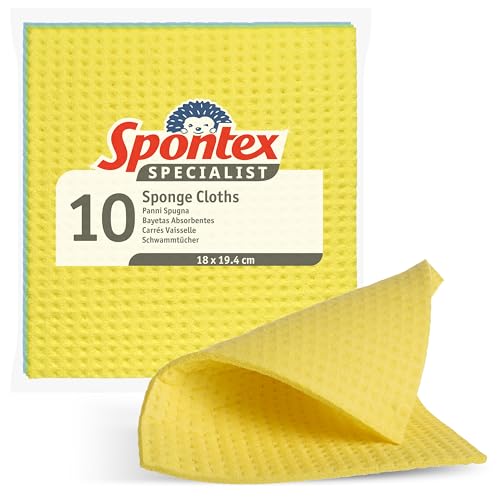
Spontex Specialist Sponge Cloths
Dryzone
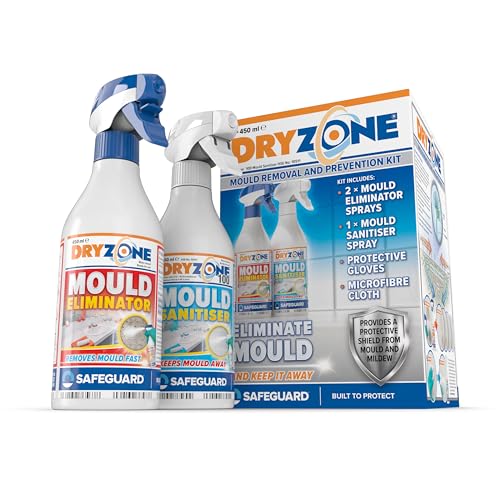
Dryzone Mould Remover and Prevention Kit
<aside data-block-layout="horizontal" data-block-type="featured-product" data-hawk-json="{"product":{"variants":{"Default":{"image":{"copyright":"","height":2000,"id":"UEREX7ubi3tLNsS4pTdJrQ","mimeType":"image\/jpeg","mos":"https:\/\/cdn.mos.cms.futurecdn.net\/UEREX7ubi3tLNsS4pTdJrQ.jpg","role":"","width":2000,"credit":"Future PLC","alt":"Ideal Home logo on white background","caption":""},"strapline":"