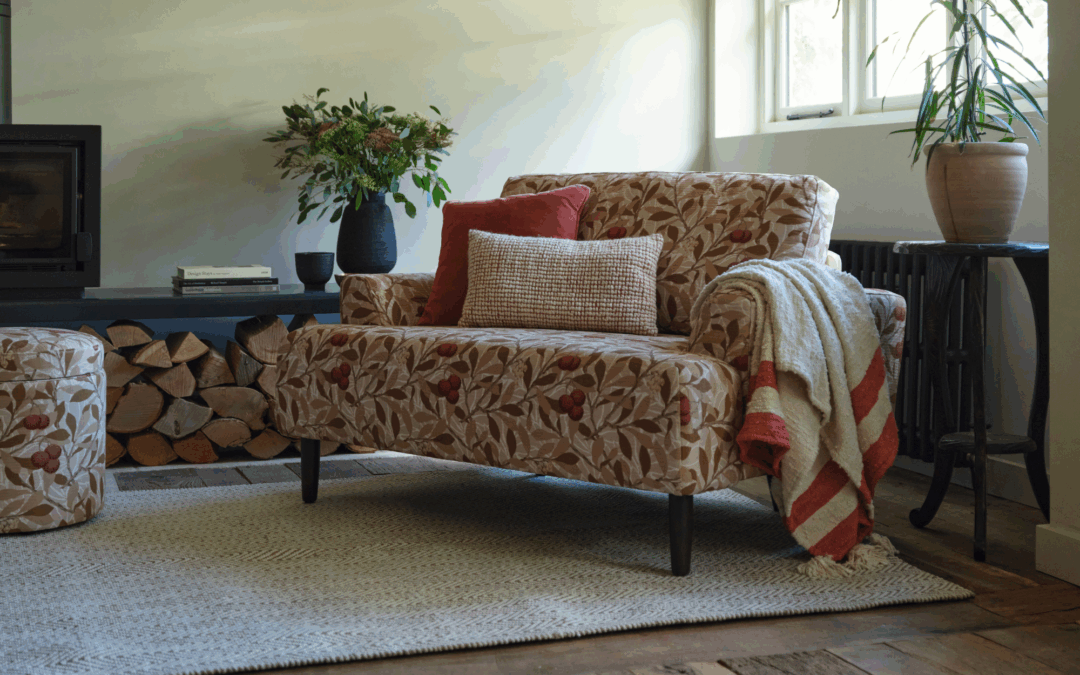
When Swyft collaborated with Morris & Co last year, we readily labelled it the best Morris & Co collaboration to date. If you were also a fan, you’ll be pleased to know that Swyft has just dropped its second Morris & Co collection (and it’s even better than last time!)
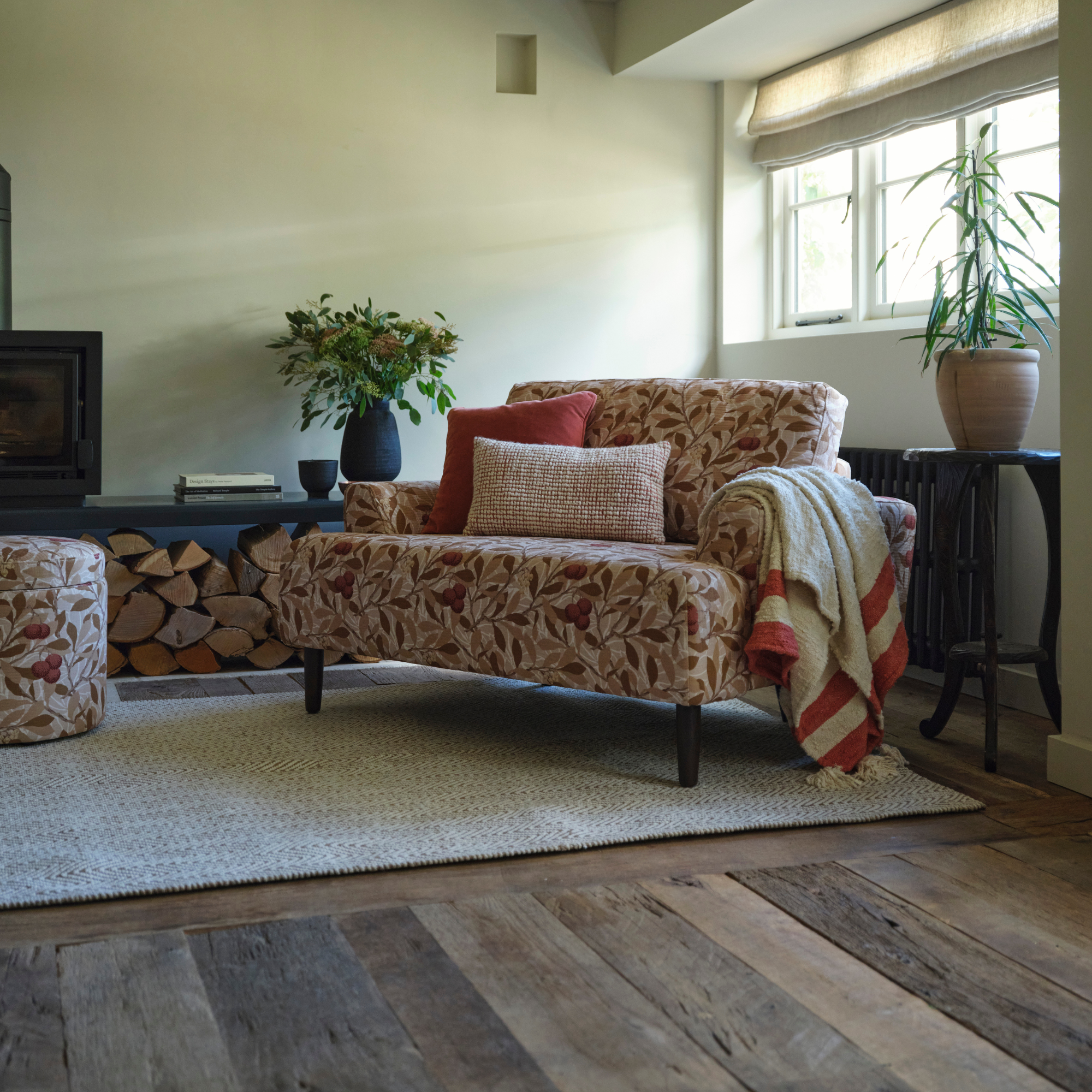
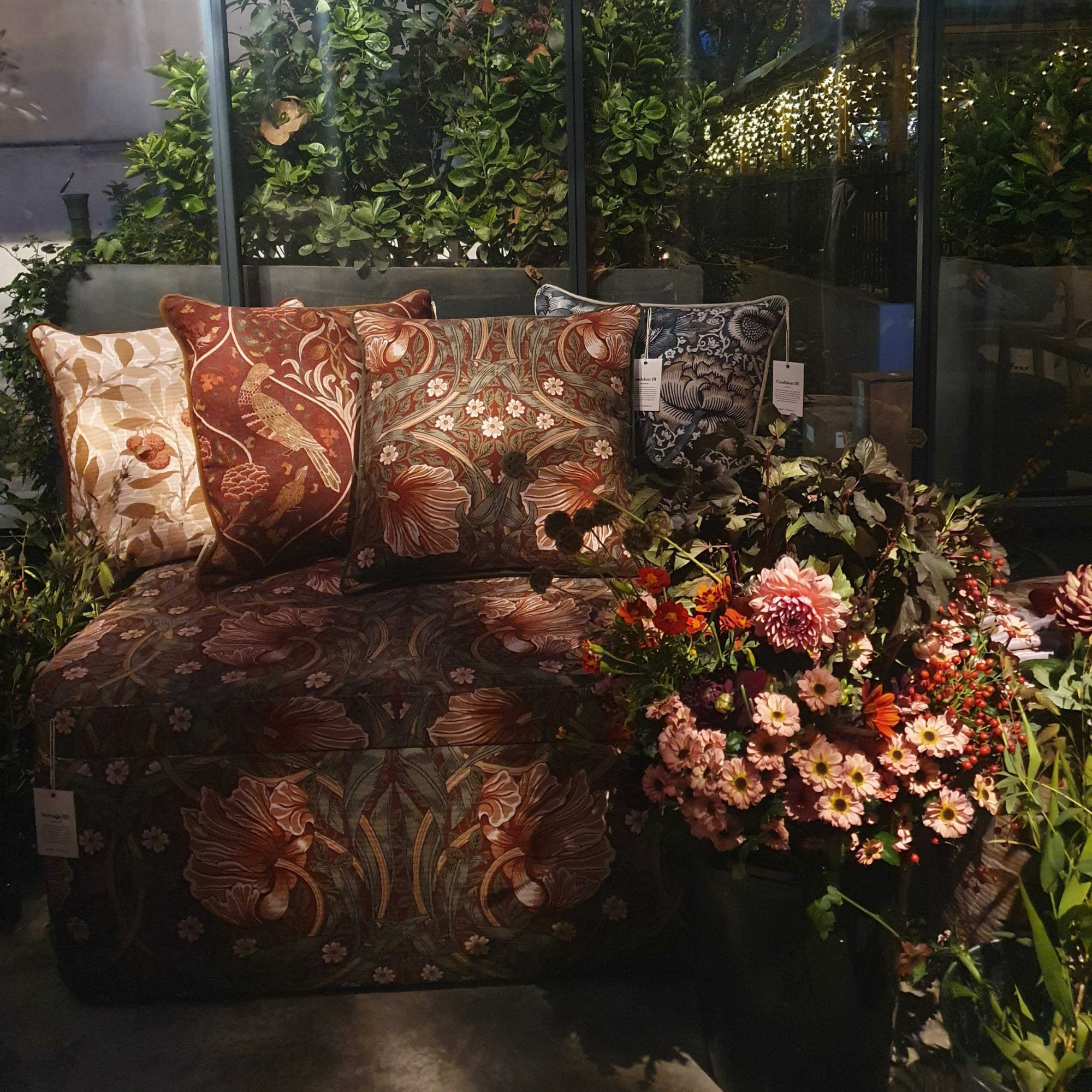
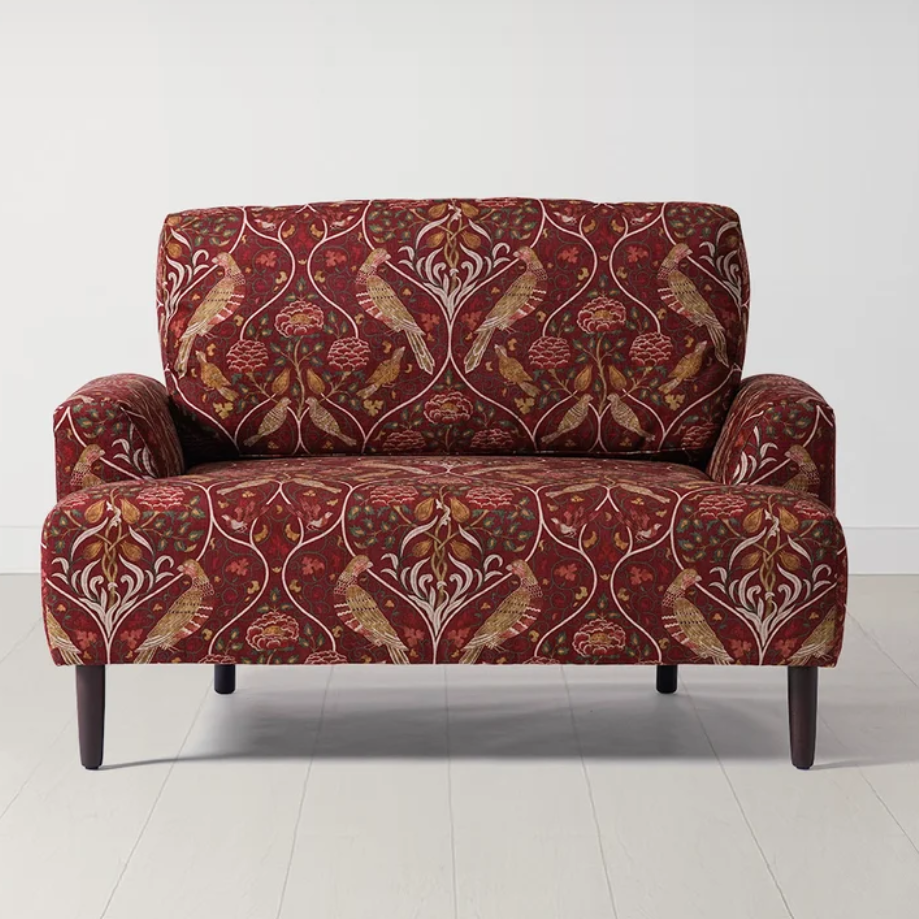
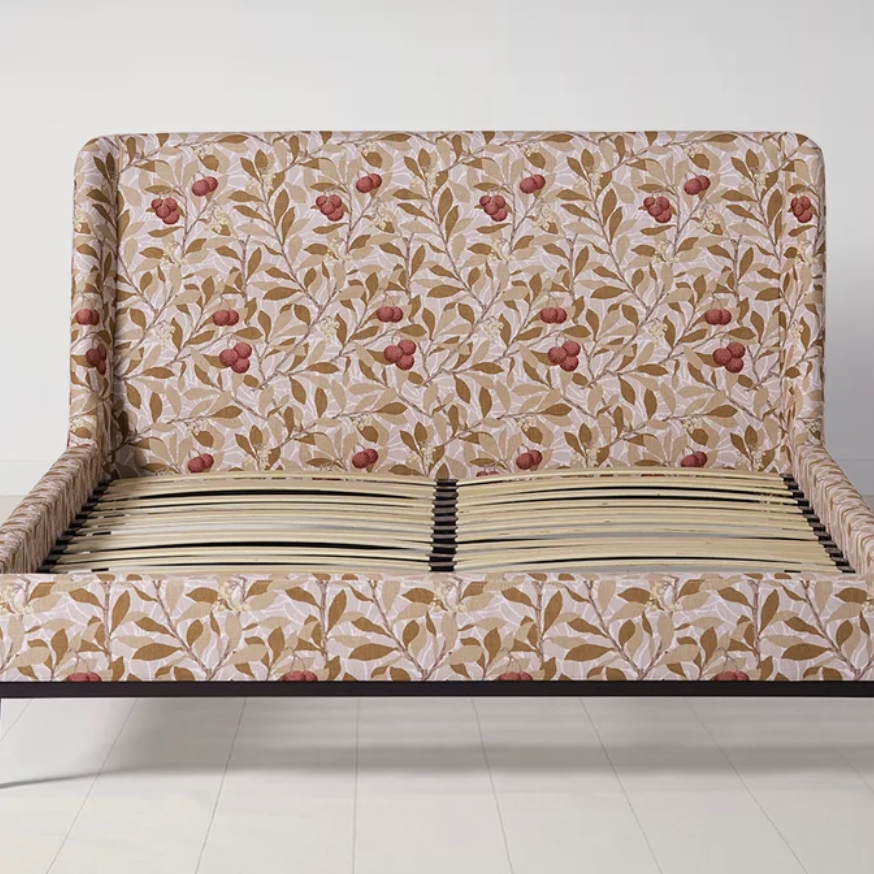
Available to shop now, the second Swyft x Morris & Co collection features four new designs from the Morris & Co archive: Pimpernel, Seasons by May, Wandle and Arbutus. With Swyft known for producing some of the best sofas available on the market, you can expect to see these stunning designs reimagined into quality pieces of furniture and home accessories.
Following the success of last year’s partnership, Swyft’s latest collection combines the timeless patterns of William Morris with Swyft’s own modern, practical values.
Latest Videos FromIdeal Home
(Image credit: Swyft x Morris & Co)
The four Morris & Co prints will be available on a selection of classic Swyft designs. This includes the Storage 01, Storage 02, Storage 03, Model 05 Loveseat & Ottoman, Model 08 Sofa Bed, Bed 02, Model 02, Chair 01, Chair 03 and Cushion 01. More styles are expected to be announced. Across the collection, prices start at £59 for Cushion 01 and rise to £2,499 for the Model 08 Sofa Bed.
‘The success of our first Swyft x Morris & Co. collection showed us just how much appetite there is for bringing these iconic patterns into contemporary homes. For this second collection, we wanted to build on that success while giving the collaboration a fresh feel, which is where the rich, low-pile velvet comes in,’ says Keiran Hewkin, Founder and CEO of Swyft.
‘The four new prints each have their own character, and while the Swyft team is pretty evenly divided on a favourite, Pimpernel has a slight majority. We’re excited to see which one customers choose.’
Last year, I agreed that the Swyft x Morris & Co collaboration was one of the best William Morris homeware collections available to shop, and this year, I stand by that sentiment even more so.
Sign up to our newsletter for style inspiration, real homes, project and garden advice and shopping know-how
(Image credit: Future PLC/ Sara Hesikova)
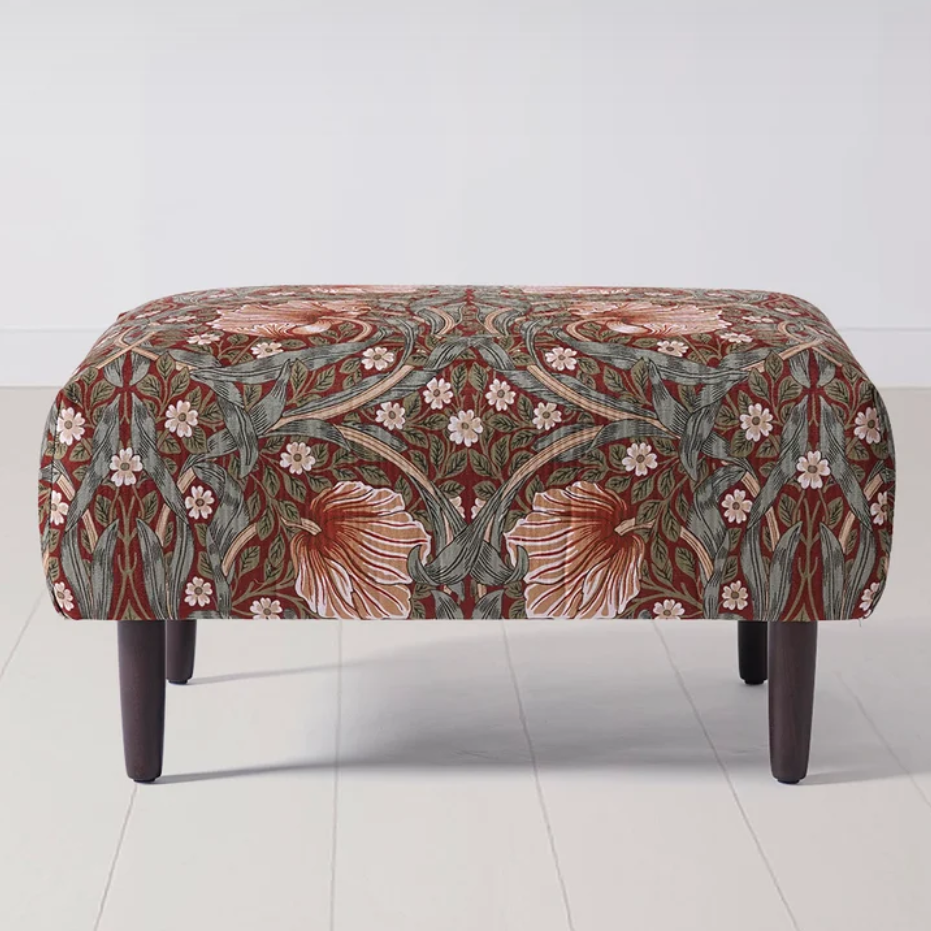
The four new patterns each have a sumptuous, autumnal look, opting for colourways that are both richer and deeper-looking than the previous drop. Pimpernel, for example, is one of the boldest prints, featuring terracotta blooms and sage green stems across a burgundy background.
Sara Hesikova, Ideal Home’s Room Decor Editor, has already seen the new collection in person and was left impressed.
‘The first Swyft x Morris & Co. collab did really well, so I’m not surprised the brands decided to do it again. But this time, they went bigger and bolder, learning from their experience with the first drop where the boldest, most quintessentially Morris & Co. print was the clear customer favourite,’ she said.
‘This time around, the colour palette is much cosier and autumnal, which is perfect as we’re moving into the cosy season. And I think the burgundy-toned Pimpernel and Seasons by May prints are going to be the most popular.’
Swyft
Model 05 Ottoman, Pimpernel – Pimpernel / Wenge
Swyft
Model 05 Loveseat, Seasons by May – Seasons by May / Wenge
Swyft
Bed 02 King Sized Bed, Arbutus – Arbutus
Swfyt is not the only brand nailing Morris & Co collaborations right now; here are a few more styles I’m loving right now.
Other Morris & Co collections
Habitat X Morris & Co
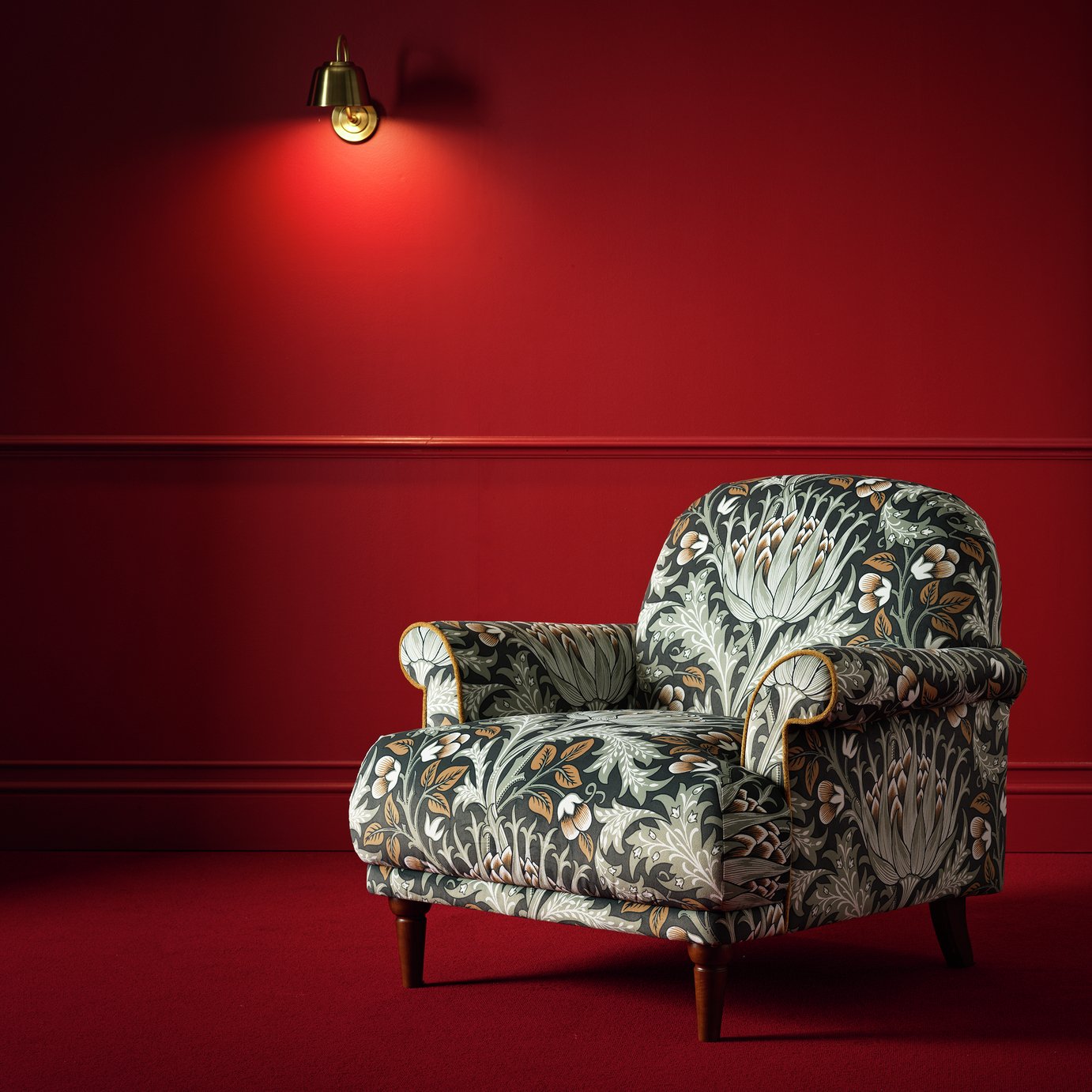
Habitat X Morris & Co. Fabric Cuddle Chair
Morris & Co
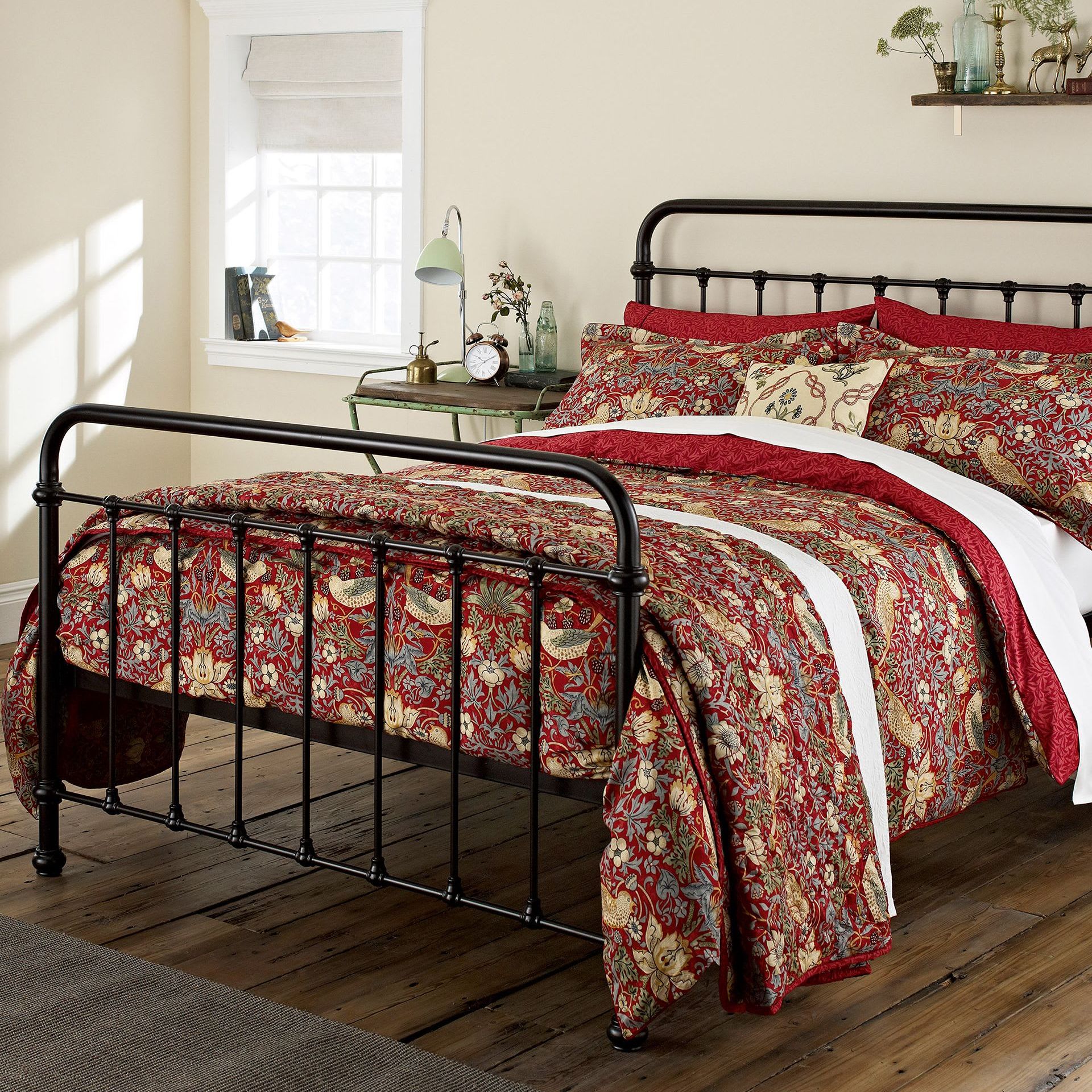
Pure Cotton Strawberry Thief Bedding Set
Ruggable
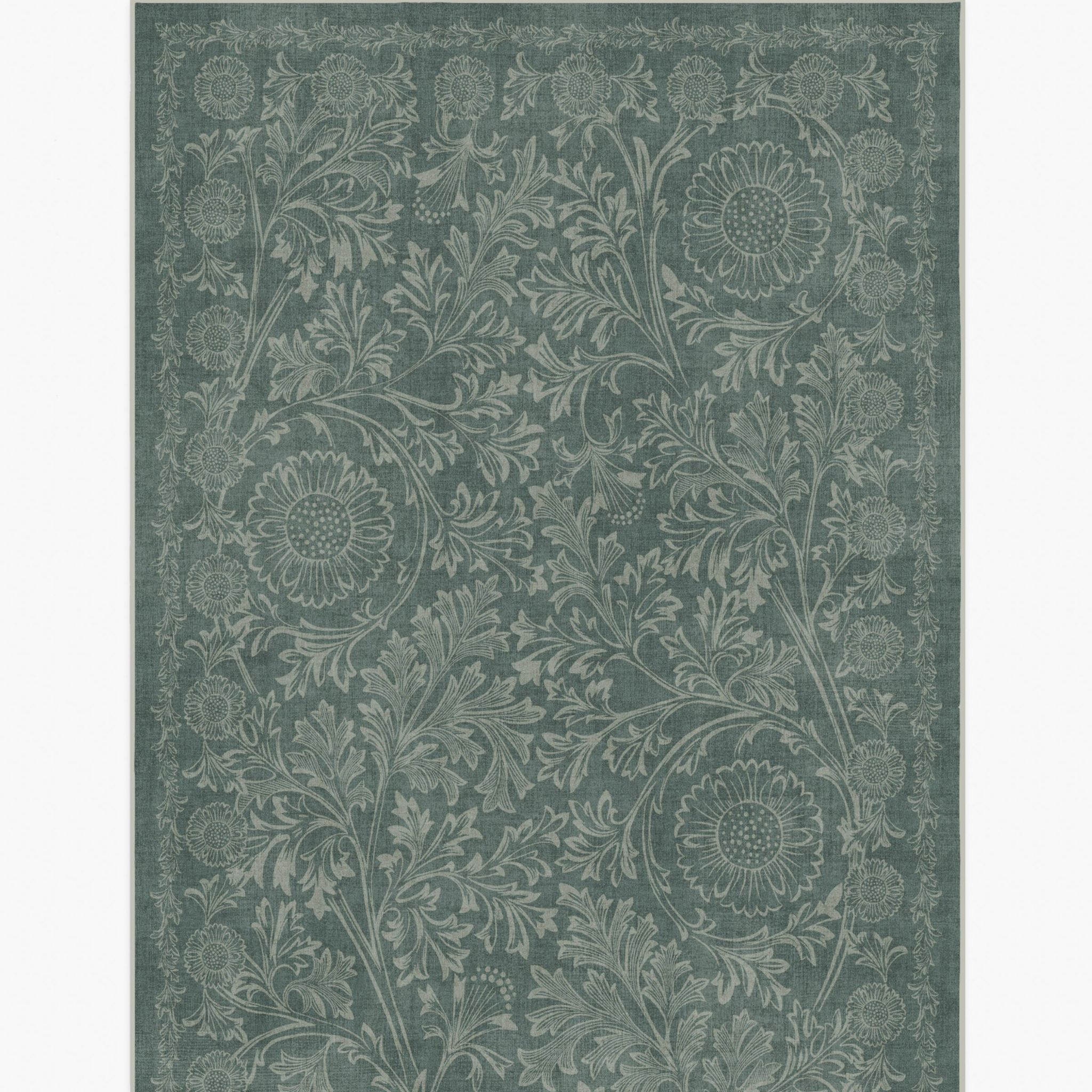
Chamomile Teal Green Rug by Morris & Co.
William Morris prints will never go out of style, and with Swyft known for their high-quality designs, it’s a winning combination for your home.
Designing a child’s bedroom can be one of the most enjoyable home projects. It’s a chance to use colour, pattern and playful ideas that you might not choose elsewhere, and to create a room that feels unmistakably theirs.
But children’s bedrooms have to work hard, too. One relatively small room may need to provide somewhere to sleep, dress, play, read, store toys, do homework and spend time with friends. And just when you’ve got everything working perfectly, your child grows, their interests change and the room needs to do something completely different.
That’s why it pays to approach a child’s bedroom in much the same way as you’d plan a kitchen or living room: get the practical layout right first, then have fun with the decoration. With some careful planning, you can create a bedroom that works for your child now without having to completely redesign it every couple of years.
Table of Contents
Quick Answer: How to Design a Child’s Room
The best way to design a child’s bedroom is to start with the room layout and the activities it needs to accommodate. Position the bed first, then plan storage, play or study areas and lighting around it. Choose adaptable furniture for the more expensive elements and use paint, bedding, artwork and accessories to bring in colour and personality.
Start With How the Bedroom Will Be Used
Before you start looking at paint colours or children’s bedroom furniture, think about what actually needs to happen in the room.
Sleeping is obviously the main purpose, but the bedroom may also need to provide space for:
Getting dressed and storing clothes
Playing with toys
Reading
Drawing and crafts
Homework
Hobbies
Relaxing
Displaying collections
Having friends over
Sleepovers
The priorities will change with age. A toddler or preschooler generally benefits from plenty of accessible toy storage and clear floor space. For a primary-school child, books, hobbies and schoolwork gradually become more important. By the teenage years, the same bedroom may need to accommodate a proper desk, technology, considerably more clothes and somewhere comfortable to relax.
Think about what your child needs now, but keep one eye on what they are likely to need in a few years’ time. You don’t need to predict every future hobby. The aim is simply to avoid making expensive or permanent choices that will unnecessarily limit the room later.
Measure the Bedroom Properly
It’s tempting to assume you know how much space you’ve got, especially if you’ve lived in your home for years. But a few centimetres can make a surprisingly big difference in a small bedroom.
Measure the length and width of the room and note the position of:
Doors and which way they open
Windows
Radiators
Plug sockets
Light switches
Built-in cupboards
Alcoves
Chimney breasts
Sloping ceilings
It’s worth drawing a simple floor plan, either on paper or using an online room-planning tool. Make a note of ceiling height, too, particularly if you’re considering a bunk bed, mid-sleeper, high sleeper or tall storage. Children’s bedrooms are often one of the smaller rooms in a British home, so every bit of usable space counts.
Before buying a large item of furniture, try marking its dimensions on the floor with masking tape. It’s a simple trick, but it gives you a much better sense of how much room a bed, wardrobe or desk will actually occupy.
Decide Where the Bed Will Go First
The bed will usually be the largest piece of furniture in the bedroom, so it’s the logical place to begin your layout. Ideally, you want a position that doesn’t obstruct the doorway, window or radiator and still leaves a comfortable route around the room.
In a generous bedroom, having space on both sides of the bed can make changing the bedding easier. In a small child’s room, however, pushing a single bed against a wall can be a perfectly practical way of freeing up valuable floor space.
Think about what will sit beside the bed, too. Does your child need a bedside table? Is there somewhere for a reading light? Is a plug socket conveniently positioned? Try to avoid placing the bed immediately beneath heavy shelves or wall-mounted storage.
What Size Bed Does a Child Need?
Once a child has outgrown their cot or toddler bed, it can make financial and practical sense to move straight to a standard single bed rather than buying another smaller bed that will eventually need replacing. A full-size single can then last well into the teenage years and beyond.
Where space is particularly tight, beds with built-in drawers can provide valuable additional storage. Cabin beds and mid-sleepers can combine sleeping with cupboards, drawers or desk space underneath.
Bunk beds can be an excellent option in shared bedrooms, but elevated beds aren’t suitable for every age. Always check the manufacturer’s age, mattress-depth and safety recommendations before buying or using one.
Create Zones Within the Bedroom
You don’t need a huge bedroom to divide it into different functional areas. Thinking in terms of zones can actually be especially useful in a small room because it forces you to consider what every part of the available space is doing.
The Sleep Zone
Keep the area immediately around the bed comfortable and relatively calm. Bedside lighting, favourite books and a few treasured possessions can make it feel cosy without surrounding the bed with clutter.
The Play Zone
For younger children, an area of clear floor space can be far more valuable than another piece of furniture. A rug can subtly define the play area while baskets, drawers or cubbies positioned nearby make toys easier to put away afterwards.
The Reading and Relaxation Zone
If you have room, create somewhere separate from the bed for reading and relaxing. It doesn’t have to involve an expensive armchair. A small upholstered chair, beanbag, floor cushion or pile of large cushions beside a bookshelf can work equally well.
The Study Zone
Once homework becomes part of everyday life, a dedicated work surface can be invaluable. Position a desk where there is good natural light if possible and provide a comfortable chair, task lighting and somewhere to keep stationery and school books.
The different zones don’t need walls or physical dividers. Rugs, furniture positioning, lighting and even different wall colours can create enough visual separation.
Plan Storage Around What Actually Needs Storing
It’s very easy to look at a wall of attractive storage and think, “That should be enough.” A better approach is to work out what you’re actually trying to store. Children accumulate a remarkably varied collection of possessions, and one type of storage rarely works for everything.
Clothes
Depending on age, you’ll probably need some combination of hanging space, drawers and shelves. Don’t automatically assume a huge wardrobe is the best solution. In a small room, a shallower wardrobe combined with a chest of drawers may use the space more effectively.
Toys
Large baskets and deep drawers are particularly useful for toys because they’re easy for children to use. There’s little benefit in creating an elaborate organisation system if putting everything away requires ten different steps.
Books
Forward-facing book ledges work particularly well for younger children because they can see the covers. As their book collection grows, conventional shelves are likely to become more practical.
Collections and Treasures
Children often want somewhere to display rather than hide their favourite possessions. A small wall shelf or picture ledge provides space for models, photographs, trophies, LEGO creations or other treasures without taking up floor space.
School and Hobby Supplies
Art materials, stationery, craft supplies and schoolwork can quickly spread around a room if they don’t have a designated home. Desk drawers, labelled boxes, small drawer units or shelving beside the desk can keep them contained.
The most successful bedrooms generally use a mixture of open and closed storage. Open shelves provide personality and easy access, while cupboards, drawers and baskets hide the less photogenic clutter.
Make Storage Easy for Your Child to Use
There’s an important difference between storage that looks organised and storage that a child can actually use independently. If your six-year-old’s coat hook is at adult shoulder height, they’re probably not going to hang up their dressing gown. If putting toys away means sorting dozens of tiny objects into individual containers, there’s a good chance they won’t do that either.
Where appropriate, provide:
Low hooks
Accessible drawers
Large toy baskets
Open cubbies
Low-level bookshelves
Simple storage categories
Keep belongings that require adult supervision out of reach, but make everyday possessions easy for the child to access and put away themselves.
The easier the system is to use, the better chance you have of the bedroom remaining reasonably organised.
Choose Furniture That Can Grow With Them
Children grow quickly. Good children’s bedroom furniture doesn’t necessarily have to be specifically designed for children. In fact, some of the most useful pieces are those that wouldn’t look out of place elsewhere in the house.
A simple chest of drawers, bookcase or wardrobe can work from toddlerhood through the teenage years. A well-made single bed can potentially last even longer.
Look for adaptable pieces such as:
Full-size single beds
Beds with storage
Adjustable desks
Modular shelving
Simple wardrobes
Chests of drawers
Storage benches
Cube storage
Neutral doesn’t have to mean white, grey or beige. A dark blue wardrobe, green chest of drawers or painted wooden bed can have plenty of personality without looking particularly childish.
Where furniture is designed to be secured to the wall, follow the manufacturer’s instructions. Tall or potentially unstable furniture should be appropriately anchored, particularly in rooms used by younger children.
How to Choose a Colour Scheme for a Child’s Bedroom
This is the part of children’s bedroom design where you can really have fun. There’s no reason to restrict yourself to traditional pale pink and baby blue. Children’s rooms can handle colour extremely well, whether that’s leafy green, warm terracotta, sunny yellow, teal, lilac, burgundy or a combination of several shades.
Start by considering the room itself. A bright south-facing bedroom may cope beautifully with cooler or stronger colours, while a darker north-facing room might benefit from shades with warmer undertones. Then consider your child’s preferences.
Should Children Choose Their Own Bedroom Colour?
It’s their bedroom, so involving them in the design can help the finished room feel much more personal. That doesn’t necessarily mean giving a four-year-old unrestricted access to the paint chart, though.
One useful compromise is to choose several colours that you’re happy to use and let your child pick their favourite. Older children can naturally have more involvement in the overall scheme.
Don’t automatically dismiss a colour because it’s bold. If your child desperately wants a dark blue, purple or bright green bedroom, there may be a creative way to make it work. You could use the colour on one wall, below a dado rail, on woodwork or furniture, or choose a slightly softer version of the shade.
Create a Colour Scheme That Can Evolve
If longevity is important, keep the most expensive elements of the room reasonably flexible and introduce some of the strongest colours through things that are easier to change.
That could include:
Bedding
Rugs
Curtains
Cushions
Lamps
Artwork
Storage baskets
Accessories
This doesn’t mean every child’s bedroom needs neutral walls. Paint is relatively inexpensive to change, so if a bright wall colour brings them joy, it can be well worth embracing. The bigger consideration is whether you’re investing heavily in a very specific look across fitted furniture, flooring, wallpaper and expensive furnishings simultaneously.
Add Personality Without Going Overboard With a Theme
One year it’s dinosaurs. Then it’s space. Then football. Then suddenly everything must relate to a particular film, game or character. Children’s passions can be wonderfully intense – and surprisingly short-lived. There’s nothing wrong with a themed bedroom if that’s what your child wants, but you don’t necessarily need to turn every surface into part of it.
Instead, bring their current interests into the room through easily changeable details. For a child who loves space, for example, you might add star-patterned bedding, framed planet prints and a moon-shaped lamp rather than installing an elaborate spaceship bed and covering every wall with planetary wallpaper. When their interests change, the room can change with them.
Use Wallpaper and Pattern Creatively
Wallpaper is a lovely way to bring character into a child’s bedroom, and there are far more sophisticated children’s designs available than there once were.
You could wallpaper:
One feature wall
The upper half of a wall above panelling
An alcove
Behind the bed
The inside of a built-in cupboard
All four walls
Smaller patterns can sometimes be easier to live with than very large, highly themed designs. Murals and removable wall decals offer another way to make an impact, particularly if you want something that can be changed later. Don’t be afraid to mix patterns, either. Stripes, checks, florals and playful motifs can coexist happily if there’s a common colour running through the scheme.
Plan Several Types of Lighting
A single ceiling pendant may illuminate the room, but it won’t necessarily provide the right light for reading in bed, doing homework or winding down at night. A good lighting plan usually combines several sources.
General Lighting
A ceiling pendant, flush fitting or suitable spotlights provide the main illumination.
Bedside Lighting
A bedside or wall-mounted reading light is useful for bedtime stories and independent reading.
Task Lighting
Older children will benefit from a proper desk lamp for homework, drawing and other detailed activities.
Night Lighting
Younger children who aren’t comfortable sleeping in complete darkness may appreciate a soft night light. Think about where switches and controls are positioned, too. Being able to turn off a bedside light without getting out of bed is useful for older children.
Window coverings also affect the room’s light levels. Blackout blinds or lined curtains can be especially helpful during British summers when bedtime may arrive long before darkness does.
Create a Practical Study Area
A dedicated desk isn’t essential for a toddler, but it’s worth considering how one might eventually fit into the room.
For a school-age child, look for somewhere with good natural light and enough room for a comfortable chair. Avoid cramming a desk into a space so tightly that the chair can’t be pulled out properly. Add a desk lamp and keep frequently used supplies within easy reach. Shelves above or beside the desk can make good use of vertical space.
For older children, consider where laptops, monitors and chargers will go and whether there are conveniently positioned plug sockets.
What If There’s No Room for a Desk?
A conventional desk isn’t the only option.
Consider:
A narrow desk
A wall-mounted fold-down desk
A desk built into an alcove
A compact corner desk
A desk incorporated beneath a cabin or high sleeper
Just make sure there’s enough usable work surface. An ultra-shallow desk might fit beautifully into the available gap but prove frustrating when your child tries to open a textbook beside a laptop.
Don’t Fill Every Available Space
One of the easiest mistakes to make when designing a child’s bedroom is adding too much furniture.
You need a bed. You need storage. Perhaps you need a desk. But do you really need another bookcase, an extra chair and a large toy chest?
For younger children in particular, empty floor space has a function. It’s where train tracks are constructed, dolls’ houses are arranged, LEGO cities appear and elaborate games take place.
Try positioning larger pieces around the perimeter of the room and keeping part of the floor open. Using the walls for shelves and hooks and choosing beds with built-in storage can help you achieve this without sacrificing storage capacity.
Choose Practical Flooring
Children’s bedroom flooring needs to cope with plenty of everyday wear.
Carpet
Carpet is warm, soft and comfortable for children who spend a lot of time playing on the floor. The downside is that spills and stains can be more difficult to deal with.
Wood and Wood-Effect Flooring
Wood, laminate and other hard flooring can be easier to clean and works well as children get older, although it can feel colder and be noisier underfoot.
Rugs
A rug gives you the best of both worlds in many rooms. It adds softness and warmth to a hard floor while providing another opportunity to introduce colour and pattern.
Washable rugs can be particularly practical in children’s rooms. Make sure rugs are suitably secured where necessary so they don’t slide around underfoot.
Choose Window Treatments Carefully
Curtains and blinds have both decorative and practical roles in a child’s bedroom.
Think about:
How effectively they block light
Privacy
Insulation
Ease of cleaning
How easily they can be operated
Child safety
Blackout linings can be particularly useful for younger children who go to bed early or rooms that receive a lot of evening sunlight. If you’re installing blinds, make sure they’re compliant with current child-safety requirements and that cords or chains don’t present a hazard.
Make Safety Part of the Design
Safety shouldn’t make a child’s bedroom feel clinical, but it does need to be part of your planning.
The exact considerations will depend on your child’s age and the room, but things to think about include:
Securing appropriate tall furniture to the wall
Following age and safety recommendations for bunk beds and high sleepers
Keeping cables tidy
Using child-safe window coverings
Keeping heavy objects away from high shelves above beds
Making sure furniture is stable
Considering access to windows
Checking that furniture and accessories are suitable for your child’s age
Always follow current manufacturer instructions and relevant official safety guidance, particularly for sleeping furniture, blinds and products intended for younger children.
Think About Plug Sockets and Technology
Sockets may not be the most exciting element of bedroom design, but badly positioned ones become surprisingly annoying. Even a younger child’s bedroom may need sockets for a bedside lamp, night light or occasional electronic devices.
As they grow older, requirements could include:
Phone and tablet chargers
Desk lamps
Computers
Monitors
Alarm clocks
Speakers
Gaming equipment
If you’re renovating or planning the electrical layout of a new home, think about where the furniture will actually go before deciding on socket positions. A socket hidden behind a large wardrobe isn’t much use, while relying on extension leads because there isn’t a socket anywhere near the desk isn’t ideal either.
How to Design a Small Bedroom
Small bedrooms require a little more planning, but they don’t have to feel cramped. Start by identifying what absolutely needs to be in the room and be selective about everything else. Look upwards as well as outwards. Vertical space is often underused.
Useful ideas include:
Beds with drawers underneath
Wall-mounted bookshelves
Tall, narrow storage
Hooks behind the door
Storage fitted into alcoves
Cabin beds
Narrow wardrobes
Wall-mounted desks
Shelving above a desk
Avoid automatically choosing tiny furniture simply because the room is small. A good-sized bed and one effective wardrobe can sometimes work better than several undersized pieces. And don’t assume a small bedroom needs to be white. Colour can make a compact room feel cosy, characterful and intentional. The key is controlling clutter and choosing furniture that fits the proportions of the space.
A shared bedroom brings an extra challenge: you’re designing for two personalities as well as two sets of possessions. Where possible, give each child some clearly defined personal space.
That might mean:
Their own bedside shelf
Separate drawers
Individual storage baskets
Different bedding
Their own wall display
A shelf for personal possessions
The room doesn’t have to be divided perfectly in half, and everything certainly doesn’t have to match. Using coordinating rather than identical bedding can make a shared room look cohesive while allowing each child to choose colours or patterns they prefer.
Bunk beds can free up a significant amount of floor space, although two separate beds may provide more flexibility if the room is large enough. As children get older, privacy becomes increasingly important, so think about how the arrangement might need to evolve.
Design a Bedroom That Can Grow With Your Child
The easiest way to make a child’s bedroom last is to distinguish between the elements that are difficult or expensive to change and those you can update relatively easily.
Longer-term decisions include:
Flooring
Built-in storage
Electrical layout
Large wardrobes
Quality beds and mattresses
Things that can be changed relatively easily include:
Paint
Bedding
Artwork
Rugs
Lampshades
Cushions
Drawer handles
Accessories
Spend most of your planning time getting the permanent elements right. Then allow the flexible elements to reflect whoever your child happens to be at that moment. The seven-year-old who wants a bedroom full of rainbows doesn’t have to be restricted because their 14-year-old self might object. Let them enjoy the rainbows – just don’t necessarily commission a fitted rainbow-shaped wardrobe to go with them.
Common Children’s Bedroom Design Mistakes
Even a beautifully decorated bedroom can be frustrating if the practical details haven’t been considered.
Buying Too Much Furniture: More storage isn’t always better if the storage itself consumes all the usable space. Leave enough room for your child to move around and, particularly when they’re younger, play.
Putting Storage Out of Reach: Children are much more likely to use storage that they can easily reach and understand.
Designing Everything Around One Them: Interests change quickly. Use easily replaceable accessories for very specific themes rather than committing every expensive element of the room to them.
Forgetting That Children Grow: That tiny desk might be perfect today, but consider whether it will still be usable in a couple of years.
Relying on One Light: Layered lighting makes the bedroom much more versatile and comfortable.
Ignoring Plug Socket Positions: Check socket positions against your proposed furniture layout before you start moving everything into place.
Prioritising Looks Over Practicality: A child’s bedroom doesn’t have to look immaculate. It needs to work when the laundry basket is filling up, the floor is covered in toys and somebody has decided that 27 soft toys absolutely must sleep in the bed. Design for real life rather than the photograph.
Not Involving Your Child: You don’t need to agree to every suggestion, but giving children some ownership of their room can make a huge difference to how they feel about it. Let them choose between colours, select artwork, pick bedding or decide where some of their favourite possessions will be displayed.
Child’s Bedroom Planning Checklist
Before you finish your plans, run through this quick checklist:
Have you measured the room accurately?
Is the bed in the best position?
Can doors and windows open properly?
Are radiators unobstructed?
Is there enough clothes storage?
Is everyday storage accessible to your child?
Is there somewhere for books?
Is there sufficient clear floor space?
Does your child need a desk now or in the near future?
Are plug sockets conveniently positioned?
Is there general, bedside and task lighting where required?
Are the window coverings practical and safe?
Is appropriate furniture secured?
Can the bedroom adapt as your child grows?
Has your child had some say in how their room looks?
Frequently Asked Questions
What Should You Plan First When Designing a Child’s Bedroom?
Start by measuring the room and deciding on the position of the bed. As the bed is usually the largest piece of furniture, getting its location right makes it much easier to plan wardrobes, drawers, a desk and other storage around it.
Where Is the Best Place to Put a Bed in a Child’s Bedroom?
The best position depends on the individual room, but aim to keep the doorway, windows and radiators unobstructed and maintain an easy route through the bedroom. In a small room, positioning a single bed against a wall can help maximise usable floor space.
How Can You Make a Child’s Bedroom Grow With Them?
Choose adaptable furniture and keep expensive or permanent elements reasonably flexible. Allow your child’s current personality and interests to come through in paint, bedding, artwork, rugs and accessories, which can all be updated relatively easily as their tastes change.
How Much Storage Does a Child’s Bedroom Need?
There’s no single ideal amount. Instead, work out what needs to be stored and provide the right type of storage for each category. Clothes, toys, books, school supplies and treasured possessions all benefit from different storage solutions.
How Do You Design a Child’s Bedroom on a Budget?
Keep and repurpose existing furniture wherever possible and concentrate your budget on essentials such as a good bed and mattress. Paint can completely transform both walls and suitable furniture, while second-hand pieces, affordable artwork, new bedding and colourful accessories can update the room without a large investment.
Creating a Room That Really Belongs to Them
Ultimately, the best child’s bedroom isn’t necessarily the most stylish or the one that follows the latest interiors trends. It’s the bedroom that works. There should be somewhere comfortable to sleep, enough practical storage, suitable space for playing or studying and room for the child’s needs to change as they grow.
Get those foundations right and you can be much more adventurous with everything else. Most importantly, remember whose room you’re designing. A child’s bedroom is one of the few spaces in the family home that can truly belong to them. Give them some freedom to choose colours, display their favourite things and celebrate whatever they’re currently passionate about. It might not result in exactly the bedroom you would have designed for yourself – but that’s rather the point.
–> For more ideas and inspiration for decorating and furnishing kids rooms, check out our section on Children’s Rooms.
I was sat on the sofa last night considering going to bed when I realised, in horror, that it was only 7:30pm. That’s right, the dark evenings are upon us, and as my open-plan kitchen is so poorly set up for cosy evenings, I knew I needed to line up a payday lamp purchase – stat.
So naturally, I started browsing my favourite spot, Dunelm, for affordable buys that feel like a genuinely justifiable purchase – whether it’s payday week or the week before.
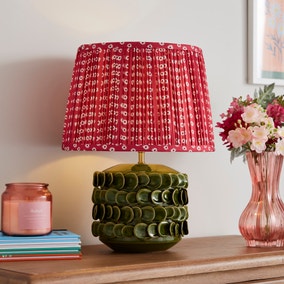
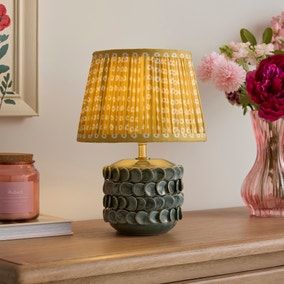
This lamp I spotted made me stop in my tracks. I’m a lover of country-inspired home decor and I love high-end brands that embody this aesthetic, but over £100 for a lamp isn’t in my budget. For just £35 for this Posie lamp, however, I can definitely commit – and it looks just like one from a much more premium retailer.
When I spotted the textured, ceramic base of Dunelm’s Posie lamp, I couldn’t help but think it reminded me of much more expensive, similar styles.
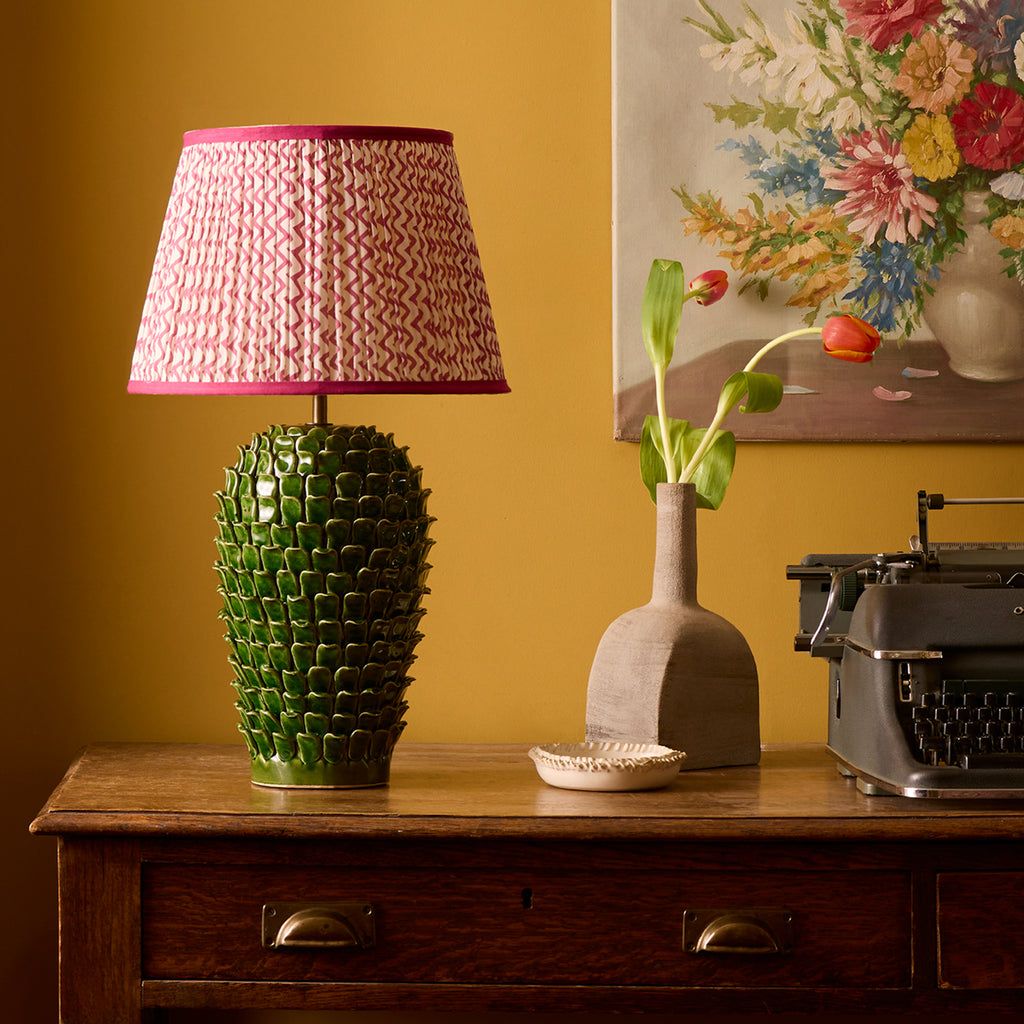
The Stucco lamp from Pooky is the perfect example of how these textured lamp bases are trending right now. Living spaces, whether a sitting room or an open plan kitchen, are benefitting from a more-is-more approach, with plenty of textures, patterns and colours creating an inviting space.
The contrasting colour scheme of the pink shade and green base is an easy way to add a fun pop of colour to a kitchen colour scheme – it will look right at home in pale pink or earthy green spaces.
(Image credit: Future PLC/ Rachael Smith)
The Dunelm Posie lamp comes in two sizes – the smaller size is £35 and the larger style is £69. which is still much more affordable than other lamps of a similar size.
Sign up to our newsletter for style inspiration, real homes, project and garden advice and shopping know-how
I have my eye on the smaller size to add a warm glow to dark corners of my small kitchen. Fabric shades are controversial in cooking spaces, but I think as long as they’re away from appliances, there’s no reason why they can’t be used.
These ruched, fabric shades have been seen everywhere as of late, and they’re an easy way to incorporate a new pattern into a scheme. Pattern layering can be tricky, so trying it out in smaller, more affordable formats can ease you in.
(Image credit: Future PLC / Bee Holmes)
I’m all about finding small additions to a kitchen that don’t break the bank. Updating decorative touches breathes new light into a space (quite literally), and it’s even better when the piece is practical too.
As the nights draw in, focusing on task lighting around a kitchen will make it feel cosy and welcoming, and reduce the requirement of having the big light on.
What’s even better is when this has a dual function – it adds illumination but also adds to a layered, beautifully curated scheme.
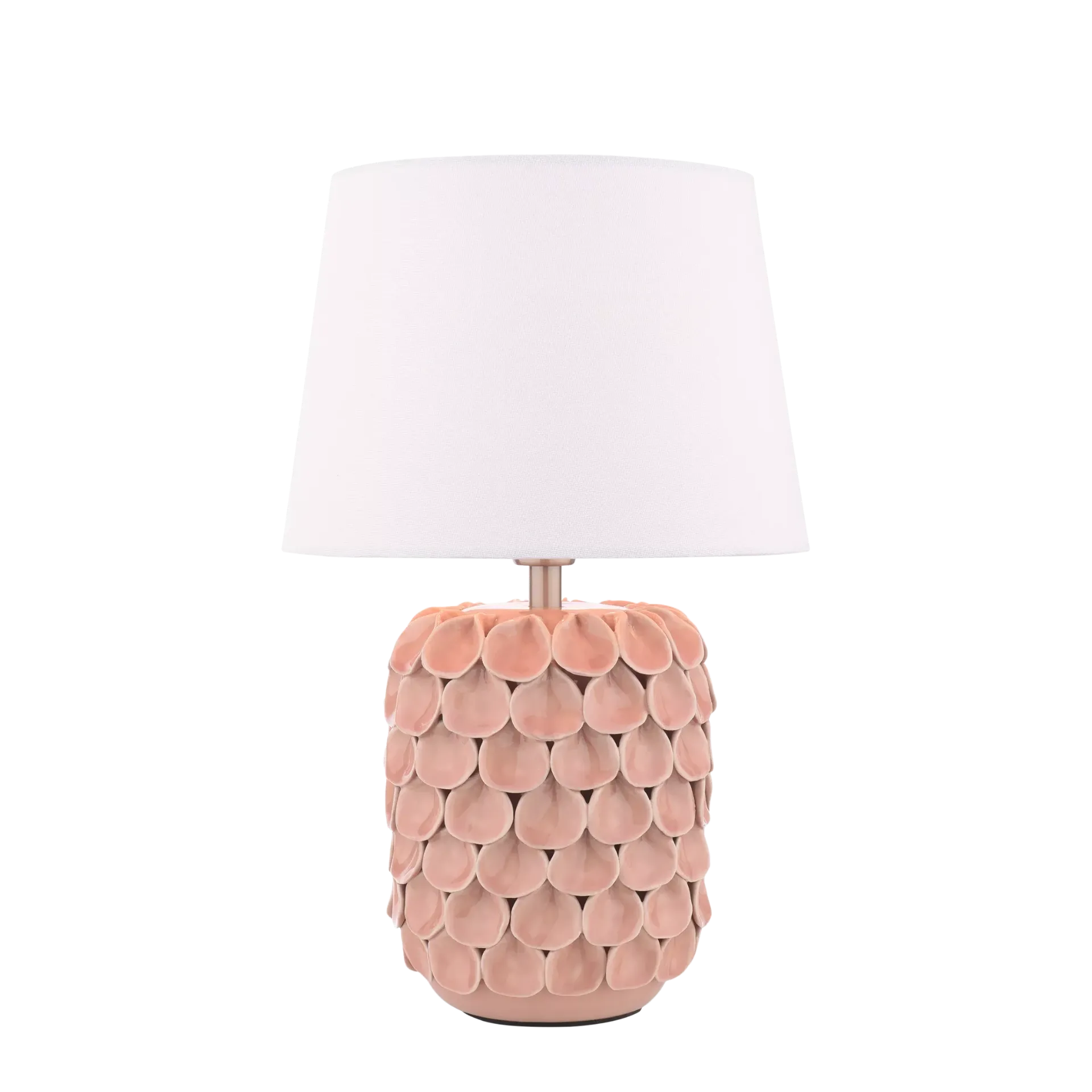
This super sweet lamp from Laura Ashley is so simple, but the textured base does all of the talking.","brand":"John Lewis","name":"Laura Ashley Marwick Ceramic Table Lamp","urlStyle":"","retailer":"","layout":"hero","linkText":"","noFollow":true,"noAffiliateTracking":false,"promoLabel":"","price":85,"salePrice":null,"currency":"GBP","linkLayout":"text","sponsored":false,"hawkProductNameMatchedCode":"","review":{"cons":[],"id":"","name":"","pros":[],"rating":0,"strapline":"","url":""},"id":"","externalId":"b8ea7af1e01e948664dfb9a15bc63e39c73dc215","lastCheckedPriceDate":"","link":{"url":"https:\/\/john-lewis-and-partners.pxf.io\/c\/221109\/871855\/12148?subId1=hawk-custom-tracking&sharedId=hawk-prefix&u=https%3A%2F%2Fwww.johnlewis.com%2Flaura-ashley-marwick-ceramic-table-lamp-pink%2Fp114189586","merchantName":"John Lewis","merchantId":179552,"merchantNetwork":"ImpactRad","merchantUrl":"johnlewis.com"}}}}}” data-link=”https://john-lewis-and-partners.pxf.io/c/221109/871855/12148?subId1=hawk-custom-tracking&sharedId=hawk-prefix&u=https%3A%2F%2Fwww.johnlewis.com%2Flaura-ashley-marwick-ceramic-table-lamp-pink%2Fp114189586″ data-link-merchant=”John Lewis” data-merchant-id=”179552″ data-merchant-name=”John Lewis” data-merchant-network=”ImpactRad” data-merchant-url=”johnlewis.com” data-model-brand=”John Lewis” data-model-name=”John Lewis Laura Ashley Marwick Ceramic Table Lamp” data-name=”Product Block merchantlink widget” data-render-type=”fte” data-show-fallback=”button” data-widget-type=”merchantlink” class=”ecom-root”>
This super sweet lamp from Laura Ashley is so simple, but the textured base does all of the talking.
Pooky's Stucco lamp has a grand height that will make a real impact if you have the space available.","brand":"Pooky Lighting","name":"Regular Stucco Table Lamp in Emerald","urlStyle":"","retailer":"","layout":"hero","linkText":"","noFollow":true,"noAffiliateTracking":false,"promoLabel":"","price":140,"salePrice":null,"currency":"GBP","linkLayout":"text","sponsored":false,"hawkProductNameMatchedCode":"","review":{"cons":[],"id":"","name":"","pros":[],"rating":0,"strapline":"","url":""},"id":"","externalId":"207a1851ac081856b10201eb0b2a899eff4e9b81","lastCheckedPriceDate":"","link":{"url":"https:\/\/www.awin1.com\/awclick.php?awinmid=20426&awinaffid=103504&clickref=hawk-custom-tracking&p=https%3A%2F%2Fwww.pooky.com%2Fproducts%2Fstucco-table-lamp-in-emerald","merchantName":"Pooky","merchantId":538624,"merchantNetwork":"AW","merchantUrl":"pooky.com"}}}}}” data-link=”https://www.awin1.com/awclick.php?awinmid=20426&awinaffid=103504&clickref=hawk-custom-tracking&p=https%3A%2F%2Fwww.pooky.com%2Fproducts%2Fstucco-table-lamp-in-emerald” data-link-merchant=”Pooky” data-merchant-id=”538624″ data-merchant-name=”Pooky” data-merchant-network=”AW” data-merchant-url=”pooky.com” data-model-brand=”Pooky Lighting” data-model-name=”Pooky Lighting Regular Stucco Table Lamp in Emerald” data-name=”Product Block merchantlink widget” data-render-type=”fte” data-show-fallback=”button” data-widget-type=”merchantlink” class=”ecom-root”>
Pooky’s Stucco lamp has a grand height that will make a real impact if you have the space available.
Autumn is upon us, so it’s time to start thinking more carefully about our kitchen lighting ideas – these tips will provide plenty of inspiration for new projects.
<aside data-article-category="all-rooms" data-block-layout="horizontal" data-block-type="featured-product" data-hawk-json="{"product":{"variants":{"Default":{"image":{"copyright":"","height":2000,"id":"UEREX7ubi3tLNsS4pTdJrQ","mimeType":"image\/jpeg","mos":"https:\/\/cdn.mos.cms.futurecdn.net\/UEREX7ubi3tLNsS4pTdJrQ.jpg","role":"","width":2000,"credit":"Future PLC","alt":"Ideal Home logo on white background","caption":""},"strapline":"
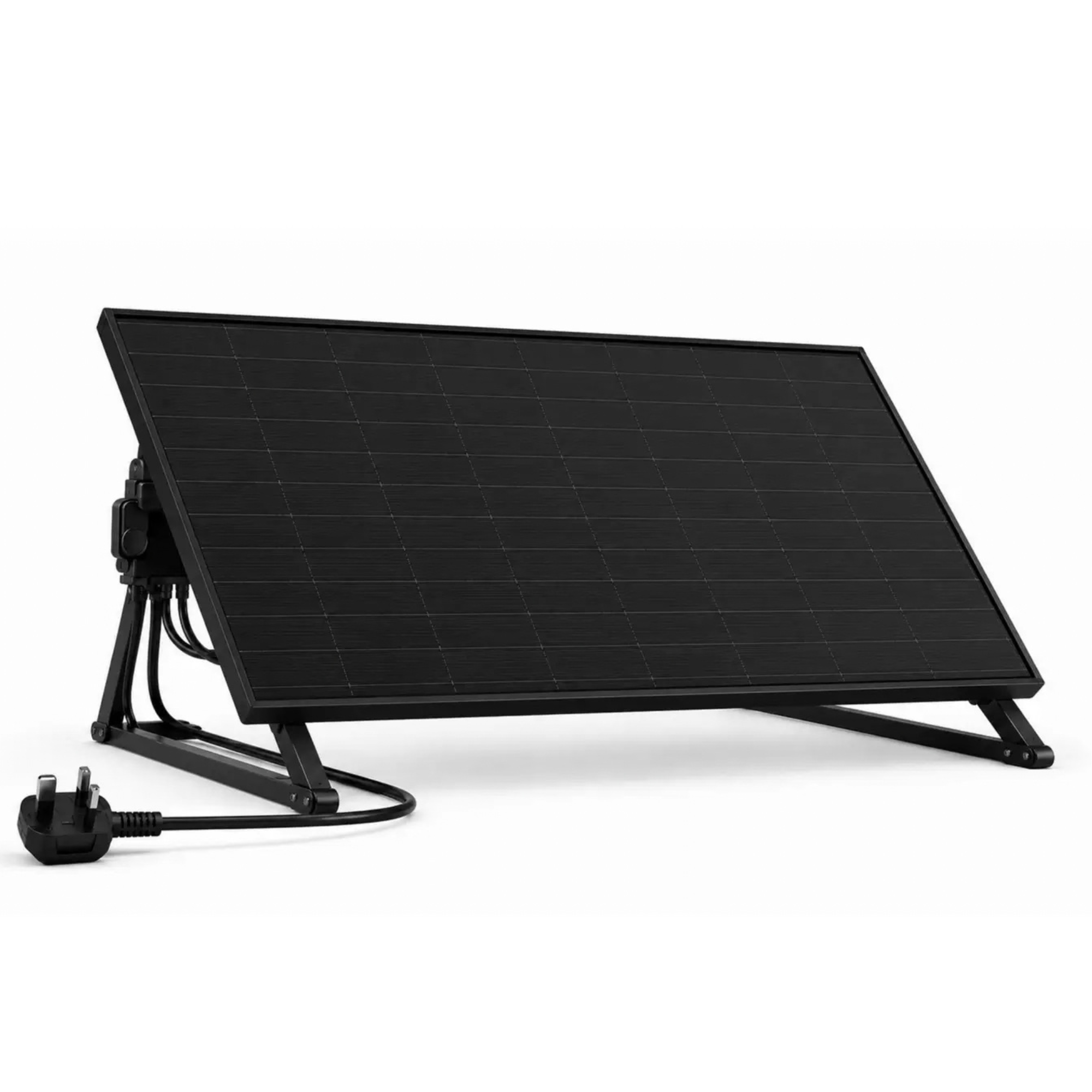
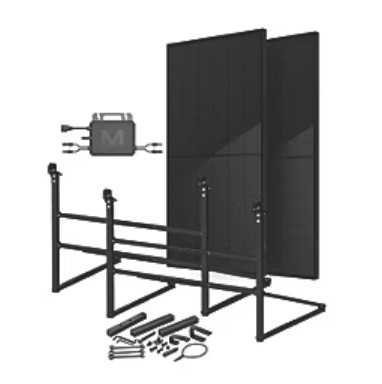
Since the Government announced plug-in solar panels were legal to buy and use in August this year, generating solar power at home is more accessible than ever before. However, this doesn’t mean that you can go and position your plug-in solar panels wherever you fancy – in fact, experts are warning against this one place in particular.
Now you can buy plug-in solar panels to harness solar energy without relying on traditional roof panels. They’re less expensive than rooftop panels and better suited to rentals and flats.
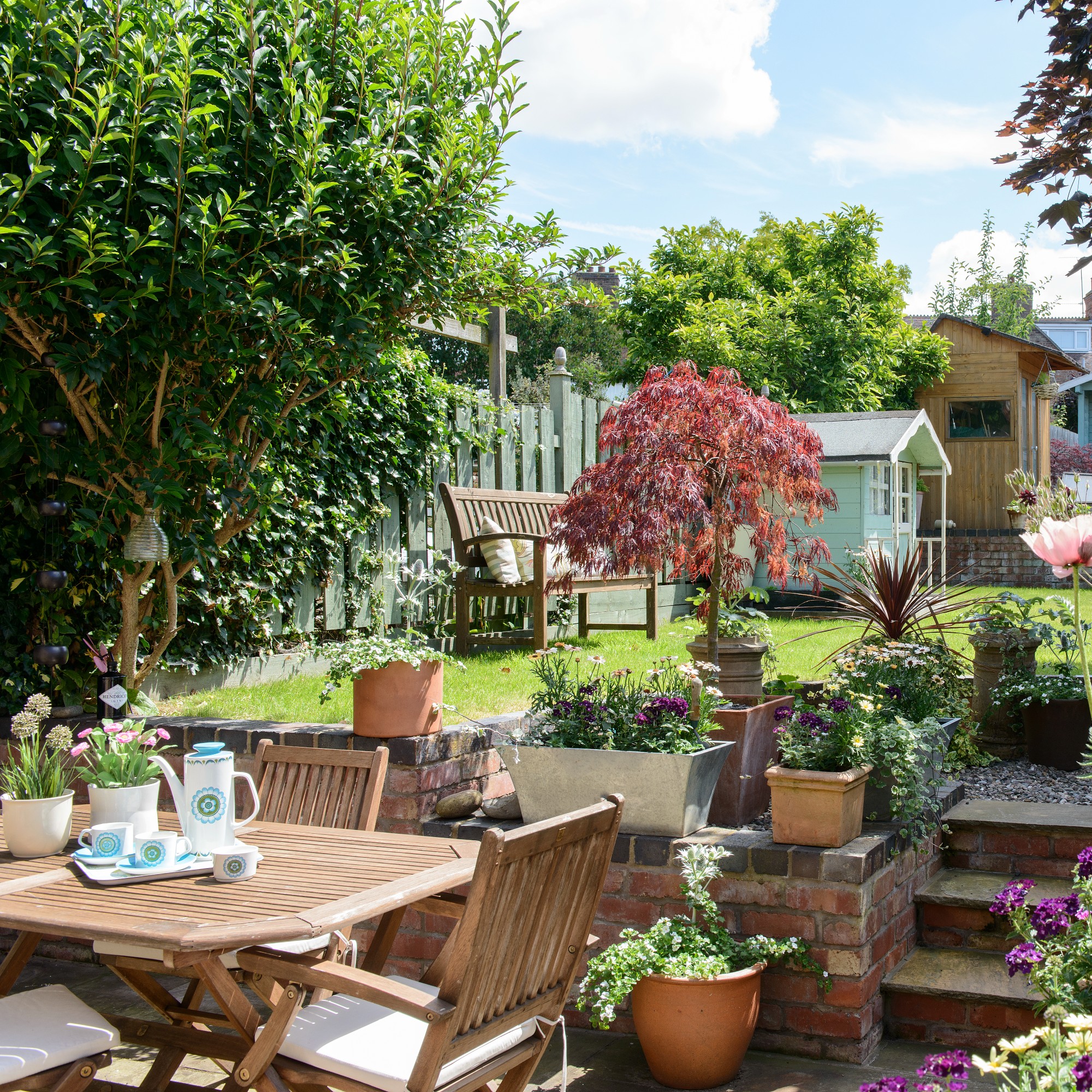
‘Homeowners may want to put a plug-in solar panel on their shed roof because of the angle the solar panel would lie. It’s best practice to have a tilt of around 30 to 40 degrees to ensure the sunlight is being captured properly, and a shed roof may provide that. However, homeowners are encouraged to consider wall-mounted solar panels or another surface, such as a balcony, to house their solar panels,’ says Alvaro Iturmendi, Uswitch solar energy expert.
‘Plug-in solar panels shouldn’t be installed on anything wooden, including gates, sheds, or shed roofs, due to the potential increased fire risk. This is due to components potentially overheating and causing a fire to start, with timber being a very combustible material.’
As you are dealing with electricals, it’s important to ensure your electricals are not in constant contact with flammable materials, like wood, as excess heat generated can act as a fire risk. However, if your shed is not made from wood, it could be used to house your plug-in solar panel, but it is worth checking with a professional first – especially if you have older wiring or need an outdoor socket installed.
Sign up to our newsletter for style inspiration, real homes, project and garden advice and shopping know-how
(Image credit: Future PLC/Colin Poole)
‘Before installing anything, check the direction of the shed roof and how much shade it receives from nearby trees and buildings. You should also inspect the shed itself, ensuring the structure is in good condition, and the roof is strong enough to carry the additional weight,’ says Garden shed expert Sam Jenkinson, from garden building retailer Tiger.
‘You’ll also need a suitable mains socket to safely plug the solar panel into. The cable run should be short and safe, without extension leads stretching across the garden.
‘Once installed, each system must be registered with your local Distribution Network Operator. It’s also important to check whether you need permission from your landlord, freeholder or your local council before installing.’
Shop compliant plug-in solar panels
UKSOL
Uksol 515w Pro Compact Plug in Solar Panel With Hybrid Mount Bundle
Modular Solar
Reduce Your Energy Bills With a Plug-In Modular Solar Unit – Prebuilt Unit
PowerXpress
800W Bifacial Plug-In Solar Power Kit
While plug-in solar offer ample opportunity to save energy and money on your bills. However, safety should always be your number one priority.
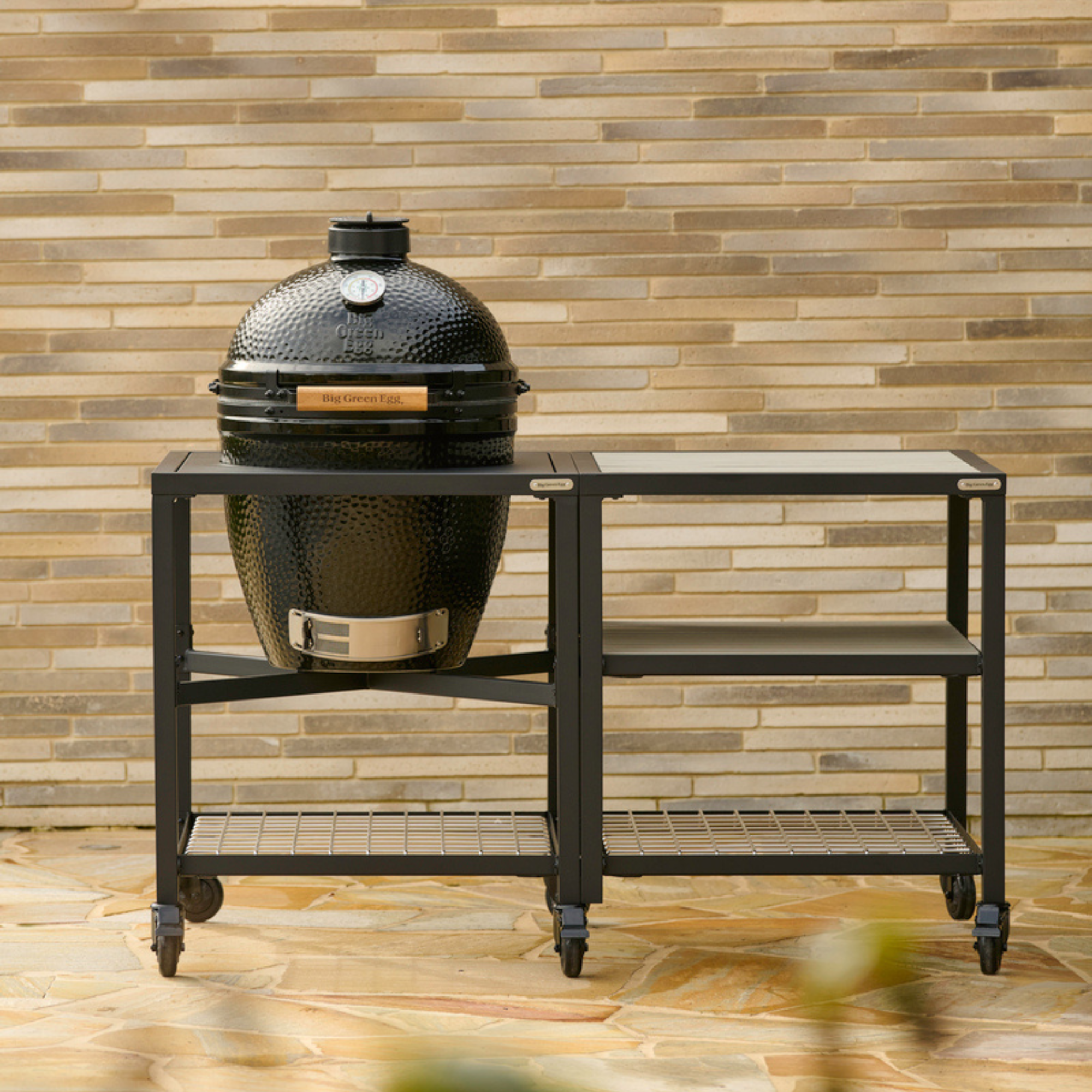
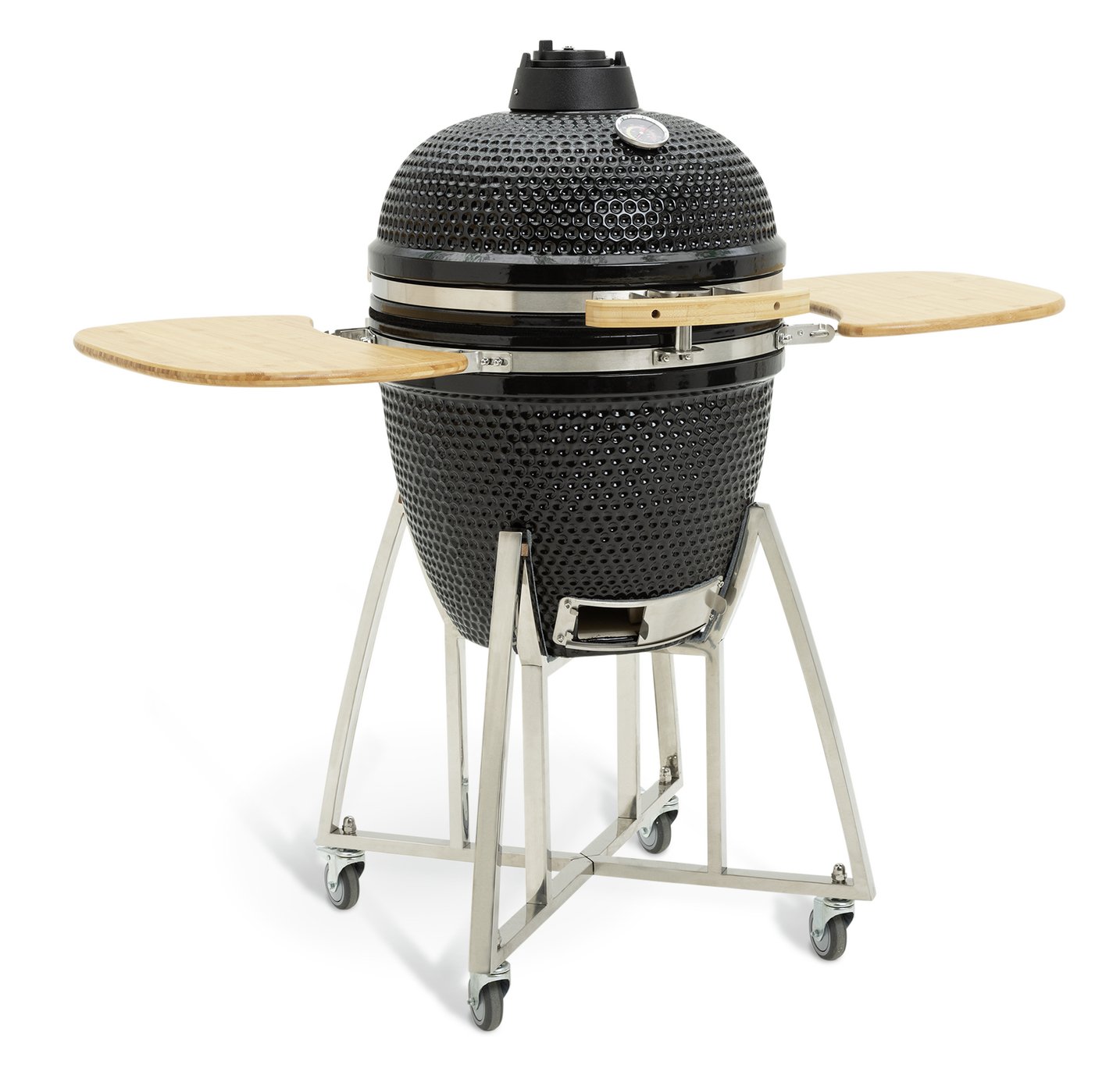
When you think of premium BBQs, the first image that comes to mind is undoubtedly the Big Green Egg. Its round shape and British Racing Green colourway have become synonymous with quality cooking. But the time has come to change your perception, as Big Green Egg have just dropped a brand new colourway – The Onyx.
Big Green Egg is one of the best BBQs you can buy and is highly favoured by chefs and celebrities due to its superior cooking abilities. And this is the first time a new colourway has been announced in the brand’s 50-year history.
The Big Onyx Egg gives the iconic egg a sleek black update and is designed to blend seamlessly into contemporary gardens. Here’s everything you need to know.
Latest Videos FromIdeal Home
(Image credit: Big Green Egg)
Launching today (24 September), the Big Onyx Egg is available in large size and to Big Green Egg members only. It is free to sign up for the membership scheme.
Inspired by the precious stone, Onyx, the ceramic outer shell features a deep, dark glaze, with the faintest hint of green shining beneath the surface. Inside, customers should be familiar with what they see.
The most important things to know about these egg BBQs are that they deliver precise temperature control, are incredibly versatile to use and are suitable for roasting, baking, slow cooking, smoking and even rotisserie. It’s these features, as well as the incredibly high-quality materials used to craft them, that make Big Green Egg BBQs so popular amongst professionals and one of the best charcoal BBQs on the market.
‘The decision to add a colour to the world’s most famous green was not one we took lightly. The Onyx came from listening to our customers, who wanted an EGG that could sit naturally within the more contemporary outdoor spaces they were creating. It took us time to get the finish right, but we knew we had it when we could still see that subtle trace of green in the sunlight. The Onyx may look different, but underneath it is the same EGG our customers have trusted for generations,’ comments Dan Gerstacov, CEO of Big Green Egg.
Sign up to our newsletter for style inspiration, real homes, project and garden advice and shopping know-how
(Image credit: Big Green Egg)
However, despite the colourway being the most obvious change, the Big Onyx Egg has had two upgrades to be aware of. The Quick Lights Kit means you can light the coals from below, via the Draft Door, for faster ignition and better heat distribution. It also has a Dual Zone System that makes it easier to switch between cooking modes or use multiple modes simultaneously. For example, you could roast a chicken on one side of the dome and grill vegetables on the other.
There’s no denying that large Big Green Eggs can be expensive, retailing for £1,495, and the Big Onyx Egg is expected to be no different. If it’s a little out of your budget, here are a few cheaper alternatives we recommend.
Alternatives
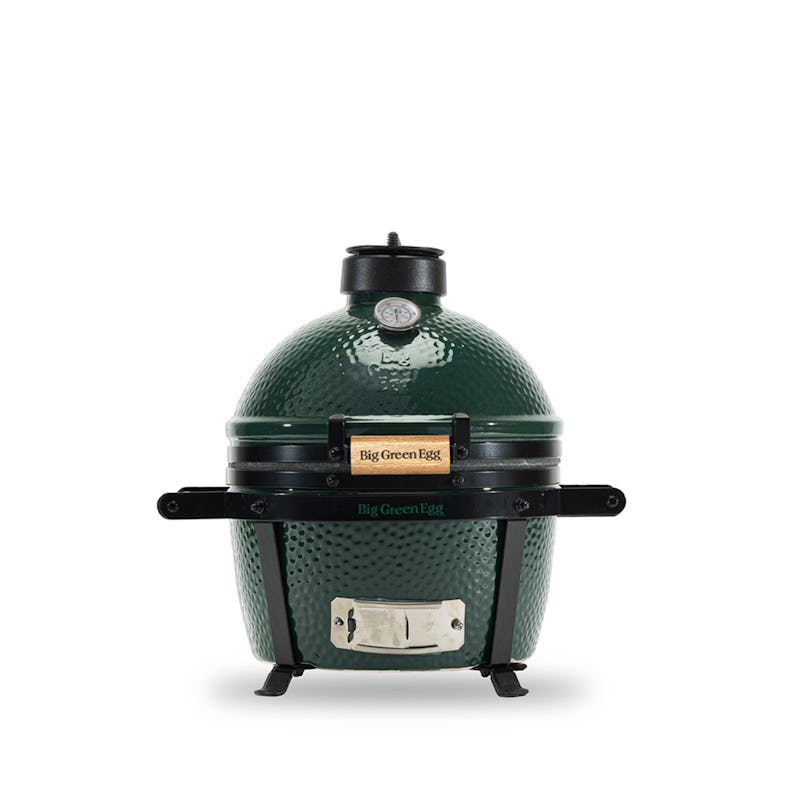
Big Green Egg
Minimax Big Green Egg
<aside data-article-category="garden" data-block-layout="hero" data-block-type="featured-product" data-editorial-currency="GBP" data-editorial-price="925" data-hawk-json="{"product":{"variants":{"Default":{"image":{"copyright":"","height":800,"id":"fkaNEARPwSRY68Rv9qffeU","mimeType":"image\/jpeg","mos":"https:\/\/cdn.mos.cms.futurecdn.net\/fkaNEARPwSRY68Rv9qffeU.jpg","role":"","width":800,"credit":"BigGreenEgg","alt":"Minimax Big Green Egg","caption":""},"strapline":"
The MiniMax is Big Green Egg's most affordable size. It can still feed four adults, yet can easily be transported – whether that's on camping trips or too the beach.","brand":"Big Green Egg","name":"Minimax Big Green Egg","urlStyle":"","retailer":"","layout":"hero","linkText":"","noFollow":true,"noAffiliateTracking":false,"promoLabel":"","price":925,"salePrice":null,"currency":"GBP","linkLayout":"text","sponsored":false,"hawkProductNameMatchedCode":"","review":{"cons":[],"id":"","name":"","pros":[],"rating":0,"strapline":"","url":""},"id":"","externalId":"7b4f68149e495c3d04ecf93df5794b50b838c71d","lastCheckedPriceDate":"","link":{"url":"https:\/\/biggreenegg.co.uk\/p\/mini-max-big-green-egg?","merchantName":"biggreenegg.co.uk"}}}}}” data-link=”https://biggreenegg.co.uk/p/mini-max-big-green-egg?” data-link-merchant=”biggreenegg.co.uk” data-merchant-name=”biggreenegg.co.uk” data-model-brand=”Big Green Egg” data-model-name=”Big Green Egg Minimax Big Green Egg” data-name=”Product Block merchantlink widget” data-render-type=”fte” data-show-fallback=”button” data-widget-type=”merchantlink” class=”ecom-root”>
The MiniMax is Big Green Egg’s most affordable size. It can still feed four adults, yet can easily be transported – whether that’s on camping trips or too the beach.
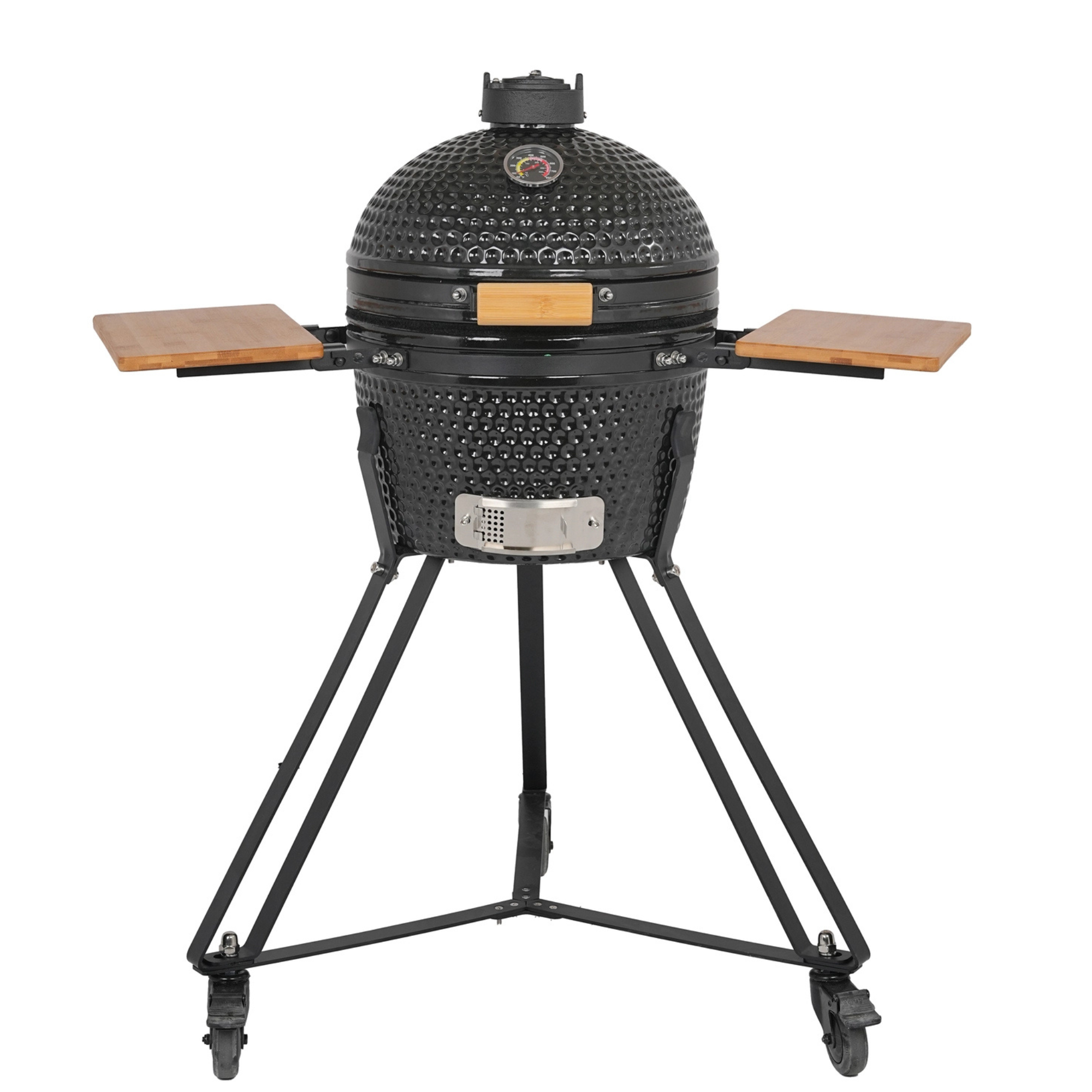
Reviews say this cheaper alternative has excellent quality, as well as being durable and sturdy.","brand":"Habitat","name":"Habitat 54cm Kamado Charcoal Bbq","urlStyle":"","retailer":"","layout":"hero","linkText":"","noFollow":false,"noAffiliateTracking":false,"promoLabel":"","price":600,"salePrice":null,"currency":"GBP","linkLayout":"text","sponsored":false,"hawkProductNameMatchedCode":"","review":{"cons":[],"id":"","name":"","pros":[],"rating":0,"strapline":"","url":""},"id":"","externalId":"272afea4c31bcf3cd0b52646ed0f738bdf18baf4","lastCheckedPriceDate":"","link":{"url":"https:\/\/www.anrdoezrs.net\/click-100624752-17337832?sid=hawk-custom-tracking&url=https:\/\/www.habitat.co.uk\/product\/8113322?","merchantName":"Habitat UK","merchantId":209252,"merchantNetwork":"CJ","merchantUrl":"habitat.co.uk"}}}}}” data-link=”https://www.anrdoezrs.net/click-100624752-17337832?sid=hawk-custom-tracking&url=https://www.habitat.co.uk/product/8113322?” data-link-merchant=”Habitat UK” data-merchant-id=”209252″ data-merchant-name=”Habitat UK” data-merchant-network=”CJ” data-merchant-url=”habitat.co.uk” data-model-brand=”Habitat” data-model-name=”Habitat Habitat 54cm Kamado Charcoal Bbq” data-name=”Product Block merchantlink widget” data-render-type=”fte” data-show-fallback=”button” data-widget-type=”merchantlink” class=”ecom-root”>
Reviews say this cheaper alternative has excellent quality, as well as being durable and sturdy.
As we head further into autumn, my focus has certainly shifted from getting out of the house, to updating the inside of my home. I’m preparing for cosy evenings spent hunkering down, and my kitchen is where I want to make some improvements.
Kitchens are the heart of the home, so creating a warm and inviting environment is essential to making a cooking space feel like a hub that the whole family can gather in during the winter months.
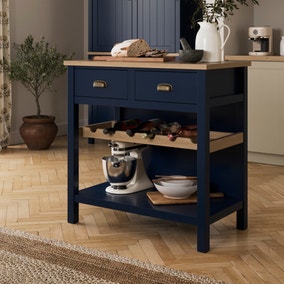
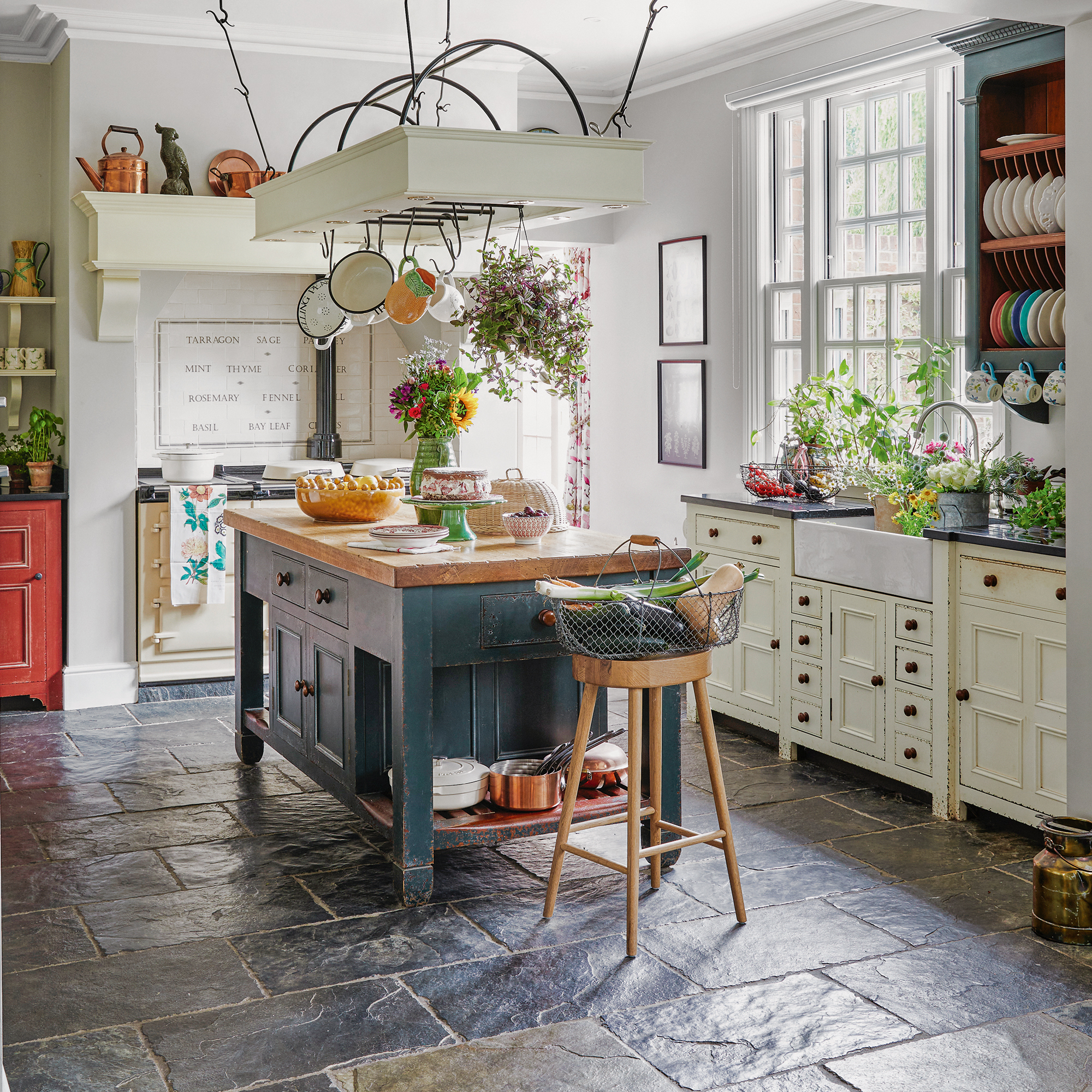
Kitchen island ideas are the perfect way to achieve this, but it’s hard to add one in without breaking the bank or calling in a professional. Luckily, Dunelm holds the answer in its Francis compact kitchen island – a classic Shaker island for just £249. Here’s why you should consider it.
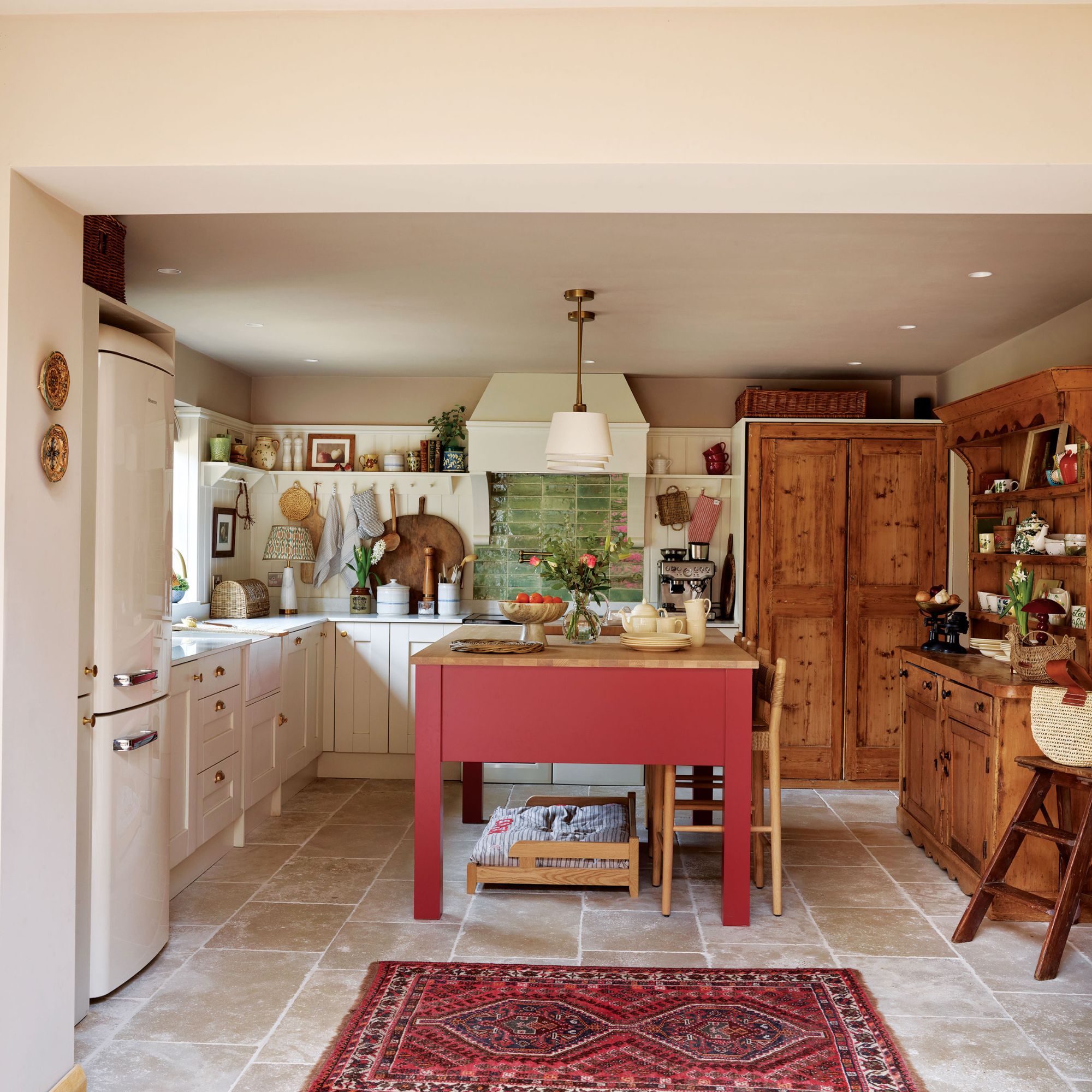
Many people think that a kitchen island is something that you build into your kitchen when you’re designing the whole space, but there are so many freestanding styles on the high street that allow you reap the rewards for less.
Perhaps you realised after living in a space for a while that you’d benefit from an extra work surface or a seating zone, in which case adding a freestanding island to the centre of a kitchen will work well.
However, some freestanding islands can still come with a serious price tag, so when I saw this style from Dunelm, I was shocked to see that it’s under £300.
It’s compact, but this makes it perfect for small kitchens and it adds storage without taking up the entire room.
Sign up to our newsletter for style inspiration, real homes, project and garden advice and shopping know-how
(Image credit: Future PLC / Rachael Smith)
The Francis compact kitchen island from Dunelm has so many great features, but the Shaker design is what first caught my eye. If you already have traditional Shaker cabinetry then continuing the look with an island will make it look like it’s built in.
It comes in two colours – navy and off-white, so you can either match it to your current scheme or opt for a two-tone look. The brass handles make it look so much more high-end than the price tag suggests, too.
(Image credit: Future/ Brent Darby)
While kitchen islands are handy for creating an additional work surface, they are also crucial for extra storage.
The lower shelf on the Francis island is great for larger pieces of kitchenware like mixing bowls, or even small appliances like a stand mixer, which isn’t used all of the time.
While the drawers provide a handy spot for cutlery, it’s the wine rack that makes this affordable kitchen island look much more premium. With space for 6 bottles, it creates a real focal point in your kitchen, rather than simply being a practical zone.
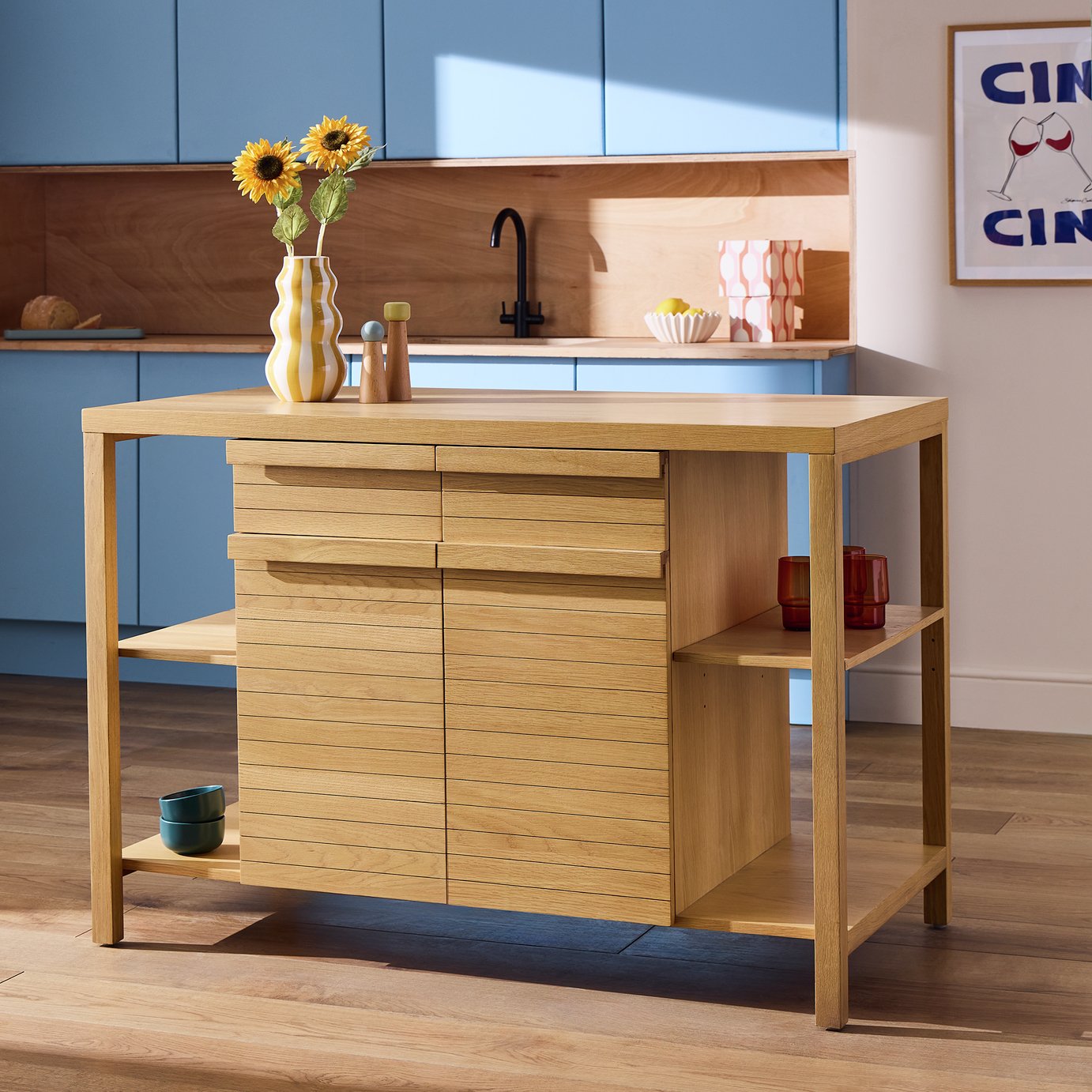
The warm tones of this solid wood island would make it perfectly placed in so many different kitchen schemes – it has the ultimate balance of open and closed storage too.","brand":"Habitat","name":"Habitat Leif Solid Wood Kitchen Island – Natural","urlStyle":"","retailer":"","layout":"hero","linkText":"","noFollow":false,"noAffiliateTracking":false,"promoLabel":"","price":520,"salePrice":null,"currency":"GBP","linkLayout":"text","sponsored":false,"hawkProductNameMatchedCode":"","review":{"cons":[],"id":"","name":"","pros":[],"rating":0,"strapline":"","url":""},"id":"","externalId":"2eaaa54da623444ddf9e73c6ce859b7c71fcda57","lastCheckedPriceDate":"","link":{"url":"https:\/\/www.anrdoezrs.net\/click-100624752-17337832?sid=hawk-custom-tracking&url=https:\/\/www.habitat.co.uk\/product\/7938089","merchantName":"Habitat UK","merchantId":209252,"merchantNetwork":"CJ","merchantUrl":"habitat.co.uk"}}}}}” data-link=”https://www.anrdoezrs.net/click-100624752-17337832?sid=hawk-custom-tracking&url=https://www.habitat.co.uk/product/7938089″ data-link-merchant=”Habitat UK” data-merchant-id=”209252″ data-merchant-name=”Habitat UK” data-merchant-network=”CJ” data-merchant-url=”habitat.co.uk” data-model-brand=”Habitat” data-model-name=”Habitat Habitat Leif Solid Wood Kitchen Island – Natural” data-name=”Product Block merchantlink widget” data-render-type=”fte” data-show-fallback=”button” data-widget-type=”merchantlink” class=”ecom-root”>
The warm tones of this solid wood island would make it perfectly placed in so many different kitchen schemes – it has the ultimate balance of open and closed storage too.
<aside data-article-category="all-rooms" data-block-layout="hero" data-block-type="featured-product" data-editorial-currency="GBP" data-editorial-price="220" data-hawk-json="{"product":{"variants":{"Default":{"image":{"copyright":"","height":1382,"id":"rEw9mUFu7mafezFh7CcFiE","mimeType":"image\/jpeg","mos":"https:\/\/cdn.mos.cms.futurecdn.net\/rEw9mUFu7mafezFh7CcFiE.jpg","role":"","width":1382,"credit":"Habitat","alt":"Habitat Nomad 4 Seater Bar Island – Natural","caption":""},"strapline":"
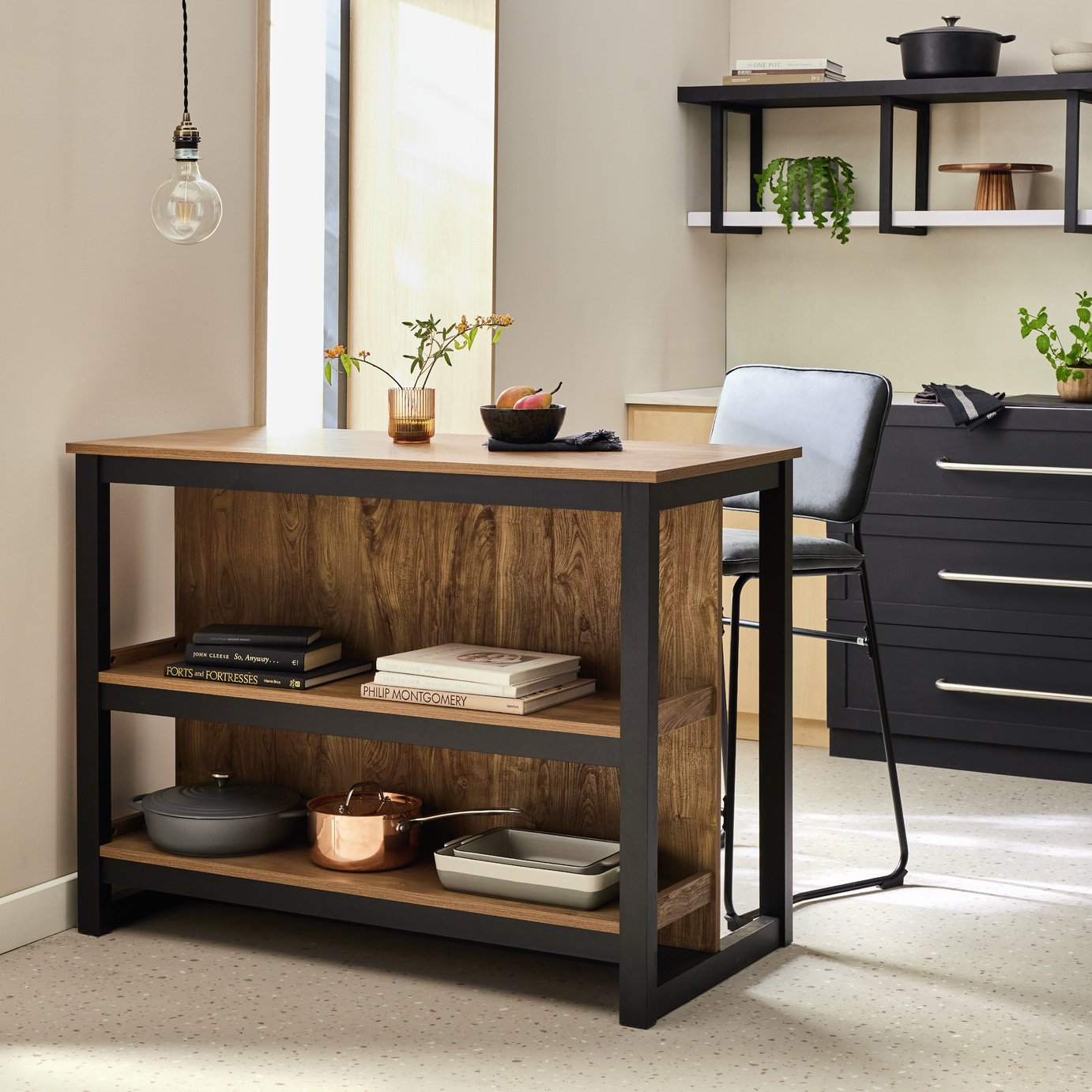
If you prefer a more industrial look, this 4-seater island bar will create a handy dining spot. ","brand":"Habitat","name":"Habitat Nomad 4 Seater Bar Island – Natural","urlStyle":"","retailer":"","layout":"hero","linkText":"","noFollow":true,"noAffiliateTracking":false,"promoLabel":"","price":220,"salePrice":null,"currency":"GBP","linkLayout":"text","sponsored":false,"hawkProductNameMatchedCode":"","review":{"cons":[],"id":"","name":"","pros":[],"rating":0,"strapline":"","url":""},"id":"","externalId":"d38e1de5c0307d0219d29d8c5d0fdf9020e82b02","lastCheckedPriceDate":"","link":{"url":"https:\/\/www.anrdoezrs.net\/click-100624752-17337832?sid=hawk-custom-tracking&url=https:\/\/www.habitat.co.uk\/product\/4167561?clickPR=plp:2:7","merchantName":"Habitat UK","merchantId":209252,"merchantNetwork":"CJ","merchantUrl":"habitat.co.uk"}}}}}” data-link=”https://www.anrdoezrs.net/click-100624752-17337832?sid=hawk-custom-tracking&url=https://www.habitat.co.uk/product/4167561?clickPR=plp:2:7″ data-link-merchant=”Habitat UK” data-merchant-id=”209252″ data-merchant-name=”Habitat UK” data-merchant-network=”CJ” data-merchant-url=”habitat.co.uk” data-model-brand=”Habitat” data-model-name=”Habitat Habitat Nomad 4 Seater Bar Island – Natural” data-name=”Product Block merchantlink widget” data-render-type=”fte” data-show-fallback=”button” data-widget-type=”merchantlink” class=”ecom-root”>
If you prefer a more industrial look, this 4-seater island bar will create a handy dining spot.
Finding genuinely stylish and affordable solutions for small kitchens is no small feat, and now is the time to invest as we start to make the most of our cooking spaces this autumn.
<aside data-article-category="all-rooms" data-block-layout="horizontal" data-block-type="featured-product" data-hawk-json="{"product":{"variants":{"Default":{"image":{"copyright":"","height":2000,"id":"UEREX7ubi3tLNsS4pTdJrQ","mimeType":"image\/jpeg","mos":"https:\/\/cdn.mos.cms.futurecdn.net\/UEREX7ubi3tLNsS4pTdJrQ.jpg","role":"","width":2000,"credit":"Future PLC","alt":"Ideal Home logo on white background","caption":""},"strapline":"