While I hate to break it to you, it is spider season in the UK, and if you’re looking for ways to stop these creepy crawlies entering your home, pest experts are recommending an all-natural, chemical-free method – that will also make your house smell gorgeous.
While spiders native to the UK won’t do you any danger, there’s no shame in admitting that many of us are afraid of them and therefore don’t want to share our homes with them. So, there’s no harm in looking for human ways to keep spiders out of a house.
One effective method is using a scent spiders hate. In particular, eucalyptus. Pest experts have revealed how you can use this to turn this relaxing scent into a powerful deterrent this autumn.
Latest Videos FromIdeal Home
Why don’t spiders like eucalyptus?
While spiders don’t ‘smell’ in the same sense we do, they do rely on their sense of smell to help navigate, and the strong scent of eucalyptus interrupts this.
(Image credit: Future PLC)
‘Spiders are highly sensitive to strong scents, and eucalyptus is one they tend to find overwhelming. Eucalyptus has a sharp, medicinal smell. Spiders effectively ‘taste’ and ‘smell’ their surroundings through receptors on their legs, so they rely heavily on chemical cues to navigate and find food. A powerful scent like eucalyptus can interfere with those senses and make an area feel unwelcoming, encouraging them to settle elsewhere,’ explains Dan Steward, Managing Director at Shield Pest Control.
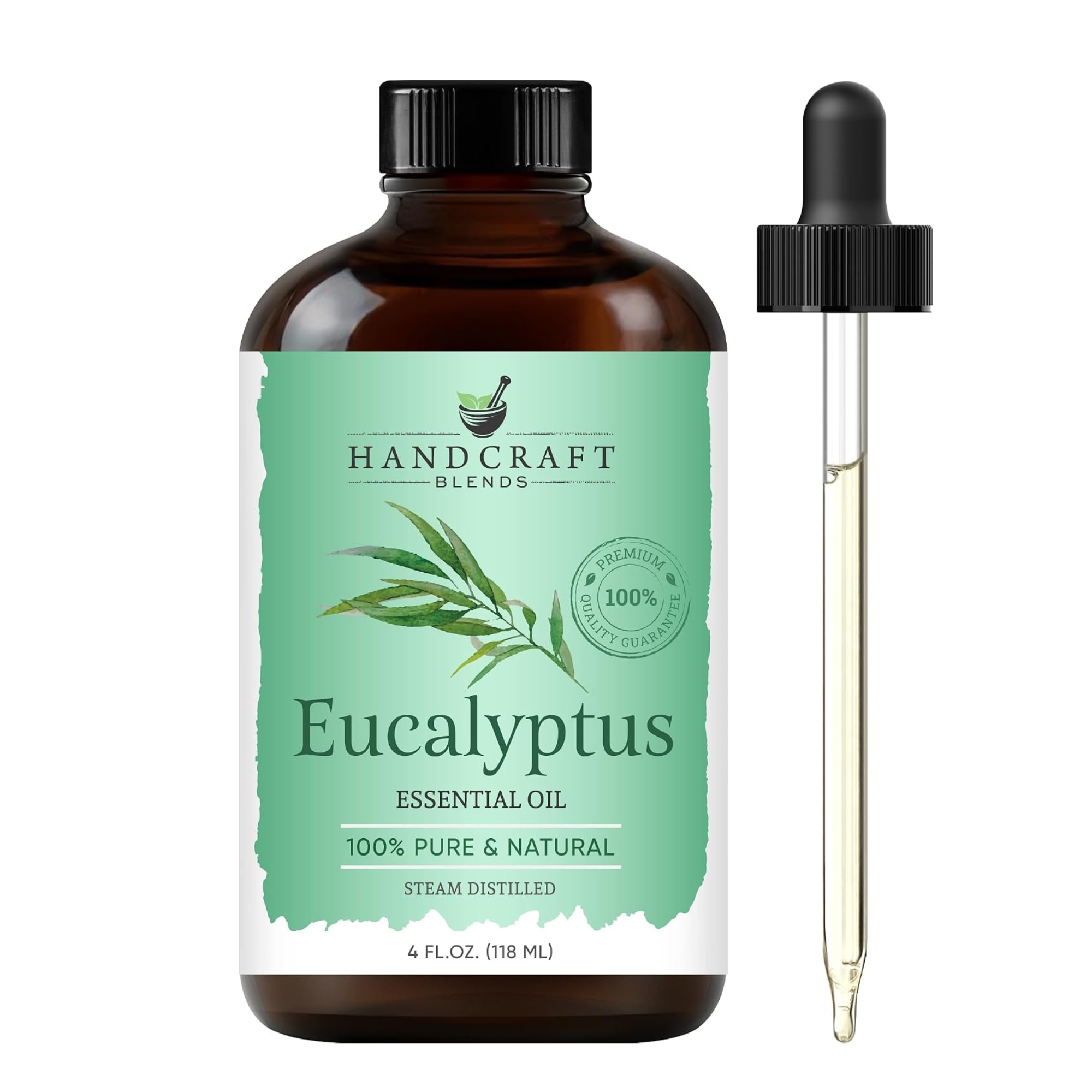
‘The most effective method is diluting 15 to 20 drops of eucalyptus essential oil in a spray bottle of water and applying it along skirting boards, window frames, door frames and any corners where spiders are regularly seen. Refresh every week or two as the scent fades,’ says Mosh Latifi, Co-Owner of EcoCare Pest Management.
Sign up to our newsletter for style inspiration, real homes, project and garden advice and shopping know-how
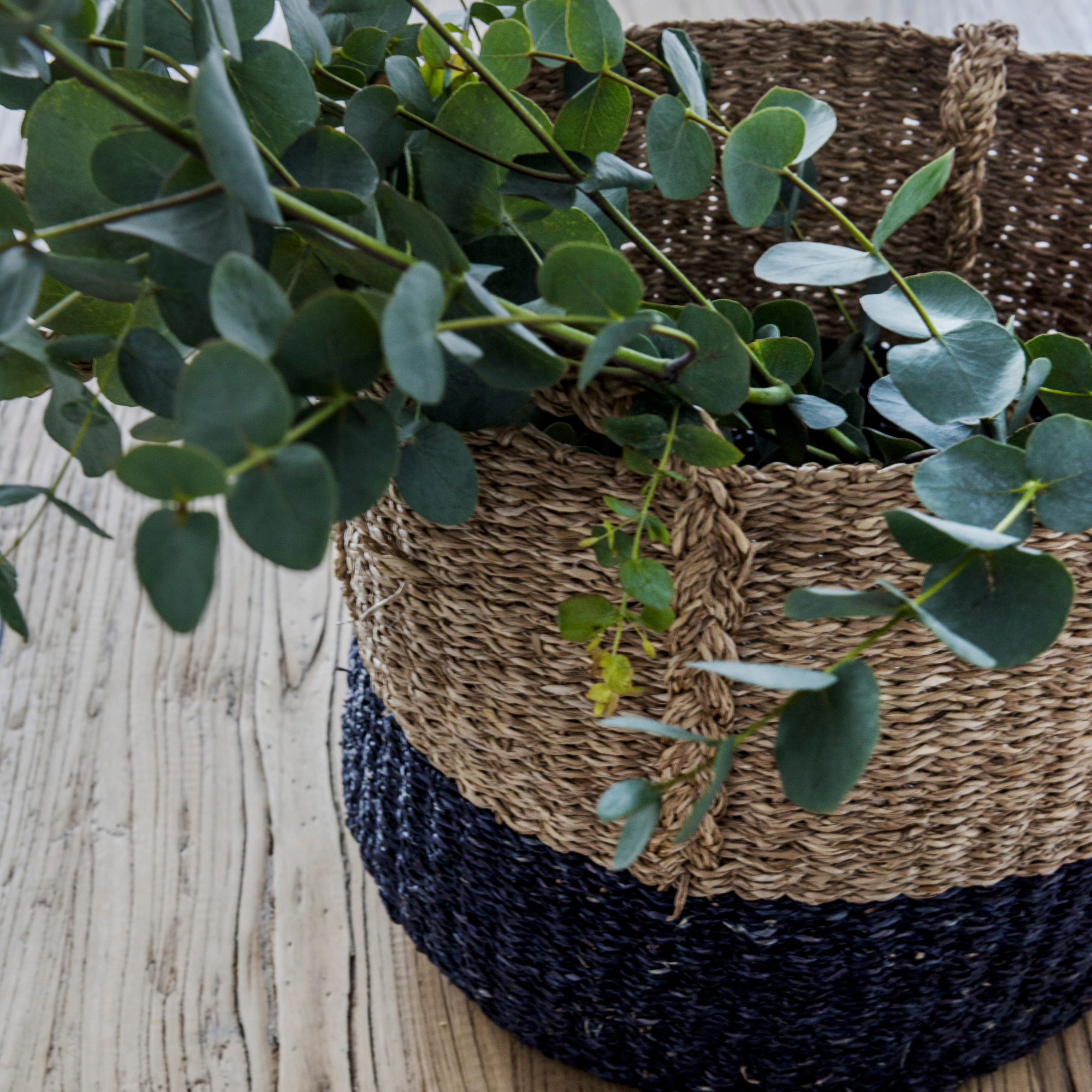
‘Fresh eucalyptus branches placed in vases near entry points provide a gentler, longer-lasting ambient deterrent. Eucalyptus oil diffused in rooms where spiders are active is also effective and requires no direct application to surfaces.’
Is this a good method to deter spiders?
If you want to keep spiders out of your home, this is one of the most affordable methods you can use. Of course, you’ll also want to assess the things attracting spiders to your home, but experts say eucalyptus works as a great preventative method.
(Image credit: Future PLC/ Polly Eltes)
‘Eucalyptus can be a useful, low-cost and chemical-free deterrent, and it’s a good option for anyone wanting to avoid harsher products. That said, it’s best thought of as one part of a wider approach rather than a complete solution. Scent-based deterrents help make a home less inviting, but they won’t seal the gaps spiders are getting through, so they work best alongside practical steps such as sealing small gaps around windows and doors, reducing clutter and damp, and regularly removing webs and egg sacs,’ adds Dan.
You could also introduce a spider curfew, whereby you close all the windows and doors post 7 pm to help reduce the amount of spiders entering your home via these entrances. I must also point out that the main draw of using eucalyptus is its fresh scent.
‘Eucalyptus has a clean, fresh, spa-like quality that many people find genuinely pleasant at home. Unlike white vinegar, which is highly effective but pungent, eucalyptus is something people actively choose to diffuse for its own sake. Using it as a spider deterrent is essentially a free benefit on top of something that already improves the atmosphere in a room,’ concludes Mosh.
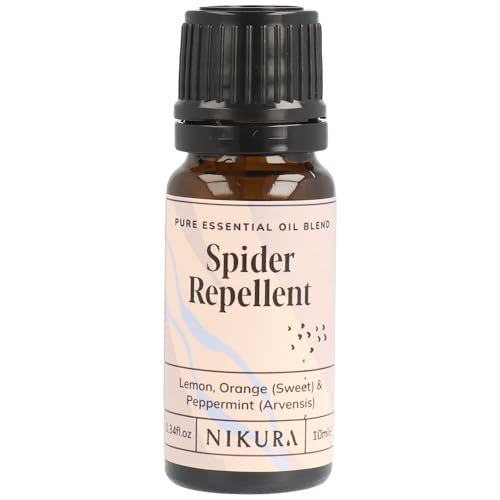
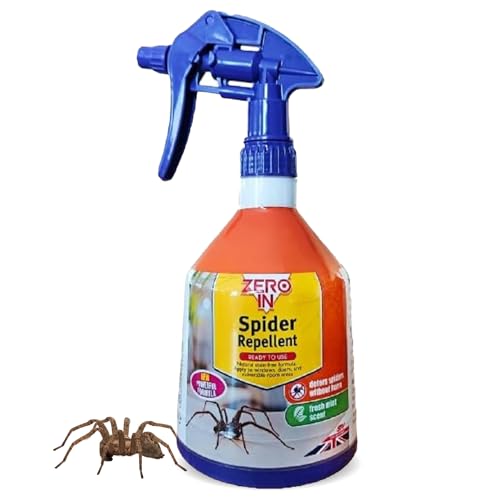
Deter spiders from your home
Handcraft Blends
Handcraft Blends Eucalyptus Essential Oil – Huge 118 Ml
I just scarified my lawn, and what I expected to be a long, tough task was staggeringly simple.
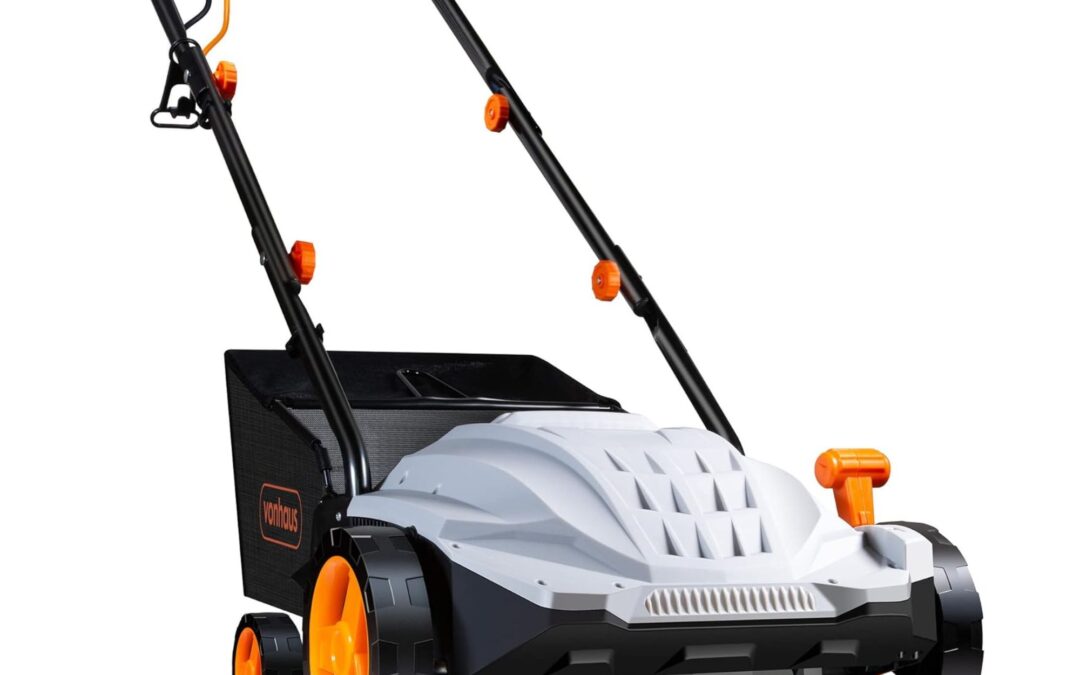
The Vonhaus Lawn Scarifier & Aerator 1500W has been on my wishlist for a while, and last weekend, after months of dry weather, I finally got to use it. I’m not sure I’ll ever go back to a manual scarifier now – it made the task so much easier (effortless, actually), and we managed to scarify our 38m² lawn in under 20 minutes. For £119.99, It’s a worthy investment if you’re wondering how to scarify your lawn for the first time.
Here’s why I loved the Vonhaus Lawn Scarifier & Aerator so much.
Latest Videos FromIdeal Home
Vonhaus
Vonhaus Lawn Scarifier & Aerator 1500W
<aside data-article-category="garden" data-block-layout="horizontal" data-block-type="featured-product" data-editorial-currency="GBP" data-editorial-price="119.99" data-hawk-json="{"product":{"variants":{"Default":{"image":{"copyright":"","height":2000,"id":"xCu4jkUVconzke5daWBw6Y","mimeType":"image\/jpeg","mos":"https:\/\/cdn.mos.cms.futurecdn.net\/xCu4jkUVconzke5daWBw6Y.jpg","role":"","width":2000,"credit":"Amazon","alt":"Grey, black, and orange scarifier and aerator with wheels, a handle, and large collection box at the back","caption":""},"strapline":"
This electric tool rakes, scarifies and aerates the soil. It's scarifying function is my favourite.","brand":"Vonhaus","name":"Vonhaus Lawn Scarifier & Aerator 1500W","urlStyle":"","retailer":"","layout":"horizontal","noFollow":true,"noAffiliateTracking":false,"promoLabel":"","price":119.99,"salePrice":null,"currency":"GBP","linkLayout":"text","sponsored":false,"hawkProductNameMatchedCode":"","review":{"cons":[],"id":"","name":"","pros":[],"rating":0,"strapline":"","url":""},"id":"","lastCheckedPriceDate":"","link":{"url":"https:\/\/www.awin1.com\/awclick.php?awinmid=16243&awinaffid=103504&clickref=hawk-custom-tracking&p=https%3A%2F%2Fwww.vonhaus.com%2Fvh_en%2F2-in-1-lawn-scarifier-aerator","linkText":"\u00a3119.99 at Vonhaus","merchantName":"VonHaus","merchantId":30459,"merchantNetwork":"AW","merchantUrl":"vonhaus.com"}}}}}” data-link=”https://www.awin1.com/awclick.php?awinmid=16243&awinaffid=103504&clickref=hawk-custom-tracking&p=https%3A%2F%2Fwww.vonhaus.com%2Fvh_en%2F2-in-1-lawn-scarifier-aerator” data-link-merchant=”VonHaus” data-link-text=”£119.99 at Vonhaus” data-merchant-id=”30459″ data-merchant-name=”VonHaus” data-merchant-network=”AW” data-merchant-url=”vonhaus.com” data-model-brand=”Vonhaus” data-model-name=”Vonhaus Vonhaus Lawn Scarifier & Aerator 1500W” data-name=”Horizontal Product Block merchantlink widget” data-render-type=”fte” data-show-fallback=”button” data-widget-type=”merchantlink” class=”ecom-root”>
This electric tool rakes, scarifies and aerates the soil. It’s scarifying function is my favourite.
It’s the ideal time of year to scarify your lawn (it’ll remove dead thatch, moss and debris to encourage airflow and healthier grass), so I thought it was time to finally put the Vonhaus Lawn Scarifier & Aerator to the test.
In a nutshell, the electric tool comes with a scarifying drum which drags thatch out of the grass. It requires significantly less elbow grease than a manual tool, though – and it really does make the job a lot faster.
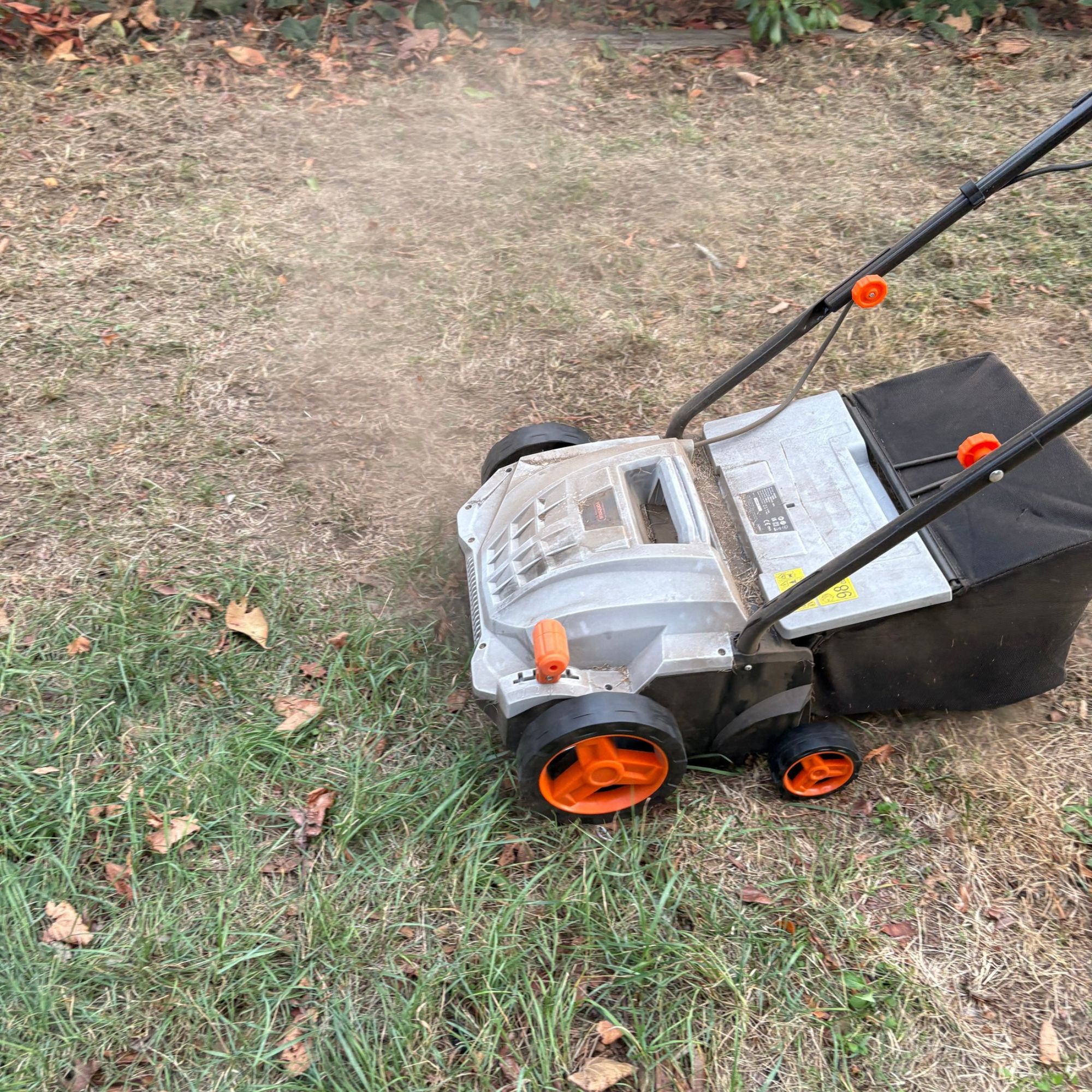
Our lawn is around 28m², and my partner and I finished the task in just under 20 minutes (a new record!). It’s so easy to use, only requiring a light push to keep it moving, and you can also adjust the height of the handlebar, which makes a huge difference to the comfort of the tool.
(Image credit: Future PLC / Sophie King)
I should mention that the Vonhaus Lawn Scarifier is corded, not cordless. Its 10m cable is perfectly fine for small gardens – but any larger than that, and you’ll need an outdoor extension lead like this Masterplug Outdoor Socket Extension Lead from B&Q.
Sign up to our newsletter for style inspiration, real homes, project and garden advice and shopping know-how
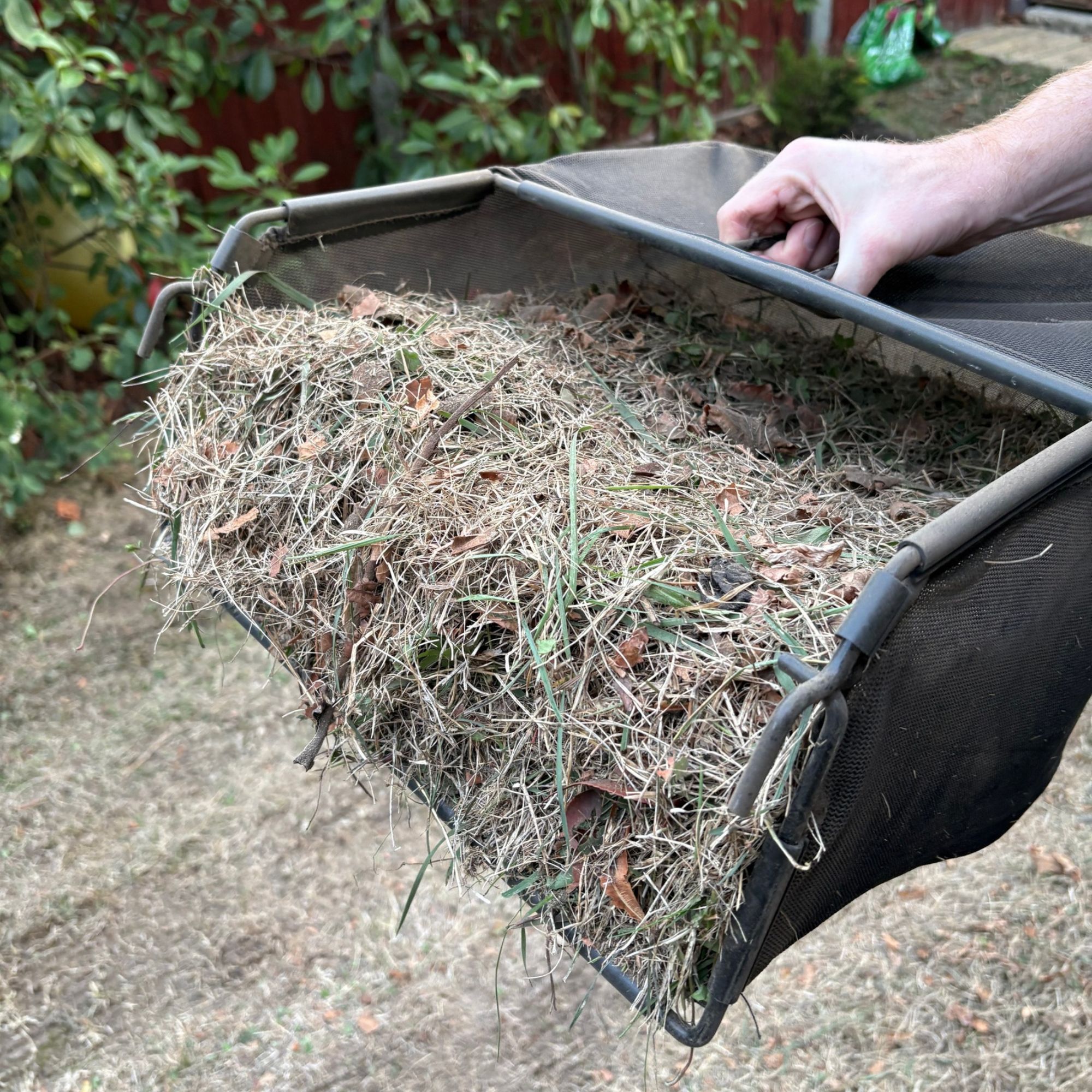
I was blown away by the sheer volume of dead grass, thatch and moss that the Vonhaus Scarifier removed from the lawn. Within just two or three lengths of the lawn, the 30L collector was full – so you’ll just need to remember to empty it at intervals. We also gave the scarifier a whirl without the collection bag attached to see the tool churn out dead grass, so there’s also that option, but you’ll then need to clean up the thatch and debris once you’ve finished scarifying (it’s a little bit different to leaving grass clippings on your lawn).
(Image credit: Future PLC / Sophie King)
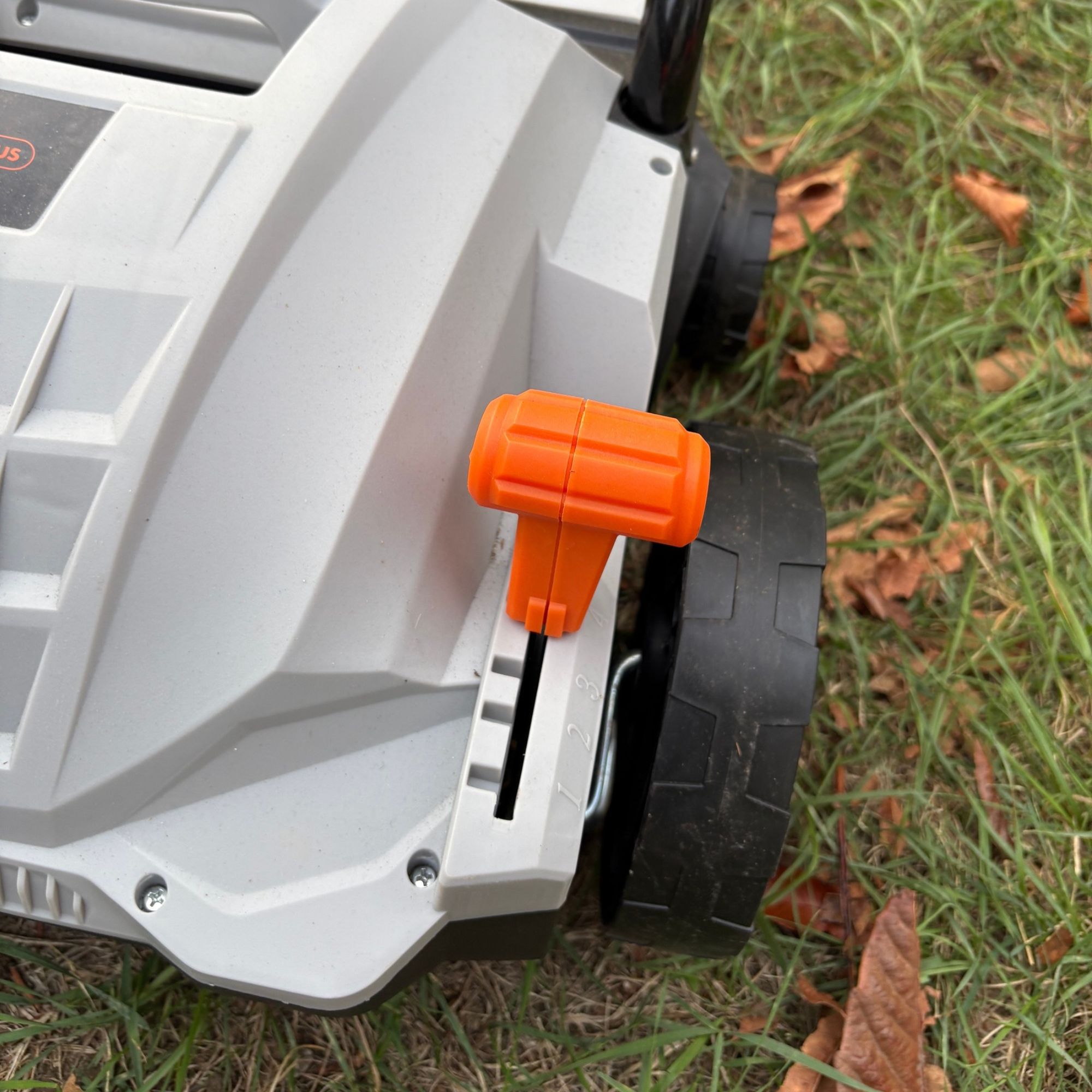
There are also four depth settings to choose from (-12 to +4mm), changed via a simple handle. As per Vonhaus’s advice, we started with the highest setting, and we actually found that the lower settings scalped parts of the lawn, since it’s already so dead from this summer’s heatwaves – but since we’re about to start afresh and reseed our lawn, that isn’t necessarily a bad thing!
If you’re looking to aerate your lawn, Vonhaus says the scarifying drum can do that at the same time, although we didn’t spot any deeper aeration taking place – it seems as though it simply loosens the surface of the soil rather than deeply penetrates the ground, so we’ll be using a separate tool to aerate the lawn properly.
(Image credit: Future PLC / Sophie King)
The Vonhaus Lawn Scarifier actually comes with a raking drum, too, which you’re supposed to before the scarifying drum to clear moss and debris – but since our grass was already dead in patches, we found the raking drum actually scalped the lawn instead, and kicked up a huge amount of dust! In fact, Vonhaus advises wearing face protection when using the tool for that very reason. It’s pretty easy to swap out the drums – you just need an Allen key, which comes with the scarifier.
Other autumn lawn care essentials
Walensee
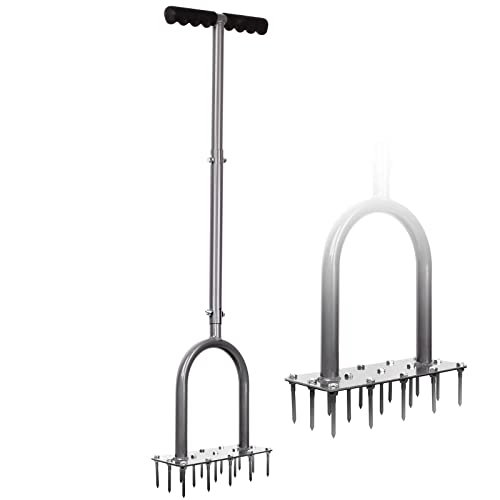
Walensee Lawn Aerator Tool
<aside data-article-category="garden" data-block-layout="hero" data-block-type="featured-product" data-editorial-currency="GBP" data-editorial-price="35.99" data-hawk-json="{"product":{"variants":{"Default":{"image":{"copyright":"","height":500,"id":"DkheyrHVm3x33aZVNFuwAE","mimeType":"image\/jpeg","mos":"https:\/\/cdn.mos.cms.futurecdn.net\/DkheyrHVm3x33aZVNFuwAE.jpg","role":"","width":500,"credit":"Walensee","alt":"Walensee Lawn Aerator Tool With 3 Rows & 15 Steel Spikes, Heavy Duty Manual Lawn Spiker With Long Handle, Grass Soil Aerator for Lawn Aeration, Garden Lawn Care Tool","caption":""},"strapline":"
This lawn aerator has been highly rated on Amazon for a very long time.","brand":"Walensee","name":"Walensee Lawn Aerator Tool","urlStyle":"","retailer":"","layout":"hero","noFollow":true,"noAffiliateTracking":false,"promoLabel":"","price":35.99,"salePrice":null,"currency":"GBP","linkLayout":"text","sponsored":false,"hawkProductNameMatchedCode":"","review":{"cons":[],"id":"","name":"","pros":[],"rating":0,"strapline":"","url":""},"id":"","externalId":"7a60406065f2a318456f55e0cd2354293c25ac5c","lastCheckedPriceDate":"","link":{"url":"https:\/\/target.georiot.com\/Proxy.ashx?tsid=107653&GR_URL=https%3A%2F%2Famazon.co.uk%2FWalensee-Dethatching-Aerating-Pre-Assembled-Aeration%2Fdp%2FB0B1M88HBV%2Fref%3Dsr_1_4%3Ftag%3Dftr-idealhome-gb-21%26ascsubtag%3Dhawk-custom-tracking-21","linkText":"\u00a335.99 at Amazon","merchantName":"Amazon UK","merchantId":1027,"merchantNetwork":"Amazonuk","merchantUrl":"amazon.co.uk"}}}}}” data-link=”https://target.georiot.com/Proxy.ashx?tsid=107653&GR_URL=https%3A%2F%2Famazon.co.uk%2FWalensee-Dethatching-Aerating-Pre-Assembled-Aeration%2Fdp%2FB0B1M88HBV%2Fref%3Dsr_1_4%3Ftag%3Dftr-idealhome-gb-21%26ascsubtag%3Dhawk-custom-tracking-21″ data-link-merchant=”Amazon UK” data-link-text=”£35.99 at Amazon” data-merchant-id=”1027″ data-merchant-name=”Amazon UK” data-merchant-network=”Amazonuk” data-merchant-url=”amazon.co.uk” data-model-brand=”Walensee” data-model-name=”Walensee Walensee Lawn Aerator Tool” data-name=”Product Block merchantlink widget” data-render-type=”fte” data-show-fallback=”button” data-widget-type=”merchantlink” class=”ecom-root”>
This lawn aerator has been highly rated on Amazon for a very long time.
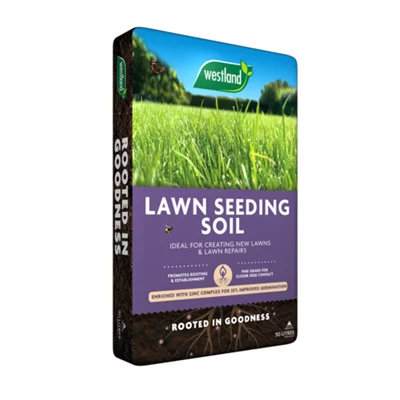
<aside data-article-category="garden" data-block-layout="hero" data-block-type="featured-product" data-editorial-currency="GBP" data-editorial-price="17.99" data-hawk-json="{"product":{"variants":{"Default":{"image":{"copyright":"","height":400,"id":"WdftNh5yZvrJ6YExiSeLGe","mimeType":"image\/webp","mos":"https:\/\/cdn.mos.cms.futurecdn.net\/WdftNh5yZvrJ6YExiSeLGe.webp","role":"","width":400,"credit":"Westland","alt":"Westland Lawn Seeding Soil 30l Zinc Enriched Fine Grade for Improved Germination and Strong Rooting","caption":""},"strapline":"
This lawn seeding soil is enriched with zinc for improved germination.","brand":"Westland","name":"Westland Lawn Seeding Soil, 30L","urlStyle":"","retailer":"","layout":"hero","noFollow":true,"noAffiliateTracking":false,"promoLabel":"","price":17.99,"salePrice":null,"currency":"GBP","linkLayout":"text","sponsored":false,"hawkProductNameMatchedCode":"","review":{"cons":[],"id":"","name":"","pros":[],"rating":0,"strapline":"","url":""},"id":"","externalId":"743418d7f583e400741d571d5a3cef90485ec8cc","lastCheckedPriceDate":"","link":{"url":"https:\/\/diy.pxf.io\/c\/221109\/1632830\/18948?subId1=hawk-custom-tracking&sharedId=hawk-prefix&u=https%3A%2F%2Fwww.diy.com%2Fdepartments%2Fwestland-lawn-seeding-soil-30l-zinc-enriched-fine-grade-for-improved-germination-and-strong-rooting%2F5023377028083_BQ.prd","linkText":"\u00a317.99 at B&Q","merchantName":"B&Q","merchantId":299090,"merchantNetwork":"ImpactRad","merchantUrl":"diy.com"}}}}}” data-link=”https://diy.pxf.io/c/221109/1632830/18948?subId1=hawk-custom-tracking&sharedId=hawk-prefix&u=https%3A%2F%2Fwww.diy.com%2Fdepartments%2Fwestland-lawn-seeding-soil-30l-zinc-enriched-fine-grade-for-improved-germination-and-strong-rooting%2F5023377028083_BQ.prd” data-link-merchant=”B&Q” data-link-text=”£17.99 at B&Q” data-merchant-id=”299090″ data-merchant-name=”B&Q” data-merchant-network=”ImpactRad” data-merchant-url=”diy.com” data-model-brand=”Westland” data-model-name=”Westland Westland Lawn Seeding Soil, 30L” data-name=”Product Block merchantlink widget” data-render-type=”fte” data-show-fallback=”button” data-widget-type=”merchantlink” class=”ecom-root”>
This lawn seeding soil is enriched with zinc for improved germination.
If you want to scarify your lawn in a fraction of the time it would usually take, without the effort, the Vonhaus Lawn Scarifier & Aerator 1500W is well worth the investment.
I’ve always been a Richard E. Grant fan and not only for his acting. His eye for interior design means he has curated one of Ideal Home’s favourite celebrity homes, and his garden is no exception. In fact, his use of topiary to zone his outdoor space is a great example for anyone struggling to add structure to their garden.
But the reason his fairytale garden looks so wonderful is that it is well-zoned. Richard’s use of topiary hedging creates clear distinctions within his garden, maintaining a whimsical, not crowded look. Here’s how you can do it, too.
Latest Videos FromIdeal Home
Amongst Richard’s eclectic garden decor, one thing is clear. The repeated use of topiary hedges throughout his space helps segregate his garden into clear zones – in particular, defining his garden seating area.
‘He has used one material to do the dividing rather than a different treatment in every area, so the garden reads as one place with rooms in it, not as a set of unrelated patches. That single repeated element is what holds the whole thing together. It is also the approach that ages well, because there is nothing in it that dates,’ adds Michael Wheat, garden designer and founder of Ponds by Michael Wheat.
If you’re looking for the best hedging plants to zone your garden, Richard’s topiaries are a good example because they create structure in the garden whilst remaining a natural alternative to fencing.
‘Richard’s garden incorporates a lot of evergreen plants, ensuring that it looks green all year round. It is a highly personalised, fun space, featuring many eclectic decorations like baubles hanging from trees. Hedges are better for the environment and for wildlife, but they can take years to reach their full height and will not be as easy to move if you change garden zones,’ says Richard Barker, horticultural expert and commercial director of LBS Horticulture.
Sign up to our newsletter for style inspiration, real homes, project and garden advice and shopping know-how
Should you zone a garden?
While Richard’s garden is clearly sizable, there are benefits to zoning a garden of any size; in fact, it’s particularly beneficial for small gardens.
‘Zoning is the difference between a garden you look at and a garden you use. An open rectangle gives you one view and one activity, and you take it all in from the back door in a second. Break it into areas and you have to walk through it to see it, which makes a small plot feel considerably larger than it is,’ says Michael.
‘It is also practical. Zoning lets you put the dining area where the evening sun is, the working end where nobody has to look at it, and a quiet seat somewhere you cannot see from the kitchen window. Most gardens that feel unsatisfying are not too small, they are undivided.’
Zoning a garden gives each area of a garden a clear purpose. It helps create pathways throughout your garden and can even help make your garden feel like an extension of your home. For example, you can create a distinct garden seating area, growing area or wildlife section. It is like turning your garden into multiple rooms like your home. Hedging also offers plenty of benefits.
Hedges can be kept low to create subtle boundaries, or they can be left to grow tall to provide complete privacy between garden zones. Most plants used for topiary are evergreen, meaning that garden zoning will stay intact all year round,’ says Richard.
‘Dense hedging can naturally reduce noise better than fencing and shelter areas from harsh winds. Even when trimmed neatly, the denseness of topiary hedges makes them an important source of shelter for birds and insects.’
Richard’s hedging will also stay green all year round, ensuring evergreen colour. There is just one main drawback to be aware of and that is topiary hedges are high-maintenance.
‘The honest trade-off is time and maintenance. Yew is the classic, and it is not as slow as its reputation suggests, but you are still looking at years, not a season, and it wants cutting once or twice a year, or it loses the crispness that makes it work. Boxes are quicker to establish but blight and box moths have made it a risk. If someone wants the effect faster, hornbeam gets there sooner and holds its brown leaf through winter, so it still screens,’ advises Michael.
Gardening Express
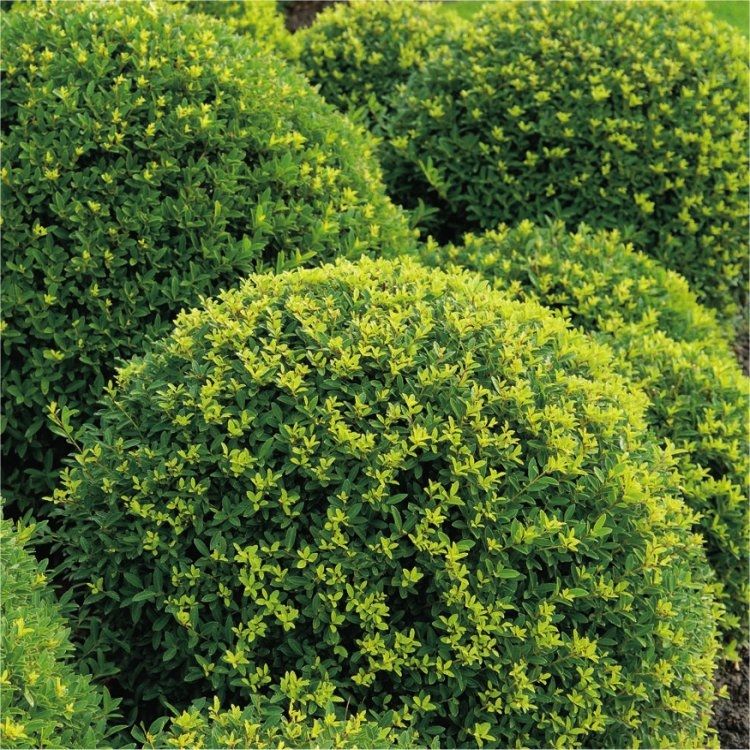
Topiary Ball – Ilex Crenata Green Glory Luxus – Box Leaved Japanese Holly
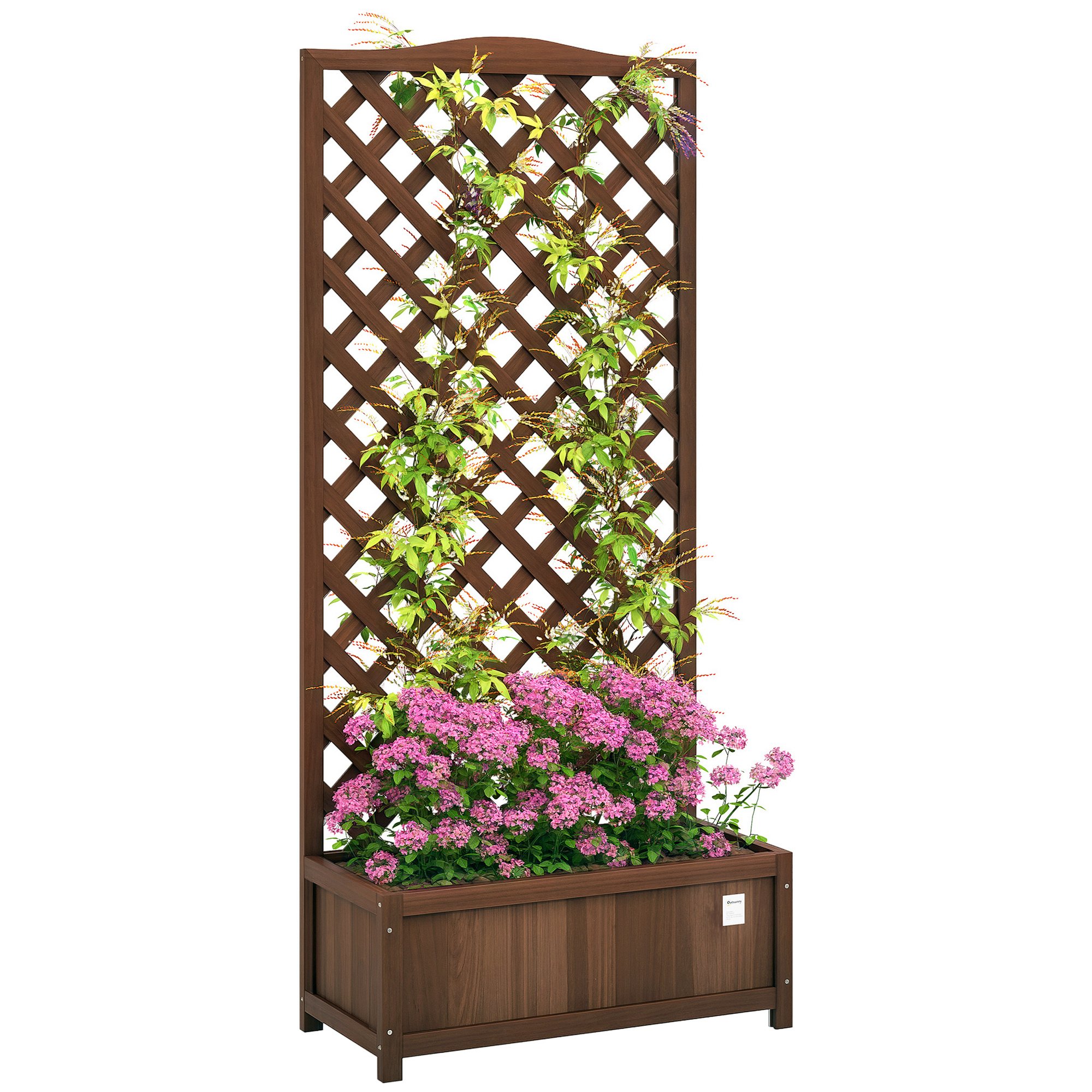
Outsunny Wooden Freestanding Garden Planters With Trellis
<aside data-article-category="garden" data-block-layout="hero" data-block-type="featured-product" data-editorial-currency="GBP" data-editorial-price="64.99" data-hawk-json="{"product":{"variants":{"Default":{"image":{"copyright":"","height":2000,"id":"e64Bkq2pmD5b3whGNu8FUh","mimeType":"image\/jpeg","mos":"https:\/\/cdn.mos.cms.futurecdn.net\/e64Bkq2pmD5b3whGNu8FUh.jpg","role":"","width":2000,"credit":"Outsunny","alt":"Outsunny Wooden Freestanding Garden Planters With Trellis – Dark Brown","caption":""},"strapline":"
If you don't want hedging but still want boundaries, a trellis and your favourite climbing plants are a great alternative.","brand":"Outsunny","name":"Outsunny Wooden Freestanding Garden Planters With Trellis","urlStyle":"","retailer":"","layout":"hero","linkText":"","noFollow":true,"noAffiliateTracking":false,"promoLabel":"","price":64.99,"salePrice":null,"currency":"GBP","linkLayout":"text","sponsored":false,"hawkProductNameMatchedCode":"","review":{"cons":[],"id":"","name":"","pros":[],"rating":0,"strapline":"","url":""},"id":"","externalId":"2974daef8070cb6b10941583fbd879b70999d990","lastCheckedPriceDate":"","link":{"url":"https:\/\/www.anrdoezrs.net\/click-100624752-15618761?sid=hawk-custom-tracking&url=https:\/\/www.argos.co.uk\/product\/fs7s2f9x?","merchantName":"Argos","merchantId":535,"merchantNetwork":"CJ","merchantUrl":"argos.co.uk"}}}}}” data-link=”https://www.anrdoezrs.net/click-100624752-15618761?sid=hawk-custom-tracking&url=https://www.argos.co.uk/product/fs7s2f9x?” data-link-merchant=”Argos” data-merchant-id=”535″ data-merchant-name=”Argos” data-merchant-network=”CJ” data-merchant-url=”argos.co.uk” data-model-brand=”Outsunny” data-model-name=”Outsunny Outsunny Wooden Freestanding Garden Planters With Trellis” data-name=”Product Block merchantlink widget” data-render-type=”fte” data-show-fallback=”button” data-widget-type=”merchantlink” class=”ecom-root”>
If you don’t want hedging but still want boundaries, a trellis and your favourite climbing plants are a great alternative.
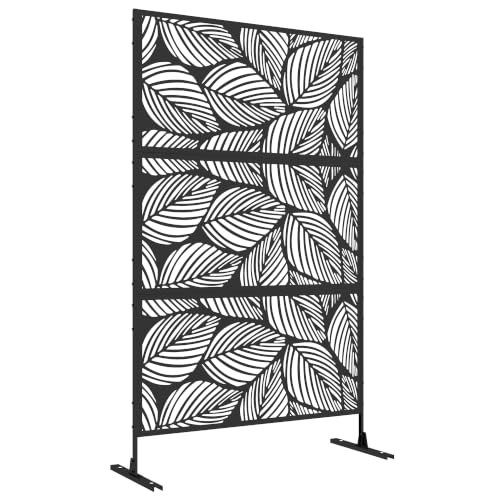
Outsunny
Outsunny 6.5ft Decorative Garden Privacy Screen, Leaf Style, Black
A privacy screen is another way to zone areas of your garden without commiting to high-maintenance hedging.","brand":"Outsunny","name":"Outsunny 6.5ft Decorative Garden Privacy Screen, Leaf Style, Black","urlStyle":"","retailer":"","layout":"hero","linkText":"","noFollow":true,"noAffiliateTracking":false,"promoLabel":"","price":94.99,"salePrice":null,"currency":"GBP","linkLayout":"text","sponsored":false,"hawkProductNameMatchedCode":"","review":{"cons":[],"id":"","name":"","pros":[],"rating":0,"strapline":"","url":""},"id":"","externalId":"5021ab99369e061ac654b3fc9652f4a07e71a11b","lastCheckedPriceDate":"","link":{"url":"https:\/\/target.georiot.com\/Proxy.ashx?tsid=107653&GR_URL=https%3A%2F%2Famazon.co.uk%2FOutsunny-Decorative-Privacy-Freestanding-Expansion%2Fdp%2FB0CS2PG6HF%3Ftag%3Dftr-idealhome-gb-21%26ascsubtag%3Dhawk-custom-tracking-21","merchantName":"Amazon UK","merchantId":1027,"merchantNetwork":"Amazonuk","merchantUrl":"amazon.co.uk"}}}}}” data-link=”https://target.georiot.com/Proxy.ashx?tsid=107653&GR_URL=https%3A%2F%2Famazon.co.uk%2FOutsunny-Decorative-Privacy-Freestanding-Expansion%2Fdp%2FB0CS2PG6HF%3Ftag%3Dftr-idealhome-gb-21%26ascsubtag%3Dhawk-custom-tracking-21″ data-link-merchant=”Amazon UK” data-merchant-id=”1027″ data-merchant-name=”Amazon UK” data-merchant-network=”Amazonuk” data-merchant-url=”amazon.co.uk” data-model-brand=”Outsunny” data-model-name=”Outsunny Outsunny 6.5ft Decorative Garden Privacy Screen, Leaf Style, Black” data-name=”Product Block merchantlink widget” data-render-type=”fte” data-show-fallback=”button” data-widget-type=”merchantlink” class=”ecom-root”>
A privacy screen is another way to zone areas of your garden without commiting to high-maintenance hedging.
If you want your garden to not only look effortlessly put together, but feel like an extension of your home, zoning is a great way to achieve this look. If you’re looking for something that will add year round colour, and is a little whimsical, Richard E. Grant’s is a fabulous example to follow.
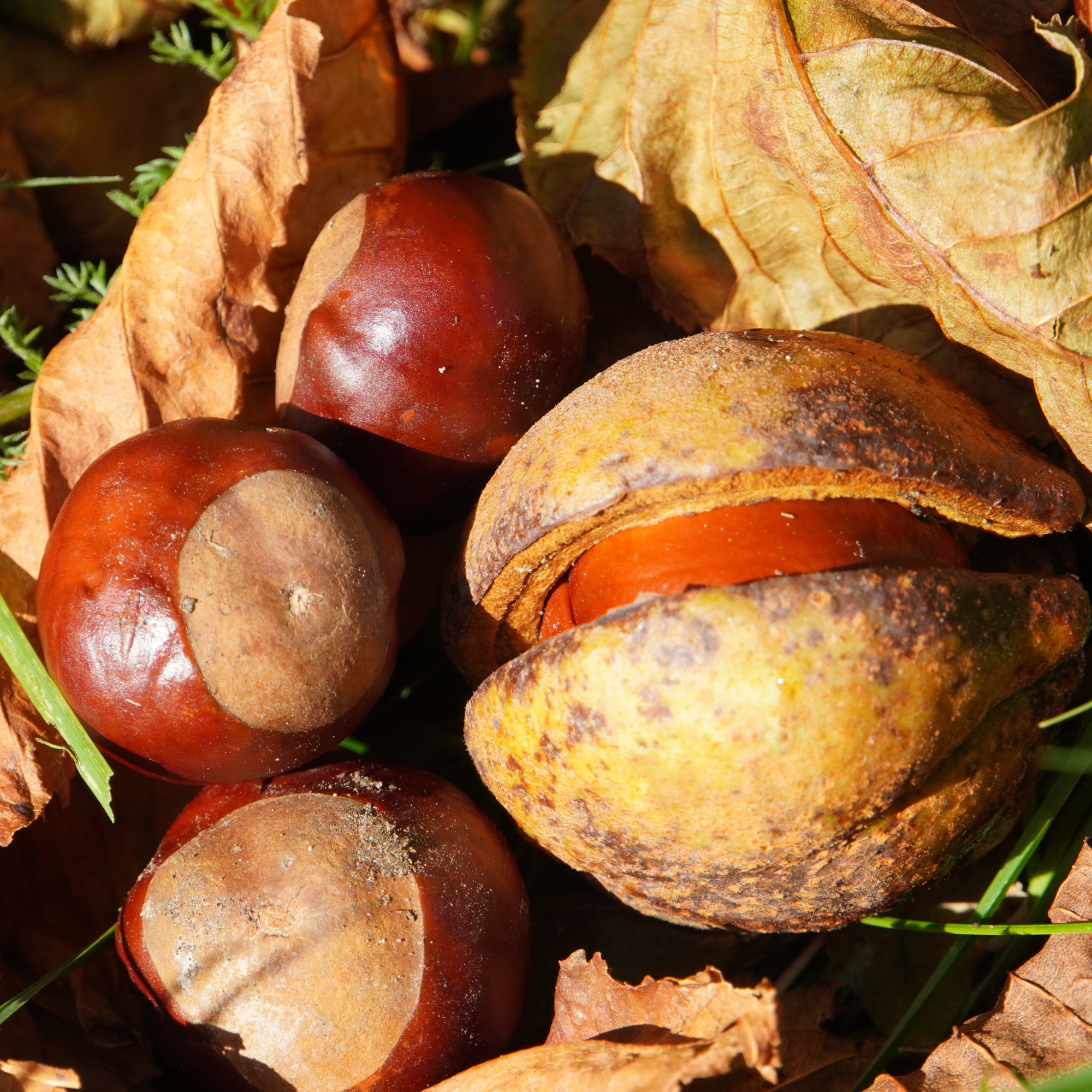
I always think conkers are the hallmark of autumn. The glossy brown seeds of a horse chestnut tree are perhaps best known for their role in the classic children’s game, but gardening experts have just revealed a few more clever uses you can find for conkers this autumn.
Sustainable gardening has been a huge garden trend this year, and what’s more sustainable than using natural materials to help your garden ideas flourish.
If you’re inundated with conkers, or have children who have been non-stop collecting them this autumn, here are five clever ways you can reuse conkers in your home and garden.
Latest Videos FromIdeal Home
1. Compost
Every gardener should think about learning how to make compost, and if you already have an established heap, conkers are one thing you can add to your compost to aid in the plant growth of your garden.
(Image credit: Getty Images)
‘Forming one of the ‘brown’ components for your compost bin, just like leaves or twigs, you can add conkers to help balance out the nitrogen rich ‘green’ materials which you will be adding throughout autumn, like grass clippings and kitchen scraps,’says Lucie Bradley, gardens and greenhouse expert at Harvst.
‘What you need to be aware of is that conkers take a long time to break down and just like when you add twigs etc. to your compost bin, they are best chopped or crushed before adding them so they will break down faster. Although they will take a long time to decompose, as they do they will add trace minerals including iron, copper, zinc etc which will all help with plant growth.
‘However, conkers do contain a mild toxin ‘aesulin’ and for this reason any compost which you make is best used for ornamentals rather than using the compost when you are growing vegetables.’
Sign up to our newsletter for style inspiration, real homes, project and garden advice and shopping know-how
2. Shelter wildlife
If you have a wildlife garden, conkers can also be used to help create shelter for the insects that call your garden home.
‘Another practical use is adding conkers to wildlife-friendly corners of the garden. While they shouldn’t be left where pets or livestock may eat them, they can be used as part of natural habitat areas alongside logs, leaves and twigs to create shelter for insects and other small garden creatures. It’s a simple way to support biodiversity while making use of something that would otherwise go to waste,’ comments Luke Newnes, gardening expert with Hillarys.
3. Pest deterrents
If you want to get rid of spiders, conkers have long been considered a good deterrent – but this is an old wives tale, and conkers are actually much better at getting rid of a different type of pest.
(Image credit: Future PLC/Chris Snook)
‘Whilst many people place conkers in their homes to deter spiders, unfortunately this is an old wives’ tale and has no scientific basis,’ confirms Lucie.
‘However, conkers do contain a chemical called triterpenoid saponin, which will be slowly released from fresh conkers as they dry out, and you can make use of this to deter moths from cupboards or drawers where they may lay eggs on fabrics and damage your clothes. As the conkers dry, they will release a pungent scent which will deter moths from taking up residence and, as a result, protect fabrics from damage.’
4. Make autumnal decor
Who doesn’t love a bit of autumn foliage? And if you’re feeling crafty, say goodbye to faux garlands and wreaths and create your own using natural conkers.
(Image credit: Future PLC/ Brent Derby)
‘Conkers are great for more than just collecting on autumn walks. One of my favourite ways to reuse them in the garden is by incorporating them into seasonal displays. Mixed with fallen leaves, pinecones and pumpkins, they add instant texture and a natural autumn feel to outdoor planters and table settings. It’s such an easy way to celebrate the season without buying lots of new decorations,’ says Luke.
‘If you enjoy getting creative, conkers can also be used in simple garden crafts. Threading them onto string to make garlands or using them to create decorative features a brilliant way to give them a second life. It keeps natural materials out of the bin and can help encourage children to spend more time outdoors.’
5. Cleaning
Last but not least, conkers are surprisingly good cleaning agents.You can make washing detergent from conkers and they can even be used to make soap.
(Image credit: Getty Images/BeritK)
‘Conkers naturally contain high levels of saponins, chemical compounds which, when mixed with water, produce a rich, soapy lather that both traps dirt and lifts it off surfaces and fabrics,’ says Lucie.
‘This means that you can easily turn conkers into a free, totally naturally ‘soap’ which you can use to not only wash your hands after being out in the garden, it can also be used to remove grime from gardening tools and being chemical free is a great way to clean garden furniture made from rattan or wood that could be damaged by chemical cleaners.’
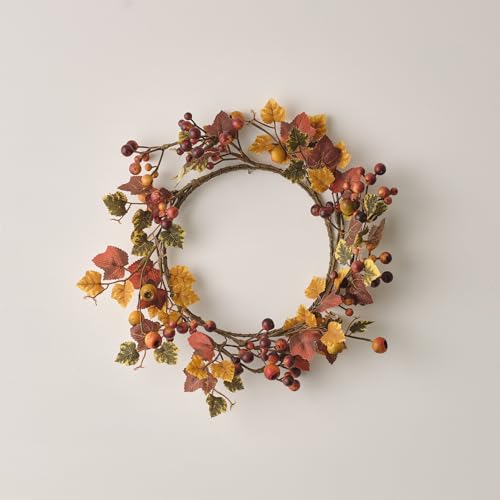
Lights4fun
Lights4fun 40cm Artificial Autumn Wreath
<aside data-article-category="garden" data-block-layout="horizontal" data-block-type="featured-product" data-editorial-currency="GBP" data-editorial-price="18.99" data-hawk-json="{"product":{"variants":{"Default":{"image":{"copyright":"","height":500,"id":"4NpfAQWRD2enwPynh6ANTY","mimeType":"image\/jpeg","mos":"https:\/\/cdn.mos.cms.futurecdn.net\/4NpfAQWRD2enwPynh6ANTY.jpg","role":"","width":500,"credit":"Lights4fun","alt":"Lights4fun 40cm Artificial Autumn Wreath With Faux Leaves, Pinecones, and Berries Front Door Decoration Indoor & Outdoor Use","caption":""},"strapline":"
Why not add your conkers to an autumn wreath for an extra authentic look?","brand":"Lights4fun","name":"Lights4fun 40cm Artificial Autumn Wreath ","urlStyle":"","retailer":"","layout":"horizontal","linkText":"","noFollow":true,"noAffiliateTracking":false,"promoLabel":"","price":18.99,"salePrice":null,"currency":"GBP","linkLayout":"text","sponsored":false,"hawkProductNameMatchedCode":"","review":{"cons":[],"id":"","name":"","pros":[],"rating":0,"strapline":"","url":""},"id":"","externalId":"69d646efc476be0691795bf97b34e5367af3f7d1","lastCheckedPriceDate":"","link":{"url":"https:\/\/target.georiot.com\/Proxy.ashx?tsid=107653&GR_URL=https%3A%2F%2Famazon.co.uk%2FLights4fun-Artificial-Pinecones-Berries-Decoration%2Fdp%2FB0D5J12Y3J%3Ftag%3Dftr-idealhome-gb-21%26ascsubtag%3Dhawk-custom-tracking-21","merchantName":"Amazon UK","merchantId":1027,"merchantNetwork":"Amazonuk","merchantUrl":"amazon.co.uk"}}}}}” data-link=”https://target.georiot.com/Proxy.ashx?tsid=107653&GR_URL=https%3A%2F%2Famazon.co.uk%2FLights4fun-Artificial-Pinecones-Berries-Decoration%2Fdp%2FB0D5J12Y3J%3Ftag%3Dftr-idealhome-gb-21%26ascsubtag%3Dhawk-custom-tracking-21″ data-link-merchant=”Amazon UK” data-merchant-id=”1027″ data-merchant-name=”Amazon UK” data-merchant-network=”Amazonuk” data-merchant-url=”amazon.co.uk” data-model-brand=”Lights4fun” data-model-name=”Lights4fun Lights4fun 40cm Artificial Autumn Wreath” data-name=”Horizontal Product Block merchantlink widget” data-render-type=”fte” data-show-fallback=”button” data-widget-type=”merchantlink” class=”ecom-root”>
Why not add your conkers to an autumn wreath for an extra authentic look?
Why not put excess conkers to good use this autumn for a cleaner home and happier garden.
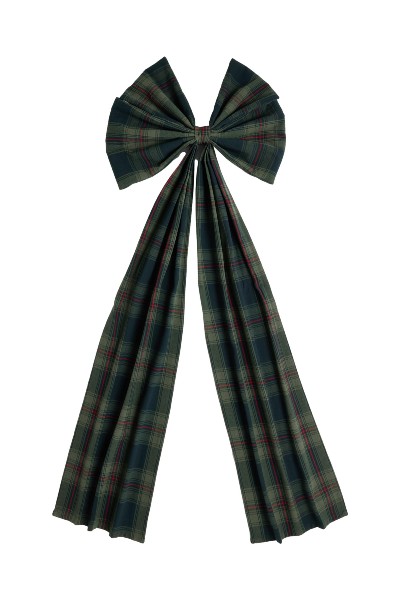
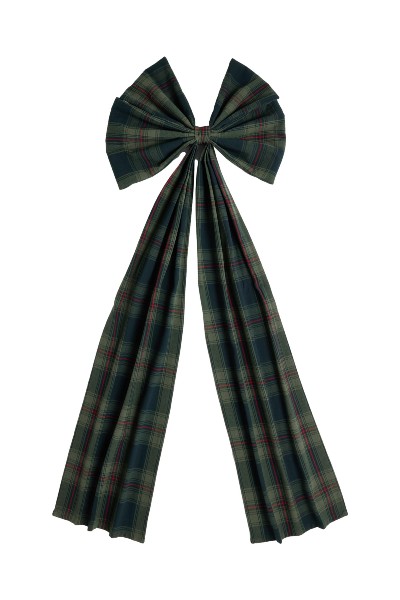
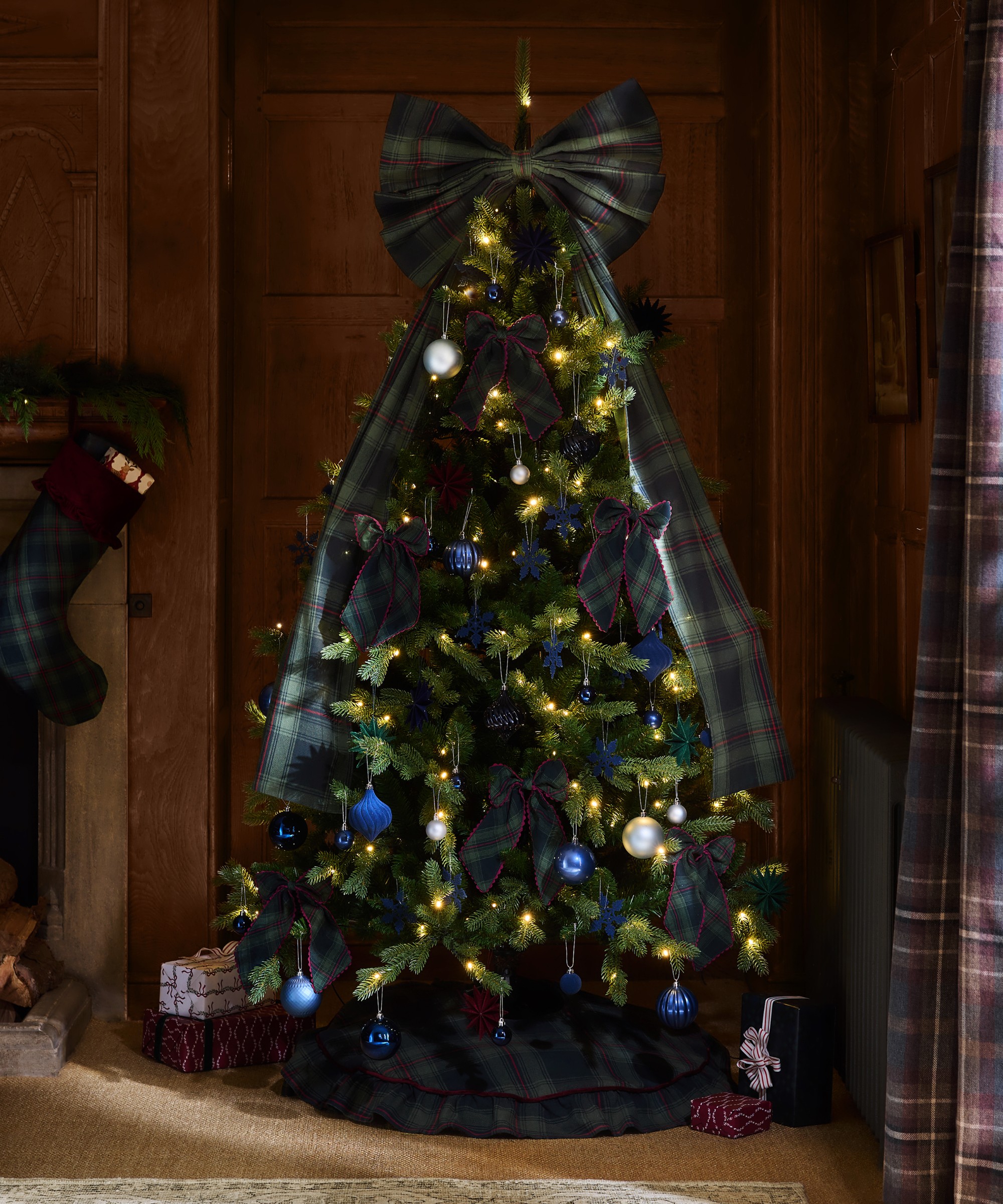
It seems that we have yet another bow-crazy Christmas on our hands as bow decorations of all sizes, colours, materials and even patterns are popping up everywhere. And Next just launched the latest iteration of the Christmas bow trend that I predict will become everybody’s next obsession – the Tartan Check Extra Large Bow Tree Topper, selling for £22.
<aside data-article-category="all-rooms" data-block-layout="horizontal" data-block-type="featured-product" data-hawk-json="{"product":{"variants":{"Default":{"image":{"copyright":"","height":600,"id":"VfGmqvpQM9cDduobvvFfNY","mimeType":"image\/jpeg","mos":"https:\/\/cdn.mos.cms.futurecdn.net\/VfGmqvpQM9cDduobvvFfNY.jpg","role":"","width":400,"credit":"Next","alt":"Next Navy Tartan Check Extra Large Bow Tree Topper","caption":""},"strapline":"
Aside from the timeless tartan check pattern and the generous size, I also love that the bow is made from pure cotton.","brand":"Next","name":"Navy Tartan Check Extra Large Bow Tree Topper","urlStyle":"","retailer":"","layout":"horizontal","noFollow":true,"noAffiliateTracking":false,"promoLabel":"","price":null,"salePrice":null,"currency":null,"linkLayout":"button","sponsored":false,"hawkProductNameMatchedCode":"","review":{"cons":[],"id":"","name":"","pros":[],"rating":0,"strapline":"","url":""},"id":"","lastCheckedPriceDate":"","link":{"url":"https:\/\/click.linksynergy.com\/deeplink?id=kXQk6%2AivFEQ&mid=53096&u1=hawk-custom-tracking&murl=https%3A%2F%2Fwww.next.co.uk%2Fstyle%2Fsv060223%2Fv63525","linkText":"\u00a322 at Next","merchantName":"Next UK","merchantId":491232,"merchantNetwork":"LSfutureusLlc","merchantUrl":"next.co.uk"}}}}}” data-link=”https://click.linksynergy.com/deeplink?id=kXQk6%2AivFEQ&mid=53096&u1=hawk-custom-tracking&murl=https%3A%2F%2Fwww.next.co.uk%2Fstyle%2Fsv060223%2Fv63525″ data-link-merchant=”Next UK” data-link-text=”£22 at Next” data-merchant-id=”491232″ data-merchant-name=”Next UK” data-merchant-network=”LSfutureusLlc” data-merchant-url=”next.co.uk” data-model-brand=”Next” data-model-name=”Next Navy Tartan Check Extra Large Bow Tree Topper” data-name=”Horizontal Product Block merchantlink widget” data-render-type=”fte” data-show-fallback=”button” data-widget-type=”merchantlink” class=”ecom-root”>
Aside from the timeless tartan check pattern and the generous size, I also love that the bow is made from pure cotton.
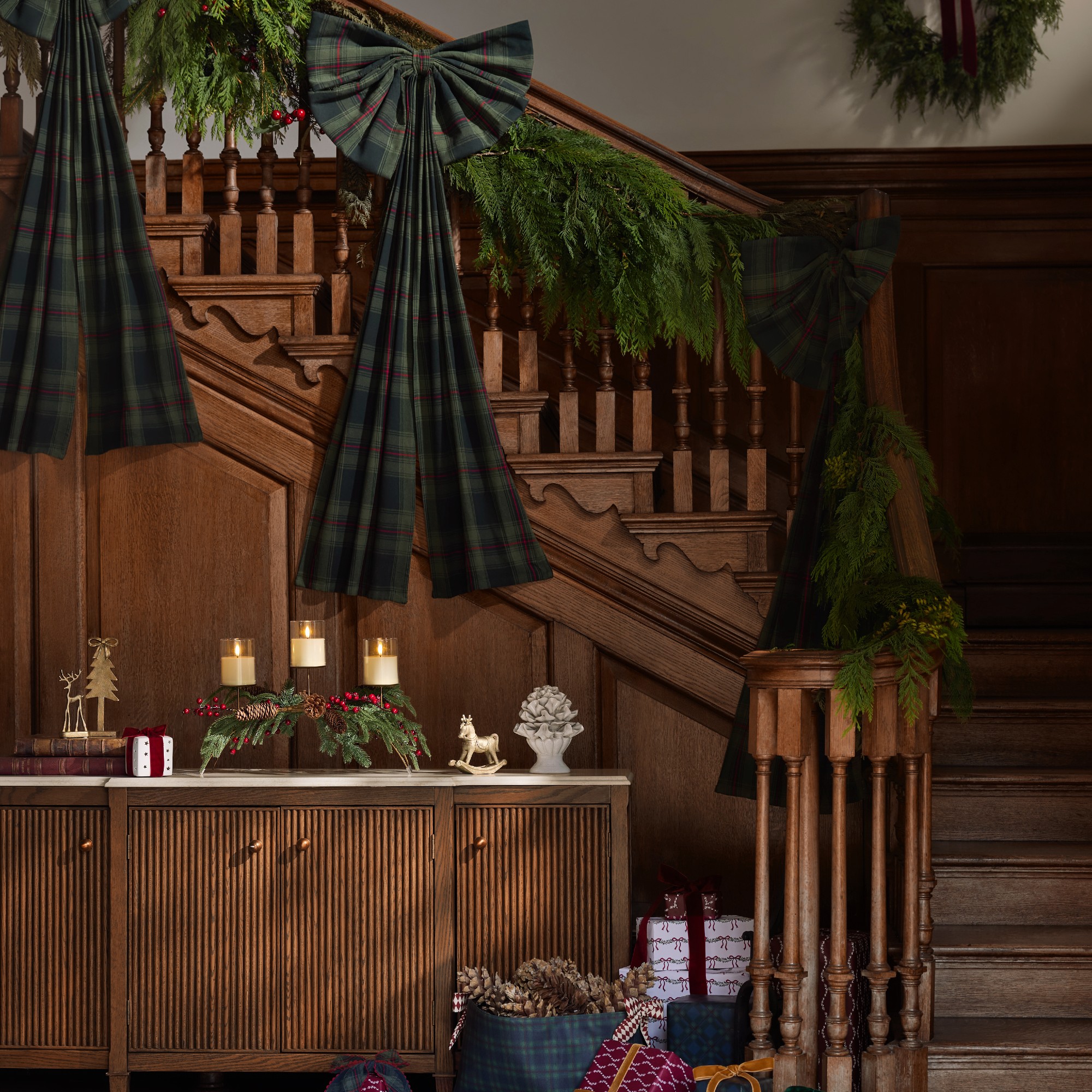
Last week, I got to see the large tartan Christmas bow IRL at Next’s Christmas press preview. And in opinion, it’s only a matter of time before it goes viral.
Latest Videos FromIdeal Home
Shoppers are still loving extra-large Christmas bows as they did last year so the design’s large size will make it extremely desirable – as will the trad-inspired tartan check pattern combining shades of navy blue, dark green and a hint of red. And Next is going big on this festive trend as an entire room was styled with coordinating tartan Christmas buys.
(Image credit: Next)
According to Pinterest UK, searches for ‘tartan pattern’ increased by 100% this month as this motif is not only perfect for Christmas but also for the autumn months and cosy season. And that’s one of the biggest perks of this Next bow decoration – it won’t look out of place if you put it up now since it has a very autumnal charm that will seamlessly carry you through all the way to Christmas.
Last year, the ‘Ralph Lauren Christmas’ trend exploded on social media. And this year, it’s back and set to be even bigger than in 2025 as Google searches for ‘Ralph Lauren Christmas’ increased by over 5000% this September compared to the same time last year, and by 600% compared to last month.
(Image credit: Next)
The Ralph Lauren Christmas aesthetic is defined by traditional Americana style to which heritage patterns like tartan are central. So naturally, the Next tartan bow is right on trend – as are all the other tartan-adorned pieces of Christmas decor from the Next festive range.
Sign up to our newsletter for style inspiration, real homes, project and garden advice and shopping know-how
Complete your tartan Christmas scheme
Next
Navy Tartan Check Scalloped Edge Tree Skirt
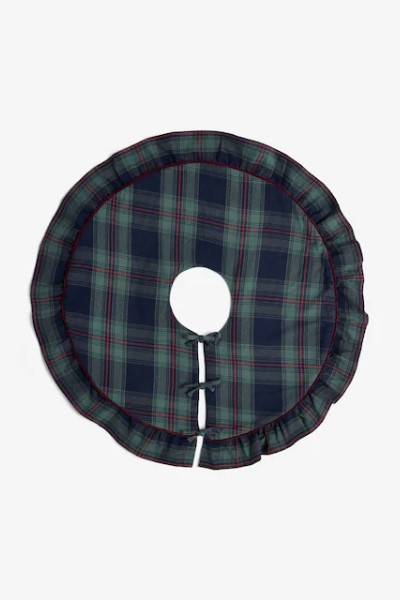
<aside data-article-category="all-rooms" data-block-layout="hero" data-block-type="featured-product" data-hawk-json="{"product":{"variants":{"Default":{"image":{"copyright":"","height":600,"id":"zwtBxmEwCGN8McDLqAHWKY","mimeType":"image\/jpeg","mos":"https:\/\/cdn.mos.cms.futurecdn.net\/zwtBxmEwCGN8McDLqAHWKY.jpg","role":"","width":400,"credit":"Next","alt":"Next Navy Tartan Check Scalloped Edge Tree Skirt","caption":""},"strapline":"
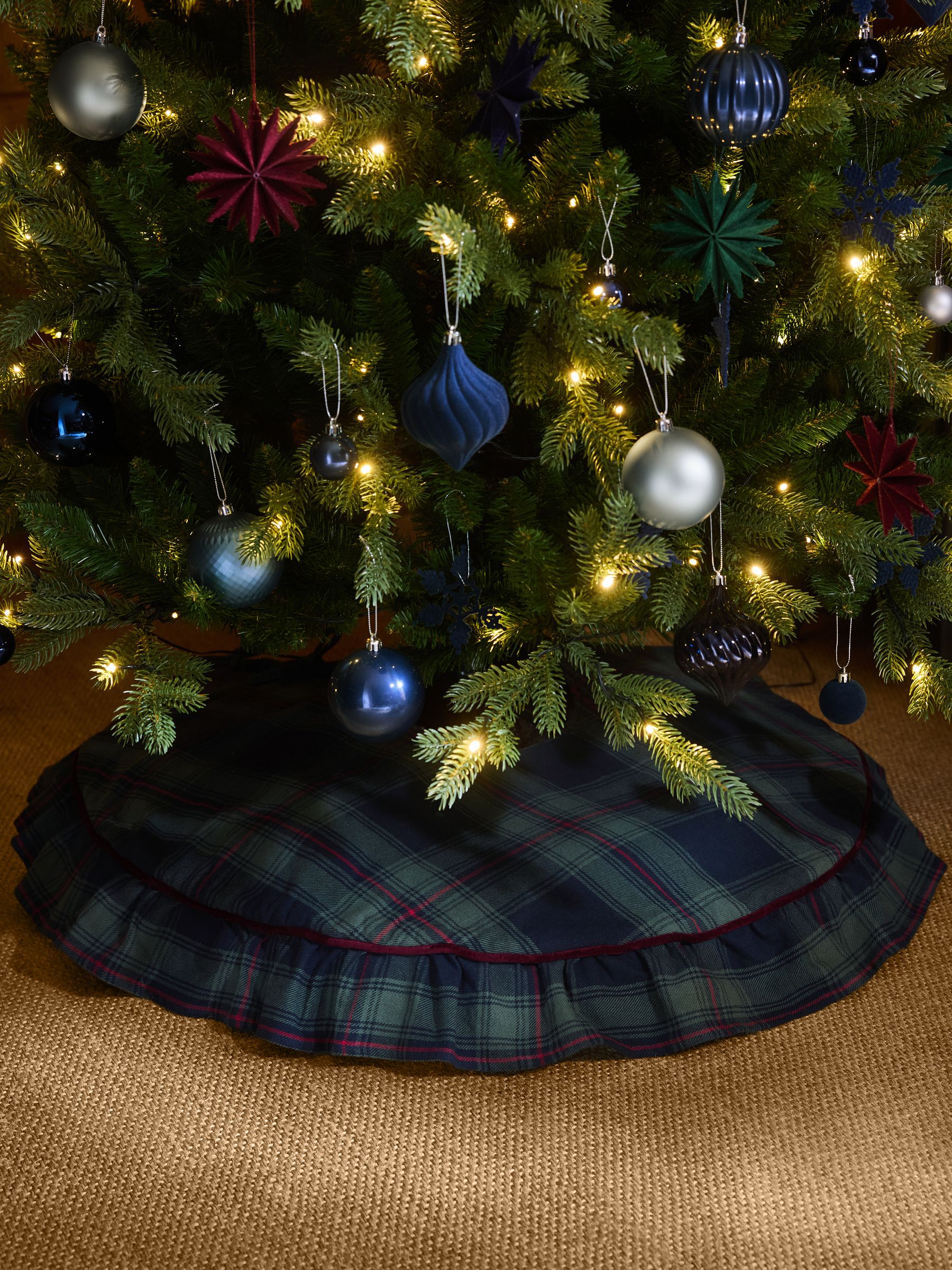
The ruffled trim adds a very soft and pretty spin on the traditional tartan pattern that this chic tree skirt is adorned with.","brand":"Next","name":"Navy Tartan Check Scalloped Edge Tree Skirt","urlStyle":"","retailer":"","layout":"hero","noFollow":true,"noAffiliateTracking":false,"promoLabel":"","price":null,"salePrice":null,"currency":null,"linkLayout":"button","sponsored":false,"hawkProductNameMatchedCode":"","review":{"cons":[],"id":"","name":"","pros":[],"rating":0,"strapline":"","url":""},"id":"","lastCheckedPriceDate":"","link":{"url":"https:\/\/click.linksynergy.com\/deeplink?id=kXQk6%2AivFEQ&mid=53096&u1=hawk-custom-tracking&murl=https%3A%2F%2Fwww.next.co.uk%2Fstyle%2Fsv060235%2Fy42434","linkText":"\u00a322 at Next","merchantName":"Next UK","merchantId":491232,"merchantNetwork":"LSfutureusLlc","merchantUrl":"next.co.uk"}}}}}” data-link=”https://click.linksynergy.com/deeplink?id=kXQk6%2AivFEQ&mid=53096&u1=hawk-custom-tracking&murl=https%3A%2F%2Fwww.next.co.uk%2Fstyle%2Fsv060235%2Fy42434″ data-link-merchant=”Next UK” data-link-text=”£22 at Next” data-merchant-id=”491232″ data-merchant-name=”Next UK” data-merchant-network=”LSfutureusLlc” data-merchant-url=”next.co.uk” data-model-brand=”Next” data-model-name=”Next Navy Tartan Check Scalloped Edge Tree Skirt” data-name=”Product Block merchantlink widget” data-render-type=”fte” data-show-fallback=”button” data-widget-type=”merchantlink” class=”ecom-root”>
The ruffled trim adds a very soft and pretty spin on the traditional tartan pattern that this chic tree skirt is adorned with.
Next
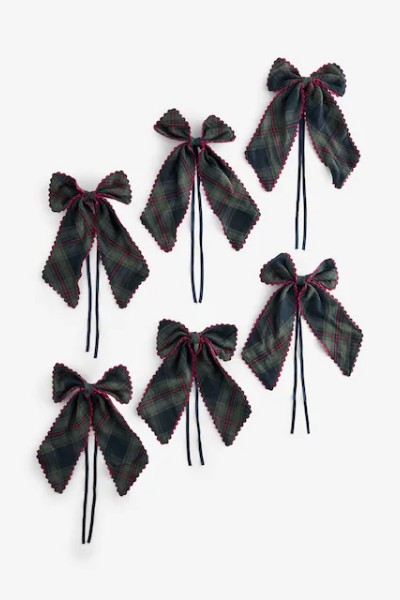
Navy Tartan Bow Christmas Baubles, Set of 6
<aside data-article-category="all-rooms" data-block-layout="hero" data-block-type="featured-product" data-hawk-json="{"product":{"variants":{"Default":{"image":{"copyright":"","height":600,"id":"qds5zqntTYLDyUkakWSAKY","mimeType":"image\/jpeg","mos":"https:\/\/cdn.mos.cms.futurecdn.net\/qds5zqntTYLDyUkakWSAKY.jpg","role":"","width":400,"credit":"Next","alt":"Next Set of 6 Navy Tartan Bow Christmas Baubles","caption":""},"strapline":"
You can either add these little bows to your XL tartan bow. Or if the large version is too much for you, this is a more discreet alternative.","brand":"Next","name":"Navy Tartan Bow Christmas Baubles, Set of 6","urlStyle":"","retailer":"","layout":"hero","noFollow":true,"noAffiliateTracking":false,"promoLabel":"","price":null,"salePrice":null,"currency":null,"linkLayout":"button","sponsored":false,"hawkProductNameMatchedCode":"","review":{"cons":[],"id":"","name":"","pros":[],"rating":0,"strapline":"","url":""},"id":"","lastCheckedPriceDate":"","link":{"url":"https:\/\/click.linksynergy.com\/deeplink?id=kXQk6%2AivFEQ&mid=53096&u1=hawk-custom-tracking&murl=https%3A%2F%2Fwww.next.co.uk%2Fstyle%2Fsv024172%2Fg86283","linkText":"\u00a316 at Next","merchantName":"Next UK","merchantId":491232,"merchantNetwork":"LSfutureusLlc","merchantUrl":"next.co.uk"}}}}}” data-link=”https://click.linksynergy.com/deeplink?id=kXQk6%2AivFEQ&mid=53096&u1=hawk-custom-tracking&murl=https%3A%2F%2Fwww.next.co.uk%2Fstyle%2Fsv024172%2Fg86283″ data-link-merchant=”Next UK” data-link-text=”£16 at Next” data-merchant-id=”491232″ data-merchant-name=”Next UK” data-merchant-network=”LSfutureusLlc” data-merchant-url=”next.co.uk” data-model-brand=”Next” data-model-name=”Next Navy Tartan Bow Christmas Baubles, Set of 6″ data-name=”Product Block merchantlink widget” data-render-type=”fte” data-show-fallback=”button” data-widget-type=”merchantlink” class=”ecom-root”>
You can either add these little bows to your XL tartan bow. Or if the large version is too much for you, this is a more discreet alternative.
Next
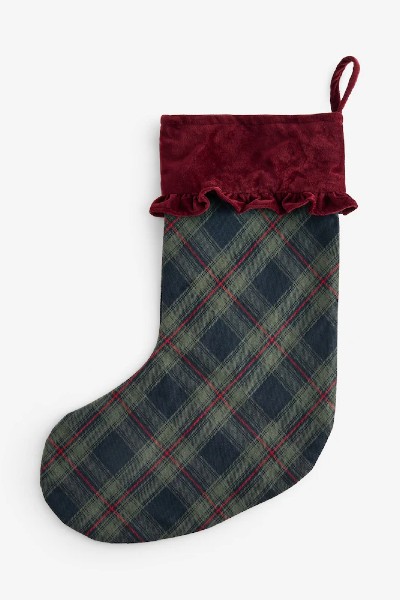
Navy Tartan Stocking
<aside data-article-category="all-rooms" data-block-layout="hero" data-block-type="featured-product" data-hawk-json="{"product":{"variants":{"Default":{"image":{"copyright":"","height":600,"id":"5SFrXpY7J5ceCJayvHqmJY","mimeType":"image\/jpeg","mos":"https:\/\/cdn.mos.cms.futurecdn.net\/5SFrXpY7J5ceCJayvHqmJY.jpg","role":"","width":400,"credit":"Next","alt":"Next Navy Tartan Stocking","caption":""},"strapline":"
I'm seeing lots of pretty and chic Christmas stockings this year. And this is one of the best I've come across, softened by the ruffled red velvet trim. ","brand":"Next","name":"Navy Tartan Stocking","urlStyle":"","retailer":"","layout":"hero","noFollow":true,"noAffiliateTracking":false,"promoLabel":"","price":null,"salePrice":null,"currency":null,"linkLayout":"button","sponsored":false,"hawkProductNameMatchedCode":"","review":{"cons":[],"id":"","name":"","pros":[],"rating":0,"strapline":"","url":""},"id":"","lastCheckedPriceDate":"","link":{"url":"https:\/\/click.linksynergy.com\/deeplink?id=kXQk6%2AivFEQ&mid=53096&u1=hawk-custom-tracking&murl=https%3A%2F%2Fwww.next.co.uk%2Fstyle%2Fsv031820%2Fv63309","linkText":"\u00a312 at Next","merchantName":"Next UK","merchantId":491232,"merchantNetwork":"LSfutureusLlc","merchantUrl":"next.co.uk"}}}}}” data-link=”https://click.linksynergy.com/deeplink?id=kXQk6%2AivFEQ&mid=53096&u1=hawk-custom-tracking&murl=https%3A%2F%2Fwww.next.co.uk%2Fstyle%2Fsv031820%2Fv63309″ data-link-merchant=”Next UK” data-link-text=”£12 at Next” data-merchant-id=”491232″ data-merchant-name=”Next UK” data-merchant-network=”LSfutureusLlc” data-merchant-url=”next.co.uk” data-model-brand=”Next” data-model-name=”Next Navy Tartan Stocking” data-name=”Product Block merchantlink widget” data-render-type=”fte” data-show-fallback=”button” data-widget-type=”merchantlink” class=”ecom-root”>
I’m seeing lots of pretty and chic Christmas stockings this year. And this is one of the best I’ve come across, softened by the ruffled red velvet trim.
Are you going to be snapping up one of these for your own home?
You might already recognise Next’s gingerbread house tree skirt, which sold out in September 2025 almost instantly after launch. This year, it’s back and joined by two extra festive designs to give your Christmas decorating ideas a stylish edge.
While I appreciate it is still September as I write, experience tells me that Next’s Christmas tree skirts become popular very quickly – so read on if you want to stay ahead of the trends.
Latest Videos FromIdeal Home
Next
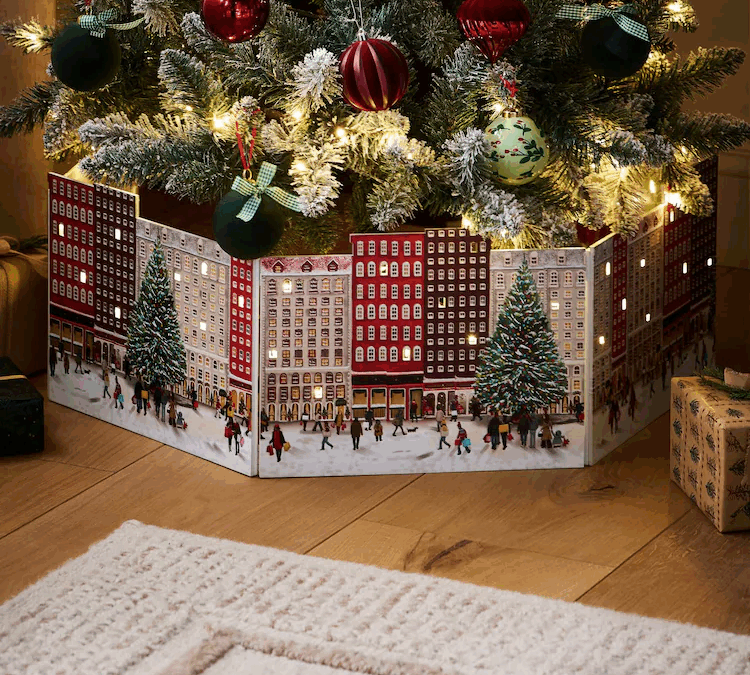
Red Festive Light Up Wooden Tree Skirt
Next
House Scene Light Up Wooden Tree Skirt – Size One
If you have one of the best artificial Christmas trees, no matter how realistic the foliage looks, the plastic base can look a little unsightly. This is where a tree skirt comes in handy. Concealing the base, the skirt becomes a key part of your decor and can add a sophisticated look (such as Habitat’s seagrass skirt) or even a playful look (try M&S’s tinsel skirts) to the overall feel of your decor. If you want something traditional, yet eye-catching, Next’s skirts are perfect for you.
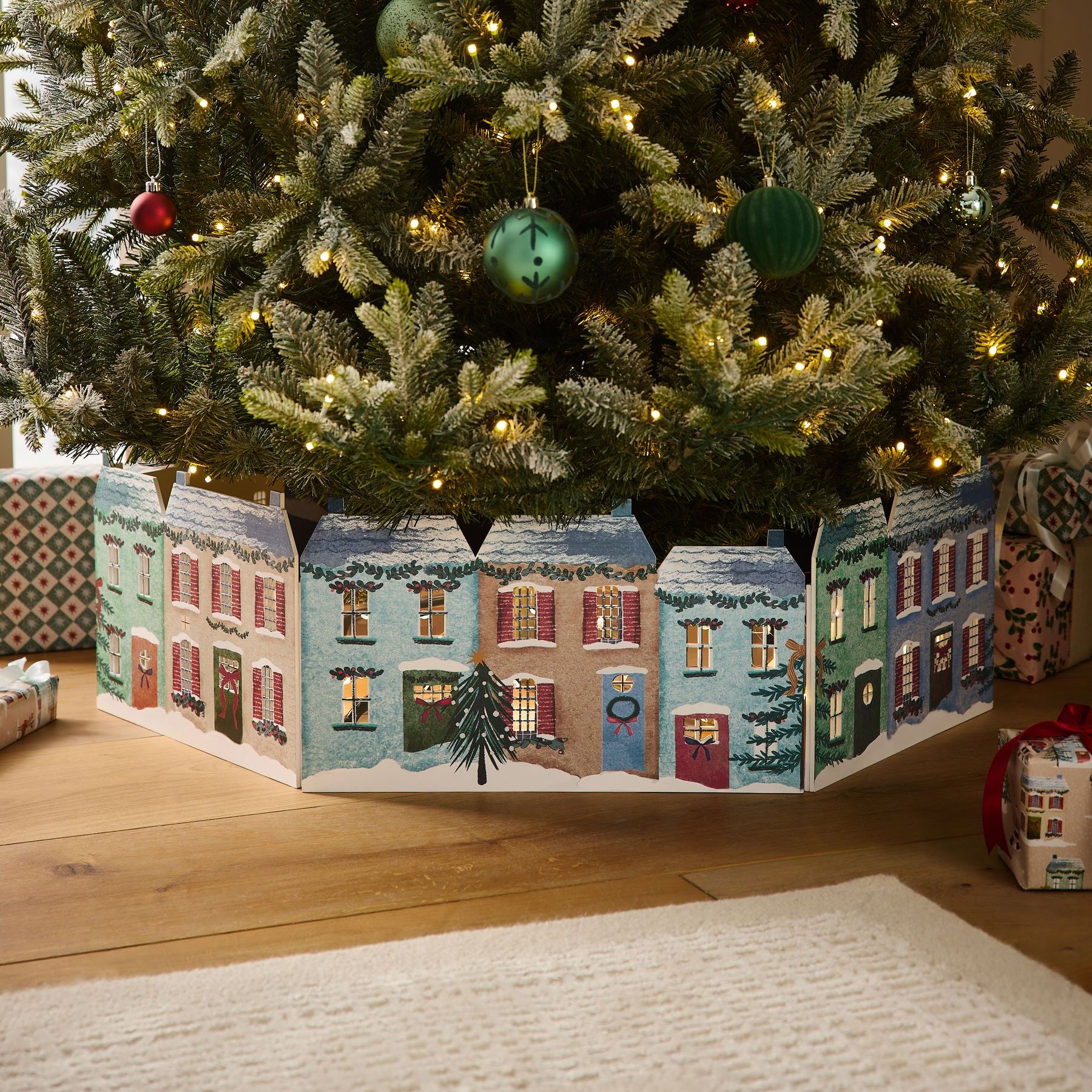
First, I’d like to discuss the House Scene tree skirt which depicts a snowy street, complete with a painted Christmas tree, minute wreaths and garlands, all adorning pretty pastel-coloured houses. Just like the gingerbread skirt, there are twinkling LED lights poking through the house windows.
(Image credit: Next)
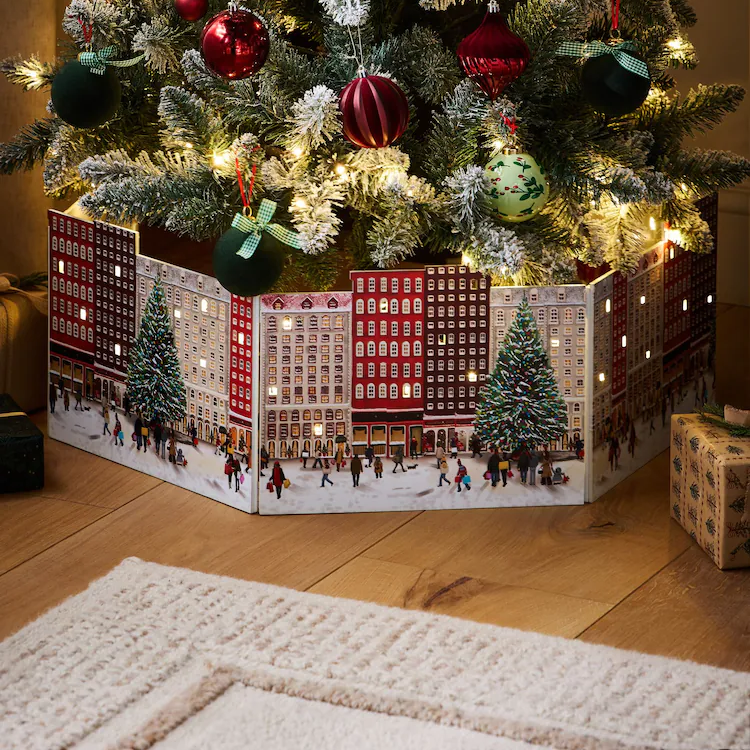
Similarly, the Red Festive tree skirt also depicts a snowy, festive scene. Although this piece of decor is a closer depiction of town life, rather than the village scene shown on the house skirt. This skirt is beautifully detailed, showing Christmas shoppers making their way down a snowy street. It reminds me of M&S’s stunning light-up candles which have become iconic for their festive interpretations of famous cities. The LED lights on this skirt can be seen poking through the windows of high-rise buildings.
Where you prefer a cityscape, more rustic scenery or a playful gingerbread display, what makes these tree skirts a worthy investment, is that they provide an extra layer of lighting to your decor. While one would expect the tree itself to be covered with twinkling lights, a light-up skirt provides that extra level of ambient glow that will make your Christmas decorations look even more magical.
Sign up to our newsletter for style inspiration, real homes, project and garden advice and shopping know-how
And these aren’t the only tree skirts that have caught my eye at Next this year. Here are a few more stylish designs that will take your decor to the next level.
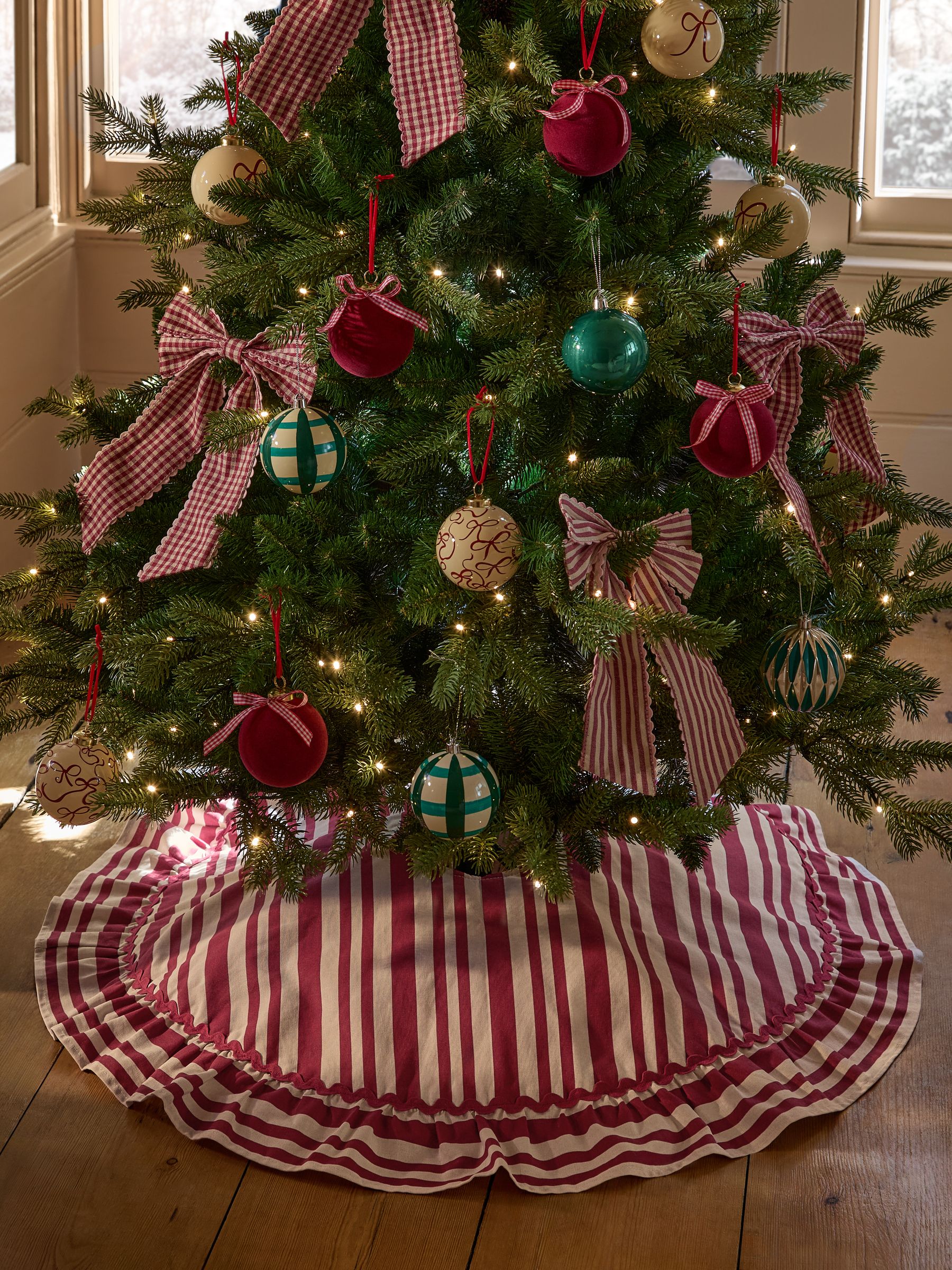
The bold, candy-style stripe of this tree skirt will stand out amongst your Christmas decor, yet maintains an overall traditional look.","brand":"Next","name":"Red Stripe Frill Edge Tree Skirt – Size One","urlStyle":"","retailer":"","layout":"hero","linkText":"","noFollow":true,"noAffiliateTracking":false,"promoLabel":"","price":22,"salePrice":null,"currency":"GBP","linkLayout":"text","sponsored":false,"hawkProductNameMatchedCode":"","review":{"cons":[],"id":"","name":"","pros":[],"rating":0,"strapline":"","url":""},"id":"","externalId":"ad5c4a7fbbe0839c52abf86efaebe7224373f737","lastCheckedPriceDate":"","link":{"url":"https:\/\/click.linksynergy.com\/deeplink?id=kXQk6%2AivFEQ&mid=53096&u1=hawk-custom-tracking&murl=https%3A%2F%2Fwww.next.co.uk%2Fstyle%2Fsv060212%2Fg97397","merchantName":"Next UK","merchantId":491232,"merchantNetwork":"LSfutureusLlc","merchantUrl":"next.co.uk"}}}}}” data-link=”https://click.linksynergy.com/deeplink?id=kXQk6%2AivFEQ&mid=53096&u1=hawk-custom-tracking&murl=https%3A%2F%2Fwww.next.co.uk%2Fstyle%2Fsv060212%2Fg97397″ data-link-merchant=”Next UK” data-merchant-id=”491232″ data-merchant-name=”Next UK” data-merchant-network=”LSfutureusLlc” data-merchant-url=”next.co.uk” data-model-brand=”Next” data-model-name=”Next Red Stripe Frill Edge Tree Skirt – Size One” data-name=”Product Block merchantlink widget” data-render-type=”fte” data-show-fallback=”button” data-widget-type=”merchantlink” class=”ecom-root”>
The bold, candy-style stripe of this tree skirt will stand out amongst your Christmas decor, yet maintains an overall traditional look.
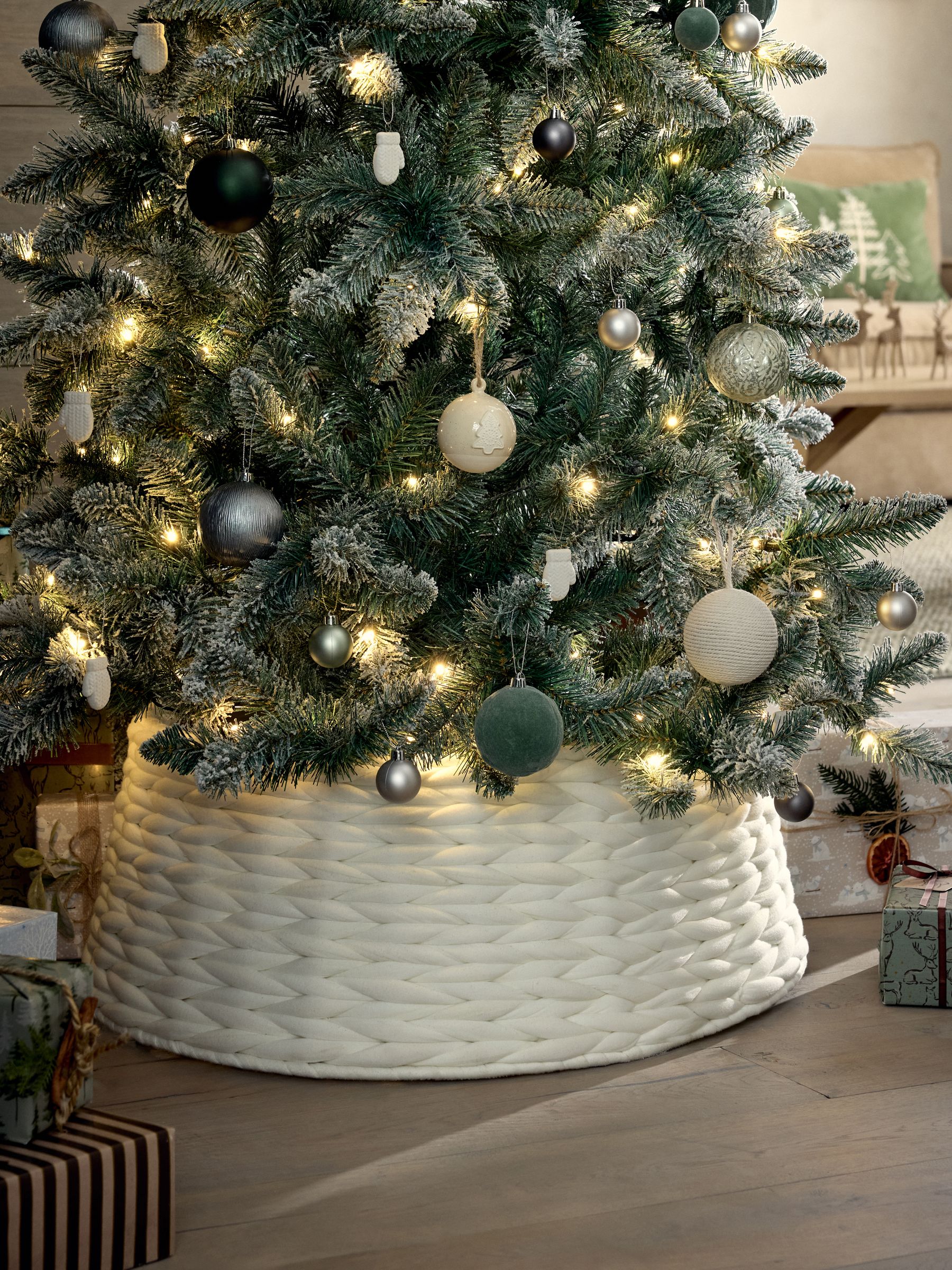
The stunning skirt lets texture do all the talking. It has the good looks of your favourite winter sweater, and wont take away from your decorations.","brand":"Next","name":"White Chunky Knit Tree Skirt – Size One","urlStyle":"","retailer":"","layout":"hero","linkText":"","noFollow":true,"noAffiliateTracking":false,"promoLabel":"","price":45,"salePrice":null,"currency":"GBP","linkLayout":"text","sponsored":false,"hawkProductNameMatchedCode":"","review":{"cons":[],"id":"","name":"","pros":[],"rating":0,"strapline":"","url":""},"id":"","externalId":"92667f9f0354e4db5b4d3b9d3f2264d191f68594","lastCheckedPriceDate":"","link":{"url":"https:\/\/click.linksynergy.com\/deeplink?id=kXQk6%2AivFEQ&mid=53096&u1=hawk-custom-tracking&murl=https%3A%2F%2Fwww.next.co.uk%2Fstyle%2Fsv060230%2Fy40808","merchantName":"Next UK","merchantId":491232,"merchantNetwork":"LSfutureusLlc","merchantUrl":"next.co.uk"}}}}}” data-link=”https://click.linksynergy.com/deeplink?id=kXQk6%2AivFEQ&mid=53096&u1=hawk-custom-tracking&murl=https%3A%2F%2Fwww.next.co.uk%2Fstyle%2Fsv060230%2Fy40808″ data-link-merchant=”Next UK” data-merchant-id=”491232″ data-merchant-name=”Next UK” data-merchant-network=”LSfutureusLlc” data-merchant-url=”next.co.uk” data-model-brand=”Next” data-model-name=”Next White Chunky Knit Tree Skirt – Size One” data-name=”Product Block merchantlink widget” data-render-type=”fte” data-show-fallback=”button” data-widget-type=”merchantlink” class=”ecom-root”>
The stunning skirt lets texture do all the talking. It has the good looks of your favourite winter sweater, and wont take away from your decorations.
Next
Navy Tartan Check Scalloped Edge Tree Skirt – Size One
If you want a classic, country Christmas, always choose tartan. The frilled edge makes this one look so stylish.","brand":"Next","name":"Navy Tartan Check Scalloped Edge Tree Skirt – Size One","urlStyle":"","retailer":"","layout":"hero","linkText":"","noFollow":true,"noAffiliateTracking":false,"promoLabel":"","price":22,"salePrice":null,"currency":"GBP","linkLayout":"text","sponsored":false,"hawkProductNameMatchedCode":"","review":{"cons":[],"id":"","name":"","pros":[],"rating":0,"strapline":"","url":""},"id":"","externalId":"fa45d261a710a2c7a5270f6d890fca3060555e82","lastCheckedPriceDate":"","link":{"url":"https:\/\/click.linksynergy.com\/deeplink?id=kXQk6%2AivFEQ&mid=53096&u1=hawk-custom-tracking&murl=https%3A%2F%2Fwww.next.co.uk%2Fstyle%2Fsv060235%2Fy42434","merchantName":"Next UK","merchantId":491232,"merchantNetwork":"LSfutureusLlc","merchantUrl":"next.co.uk"}}}}}” data-link=”https://click.linksynergy.com/deeplink?id=kXQk6%2AivFEQ&mid=53096&u1=hawk-custom-tracking&murl=https%3A%2F%2Fwww.next.co.uk%2Fstyle%2Fsv060235%2Fy42434″ data-link-merchant=”Next UK” data-merchant-id=”491232″ data-merchant-name=”Next UK” data-merchant-network=”LSfutureusLlc” data-merchant-url=”next.co.uk” data-model-brand=”Next” data-model-name=”Next Navy Tartan Check Scalloped Edge Tree Skirt – Size One” data-name=”Product Block merchantlink widget” data-render-type=”fte” data-show-fallback=”button” data-widget-type=”merchantlink” class=”ecom-root”>
If you want a classic, country Christmas, always choose tartan. The frilled edge makes this one look so stylish.
An LED tree skirt can help give your Christmas decor a cosy edge. And no one is doing it better than Next right now.