
As winter gets closer, frosty temperatures and heavy rainfall can take their toll on your property. Preparing your home in advance can help prevent damage and keep your living space feeling warm and comfortable. Whether you’re planning larger home improvements or just want to make a few small changes, there are more ways than you might think to get your home ready for the winter.
Check Your Heating System

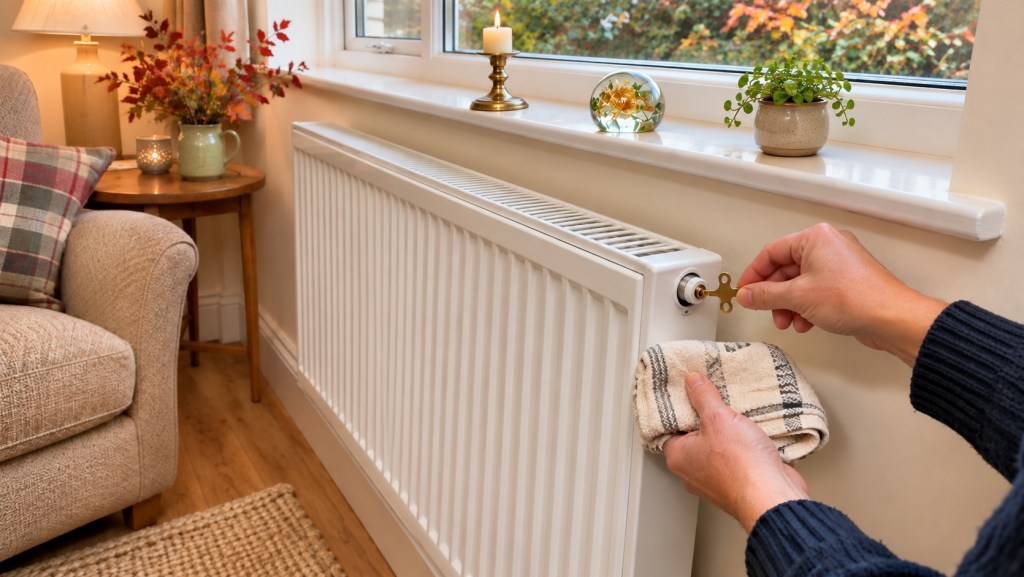
It’s a good idea to test your heating before the weather gets colder to make sure it’s working properly. If your radiators have cold patches or make bubbling sounds, bleeding them can help them work more efficiently. Don’t forget to arrange a boiler service annually, especially before the winter months. This ensures your boiler is safe and can reduce the risk of your heating system breaking down.
Make Your Home More Energy Efficient

Electricity bills tend to be higher in the winter months. By making small changes, you can try to keep them as low as possible. This can include:
- Replacing traditional bulbs with energy-efficient LED alternatives: These typically use less energy and tend to last longer
- Installing a smart thermostat: This makes controlling your heating easier by setting schedules and adjusting temperatures when you’re out
- Upgrading older appliances to more energy-efficient models: Appliances can become worn and less energy-efficient over time, so it’s a good idea to replace them if you’ve had them a while
Make Your Home Cosier

Many people spend more time indoors during winter, so it’s best to keep the spaces in your home as comfortable as possible. You don’t necessarily need to have the heating on all the time to do this; try:
- Updating your flooring: Replacing worn flooring with real wood flooring can refresh your living space and make it feel cosier, creating a warmer feel underfoot than colder surfaces like tiles. Pairing wooden flooring with soft rugs can also help create a comfortable atmosphere
- Swapping lightweight curtains for thicker thermal ones: These can reduce heat loss through windows, helping to keep rooms warm
- Adding soft throws to the sofas: This is a great way to warm yourself without needing to use the heating
Improve Your Home’s Insulation

A properly insulated home can stop heat from escaping and cold air from coming in. This includes thinking about your:
- Loft insulation: Check the depth of your existing loft insulation; if it’s less than the recommended 270mm, consider topping it up. Also, check the quality of your insulation, looking for anything from damage to dampness that could affect its performance
- Draught-proof windows and doors: Cold air can seep through gaps, but draught strips and excluders can keep warm air in
- Pipe insulation: Check exposed water pipes in unheated areas, like lofts and garages, looking for gaps or missing insulation. Fitting foam pipe lagging around them can help protect against freezing temperatures and reduce the risk of them bursting
Protect Your Home’s Exterior

Alongside changes to the inside of your home, a few exterior maintenance checks can help prevent damage and uncover problems you didn’t know about. This can include:
- Clearing gutters and downpipes: Remove any debris that could cause blockages, like moss and leaves, to reduce the risk of water damage
- Checking your roof tiles: Look out for any loose, cracked, or missing tiles that could let water into your property and organise repairs if necessary
- Inspecting external walls: Check for anything that could allow moisture to enter, like cracks in brickwork or damaged pointing
- Check outdoor taps: Turn off and drain outside taps to prevent pipes from becoming frozen or bursting
Final Thoughts

Try making a list of all the improvements you want to do before winter to make sure you don’t miss anything. Whether you’re investing in bigger upgrades, like new flooring, or doing smaller maintenance tasks like checking your insulation, there are plenty of ways to make your home feel more comfortable as temperatures drop.
Related
<!–
–>