
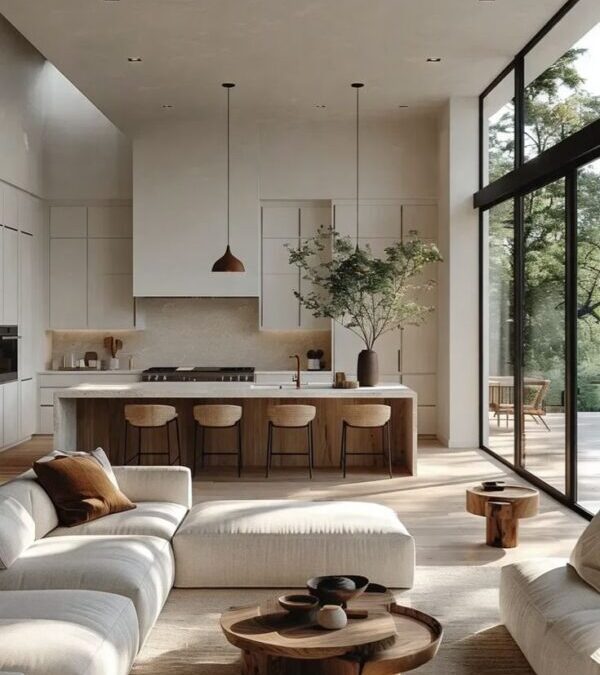
The idea of a playroom is changing, and honestly, it was overdue. The old version was simple: bright primary colors, plastic bins, loud toy clutter, and a space that adults tolerated rather than enjoyed. But families today live differently. Homes are more open-plan, routines are shared, and spaces are expected to work harder than ever.
That’s why the grown-up playroom is becoming one of the smartest and most stylish rooms in modern family homes. It’s not a kids-only zone, it’s a multi-generational space designed for play, lounging, learning, hosting, and everyday life. Think: soft neutral palettes, comfortable seating, built-in storage, and a layout that welcomes toddlers, teens, parents, and grandparents equally. A grown-up playroom doesn’t mean less fun. It means better design, where toys can exist without taking over, and where the space still feels like part of a beautiful home. Here are 18 practical and design-forward ways to create a playroom that works for every age.
1. Start with a Calm, Neutral Base


A grown-up playroom begins with what you don’t see first: the backdrop. Instead of colorful walls that visually shout “kids live here,” choose a calm base like warm white, soft beige, greige, or muted taupe. Neutral walls make the room feel larger, cleaner, and more connected to the rest of the home, especially if your playroom is part of an open layout. The best part? A neutral base lets you bring in color through toys, books, and artwork without the room ever feeling chaotic. It also makes it easier to evolve the space as your children grow. What works for building blocks today can still work for board games and homework later.
2. Create Zones for Different Ages


The most successful multi-generational spaces work because they don’t force everyone to do the same thing. Create zones that naturally support different ages and activities. For example, a soft rug area for toddlers, a table corner for puzzles or crafts, and a comfy lounge zone for teens or adults. Even in small rooms, zoning can be done with furniture placement, lighting, or a change in rug texture. When the playroom supports multiple rhythms at once, it becomes more usable throughout the day. It’s less “kids corner” and more “family room with playful purpose.
3. Create a Cozy Reading Corner


A reading corner adds softness to a playroom and gives the room a calmer personality. It’s also one of the most multi-generational features you can add, toddlers can flip board books, older kids can unwind, and adults can join in without feeling out of place. Use a soft chair, a floor cushion, or a built-in bench with pillows. Add a small lamp for warmth and a low bookshelf for easy access. This corner encourages quiet time and balances louder play. The best playrooms aren’t just about activity, they’re about comfort and rhythm too.
4. Experiment With Alternative Seating


A grown-up playroom works best when seating feels flexible, casual, and welcoming for every age. Alternative seating,like floor cushions, poufs, oversized beanbags, or even a soft daybed,creates a space that adapts to how families actually use the room. Kids naturally gravitate toward floor-level comfort, while adults appreciate having extra spots to sit during playtime or movie nights. Choose options in textured, neutral fabrics so they feel elevated rather than messy. When seating is varied, the room feels less like a “kids zone” and more like a multi-generational lounge.
5. Playful Color, Done the Grown-Up Way


Kid-friendly colors don’t have to mean loud primary tones. In a multi-generational playroom, color works best when it’s softened, think dusty blue, muted sage, warm terracotta, or buttery yellow instead of neon shades. This approach keeps the room cheerful and child-friendly while still matching the rest of the home. You can introduce color through rugs, cushions, artwork, or a single accent wall rather than painting everything bright. The result feels balanced: fun for kids, calming for parents, and stylish enough that adults don’t feel like they’re spending time in a nursery.
6. A Snack Nook for Real-Life Living


A snack nook is one of the most practical upgrades you can add to a grown-up playroom. It reduces constant trips to the kitchen and keeps little hands busy in a controlled way. A small cabinet, a mini fridge, or a dedicated shelf with water bottles and easy snacks can make the space more self-sufficient,especially for families with multiple kids. Add a small tray, wipe-clean surfaces, and a waste bin nearby so cleanup stays simple. It’s a small “real life” feature that makes the whole room more enjoyable for both kids and adults.
7. Floating Shelves for Display and Storage


Floating shelves are a smart way to add storage while keeping the playroom looking polished. They’re perfect for displaying storybooks, framed prints, and a few beautiful toys,without the heaviness of large furniture. In multi-generational spaces, shelving helps you style the room like a living area while still keeping essentials within reach. Keep frequently used items lower and decorative items higher for safety and balance. When the shelves are curated rather than overfilled, the playroom feels intentional, calmer, and more grown-up, even when it’s actively being used.
8. Maximize Natural Light


Natural light is one of the biggest reasons a playroom feels welcoming. Bright, airy light makes the room feel healthier, more spacious, and more connected to the rest of the home,especially important for multi-generational spaces where adults want comfort too. Use sheer curtains or light-filtering blinds instead of heavy drapes, and keep window areas clear so daylight can spread naturally. Mirrors can also help bounce light around, especially in smaller rooms. The more daylight you bring in, the easier it becomes to keep the room feeling fresh and calm,even with toys around.
9. Floating Furniture for an Airy Layout


Floating your furniture simply means pulling it slightly away from the walls to create better flow. It’s a designer trick that makes a room feel more spacious and intentional,perfect for a grown-up playroom that needs to handle movement, play, and lounging. A sofa placed a few inches off the wall, a rug anchoring the seating zone, and a chair angled into the space can completely change how the room feels. This layout encourages conversation and keeps the playroom from feeling like a storage box. It also makes it easier to create separate zones for different ages.
10. Mix Different Patterns


Mixing patterns can make a playroom feel layered, cozy, and full of personality, but the trick is control. Instead of using lots of loud prints at once, stick to a consistent color palette and layer patterns through different textures: a striped rug, a subtle geometric cushion, and a playful but muted throw. This keeps the room visually interesting without becoming overstimulating. Pattern adds warmth and helps hide wear and stains, which is practical in family spaces. Done thoughtfully, pattern mixing makes the room feel designed, not cluttered, fun enough for kids, tasteful enough for adults.
11. Party-Ready Playroom Planning

A grown-up playroom becomes even more valuable when it can double as a space for family gatherings and celebrations. Party-friendly design doesn’t mean turning it into an event room, it simply means choosing flexible furniture, creating open floor space, and having easy cleanup options. Think stackable stools, a large rug that anchors the room, and lighting that feels warm in the evenings. A hidden storage system helps you tidy toys quickly when guests arrive, and a snack or drink station keeps hosting simple. When the playroom is party-ready, it naturally becomes a true family hub.
12. Storage That Works Harder

Smart storage solutions are what separate a beautiful playroom from a stressful one. Multi-generational spaces need storage that can handle toys, books, games, crafts, and sometimes even tech accessories, without constantly spilling into the rest of the home. Closed cabinetry keeps the room visually calm, while baskets and bins make daily cleanup quick. Consider storage benches, ottomans with hidden compartments, or modular shelves that can change with your child’s age. The goal is a space that stays functional for years, not one that needs redesigning every time your family routine changes.
13. Vertical Spaces for Growing Families

Using vertical space is one of the easiest ways to keep a playroom organised without eating up valuable floor area. Tall shelving, wall-mounted cabinets, and floating shelves allow you to store more while keeping the room open for play and movement. This is especially helpful for multi-generational spaces, where you want enough room for kids to spread out but also space for adults to walk, sit, and relax comfortably. Store everyday toys on lower shelves and display books or décor higher up. Vertical storage keeps the room practical, polished, and easy to maintain.
14. Be Playful

A grown-up playroom can still be fun, it just needs playfulness that feels intentional rather than chaotic. You can add a chalkboard wall, a small climbing corner, playful artwork, or colorful cushions without covering the entire room in bright plastic. The trick is choosing a calm base and letting a few fun elements shine. This way, the room stays exciting for kids but still comfortable and stylish for adults. When the space feels playful and welcoming to everyone, it becomes a true family zone, not just a room kids use alone.
15. Use Soft, Warm Lighting


Lighting makes a massive difference in whether a playroom feels chaotic or calm. Bright overhead lighting can feel harsh and overly functional, like a classroom. For a grown-up playroom, layer your lighting. Start with a warm ceiling light, then add a floor lamp, table lamp, or wall sconces. Soft lighting helps the room feel cozy and intentional, especially in the evenings. It’s a simple upgrade that instantly makes the space feel more like a living room and less like a storage room for toys.
16. Open Concept Layouts


Open concept layouts work beautifully for grown-up playrooms because they make the space feel connected to the rest of the home rather than isolated. When the playroom flows into a living area, dining space, or kitchen, it becomes easier for adults to supervise while still relaxing or multitasking. The key is using smart zoning, like rugs, furniture placement, and lighting, to define the playroom area without closing it off. Open layouts also help the space feel larger and brighter, which makes it more welcoming for all ages.
17. Make the Kitchen a True Family Hub

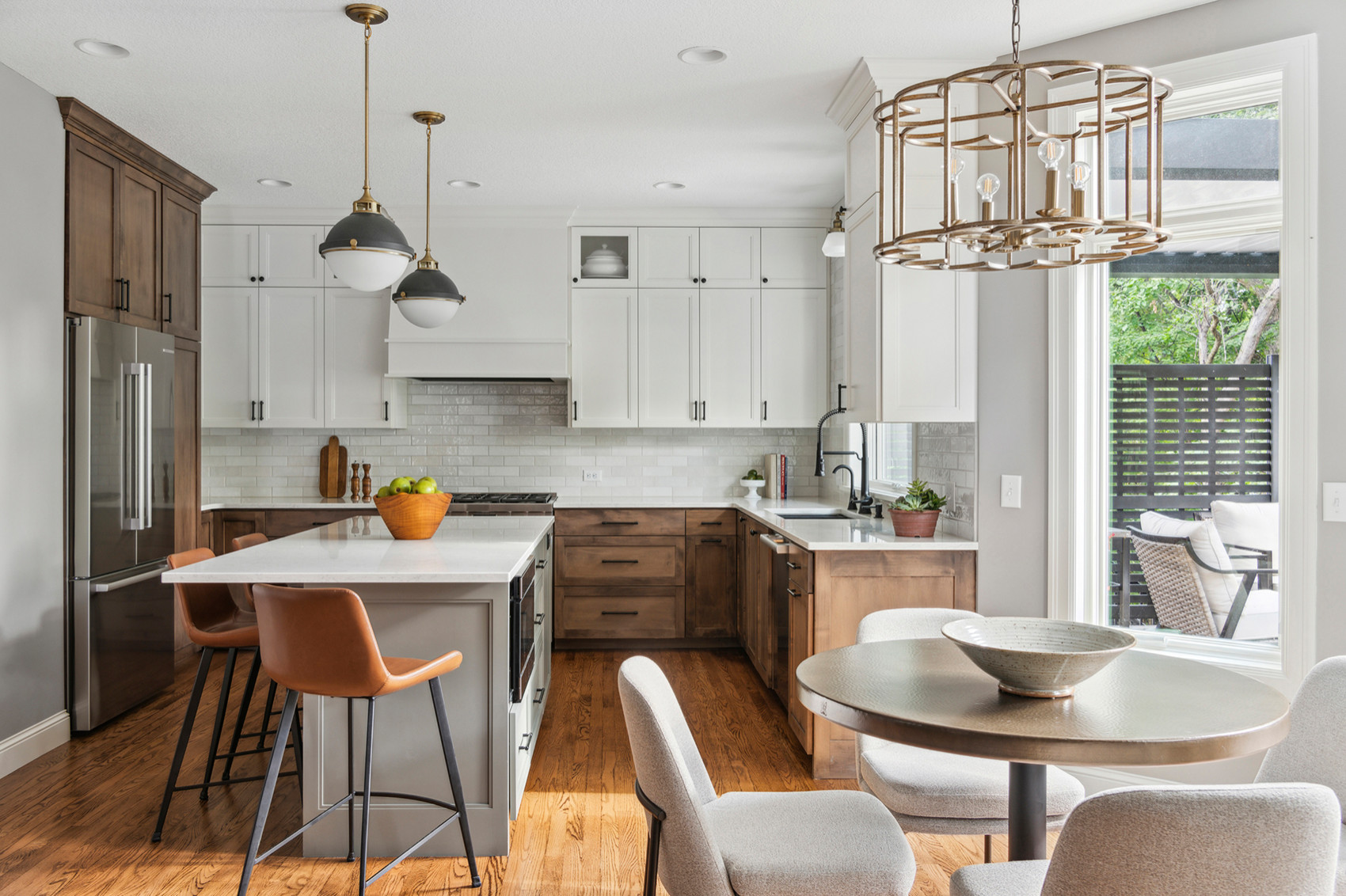
In multi-generational homes, the kitchen is rarely quiet. It’s where meals happen, conversations start, and routines overlap. The best family kitchens are designed for movement and teamwork, more than one person should be able to cook or prep without bumping into each other. Add an island with seating for kids and adults, or create a small breakfast corner where grandparents can sit comfortably. Use pull-out drawers and clear pantry organization so everyone can find what they need. A kitchen designed for shared use feels calmer, more social, and easier to live in every day.
18. Create a Flexible Dining Setup


Dining spaces in multi-generational homes need to handle everything, from quiet breakfasts to big family meals. Flexibility is everything. A dining table with extendable leaves, stackable chairs, or a bench option allows the space to shift naturally. Consider mixing formal and casual seating: chairs on one side, a bench on the other. This adds warmth and makes room for more people without crowding. Also, lighting matters, a warm pendant light instantly makes dining feel more inviting. When dining is flexible, hosting becomes easy and everyday meals feel more relaxed.
Wrap-Up
Designing for multi-generational living is really about creating a home that feels comfortable for everyone, kids, teens, parents, and grandparents,without sacrificing style. From grown-up playrooms and flexible living rooms to practical kitchens, calm bedrooms, and easy-to-navigate layouts, the goal is always the same: spaces that support real family life while staying beautiful and functional. Thoughtful zoning, smart storage, durable materials, and warm lighting make a home feel more balanced, relaxed, and welcoming at every stage. For readers of Home Designing, these ideas show how intentional interiors can bring generations together in a way that feels effortless, modern, and truly livable.
Share this story