
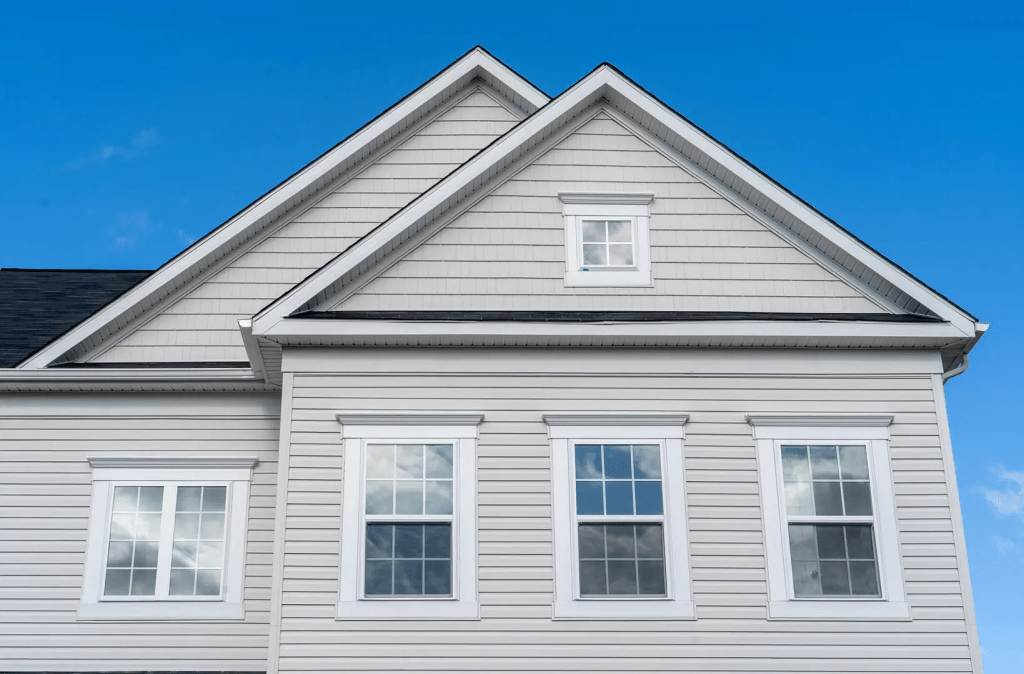
If your home feels cold in winter, noisy during the day, or expensive to heat, your windows may be part of the problem. Double glazing uses two layers of glass with an insulating space between them to reduce heat transfer and sound penetration, creating a more comfortable and cost-effective living environment.
Double glazed windows improve energy efficiency, increase indoor comfort, reduce noise, and can raise your home’s long-term value. You gain steadier indoor temperatures, lower reliance on heating and cooling, and a more controlled living environment that suits Australia’s varied climates.
If you are weighing an upgrade or planning a new build, understanding how double glazing affects energy use, comfort, and durability helps you make a practical decision. These benefits often extend beyond comfort to maintenance, resale appeal, and everyday living quality.
Energy Efficiency Advantages

Double glazed windows improve how your home manages heat, energy use, and emissions. They limit heat transfer, reduce reliance on heating and cooling systems, and support lower operational energy demand.
Thermal Insulation Performance
Double glazed windows use two panes of glass separated by a sealed gap, often filled with air or inert gas. This structure slows heat movement through the window, which helps stabilise indoor temperatures across Australia’s varied climates.
You experience fewer temperature swings near windows, especially in bedrooms and living areas. Frames and seals also play a role, as tight construction reduces unwanted air leakage.
This combination reduces heat loss in cooler months and limits heat gain during summer.
Lower Energy Bills
By slowing heat transfer, double glazed windows reduce how often your heating or cooling systems need to run. You rely less on air conditioners during hot periods and heaters during colder nights.
This efficiency translates into measurable energy savings over time. While results vary by home design and climate zone, many Australian households see consistent reductions in electricity or gas use after installation.
You also gain better control over indoor comfort without frequent thermostat adjustments. Systems cycle less often, which can reduce wear on heating and cooling equipment.
Lower energy demand becomes more noticeable in rooms with large window areas, such as living spaces or homes with sliding doors.
Reducing Carbon Footprint
Lower energy use directly reduces greenhouse gas emissions linked to electricity generation and gas consumption. When your home needs less power to stay comfortable, its operational carbon output drops.
Double glazed windows support this reduction without requiring changes to daily habits. Once installed, the efficiency benefit continues for the life of the window.
In many Australian homes, space heating and cooling account for a large share of energy use. Improving window performance addresses one of the most significant sources of thermal loss.
Over time, this improvement supports broader sustainability goals while maintaining practical comfort and usability in your home.
Comfort and Indoor Environment

Double glazed windows shape how your home feels day to day. They reduce unwanted noise, keep indoor temperatures steadier, and limit moisture build-up on glass and frames.
Noise Reduction Capabilities
Double glazing lowers noise by adding a sealed air or gas gap between two panes of glass. This gap disrupts sound waves before they pass indoors, which matters if you live near traffic, rail lines, or busy streets.
You notice the biggest improvement with low-frequency sounds, such as road noise. Thicker glass and wider gaps increase sound reduction, especially when paired with well-fitted frames and quality seals.
Factors that influence noise control include:
- Glass thickness and asymmetry
- Width of the cavity between panes
- Frame material and installation quality
Improved Temperature Regulation
Double glazed windows slow heat transfer through the glass. In winter, they reduce heat loss from your rooms. In summer, they limit external heat entering your home.
This insulation effect helps your heating and cooling systems work less often. You experience fewer temperature swings near windows, which makes living areas more usable throughout the day.
Key contributors to temperature control include:
- Insulating air or argon gas layers
- Low-emissivity (Low‑E) coatings that reflect heat
- Thermally efficient frames
You benefit most in climates with hot summers and cool winters, which applies to much of Australia. Bedrooms, living rooms, and large glazed areas show the clearest comfort gains.
Condensation Minimisation
Condensation forms when warm indoor air meets cold glass. Double glazing raises the internal glass temperature, which reduces the conditions that cause moisture to collect.
You see fewer water droplets on windows during cold mornings. This matters because ongoing condensation can damage frames, finishes, and nearby walls.
Reduced condensation supports:
- Healthier indoor air by limiting mould growth
- Longer window lifespan
- Clearer views and cleaner glass
Double glazing does not replace ventilation. When combined with regular airflow, it helps you maintain a drier and more stable indoor environment year-round.
Should You Replace Existing Windows
You should consider replacing existing windows when your current frames show damage, poor sealing, or age-related warping. These issues limit the performance of any upgrade and reduce insulation gains. New double glazed windows work best when the frame and glass function as a single system.
Glass experts recommend window glass replacement if you want the highest level of energy efficiency, noise reduction, and long-term durability. Purpose-built double glazed units use sealed panes, insulated gaps, and modern uPVC or thermally broken frames. This combination reduces heat transfer more effectively than modified single-glazed frames.
You may prefer replacement if you plan major renovations or intend to stay in the home long term. While upfront costs are higher, new windows often deliver stronger performance and lower maintenance over time. Proper installation also improves security and weather resistance.
In some cases, retrofit double glazing can meet your needs. It costs less and causes less disruption, but it usually delivers smaller efficiency gains. Your decision depends on window condition, budget, and performance goals.
Home Value and Durability

Double glazed windows influence how buyers judge quality, comfort, and long-term costs. You also gain stronger materials and longer service life, which reduce ongoing upkeep and replacement concerns.
Boosting Property Value
You increase your home’s market appeal when you install double glazed windows. Buyers often look for features that lower energy bills and improve year-round comfort, and double glazing meets both expectations.
Homes with double glazing can attract higher offers because the windows signal modern construction standards. In many Australian markets, energy-efficient features support stronger resale interest, especially in newer builds or renovated homes.
Key value drivers include:
- Lower heating and cooling costs, which reduce household expenses
- Improved thermal comfort, making living spaces more usable
- Better noise control, important in urban and suburban areas
These benefits help your property stand out without relying on cosmetic upgrades alone.
Increased Security Features
Double glazed windows add an extra physical barrier that improves home security. The two panes of glass, combined with sealed frames, make forced entry more difficult than with single glazing.
Most systems use toughened or laminated glass, which resists impact and holds together when damaged. This reduces the risk of quick break-ins and discourages opportunistic attempts.
Security advantages often include:
- Stronger window frames, commonly uPVC or aluminium
- Multi-point locking systems as standard
- Reduced vibration and flex under pressure
You gain practical protection without adding visible security hardware or changing the look of your home.
Longevity and Low Maintenance
Double glazed windows typically last 20 years or more when installed correctly. The sealed unit protects the internal gap from moisture and dust, which helps preserve insulation performance over time.
You spend less time on maintenance because quality frames do not rot, warp, or require frequent repainting. Simple cleaning and occasional hardware checks usually cover ongoing care.
Durability benefits that matter most:
- Stable performance in hot summers and cool winters
- Reduced condensation damage around frames
- Fewer replacements compared to single glazing
This durability supports long-term value while keeping maintenance predictable and manageable.
Final thoughts
In the end, double glazing is less about a single upgrade and more about improving how your home feels every day. From better temperature control and reduced noise to lower energy bills and increased property appeal, the benefits quickly add up. Whether you’re renovating, replacing ageing windows, or simply looking for ways to make your home more comfortable and efficient, double glazing is a practical investment that delivers long-term value and peace of mind.
Related
<!–
–>