
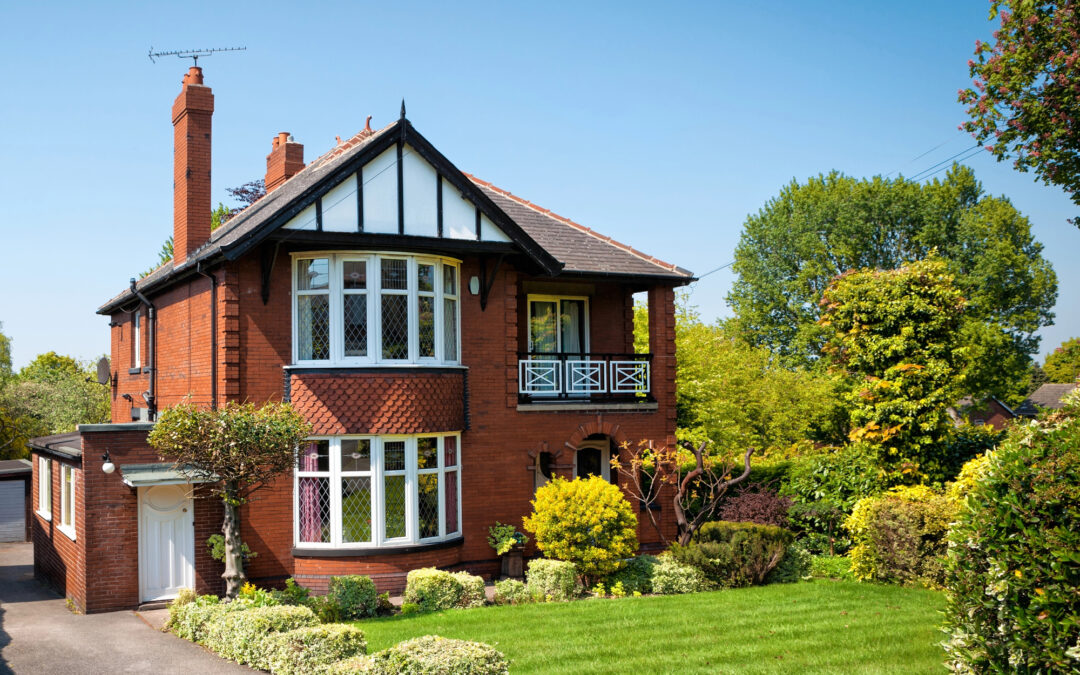
Your front garden tells a story before anyone knocks.
Overgrown hedges, cracked paving, bins visible from the street. They all say something. But usually not what you want.
Kerb appeal matters. Not just for resale value, though estate agents will tell you it makes a difference there too. It matters because you see your front garden every single day. Coming home should feel good. Walking up to a tired, neglected entrance does not.
The good news? Most kerb appeal improvements are simpler than you think. You do not need to redesign everything. Small changes create big visual shifts.
Why kerb appeal actually matters

First impressions form fast. Visitors make judgments in seconds.
A well-maintained front garden signals that the rest of the property receives the same care. A neglected one raises questions. What else has been overlooked?
According to research by the Royal Institution of Chartered Surveyors, improving your front garden can add between 5% and 10% to property value. On a £300,000 home, that is £15,000 to £30,000. Not a bad return for some paving and planting.
But resale is not the whole story. You live with your front garden daily. It affects how you feel pulling into the driveway or walking up the path. A space that looks cared for lifts your mood. One that reminds you of tasks undone does the opposite.
Front gardens also affect your street. Neighbours notice. Not in a judgemental way necessarily, but well-kept properties encourage others to maintain standards. One tired front garden drags down the whole row.
Start with a proper clear out
Before adding anything, remove what does not work.
Dead plants in pots that have sat there for three winters. Weeds pushing through gravel. That broken planter you meant to fix two years ago. All of it creates visual clutter that undermines everything else.
Bin storage is often the biggest eyesore. Most councils now provide multiple bins. Leaving them permanently visible by the front door looks terrible. If you cannot build dedicated storage, at least position bins where they are less prominent. Behind a wall. Tucked to the side. Anywhere that is not the focal point of your entrance.
Sweep hard surfaces. Power wash if necessary. Algae and moss make paving look old and neglected even when the surface is structurally fine. A few hours with a pressure washer transforms appearance dramatically.
Cut back overgrown plants. Shrubs that have outgrown their space and hedge that blocks windows both need trimming. You can always replant later if gaps appear, but getting rid of overgrowth creates an instant improvement.
Fix the obvious maintenance issues

Small repairs make a surprising difference.
Cracked paving trips people and looks bad. Replacing a few broken slabs costs little but changes the overall impression significantly. Loose edging that has shifted over time makes paths look untidy; securing it takes an hour but reads as proper maintenance.
Peeling paint on front doors, gate posts, or window frames catches the eye. Repainting is a weekend job that refreshes the whole entrance. Choose colours that suit your property type. Period homes often suit traditional colours. Modern builds can take bolder choices.
Rusty gates need treating or replacing. A gate that drags on the ground and has to be lifted to close frustrates daily and looks neglected. New hinges or a replacement gate both solve this.
Clean windows and fascias. You stop noticing dirt build-up when you see it every day, but visitors clock it immediately. A quick clean makes everything look fresher.
Rethink your front path
The route from pavement to front door sets the tone.
Straight paths suit formal properties. Curved paths work better with informal planting styles. Either way, the path needs to be wide enough for comfortable walking. Narrow paths hemmed in by overgrown plants force visitors to walk single file and brush against wet foliage.
Path materials should suit your house. Victorian terraces often had geometric tile paths. Restoring or recreating this detail adds character. Modern homes can take sleeker materials like porcelain or resin-bound surfaces.
Edging defines paths clearly. Without it, gravel migrates and plants encroach. Proper edging keeps everything in place and looks intentional rather than haphazard.
Lighting along paths helps after dark and creates atmosphere. Solar lights are the easy option but quality varies wildly. Mains-powered LED fixtures give better light and reliability. Low-level fittings illuminate the path without glaring in eyes.
Sort out your planting

Plants soften hard landscaping and add life.
But they need to earn their place. High-maintenance planting in front gardens rarely gets the attention it needs. Choose plants that look good with minimal fuss.
Evergreens provide year-round structure. Box balls, lavender, and small shrubs like pittosporum hold their shape and stay green through winter. They create permanent features that anchor your planting scheme.
Perennials add seasonal colour without the replanting annuals demand. Salvias, geraniums, and ornamental grasses all perform well in front gardens and tolerate some neglect.
Containers by the front door create focal points. Seasonal planting in pots lets you change displays without redesigning beds. Buy ready-planted pots if you do not enjoy gardening. The cost is modest and they look good immediately.
Climbers on walls add vertical interest. Jasmine smells beautiful. Roses add colour. Ivy covers ugly walls fast. Just make sure whatever you plant suits the available light and will not damage the building.
For more comprehensive changes, professional front garden transformation addresses layout, drainage, and material choices alongside planting.
Deal with parking without killing the garden
Many front gardens must accommodate cars. The challenge is doing so without creating a concrete desert.
Permeable surfaces are increasingly required by planning rules. If you pave more than five square metres with impermeable materials, you need permission unless water drains to a permeable area. This is not just bureaucracy; it reduces flooding risk and water pollution.
Permeable options include resin-bound surfacing, permeable block paving, and gravel with proper sub-base. All allow water through while providing solid parking.
Gravel is the cheapest option but needs stabilising grids to prevent ruts forming. Loose gravel migrates onto paths and lawns, creating mess.
Grass pavers let you park on grass without turning it to mud. Plastic or concrete grids support vehicle weight while grass grows through the openings. This only works in areas that get enough light for grass to thrive.
Keep some planting even if parking dominates. Beds along boundaries or a strip beside the house soften the impact of hard surfacing. Even narrow beds support hedging or structural shrubs that break up expanses of paving.
Create a boundary that suits your property

Front garden boundaries affect kerb appeal significantly.
Low walls suit period properties. If you have original walls, repair rather than replace them. New walls should match the house in material and style. Random modern materials on Victorian houses look wrong.
Hedges provide living boundaries that soften hard landscaping. Box, privet, and beech all clip into neat hedges. Keep front hedges below 1.2 metres so they do not block sightlines for cars pulling out.
Railings complement Victorian and Edwardian homes. Original railings were often removed during wars; reproduction designs can restore period character without enormous cost.
Fencing is quick and affordable but can look defensive. Close-board fencing particularly risks making front gardens feel closed off. If you need screening, slatted panels or painted picket fences feel more welcoming than solid barriers.
The boundary between driveway and planted areas needs clear definition. Metal or timber edging keeps gravel in place. Brick or stone edging suits period properties. Without it, materials mix and the whole garden looks messy.
Add details that finish the look
Small touches complete the transformation.
House numbers that can actually be read help visitors and delivery drivers. Numbers mounted on walls or gate posts need to be large enough and lit well enough to see from the street.
Doorbells that work and door furniture that matches create a polished entrance. Mismatched letter boxes, door handles, and knockers look haphazard. Replacing them with a coordinated set costs little but elevates the overall impression.
Pot plants either side of the front door frame the entrance. Symmetrical planting suits formal properties. Matching pots create rhythm even when planting is informal.
Welcome mats or doormats stop mud tracking into the house and add a homely touch. Choose materials that drain and dry quickly so they do not stay sodden in wet weather.
Outdoor lighting transforms front gardens after dark. Uplighting architectural features, lighting paths, and illuminating house numbers all add atmosphere and security.
Maintenance that keeps improvements looking good

Transforming your front garden is one thing. Keeping it looking good is another.
Choose materials and plants that suit your maintenance appetite. If you hate gardening, extensive planting beds will frustrate. If you do not mind occasional weeding but hate mowing, artificial grass might make sense.
Set a realistic maintenance schedule. Front gardens need less attention than back gardens but cannot be ignored entirely. An hour every few weeks keeps things under control. Leave it for months and you are back to overgrown and neglected.
Seasonal tasks matter. Spring needs tidying after winter and refreshing containers. Summer requires watering if you have pots. Autumn means sweeping leaves before they turn slimy. Winter is for checking drainage and planning changes.
Weed control makes the biggest visual difference for the least effort. Keeping hard surfaces weed-free and beds tidy prevents the neglected look creeping back. Regular light weeding beats occasional marathon sessions.
Quick wins for instant improvement
Some changes deliver immediate results.
Painting your front door takes a day and costs under £50. The impact is enormous. A fresh, bold colour draws the eye and lifts the whole entrance.
Pressure washing paving, walls, and the house front removes years of grime in hours. The difference between dirty and clean surfacing is night and day.
New house numbers mounted prominently make finding your property easier and signal attention to detail.
Replacing dead or dying plants in prominent positions removes eyesores. Even if you leave beds bare for replanting later, removing obviously dead plants improves appearance.
Trimming hedges and cutting back overhanging plants opens up the garden and makes it feel cared for. You can be strategic about replanting, but overgrowth needs addressing immediately.
Cleaning windows, especially front-facing ones, brightens the house front. Sparkling glass makes everything look fresher.
When to call in professionals

Some front garden improvements suit DIY. Others benefit from professional help.
Structural changes like new driveways, rebuilding walls, or installing drainage all need proper expertise. Mistakes with foundations or drainage create expensive problems. According to guidance from the National House Building Council, proper groundwork prevents subsidence and drainage issues that undermine landscaping investments.
Design services help when you know the current setup is not working but cannot visualise solutions. Professionals see possibilities you might miss and avoid costly mistakes.
Large-scale planting works better with expert input. Understanding soil conditions, aspect, and plant compatibility prevents buying things that will not thrive.
Materials selection benefits from experience. The range of paving, edging, and surfacing options is vast. Professionals understand durability, maintenance requirements, and suitability for different uses.
Anything involving electrics for outdoor lighting needs qualified work. DIY electrical work outside rarely meets building regulations and creates safety risks.
Budget-friendly approaches
Kerb appeal improvements do not require huge budgets.
Prioritise high-impact, low-cost changes first. Cleaning, trimming, painting, and minor repairs cost little but transform appearance.
Phase larger projects over time. Replace paving one section at a time. Replant beds gradually rather than all at once. Spreading costs makes improvements affordable while maintaining momentum.
Choose materials wisely. Premium natural stone looks beautiful but costs significantly more than good-quality concrete or porcelain. For front gardens where durability and appearance matter more than authenticity, modern alternatives often make sense.
Do some work yourself where skills allow. Painting, planting, and simple maintenance all suit DIY. Save professional budgets for structural work, design, and anything requiring specific expertise.
Shop around for materials. Prices vary widely between suppliers for identical products. Bulk buying can deliver savings if you are doing multiple areas.
Your front garden deserves attention. It is the first thing you see coming home and the first impression visitors form. Small improvements compound. Even simple changes create welcome that lasts.
Related
<!–
–>