
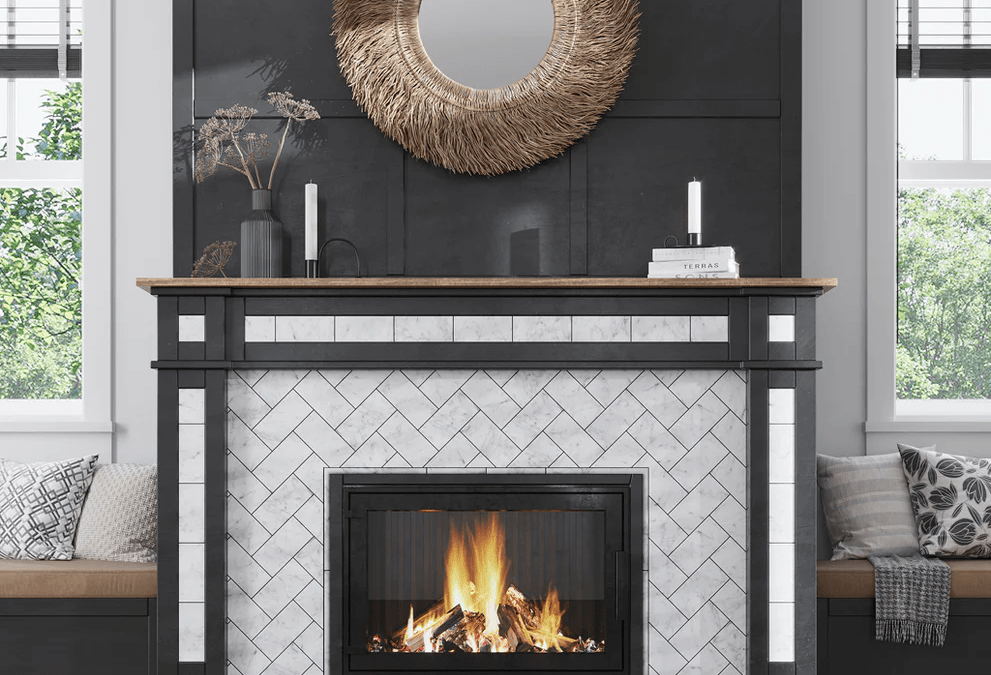
Great design isn’t always bold or dramatic; sometimes, it is the small details that bring a room to life. One design element that does just that is pencil tiles. Slender, refined, and versatile, pencil tile trims are a great detail for designers and homeowners who want to add refinement to a tiled surface. Used everywhere from kitchens and bathrooms to feature walls, they create clean lines, seamless transitions, and a beautifully polished finish.
Why is Pencil Tile Trim a Special Detail?

Pencil tiles can be described as slim, elongated trims used for concealing the edges of a tiled surface. They frame the area where tiles meet another tile or a non-tile surface. It is this adaptability that makes pencil trims a necessary addition. They can also accentuate features such as backsplashes or shower niches with a polished look.
Made from materials such as porcelain, ceramic, marble, and glass, these edge trims provide durability. Their slim profile enables them to blend well in an area, making them a great match for contemporary and classic interiors. Moreover, standard tiles come with matching trims, in different finishes, from glossy to matte to honed, allowing for a cohesive design.
Pencil Tiles in Kitchen Design
Kitchens are the hub of a home, and the design of a backsplash really helps in defining the space. That is where pencil tiles excel. Detailing can be very precise and creative in its use. This tile trim can make an ordinary kitchen backsplash stand out, whether it’s to highlight a unique pattern or simply protect from daily messes.
Adding Elegance to Bathrooms

In bathrooms, pencil tiles are great for edging around tiled walls, framing mirrors, or defining shower edges. These tile trims carve out areas without causing visual overwhelm. For example, lining a shower niche with pencil tile conceals sharp edges and creates a luxurious accent that adds to the beauty of the surrounds.
Enhancing Living Spaces
Not only can pencil tiles work wonderfully in both kitchens and bathrooms, but they also bring subtle architectural detail to living areas, too. They work beautifully around fireplace surrounds, feature walls, or even open plan shelves, offering neat lines that help pull a room together. By framing specific sections or creating gentle separation in open-plan layouts, pencil tiles bring structure and refinement into everyday living.
Using Pencil Tiles Outdoors
Pencil tiles can be laid outdoors if they are chosen in durable materials like porcelain. They are excellent for revamping patio feature walls, outdoor kitchen backsplashes, or decorative garden walls. These trims define borders, transition between surfaces, and create a polished visual that stands the test of fluctuating weather conditions. Pencil tiles add both function and beauty to exterior spaces, continuing the design language of the home from the inside out.
Choosing the Right Material

The material for pencil tiles should be chosen with care to provide both durability and cohesiveness. Porcelain pencil tiles are durable and can withstand moisture, hence fitting for bathrooms and kitchens. Ceramic comes in an array of colors, ideal for decorative walls and backsplashes. Glass pencil tiles add a reflective quality, often used to brighten spaces and add a contemporary edge. Other classic options include marble pencil tiles, which boast natural veining and a rich finish to give any room a truly timeless and high-end appearance.
Material selections must be made in concert with the purpose of the space and the overall design scheme.
Installation Tips for Pencil Trims
Install a pencil trim at the same time as standard tiles, and in the same manner. Using the right adhesive and grout selection is crucial in areas subjected to moisture, such as bathrooms and kitchens.
A high-quality waterproof adhesive will ensure that the tiles and trims are well bonded and long-lasting. For grout, choose between sanded or unsanded based on the tile material, joint width, and area of installation. Whether set vertically or horizontally, pencil tiles can transform walls or floors from ordinary to outstanding.
Maintenance and Longevity
One of the key benefits of pencil tiles is that they require very little maintenance. Most materials are resistant to stains, moisture, and wear. All that’s needed is simple cleaning with any mild detergent to appear like new. For wet and high-traffic areas, specific materials such as marble should be sealed every 1-2 years or sooner to protect against moisture damage. Porcelain, glass, and ceramic options do not require sealing, but grout lines do..
By investing in quality pencil tiles, homeowners can ensure their spaces stay stylish and functional for years to come. The durability of these tiles, combined with the aesthetic appeal, makes them cost-effective for long-term design projects.
Conclusion
With pencil tiles, it is not only about decoration; you are changing the whole design language of your home. Their subtle charm, durability, and adaptability make them a worthy investment with great benefits on both aesthetic and functional grounds. Discover the range of pencil tile options for homeowners and designers looking for ideas to provide the perfect complement to standard tiles. Whether your style is modern, traditional, or somewhere in between, pencil tiles are a versatile and elegant solution to elevate every corner of your home.
Related
<!–
–>