by Furnishly | Mar 23, 2022 | Design Inspiration, Style
Ah, spring. The fresh flowers, the end of blizzards and digging your car out of the snow, and… the arrival of tax season. For many people, it’s a welcome arrival: a reminder that a refund is coming. But for the rest, you might owe Uncle Sam a hefty chunk of dough. If you’re stressing over getting your taxes done this year, here’s a look at some ways to get through the process for less.
When are taxes due in 2022?
In more ways than one, 2022 is a little bit different than other years. Tax Day, or the day your income tax returns are due to the federal government, is normally April 15. However, most taxpayers in America have until April 18 to file their taxes in 2022. However, in Massachusetts and Maine, the last day you can file your taxes in 2022 is April 19. The best way to avoid paying interest or penalties is to make sure to file on time. There are exceptions, of course: If you are the victim of a natural disaster in the last year, you may qualify for an additional extension.
Look into local free tax programs
Taxes are complicated. Luckily, many cities across the country recognize this, and provide services to allow you to get your taxes done at a minimum cost. For instance, if you earned less than $60,000 in 2021, the Boston Tax Help Coalition allows you to work with their neighborhood tax preparation sites to prepare and file your taxes for free, either in person or virtually. Of course, these services are restricted to people who live in the city of Boston, but many other cities and states have similar free tax programs that are listed on their websites.
Free options through the IRS
Why is it so cheap? Well, you’re not being assisted by a seasoned professional, says Mark Jaeger, Vice President of Tax Operations at TaxAct. “You’re not getting the same personal guidance you may get from programs that cost money,” said Jaeger. “For example, direct access to ask questions to a CPA, or assistance in setting up a 401k.” This would be a good pick if you’re more than confident completing the process on your own.
Free options from the big companies
If you’d prefer to go with a larger, well-known tax program, the big software companies like Tax Act, H&R Block, and Liberty Tax offer some sort of free product. However, they’re usually based on different tiers of services needed, and they escalate in price based on the complexity of your taxes.
“If your tax situation is minimal, the cost of using the products should be low, if not free,” said Jaeger. “If your tax situation has increased as you go throughout life, that’s when you may start seeing a charge or a higher price to file. It’s gonna be much higher for those who have a business or rental properties.” That’s why it’s important to do your research beforehand to pick a product that meets your needs.
For many people, the best answer to how they should do their taxes comes from asking for opinions from people they trust. “It’s doing the research and asking around your family members and friends to see what they’re doing and what recommendations and tips they have,” said Jaeger. “A lot of times, it’s referring a friend that can lead you down that path with taxes the same way they do with anything else in your life.”
This piece is part of Money Month, where we’re covering everything from side hustles to down payments to a beginner’s guide to investing. Head over here to read more!
Megan Johnson
Contributor
Megan Johnson is a reporter in Boston. She got her start at the Boston Herald, where commenters would leave sweet messages like “Megan Johnson is just awful.” Now, she’s a contributor to publications like People Magazine, Trulia and Architectural Digest.

by Furnishly | Mar 22, 2022 | Design Inspiration, Style
We independently select these products—if you buy from one of our links, we may earn a commission.
There’s been an understandable uptick in investing, thanks in part to the gamification of investing (ahem, enter the GameStop millionaires) and plenty of viral personal finance TikToks. According to Fortune, more than 67 percent of women are investing outside of their retirement accounts — a number that has nearly doubled since 2018. While welcome news, there’s still a large population of people who want to invest but don’t know where to start.
If you’re hoping to enter the world of investing or want to diversify your portfolio in 2022, here are the books to read, people to follow, and attitudes to drop to finally get comfortable with money.
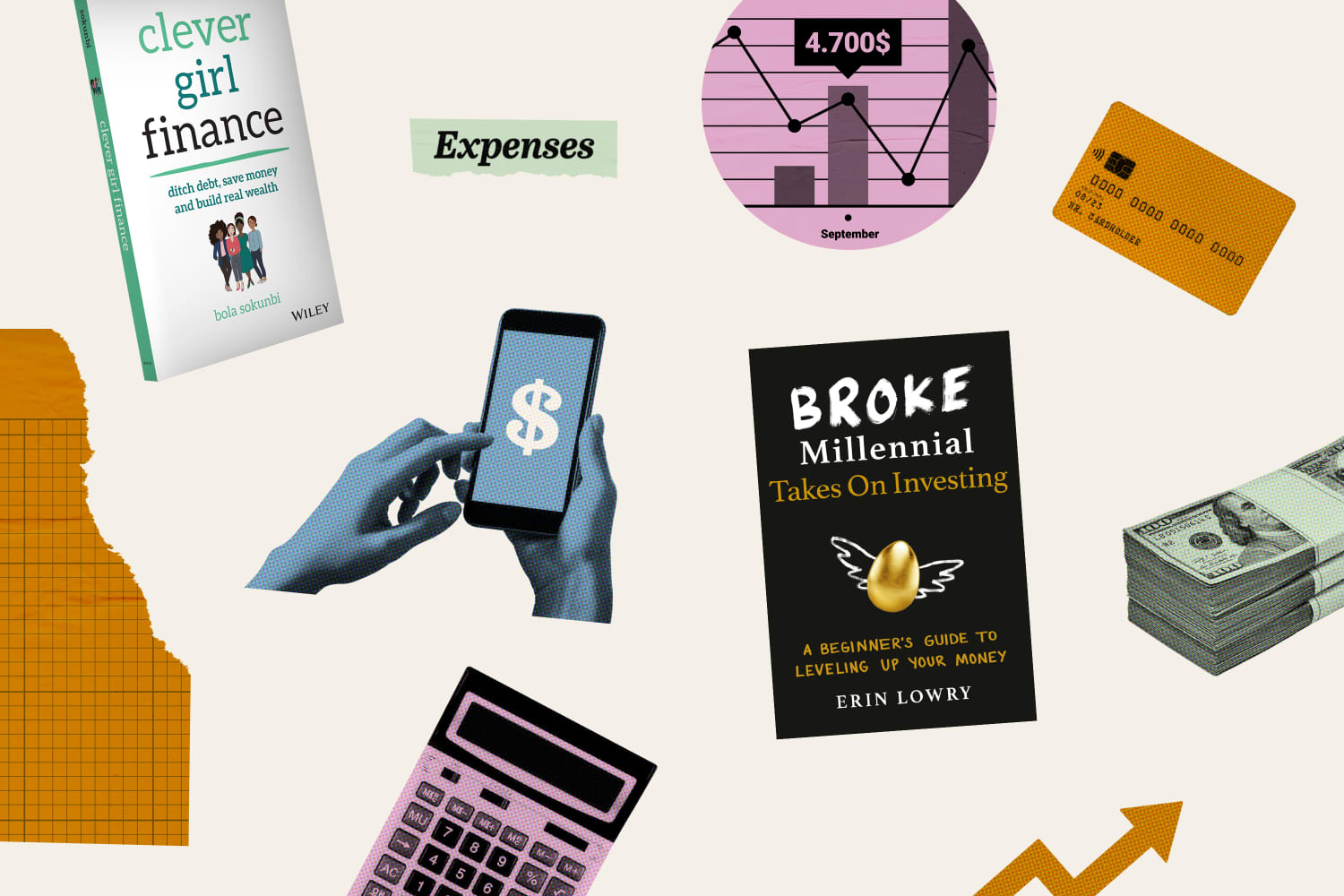
When it comes to building financial literacy, picking up (or listening to) a book is one of the best first steps a beginner can take. They can help expand a reader’s vocabulary and demystify otherwise foreign money concepts. And reading about money shouldn’t be tedious or complicated. That’s why we’ve curated a list for the investing beginner who appreciates no-nonsense advice, easy application, and relatability. Bonus: You don’t have to read a book cover-to-cover before getting started with investing. Consider these reads as helpful guides; flip to the pages when you need them, and dog-ear other chapters for future endeavors.
If books aren’t your first choice of learning, or you simply want a daily dose of digestible information, following personal finance influencers is a great option. However, it is the internet, and there are certainly scammers to be wary of. Here are three people worthy of space on your timeline.
Amanda Holden, aka “Dumpster Doggy”
If you’re looking for wealth management advice and want to laugh in the process, Amanda Holden needs to be your next follow. The online influencer spent years working in investment management, and now teaches women to invest sans a suit or condescending attitude. She’s a miracle worker for the individual who thinks they’re “not smart enough” or “not rich enough” to handle the topic of investing.
Tori Dunlap of Her First $100k
Known for her candor and no-BS communication style, Tori is a personal finance expert specializing in “financial feminism.” She’s taken her expertise to airwaves, hosting the “Financial Feminist” podcast. If you want to make more money this year or become less timid when talking about money, Tori is a great person to follow.
Bola Sokunbi of Clever Girl Finance
If you’re curious about investing but also crave more wealth management resources such as advice on everyday “necessities,” weekly personal finance challenges, and free guides, Clever Girl Finance must be on your list of accounts to follow. Ran by author Bola Sokunbi, her CGF brand delivers daily articles, encourages conversation, and takes an “everygirl approachability.”
“I need a fancy corporate job before I start investing.”
Personal finance and self-care expert Maya Fleming of the Gentler Podcast highlights narratives individuals need to unlearn as they begin to invest. “I think we’ve all [begun to unlearn] the false narrative of Oh, I need to be rich to start investing, but there is still a misconception that investing is a white-collar activity,” Fleming tells Apartment Therapy.
She shares that her current boyfriend works a blue-collar job and recently overcame this common mental block. “Some will wait until they’re at a ‘big girl job’ or an established company before investing. However, most of my career has been in the non-profit space. [From experience], I know there are options for those in differing fields.”
Fleming encourages investing beginners in adopting the belief that while the options can look different, the opportunity to invest is still there. “Even just understanding what your employer offers is a good first step. Many employers will bring in a financial expert once a year to explain company-sponsored investing options and hold space to talk about wealth management.”
Similarly, Tori Dunlap of Her First 100k emphasizes the value of time over money in the world of investing. “I cannot stress this enough: when it comes to investing, time is way more valuable than money,” she says. “Thanks to this really cool thing called compound interest, your money has the ability to significantly increase in value over time, and the sooner you start, the better!”
“I need to know everything about investing before I start investing.”
Fleming points out that many individuals don’t explore investing because of the false belief that you must know everything before doing anything. Beyond this being a self-limiting belief, Fleming shares that some of what is being taught online is cringe-worthy. “Examine the advice you’re getting. For example, I’m not a big fan of the advice to invest in the companies you love. You should be researching where your money is going.” She attributes her own literacy to platforms like The Financial Diet, Broke Millennial, and Your Money BFF.
Bola Sokunbi, author of “Clever Girl Finance,” shares a similar sentiment. She advises beginners to simply get a handle on the basics first. “To become a more confident investor, it’s important that you educate yourself on the basics of how investing works so you can minimize any fears you might have around investing, especially with all the short-term news about investing dips and spikes,” she says. “It’s also important that you truly understand your risk tolerance and that you view any investments you make with a long-term approach.”
To kick off your investing journey, sign up for a virtual workshop or online course. Taking your first step toward a financial glow-up can be intimidating, and a classroom environment might help with that. From self-guided teachings to virtual seminars, there are endless options for beginners. Consider signing up for one of the courses from the can’t-miss list below.
As a parting thought, Dunlap shares, “Finally, remember that investing is not a ‘get rich quick’ scheme. Investing is an extremely valuable resource for preparing for your financial future and building sustainable wealth, but it takes time, consistency, and patience.”
by Furnishly | Mar 20, 2022 | Design Inspiration, Style
Kara Nesvig
Contributor
Kara Nesvig grew up on a sugar beet farm in rural North Dakota and did her first professional interview with Steven Tyler at age 14. She has written for publications including Teen Vogue, Allure and Wit & Delight. She lives in an adorable 1920s house in St. Paul with her husband, their Cavalier King Charles Spaniel Dandelion and many, many pairs of shoes. Kara is a voracious reader, Britney Spears superfan and copywriter — in that order.
Follow Kara

by Furnishly | Mar 19, 2022 | Design Inspiration, Style
At the beginning of 2020, I decided to make the lofty goal of paying off the rest of my student loans before I turned 26. The thought of having to pay both health insurance and student loans at the same time put me in an anxious budgeting tizzy. Plus, it would seriously reduce the amount of interest I would pay over time.
I had approximately $15,000 of loans left at the time, so I knew I’d have to be a bit aggressive in my payoff: I would pay about $900 a month as opposed to the $220 required for the 20-year loan payment plan. While my plan seemed to be going swimmingly, albeit on a tight budget, things took an even tighter turn.
My company gave us five weeks of furlough and I decided to escape the city to live with my parents temporarily (while still paying rent). I was nervous I wouldn’t complete my goal, but I found myself spending a lot less, and with the government pausing interest on student loans until May, it’s allowed me to stay on track.
Despite not fully paying off my student loans (yet!), the money is there waiting to pay them off the second the interest rates kick in again in May. Here’s what the pandemic taught me about money.
Reevaluate what’s important.
Like most people, a lot of my IRL activities got temporarily canceled because of the pandemic, including both my gym membership and pricey barre subscription. When I transitioned to that GFH (gym from home) life, I had no idea what workouts to do. I ended up buying a discounted eight-week fitness guide from an influencer and decided to do the workouts in the ample space in my parents’ home.
While I did miss the class atmosphere and form corrections from instructors, I found myself getting stronger doing more bodyweight exercises a few days a week — even more so than from those costly barre classes. Because of this, I’ve decided not to commit to an expensive gym or a boutique workout class pack, but I take the occasional drop-in class. I still prioritize fitness, just in a more affordable way.
I’ve taken a similar approach to other things I was frivolously spending on, from clothing, to makeup, to quarantine games. I definitely cut back on all the above, but I still splurge from time to time — when there’s a sale.
Because of my at-home, not-doing-much lifestyle during the beginning of the pandemic, I found myself in the lucky position to not spend as much money. I decided to keep as much in savings as possible for the big student loan payoff plan. Later, through improving my financial literacy, I learned that money wasn’t doing much sitting there collecting $0.02 in interest each month in my savings account.
I knew I didn’t want to invest said money because, hello, I need to pay off my debt. But I found that this important cash would do better in a high-interest savings account where I get 0.50 percent annual percentage yield (APY). It was the easiest thing I’ve ever done to “make” more money each month and my savings feel even nicer with some padding.
Side hustle, but not too hard.
With a lack of a commute and more free time, I decided to finally take the plunge with freelance writing, which I had been putting off starting for a while. Things began slowly as I excessively pitched different media outlets, but after a few months, I started to earn a consistent income. It almost became addicting watching my monthly side hustle money hit a different goal each month. I’ve learned since then that it’s important to actually say no to some opportunities or to ask to push deadlines in order to not be working all the time. I’ve also started putting 30 percent of each freelance check into savings, so I can use that money later when I file my taxes.
Money goals are great, but so is life.
Through my mix of prioritization, extra cash flow, and smart savings, I now have more than enough to pay off my loans. However, I would never let it stop me from still enjoying my current life, especially as things begin to open up again, allowing me to take an in-person workout class or actually want to dress up for the first time in months. I now find myself weighing my social engagements with my finances a little more to decide what is actually valuable enough to be worth my time and money. There’s no need to live a FIRE (Financial Independence, Retire Early) life, when I can enjoy life now.

by Furnishly | Mar 13, 2022 | Design Inspiration, Style
Lauren Wellbank
Contributor
Lauren Wellbank is a freelance writer with more than a decade of experience in the mortgage industry. Her writing has also appeared on HuffPost, Washington Post, Martha Stewart Living, and more. When she’s not writing she can be found spending time with her growing family in the Lehigh Valley area of Pennsylvania.
Follow Lauren